




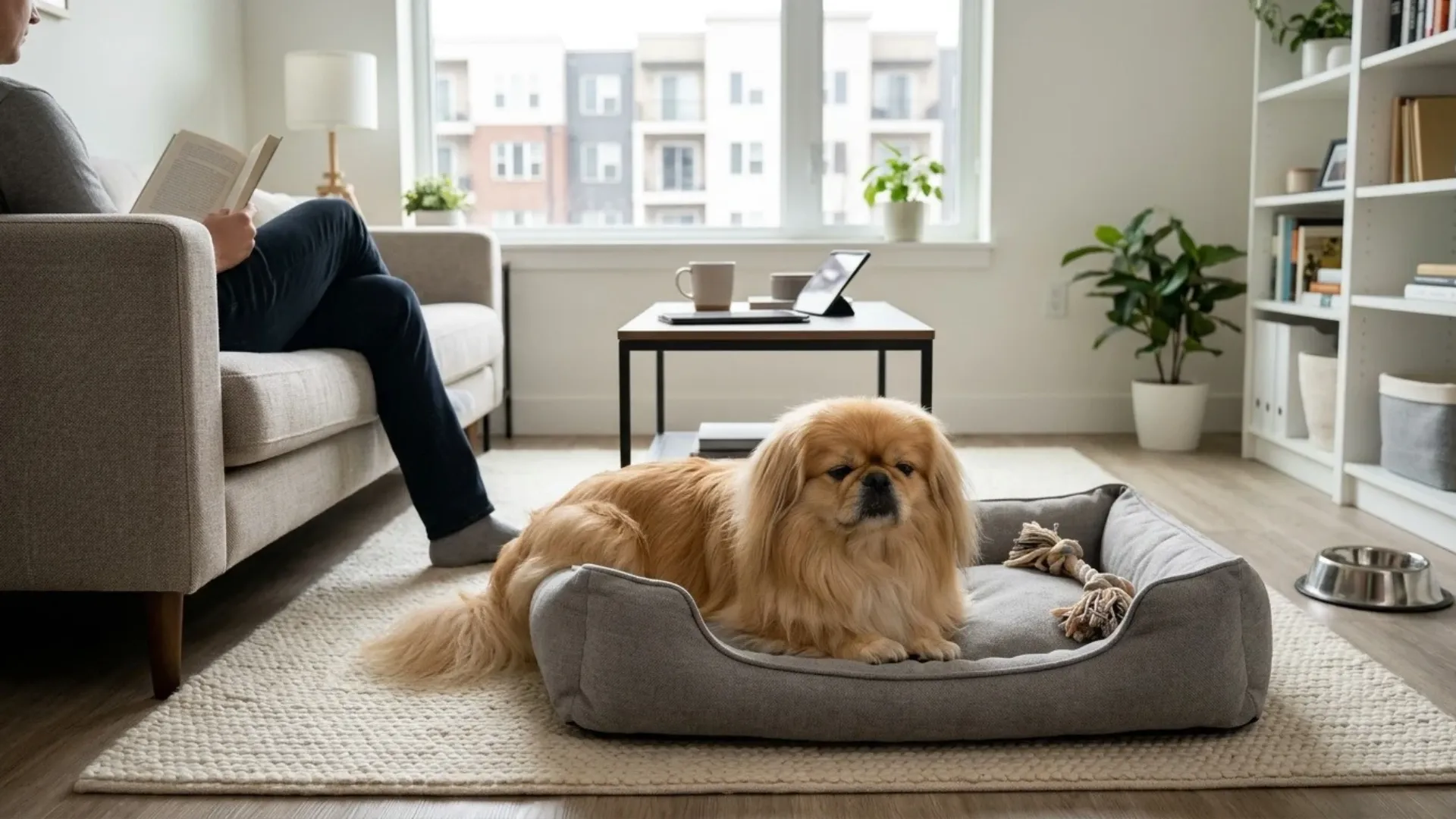
After a long day in the city, there’s something comforting about coming home to a dog that settles beside you rather than announcing every hallway sound. For apartment dwellers, a quieter companion can make shared-wall living feel more relaxed while still bringing plenty of warmth and personality.
A dog’s tendency to vocalize can vary with breed, temperament, environment, and training. Some breeds are naturally more reserved and may be less likely to bark at passing footsteps, unfamiliar noises, or everyday activity, making them worth considering for compact homes.
Of course, quiet living still requires daily walks, enrichment, socialization, and patience. The goal isn’t complete silence; it’s finding a companion whose natural communication style fits comfortably into your home.
FACT: No dog is completely silent, but some breeds are naturally much less vocal than others.
Low-Noise Dog Breeds for Apartment Dwellers
1. French Bulldog
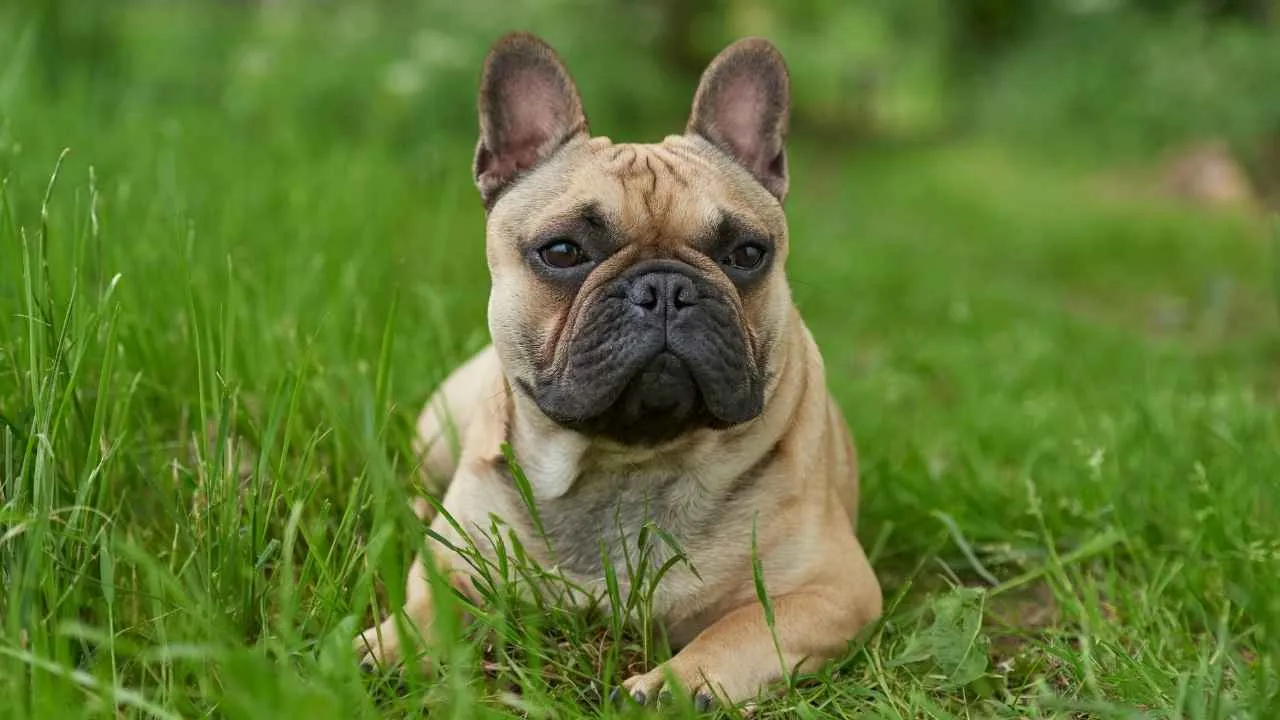
The French Bulldog easily defies the stereotype that small dogs are always noisy. Its naturally quieter personality makes it a comfortable choice for apartment dwellers who prefer a calmer household.
Playful and people-oriented, this breed enjoys staying close to its family rather than demanding constant activity. Its low-energy nature suits relaxed routines and smaller living spaces, where short walks and indoor play can often meet its exercise needs.
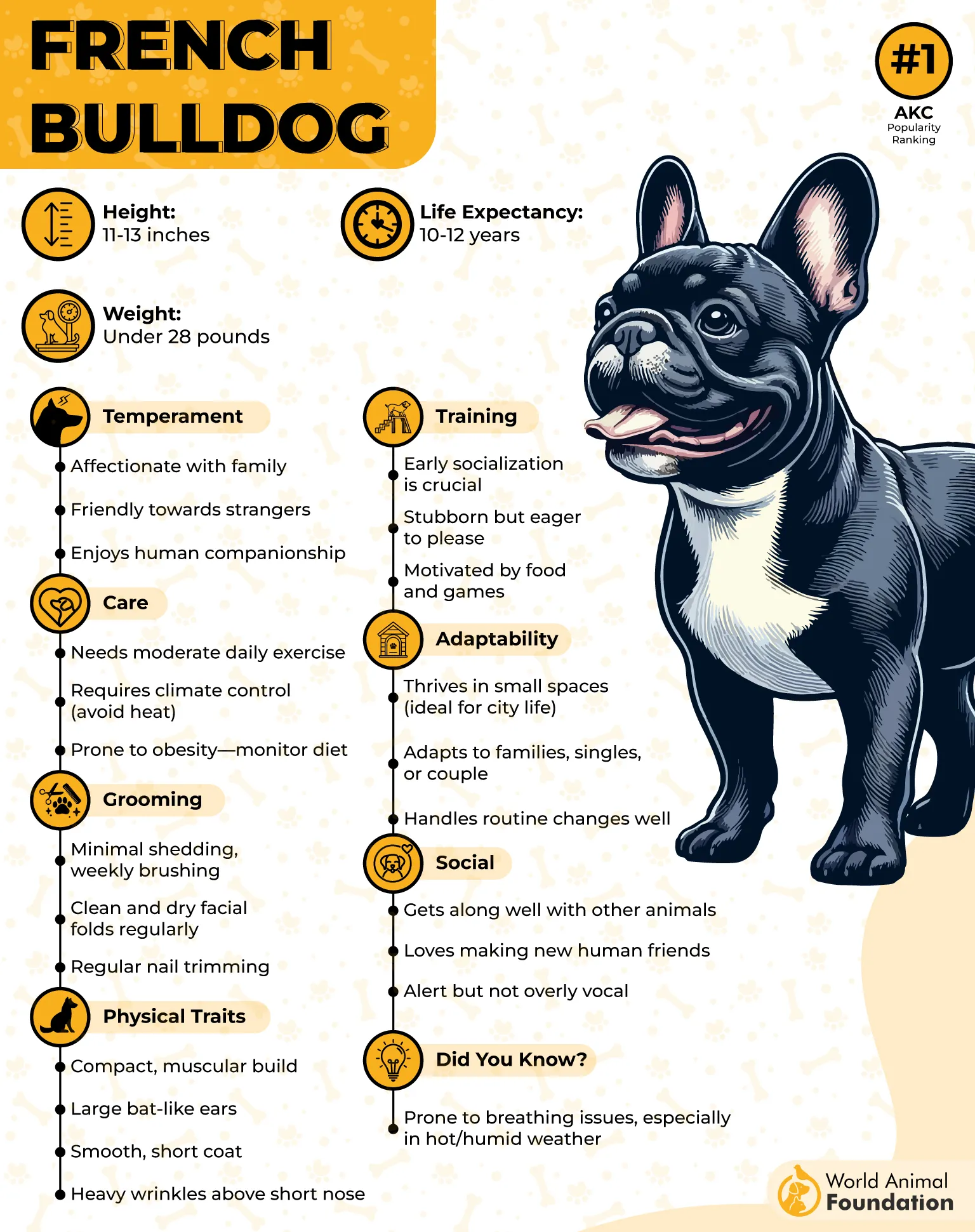
While Frenchies rarely bark without reason, they may speak up when someone approaches the door. Their alertness can add a little watchdog value without turning everyday apartment life into a chorus of barking.
Keep in mind that their shortened muzzle can make breathing and overheating concerns more likely, so strenuous exercise and hot weather should be avoided. They may also snore loudly and need regular cleaning around their facial folds.
2. Pug
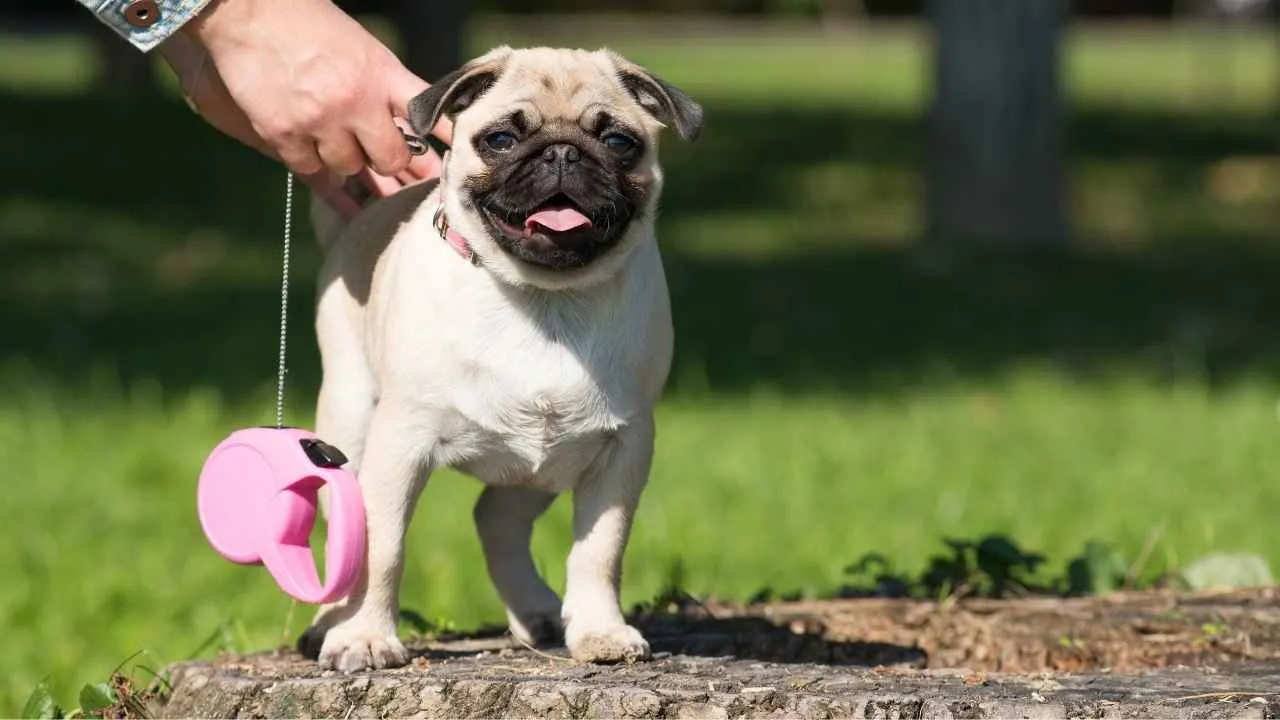
Pugs are natural apartment companions, thanks to their compact build and easygoing nature. They typically stay under 13 inches tall and around 18 pounds, making them comfortable in smaller living spaces.
Their moderate energy level means they do not need a backyard to stay content. Regular walks, indoor games, and plenty of chances to play can give a Pug the activity it needs without demanding lots of room. According to PetMD, they are eager to please and enjoy being involved in their household’s daily activities.
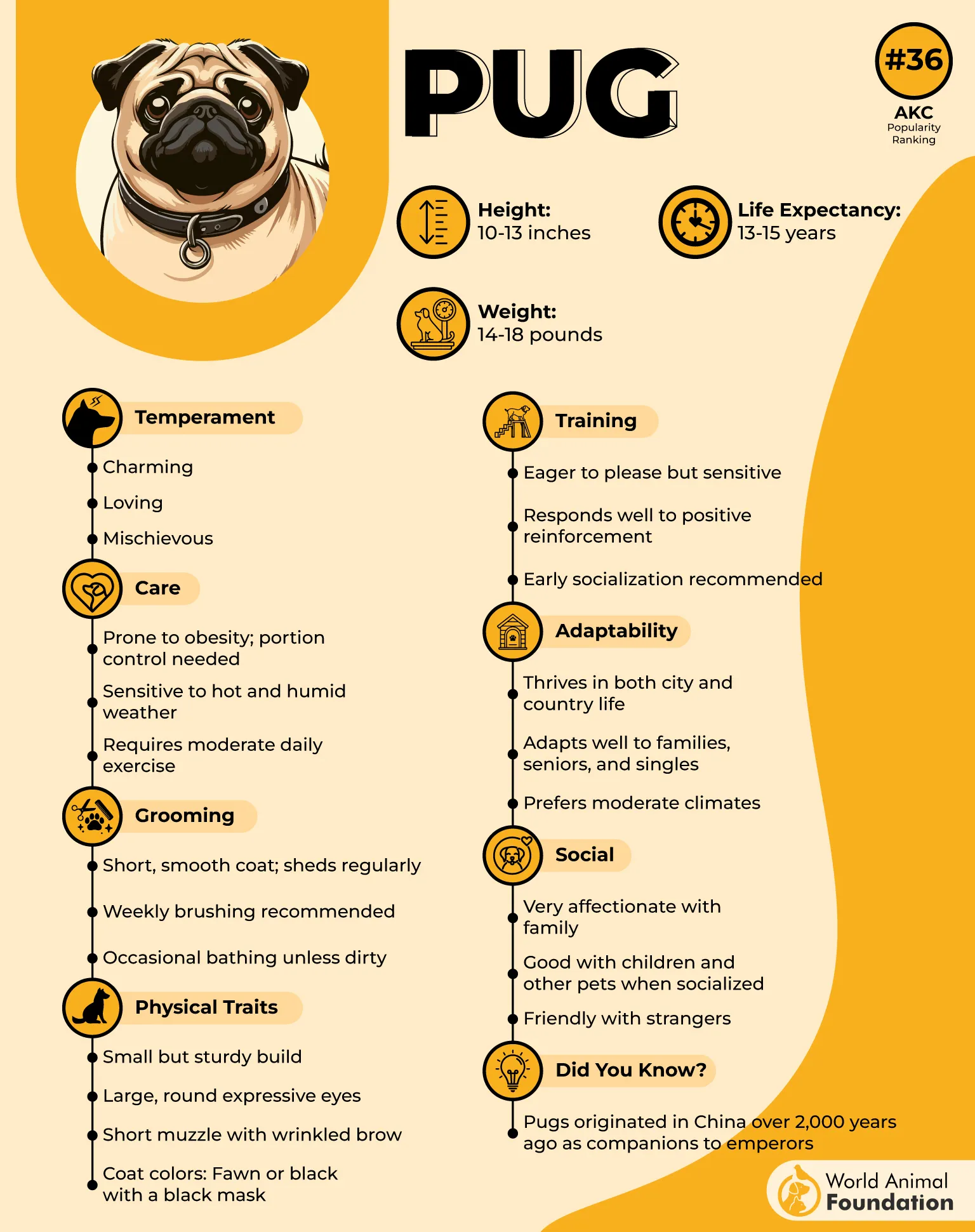
If you’re hoping for a dog that keeps the noise down, a Pug can be a good fit. They generally do not bark excessively, although they may alert you when something catches their attention.
Of course, quiet does not mean silent. Their short airways can produce plenty of snorts and snuffles, while those famous wrinkles need regular cleaning. Keeping their weight in check is also important for their comfort.
3. Pekingese
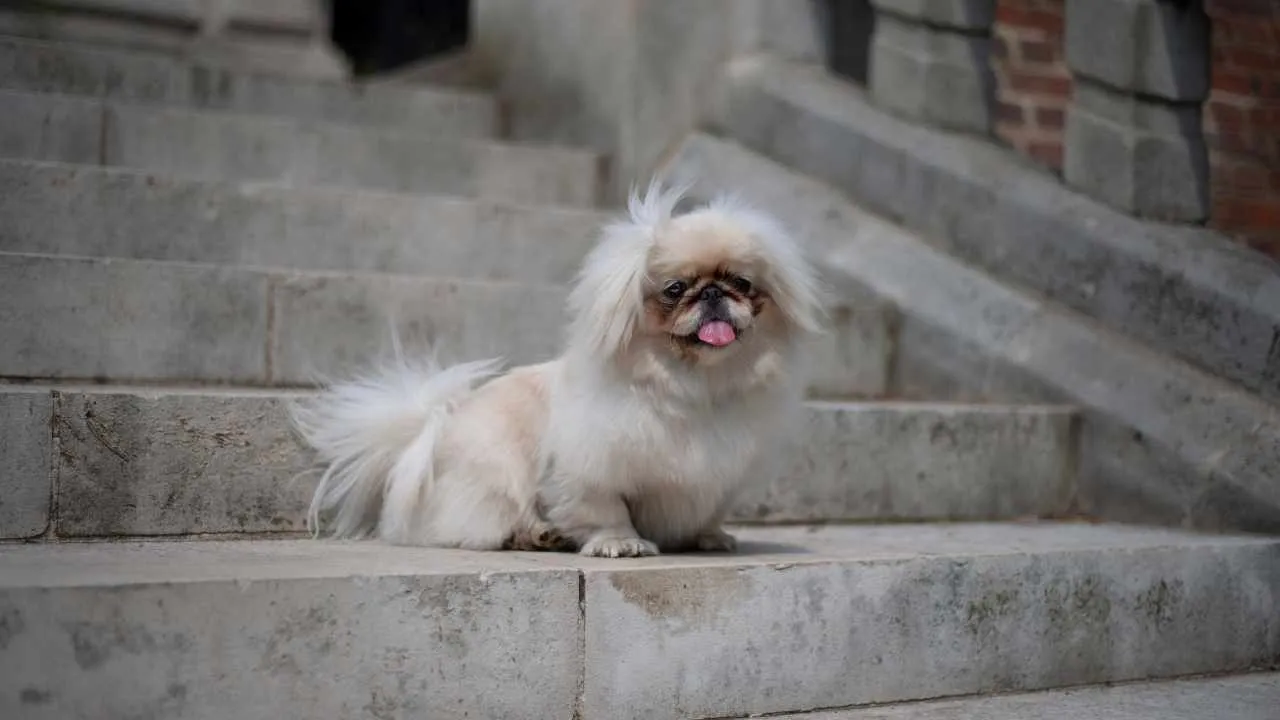
With its dignified expression and almost royal air, the Pekingese brings a surprisingly independent personality to apartment life. This little companion is deeply loyal, forming strong bonds with the people it considers family.
Inside the home, the Pekingese tends to prefer a slower pace rather than constant activity. Its very low energy level makes it well suited to owners who enjoy relaxed days and a quieter routine.
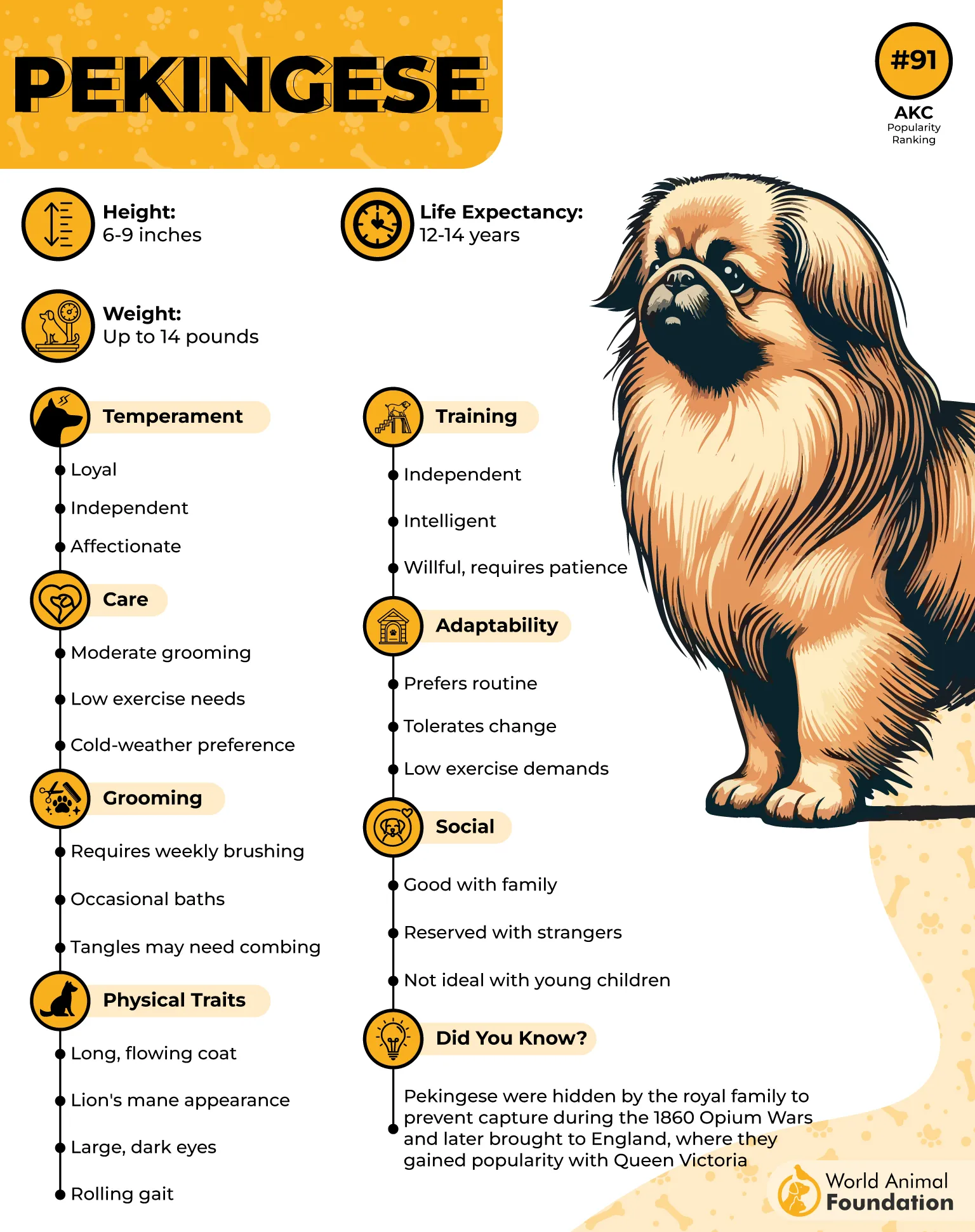
Although generally calm, this breed can become vocal when something catches its attention. That tendency is worth considering in an apartment, where nearby neighbors may hear an unexpected burst of barking.
Its long, dense double coat adds to its distinctive appearance and gives the Pekingese an unmistakably regal look. Beneath all that luxurious fur is an affectionate companion that enjoys being close to its chosen people.
4. Japanese Chin
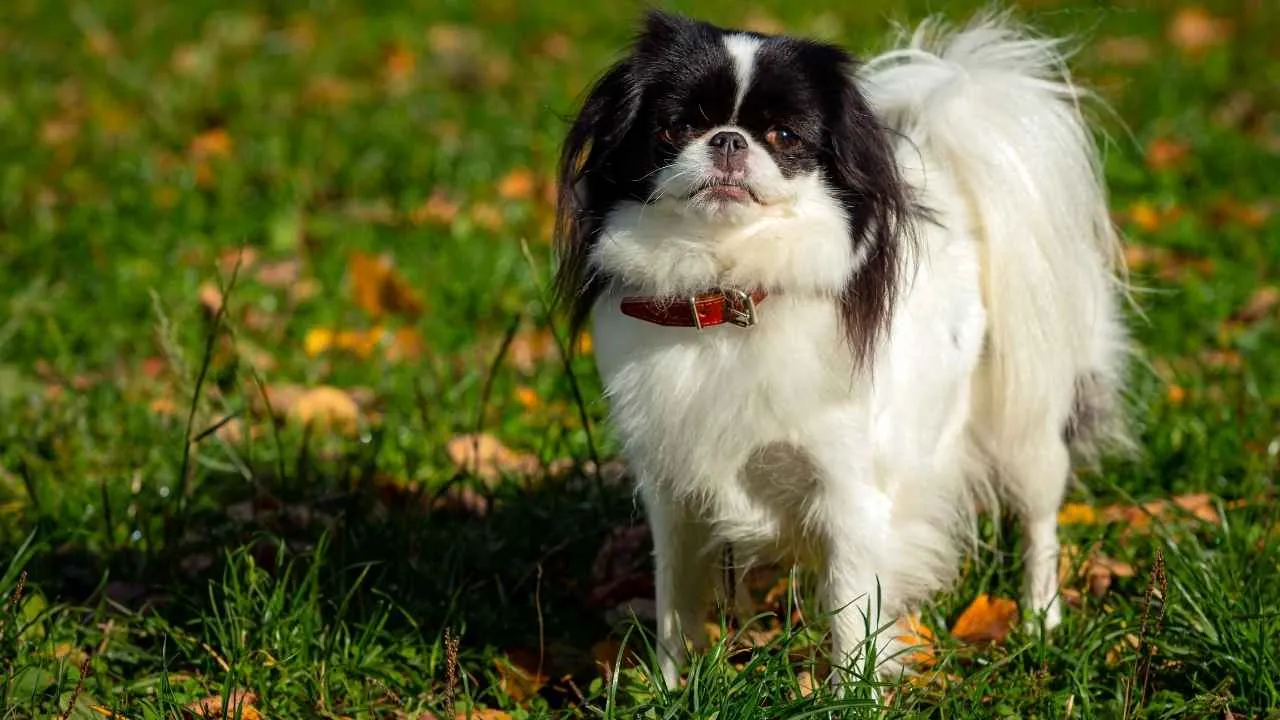
The Japanese Chin brings a gentle, almost soothing presence to apartment life. This tiny companion is naturally calm and enjoys spending time indoors, making it a lovely fit for homes where peace matters. According to Purina, the Japanese Chin is a devoted family pet.
Known for its cat-like personality, the breed is graceful, quiet, and content to curl up in a favorite spot. Its relaxed nature means it does not demand extensive exercise to stay happy.

Despite its delicate appearance, the Japanese Chin enjoys affection and family companionship. It can be especially endearing for older apartment residents, while its cuddly personality can also make it a pleasant presence around children.
Although generally quiet, it can become vocal when lonely or anxious. Regular attention, gentle training, mental stimulation, and social interaction can help this sensitive little companion feel secure.
5. Bolognese
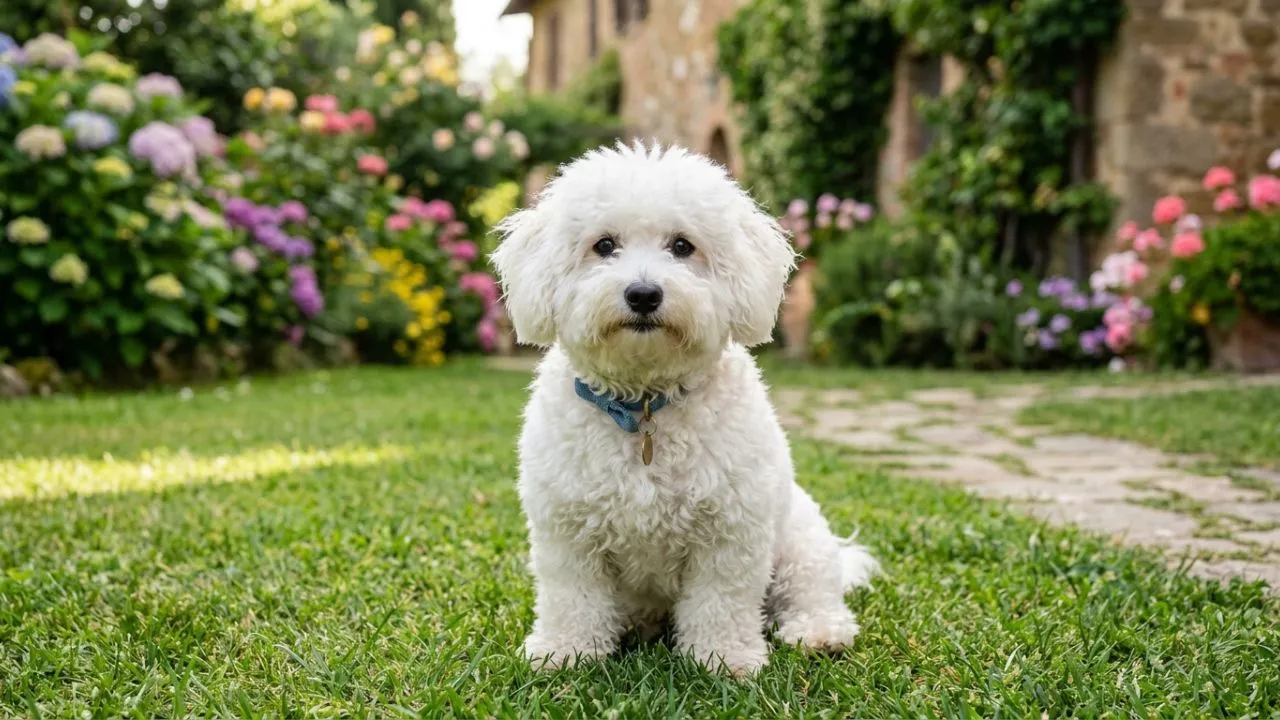
The Bolognese is a devoted little companion known for its affectionate nature and strong attachment to its people. Its soft, cotton-like white coat is low-shedding, while its gentle personality suits a peaceful apartment setting.
This breed prefers staying close to its favorite humans and may happily follow them from room to room. Its compact size also makes it easy to include in everyday activities, especially for owners who enjoy having their dog nearby.
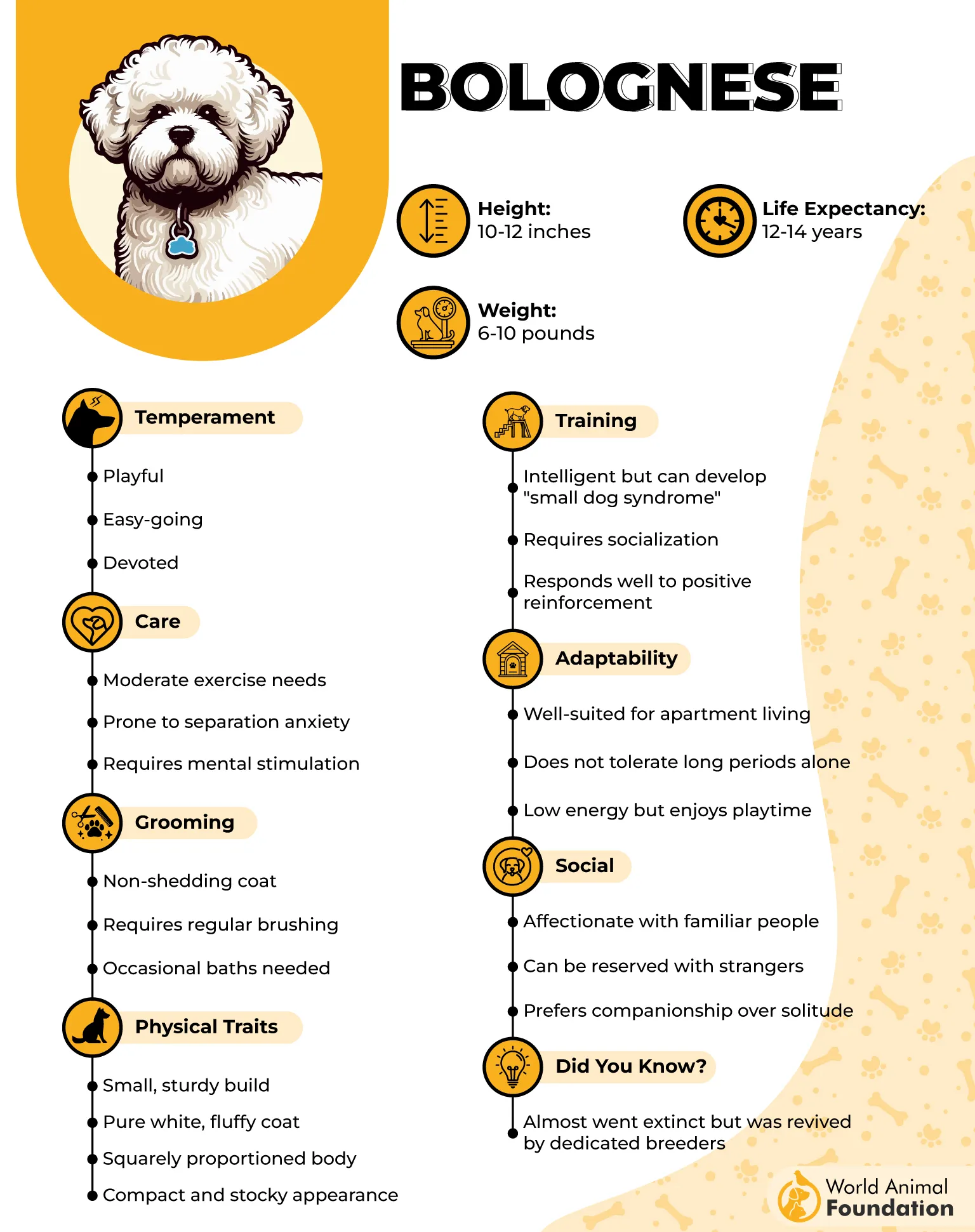
Despite its quiet nature, the Bolognese can be alert and somewhat territorial, giving it a useful watchdog instinct. Early socialization can help it feel more comfortable around unfamiliar people and prevent its protective side from becoming excessive.
With modest exercise needs, this fluffy companion is generally satisfied with relaxed indoor living and short bursts of play. Regular grooming is important to keep its beautiful coat in good condition, but its calm, people-focused temperament makes it well suited to quieter homes.
6. Coton de Tulear
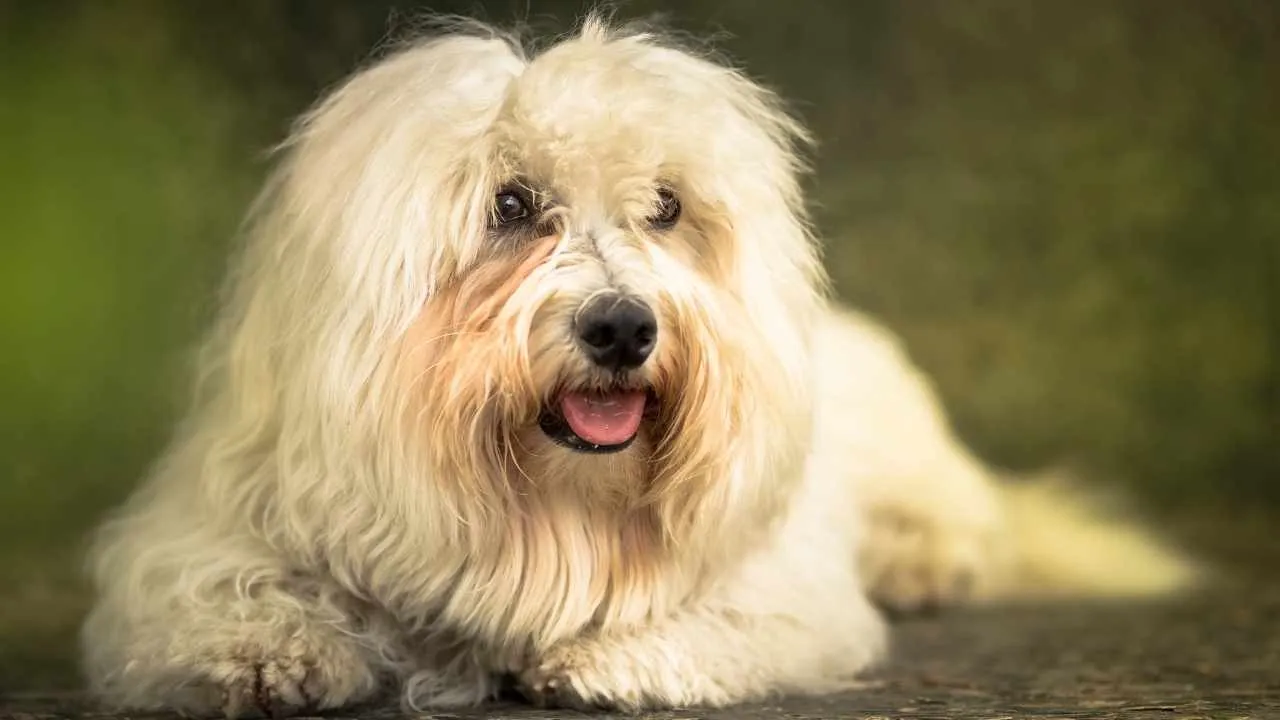
The Coton de Tulear is a cheerful little companion that thrives on being close to its favorite person. Loyal and affectionate, this breed enjoys tagging along for everyday activities, whether you are heading out for coffee or simply checking the mailbox.
Apartment life can suit the Coton especially well because it is not known for being excessively yappy. While it may alert you when guests arrive, its unusual vocalizations can sound more like playful attempts at conversation than constant barking.
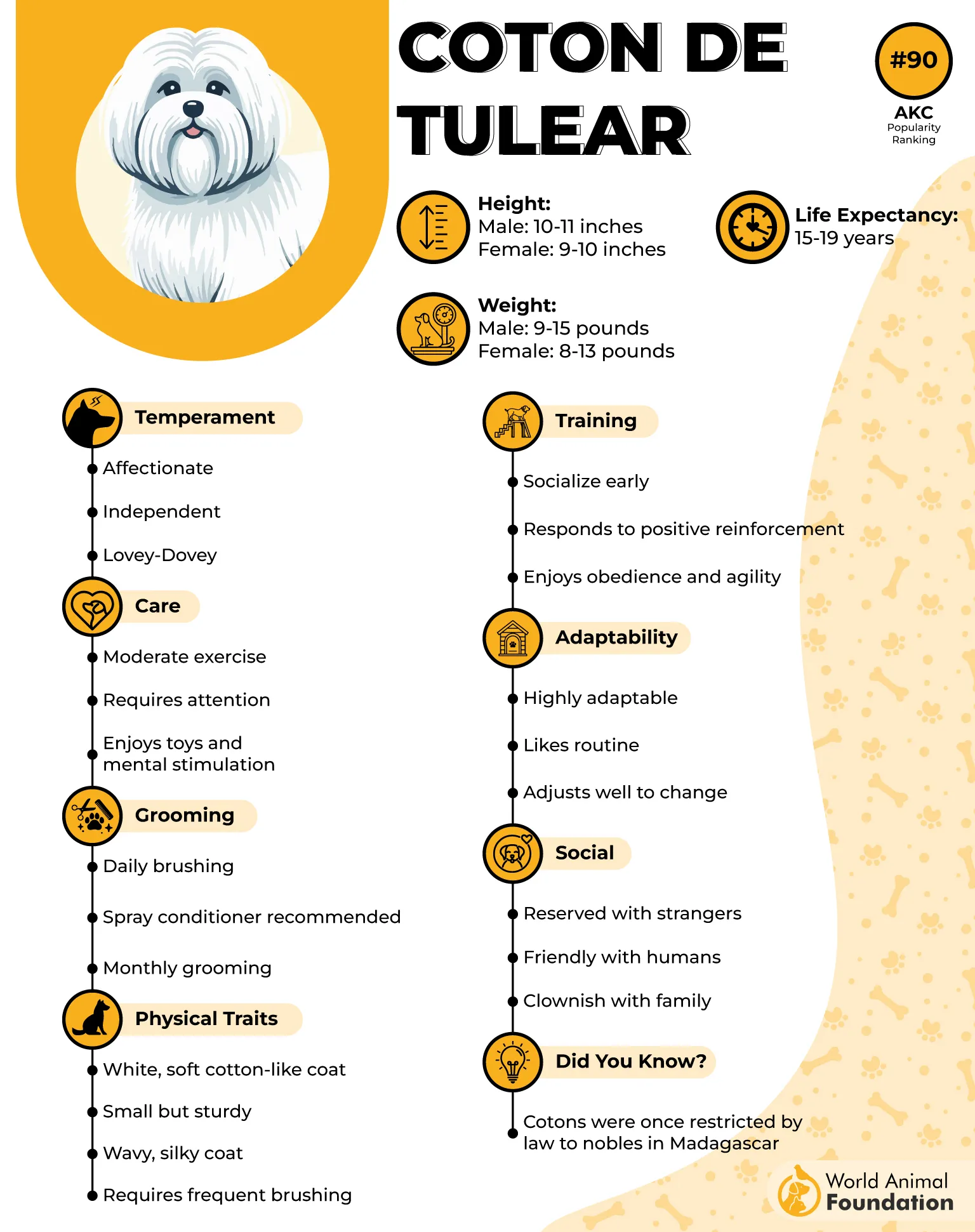
With its naturally friendly personality, the Coton welcomes attention and enjoys having people around. When the day winds down, this loyal little dog is content to curl up beside its owner, making companionship one of its strongest qualities.
Training can be enjoyable because Cotons are intelligent and eager to please. Early obedience and gentle socialization help shape good manners, while praise, treats, and toys keep learning positive. Short, regular potty breaks are particularly useful during puppyhood.
7. Boston Terrier

The Boston Terrier brings plenty of personality into a small package, making it a natural fit for apartment life. Its affectionate, people-oriented nature means it enjoys staying close to its family rather than demanding lots of space.
Known as the “American Gentleman,” this breed combines polite manners with a playful streak. Boston Terriers are also natural comedians, often entertaining their owners with their lively antics and expressive personalities.
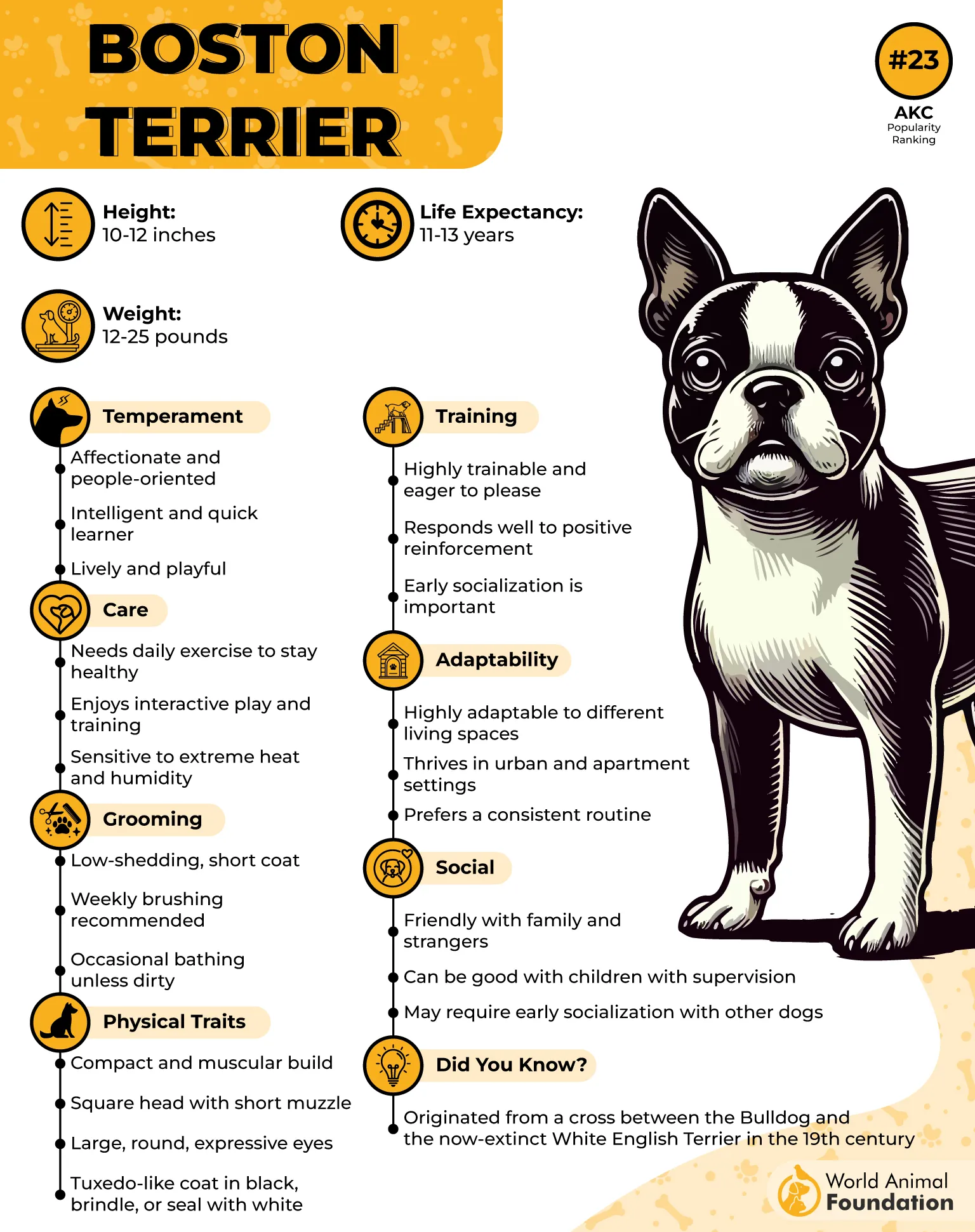
Exercise needs can vary, but many are content with one brisk daily walk alongside some indoor play. Fetch can keep them happily occupied, while activities such as obedience or agility provide extra mental stimulation.
Their short coat requires little upkeep, with a weekly brushing usually enough to keep it tidy. Because they can be sensitive during training, gentle guidance and plenty of praise work better than harsh corrections.
8. Basenji

The Basenji is a distinctive African breed known for its unusual vocal anatomy. According to the AKC, the Basenji, known as Africa’s “Barkless Dog,” is a small-sized breed. Its uniquely shaped larynx makes a conventional bark difficult, so it communicates through a characteristic yodel-like sound instead.
Rather than being completely silent, this breed may produce a soft chortle, squeal, whine, or occasional high-pitched vocalization when excited or frustrated. This makes its sound profile quite different from the repetitive barking that can disturb apartment neighbors.
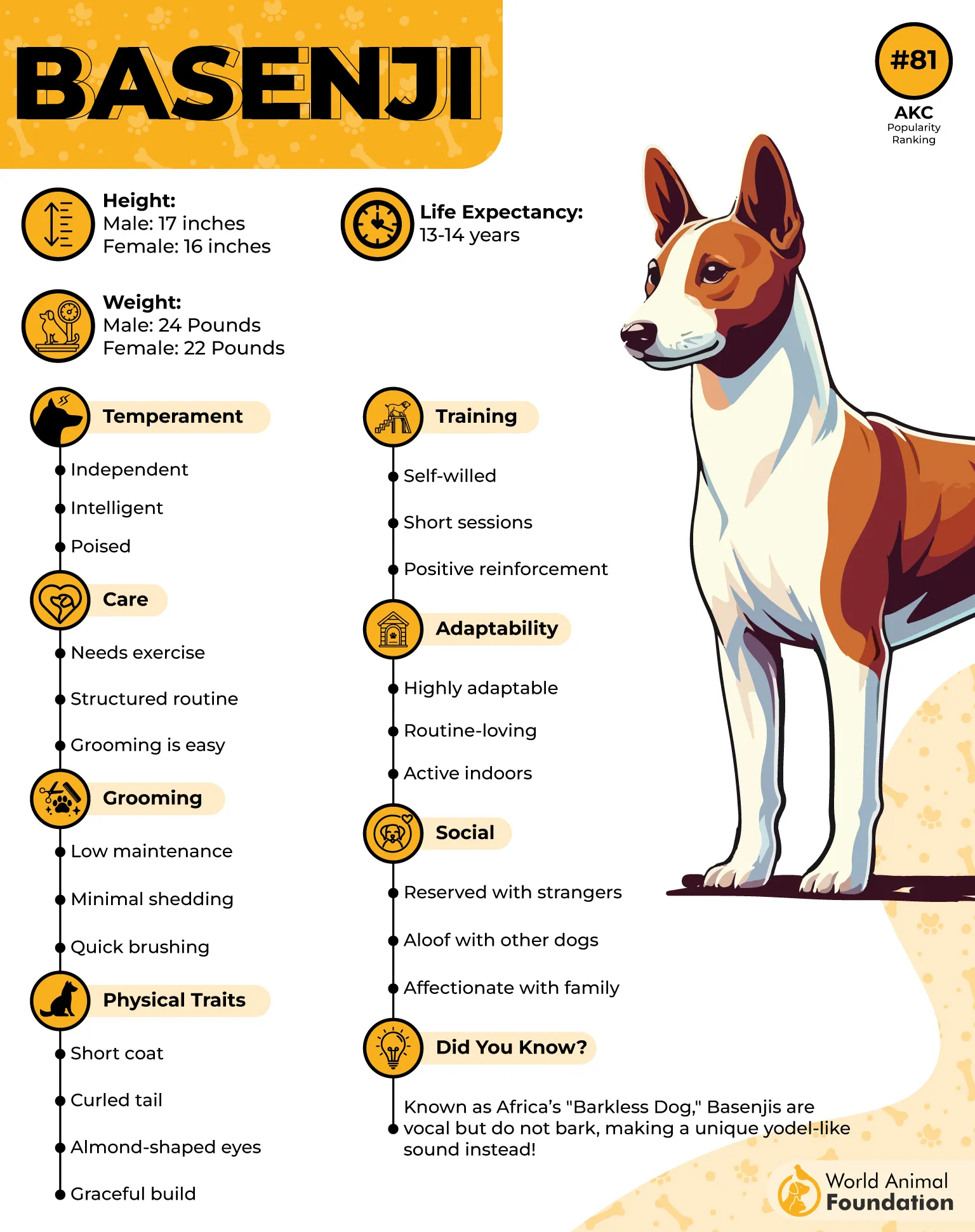
Intelligent and independent, the Basenji often has a remarkably cat-like personality. It is naturally curious and even tends to groom itself, while its reserved nature around unfamiliar people makes early socialization particularly useful.
Despite its quieter voice, this energetic breed still needs daily activity and mental stimulation. Regular walks and engaging activities can help prevent boredom, which may otherwise lead a clever Basenji toward unwanted mischief.
9. Whippet

The Whippet may look built for speed, but indoors, it often prefers a much slower pace. After getting enough exercise, this gentle breed is content to stretch out on the sofa or curl up in a comfortable corner.
Apartment life can suit a Whippet well when its routine includes daily walks and chances to run safely. Short bursts of fast-paced activity outdoors can satisfy their athletic side without requiring a large living space.

Around their families, Whippets are typically affectionate, playful, and gentle, including with children and other dogs. Some may be slightly reserved with unfamiliar people, while mentally stimulating toys can help keep them occupied when home alone.
Despite their energetic moments outside, Whippets are notably calm indoors and are not known for frequent barking. Their short, fine coat also requires little grooming, making them an easygoing companion for apartment dwellers.
Conclusion
Choosing a low-noise dog can make apartment living more peaceful, especially when shared walls make barking a concern. The breeds featured here show that a calm home companion can still have plenty of personality.
From gentle loungers to playful companions, these dogs have different energy levels and daily needs. Some are naturally quiet indoors, while others stay content when their exercise and mental stimulation needs are met.
A suitable routine remains important regardless of breed. Regular walks, playtime, enrichment, and consistent training can help prevent boredom and encourage calmer behavior at home.
Ultimately, the best apartment companion is one whose temperament and lifestyle needs fit your routine. With the right match and thoughtful care, you can enjoy a loving dog while keeping your living space comfortable and considerate of your neighbors.
