




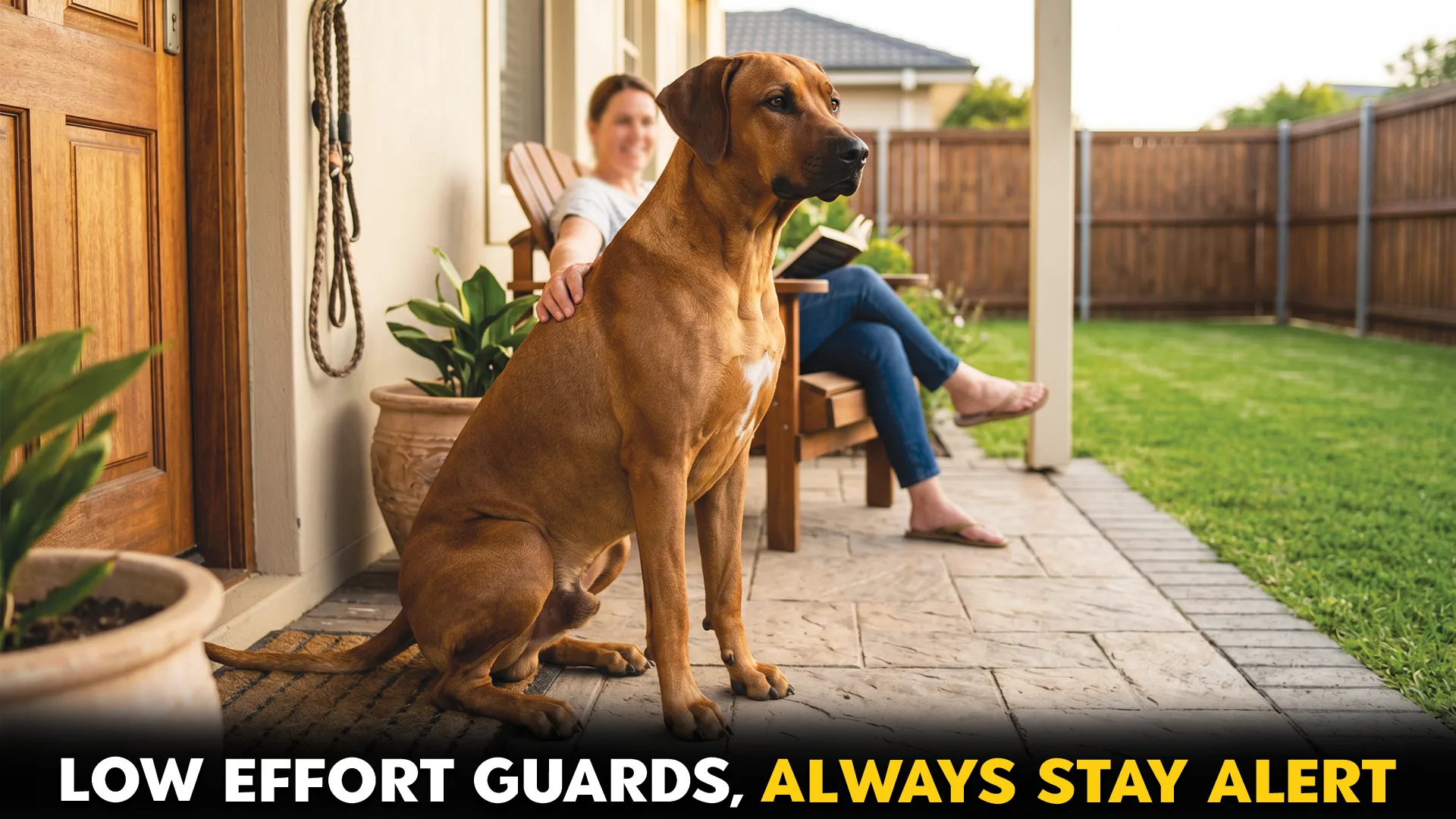
Feeling safe at home shouldn’t add more stress to your life—and that’s where the right guard dog comes in. Not every protective dog needs constant grooming, intense exercise, or expert handling.
Some naturally balance alertness, loyalty, and easy care, giving you reliable protection without overwhelming your daily routine. If you live alone or simply want peace of mind, a low-maintenance protection dog can offer both security and companionship.
These dogs stay watchful without being difficult, protective without being aggressive, and adaptable enough to fit into real, everyday life—so your home feels safer, not more stressful.
So what are you waiting for? Let’s take a look at some of the best guard dog breeds that are both low-maintenance and fearless.
Key Takeaways
Low-maintenance guard dogs offer protection without demanding high care or effort.
Rhodesian Ridgeback, Great Pyrenees, and Boerboel are loyal and naturally alert.
Newfoundland, Great Dane, and Mastiff provide calm but strong home protection.
The right dog fits your life and keeps your home safe with ease.
Low-Maintenance Guard Dog Breeds for Stress-Free Protection
1. Rhodesian Ridgeback
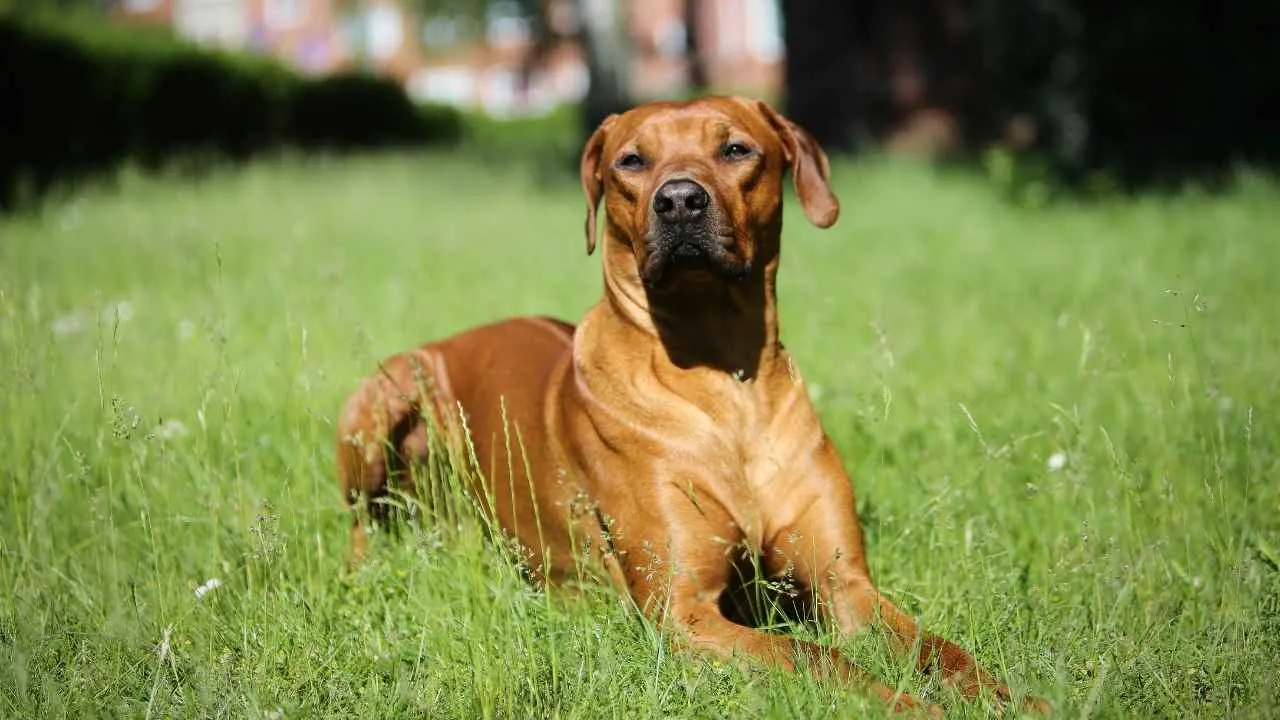
The Rhodesian Ridgeback is a strong, loyal guard dog known for the unique ridge of backward-growing hair along its back, as stated by PetMD. Originally bred in Africa to track and corner lions (without attacking them), this breed is fearless, alert, and naturally protective.
Despite its powerful presence, it forms deep bonds with its family and can be calm and affectionate at home. However, it can be independent and slightly aloof with strangers, making it a reliable watchdog for stress-free protection.
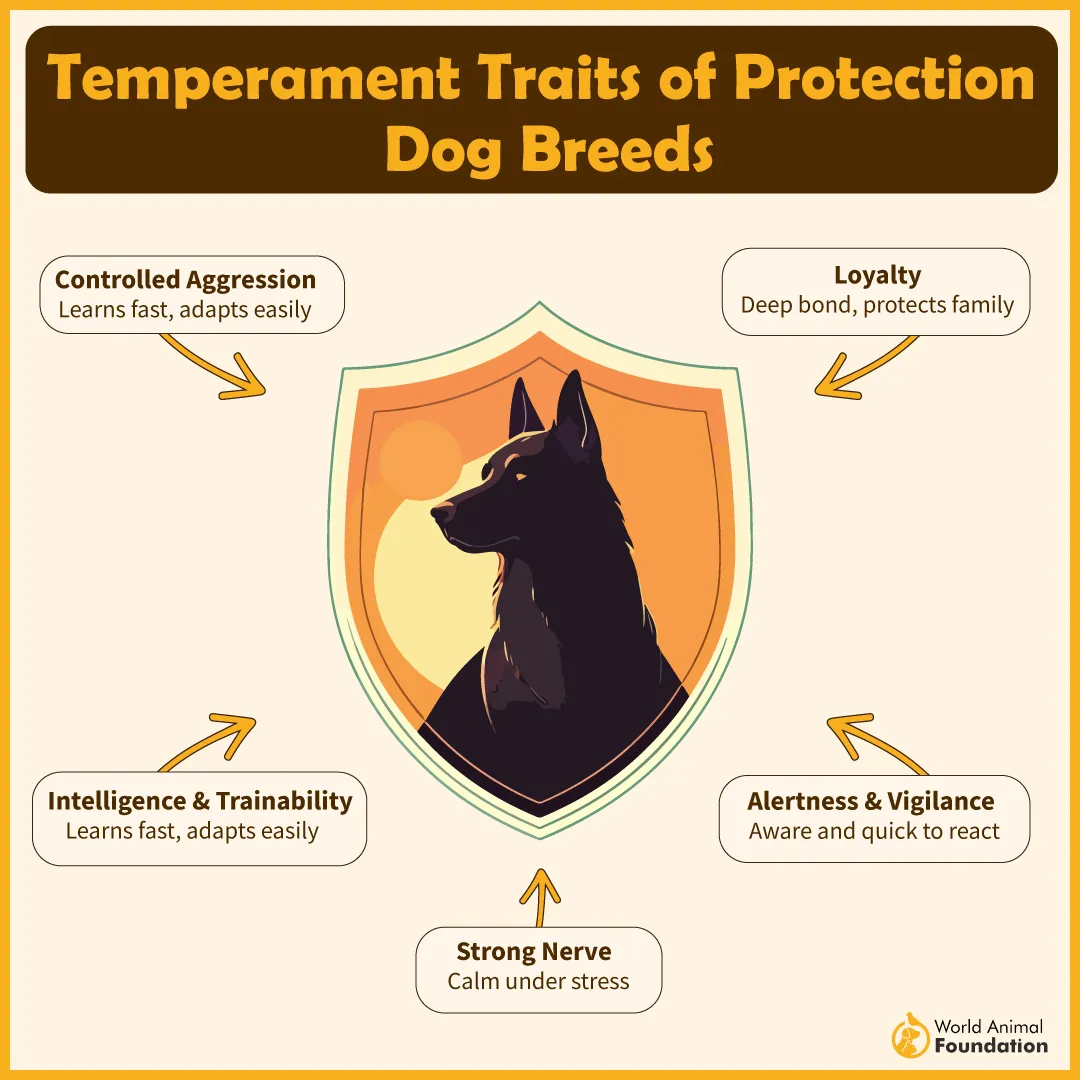
Why It Works as a Low-Maintenance Guard Dog
Minimal grooming: Short coat needs only weekly brushing and occasional baths
Clean and low odor: Easy to maintain overall hygiene
Moderate exercise needs: Daily walks and playtime keep them balanced
Quiet by nature: Not excessive barkers when well-exercised
Highly alert: Acts as a strong deterrent without constant aggression
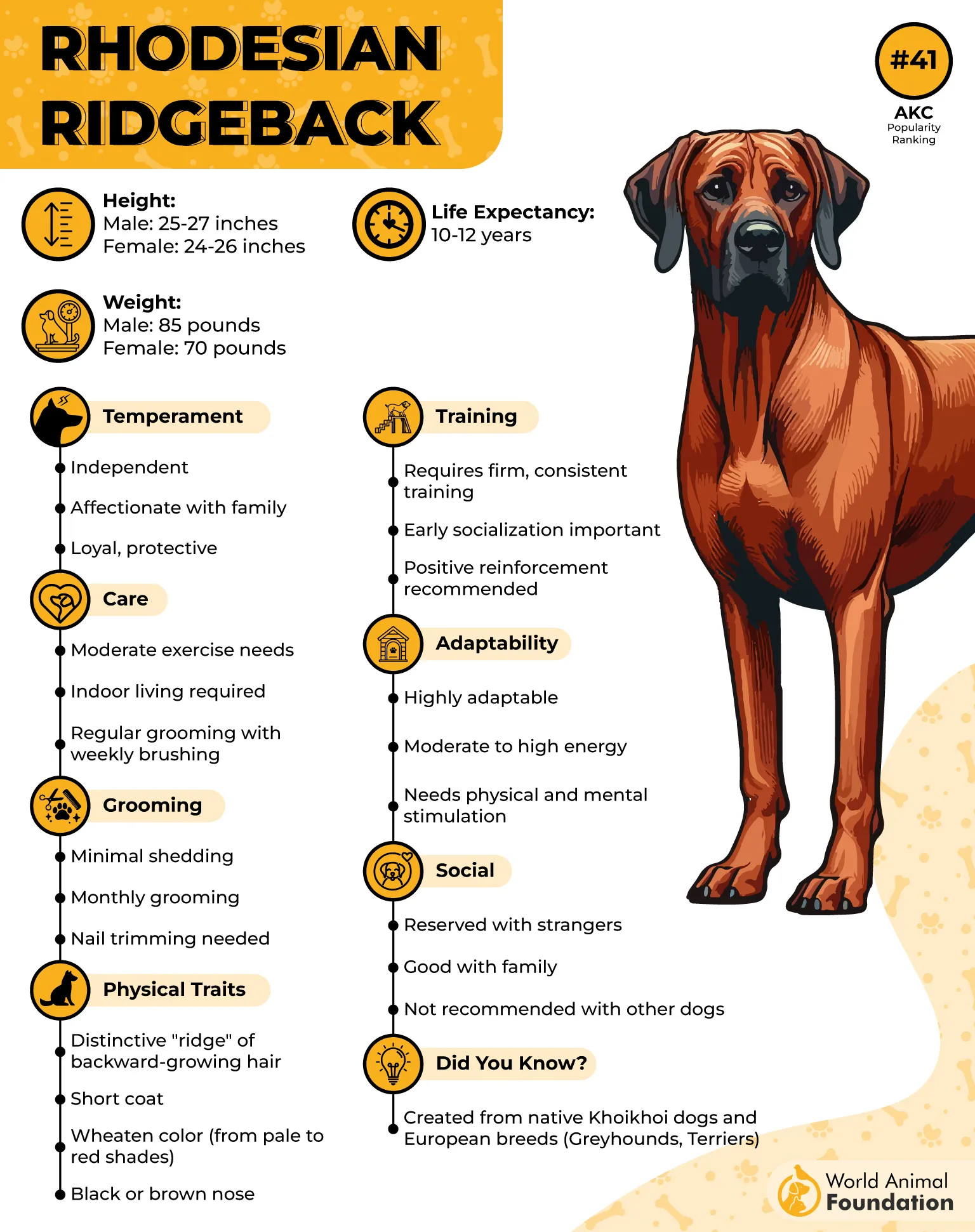
Ridgebacks are intelligent and quick learners, but they do have a strong-willed side. They respond best to firm, fair, and consistent training from an early age.
Positive reinforcement and early socialization are important to shape a well-mannered companion. Their instincts and awareness make them protective, but not unnecessarily aggressive. They thrive in homes where they can stay close to their family.
They have a strong prey drive, so secure spaces are important when off-leash. With proper exercise and mental stimulation, Ridgebacks are calm, gentle, and rarely destructive. They can do well with children and other dogs if trained early, but may not suit homes with smaller pets.
2. Great Pyrenees
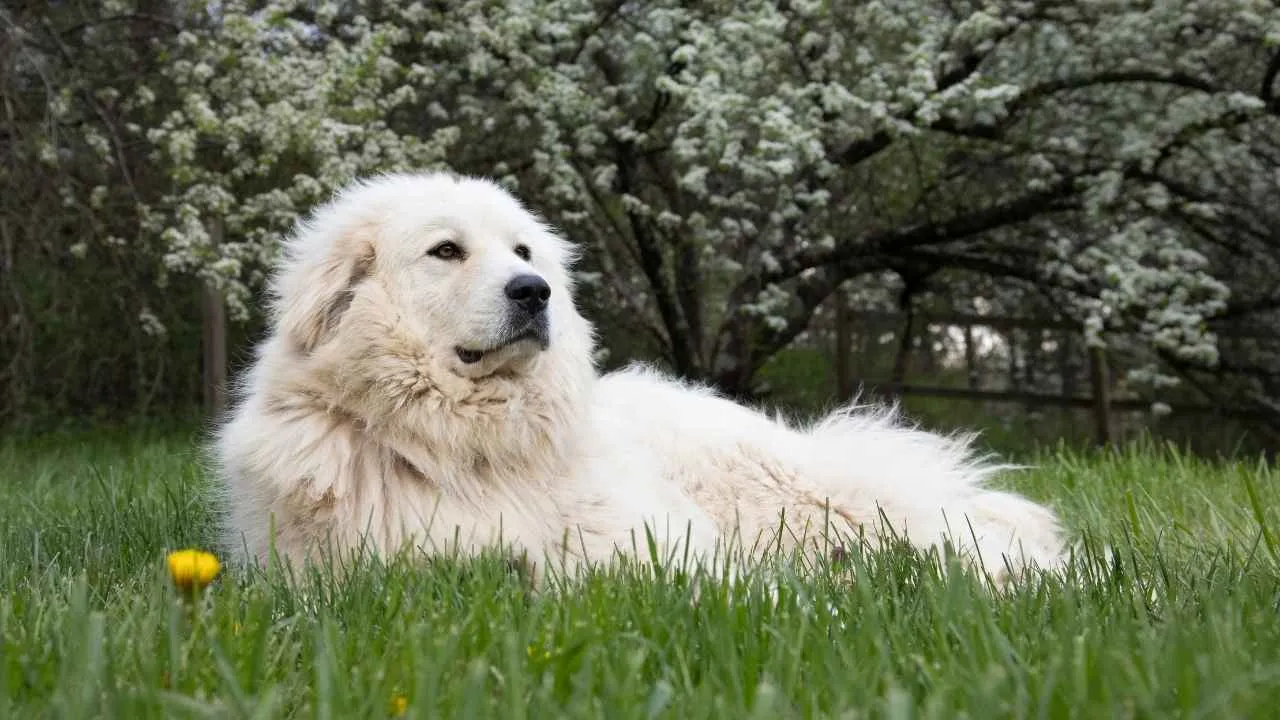
The Great Pyrenees is a powerful yet gentle guard dog, originally bred to protect livestock from predators in snowy mountains. Known for its calm, “majestic” presence, this breed is naturally watchful and deeply devoted to its family.
It may seem relaxed most of the time, but it can quickly step in if it senses a threat. Its independent nature and strong guarding instinct make it a reliable protector without constant supervision.
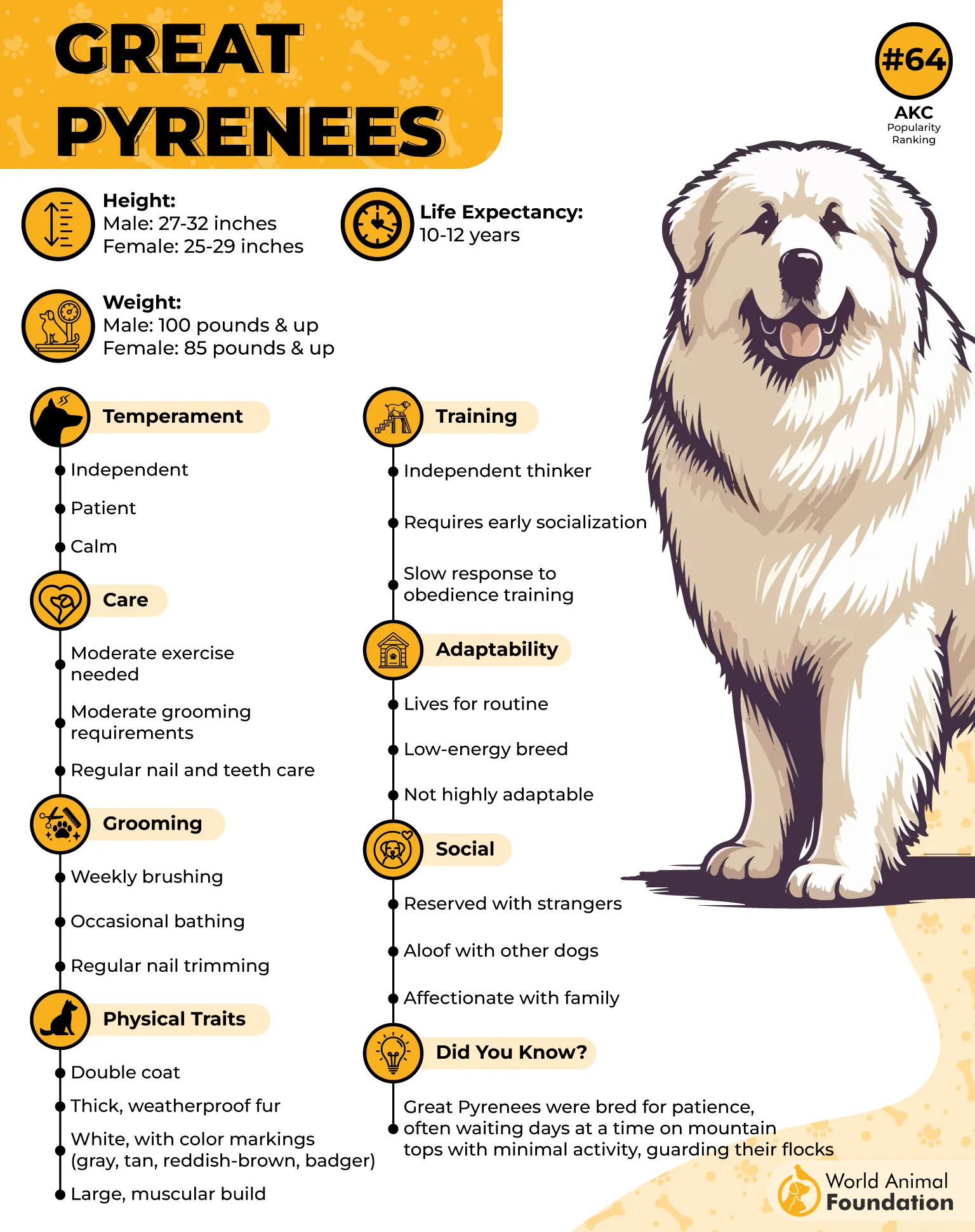
Why It Fits Low-Maintenance Protection
Low activity needs: Not overly energetic; enjoys simple daily walks
Weather-resistant coat: Naturally repels dirt and tangles
Moderate grooming: Weekly brushing keeps shedding under control
Strong guarding instinct: Protects without needing intense training
Calm indoors: Prefers a quiet, predictable routine
Despite its thick coat, grooming is easier than expected. The outer coat doesn’t mat easily, though seasonal shedding can be heavy.
Regular brushing helps manage loose hair. This breed is not highly active, as it was designed to conserve energy and respond only when needed—making it ideal for a more relaxed lifestyle.
The Great Pyrenees is affectionate, gentle, and very loyal to its family, including well-behaved children. It is naturally independent and may seem stubborn during training, often responding at its own pace. Early socialization and patient, consistent training are important to manage its protective instincts.
This breed enjoys quiet home life and can live well with other pets, though it values personal space. It may bark to alert you, but overall, it offers steady, stress-free protection with a calm and confident presence.
3. Boerboel
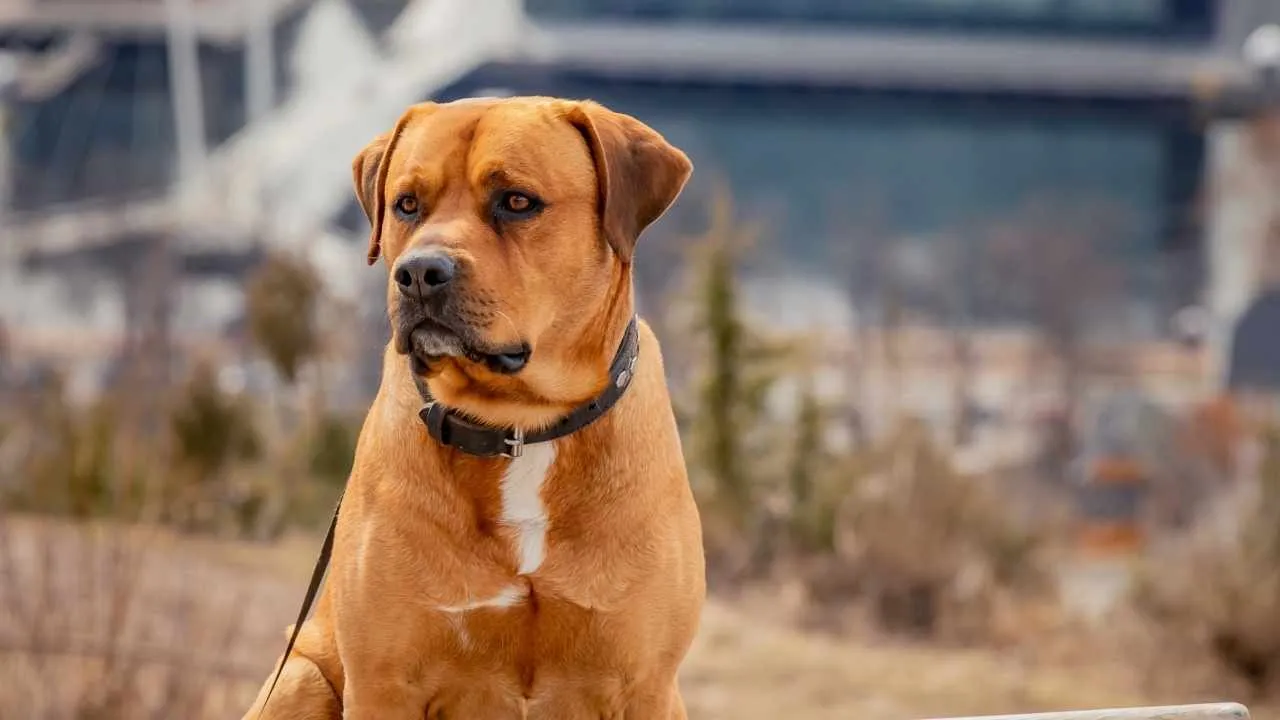
The Boerboel is a strong and highly intelligent guard dog originally bred in South Africa to protect homesteads from dangerous predators. It has a confident, fearless nature and an instinct to guard its home and family.
Despite its intimidating presence, it is deeply loyal and forms a strong bond with its owners, often becoming affectionate and playful within the family circle. However, it is best suited for experienced owners due to its dominant personality and strength.
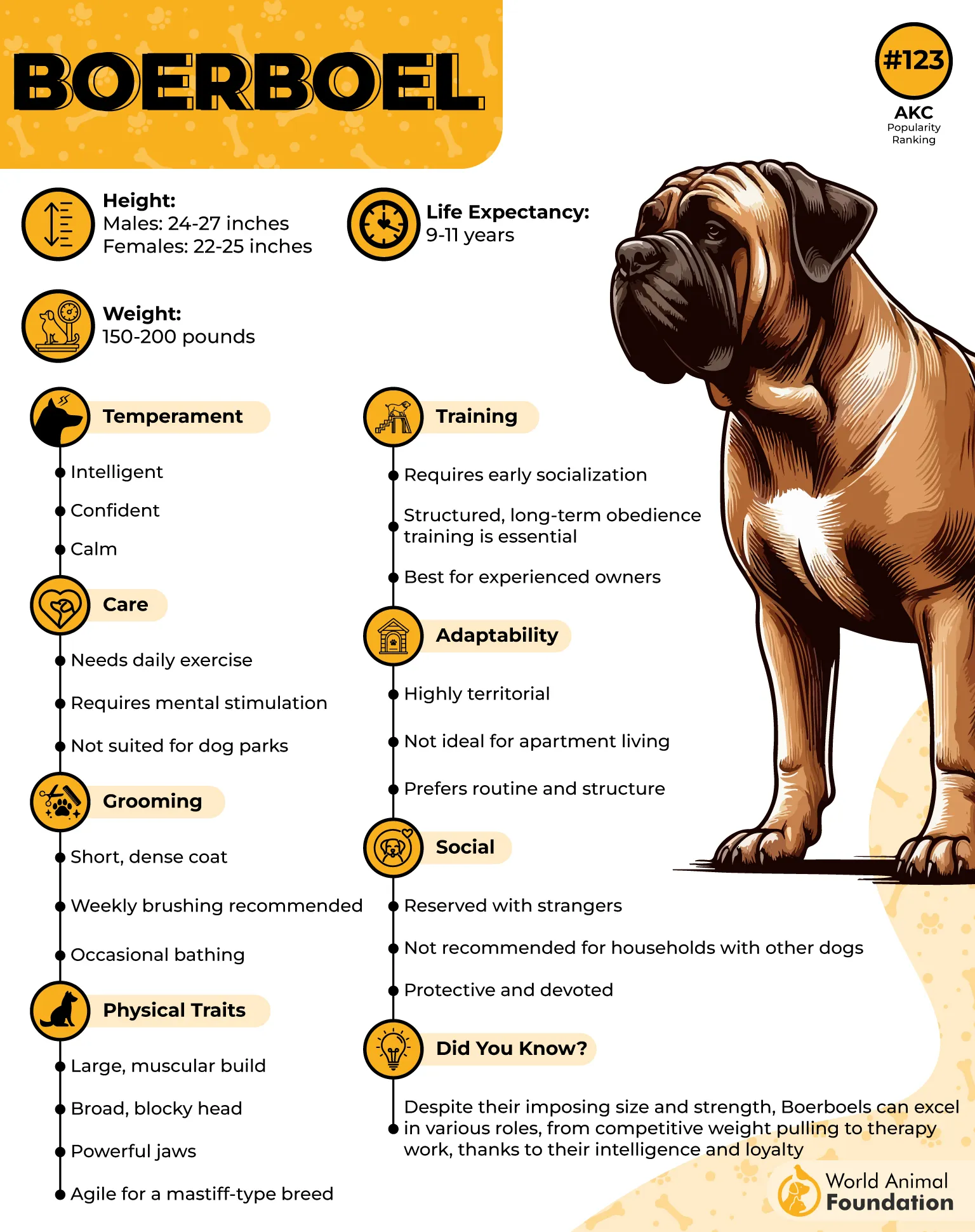
Low-Maintenance Care with Structured Needs
Short coat: Easy to brush; moderate shedding only
Simple grooming: Weekly brushing and occasional baths
Basic upkeep: Regular nail trimming and dental care are needed
Exercise required: Daily walks or structured activity sessions
Mental stimulation: Needs engagement to avoid boredom
Although not high-maintenance in grooming, the Boerboel does require consistent structure in training and daily routine. Its short coat is easy to manage with a grooming glove or brush once a week. However, this breed also tends to drool and needs regular cleaning around the face.
The Boerboel is calm indoors but highly alert and protective of its territory. It is naturally reserved with strangers but affectionate with its family. Early socialization and firm, consistent training are essential to manage its strong guarding instincts.
It does not do well in dog parks or off-leash situations due to its protective nature. While powerful, it can also be playful and gentle with children under supervision.
4. Newfoundland
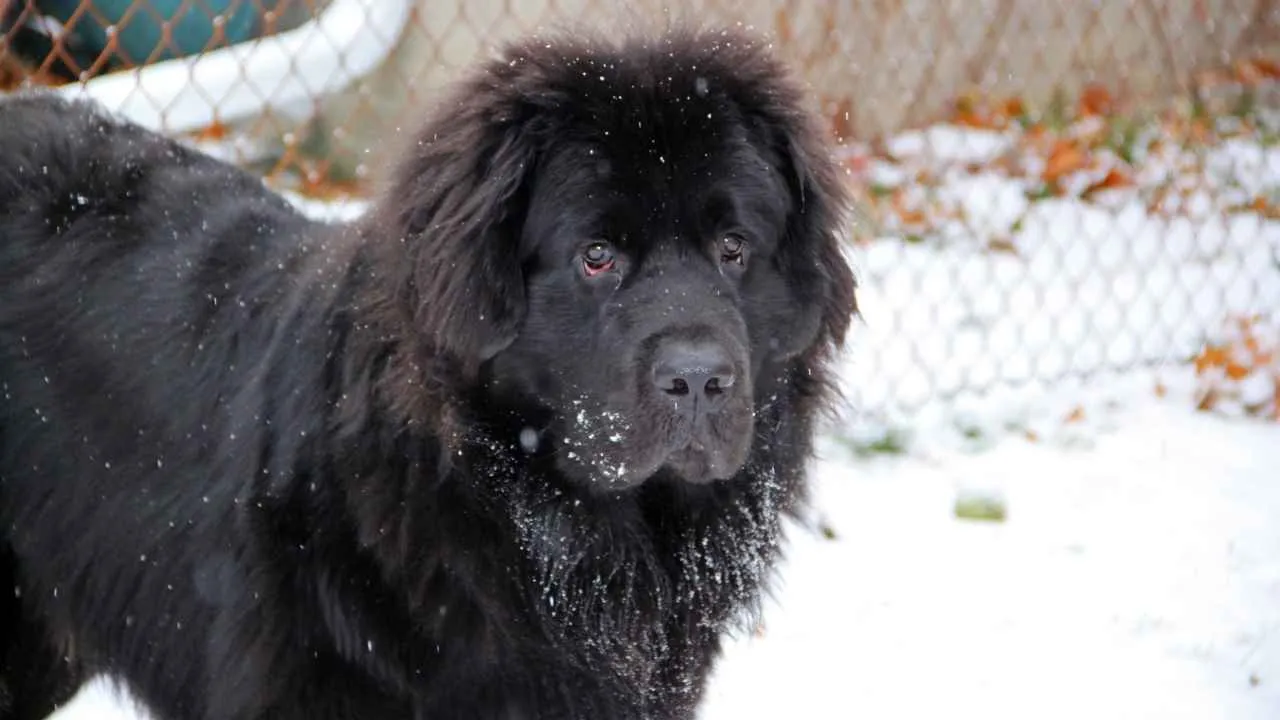
The Newfoundland is a massive yet gentle working dog known for its calm nature and strong sense of protection. Originally bred for water rescue and heavy-duty work, it is powerful, patient, and deeply loyal to its family.
Despite its size, it is famously sweet-tempered and is often called a “nanny dog” because of its natural bond with children, as mentioned by Britannica. Its calm confidence makes it a reassuring presence in the home.
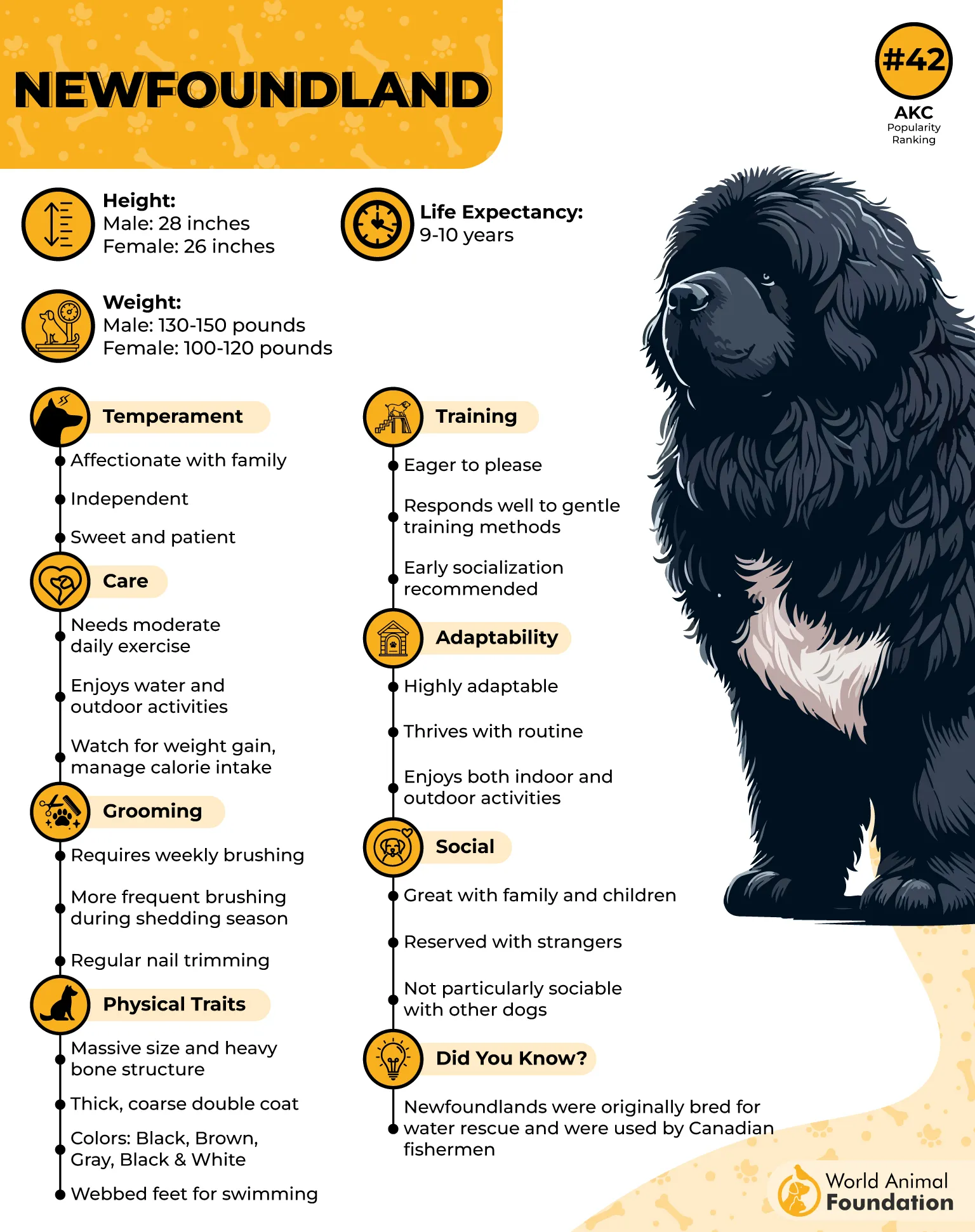
Low-Maintenance Protection with Calm Energy
Moderate exercise: Daily walks or light play are enough
Low aggression, high alertness: Protective without being reactive
Water-friendly instincts: Naturally skilled in rescue behaviors
Indoor-friendly temperament: Calm and relaxed at home
Trainable with patience: Responds best to gentle guidance
The Newfoundland does not require intense physical activity. It enjoys moderate movement and especially loves swimming or pulling activities. While not highly demanding in exercise, it does need regular engagement to stay healthy and happy.
It is easygoing indoors and prefers being close to its family rather than being left alone outside.
This breed is affectionate, friendly, and typically gentle with strangers, children, and other pets. It is slow to respond at times, but highly trainable with consistency and kindness. Its thick coat needs weekly brushing and more frequent care during shedding seasons, but overall grooming remains manageable.
5. American Staffordshire Terrier
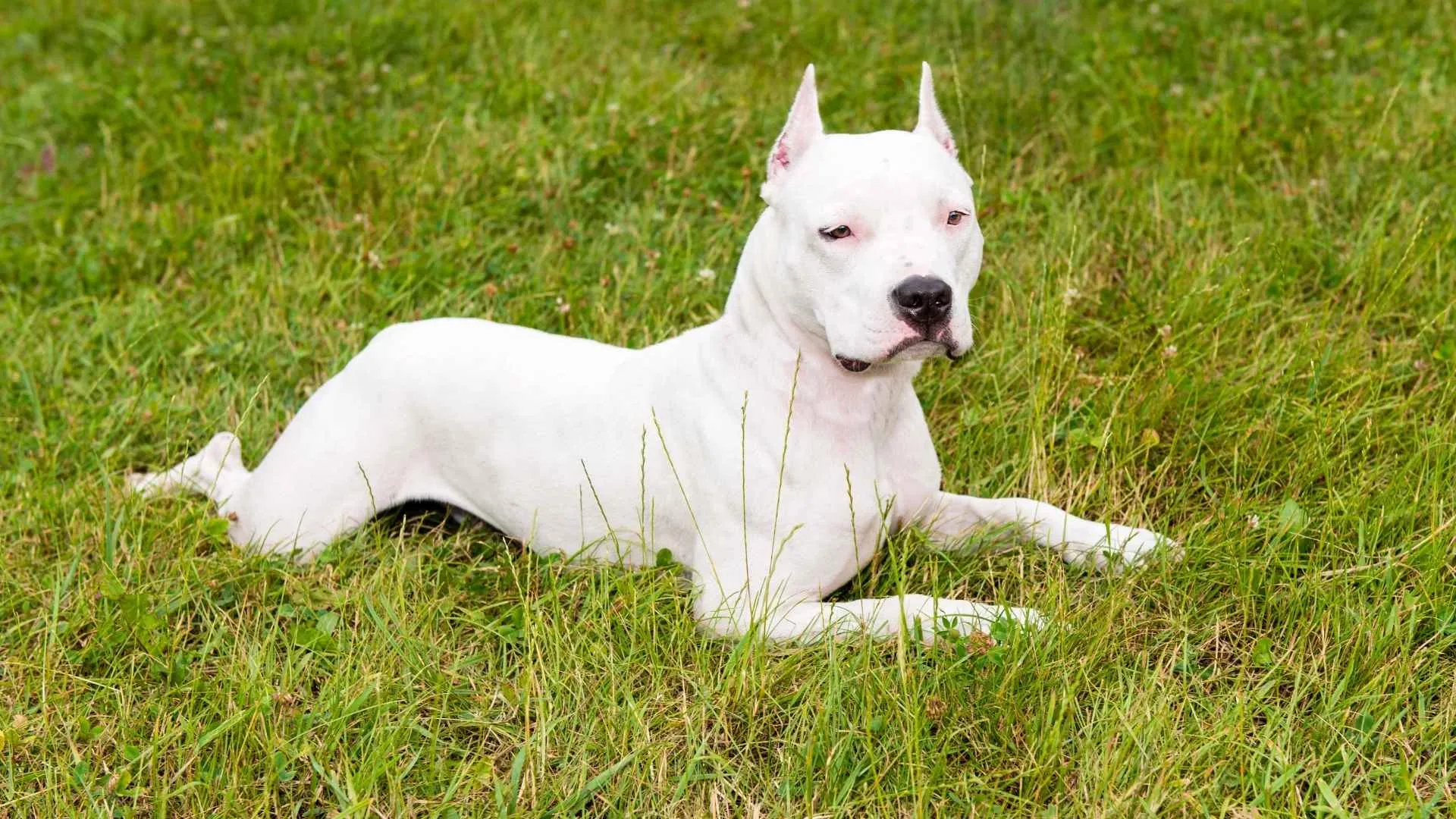
The American Staffordshire Terrier, often called the AmStaff, is a strong and confident guard dog known for its courage and deep loyalty to its family. Originally developed in the United States from working terrier lines, it is intelligent, people-oriented, and naturally alert.
Despite its powerful build, it is affectionate at home and enjoys being part of daily family life. It is protective without being overly aggressive when properly socialized.
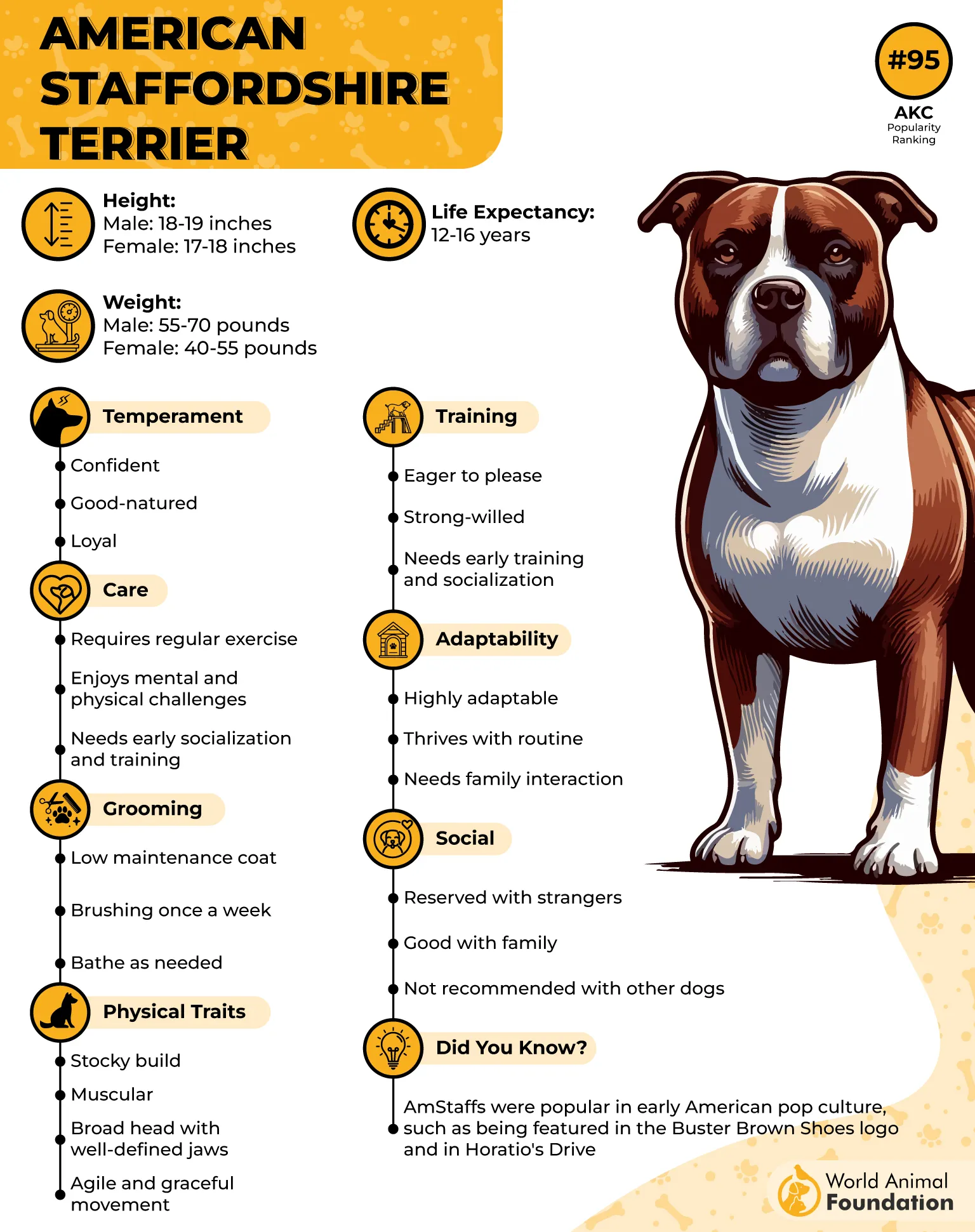
Why It Works as a Low-Maintenance Guard Dog
Easy coat care: Short, glossy coat needs only weekly brushing
Minimal grooming: An occasional bath is enough
High trainability: Smart and eager to learn through positive reinforcement
Alert nature: Naturally aware of surroundings and protective
Adaptable energy: Active outdoors, calm when properly exercised
The AmStaff is athletic and energetic, so it needs daily physical and mental exercise. Long walks, play sessions, or dog sports like agility or obedience keep it balanced.
It should not be left isolated in a yard for long periods, as it thrives on human interaction. While it has strong instincts, proper training helps channel its energy into controlled, positive behavior.
This breed is playful, affectionate, and highly loyal with its family, often forming strong bonds. It is generally good with children when supervised and well-socialized. However, it can show aggression toward other dogs, so careful handling in social settings is important.
It is not a dog-park breed and should always be monitored around unfamiliar animals. With consistent training, structure, and companionship, the AmStaff becomes a dependable, low-maintenance guard dog that offers both protection and loving companionship at home.
6. Great Dane
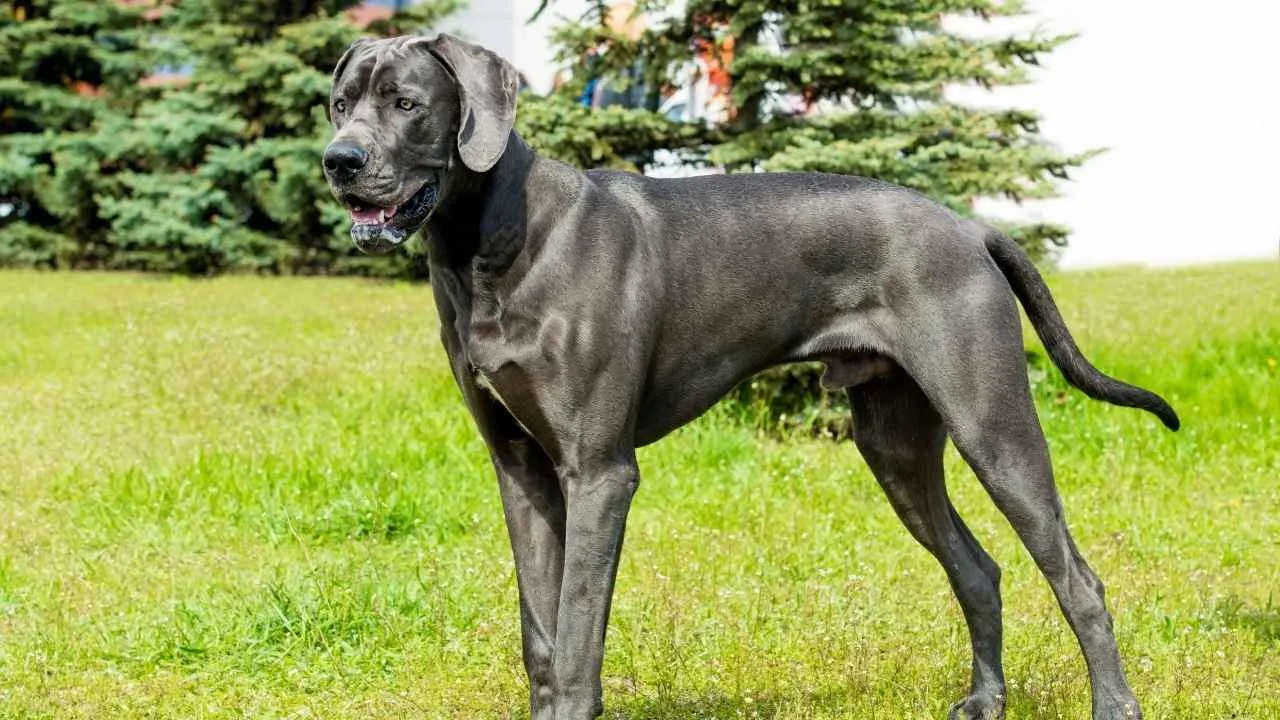
The Great Dane is often called the “Apollo of Dogs” because of its towering presence and calm, elegant nature. Originally bred in Germany for hunting large game, it has evolved into a friendly, affectionate companion and a natural home guardian.
Despite its massive size and strength, it is gentle, people-friendly, and usually very patient with children. Its sheer presence alone is often enough to deter unwanted visitors, making it a low-stress protective breed.
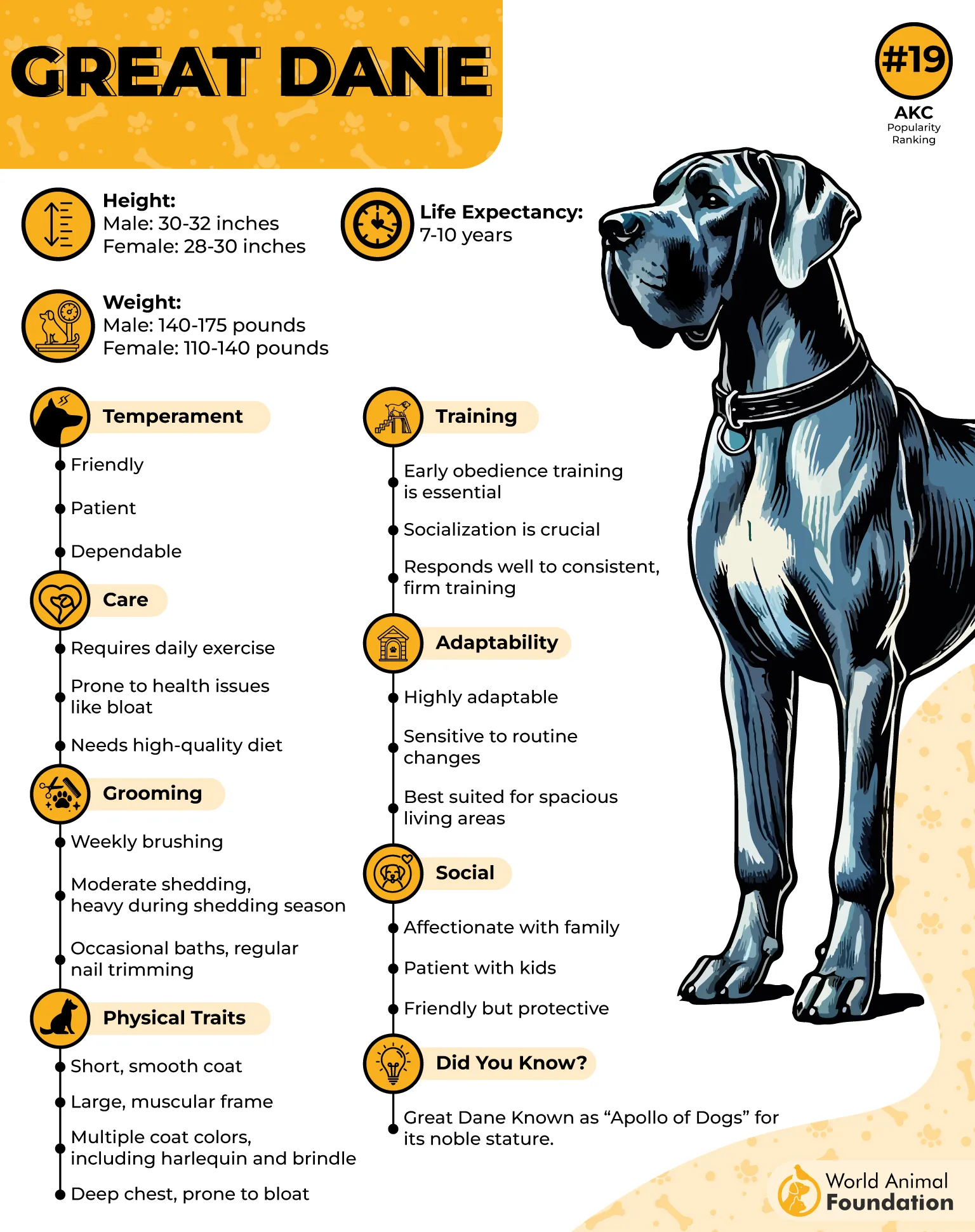
Low-Maintenance Protection with Simple Care
Minimal grooming: Short coat needs weekly brushing
Moderate exercise: Daily walks and light play are enough
Calm indoors: Low energy and relaxed in the home
Natural deterrent: Imposing size provides passive security
Simple coat care: Light shedding, easy upkeep
Although powerful, the Great Dane is not overly active, according to ASPCA. It enjoys daily walks and gentle play but does not require intense exercise. Its short coat is easy to maintain with basic weekly brushing, though shedding increases slightly during seasonal changes.
It prefers a comfortable indoor lifestyle and needs space due to its size rather than high energy demands.
This breed is affectionate, friendly, and generally good with families, including children and other pets, when properly socialized. It is intelligent and trainable, but may sometimes be slow to respond or mildly stubborn. While not overly aggressive, it is an effective watchdog due to its size and confident demeanor.
7. Mastiff
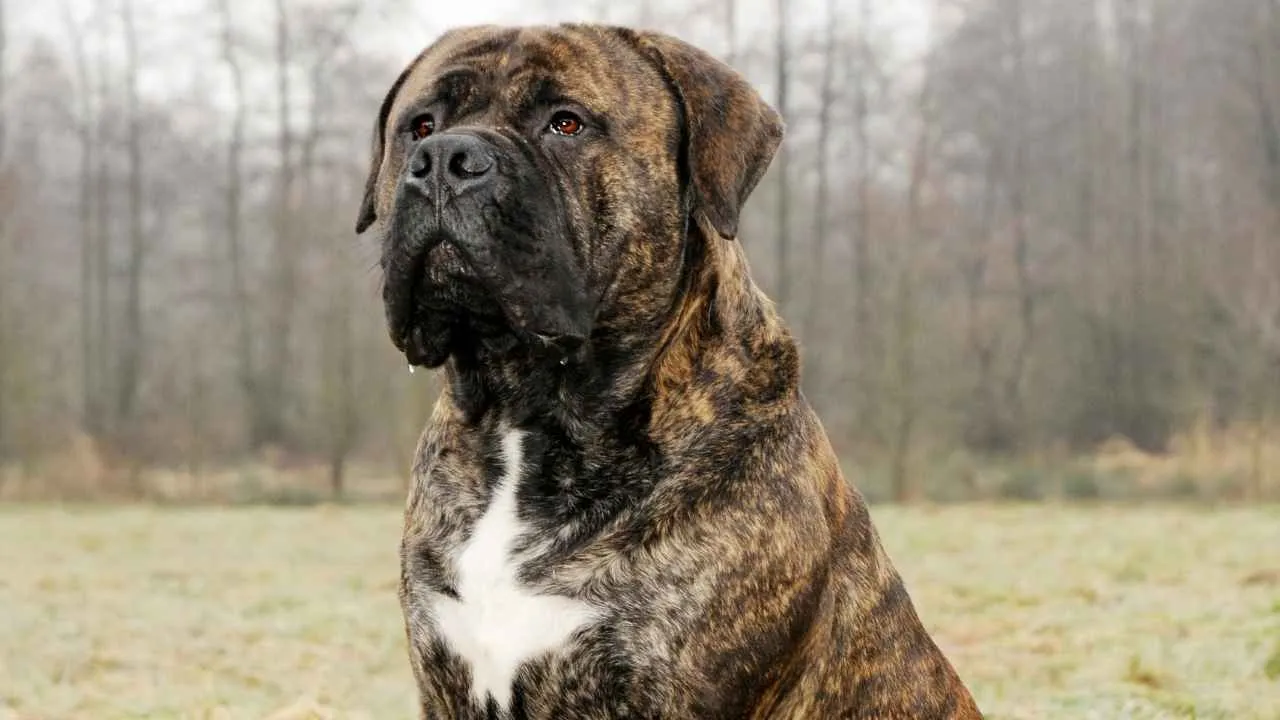
The Mastiff is one of the oldest and most powerful guardian breeds, known for its massive build, calm nature, and deep loyalty. Despite its intimidating size and strength, it is surprisingly gentle and dignified at home.
Originally bred to protect hearth and family, it is naturally watchful and protective without being overly aggressive. Its calm confidence makes it a strong but low-stress guardian for experienced owners.
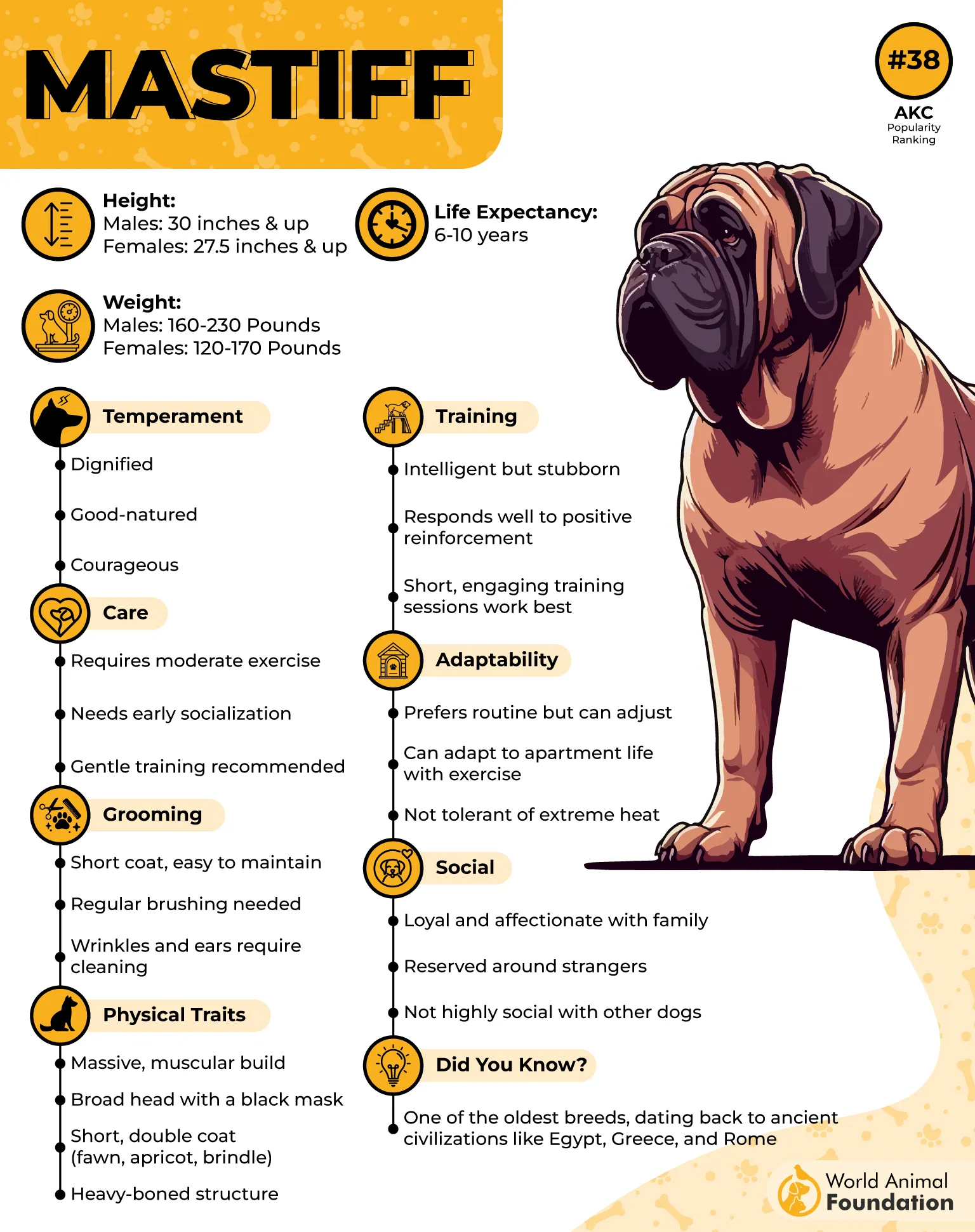
Low-Maintenance Care with Calm Energy
Low exercise needs: Short daily walks are enough
Easy grooming: Weekly brushing with minimal effort
Calm indoors: Relaxed and quiet when at home
Strong natural protection: Alert without constant barking
Simple coat care: Short coat, moderate seasonal shedding
The Mastiff does not require intense physical activity. It is content with light daily walks and gentle free play, but it should not be over-exercised, especially as a puppy.
Its short, dense coat is easy to maintain with occasional brushing, though it does shed more heavily a few times a year. Despite its size, it is generally low-energy and prefers a peaceful home environment.
This breed is affectionate, loyal, and deeply attached to its family members. It is patient with older children but may be too large and powerful for toddlers. With strangers, it tends to be naturally cautious, making it an effective deterrent without excessive barking.
It learns quickly but responds best to gentle, respectful training and short sessions rather than repetition.
Conclusion
Choosing a low-maintenance guard dog is really about finding the right balance between protection and peace of mind. Many of these dogs are naturally alert, loyal, and calm at home, offering security through presence, awareness, and strong bonds with their families.
At the end of the day, the best guard dog is the one that fits your lifestyle, not just your security needs. Whether you live alone or with family, the right breed can make your home feel safer without adding stress to your routine.
Take time to match temperament, space, and training commitment before choosing—because a truly great guard dog doesn’t just protect your home, it becomes part of it.
Looking for more options? You can also check out the German Shepherd, Australian Shepherd, Doberman Pinscher, Cane Corso, Belgian Malinois, and Saint Bernard.
