




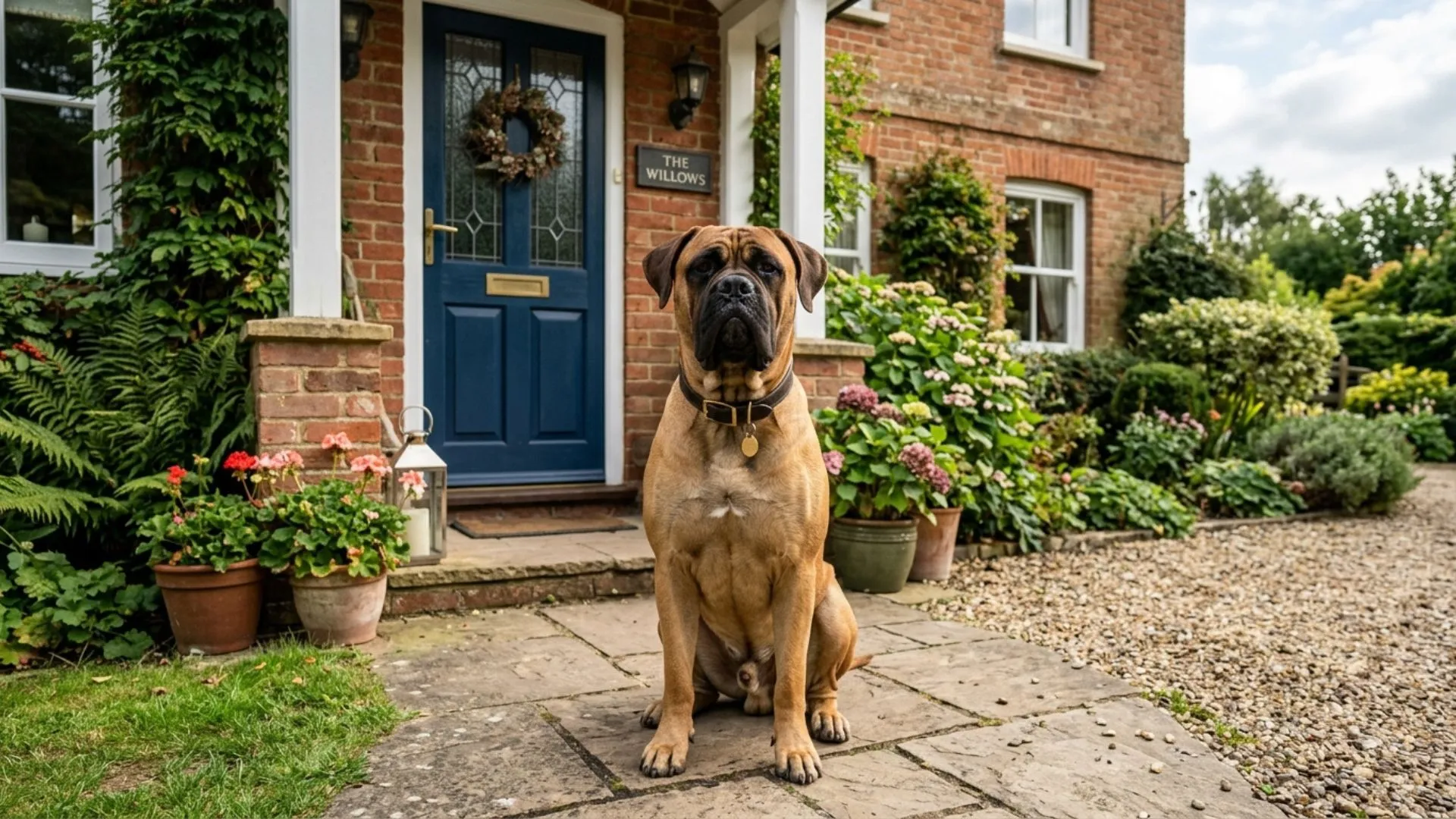
Not every guard dog needs to bark at shadows at 3 a.m. or chew your furniture out of boredom. Some breeds protect your home like a quiet bouncer: present, powerful, and completely unbothered. The good news? Security and sanity can absolutely coexist under one roof.
The best low-maintenance guard dogs are breeds that offer reliable protection without demanding intense exercise or complex grooming. They naturally patrol their territory, rarely bark without reason, and blend seamlessly into a calm household.
According to the American Kennel Club, over 200 dog breeds are officially recognized, and some of the most effective guard dogs are also the easiest to live with. These seven protection dog breeds hit that sweet spot: calm enough for a peaceful home, and tough enough to make any stranger seriously reconsider stepping onto your porch.
Top Low-Maintenance Guard Dog Breeds for Peaceful Homes
1. Mastiff
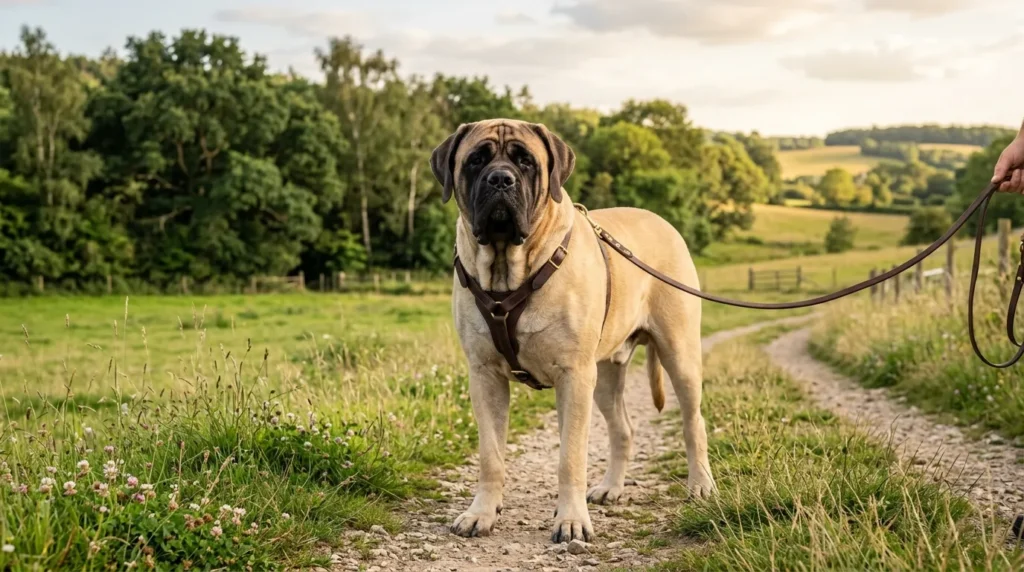
A large ancient Molosser breed from Asia is considered the ancestor of the Mastiff. Used as a fighting dog in ancient Rome and later in bull-baiting, the breed nearly went extinct in 1935 following the ban on blood sports, but was revived as the gentle, friendly companion it is today, according to Orvis.
Despite weighing 120–230 pounds, the Mastiff has a low metabolic rate and requires surprisingly few calories per kg of body weight, which helps keep monthly food costs manageable. Its short, single-layered coat lacks an undercoat and is naturally water and dust repellent.
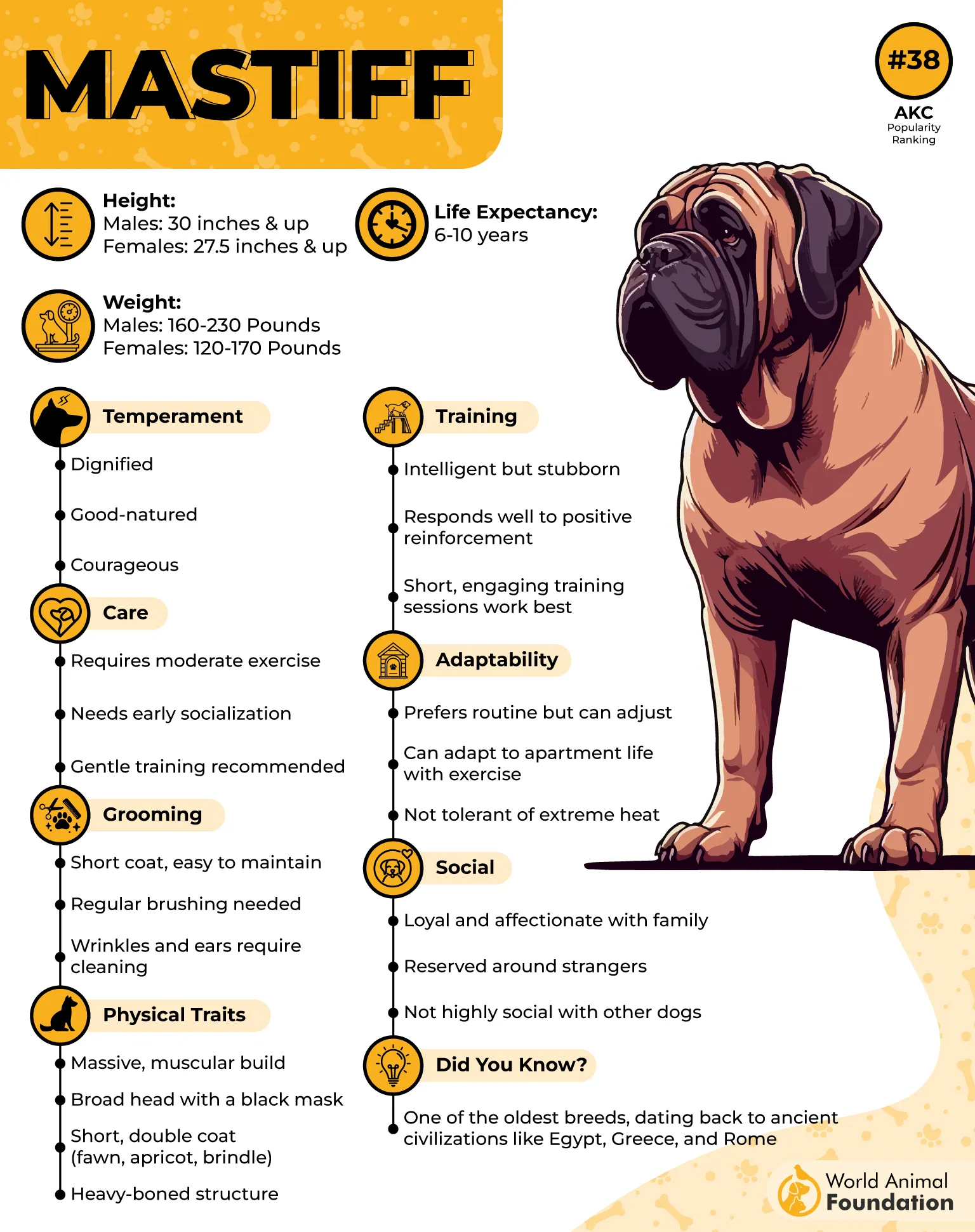
High emotional intelligence allows it to read body language and facial expressions with ease, making it an effective guard dog and a natural therapy dog.
An independent thinker by nature, the Mastiff is comfortable making its own decisions without constant handler supervision. It has a low prey drive and rarely chases small animals, meaning fewer distractions on patrol. With a bite force of 556 PSI, it is more than capable of handling a serious threat when the moment calls for it.
2. Rhodesian Ridgeback
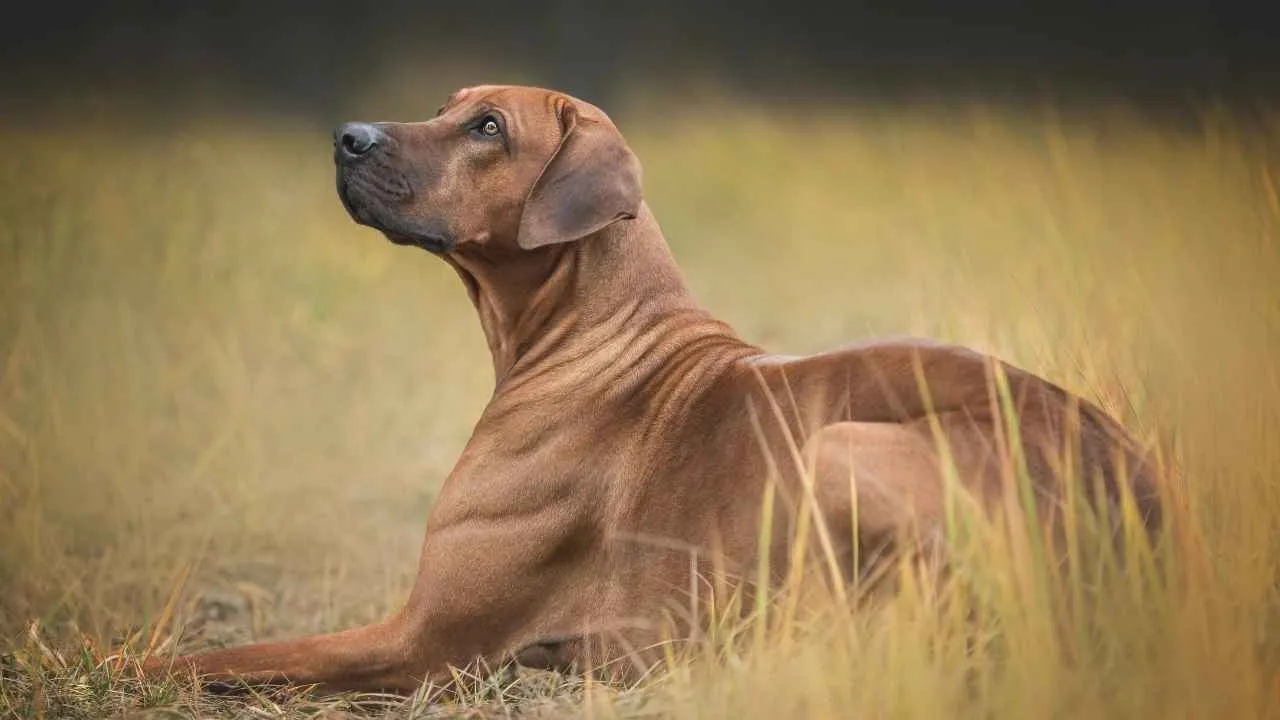
Originally bred in South Africa, the Rhodesian Ridgeback was first standardized by F.R. Barnes as a hunting and guard dog. It was later interbred with European dogs to create a breed capable of baying lions, hence its other name, the African Lion Hound.
It takes its primary name from the distinctive ridge of hair that grows down the center of its back. Beyond lions, it can track and flush out a range of large predators.
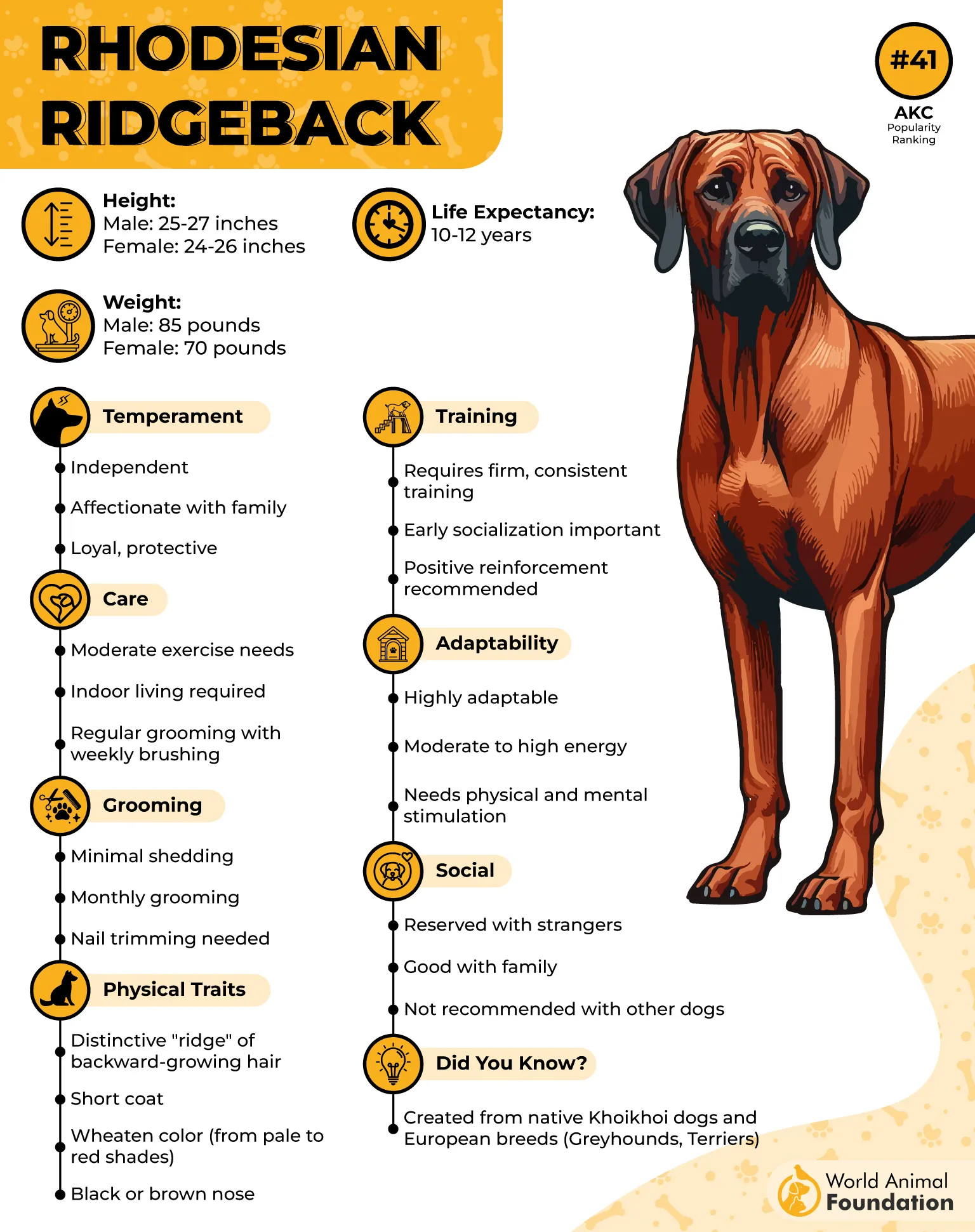
Built for the chase, it reaches speeds of up to 30 mph to corner game, and can grip and hold prey with a bite force of 224 PSI. True to its hunting roots, it doesn’t bark during pursuit; it follows its target in silence. Around the home, it’s a warm and friendly companion with family members, children, and other pets, while remaining naturally aloof with strangers.
This loyal breed has moderate exercise needs of 1–2 hours daily: jogging, hiking, brisk walks, puzzle toys, and hide-and-seek all work well. Puppies under 18–24 months should not be exposed to high-impact exercise, as their joints are still developing. The coat is low-maintenance and only needs a once-a-week brush with a soft bristle brush or rubber curry brush.
3. Bullmastiff
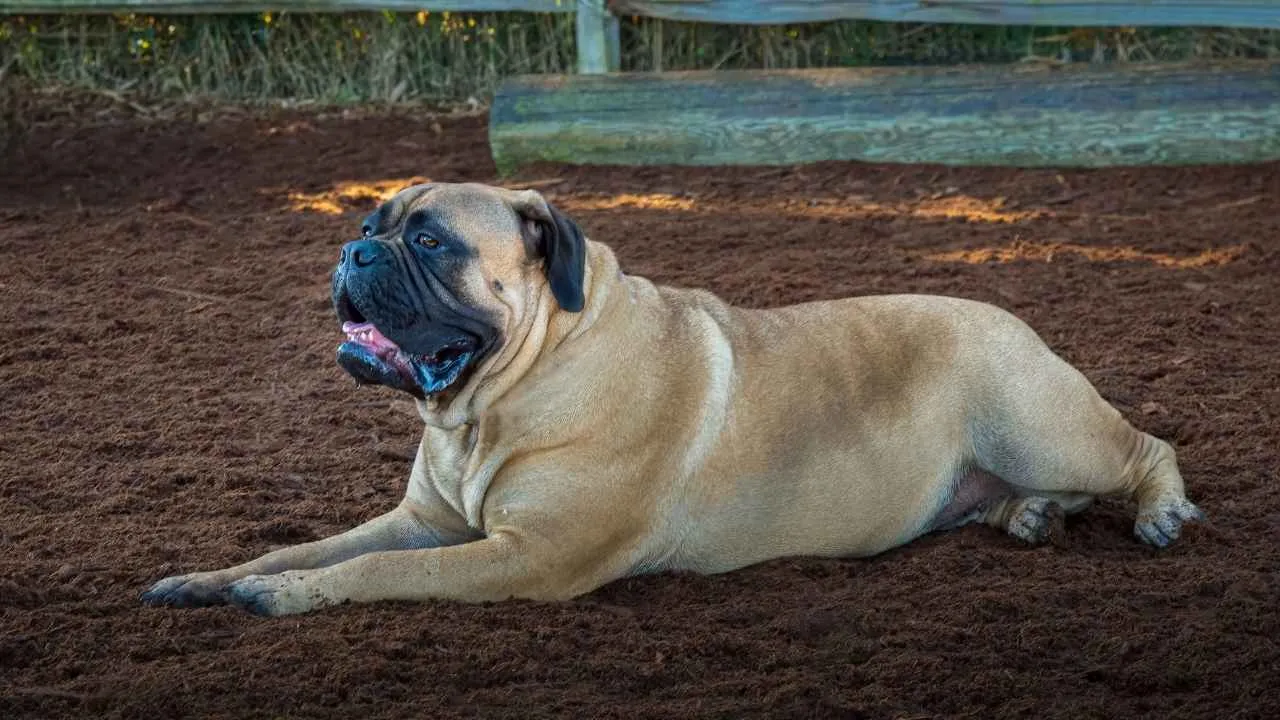
Developed in England in the 19th century, the Bullmastiff was created by crossing a Bulldog and a Mastiff to produce the ultimate guard dog. As a brachycephalic breed, meaning it has a flat face and narrowed airways, it can experience some breathing difficulties, though this does little to dampen its protective instincts, according to Wikipedia.
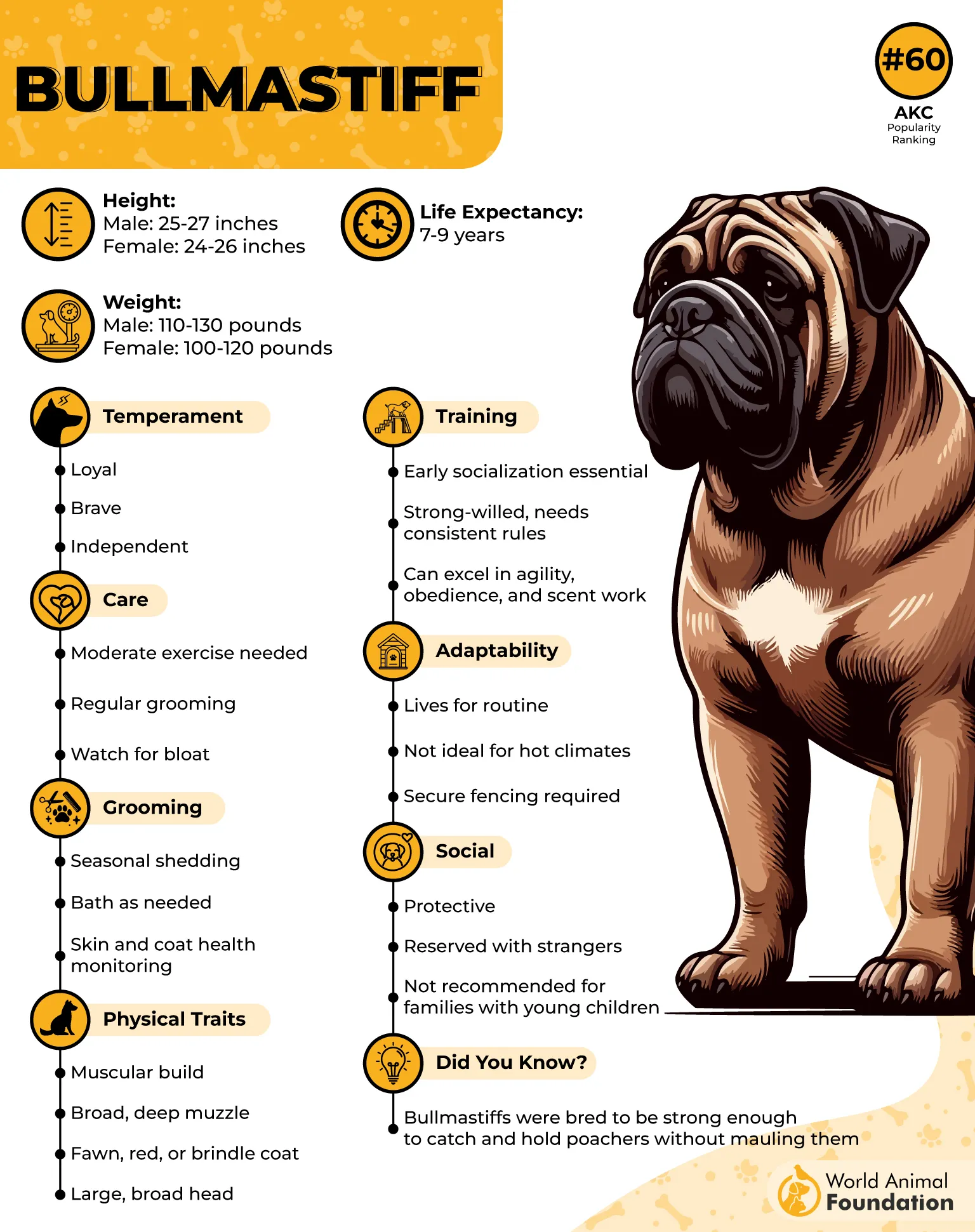
Weighing in at 100–130 pounds, the Bullmastiff cuts an intimidating figure that alone is often enough to deter intruders. Despite its imposing size, it has a gentle disposition and won’t attack or bark at strangers without cause. Also known as the “Gamekeeper’s Night Dog,” it was built to work after dark, relying on a sharp sense of sight and impressive speed of up to 25 mph.
When a threat is confirmed, the Bullmastiff silently tracks its target, knocks it down, pins it to the ground, and holds it in place, then barks to alert its owner. Daily exercise of 30–50 minutes is sufficient to keep the breed healthy and balanced. During hot weather, avoid high-impact activity, as the breed is prone to overheating.
4. Newfoundland
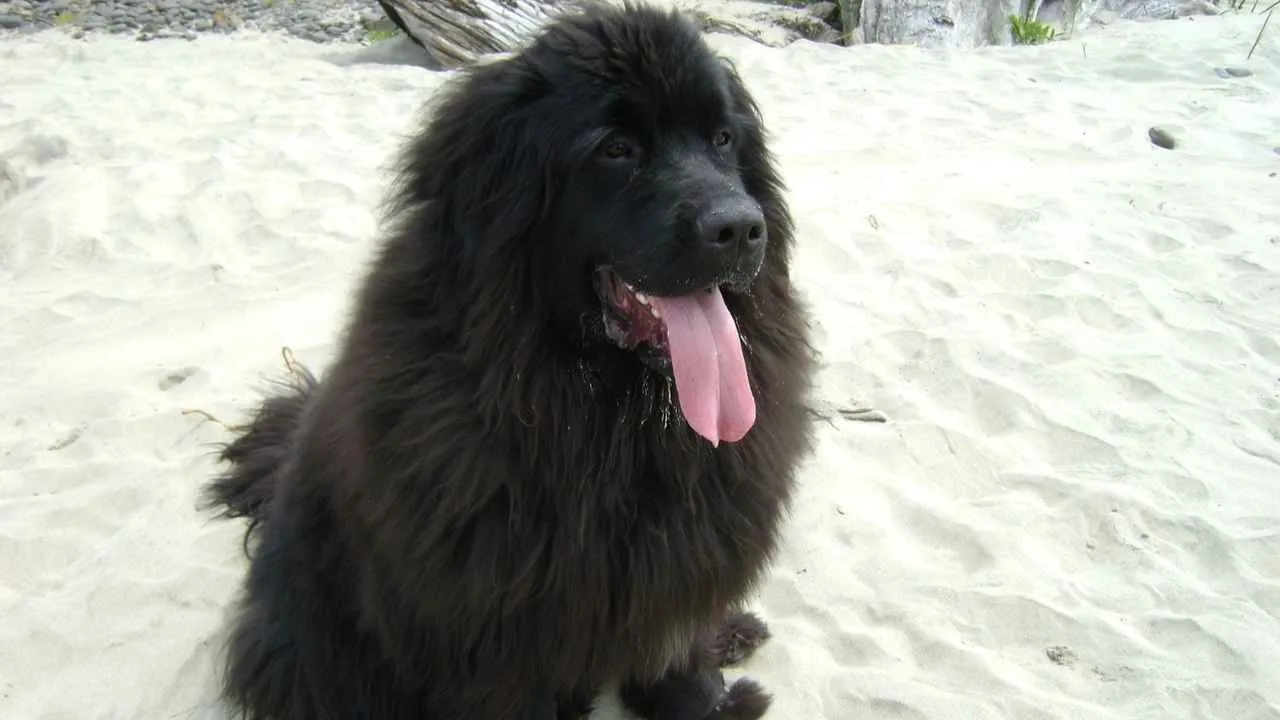
Originally developed in Newfoundland, Canada, as a water rescue dog, the Newfoundland has a thick double coat that traps air and creates a natural buoyancy effect, making it a remarkably capable swimmer in open water. But this gentle giant isn’t just built for the ocean. Its even temperament and instinctive “nanny behavior” make it an equally excellent family guard dog.
Webbed feet give the Newfoundland exceptional stability and support in the water. On land, it weighs around 100–150+ pounds, so supervision around young children is recommended, not out of aggression, but because its sheer size means accidental bumps happen. At home, it tends to appoint itself an unofficial “commando,” stationing itself at the front door to keep a watchful eye on the territory.
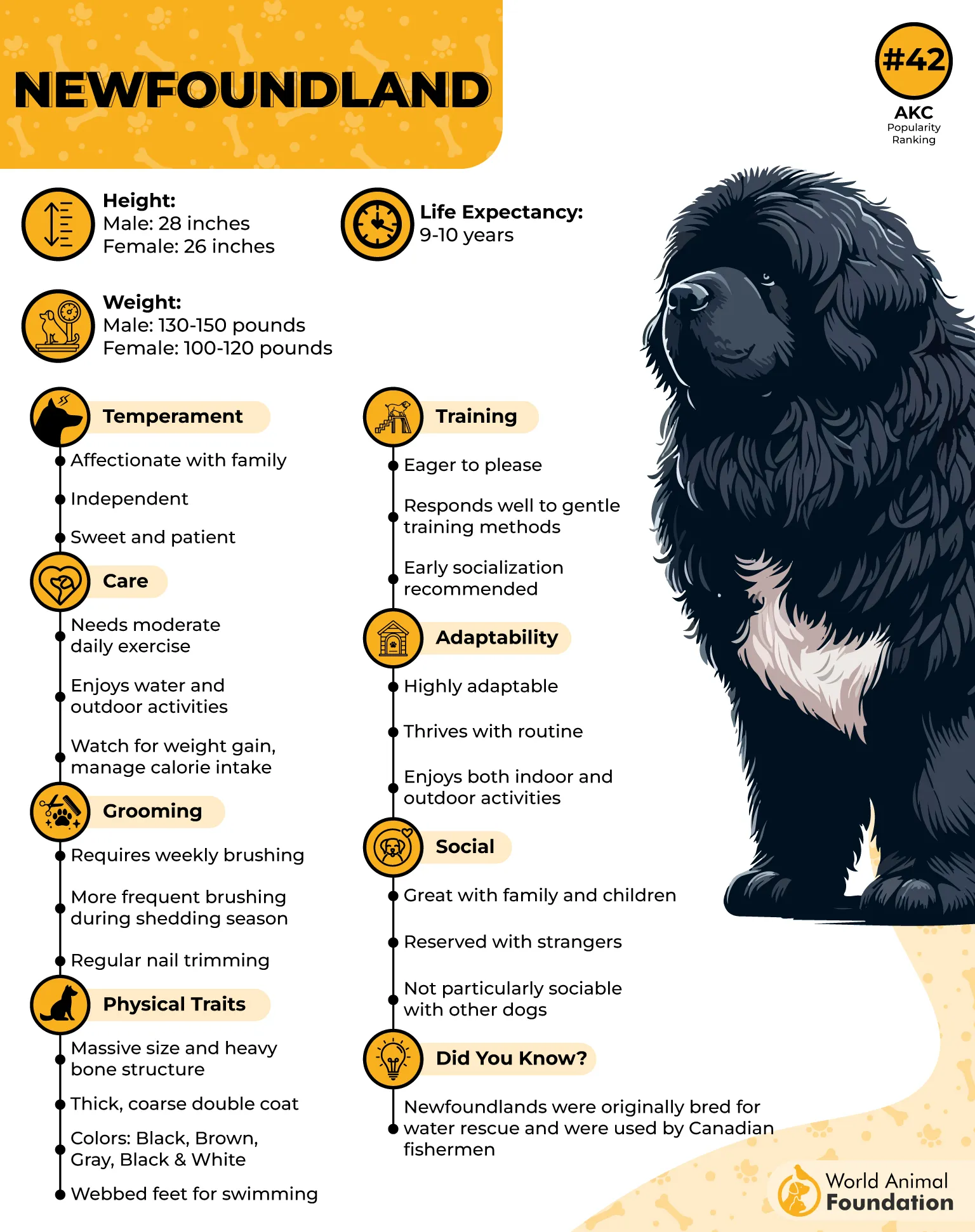
Adult Newfoundlands need moderate exercise of 30–60 minutes daily, while puppies should stick to shorter sessions to protect their developing joints. Brush every 2–3 days using the “line brushing” technique with a slicker brush and metal comb to work through the thick coat properly.
A full bath is needed every 6–8 weeks, and never fully shave the breed or leave it to air dry, as both can damage the coat and skin.
5. Saint Bernard
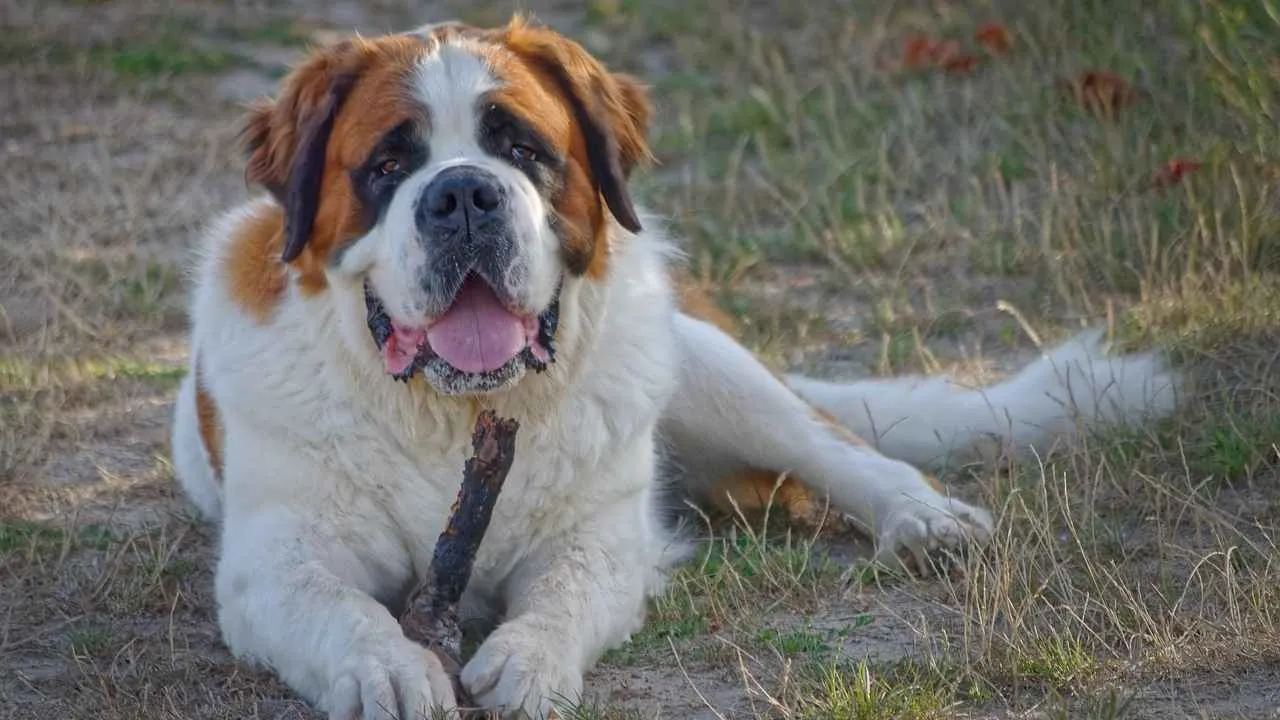
Developed in the Swiss Alps in the 18th century, the St. Bernard was originally bred to rescue travelers trapped in the snow. The breed is estimated to have saved at least 2,000 lives, according to Purina UK. It would locate stranded travelers, lick their faces to keep them conscious, and wrap its thick double coat around them for warmth, essentially a giant, furry first responder.
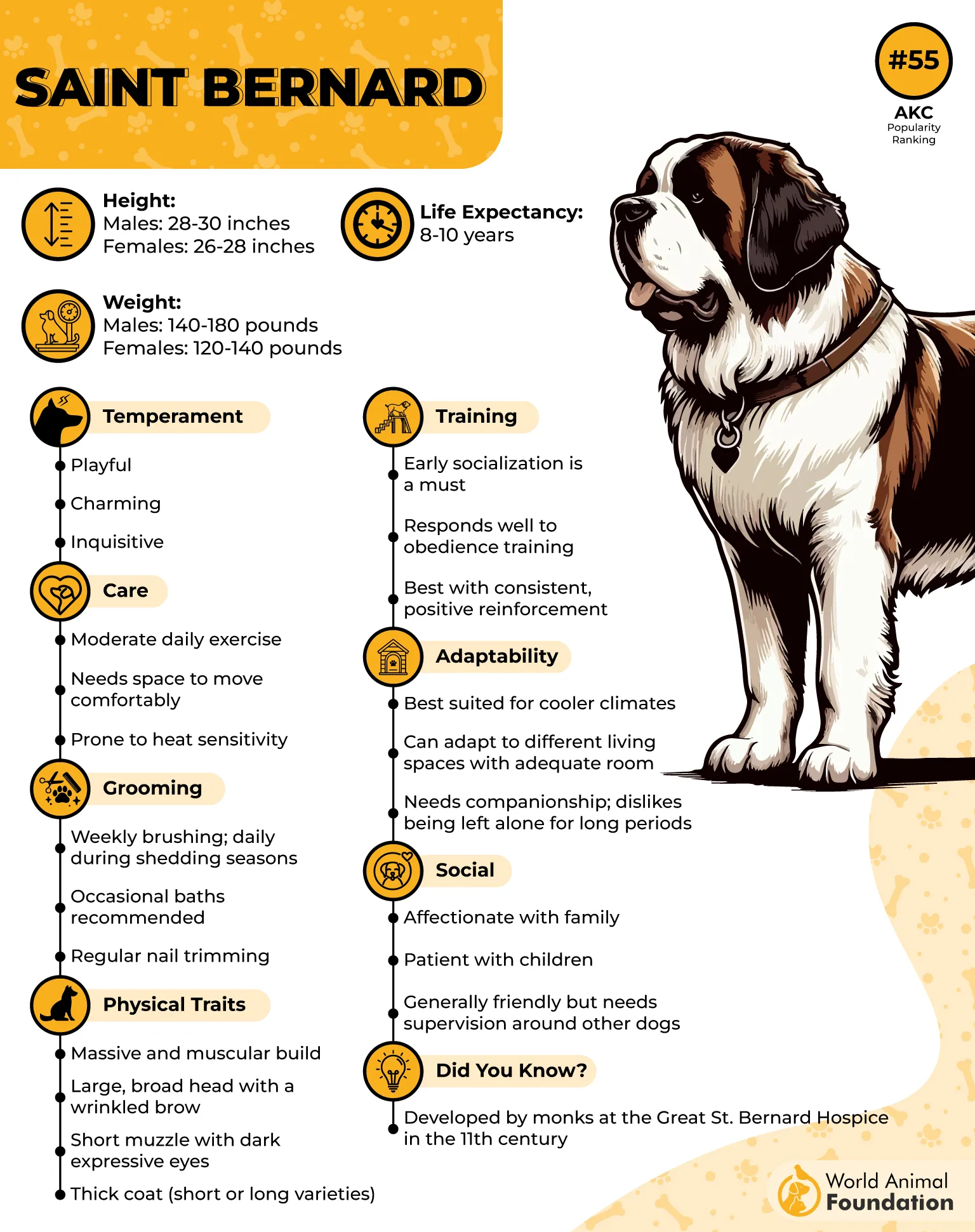
Typically weighing 120–180 pounds and standing up to 30 inches tall, the St. Bernard uses its sheer size as a first line of defense; physically blocking the path between an attacker and its owner. Thanks to a well-developed nervous system and high intelligence, it doesn’t panic easily and can assess a threat before it escalates.
Without proper training, the breed can become overly protective, so consistent socialization and structured routines are non-negotiable. That said, it’s rarely aggressive and doesn’t bark without reason. A low-energy breed at heart, the St. Bernard is perfectly happy lounging on the couch; just keep wipes handy because it drools. A lot.
6. Great Pyrenees
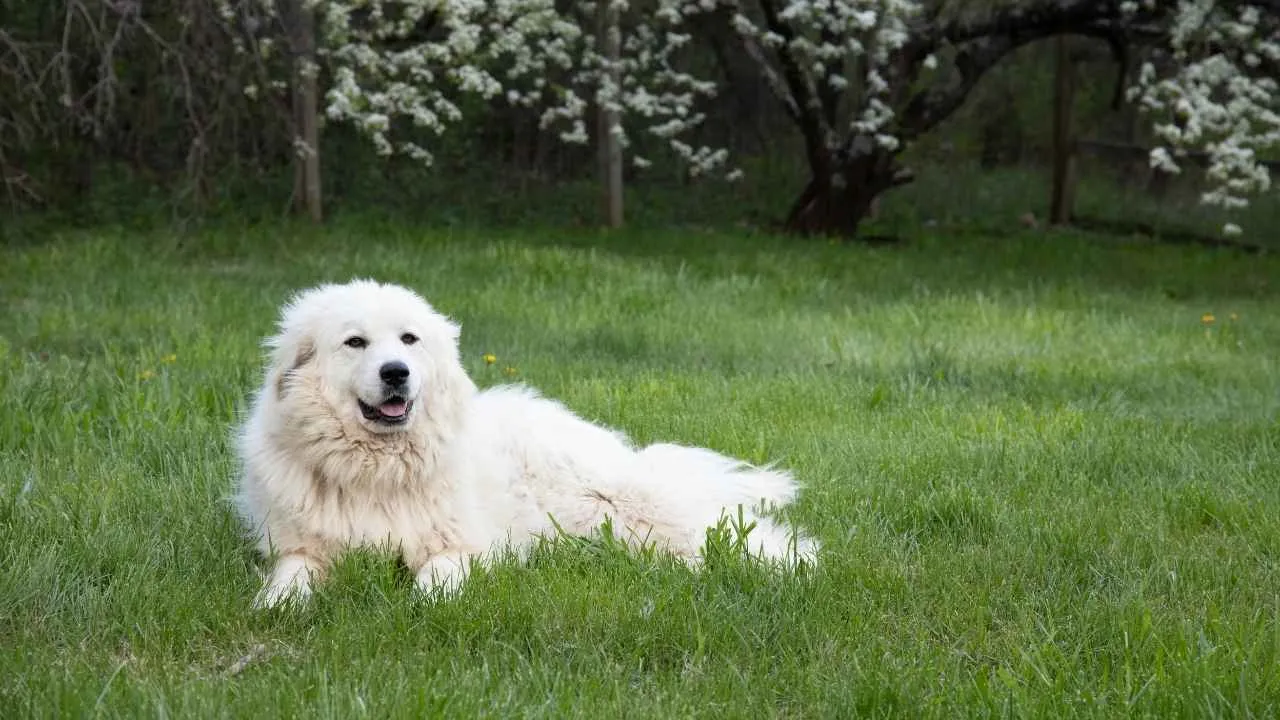
Developed along the border region between France and Spain, the Great Pyrenees was bred to watch over flocks and deter large predators, including wild boars and bears. It carries a Zen-like calm in everyday life but springs into action the moment it detects a potential threat.
Standing up to 32 inches tall and weighing around 100 pounds, it’s an imposing presence. Its thick, woolly coat acts as a natural thermoregulator, trapping air to warm the body in winter and keeping it cool in summer.
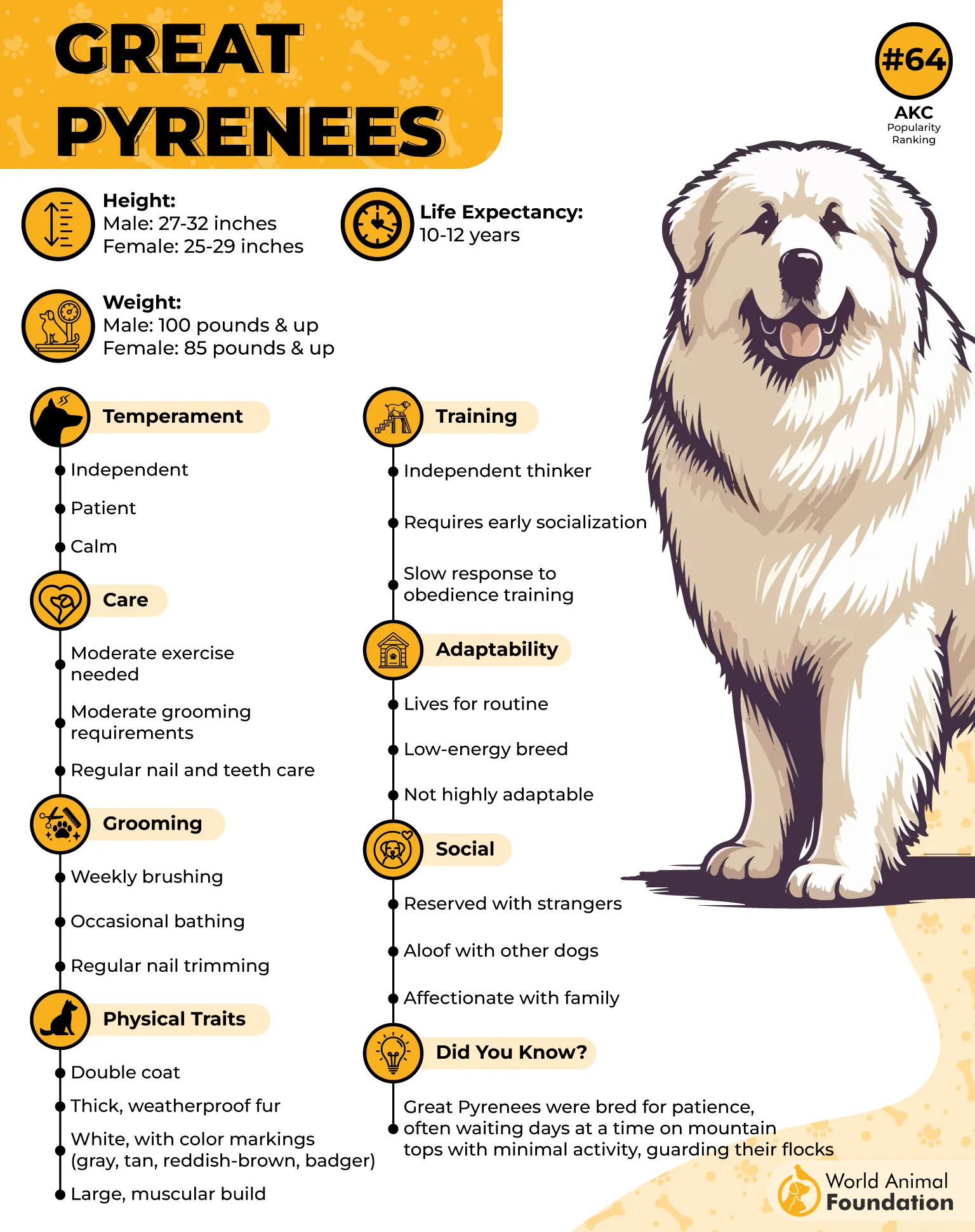
The white coat also serves a tactical purpose, blending in with the sheep it guards to create camouflage against predators. Built for low-intensity, long-distance patrolling, it conserves energy through a “loose eye” method of watchfulness; staying alert without burning unnecessary effort.
Double dewclaws on the hind legs make it sure-footed on rough terrain, and its preference for working at night has earned it a reputation as a nocturnal breed. An independent thinker and one of the smarter breeds, it can be stubborn at times, making early socialization and positive reinforcement training all the more important.
7. Great Dane
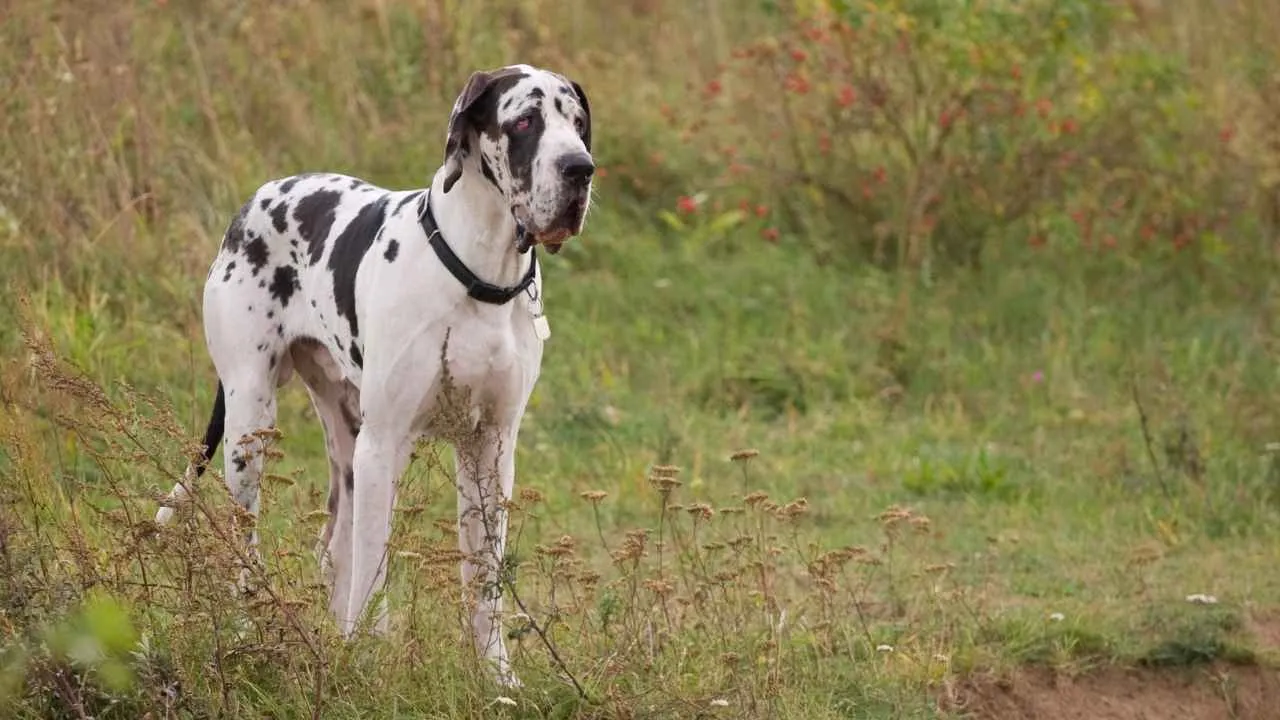
Originating in Germany, the Great Dane holds the record as the largest dog breed ever recorded. A dog named Zeus is considered the tallest on record, standing nearly 44 inches tall. The breed descends from ancient hunting dogs of the Middle Ages, used to hunt deer, bears, and wild boars.
Its deep, low-frequency bark alone is often enough to deter an intruder without any physical confrontation. Naturally wary of strangers, it will move to pin down a threat if it picks up on verbal or chemical cues from its owner.
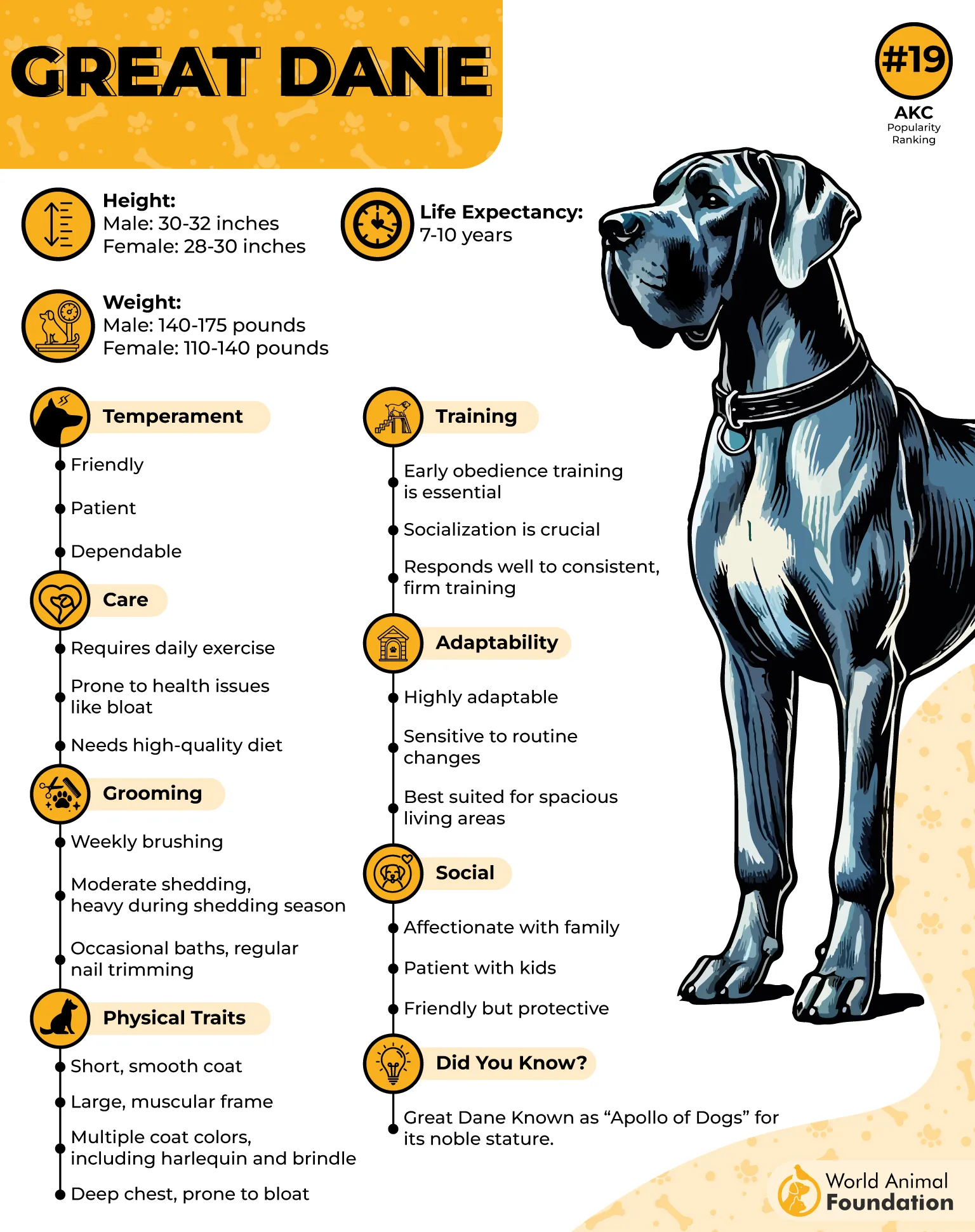
The Great Dane sees its family as a pack and is fiercely loyal to every member. It also has a distinctive “loping gait,” shifting into a three-beat rhythm where the hind legs drive the body forward in a smooth, rolling motion.
This high-energy breed needs regular exercise to stay healthy and happy: hiking, jogging, running, long walks, and indoor play all work well. Use a deshedding tool or slicker brush to remove dead hair and evenly distribute natural oils. Like many large, people-oriented breeds, the Great Dane can develop separation anxiety when left alone for too long.
Conclusion
Choosing a great guard dog does not mean choosing a chaotic life. Every breed on this list is living proof that protection and a peaceful home are not mutually exclusive; they are actually a package deal when you pick the right dog.
Whether it is the lion-tracking Rhodesian Ridgeback, the avalanche-rescuing Saint Bernard, or the quietly colossal Great Dane, each of the excellent guard dogs earns its place without turning your home into a production set.
They do not need drama to be effective. Their history, size, and temperament speak volumes all on their own. Give any one of them a consistent home, basic love, and a good couch to call their own, and they will guard your family like it is their entire reason for being here. Because honestly? It is.
