




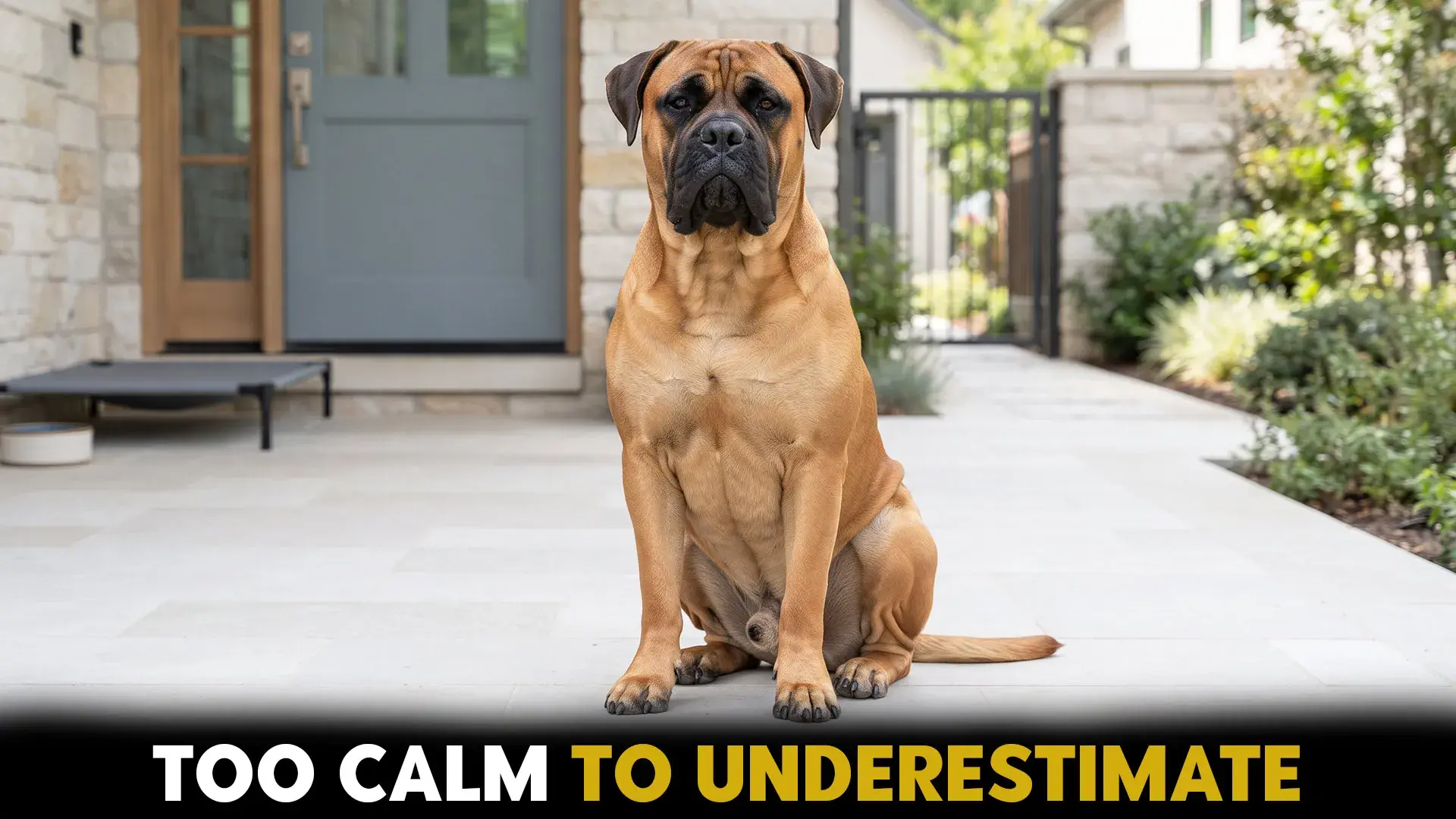
Finding a dog that can protect your home without making everyday life chaotic may sound difficult. You want a loyal companion who stays alert when needed but can also relax and enjoy a peaceful home.
Low maintenance doesn’t mean completely hands-off. Every dog still needs proper food, exercise, training, grooming, and veterinary care. However, some dogs have calmer temperaments, moderate exercise needs, and simpler care routines that make them easier to manage.
The right choice also depends on your home, schedule, and experience with dogs. With proper socialization and positive training, a protective dog can learn when to stay alert and when to settle down. Let’s explore some of the best guard dog breeds that can offer both security and calm companionship.
Key Takeaways
Great Pyrenees bring calm, watchful protection with a gentle family nature.
Boerboels combine loyalty and confidence with strong guarding instincts.
Bullmastiffs, Saint Bernards, and Great Danes offer gentle companionship with simpler grooming needs.
Kuvasz and Broholmer show how experienced training, space, and socialization shape a well-balanced guardian.
Low‑Maintenance Guard Dog Breeds for Calm Living
1. Great Pyrenees
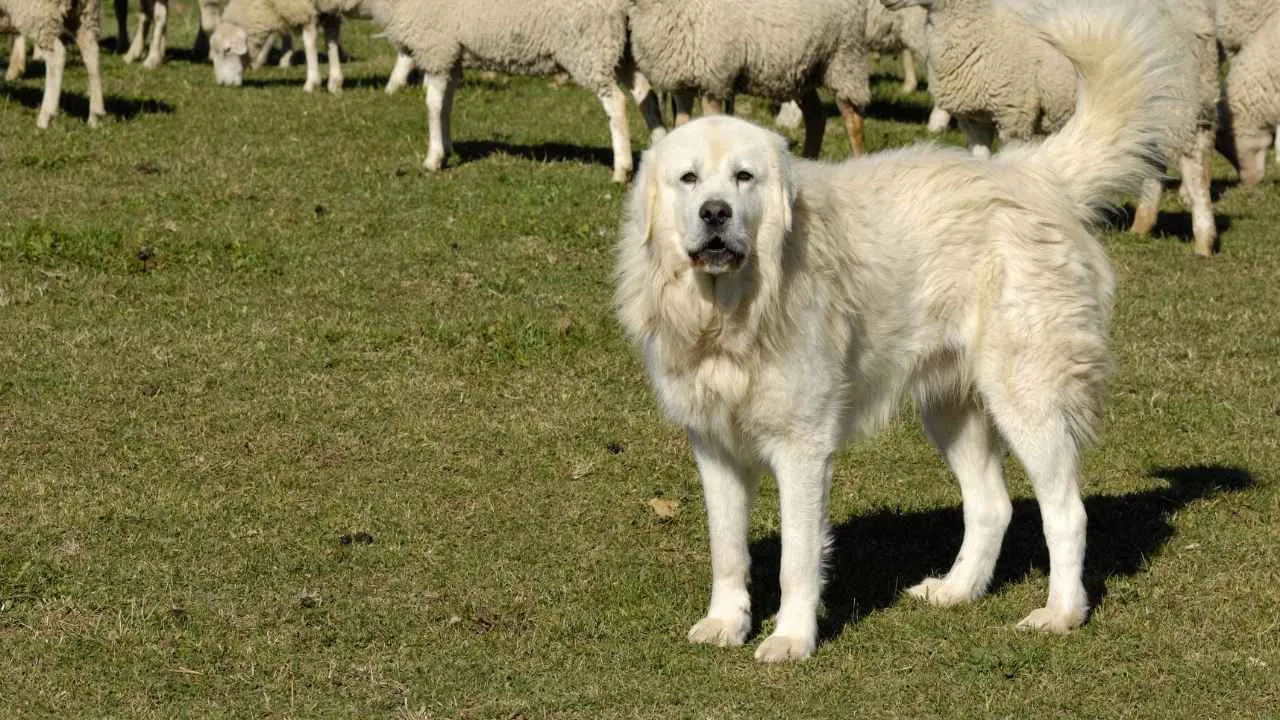
Great Pyrenees are gentle, calm guardians with a strong protective instinct. Originally bred to guard livestock from predators in the Pyrenees Mountains, they are naturally watchful and independent.
Today, they bring that same protective nature to their families. They are best suited to cooler climates and homes with enough space to roam.
Temperament & Lifestyle
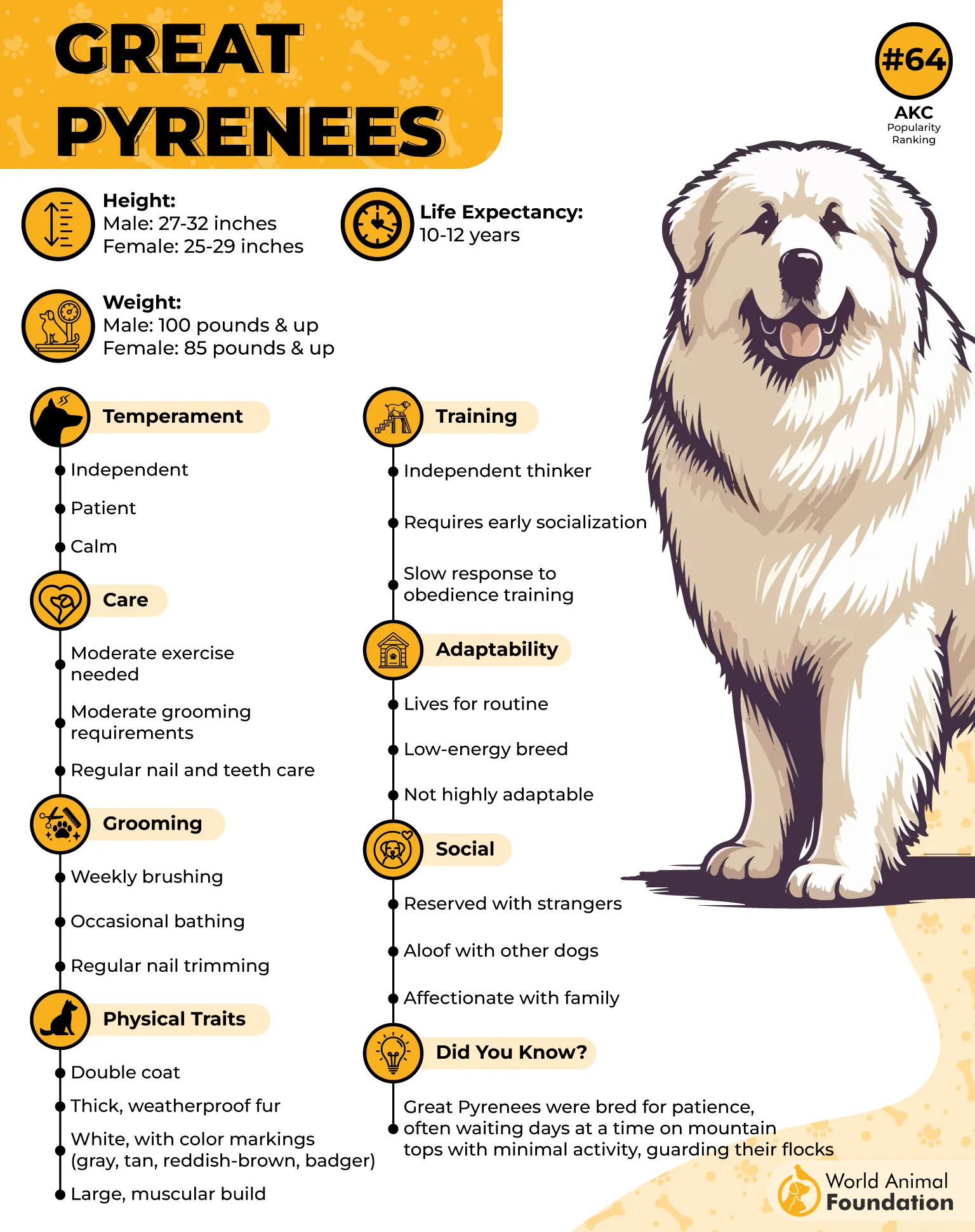
These dogs have a quiet, steady nature and are not easily excited. They form strong bonds with their family members and are usually patient with children, other dogs, and livestock when properly socialized. Purina says they can be reserved with strangers and may bark to alert their families.
Their independent nature can also make training challenging, so early socialization and positive reinforcement are important.
Care & Grooming
Great Pyrenees have moderate exercise needs and enjoy daily walks, gentle hikes, and time to roam in a secure yard. They can be easier to manage than their size suggests, but their thick double coat needs regular care.
Brushing two to three times a week helps control shedding and prevent mats, with more frequent brushing during shedding seasons. Their thick coat also makes them sensitive to heat, so cool surroundings, shade, and fresh water are essential.
2. Boerboel
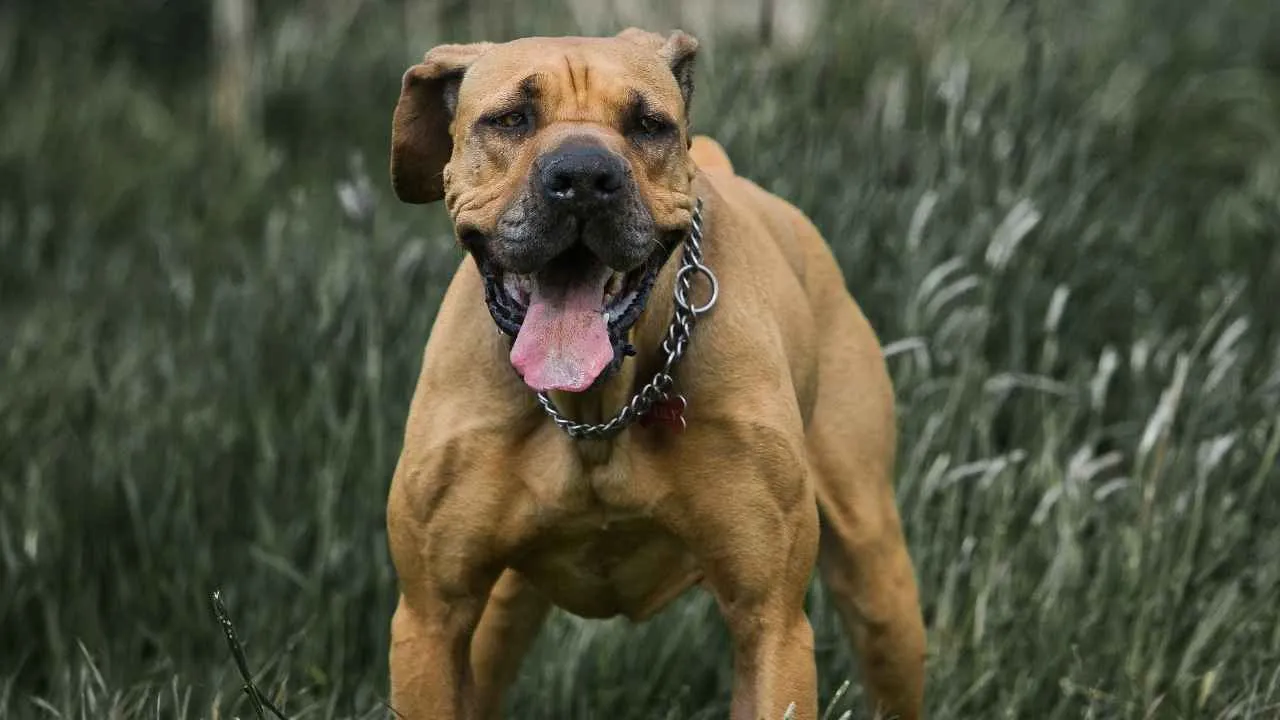
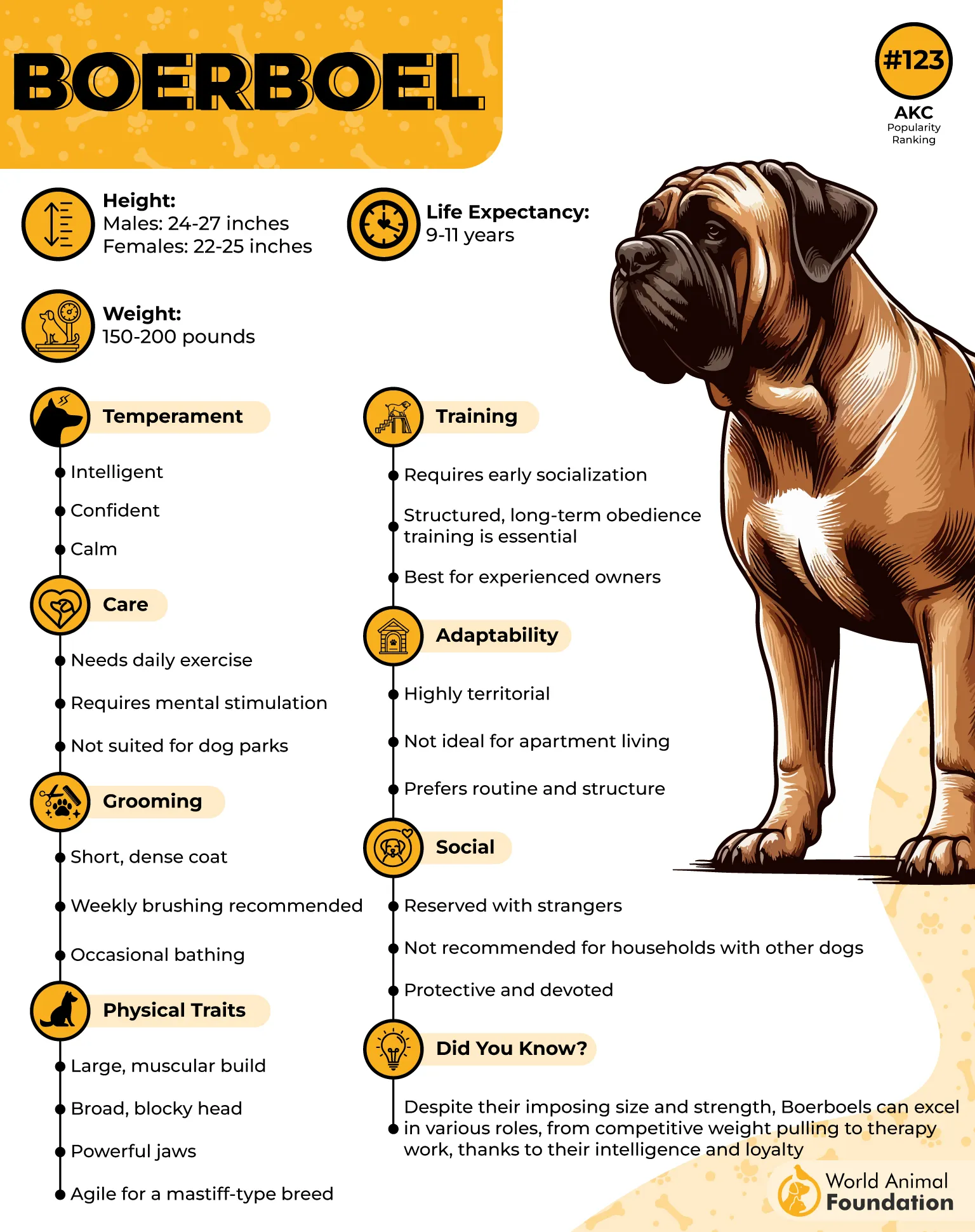
Boerboels are powerful South African guardians with a strong sense of loyalty. Originally bred to protect farms and families from predators, they remain naturally watchful and territorial.
Despite their imposing appearance, they can be affectionate and gentle with their families. They are intelligent, confident, and devoted dogs that prefer being closely involved in family life.
Temperaments & Training
At home, Boerboels can be loving and playful, including with children who know how to interact safely with dogs. They are often reserved around strangers, so proper introductions are important.
Their protective instincts can also make them territorial, which is why early socialization and consistent obedience training are essential. They are intelligent but can be headstrong, so patient and persistent training works best.
Exercise & Grooming
Boerboels need daily physical activity and mental stimulation to stay happy and well-behaved. Long walks, secure-yard play, puzzle games, and problem-solving activities can keep their active minds engaged.
A large, securely fenced space is ideal, and they should not be allowed off-leash because of their protective nature. Their short, dense coat is simple to maintain. Weekly brushing with a soft-bristle brush or grooming mitt helps remove loose hair and keep the coat healthy.
3. Bullmastiff
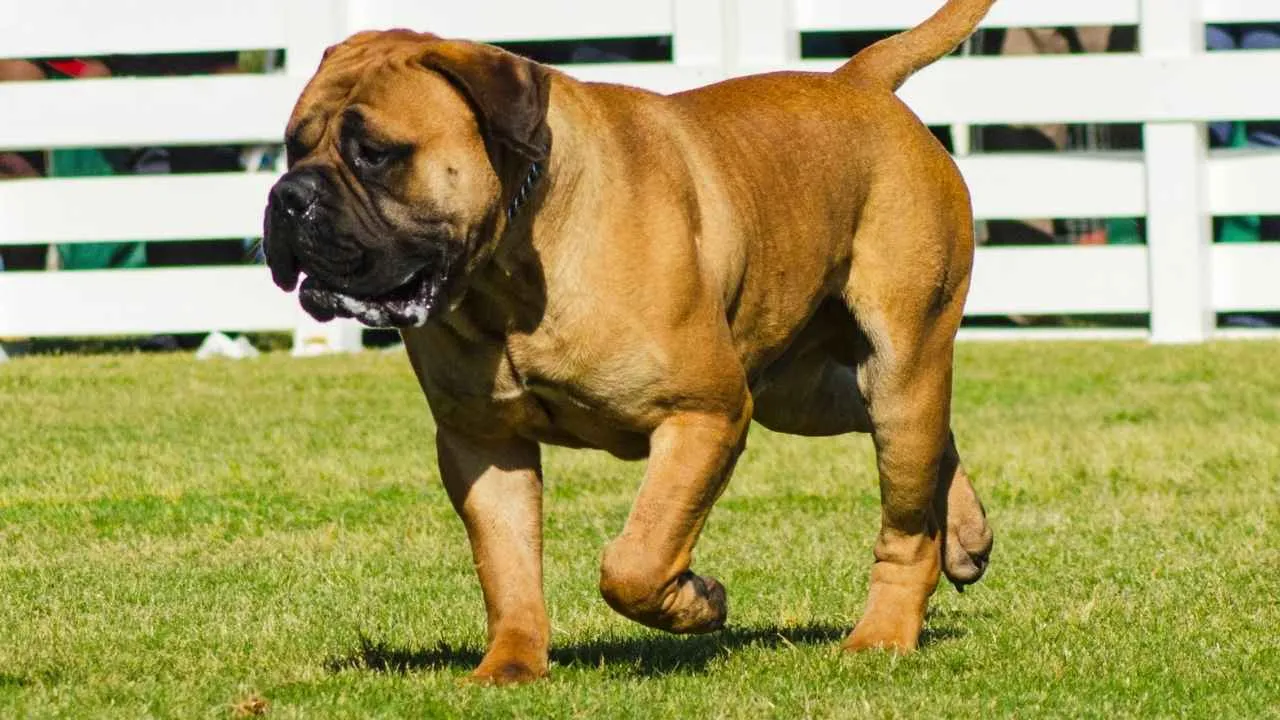
Bullmastiffs are gentle, affectionate guardians that bring a calm presence to the home. Originally developed from Mastiff and Bulldog lines, they were bred for protection but are not overly active or noisy.
They form strong bonds with their families and often show affection by leaning against their favorite people. Their short, dense coats also keep grooming simple.
Temperaments & Training
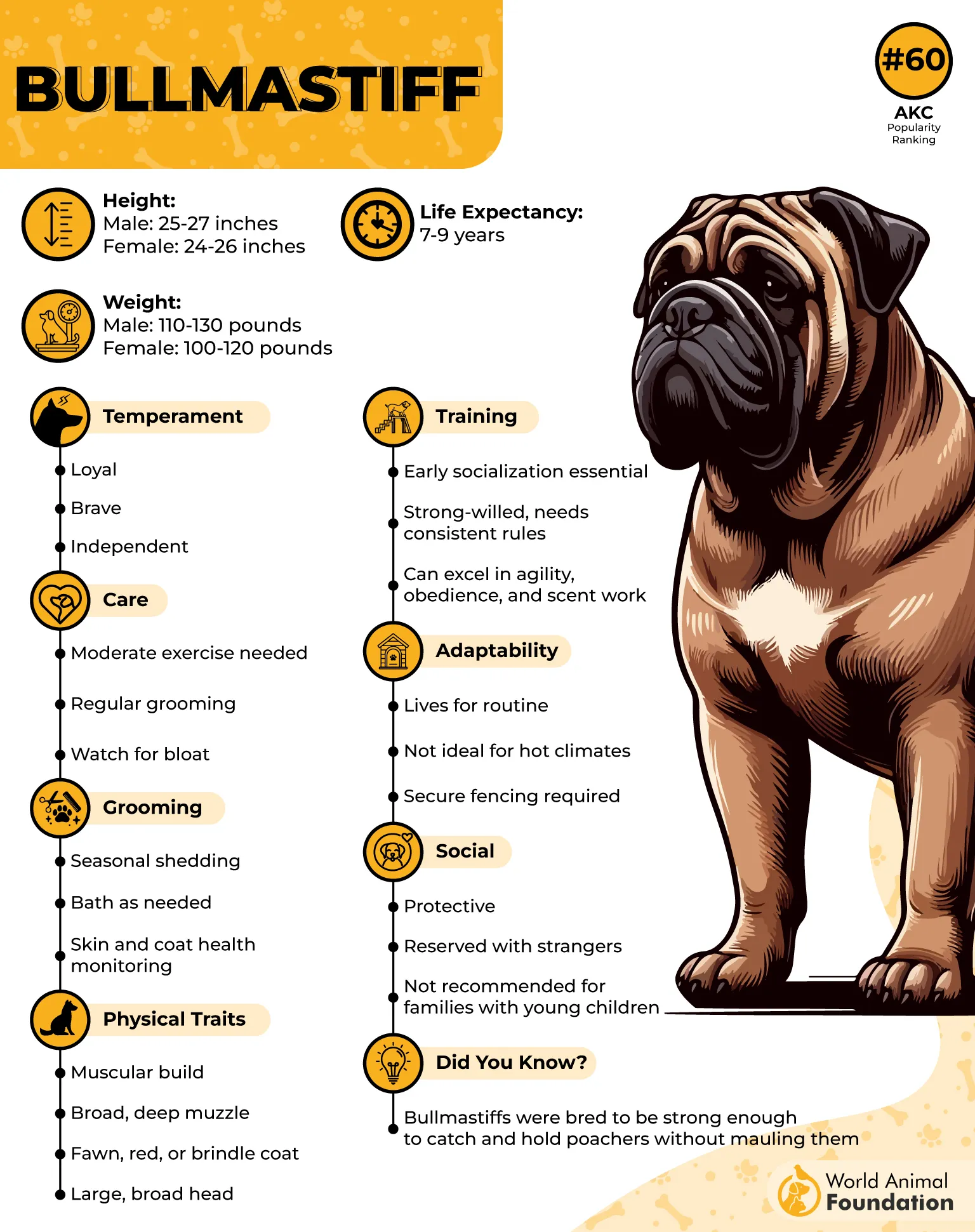
These dogs are confident and generally quiet, with little interest in excessive barking. They can be wary of strangers, so early socialization helps them become more comfortable around new people.
Bullmastiffs enjoy being close to their families and should not be left alone for long periods. Their large, clumsy build also means children and smaller pets should be supervised around them.
Exercise & Grooming
Bullmastiffs are not built for intense activity, but they still need regular outdoor time, walks, and opportunities to explore. They enjoy relaxed activities more than demanding workouts, making them a good match for calmer households.
Their short coat is easy to maintain with basic brushing. Regular nail care and routine grooming are usually enough to keep them comfortable and looking their best.
4. Saint Bernard
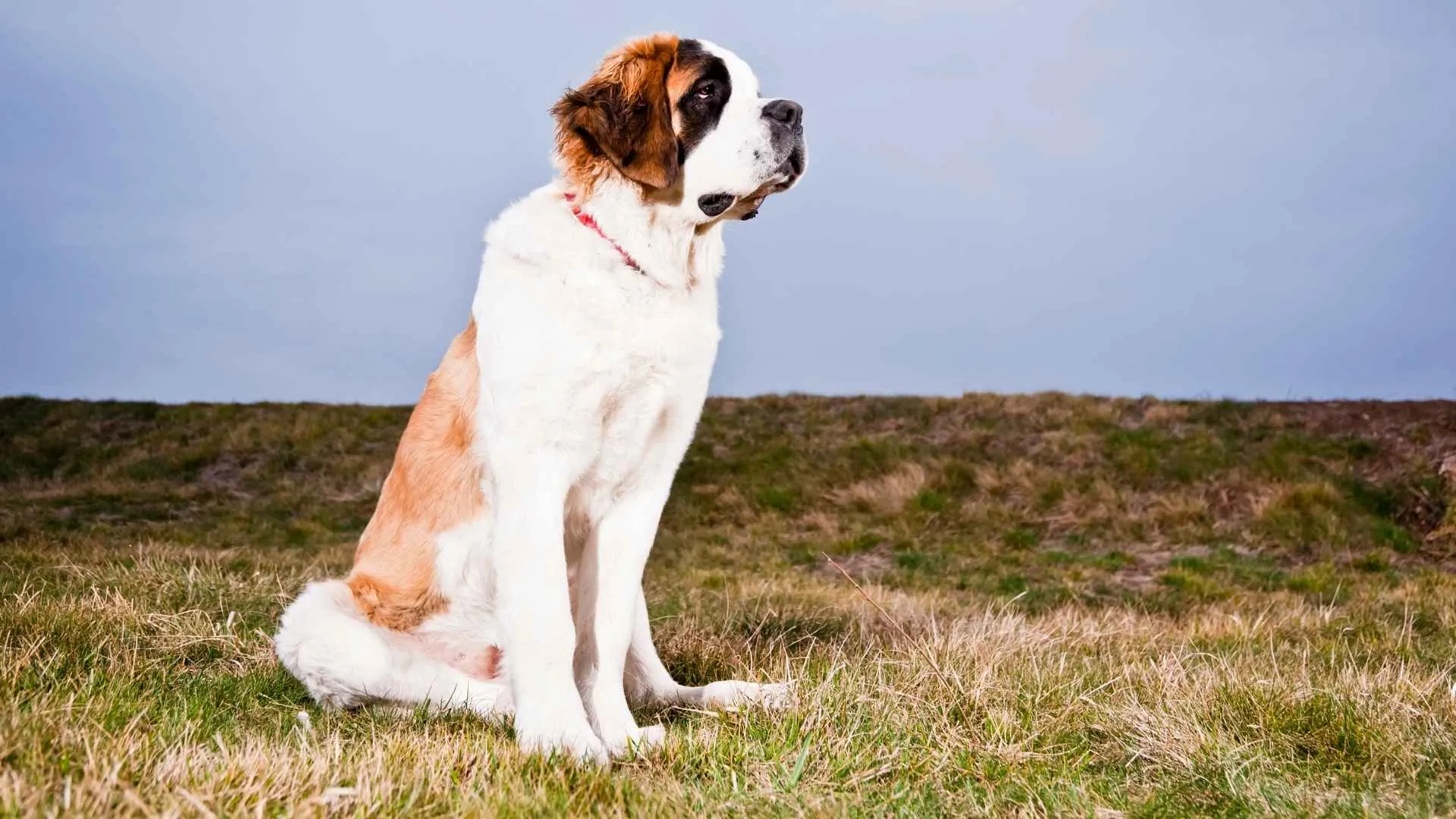
Saint Bernards are gentle, affectionate giants that bring a calm and friendly presence to the home. Originally bred as working and rescue dogs in the Swiss Alps, they are known for their patience, loyalty, and strong bonds with their families.
They are especially tolerant around children and enjoy being part of family activities. Their large size, drooling, and regular shedding do require some extra care.
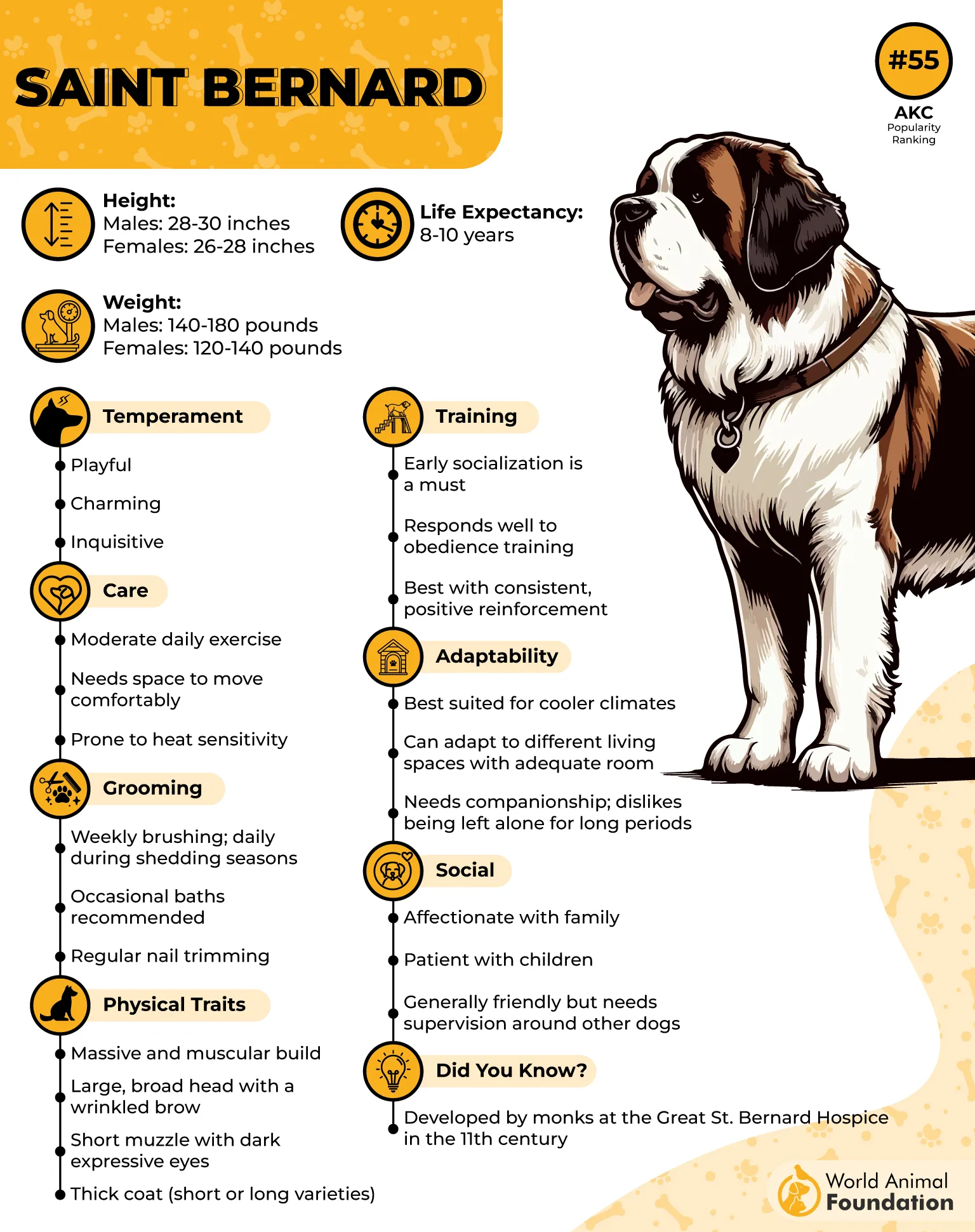
Temperaments & Training
These dogs are mellow, social, and eager to please, with a generally gentle nature toward people and other animals. They are not known for excessive barking, but their size makes early training and socialization essential.
Saint Bernards can be stubborn at times, so consistent positive reinforcement helps them learn good manners. They thrive on companionship and may become unhappy if left alone for long periods.
Exercise & Grooming
Saint Bernards have moderate exercise needs and usually prefer relaxed walks, playtime, and short outdoor adventures rather than intense workouts.
Around 30 minutes of daily exercise can help keep them healthy, while puppies should be protected from excessive activity as they grow. Their coat may be short or long and benefits from regular brushing, especially during seasonal shedding.
5. Kuvasz
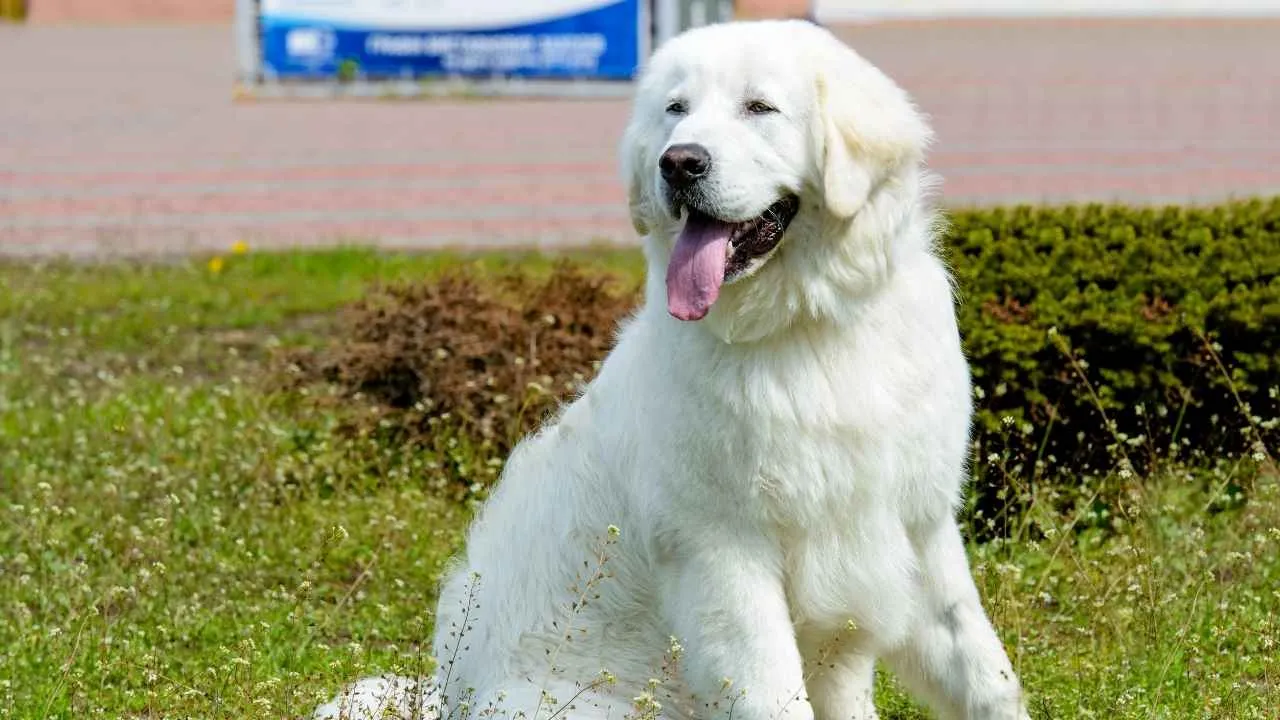
Kuvasz dogs are intelligent, courageous guardians that bring a calm but watchful presence to the home. Originally bred to protect livestock and households in Hungary, they are deeply loyal to their families but often reserved around strangers.
Their thick white coats give them a majestic appearance, while their independent nature makes them best suited to experienced pet parents who can provide plenty of space, structure, and socialization.
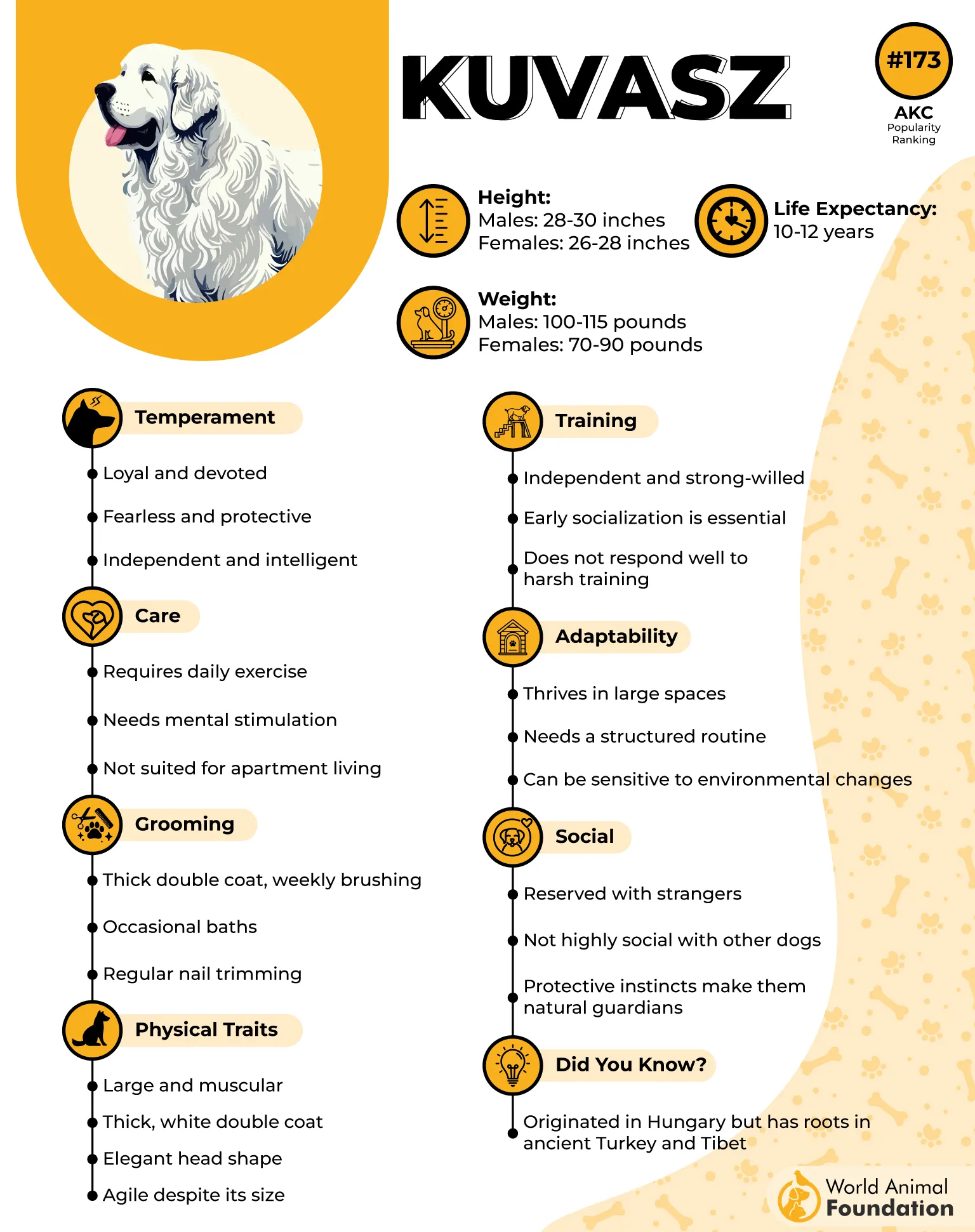
Temperaments & Training
These dogs are confident, protective, and highly intelligent, with strong instincts to watch over their family and territory. They can be wary of unfamiliar people and may bark when they sense something unusual, so early and consistent socialization is essential.
PetMD mentions that Kuvasz dogs are independent thinkers and can be headstrong, making positive, consistent training especially important. They can be gentle with familiar children and animals when properly socialized, but their large size means interactions should always be supervised.
Exercise & Grooming
Kuvasz dogs need regular exercise, mental stimulation, and enough room to roam, making them a poor fit for apartment living. Long walks, structured activities, nose work, agility, and other problem-solving games can help keep their active minds and bodies engaged.
Their thick white double coat needs brushing several times a week to remove loose hair and prevent tangles, with heavier shedding during seasonal changes.
6. Broholmer
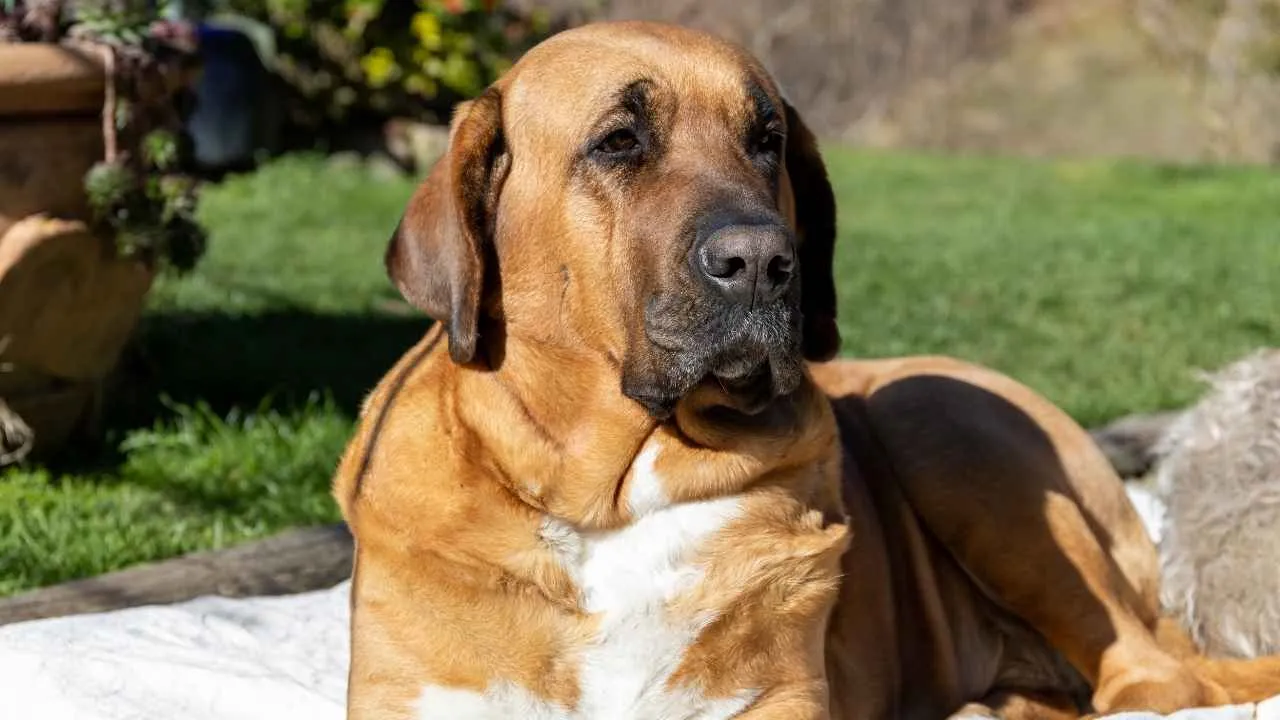
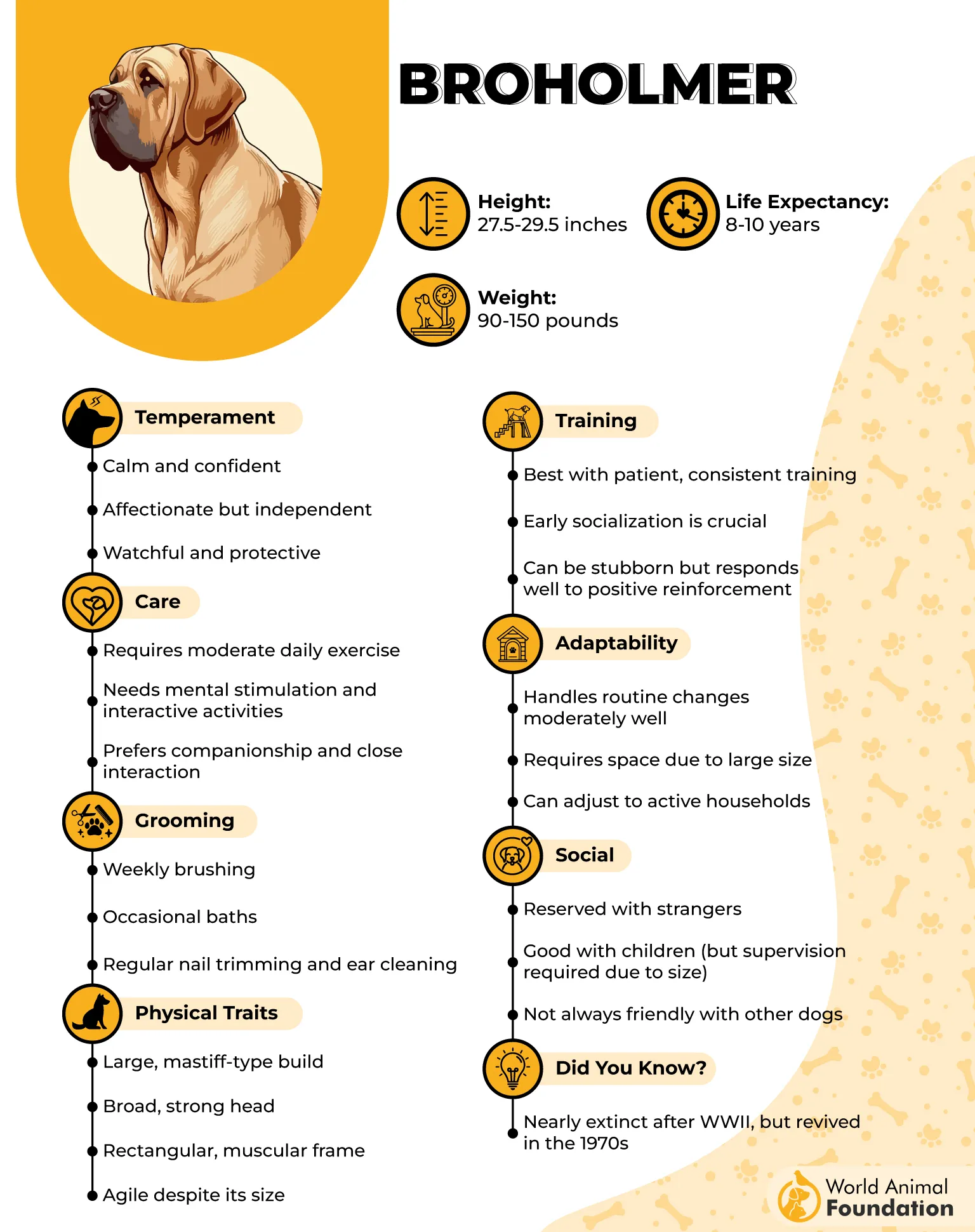
Broholmers are calm, loyal guardians that bring a gentle and confident presence to the home. Originally developed in Denmark as guard and hunting dogs, they are now valued mainly as affectionate family companions.
Despite their impressive size, they often enjoy cuddling with their favorite people and form strong bonds with their families. Their short, dense coat also makes grooming relatively simple.
Temperaments & Training
These dogs are docile, even-tempered, and generally friendly, but they can be wary of strangers because of their natural guarding instincts. Early socialization helps them become comfortable around unfamiliar people, dogs, and different situations.
Broholmers are intelligent and eager to please, although they can sometimes be stubborn or willful, so consistent, patient training and clear boundaries are important. Their large size also means children should be supervised around them.
Exercise & Grooming
Broholmers enjoy spending time outdoors and need daily exercise to stay healthy and prevent boredom-related behavior.
They are not extremely high-energy dogs, but they benefit from walks, play, hiking, retrieving games, and other activities that engage both their body and mind. Their short coat is easy to maintain with weekly brushing and occasional baths.
7. Great Dane
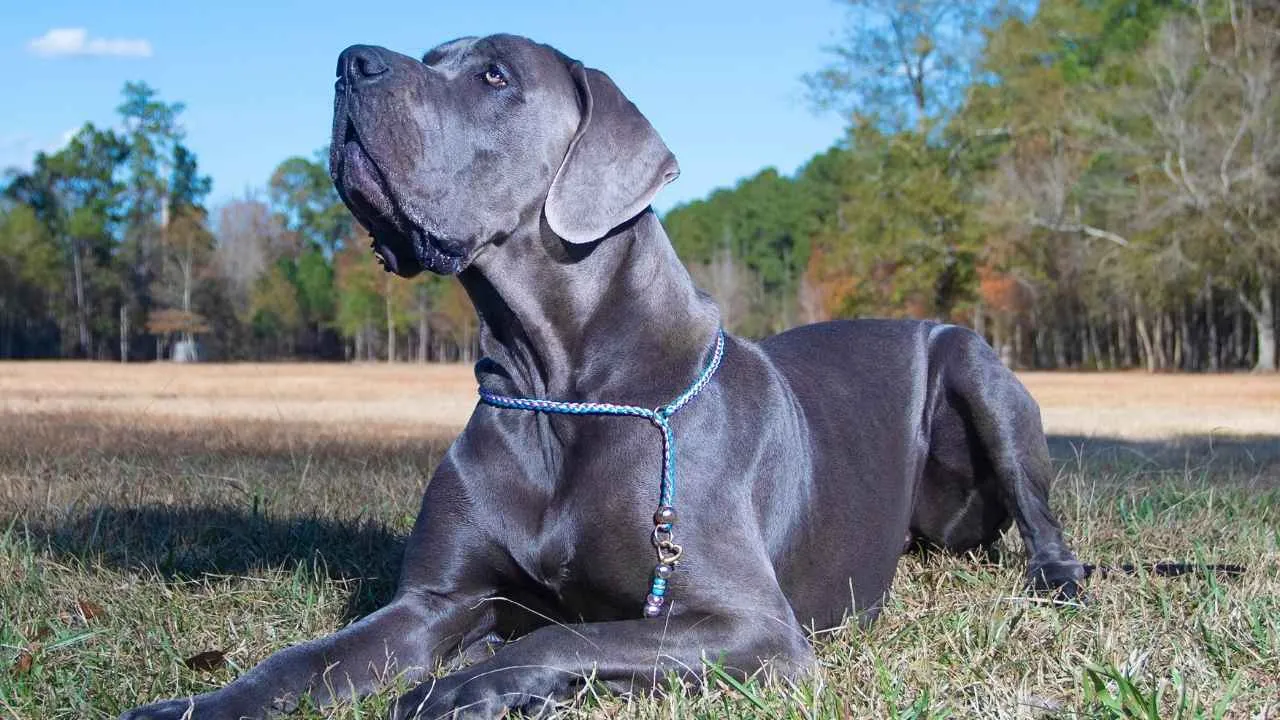
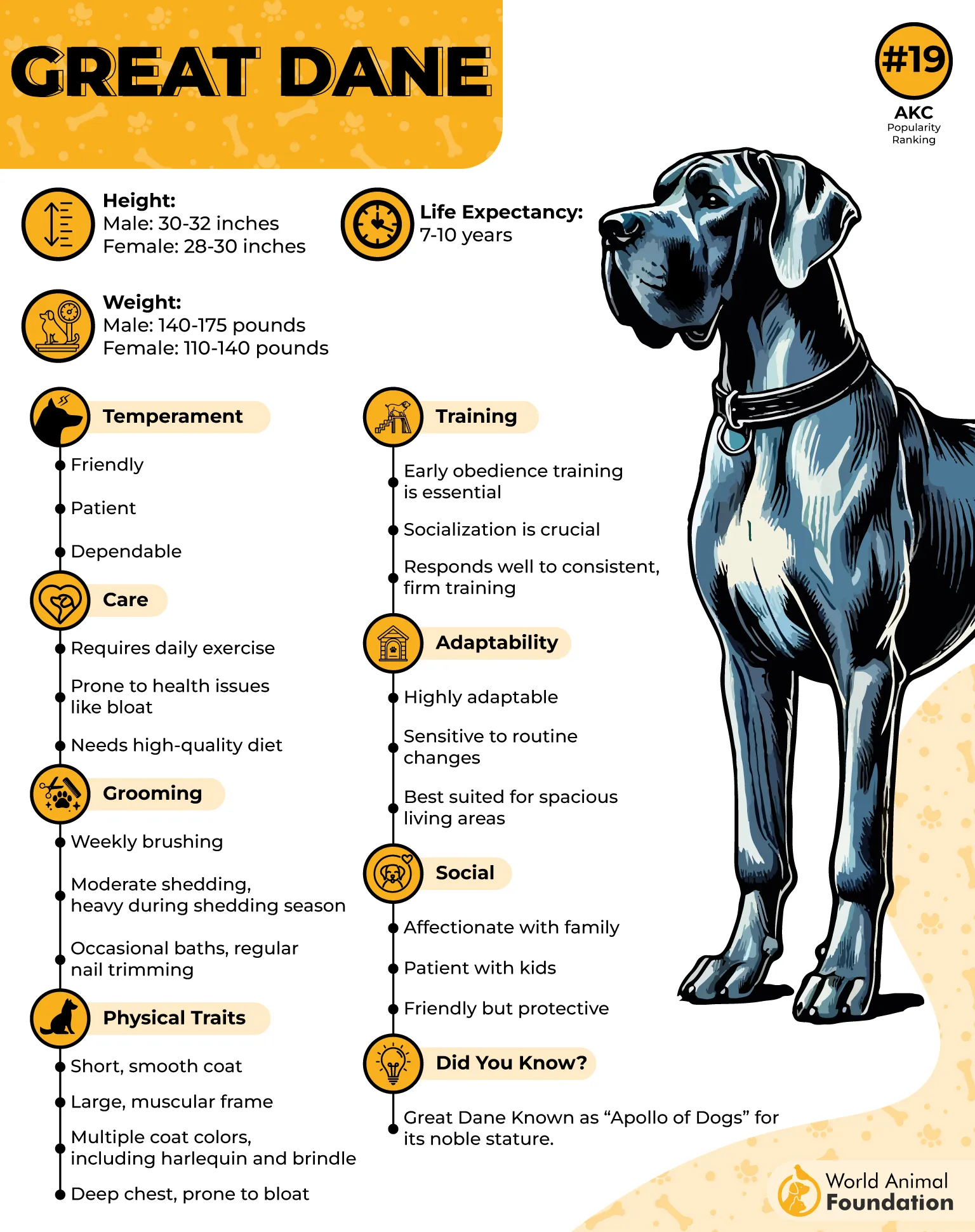
Great Danes are gentle, affectionate giants that bring an elegant yet easygoing presence to the home. Originally developed in Germany for hunting wild boar and guarding estates, they are now best known as devoted family companions.
Despite their enormous size, they are typically calm, moderately playful, and enjoy spending time with their people. Their short, sleek coats also make grooming relatively simple.
Temperaments & Training
These dogs are gentle, intelligent, and generally affectionate, but their size makes early training and socialization essential.
According to the AKC, Great Danes can be good with children and other animals when raised and socialized properly, although interactions with young children should always be supervised.
They can sometimes be stubborn learners or become timid in unfamiliar situations, so positive, consistent training helps build confidence and good manners.
Exercise & Grooming
Great Danes need regular daily exercise and enough space to stretch, move, and play comfortably. Long walks, obedience activities, and moderate play can provide the physical and mental stimulation they need, although they are not typically high-energy dogs.
Their short coat requires little maintenance, with weekly brushing helping control shedding and occasional baths keeping them clean.
Conclusion
Choosing the right guard dog means looking beyond size and appearance. From loving family pets to protective working dogs, each breed has different needs for exercise, training, grooming, space, socialization, nutrition, and health care.
Understanding these differences can help you find the right furry friend whose temperament and lifestyle fit your home.
Before bringing one home, consider the breed’s energy level, size, maintenance needs, and potential health concerns, along with the time and space you can provide.
With the right preparation, training, and lifelong care, these dogs can become far more than an impressive presence. They can be a loyal and loving part of the family.
