




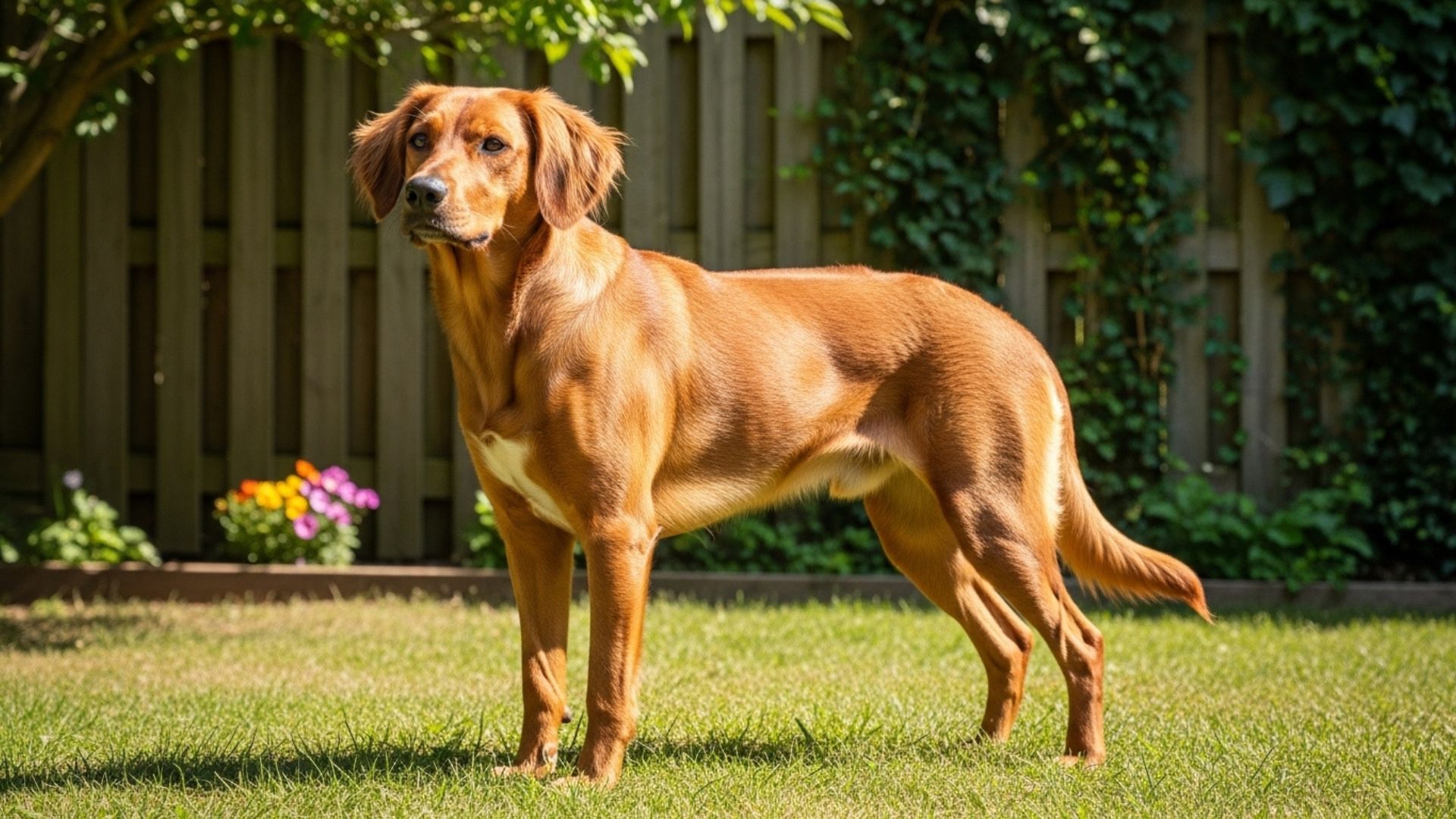
For most of history, dogs weren’t couch cuddlers or Instagram stars — they had jobs. Serious ones. They guarded homes, protected livestock, hunted for food, and stood watch long before security systems ever existed.
In fact, historians agree that humans began relying on dogs for protection thousands of years ago, and even ancient philosophers like Plato wrote about their loyalty and bravery.
Fast-forward to today, and while our lives look very different, our need for safety, companionship, and peace of mind hasn’t changed at all.
That’s why guard dogs still hold a special place in modern homes — especially for people who want protection without chaos. Not everyone wants a high-maintenance protector that sheds nonstop or needs constant training drills.
Many families are now searching for something more balanced: A dog that’s alert and protective when it matters, yet calm, gentle, and easy to live with day-to-day.
In this article, we’re focusing on low-maintenance protection dogs with a gentle side — dogs that offer reassurance without overwhelming your home or lifestyle.
Key Takeaways
Find guard dogs that protect without the hassle of constant shedding or training.
Meet calm and loyal breeds like Anatolian Shepherds, Ridgebacks, and Bullmastiffs.
See why smart dogs like Belgian Malinois and Dobermans need the right exercise to thrive.
Discover how Cane Corsos and Rottweilers blend fierce protection with family love.
Low-Maintenance Guard Dog Breeds With A Gentle Side
1. Anatolian Shepherd
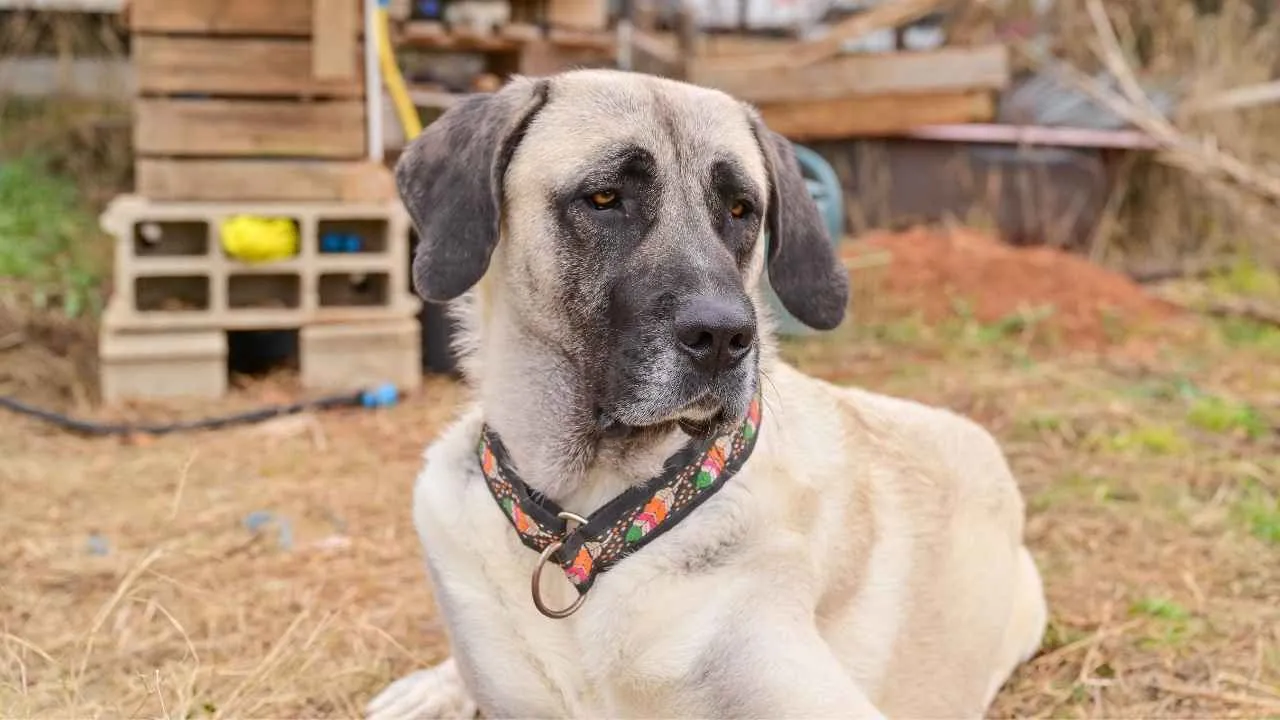
Bred more than 6,000 years ago to guard livestock, this extra-large dog is naturally alert and suspicious of strangers. It is highly territorial and uses its loud bark and strong presence to deter intruders.
Because it likes to patrol and stay aware of its surroundings, it needs plenty of space and is not suited to apartment living.
Gentle With Family
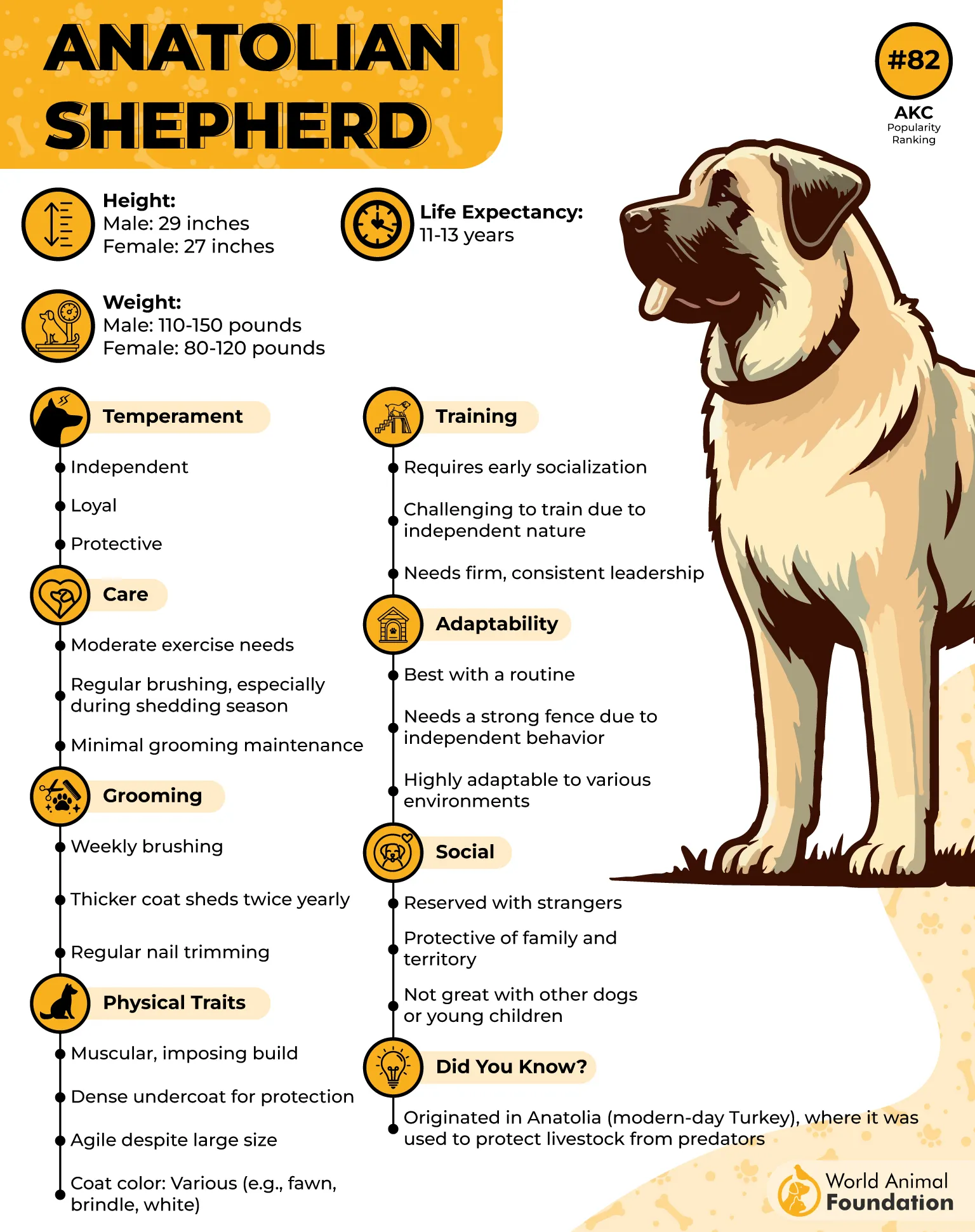
Despite its tough guarding nature, this breed is calm and loving with those it considers family. It is patient, intelligent, and deeply loyal, often extending its protection to children and smaller pets.
Obedience does not come automatically, so firm and confident training is important to guide its independent mindset.
Low Maintenance Care
Built for outdoor work, this dog’s coat is easy to manage most of the year with weekly brushing. It does shed its undercoat twice annually, requiring more frequent grooming during those periods. Overall, it remains a low-maintenance and great guard dog with a gentle side for the right dog owner.
2. Rhodesian Ridgeback
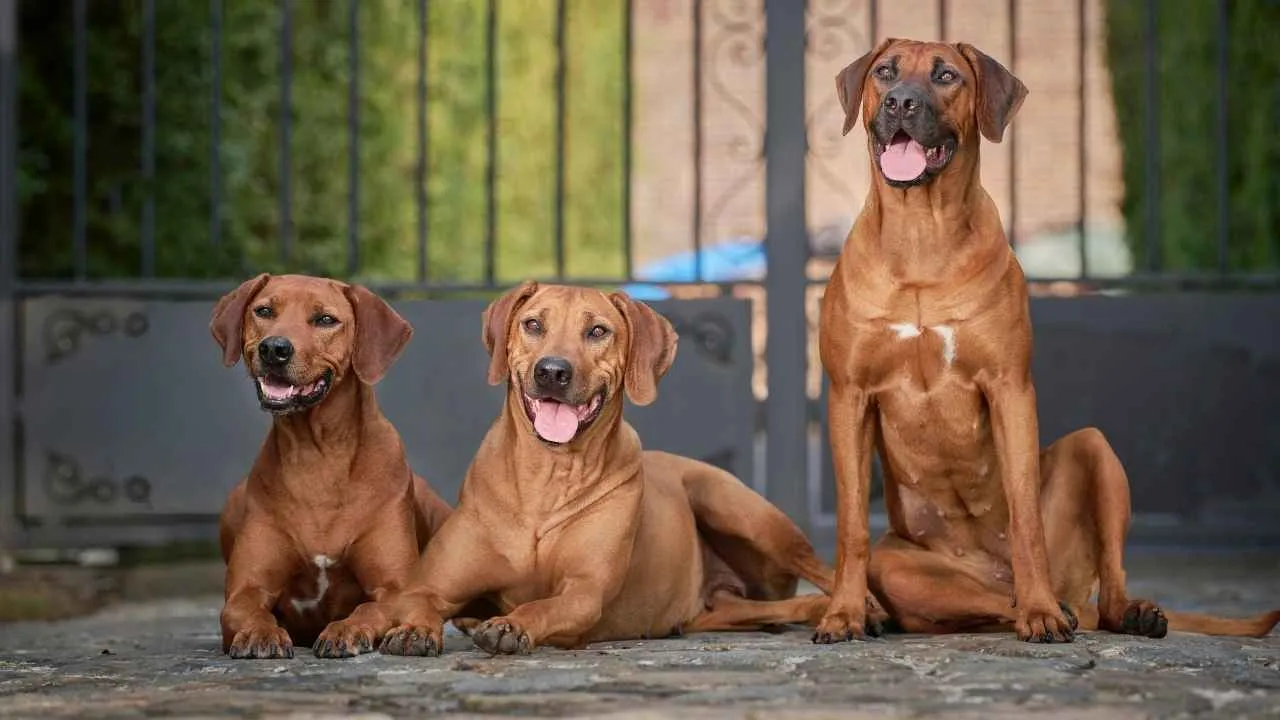
This breed gets its name from the distinctive ridge of fur that grows in the opposite direction along its spine, as mentioned by PetMD. Originally bred to help hunt lions, it is naturally fearless, alert, and confident.
Because of this history, standing up to everyday suburban threats comes naturally. It has a strong protective instinct but can be stubborn and domineering, so proper training and socialization are important.
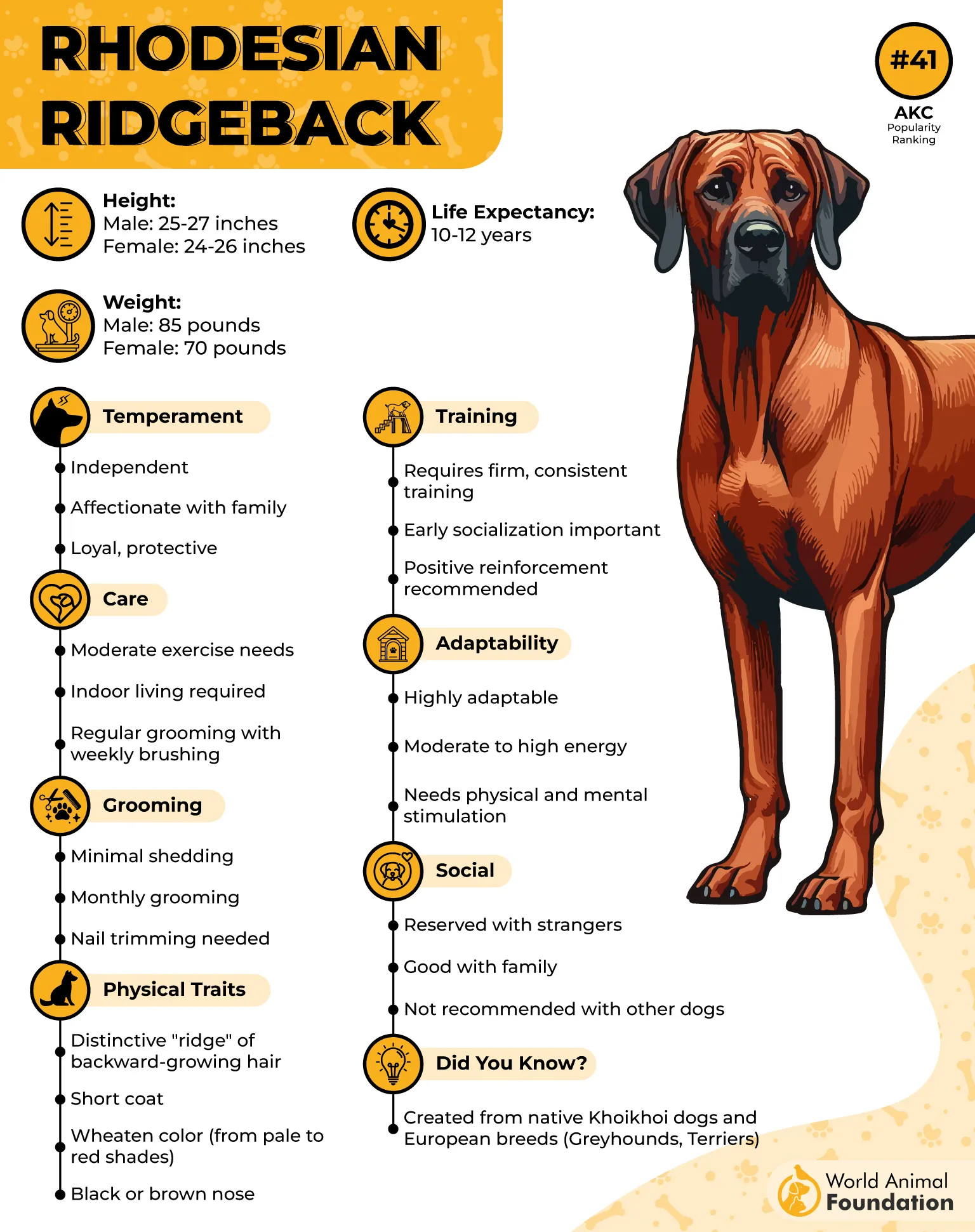
Temperament With Family
Around its people, this dog has a calm and affectionate nature. It is known for being patient and friendly with family members, including those it trusts most.
However, it does need to be taught how to interact calmly with children. Early obedience training and socialization help shape balanced behavior and allow the dog to feel comfortable around new people and other dogs.
Exercise and Living Needs
This breed is energetic and needs regular physical activity from a young age. As an adult, daily walks are usually enough to keep them content, along with mentally engaging activities.
It enjoys tracking games and dog sports, which help burn off energy in a healthy way. Because it loves room to move, this protective dog is best suited to homes with larger spaces rather than apartments.
3. Bullmastiff
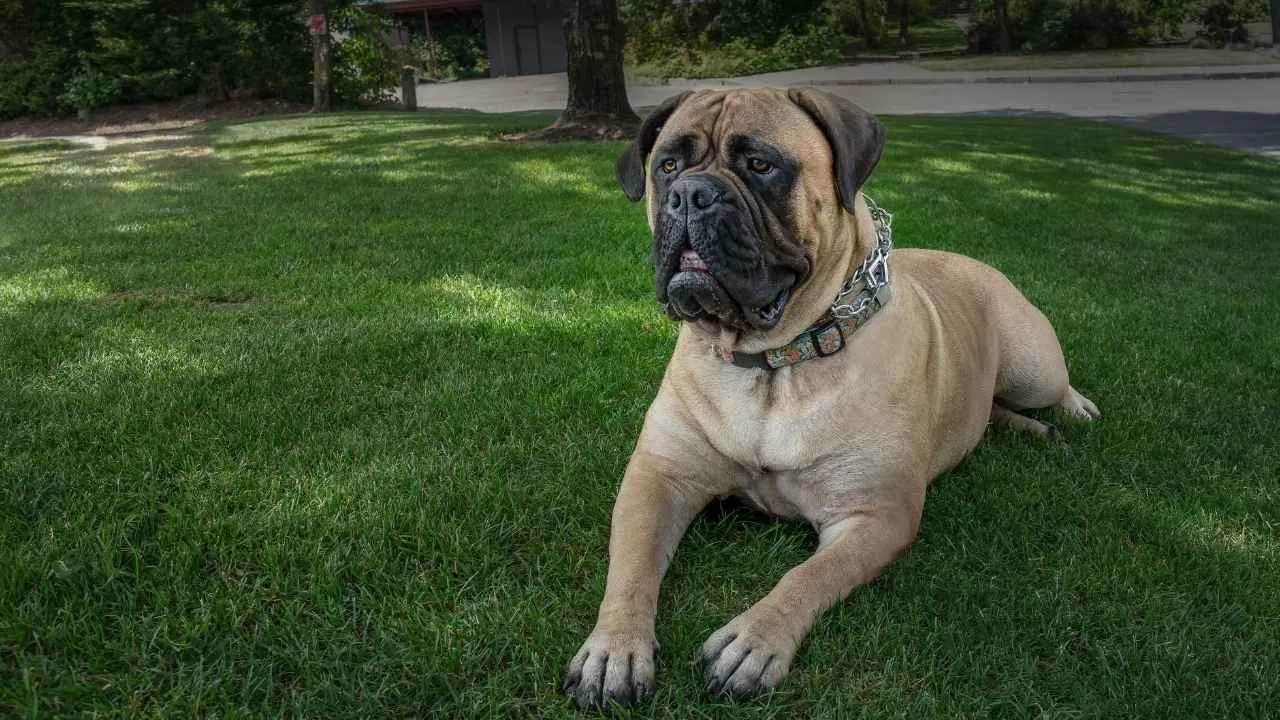
Bullmastiffs have a long history as a trusted guard dog. Developed in the mid-19th century by English gamekeepers, it was bred to be fearless, powerful, and quiet while tracking poachers.
Instead of attacking, it was known for holding intruders down. Highly territorial and naturally suspicious of strangers, this breed is confident and courageous, making it a reliable protector of home and family.
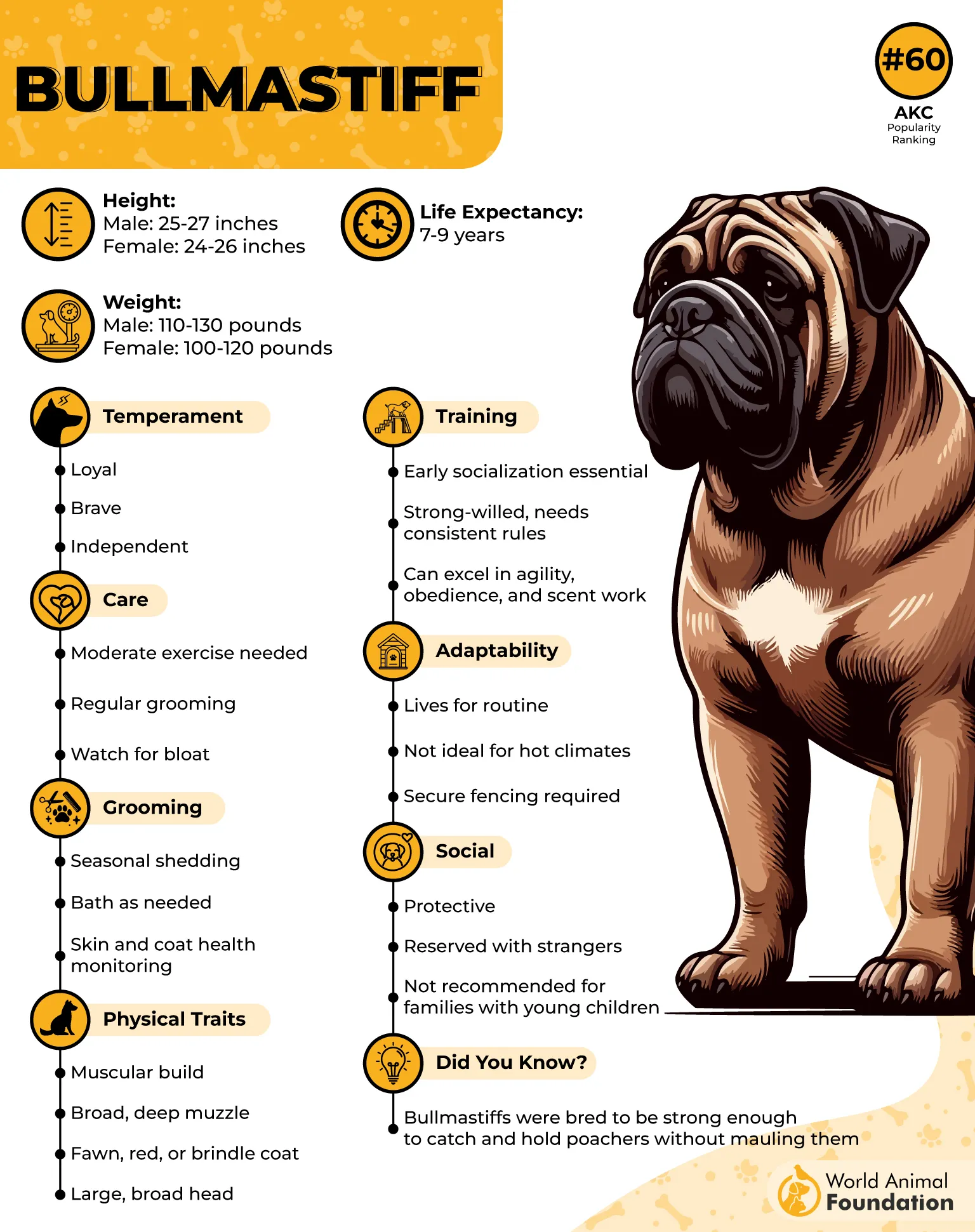
Temperament With Family
Despite its intimidating appearance, the Bullmastiff has a gentle side. It is calm, deeply loyal, and affectionate with its family. The breed is known for being patient and gentle with children, which makes it an excellent family pet.
Early socialization is important, as it can help prevent fear of new people and unfamiliar dogs. When trained young, it can learn to interact well with others.
Exercise and Care Needs
This muscular breed only requires moderate exercise. Regular walks and playtime provide enough physical and mental stimulation. Puppies are energetic, but adults settle into a steady and calm demeanor.
The short, coarse coat is low maintenance and only requires occasional brushing and baths. Due to its size and need for space, it is better suited to larger homes rather than apartments.
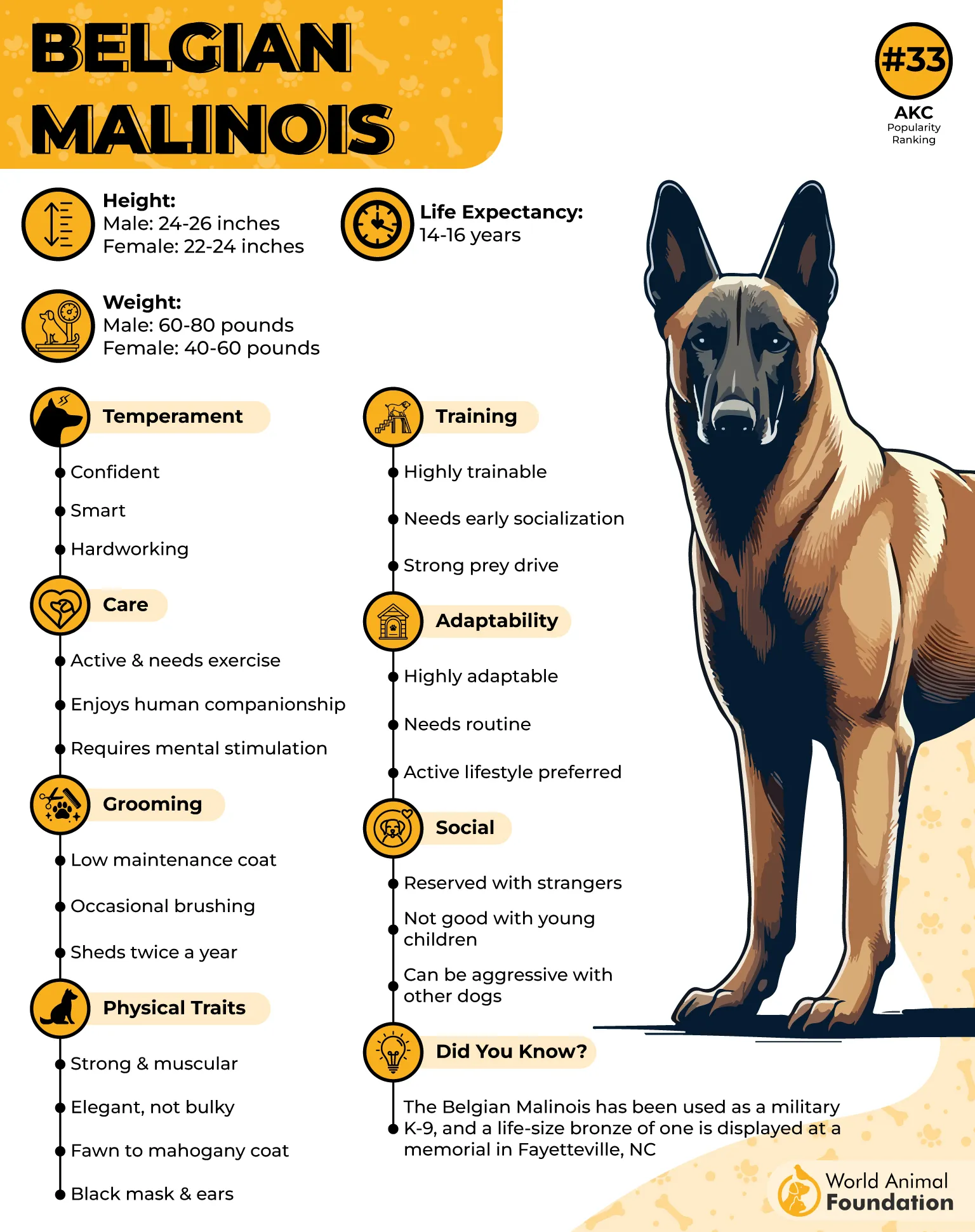
4. Belgian Malinois
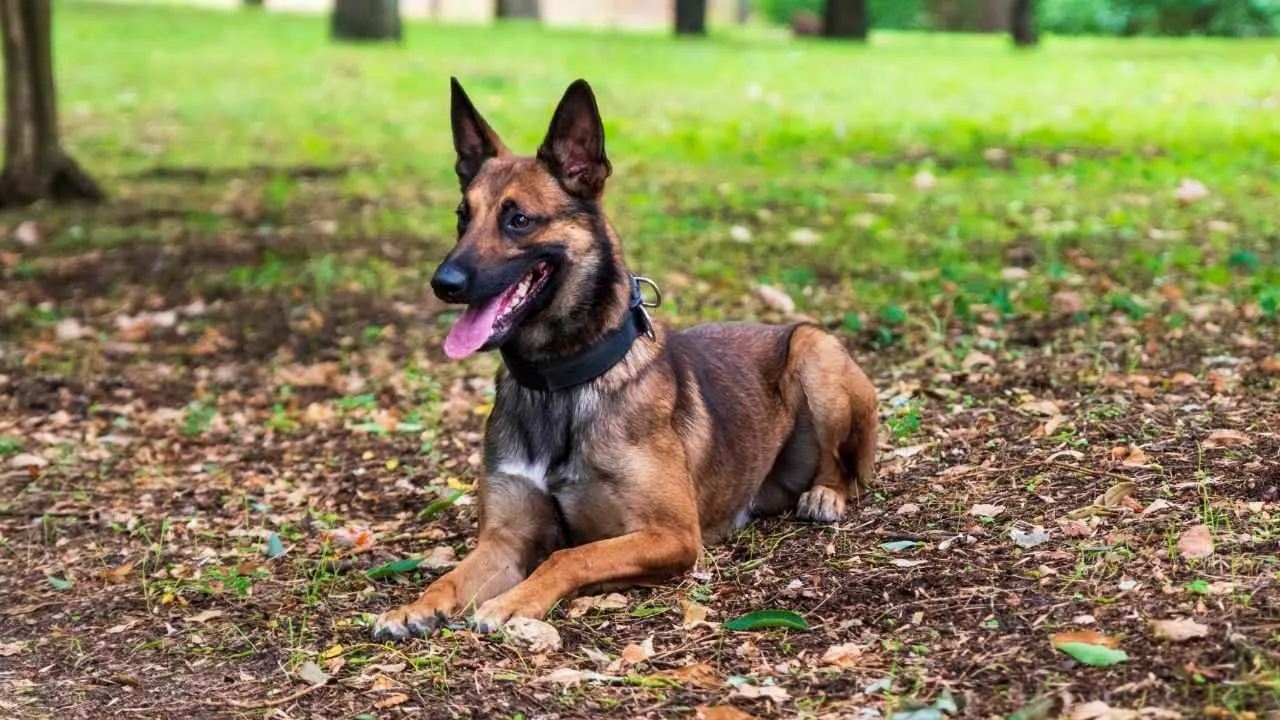
Long trusted in police and military work, the Belgian Malinois is known for courage, loyalty, and sharp instincts. One famously assisted a Navy special missions unit during a high-profile operation in 2011, while another was honored in 2019 after being injured in a raid in Iraq.
Strong, alert, and highly intelligent, this dog excels in protection work but can be territorial and jealous, making consistent training and socialization essential.
Temperament With Family
With its family, this breed is deeply loyal and eager to please. It forms deep bonds and is naturally protective of its people. However, proper socialization is important to help it stay calm around strangers and other dogs. When properly trained, it behaves confidently and responsibly in new situations.
Exercise and Care Needs
This is a high-energy dog that thrives when given a job to do. Daily exercise is a must, along with mentally stimulating activities like tracking, scent work, or agility.
While it prefers larger spaces, it can adapt to apartment living if exercise needs are met. The short, waterproof coat is easy to maintain and only requires occasional brushing, making grooming simple and low effort.
5. Rottweiler
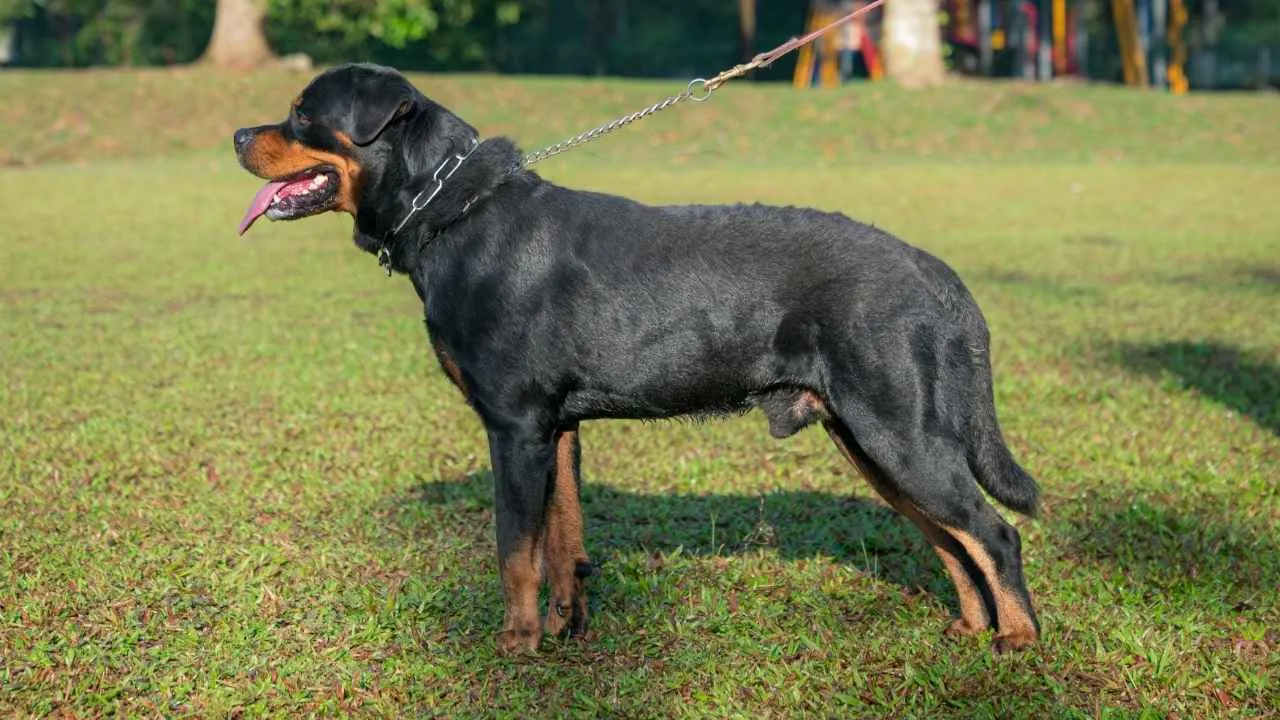
Originally bred as herding dogs, Rottweilers have a long history of working closely with humans. Today, they are commonly used as guard dogs, police dogs, guide dogs, and search and rescue dogs.
According to America’s Pet Registry, they were nearly extinct in the late 1800s but are now one of the most popular dog breeds in the U.S. Confident and powerful, they have a strong instinct to protect and can easily intimidate intruders when needed.
Temperament With Family
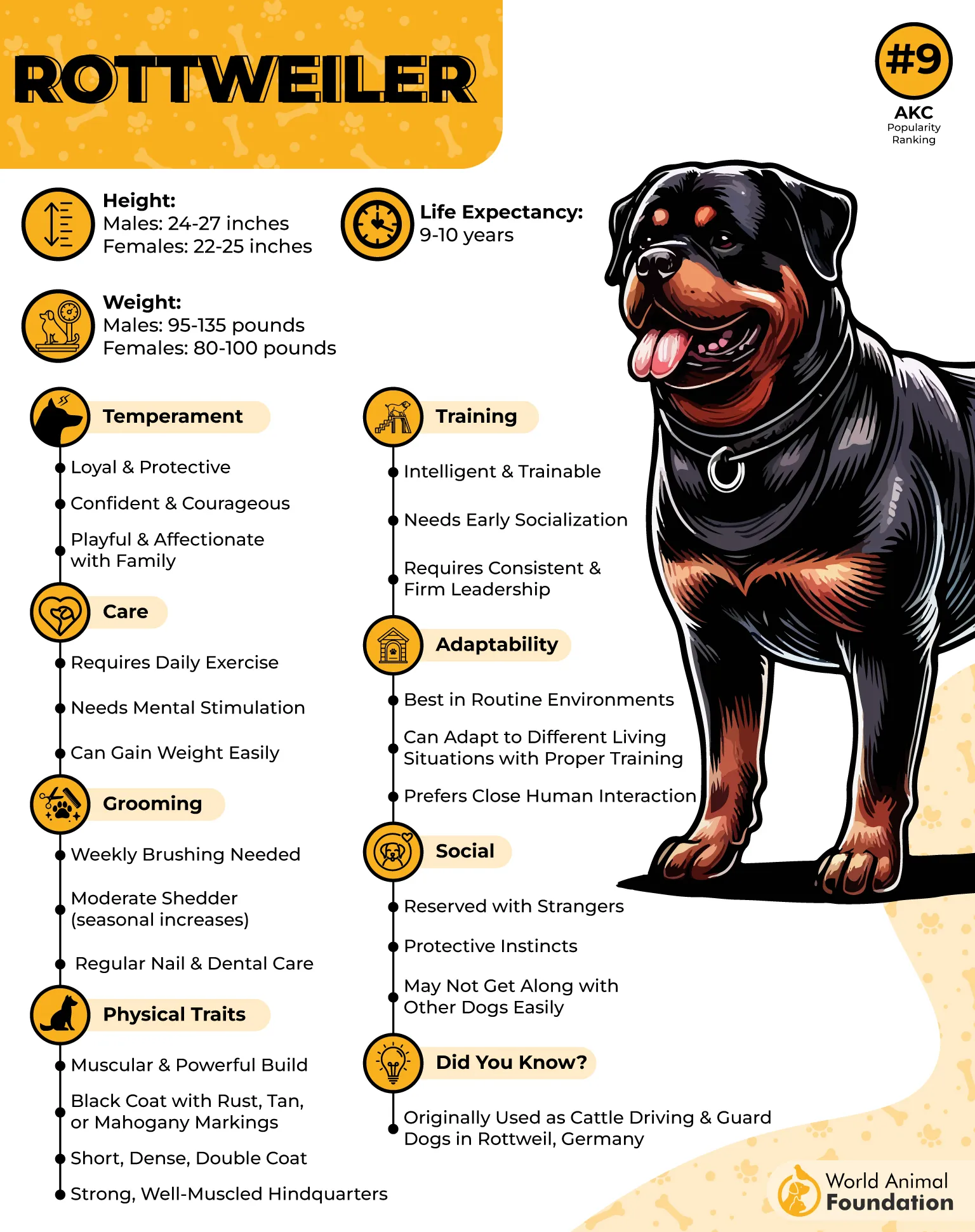
Despite their tough reputation, Rottweilers are not naturally dangerous dogs. With proper training, they are docile, laid-back, and extremely loyal companions. They are loving with their families and can be great playmates for children and other pets.
Early socialization and clear leadership are essential to prevent aggression and help them grow into well-balanced, trustworthy protectors.
Training, Exercise, and Care
Rottweilers are intelligent and eager to please, which makes them highly trainable. Positive reinforcement works best during training.
Without enough mental stimulation, they may bark excessively or chew on things, so regular training sessions and playtime are important. Their short double coat is low maintenance but sheds heavily, requiring regular brushing and occasional baths.
6. Cane Corso
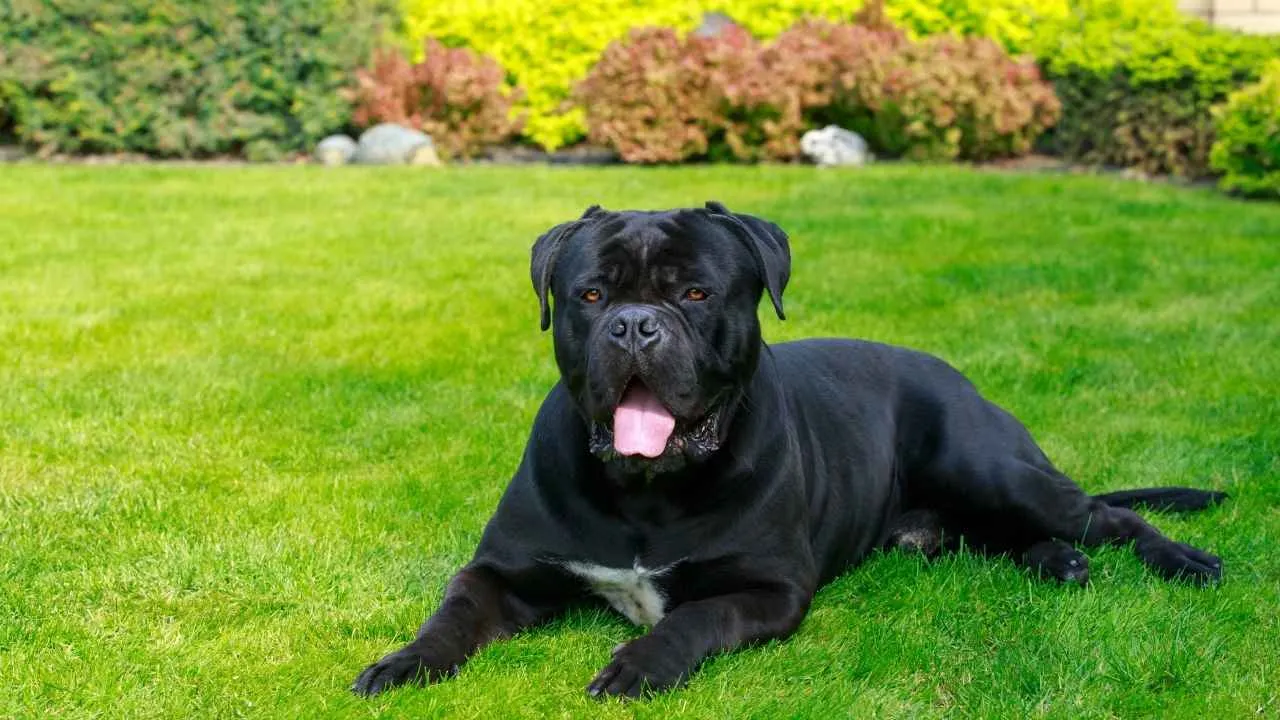
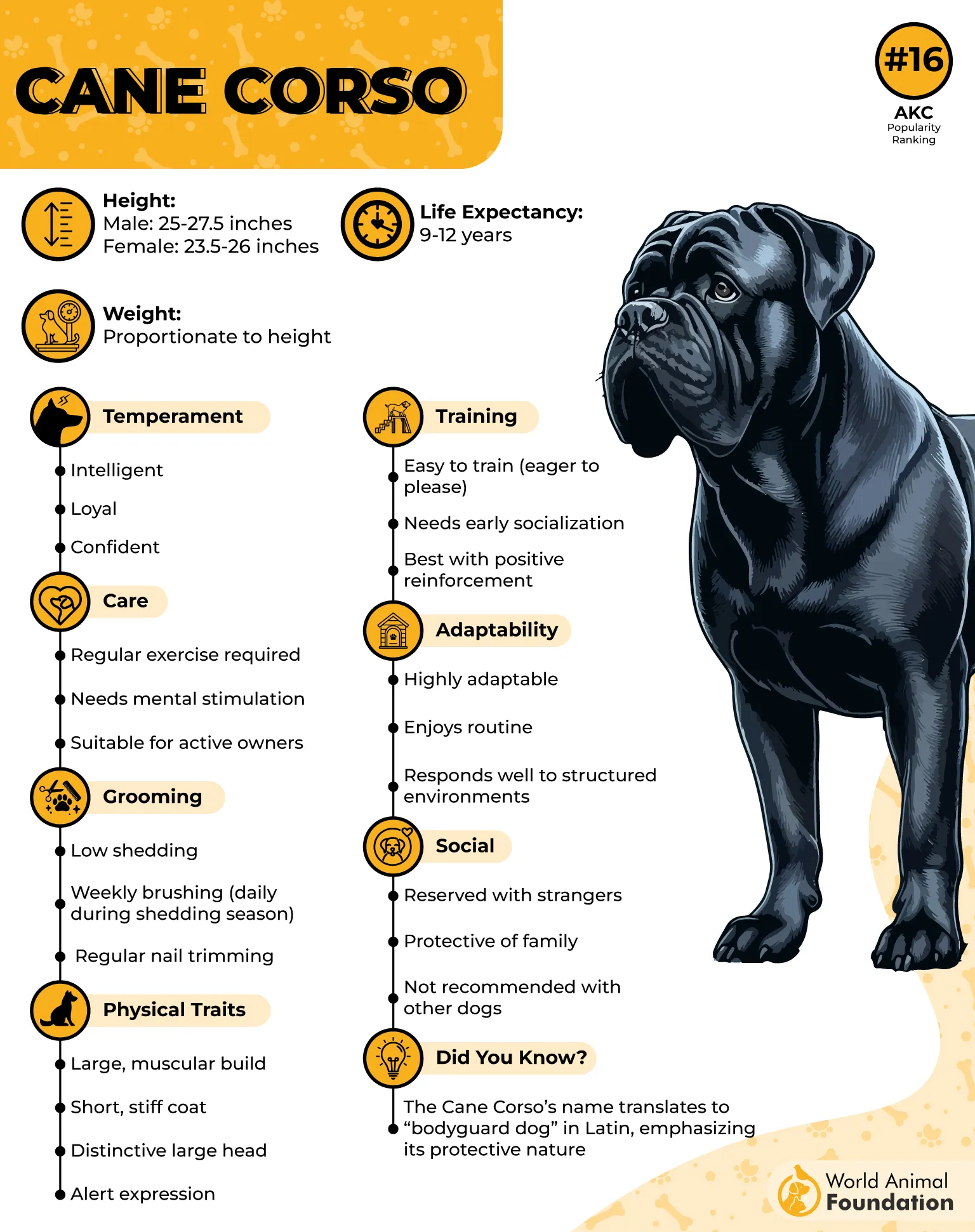
The Cane Corso, also known as the Italian Mastiff, has roots dating back to ancient Rome. Bred as a war dog and for guarding homes and livestock, this muscular and strong breed lives up to its name, which means “bodyguard dog” in Latin, according to Royal Canin.
It is naturally protective and can be aggressive toward strangers, making it an excellent guard dog for families who want serious security.
Temperament With Family
Despite its tough exterior, the Cane Corso is affectionate and devoted to its family. It forms strong bonds and is loyal to those it trusts.
However, this breed is best suited for experienced owners because it can be stubborn and may try to dominate without firm leadership. Early socialization and training are essential to help curb aggression and create a well-behaved companion.
Exercise and Care Needs
This energetic dog requires plenty of daily exercise to stay happy and healthy. Walking or running twice a day is ideal to provide physical and mental stimulation.
Because of its size and energy, it is not well-suited for apartment living. The Cane Corso’s short, double coat is low maintenance and only needs weekly brushing to stay in good condition.
7. Doberman Pinscher
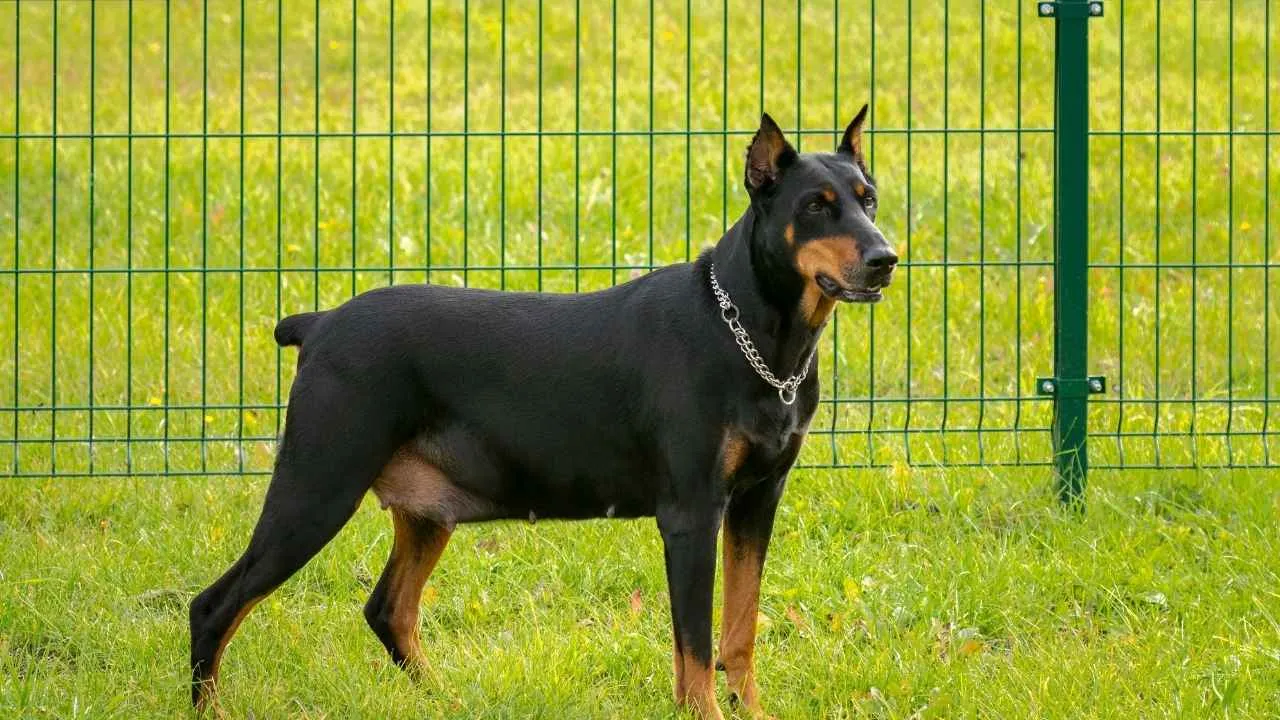
Dobermans are known for their athletic build, speed, and sharp focus. Bred for protection work, they are fearless and highly alert.
While sometimes seen as aggressive, modern Dobermans have a balanced temperament and take their guarding role seriously. If they sense a real threat, they won’t hesitate to act, often cornering intruders until their owners intervene.
Temperament With Family
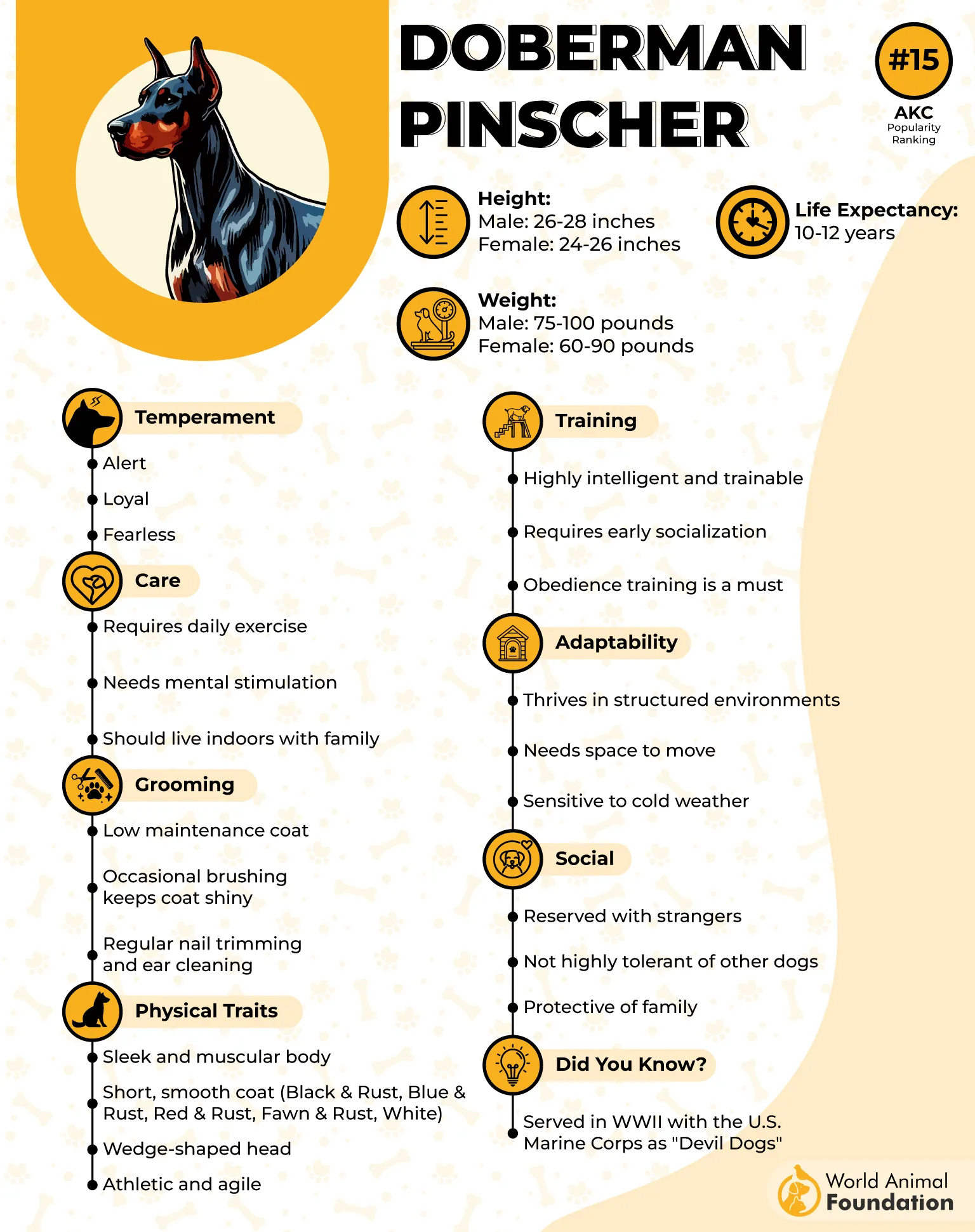
Despite their strong guarding instincts, Dobermans are deeply loyal and affectionate with their families. They bond closely with their people and are eager to please, which makes training easier.
When socialized early, they get along well with children and other dogs. Off duty, they can be playful and goofy, showing a softer, fun-loving side.
Exercise and Care Needs
Dobermans have high energy and require daily exercise, like long walks or runs, to stay happy and healthy. They thrive with an active owner who can keep up with their physical and mental needs.
Their short, smooth coat is easy to care for, needing only occasional brushing and baths. This breed fits well with families who want a protective yet loving companion.
Conclusion
When it comes to choosing a guard dog, finding the right balance between protection and gentleness is key. These low-maintenance breeds offer exactly that—strong, loyal companions who can keep your home safe while being loving family members.
With proper training, socialization, and care, they become more than just protectors; they become trusted friends who watch your back without overwhelming your life.
If you’re ready to welcome a loyal guardian into your home, consider one of these breeds that fit your lifestyle and space. Remember, the best guard dog is one that fits your family’s energy and needs, bringing both safety and warmth to your everyday life. After all, a true protector doesn’t just guard your home—they become part of your heart.
There are many dog breeds other than the ones mentioned above that make the right guard dogs and great family pets. These include the German Shepherd, Staffordshire Bull Terrier, Great Dane, Irish Wolfhound, Great Pyrenees, and Saint Bernard.
