




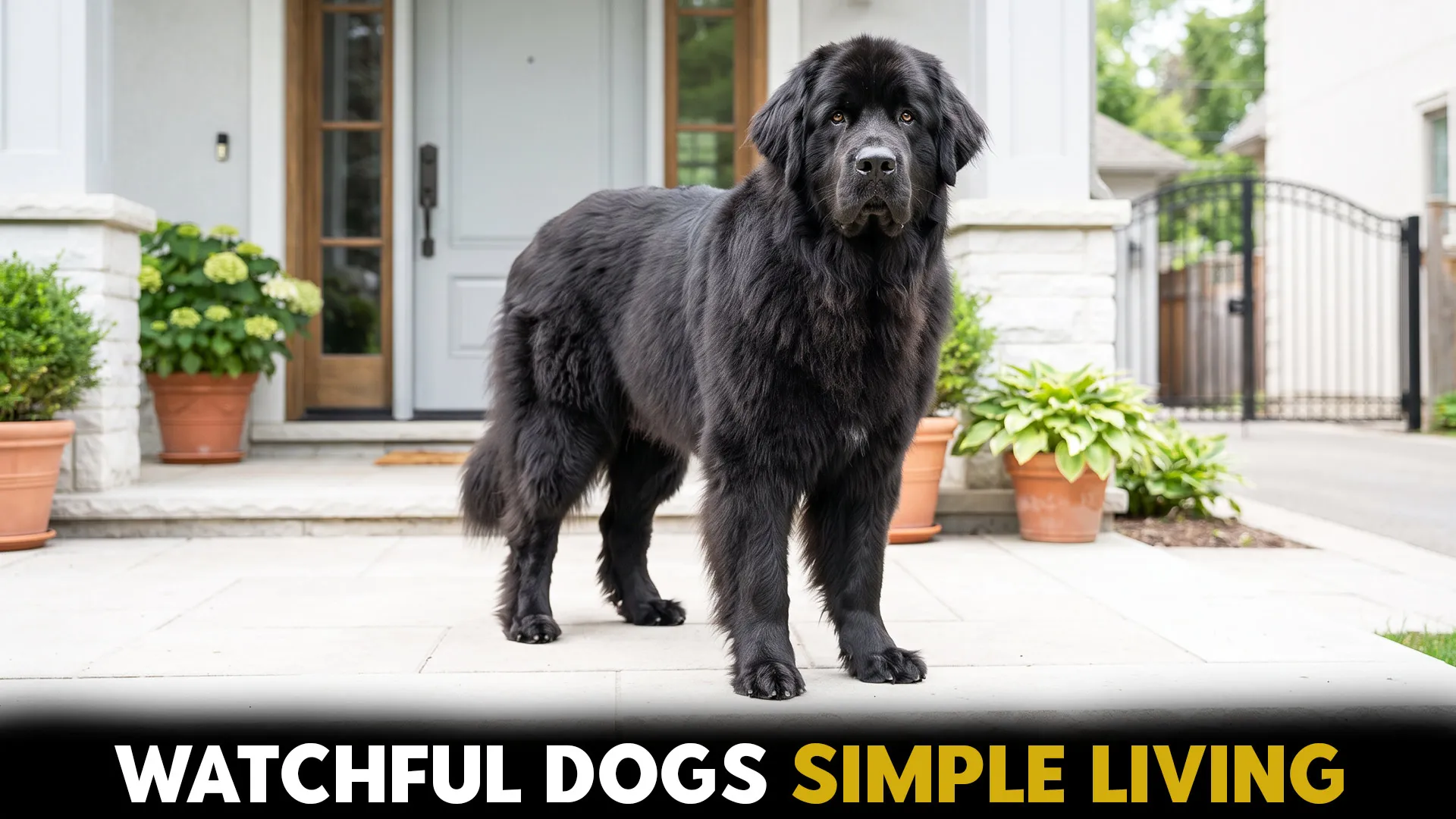
Want a guard dog without endless grooming or exhausting exercise? The right dog can protect your home while still being a loving and manageable family companion. These dogs stay naturally alert and observant, making them quick to notice unusual activity around the home.
Of course, even a low-maintenance guard dog needs proper training, socialization, affection, and care. A strong protective instinct alone doesn’t guarantee a calm or trustworthy family pet. With the right guidance, these dogs can learn when to stay alert and when to relax.
Ready to find a protective dog that fits your lifestyle? This article explores low-maintenance guard dog breeds that remain naturally watchful and loyal. You’ll discover what makes them easier to care for and what they need to thrive.
Key Takeaways
Meet Boerboel, Mastiff, and Bullmastiff breeds that bring serious protection without complicated coat care.
See why Saint Bernard, Newfoundland, and Great Pyrenees can be gentle family dogs with a watchful side.
Discover how the Broholmer, Great Dane, and Rhodesian Ridgeback balance loyalty, alertness, and manageable care.
Find out what training, exercise, and daily care these powerful guard dogs need to thrive.
Low‑Maintenance Guard Dog Breeds That Remain Alert
1. Boerboel
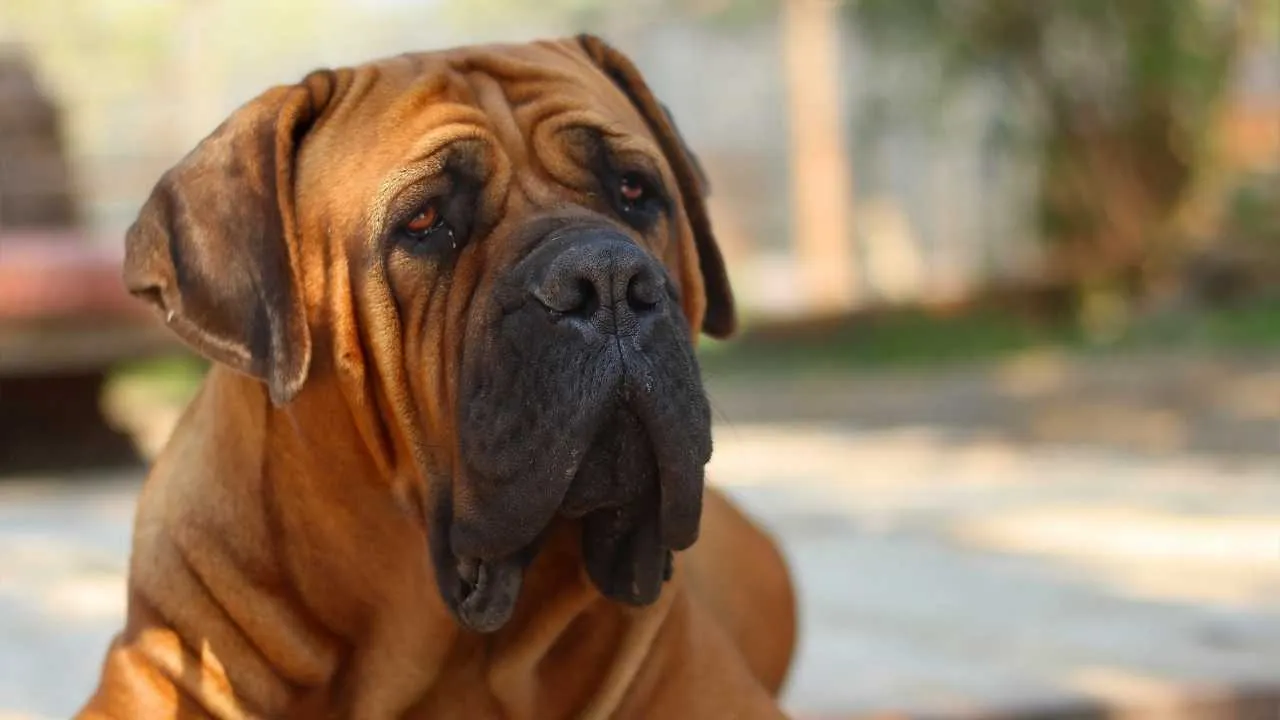
Boerboels are powerful South African guardians with a strong instinct to protect their families. They were originally bred to guard farms from predators and other threats. Today, they are deeply loyal and affectionate at home but often reserved around strangers, according to PetMD.
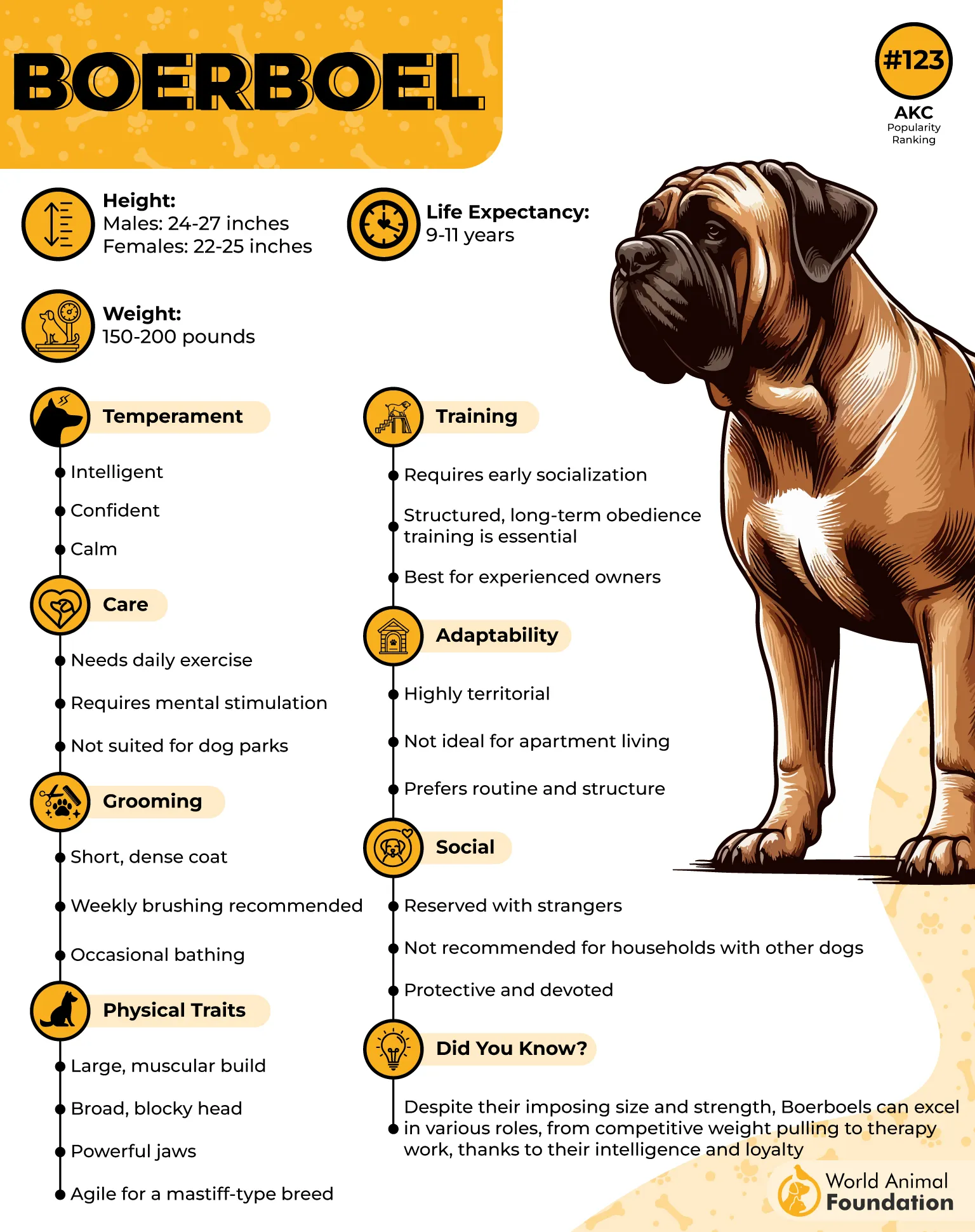
Boerboel Care and Temperament
Boerboels are intelligent, confident, and devoted to their families. Their short, dense coats need only weekly brushing, with occasional baths and routine ear and eye care.
They can drool heavily, so their faces and wrinkles may need regular wiping. Their grooming needs are low, but their overall care still requires commitment.
Boerboel Training and Exercise
These dogs are not lazy despite their Mastiff build. They need daily walks, play, and mental stimulation, along with early socialization and consistent positive training. Clear boundaries are important because their natural independence and protective instincts can become difficult to manage without guidance.
2. Bullmastiff
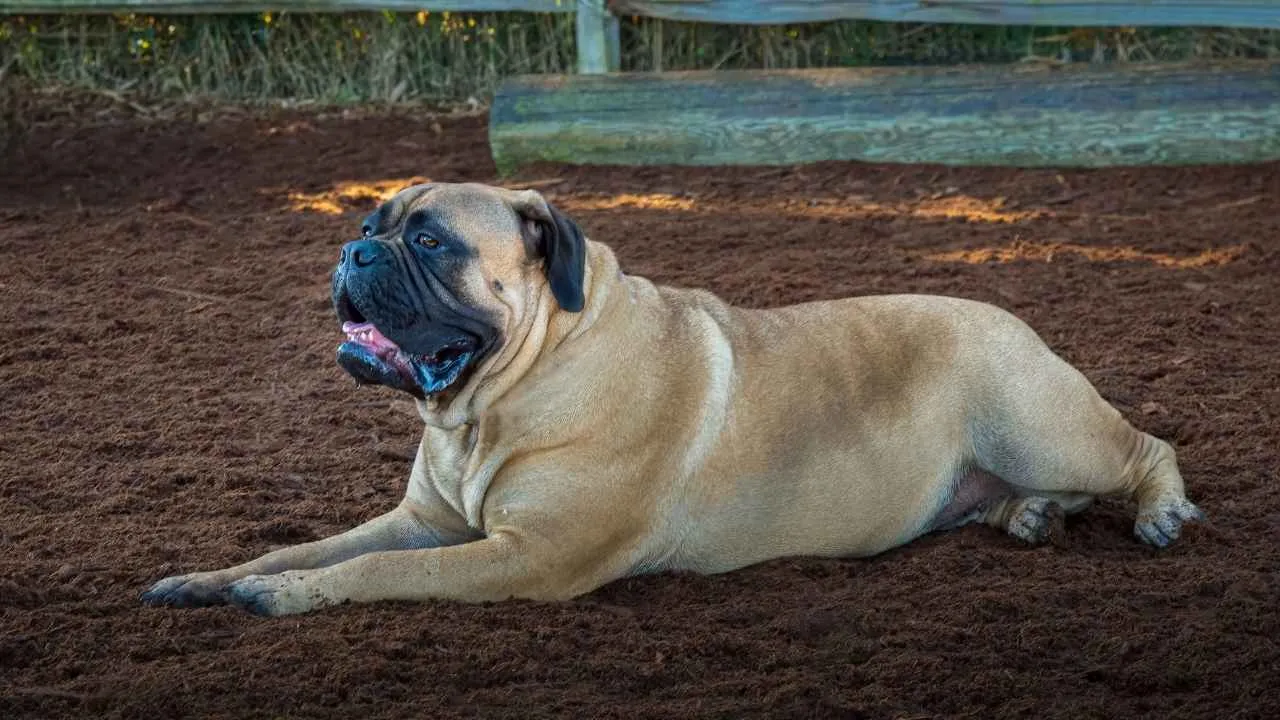
Bullmastiffs were developed in England as estate guardians, so staying alert is part of their nature. They are confident and protective but surprisingly calm at home.
Unlike some highly active working dogs, they are happy with moderate daily exercise and do not need long-distance running. Their quiet nature also means they usually bark only when something seems unusual.
Bullmastiff Care and Temperament
These gentle giants form strong bonds with their families and can be affectionate with children when properly socialized. They may be reserved around strangers, so early socialization helps them stay calm with new people and animals.
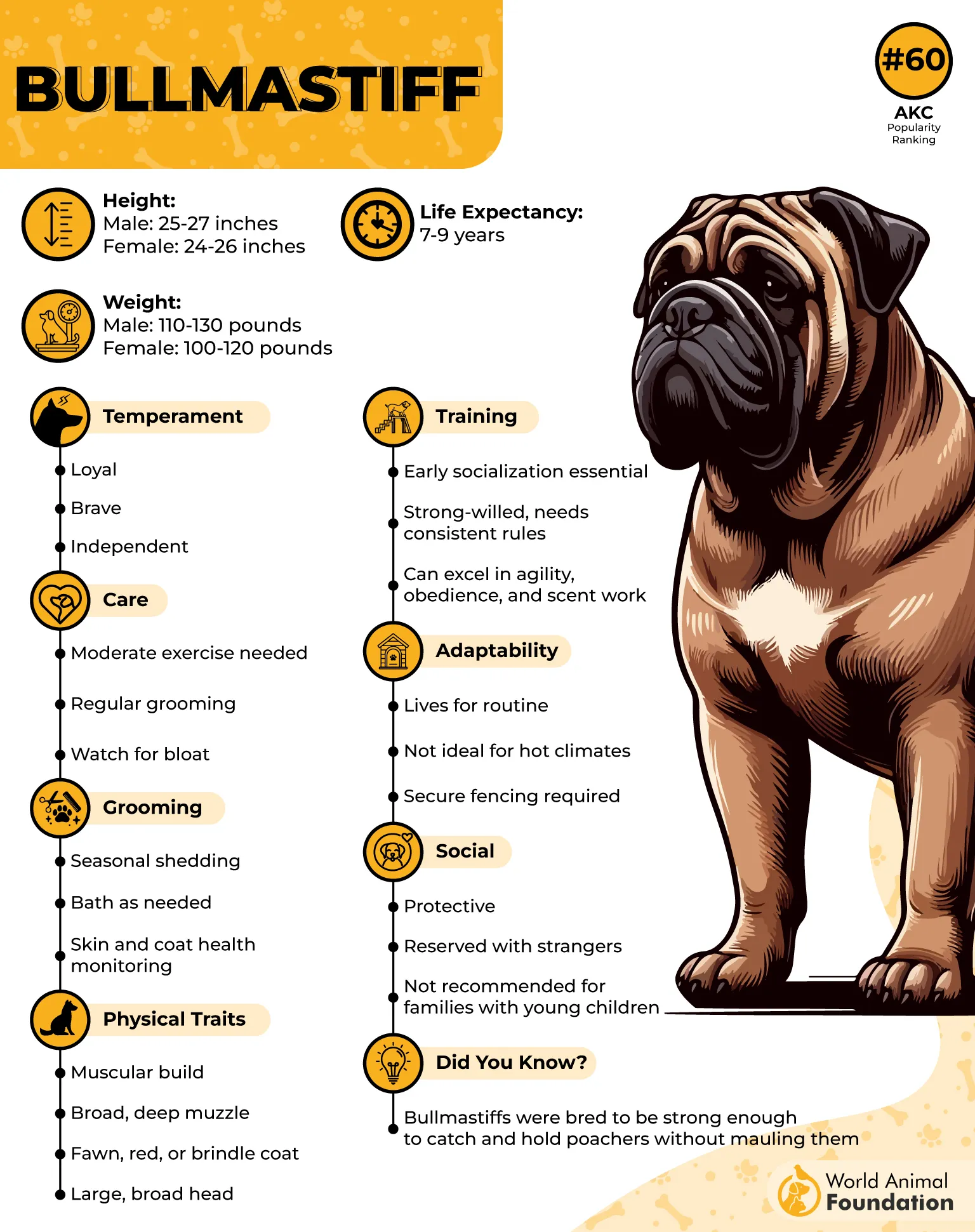
Their short, dense coats are easy to maintain, needing only regular brushing and occasional baths. However, their drooling jowls may need frequent wiping.
Bullmastiff Training and Exercise
Bullmastiffs are highly intelligent and learn quickly, but they can become strong-willed as they mature. Early training, clear rules, and positive reinforcement are important for keeping their strength and protective instincts under control.
Daily walks, outdoor play, and mental activities are usually enough to keep them content. A secure yard is helpful, while over-exercising puppies should be avoided during growth.
3. Saint Bernard
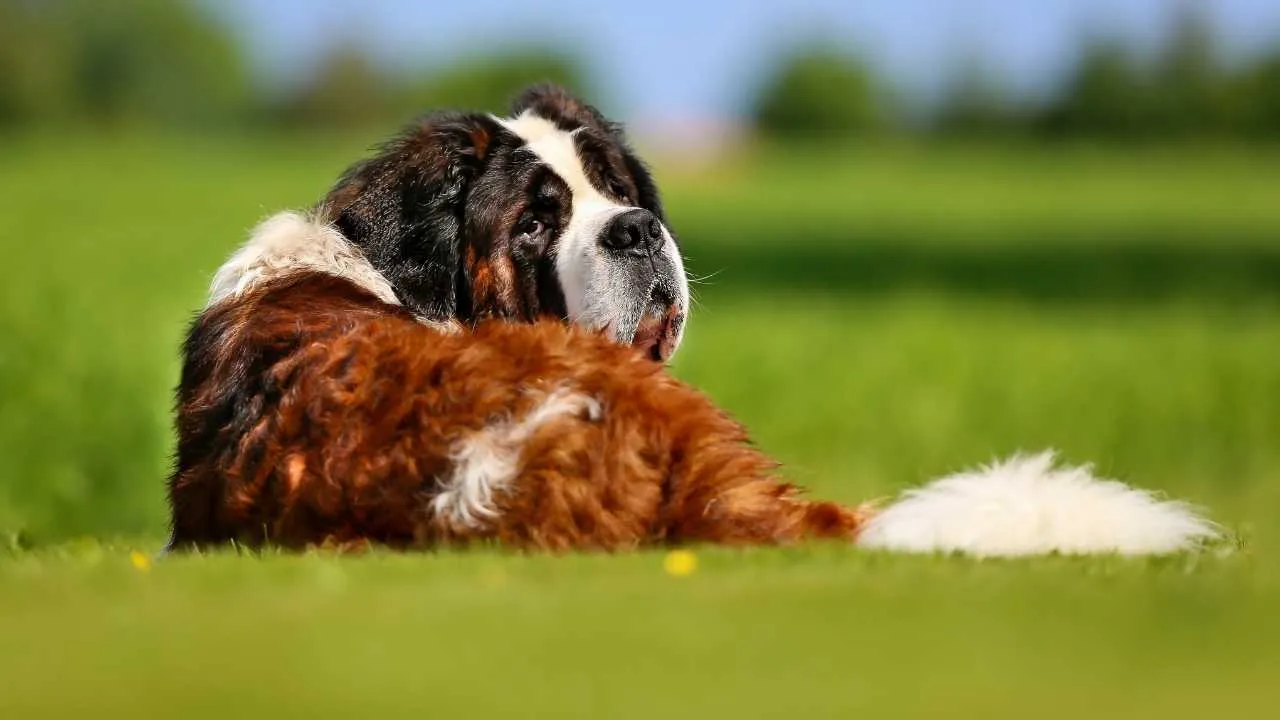
Saint Bernards are calm, powerful dogs with a naturally protective side. Their history as monastery watchdogs and rescue dogs gave them a strong instinct to notice danger and protect people in trouble.
They are usually friendly and gentle, but they can quickly become protective when their family is at risk. Their laid-back nature also means they need less exercise than many other giant working dogs.
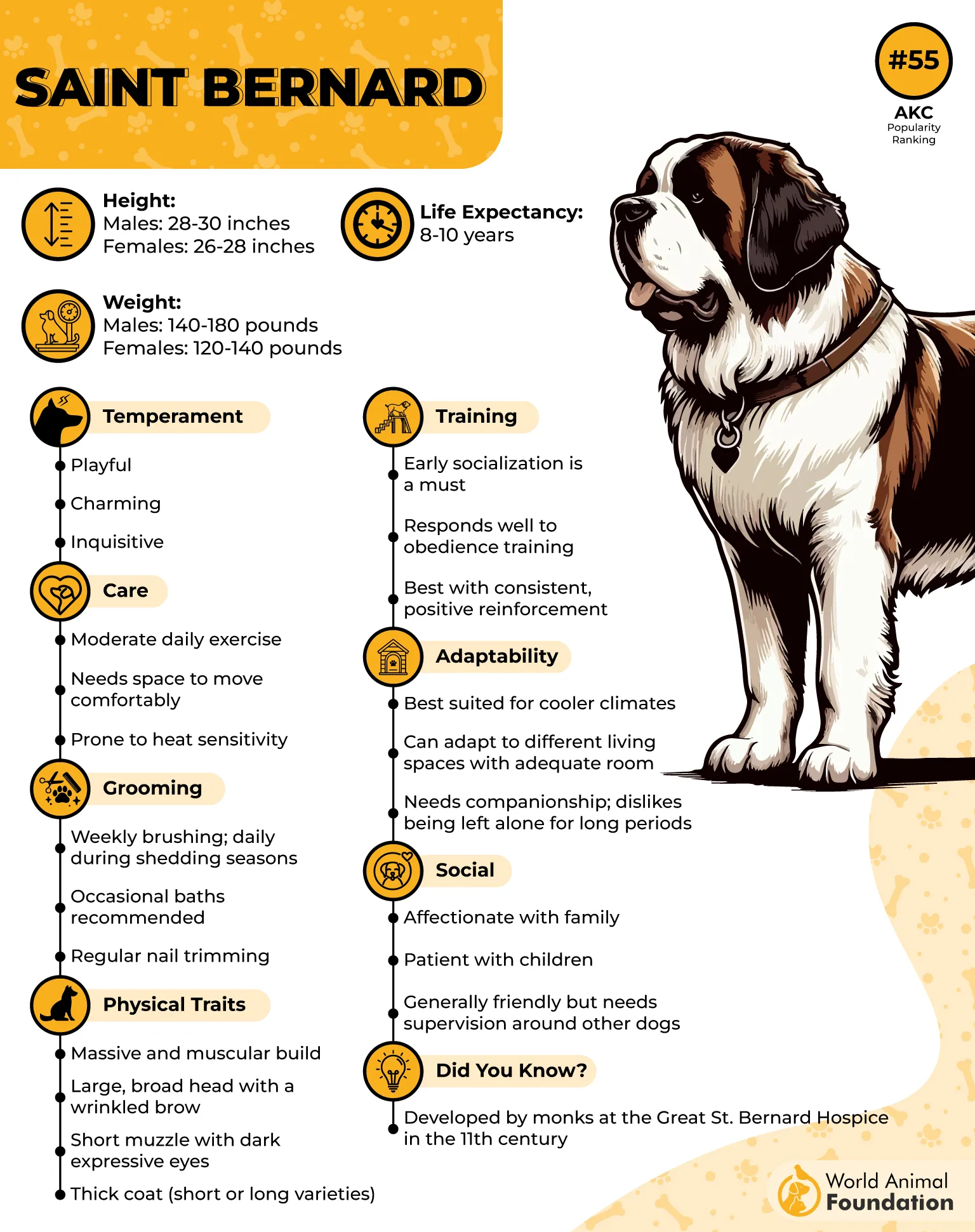
Saint Bernard Care and Temperament
These dogs are affectionate, social, and happiest when they are part of family life. They can be patient with children and usually get along well with other dogs and cats when properly socialized.
Their coats may be short or long, and regular brushing helps control seasonal shedding. Drooling is common because of their loose jowls, so some face wiping should be expected.
Saint Bernard Training and Exercise
Saint Bernards are eager to please, which can make training easier, but they can be stubborn at times. Early training is important because their size makes good manners essential. Short walks and relaxed outdoor activities are usually enough to keep them happy, while puppies should not be over-exercised.
4. Newfoundland
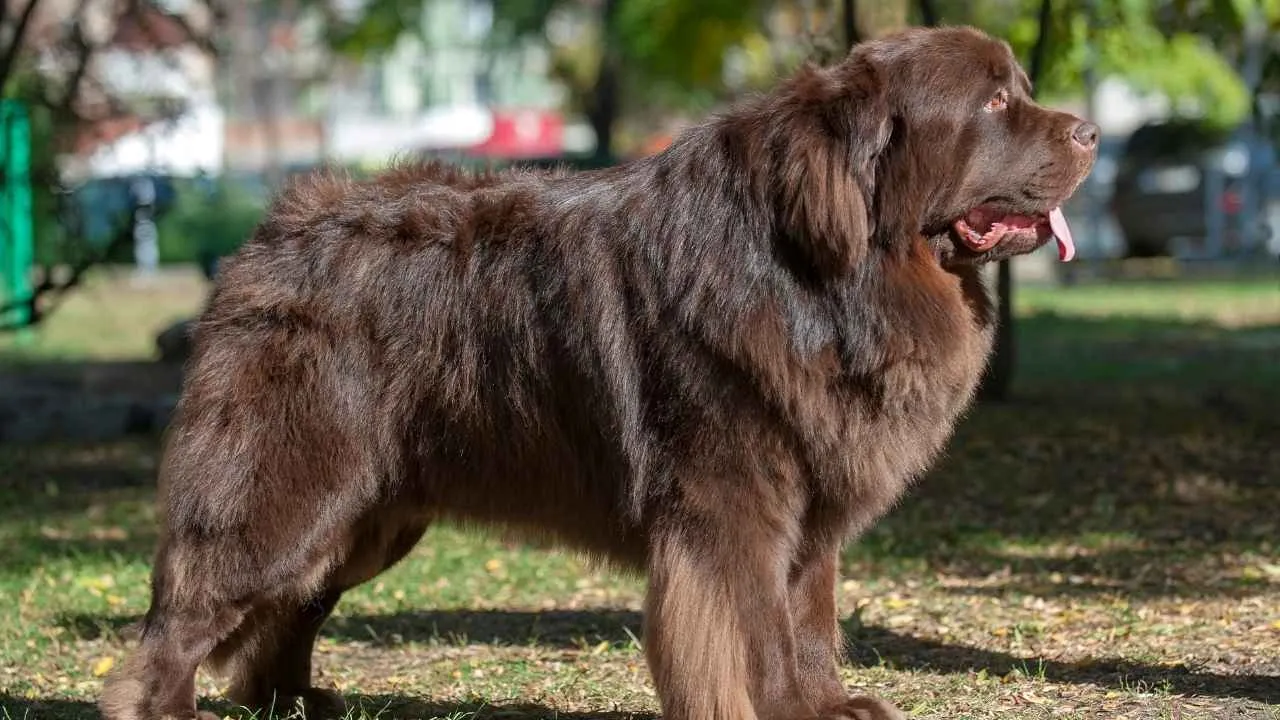
Newfoundlands are calm, powerful dogs with a naturally protective and watchful side. Their history as working dogs, ship dogs, and water-rescue dogs gave them impressive strength and swimming ability.
They are typically friendly and patient, but they can step between their family and a stranger when they sense a threat. Their moderate energy level also makes them surprisingly relaxed at home.
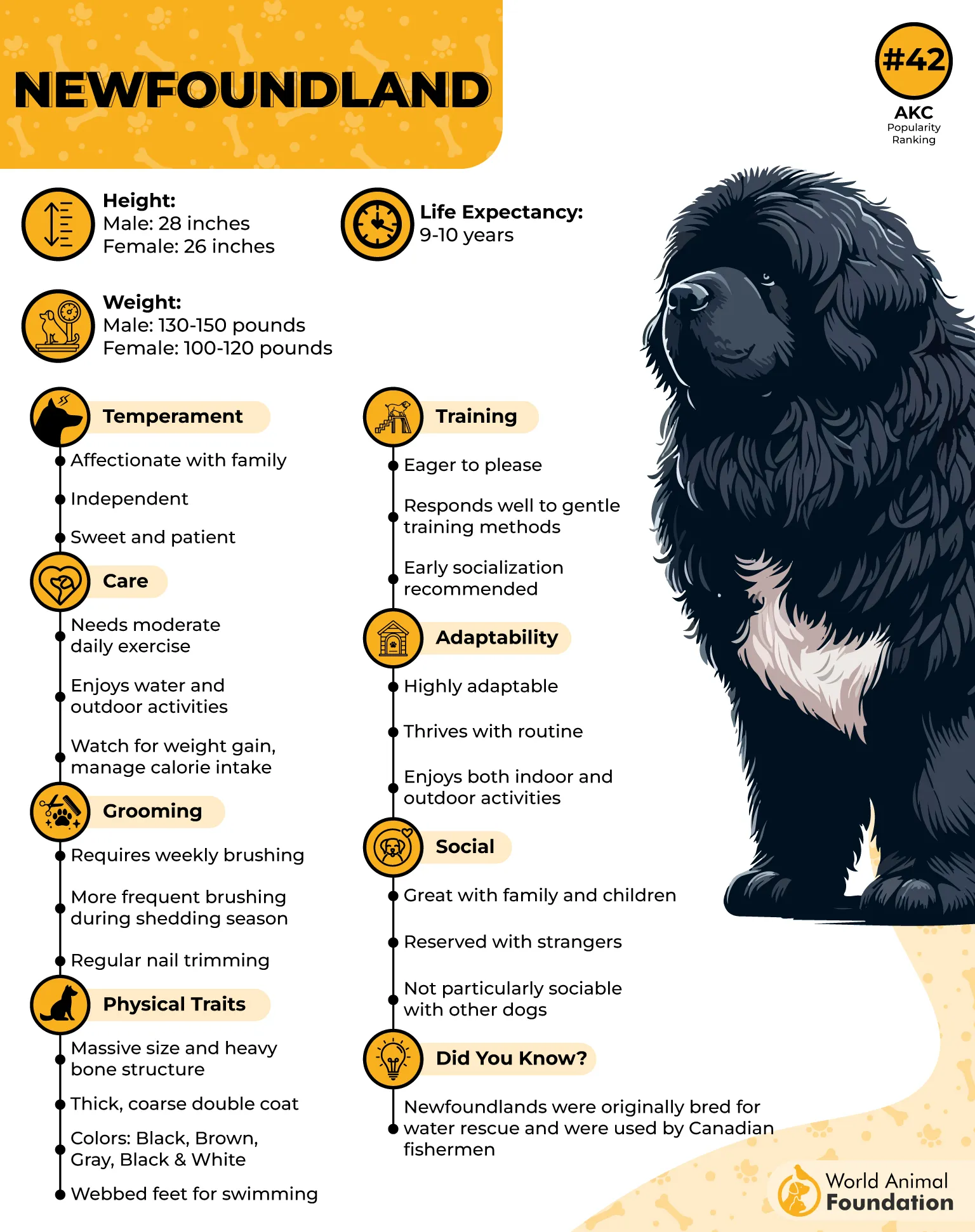
Newfoundland Care and Temperament
These gentle giants are affectionate, social, and especially patient with children. They usually get along well with other dogs and household pets when properly socialized.
Their thick double coat sheds year-round and needs regular brushing, while drooling is also common. Their large size means they need plenty of space, comfortable bedding, and extra care to maintain a healthy weight.
Newfoundland Training and Exercise
Newfoundlands are intelligent and willing to please, although they can sometimes be slow to respond.
Early obedience training and socialization are essential because puppies grow quickly and can become difficult to manage without good manners. Daily walks, short play sessions, hiking, or swimming can provide enough exercise.
5. Great Pyrenees
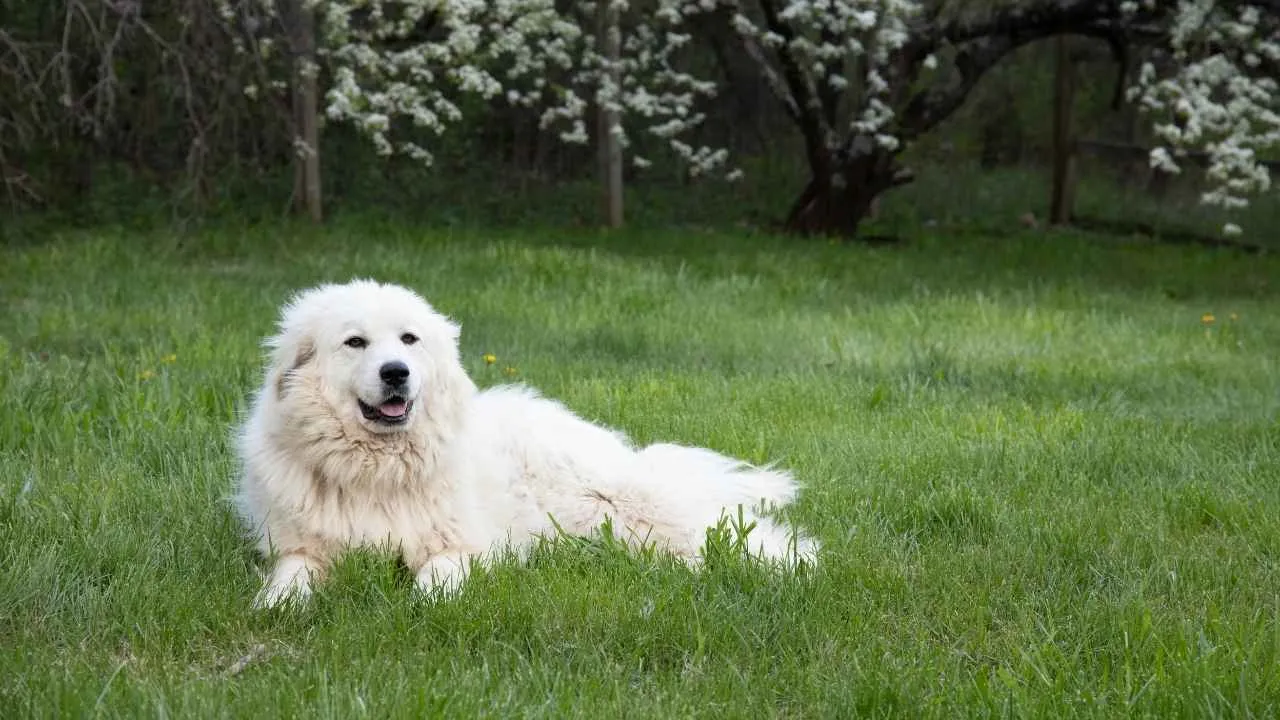
Great Pyrenees are majestic, powerful dogs with a strong natural instinct to protect. Originally bred to guard livestock from predators, they are alert, independent, and courageous when danger appears.
Despite their impressive size and guarding ability, they are usually calm and gentle with their families and do not require an extremely active lifestyle.
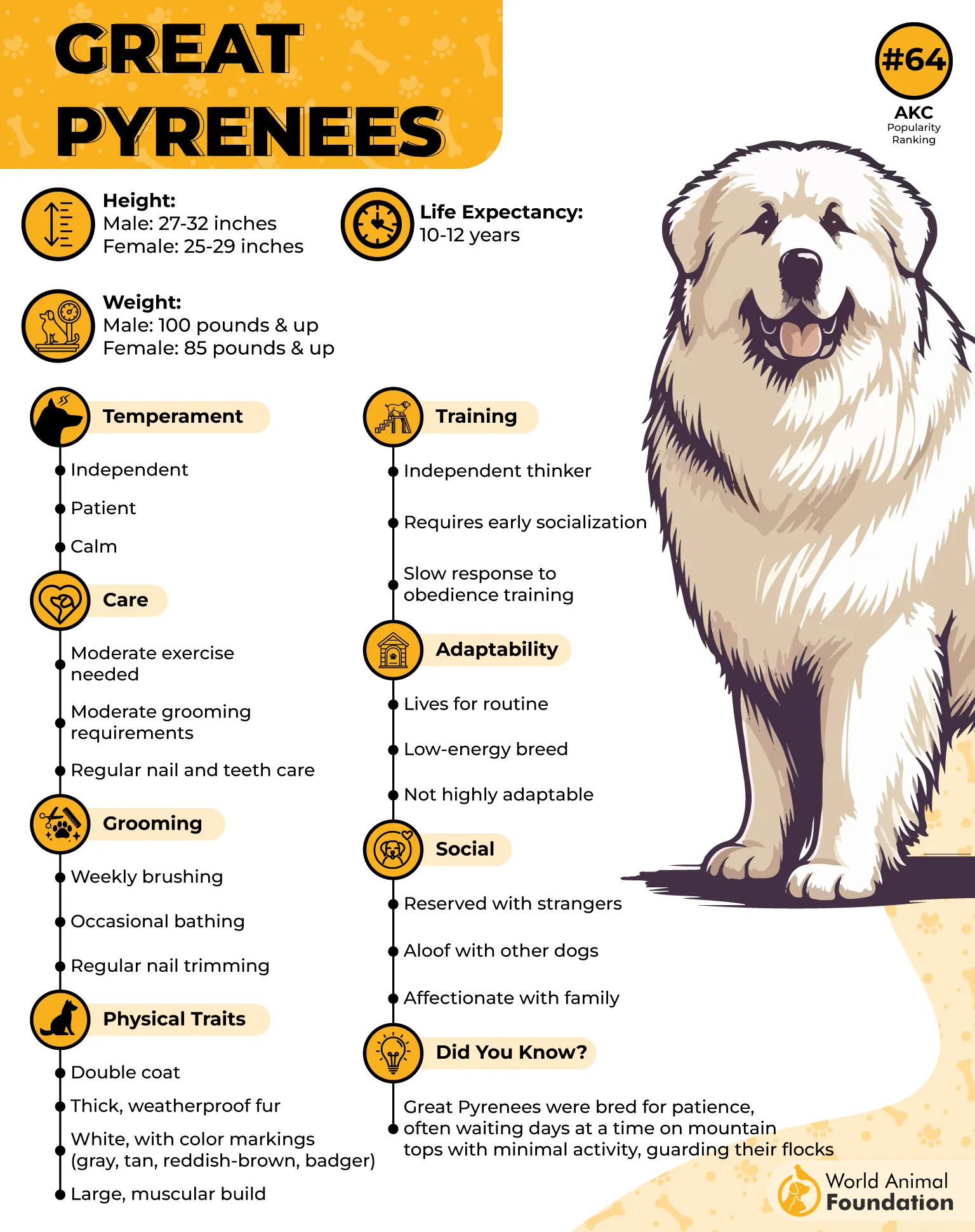
Great Pyrenees Care and Temperament
These dogs are patient, affectionate, and devoted to their families. UKC says they can get along well with children and other pets when properly socialized, although their large size means younger children should be supervised.
Their thick, white double coat is naturally resistant to dirt and tangles, but weekly brushing helps control heavy shedding. They also enjoy having a quiet space where they can relax on their own.
Great Pyrenees Training and Exercise
Great Pyrenees are intelligent but independent, so training can sometimes be challenging. Early socialization, consistent routines, and positive reinforcement are important for developing good manners.
They generally do well with moderate daily exercise, walks, hiking, or time outdoors in a securely fenced area. Their calm nature and relatively simple exercise needs make them a strong choice for owners seeking a powerful yet low-maintenance guardian.
6. Broholmer
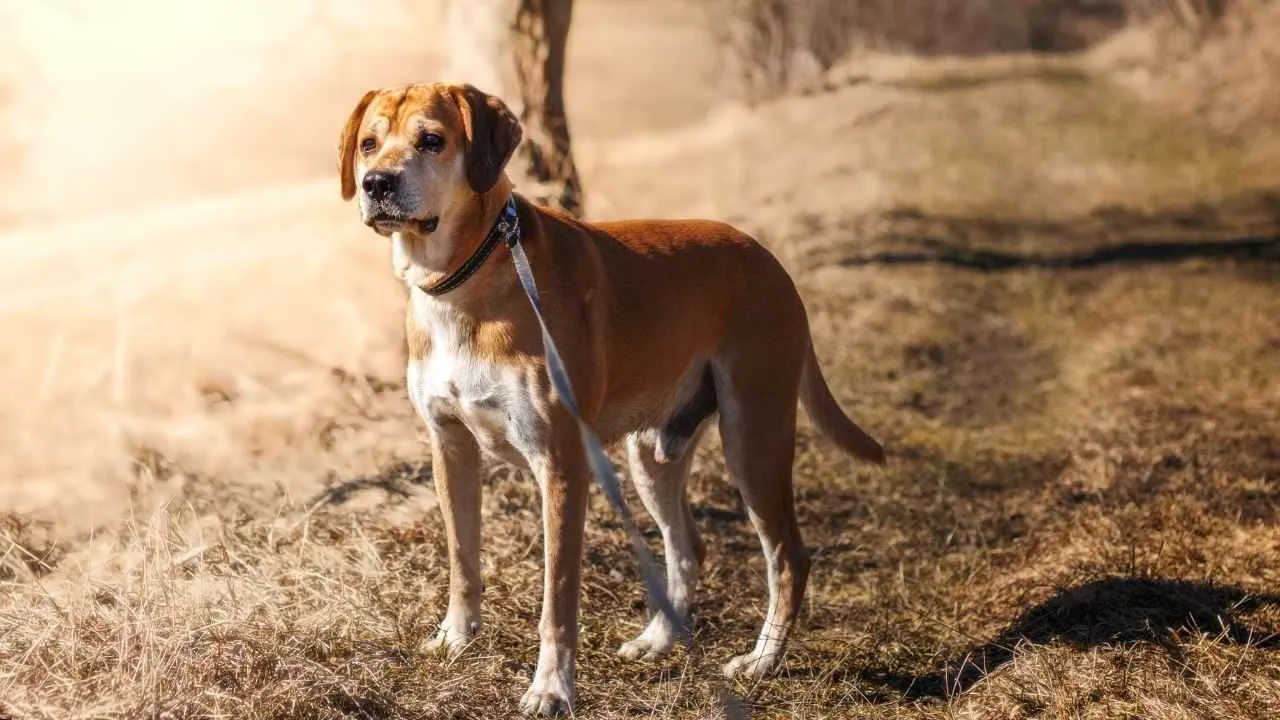
Broholmers are large, powerful dogs with a calm and naturally protective nature. Originally bred in Denmark as estate guardians and hunting dogs, they are confident and watchful without being overly aggressive. Despite their imposing size, they are affectionate, loyal, and family-oriented companions.
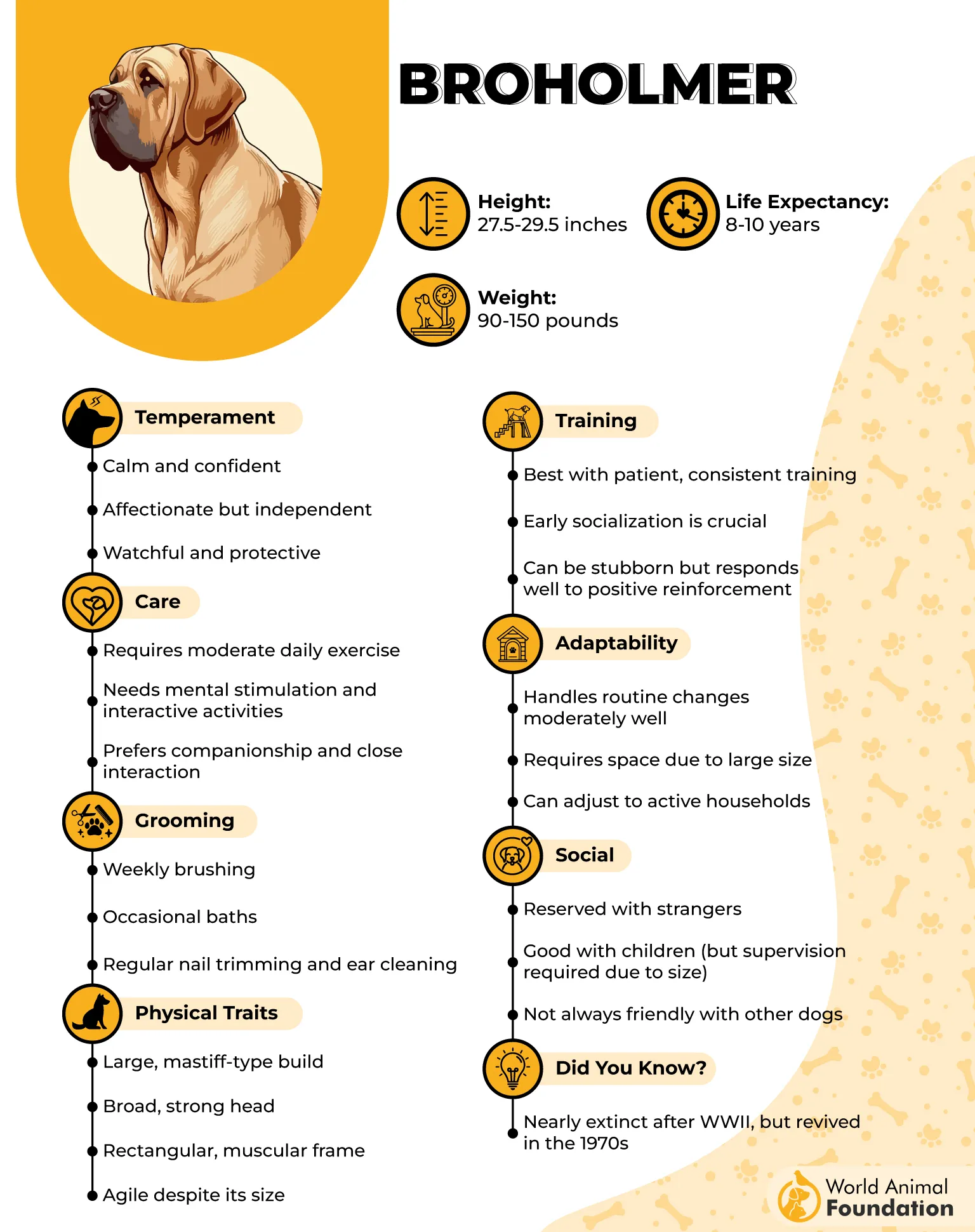
Broholmer Care and Temperament
These gentle giants are devoted to their families and can be patient with children when properly socialized. Their short, dense coat is relatively easy to maintain, with weekly brushing usually enough to remove loose hair and dirt.
They need regular nail, ear, and dental care, while their large size makes maintaining a healthy weight especially important.
Broholmer Training and Exercise
Broholmers are intelligent but can be independent or stubborn, so early socialization and consistent positive-reinforcement training are essential. Around 45 minutes of daily walks, light play, and mental stimulation can help keep them fit without demanding intense exercise.
7. Great Dane
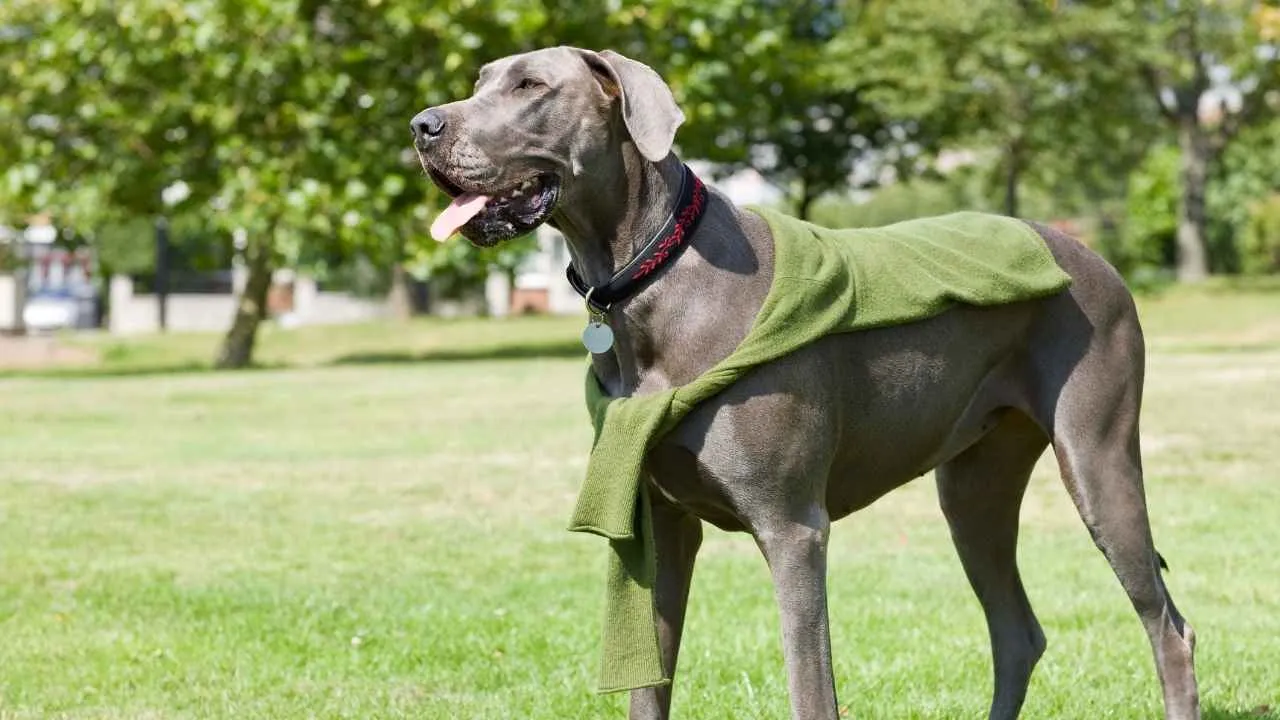
Great Danes are enormous, elegant dogs with a calm and affectionate nature. Originally bred in Germany to hunt wild boar and guard estates, they still have a natural instinct to protect their homes and families. Despite their intimidating size, they are generally gentle, patient, and friendly when properly socialized.
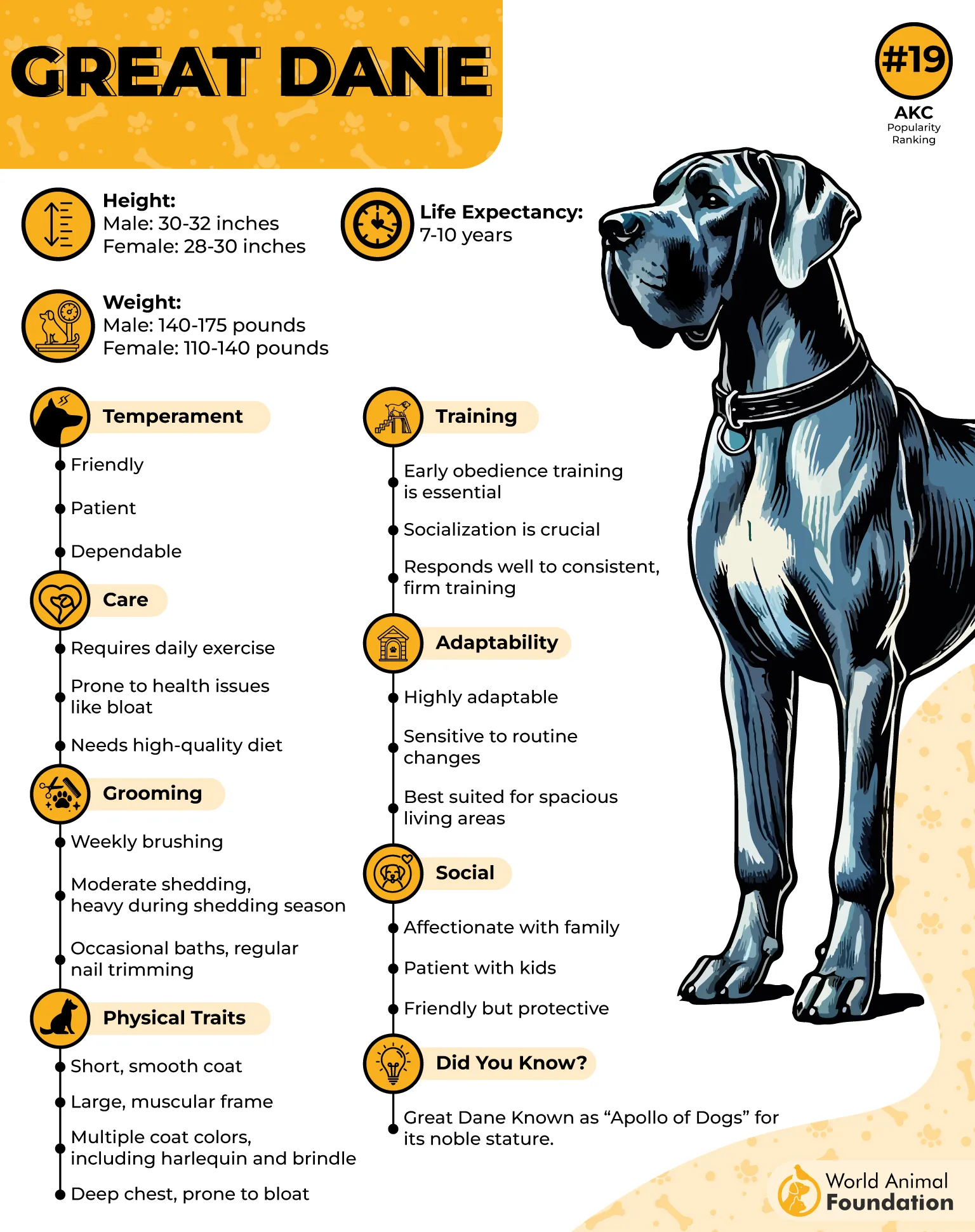
Great Dane Care and Temperament
These dogs are loving family companions and can get along well with children and other pets when raised and socialized properly.
Their short, sleek coat is relatively easy to maintain, with weekly brushing enough to manage moderate shedding. They do need plenty of space, appropriate nutrition, and careful attention to their weight and overall health due to their giant size.
Great Dane Training and Exercise
Great Danes are intelligent and generally easy to train, although some can be strong-willed. Early obedience training and socialization are essential because an untrained adult can be difficult to manage due to its size.
Daily walks and moderate play help keep them fit, while careful feeding and rest after meals are important because of their increased risk of bloat.
8. Mastiff
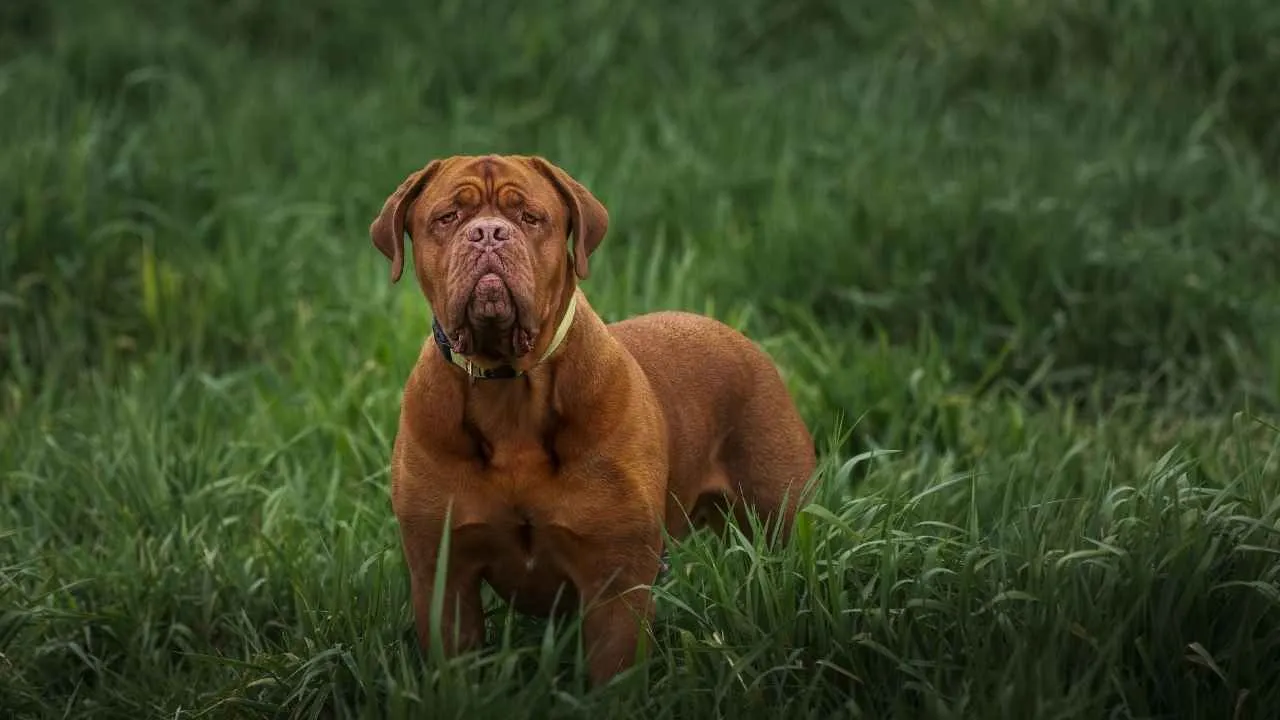
Mastiffs are massive, powerful dogs with a calm, affectionate, and dignified nature. Originally bred in Britain for guarding, hunting, and protection, they still have strong instincts to watch over their families and homes.
Despite their imposing appearance, they are typically gentle, patient, and loving companions when properly trained and socialized.
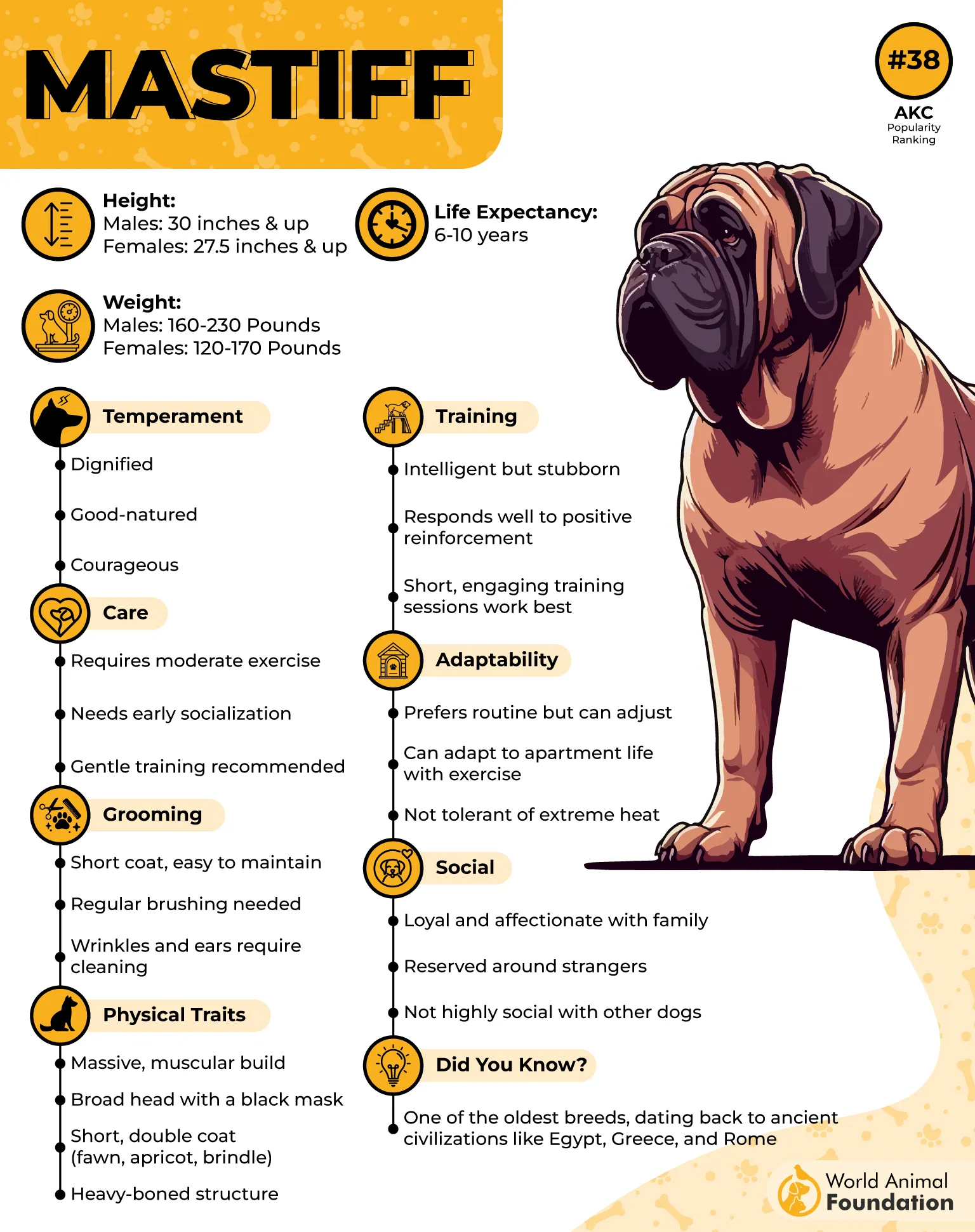
Mastiff Care and Temperament
These gentle giants are devoted family dogs and can do well with children and other pets when raised and socialized properly.
Their short, dense coat is easy to maintain, with weekly brushing helping control moderate shedding. They do need plenty of space, careful nutrition, regular exercise, and extra attention to drooling and their facial folds.
Mastiff Training and Exercise
Mastiffs are intelligent and eager to please but can be stubborn at times, so early obedience training and socialization are essential. Regular walks and light activities help keep them healthy without overexerting their large frames.
Positive reinforcement works best, while keeping meals controlled and avoiding strenuous activity after eating can help reduce bloat risk.
9. Rhodesian Ridgeback
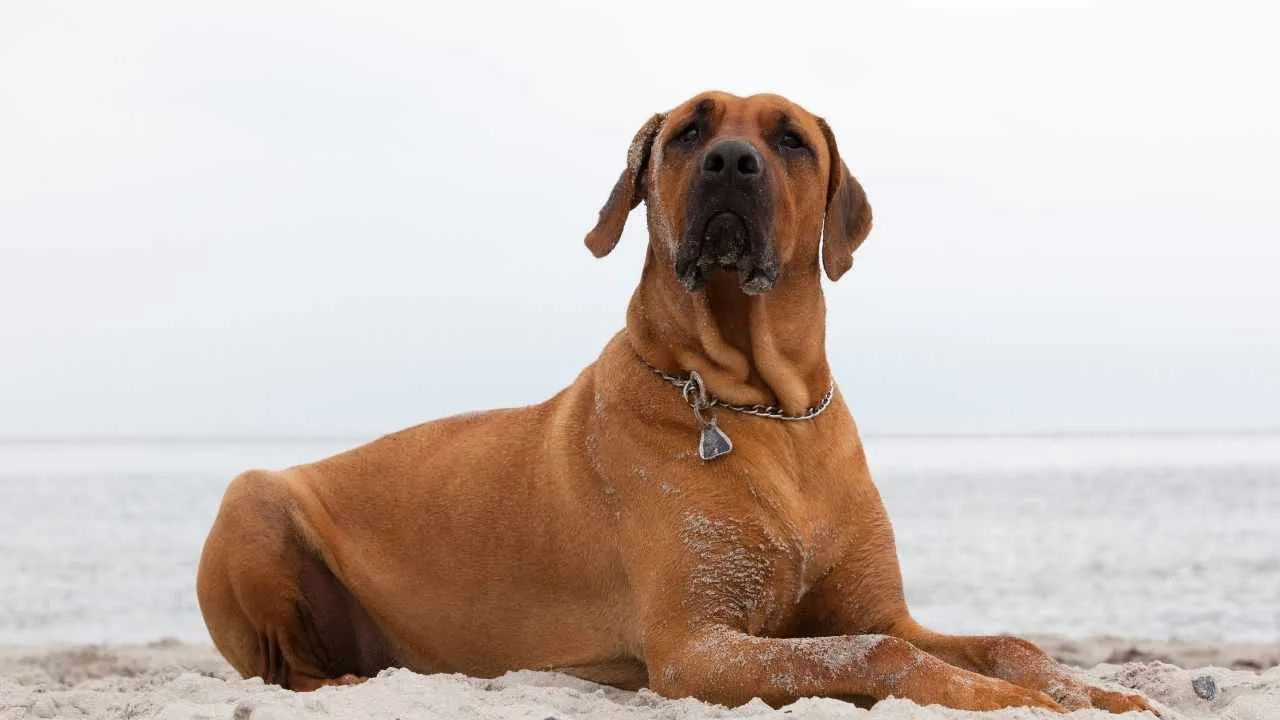
Rhodesian Ridgebacks are strong, athletic dogs with a confident, loyal, and independent nature. Originally bred in Southern Africa for hunting and tracking, they were valued for their courage, endurance, and ability to protect their families.
Despite their powerful appearance, they can be affectionate and devoted companions when properly trained and socialized.
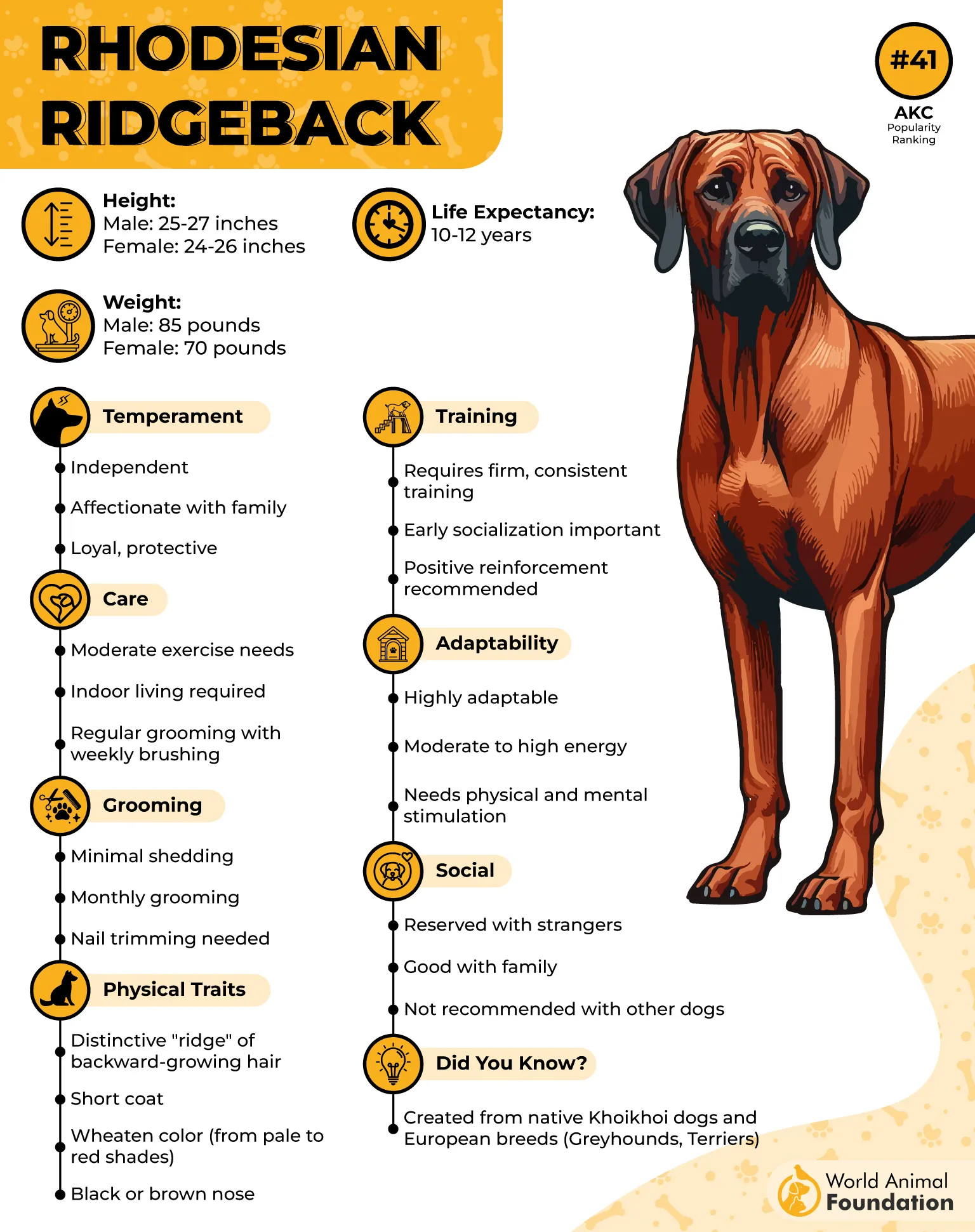
Rhodesian Ridgeback Care and Temperament
These loyal dogs form strong bonds with their families and can do well with children when raised and socialized properly. Their short, low-maintenance coat needs only occasional brushing to remove loose hair.
They need a balanced diet, plenty of daily exercise, mental stimulation, and a secure outdoor space to stay happy and healthy.
Rhodesian Ridgeback Training and Exercise
Rhodesian Ridgebacks are intelligent but independent-minded, so early training and socialization are essential. They need regular walks, running, play, and activities that challenge both their body and mind.
Positive, consistent training works best, while patience and firm boundaries help manage their strong-willed nature and natural protective instincts.
10. Dogue de Bordeaux
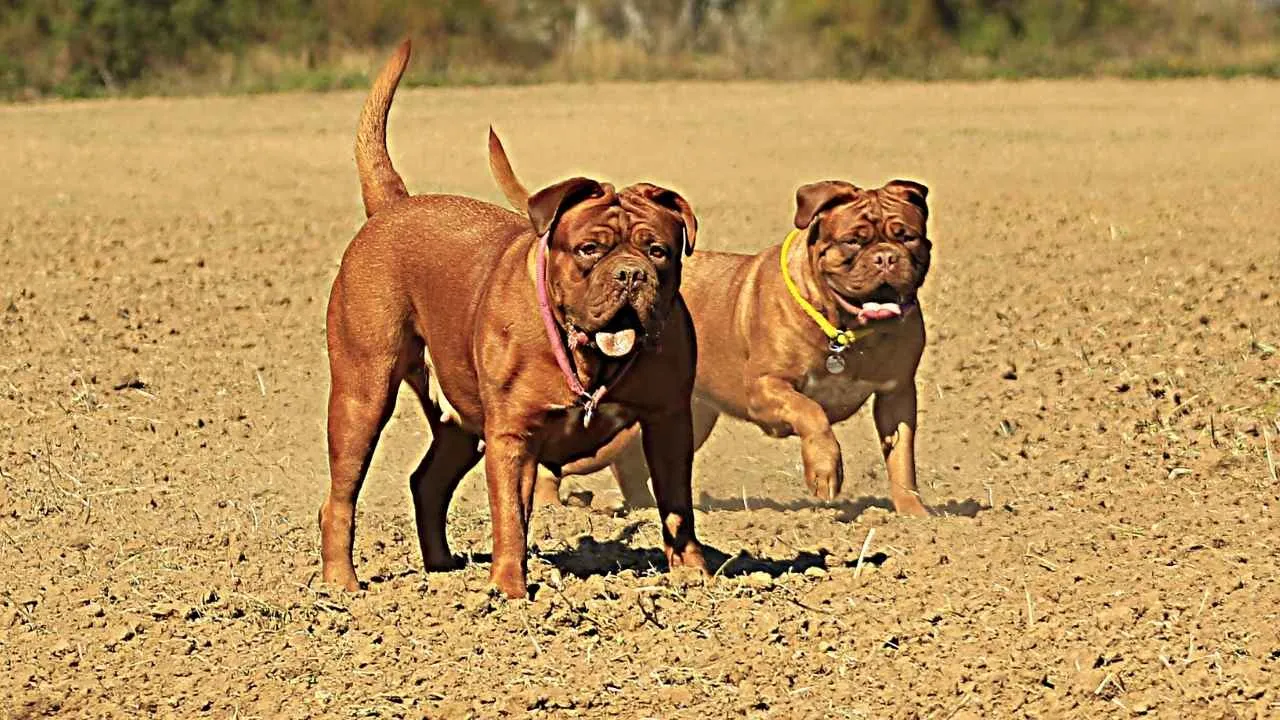
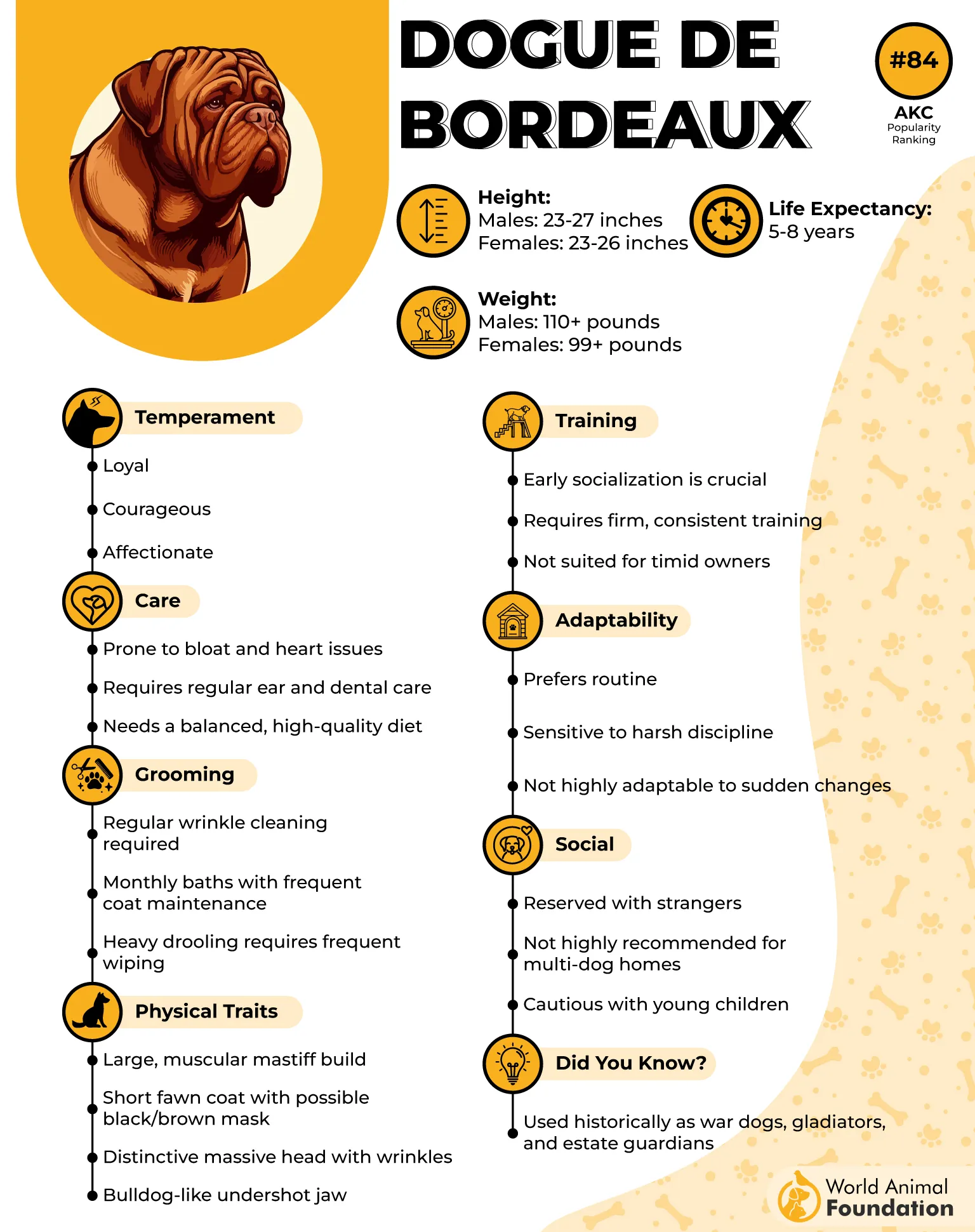
Dogue de Bordeaux are large, powerful dogs with a calm, loyal, and affectionate nature. Originally bred in France for guarding, hunting, and working roles, they have strong protective instincts and form close bonds with their families.
Despite their intimidating size, they are gentle and devoted companions when properly trained and socialized.
Dogue de Bordeaux Care and Temperament
These guardian breeds are loving family dogs and can do well with older children when raised and socialized properly. Their short, dense coat is easy to maintain, with weekly brushing helping control shedding.
They need a balanced diet, daily exercise, mental stimulation, and regular cleaning of their facial folds, while their heavy drooling means a towel is always useful.
Dogue de Bordeaux Training and Exercise
Dogue de Bordeaux are intelligent but can be strong-willed, so early obedience training and socialization are essential. Around an hour of daily exercise, including walks, play, and training, helps keep them healthy without overexerting them, as mentioned by Omlet.
Positive reinforcement, patience, and consistency work best, especially because their size and strength make good manners and leash training particularly important.
Conclusion
Choosing a low-maintenance protection dog is about finding the right balance between protection, companionship, and everyday care.
Before bringing one home, consider your space, experience, daily routine, and the breed’s individual needs. The best guard dog is not simply the most powerful one. It is a dog whose temperament and lifestyle fit naturally with yours.
With the right match and responsible ownership, you can have a devoted family companion that is always ready to keep a watchful eye on the home.
Looking for more great guard dogs? You can also check out the Belgian Malinois, German Shepherd, Doberman Pinscher, Cane Corso, and Mastiff.
