




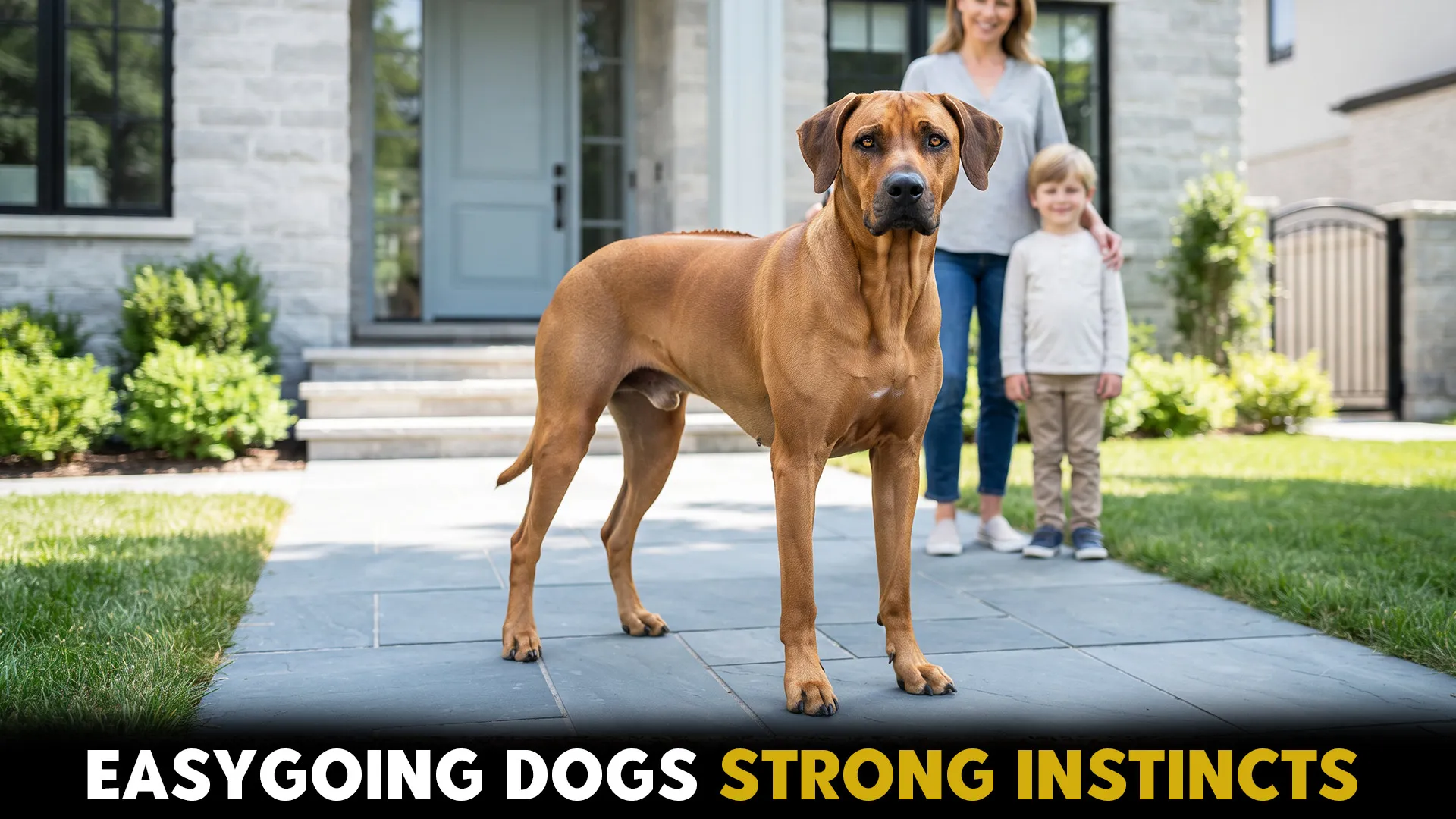
Guardian breeds are characterized by their ability to protect livestock without direct human supervision. Some large breeds naturally possess watchful instincts, imposing appearances, and strong bonds with their people without requiring elaborate coat maintenance.
Low maintenance does not mean effortless ownership. Large guardian-type dogs still need appropriate exercise, balanced nutrition, routine veterinary care, socialization, obedience training, and sufficient living space.
Families should also remember that a protective dog should be stable and well socialized rather than encouraged to behave aggressively.
The seven guard dog breeds below combine relatively straightforward grooming with loyalty, confidence, and natural awareness. Their histories range from European mountain guardians to African farm dogs and British mastiffs.
Each guard dog offers a different personality and physical profile, allowing families to consider which type of protective companion best matches their family life.
Low-Maintenance Dog Breeds That Offer Excellent Family Protection
1. Great Pyrenees
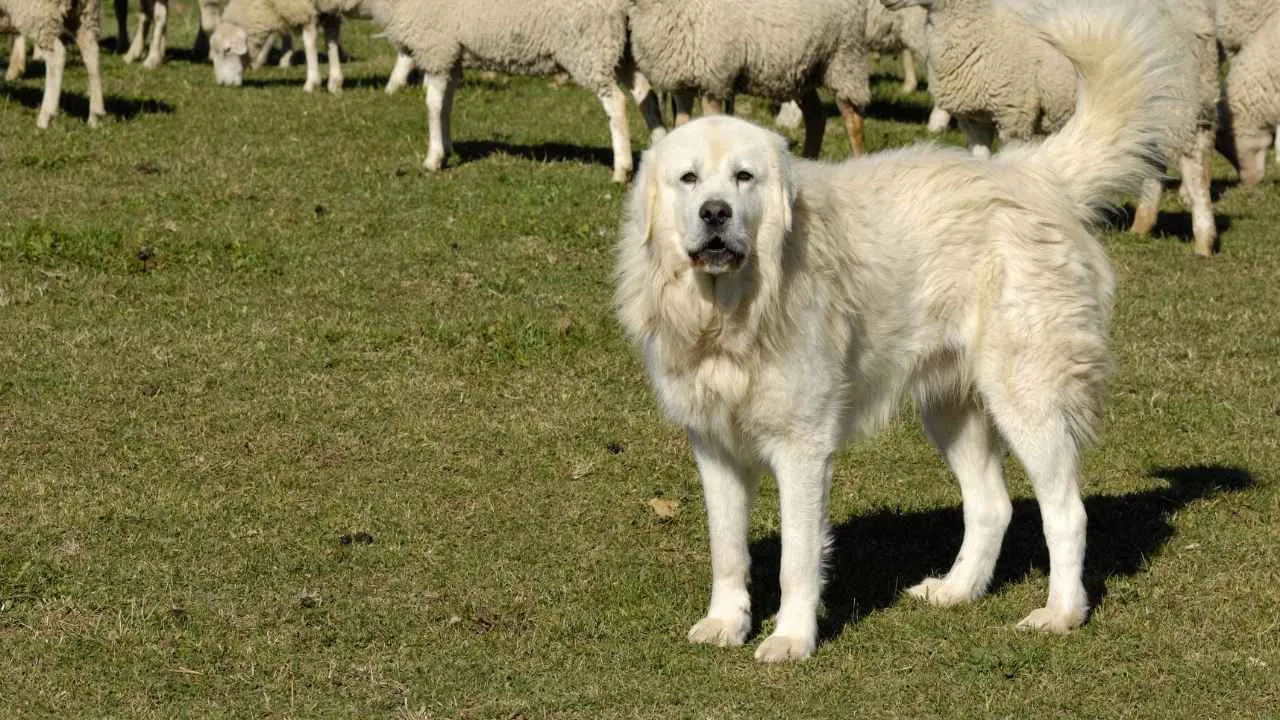
The Great Pyrenees originated in the mountain regions between France and Spain, where shepherds depended on large dogs to guard sheep from wolves and other predators.
These guardians worked independently across remote landscapes, often remaining with livestock for extended periods. The breed later became associated with French nobility before developing into a cherished companion and working guardian.
Gentle and Observant
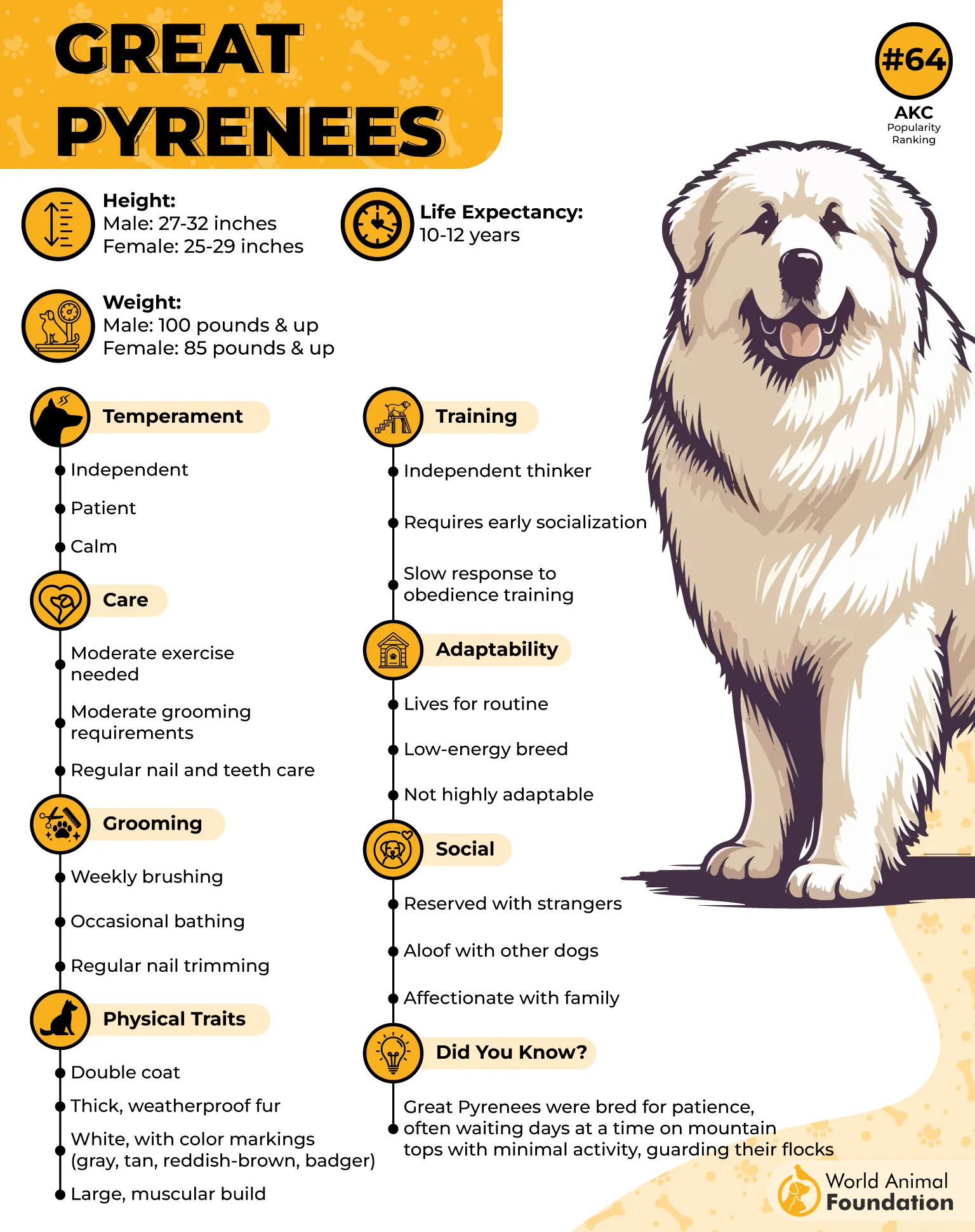
Great Pyrenees are often calm, incredibly affectionate, and patient with their families, while remaining naturally alert to unfamiliar activity.
They can be independent thinkers and may decide for themselves whether something deserves attention. Early socialization helps them become comfortable with visitors, children, and other animals.
Quiet Household Guardian
This breed’s imposing size and natural vigilance can provide a reassuring presence without requiring constant activity. It tends to observe its surroundings and may alert its family when something appears unusual.
Secure fencing is important because its guardian instincts can extend beyond the immediate household. Families seeking a calm protector should prioritize manners and socialization rather than encouraging confrontational behavior.
2. Bullmastiff
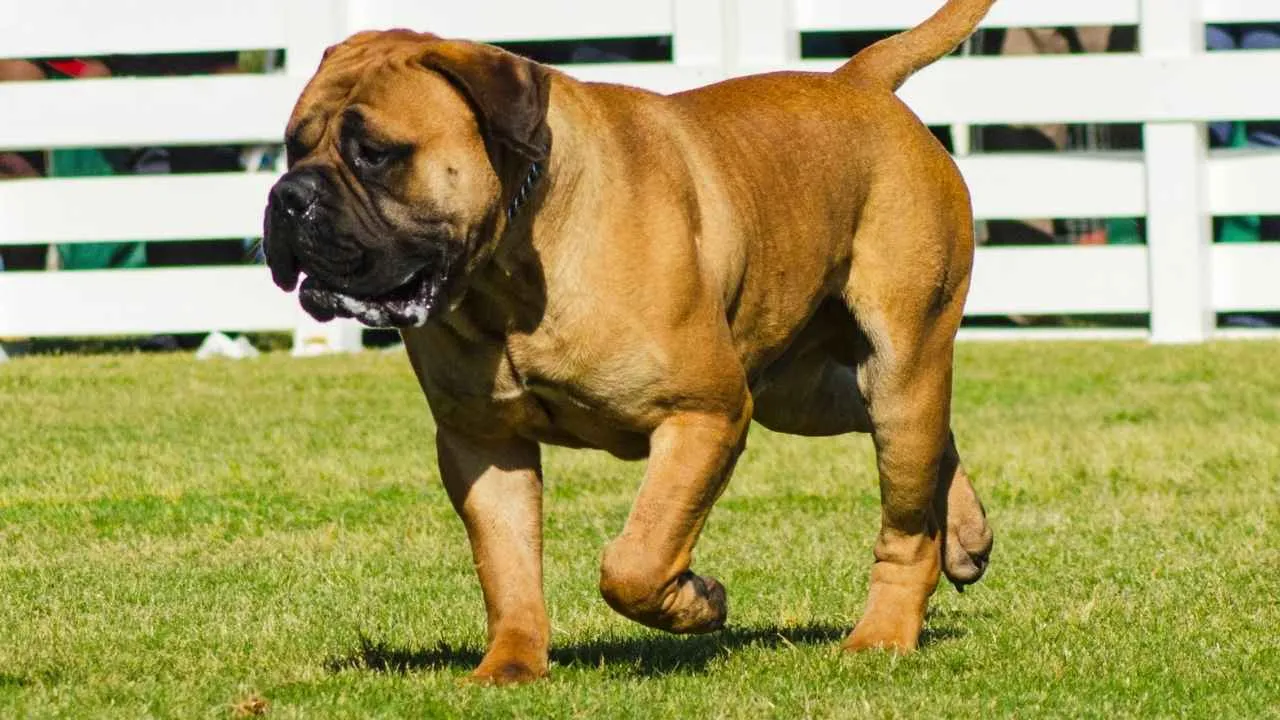
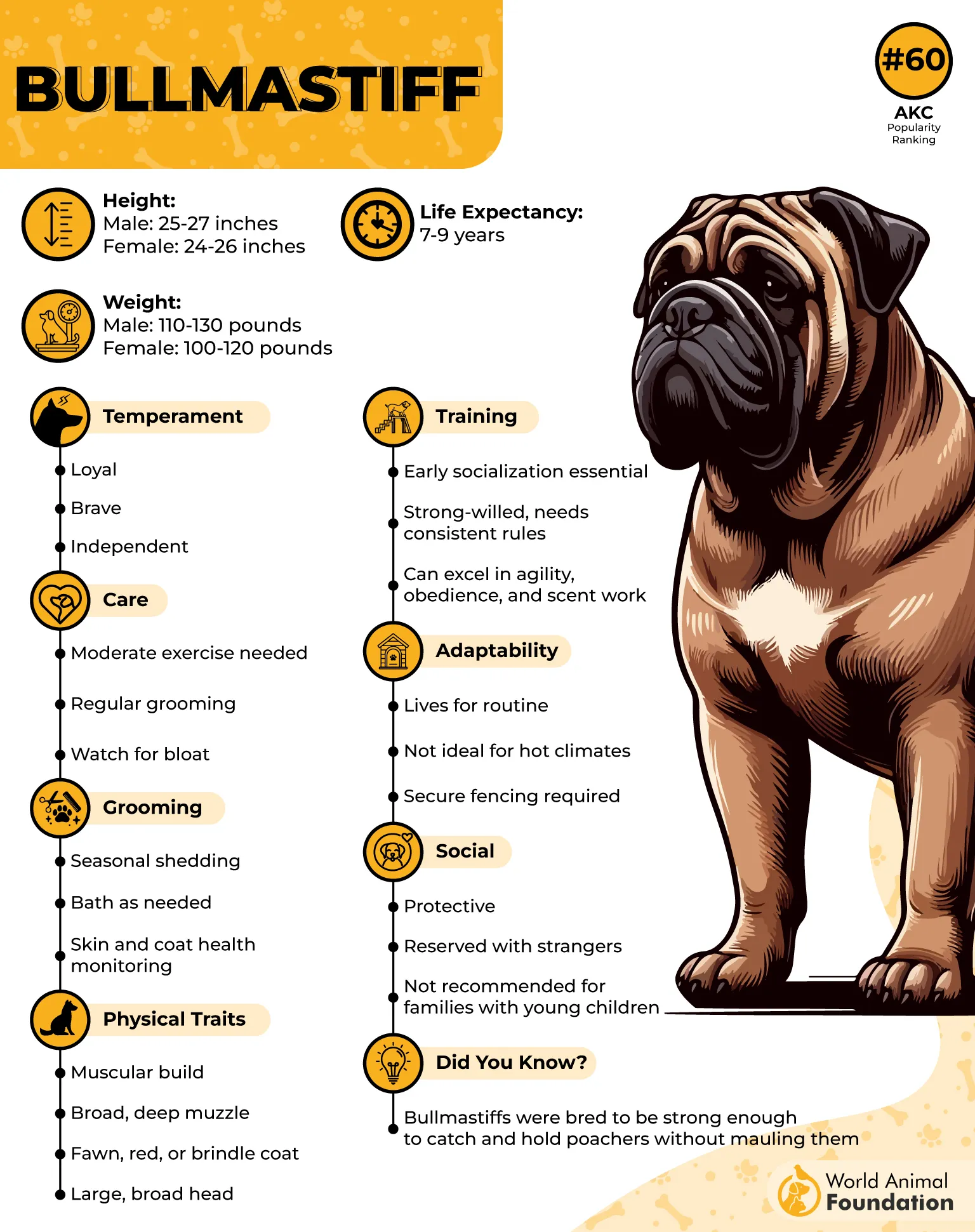
The Bullmastiff was developed in nineteenth-century England by gamekeepers who needed a powerful dog capable of helping deter poachers on large estates, as per PetMD.
Breeders combined Mastiff and Bulldog ancestry to create an animal that was strong, courageous, agile, and capable of quietly tracking intruders. Unlike dogs bred primarily for pursuit, the Bullmastiff was expected to restrain rather than unnecessarily injure.
Calm Temperament and Devoted
Bullmastiffs are commonly affectionate with their families and can be surprisingly relaxed indoors once their moderate exercise needs are satisfied. They may remain reserved around unfamiliar people without automatically displaying hostility.
Early training is particularly important because their considerable strength can make poor manners difficult to manage later.
Powerful Family Presence
The breed’s size, confidence, and natural attentiveness can discourage unwanted approaches without requiring an artificially aggressive temperament.
A properly socialized Bullmastiff should be controllable and composed when encountering ordinary household activity. Families should provide moderate daily exercise rather than excessive high-impact activity. For owners seeking a substantial guardian with relatively simple coat care, it can be an attractive option.
3. Rhodesian Ridgeback
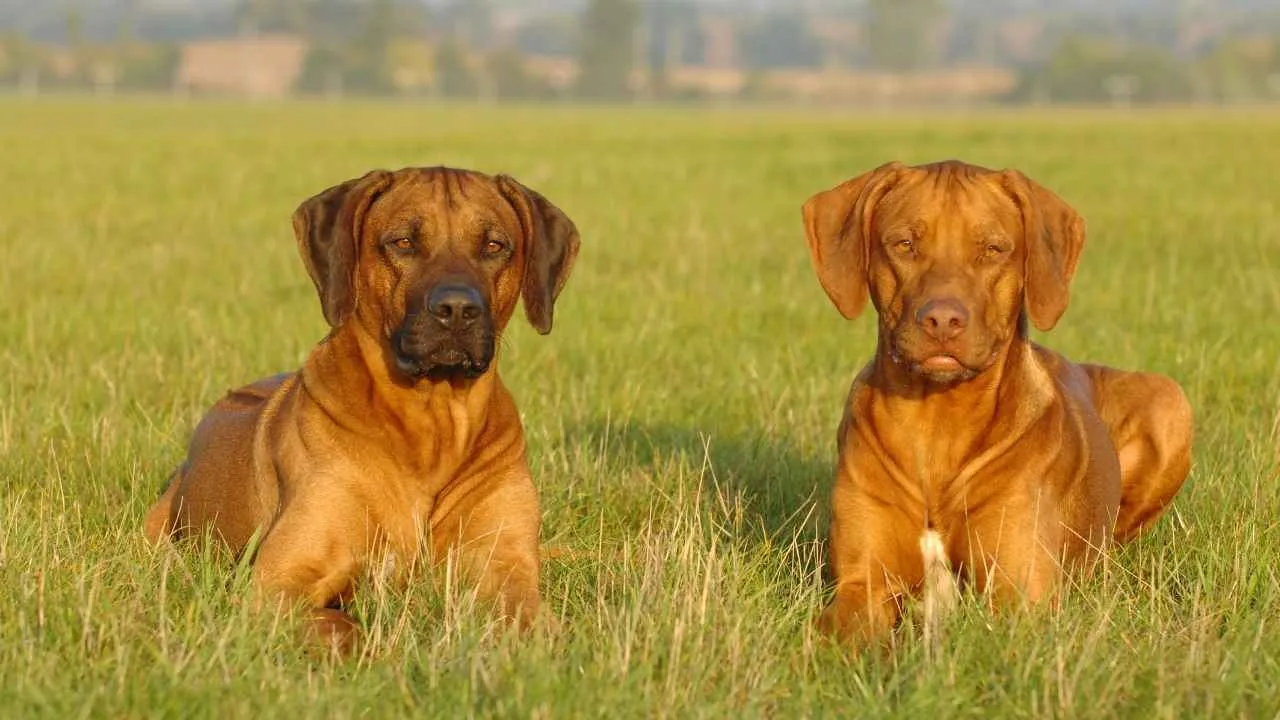
The Rhodesian Ridgeback developed in southern Africa from combinations of European hunting dogs and local dogs used by indigenous communities.
Early settlers valued the resulting breed for hunting, tracking, and helping manage dangerous game in difficult terrain. Its ability to operate in hot conditions while remaining athletic contributed to its reputation as a rugged working companion.
Independent and Loyal
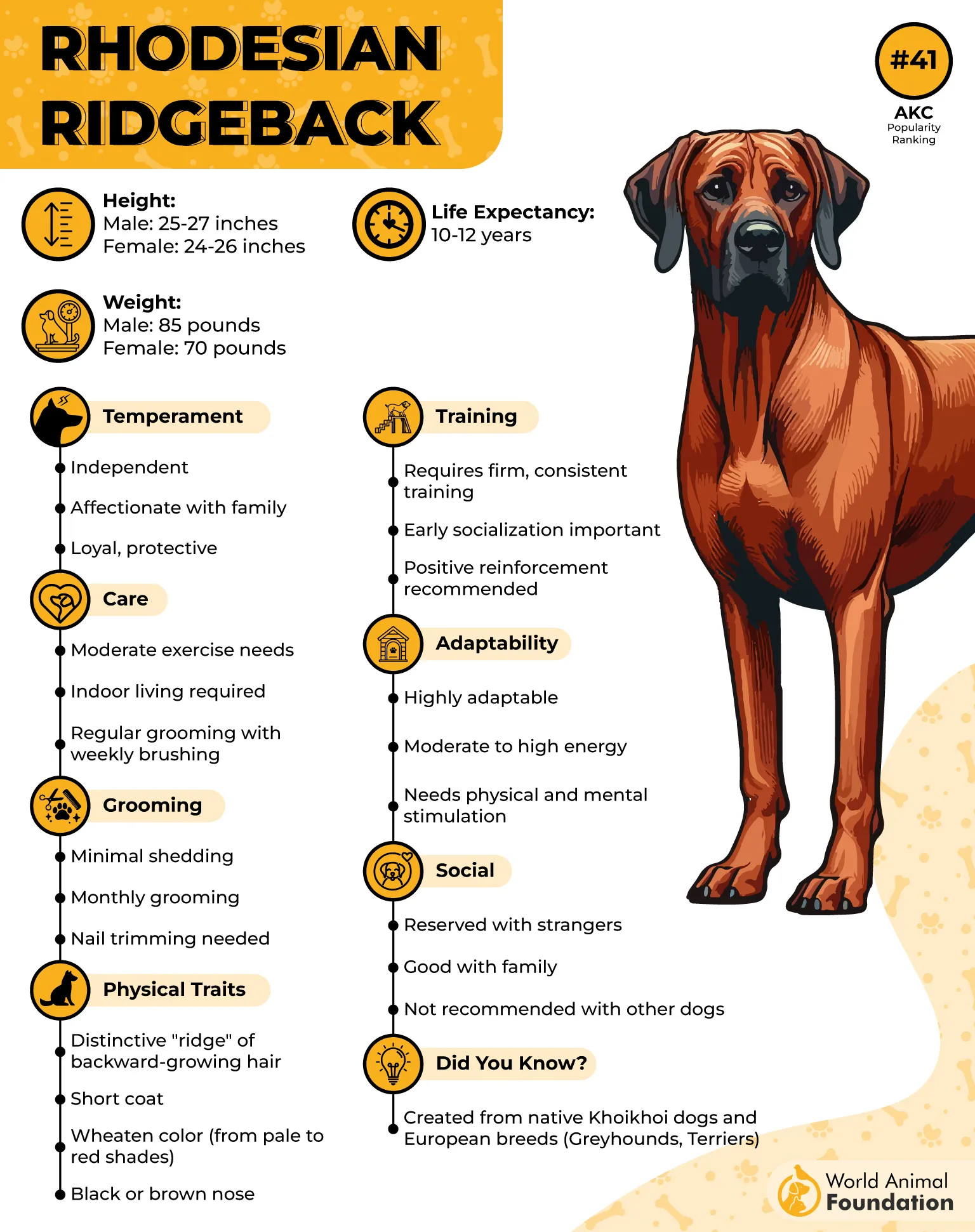
Rhodesian Ridgebacks often form strong bonds with their families while retaining a thoughtful, self-directed temperament.
They can be reserved with strangers and generally benefit from thorough socialization during their formative years. Regular exercise, dental hygiene, claw trimming, parasite prevention, and veterinary care meet their basic needs.
Alert Family Protector
This athletic hound can combine quiet confidence with strong awareness of its surroundings. Its size and dignified presence may provide a natural deterrent, while its loyalty encourages close attachment to household members.
Proper training should emphasize reliable responses rather than encouraging defensive behavior. Active families that appreciate an independent but devoted dog may find the Ridgeback especially suitable.
4. Mastiff
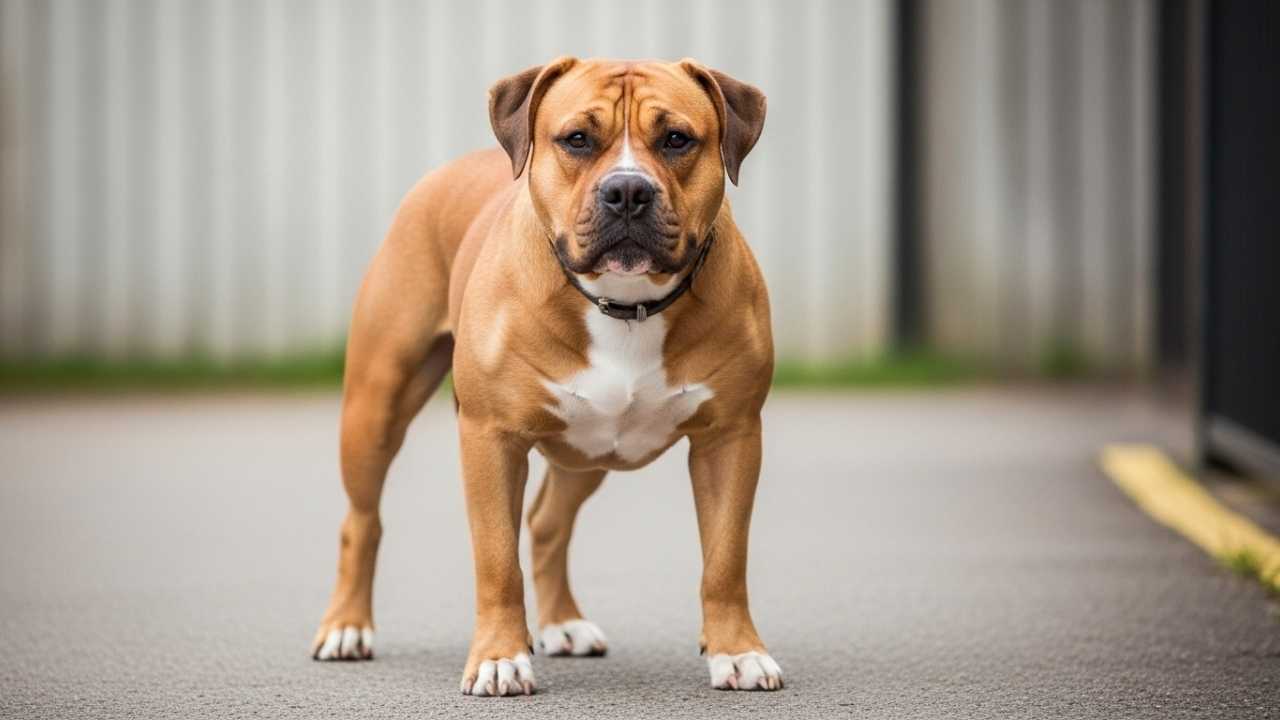
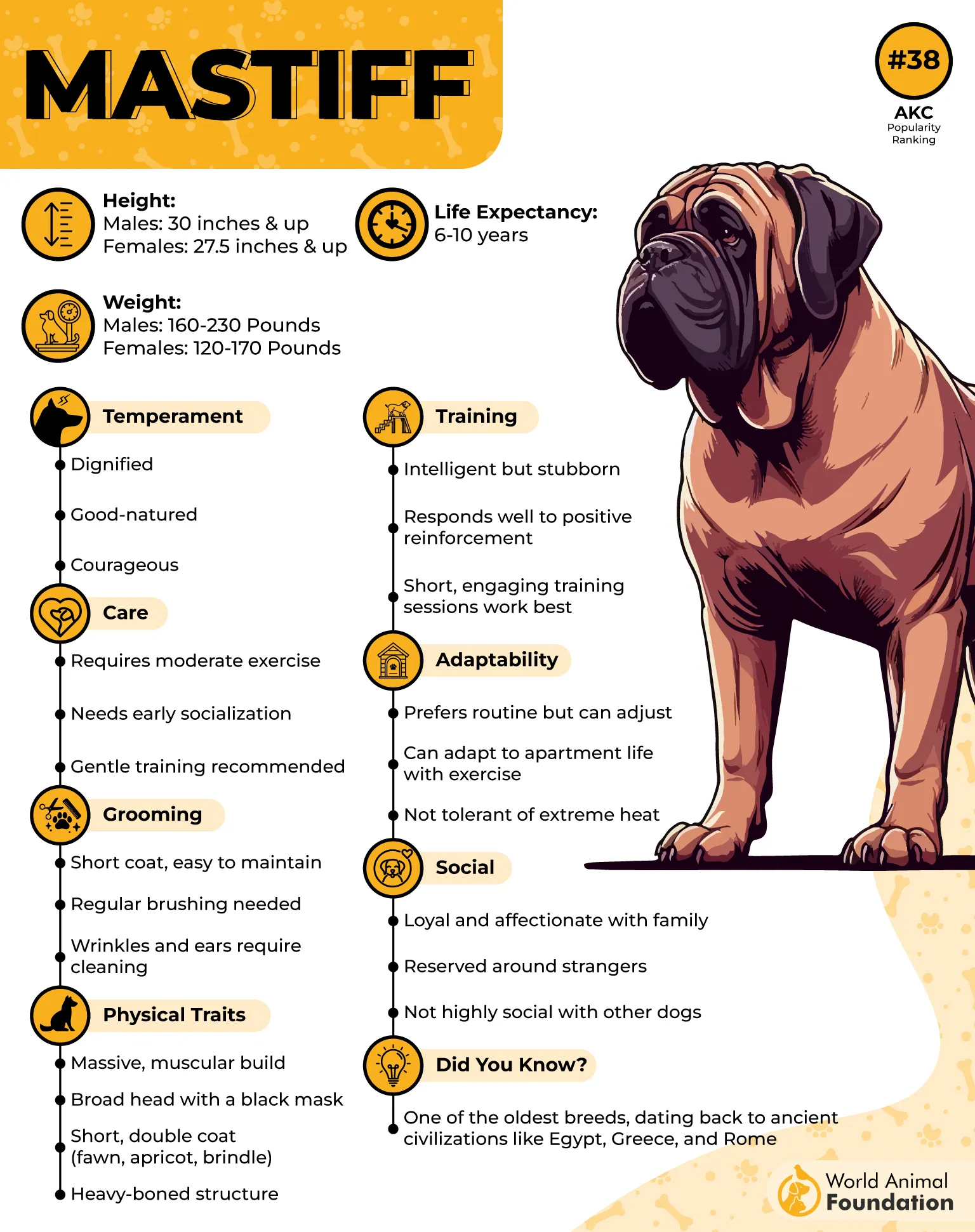
The Mastiff has ancient roots, with large mastiff-type dogs appearing in records associated with Britain and other parts of Europe for centuries.
Historically, these powerful dogs served in guarding, estate protection, hunting, and various working roles. Modern Mastiffs retain that massive presence while generally possessing a calmer household temperament than their formidable appearance might suggest.
Easy Coat, Considerable Size
The Mastiff’s short coat is relatively uncomplicated, with consistent routine brushing helping remove loose hair and occasional bathing keeping the skin clean.
Its enormous body makes nutrition especially important, particularly while young dogs are growing. Exercise should remain sensible because growing joints require protection from excessive impact.
Imposing Yet Composed
A mature Mastiff can be affectionate, patient, and remarkably settled within its home. Its enormous size alone can create a strong visual deterrent, while its natural loyalty gives it a protective connection to its household.
Socialization teaches the dog how to distinguish normal visitors from genuinely concerning situations. Families should focus on calm obedience and controlled behavior rather than defensive training. With suitable guidance, this giant breed can offer security without constant intensity.
5. Boerboel
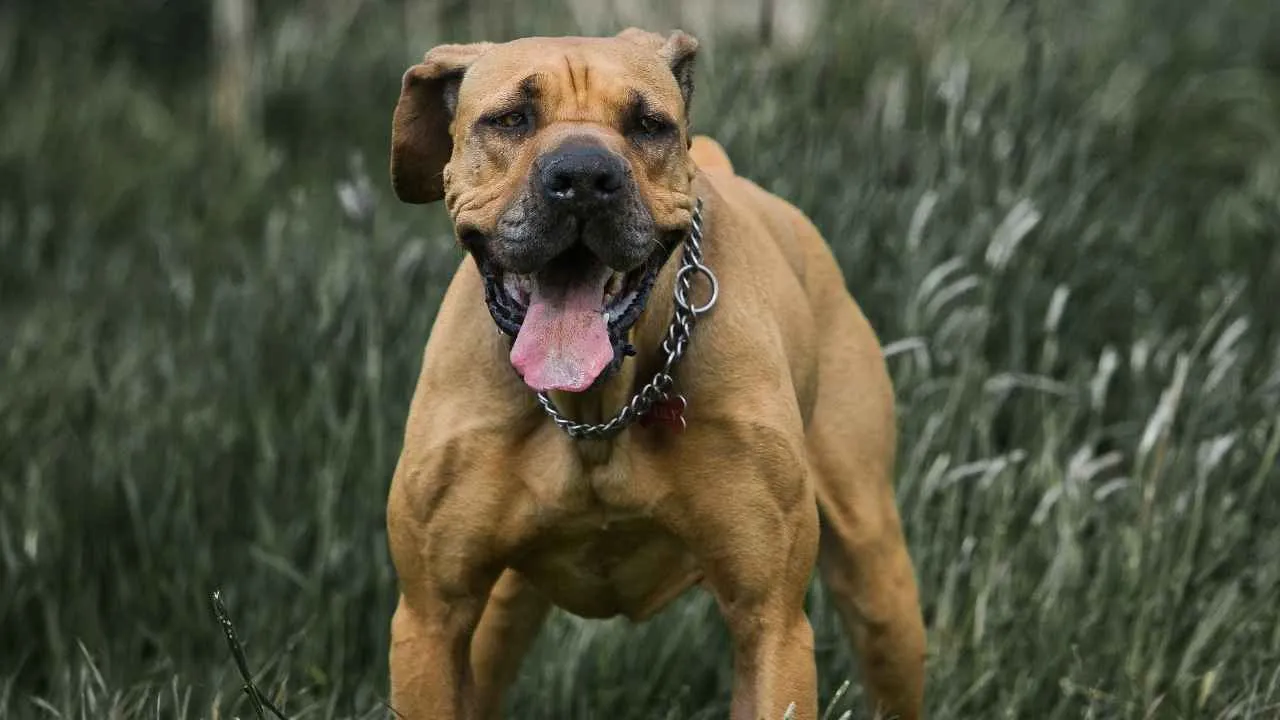
The Boerboel developed in South Africa from large working dogs brought by European settlers and other regional influences, as per Orvis. Farmers required capable animals that could protect homesteads, assist with difficult tasks, and withstand challenging environmental conditions.
Over generations, breeding emphasized strength, confidence, endurance, and loyalty. The result was a muscular South African working dog with a powerful physical presence and a strong instinct to remain aware of its surroundings.
Confident and Family-Centered
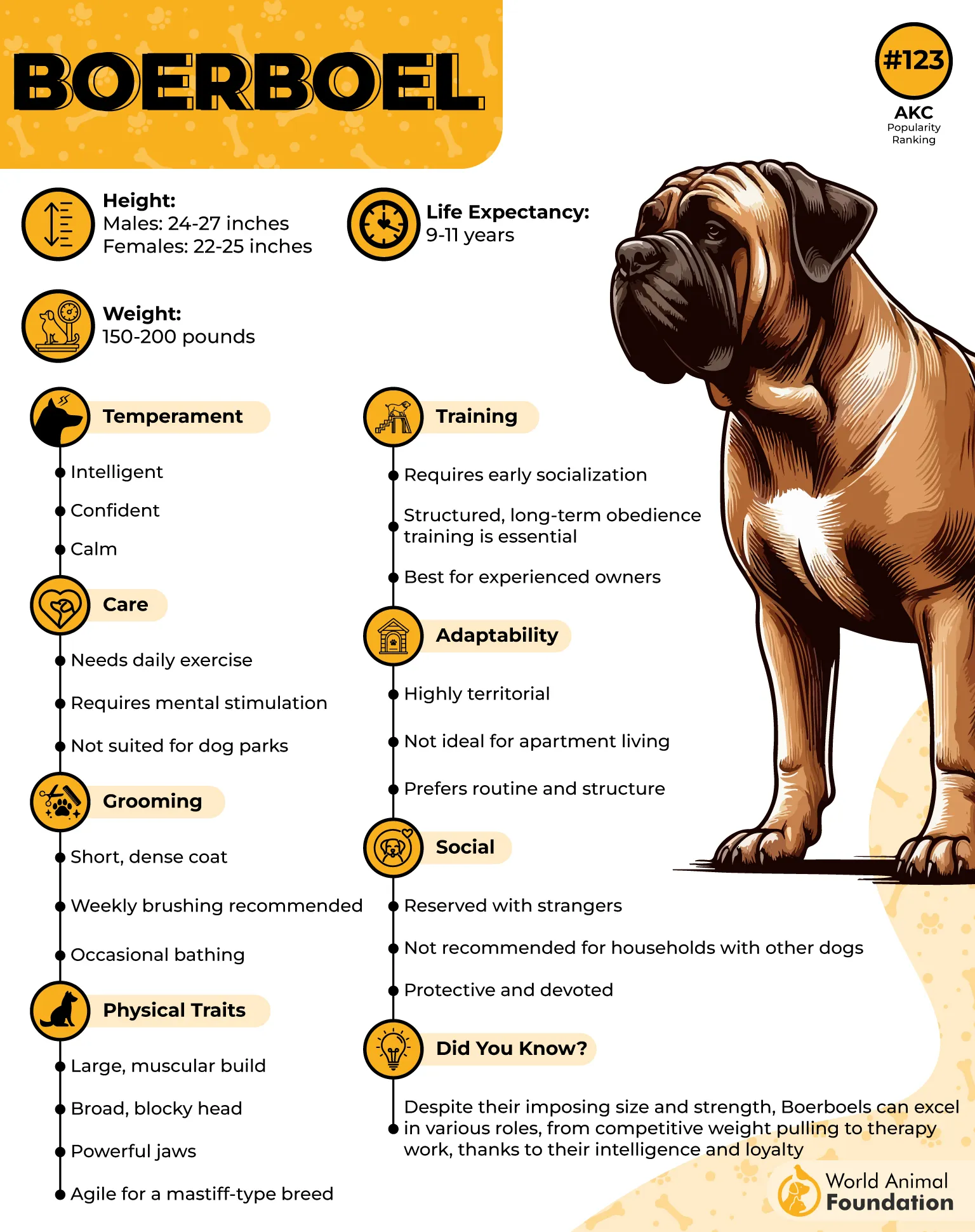
Boerboels can become deeply attached to their households and often display confidence rather than nervousness when properly raised.
Because they are powerful and naturally protective, early socialization and consistent obedience are essential. Their short coat is easy to maintain with occasional brushing, while ears, teeth, claws, and skin still require routine attention.
Natural Property Sentinel
The Boerboel’s confidence and physical presence can make it a formidable household guardian. Responsible owners should establish clear boundaries from puppyhood and teach the dog appropriate responses to visitors, noises, and unfamiliar situations.
Encouraging uncontrolled aggression is neither necessary nor desirable. A stable Boerboel should be able to remain composed when its family is safe.
6. Kuvasz
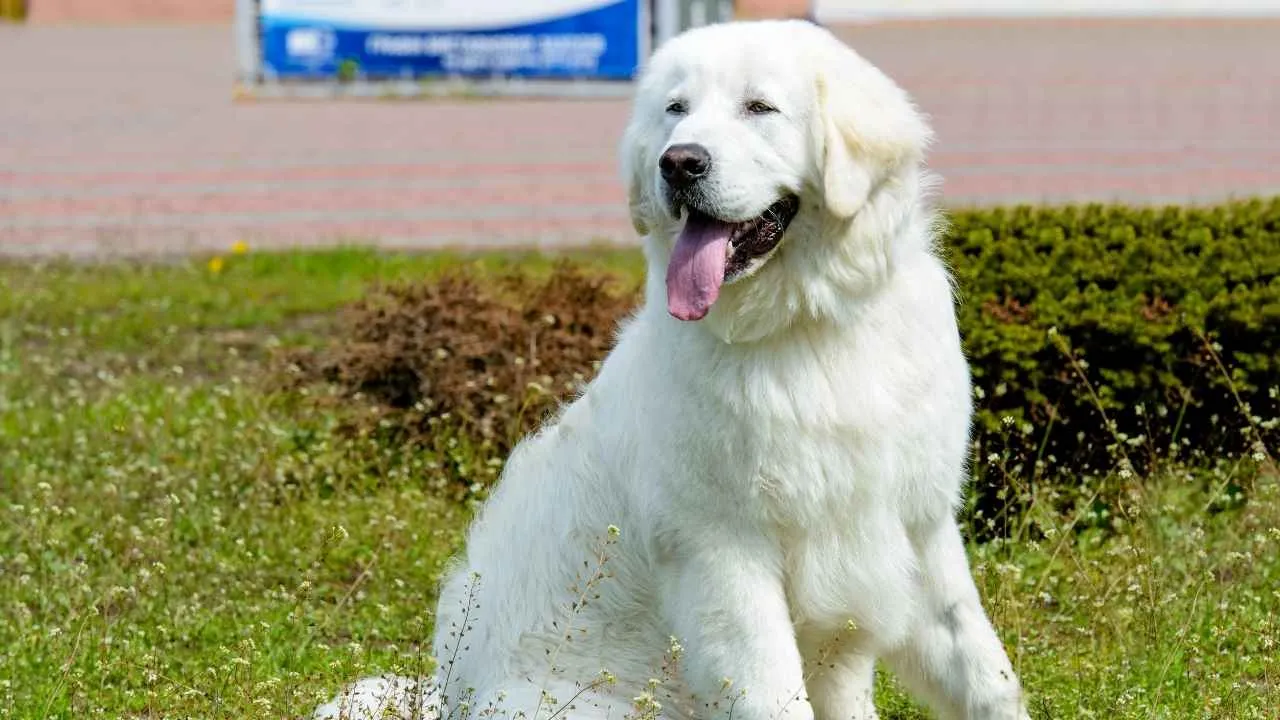
The Kuvasz has ancient roots in Hungary, where large white guardian dogs were used to protect livestock and property. Its ancestors may have accompanied migrating peoples before becoming established in Hungarian pastoral traditions.
Over centuries, the breed became associated with protecting flocks from predators and watching over estates, as per Hill’s Pet. Its pale coat helped shepherds distinguish it from threats at a distance and provided a striking visual identity.
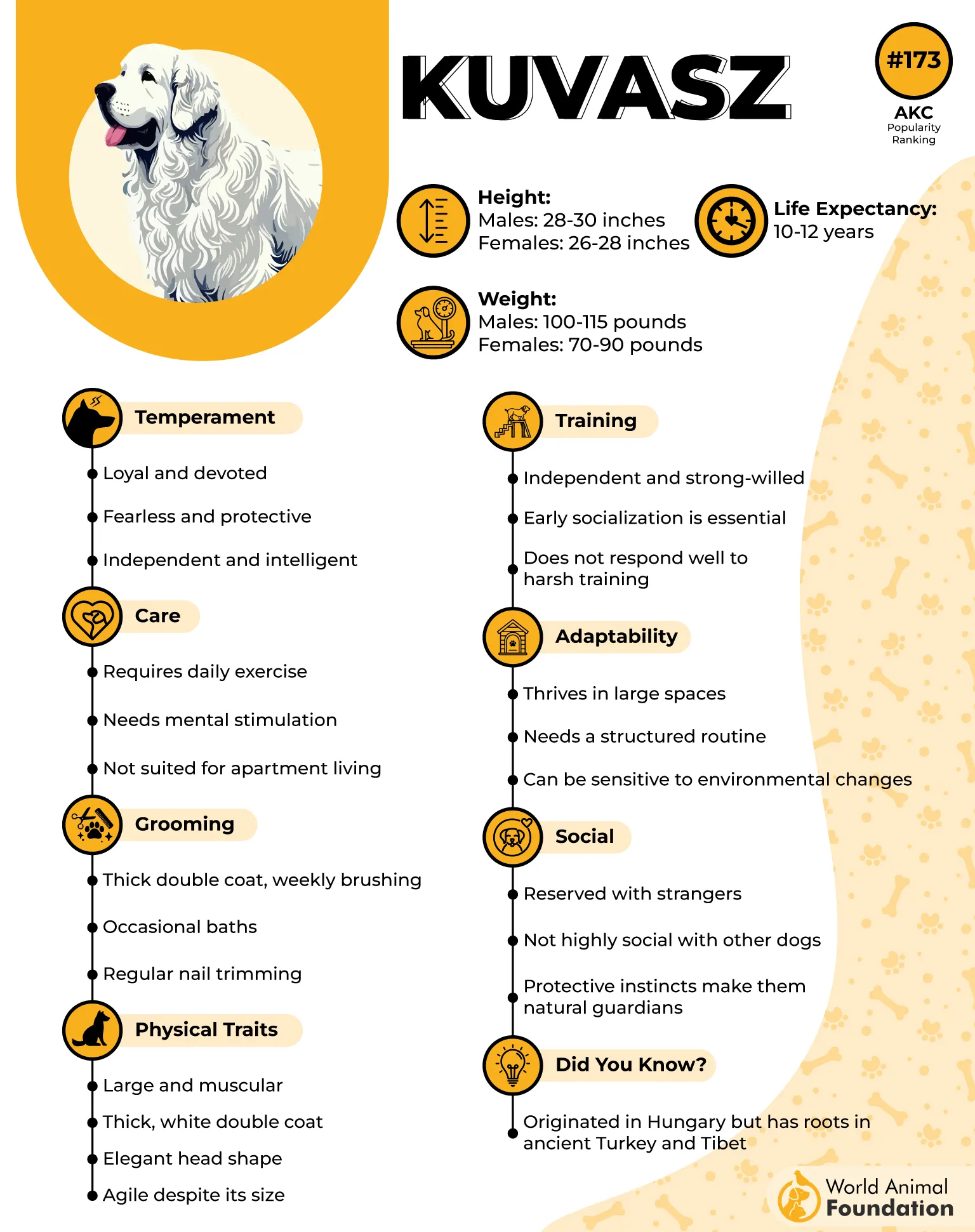
Independent and Devoted
Kuvasz dogs can be affectionate toward trusted family members while remaining cautious around unfamiliar people. Their intelligence and self-reliance mean they may not respond to commands with the automatic enthusiasm of highly biddable breeds.
Socialization, dental care, nail maintenance, parasite prevention, and routine checkups are also important.
Steadfast Household Guardian
This Hungarian breed can provide strong natural awareness without needing to be taught hostility. It may monitor the property, investigate unusual sounds, and remain attentive to its family.
Secure boundaries are important because its guardian instincts can extend beyond the immediate home. Consistent training should focus on trust, manners, and dependable communication.
7. Great Dane
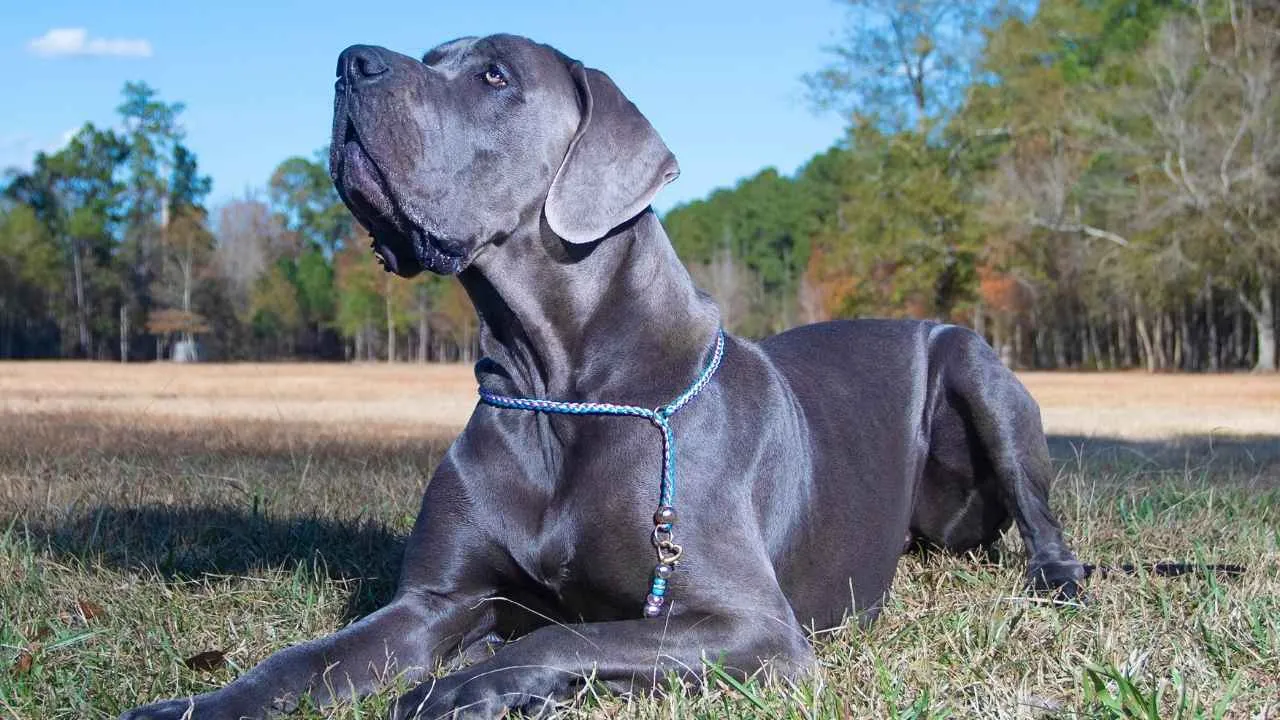
The Great Dane developed in Germany, despite its misleading English name, from large hunting and estate dogs used historically to pursue wild boar and protect properties, as per WebMD.
Breeders gradually refined the type into a taller, more elegant animal with a comparatively gentle temperament. Its enormous stature became one of its defining characteristics, while its history gave it confidence and alertness.
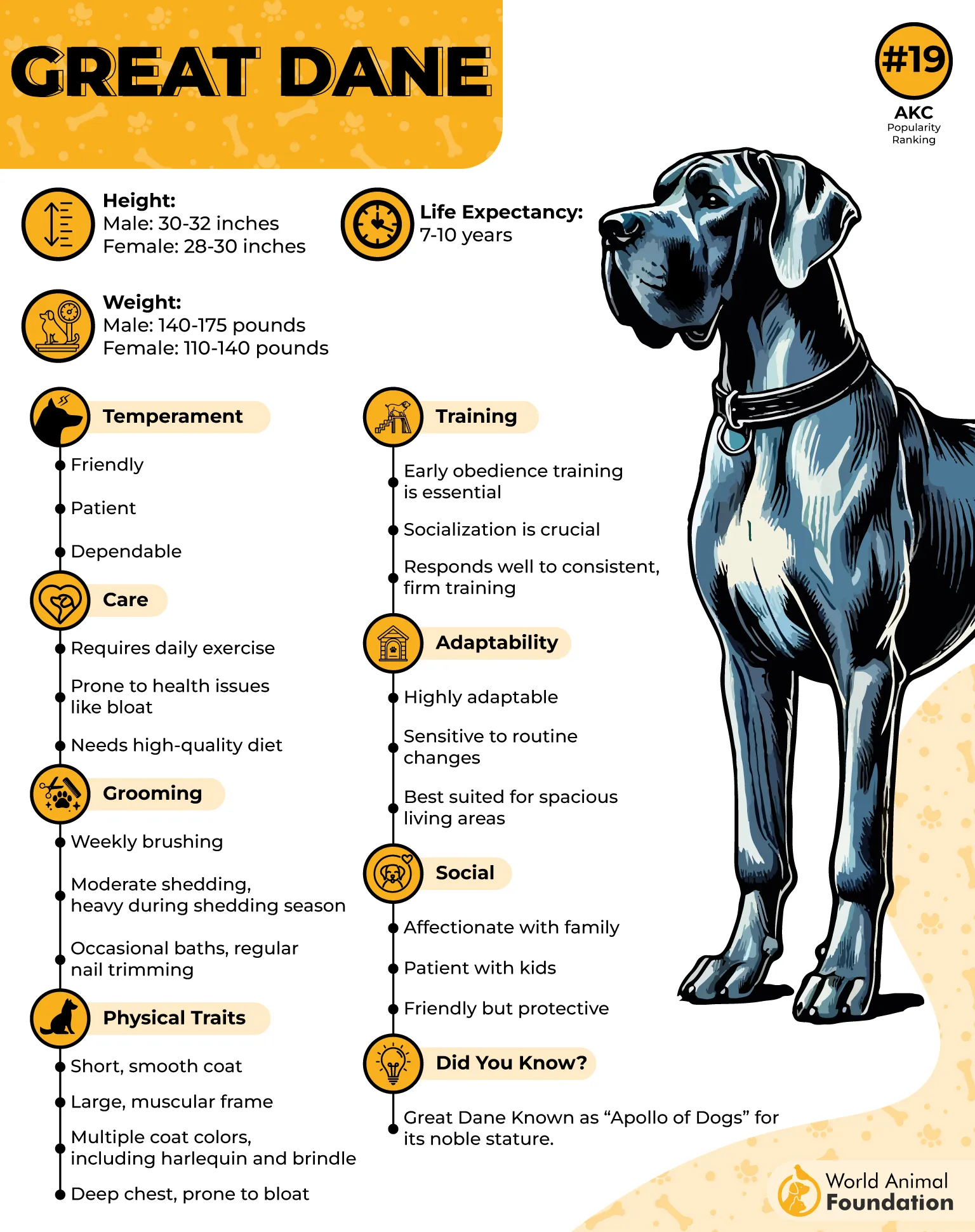
Gentle Giant Care
The Great Dane’s short coat is easy to maintain, with weekly brushing generally sufficient for routine upkeep.
Its enormous frame makes nutrition particularly important, especially during puppyhood when excessive growth can affect developing bones and joints. Regular dental care, nail trimming, veterinary examinations, and appropriate rest are essential.
A Protective Giant
Great Danes are often affectionate, friendly, and remarkably gentle with familiar people, yet their height and commanding appearance can provide a natural deterrent. Teaching reliable manners is essential because even friendly behavior from such a large dog can overwhelm visitors.
Families seeking a visually imposing companion with a softer personality may appreciate this breed. Its loyalty can make it a reassuring household presence.
Conclusion
These seven excellent guard dogs demonstrate that a dog can offer a naturally protective presence without requiring elaborate grooming routines.
Low-maintenance should always be interpreted in context. A short coat may reduce brushing time, but large dogs still require substantial food, appropriate exercise, regular healthcare, training, and adequate space. Guardian instincts also require responsible management, particularly around children, visitors, neighbors, and other animals.
The best family protector is ultimately one that can remain calm, responsive, and appropriately socialized while staying closely connected to its household.
Choosing a breed whose size, personality, exercise requirements, and care demands fit the family’s circumstances creates a stronger foundation for responsible ownership.
