




Looking for a furry friend who can watch over your home without turning your life upside down? You’re in luck! Some dogs are naturally protective but don’t need hours of daily exercise or constant supervision to thrive.
Certain breeds have been bred for centuries to guard territory while staying calm and manageable, making them perfect for busy households. The best part? These dogs are not just watchdogs—they’re loyal companions who form deep bonds with their families.
Whether you want peace of mind, a sense of security, or simply a devoted four-legged friend who won’t demand constant attention, choosing a low-maintenance guardian can make all the difference.
Let’s explore some of the best guard dog breeds and how to find one that fits seamlessly into your home life.
Key Takeaways
Low-maintenance guard dogs combine loyalty, intelligence, and calm energy for home protection.
Early socialization and consistent training are essential for a well-behaved, protective companion.
Exercise and mental stimulation keep these breeds happy without overwhelming daily demands.
Each breed offers unique traits—choose one that fits your lifestyle, space, and experience level.
Low‑Maintenance Dog Breeds Ideal for Territorial Protection
1. Shiba Inu
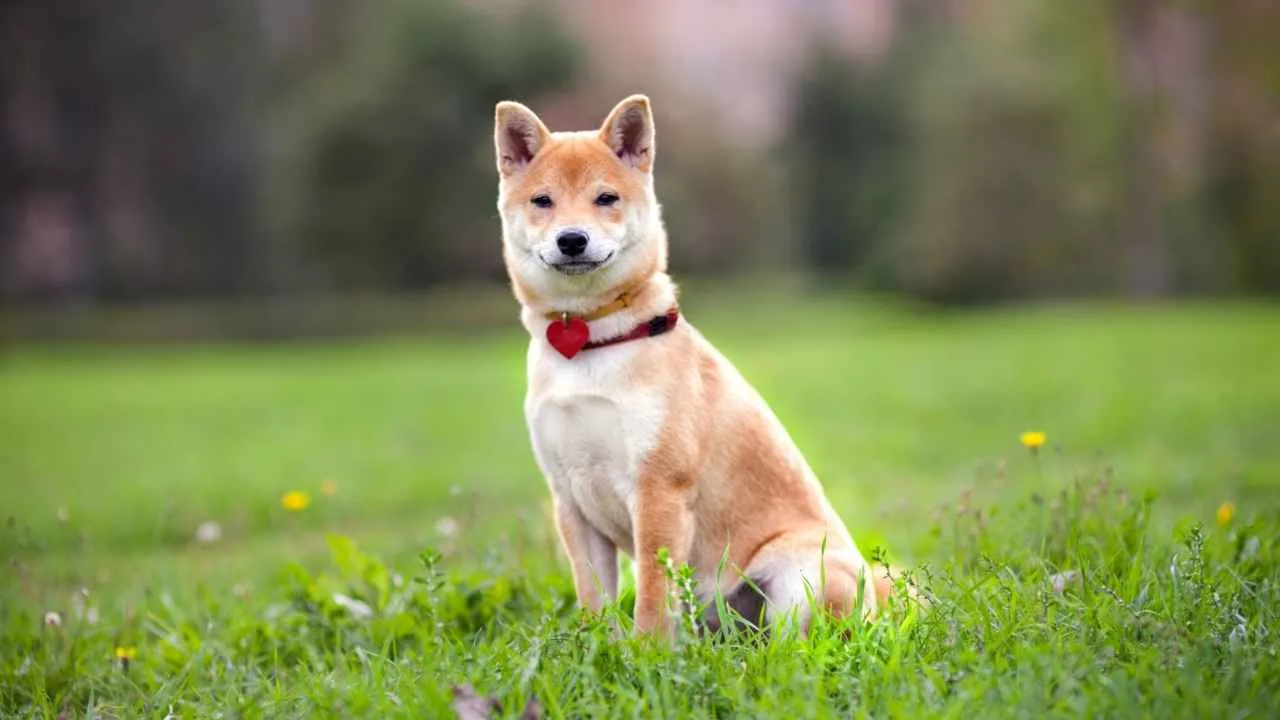
The Shiba Inu is an ancient Japanese breed, once used as a hunter and protector of homes. Today, they are spirited, good-natured companions who adapt well to town or country living. Their alert expression, smooth stride, and foxlike appearance reflect their bold and confident personality.
Shiba Inus are naturally housebroken, affectionate, and form strong bonds with their families, making them excellent low-maintenance watchdogs for those who want a loyal protector without constant supervision.
Independent and Protective Nature
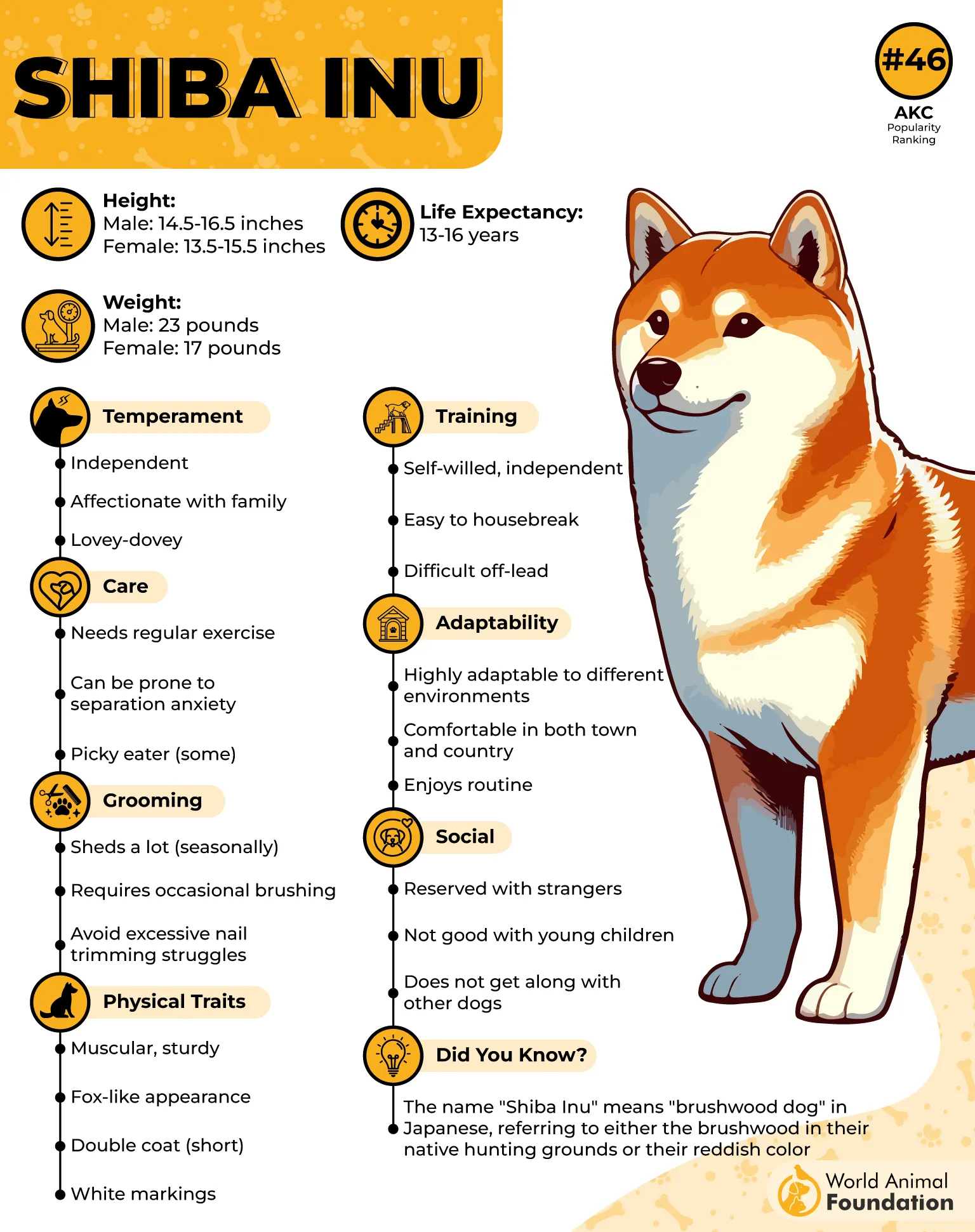
Shiba Inus are strong-minded and territorial. They can be cautious of strangers and have a hunting instinct, so early socialisation is crucial. These dogs are good watchdogs, but don’t bark unnecessarily. Training requires clear leadership, patience, and consistency, as they have little will to please.
Off-lead walking is generally unsafe due to their strong prey drive. With proper guidance, Shiba Inus are calm, attentive, and reliable family guard dogs.
Care, Exercise, and Lifestyle Tips
Exercise: Shiba Inus enjoy walks and outdoor activities. Adequate exercise keeps them calm and happy.
Grooming: They have a short, dense coat that sheds heavily twice a year. Brushing during shedding helps manage hair around the house.
Living Space: Shiba Inus can adapt to apartments with proper training and regular outdoor time.
Health: Generally robust with few breed-specific diseases. Regular vet care and a balanced diet support their long lifespan.
Companionship: They bond well with families, other pets if socialised early, and can enjoy trips with owners.
2. Great Pyrenees
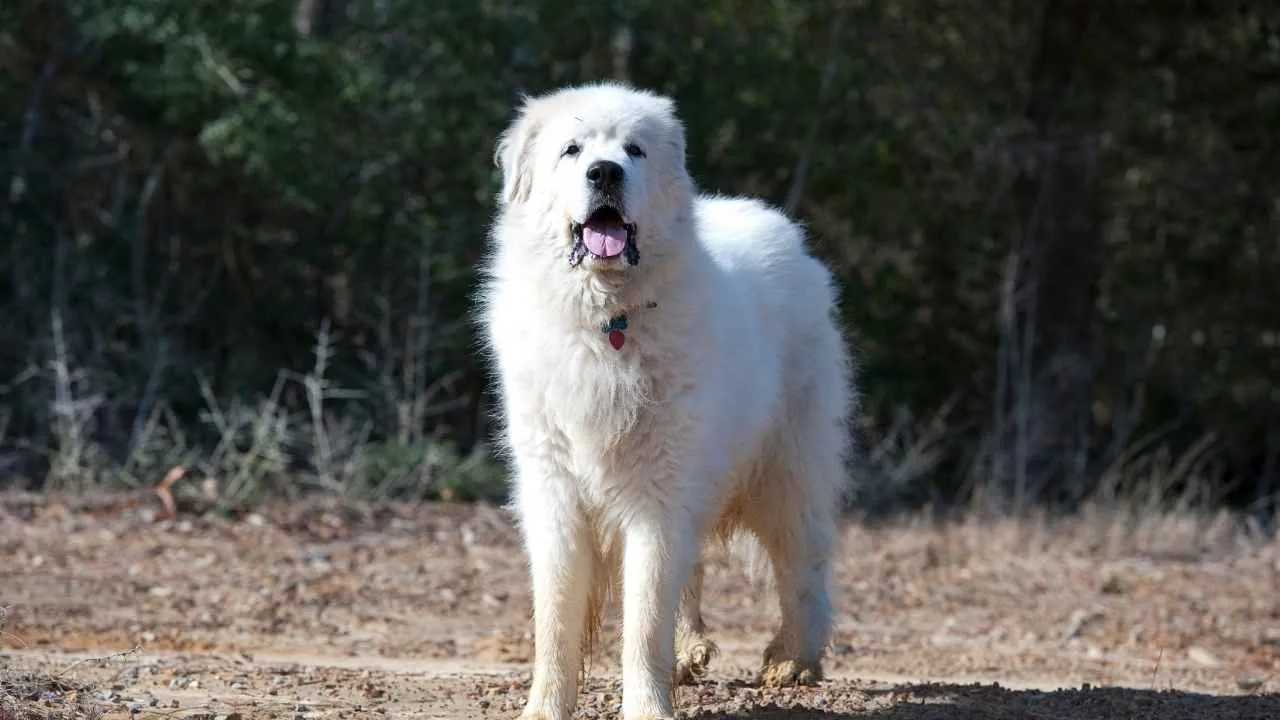
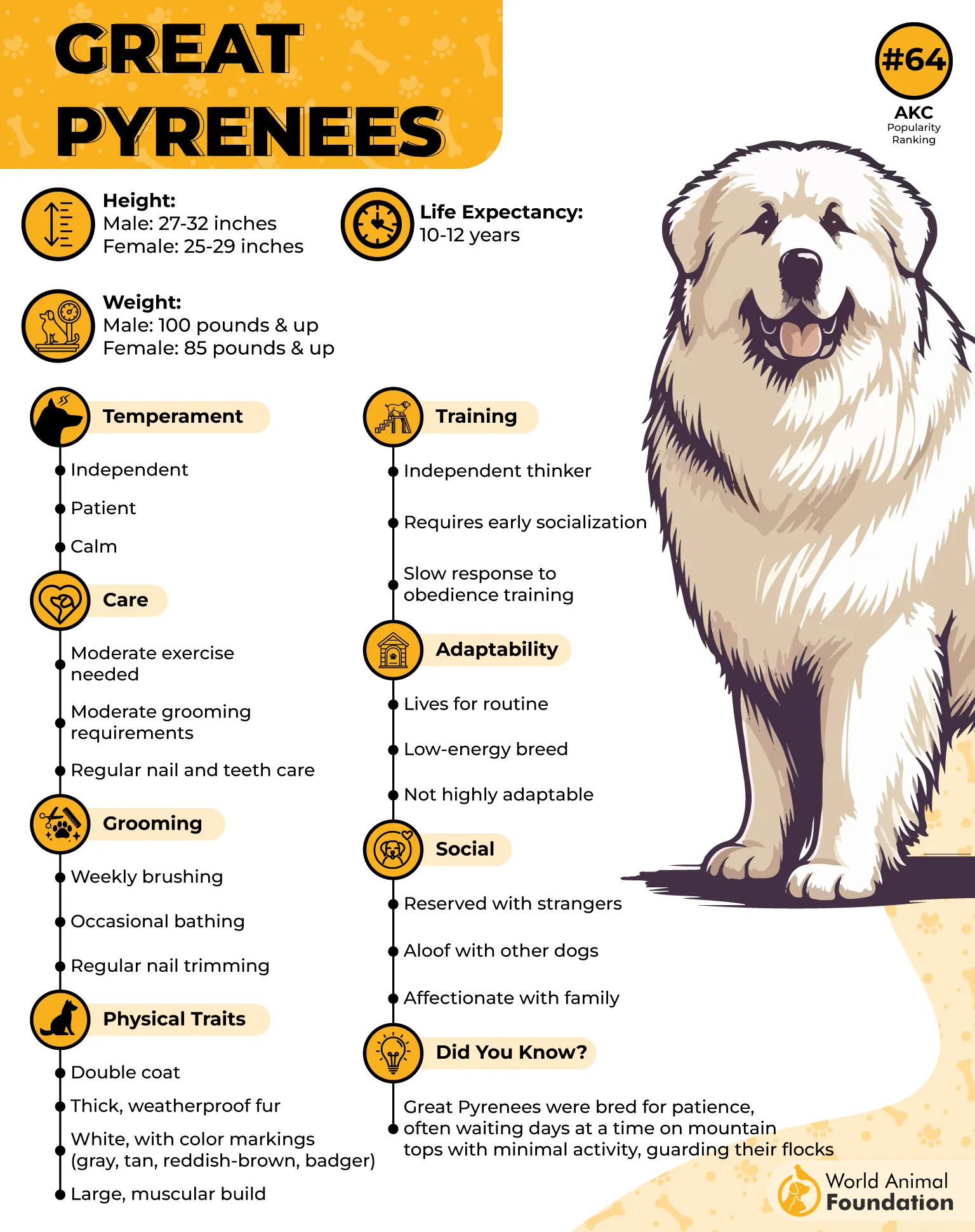
The Great Pyrenees is a powerful, thick-coated dog originally bred to protect livestock from wolves, bears, and other predators in snowy mountain regions. Today, they are calm, gentle companions and vigilant guardians of home and family.
Known for their majestic presence and serene demeanor, Great Pyrenees dogs combine strength with patience, making them ideal low-maintenance territorial protectors for families.
Their lush white coat, sometimes accented with gray, tan, or reddish markings, gives them a striking appearance while remaining practical for home life.
Independent and Alert Protectors
According to AKC, Great Pyrenees dogs are naturally independent thinkers, a trait inherited from their flock-guarding ancestors. They are intelligent but can appear indifferent to obedience training, so consistent, patient guidance is important.
Early socialization helps them integrate well with children, other dogs, and household pets. While they are calm indoors, these dogs are alert and will bark to signal anything unusual around the home.
Their guardian instincts and patient nature make them excellent guard dogs without requiring constant activity.
Care, Exercise, and Lifestyle Tips
Exercise: Moderate walks or outdoor roaming satisfy their low-energy needs. They enjoy hiking or farm work but do not require high-intensity daily activity.
Grooming: Despite their thick coat, Great Pyrenees dogs are low-maintenance. Weekly brushing is enough to keep their undercoat healthy and reduce shedding.
Living Space: They thrive in homes with space to move, but adapt well to calm indoor life. Enclosed yards are important to prevent roaming.
Health: Robust and hardy, they need routine vet care, nail trimming, and dental hygiene. Flea and tick prevention is essential due to their love of the outdoors.
Companionship: These dogs are affectionate and loyal, bonding deeply with their families while enjoying some alone time to rest.
3. Rhodesian Ridgeback
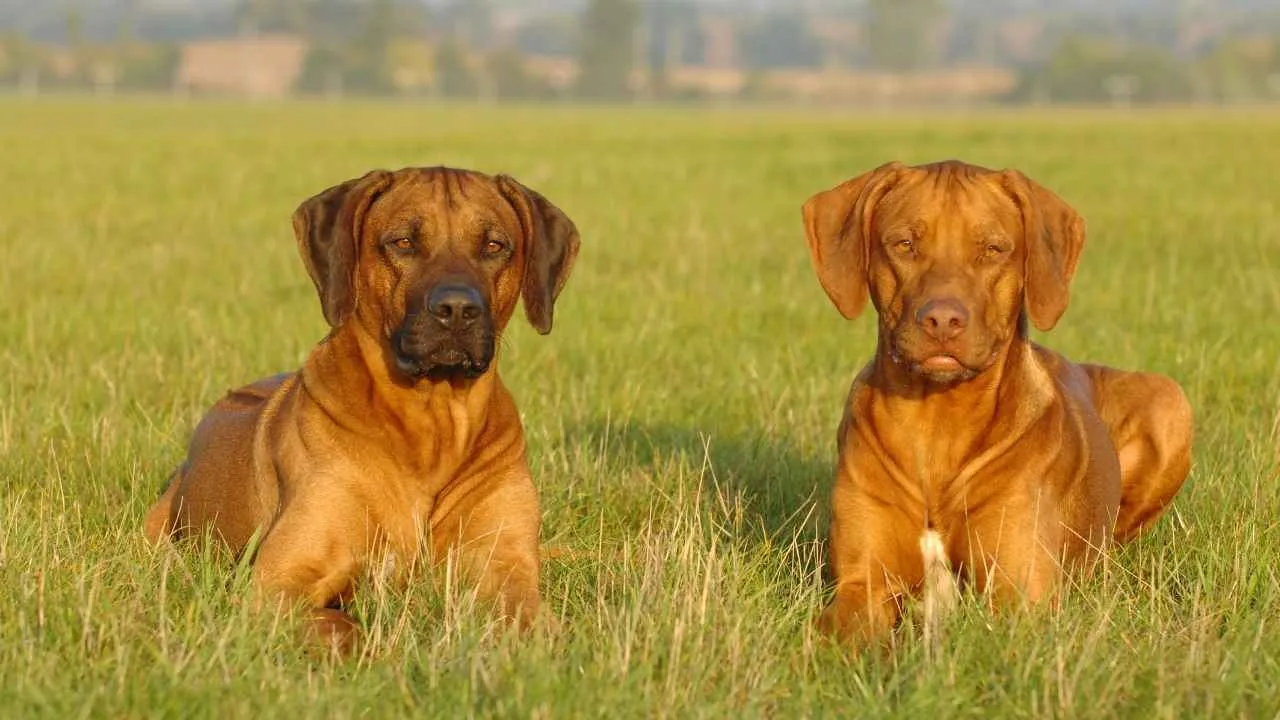
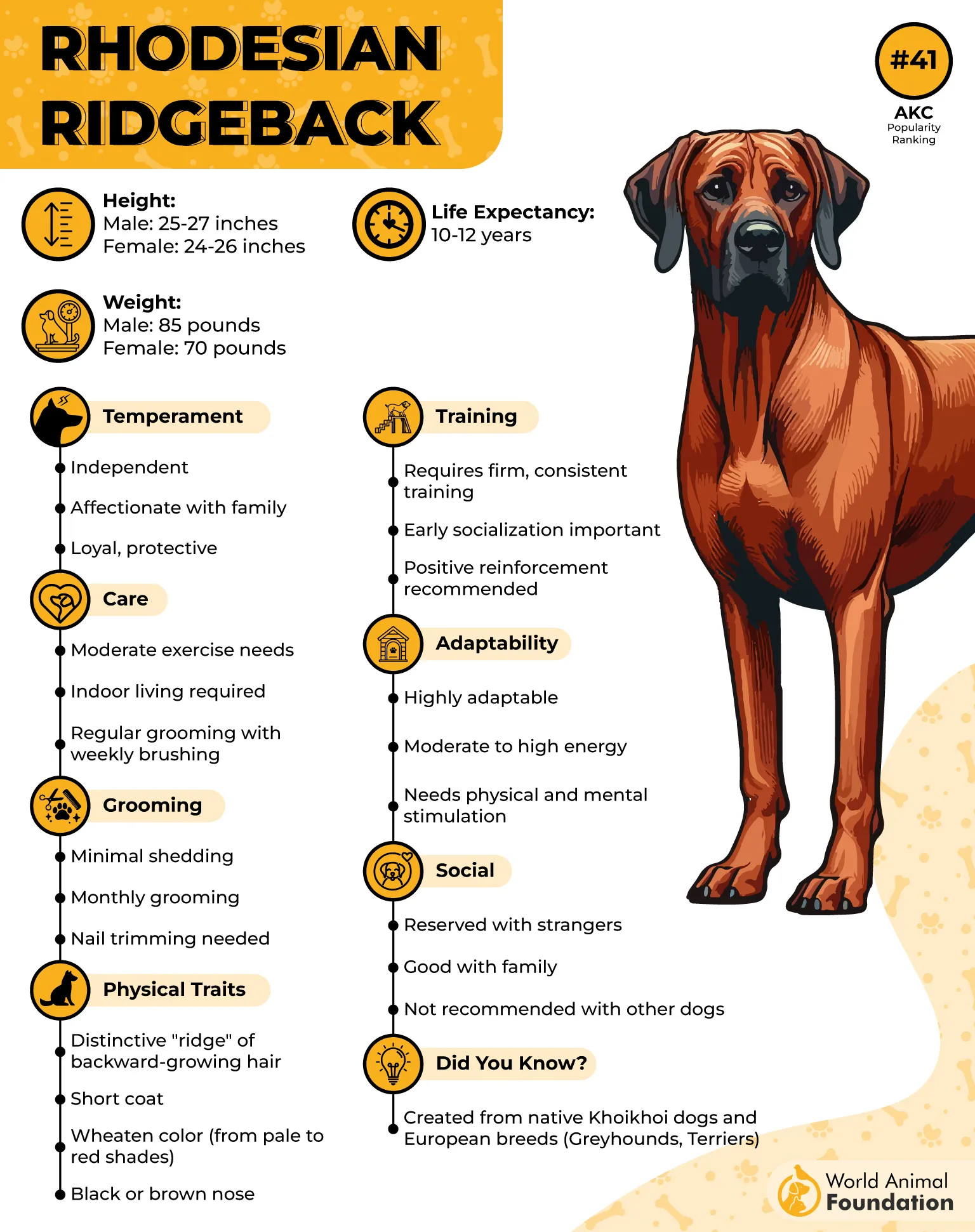
The Rhodesian Ridgeback is a strong, athletic dog known for the distinctive ridge of backward-growing hair along its spine. Originally bred in Africa to track and bay lions without killing them, Ridgebacks are now cherished family dogs and natural guardians.
They are loyal, affectionate, and protective of their loved ones, but their independence and strong prey drive mean they need owners who can provide consistent guidance from puppyhood. Their short, wheaten coat is low-maintenance, shedding minimally and requiring only weekly brushing.
Independent, Alert, and Protective
Rhodesian Ridgebacks are intelligent and self-reliant. They can be strong-willed and occasionally domineering, so early socialization and positive reinforcement training are essential.
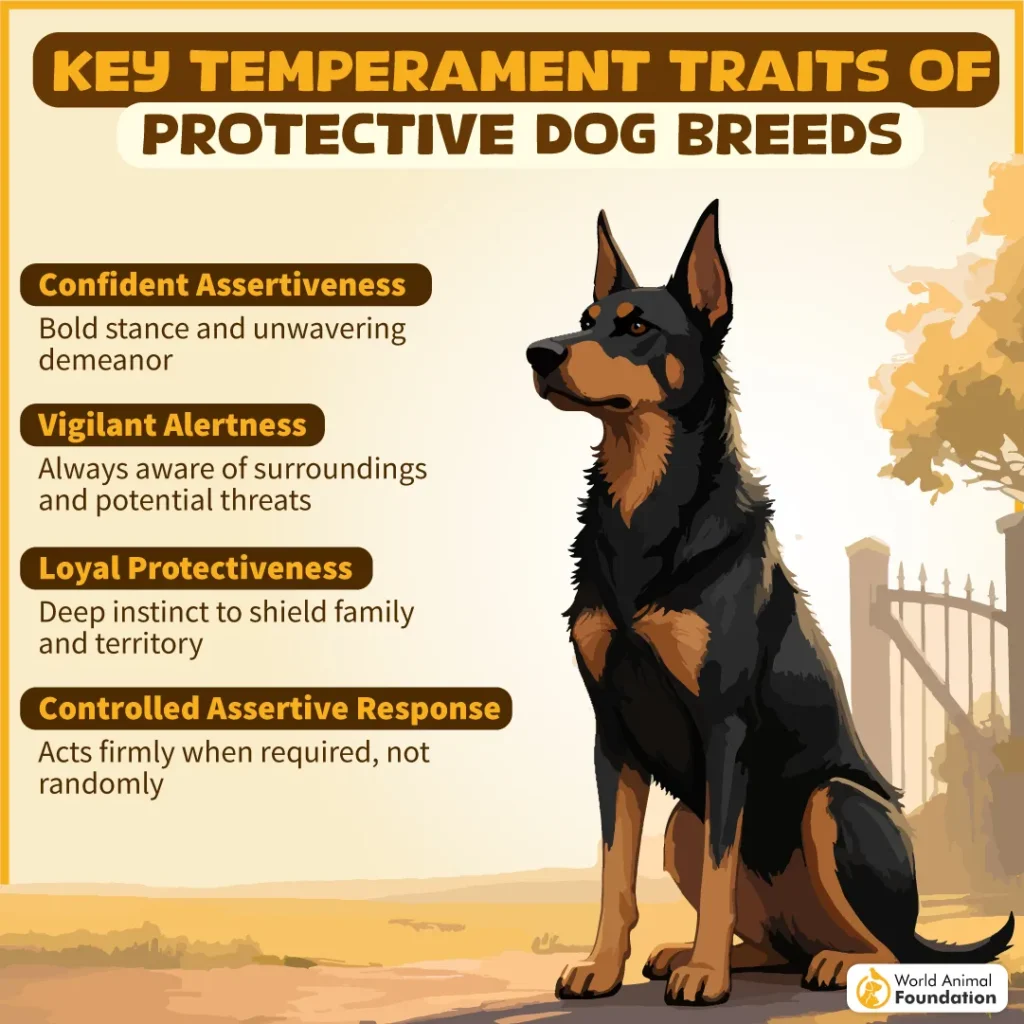
While they are generally calm indoors, they remain alert and make excellent protection dogs, signaling any unusual activity without excessive barking.
Off-leash exercise requires secure, enclosed spaces, as their strong prey drive can lead them to chase. When well-trained and guided with patience, Ridgebacks are gentle, loyal protectors and reliable family companions.
Care, Exercise, and Lifestyle Tips
Exercise: Moderate daily activity like long walks, running, or dog sports (tracking, agility) keeps themhappy and healthy.
Grooming: Minimal; weekly brushing removes loose hair, and occasional baths maintain a clean coat. Nail trimming and dental care are important.
Living Space: Adaptable to homes with space to move. They enjoy outdoor roaming but need secure fencing.
Companionship: Ridgebacks are affectionate with family, cautious with strangers, and can coexist with cats and other dogs if introduced early.
Health: Generally robust, but watch for hip dysplasia, thyroid issues, or dermoid sinus. Routine vet visits ensure well-being.
4. Great Dane
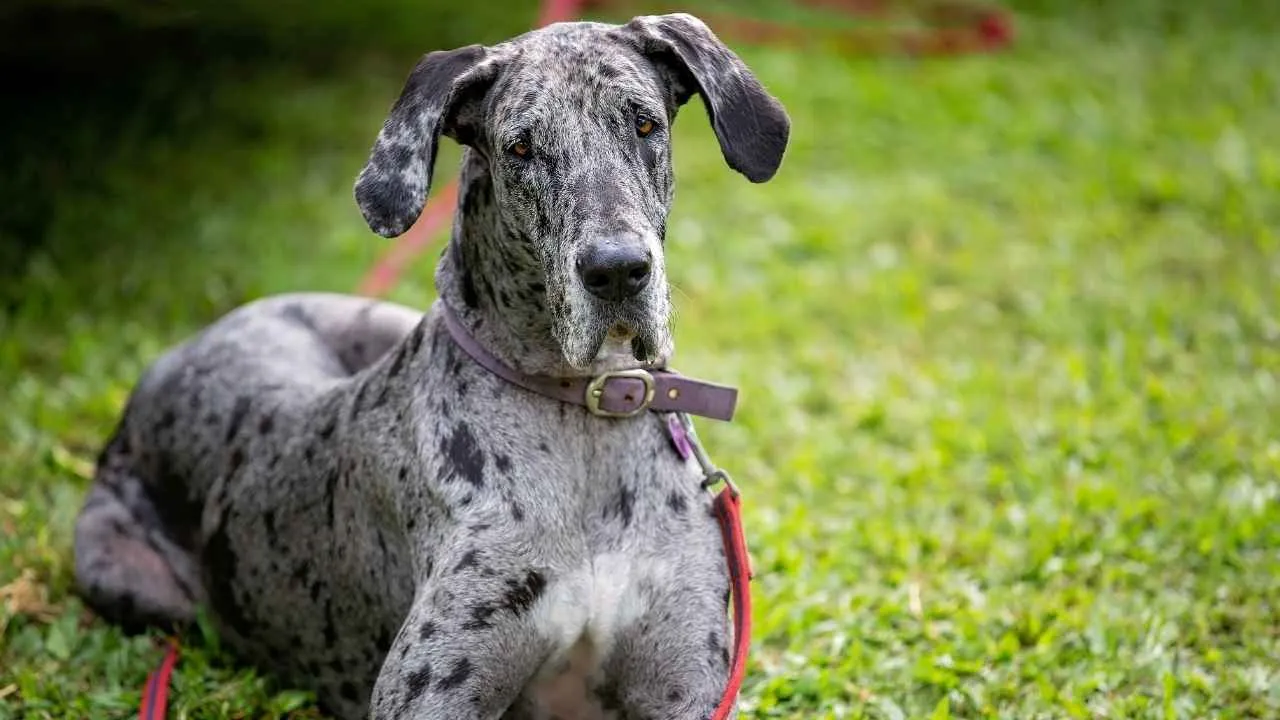
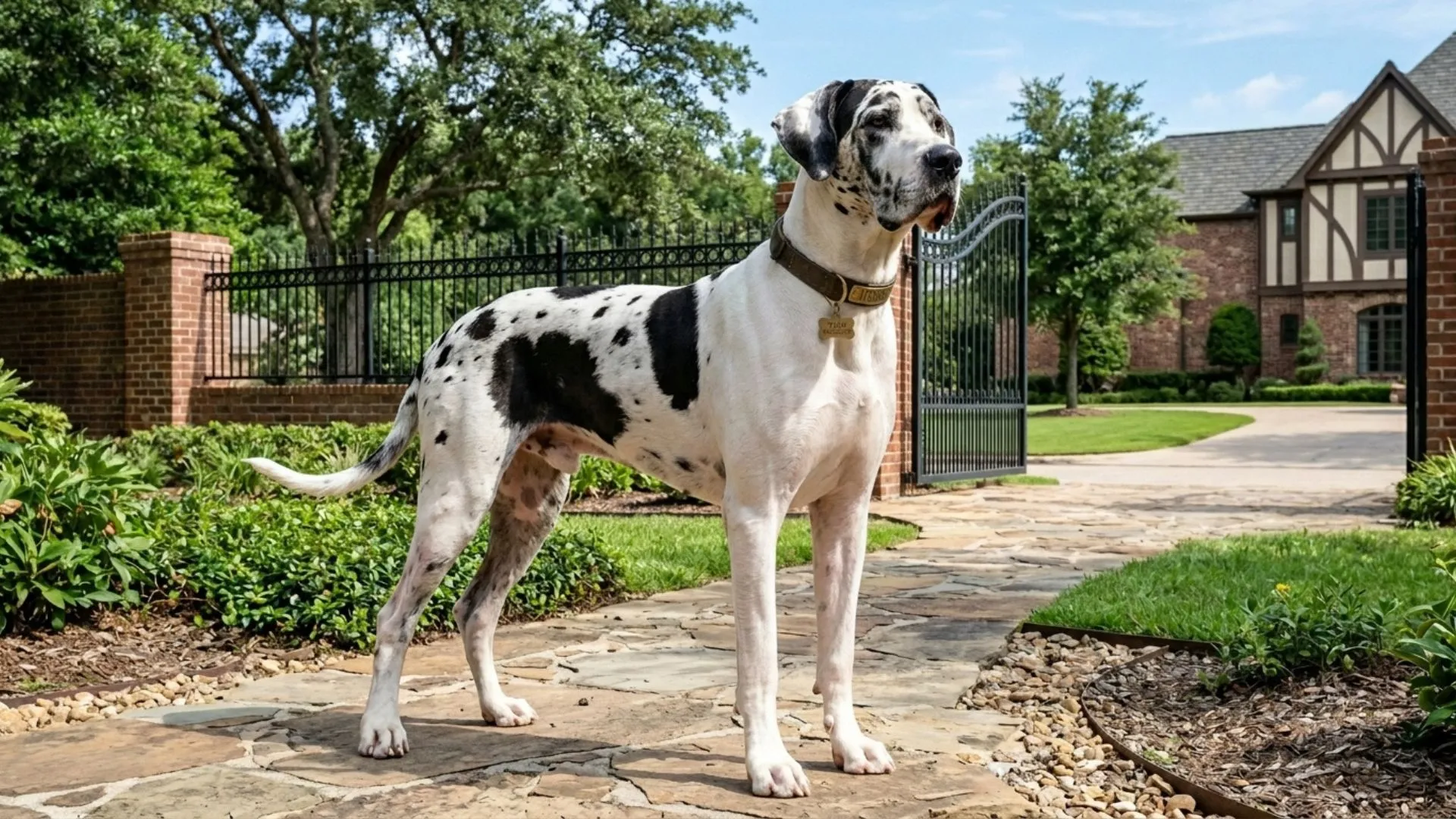
The Great Dane is a towering, elegant dog originally bred in Germany for hunting wild boars and guarding estates. Today, these “gentle giants” are calm, affectionate companions and effective home guardians.
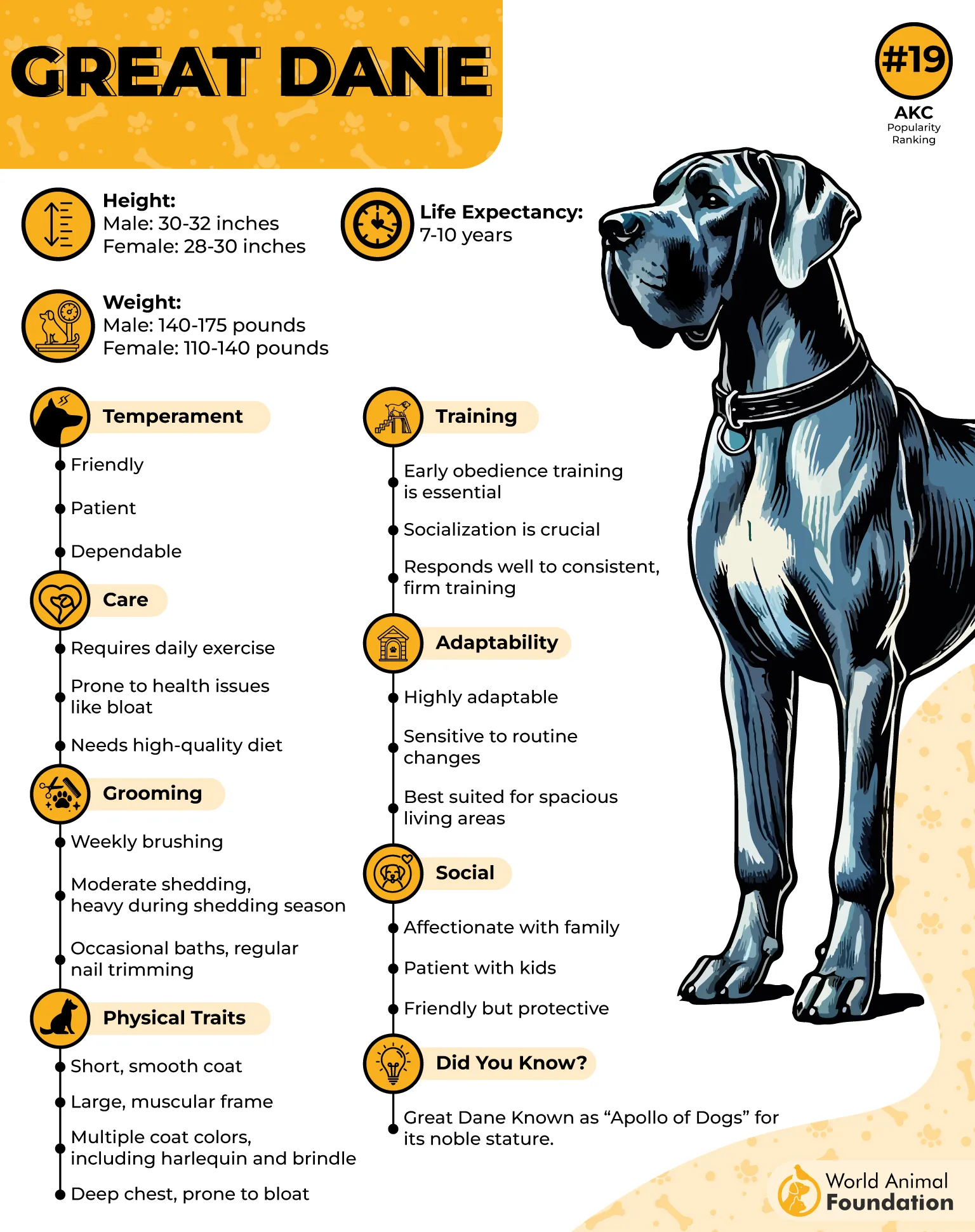
Despite their massive size, Great Danes are friendly, playful, and bond closely with family members. Their short, sleek coat comes in various colors, including fawn, brindle, blue, black, harlequin, and mantle, making them striking as well as imposing protectors.
Calm, Alert, and Protective
Great Danes are generally low-energy indoors, preferring a relaxed home life, but they remain alert and will bark to signal anything unusual. WebMD mentions that they are intelligent and moderately easy to train, though some may show stubbornness.
These dogs are naturally protective but rarely aggressive, making them dependable watchdogs. Early socialization is important, especially around children and other pets, to ensure a well-adjusted companion who is calm yet alert when the situation demands.
Care, Exercise, and Lifestyle Tips
Exercise: Moderate daily walks and interactive play keep them healthy. Avoid strenuous activity around mealtimes to prevent bloat.
Grooming: Minimal; monthly brushing is usually enough, with more frequent care during shedding seasons. Dental care and ear cleaning are also recommended.
Living Space: They need space to move indoors and a securely fenced yard. Soft bedding helps prevent joint issues.
Companionship: Gentle and affectionate, Great Danes thrive in family homes but may be overwhelming for very young children due to their size.
Health: Prone to bloat, cardiomyopathy, and joint issues. Feeding smaller, more frequent meals and using large-breed puppy food helps mitigate risks.
5. Bullmastiff
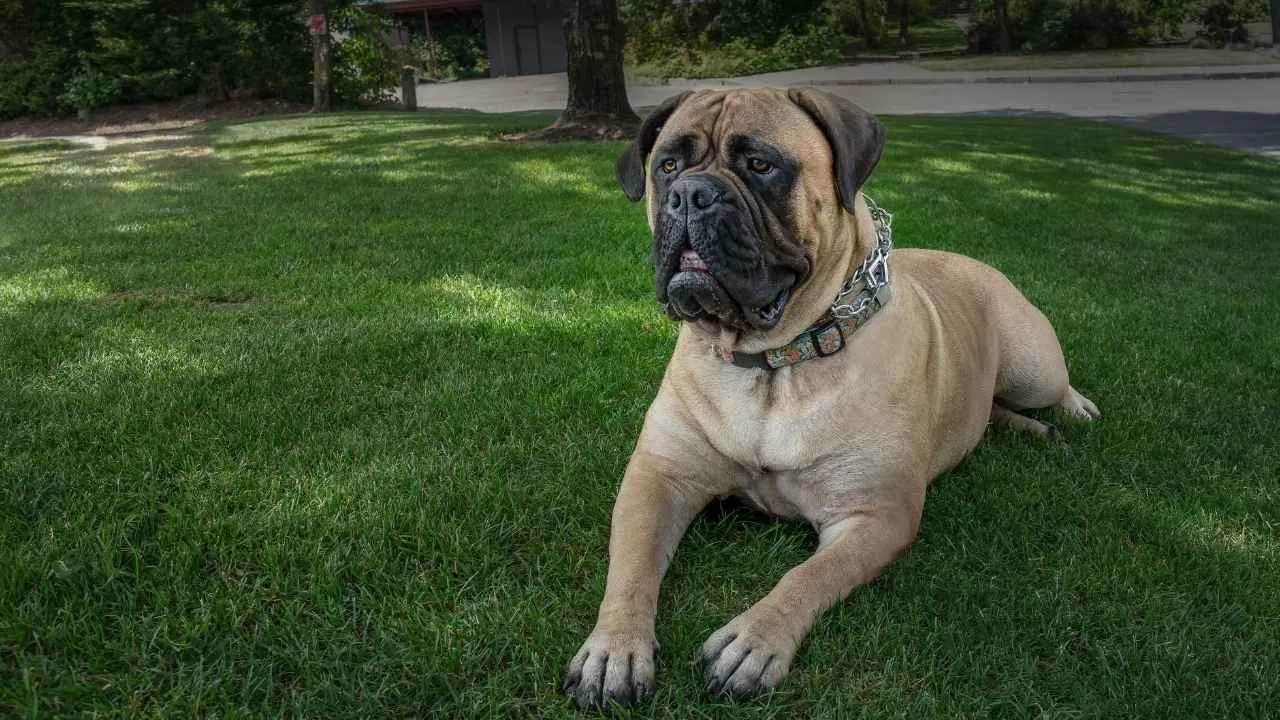
Bullmastiffs are powerful, muscular dogs originally bred in 19th-century England to guard estates and assist gamekeepers. A mix of the English Mastiff and Old English Bulldog, Bullmastiffs are fearless protectors yet gentle with their families.
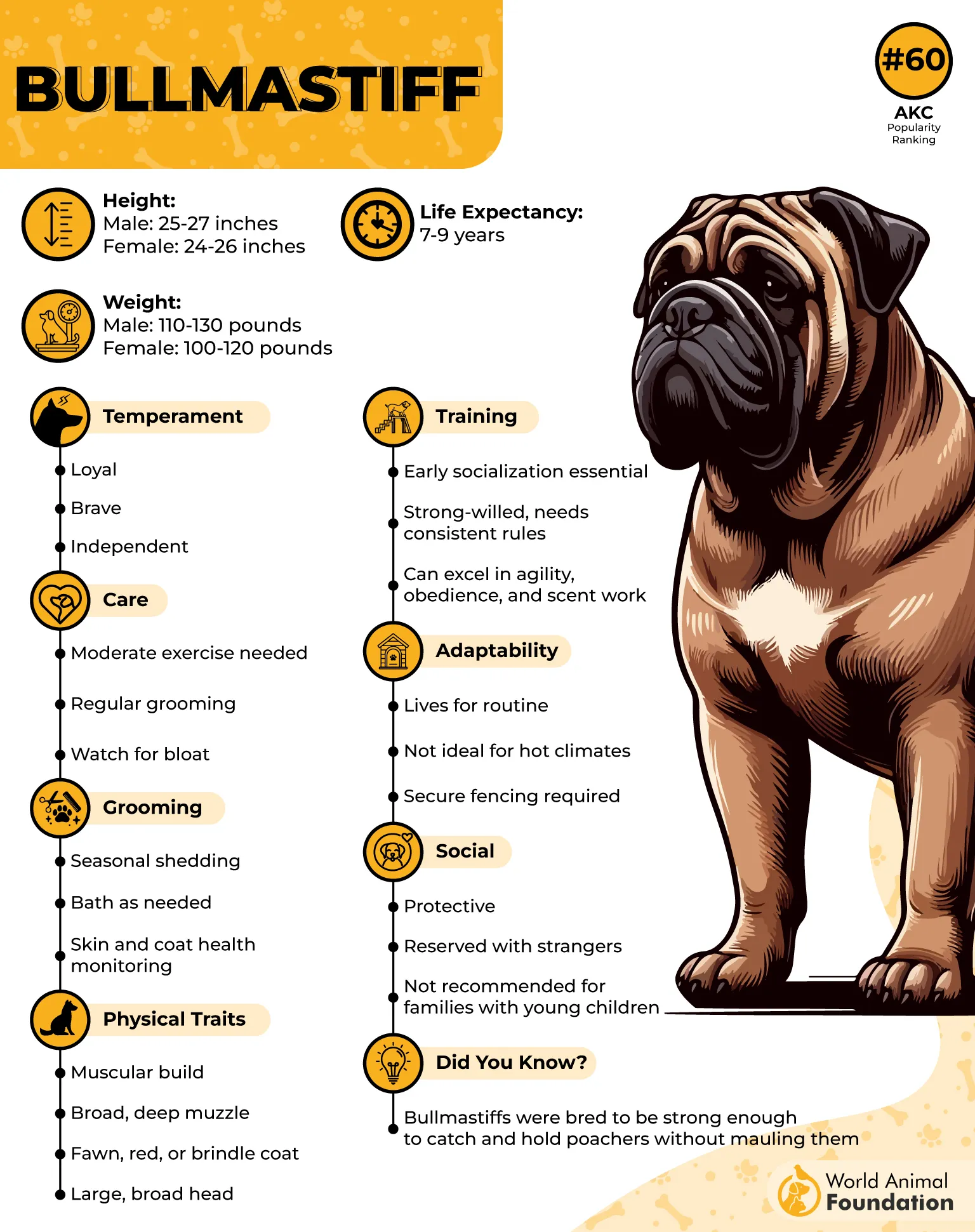
Their short, weather-resistant coat requires minimal grooming, making them low-maintenance while still impressive in appearance. Affectionate and loyal, they bond closely with their owners, but their natural guarding instincts mean early socialization is essential.
Calm, Protective, and Alert
PetMD says that Bullmastiffs are naturally alert but not prone to excessive barking. They are strong-willed and intelligent, requiring consistent training from puppyhood. While calm indoors, these dogs are excellent watchdogs, using their size and vigilance to deter strangers.
Bullmastiffs are generally patient with children and, if introduced early, can coexist with other pets. Their protective nature makes them reliable guardians without demanding constant activity or attention.
Care, Exercise, and Lifestyle Tips
Exercise: Moderate daily walks and interactive play are sufficient. They do not require intense exercise but need stimulation to prevent boredom.
Grooming: Short, dense coat requires weekly brushing and occasional baths. Nail trimming, ear cleaning, and dental care are important.
Living Space: Bullmastiffs thrive in homes with space to stretch, but they are adaptable indoors if daily exercise is provided. Secure fencing is recommended.
Companionship: Devoted to family, cautious with strangers, and affectionate toward children. Early socialization ensures balanced behavior.
Health: Prone to hip and elbow dysplasia, bloat, thyroid issues, and eye conditions. Routine vet check-ups and proper diet help prevent complications.
6. Doberman Pinscher
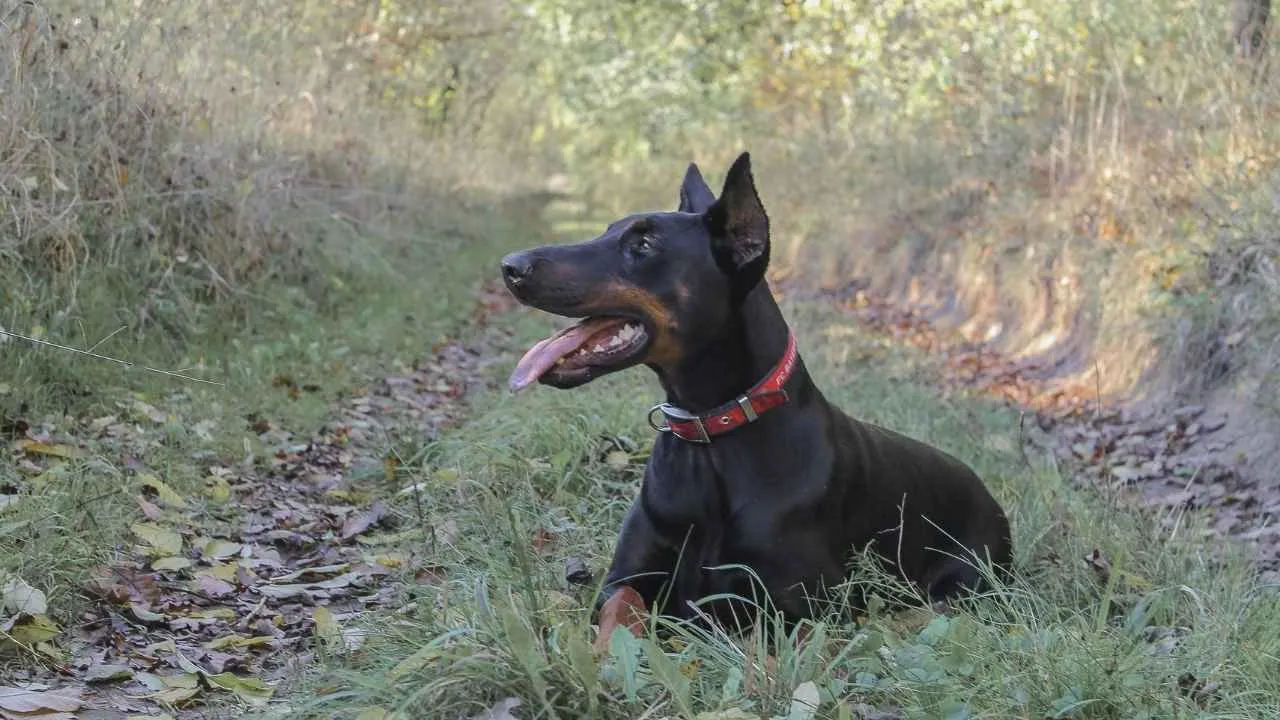
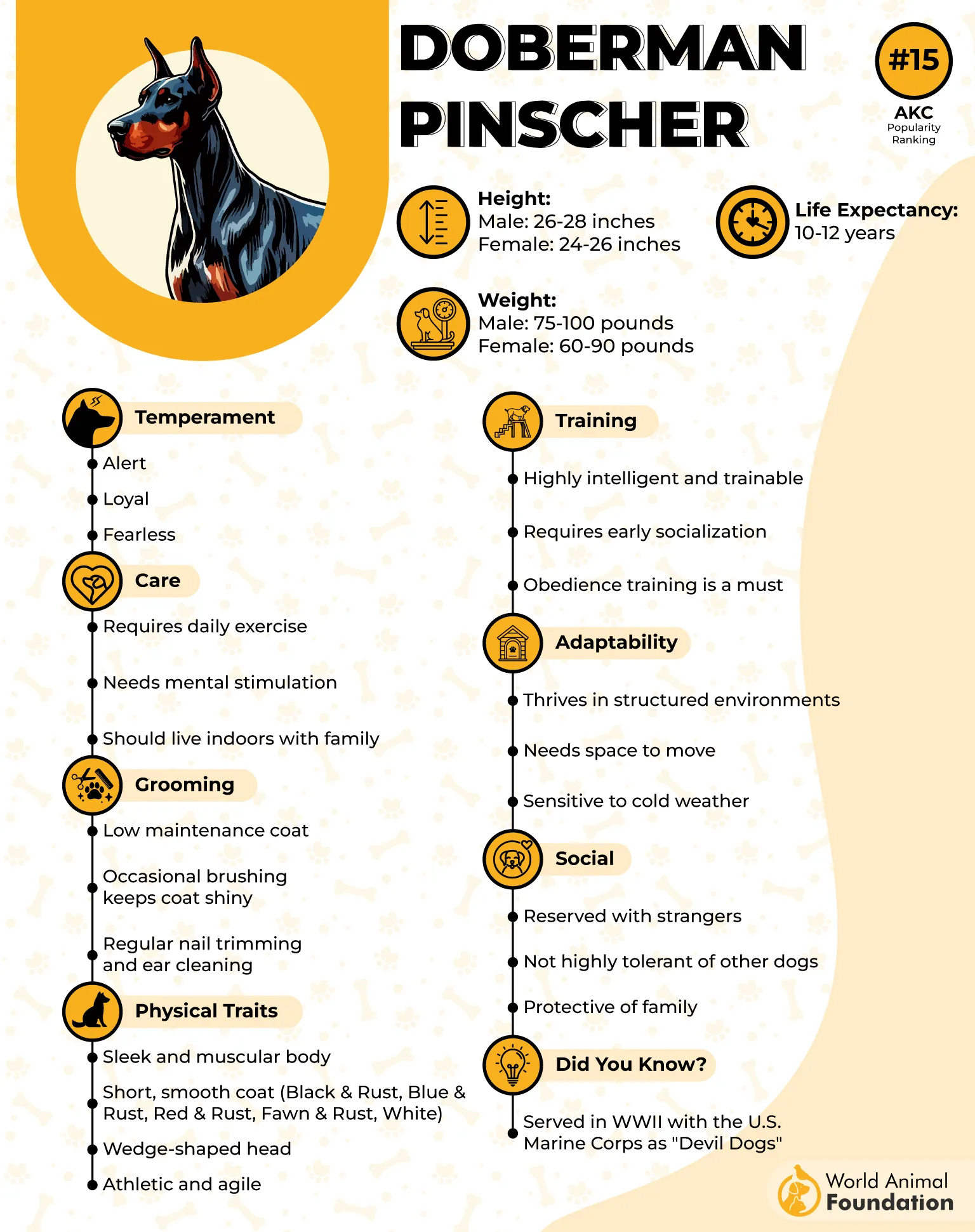
The Doberman Pinscher is a sleek, powerful, and intelligent breed, celebrated for its loyalty and natural guarding instincts. Originally bred in Germany in the late 1800s, Dobermans were created by crossing German Pinschers, Greyhounds, and other breeds to form a fast, alert, and fearless companion.
With a compact, muscular build and a glossy coat in black, blue, red, or fawn with rust markings, Dobermans are both elegant and intimidating—perfect for deterring intruders while remaining affectionate with their families.
Energetic, Alert, and Intelligent
Dobermans are highly intelligent and trainable, but they require early socialization and consistent obedience training. Without proper guidance, they can become pushy, destructive, or overly protective.
These dogs are energetic athletes who thrive on daily exercise, long walks, hikes, and mental stimulation through canine sports like obedience, tracking, and agility. While calm indoors, Dobermans remain alert and vigilant, making them excellent watchdogs and loyal family protectors.
Care, Exercise, and Lifestyle Tips
Exercise: High daily activity is essential to prevent boredom. Fenced yards, walks, and mental challenges are recommended.
Grooming: Short, smooth coat requires minimal maintenance. Brush with a grooming mitt or short-bristled brush and bathe as needed. Nails, teeth, and ears require regular care.
Living Space: Dobermans live best indoors with family and need secure outdoor spaces for exercise.
Companionship: Devoted to their family, wary of strangers, and patient with children if supervised. Can coexist with other pets if socialized early.
Health: Generally healthy, but dog owners should monitor for common large-breed issues and maintain consistent veterinary care.
7. Giant Schnauzer
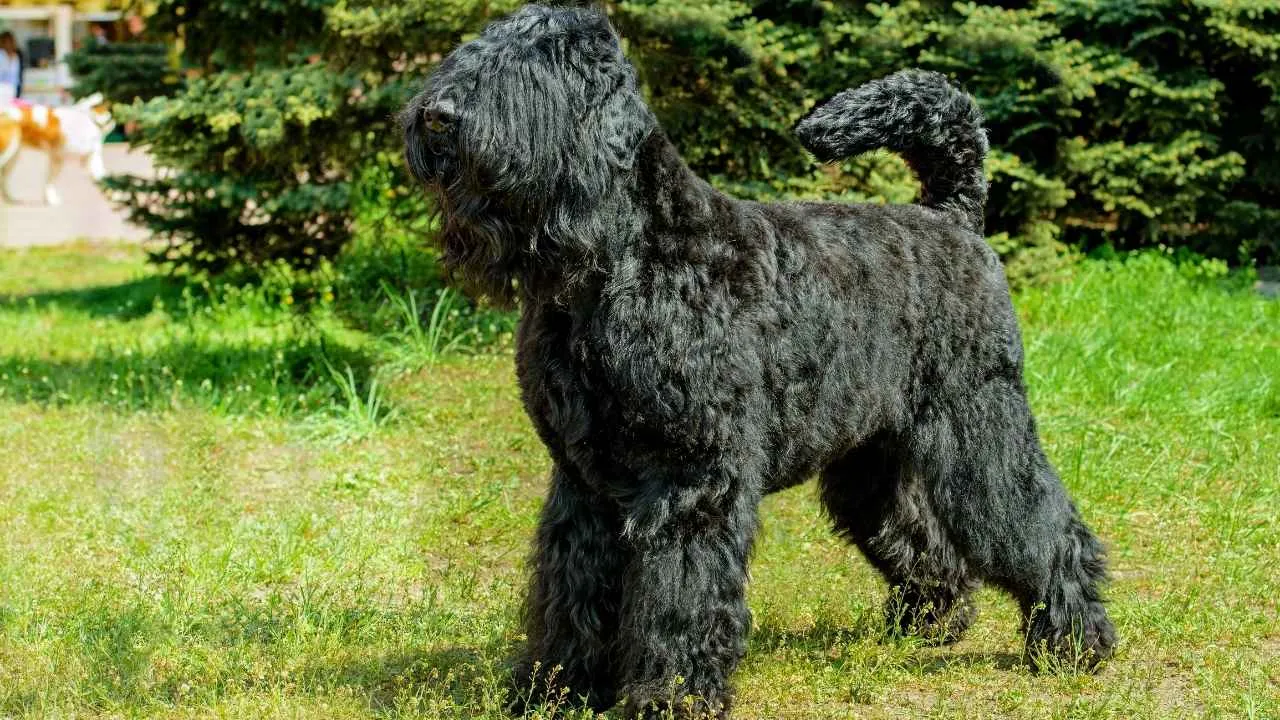
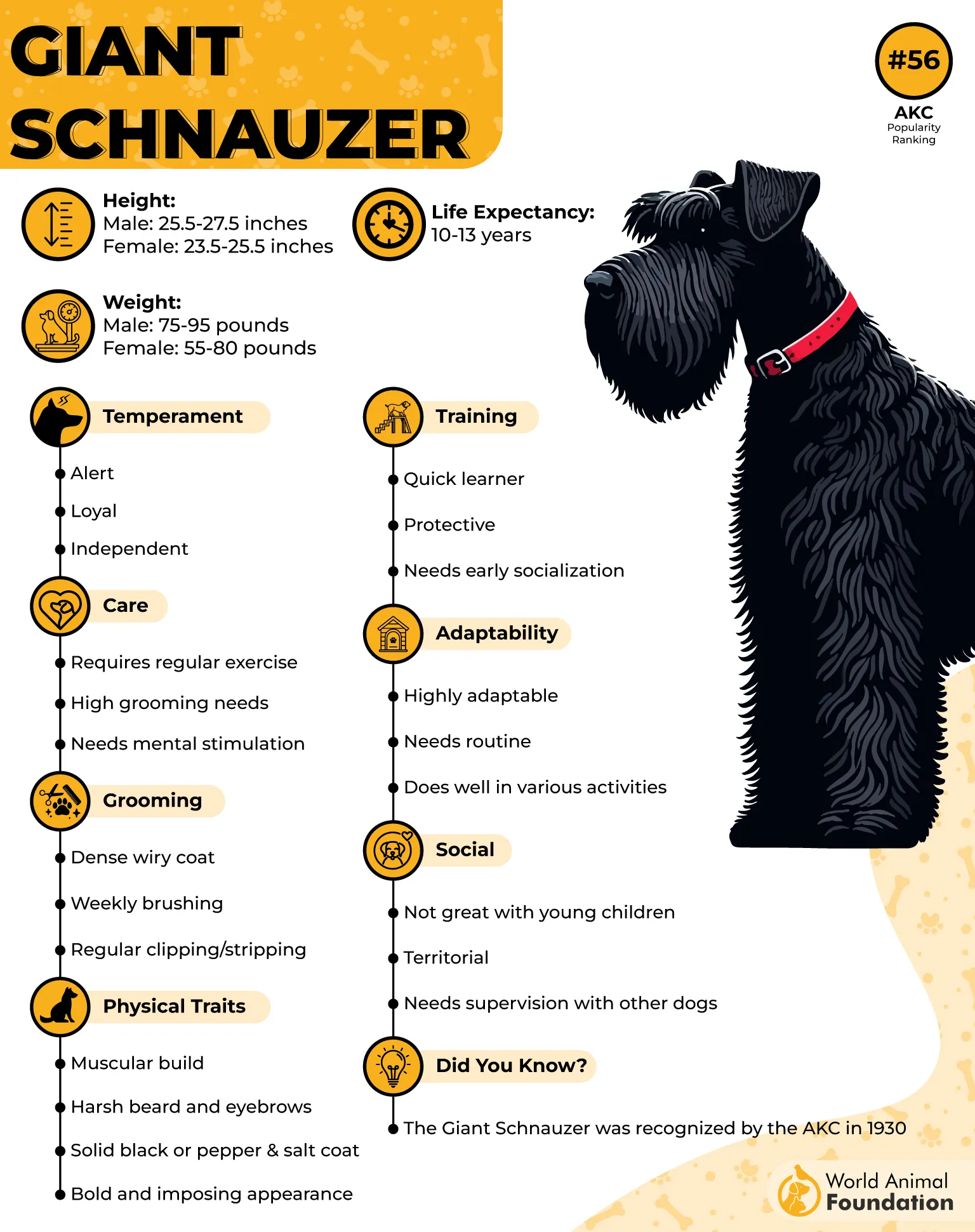
The Giant Schnauzer is a powerful and intelligent breed, developed in Germany as a larger version of the Standard Schnauzer to guard farms and homes. With a dense, wiry double coat in solid black or pepper-and-salt, a strong, muscular build, and a bold expression, Giants are imposing yet loyal companions.
They are highly protective of their families and thrive on companionship, making them excellent low-maintenance territorial guardians when their needs are met.
Energetic, Alert, and Intelligent
Giant Schnauzers are high-energy and intelligent, requiring daily exercise and mental stimulation. They excel at obedience, agility, herding, and scent work. Early socialization and consistent training are essential, as Giants are naturally territorial and protective.
While they can be wary of strangers, they are affectionate and playful with family members, making them both loving companions and vigilant guardians.
Care, Exercise, and Lifestyle Tips
Exercise: Daily walks, runs, and active play keep them happy and healthy. Dog sports like agility, fetch, and tracking are ideal.
Grooming: Wiry double coat needs weekly brushing and professional grooming every few months. Trim eyebrows and beard to prevent interference with vision.
Living Space: Giants need indoor living with their family and access to a securely fenced yard for play and exercise.
Companionship: Highly social with family but cautious with strangers. Early exposure to people, pets, and experiences ensures balanced behavior.
Health: Generally robust, but monitor for skin issues, eye irritation, and maintain regular vet visits.
Conclusion
Choosing the right low-maintenance dog for territorial protection means finding a breed that balances loyalty, intelligence, and calm confidence. Each dog brings its own unique combination of protection and companionship.
With proper training, socialization, and exercise, these breeds can seamlessly blend into family life while keeping your home safe. If you’re ready to welcome a devoted guardian into your life, take the time to research each breed and consider your lifestyle, space, and experience as an owner.
Remember, a protective dog is more than a watchdog—they’re a loyal friend who will stand by your side for years to come. Choosing thoughtfully today means peace of mind and a loving companion for the long haul.
