




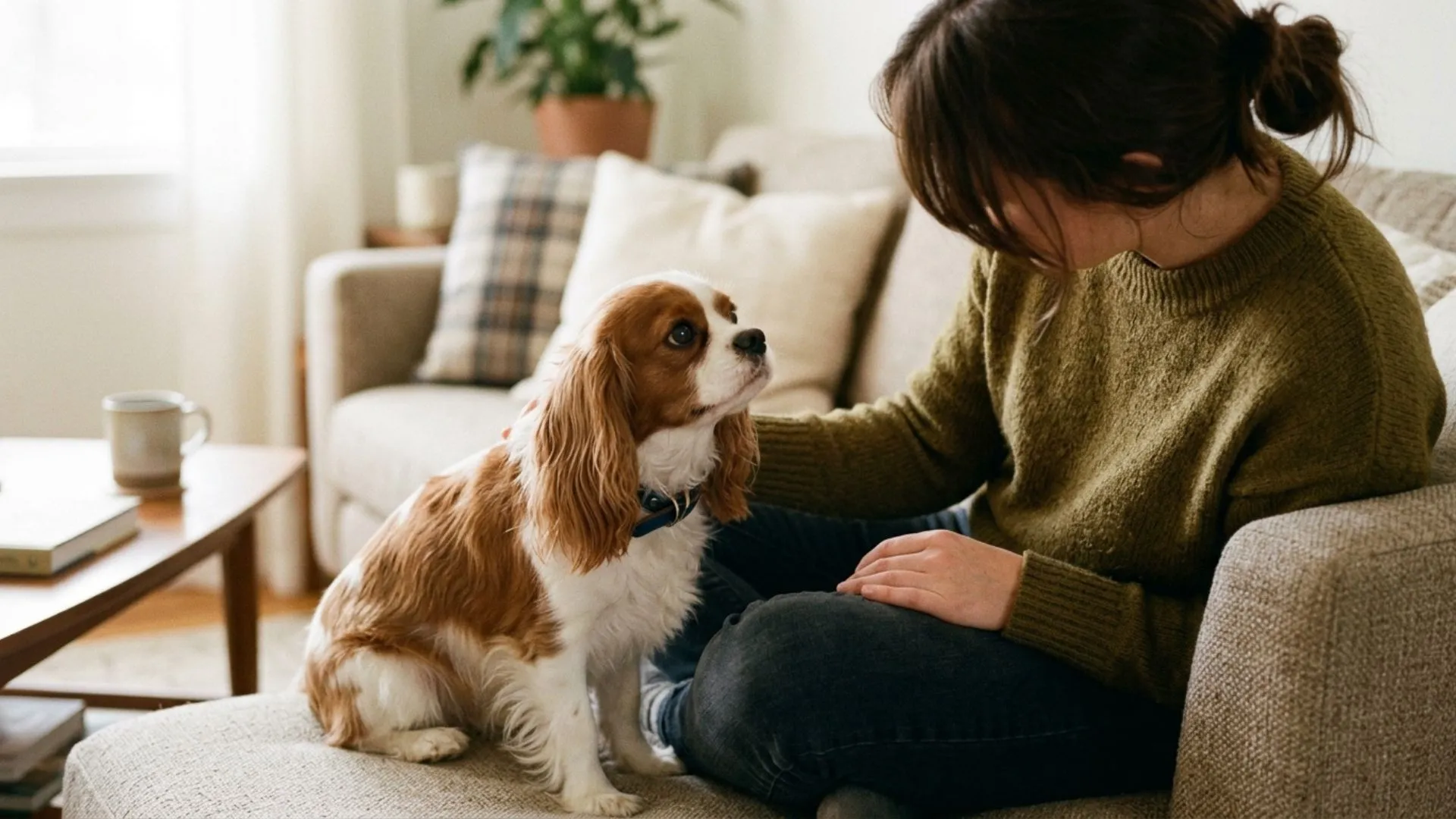
So, you want a dog. Maybe you’ve been scrolling through puppy pictures at midnight, sending them to your friends with zero context. Same. But here’s the thing: not every dog is built for first-time owners. Some breeds need marathon-level energy, constant grooming, and more mental stimulation than a toddler.
That’s a lot. The good news? Some dogs are basically the roommate of your dreams: loyal, low-key, and not out here destroying your couch. According to the APPA survey, over 71 million U.S. households own a dog; you could absolutely be next. You just need to pick the right one.
The best low-maintenance dog breeds for first-time dog owners are those with forgiving temperaments, minimal grooming needs, and manageable exercise requirements. Let’s find your perfect match.
Top Low-Maintenance Dog Breeds for First-Time Dog Parents
1. Cavalier King Charles Spaniel
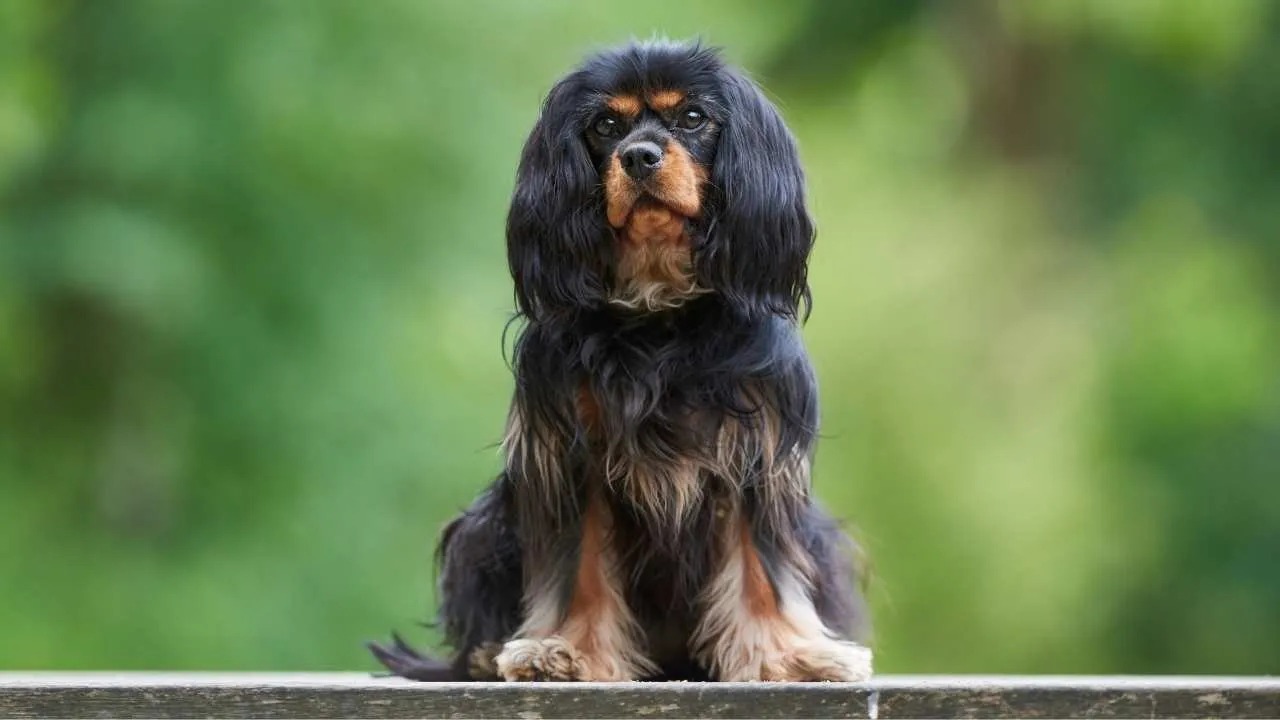
Originally bred in Great Britain, the Cavalier King Charles Spaniel gets its name from British royalty, specifically King Charles I and his son King Charles II, who adored the breed and reportedly took them everywhere, from long journeys to royal courts, according to PetMD.
Highly emotionally intelligent, the Cavalier picks up on its owner’s moods and responds in kind. Weighing around 12–18 pounds and standing 12–13 inches tall, it has moderate exercise needs of 40–60 minutes daily: brisk walks, leash training, and scent work all fit the bill.
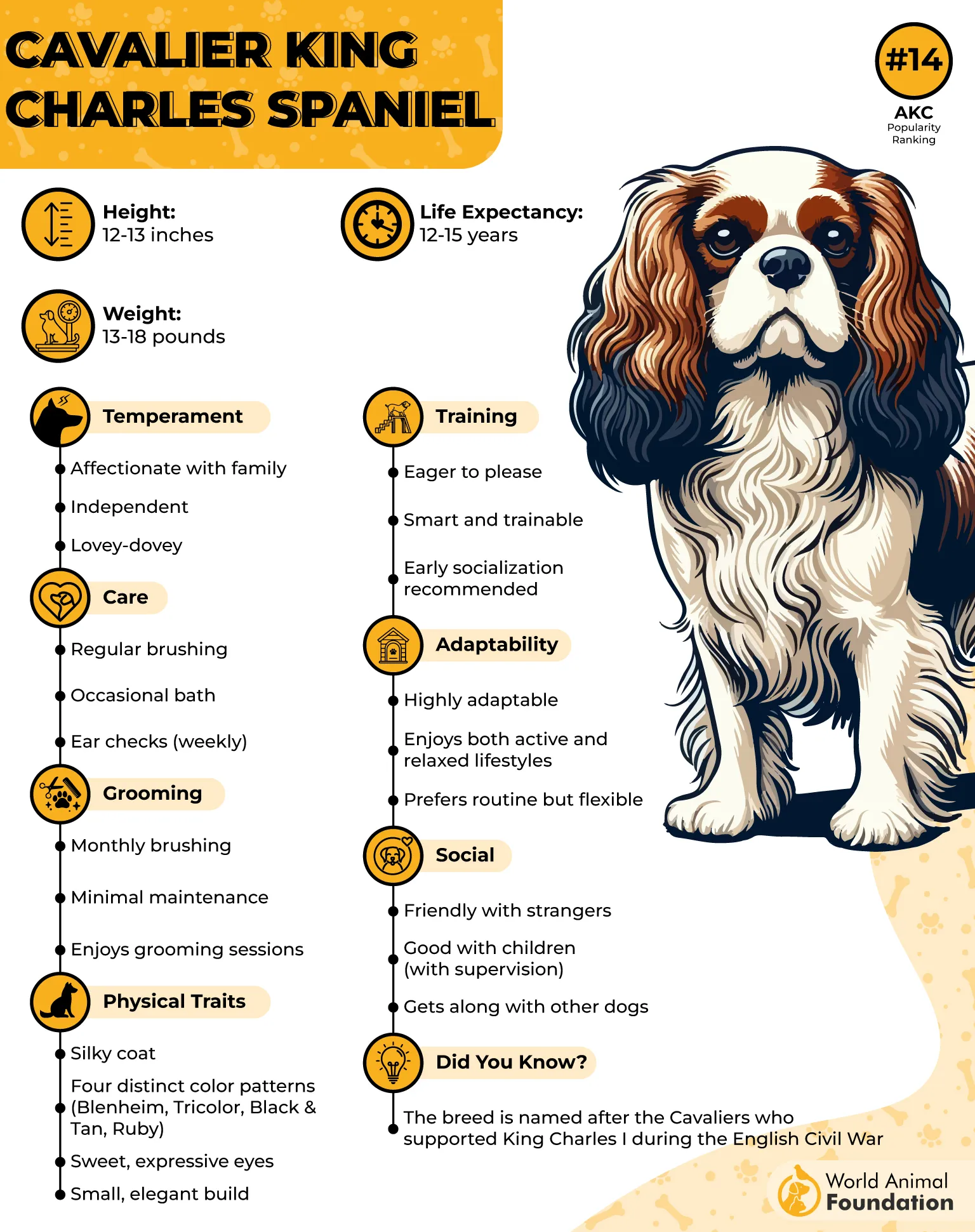
A true social butterfly, it gets along warmly with family members, children, other pets, and even strangers, usually announcing its friendliness with an enthusiastic tail wag.
This companion dog has a silky, single-layered coat that needs regular upkeep: brush every other day with a pin brush and steel comb, paying extra attention to the chest, legs, and ears. Bathe every 4–6 weeks, and trim the nails whenever you hear them clicking on hard floors, typically every 3–4 weeks.
2. Pug
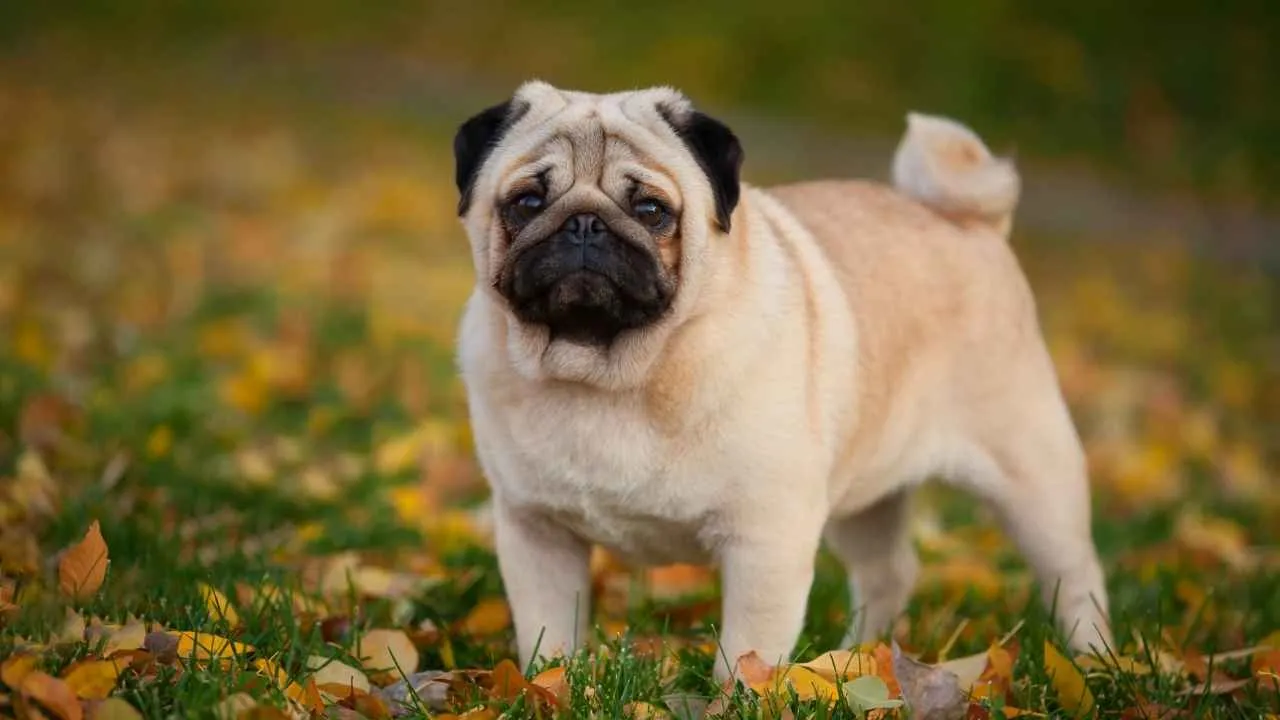
One of the oldest dog breeds in the world, the Pug originated in China around 2,000 years ago and has long been a favorite lap dog of Chinese royalty. It weighs around 14–18 pounds and stands 10–13 inches tall. Its short double-layered coat typically comes in black or fawn, and the breed is instantly recognizable by its round skull, dark bulging eyes, and wrinkly face.
As a brachycephalic breed, meaning it has a flat face and narrowed airways, the Pug tends to make endearing sounds while sleeping and does best with indoor play over intense outdoor activity.
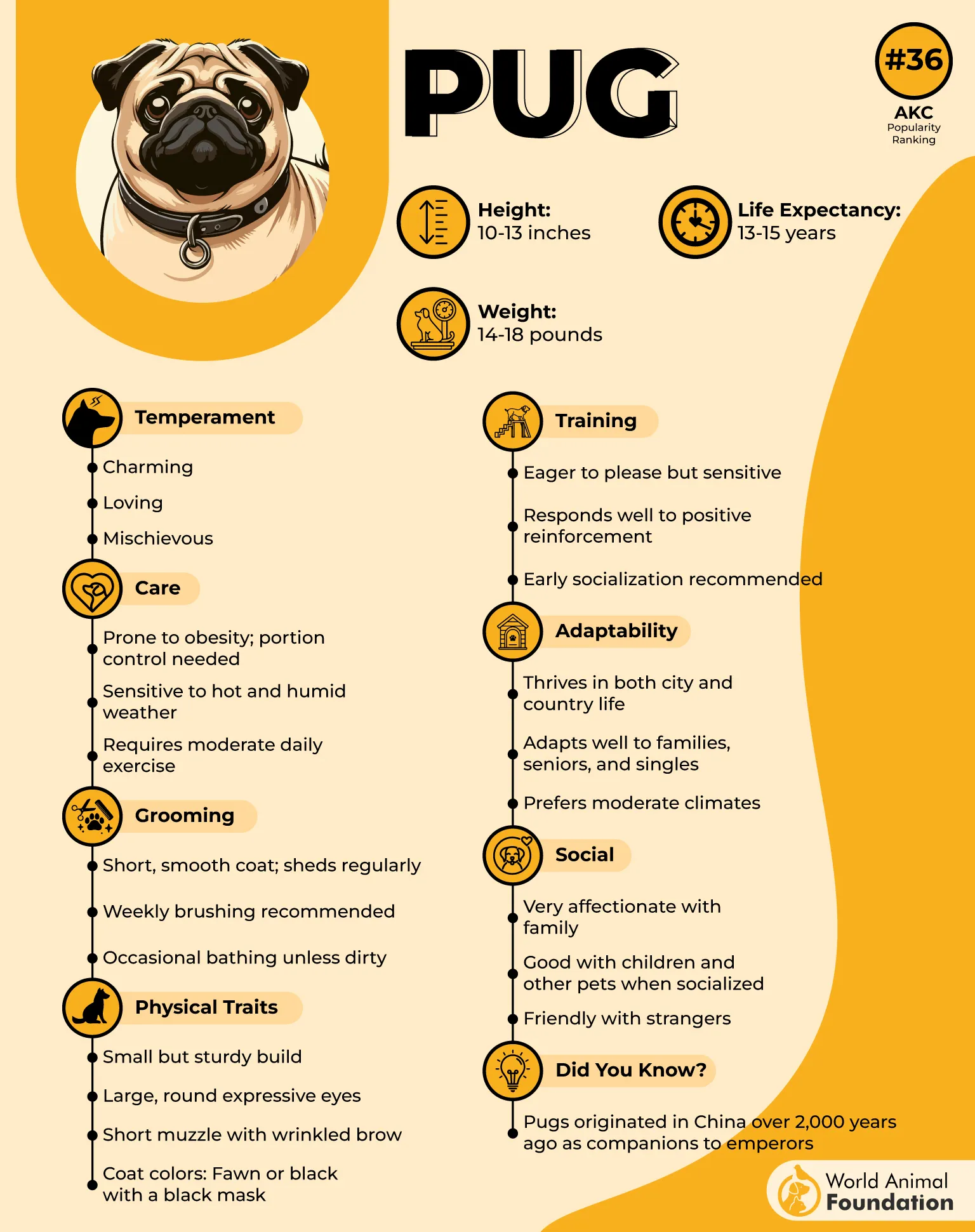
It’s a self-confessed couch potato, which makes weight management a genuine concern. Exercise needs are low to moderate at 30–60 minutes daily, ideally split into two shorter walks paired with some low-impact indoor games.
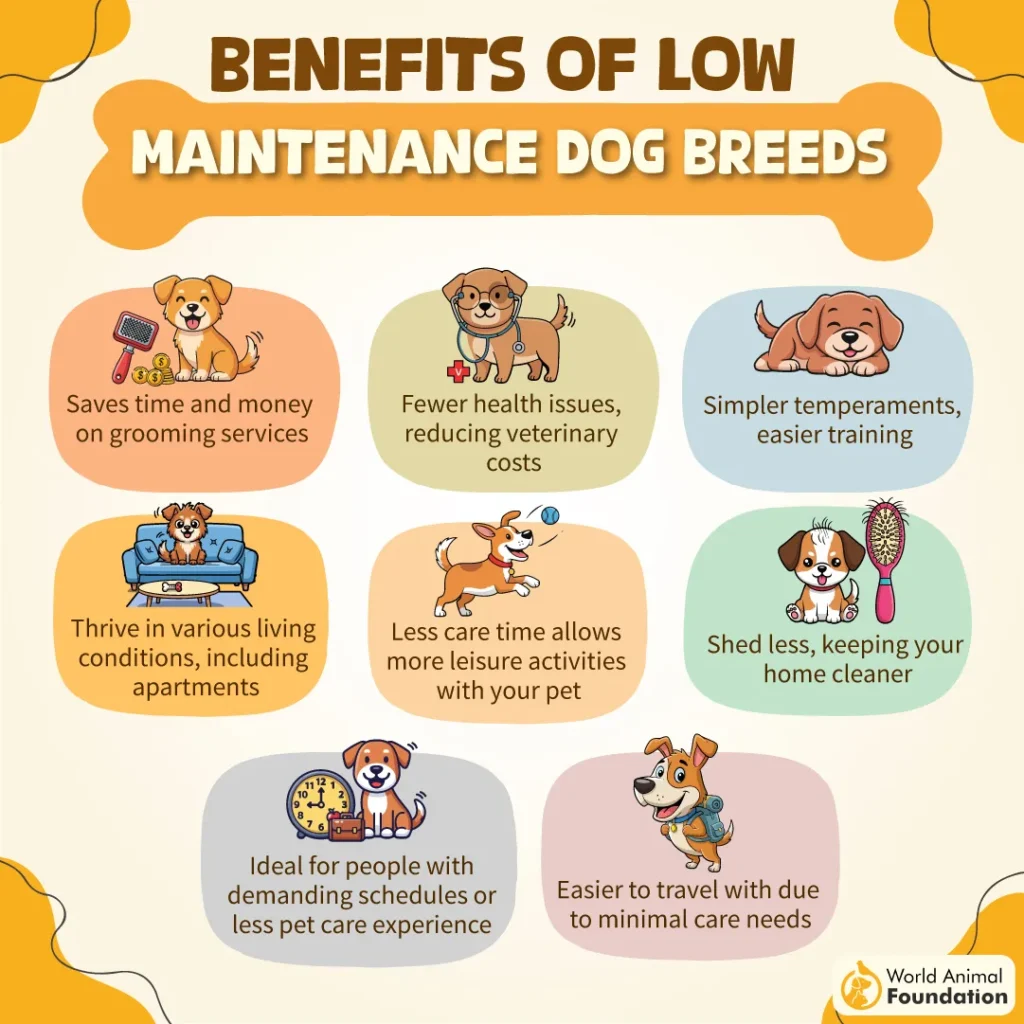
Grooming is refreshingly minimal: brush 2–3 times a week with a soft bristle brush and slicker brush, clean the facial wrinkles weekly with gentle wipes, daily during humid weather, and bathe every 4–6 weeks. Regular ear, eye, and dental care is also important to keep infections at bay.
3. French Bulldog
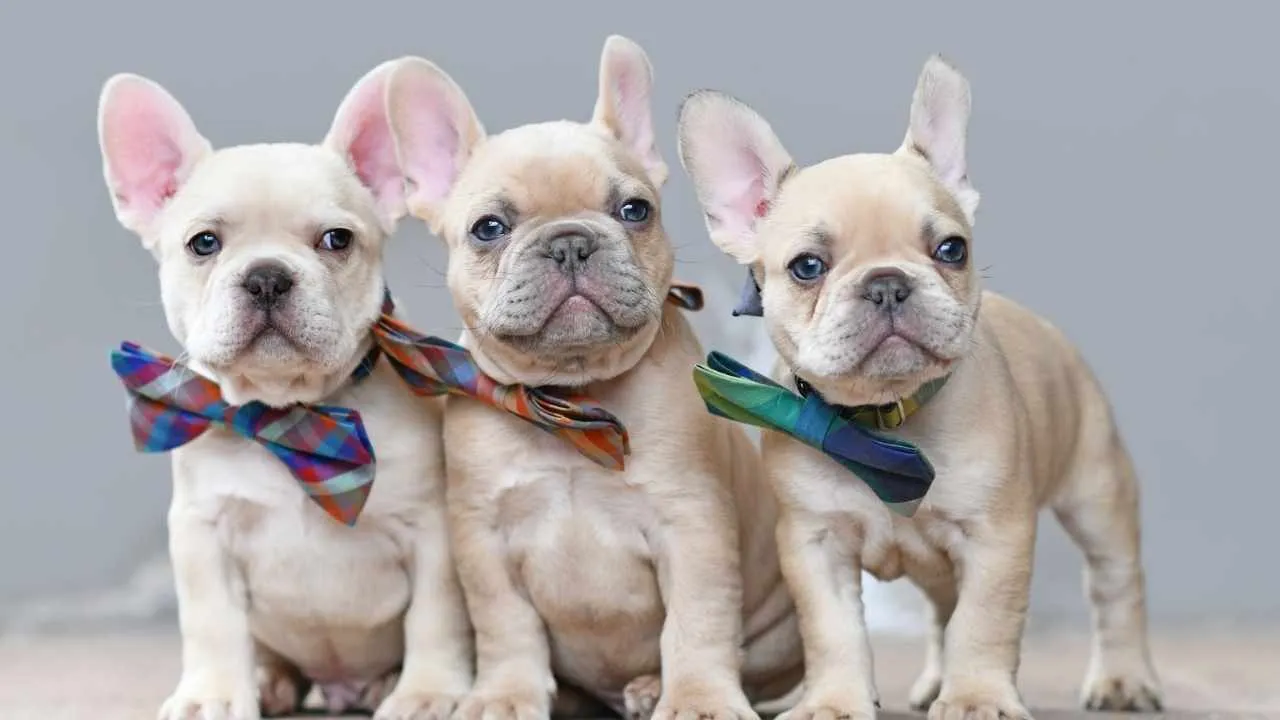
Developed in Paris, France, in the mid-19th century, the French Bulldog is a cross between local Parisian ratters and Toy Bulldogs, bred specifically as a companion dog according to Wikipedia. Weighing around 16–28 pounds and easy to manage on a leash, the Frenchie is a compact, low-fuss companion, though its short muzzle does make it prone to respiratory distress and overheating.
The breed doesn’t bark excessively and has a calm, adaptable temperament, making it one of the best dog breeds for apartment living. It needs 30–60 minutes of daily exercise: two to three short walks, plus games like hide-and-seek, tug-of-war, and fetching with soft toys.
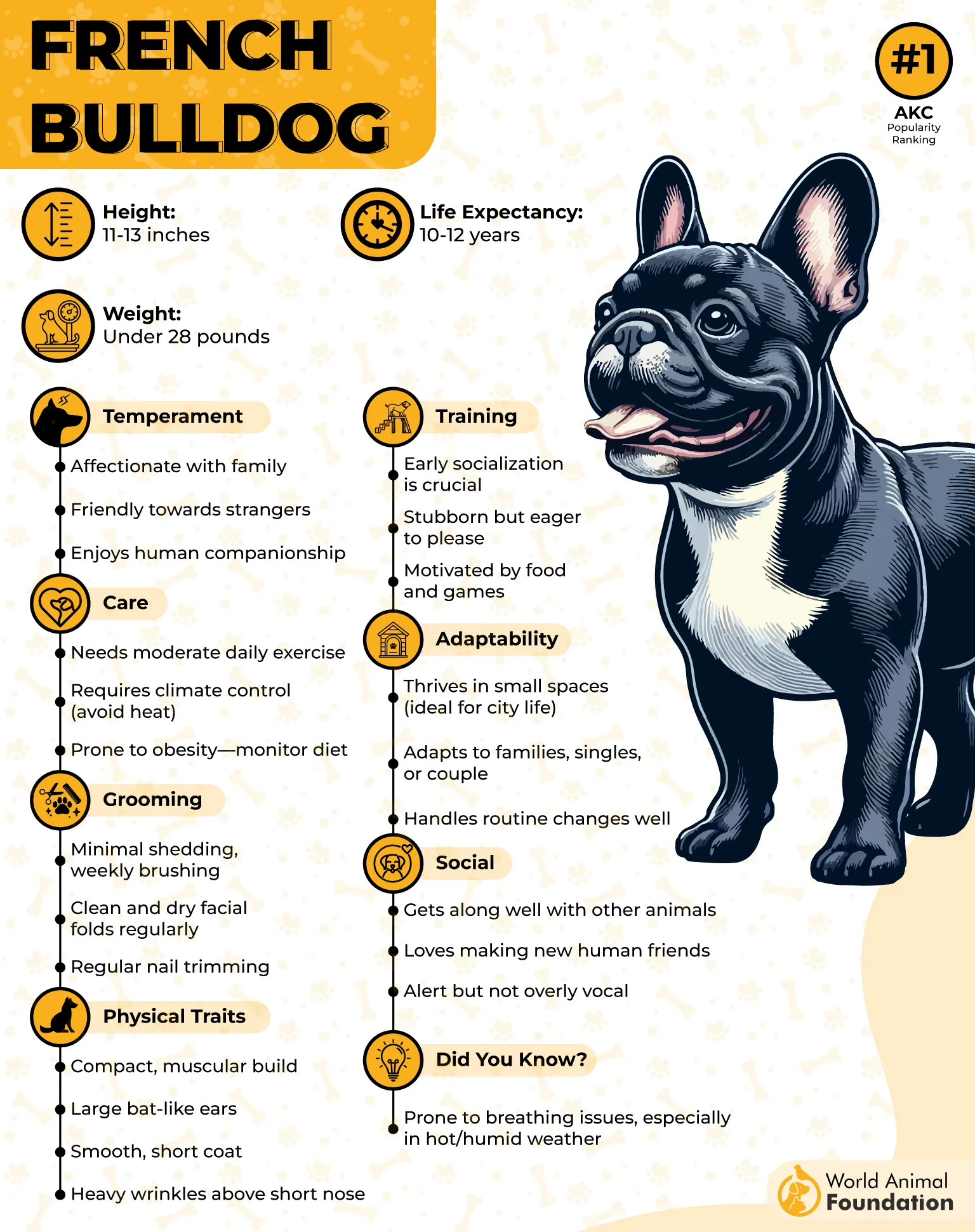
High intelligence means it can get bored with repetitive tasks, so short reward-based training sessions tend to work best.
Grooming needs are minimal. Use a rubber grooming mitt or soft brush weekly to remove loose hair. Muzzle folds and tail pockets need gentle cleaning with wipes, and always dry the area thoroughly to prevent bacterial growth. Trim nails every 2–4 weeks to avoid posture issues and joint strain.
4. Dachshund

Developed in Germany to scent, chase, and flush out small animals, badgers in particular, the Dachshund’s name says it all: “dach” means badger and “hund” means dog. The breed still carries a strong prey drive, especially for rabbits and hares. Coat types come in three varieties: long-haired, wire-haired, and smooth-haired.
The standard Dachshund weighs around 16–32 pounds, while the miniature variety comes in at around 11 pounds or under.
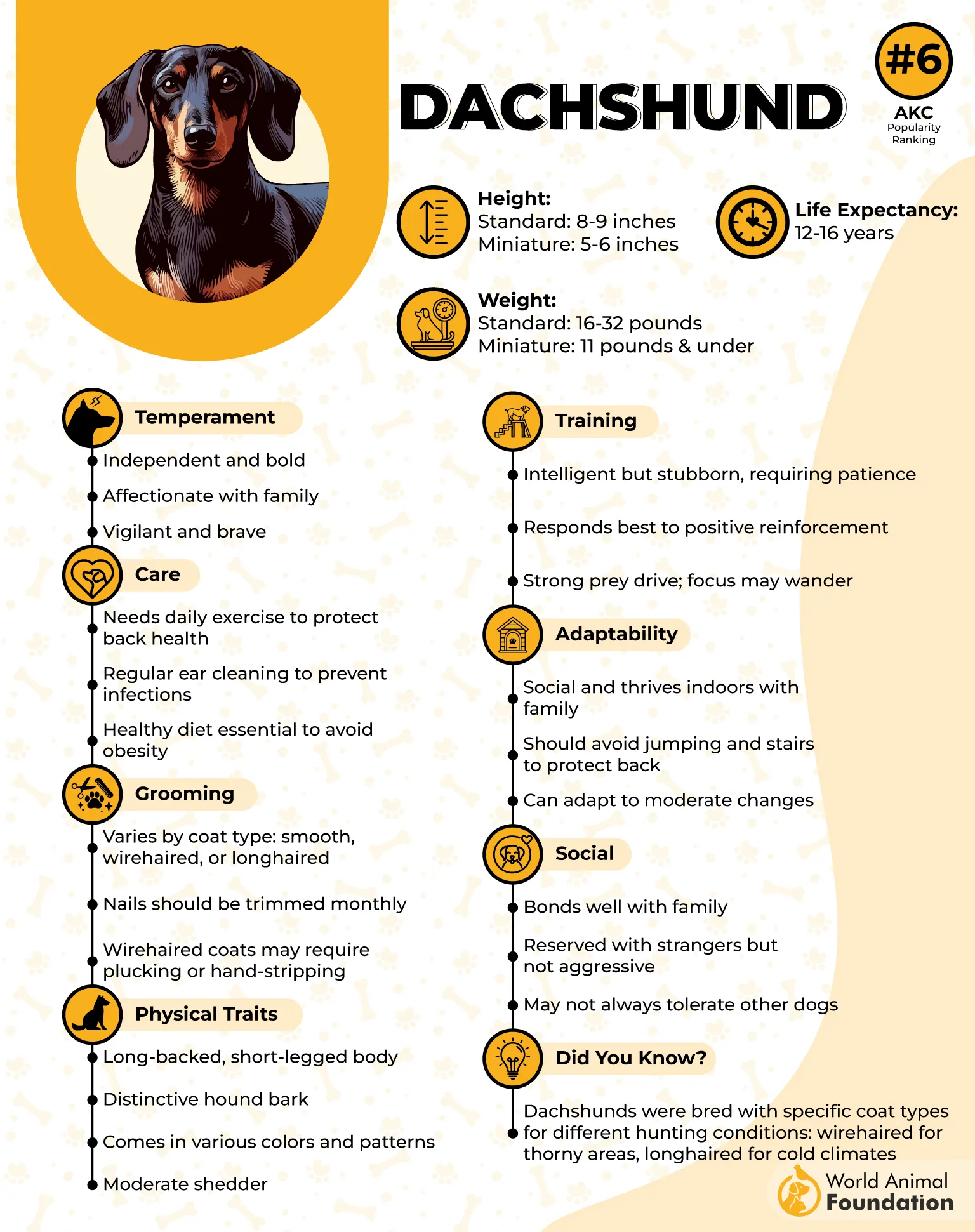
That iconic elongated body and short legs aren’t just charming; they were built for navigating tight spaces, though it also means the breed loves nothing more than burrowing into blankets, pillows, and laps. Because of its long spine, the Dachshund is prone to IVDD (intervertebral disc disease), so stair climbing and jumping should be avoided.
Grooming needs vary by coat type. The wire-haired Dachshund needs brushing 2–3 times a week, monthly baths, and hand stripping once a year. The long-haired variety does best with baths every 4–6 weeks and brushing on alternate days using a pin brush and metal comb. The smooth-haired breed is the easiest to maintain: a weekly once-over with a rubber grooming mitt and a bath every 1–2 months is all it needs.
5. Bolognese
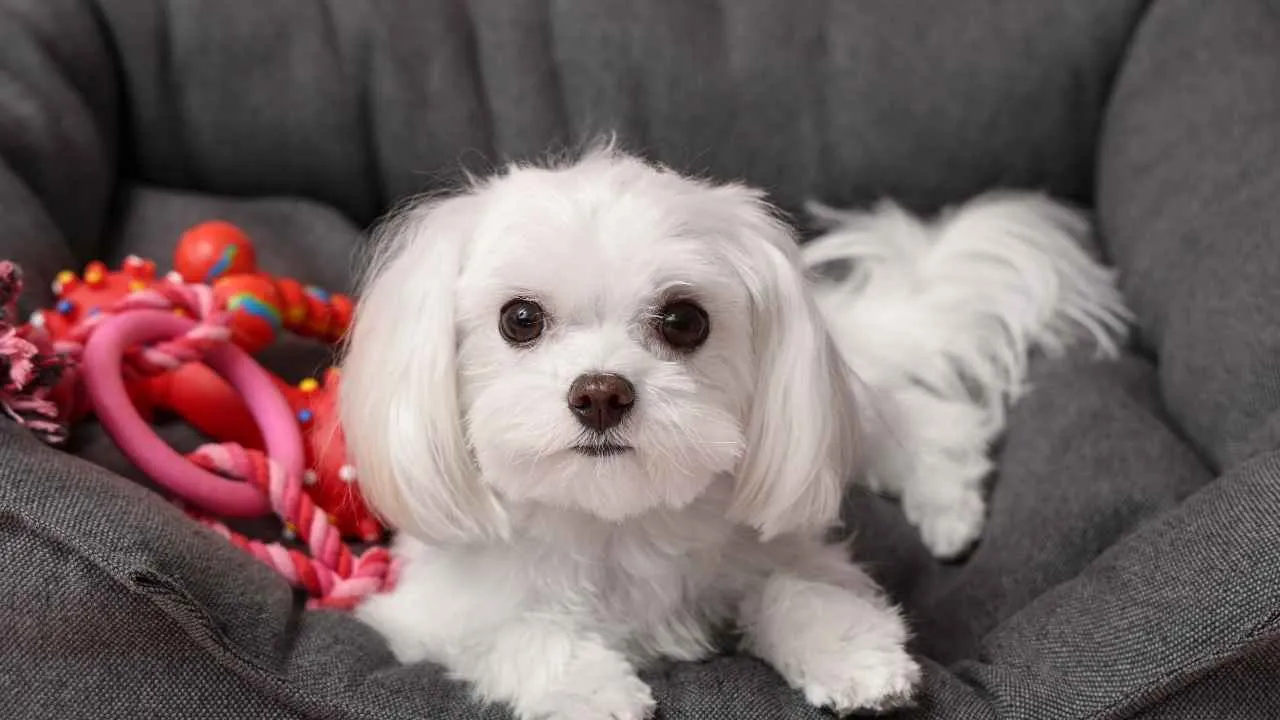
The Bolognese originated in the Bologna region of Italy, with roots tracing back to southern Italy in the 11th and 12th centuries. A firm favorite among European royalty, the breed counted Madame de Pompadour, Philip II of Spain, and Louis XIV of France among its admirers.
Legend has it that these pampered pups were served food in gold bowls and attended to by their own servants, according to Purina UK.
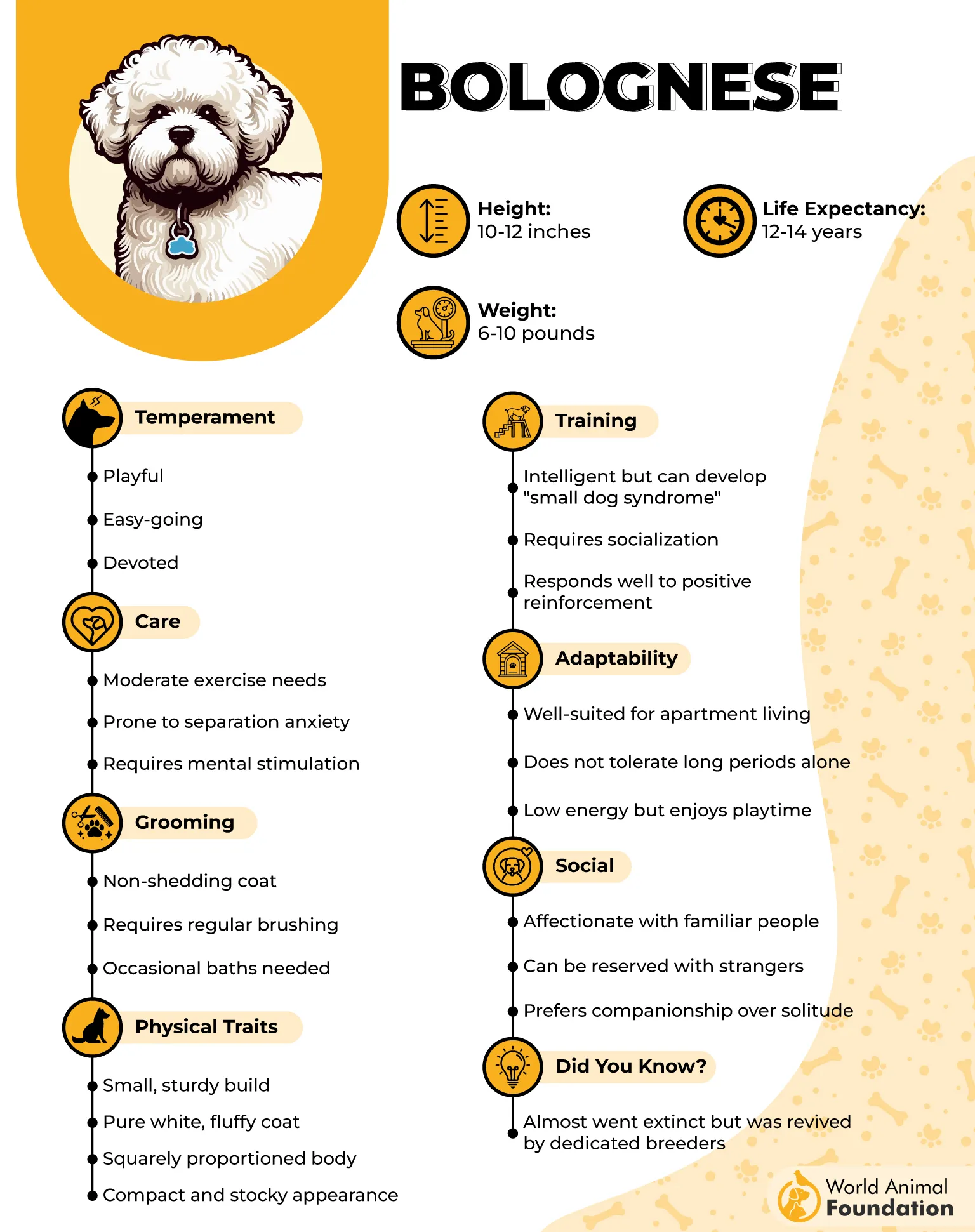
The breed has naturally low energy levels; its cardiovascular and respiratory systems are built for short bursts rather than sustained activity. Expect a lively five minutes of jumping and circling, followed by a long, contented rest. Exercise needs are minimal at just 20–30 minutes daily: puzzle toys, short walks, and interactive indoor play do the trick.
Grooming is straightforward despite the fluffy appearance. Brush 2–3 times a week using a wide, toothless stainless steel comb to catch hidden tangles, bathe weekly, and keep up with regular dental cleaning to stay on top of oral health
6. Chinese Crested
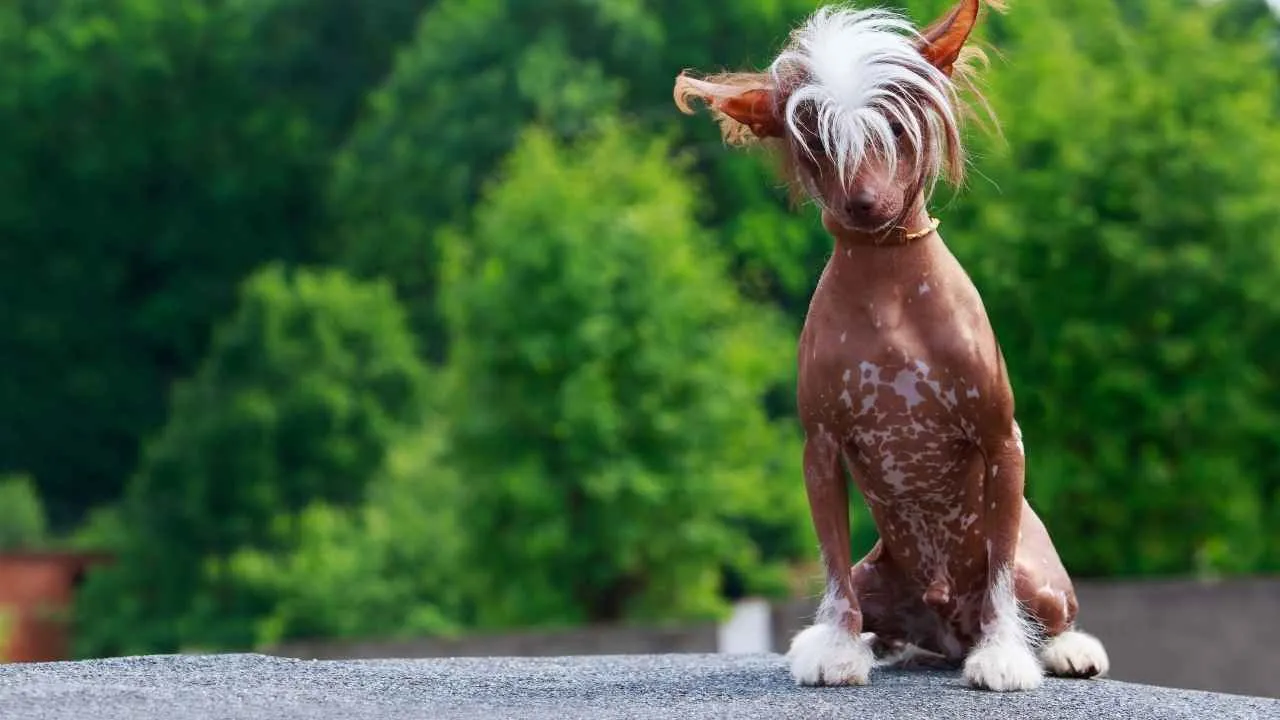
The Chinese Crested is a toy breed that comes in two varieties: hairless and powderpuff. Weighing around 8–12 pounds and standing 11–13 inches tall, it has been bred for centuries as a companion dog and is known for its relatively few health issues and an impressive lifespan of up to 18 years.
With little to no coat and no undercoat, the Chinese Crested is a low-shedding breed, a big plus for first-time owners. Its small stomach means it eats very little, which also keeps monthly food costs down.
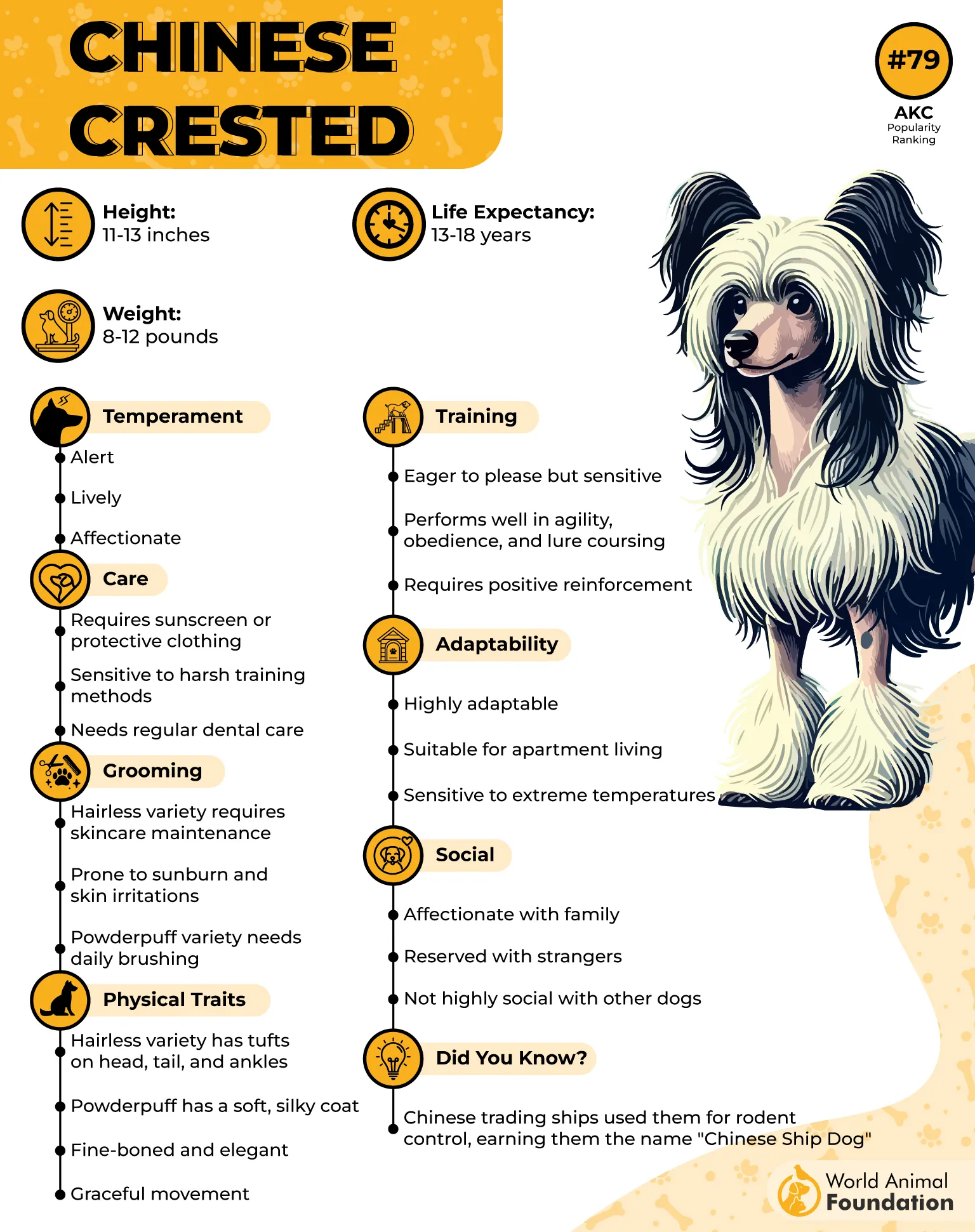
It forms deep emotional bonds with its owners, making it highly trainable, though it can develop separation anxiety if left alone for extended periods of 8 or more hours.
Exposed skin does require some extra care, as it is prone to sunburn, acne, and dryness. Bathe every 1–2 weeks using a high-quality hypoallergenic shampoo. For the hairless variety, use dog clippers with #30 or #40 blades to keep the coat looking neat and clean.
7. Havanese
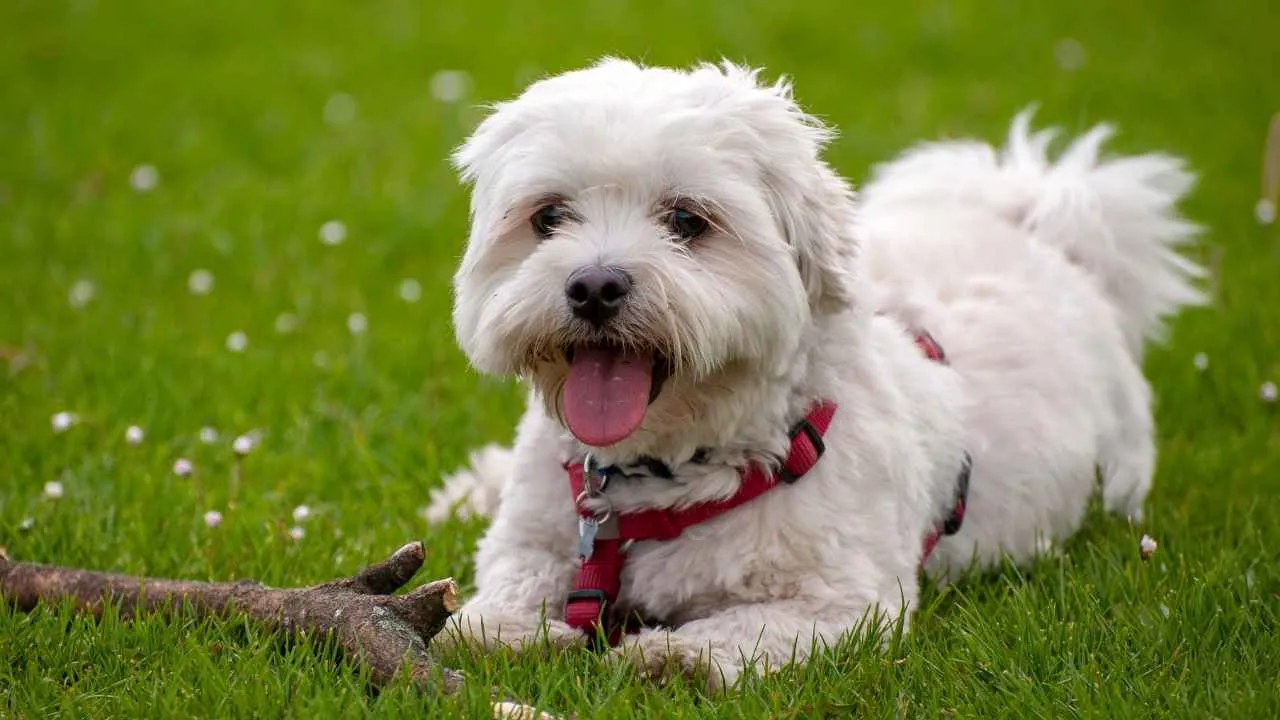
The Havanese is the national dog of Cuba and a white dog breed developed by crossing the now-extinct Blanquito with bichon-type breeds, including the Poodle. Once known as the “Havana Silk Dog,” it owes that name to its plush, silky coat. Beyond looks, its affectionate and friendly nature makes it well-suited for therapy, signaling, assistance, and performance work.
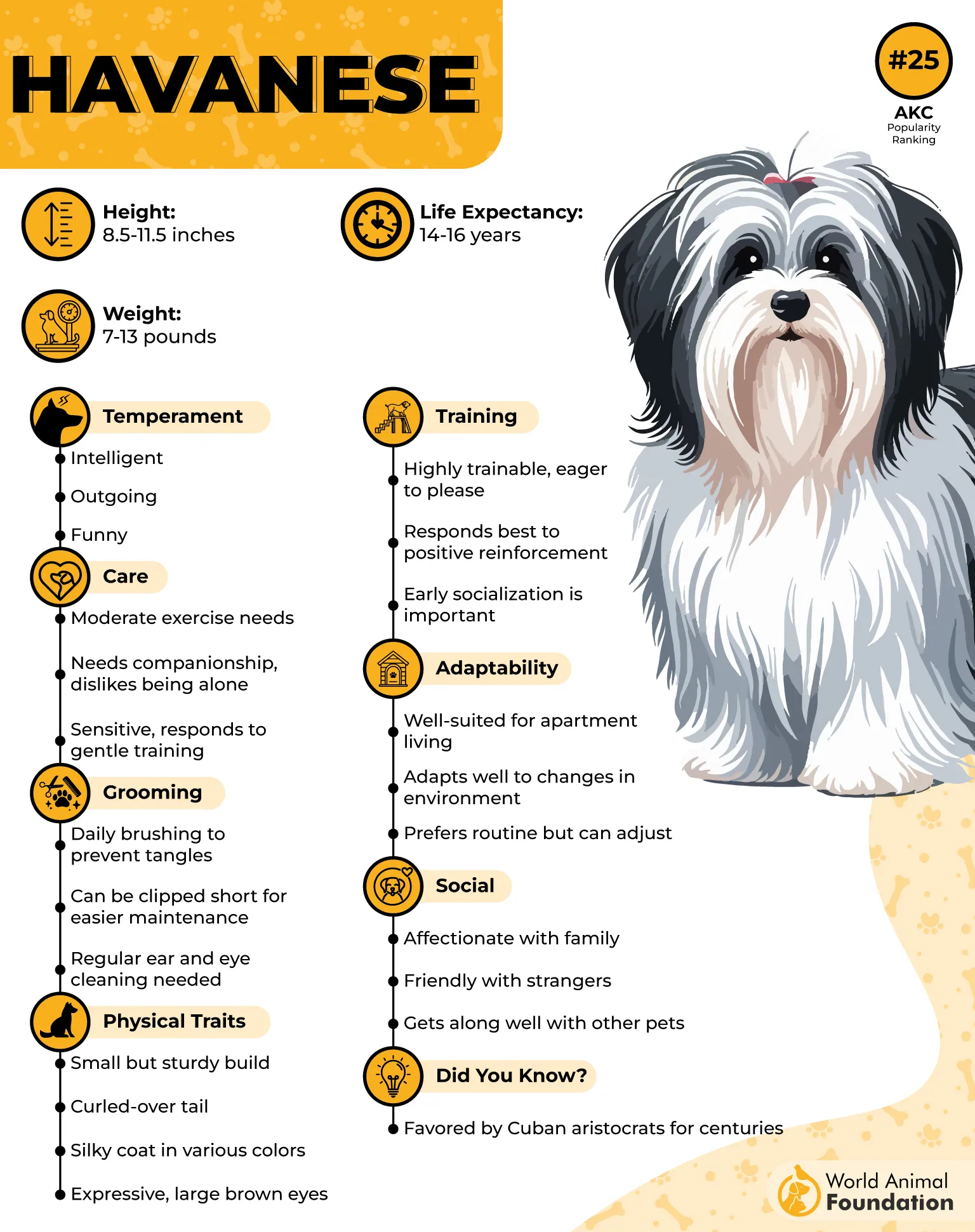
Despite its small size, the Havanese has a sturdy frame that holds up well during play with children and families. It has low-to-moderate exercise needs of 30–60 minutes daily, and responds best to short training sessions built on positive reinforcement and consistency. With an average lifespan of 14–16 years, it’s considered a generally healthy breed.
The long, non-shedding double coat is beautiful but prone to matting, so daily brushing with a brush and comb is a must. Bathe every 1–3 weeks, and use the “line brushing” technique — working section by section down to the skin, rather than just skimming the surface.
Conclusion
Getting your first dog is a big deal. It is exciting, a little scary, and emotional. The breeds on this list are not just easy to care for; they are genuinely wonderful to live with. They bring loyalty, laughter, and a kind of steady companionship that most humans can not match.
Whether you are drawn to the silky calm of a Cavalier, the flat-faced comedy of a Pug, or the mysterious elegance of a Chinese Crested, the right breed is out there for you. Do not overthink it too much. Dogs have a way of finding their person.
Start simple. Start honest. And when in doubt, trust the one who looks at you like you are the best thing they have seen.
