




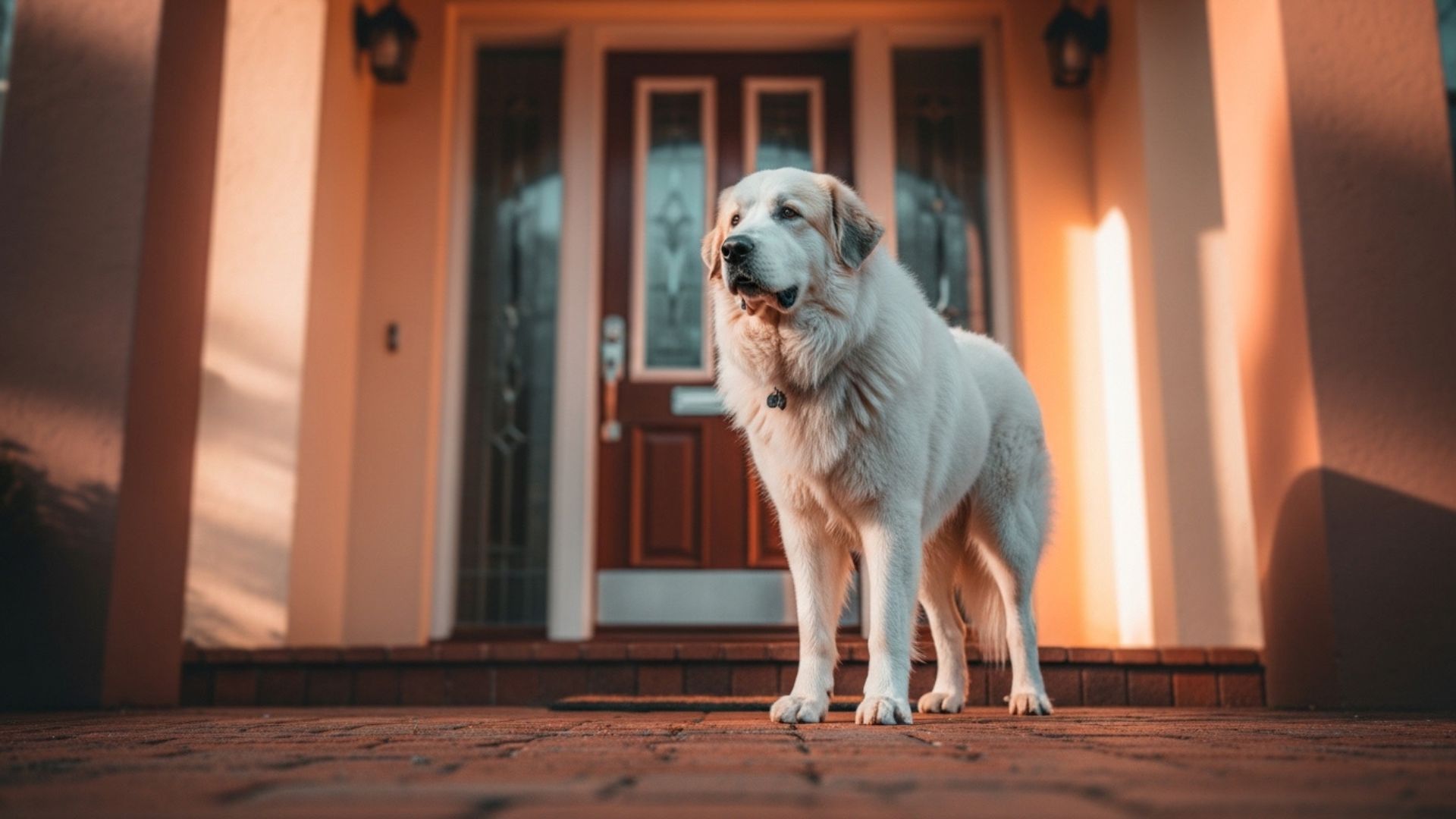
We all crave two things from our furry friends: a loyal companion who’s easy to live with, and a trusted protector who keeps us safe. But here’s the thing — many people assume that if a dog is protective, it must also be high-energy, high-maintenance, and a whole lot of work. That’s just not true.
Some dogs naturally blend calm, low-key personalities with strong protective instincts, making them perfect for busy lifestyles without sacrificing that watchful guardian spirit. So, if you think you have to choose between a chill, low-maintenance pup and a dog that’s got your back, think again.
This article will introduce you to some excellent guard dog breeds that balance both — ready to be your easygoing buddy and your loyal protector, no matter where you live or how busy your days get.
Let’s dive in and discover how protection and peace of mind can come wrapped in a low-maintenance package!
Key Takeaways
Meet strong, low-maintenance protectors like the Bullmastiff and Cane Corso.
Discover gentle giants with serious guard skills, like the Great Pyrenees and Great Dane.
Find out why Belgian Malinois and Rhodesian Ridgebacks are smart, fierce guardians.
See how Greyhounds and Anatolian Shepherds blend calmness with protection.
Low‑Maintenance Dog Breeds with High Protective Instincts
1. Anatolian Shepherd
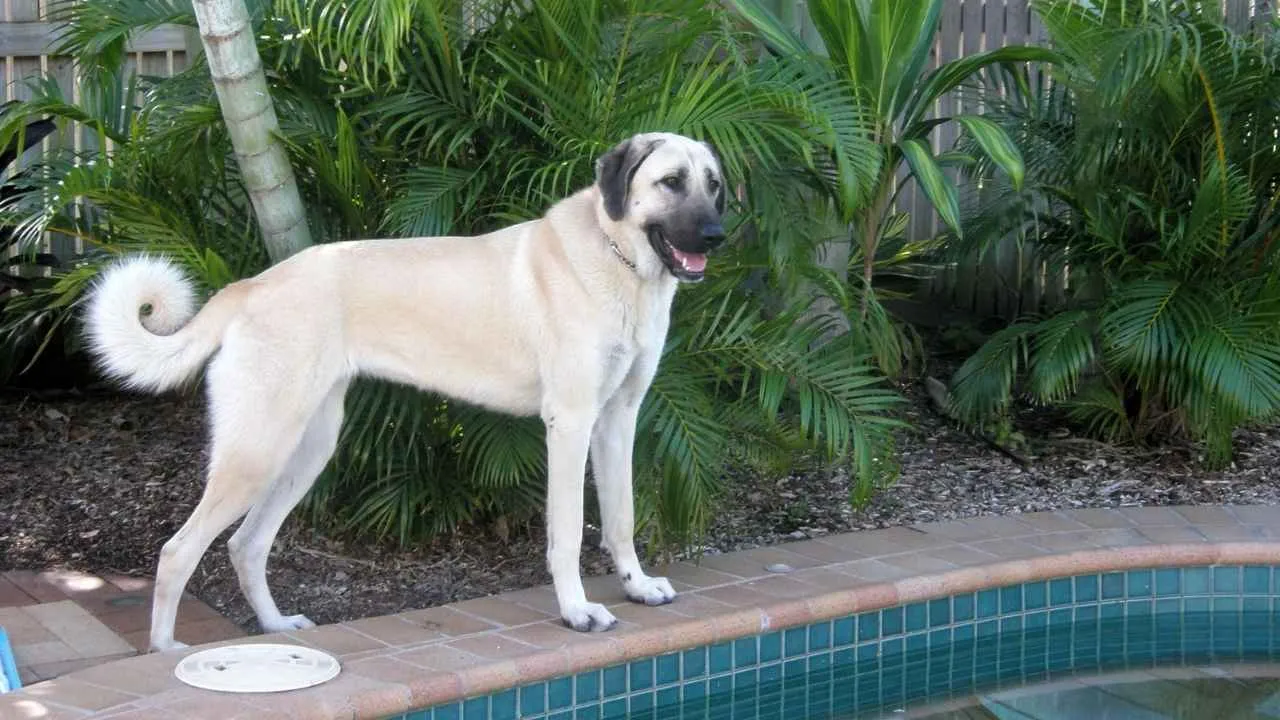
Anatolian Shepherds are one of the oldest working dog breeds, bred thousands of years ago to protect livestock. They have an instinct to watch over and defend their “family,” whether that’s sheep in the field or the people at home. These dogs are calm and extremely loyal, but have a strong protective streak that makes them excellent guardians.
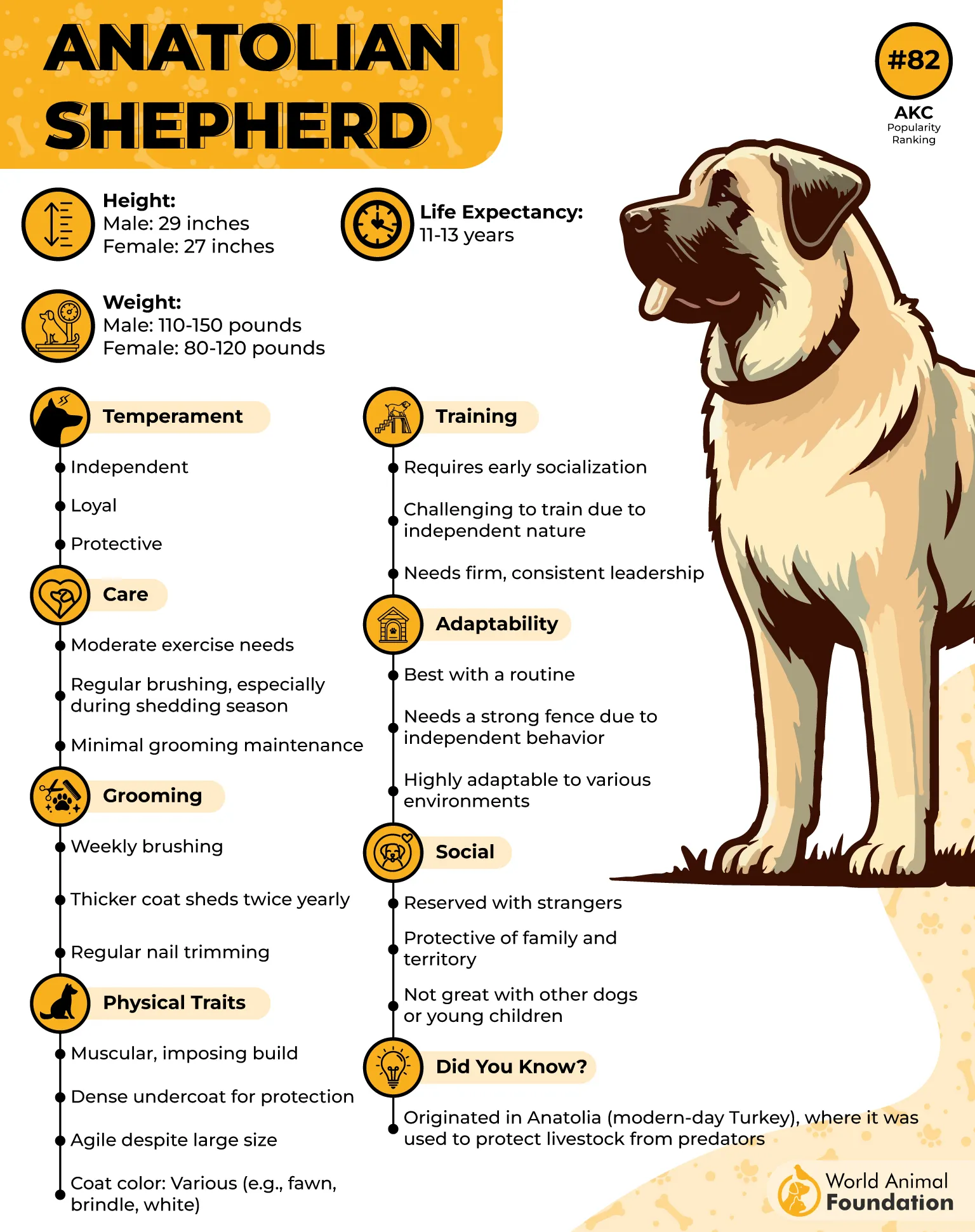
What makes them stand out?
Born to protect livestock, they are naturally suspicious of strangers and quick to respond to threats.
They are independent thinkers, trusted to make decisions on their own, which means they need firm, confident leadership.
While they are fiercely loyal to family, they can be wary of visitors and other dogs.
Anatolian Shepherds don’t need fancy grooming or constant attention, making them relatively low-maintenance. However, because of their size and territorial nature, they need space to patrol and plenty of early socialization to keep their instincts balanced.
They are best suited to experienced owners who understand their unique personality and can give them the respect and structure they require.
2. Rhodesian Ridgeback
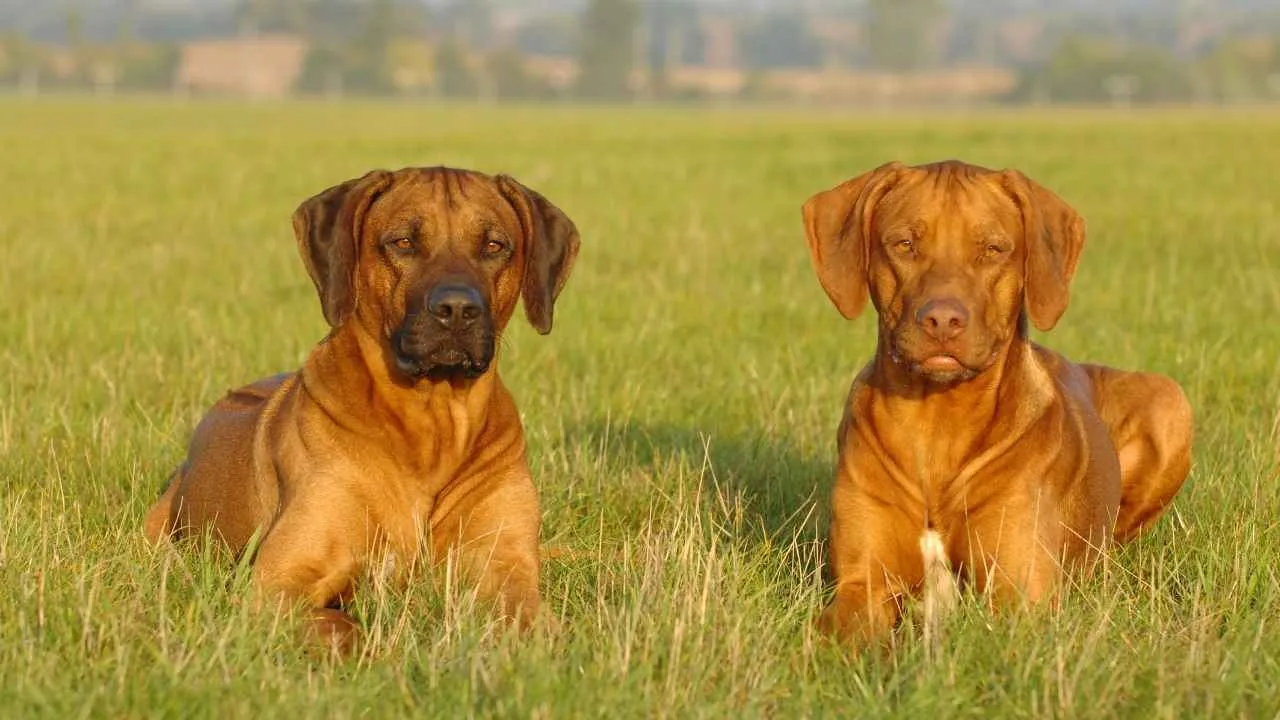
The Rhodesian Ridgeback gets its name from the unique ridge of fur that runs backward along its spine, as mentioned by PetMD. Originally bred in Africa to help track and bay lions, this dog is naturally brave and alert—ready to face threats big and small.
While Ridgebacks are affectionate and loyal with family, they can be independent and strong-willed, so consistent training from an early age is important.
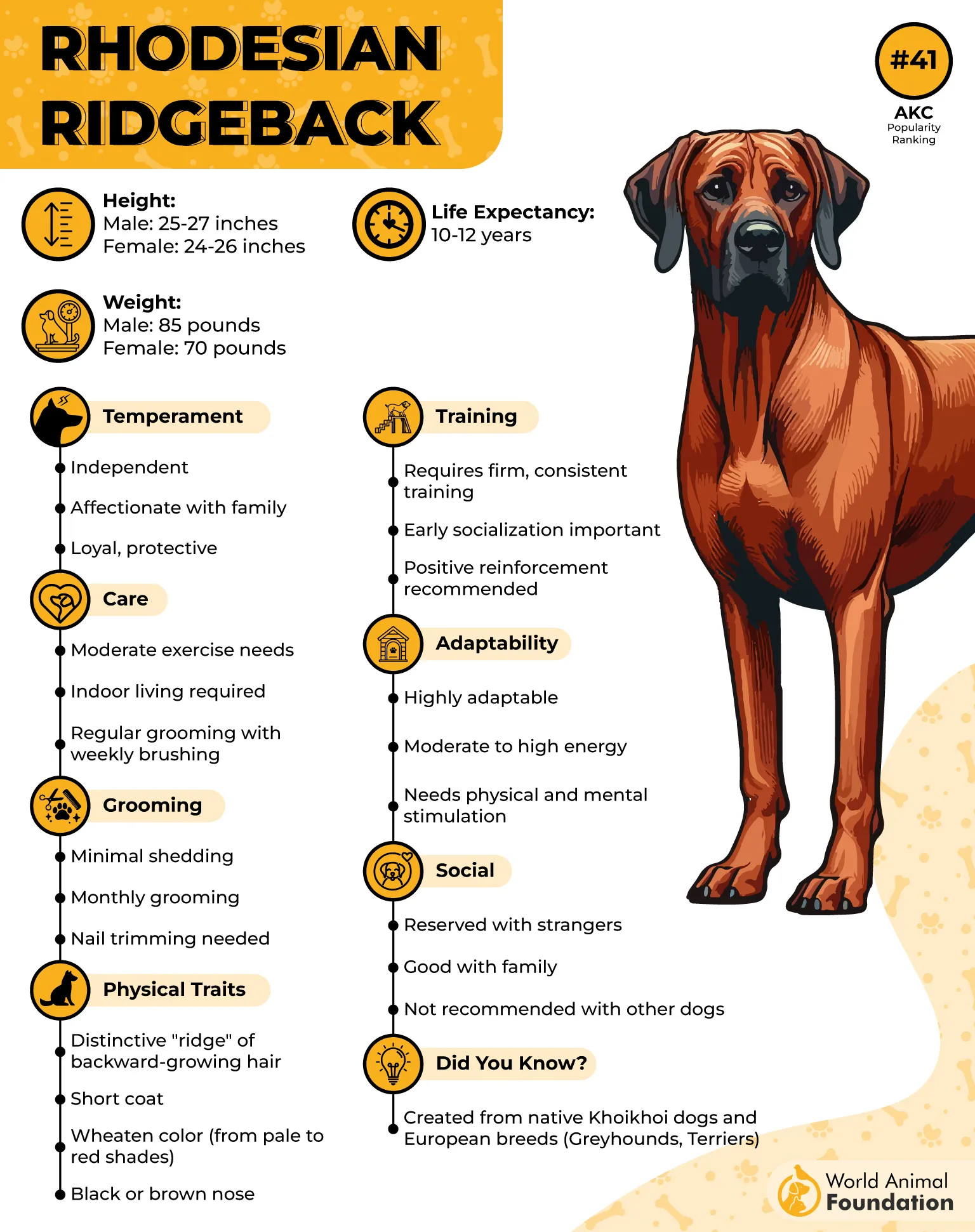
What makes Rhodesian Ridgebacks great protectors?
Fierce guardian instincts combined with deep loyalty to their family.
Athletic and energetic, needing daily mental and physical stimulation to stay happy.
Naturally wary of strangers but loving and patient with those they trust.
This breed’s short, wheaten coat is easy to care for, requiring only regular brushing and basic grooming. Known for being clean with minimal shedding, Ridgebacks are a good choice for owners who want a low-maintenance dog with naturally protective instincts.
Just remember, these dogs need a confident owner who can handle their independent spirit and strong prey drive.
3. Bullmastiff
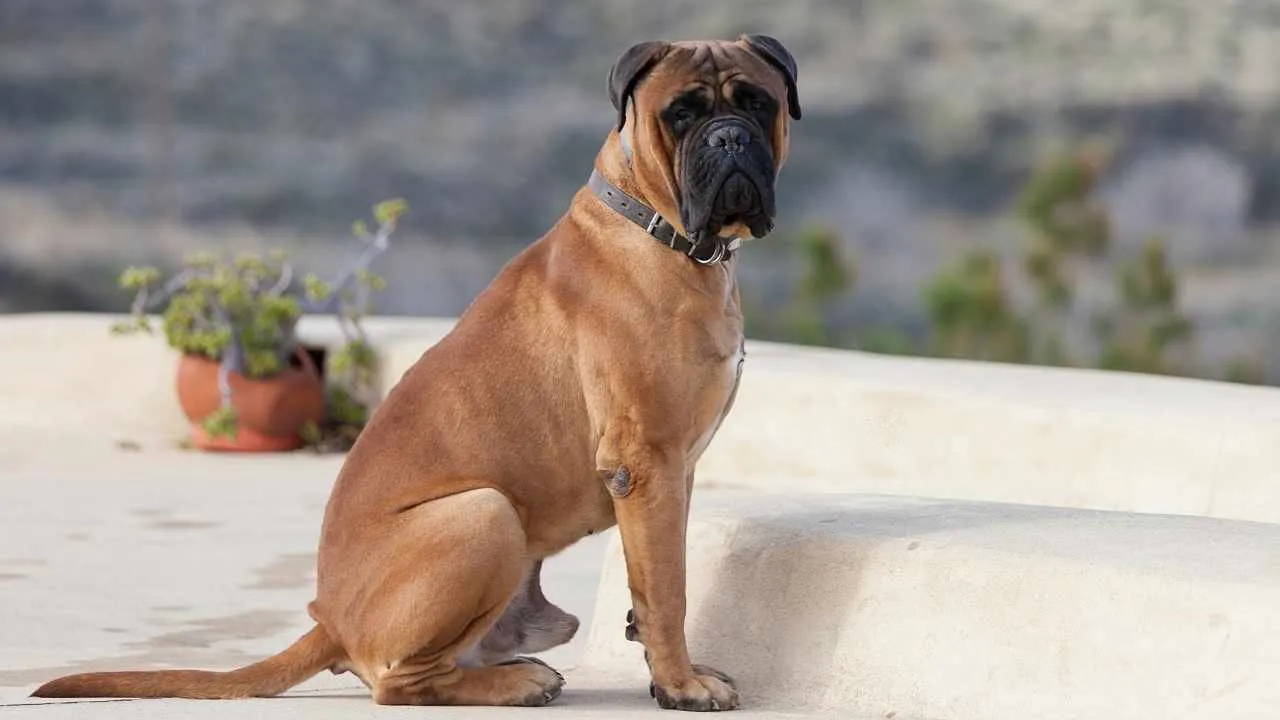
Bullmastiffs were developed in mid-19th century England by gamekeepers who needed a powerful yet quiet dog to help track down poachers. Known as the “Gamekeeper’s Night-Dog,” this breed was bred to hold criminals at bay using physical strength rather than biting.
This gave rise to a calm but fearless guardian with a massive, muscular build and a broad, wrinkled face. Their short, dense coat comes in fawn, red, or brindle, and requires minimal grooming.
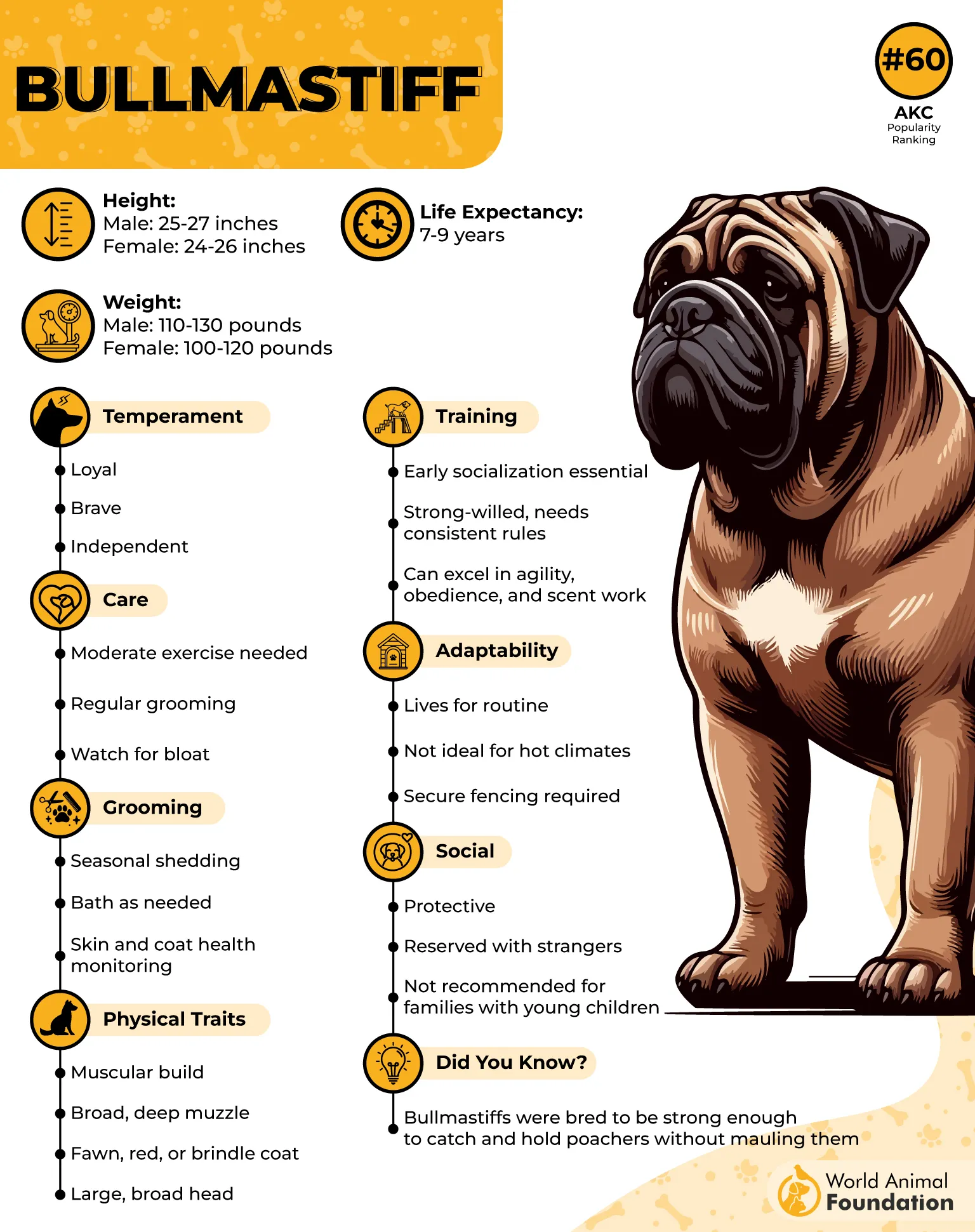
Key Traits and Care Needs
Strong natural guarding instincts and a keen sense of intuition.
Calm and low-energy indoors; moderate exercise is enough.
Short, dense coat requires minimal grooming.
Bullmastiffs are intelligent dogs, but can be challenging to train because they are independent thinkers who dislike repetitive activities. Training is more effective when it involves variety, such as obedience, agility, tracking, or carting exercises.
Although confident and fearless, they usually get along well with strangers if they feel the person is welcome. However, they may not do well with other dogs, especially males, and dog parks might not be the best environment for them.
This breed can thrive in both large yards and smaller living spaces like apartments, provided their exercise needs are met. Their health requires attention too—Bullmastiffs are prone to hip dysplasia and joint issues, so regular vet check-ups and a balanced diet to avoid obesity are essential.
4. Belgian Malinois
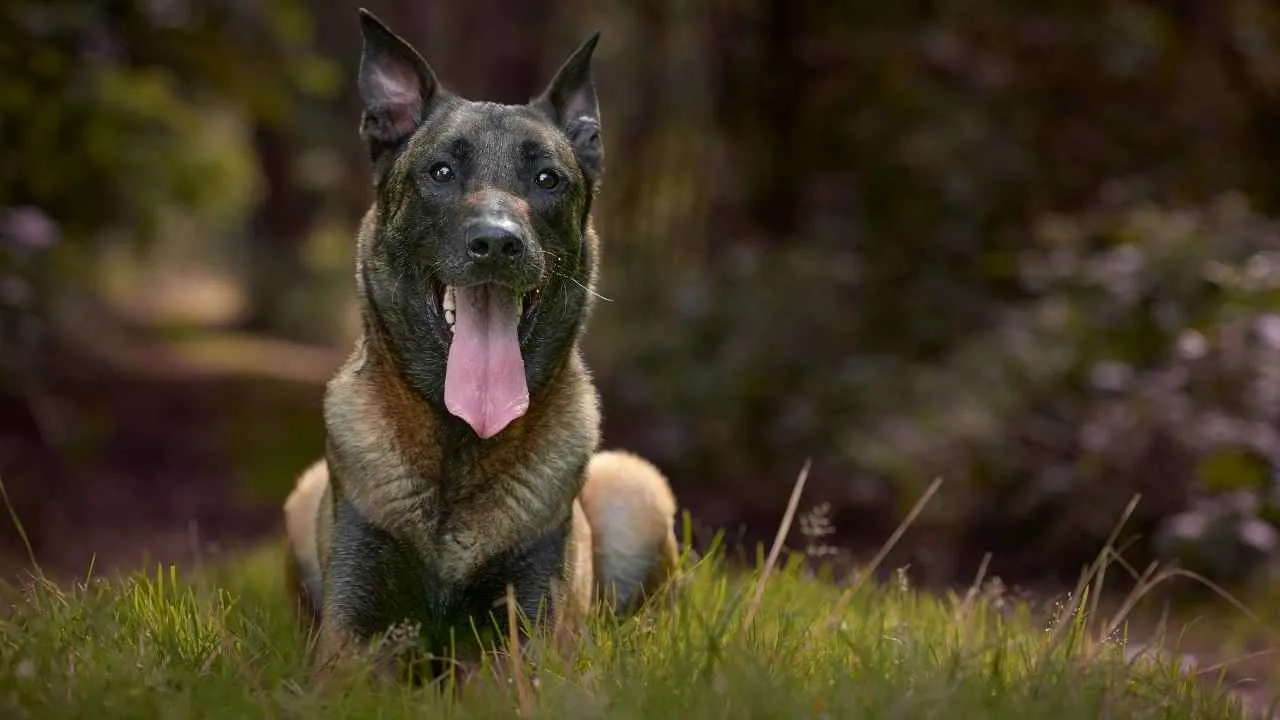
Belgian Malinois are known worldwide for their exceptional work ethic and protective instincts. Frequently employed by military and law enforcement, these dogs thrive when given a purpose. Their lean, athletic build and striking fawn coat with a black mask make them instantly recognizable.
Why Belgian Malinois Work as Protection Dogs
Compact yet powerful and incredibly smart.
Highly trainable with a strong drive for protection work.
Low-maintenance short coat that sheds less than many protection breeds.
Deep loyalty and strong bonds with their owners.
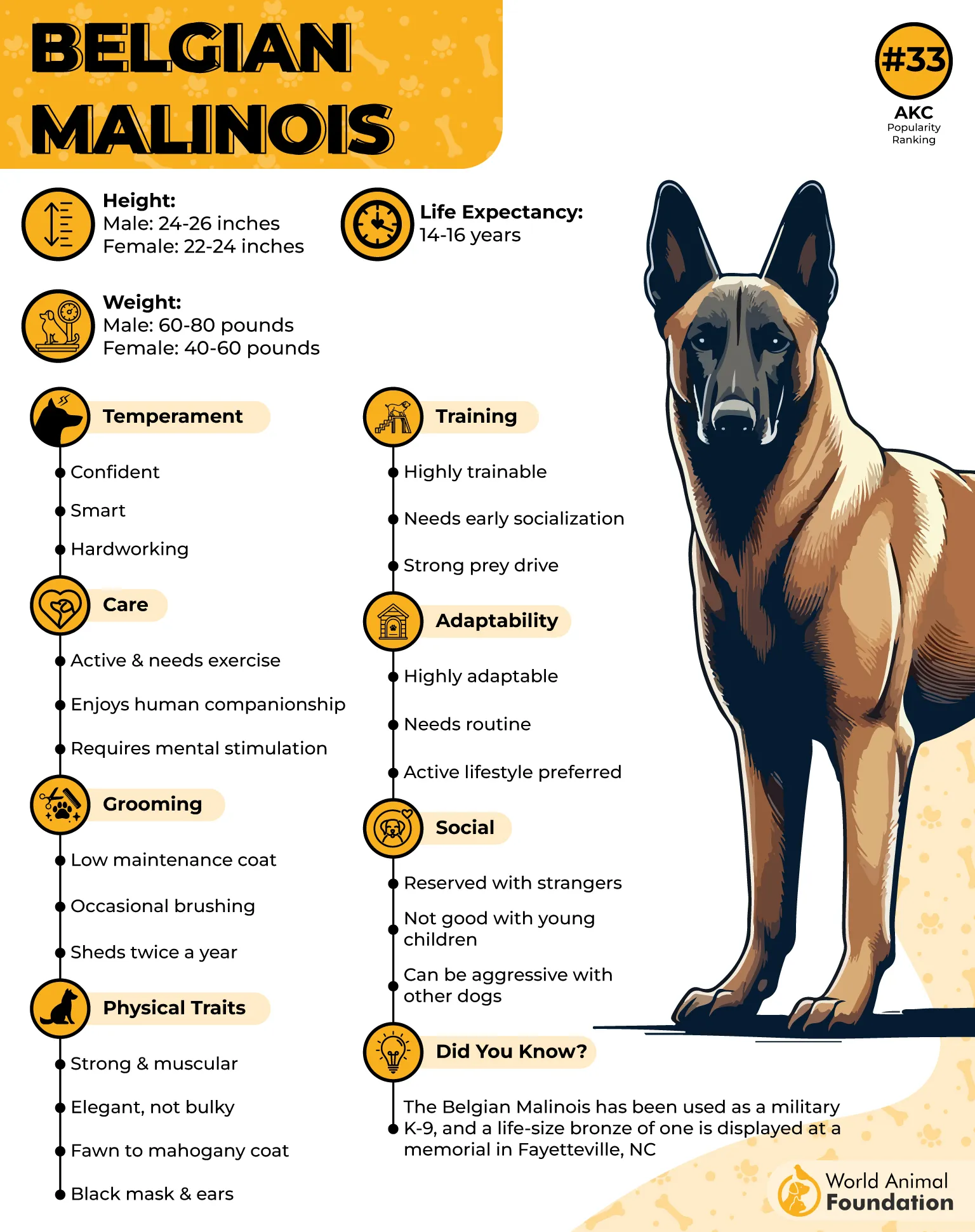
Despite being relatively low-maintenance in grooming—with weekly brushing and occasional baths—they require daily physical and mental stimulation to stay balanced. Without enough stimulation, they can become anxious or destructive.
Their protective nature makes them wary of strangers and aggressive toward other dogs, especially cats, so proper socialization and training from an experienced owner are essential.
5. Great Pyrenees
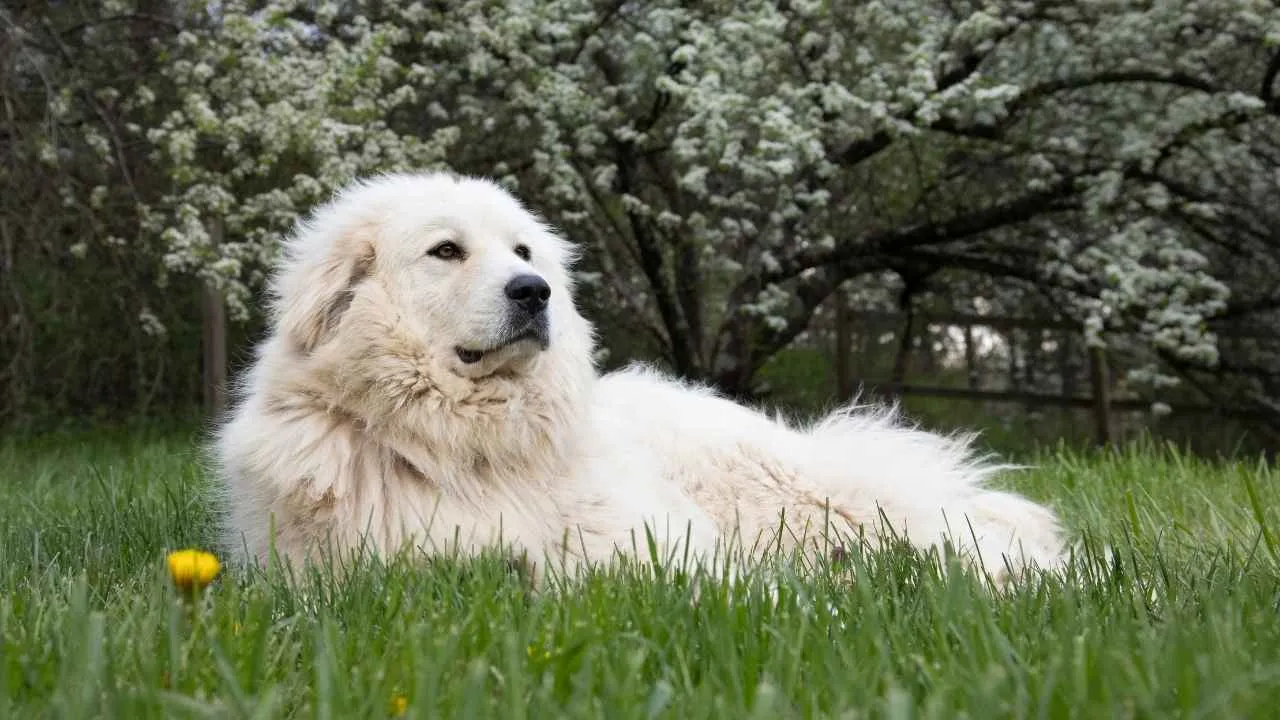
The Great Pyrenees is a large, powerful dog bred to protect sheep from wolves and predators in high, snowy mountains.
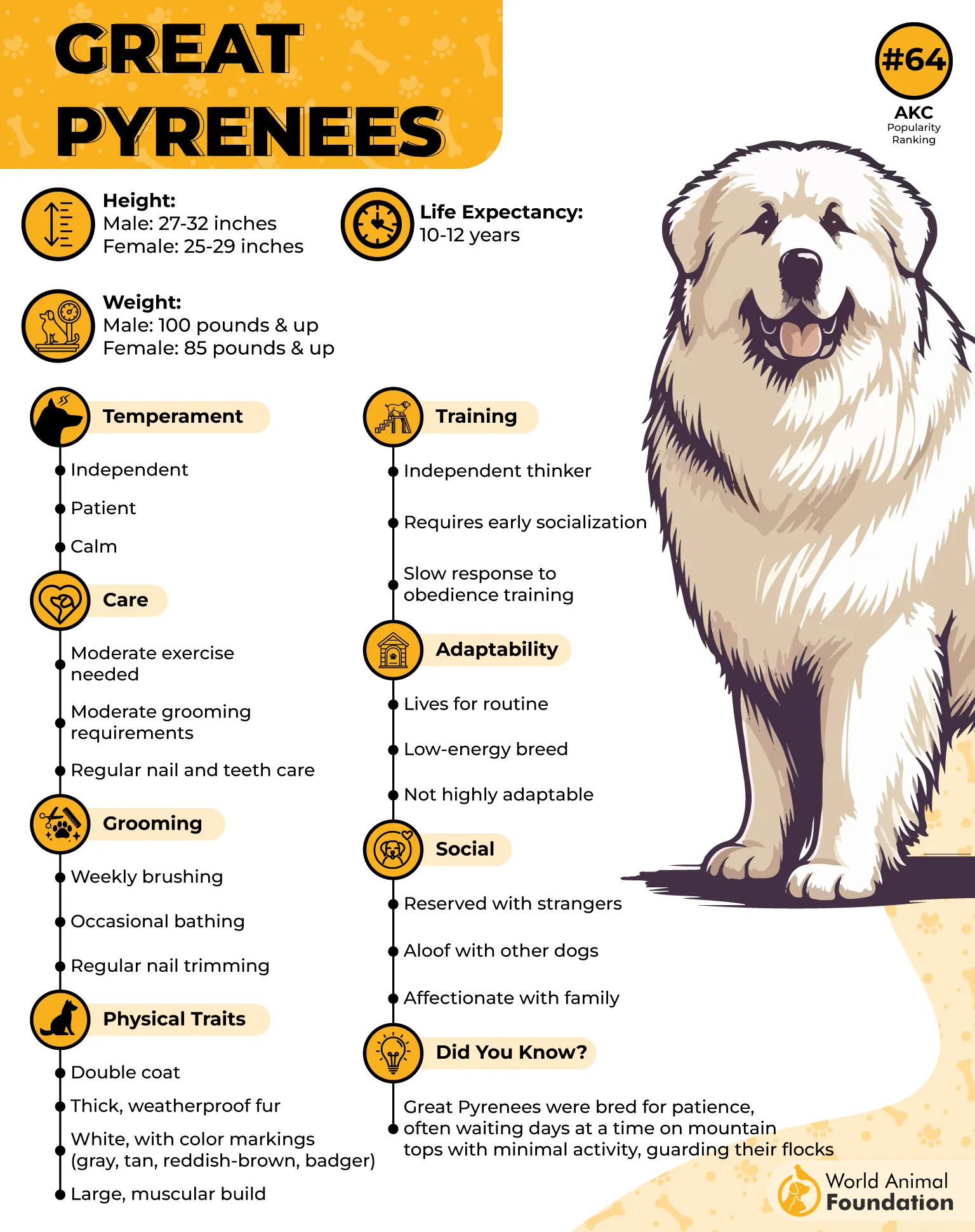
Known for their majestic appearance, these gentle giants have a thick, weatherproof coat that’s mostly white, sometimes with shades of gray, tan, or reddish-brown. Their calm and patient nature makes them great family protectors, especially with children and smaller animals.
What Makes the Great Pyrenees Stand Out?
Natural guardians with strong protective instincts, especially at night when they tend to bark more.
Gentle and nurturing toward their family and flock, but ready to respond quickly if they sense danger.
Low-maintenance grooming despite their thick coat, but they drool and shed quite a bit.
Adapted to outdoor living, these dogs prefer space and are not suited for apartments or small yards.
Great Pyrenees require proper training and socialization early on because they are independent thinkers and may not respond well to obedience commands.
They do well with cats and smaller dogs, but might see other large dogs as threats. Historically, they were also used as herding dogs in addition to guarding livestock.
Because they were bred to work independently and live outdoors, they don’t demand constant attention but do need room to roam and stay busy.
Their loyalty and protective nature make them excellent for experienced owners with space, though their size, shedding, and drooling are important to consider for indoor living.
6. Rottweiler
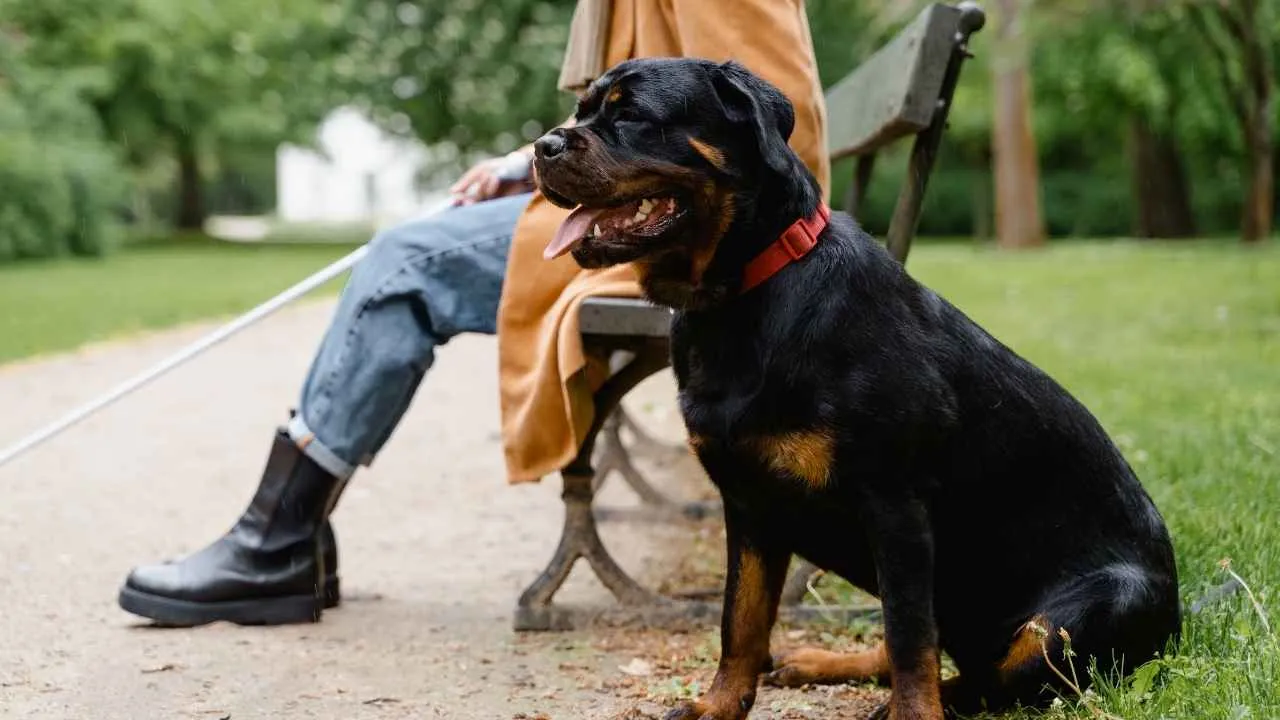
Rottweilers are naturally confident and powerful dogs with deep protective instincts. Despite their imposing size and muscular build, they can adapt well to apartment living if given proper training and daily exercise.
Indoors, they often have a calm and steady demeanor, balancing their role as both guardian and companion.
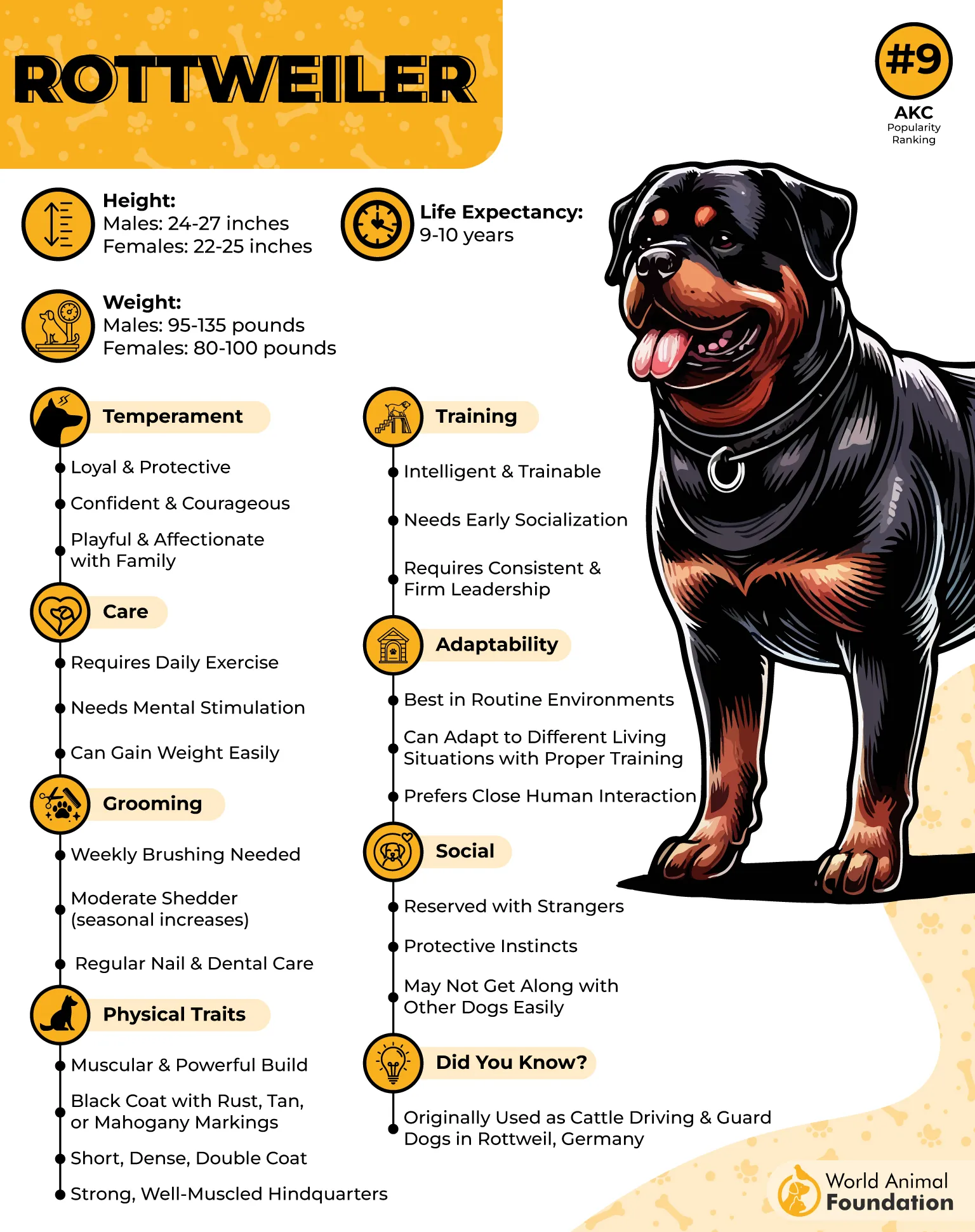
What Makes Rottweilers Stand Out?
Extremely protective with a strong deterrent presence.
Intelligent and highly trainable, requiring consistent leadership.
Loyal and deeply bonded to their families.
Short, dense coat that is low-maintenance, usually black with rich rust markings.
Rottweilers are known for their broad chest, blocky head, and deep-set, intelligent eyes that show both warmth and vigilance. They descend from ancient mastiffs and were originally bred for herding. Today, they serve as guard dogs, police dogs, and search and rescue dogs.
Because of their protective nature, early socialization is essential to prevent over-guardiveness and to help them distinguish between real threats and normal social situations.
Without proper training, they may become wary of strangers or develop nuisance barking. Rottweilers require regular exercise to prevent restlessness and maintain mental balance.
7. Cane Corso
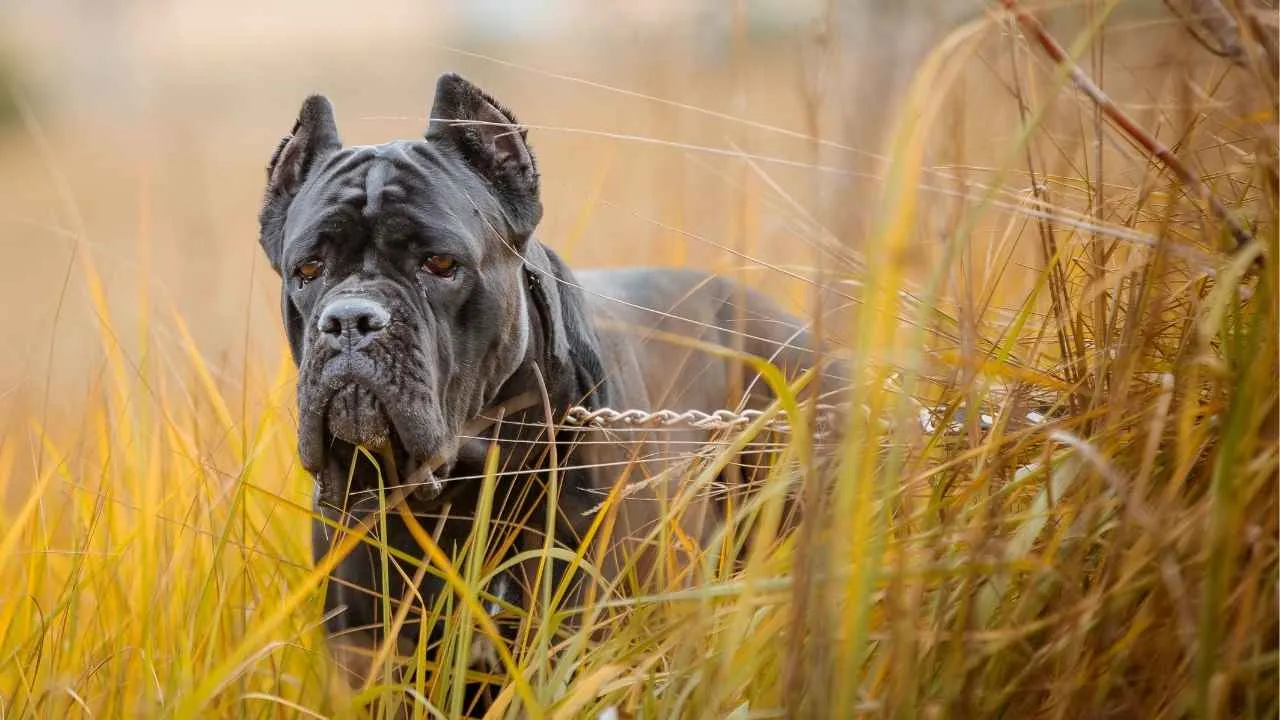
The Cane Corso, whose name translates from Latin as “bodyguard dog,” is a powerful and muscular breed with roots tracing back to ancient Rome, according to Royal Canin.
Originally bred for guarding, hunting, and even war, this Italian mastiff commands respect with its large head, rippling muscles, and alert expression. Their short, stiff coat adds to their imposing appearance.
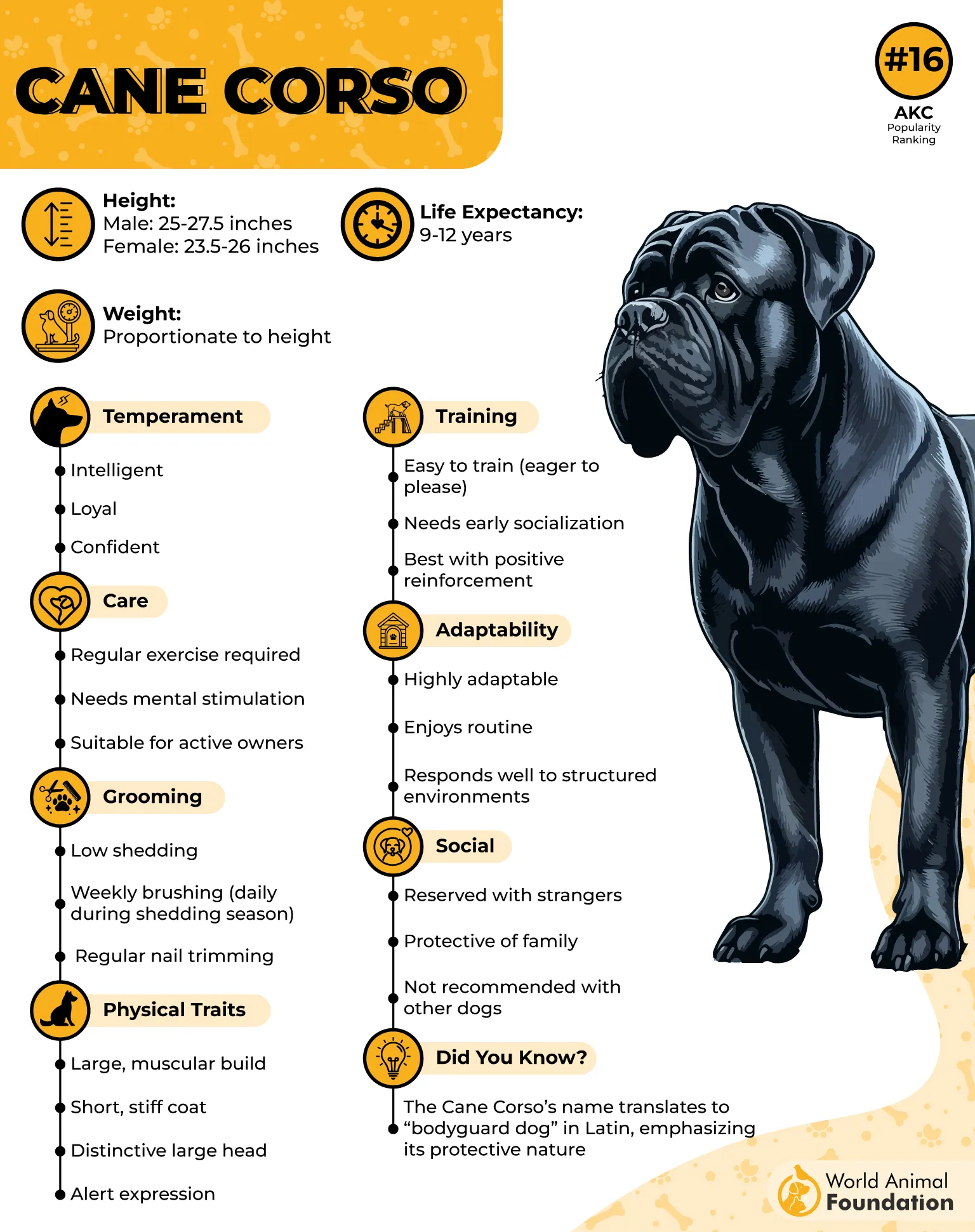
Why Are Cane Corsos Exceptional Protectors?
Assertive, confident, and intensely loyal to their family members.
An imposing presence acts as a natural deterrent to intruders.
Versatile dogs, eager to please but tough to handle for inexperienced owners.
Low-maintenance coat needing bathing only every six weeks or when dirty.
Cane Corsos are energetic and heavy-set, requiring early training and socialization to manage their natural assertiveness and potential aggression.
Without firm leadership, they may attempt to dominate their owners. Though they can be aggressive with strangers, they are affectionate and devoted within the family circle.
Known for their noble bearing and intelligence, Cane Corsos are unmatched protectors but best suited for owners experienced in handling strong-willed guard dogs.
8. Great Dane
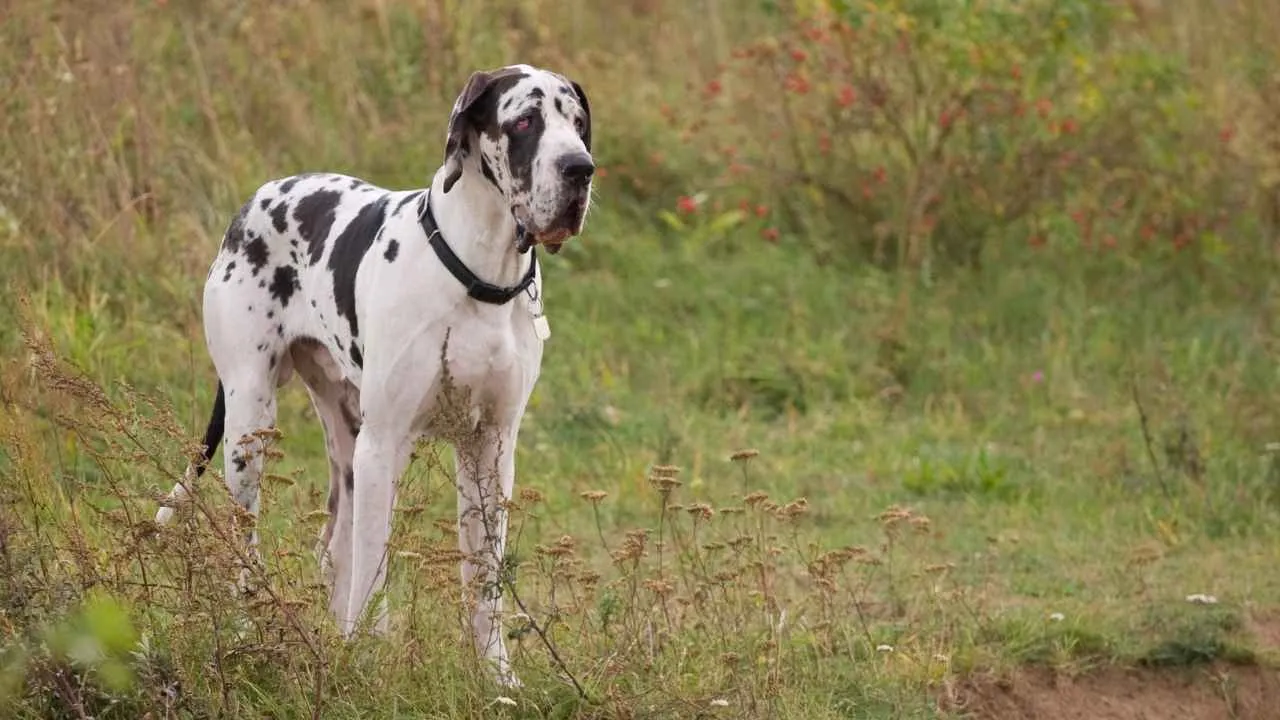
Great Danes are known for their impressive size and commanding bark, making them natural watchdogs. Unlike the clumsy cartoon Scooby-Doo, these dogs move with surprising grace despite their height.
Their deep, loud bark combined with their large stature helps deter intruders, even if they’re more likely to cuddle than confront.
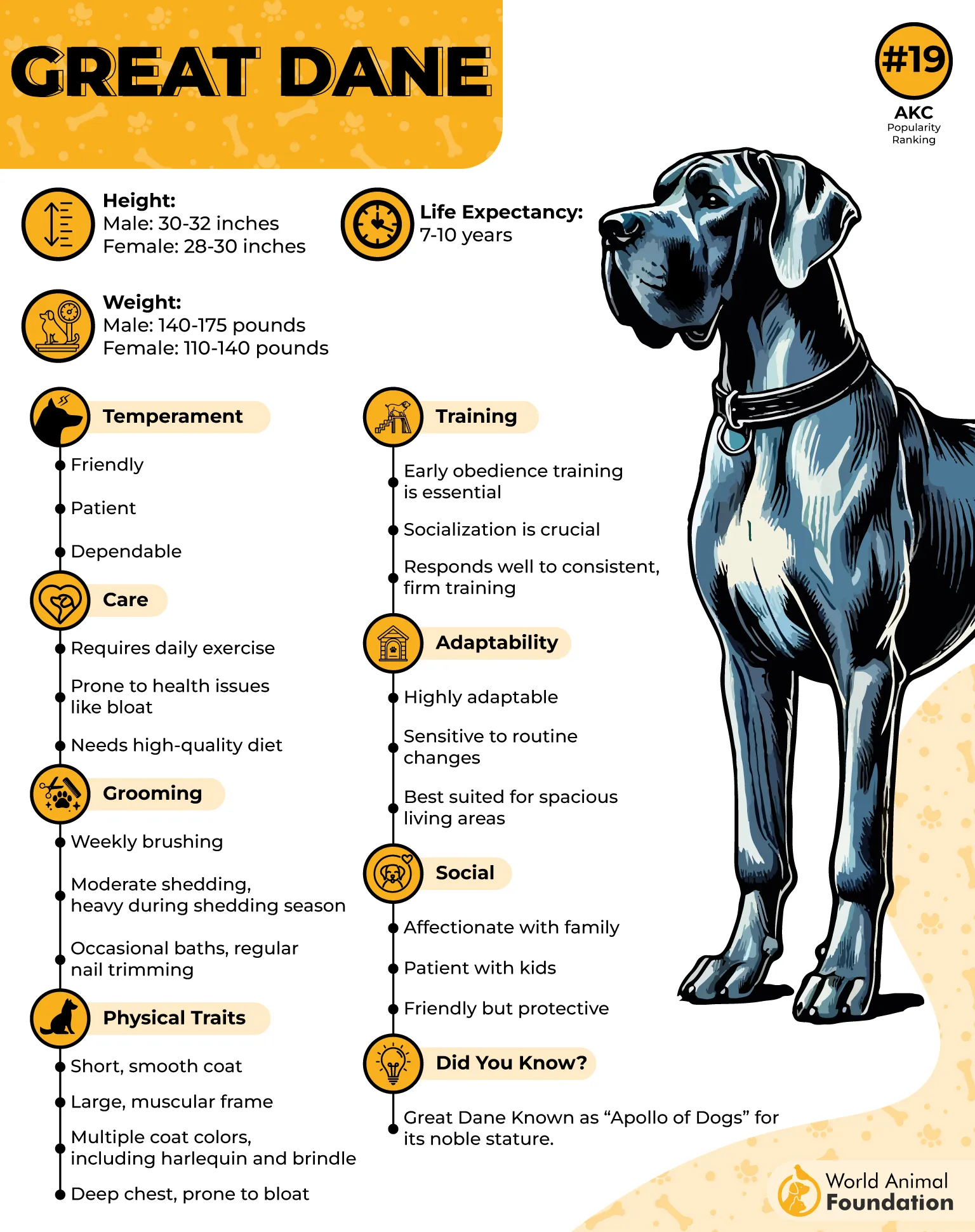
Why Great Danes Make Good Guard Dogs?
Imposing size and a powerful bark create a strong deterrent.
Generally gentle and affectionate with family, especially kids.
Low-maintenance short coat that needs minimal grooming.
Alert and quick to notice changes in their environment
Pet Health Club mentions that Great Danes are often called “gentle giants” because of their calm, sweet nature. While many don’t have strong protective instincts, some lines have been bred to retain those guarding traits.
If you want a Great Dane for protection, it’s important to find breeders focused on this aspect and to invest time in early socialization. This helps them learn what is and isn’t a threat, preventing unnecessary aggression or fear.
Although they aren’t suited for apartment living due to their size and need for space, they don’t require a huge home—just enough room to comfortably move around.
Their exercise needs are moderate, but they need careful attention to avoid injury due to their large frame. Training from a young age is key to raising a well-behaved and balanced dog.
9. Greyhound
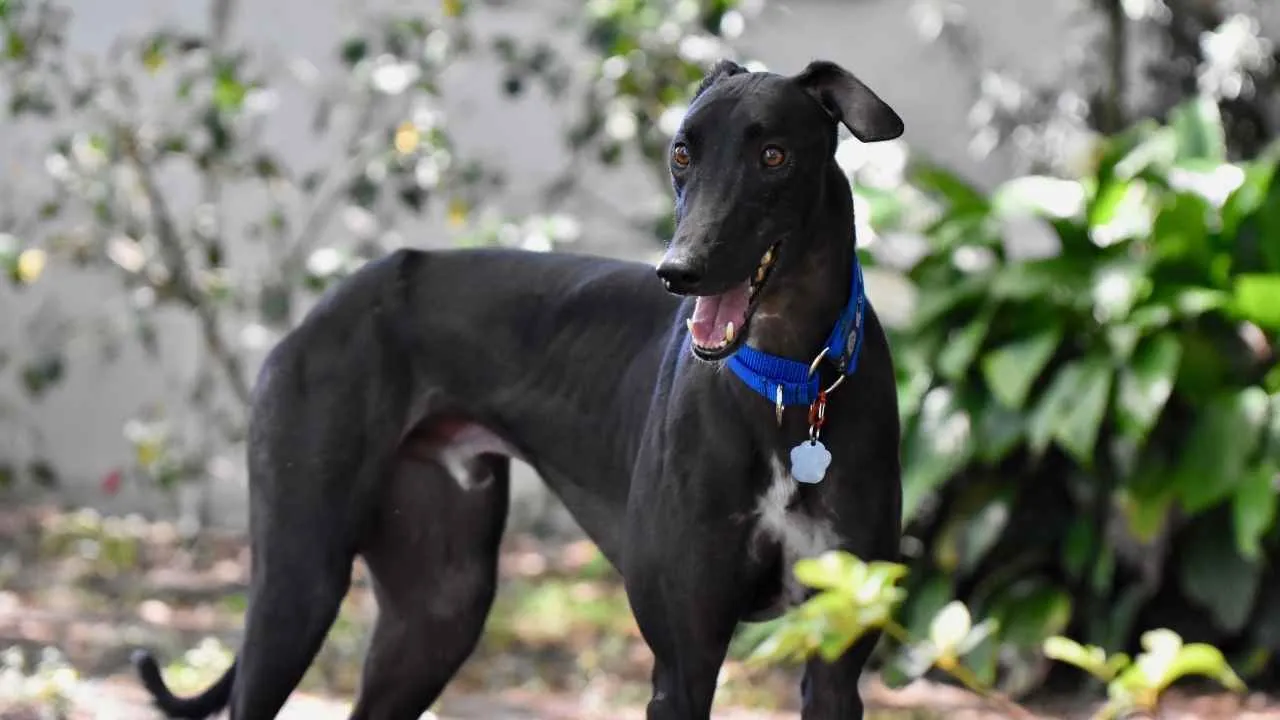
You wouldn’t expect the fastest dog in the world to be such a laid-back companion, but Greyhounds perfectly blend athleticism with a calm, easygoing nature.
Known as gentle giants, they’re often more interested in lounging on the couch than running endless miles—making them surprisingly low-maintenance for a large breed.
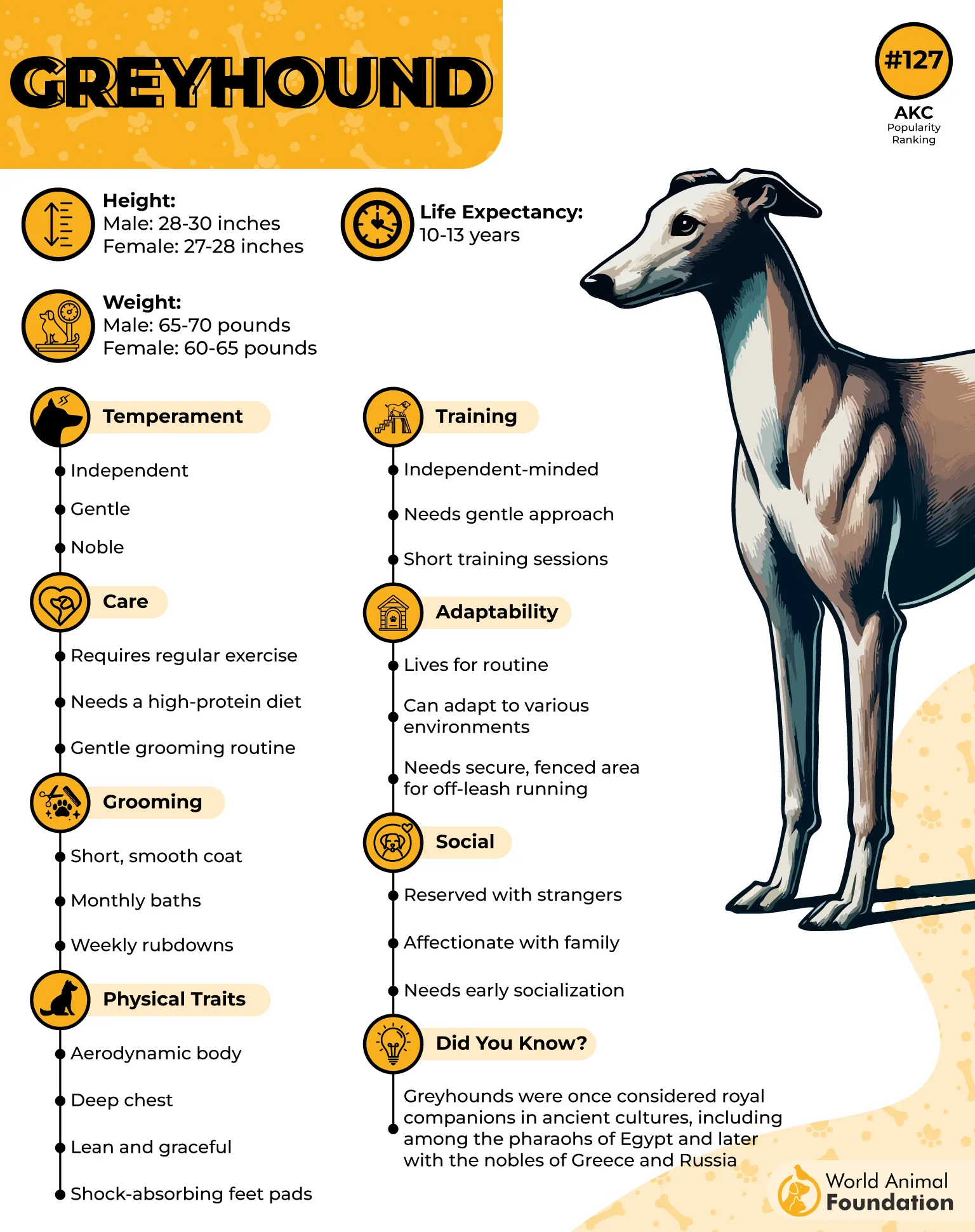
Why Greyhounds Work for You?
Calm, quiet, and affectionate with family.
Minimal grooming with a short, easy-to-care-for coat.
Moderate exercise needs—short bursts of running are enough.
Gentle temperament, ideal for first-time dog owners.
Though bred for speed and sight hunting, Greyhounds are content with daily short sprints rather than long walks.
They have a strong prey drive, so they aren’t suitable for homes with cats or small animals unless carefully supervised. Socialization and secure spaces for off-leash play can help manage this instinct.
Overall, Greyhounds are noble, sweet-tempered dogs who combine elegance with a laid-back personality. They make wonderful companions for families ready to offer a calm, loving environment with moderate exercise.
Conclusion
Finding a dog that balances strong protective instincts with low-maintenance care is possible—even for apartment dwellers or busy households.
From gentle giants to agile guardians, many breeds can offer both security and companionship without overwhelming your lifestyle. Remember, the right dog thrives not just on instinct but on love, training, and a home that fits their needs.
If you’re considering adding a protective yet manageable dog to your family, take time to research and meet different breeds to see which personality and energy level suits you best.
Every dog has its unique charm and loyalty waiting to shine. When you find the right match, you’re not just gaining a protector—you’re welcoming a devoted friend for life.
Looking for more great guard dogs? You can also check out the Doberman Pinscher, German Shepherd, Giant Schnauzer, and Boxer.
