





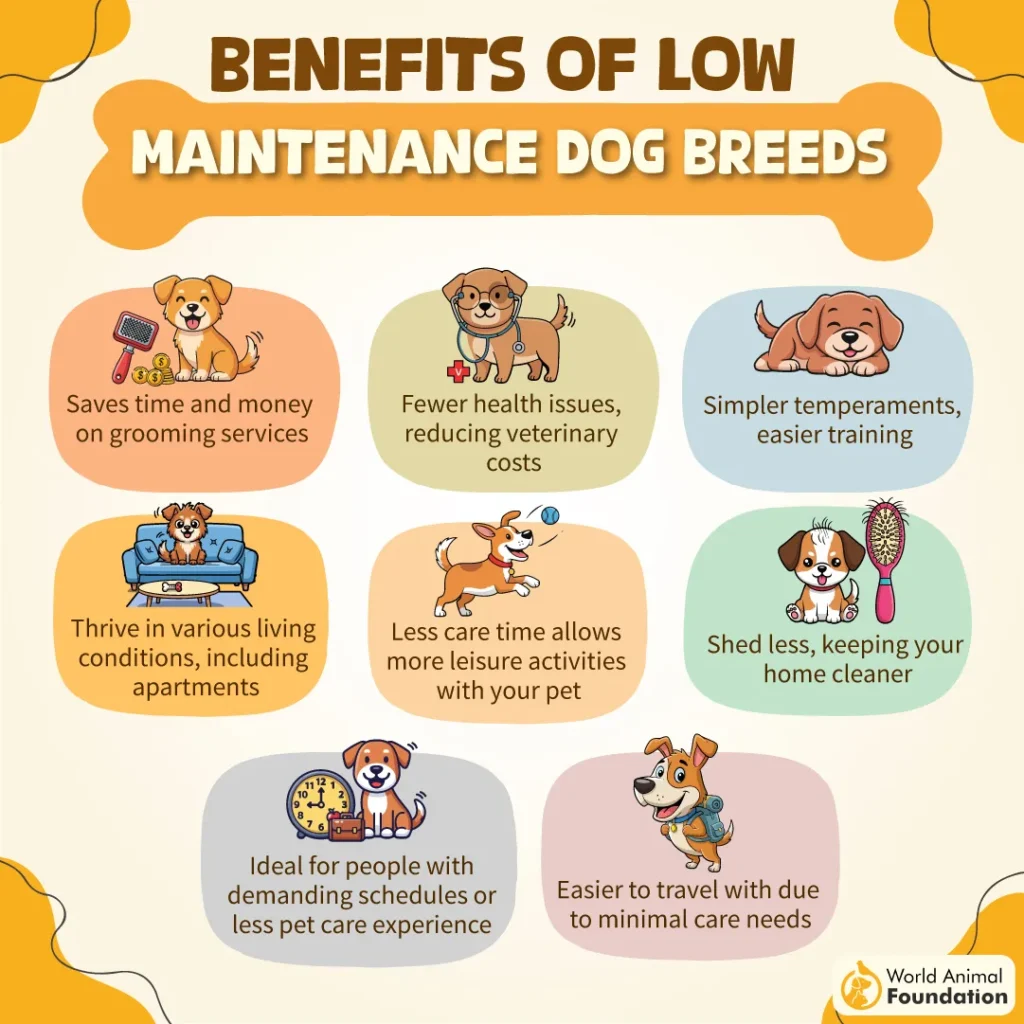
Want a dog that brings plenty of love without taking over your daily routine? Some dogs are easier to care for, making them a great fit for busy owners who still want a loyal companion at home.
Of course, low-maintenance doesn’t mean no-maintenance. Every dog needs proper food, grooming, exercise, training, attention, and regular veterinary care. The difference is that some simply have fewer demands when it comes to their everyday care.
So, what makes a dog easier to manage? Lower exercise needs, simpler grooming, and an easygoing personality can all help. Let’s look at the low-maintenance dog breeds that can thrive with less care.
Key Takeaways
Meet Pug, Beagle, and Dachshund and see what makes them easier to care for.
Discover why Rat Terriers and Miniature Pinschers still need plenty of activity.
See how Italian Greyhounds and Cavalier King Charles Spaniels fit into everyday life.
Compare grooming, exercise, training, and care needs before choosing your companion.
Low-Maintenance Dog Breeds That Thrive With Less Care
1. Pug
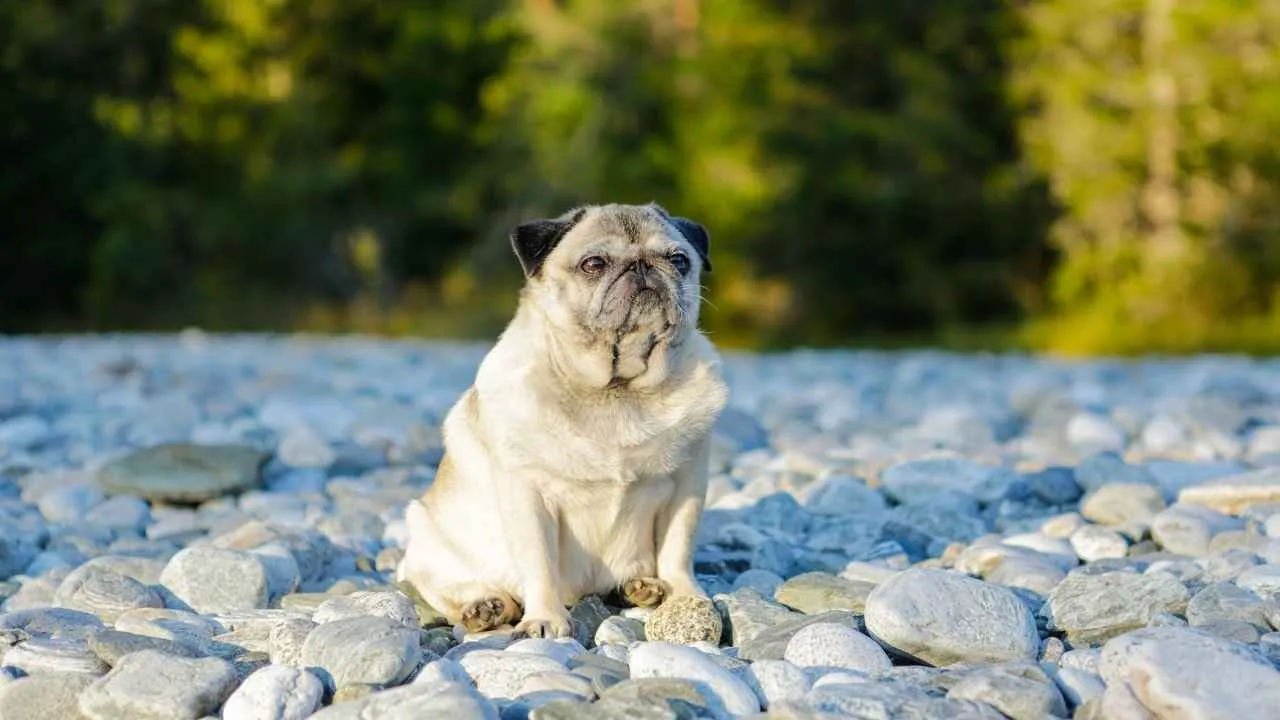
Pugs are affectionate companion dogs with playful personalities and a charming, wrinkled face. Their short, smooth coat is fairly easy to care for, although they can shed.
A quick daily grooming can help manage the coat. Their facial wrinkles also need regular cleaning and drying to keep them in good condition.
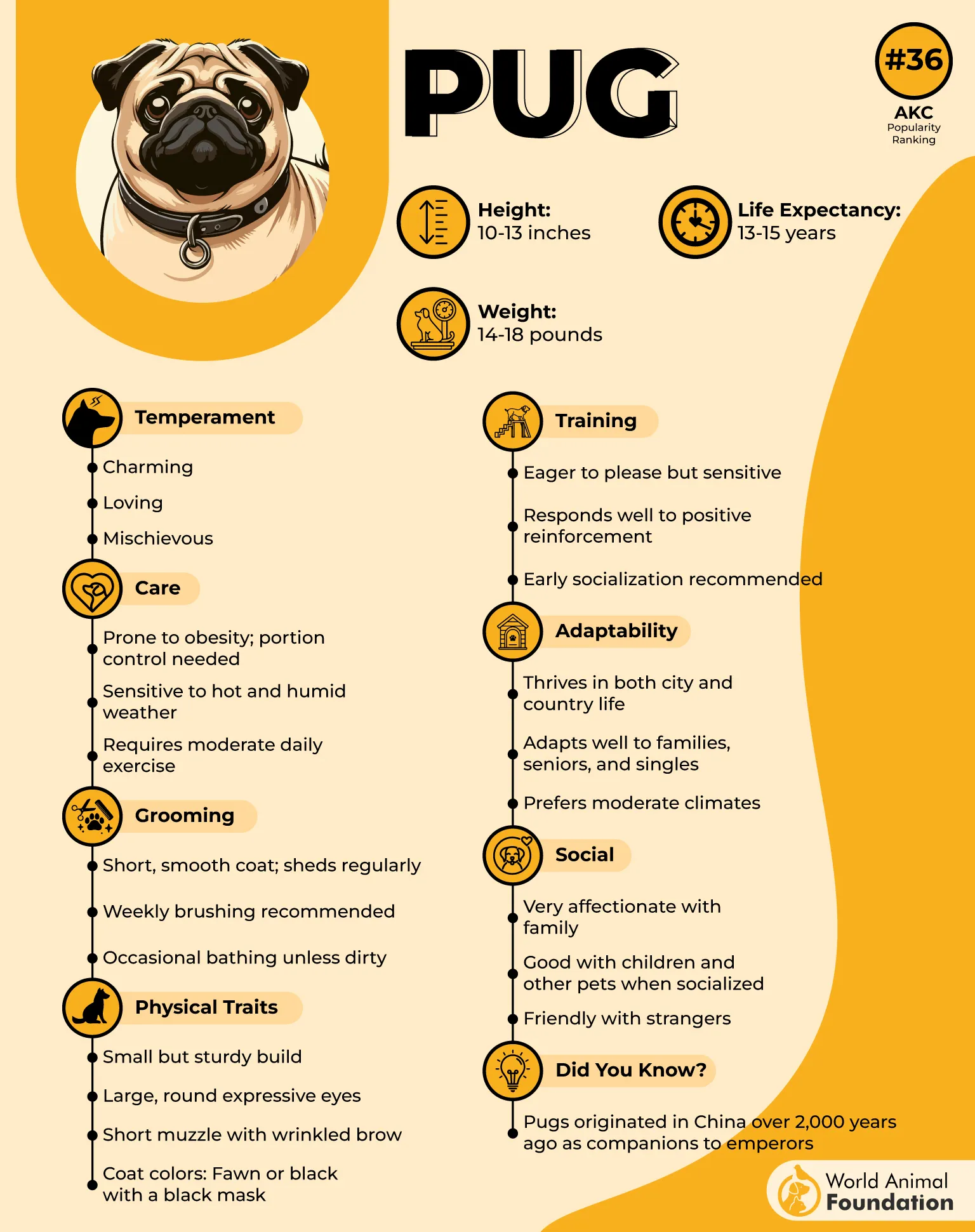
Personality and Care
Pugs are generally laid-back and do not usually bark, dig, or chew excessively, as Hill’s Pet notes. They love being around people and enjoy joining in family activities.
They tend to get along well with children and other pets and are usually easy to train, though they can be stubborn at times. Their moderate exercise needs can be met with daily activity and gentle play.
What to Keep in Mind
Pugs can be easy to keep, but they still need some extra care. They have a strong tendency to gain weight, so their diet and exercise should be monitored. Their short muzzles can make cooling down difficult, especially in hot and humid weather.
Their prominent eyes are also easily injured. Pugs may snore and can develop breathing problems related to their short muzzles, so keeping them comfortable and well cared for is important.
2. Rat Terrier
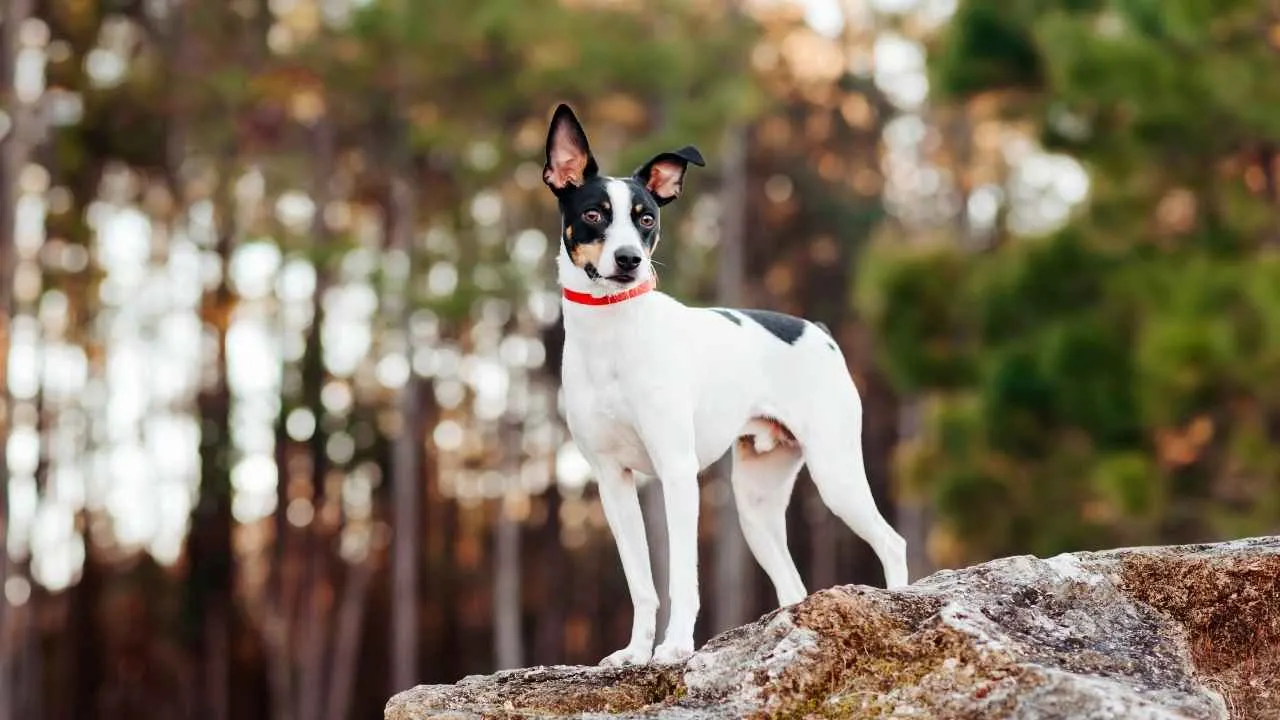
Rat Terriers are lively, intelligent dogs with a loyal and affectionate side. They were originally bred to hunt rats and other pests on American farms, which explains their strong prey drive and love of activity.
Their short, smooth coat makes grooming quite simple, so they can be considered low-maintenance in that area.
Personality and Exercise
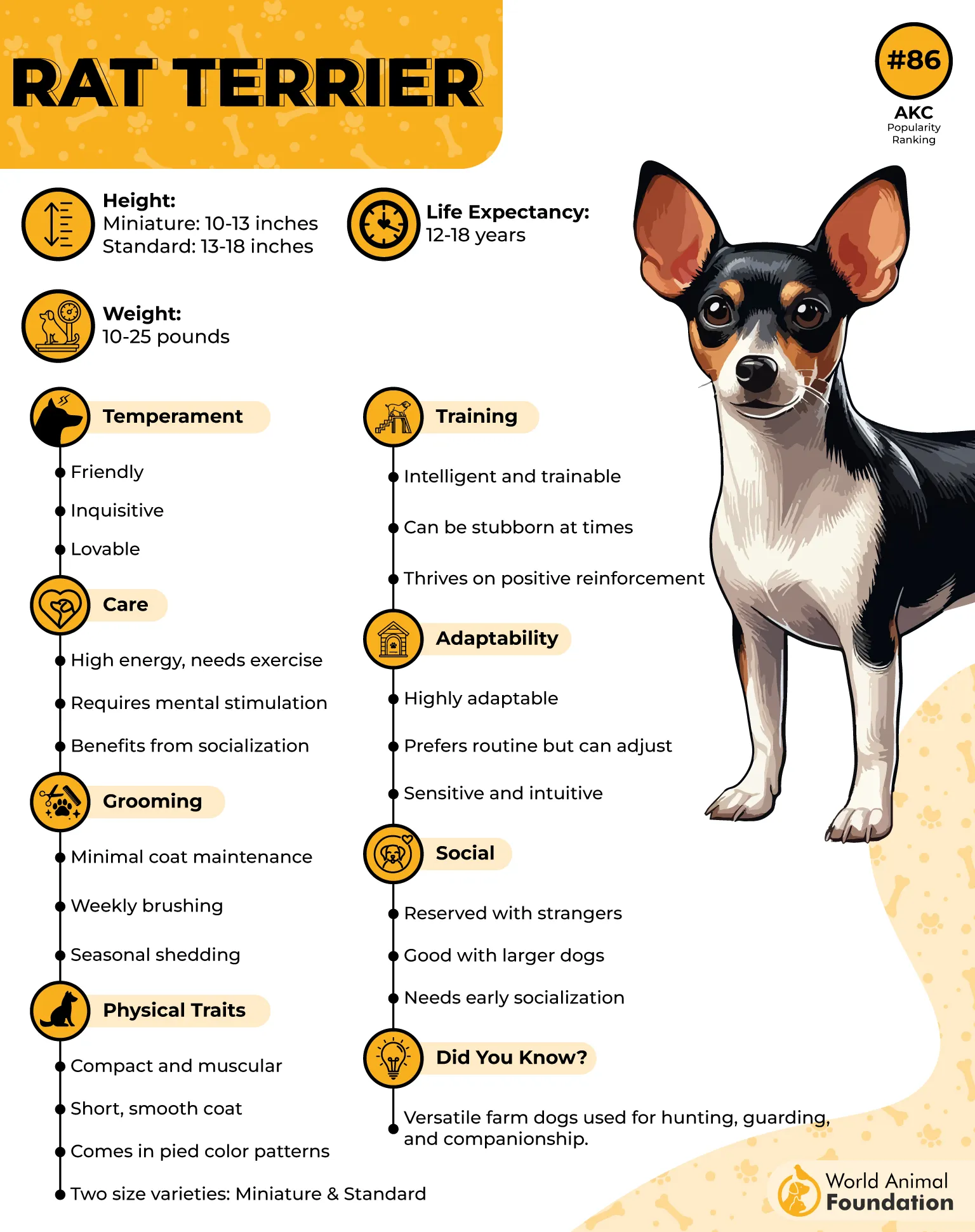
These curious dogs love being involved with their families and can become bored if they lack enough activity. They need regular exercise, along with games and mental stimulation to stay engaged.
Rat Terriers are smart but can be stubborn, so training works best with patience, clear boundaries, games, and positive reinforcement. Early socialization is also important because of their hunting instincts.
Grooming and Care
Their short, dense coat needs only a quick weekly brushing to remove loose hair and debris. They shed mildly throughout the year, with heavier shedding in spring and fall. Baths are usually needed only when necessary.
Regular nail trims and dental care are also important. With their energy, prey drive, and need for attention, Rat Terriers are low-maintenance for grooming but require more commitment when it comes to exercise and training.
3. Miniature Pinscher
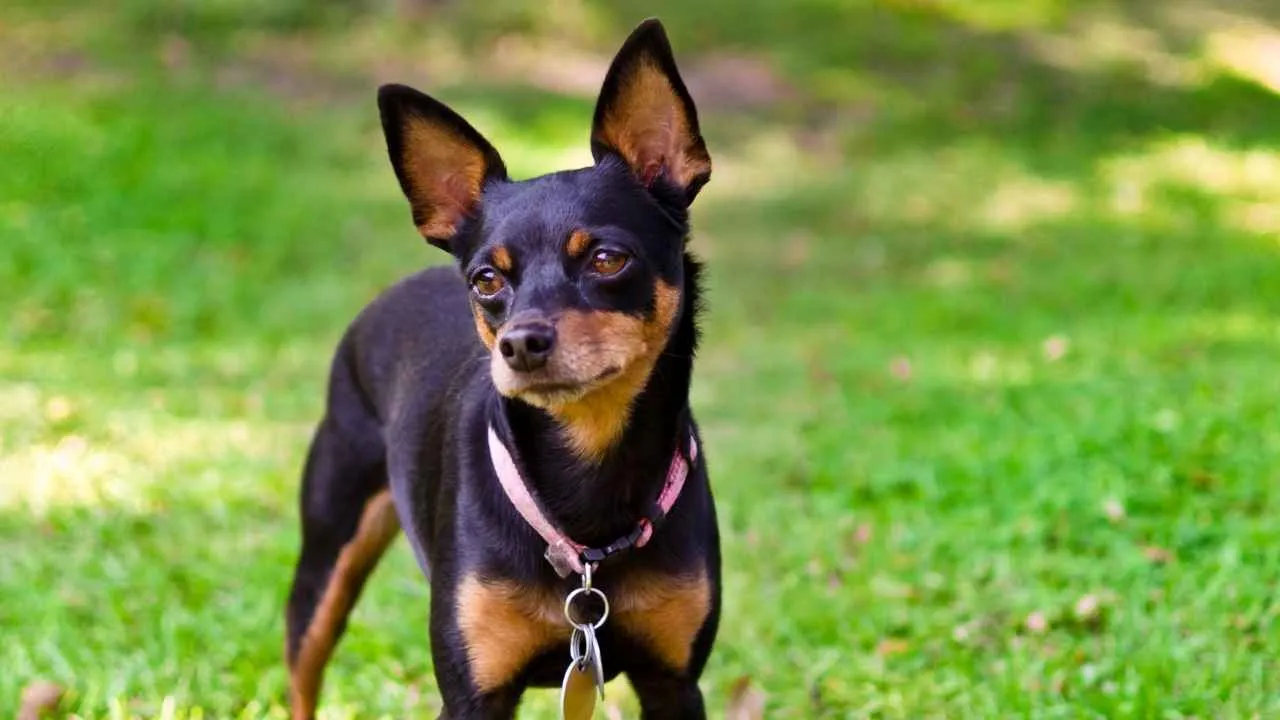
Miniature Pinschers are bold, energetic dogs with a confident personality packed into a small body. Originally bred in Germany to hunt rats, they are alert, playful, intelligent, and very loyal to their families.
Their short, smooth coat is also easy to maintain, making grooming one of the simpler parts of caring for this breed.
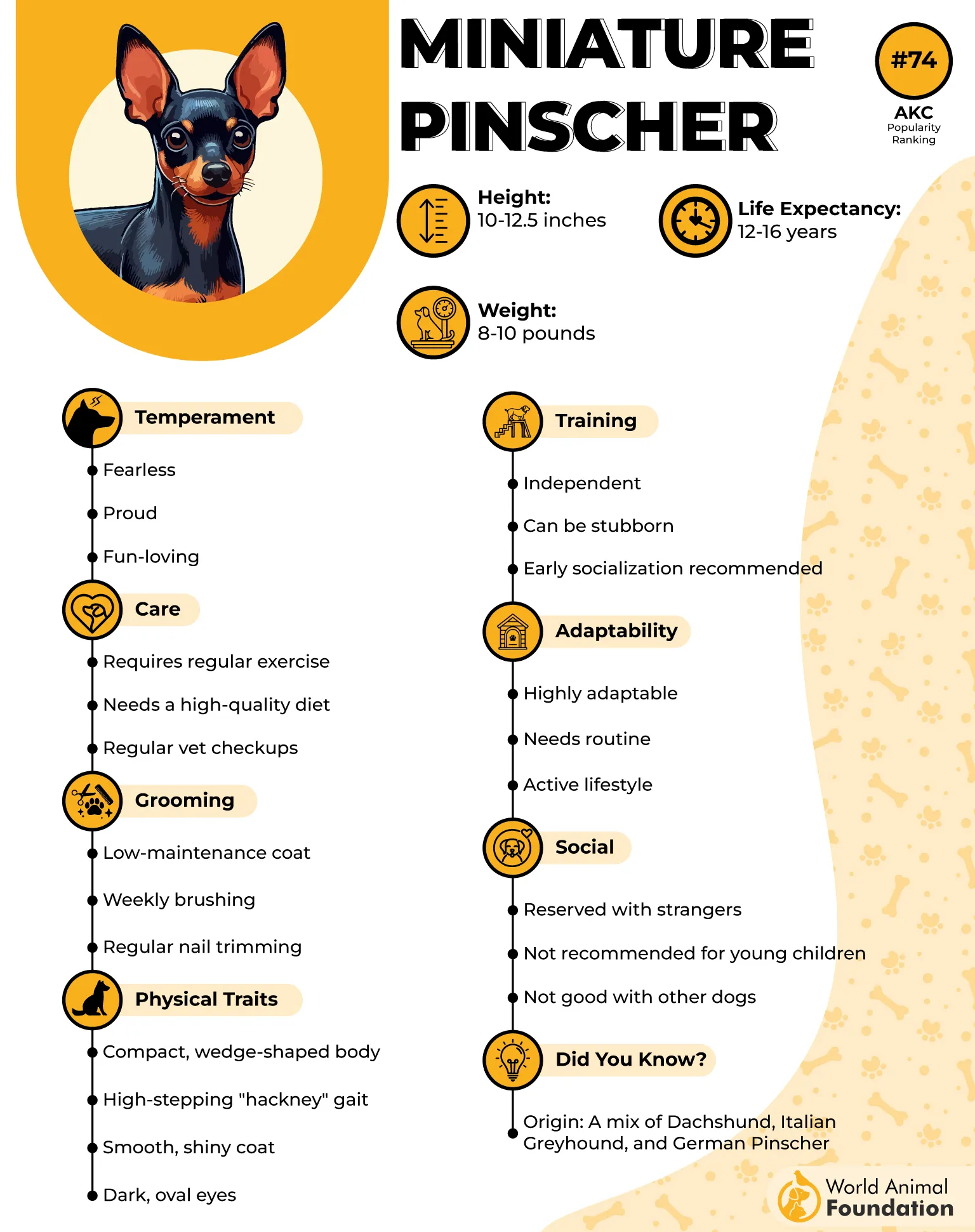
Personality and Exercise
Min Pins are highly active and need regular exercise and mental stimulation to stay happy and well-behaved. Daily walks, playtime, fetch, puzzles, and activities such as agility can keep their busy minds engaged.
They are smart but independent and can be stubborn, so consistent training with patience and rewards is important. They can also be vocal and may become destructive or try to escape when bored.
Grooming and Care
Their short, shiny coat requires only occasional brushing, with weekly brushing recommended to keep it clean and healthy.
Shedding is minimal, and bathing is generally simple. Regular nail trims, teeth brushing, and ear cleaning should also be part of their routine.
While their grooming needs are low, Min Pins need attentive supervision because their curiosity and fearless nature can sometimes get them into trouble.
4. Italian Greyhound
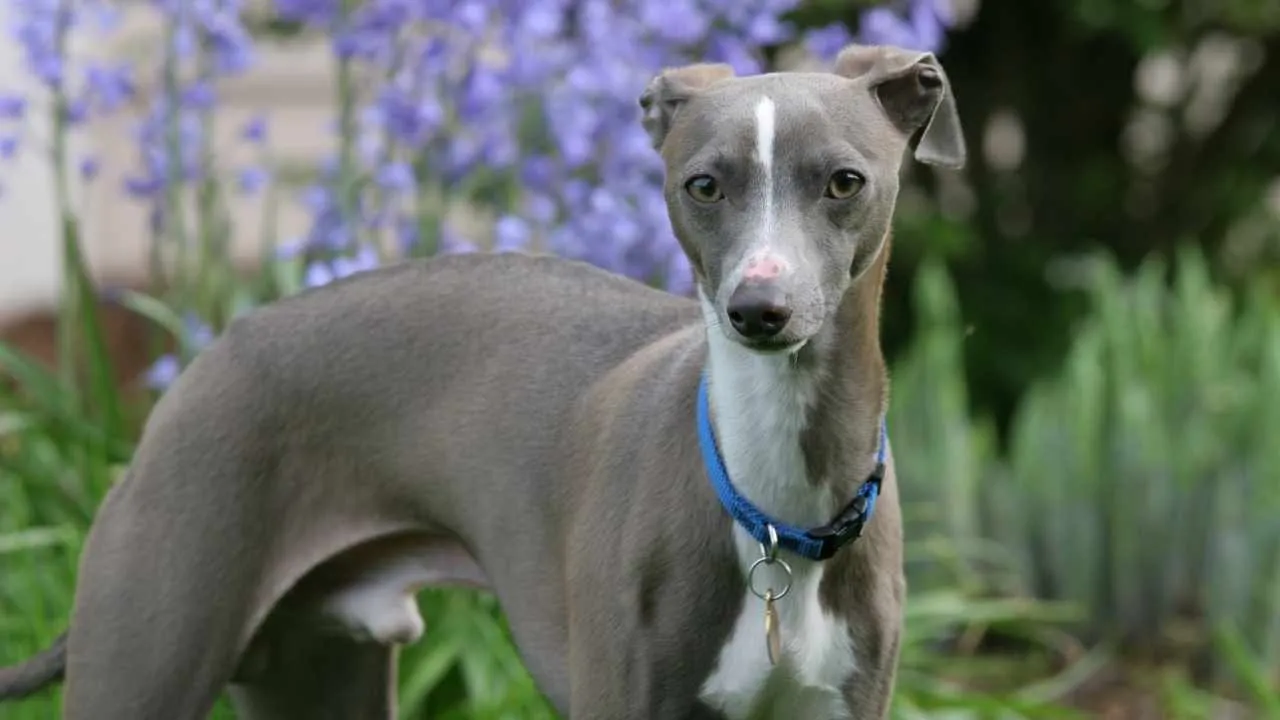
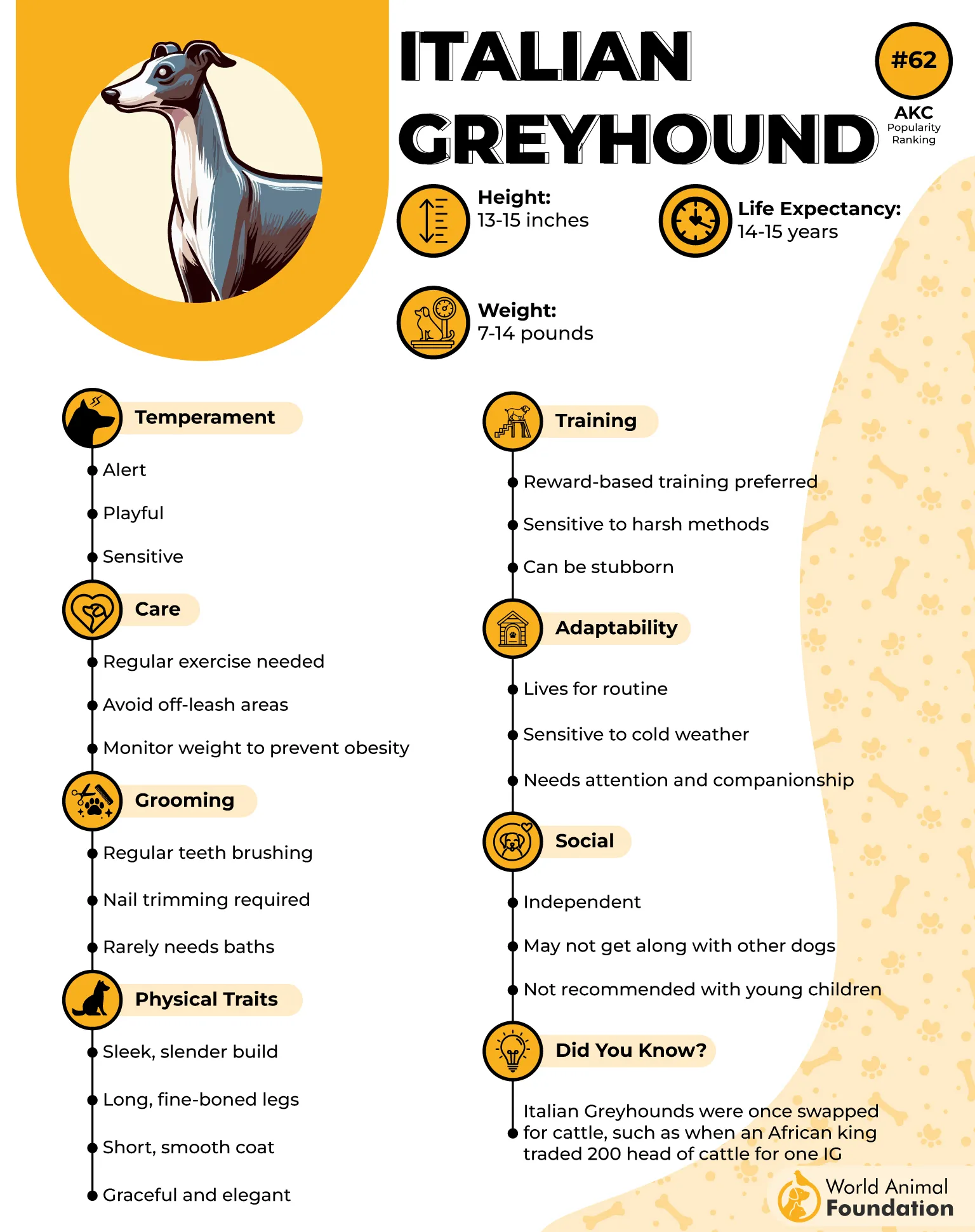
Italian Greyhounds are gentle, affectionate companions with a playful side and a love for cozy indoor time.
These elegant sighthounds have been around for more than 2,000 years and were bred as companions and small-game hunters. Their short, smooth coat is easy to care for, making grooming one of their simplest needs.
Personality and Exercise
Italian Greyhounds have moderate energy needs that can usually be met with daily walks and playtime. They enjoy staying close to their people and can become shy or hyper when they do not get enough attention.
Their sensitive nature means training should rely on patience, consistency, treats, and positive reinforcement. They also have a prey drive, so outdoor time should be on a leash or in a secure area.
Grooming and Care
Grooming is minimal thanks to their short, fine coat. Weekly brushing can remove loose hair, while occasional baths and regular nail trims help keep them clean and comfortable.
Their ears should also be checked and cleaned routinely, and daily tooth brushing is recommended because they can be prone to dental problems. Italian Greyhounds are sensitive to cold, so they may need sweaters or coats in chilly weather.
5. Cavalier King Charles Spaniel
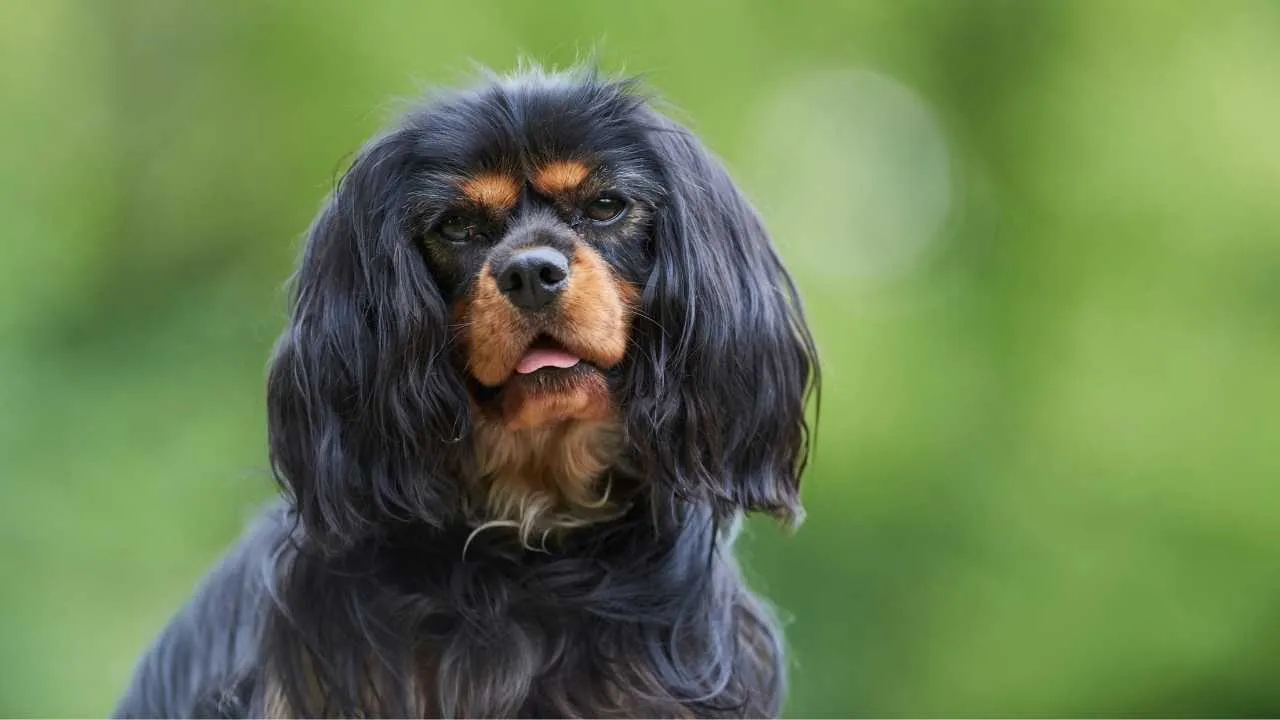
Cavalier King Charles Spaniels are affectionate, gentle companions known for their sweet nature and love of human company.
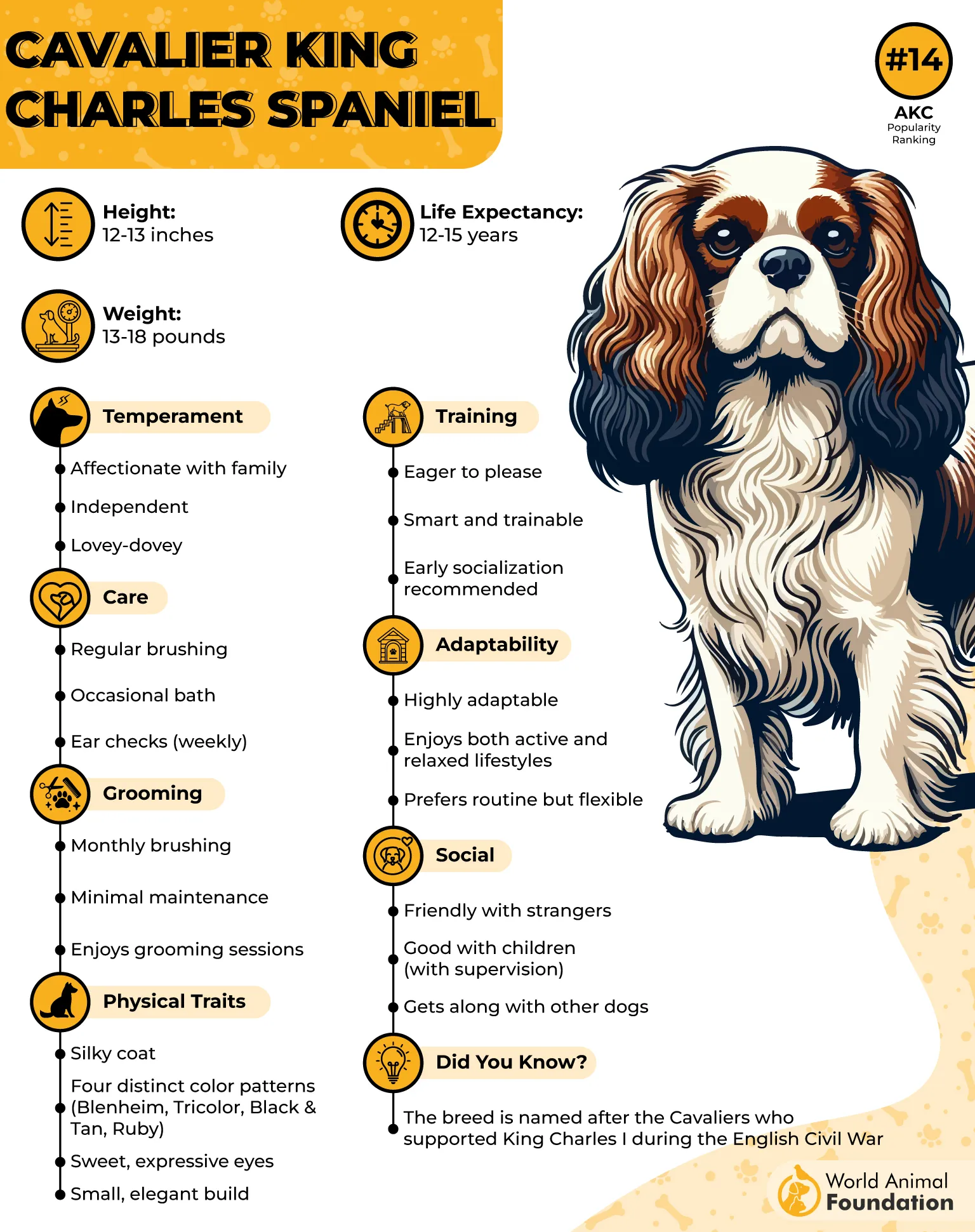
Bred as lap dogs, they are playful, friendly, and generally easy to train. Their moderate exercise needs also make them fairly easy to fit into different homes.
Personality and Exercise
Cavaliers are friendly with children, other dogs, and other pets when properly socialized. They enjoy daily walks, playtime, and outdoor activities but are also happy to relax with their families afterward.
They are eager to please and respond well to short, fun training sessions using positive reinforcement. Because they thrive on companionship, they should not be left alone for long periods.
Grooming and Care
Their medium-length, silky coat needs regular brushing, with thorough weekly brushing helping keep it clean and lustrous. Occasional bathing and professional trimming can also be done as needed.
Routine ear and eye checks are important, while their coat may need extra cleaning around areas that become soiled. Cavaliers are generally easy to keep, but their inherited health concerns make regular veterinary care an important part of their upkeep.
6. Beagle
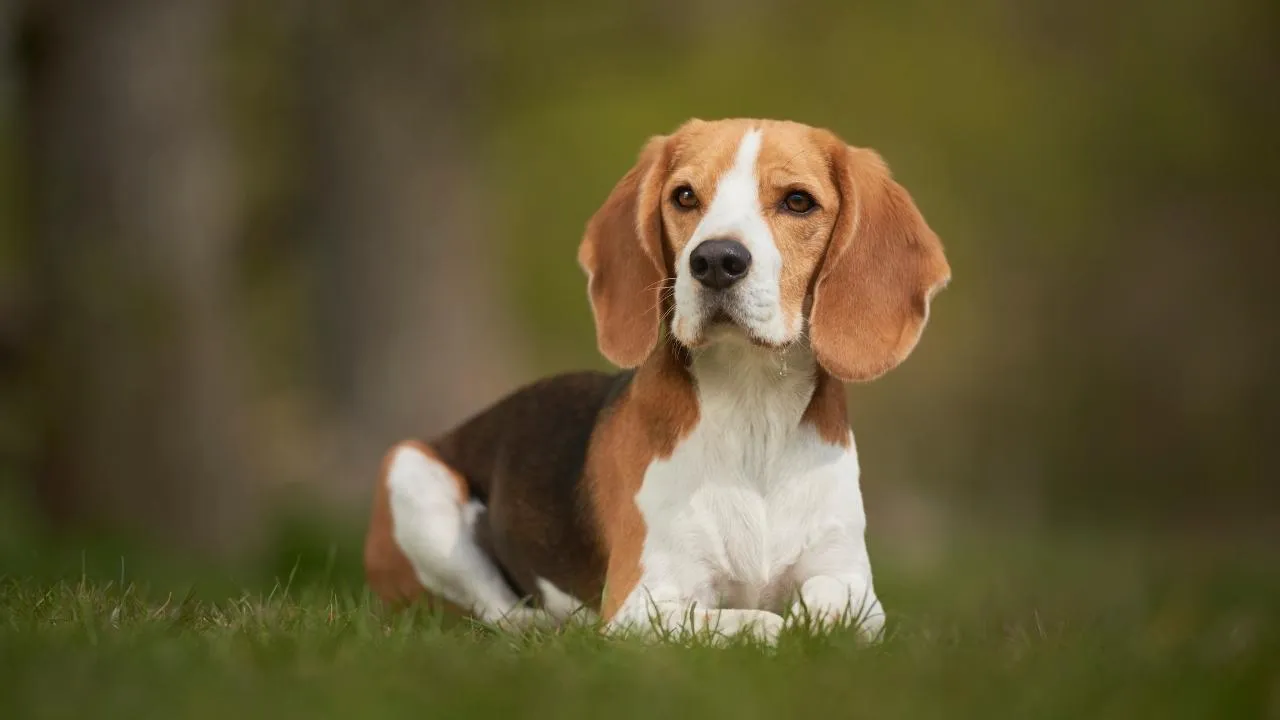
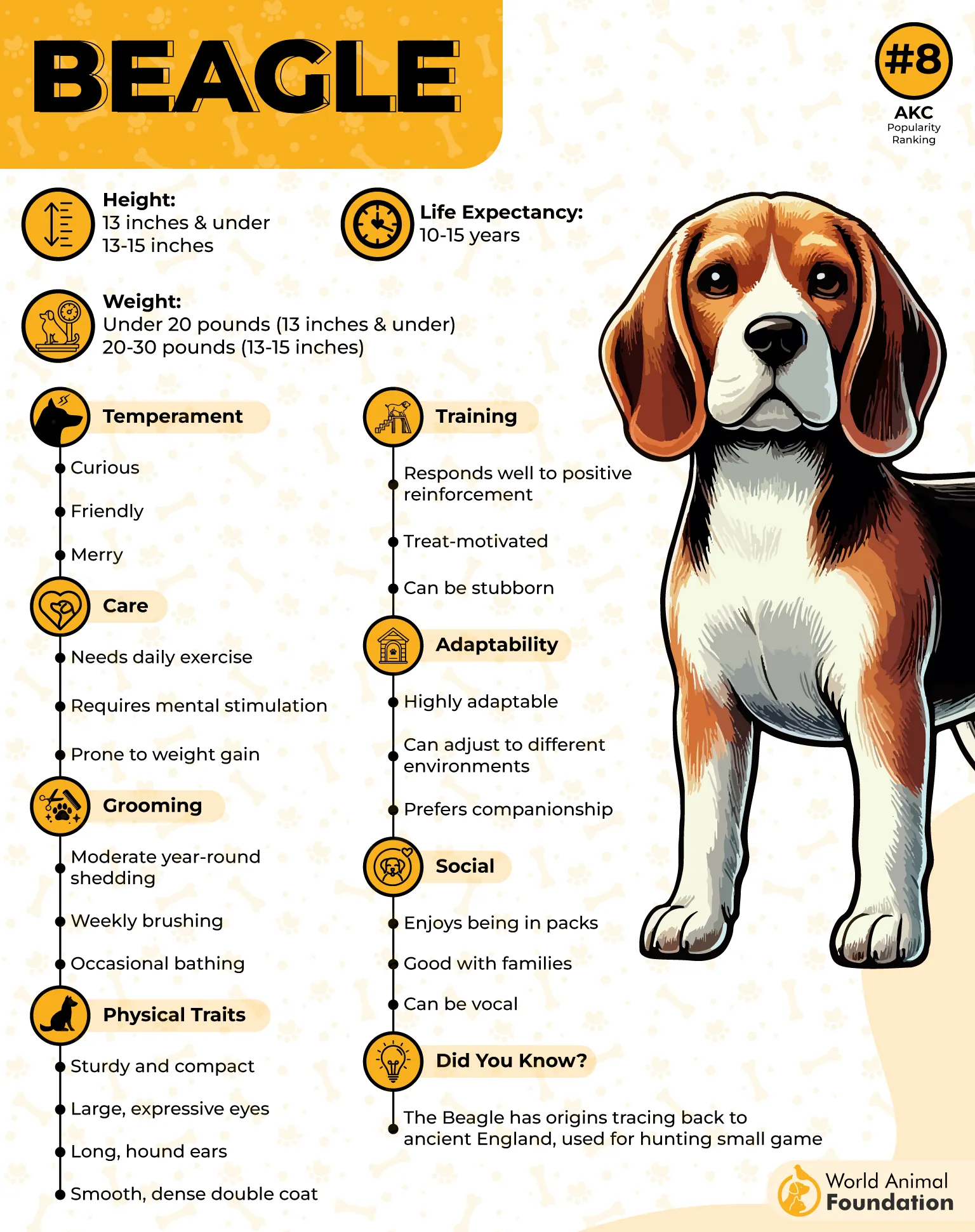
Beagles are cheerful, curious hounds with a friendly nature and a strong love for adventure. Their short coat is easy to groom, making everyday coat care fairly simple.
However, their powerful nose and active personality mean they need plenty of exercise, mental stimulation, and supervision.
Personality and Exercise
Beagles are social dogs that usually get along well with children and other pets. PetMD says they need at least an hour of exercise each day and enjoy walks, running, hiking, scent work, and games that keep their nose busy.
Their strong sense of smell can lead them away from home, so they should stay on a leash or in a fenced area. Positive reinforcement works well for training, although their short attention span and focus on scents can make training challenging.
Grooming and Care
Beagles have short, dense coats that require little grooming compared with many longer-haired breeds. Weekly brushing can help manage their moderate shedding, while baths are needed every few weeks depending on their activity.
Their floppy ears need regular cleaning because they are more prone to ear infections. Daily tooth brushing and monitoring their weight are also important parts of their routine.
7. Dachshund
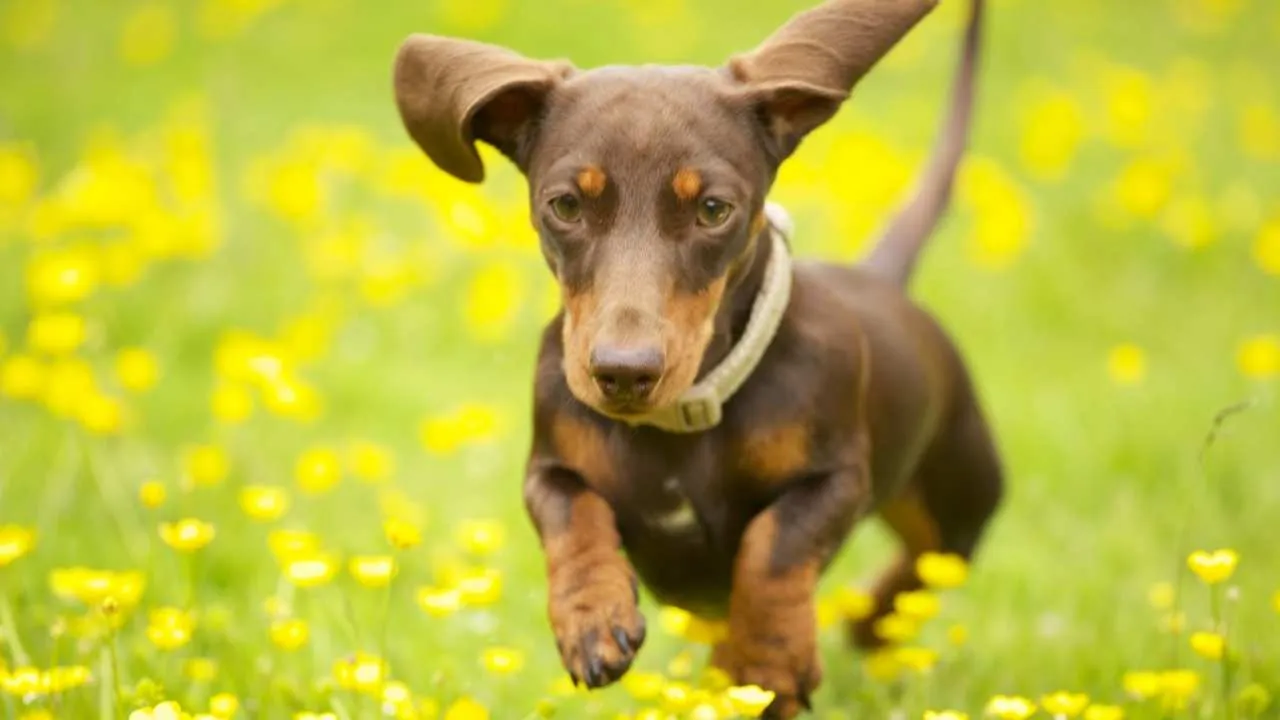
Dachshunds are lively, brave, and clever dogs with a playful nature and a strong sense of curiosity. Originally bred in Germany to hunt badgers, they are independent thinkers who enjoy having a job to do.
Personality and Exercise
Dachshunds are affectionate with their families but can be stubborn and vocal. They enjoy daily walks, playtime, scent work, and puzzle games that keep their minds busy. Their long backs need protection, so intense jumping and twisting should be avoided.
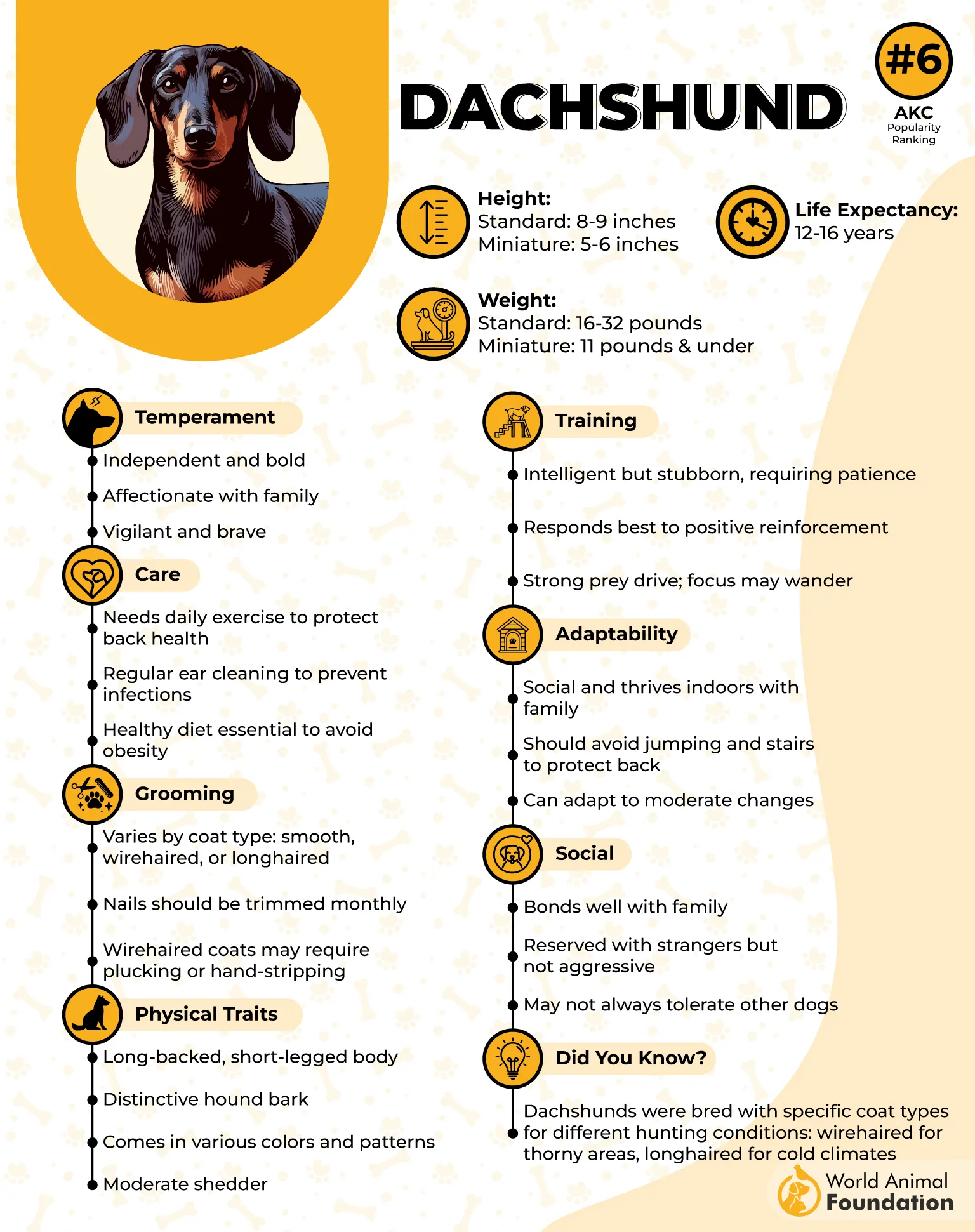
Positive reinforcement and short training sessions work best, while early socialization helps manage barking and chasing behaviors.
Grooming and Care
According to Purina, Dachshunds come in smooth, longhaired, and wirehaired varieties, and their grooming needs depend on the coat type. Smooth-coated Dachshunds require the least care and can often be wiped down to remove loose hair.
Longhaired and wirehaired varieties need more frequent brushing. All Dachshunds shed regularly, and their ears should be checked at least monthly because ear infections are common.
Conclusion
Choosing a low-maintenance dog can make life easier while still bringing plenty of companionship and personality into your home.
From the easygoing Pug to the active Beagle and clever Dachshund, each breed has different care needs, so grooming, exercise, training, and health should all be considered.
The key is finding a dog whose needs fit naturally into your daily routine. A breed may be simple to groom but still need plenty of exercise or mental stimulation.
Take time to understand those needs before bringing a dog home, and you’ll be better prepared to give your new companion a happy, healthy life.
