




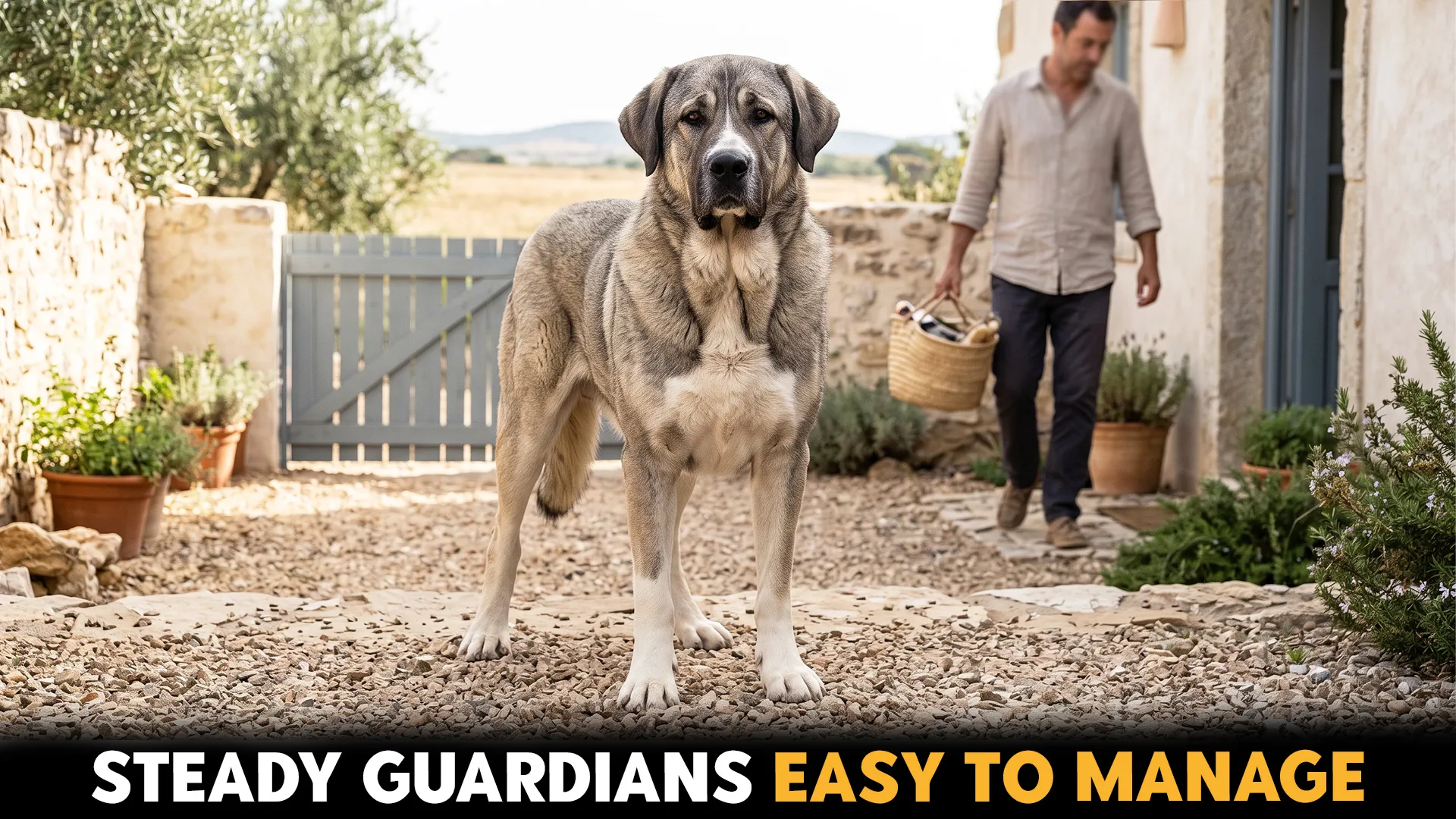
Want a dog that keeps watch without turning your home upside down?
Some breeds offer a strong sense of security with less fuss over coat care. Their size, alert eyes, or calm presence may make strangers think twice. Best of all, a good guard dog does not need to act mean or bark all day. The right breed can be both a loyal friend and a watchful companion.
Still, low maintenance does not mean no work. Every dog needs good food, daily care, exercise, and kind, clear training. Some breeds also need more space or an owner with dog-handling skills. So, think about your home, family, and daily routine before you choose.
In this guide, we’ll explore ten breeds that offer different levels of watchfulness and care. You’ll learn what makes each one stand out and how to find a dog that fits your life.
Low-Maintenance Dog Breeds That Provide Steady Protection
Here we go with the list of good guard dogs.
1. Great Dane
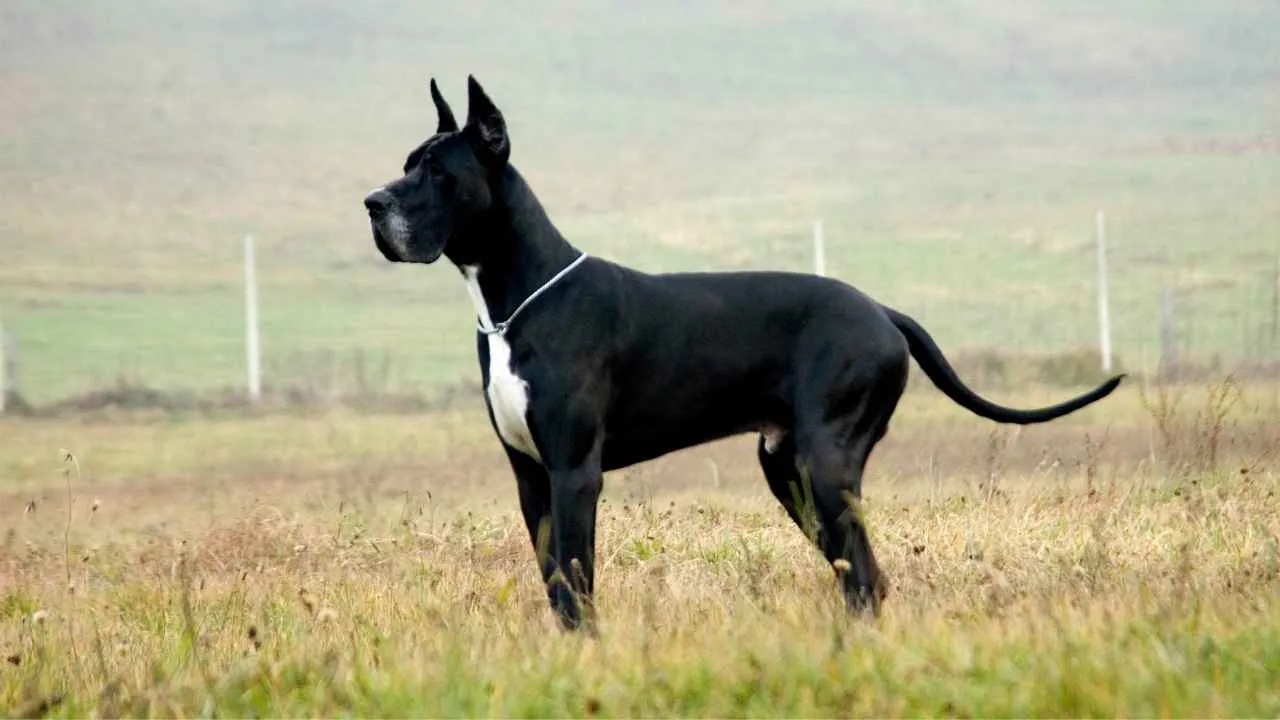
Standing beside a Great Dane can feel like meeting a horse! Despite its size, this giant has a gentle heart. According to PetMD, Great Danes were bred in Germany during the 1800s to hunt wild boar and guard estates. Their name remains a mystery, as they have no roots in Denmark.
Known as the “Apollo of dogs,” they also hold a place among the tallest dogs ever recorded. Their size alone can make strangers think twice, making them a great guard dog breed for the right home.
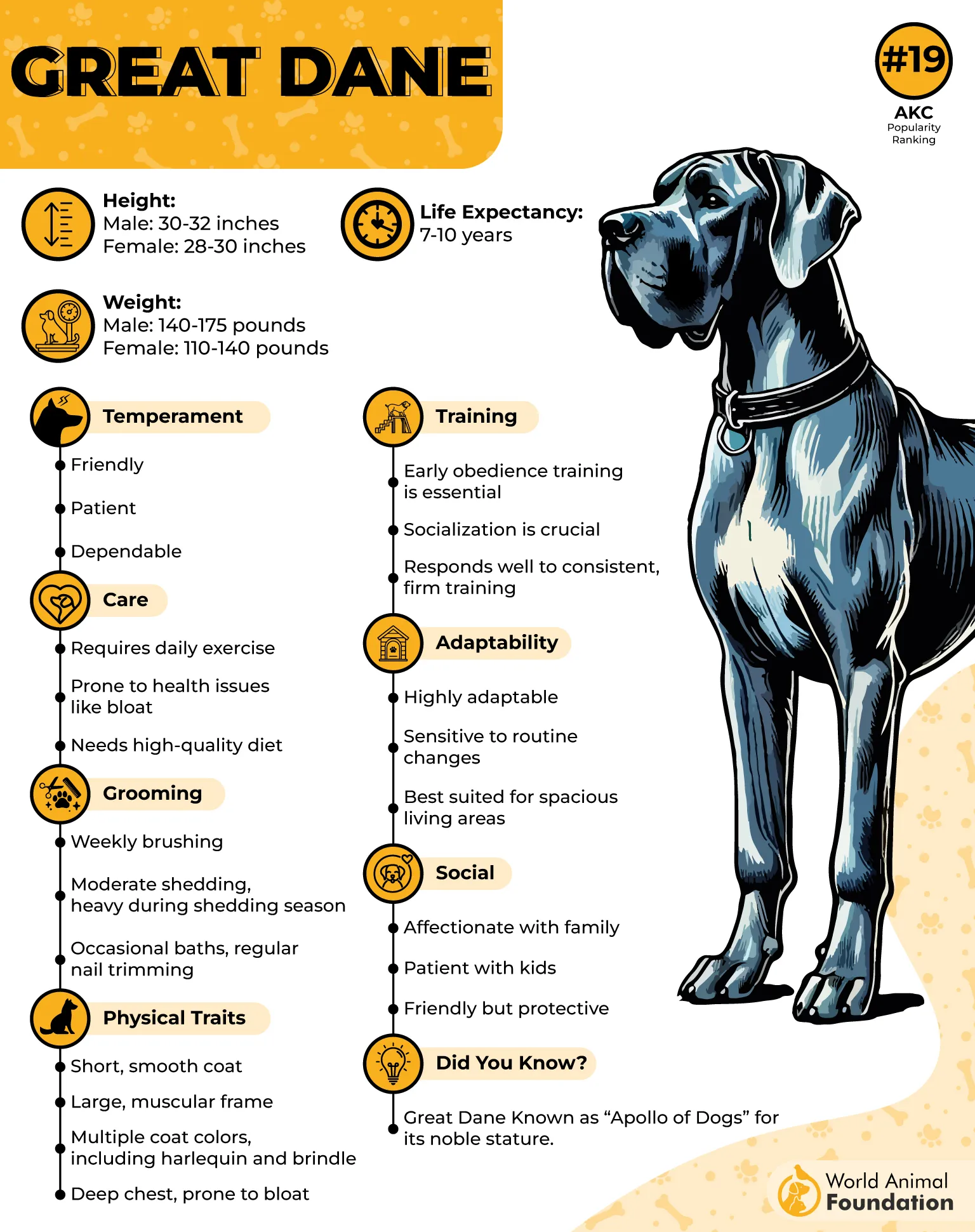
Despite their history, these dogs are loving and protective of their families. Their short coats make grooming quite low maintenance. However, regular exercise, joint care, and proper training still matter.
Teach calm greetings around guests and other animals. Their natural instinct to watch over home needs guidance, not aggression.
2. Rhodesian Ridgeback
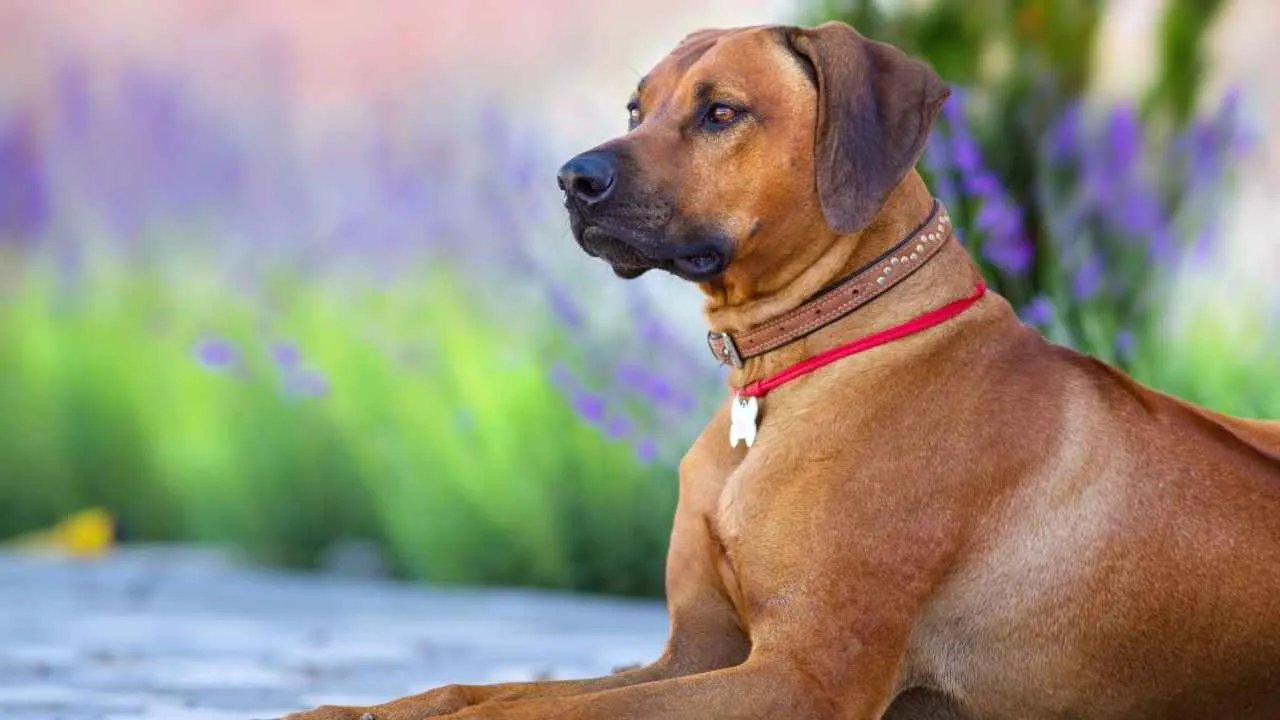
Quiet, watchful, and full of energy, the Rhodesian Ridgeback makes a loyal companion. This African breed was originally bred to help hunt large game, and its strong hunting dog instincts remain today.
According to Omlet, Ridgebacks are wary of strangers and often give warning barks only when something seems wrong. Their sharp senses help them notice changes around the home. This makes them a protective dog breed for owners who value alertness over constant noise.
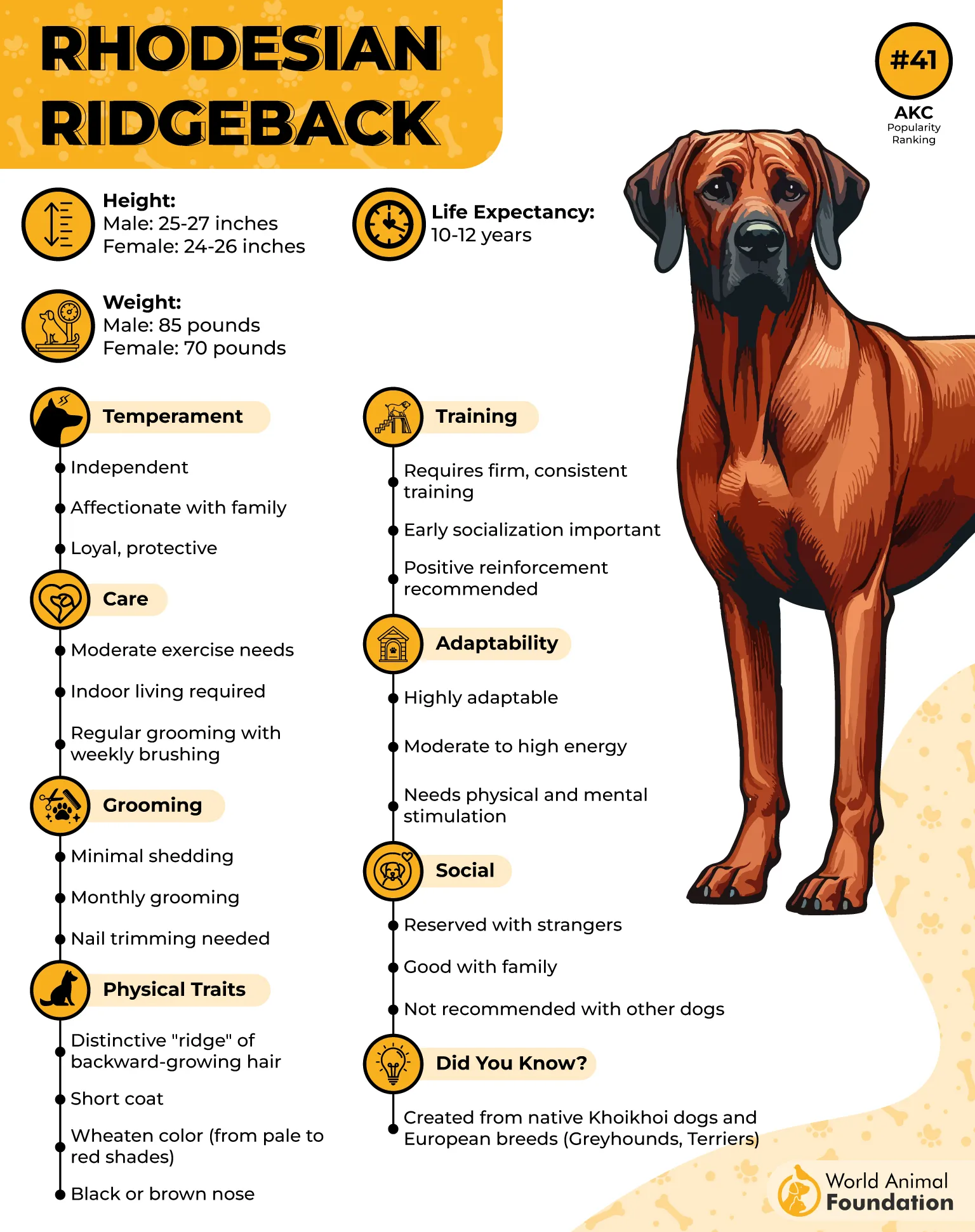
Despite their protective instinct, they can show a gentle nature with children when raised and handled well. However, their size and lively tails may overwhelm toddlers. Early socialization helps them accept visitors and other pets, though their high prey drive needs care around smaller animals.
Their short coat needs little upkeep, but their energy calls for daily activity. Proper training, secure walks, and clear boundaries can help this family guard dog thrive. They also need engaging play to prevent boredom and mischief.
3. Bergamasco Sheepdog
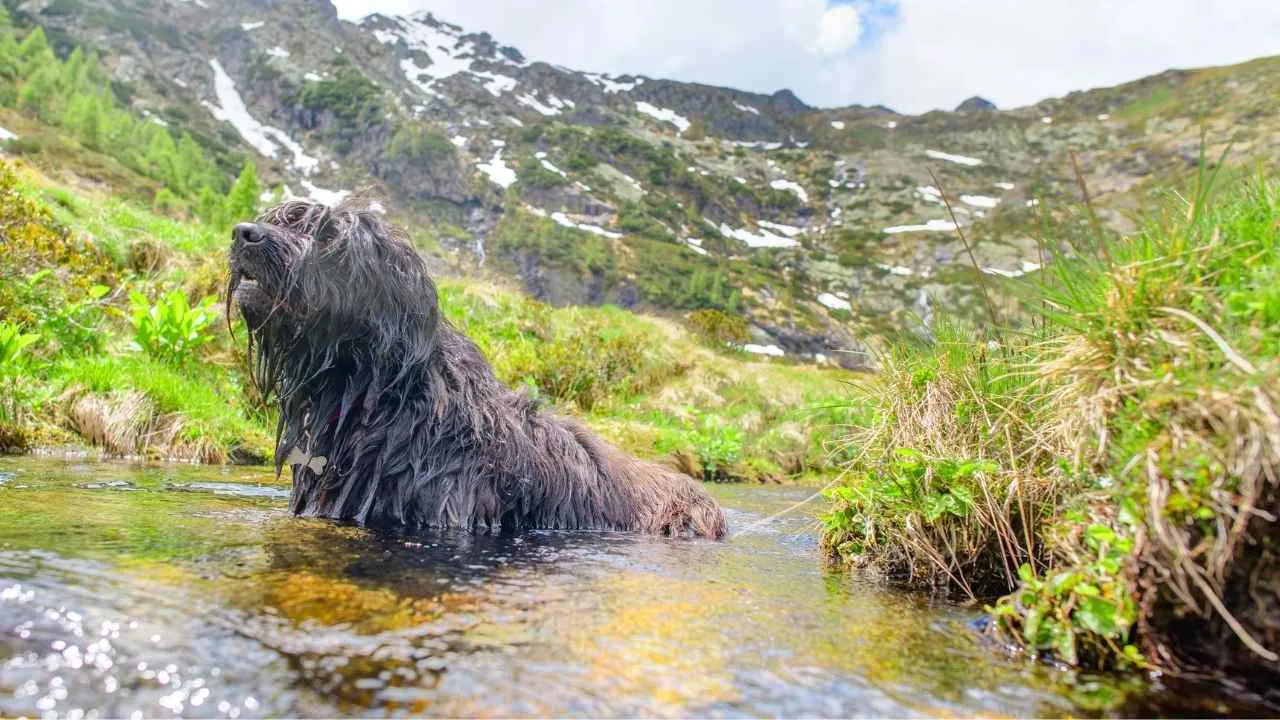
With its unique coat and calm presence, the Bergamasco Sheepdog has a story rooted in the Italian Alps. This medium-sized dog breed helped shepherds manage and protect flocks in harsh mountain conditions. As a flock guardian, it learned to watch over animals and work with people.
Purina describes this extremely intelligent dog as friendly with children and cats, making it a gentle companion for family life. Its protective nature can support its role as a guardian breed, though it is not automatically an excellent guard dog for every home.
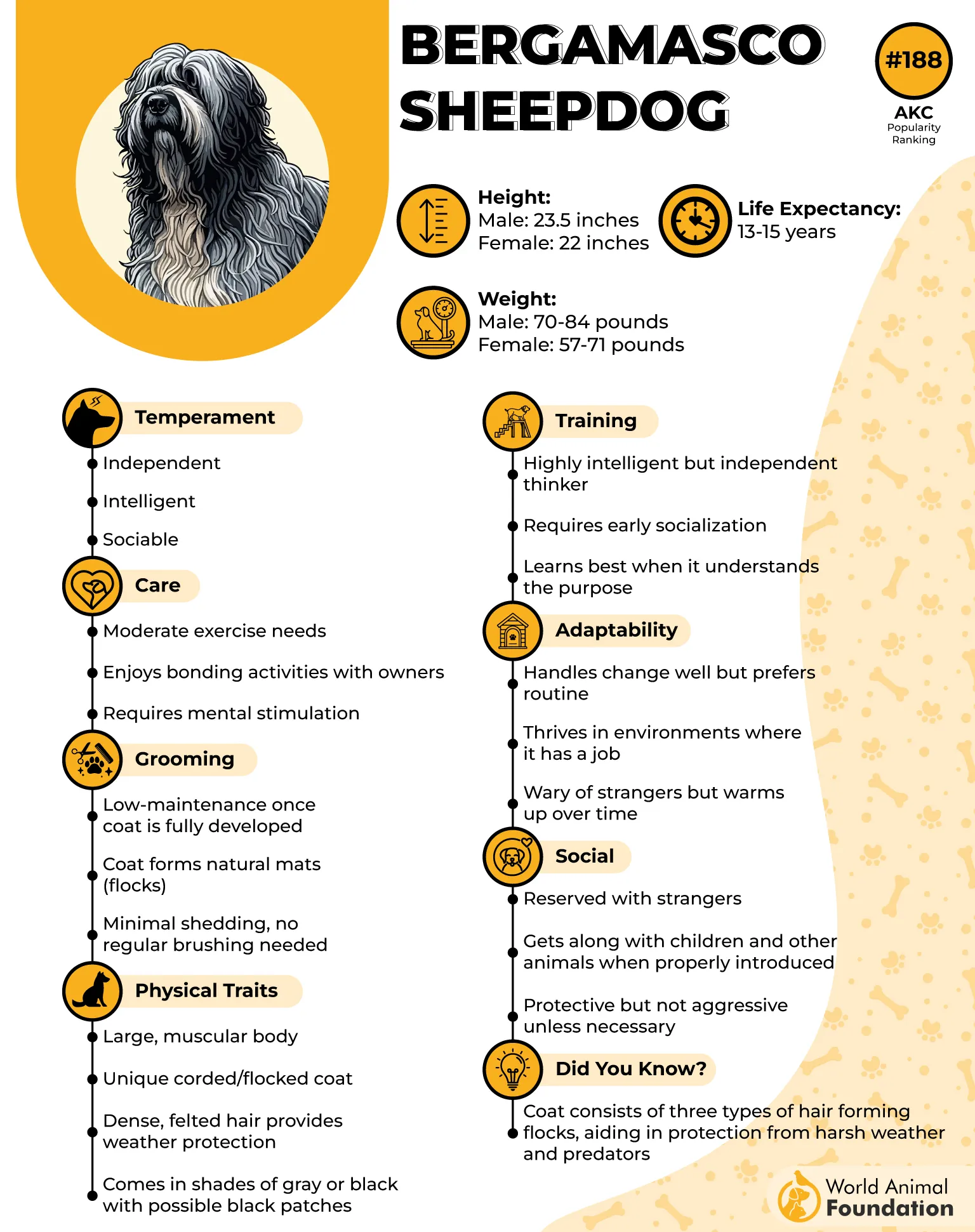
Early training can help it learn how to greet visitors and live with other dogs. Its coat forms distinctive mats as it matures, so owners need to learn the right care routine instead of assuming it is easy to manage.
This protection dog also needs space, mental challenges, and clear rules. With proper guidance, it can protect its loved ones while remaining calm and welcoming.
4. Kuvasz
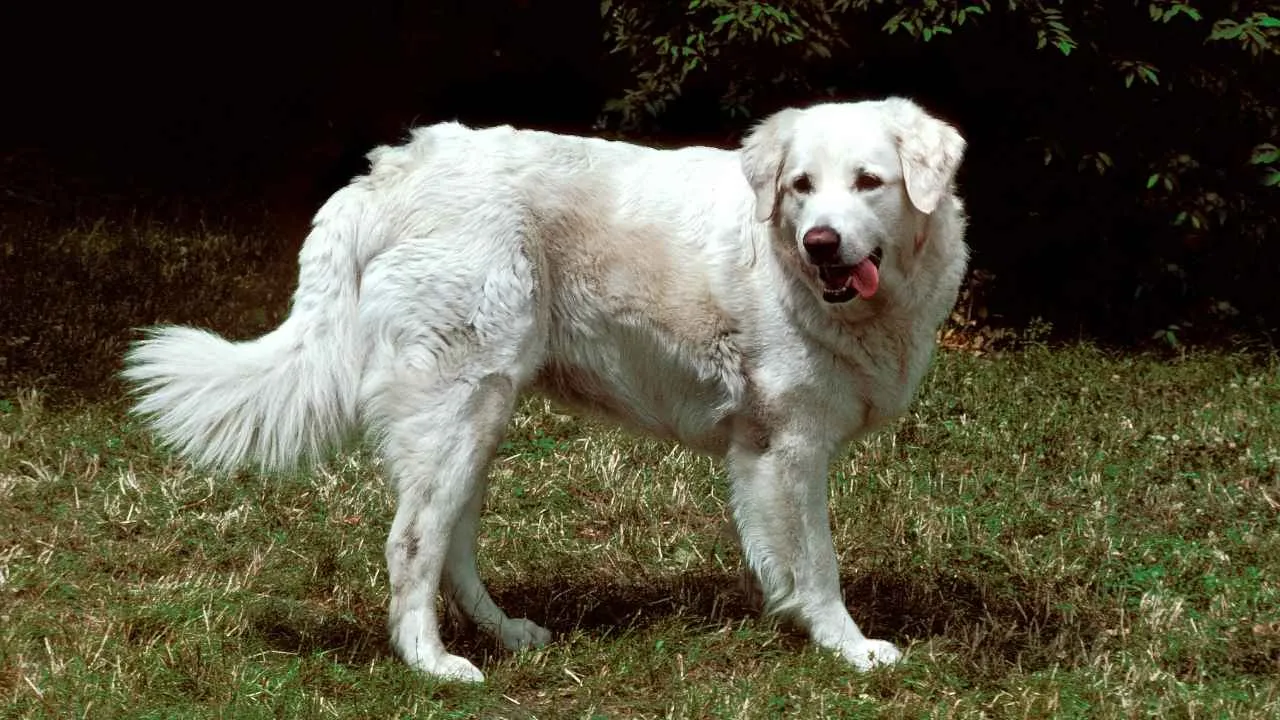
With its bright white coat and noble stance, the Kuvasz has guarded livestock for centuries. According to Hill’s Pet, this large guarding breed developed in Hungary, where it protected flocks across open hills. Its work shaped a clever mind, strong courage, and steady judgment.
This muscular dog often makes its own choices, so owners must earn its trust through clear guidance. Its natural instinct to watch over family members can make it a devoted companion. However, it may stay cautious around strangers. Early socialization helps it accept guests and live safely with kids.
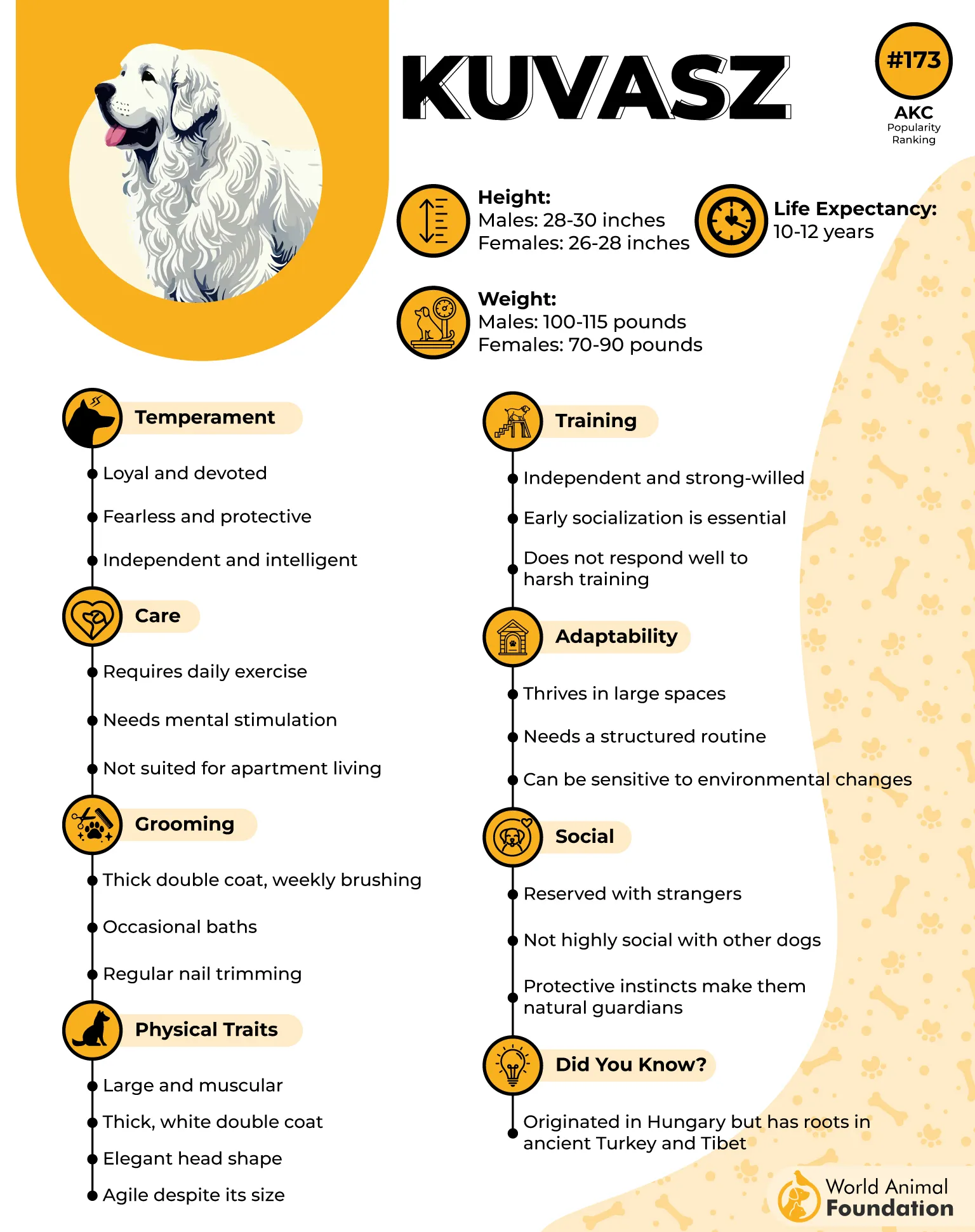
As a flock guardian, the Kuvasz needs room to move and a secure yard. Its thick white coat also needs regular care to prevent tangles and keep it clean.
Consistent routines and positive training help channel its independent nature. For experienced owners, it can offer a perfect balance of loyalty and watchfulness, making it a strong choice for families who understand guardian breeds.
5. Rafeiro do Alentejo
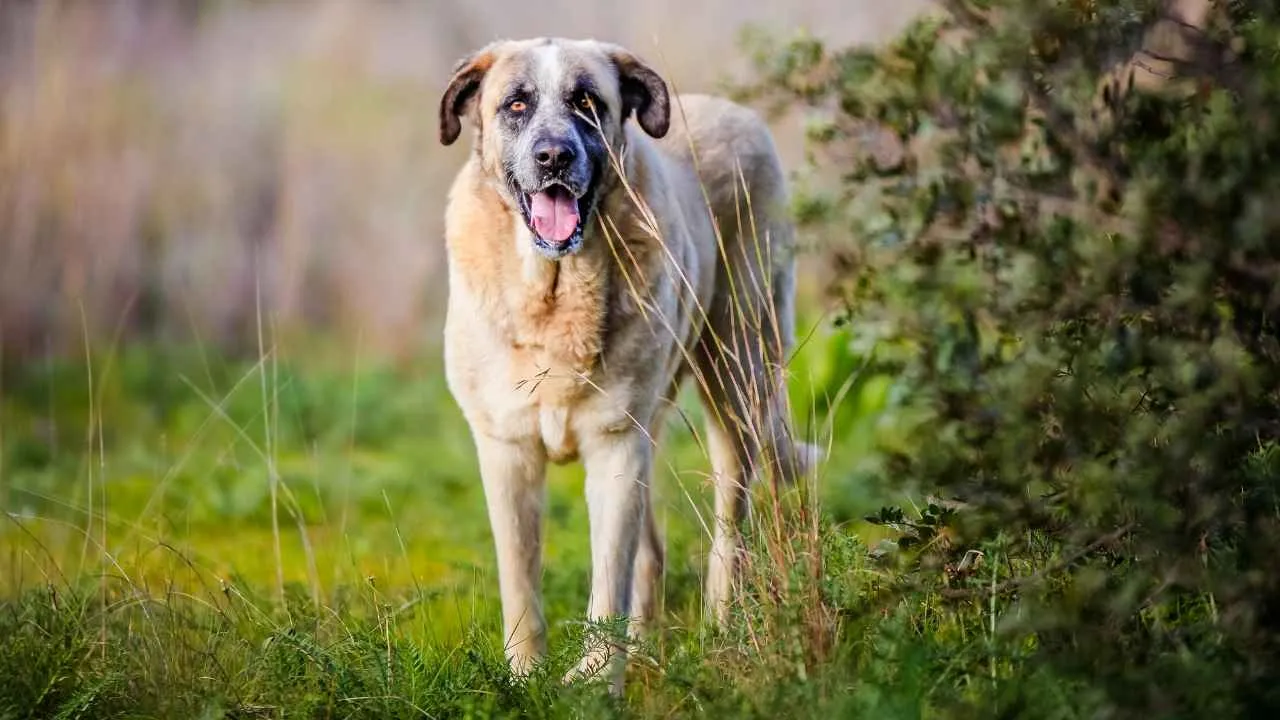
Calm yet watchful, the Rafeiro do Alentejo has deep roots in Portugal’s farming history. The American Kennel Club describes it as an excellent farm and estate watchdog. For generations, this large guardian breed has helped protect sheep, cattle, and rural property.
It once hunted big game in packs before taking on livestock protection duties. This smart dog stays alert at night and takes its role seriously when strangers approach. Its steady manner can discourage unwanted visitors without constant barking.
Despite its protective nature, it often shows a gentle nature with familiar people. Its short-to-medium coat makes it a low-maintenance dog breed compared with many long-coated breeds. However, it still needs space, moderate exercise, and clear boundaries.
Proper socialization helps it accept visitors and live safely with other pets. As a protection dog, it benefits from training that builds control rather than aggression. With responsible care, it can be a good guard dog for spacious rural homes.
6. Chinook
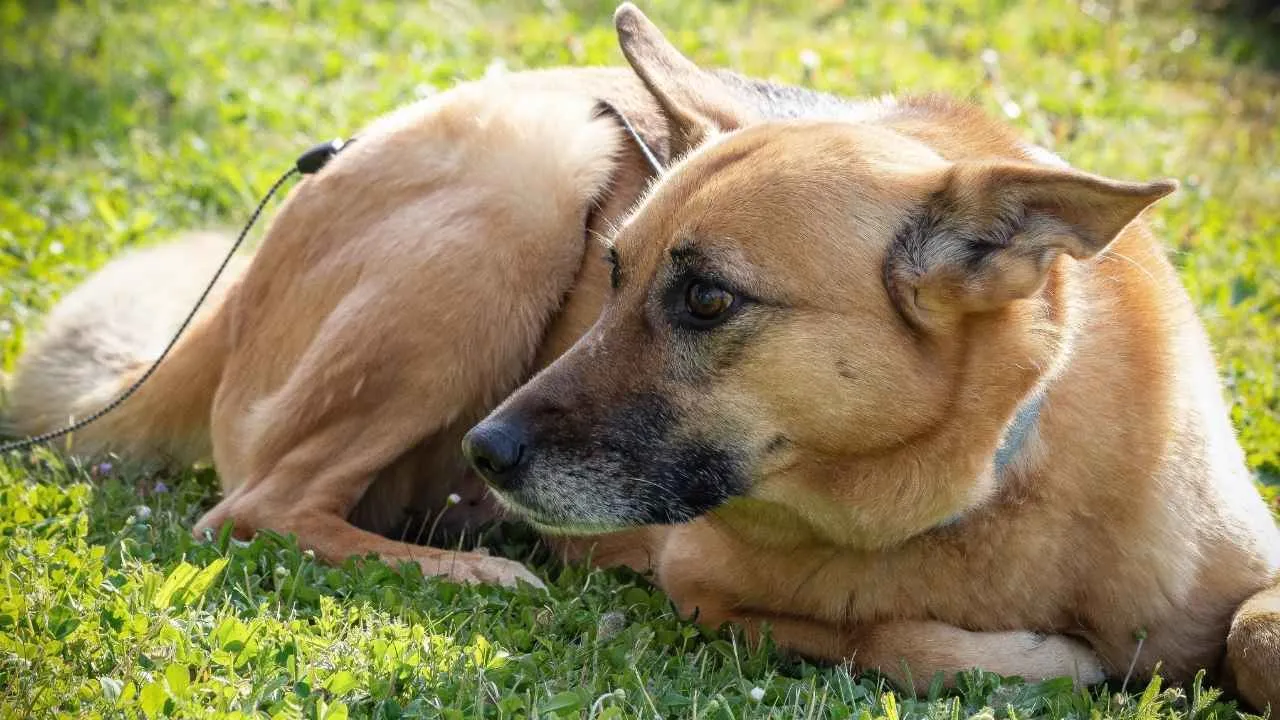
The Chinook is a rare dog breed developed in the United States for sled work and hauling heavy loads. According to WebMD, this rugged, hard-working dog is known for its intelligence, endurance, and eagerness to please.
Its history of teamwork has helped shape a cooperative nature and a close bond with people. Chinooks are often calm and even-tempered, making them affectionate companions for a family with children.
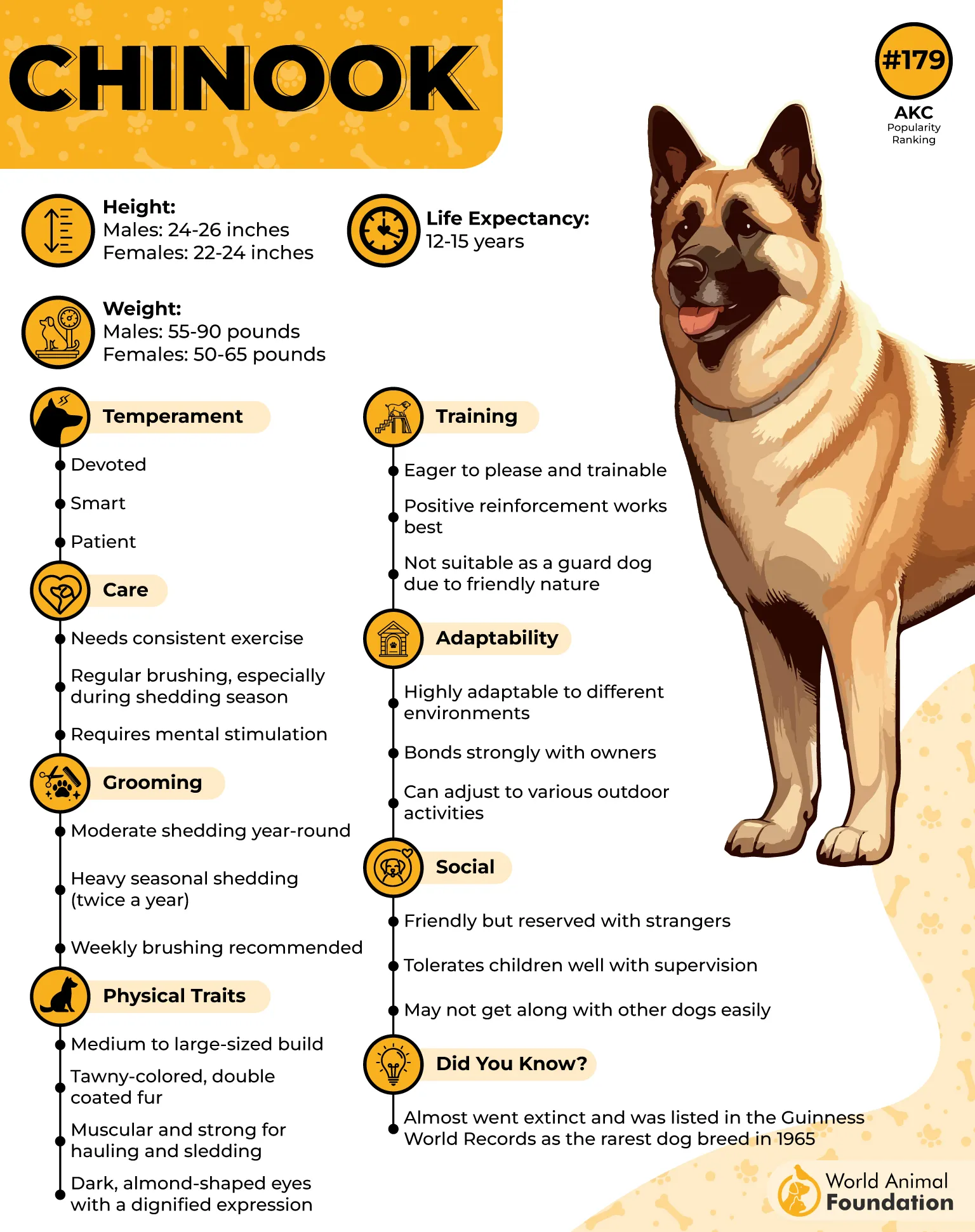
They may alert owners to unusual sounds or activity, but they are not the best family guard dog for those seeking strong protection. This friendly working breed is not a specialist protection dog, and protection training cannot replace natural guarding instincts.
Its thick coat needs care, especially during seasonal shedding. Chinooks also need daily movement and engaging tasks to stay content. They may live well with other animals when introduced properly.
7. Mastiff
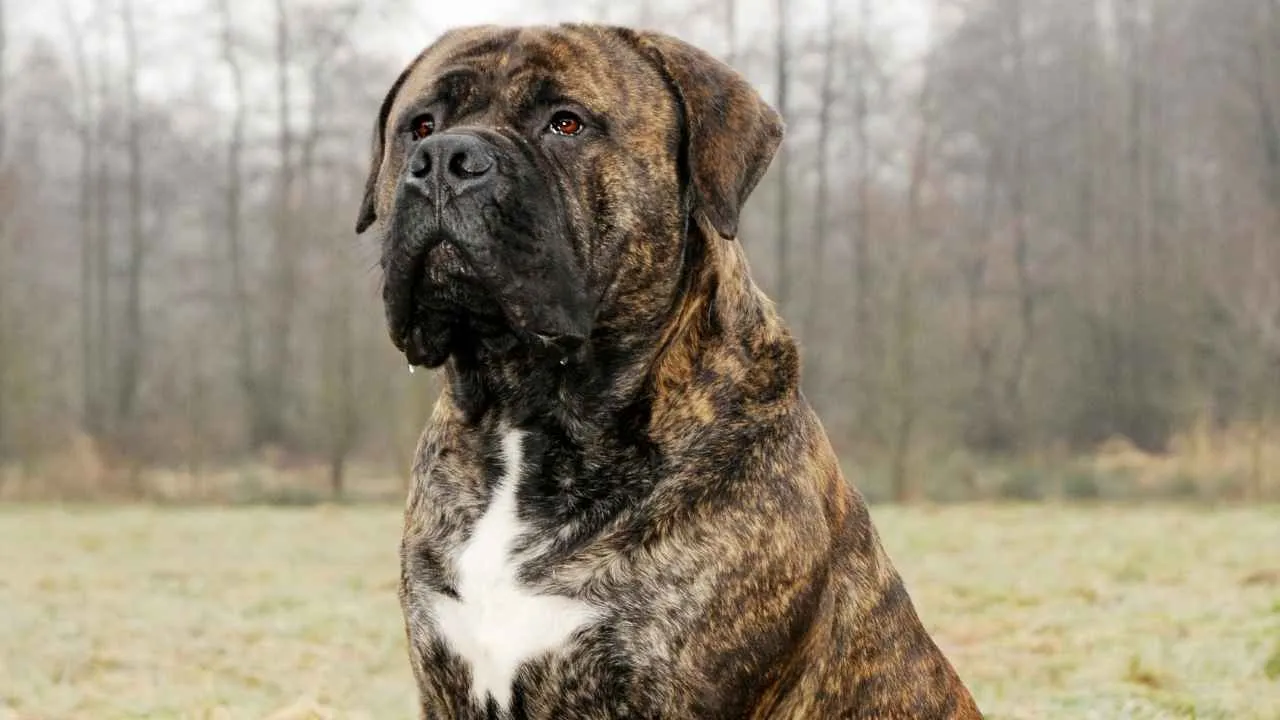
The Mastiff is a large breed dog whose sheer size can make unwanted visitors think twice. According to Britannica, Mastiffs have served as guards and fighting dogs in England for more than 2,000 years. Originally bred for guarding and other demanding roles, this guardian breed has a long working history.
Today, the Mastiff is often a gentle giant that prefers staying close to its family and watching over its home. Its natural instinct to protect loved ones can make it an excellent guard dog without constant barking or aggression.
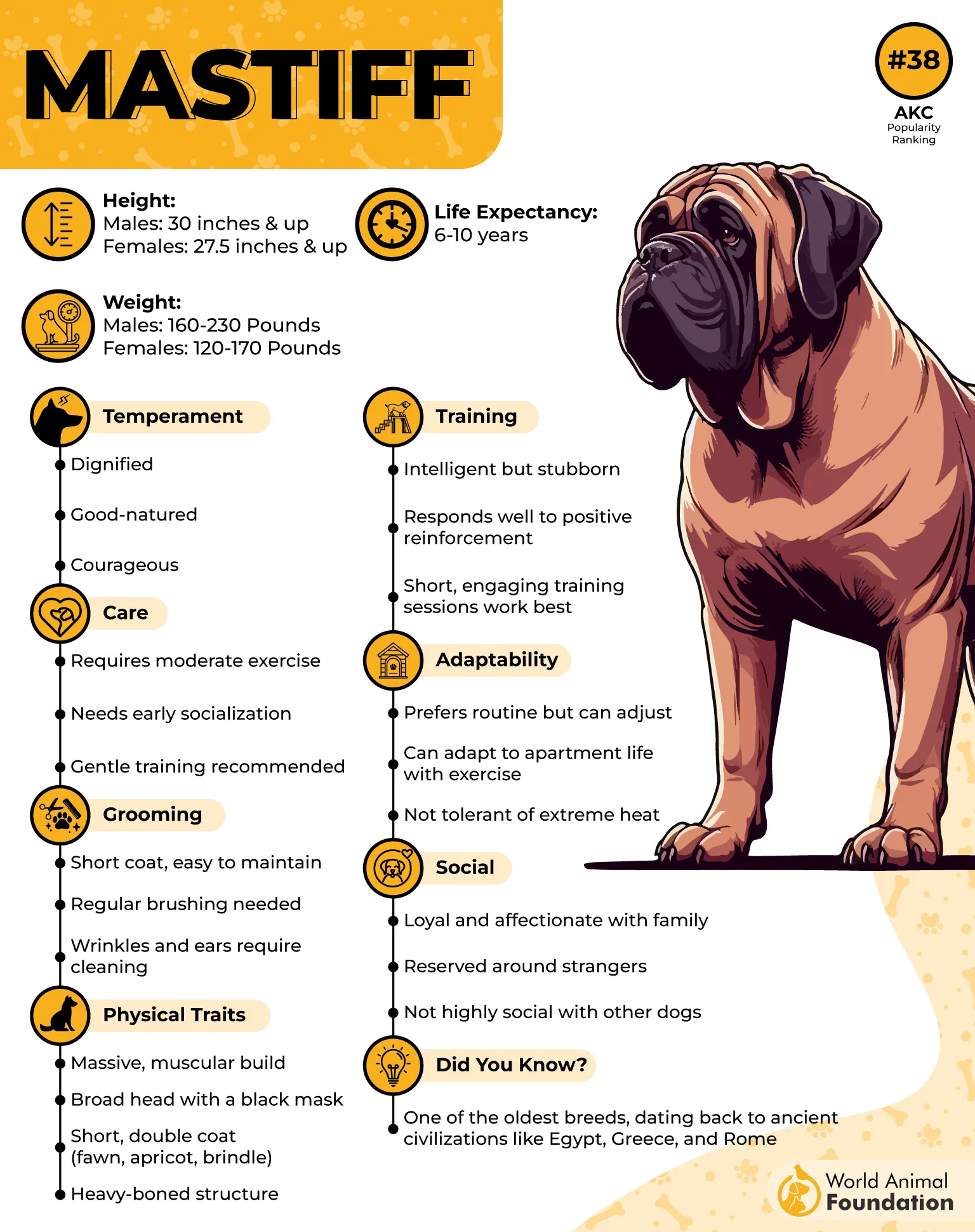
Despite its imposing appearance, this smart breed is usually calm and naturally very low energy compared with many working dogs. Its short coat needs only simple care, but drooling is common.
Moderate walks help maintain fitness, while joint care and heat protection are important for this heavy dog. Mastiffs may suit a first-time dog owner who can manage their size.
8. Broholmer
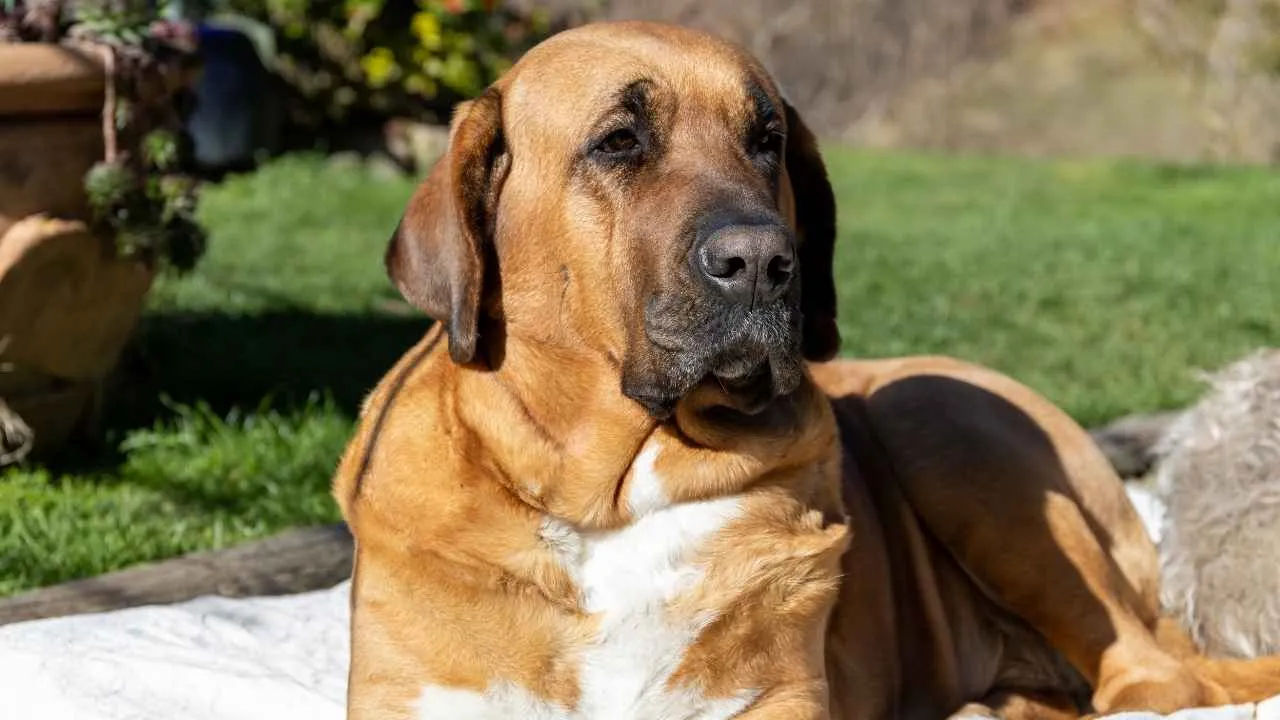
The Broholmer is a large dog from Denmark, where it historically served as a watchdog and estate guardian. According to Royal Canin, the breed nearly disappeared before Danish breeders began rebuilding its population in the mid-1970s.
Its confident presence and strong instinct to watch over its home can make it a good guard dog for the right household. Although this guardian breed can be extremely protective of family members, it should not show aggressive behavior without reason.
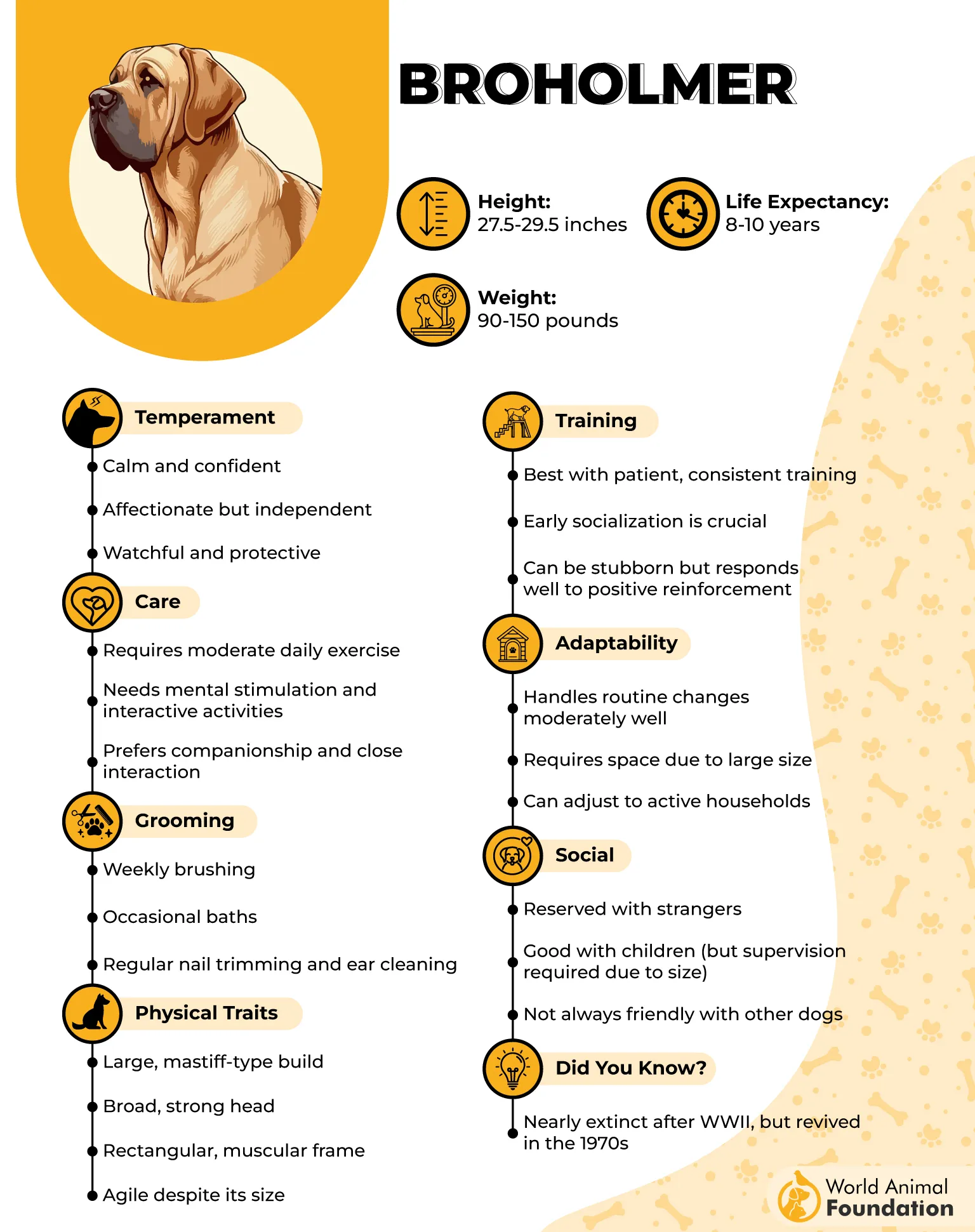
Early socialization helps it become comfortable around unfamiliar people and other animals. The Broholmer may be naturally wary of strangers, so calm introductions and clear household rules are important.
Despite its imposing build, it can be a steady family companion when raised with consistent guidance. Its short coat is relatively easy to maintain, but its size calls for sensible exercise, regular training, and enough room to move comfortably. It needs daily activity and meaningful interaction to stay healthy and well-adjusted.
9. Boerboel
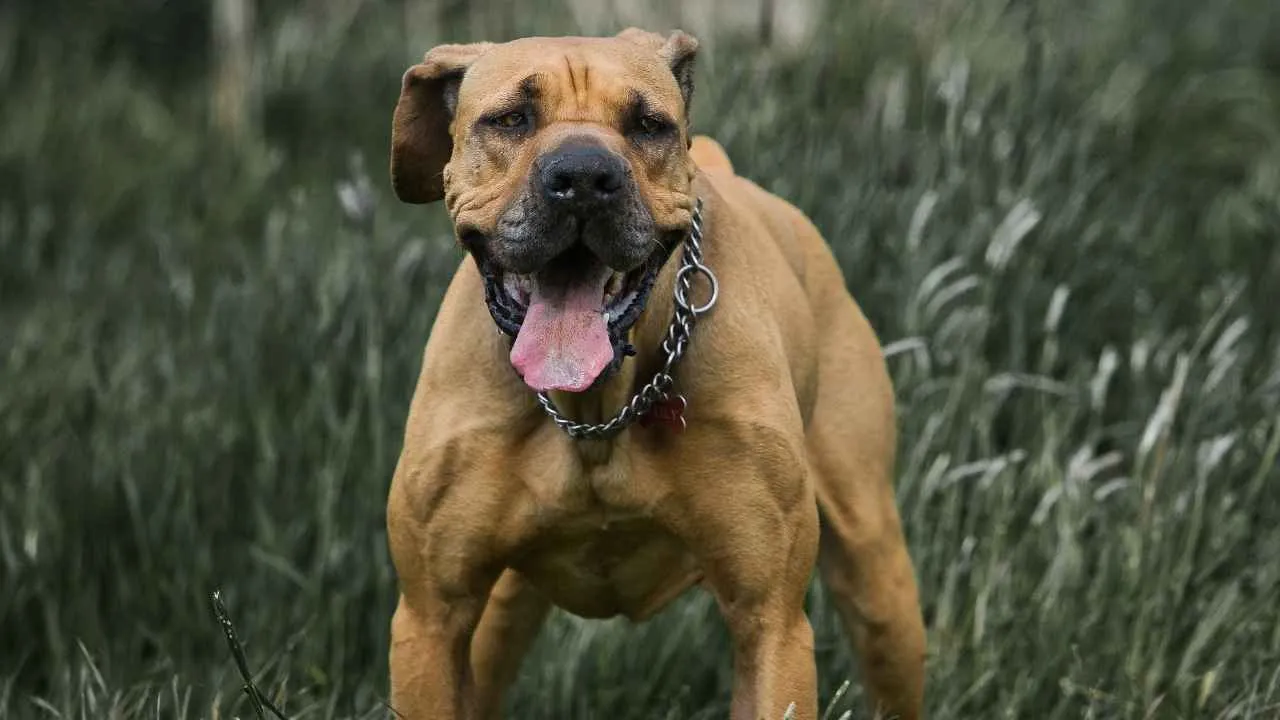
The Boerboel is a powerful South African breed originally developed to defend farms and families from large predators. According to VCA, these dogs are strong, fearless, and intelligent, with deep-rooted guardian instincts. Their protective nature can make them a good guard dog for experienced owners.
Although some may consider this breed the best family guard dog, its suitability depends on careful training and responsible handling. Boerboels form a strong bond with their family and can be affectionate companions.
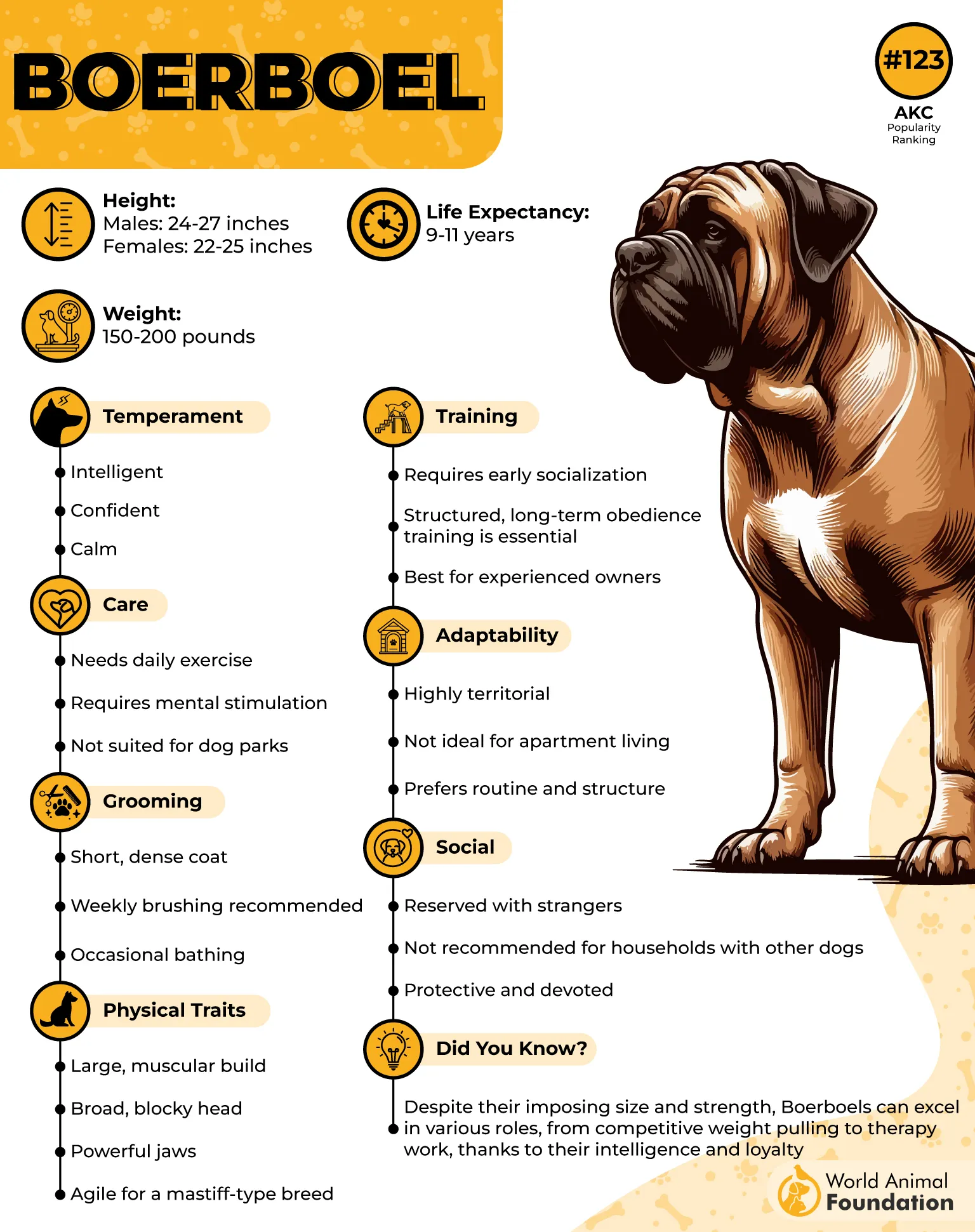
They may be gentle with kids and get along with cats and other dogs when properly introduced. However, they can react aggressively if threatened, so controlled introductions to visitors are essential. This breed is not suitable for a first-time dog owner because its strength requires confident guidance.
Its short coat keeps grooming simple, but daily activity and mental stimulation remain important. Long walks and purposeful tasks help keep this powerful dog balanced and teach it to protect its home without unnecessary aggression.
10. Saint Bernard
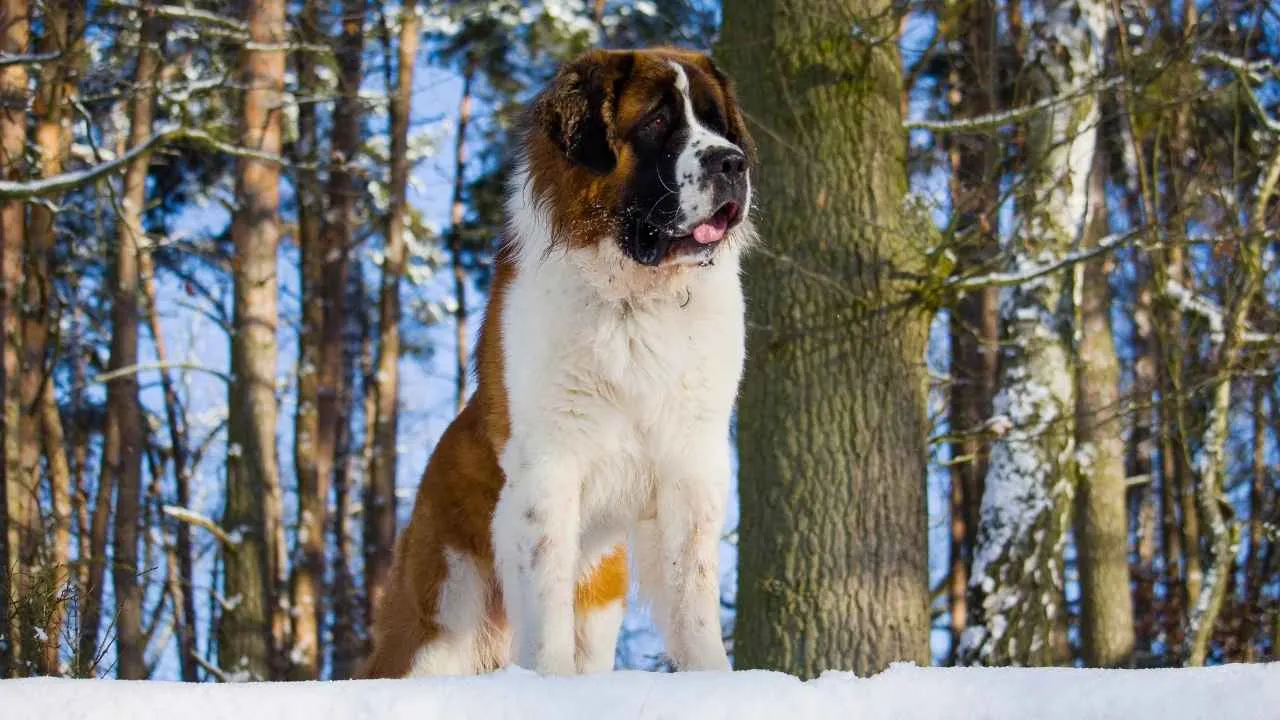
The Saint Bernard is a large dog breed with a proud history of helping travelers in the Swiss Alps. Famous for its rescue work, this gentle giant is known for patience and affection.
According to PDSA, Saint Bernards can be wonderful companions for families and children when raised with proper guidance. Their massive build may discourage strangers, but they are not a specialist guard breed or an excellent guard dog for serious protection duties.
As a guardian breed, their reassuring presence matters more than strong guarding instincts. Positive reinforcement from an early age helps teach polite lead walking and safe behavior around visitors.
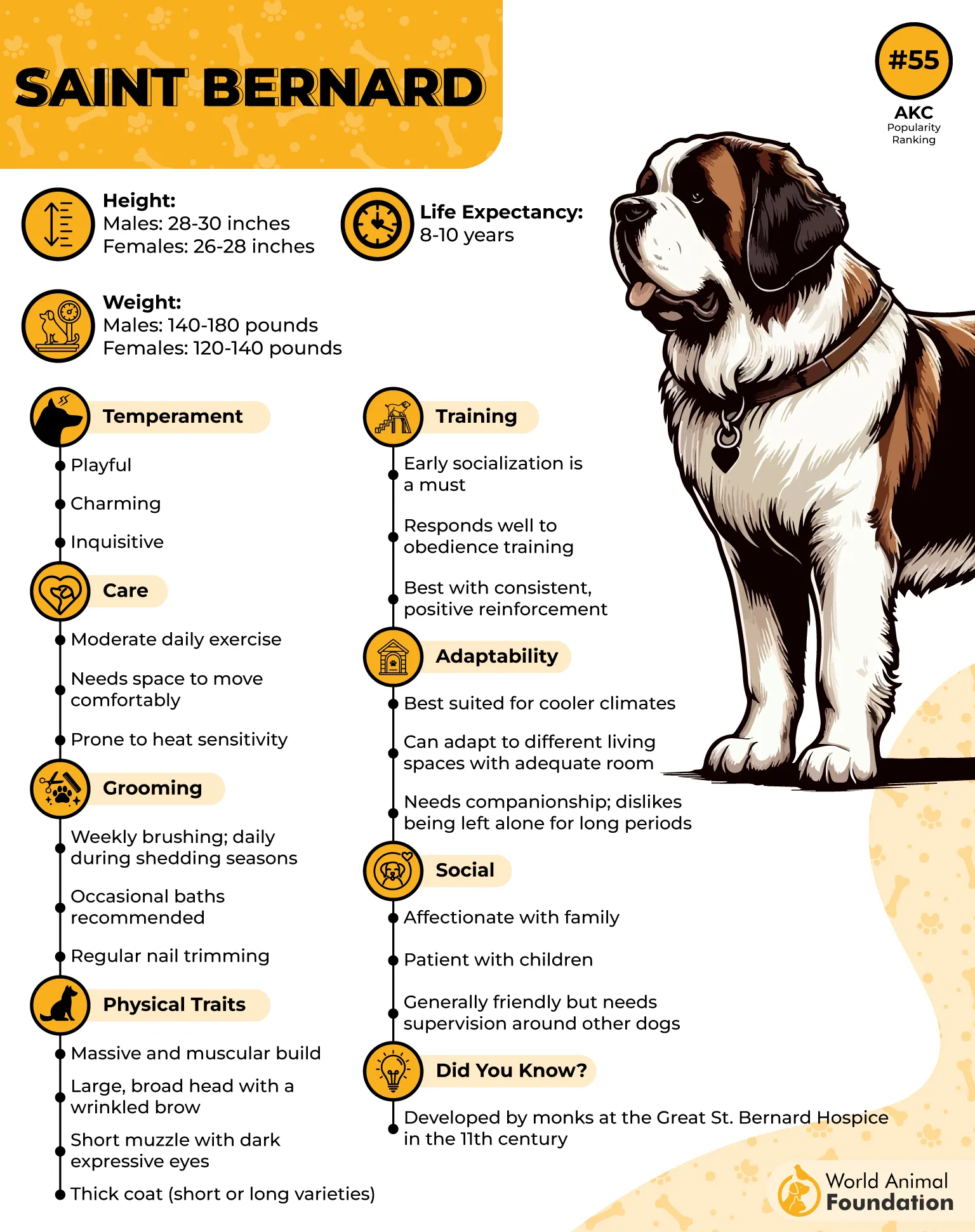
Despite their size, Saint Bernards do not need high-energy activities; moderate exercise and supervised play help protect their joints. A short-haired dog needs less coat care than a long-haired one, which requires more attention to prevent tangles.
Owners should also prepare for drooling, heat sensitivity, and enough indoor space. Their sharp intelligence suits family life, not demanding police work, so consider whether their care needs fit your lifestyle.
Conclusion
Many dog breeds offer watchfulness, loyalty, and companionship, but not all are suited to every home. Some may look imposing, while others, including rescue dogs, can become devoted furry friends.
However, size alone does not make an excellent guard dog, and even the best guards need proper training and socialization. Short coats may reduce grooming time, but every dog still needs exercise, health care, and attention.
Introduce puppies to safe, positive experiences during the early socialization period, especially between 3 and 14 weeks. Obedience training and clear boundaries help dogs live safely with children, pets, and visitors. Aggression should never be mistaken for protection.
Before you choose a breed, consider your experience, living space, and daily routine. The right dog is one whose needs match your lifestyle, not simply one of the best breeds on paper.
