





Living in an apartment, condominium, or smaller house does not rule out dog ownership. Many breeds can live comfortably without a large yard, provided they receive appropriate walks, mental stimulation, companionship, and a safe place to rest. For some owners, a compact home can actually work well when a dog’s daily routine is planned thoughtfully.
Low-maintenance should not be confused with no-maintenance. Every dog needs veterinary care, suitable nutrition, training, social interaction, grooming, and opportunities to move. Some breeds also have specific physical characteristics that require extra attention, particularly in warm weather or during strenuous activity.
The seven low-maintenance breeds below combine relatively modest space requirements with characteristics that can work well in compact households. Their personalities and care routines differ considerably, so prospective owners
Low-Maintenance Dog Breeds That Don’t Need Much Space
1. Chihuahua
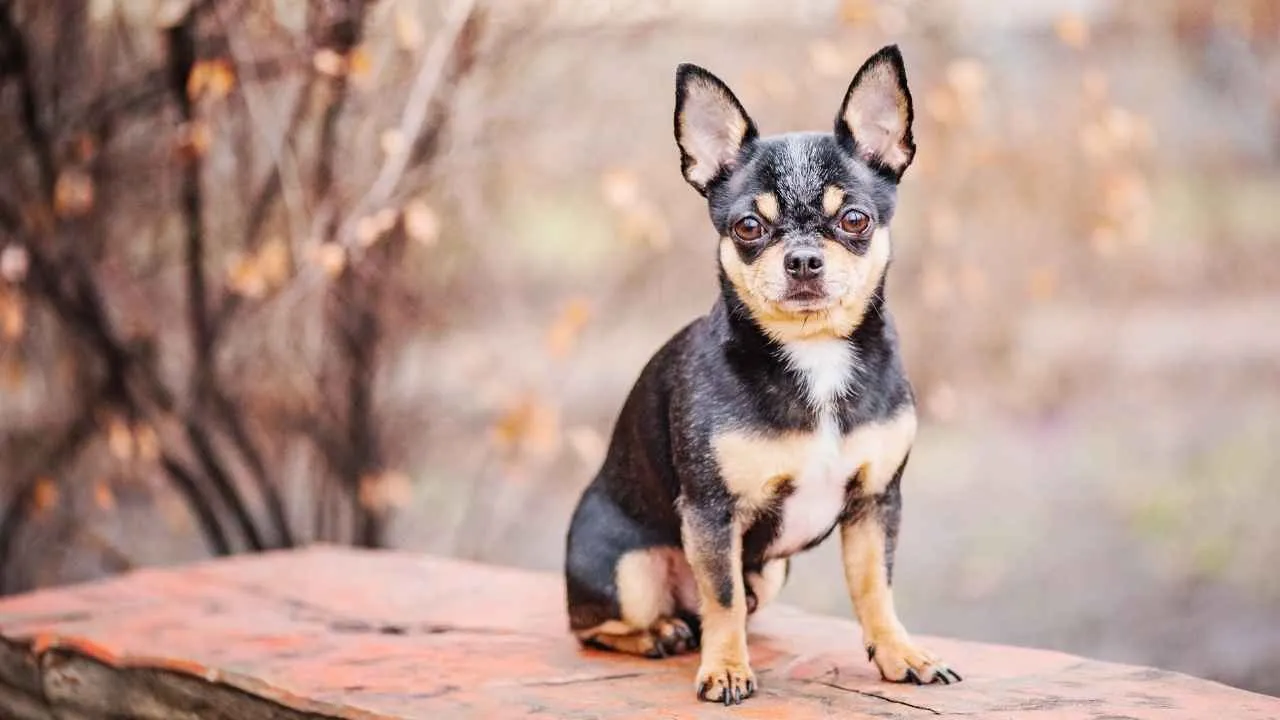
Chihuahuas originated in Mexico and are associated with the ancient Techichi, a small companion dog kept by pre-Columbian civilizations.
The modern breed became established in Mexico and eventually gained recognition as one of the world’s smallest dog breeds. Despite its tiny body, the Chihuahua has developed a reputation for possessing a remarkably confident personality.
Keep Exercise Short and Regular
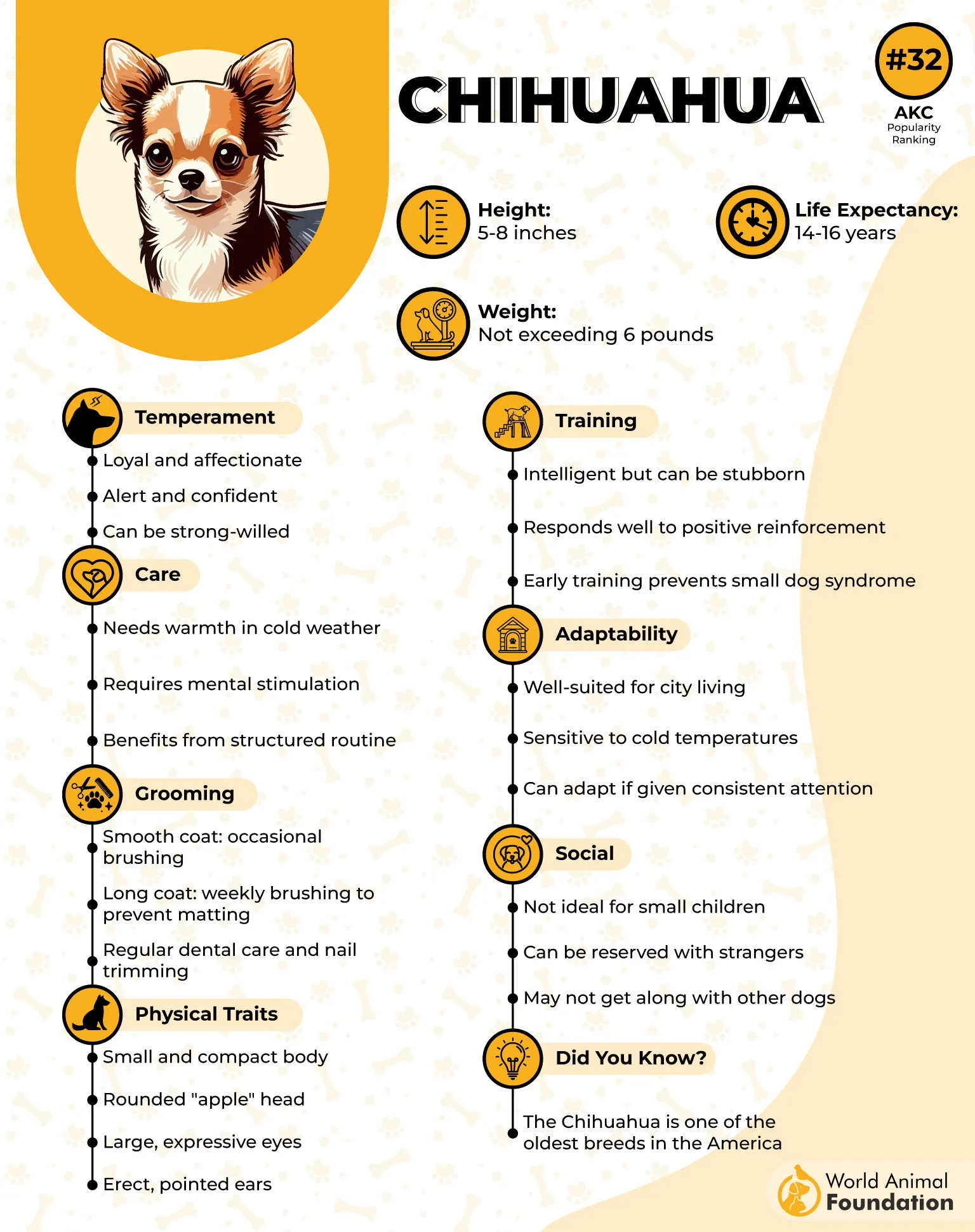
Chihuahuas generally can meet their physical needs through brief walks, indoor games, and active interaction with their owners.
Their diminutive size makes it possible to provide meaningful movement even without a yard, although regular activity remains important for maintaining healthy body condition. Because of their small frames, owners should avoid overly strenuous exercise and rough play.
Tiny Body With a Big Personality
A Chihuahua can be highly alert, affectionate, and expressive, making it an engaging companion in a compact home.
Some individuals can be vocal when they notice unfamiliar sounds or people, so early training can help establish appropriate barking habits. Their small size also makes transportation and everyday handling relatively convenient.
2. French Bulldog
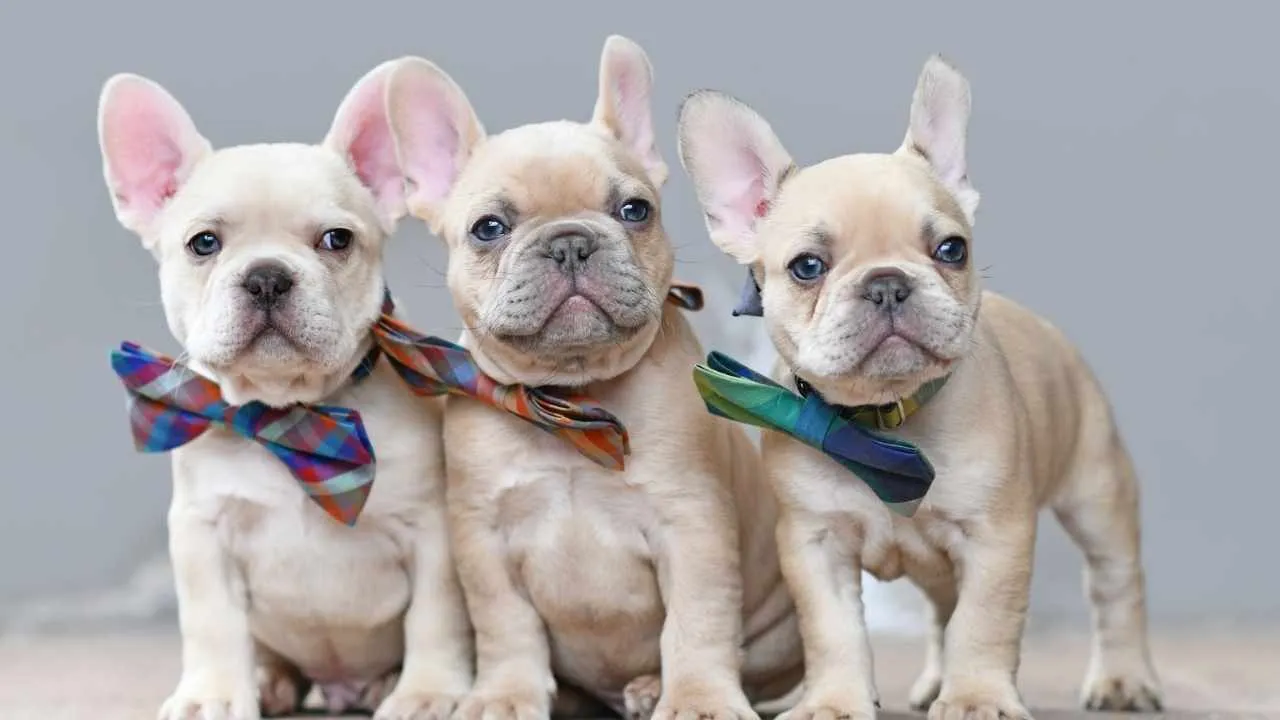
The French Bulldog developed in Britain from small bulldog-type dogs before becoming particularly associated with France, where the breed gained popularity among urban workers and artists.
Its compact build, distinctive ears, and companionable nature eventually made it a favorite city dog. Unlike its larger bulldog ancestors, the French Bulldog was shaped primarily for companionship.
Gentle Daily Movement
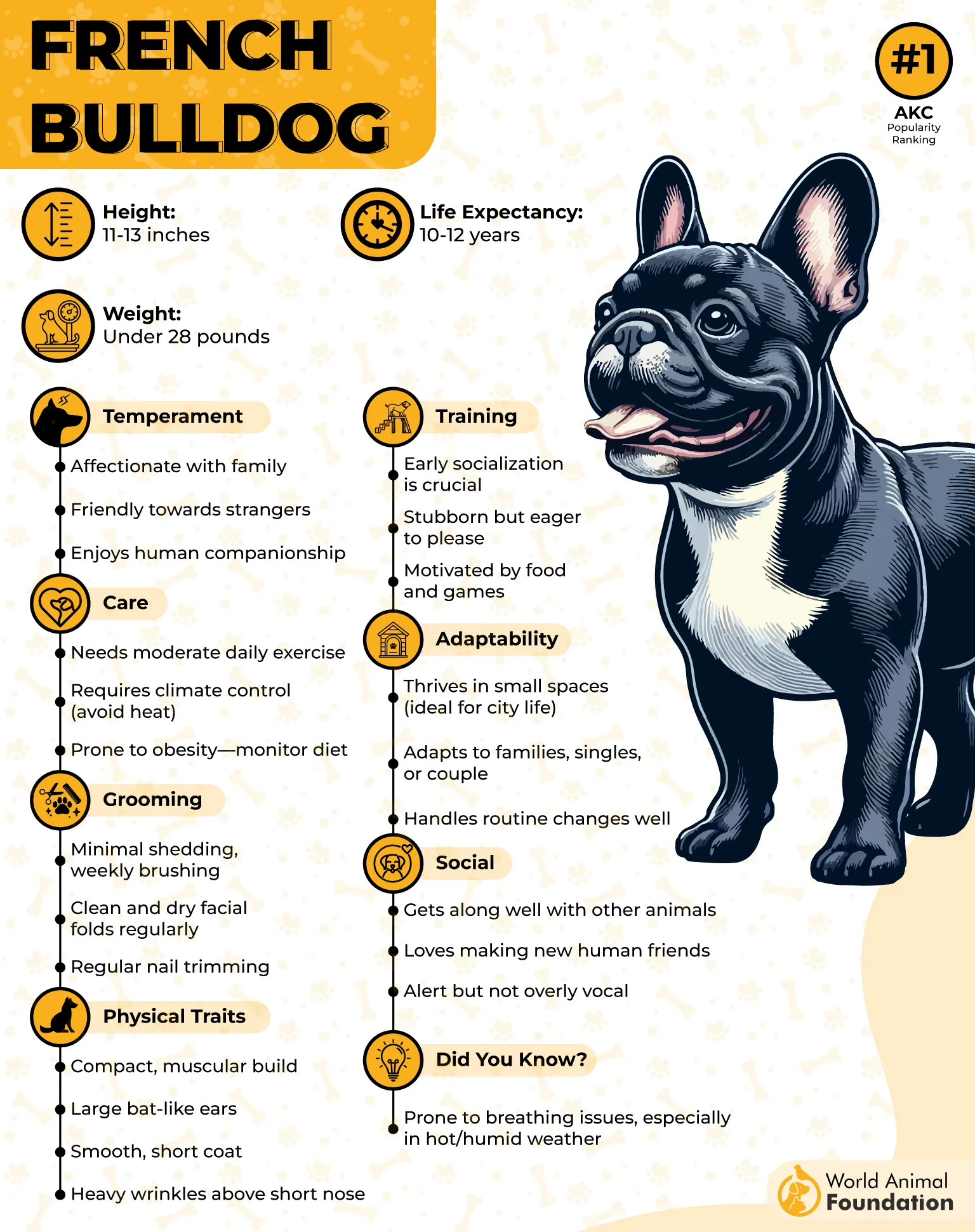
French Bulldogs generally do not require extensive exercise and can often stay active through short walks and indoor play.
Their shortened muzzle makes heat management especially important because they can have difficulty cooling themselves efficiently. Outdoor activity should therefore be kept moderate, particularly during warm or humid weather.
Adaptable Apartment Companion
Their compact dimensions and generally relaxed household behavior can make French Bulldogs practical for apartment life.
Many enjoy staying near their owners and can spend considerable time relaxing indoors after receiving suitable interaction. Owners should still provide enrichment because a low exercise requirement does not eliminate the need for mental engagement.
3. Cavalier King Charles Spaniel
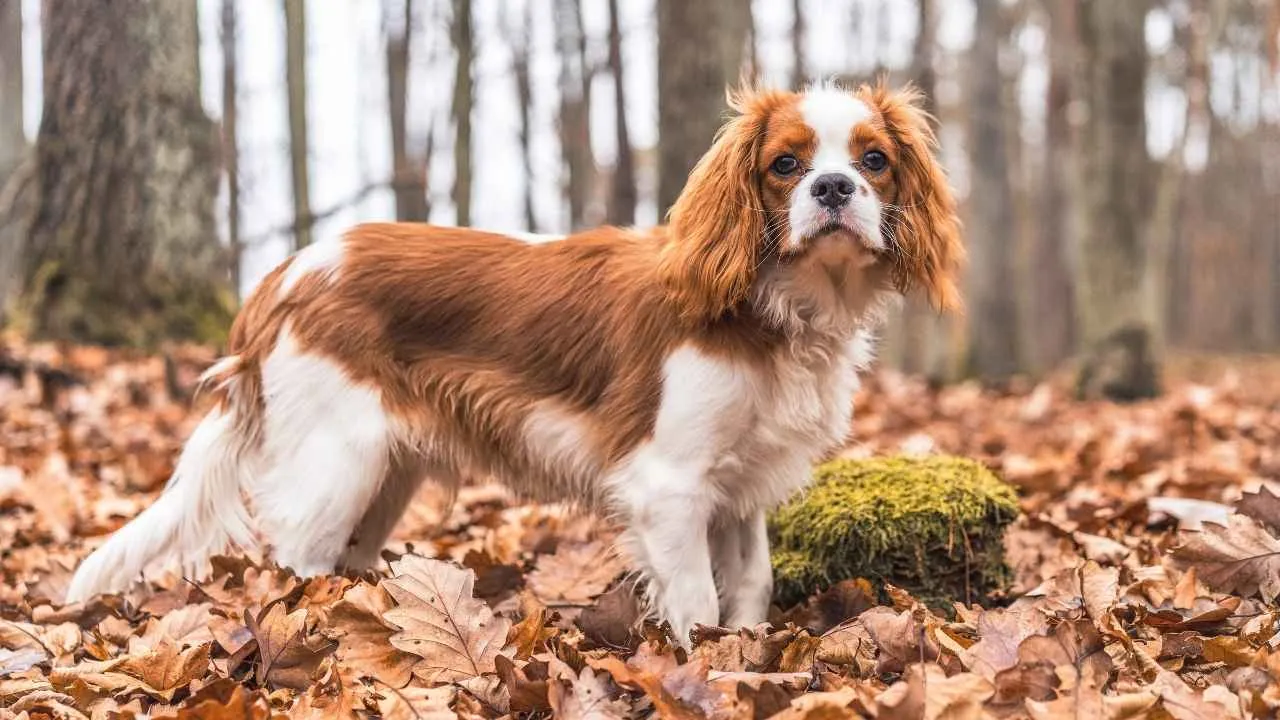
The Cavalier King Charles Spaniel traces its history to the small spaniels depicted in European paintings, particularly those associated with British aristocratic households.
These dogs were treasured as companions, while their spaniel ancestry retained an aptitude for activity and play. The modern Cavalier was developed separately from the shorter-faced King Charles Spaniel tradition.
Manageable Exercise Routine
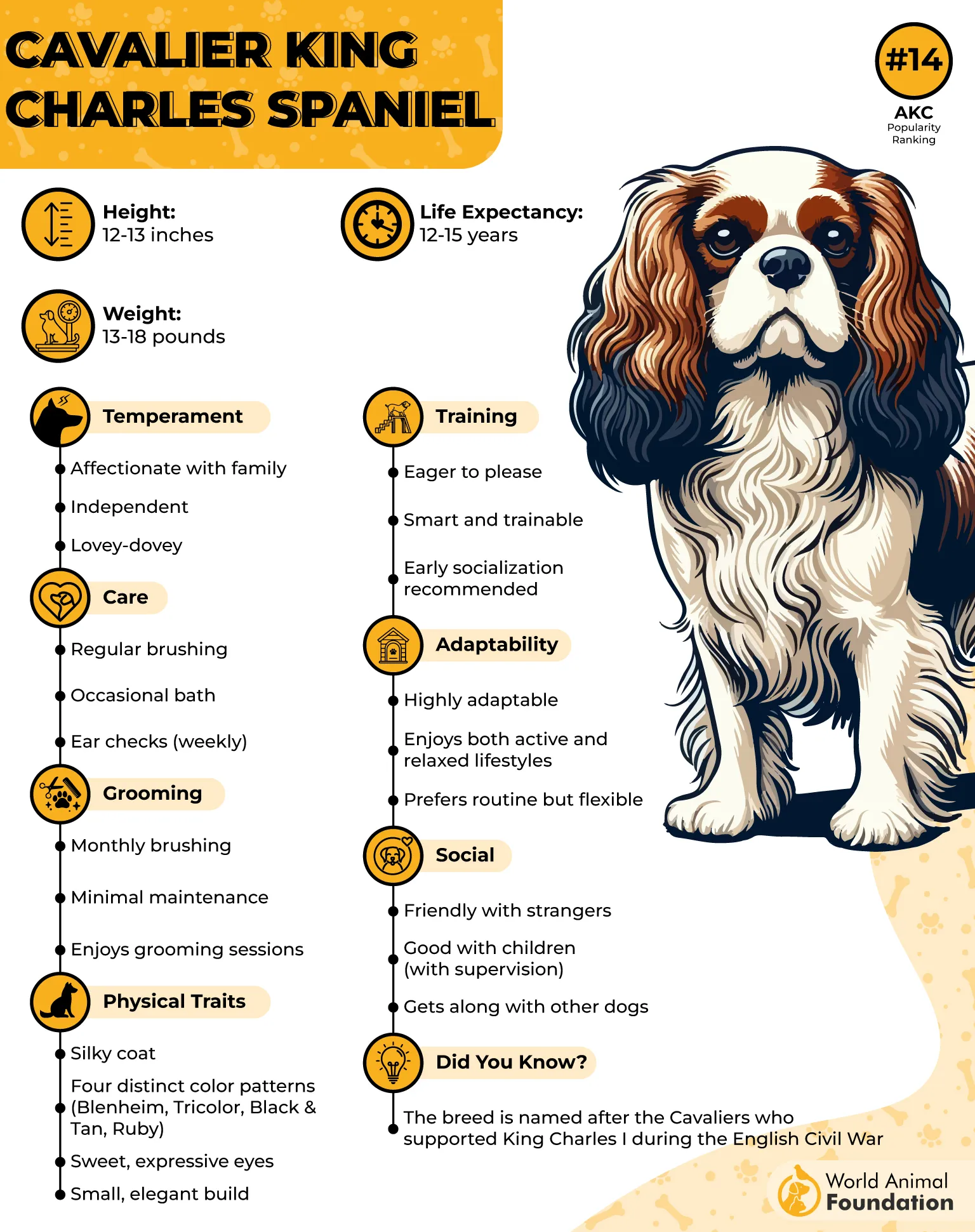
Cavaliers can enjoy daily walks, play sessions, and occasional longer outings without needing a large private yard.
Their moderate physical requirements make it possible to meet their activity needs through neighborhood walks and interactive games. Owners should nevertheless maintain a consistent routine because regular movement supports healthy weight and overall fitness.
Affectionate Indoor Companion
Their strong desire for human company can make Cavaliers well suited to owners who spend substantial time at home.
They often enjoy following family members from room to room and settling nearby when the household becomes quiet. Their silky coat does require regular brushing, so their maintenance is more involved than their compact size might suggest.
4. Pug
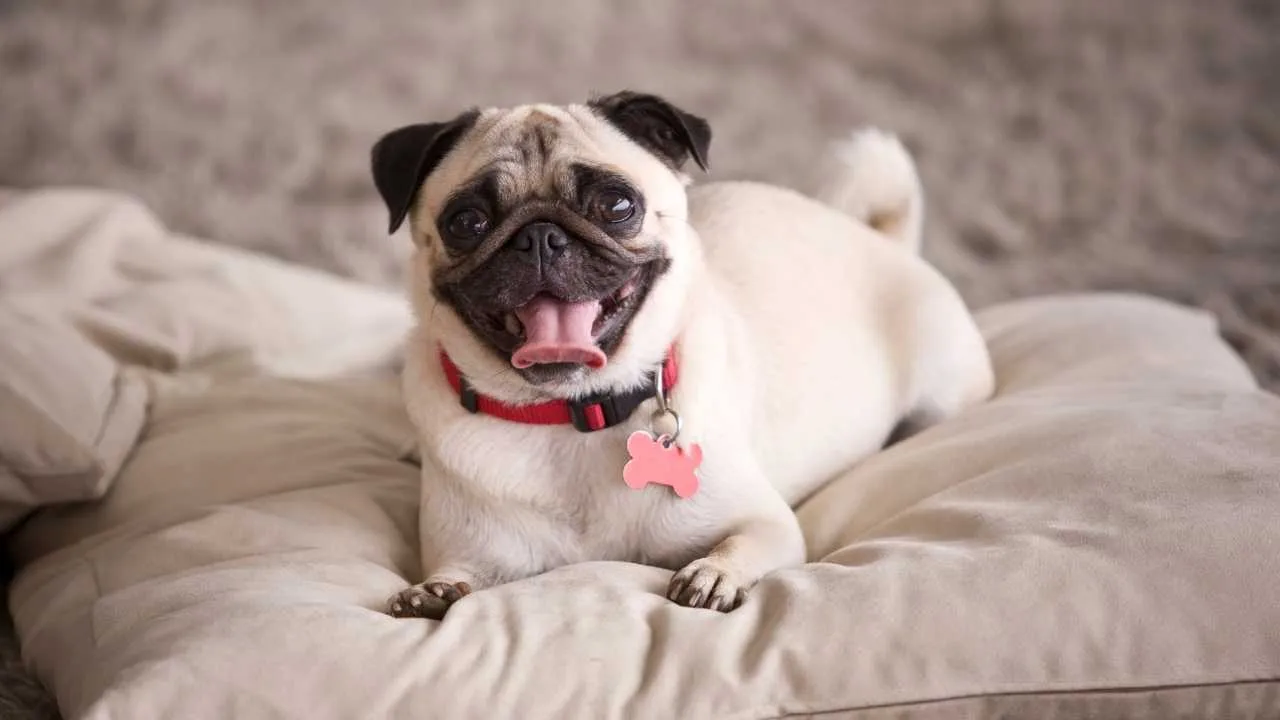
Pugs have an ancient Chinese history and were kept as companion dogs by members of imperial households.
Their distinctive appearance eventually attracted attention in Europe, where the breed became fashionable among aristocratic families, as per Britannica. Over time, the Pug established itself primarily as a household companion rather than a working or sporting dog.
Avoid Overexertion
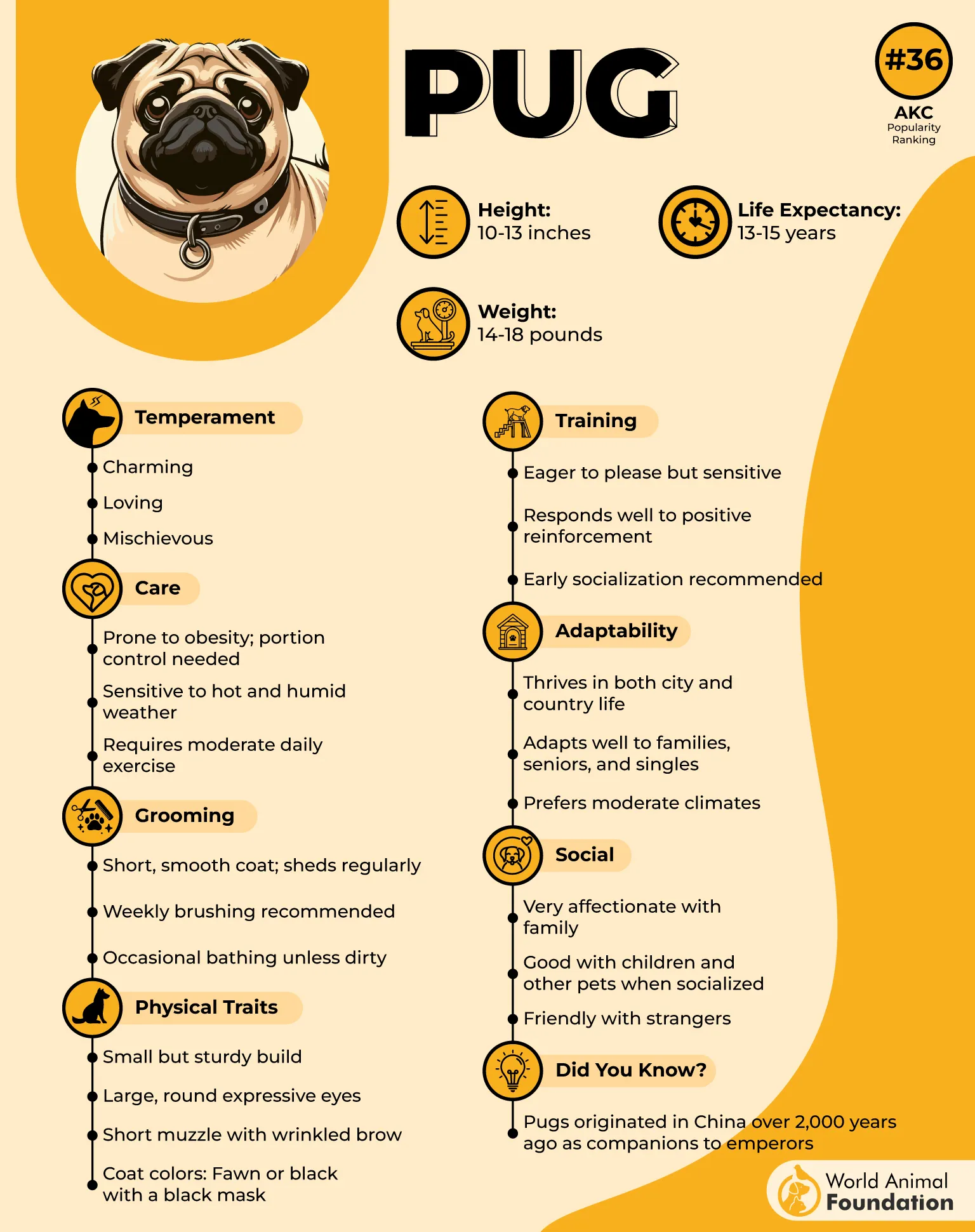
Pugs generally do well with modest walks and indoor play, but their short facial structure means strenuous exercise can be problematic.
Heat and humidity deserve particular caution because breathing difficulties can become more pronounced in uncomfortable conditions. Owners should prioritize gentle activity and monitor breathing closely rather than attempting to build endurance.
Cheerful Homebody
Their playful, affectionate nature can bring considerable character to a smaller living space. Pugs often enjoy being involved in household activities and can settle happily beside their owners afterward.
Regular attention to facial folds, eyes, nails, teeth, skin, and body weight is important because their compact appearance comes with specific care considerations.
5. Boston Terrier
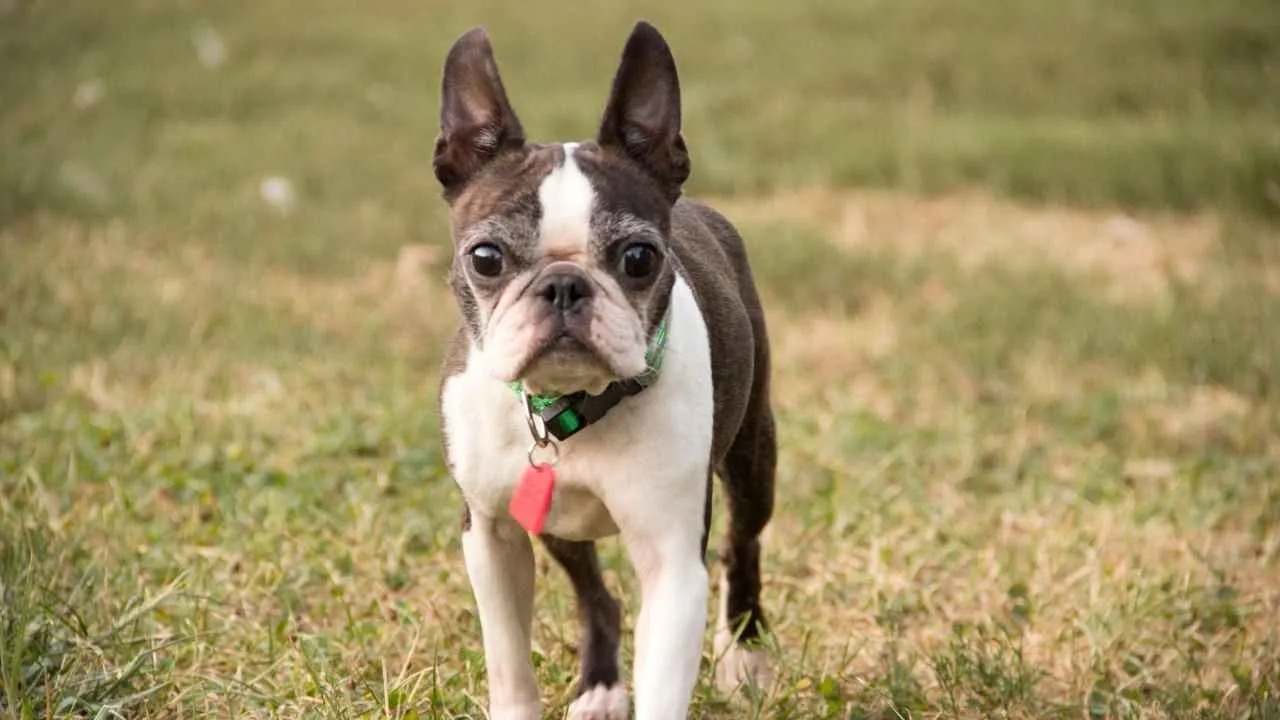
Boston Terriers were developed in the United States during the nineteenth century, particularly around Boston, Massachusetts, as per the AKC.
Their ancestry includes English Bulldog and terrier influences, and breeders gradually established a smaller, companion-oriented dog with the distinctive tuxedo markings now associated with the breed.
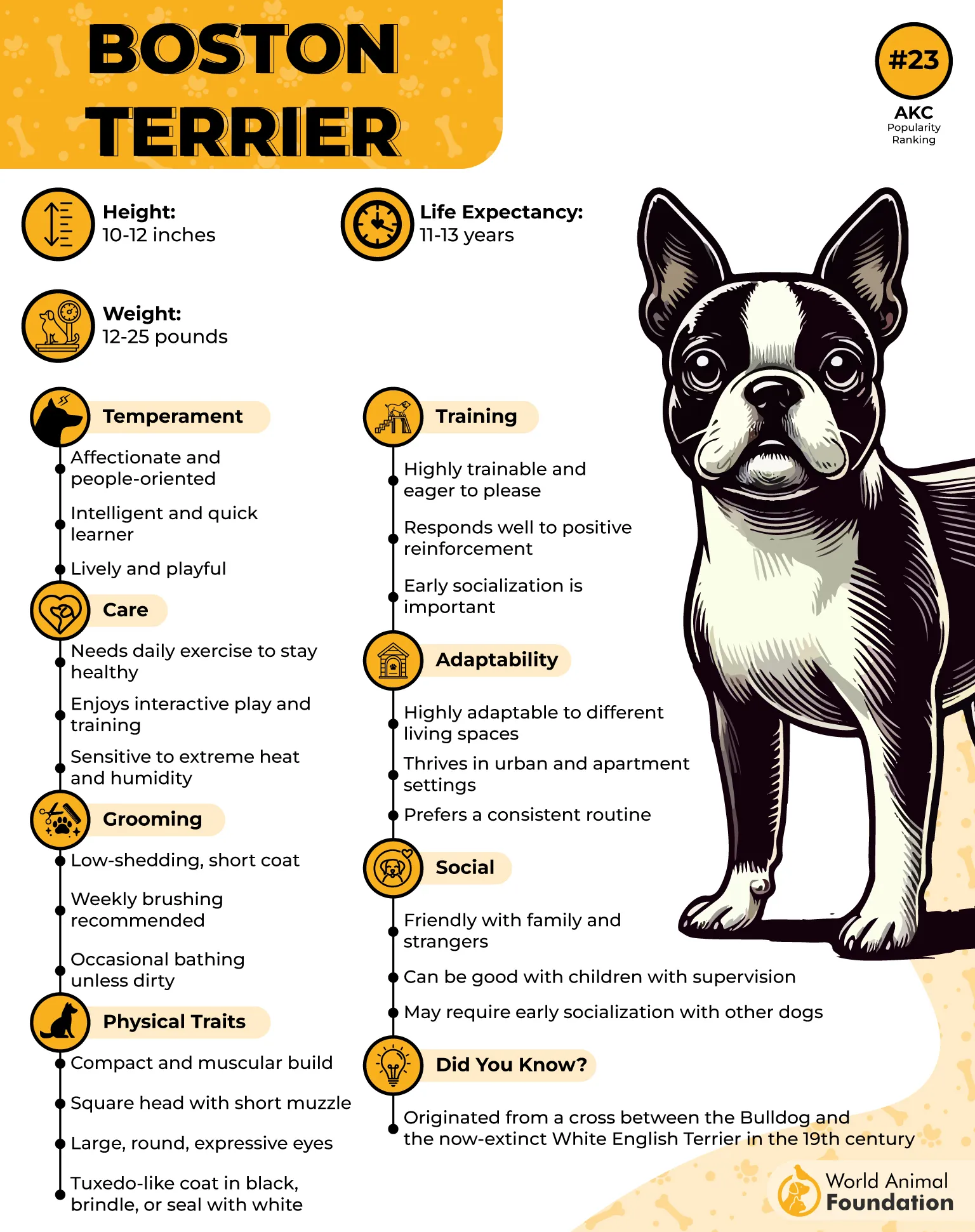
Fit Activity Into a Small Home
Boston Terriers can receive much of their exercise through short walks, play, and interactive household activities.
They tend to be energetic without requiring the amount of space needed by large working breeds. Because their facial structure can affect heat tolerance, owners should avoid demanding exercise during hot conditions.
Friendly and Entertaining
Their lively expression and playful temperament can make them enjoyable companions in apartments and smaller houses.
Many Bostons enjoy games and social interaction while remaining happy to relax once their energy has been used. Early manners training is useful because enthusiasm can sometimes lead to jumping or overly excitable greetings.
6. Japanese Chin
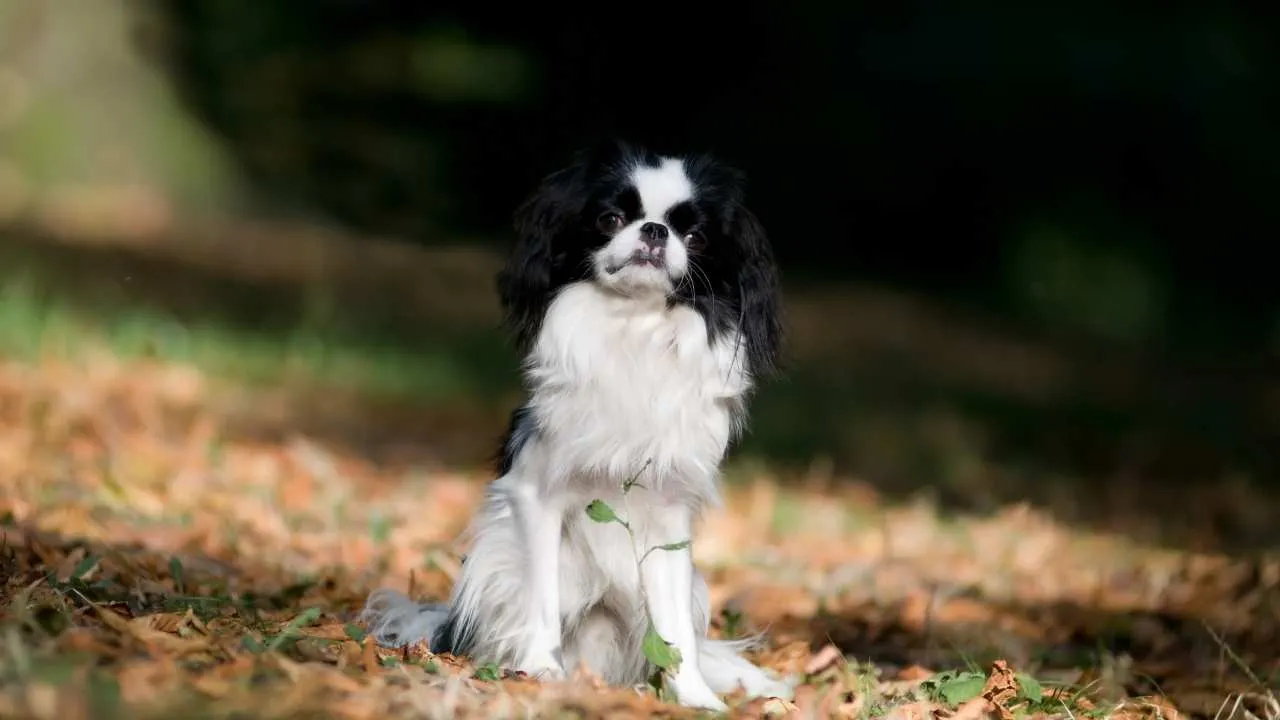
The Japanese Chin has an ancient Asian history and became closely associated with Japanese aristocratic households, as per Hill’s Pet.
Although its precise ancestry is debated, small companion dogs of this type were exchanged between China and Japan and later developed distinctive characteristics in Japan. The breed was prized for its elegant appearance and entertaining personality.
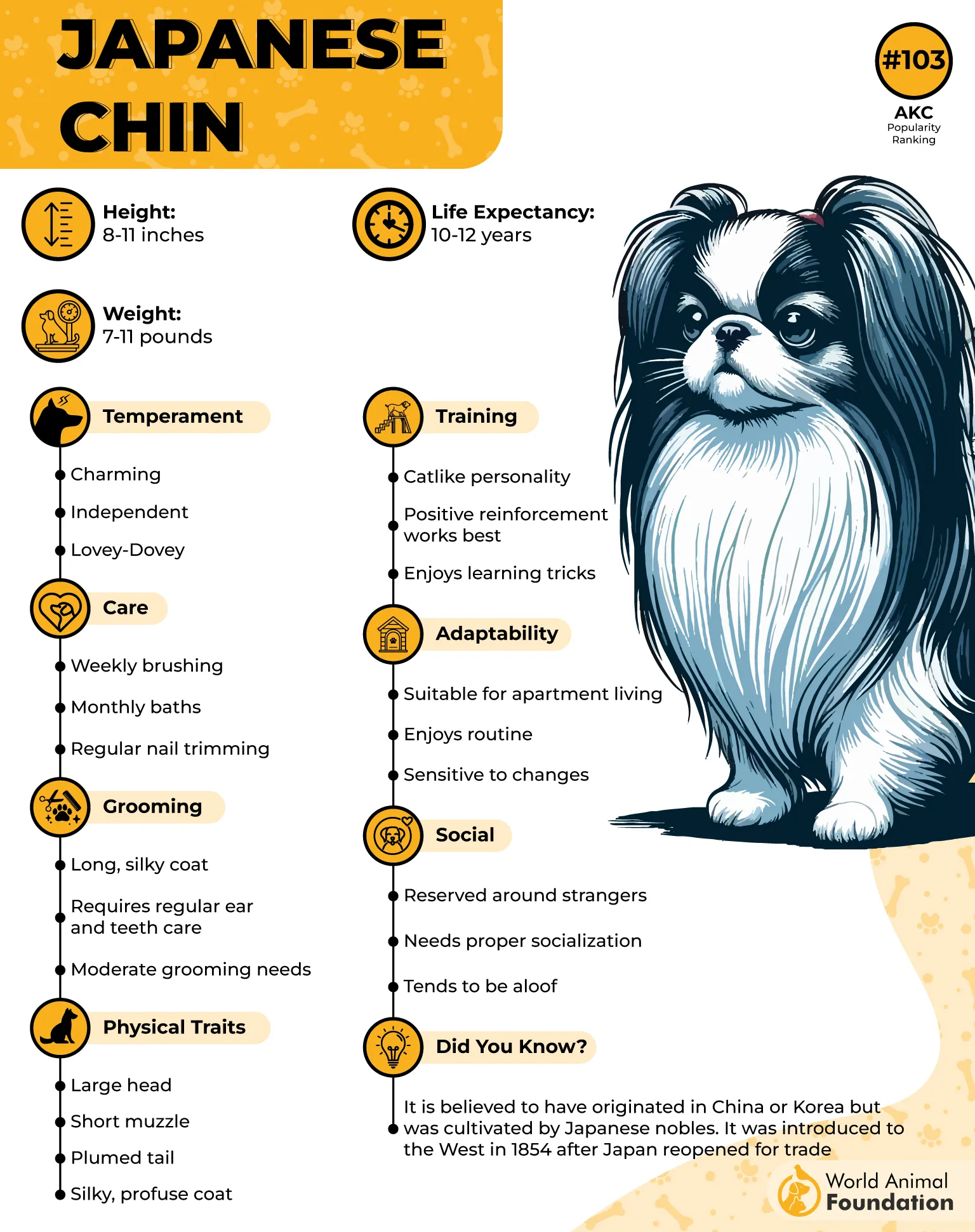
Simple Indoor Exercise
Japanese Chins can often meet their modest exercise needs with brief walks and indoor play. Their small bodies make them practical for compact residences, and they generally do not need a large outdoor area to remain active. Gentle activity is preferable to demanding physical exertion, particularly during warm weather.
Refined but Playful
Despite their delicate appearance, Japanese Chins can be surprisingly lively and entertaining. They often enjoy interaction with their families but are also capable of spending quiet periods resting independently. Their profuse coat requires brushing, although it does not usually demand elaborate trimming or styling.
7. Basenji
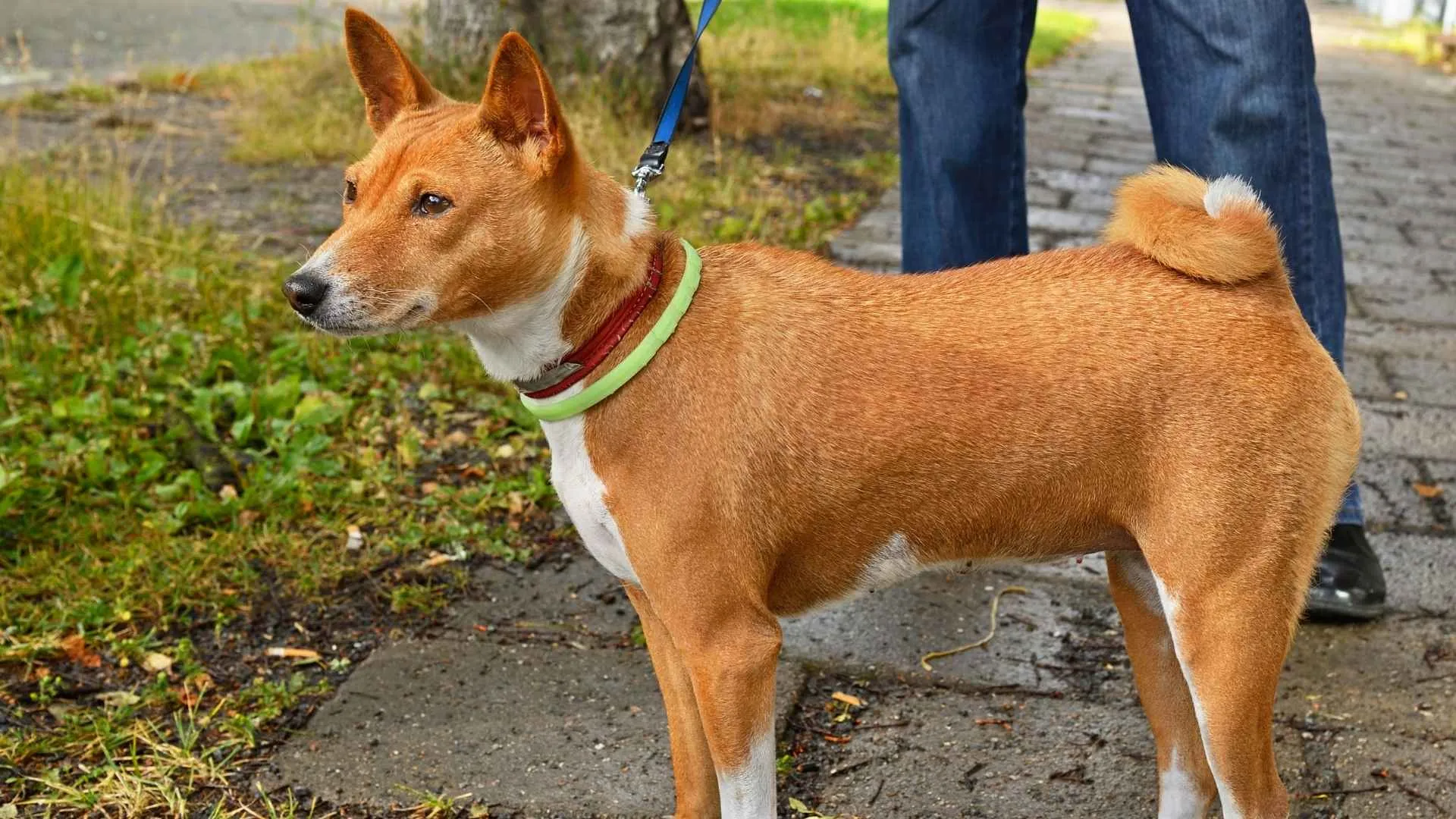
The Basenji originated in Central Africa and developed as a hunting dog valued for its ability to work independently in challenging environments.
African communities used these dogs to track and pursue game, while their agility and alertness helped them navigate dense terrain. The breed later became known internationally for its distinctive appearance and unusual vocal characteristics.
Provide Purposeful Daily Activity
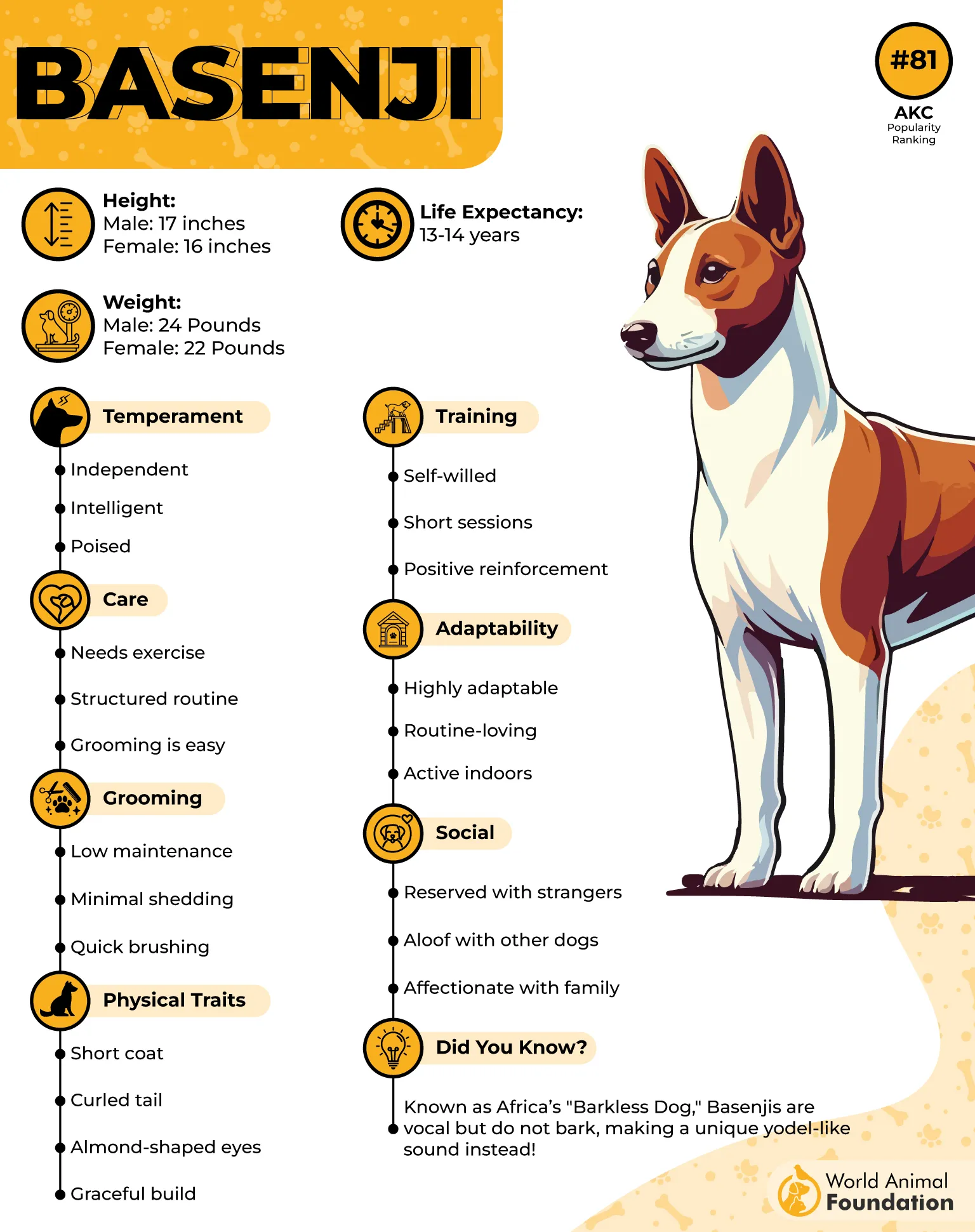
Basenjis are small enough for compact living but are considerably more athletic than several other breeds on this list.
They benefit from brisk walks, secure opportunities to run, interactive games, and activities that engage their minds. A lack of stimulation can encourage destructive or inventive behavior, so owners should not interpret their manageable size as low energy.

Independent and Unusual Personality
Basenjis are often intelligent, curious, and self-directed, with a temperament quite different from highly people-focused companion breeds.
They are famously known for producing unusual vocalizations rather than a conventional bark, although they are certainly capable of making plenty of other sounds. Their independent streak means patient training and secure management are particularly important.
Conclusion
A small home can comfortably accommodate an apartment dog when the breed’s physical and behavioral requirements fit the owner’s routine.
Ultimately, choosing a dog for a smaller home should involve more than measuring available floor space. Exercise requirements, grooming, temperament, heat tolerance, training needs, and health considerations all influence whether a breed will thrive. With the right match and a thoughtfully structured routine, even a compact residence can provide a comfortable home for the right canine companion.
