




Being a dog parent comes with a lot of responsibility. High-maintenance breeds need extra time for grooming, exercise, or training. They have plenty to offer, but they can feel overwhelming if your time, energy, and budget are limited.
The good news is that there’s a dog out there for nearly every lifestyle and living space. Busy owners can find pups that need minimal grooming, and apartment dwellers can look at breeds that do well in smaller homes.
Low-maintenance breeds usually take less time and money to care for, though every dog still needs attention from its humans. These dogs tend to need less exercise than many athletic dogs that need to be active for hours every day. Their coat care requirements are also often weekly; you won’t have to brush them for hours daily.
If you want a dog that fits easily into your routine, read our list of 10 great low-maintenance breeds.
Low‑Maintenance Dog Breeds for Peaceful Living
1. Chihuahua
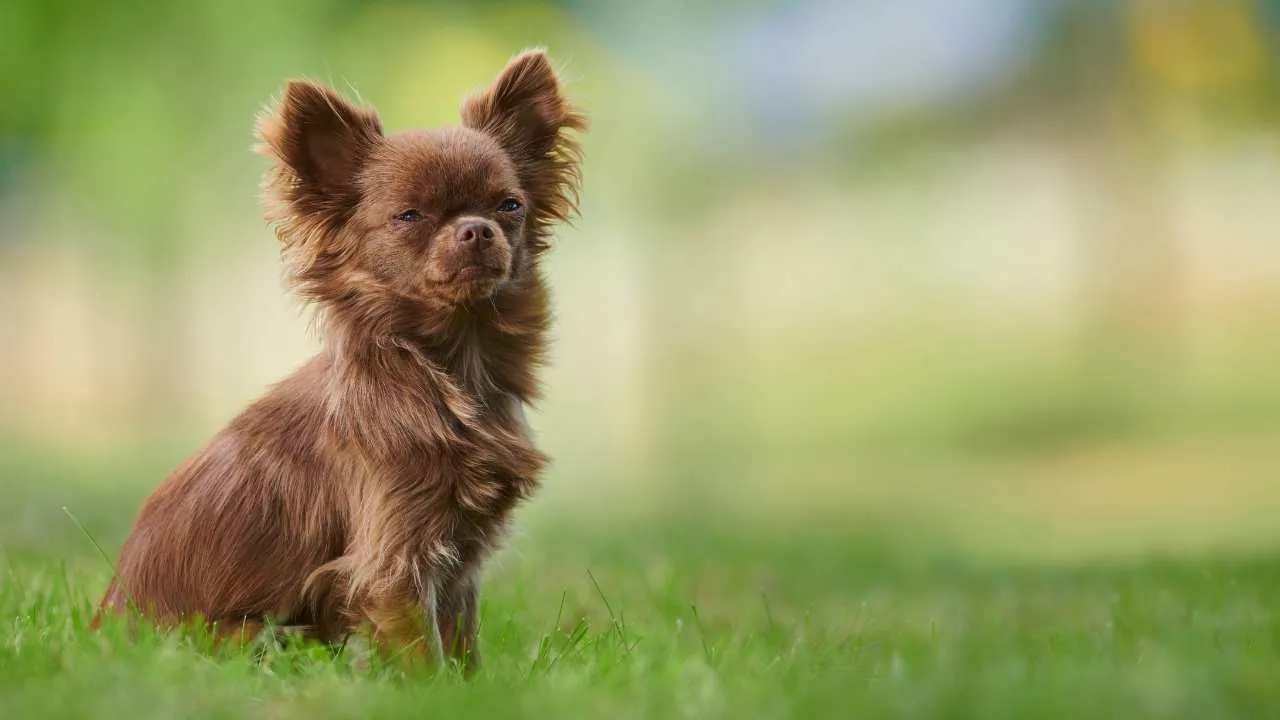
The Chihuahua is a national symbol of Mexico and is loved worldwide for its cuteness and big personality. Pet parents may call them a little snappy, but Chihuahuas adore their humans deeply and prefer to stay close to them.
Known as “the purse dog” for its compact size, the Chihuahua doesn’t need a large home, but it does want all your attention. This doe-eyed pup makes a great family dog and an easy-to-manage companion for single pet parents living in apartments.
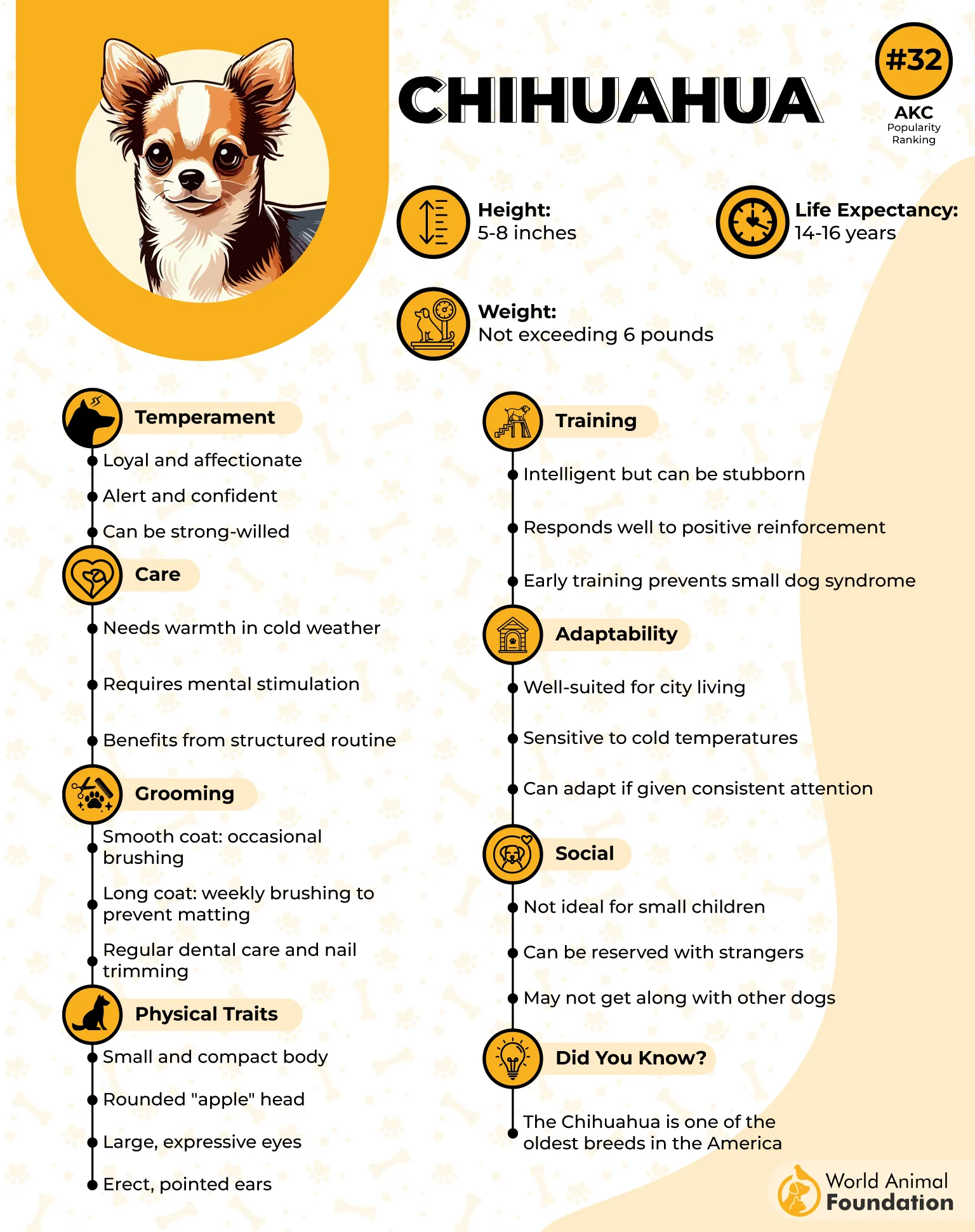
Chis can be smooth-coated or long-haired. Grooming needs vary with coat length, but an occasional brushing or one session a week is all they need.
As feisty dogs, they can burn off much of their energy by playing around the house, though short walks also help keep them at a healthy weight. Either way, you won’t need to dedicate hours to coat care or exercise.
2. Pug
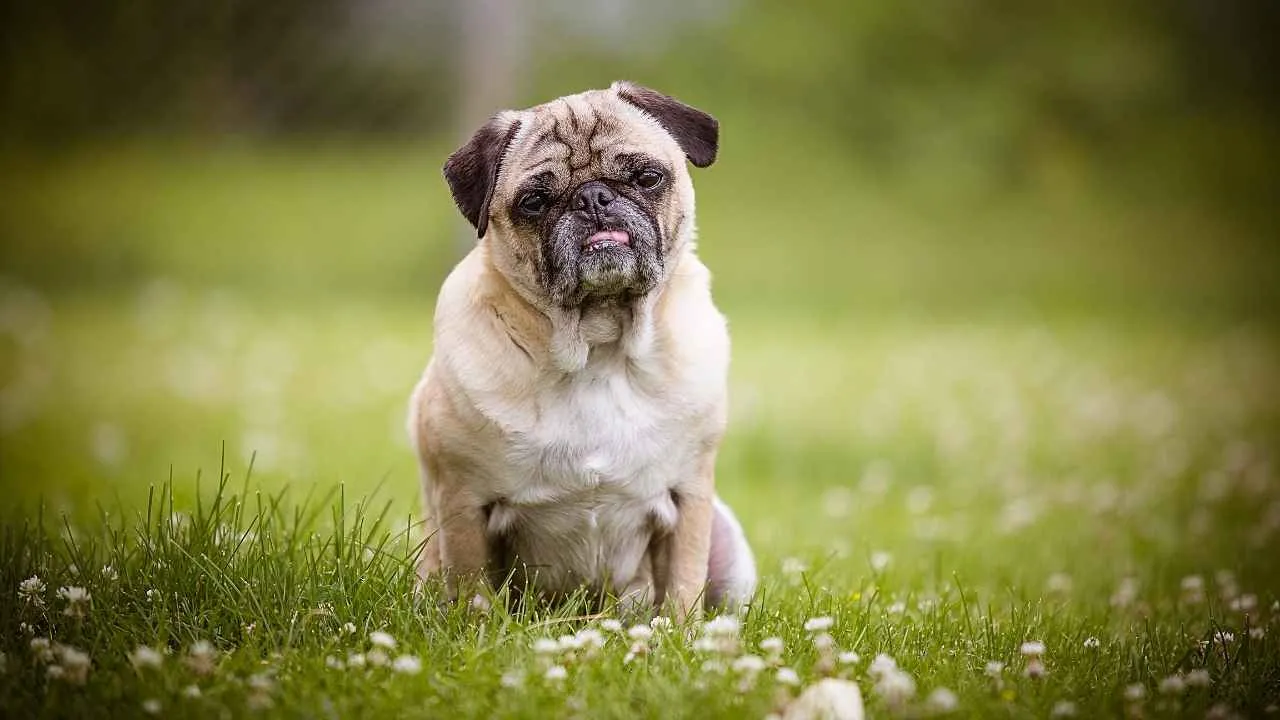
The Pug is a true classic for pet parents looking for a low-maintenance dog that adapts well to apartment living. A favorite among modern dog lovers, the Pug is an ancient breed that started in China, where it was loved by royalty, according to PetMD.
Pugs have a sturdy, small body, loose skin, and a wrinkled, black-masked face. Their adaptable temperament makes them great family pets, and they get along well with other pets, too. This small dog breed tends to be quirky and clownish, and it can be a sweet pet for first-time dog owners.
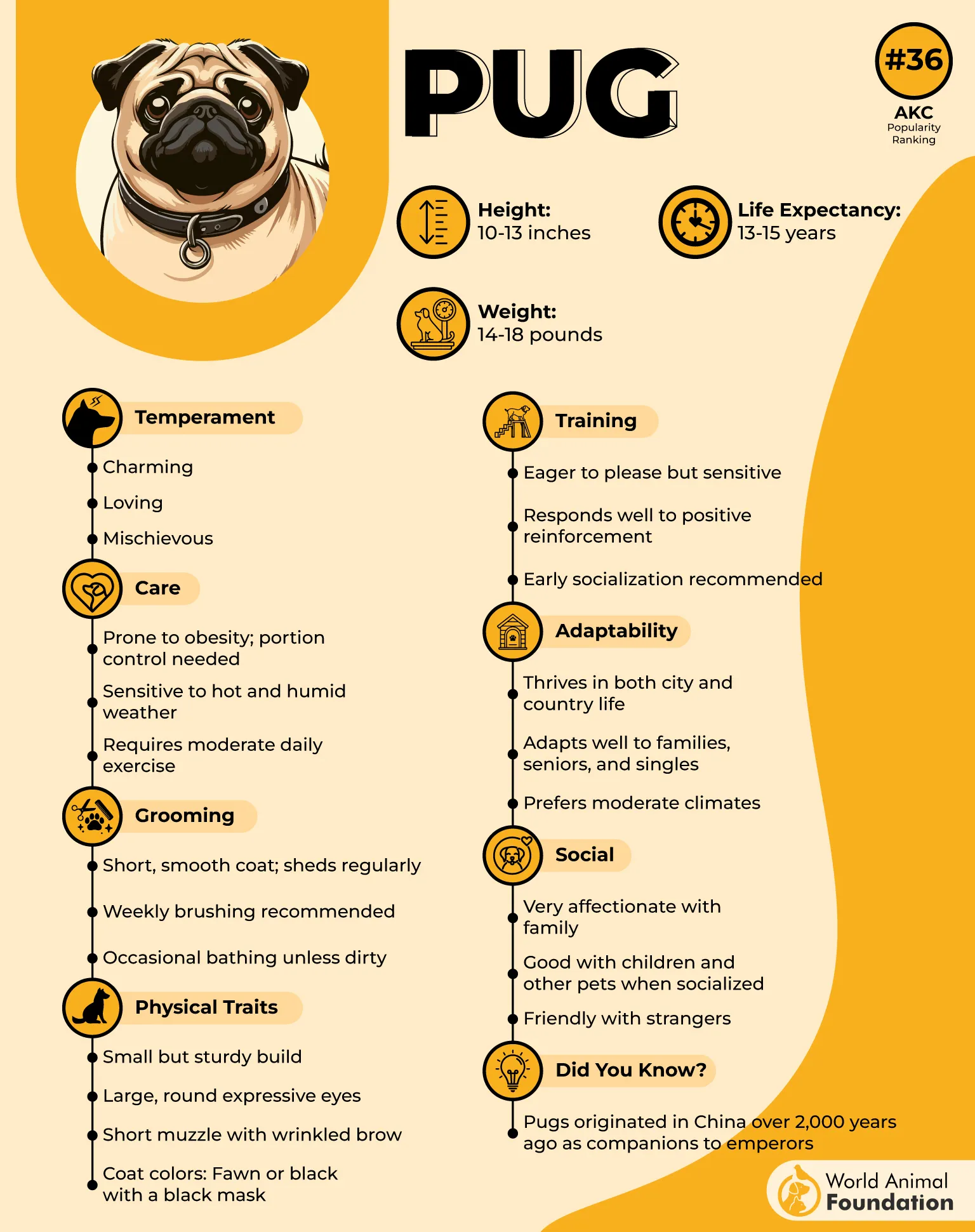
Pugs need only minimal exercise to stay healthy, but they’ll be overjoyed to join you at the dog park. They are playful and entertaining, but as a brachycephalic (short-nosed) breed, they are prone to overheating, especially in summer. Keep them from overexerting themselves and offer water every now and then.
Coat care is easy, too. Pugs shed only a little, and weekly brushing and an occasional bath keep them looking their best.
3. Boston Terrier
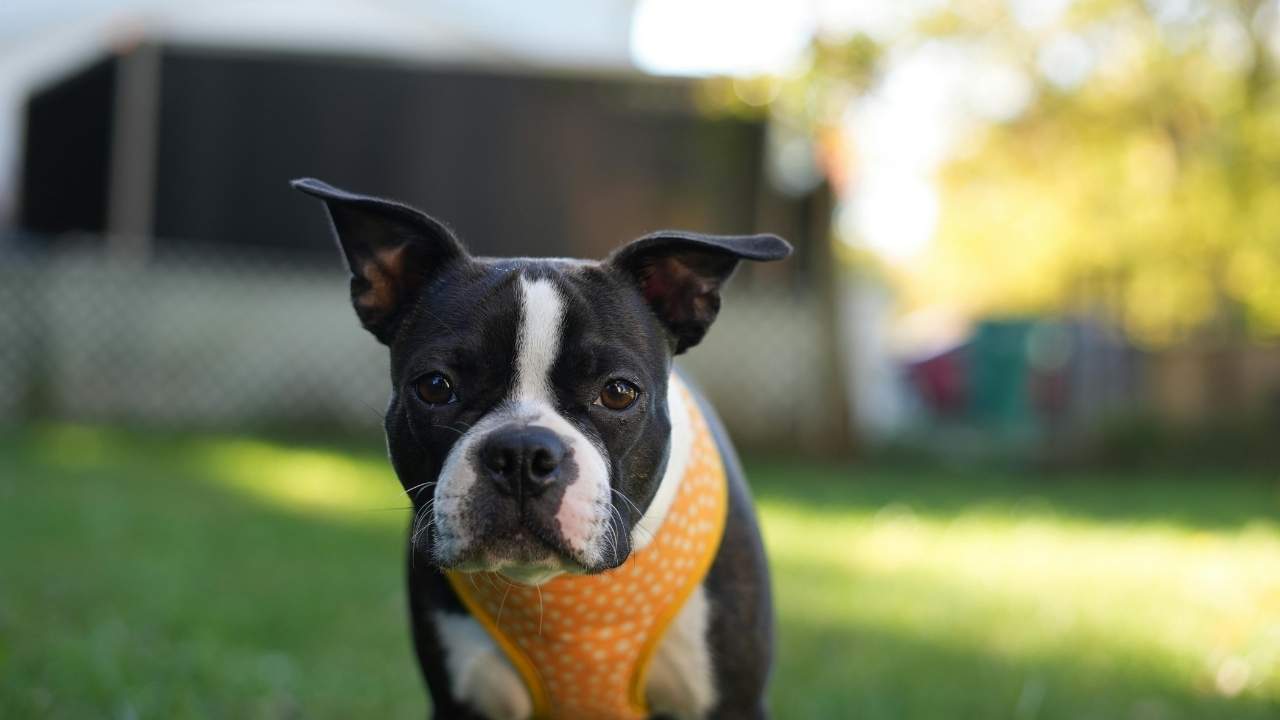
Boston Terriers are among the most amusing and unique small breeds, and they say a lot about their pet parents’ great taste. These “American Gentlemen” have bat-like ears, a clownish face, and a black and white coat that looks like a tuxedo.
Boston Terriers are affectionate, outgoing companions who enjoy their owner’s company, whether it’s cozy indoor time or a brief walk outside. These bright-tempered pups are very alert to their surroundings and make wonderful city pets.
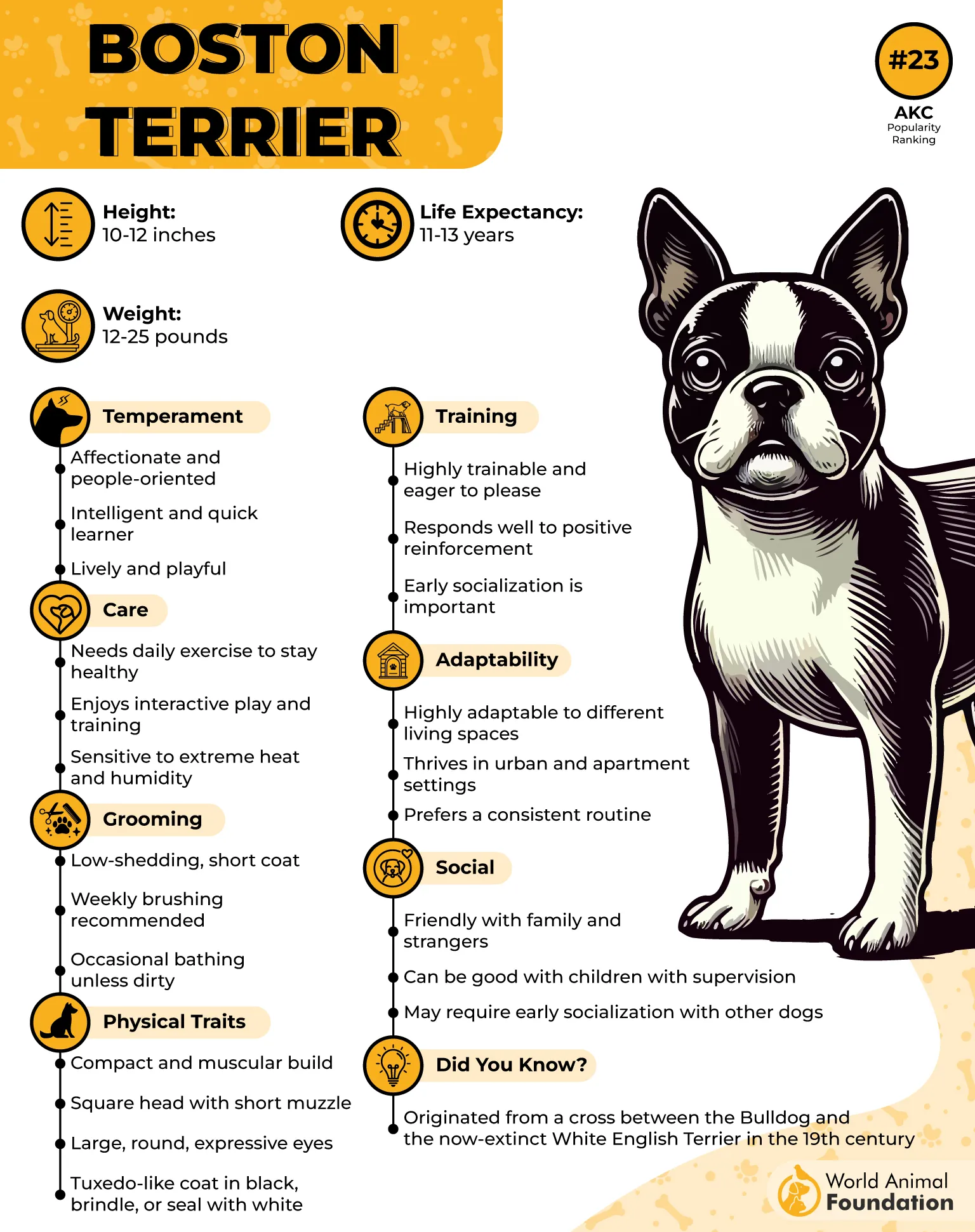
Because of their flat faces, Boston Terriers are prone to breathing issues, wheezing, and snoring, so make sure your indoor space is well ventilated. Their gentle temperament makes them a fine family dog, and they perform well in dog sports like agility, fetch, and lure coursing.
Exercise needs vary from dog to dog. Many are happy just playing around the house, though some light exercise helps keep them healthier. Their short coat needs minimal grooming, and brushing once a week removes any loose hair.
4. Italian Greyhound
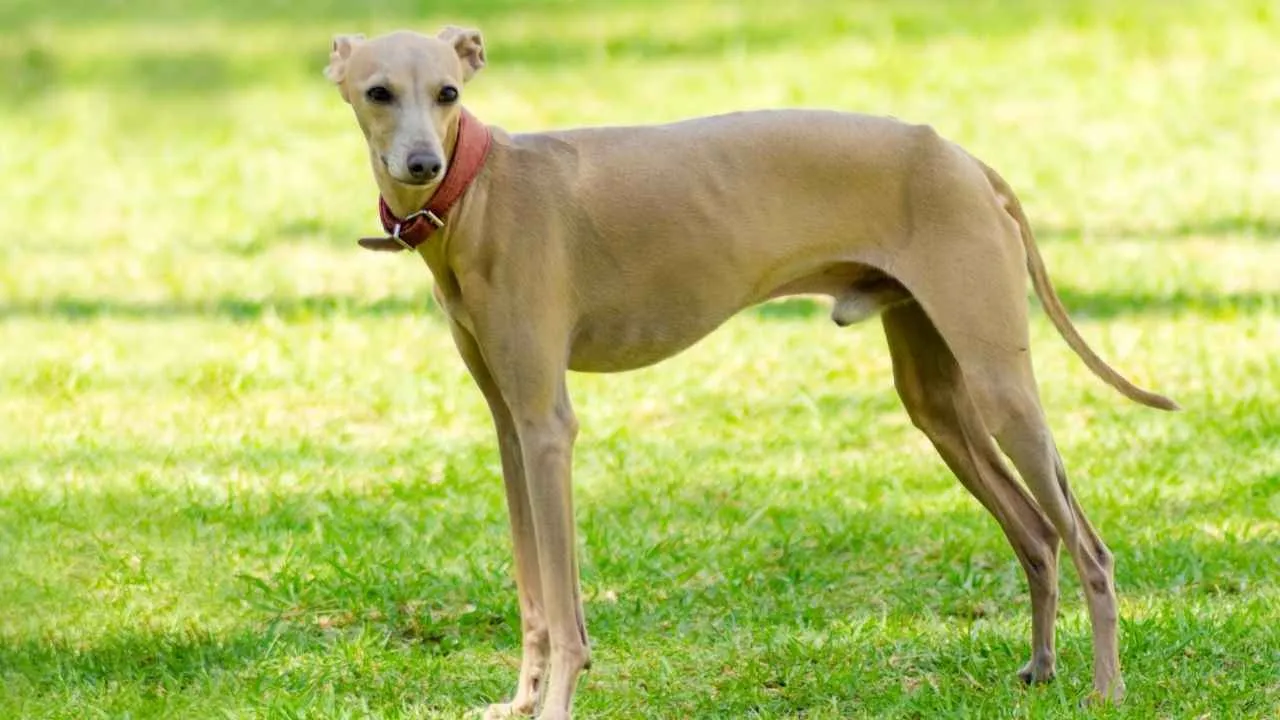
The Italian Greyhound is a lean, fast dog that looks like a smaller version of the Greyhound. It is one of the smallest sighthounds, known for spotting and chasing targets quickly with its sharp eyesight, according to Orvis.
These ancient dogs were adored by Turkish and Greek royalty, and today they’re loved as calm family pets with a gentle temperament. Their long neck, narrow muzzle, and lean legs paint a picture of a quick-footed, agile dog. Still, don’t underestimate their talent as loving lap dogs, since they love spending time close to their pet parent.
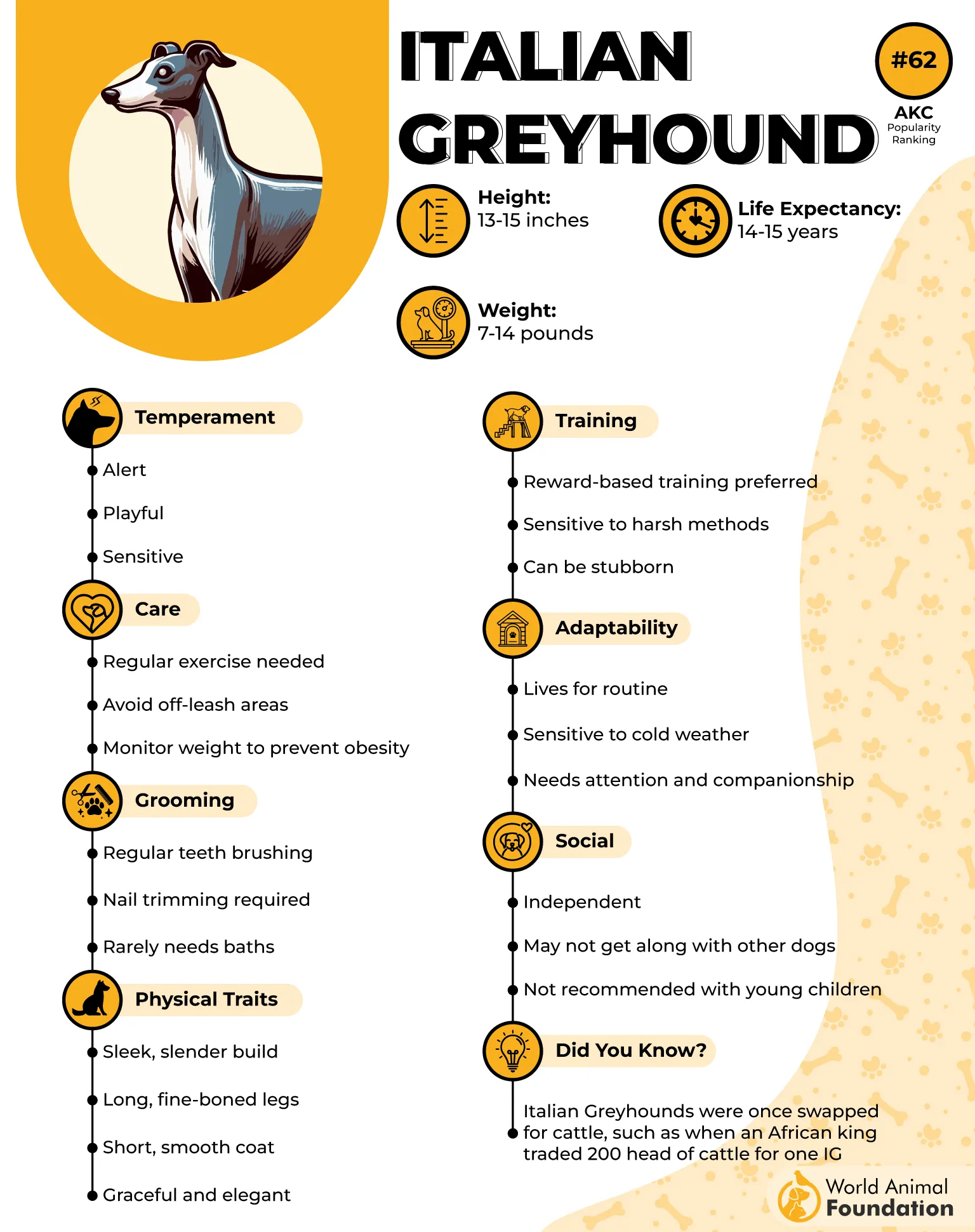
Though these pups are quite active, some daily playtime and leashed walks are enough to keep them healthy. If you want to let them roam the yard, add a dog-proof fence. Italian Greyhounds hate being left alone for long periods and can suffer from separation anxiety, so train them to spend some time alone and give them toys for company.
When it comes to coat care, Italian Greyhounds are among the lowest-maintenance dogs. Occasional brushing and bathing are enough to keep them clean.
5. Whippet
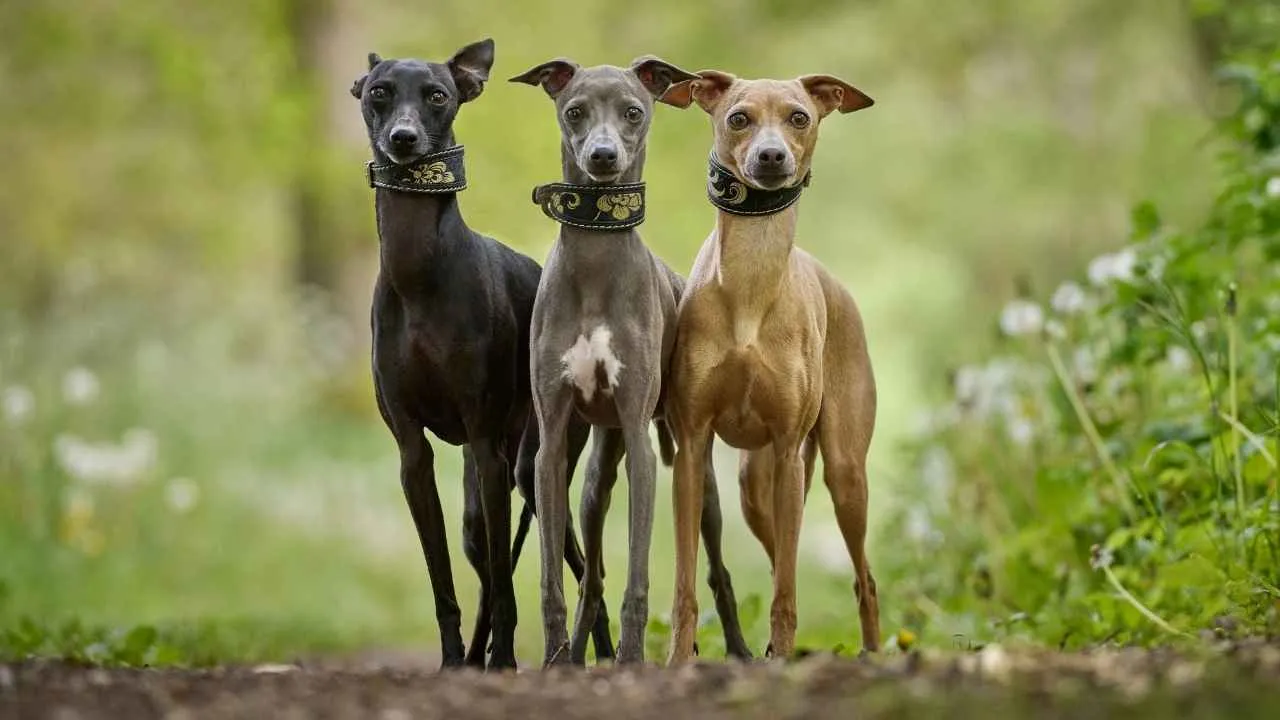
With a slim physique, deep chest, and long neck, the Whippet can remind you of both the Greyhound and the Italian Greyhound. These sighthounds were developed by crossing Greyhounds with smaller terriers, which explains the resemblance and the smaller size.
Nicknamed the “Poor Man’s Racehorse,” the Whippet is very quick and fond of chasing things, according to the AKC. From homes with large fenced yards to cozy apartments, Whippets adapt to different living conditions. Despite their speed, they are famously low-energy dogs that love snuggling up next to their owners.
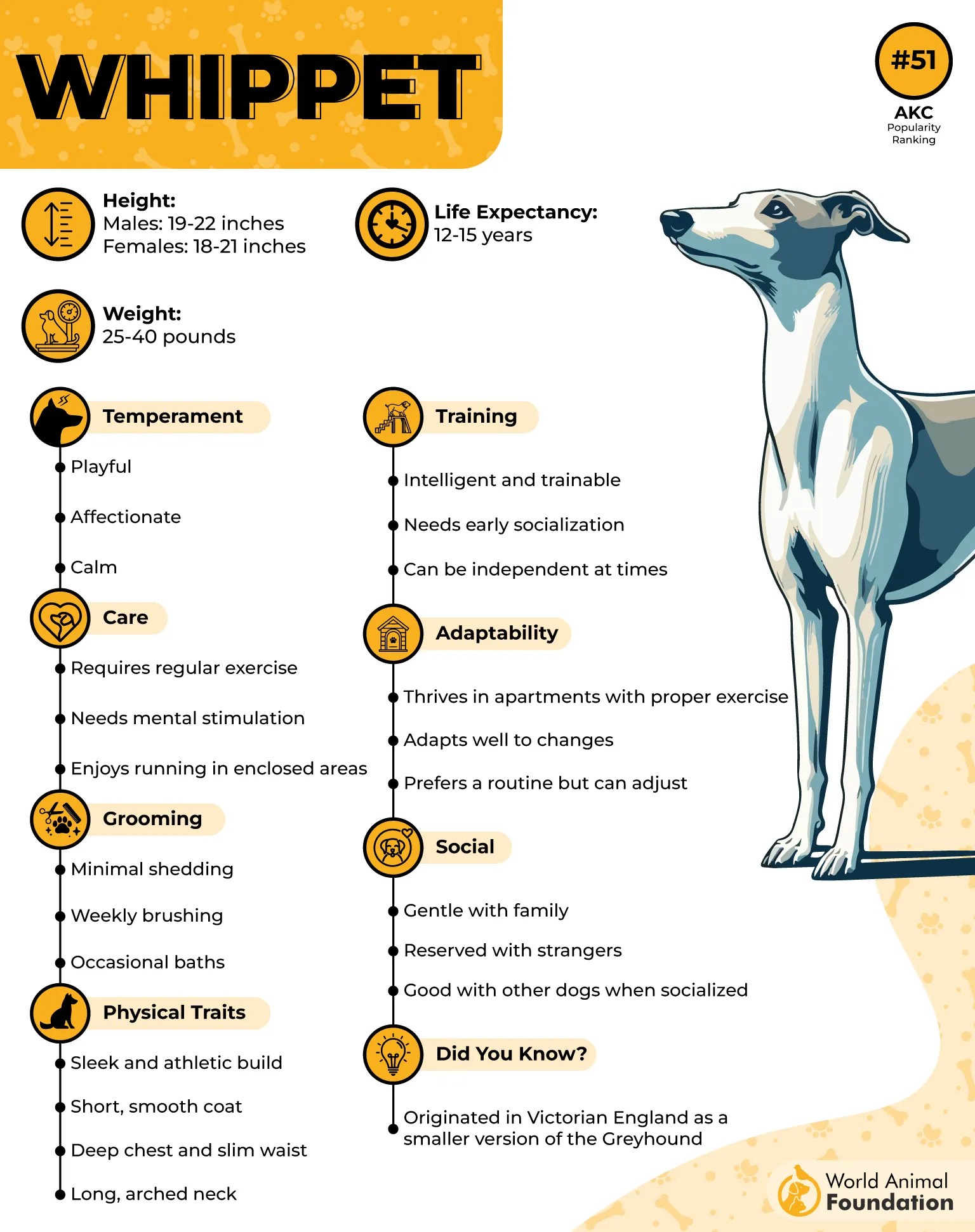
A few daily walks and the occasional chance to stretch their legs keep a Whippet happy. Once it has had some exercise, it makes a wonderfully calm indoor pet. It is also one of the lowest-maintenance breeds when it comes to grooming, since its smooth coat needs only occasional upkeep.
6. Greyhound
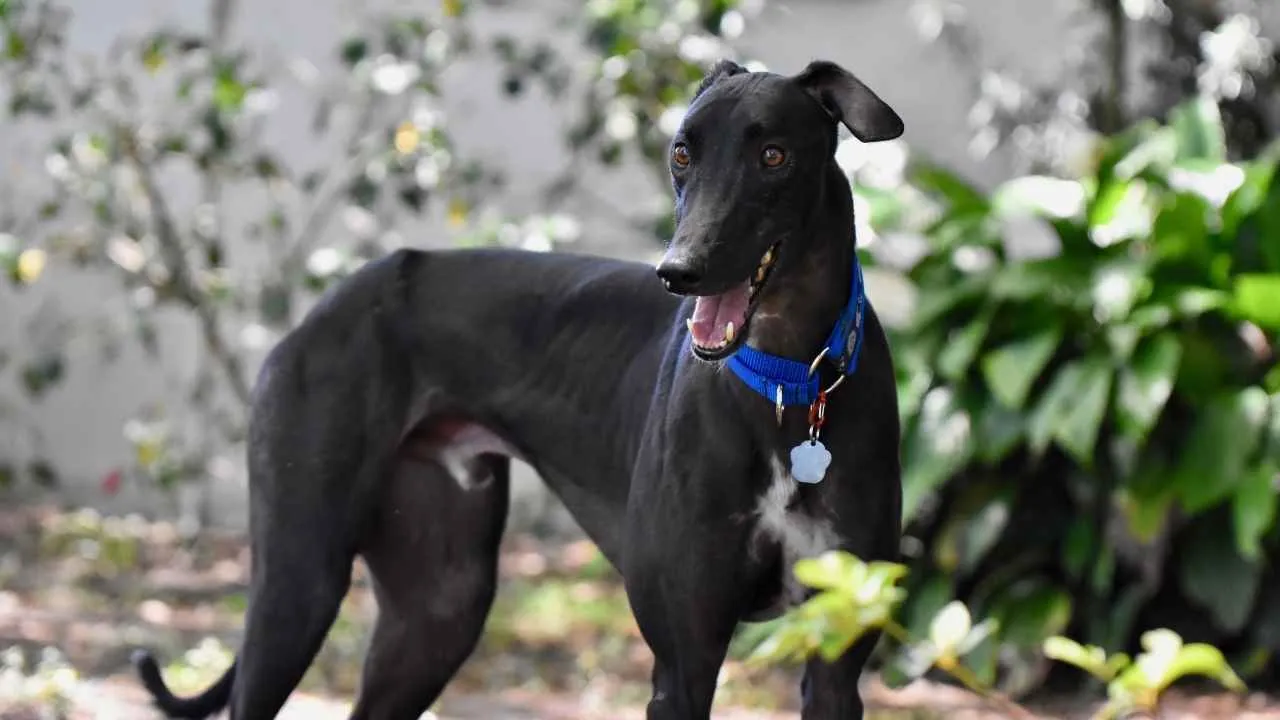
Larger than both the Italian Greyhound and the Whippet, the Greyhound can also be an easygoing companion once it has burned off its energy. Its sleek build, deep chest, and impressive running speed are always the talk of the town. Greyhounds are a good match for pet parents who can give them regular exercise and mental stimulation.
Greyhounds were built as super-fast sighthounds that pursue prey at lightning speed. Yet they can stay well-behaved by their pet parents’ side, even indoors. They do have a high prey drive, so make sure to leash train your dog to avoid trouble on walks.
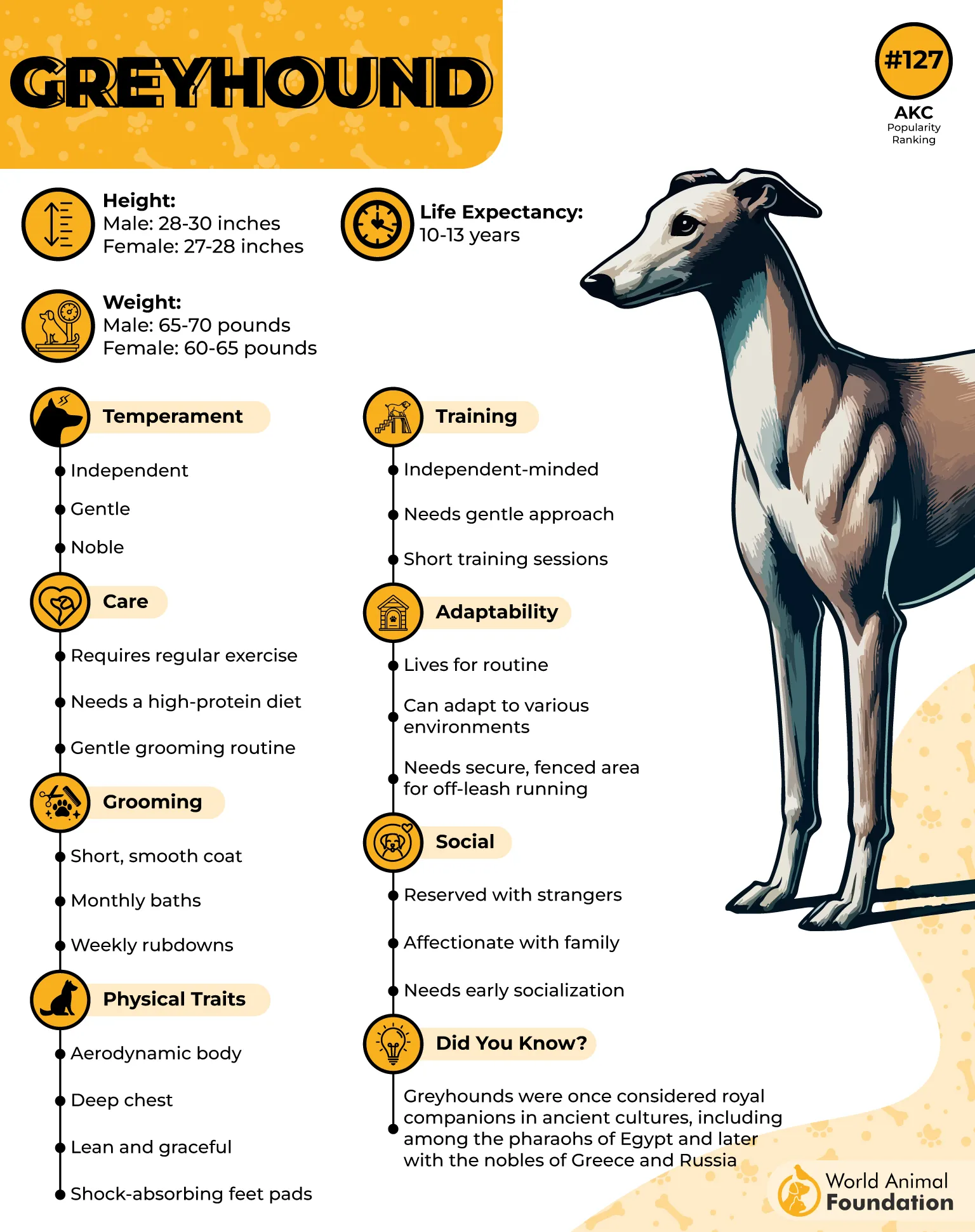
Greyhounds enjoy some running around, but they are surprisingly low-maintenance. Their short coat saves you a lot of time on brushing and money on professional grooming. Brushing once a week keeps the coat clean and helps spread body oils evenly.
7. Basset Hound
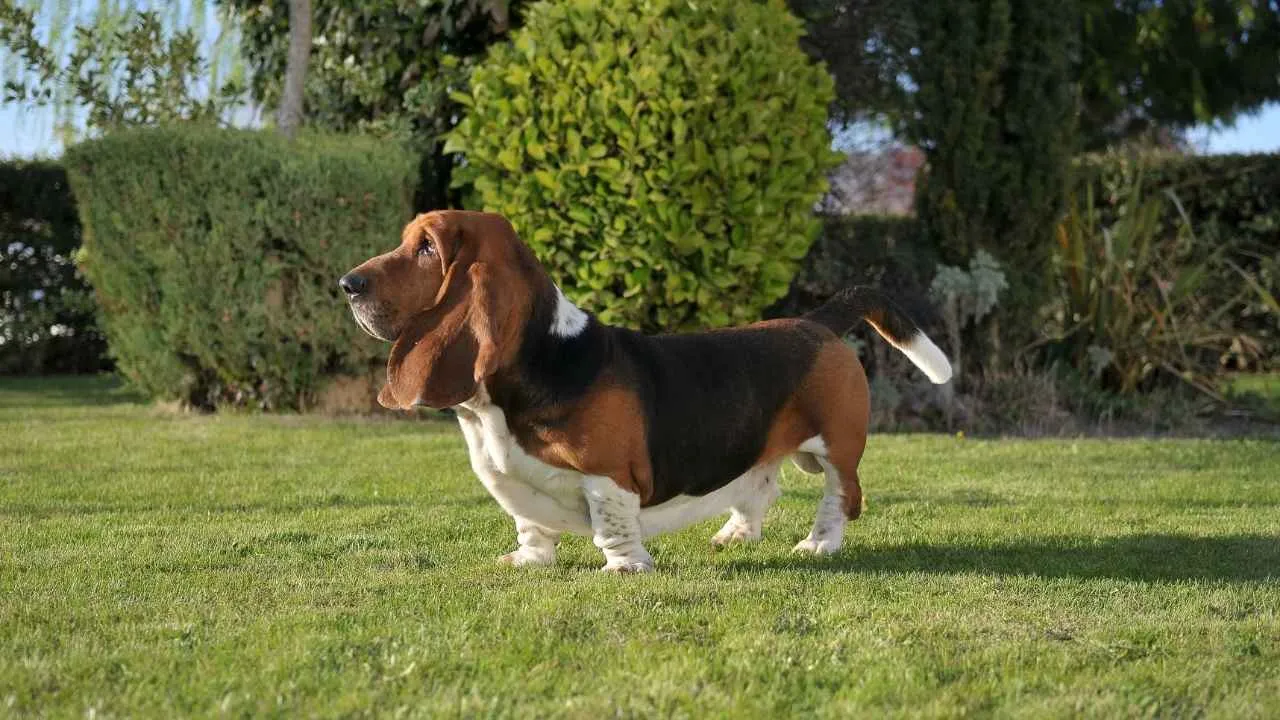
Basset Hounds are short-legged dogs with bodies longer than they are tall and long, floppy ears. These hounds are known for their impressive scenting ability and can stay on a trail for long periods.
Despite their stamina as scent hounds, Basset Hounds make calm family dogs with low exercise needs. Their powerful noses can keep pulling them toward interesting scents, but proper training and mental stimulation help them manage that urge.
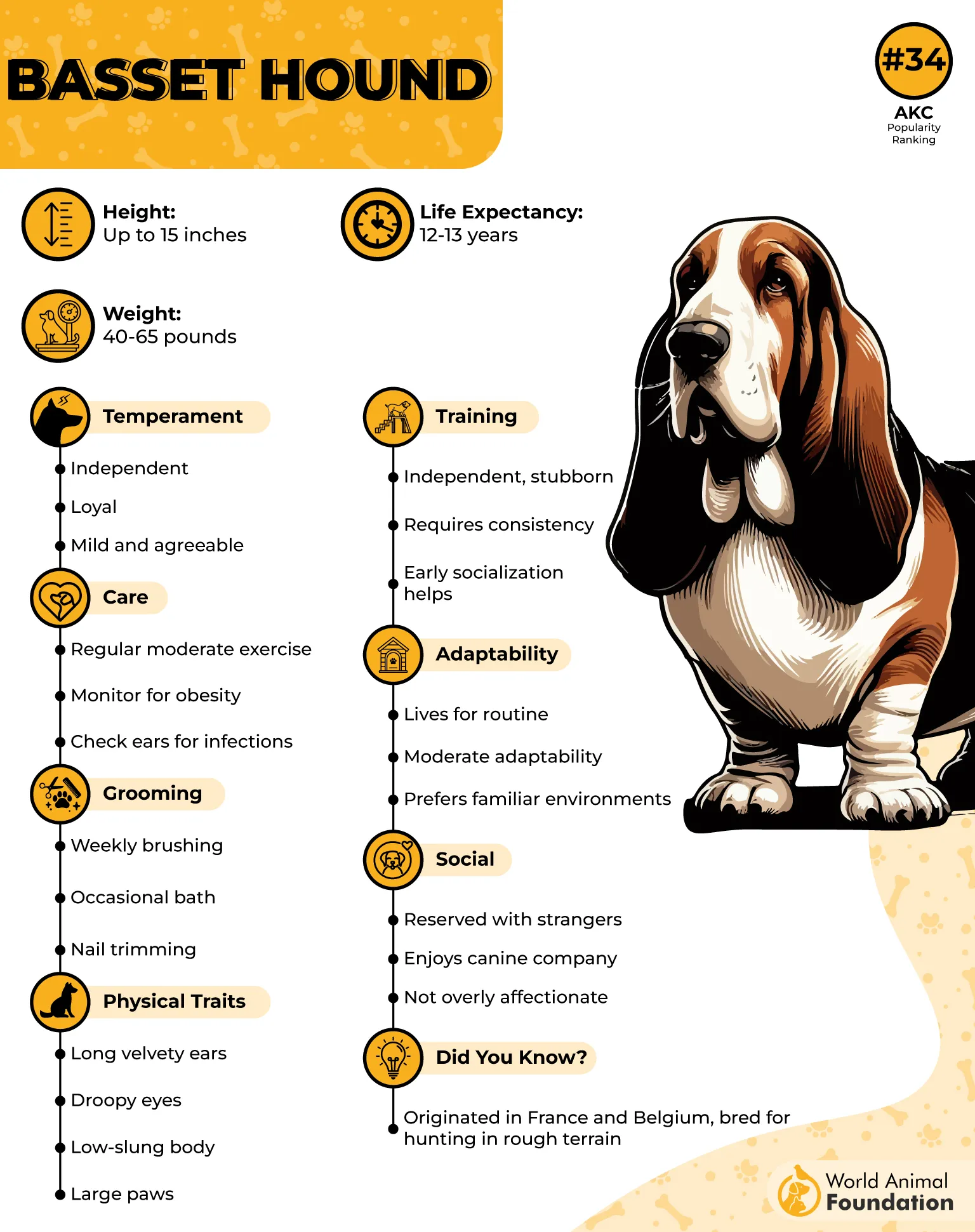
Moderate exercise, like daily walks, is enough to keep them healthy. They can live happily in apartments as well as larger homes, and early obedience and socialization training can strengthen their adaptable temperament.
Basset Hounds shed moderately, so brushing a few times a week helps remove loose hair. Also, make sure they don’t hurt their backs while climbing stairs or playing.
8. French Bulldog
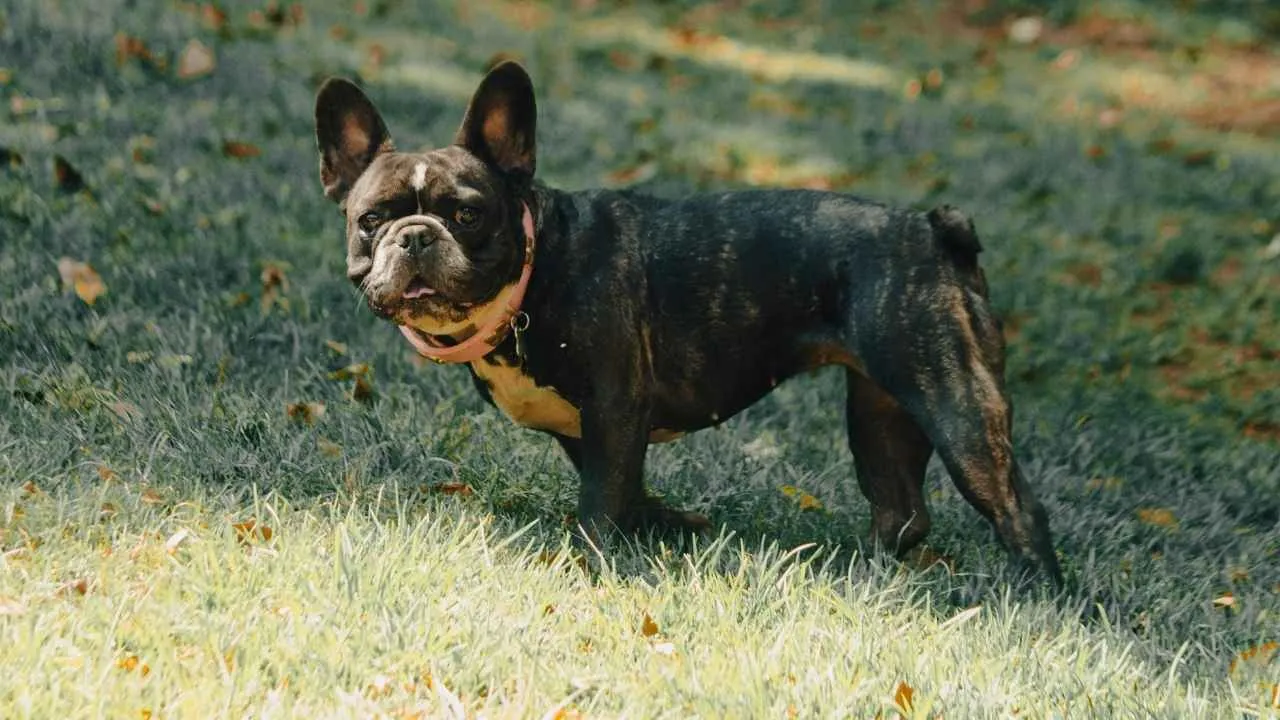
French Bulldogs are among the most loved companion dogs, with sweet and playful temperaments. This small breed has a stocky build, pointed ears, and a flat, wrinkly face. They adapt wonderfully to family life and also live happily in small spaces like apartments and dorms.
Frenchies tend to be quite alert to their surroundings, so they make nice little watchdogs who let you know when a stranger arrives at the door. With moderate to low energy levels, they don’t need vigorous exercise to stay healthy. A few short walks a day or an indoor play session is enough to keep them happy.
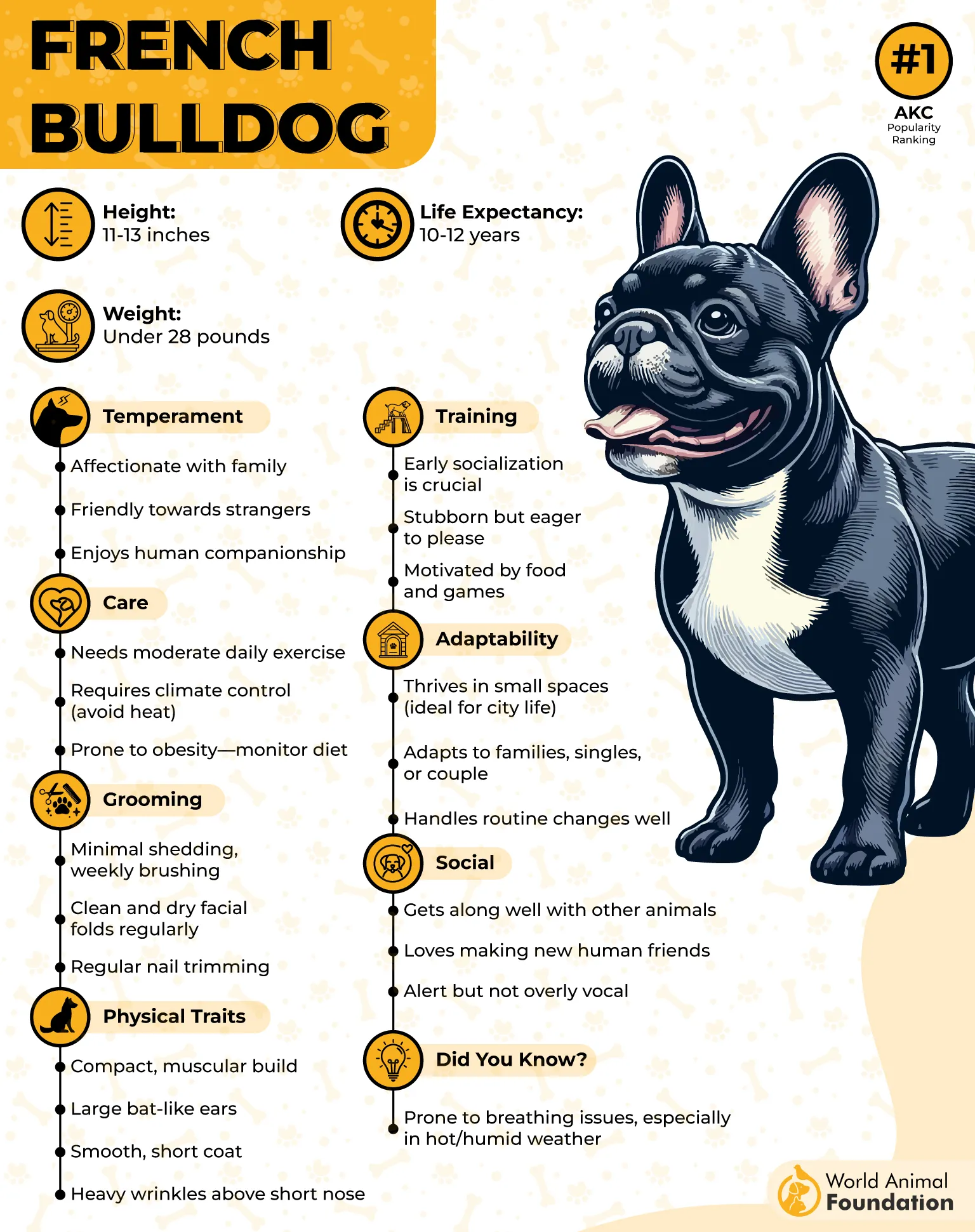
French Bulldogs are one of the lowest-maintenance breeds, thanks to their low-shedding, short, smooth coat. Brush them once a week, and they’ll look ready for a stroll outdoors.
Like other brachycephalic breeds, Frenchies come with some health considerations. They do best indoors during hot and humid months. They make fine travel partners, but on car trips, watch for motion sickness and keep the car ventilated or air-conditioned.
9. Miniature Pinscher
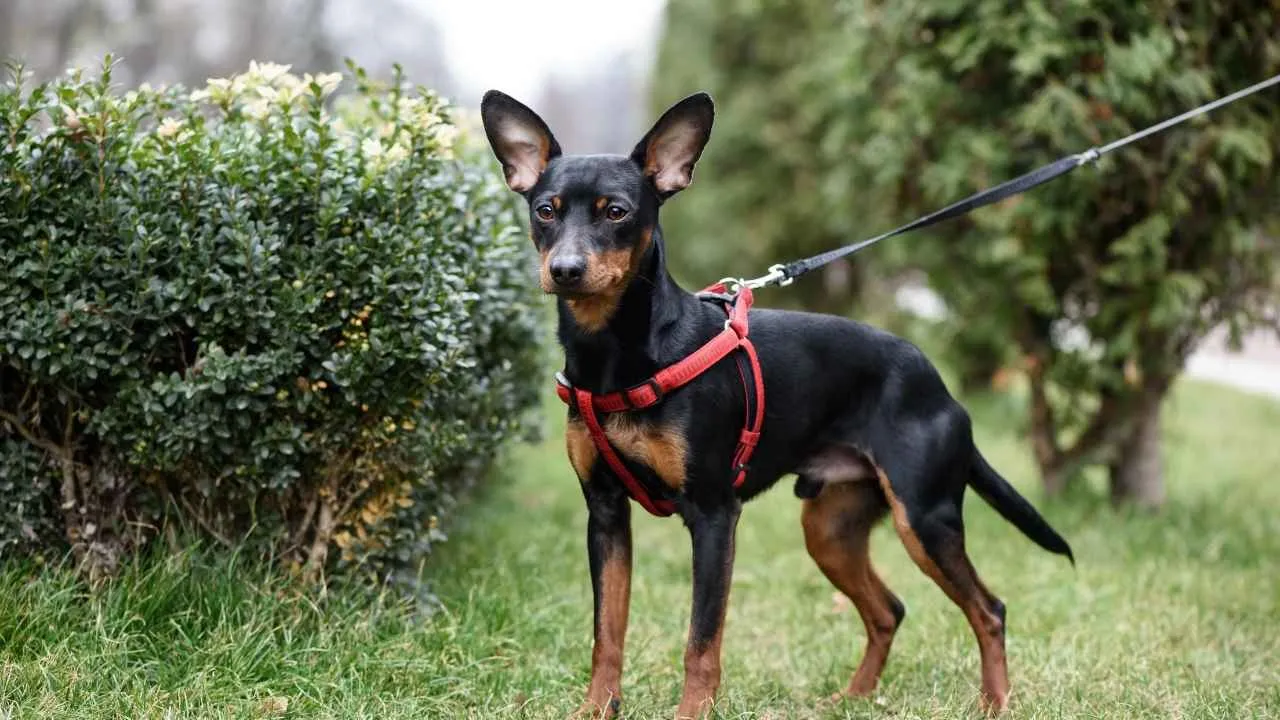
The Miniature Pinscher, or “King of Toys,” is an alert little dog with a fearless nature. It originated centuries ago in Germany, where it was used to hunt rats and vermin in barns. Today, this independent breed makes a playful companion for pet parents who are at least moderately active.
Min Pins are intelligent and can learn many cues and commands easily when trained early and consistently. They adore their human families and love cozying up next to their pet parents on the sofa.
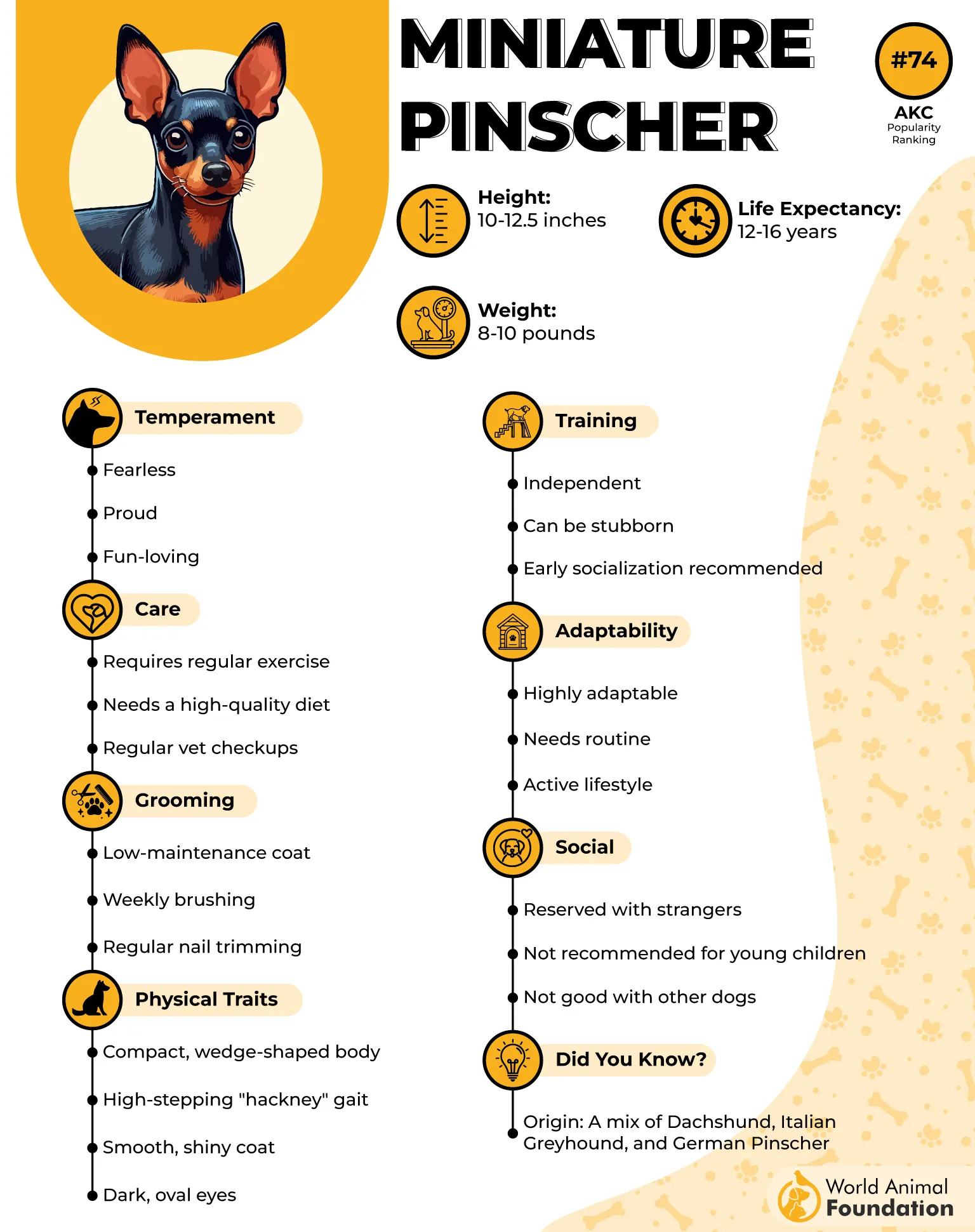
As high-spirited dogs, they need daily exercise to burn off excess energy, though indoor workouts and play sessions can do the job. If you want to let them play in the yard, make sure it’s properly fenced, since these pups will try to escape when given the chance.
What makes Min Pins easy to maintain is their short coat, which needs only a quick weekly brushing and an occasional bath to stay clean.
10. Cavalier King Charles Spaniel
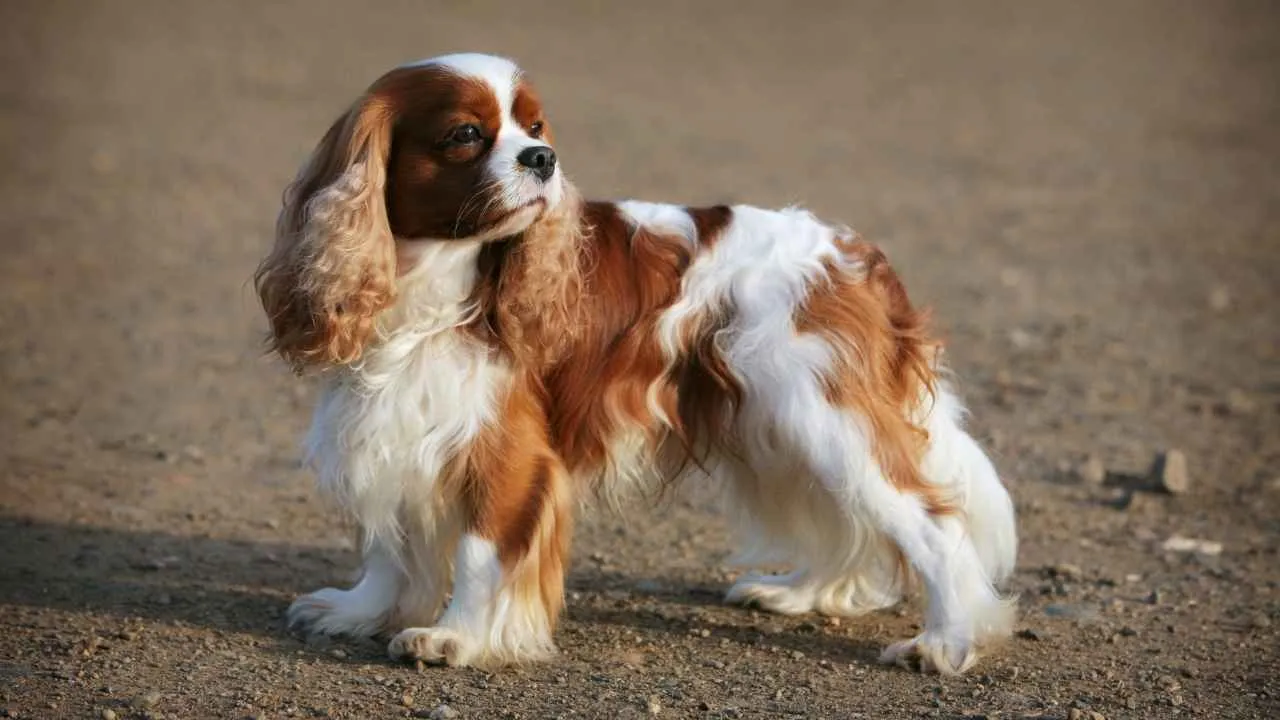
Cavalier King Charles Spaniels are the right breed for pet parents who want a joyful furry friend who is happy on the sofa but also enjoys outdoor walks. This sociable breed makes a wonderful family dog and gets along well with children and other pets alike.
A Cavalier’s silky coat makes quite a fashion statement, but it needs regular brushing to stay clean. An occasional trip to a professional groomer keeps it looking fabulous. Cavs have moderate energy levels, so they don’t need vigorous exercise, but walks and play sessions keep them healthy.
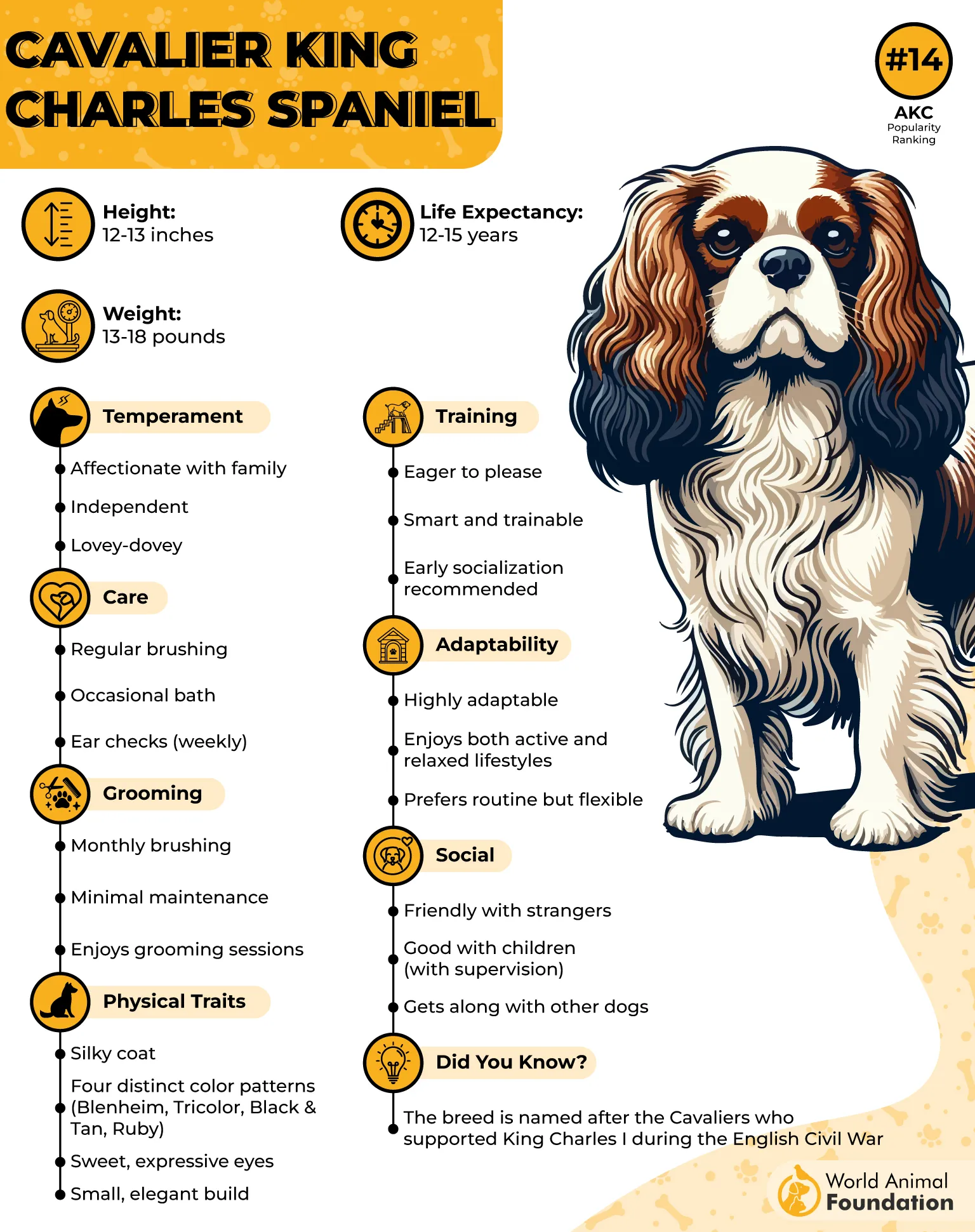
Cavs make fantastic lap dogs and love cuddling with their humans, but they’ll be just as happy spending some time in a fenced yard. They are easy to train and can learn to perform in dog sports like agility and rally.
Conclusion
These low-maintenance breeds make wonderful pets for owners who want to save their energy and resources and enjoy a peaceful routine. Adopting an adult dog that is already well trained is a great way to get a balanced, predictable temperament.
If you’re a first-time owner, look for a pup that has had early training, and work with a reputable breeder to find a healthy companion that suits you.
