




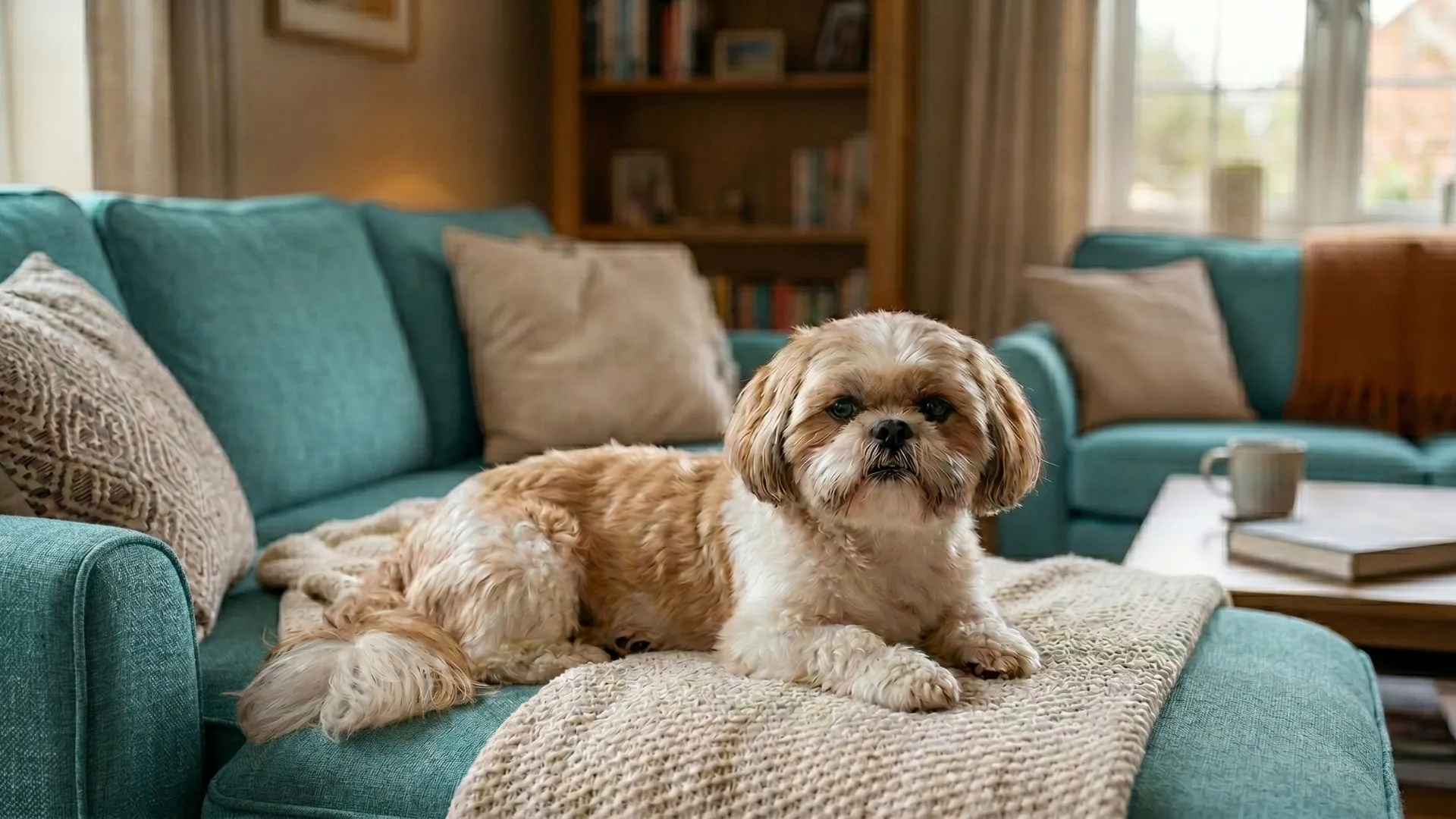
Not everyone dreams of hiking mountains at sunrise or spending hours throwing tennis balls in the backyard. Some of us consider a perfect day one that includes a cozy blanket, a favorite show, and a loyal dog curled up nearby. The good news is that not all dogs need endless activity to stay happy.
According to the American Pet Product Association, about 66% of U.S. households own a pet, with dogs remaining the most popular companion animals. Many owners specifically look for breeds that fit a calmer lifestyle.
If your idea of exercise is walking to the fridge during commercial breaks, do not worry, you still have great dog options.
These nine low-maintenance dog breeds offer companionship, affection, and manageable care requirements without turning your living room into a fitness boot camp.
Low‑Maintenance Dog Breeds for Couch Potatoes
1. Cavalier King Charles Spaniel
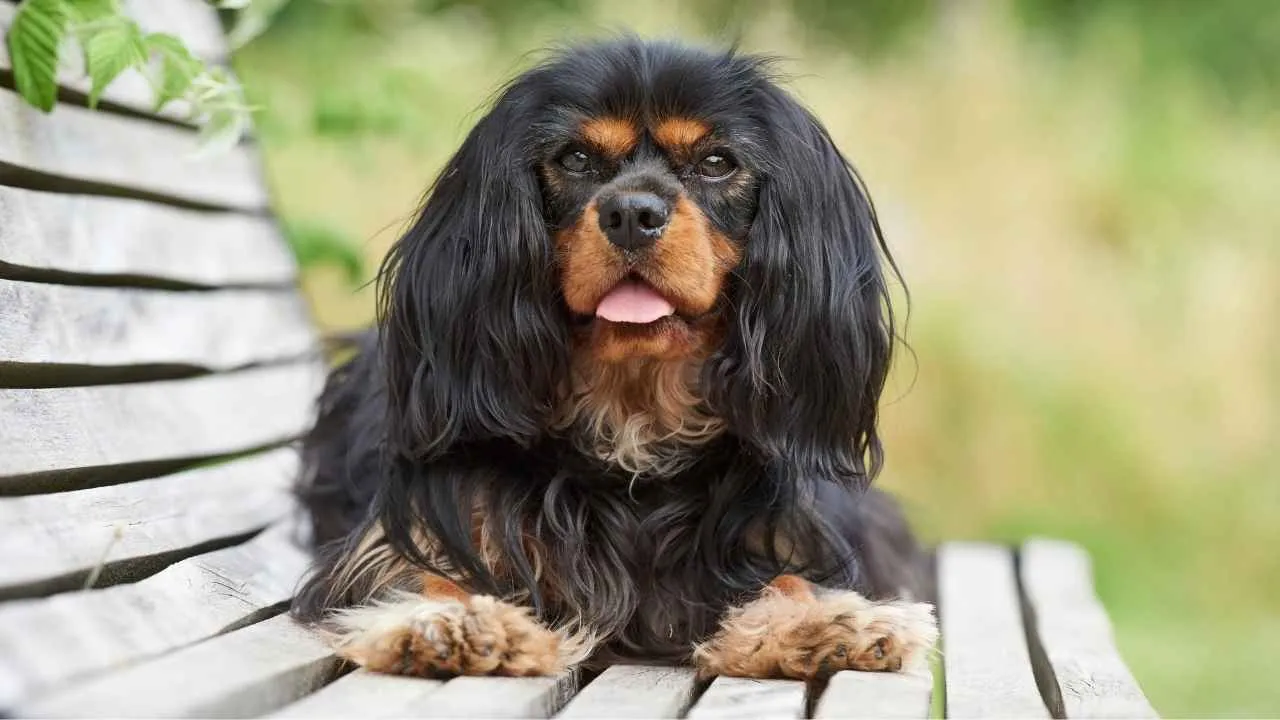
This affectionate and loving companion was bred as a lap dog for royalty. Later in the 17th century, it was named after King Charles I and his son King Charles II because of their immense love for the breed that they even used to carry it to the courts and in carriages, according to PetMD.
The breed has a calm disposition because of its low prey drive and aggressive instincts. This small dog has a neotenic skull (expressive eyes, short muzzle, and a small head), which means it carries its puppy-like physical attributes into adulthood. High emotional intelligence makes it an exceptional therapy dog.
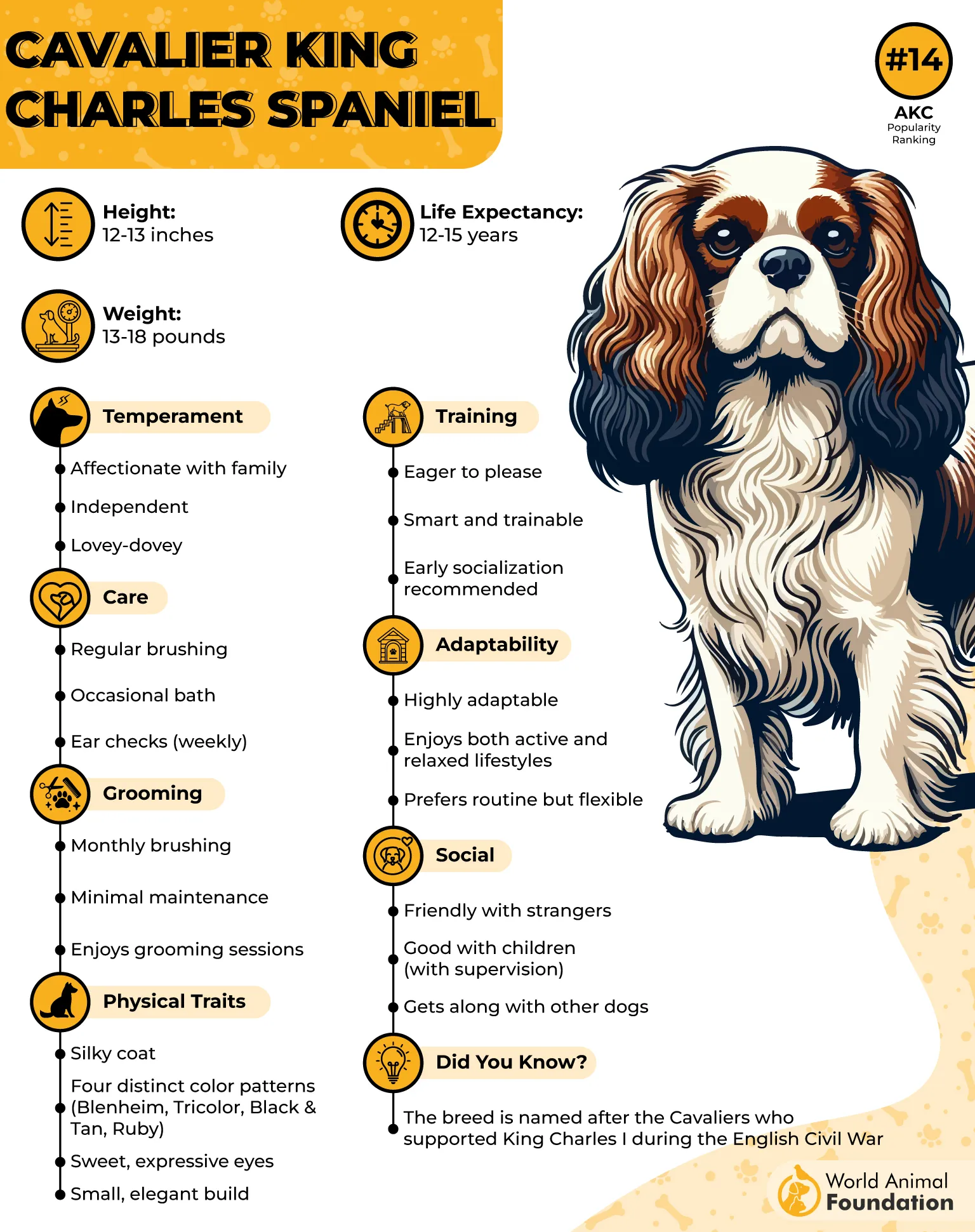
Instead of running around to grab your attention, the Cavalier gently sweeps its ‘helicopter tail’ that whips around to initiate affection. Since it has a single-layered, medium-sized coat that produces less dander, it is highly manageable: using a slicker brush to comb the coat 3-5 times a week is enough.
2. Basset Hound
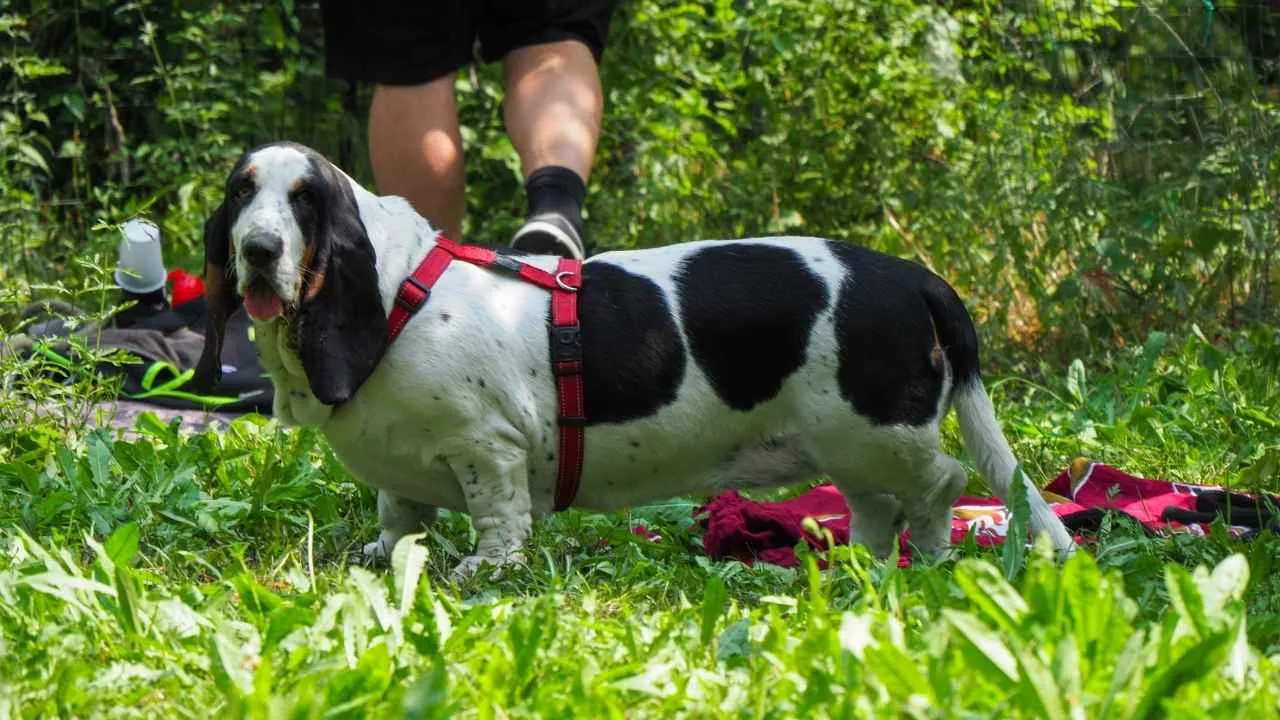
This small dog was bred in Great Britain from French basset breeds to hunt down small game, such as rabbits and hares. It has a strong sense of smell, the second strongest in the world. The ‘basset’ in its name comes from a French word that means ‘low,’ since it tends to track its prey by sticking its nose to the ground.
The coat consists of two layers: the outer coat is hard and short, while the undercoat is long and soft. Beneath the dense coat is the loose skin, forming wrinkles on the forehead and the cheeks. It has pendulous ears that block the ear canal, housing bacteria. It is prone to drooling, and the saliva may become trapped in the skin folds, causing infection.
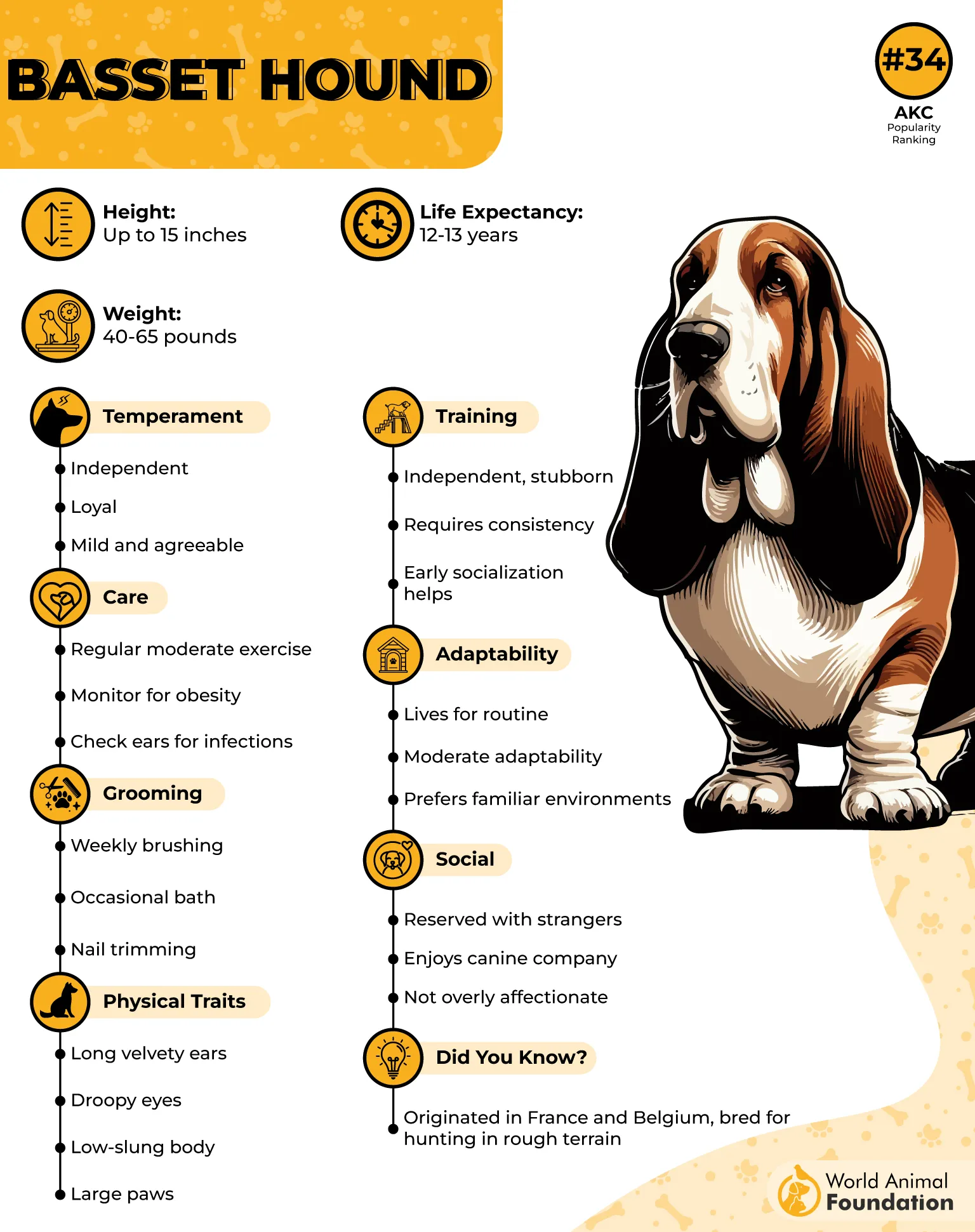
The breed has moderate exercise needs (30-60 minutes a day): leisure walks, scent games, and mental stimulation. Avoid extensive exercise for puppies as they have developing joints and may get injured. A weekly brushing with a soft-bristle or rubber curry brush helps keep the coat in good condition. Clean the wrinkles and ears regularly with gentle wipes.
3. Pug
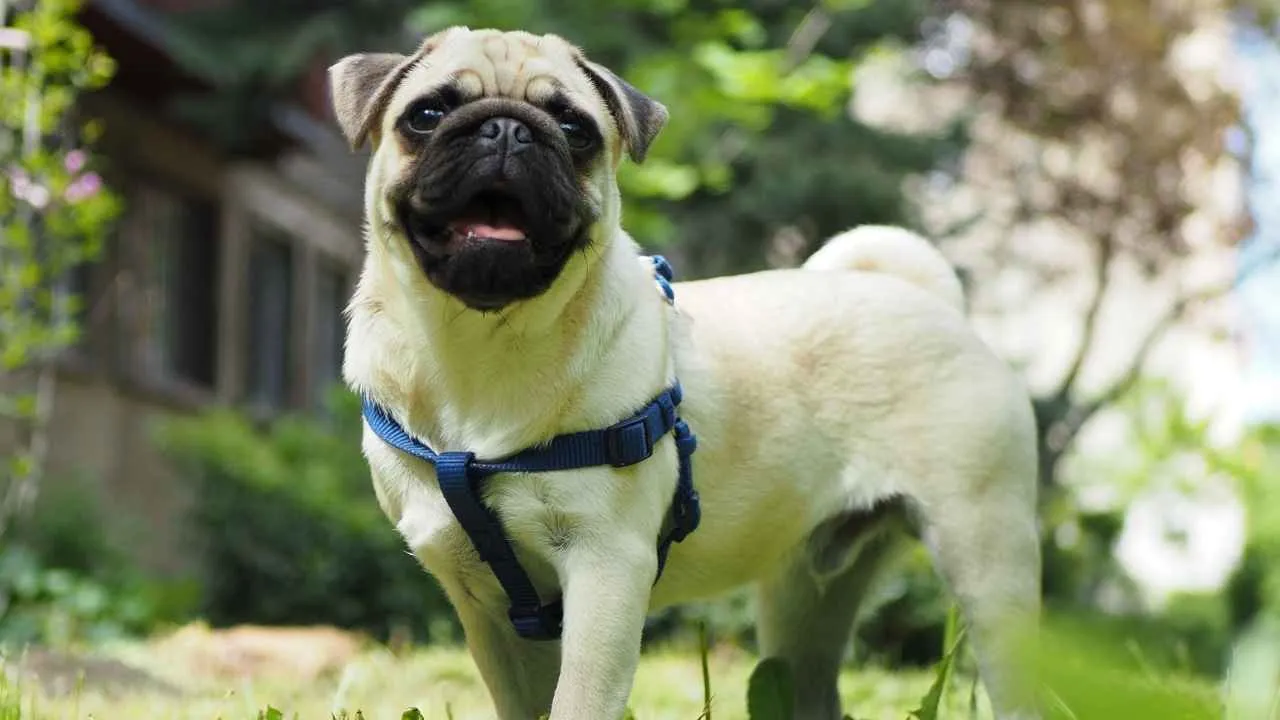
The small dog was brought from China to Europe in the 16th century and became popular as a lap dog. It became the obsession of Queen Victoria to the point that she even inherited the breed into her lineage. It is known to be a gentle companion dog with its smooth and short coat, wrinkly muzzle, and curled tail.
The double coat consists of long ‘guard hair’ responsible to repel dirt and water, while the undercoat has dense, shorter hair, and it acts as a thermoregulator. The coat color comes in fawn, apricot-fawn, black, and silver fawn with distinct markings around the eyes, muzzle, and tail.
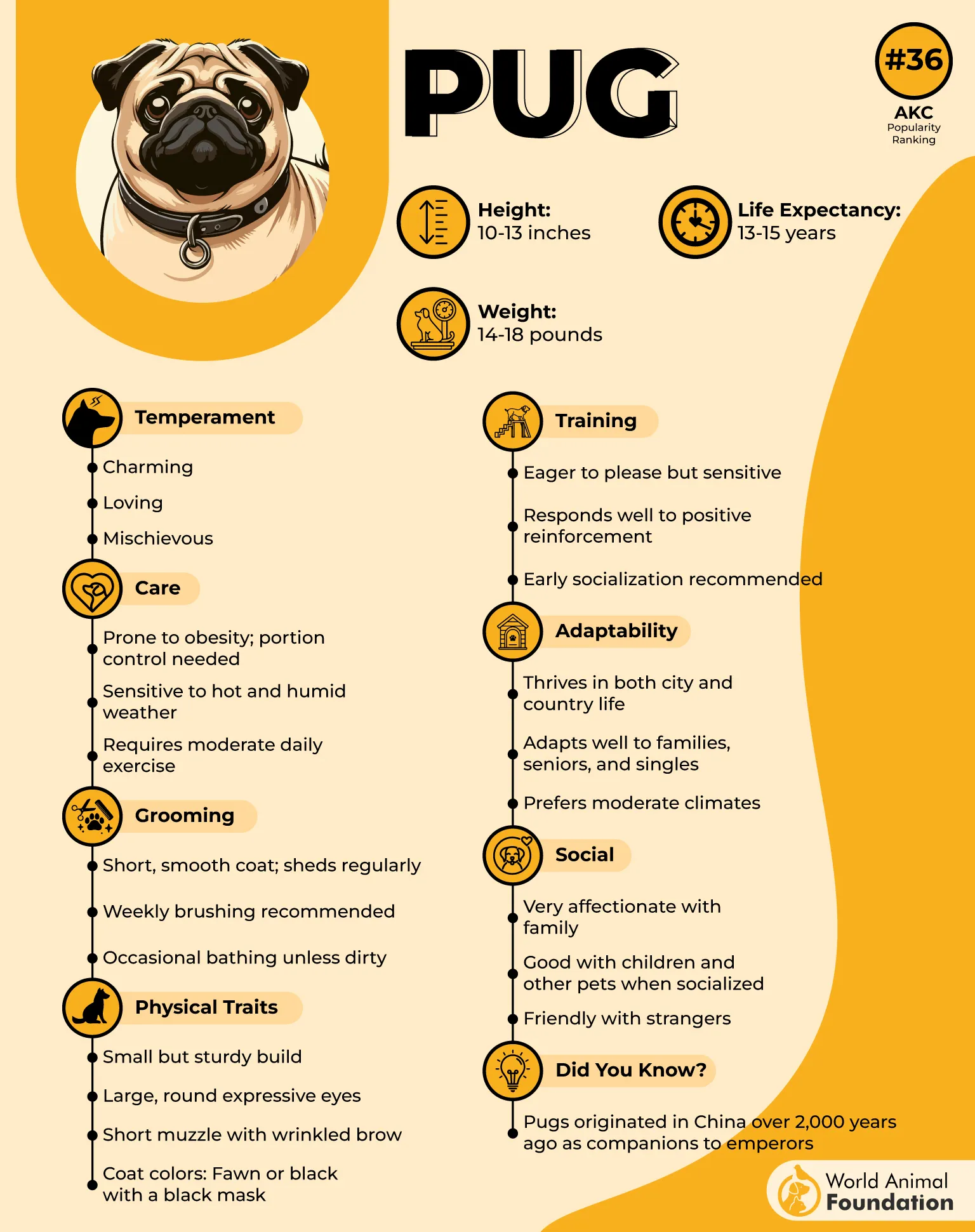
Since it has fur instead of hair, it grows to a certain length; thus, it does not require clipping, shavings, or haircuts. It needs to be brushed weekly using a rubber mitt and a medium bristle brush. Avoid taking the dog outdoors above 29 degrees Celsius to prevent heatstroke.
4. French Bulldog
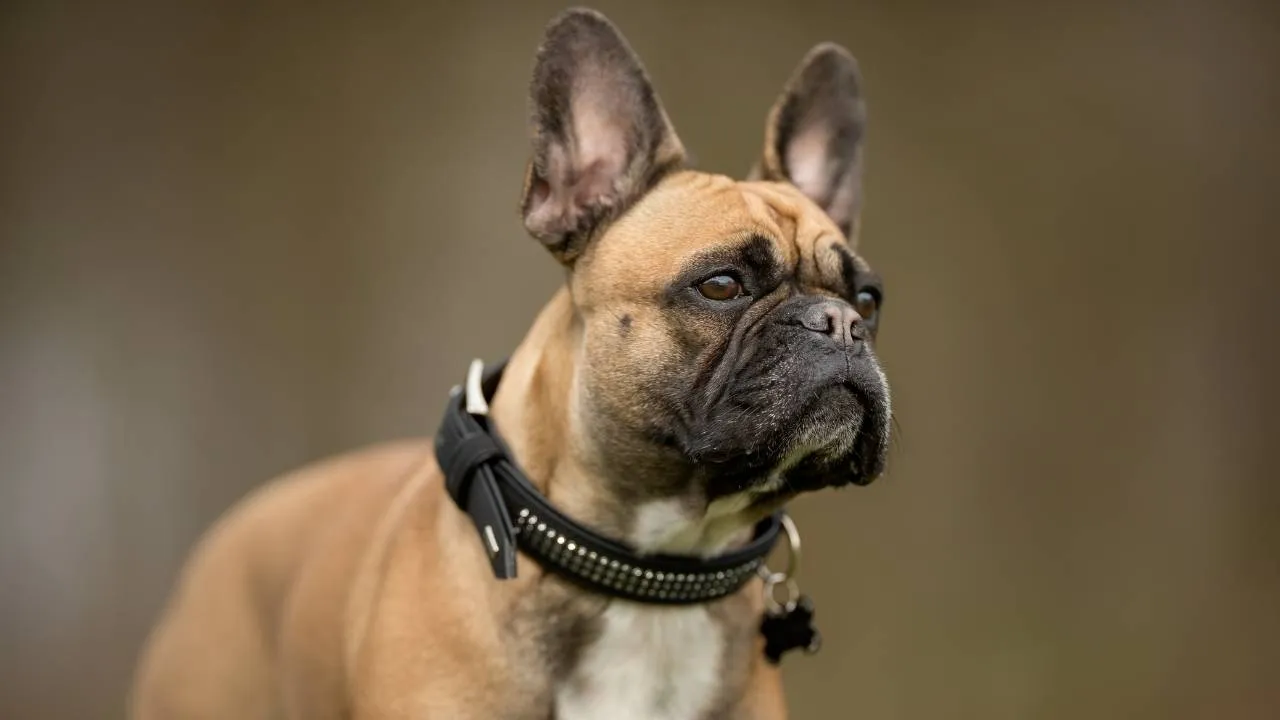
Developed by English lace makers in the 1800s as a lap dog, the French Bulldog was developed by crossing the toy Bulldog and local French breeds. This couch potato dog has bat ears and was adored by the people of Paris to the point that they took the breed to the cities, and also depicted it in the artworks by Edgar Degas and Toulouse-Lautrec, as per Purina.
The coat type comes in two varieties: short and smooth coat, and long and fluffy coat. The standard approved colors include fawn, white, cream, and brindle. The pied markings consist of a white base with patches of brindle and fawn. It has minimal dog odor because of the short coat and fewer oil-producing glands.
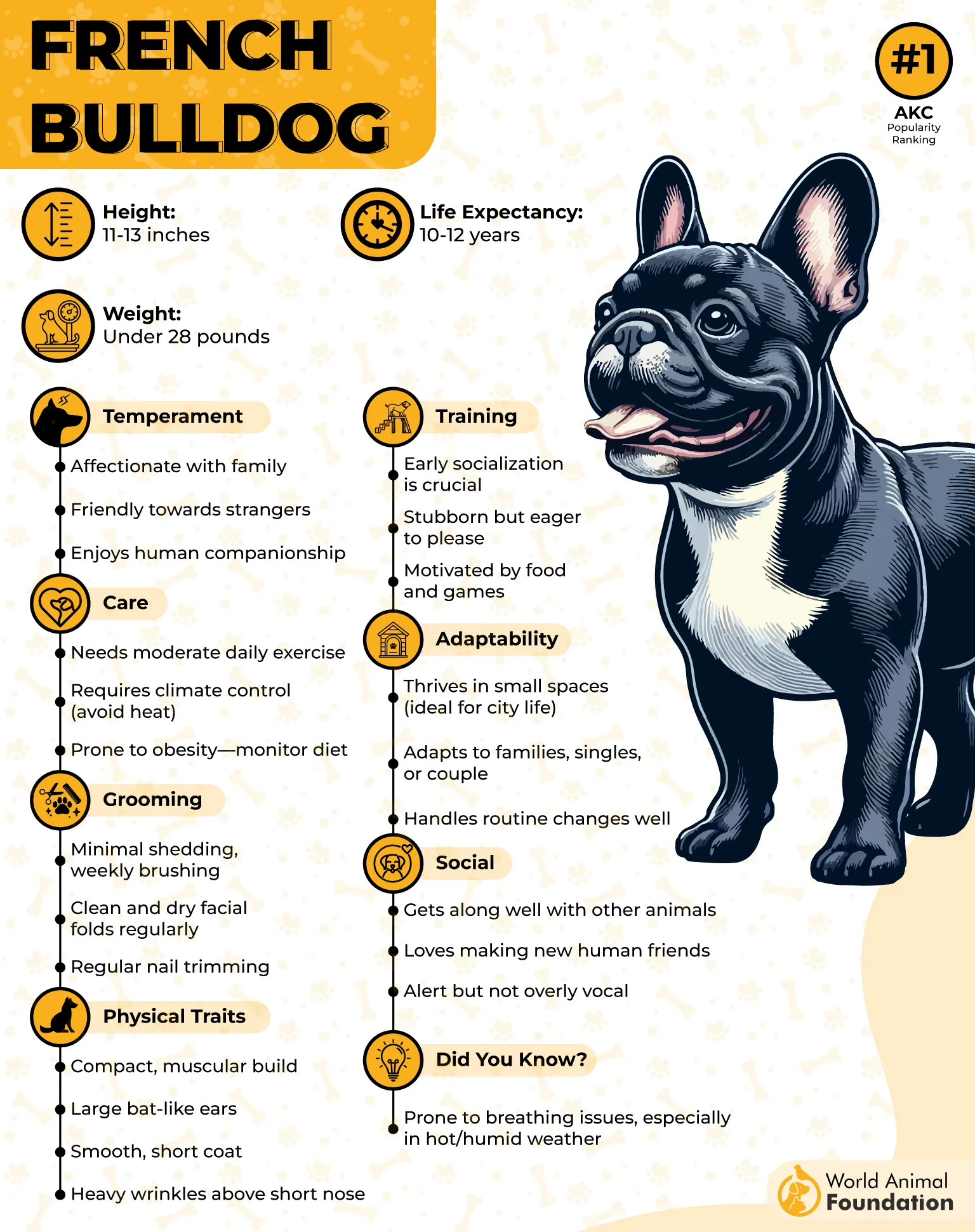
The breed requires 30-45 minutes of moderate exercise that includes short walks and indoor play. Use a well-fitted harness instead of a collar to prevent breathing issues. Brush the short coat weekly to remove loose hair. Regularly clean the skin folds and use a vet-recommended balm if it gets dry.
5. Shih Tzu
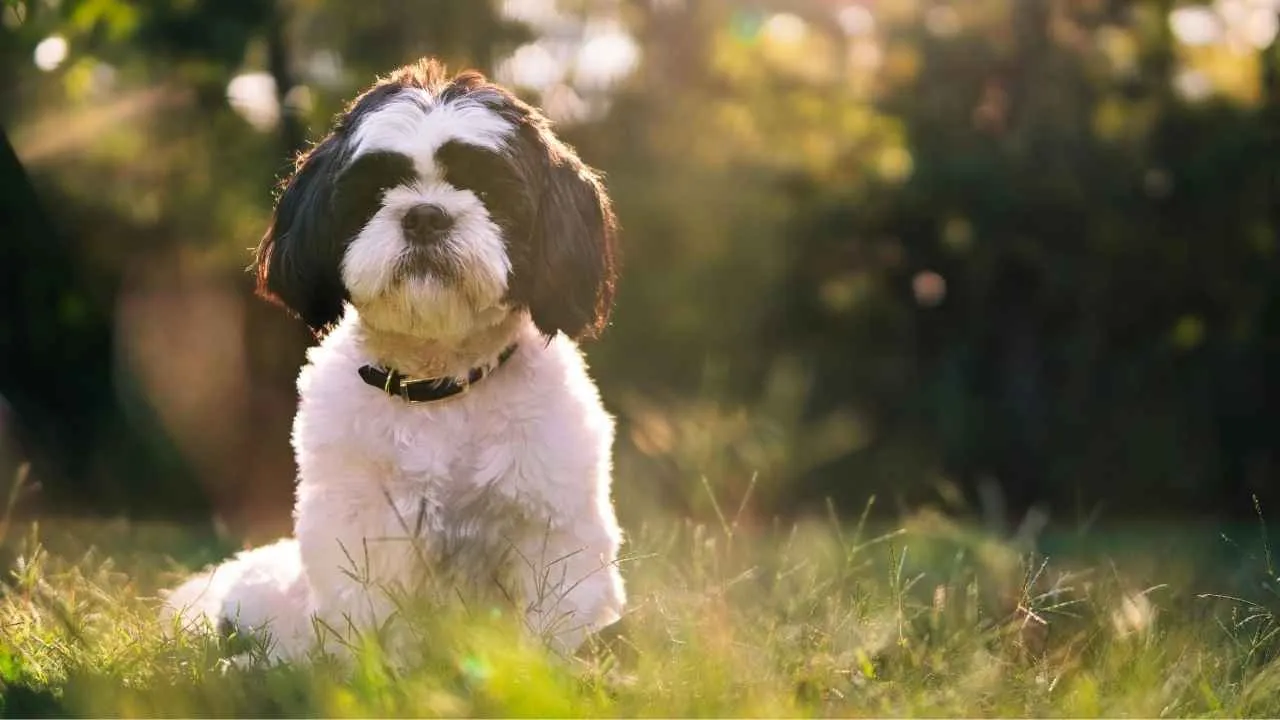
Also known as the ‘lion dog,’ the Shih Tzu was developed in Tibet centuries ago by crossing the Lhasa Apso and the Pekingese by the Buddhist monks as a watchdog. It weighs around 9-16 pounds and stands 10 inches tall. Since the lion has a sacred place across the Chinese culture, it was meant to look like a lion with thick hair around its neck.
The outer coat is straight, long, and silky, and acts as a shield against dirt, moisture, and debris. The undercoat is soft and slightly woolly, and provides insulation in summer and winter. It comes in 4 different varieties: silky, cotton, wavy, and wiry. Puppies usually have a short coat, and their coat starts growing a coarser adult coat after 10-12 months. It is prone to mats and tangles during this period.
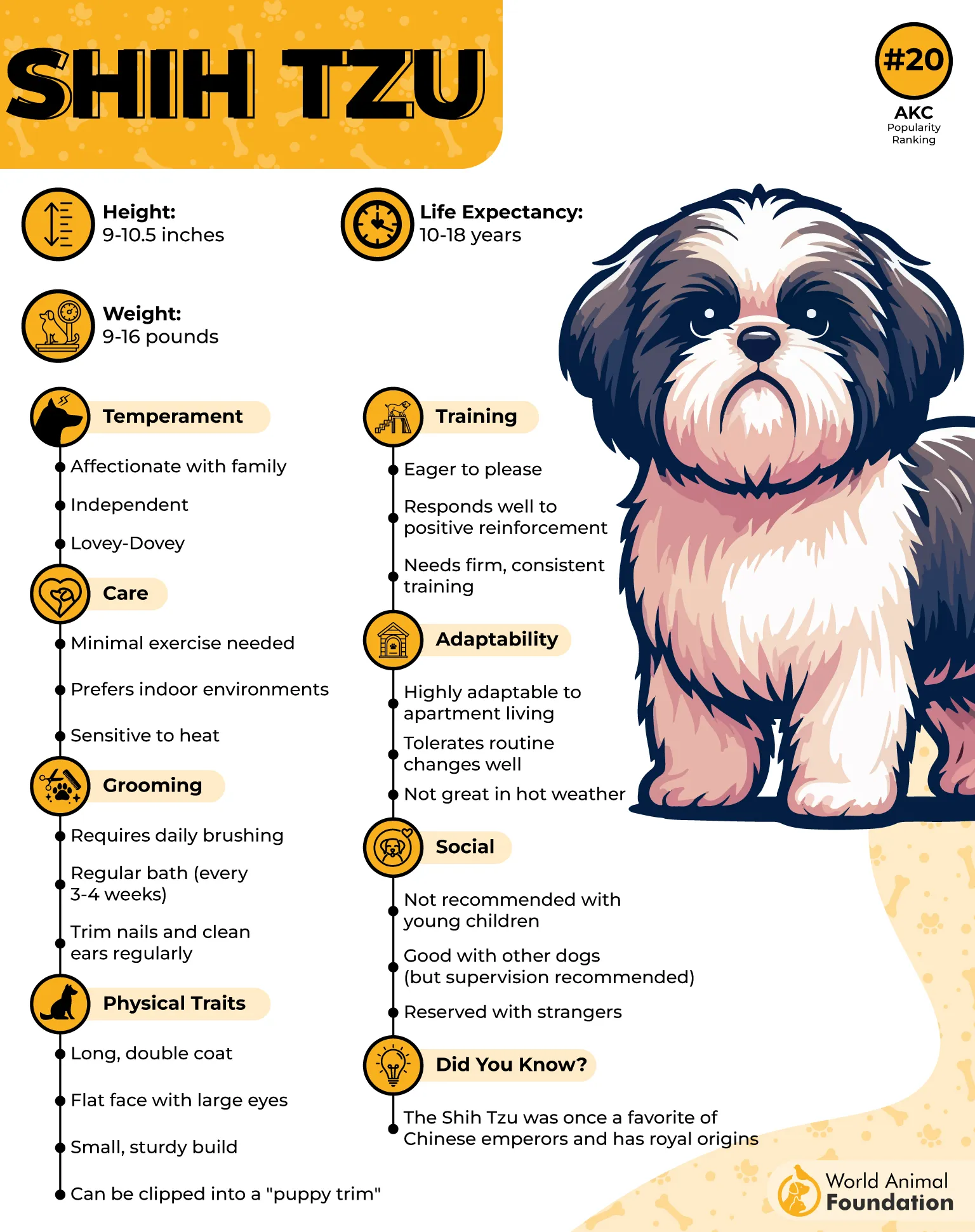
The dead hair is trapped inside the coat and can be removed by regular brushing, and does not blow in the shedding season. Since it is a brachycephalic breed (has a flat face and narrowed airways), it may face difficulty issues; thus, moderate exercise for 30-60 minutes is usually recommended. Avoid outdoor activities during summer.
6. Bulldog
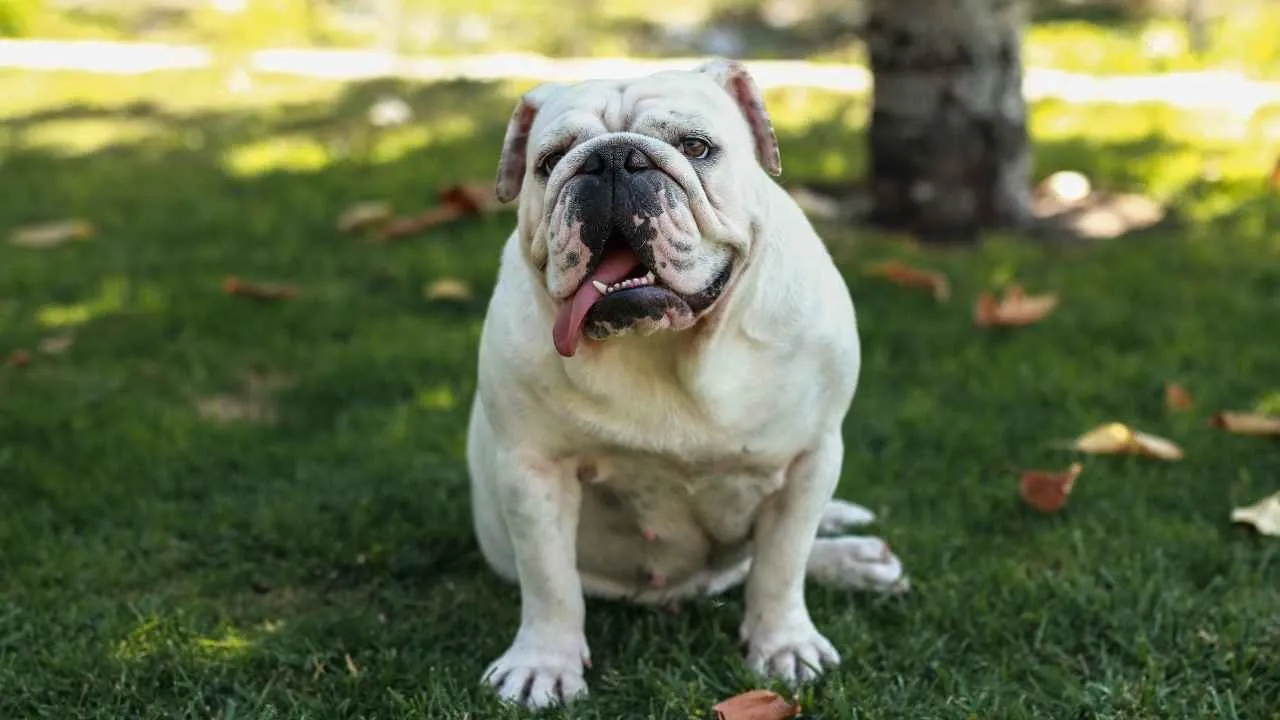
Originating in England in the 13th century during the reign of King John, the Bulldog was developed for the blood dog sports, including dog fights and bull-baiting. It had a huge jaw and hyperaggression. But, after the ban on bull-baiting in 1835, these dogs were selectively bred as couch potato dog breeds with a gentle temperament.
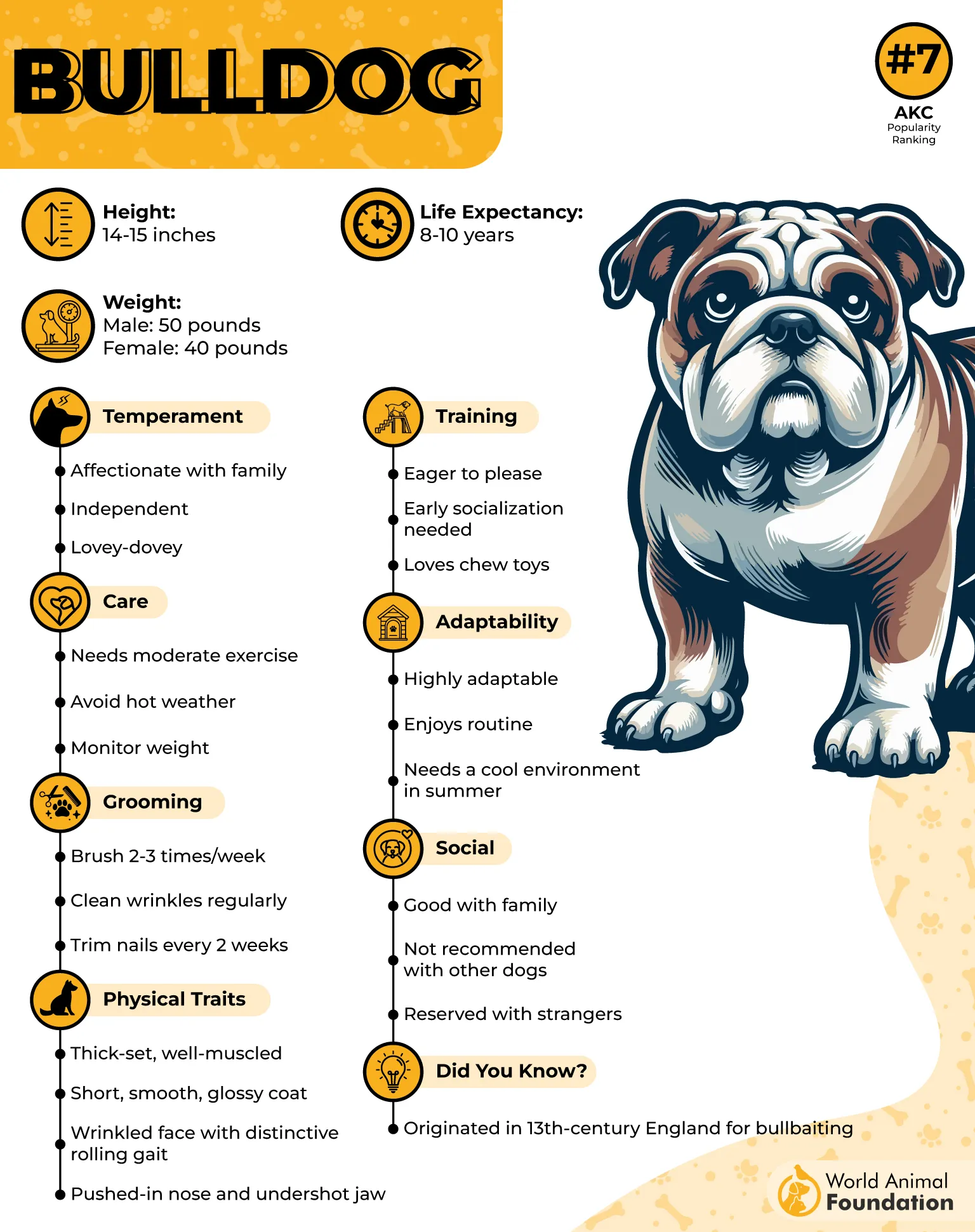
This lazy dog breed has a single coat with a fine texture. It has a short length and is tightly attached to the skin. The skin is loose and soft and has heavy wrinkles around the shoulders, neck, and face. The coat comes in smut, brindle, piebald, and solid colors.
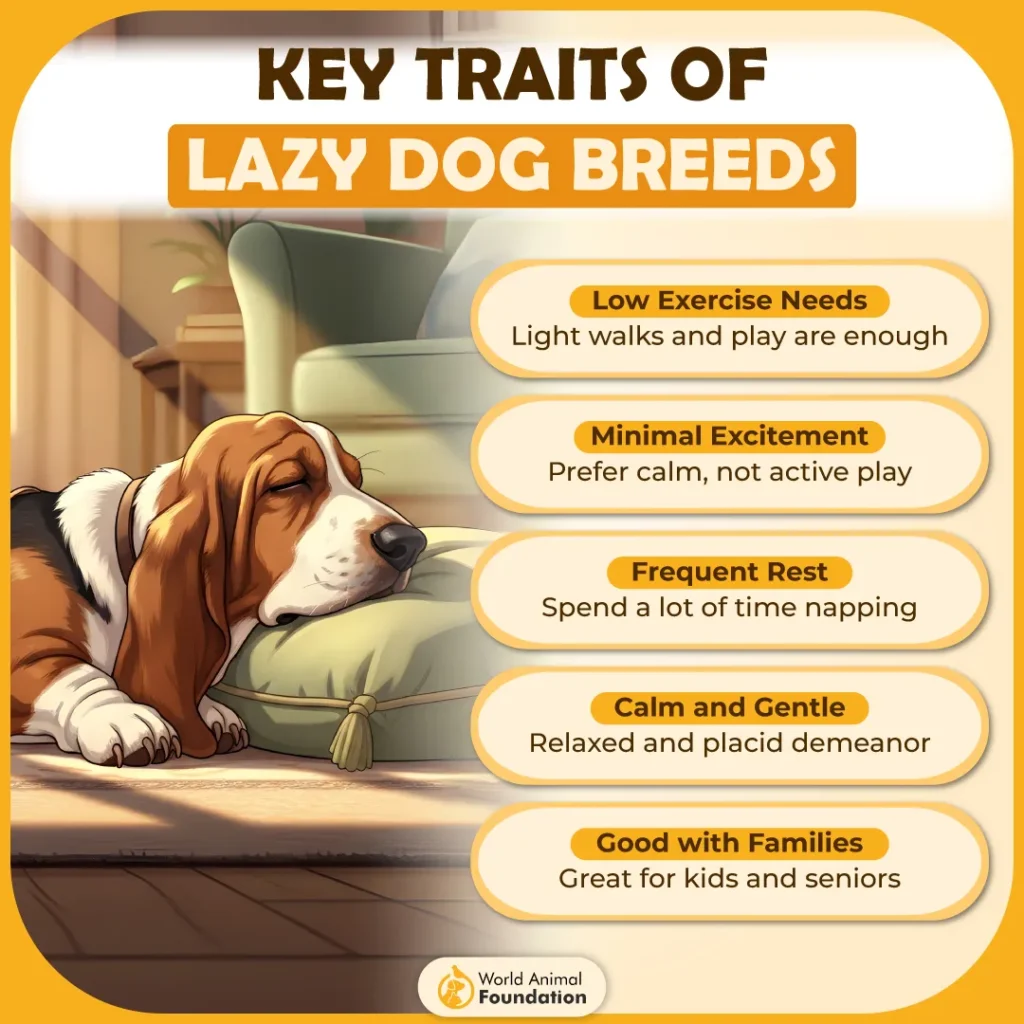
Daily exercise for 20-30 minutes is suggested to prevent obesity. Leashed walks are usually preferred instead of high-impact exercises, such as running and swimming. A monthly bath is recommended. Use a soft-bristle brush and a rubber curry mitt twice a week to remove the loose hair and distribute natural oils evenly.
7. Dachshund
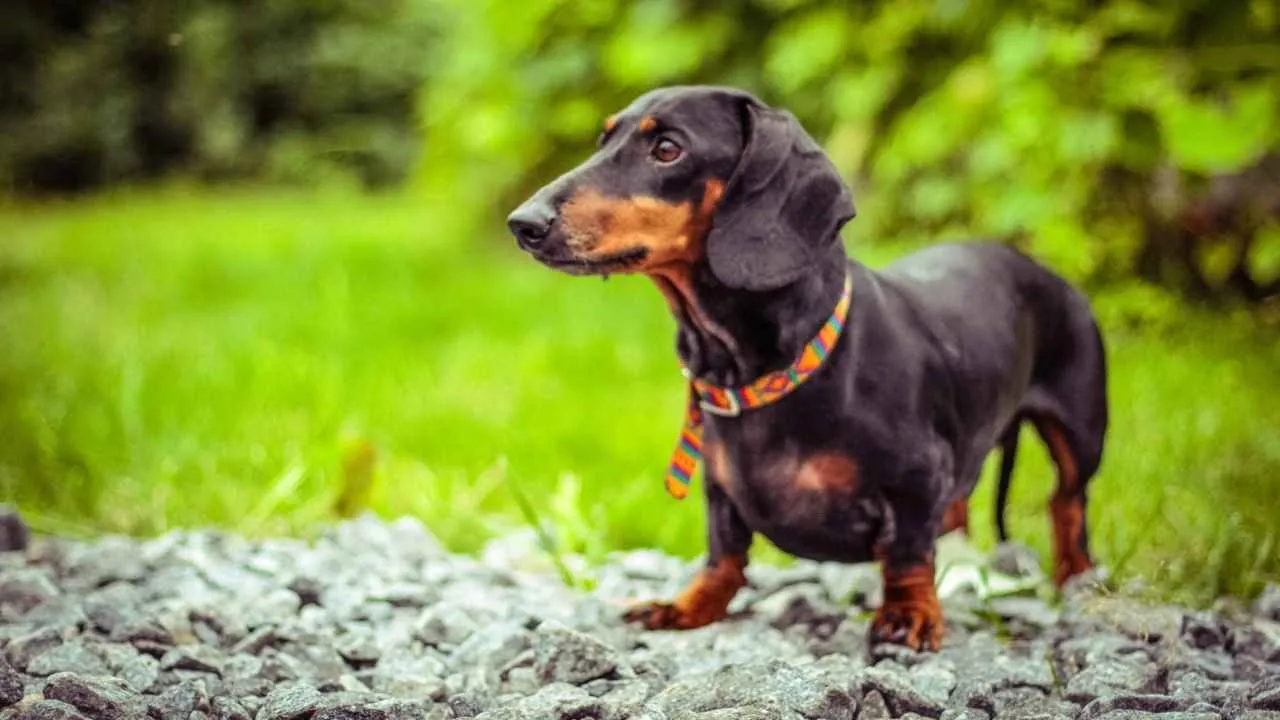
The low-energy dog breed was developed as a hunting dog in Germany. The name comprises two German words, ‘dach’ and ‘hund,’ which mean ‘badger’ and ‘dog’ respectively. Since it was developed exclusively to navigate through tight spaces and catch badgers, it has an elongated body and short legs, says Wikipedia.
The coat comes in 3 distinct varieties: shorthaired (shiny, closer to the skin, and low maintenance), longhaired (slightly wavy, but silky to touch, feathering under the neck, on the chest, underbelly, and backs of the legs), and wirehaired (wiry outercoat and a softer innercoat, most demanding).
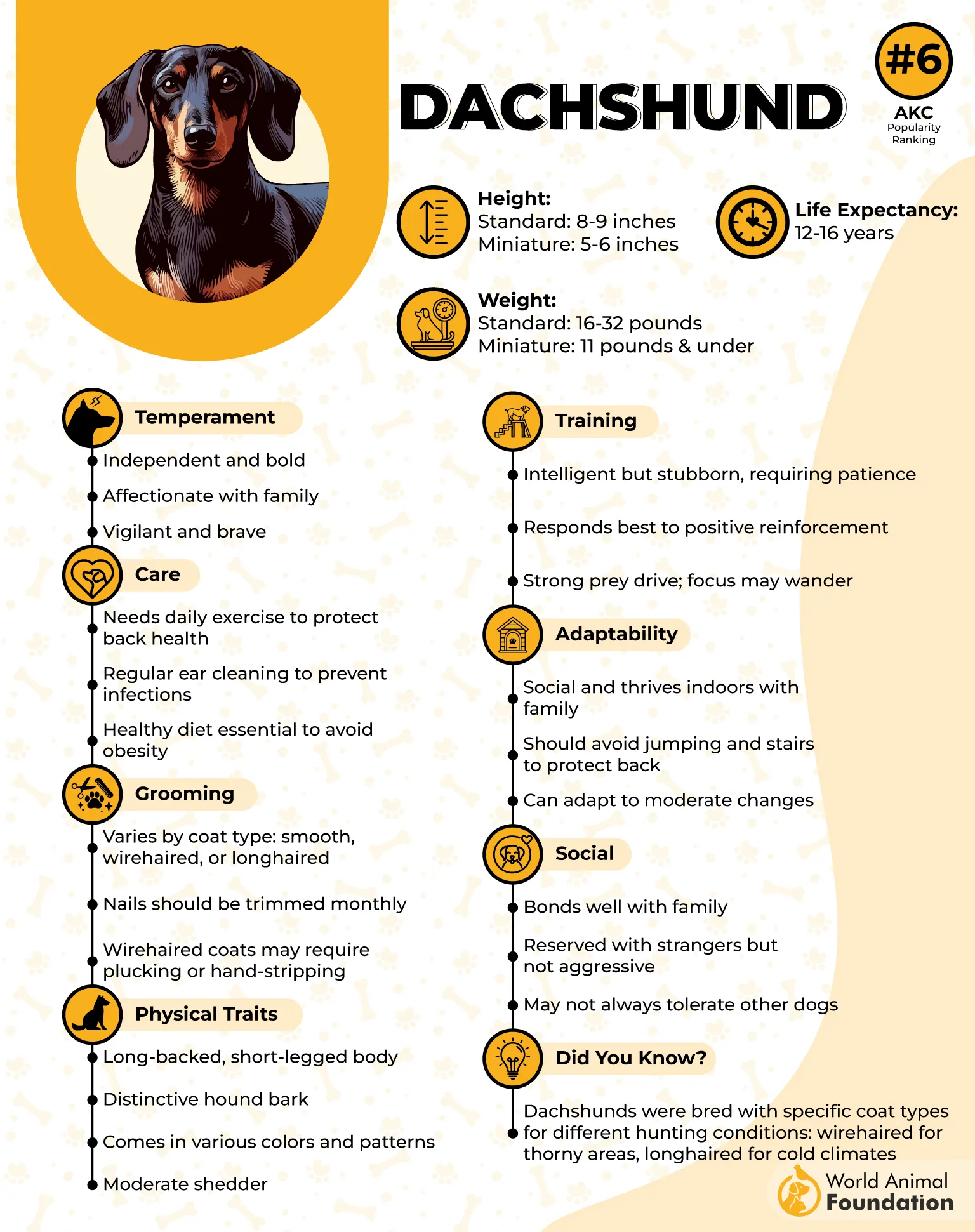
The breed is prone to spinal injuries, such as IVDD; thus, activities like jumping and stair climbing are strictly prohibited. The laid back lifestyle makes it less active, hence, moderate exercise is usually recommended: short daily walks, sniffaris, and mental stimulation. Puppies should have a 5-minute rule: increase 5 minutes of exercise each month till the joints are fully developed.
8. Greyhound
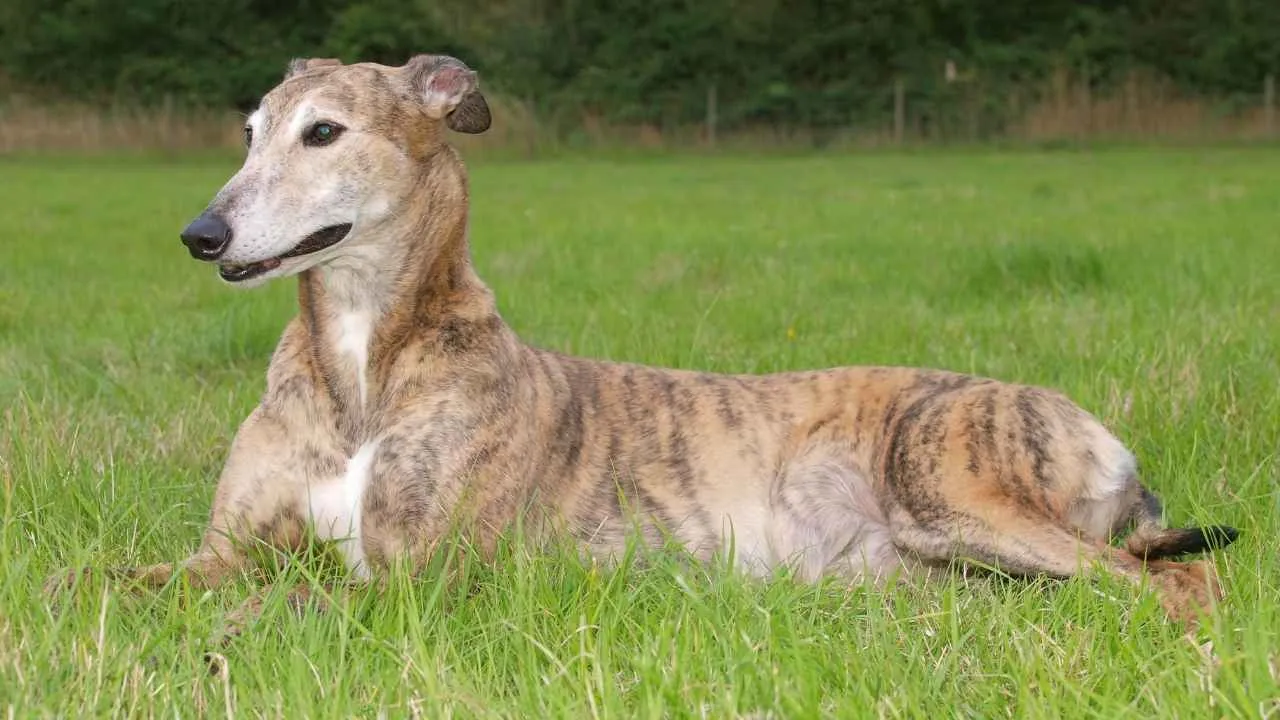
This large breed originated as a sighthound for its sight and speed (45 mph). It has been kept as a show dog and a companion dog for centuries. The Greyhound has a smooth-coated build, a long tail, a deep chest, a flexible spine, and tough feet to excel in physical activities.
The single-layered coat is glossy and smooth. Also considered a ‘Kennel Coat,’ it can be patchy, duller, and rough because of the poor living conditions, but can be softened and made shiny by proper nutrition and home care. The coat comes in solid colors with patterns and markings on it.
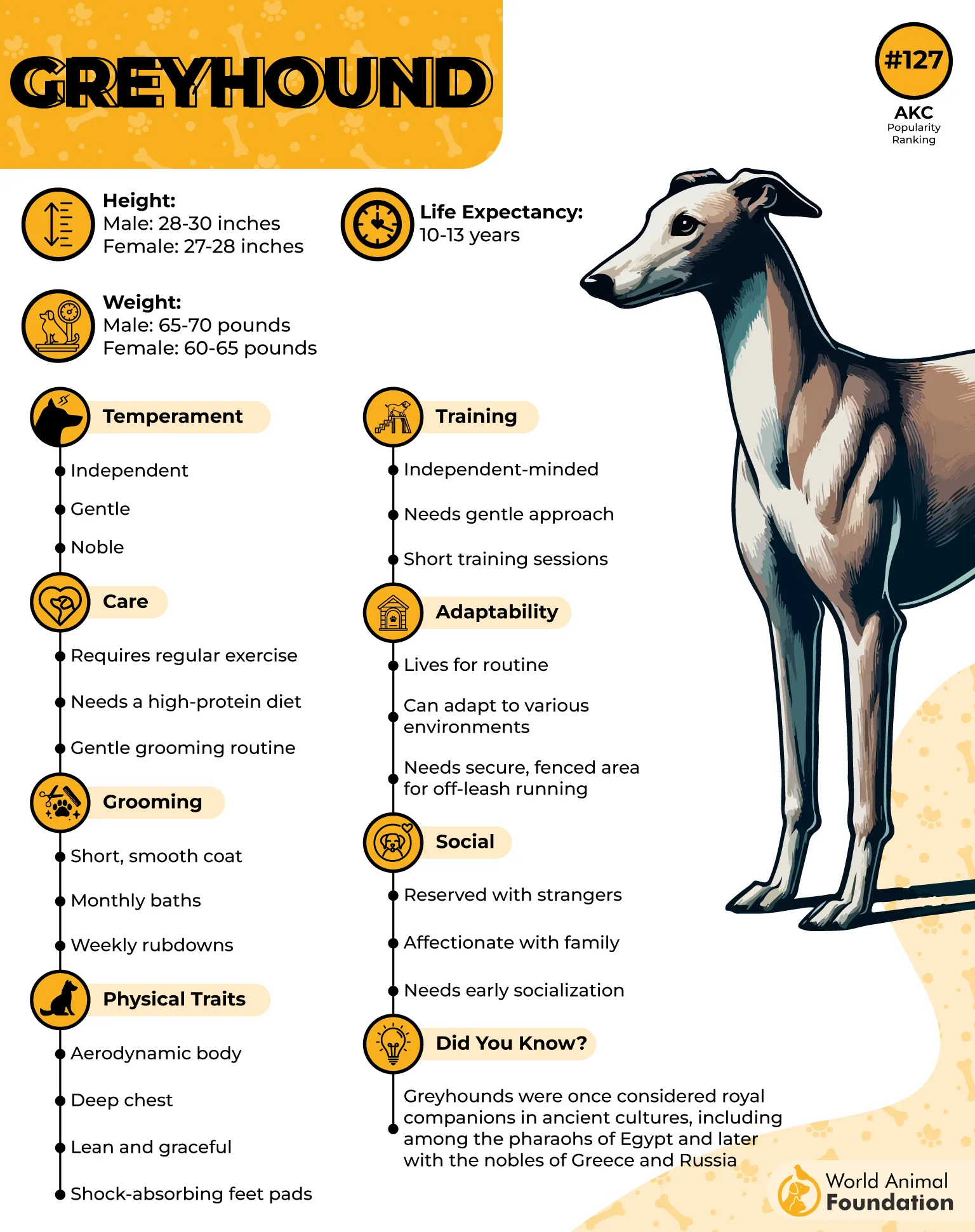
Since it lacks an undercoat, it is not susceptible to tangles and mats. The hair follicles are designed to shed the hair long before it grows too long. Also known as a ’45 mph couch potato,’ it does not need too much exercise: 20-30 minutes is enough.
9. Whippet
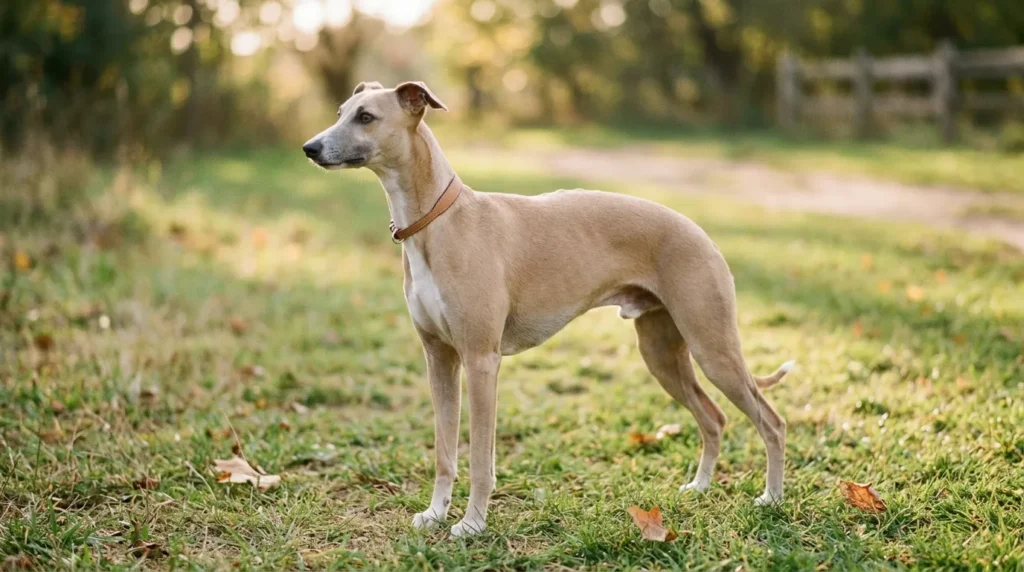
The history of the Whippet began in Victorian England. The coal miners of the North Country were mesmerized by the dog sports, especially the Greyhound. Since the breed was too expensive and too large to be kept in a compact space, these miners crossed different breeds to form a Greyhound-type dog in a small size.
It is a single-coated breed with the hair very close to the body. Colors like white, cream, red, blue, black, fawn, and brindle are accepted except for the merle pattern. The delicate skin is prone to tears and scratches while playing on hard surfaces; soft bedding is highly suggested.
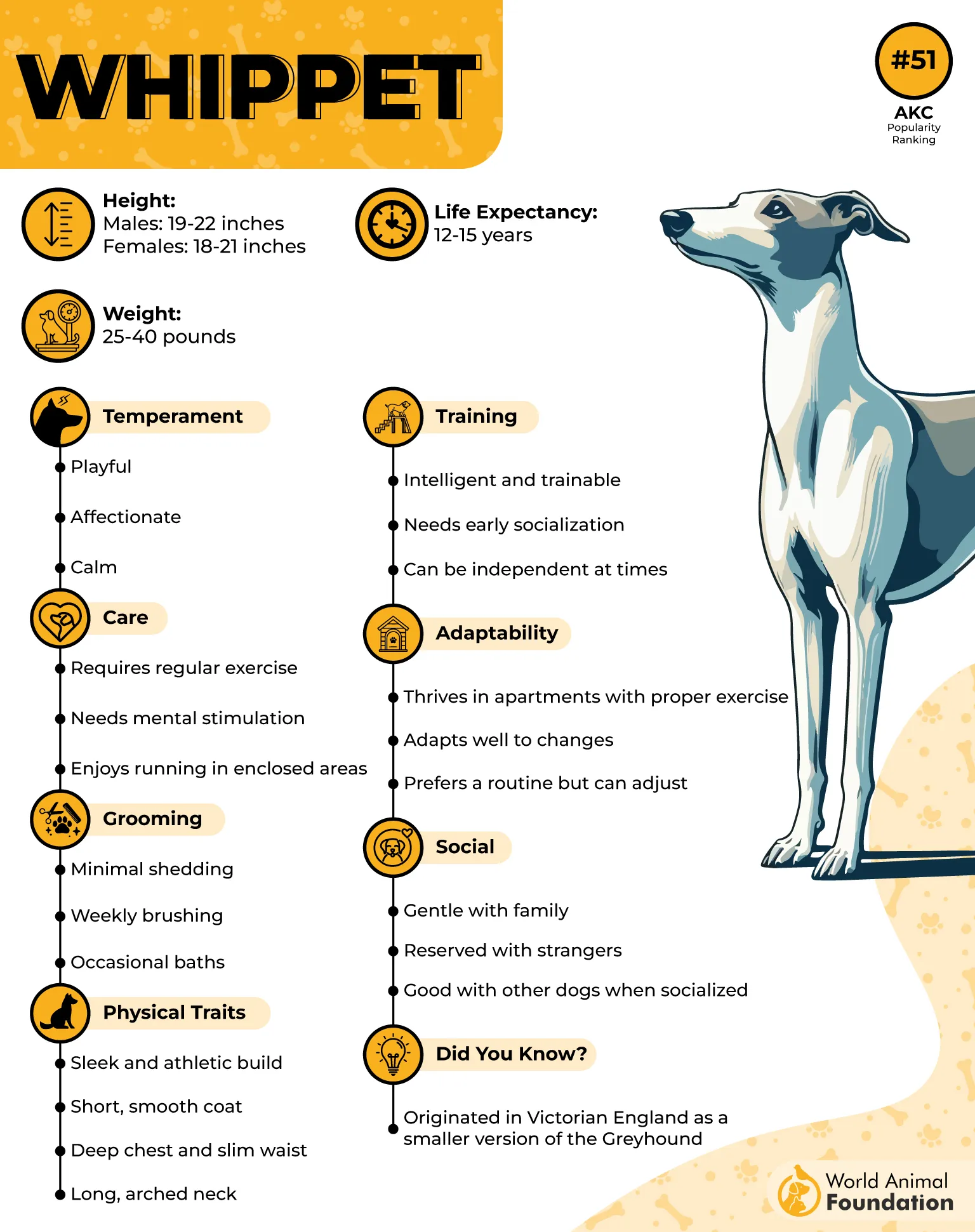
The small coat has zero dog odor and less shedding; thus, it is a low-maintenance breed. Even bathing the breed too much can strip the natural oils, and can cause dry skin. Use a hound mitt or a soft-bristle brush to weekly brush the breed.
Conclusion
Choosing a dog should be about finding the right match for your lifestyle, not forcing yourself into someone else’s version of pet ownership. If your perfect weekend includes streaming movies, reading a book, or simply enjoying a slow morning coffee, there are plenty of dogs that will happily join you.
The Cavalier King Charles Spaniel, Basset Hound, Pug, French Bulldog, Shih Tzu, Bulldog, Dachshund, Greyhound, and Whippet all offer companionship without demanding constant activity. Each breed brings its own personality, charm, and unique strengths.
