




Dog ownership sounds like a dream, until your bank account starts throwing tantrums. between grooming bills, speciality food, and vet visits, some breeds can cost more to maintain than a studio apartment. According to the American Pet Products Association, Americans spent over $147 billion on pets in 2023, with dogs leading the charge.
As Rogar Caras put it, “Dogs are not our whole life, but they make our lives whole.” That whole life does not need to cost a fortune.
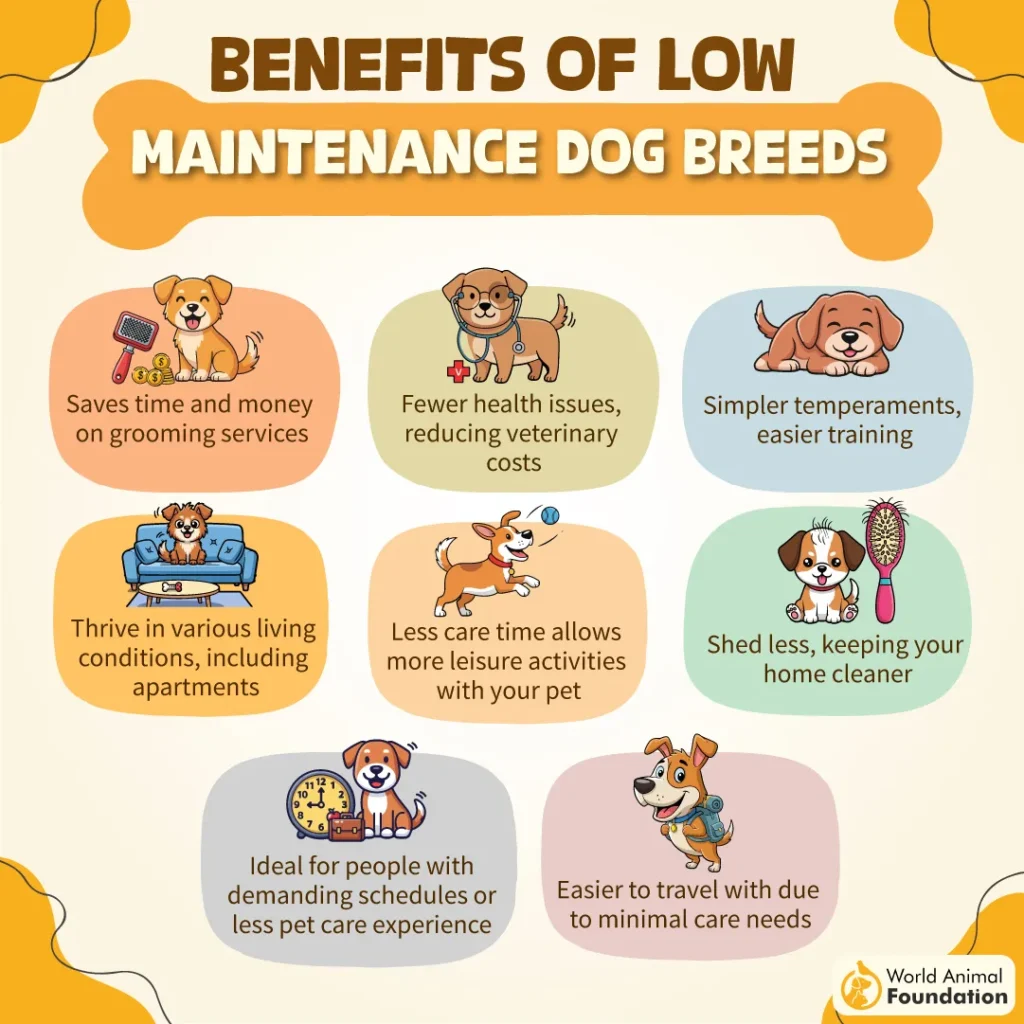
Here is what nobody tells you at the shelter: some dogs genuinely do not ask for much. No monthly spa days. No designer kibble. Just love, a good toy, and maybe a squeaky toy. These seven breeds below are the real deal: low maintenance, budget-friendly, and big on personality.
Top Low-Maintenance Dog Breeds for Budget Owners
1. Pug
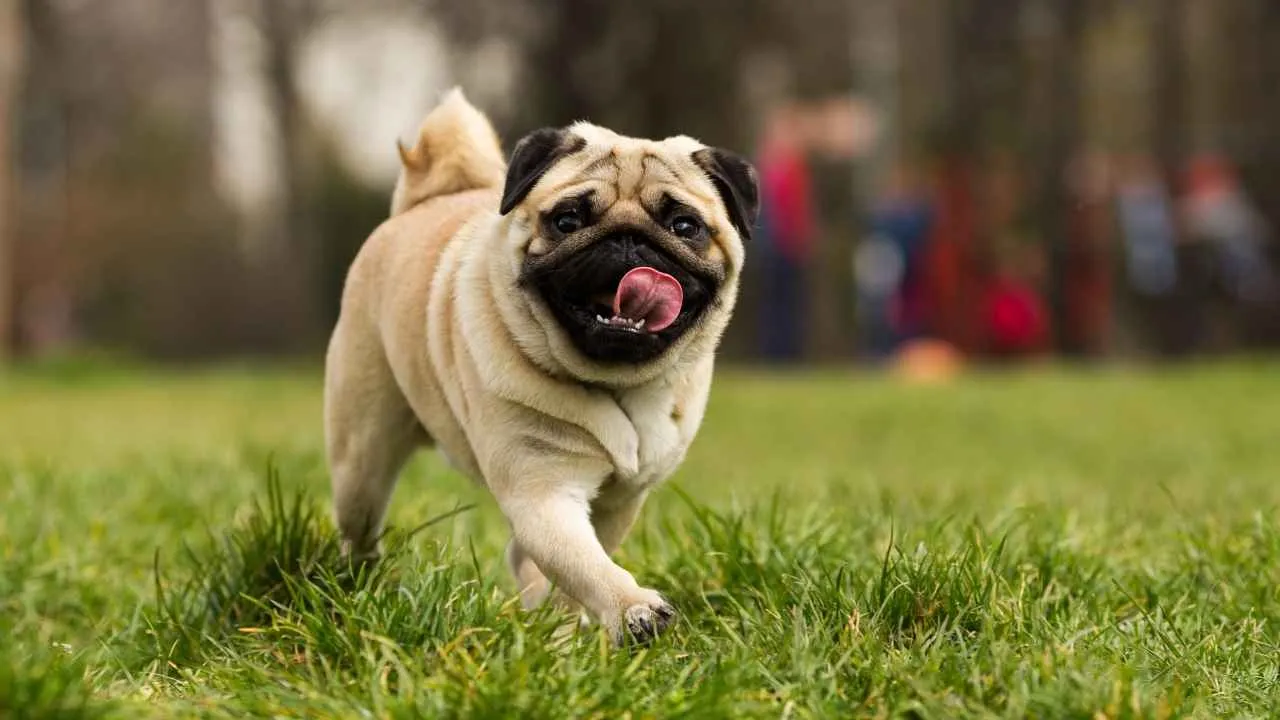
Originally bred in China as a companion dog, the Pug has an ancient history dating back 2,000 years. It is a small dog breed, weighing around 14-18 pounds and standing 10-13 inches tall. It has a wrinkly face, bulging eyes, a short muzzle, and a short coat (comes in double and single layers), according to PetMD.
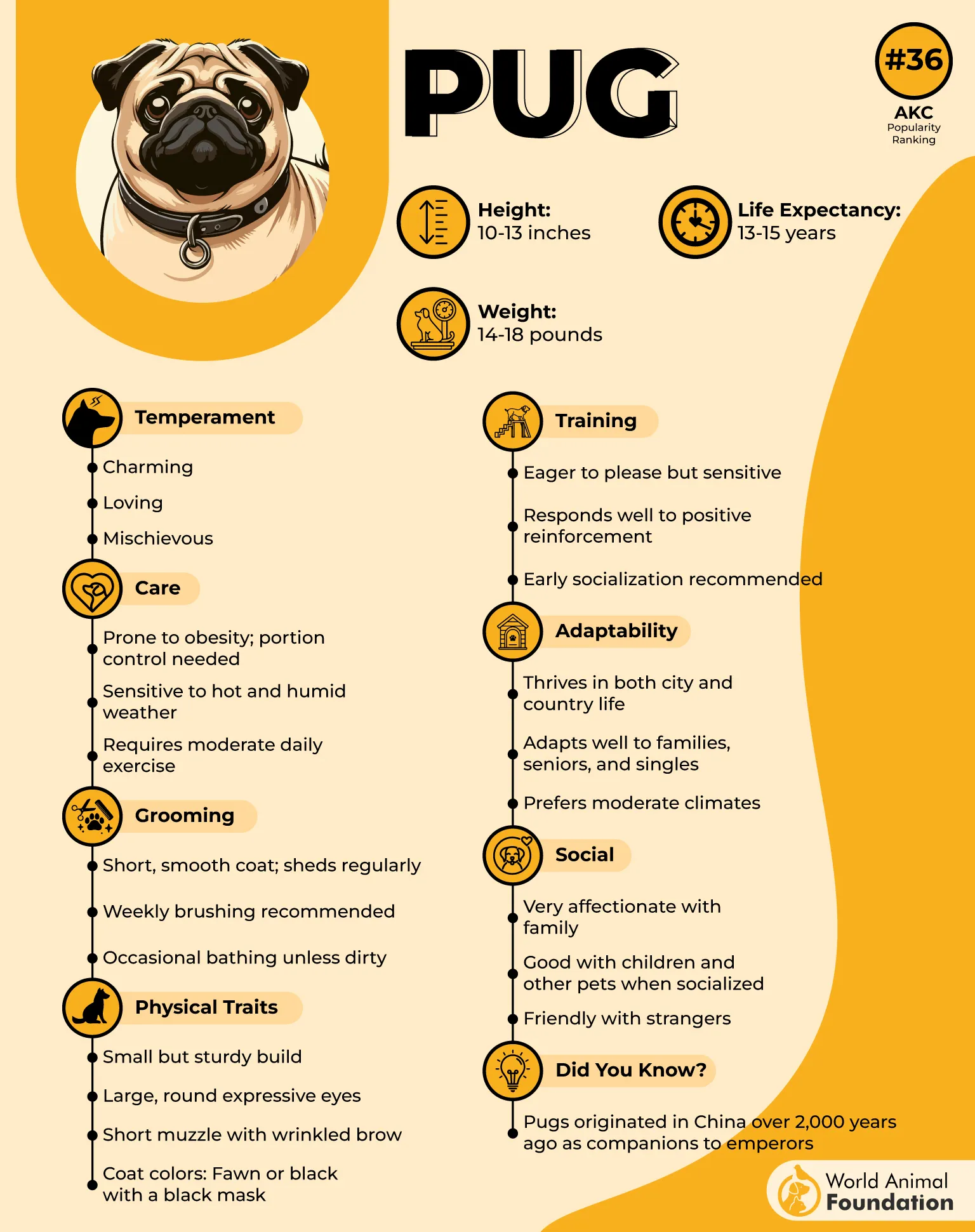
This affectionate dog is brachycephalic (has a flat face and narrowed airways), making it difficult to breathe, especially on a hot summer day. It has a small stomach and needs portion-controlled wet or dry food. The breed is prone to BOAS, skin and ear infections, joint and spinal issues, weight management, and PDE; thus, proper care is needed to avoid serious medical complications.
It has moderate energy levels and has low exercise needs (20-30 minutes a day): indoor play sessions, brisk walks in the morning or evenings, and mental stimulation. A Pug is a low-maintenance dog breed and needs 5 minutes of weekly brushing. Bathing is required only when necessary. Use gentle wipes to clean the skin folds.
2. Chihuahua
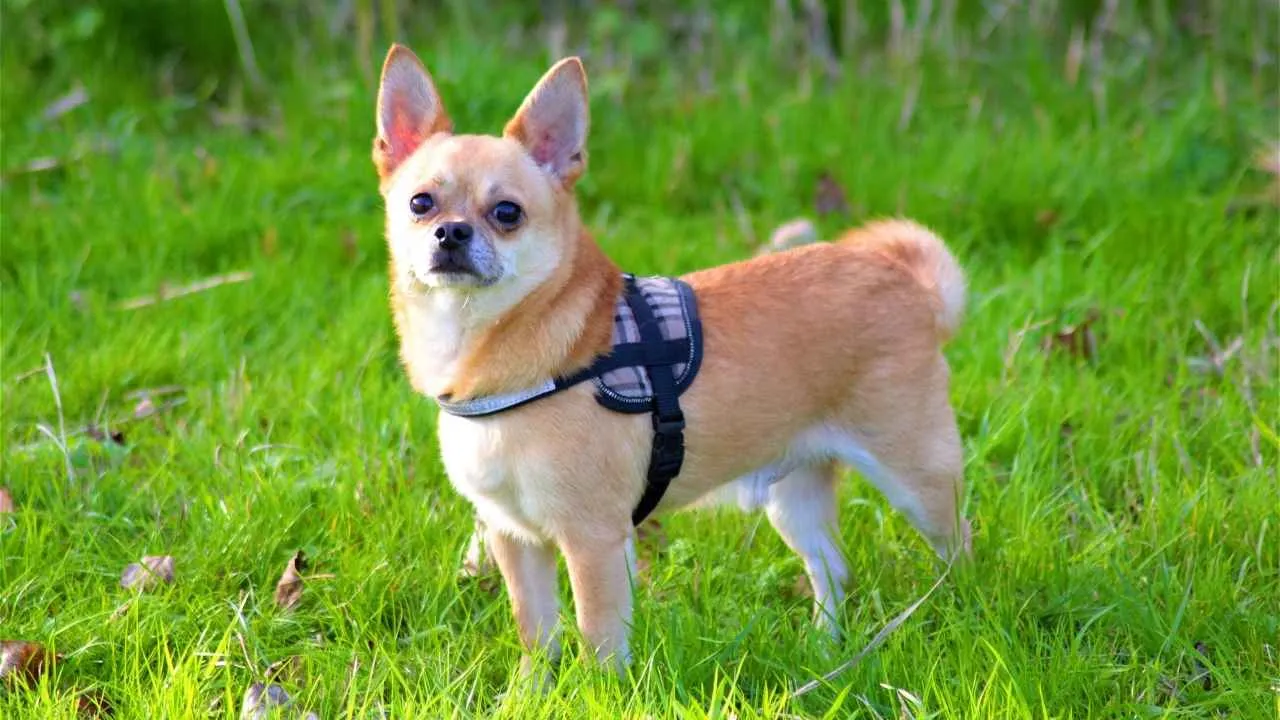
This smallest dog was bred to be a companion dog in Mexico, and has some genetic traces of the pre-Columbian indigenous American dog. It has large erect ears, a round skull, and a small size (2.2-6.6 pounds and 6-9 inches tall). The coat comes in two varieties: long-haired and short-haired. Both breeds have a thick coat around the neck, giving it a mane-like appearance.
This small breed has very few meal requirements: 1/4 to 1/3 cups of kibble per day. Its compact size means it is perfect for apartment living. It typically has fewer health issues and lives up to 12-20 years. The short coat requires minimal grooming (weekly brushing to remove loose hair), and the long coat requires brushing 2-3 times a week.
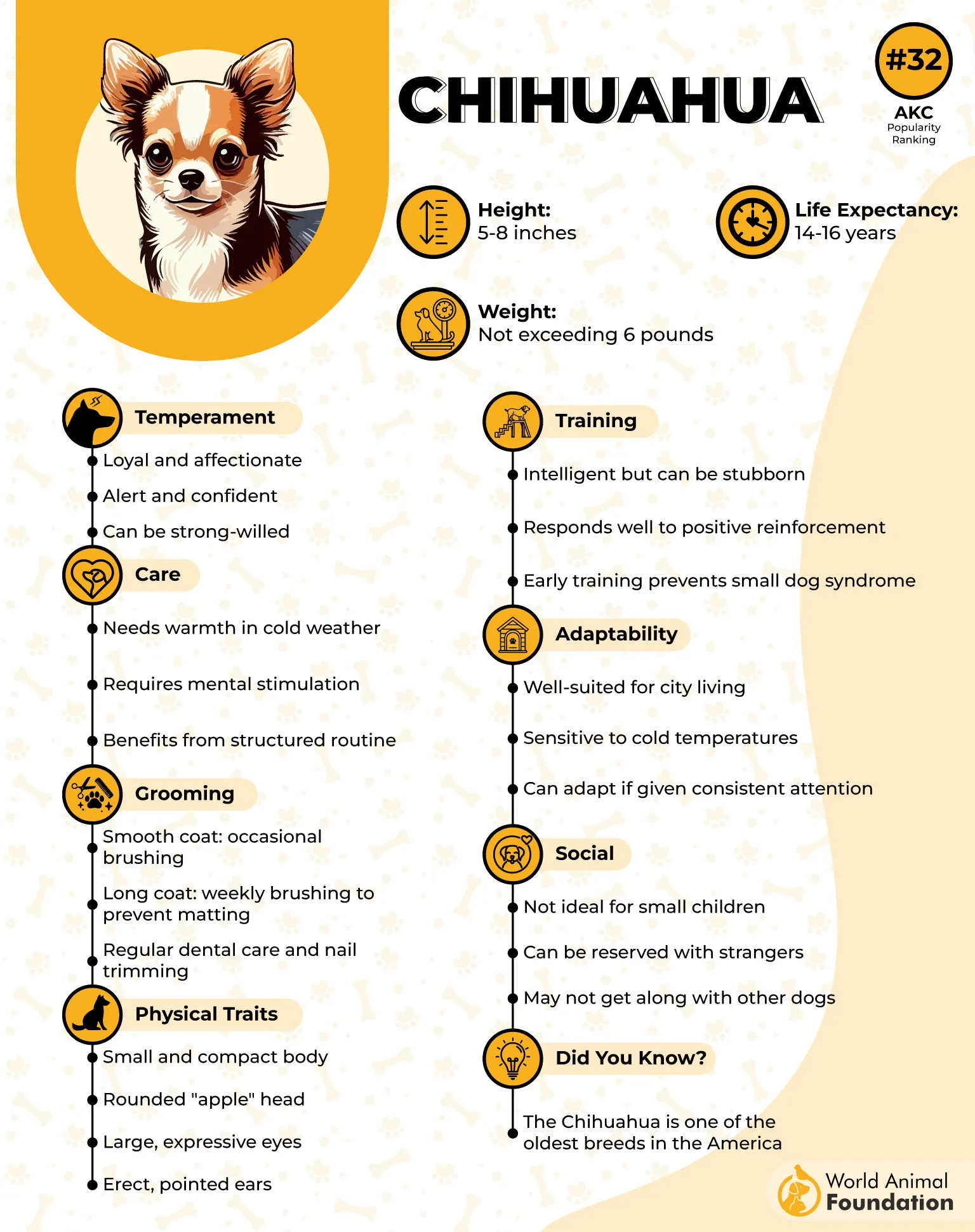
The Chihuahua is prone to periodontal diseases because of its short mouth; thus, daily teeth brushing is a must to avoid pricy medical treatment. Some other common diseases are: luxating patella, collapsed trachea, and hypoglycemia. All of these can be prevented by taking precautionary measures: avoid strenuous exercise, use a well-fitted chest harness, and feed small meals but frequently.
3. Boston Terrier
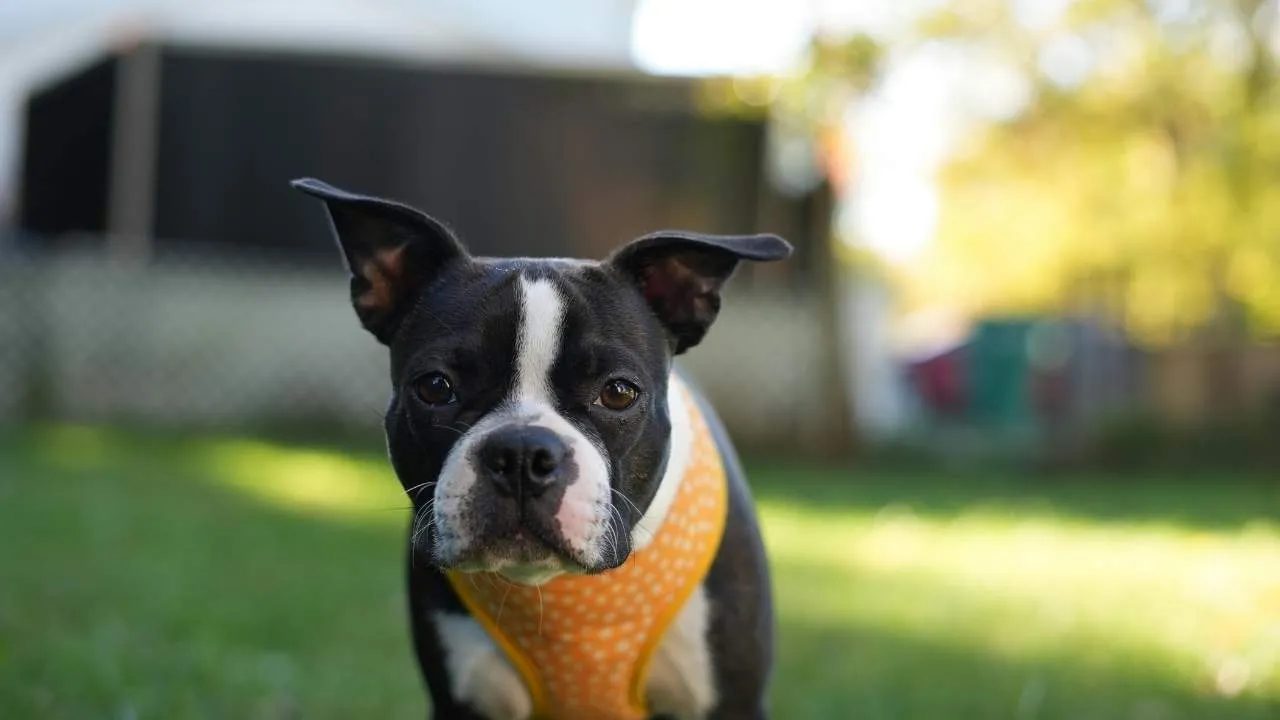
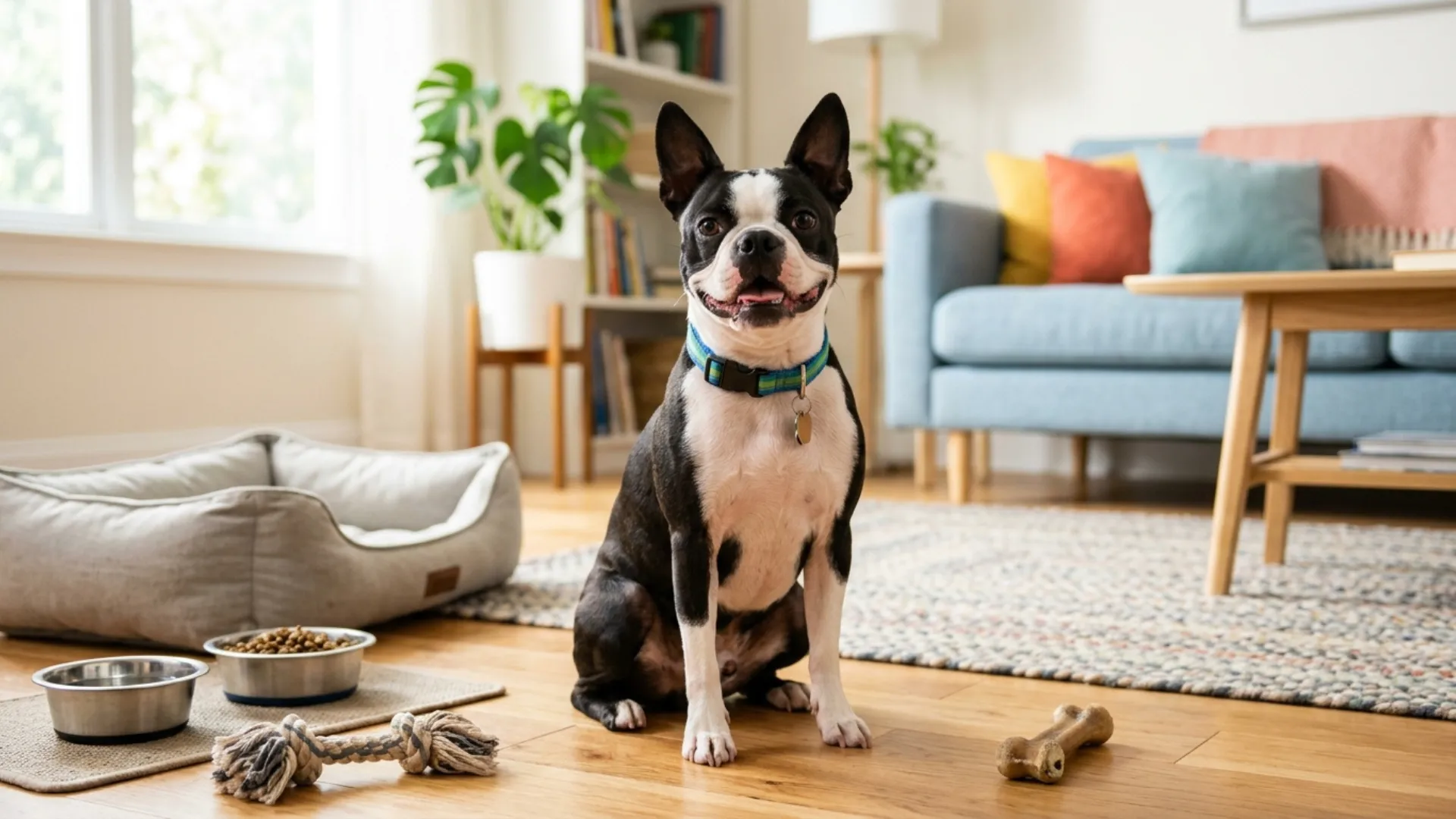
Originating in the United States as a non-sporting breed, the Boston Terrier has a short tail, erect ears, expressive eyes, and a unique ‘tuxedo’ like short coat with black base and white, brindle, and seal markings. This is the reason this small dog is called the ‘American Gentleman,’ as per Wikipedia.
This playful dog typically weighs 12-25 pounds, and its daily caloric needs are quite low. It has a naturally clean coat with minimal dog odor. The single-layered coat lacks the undercoat; thus, it has minimal grooming needs: use a rubber grooming mitt and a slicker brush to weekly comb the coat. It does not require expensive vet bills, unlike breeds with curly coats.
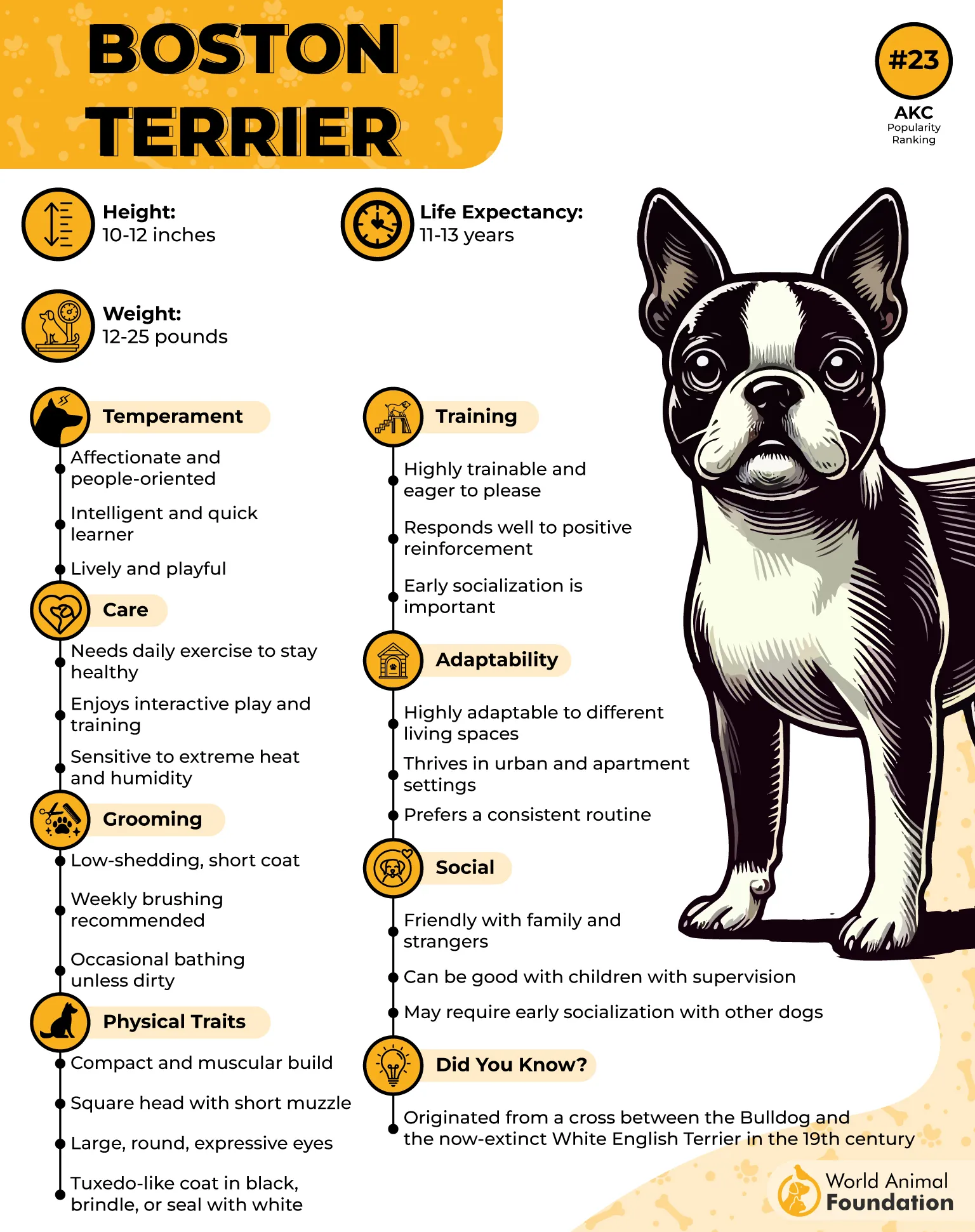
The breed is susceptible to certain health issues, including: BOAS, eye diseases (corneal ulcers, etc.), joint issues, and skin and food allergies. These medical issues can be prevented by taking preventive measures: cleaning paws regularly, avoiding high-impact activities, and short walks during cooler times.
4. Dachshund

Famously known as a ‘hot dog’ or a ‘weiner dog,’ the Dachshund was developed in Germany as a hunting dog. It was primarily used to hunt badgers. The name comes from two German words: ‘dach’ means ‘badger’ and ‘hund’ means ‘dog.’ This great companion has an elongated body and short legs to easily navigate through tight spaces.
This loving pet has a longer life expectancy (12-16 years) and is less susceptible to fatal genetic disorders. Since it has long spines, it is prone to spinal injuries and IVDD; thus, stair climbing and jumping are strictly prohibited. The coat comes in three varieties: smooth, long, and wiry.
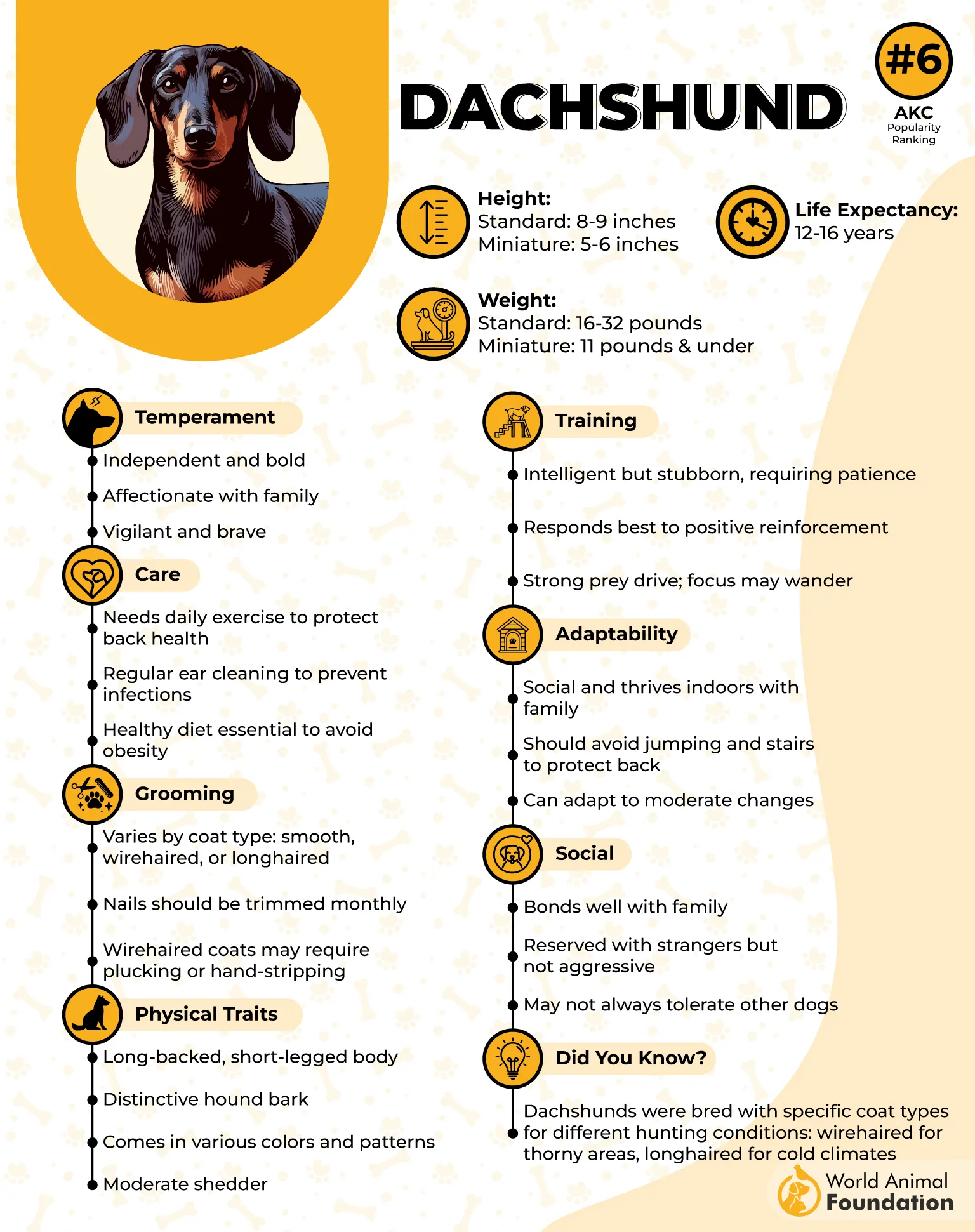
The smooth coat has minimal maintenance cost. The long coat has silky feathering and requires weekly brushing for a few minutes, while the wiry coat needs brushing 2-3 times a week and professional ‘hand-stripping’ once a year. This moderate to low energy dog needs minimal exercise for 20-30 minutes.
5. French Bulldog
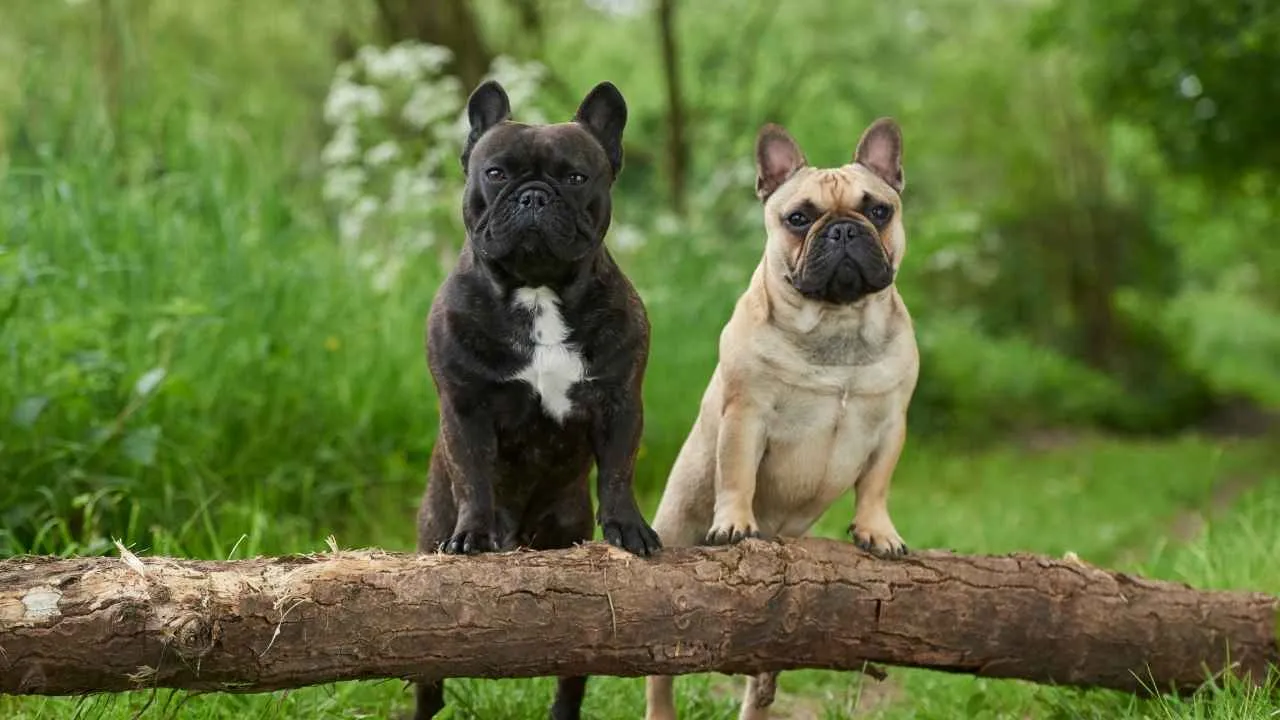
English lace makers developed the breed in the 1800s as a lap dog. They brought this toy breed to France during the Industrial Revolution. This breed was interbred with other dogs over the years, resulting in the modern French Bulldog. Famous painters, such as Edgar Degas and Toulouse-Lautrec, had painted the breed in their paintings, says Purina UK.
The coat comes in two distinct varieties: a short coat (no undercoat) and a fluffy coat (consisting of fur). The coat has four different colors: fawn, brindle, cream, and pied. This mixed-breed dog has a gentle temperament and is ideal for compact apartments. The breed never needs a haircut, cutting the professional grooming costs.
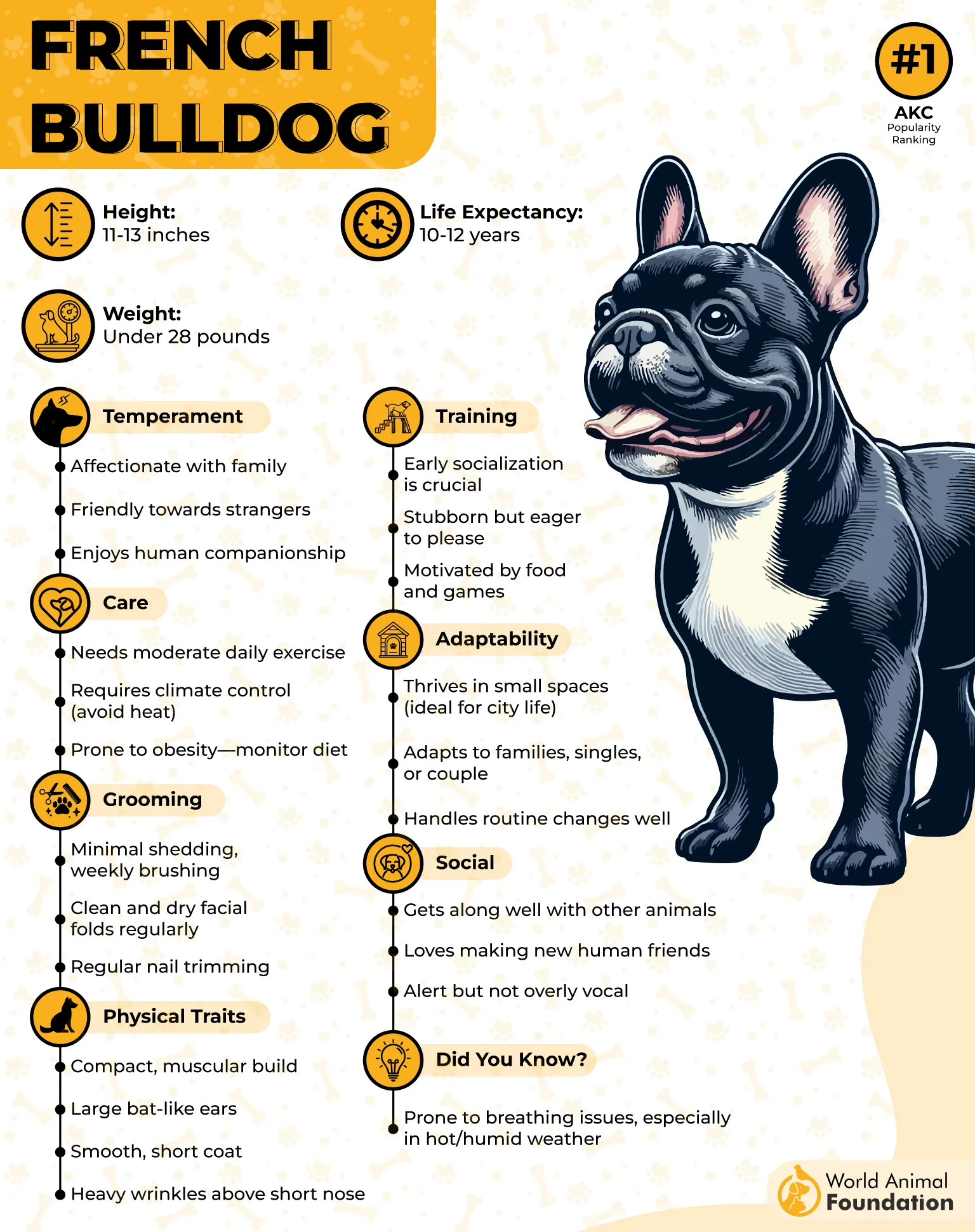
The high-energy dog is temperature sensitive and requires low-to-moderate exercise: brisk walks (split into two sessions) and indoor play. It lacks a high-prey drive or sporting breed, making it a perfect couch potato. It weighs around 28-30 pounds; thus, it is easy to handle for first-time owners.
6. Whippet
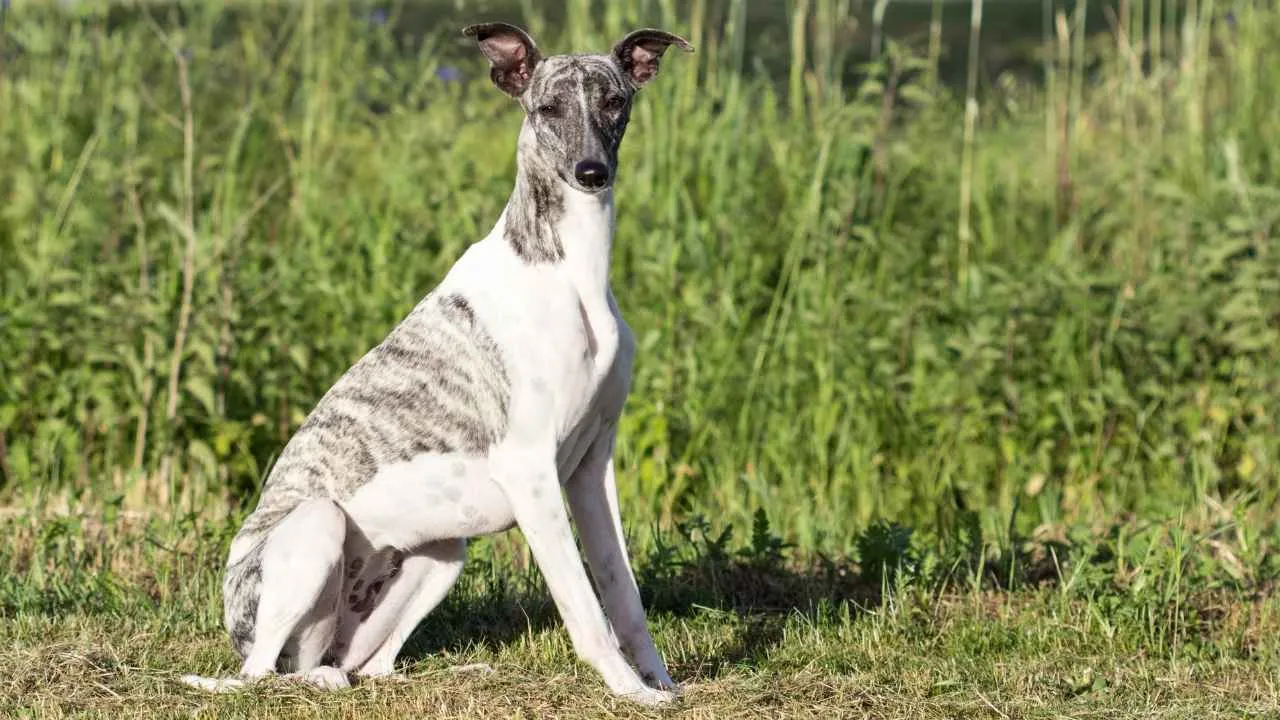
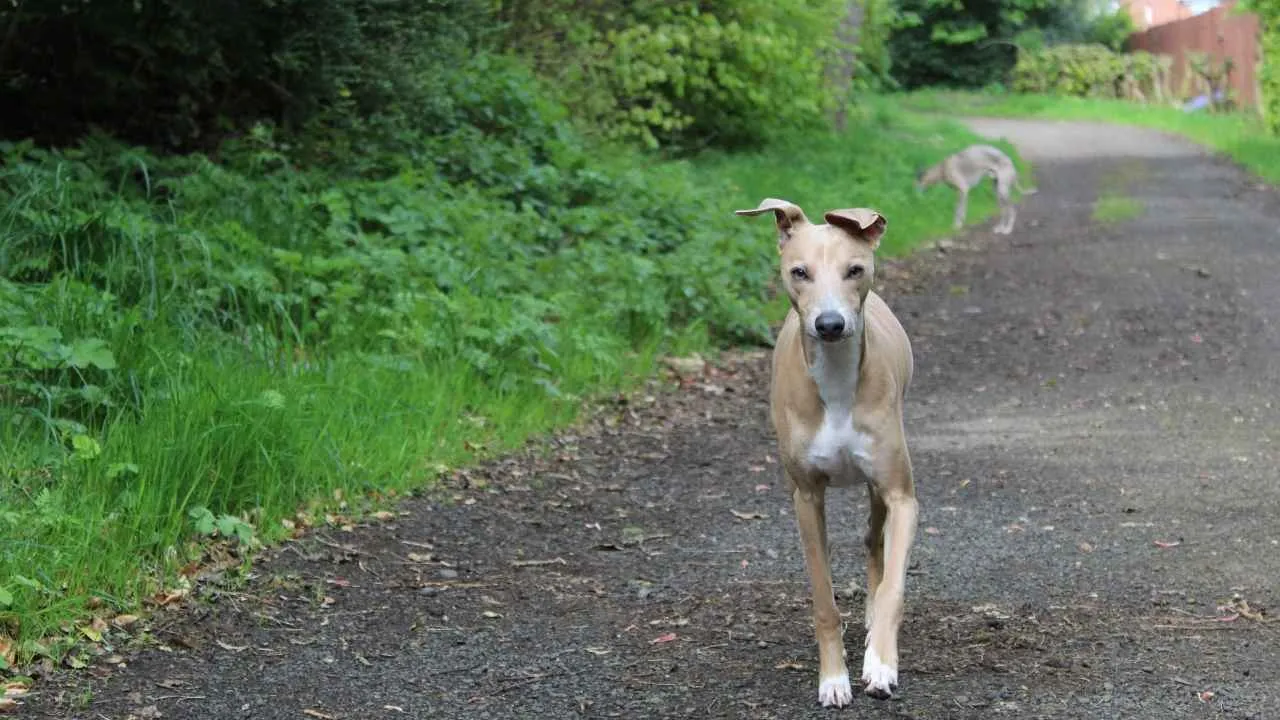
Since the North-country coal miners could not afford the larger dogs with sporting backgrounds (such as the Greyhound), they came up with the idea of creating their smaller version, called the Whippet. The loyal companion is the fastest breed of its size, reaching a speed of 35 mph.
The single-layered short coat has self-cleaning properties, such as low dog odor and low maintenance. It requires only occasional brushing (with a soft brush and a rubber grooming mitt), since it does not trap much dust. The breed has short bursts of energy, and once its exercise needs are met, it goes back to its resting phase and can sleep up to 14-20 hours a day.
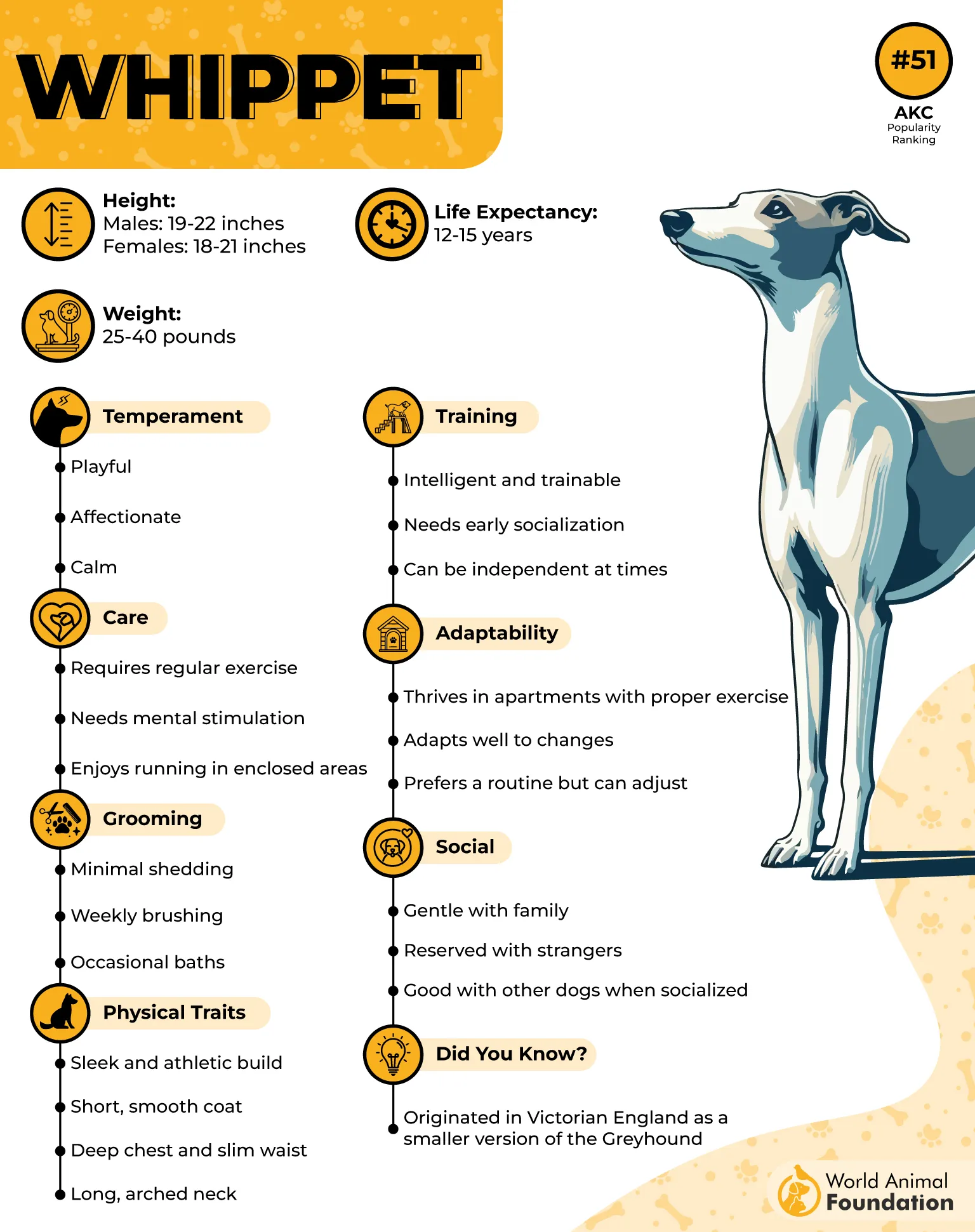
Unlike other breeds, it is not prone to nervous chewing or destructive outdoor activity. It has a long muzzle and a flat face, meaning it does not have crowded teeth, hence, it reduces the frequency of expensive periodontal treatments. It is a sighthound, and sees its family as its pack; thus, strong bonding contributes to an adaptable temperament, making training easy.
7. Italian Greyhound
The miniature version of the full-sized Greyhound, the Italian Greyhound, was once a status symbol in wealthy homes. Famous artists such as Van Eyck had depicted the breed in their paintings, and it was kept by royalty, including Queen Victoria, Queen Anne, and King Charles I.
The breed has a satin-like, smooth, and single-layered coat. The coat comes in solid colors: blue-grey, red, cream, fawn, and black. Brindle and tan markings are prohibited, while white markings are allowed. It has no shedding, making it a hypoallergenic breed, ideal for people with a busy lifestyle and allergy sufferers.
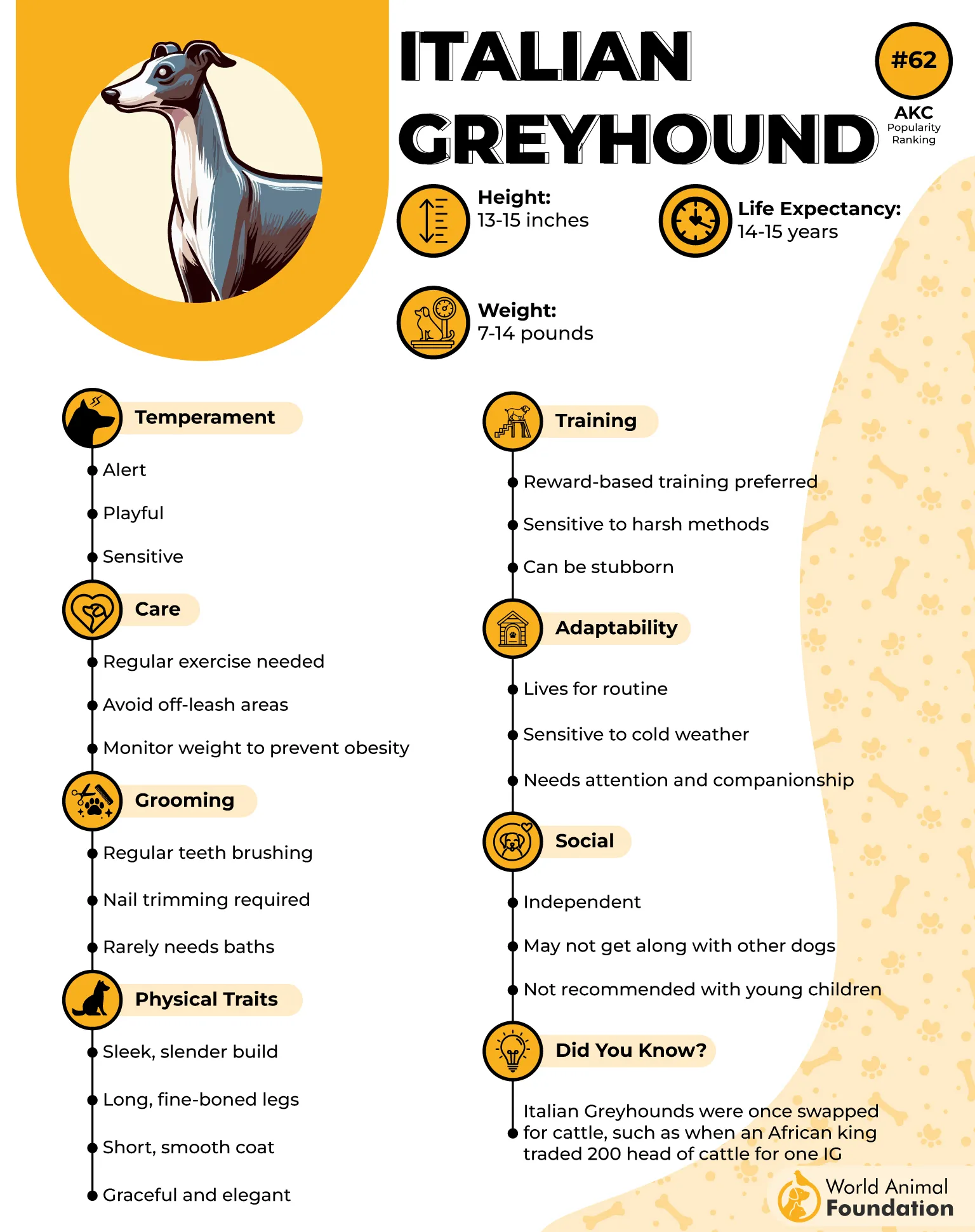
The breed has moderate exercise needs (30-60 minutes daily): daily walks, fetching, and leashed training. It runs at a speed of 30 mph, but comes back to the sleeping state after short sprints (sleeps 16-20 hours a day). It weighs around 7-14 pounds, making it portable, and you can easily carry the breed to coffee shops, buses, and long vacations.
Conclusion
The most expensive part of owning a dog is not always the breed itself. It is the lifestyle demands that come attached with it. Choosing a high-maintenance breed on a tight budget means you are setting yourself up for a stressful relationship. Choose wisely, and dog ownership becomes one of the best investments in joy you will ever make.
The breeds on this list, from the sassy Chihuahua to the aristocratic Italian Greyhound, prove that low-budget maintenance does not mean low-love. Pick the breed that fits your lifestyle, your schedule, and yes, your budget. The right dog does not drain you. It fills you up.
