




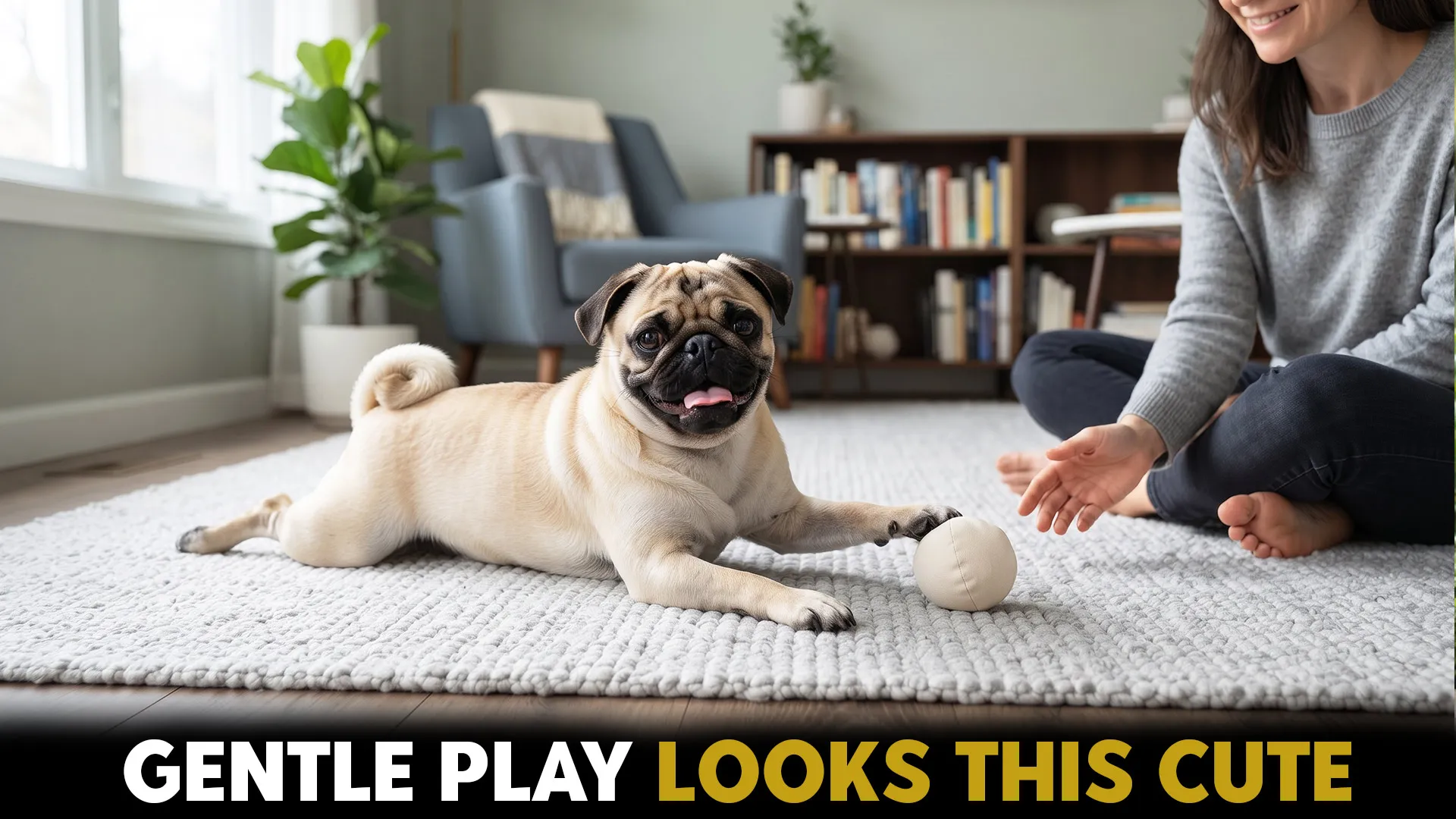
What if your dog’s favorite workout was simply stretching, playing, and then taking a nap?
Not every dog dreams of long runs or endless games of fetch. Some happily enjoy chew toys, gentle tug-of-war, or a slow game indoors before settling down. Low-intensity breeds often prefer short bursts of play followed by peaceful rest.
Still, they need daily exercise and mental stimulation to stay happy and healthy. Their energy can also vary from one dog to another, even within the same breed. These calmer companions can suit busy families, older owners, apartment dwellers, and anyone who enjoys a relaxed routine.
They may love lounging, but they can still be playful, social, and full of charm. In this guide, we’ll explore seven dog breeds that enjoy quiet play and discover what makes each one special. Let’s meet these easygoing playmates!
Low‑Intensity Dog Breeds That Enjoy Quiet Play
Here we go, one by one.
1. Basset Hound
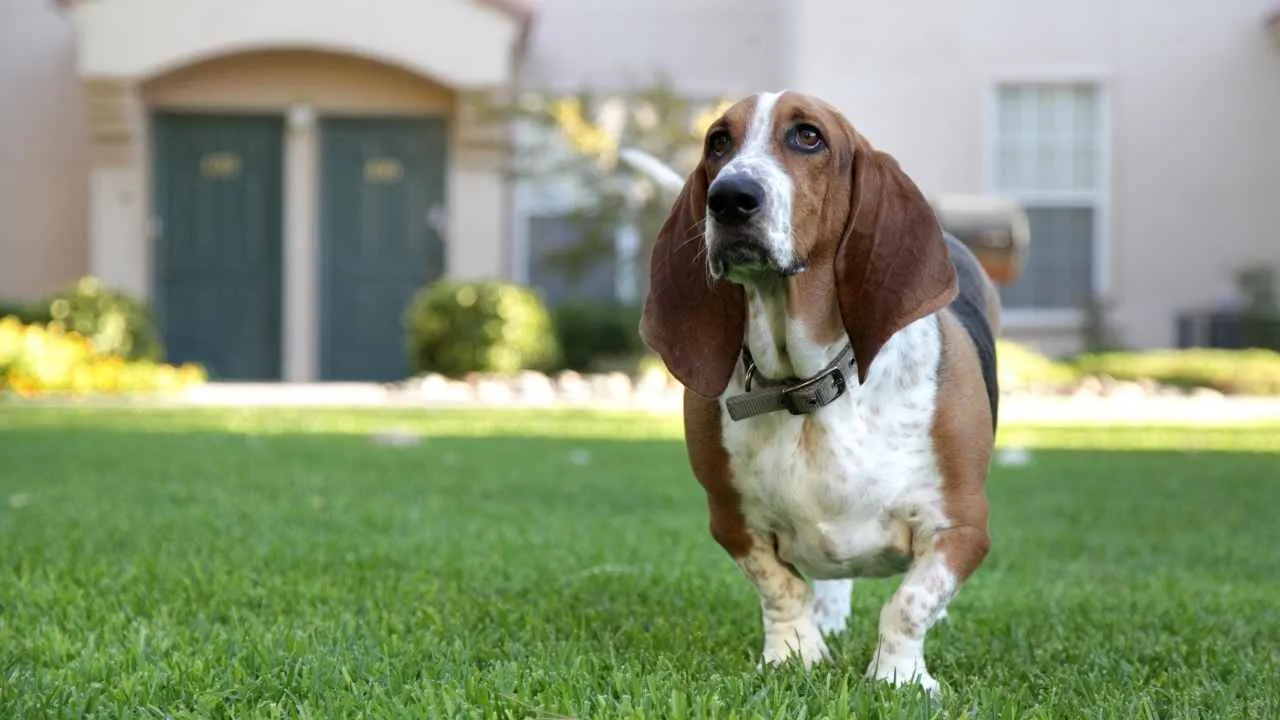
The Basset Hound turns a simple sniff into an adventure. This medium-sized dog breed has a remarkable nose and a long history of following scents. PetMD notes that Basset Hounds were bred to hunt and are now often kept as companion pets.
Their scenting skills make quiet games a great choice at home. Try hiding a favorite toy or a few treats for your dog to find. This gives the mind a workout without demanding fast movement. As a low-energy dog breed, the Basset Hound often enjoys a relaxed pace.
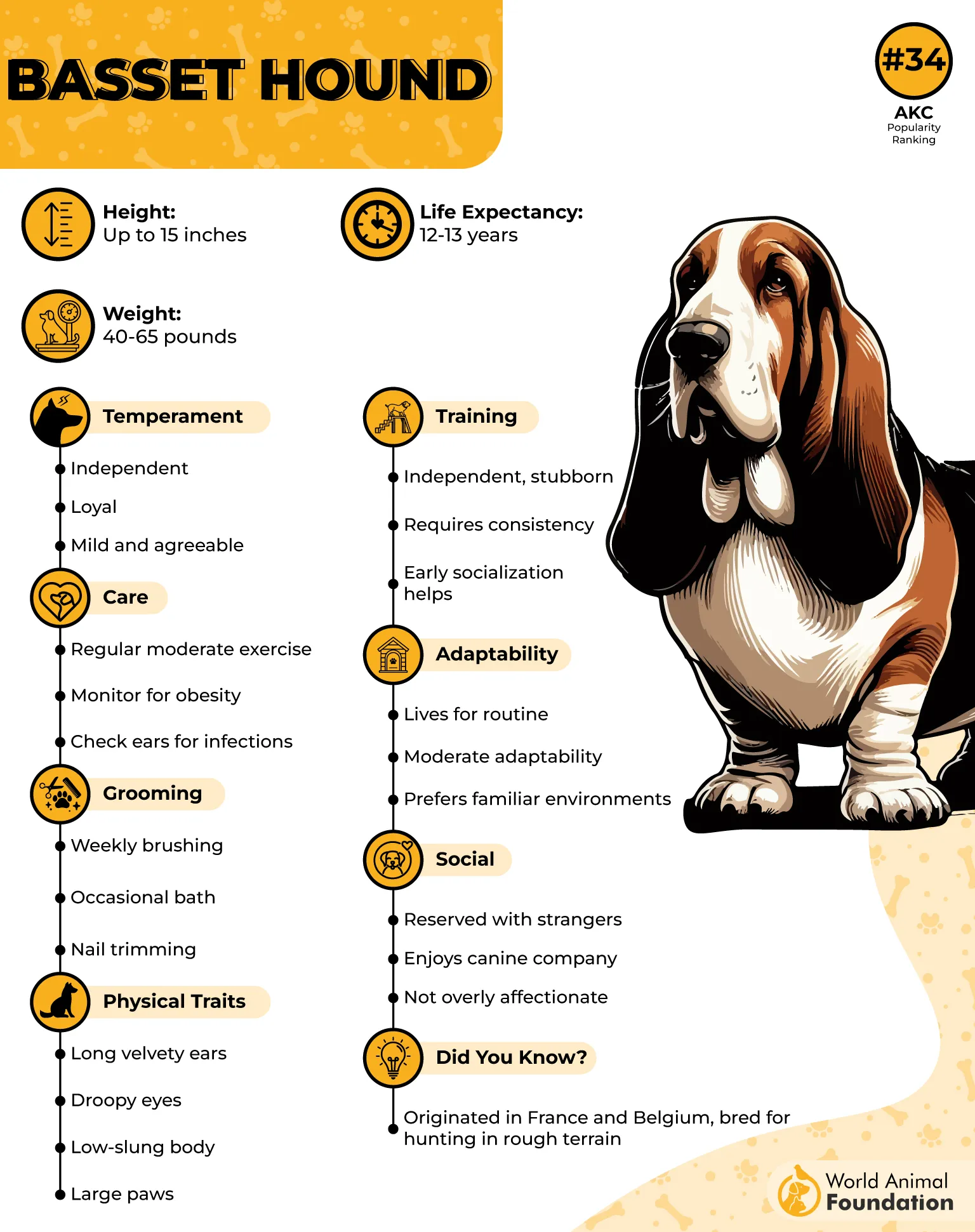
A few short walks can provide useful movement while giving the nose plenty to explore. Calm dogs like this may happily wander, sniff, and then head home for a rest.
Minimal exercise does not mean no activity, though. Their calm demeanor still benefits from daily movement. These quiet dogs simply prefer gentle adventures over tiring races.
2. Clumber Spaniel
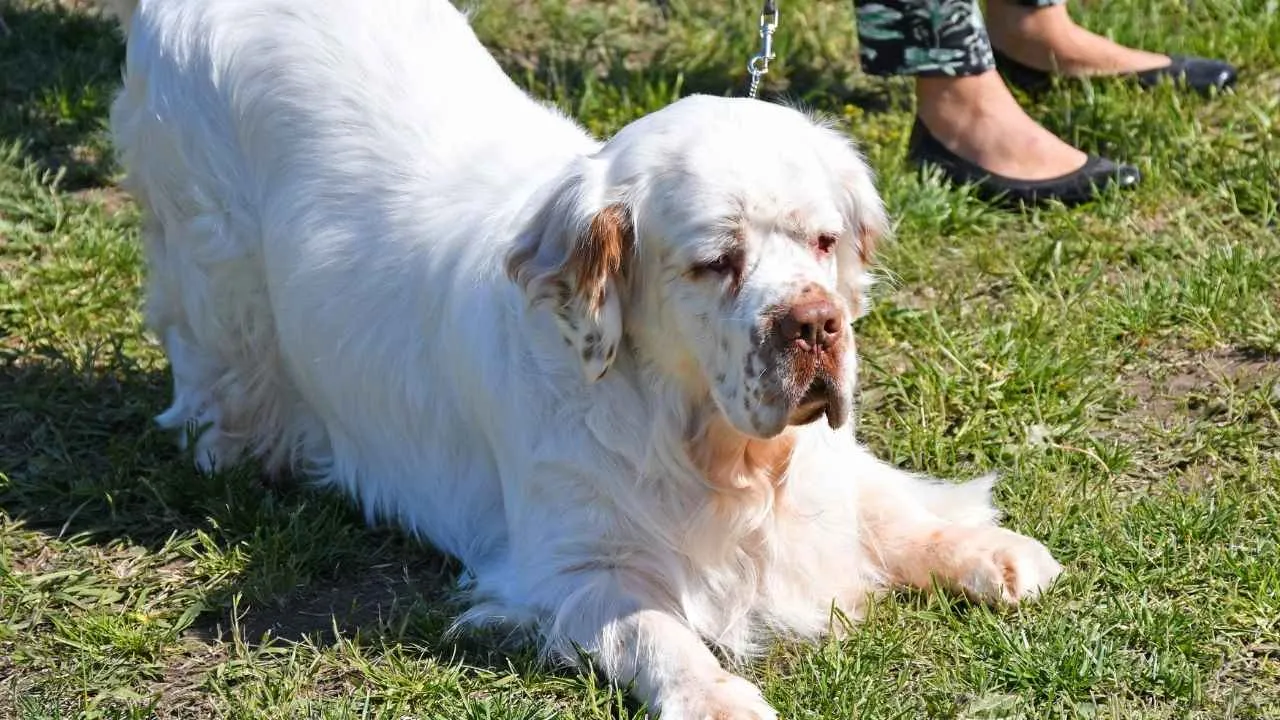
The Clumber Spaniel brings a gentle charm to quiet play. This calm dog breed is intelligent, affectionate, and often eager to please. The breed may show an independent streak, so positive training can help keep lessons enjoyable.

The American Kennel Club describes Clumbers as sweet and easygoing at home. Their clever nature makes simple indoor play especially rewarding. Try treat puzzles, toy searches, or short training games to keep their minds busy.
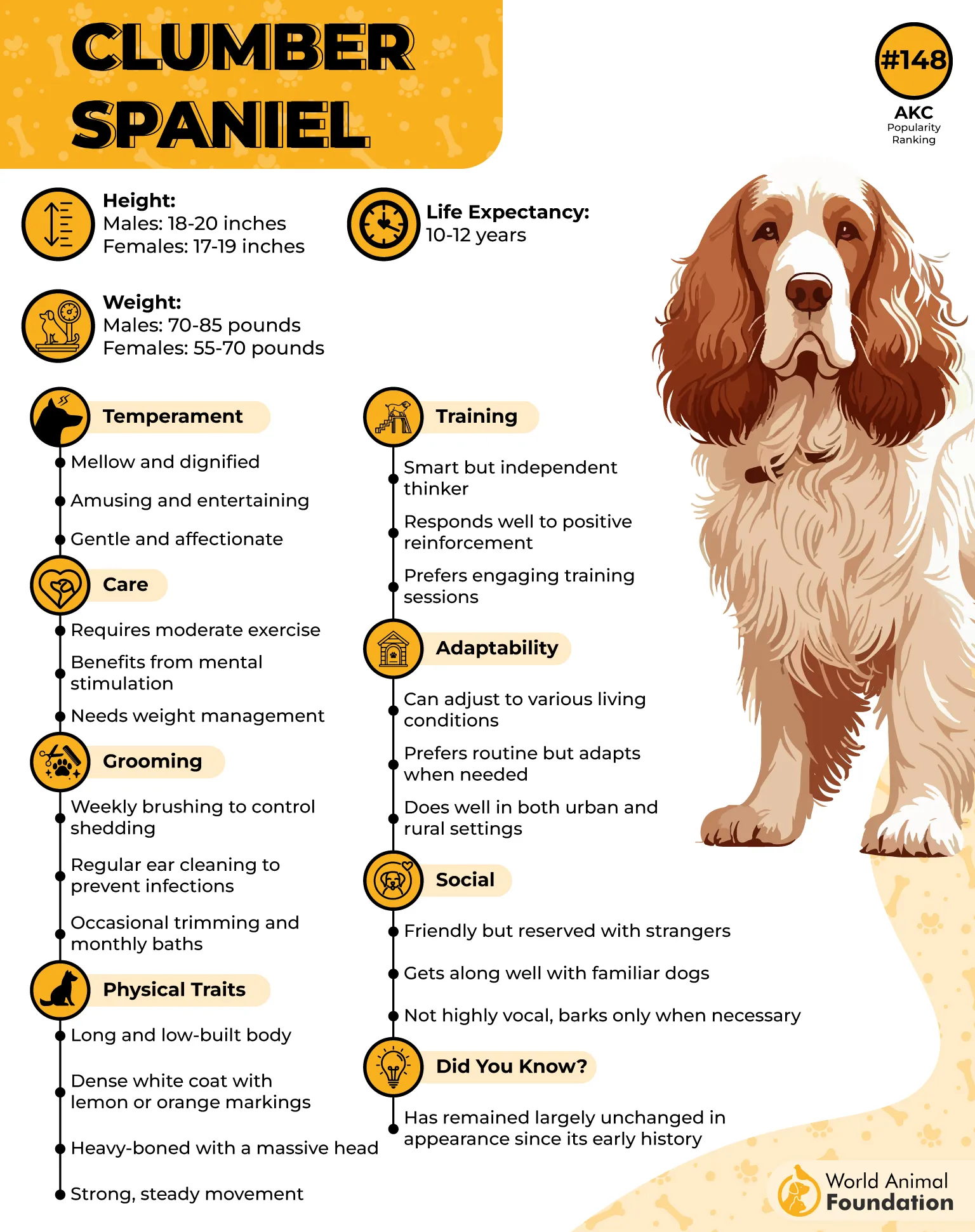
As a low-energy breed, the Clumber does not need constant action to stay content. A relaxed game can be enough to add fun to the day. Still, every dog has its own personality, so activity needs can vary.
This companion can enjoy learning new tricks without turning the living room into a racetrack. For families who prefer peaceful fun, this breed offers a smart and steady way to play.
3. Irish Wolfhound
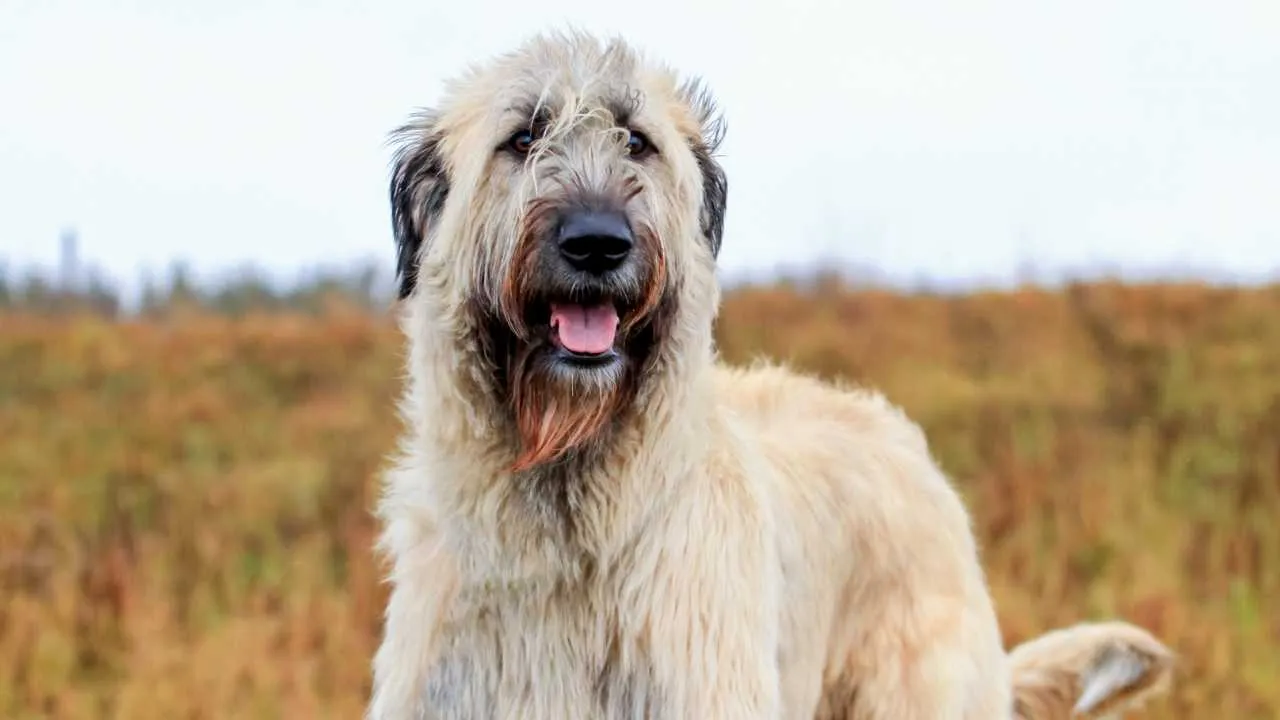
The Irish Wolfhound is a gentle giant with a surprisingly calm side. In the dog world, few breeds match its impressive size. Yet this low-energy dog often prefers peaceful time with its family.
This breed is peaceful, dignified, and kind, and PDSA calls these dogs big softies at heart. That calm temperament makes careful indoor play a better choice than wild games. Pet parents can offer soft toys, gentle tug games, or short movement sessions.
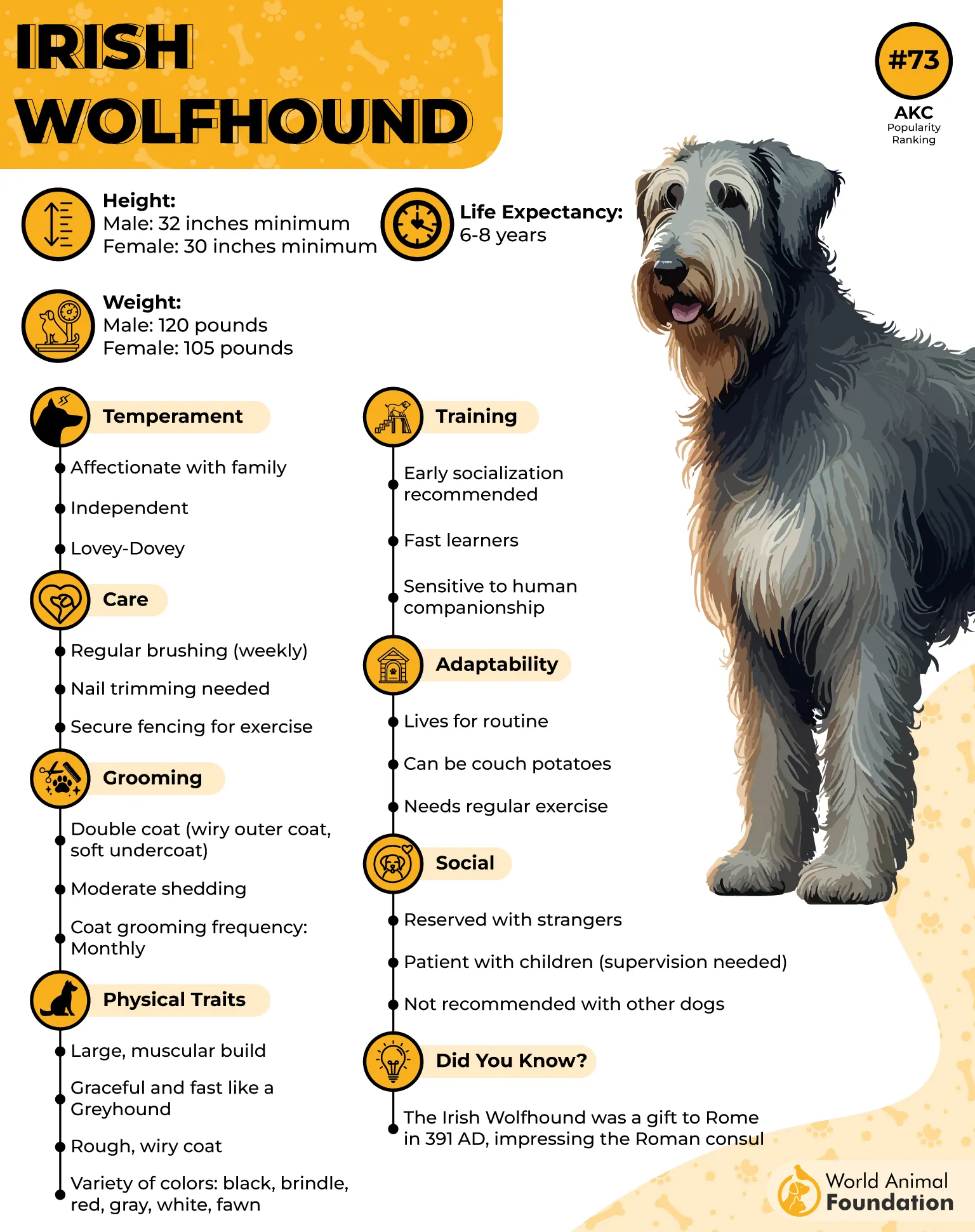
Their size means owners should leave enough open space for safe play. Unlike dogs with high energy levels, Irish Wolfhounds often enjoy relaxing after moderate exercise. This quiet dog breed still needs regular movement, but it does not need endless action.
A relaxed canine companion like this can bring a peaceful presence to the home. Just remember that such a large dog needs thoughtful handling around children and smaller pets.
4. Newfoundland
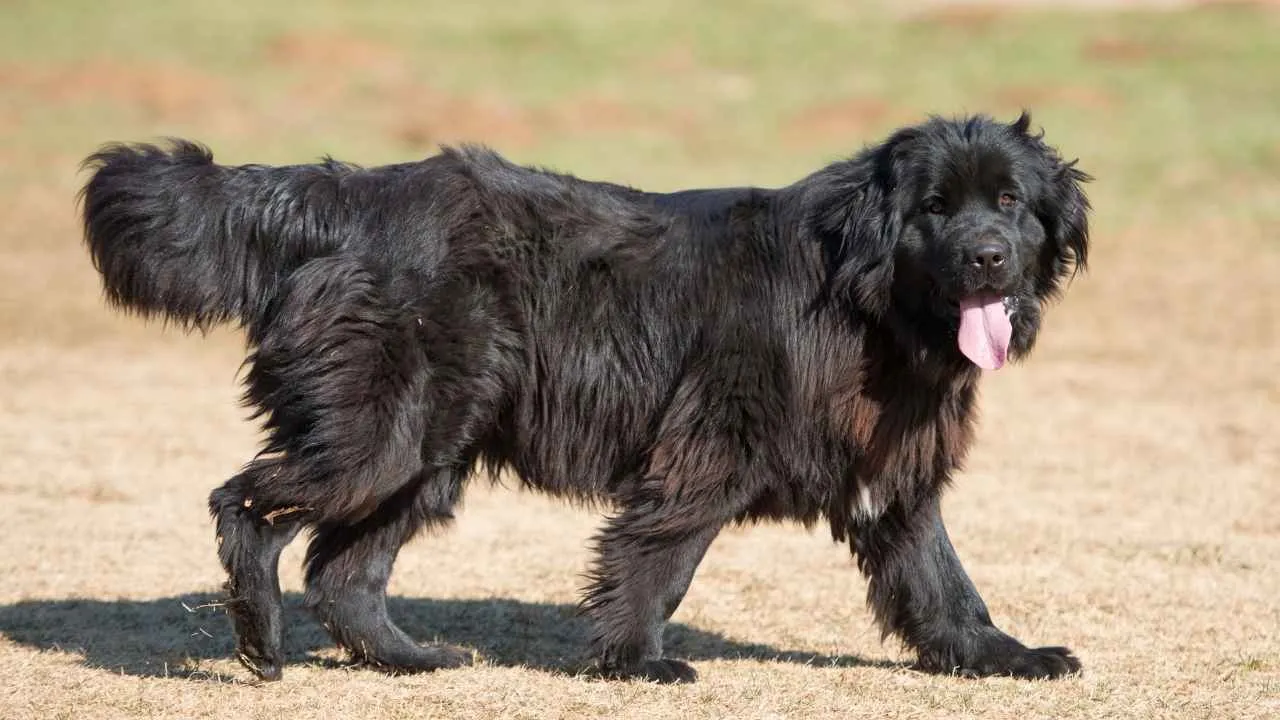
The Newfoundland is a large dog breed with a special love for water. Its webbed paws, strong body, and thick coat support its famous swimming ability. These traits helped Newfoundlands become skilled water-rescue dogs.
According to Hill’s Pet, Newfoundlands can be protective and watchful around their families. Their swimming talent also gives families a fun way to provide gentle activity. A safe swim can offer exercise without the strain of fast running.
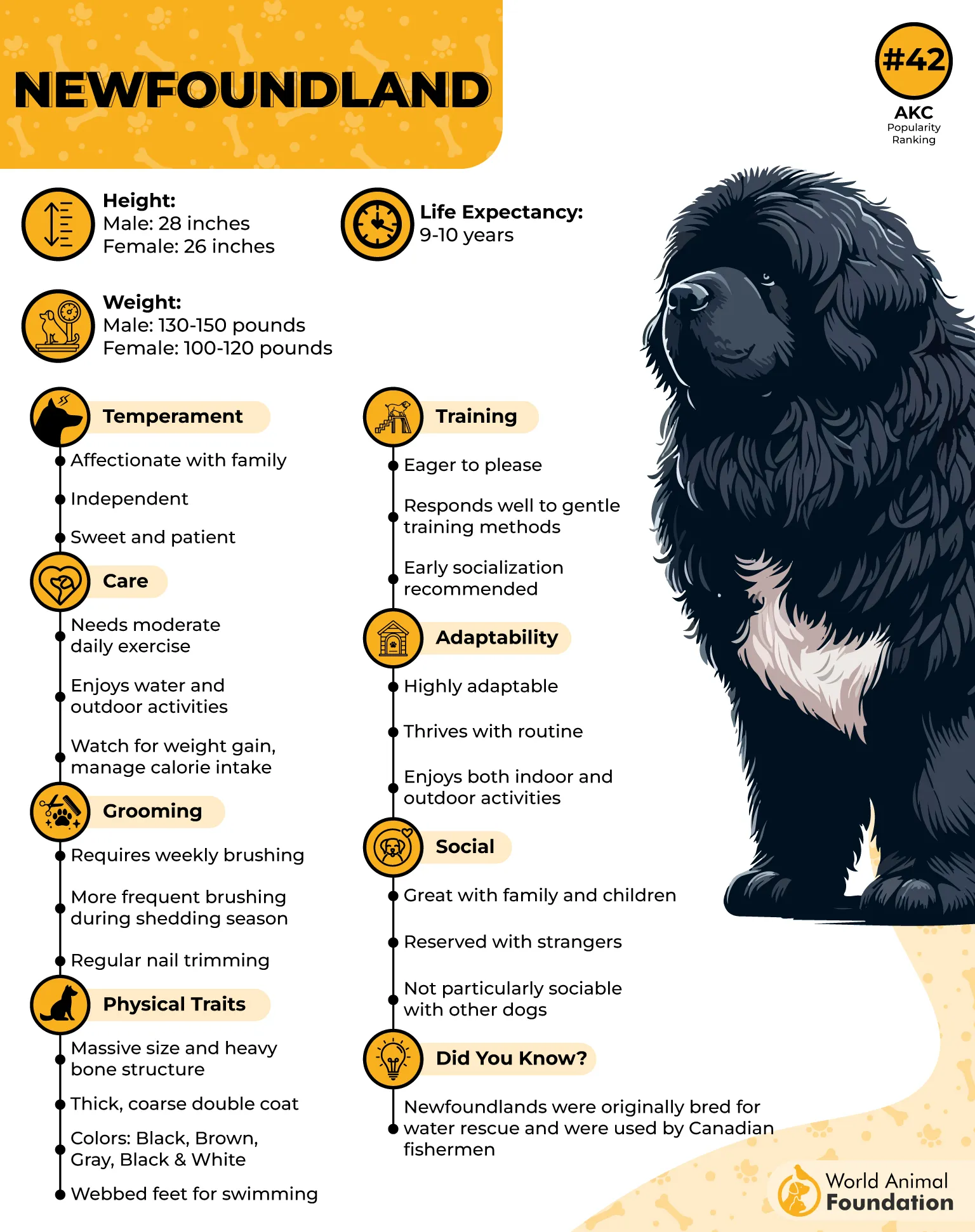
This low-energy dog breed can also enjoy short walks when swimming is not an option. Known as nanny dogs, Newfoundlands often form strong bonds with children and families. They are calm dogs that can make devoted companion animals at home.
Still, early socialization helps them behave well around people and other pets. Their low exercise needs do not mean they should stay inactive. Instead, owners can balance daily activity with swimming, brief walks, and relaxed family time.
5. Greyhound
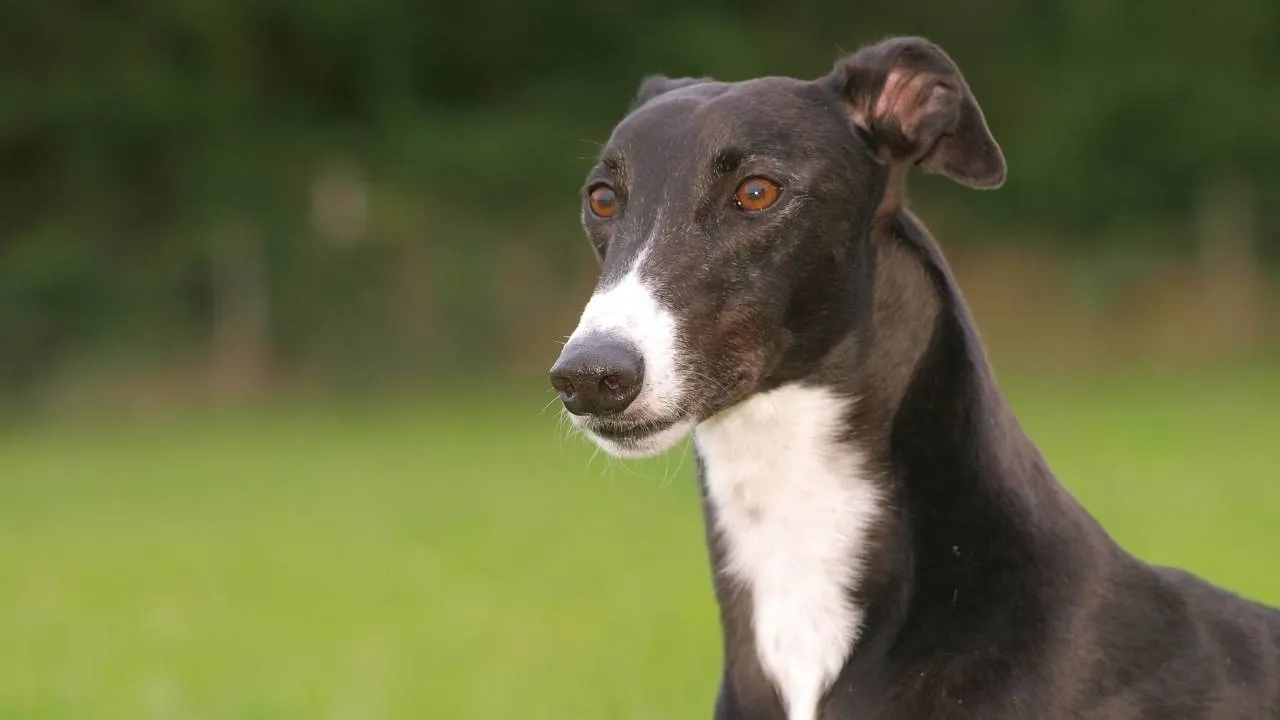
The Greyhound is often called one of the fastest dog breeds. Yet this calm dog breed can be surprisingly low-energy at home. According to Purina, Greyhounds once hunted deer, stag, fox, and hare in England.
Their bodies were built for short bursts of incredible speed, not endless running. That makes physical exercise more about quality than distance. A secure space can let a Greyhound stretch its legs safely for a brief run. Afterwards, many enjoy returning indoors for peaceful rest.
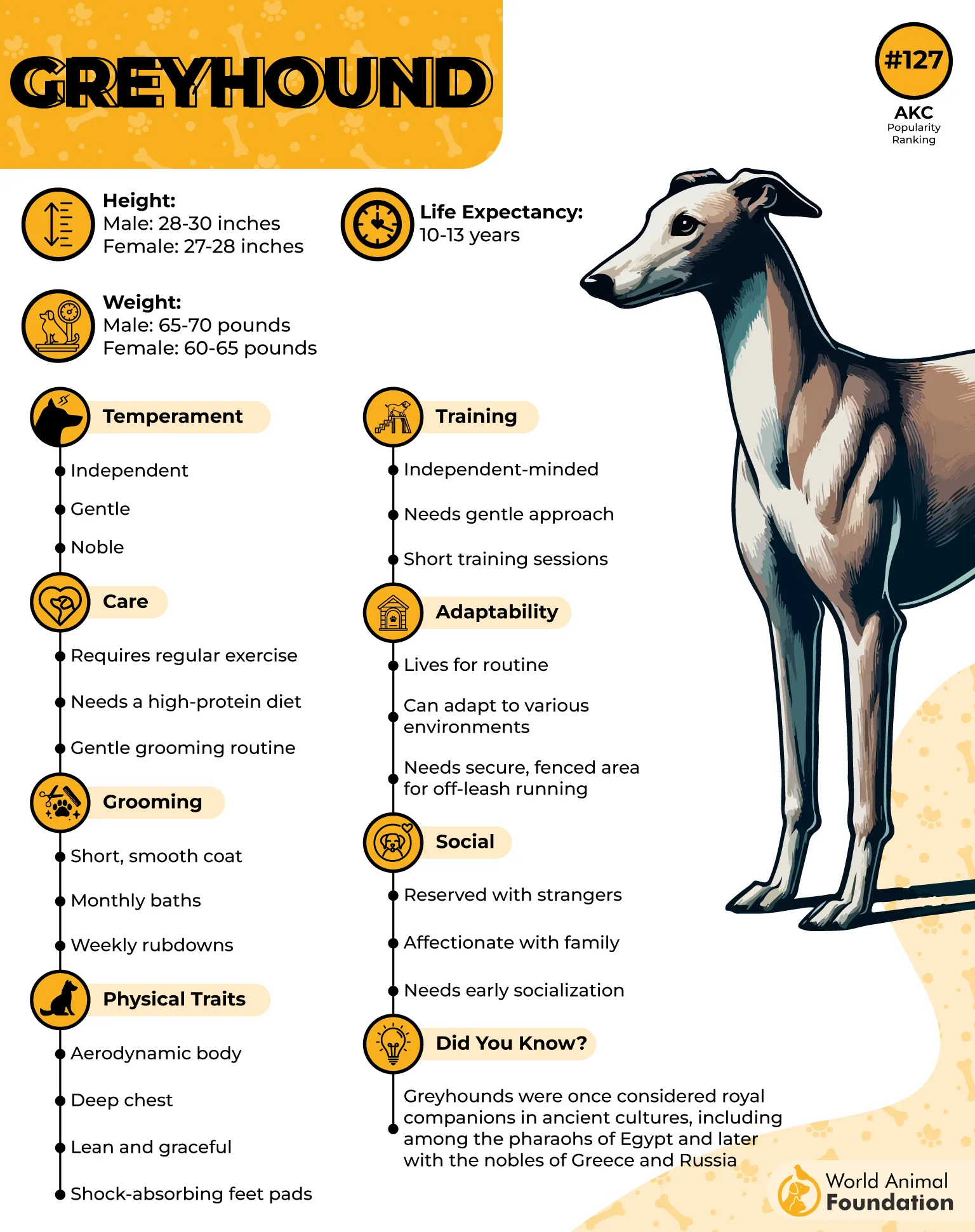
This low-energy lifestyle can surprise prospective pet parents who expect constant activity from such an athletic dog. A senior dog may need even gentler routines as its needs change with age.
Retired racing Greyhound owners often discover that these dogs settle well into quiet homes. Their sprinting past does not define their daily rhythm. Instead, they can enjoy a short outing, some affection, and plenty of comfortable downtime.
6. Great Dane
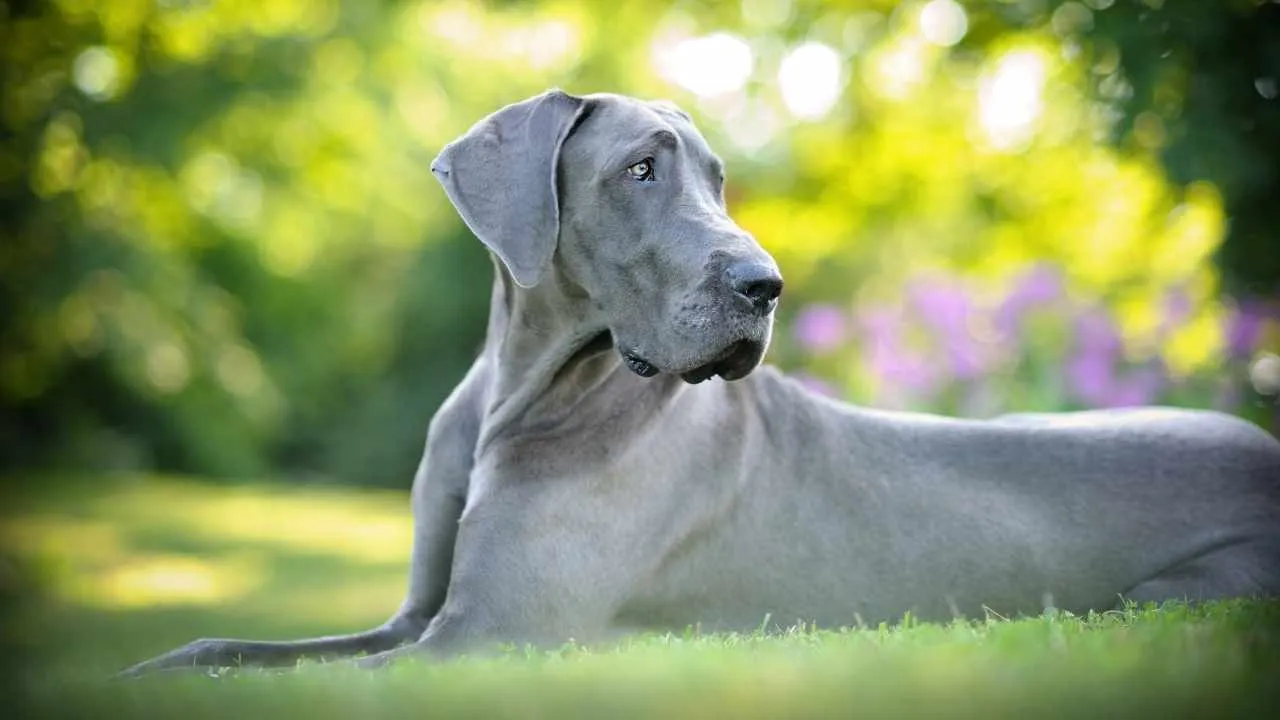
The Great Dane is among the tallest dog breeds. Its huge frame can look quite imposing. Yet this gentle giant often enjoys a peaceful home routine. Danes have a fairly low energy level and stop playing after short periods. That makes them a good match for calm indoor games.
Pet owners can use positive reinforcement during simple obedience sessions. These activities offer mental stimulation without pushing the dog into frantic play. A quiet dog breed like this also tends to bark only when needed.
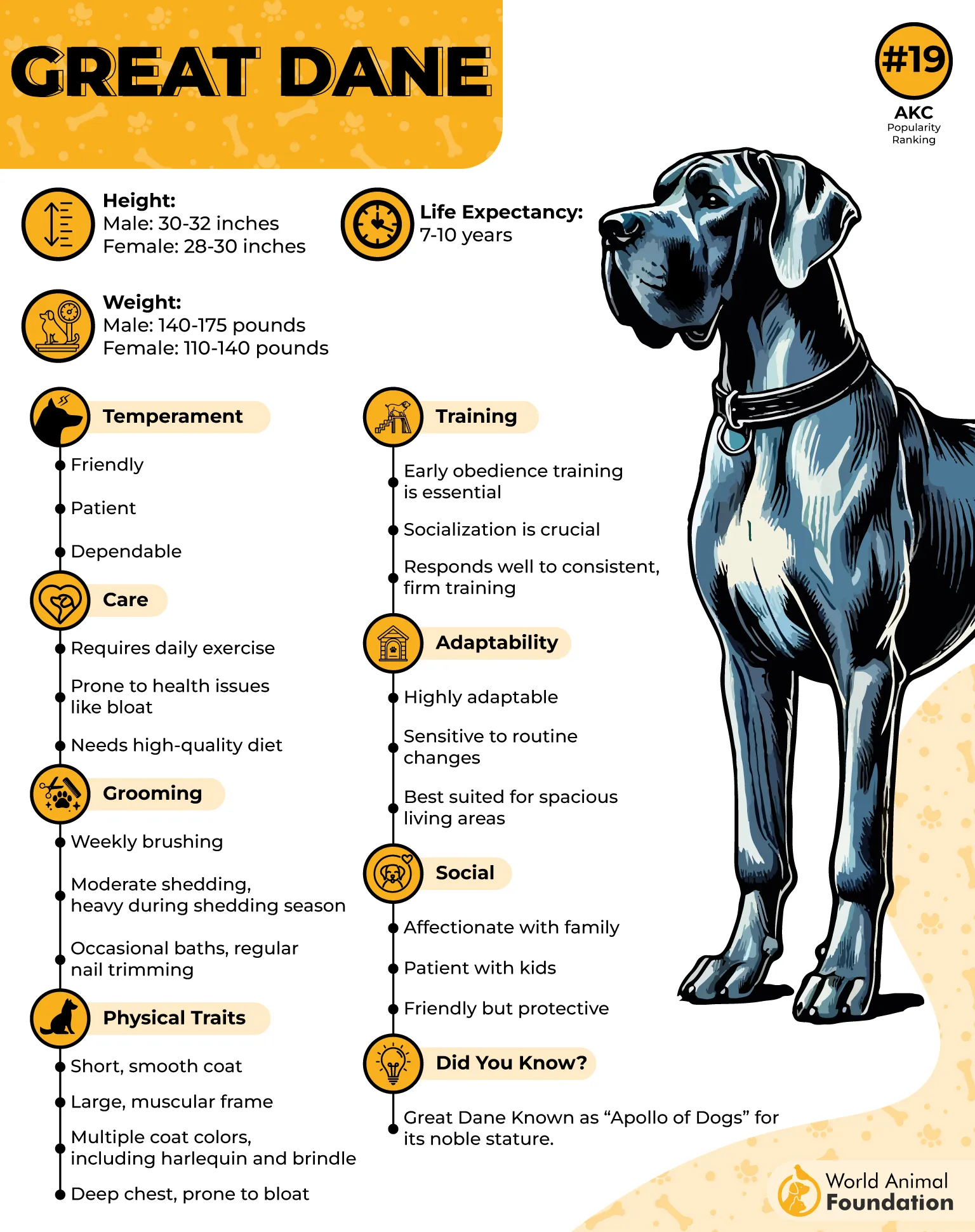
The sleek coat is easy to groom and only needs a weekly brush during most of the year. Despite having a single coat, their massive size means they still leave a noticeable amount of hair around the house. While some may call it the calmest dog breed around, each Dane has its own nature.
This low-energy dog breed still needs daily movement and attention. Safe toys, short training sessions, and gentle games can help keep this enormous companion content without turning the home into a racetrack.
7. Pug

The Pug is a small dog breed with plenty of charm. This toy breed often fits apartment living with ease. Britannica describes the Pug as a valued companion that can enjoy life in cities or the countryside. Its short, fun play sessions can suit chilled dogs and busy households alike.
Gentle tug games, soft toys, and brief indoor fetch can provide fun without demanding long workouts. This low-energy dog can adapt well to a more laid-back lifestyle. Its minimal exercise needs also make simple daily routines easier to manage.
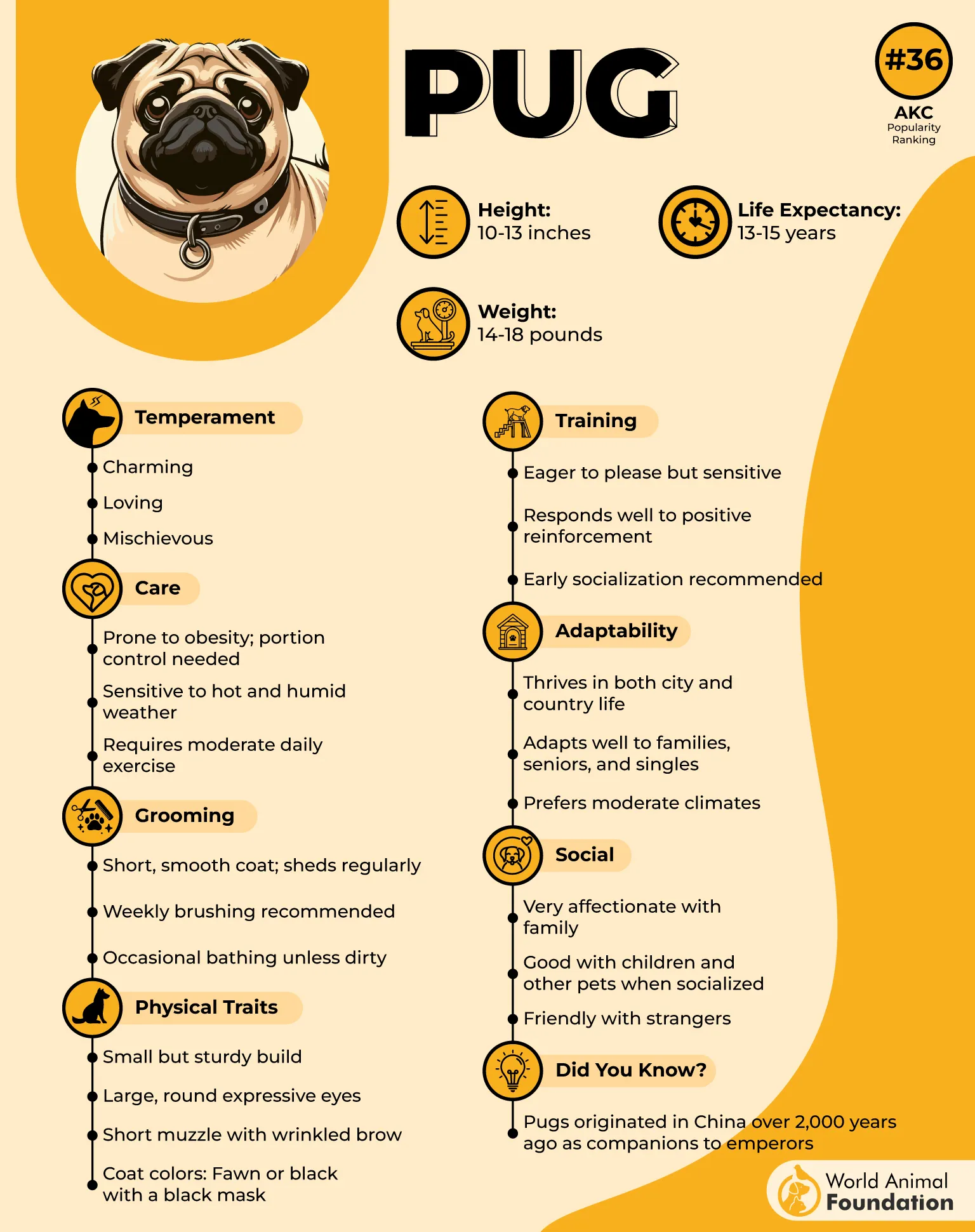
Many owners find the Pug an excellent apartment dog because it enjoys staying close to its people. While some may jokingly call it the laziest dog breed, it still needs activity and mental stimulation. Pugs are generally quiet, sociable companions that can add warmth to a home.
Their friendly presence may even support mental health through companionship and daily interaction. A low-maintenance dog routine can make these lovable clowns even more enjoyable.
Conclusion
Low-intensity dogs prove that fun does not always mean nonstop action. A low-energy dog breed can enjoy scent games, gentle toys, water play, training, and short bursts of activity. Still, every dog has unique breed characteristics and needs.
Some particular breeds may adapt well to quiet homes, while certain breeds need more activity. An energetic dog may require extensive exercise, while low-energy breeds adapt better to calmer routines. Good dog ownership means knowing when to play, rest, walk, and plan grooming sessions.
Owners should also watch weight gain when exercise is limited. The goal is not to find the “laziest” dog, but the right match for both you and your lifestyle.
