




Finding the perfect dog doesn’t always mean choosing a nonstop ball of energy. For many people, the ideal companion is one that’s just as happy stretching out beside them on the couch as it is enjoying a short daily walk.
While every dog needs regular exercise, some breeds are naturally more relaxed and content with a slower, quieter lifestyle. These easygoing companions thrive on comfort, routine, and quality time with their favorite humans rather than endless adventures.
Their calm personalities, affectionate nature, and moderate activity needs make them wonderful pets for apartment dwellers, seniors, busy households, or anyone who prefers peaceful evenings over marathon hikes.
In this guide, we’ll introduce seven ultimate low-energy dog breeds that prove you don’t have to be constantly on the move to enjoy an incredible canine companion. If your perfect day includes relaxation, cuddles, and loyal company, these breeds may be exactly what you’re looking for.
Key Takeaways
Low-energy dog breeds are ideal for owners who prefer a relaxed lifestyle but still want a loving and loyal companion.
Even calm dogs need daily walks, light exercise, and mental stimulation to stay healthy and happy.
The Basset Hound is a laid-back, affectionate breed that enjoys leisurely walks and plenty of downtime.
The Cavalier King Charles Spaniel combines a gentle personality with moderate exercise needs, making it a wonderful lap dog.
The Japanese Chin thrives in quiet homes and is happiest spending time close to its family.
Ultimate Low‑Energy Dog Breeds for Couch‑Potato Owners
1. Basset Hound
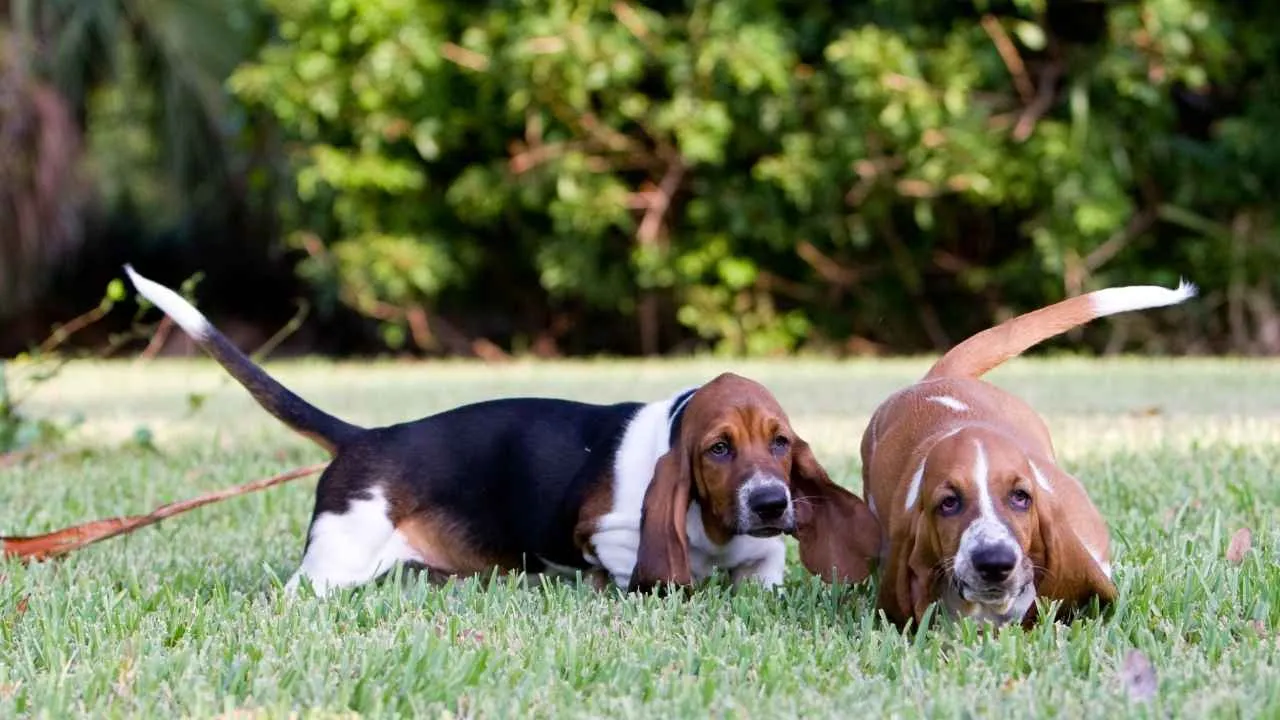
The Basset Hound is an excellent choice for couch-potato owners who want a relaxed companion with plenty of personality.
This sturdy, low-slung breed is built for endurance rather than speed, making leisurely walks far more appealing than intense exercise.
At home, Bassets are calm, gentle, and loyal, though their independent streak can make training a test of patience.
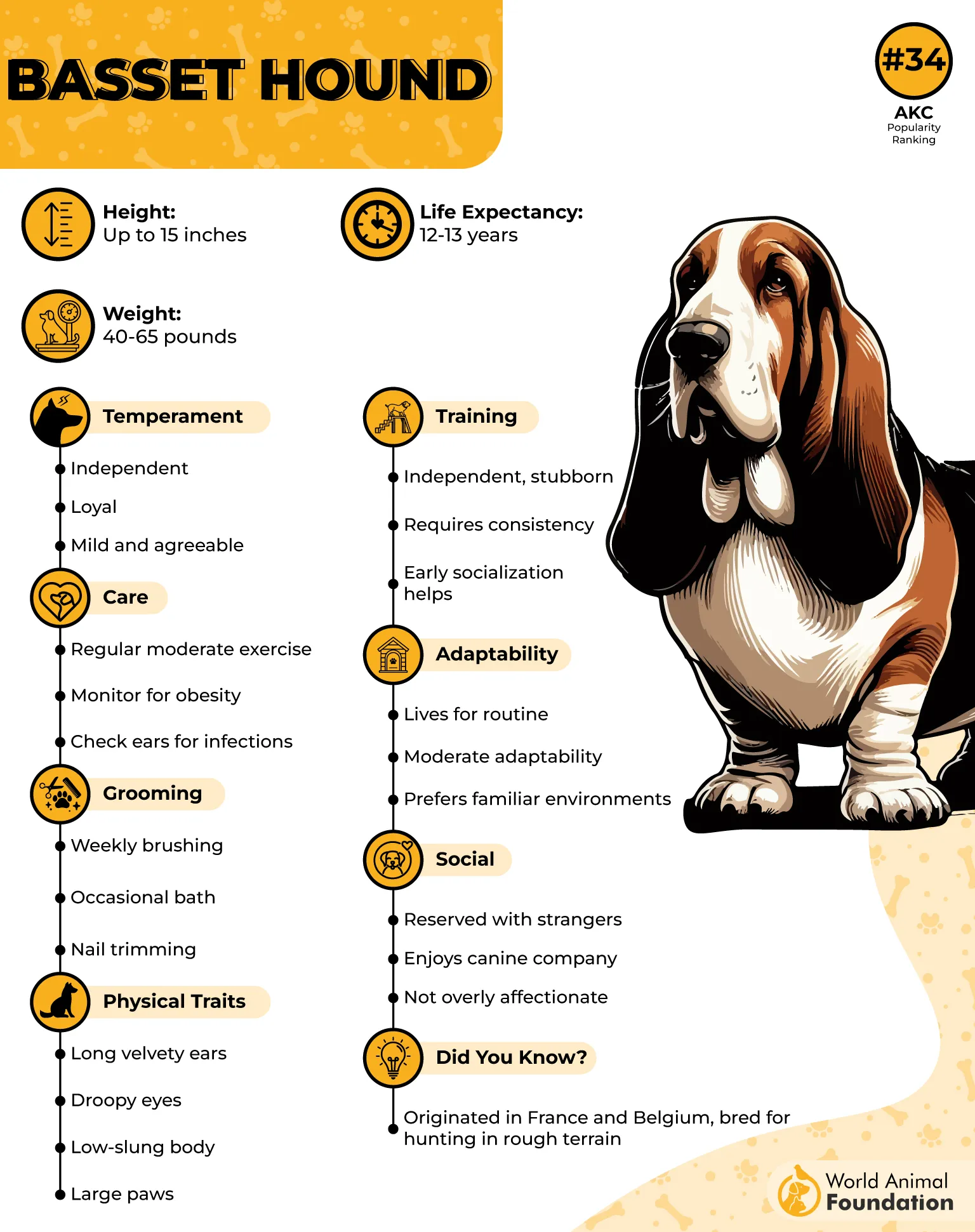
Their iconic long ears, soulful eyes, and wrinkled expression add to their unmistakable charm, while their remarkable sense of smell is second only to that of the Bloodhound.
Despite their easygoing nature, they still benefit from daily moderate walks to maintain a healthy weight, according to the American Kennel Club. Regular grooming helps manage their surprisingly heavy shedding, and their long ears should be checked often to prevent infections.
A balanced diet, routine dental care, and positive, reward-based training will keep this affectionate breed healthy, comfortable, and happy for years.
2. Cavalier King Charles Spaniel

The Cavalier King Charles Spaniel is a wonderful choice for anyone who enjoys a relaxed lifestyle and wants a devoted companion by their side.
Originally bred to warm laps, this affectionate little dog still loves nothing more than spending time with its family, whether curled up on the couch or following you from room to room.
While Cavaliers appreciate daily exercise, two short walks and a bit of playtime are usually enough before they’re ready to settle in for a cozy afternoon indoors.
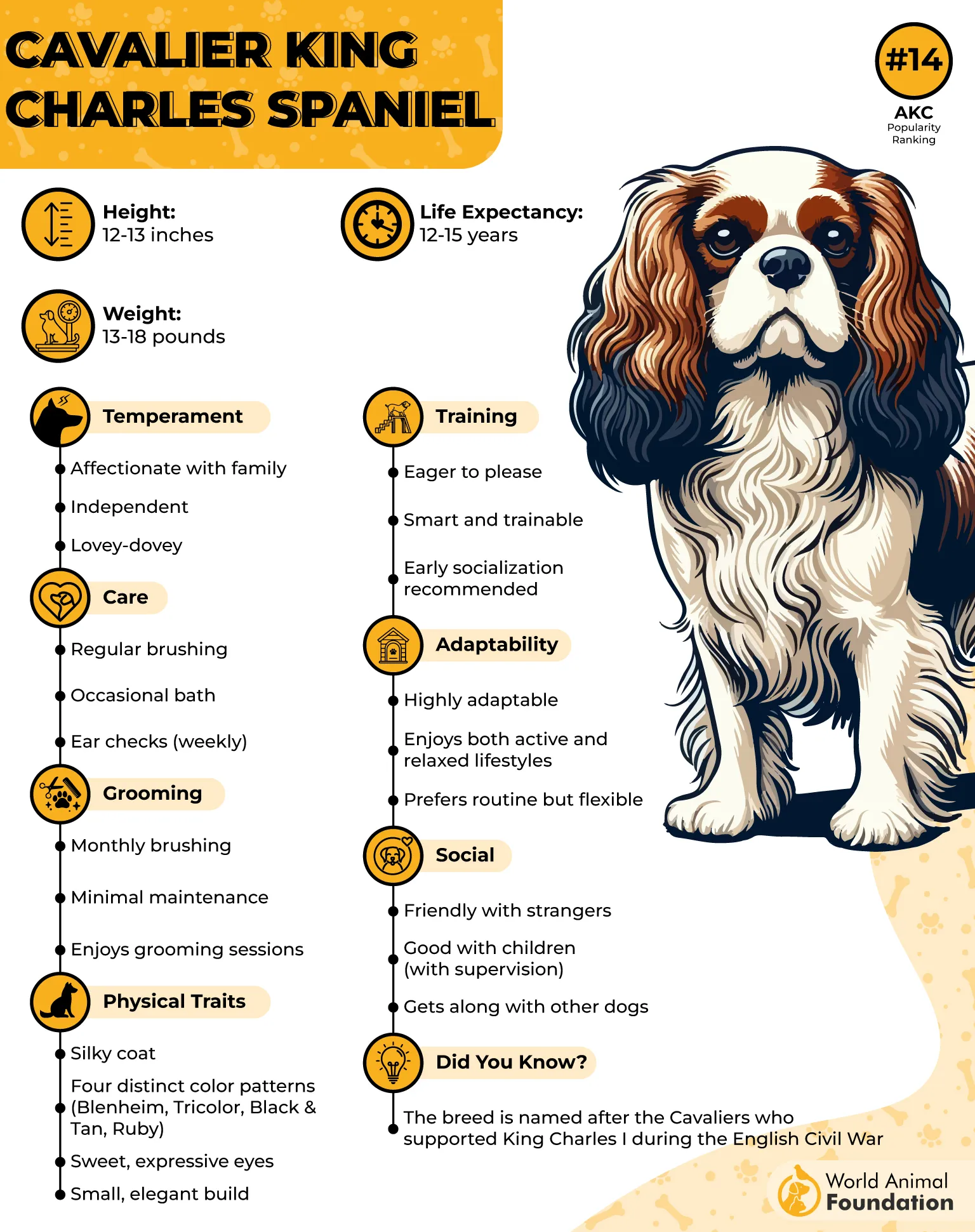
Their gentle, patient temperament makes them an excellent fit for families, first-time dog owners, and homes with other pets.
Their silky coat benefits from regular brushing to prevent tangles, while routine ear and eye care helps keep them comfortable.
Feeding a balanced, age-appropriate diet and maintaining regular veterinary checkups support their overall health, allowing this loyal, easygoing breed to thrive in a calm, loving home.
3. Japanese Chin
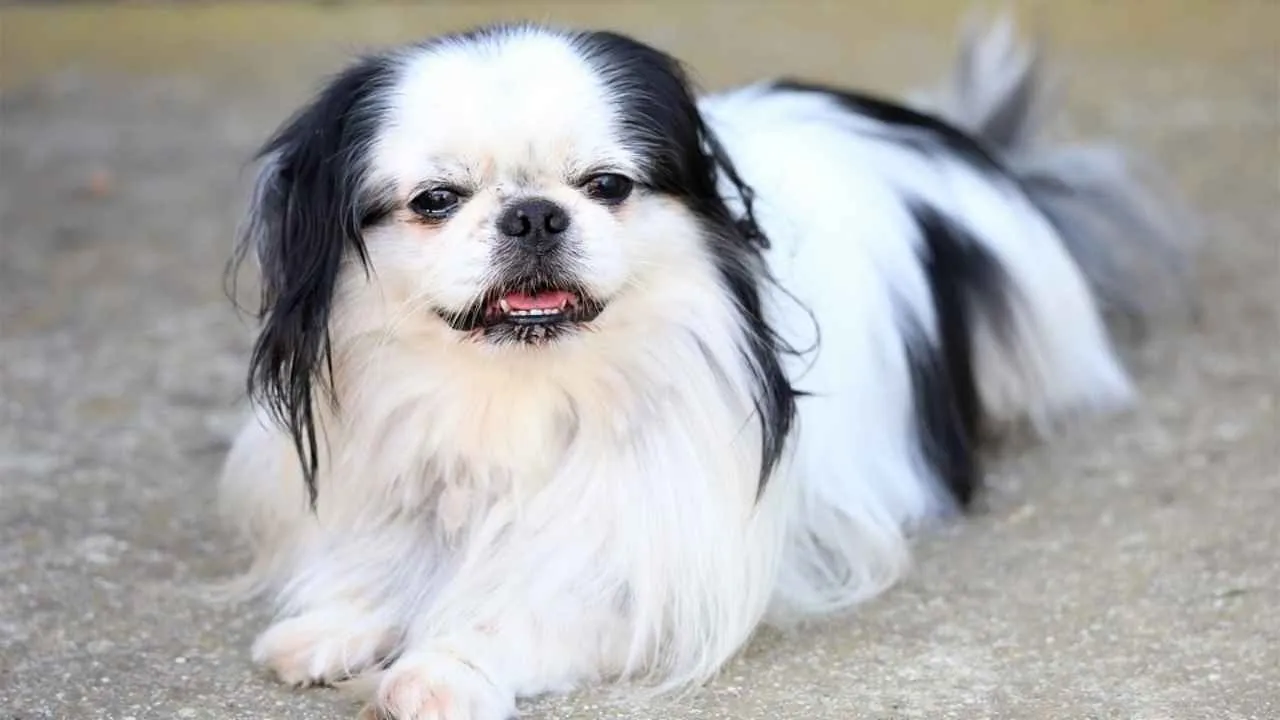
The Japanese Chin is a charming toy breed that blends quiet companionship with a playful spark, making it an excellent match for relaxed households.
Once treasured by Japanese nobility, this elegant little dog still carries itself with graceful confidence while showing an affectionate, sometimes mischievous personality at home.
Although happy to join you for a short stroll or a light indoor game, the Japanese Chin is equally content curling up beside you for hours, as stated by Orvis.
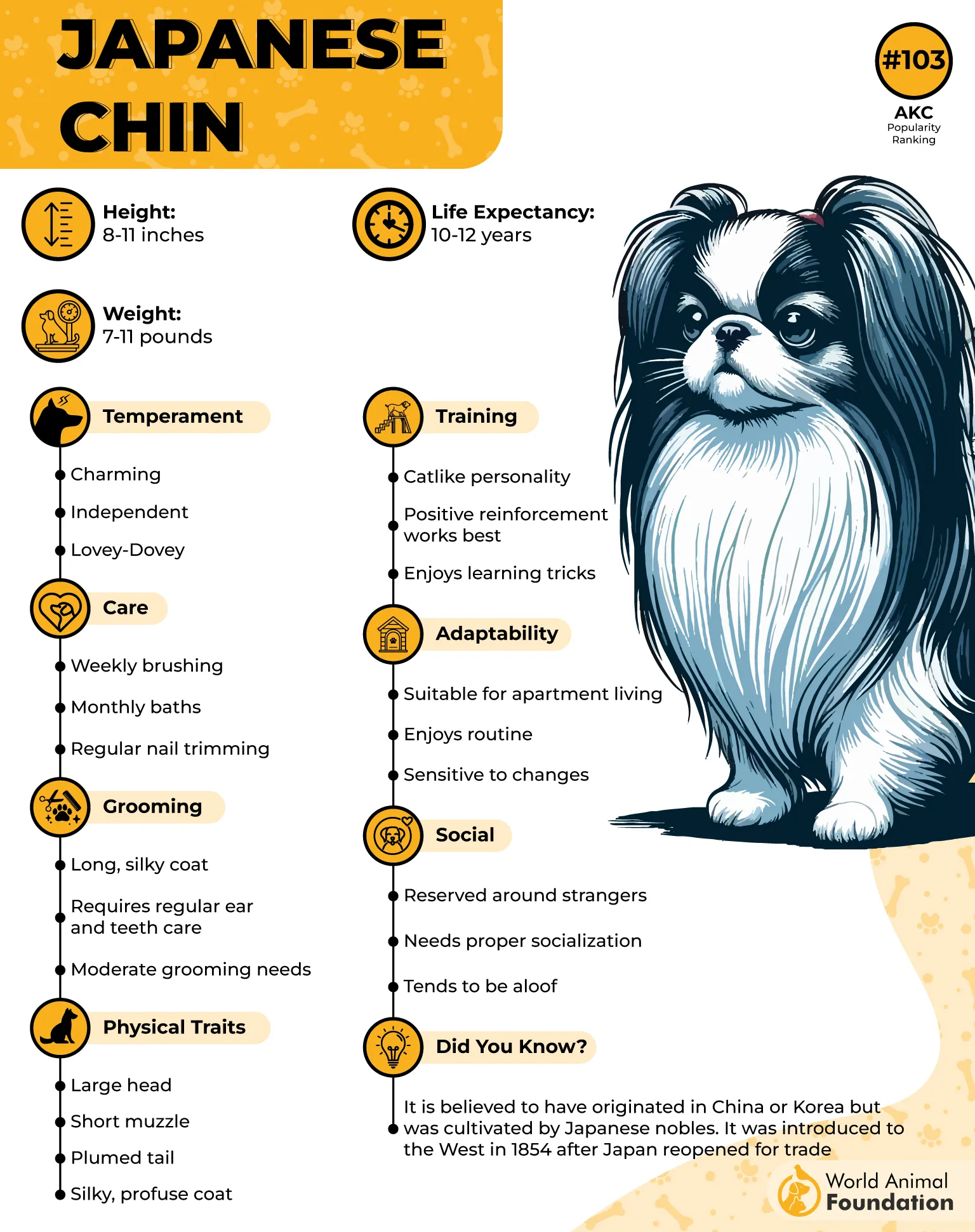
Their silky single coat requires regular brushing to keep it smooth and free of tangles, and routine dental, ear, and nail care helps maintain overall health.
Because of their flat faces, they can struggle in hot weather and should stay cool during warmer days.
Gentle, reward-based training suits their sensitive nature, while early socialization builds confidence. Loyal, quiet, and deeply devoted, the Japanese Chin thrives in a calm home filled with love and companionship.
4. Pug

The Pug is the perfect companion for anyone who loves cozy days at home with a loyal friend by their side.
Cheerful, affectionate, and full of personality, this small breed thrives on human companionship and is just as happy snoozing on the sofa as joining you for a short daily walk.
Although playful and intelligent, Pugs have relatively low exercise needs, making them well-suited to apartment living and relaxed households.
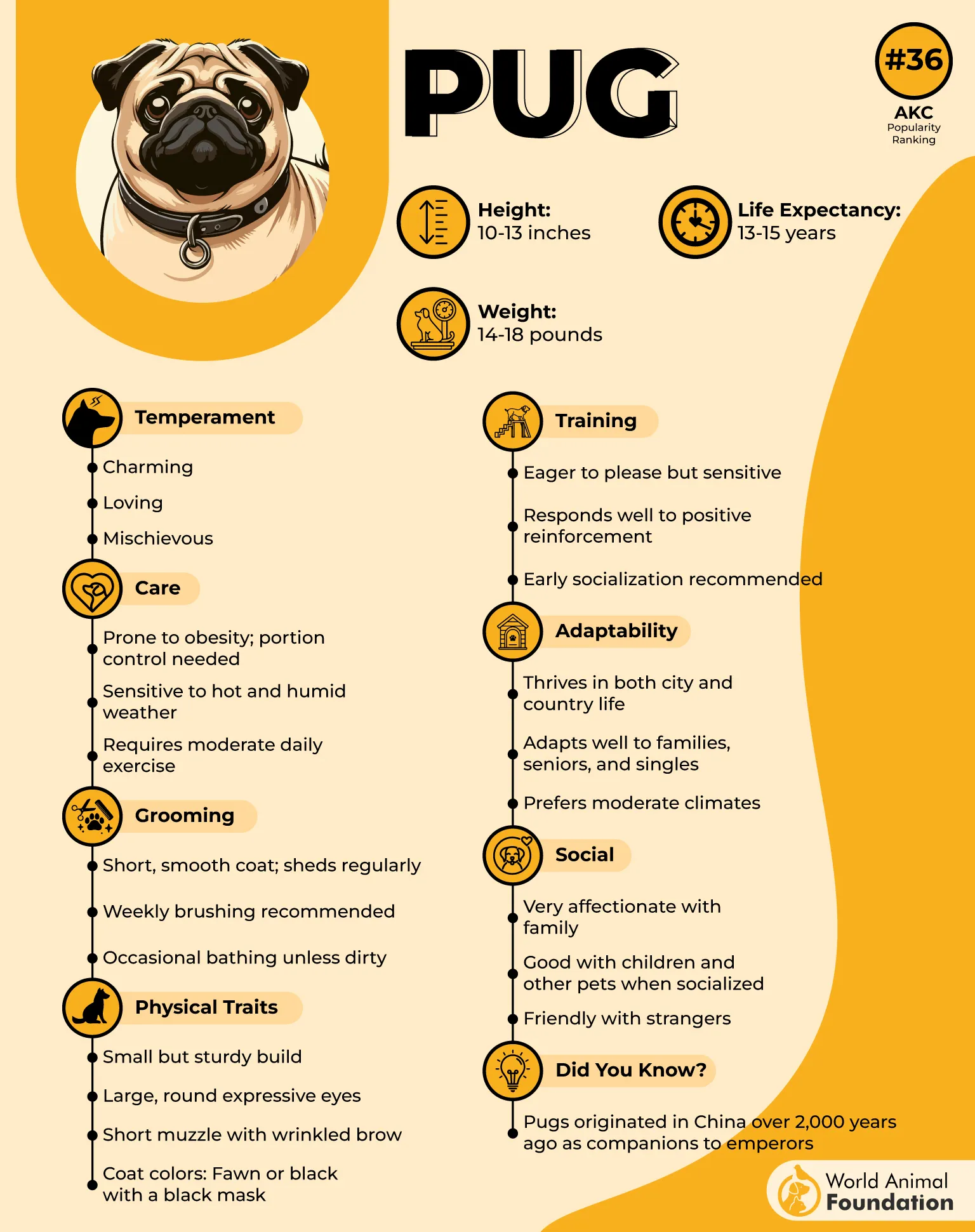
Their flat faces mean they can struggle with heat and breathing, so gentle activity and a cool environment are important.
Regular grooming, wrinkle cleaning, dental care, and routine veterinary checkups help keep them healthy and comfortable. Because they love food and can gain weight easily, a balanced diet and sensible portion control are essential.
With positive, patient training and plenty of affection, the Pug rewards its family with endless devotion, charming antics, and a warm presence that makes every quiet day feel brighter.
5. Pekingese
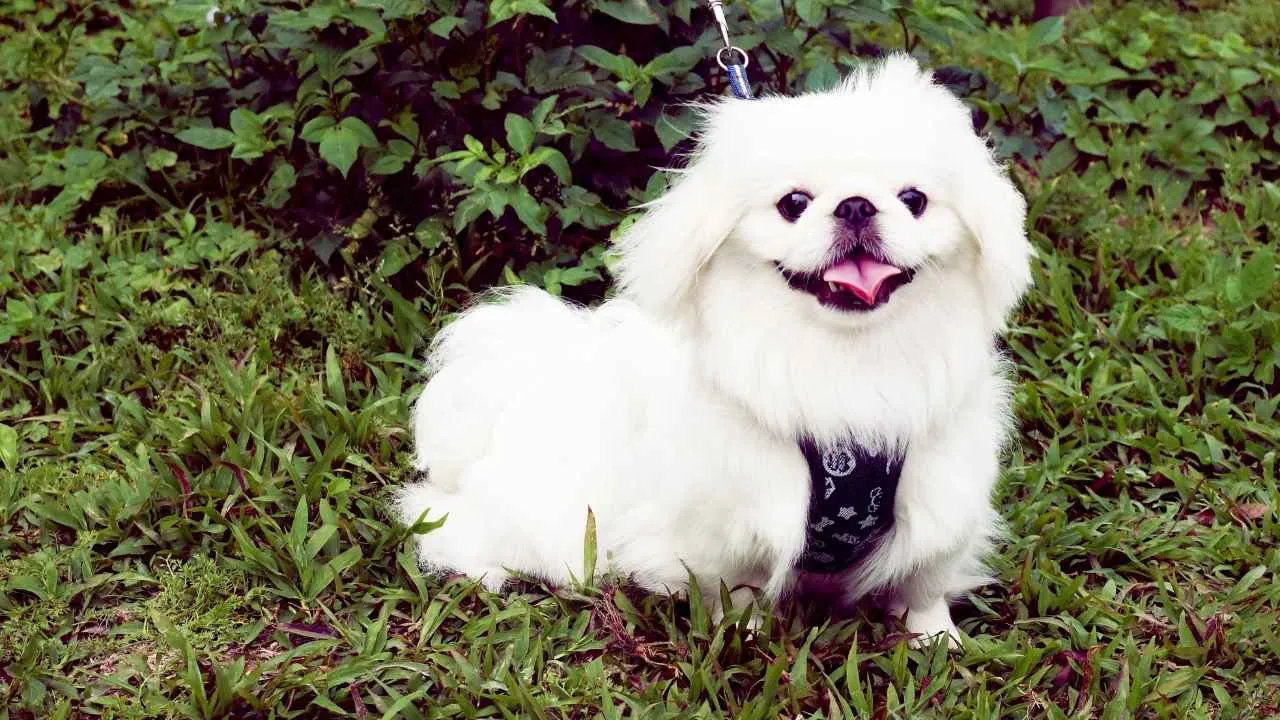
The Pekingese is a wonderful choice for owners who enjoy a quiet, relaxed lifestyle and want a devoted companion close by.
Once treasured by Chinese royalty, this dignified little dog still carries itself with confidence while preferring peaceful days indoors over energetic adventures.
Short daily walks and gentle sniffing sessions are usually enough to keep this breed content before happily returning to a favorite cozy spot.
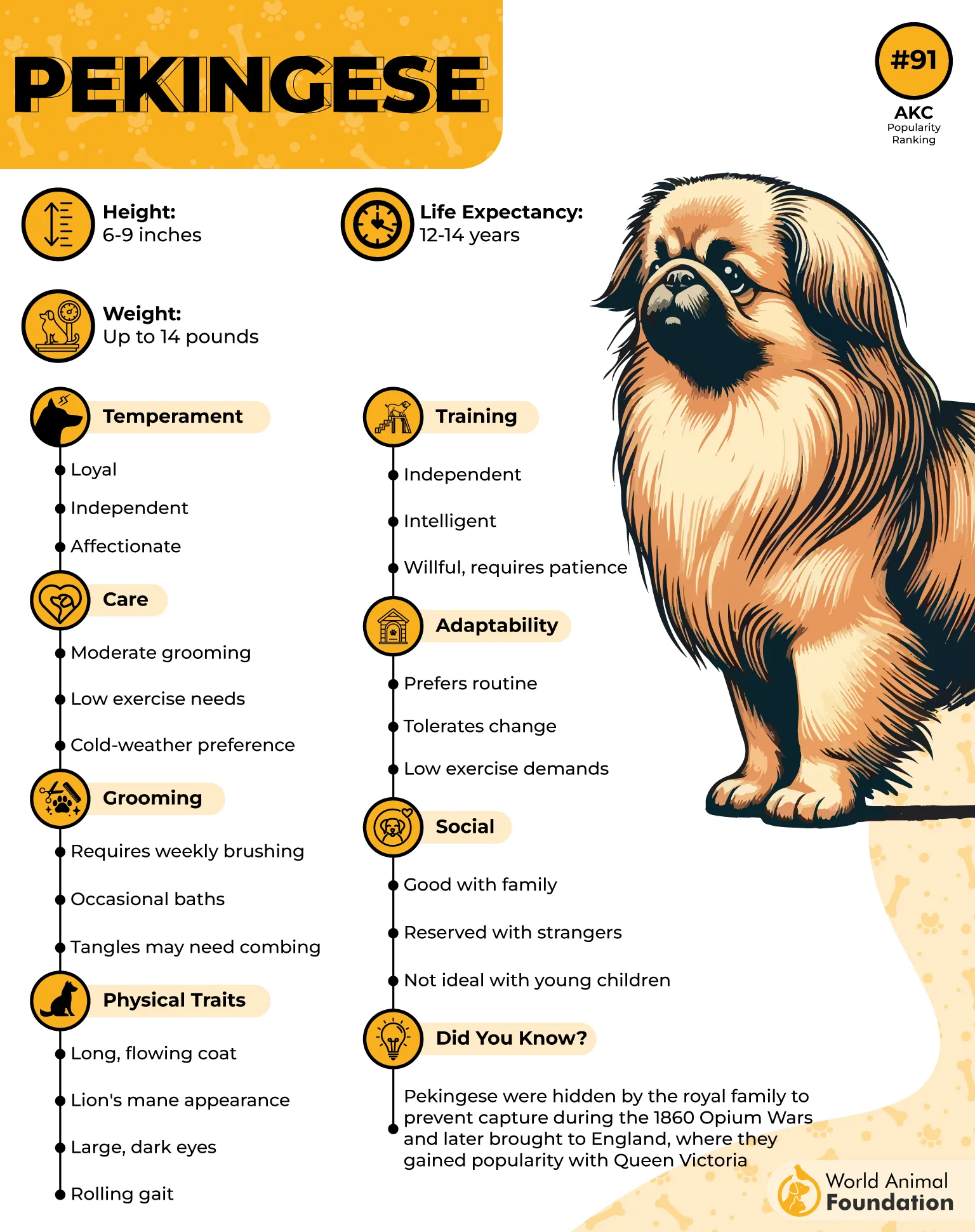
Although independent by nature, the Pekingese forms deep bonds with its family and enjoys calm companionship without demanding constant activity, according to Zooplus. Their luxurious double coat requires daily brushing to prevent tangles, along with regular eye, ear, and nail care.
Because of their short muzzle, they can have difficulty in hot weather and should avoid strenuous exercise during warm conditions.
A nutritious diet, routine veterinary care, and patient, consistent training help this charming breed stay healthy, comfortable, and affectionate throughout its life.
6. Newfoundland
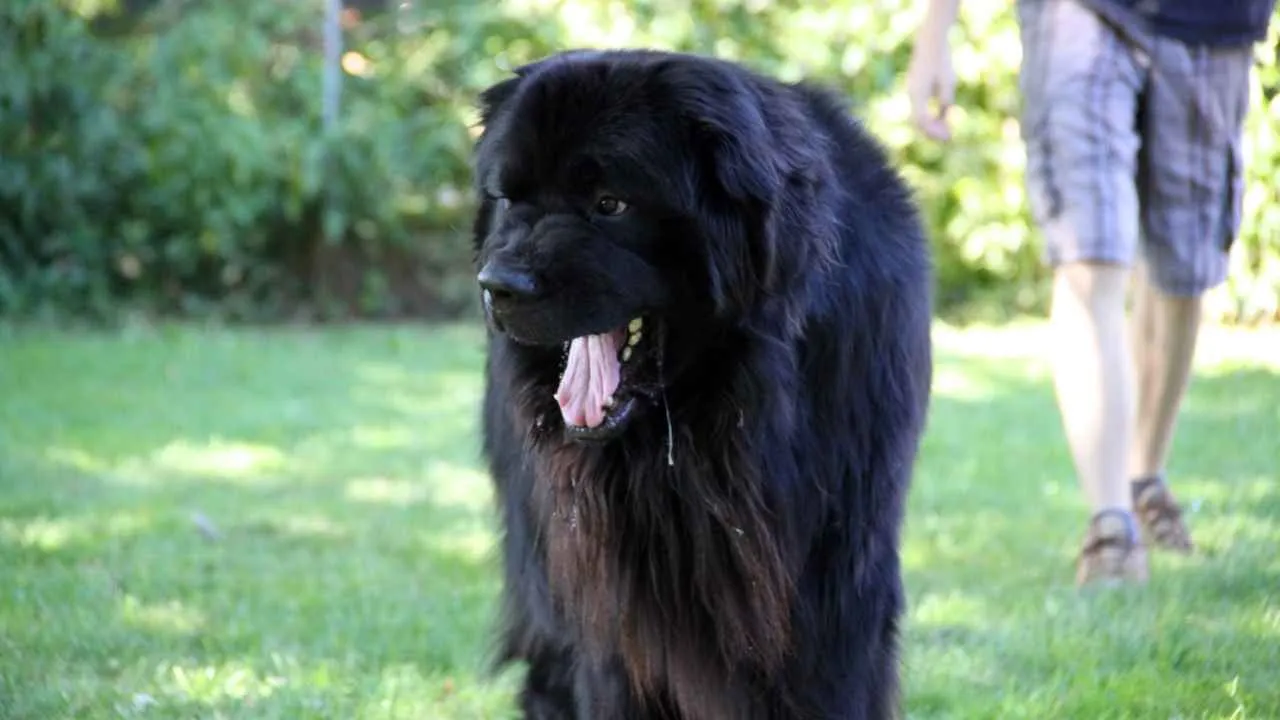
The Newfoundland may be a large breed, but its calm, gentle temperament makes it a wonderful companion for owners who appreciate a slower pace of life.
Originally developed along the coast of Newfoundland as a hardworking water dog, it helped haul fishing nets, carried loads on land, and even rescued people from the water.
Despite its impressive strength, today’s Newfoundland is best known for its affectionate, patient, and devoted nature.
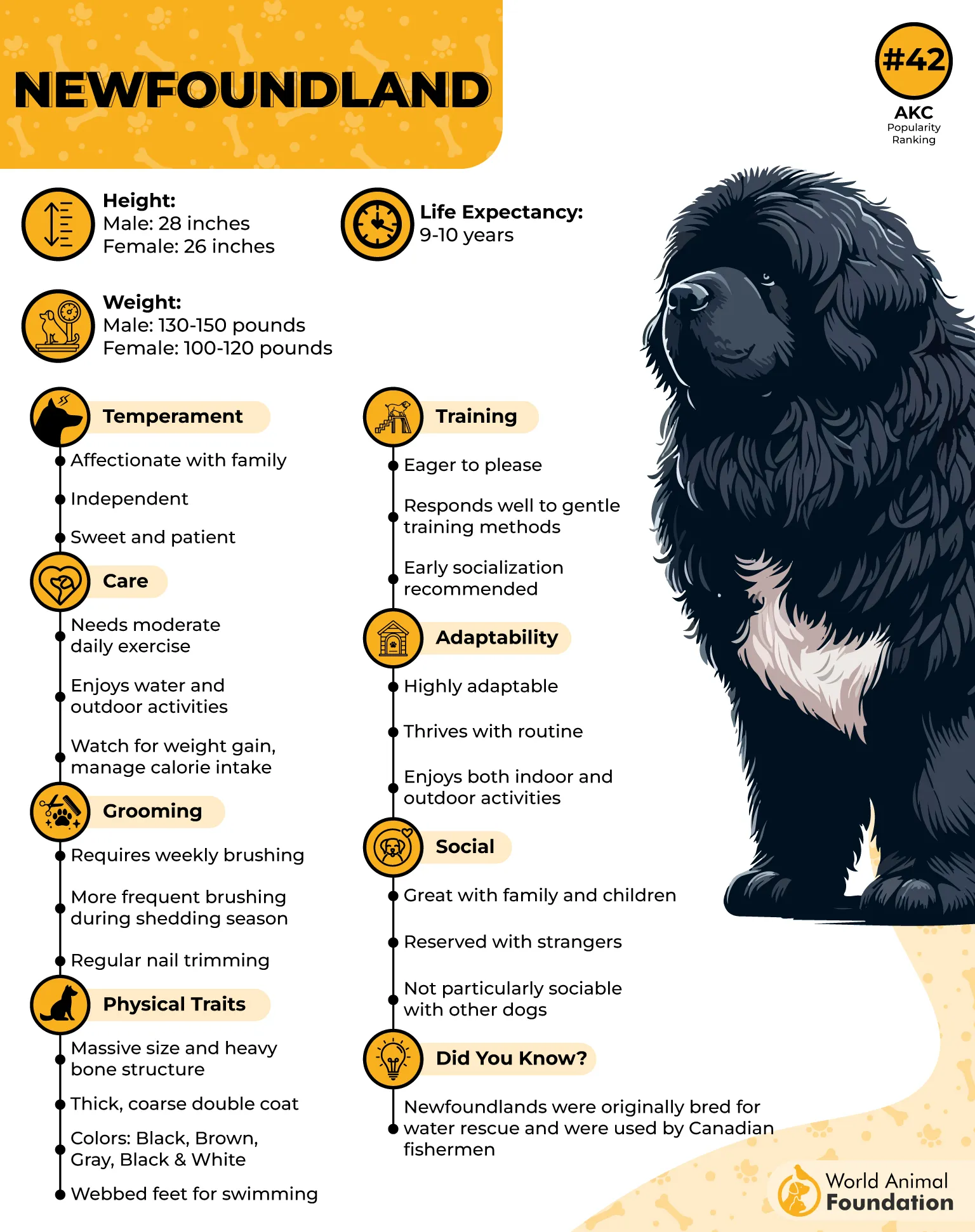
This breed is especially gentle with children and generally gets along well with strangers, other dogs, and household pets.
While Newfoundlands enjoy swimming and benefit from a daily moderate walk, they are not high-energy dogs and are usually content relaxing with their family afterward.
Their thick double coat requires weekly brushing, with extra care during shedding seasons, and owners should be prepared for some drooling. A balanced diet and controlled growth during puppyhood help support their long-term health.
7. Saint Bernard
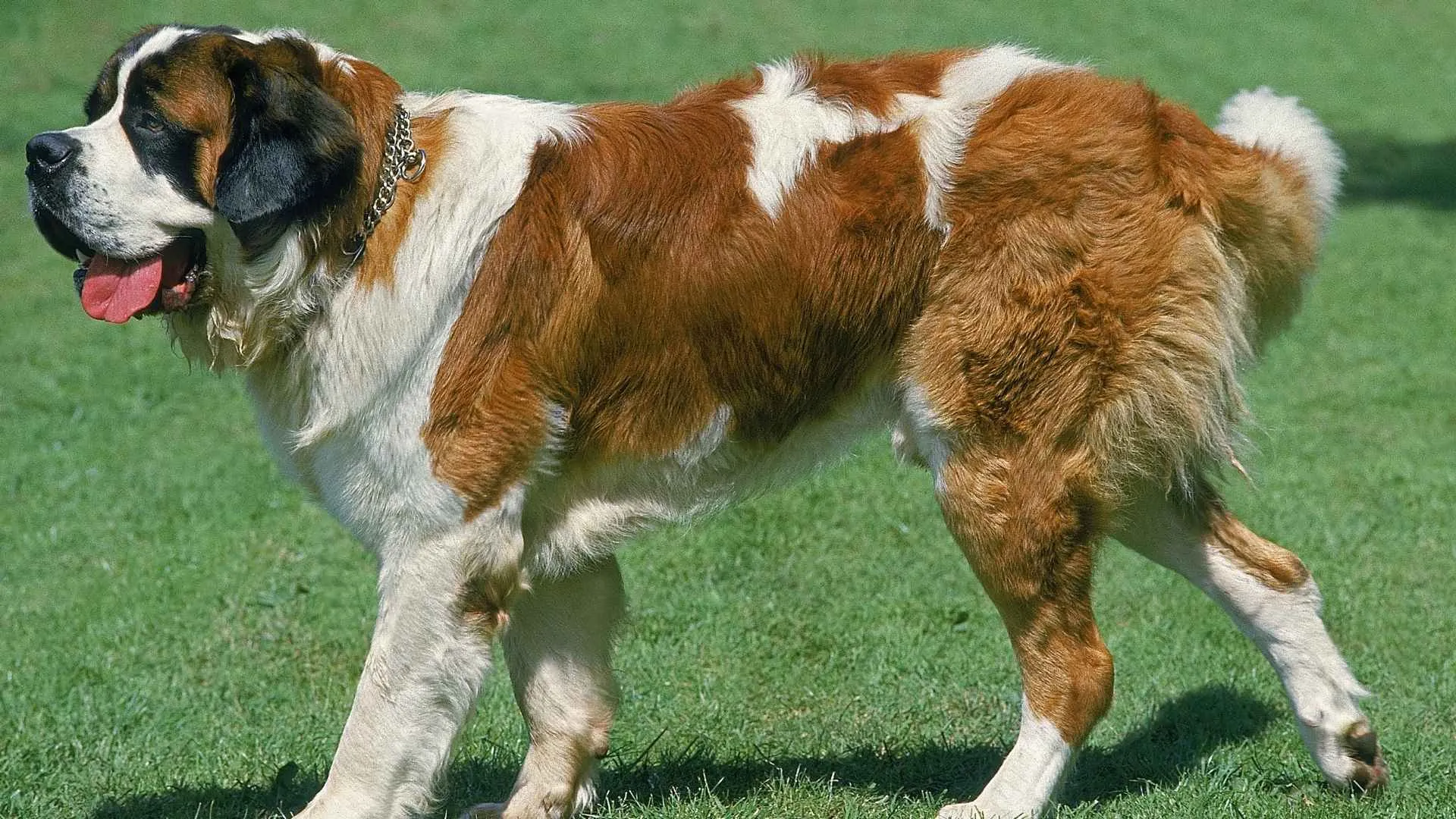
The Saint Bernard is a true gentle giant, combining impressive size with a calm, affectionate nature that makes it an excellent companion for relaxed households.
Originally developed by monks in the Alps as a rescue dog for stranded travelers, this hardworking breed is now better known for its patience, loyalty, and love of family.
Despite its history of strength and endurance, the Saint Bernard is a lazy dog that prefers leisurely walks, interactive play, and plenty of time lounging with its people.

It generally gets along well with children, other pets, and even strangers, though its sheer size calls for early, positive training and supervision around smaller family members.
Regular brushing helps manage heavy shedding, and owners should be prepared for frequent drooling, according to PDSA.
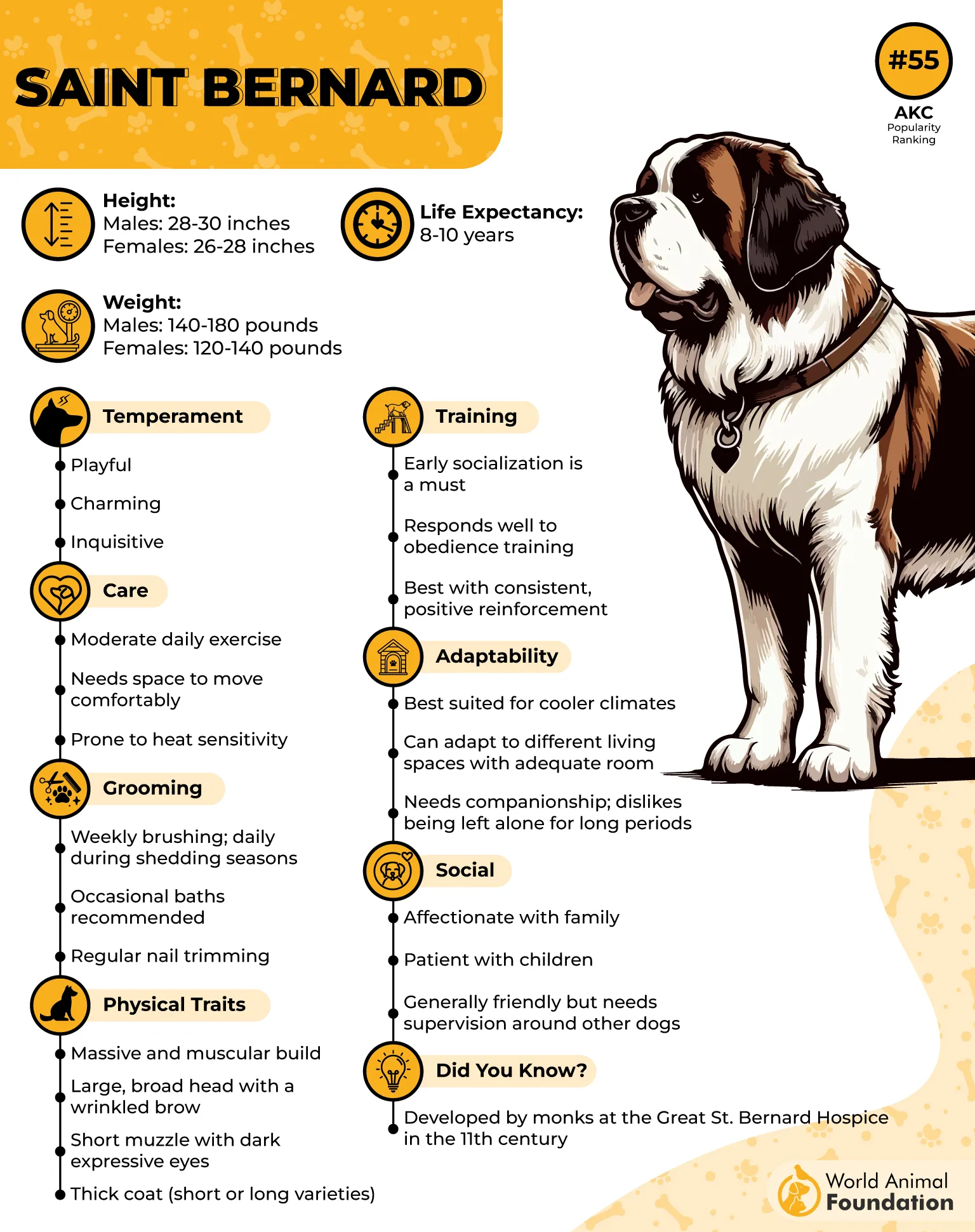
Because the breed is sensitive to heat and prone to certain health conditions, a cool environment, balanced diet, and routine veterinary care are essential for a healthy, comfortable life.
Conclusion
Choosing a low-energy dog doesn’t mean giving up on personality, loyalty, or fun. These relaxed breeds prove that some of the best companions are the ones happiest sharing a quiet afternoon, a favorite chair, or a cozy spot on the couch with the people they love.
While each breed has its own unique traits, they all thrive with regular care, moderate exercise, proper nutrition, and plenty of affection. Even dogs with lower energy levels still need daily walks, mental stimulation, and quality time to stay healthy and content.
Before bringing one home, consider your living space, grooming commitment, and ability to meet the breed’s specific health and care needs.
When your lifestyle and your dog’s temperament are a good match, the bond that follows can be incredibly rewarding. For anyone who prefers peaceful days over nonstop activity, these gentle companions may be the perfect fit for a lifetime of comfort and companionship.
