




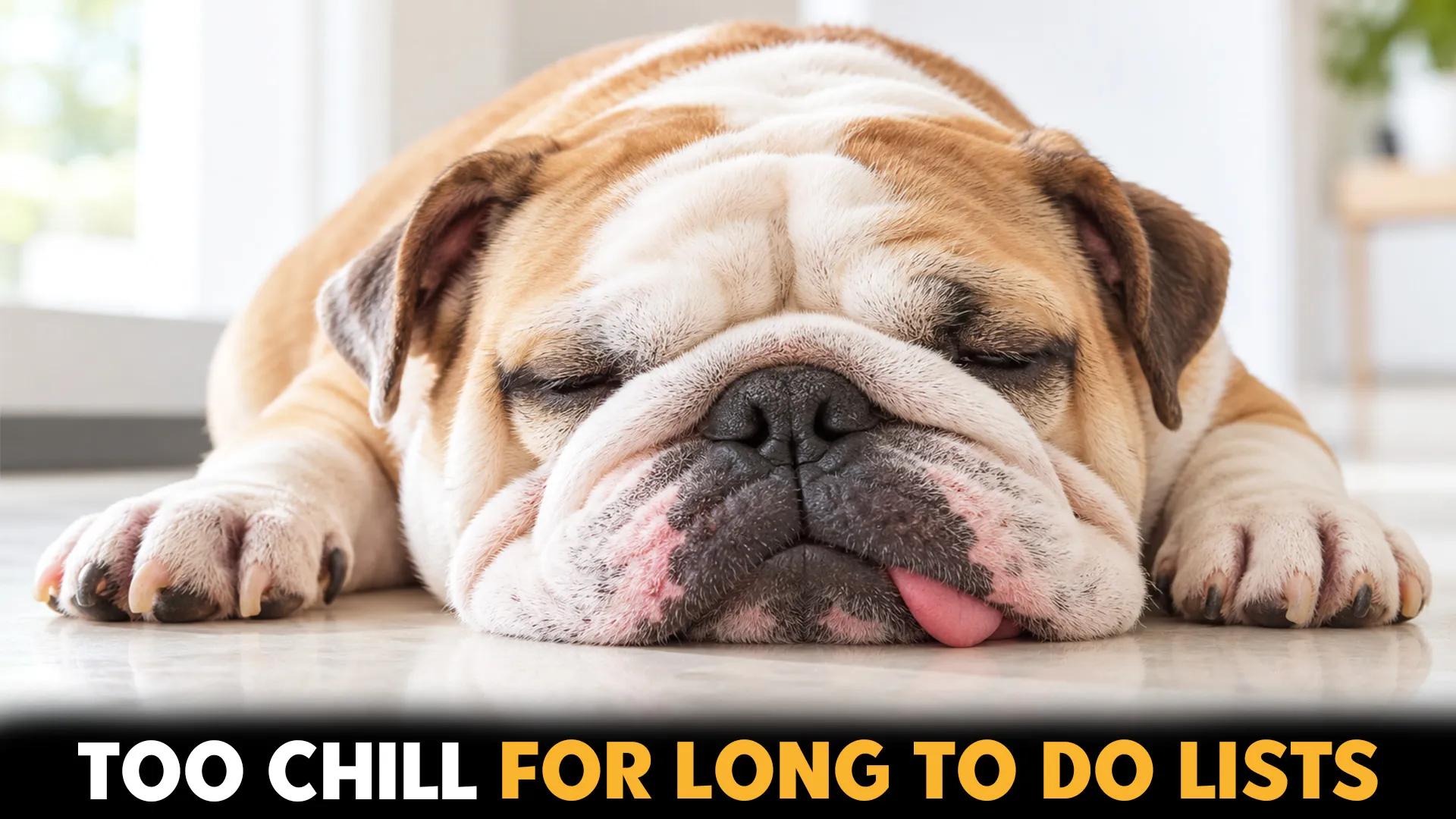
Think your low-energy dog is just lazy? See how routine shapes real calm, and find which pace fits your home.
Here’s a fact most dog lovers never consider: a dog’s stress hormones care less about how many miles it walks and more about how predictable each day feels. Exercise matters, but consistency might matter even more.
Researchers studying animal welfare have found that steady, predictable routines are linked to fewer cortisol spikes and calmer behavior across species, dogs included, according to this review of predictability and welfare.
That single detail decides if a seemingly calm dog actually settles into your home or quietly unravels once life gets unpredictable. Some handle a late breakfast fine; others fall apart over it.
Curious which low-key personalities are built for a steady household, and which ones secretly need a flexible one? Keep scrolling to meet 9 wonderfully chill companions and find the one that truly matches your rhythm.
Low-Energy Dog Breeds That Love a Relaxed Routine
1. Basset Hound
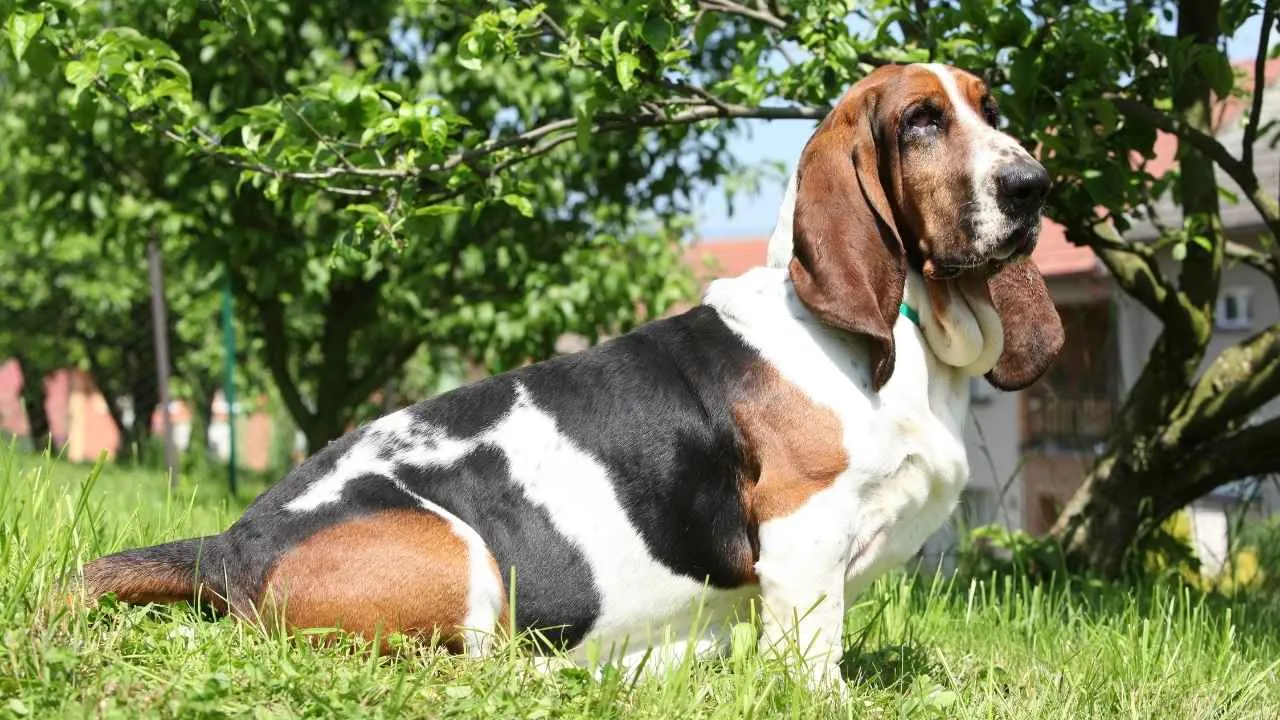
Basset Hounds are among the laziest dog breeds here, happy with one short walk and the rest of the day spent lounging. Fixed routines barely register, since this breed stays mellow no matter how the day unfolds.
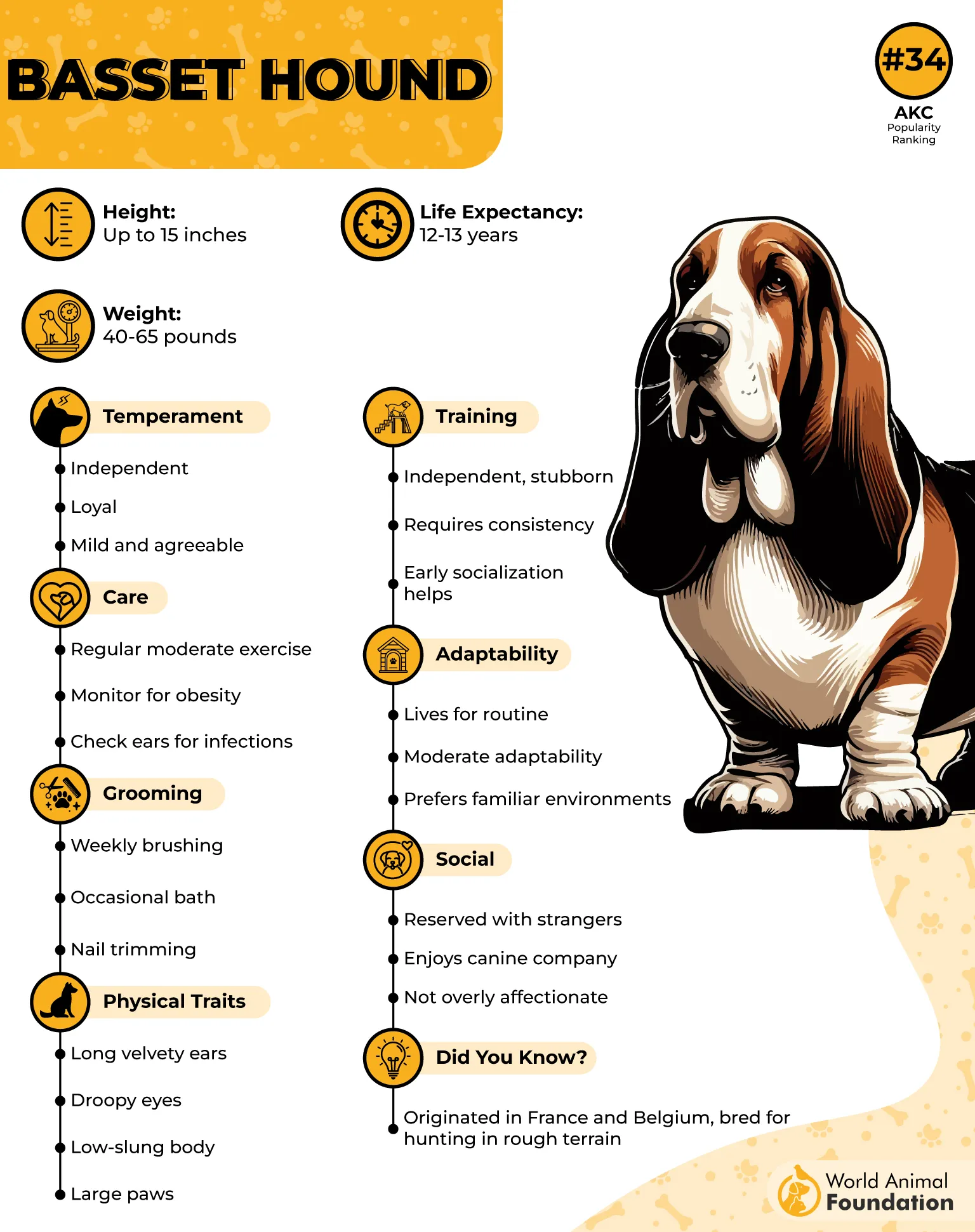
Skip a walk or shuffle the timing and this dog barely blinks. A little grumbling might surface, but destructive habits rarely follow.
Feeding: 2 measured meals a day curb this food-motivated breed’s weight gain.
Walks: 1 sniff-filled stroll covers the daily exercise requirements.
Bedtime: A soft bed and a full stomach are enough; no strict lights-out needed.
This easygoing companion suits flexible, spontaneous owners better than rigid planners. According to VCA, a Basset would rather sniff out every scent along the way than march through a strict agenda, which explains the laziest dog breed’s reputation. The real driver is a nose-led personality, not disinterest.
2. Bulldog
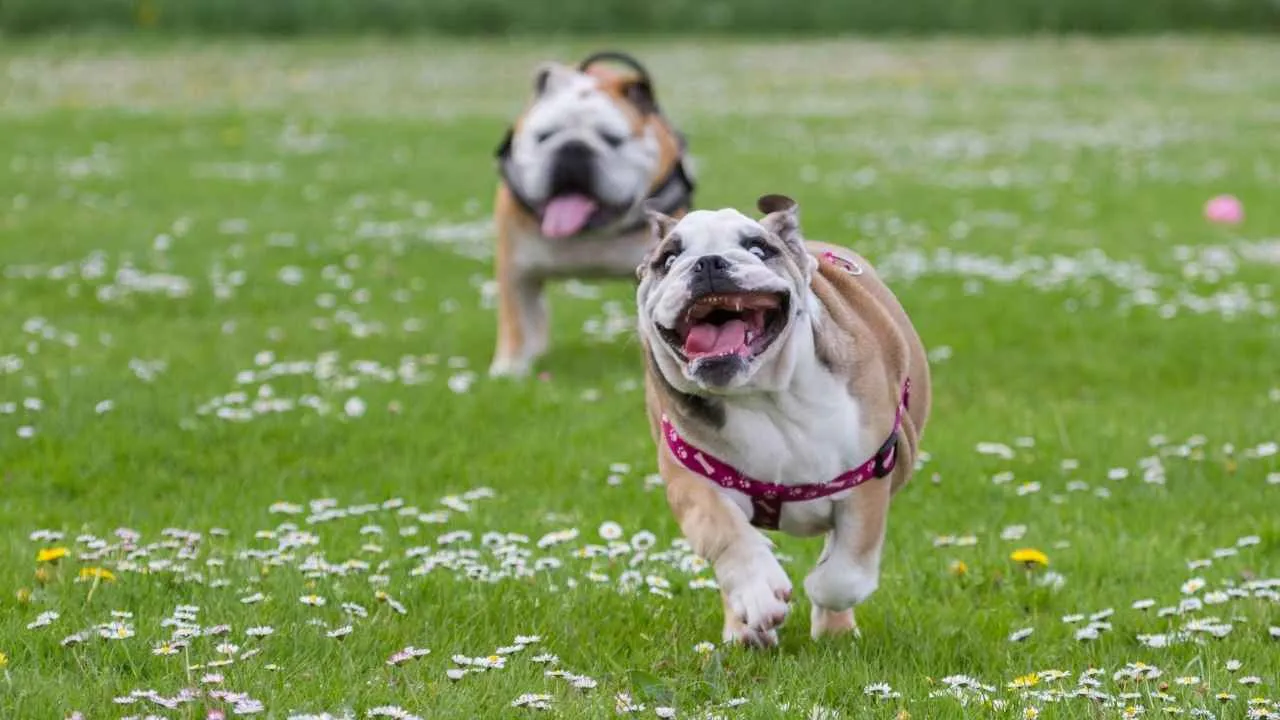
The Bulldog is another one of the laziest dog breeds, needing only a short walk away from the midday heat to stay content. Routine matters mostly for timing walks around the weather, not for this dog’s calm.
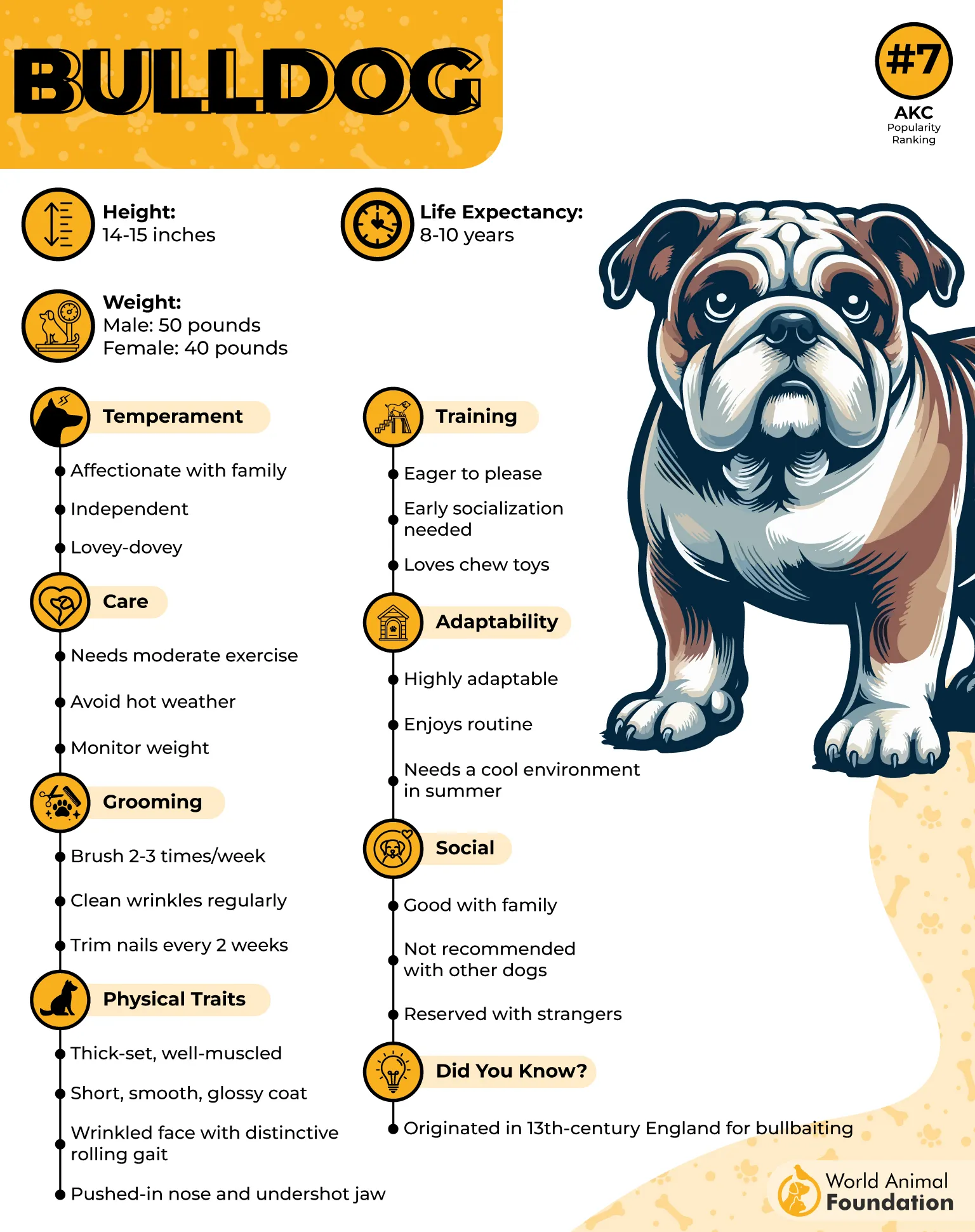
A missed walk or a later bedtime rarely bothers this dog. The occasional snore gets louder, but anxiety and destructive habits stay rare.
Walks: 1 moderate walk before the heat of the day keeps this breed comfortable.
Shade: Cool, shaded spots during the afternoon protect against overheating.
Feeding: Regular mealtimes help manage weight on this low-key, low-maintenance breed.
This dog suits a relaxed, flexible owner more than someone chasing a tight schedule. Many assume the English Bulldog naps all day from laziness, but according to Purina, his short walks and quiet nature come from heat sensitivity and a guard instinct, not low intelligence.
3. Cavalier King Charles Spaniel
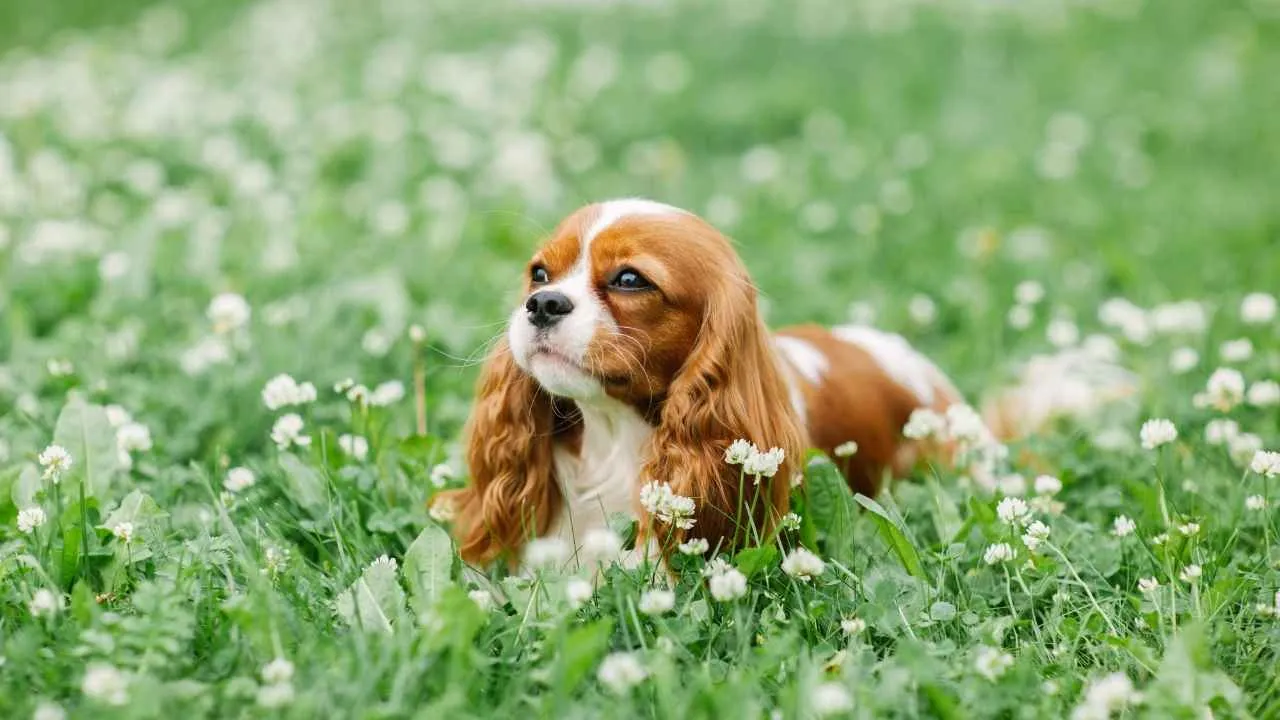
The Cavalier King Charles Spaniel is low-energy but high-attachment, needing just a gentle walk or 2 a day. This breed leans heavily on routine, since consistency keeps its anxious streak in check.
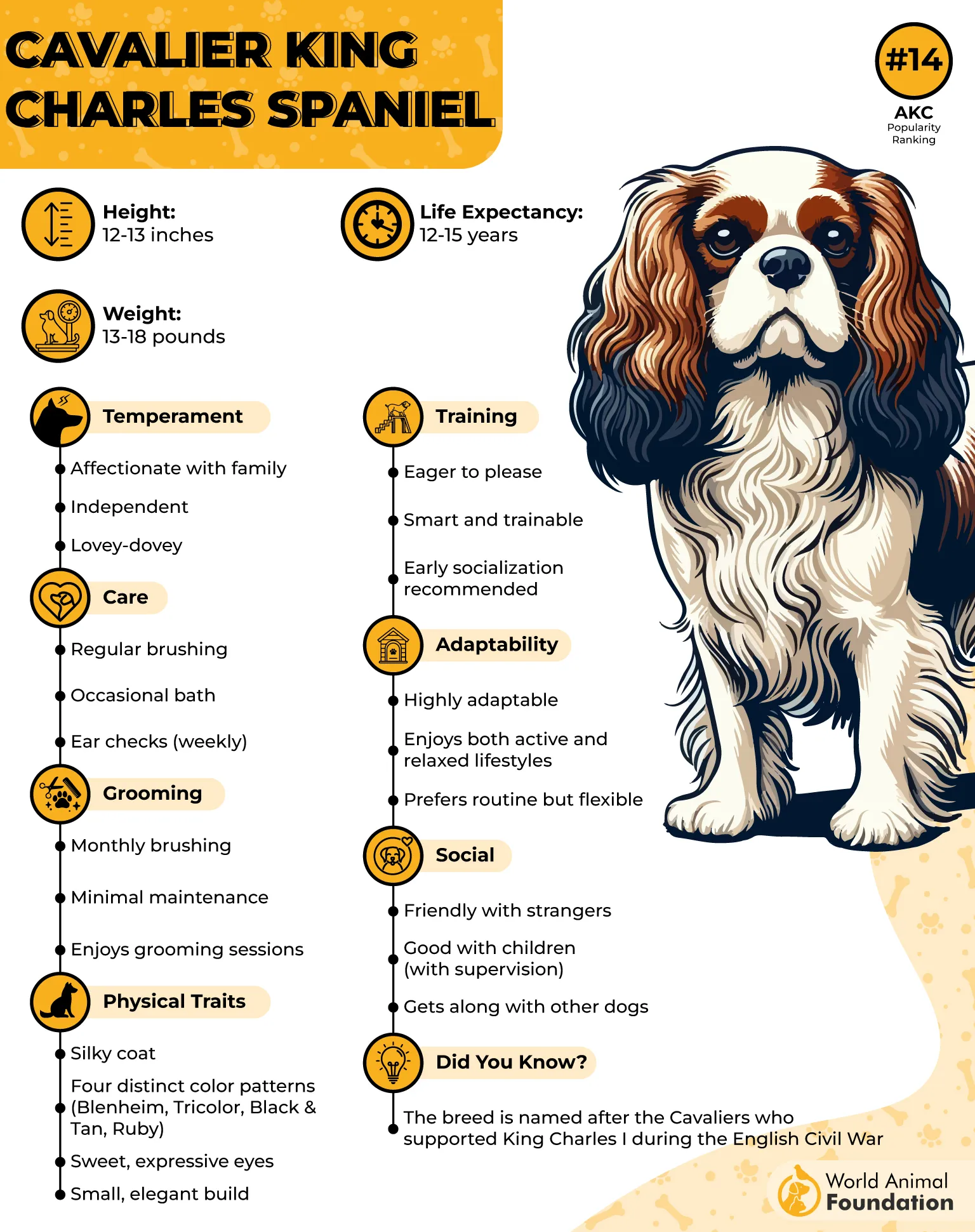
Break the pattern, and this dog notices fast. Pacing, whining, or chewing often follow an unpredictable day. Left guessing, a Cavalier rarely settles until routine returns.
Company: Someone home for most of the day keeps this breed’s clingy nature calm.
Walks: 2 short, predictable walks work better than 1 long outing.
Affection: Scheduled cuddle time satisfies this breed’s craving for closeness.
This companion suits a steady, predictable owner more than a spontaneous one. People often mistake the Cavalier’s stillness for laziness, but Orvis notes that this breed does not cope well with being left alone for long stretches. The quiet comes from closeness, not low energy.
4. Shih Tzu
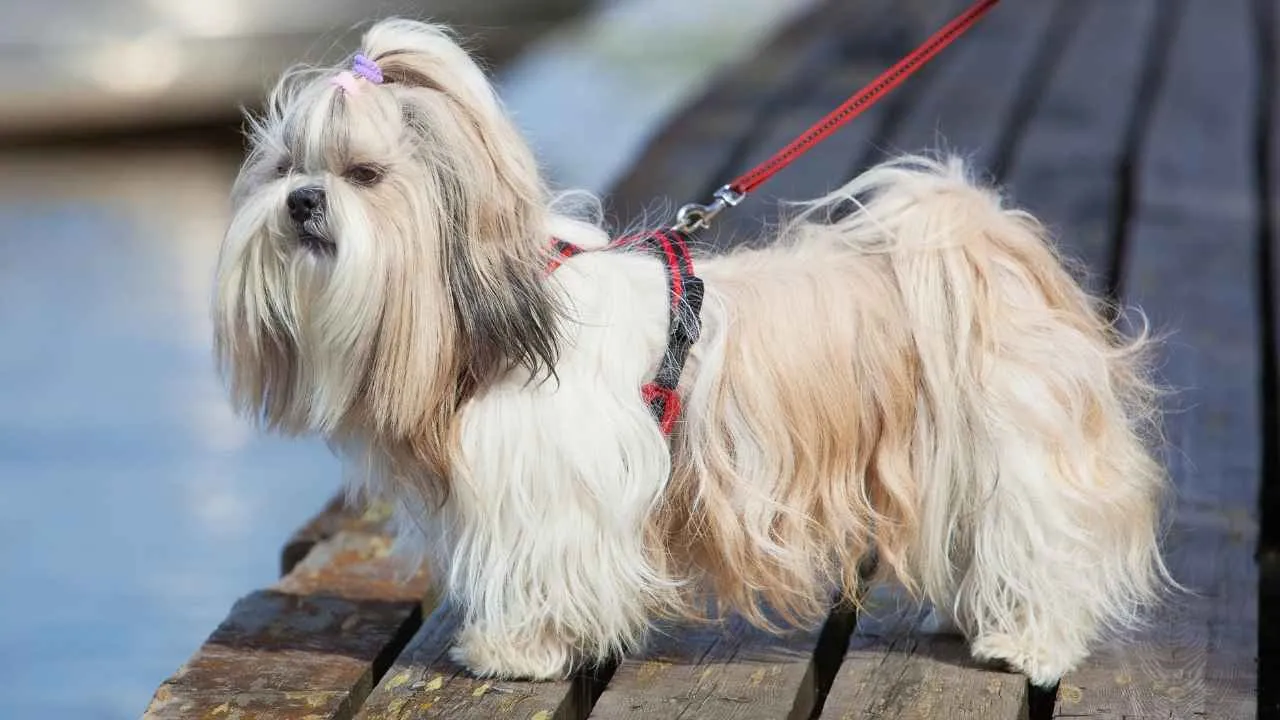
The Shih Tzu is a true lapdog, content with short strolls and long stretches of napping. Routine matters to this breed mostly for meals and grooming, not for its mood.
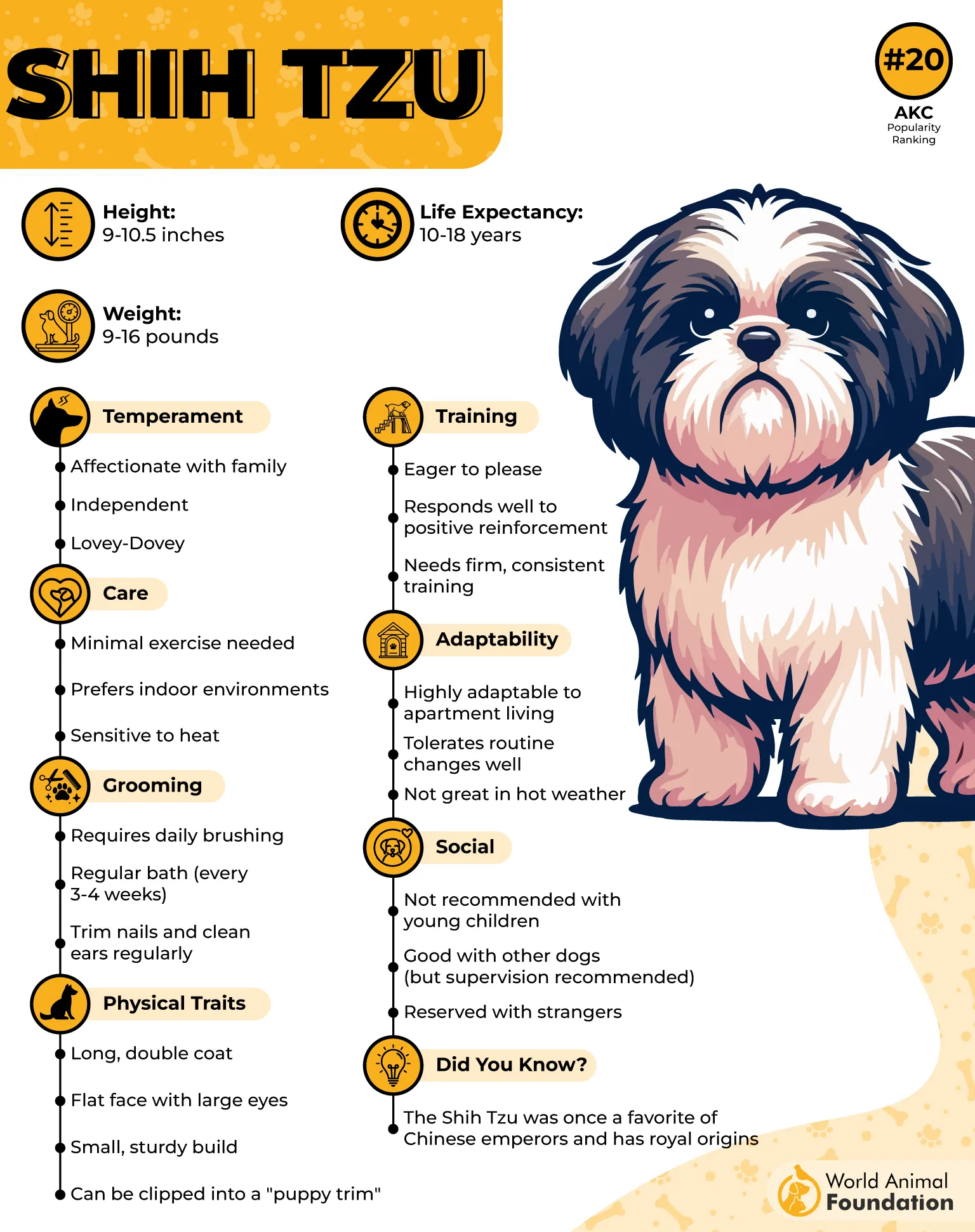
Shift the schedule and a Shih Tzu barely notices, as long as its people are nearby. Grooming delays cause more fuss than a late walk ever would. This breed takes change in stride.
Grooming: A regular brushing routine prevents painful coat tangles.
Walks: 1 gentle walk meets this small dog’s exercise needs.
Feeding: Small, measured portions suit this toy dog breed’s tiny stomach.
This dog fits an easygoing household better than a rigid one built around exact times. Owners sometimes assume the Shih Tzu is just lazy, but its low-key nature comes from being bred for companionship, not work or sport. Grooming, not exercise, is where real consistency counts.
5. Pekingese
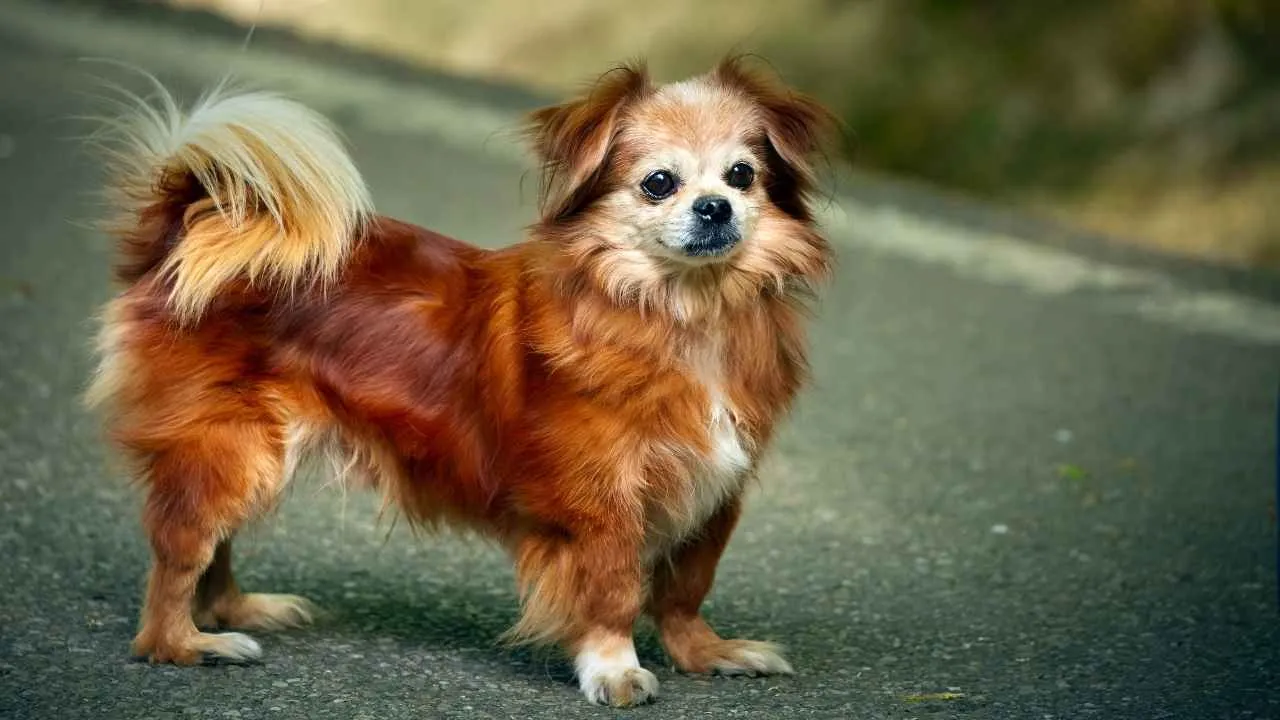
The Pekingese is proud, dignified, and famously low energy, perfectly happy with a short stroll indoors. This breed does not depend much on routine, as long as its person stays close by.
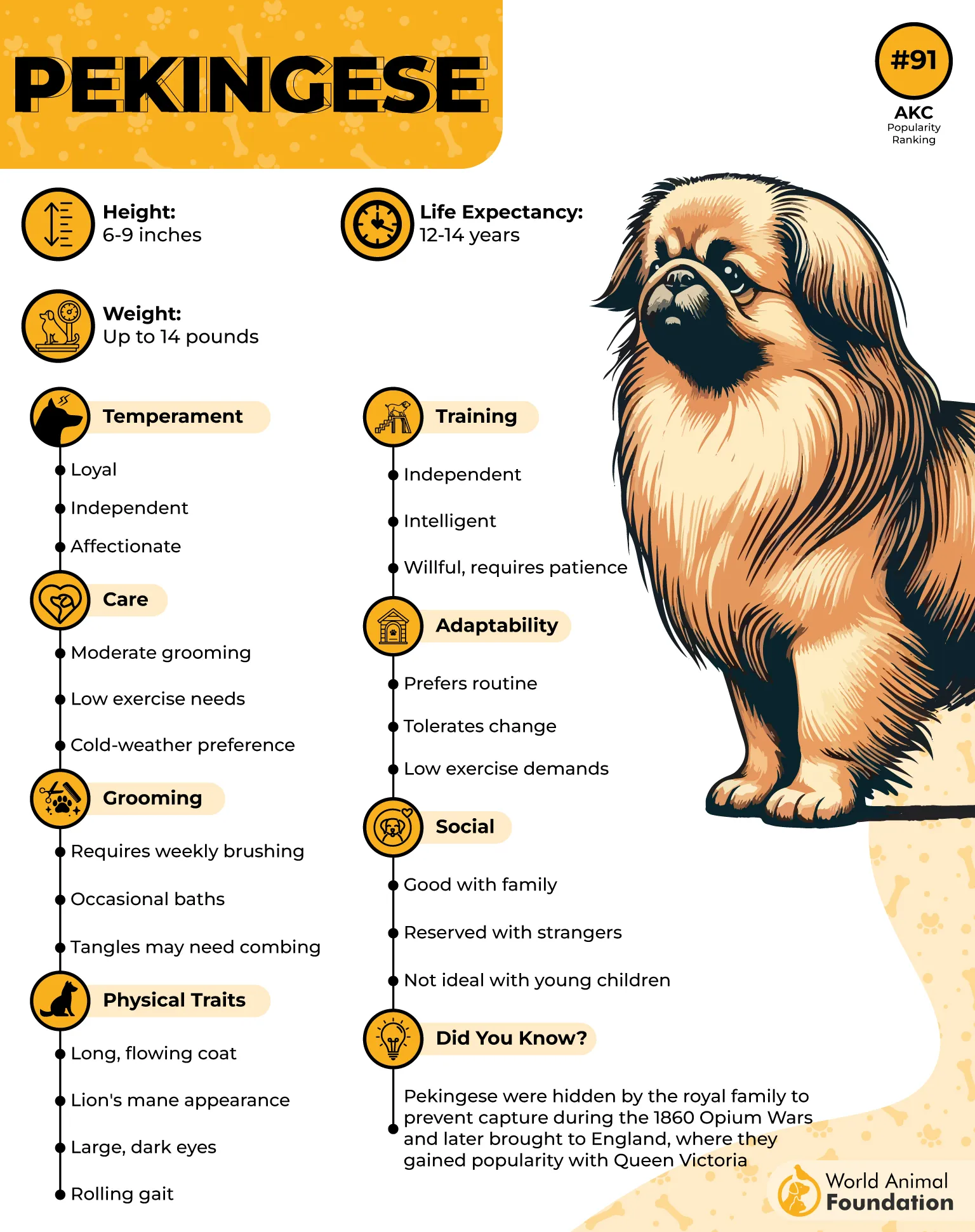
A broken schedule rarely rattles a Pekingese, since loyalty to one person matters more than clock-watching. Mild stubbornness might surface, but real anxiety is uncommon.
Walks: A short, gentle stroll is enough for this low-stature dog.
Cooling: Indoor comfort matters most, since the flat face struggles in heat.
Bonding: Daily one-on-one time keeps this breed content and well-behaved.
This dog suits a calm, flexible owner who values companionship over strict timing. People often call the Pekingese lazy because of its slow pace and flat face, but this old breed was bred for dignity and closeness to royalty, not for running errands. Attention matters more than any clock.
6. Mastiff
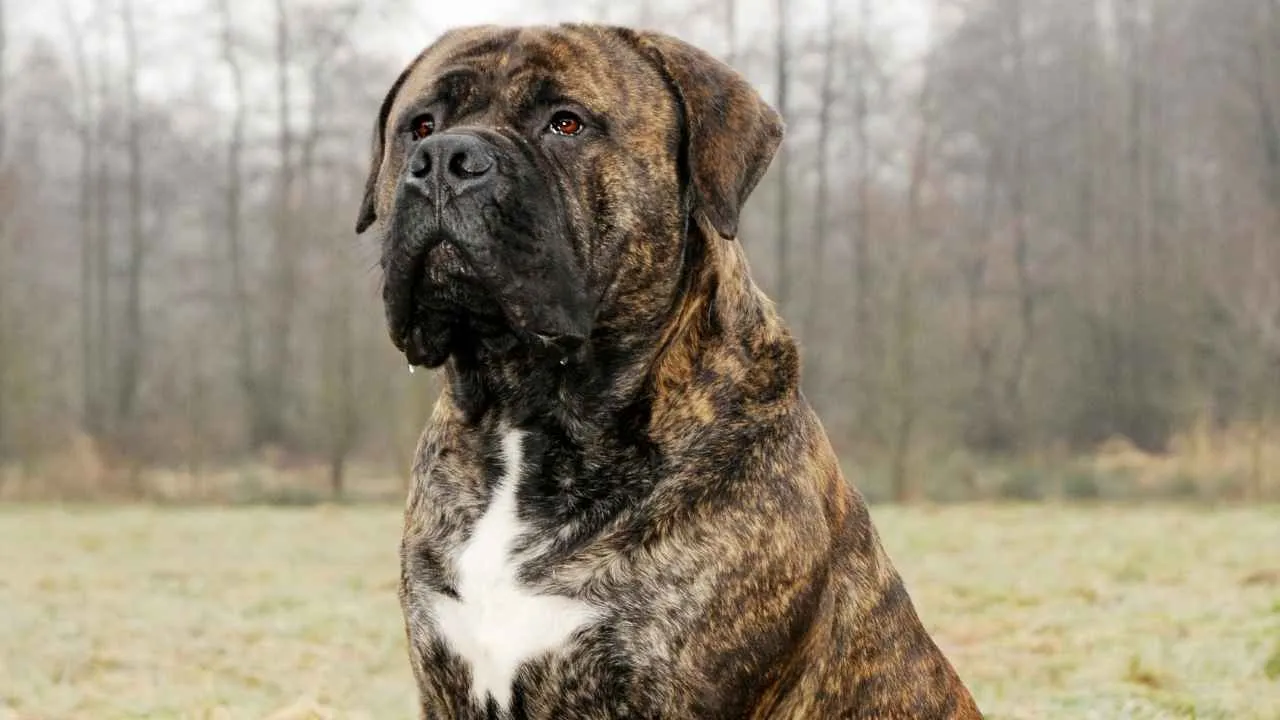
The Mastiff is a giant, gentle couch potato, needing far less exercise than its size suggests. Routine plays a real role, since boredom without structure can turn this big dog breed restless.
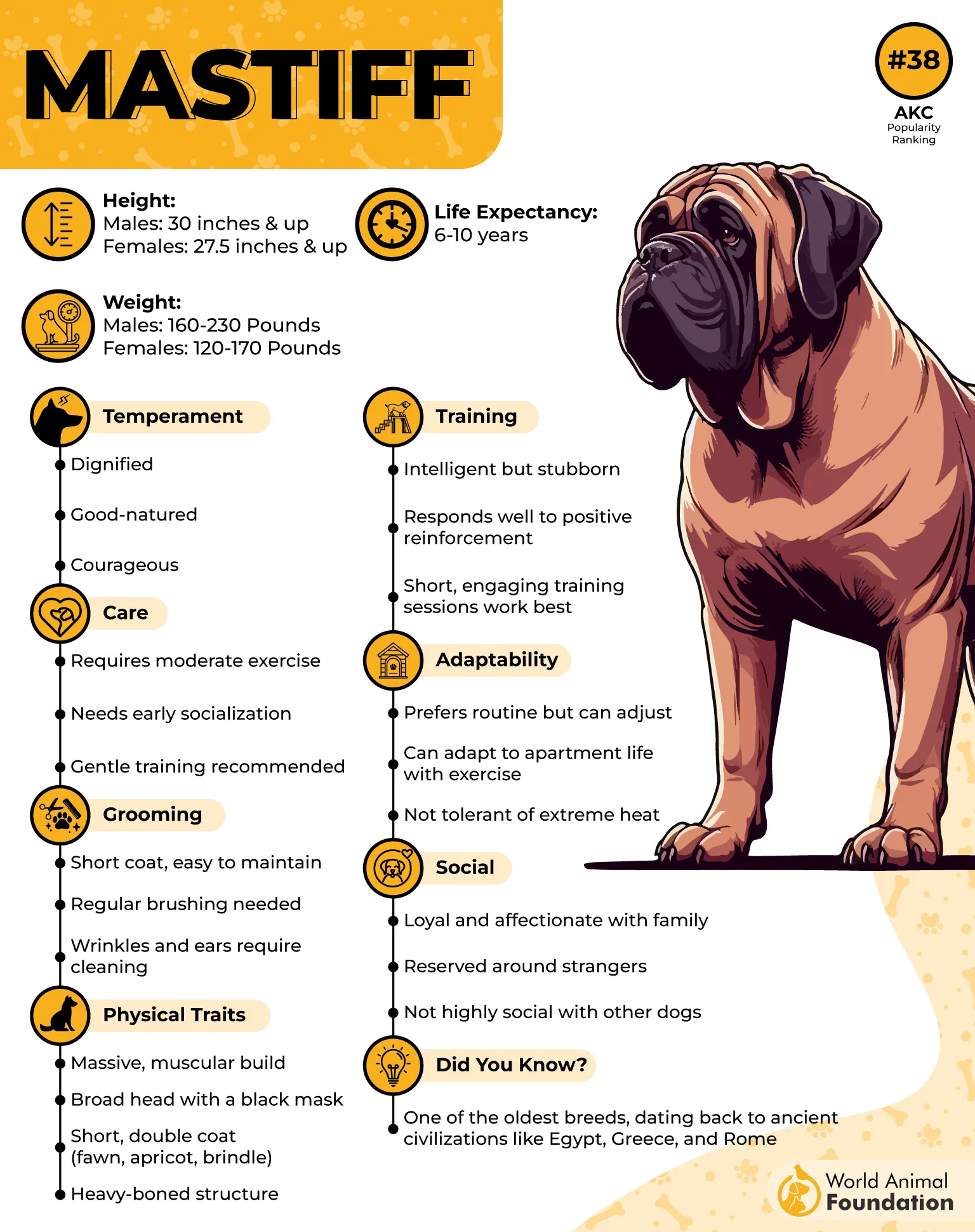
Cut back on exercise or attention and a Mastiff can grow bored and destructive fast. Rather than sulking quietly, it chews or leans on furniture for comfort.
Walks: 2 short walks a day keep this breed fit without strain.
Feeding: Split meals after exercise, never before, to avoid bloat.
Attention: Daily one-on-one time curbs boredom in this watchful guardian.
This dog suits an owner with a steady daily rhythm more than someone rarely home. According to Hill’s Pet, slow-paced owners find a kindred spirit in this gentle giant, which feeds the myth that it needs nothing at all. A consistent routine, not laziness, keeps this big dog breed settled.
7. Pug

The Pug is a classic lapdog, built for short walks and long indoor lounging. This breed leans on routine for company more than exercise, since too much time alone wears on its mood.
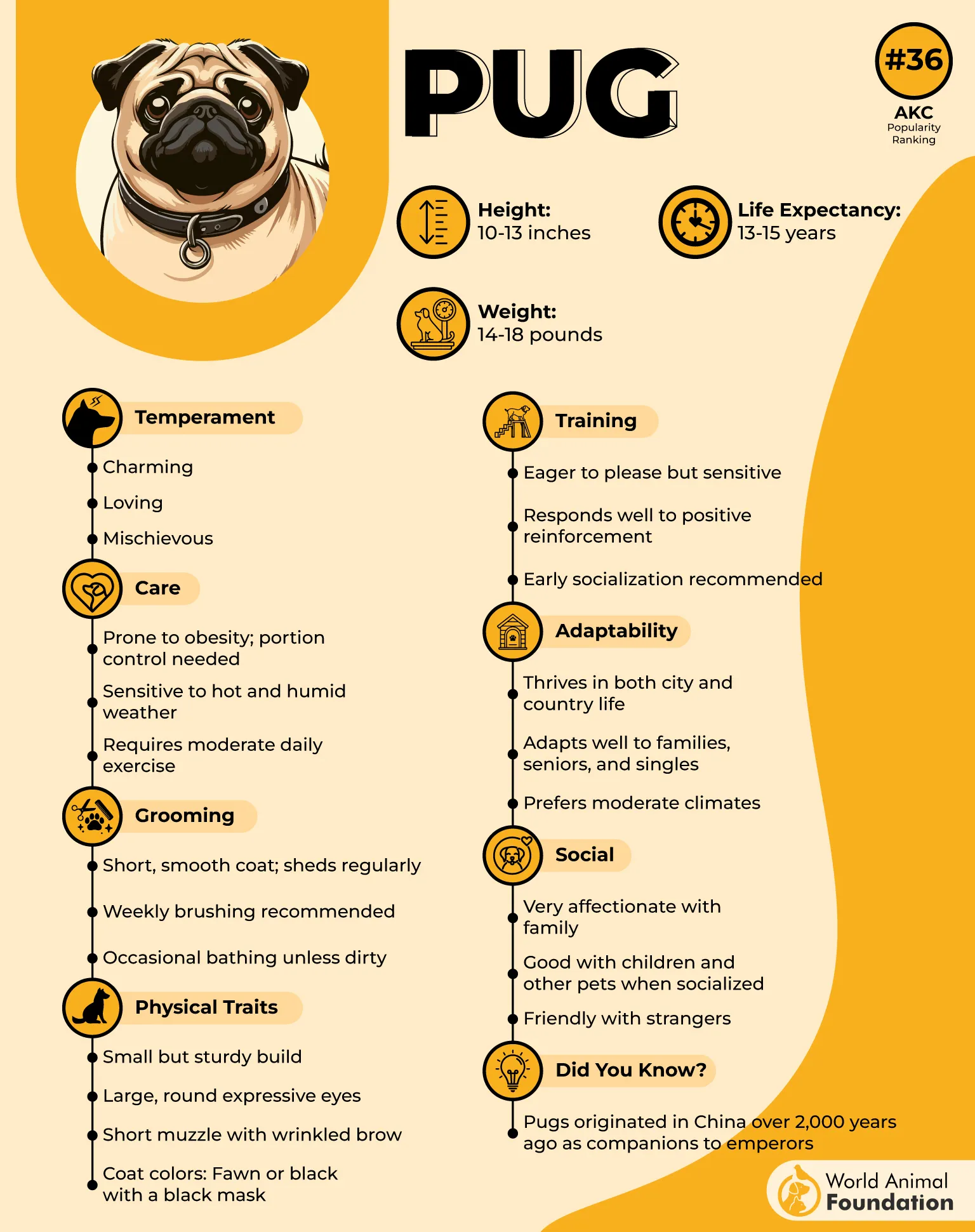
Leave a Pug alone too often and whining or clinginess can follow fast. A missed walk barely registers, but missing company does not.
Company: This sociable breed does best with someone around most of the day.
Walks: Short, gentle strolls in cool hours protect this flat-faced dog from heat.
Feeding: Measured portions prevent weight gain in this food-driven breed.
This dog fits a homebody better than a frequent traveler. People often write off the Pug as lazy, but the real issue is a short snout that limits hard exercise, not a lack of spirit. Company, not activity, keeps this pup content.
8. Clumber Spaniel
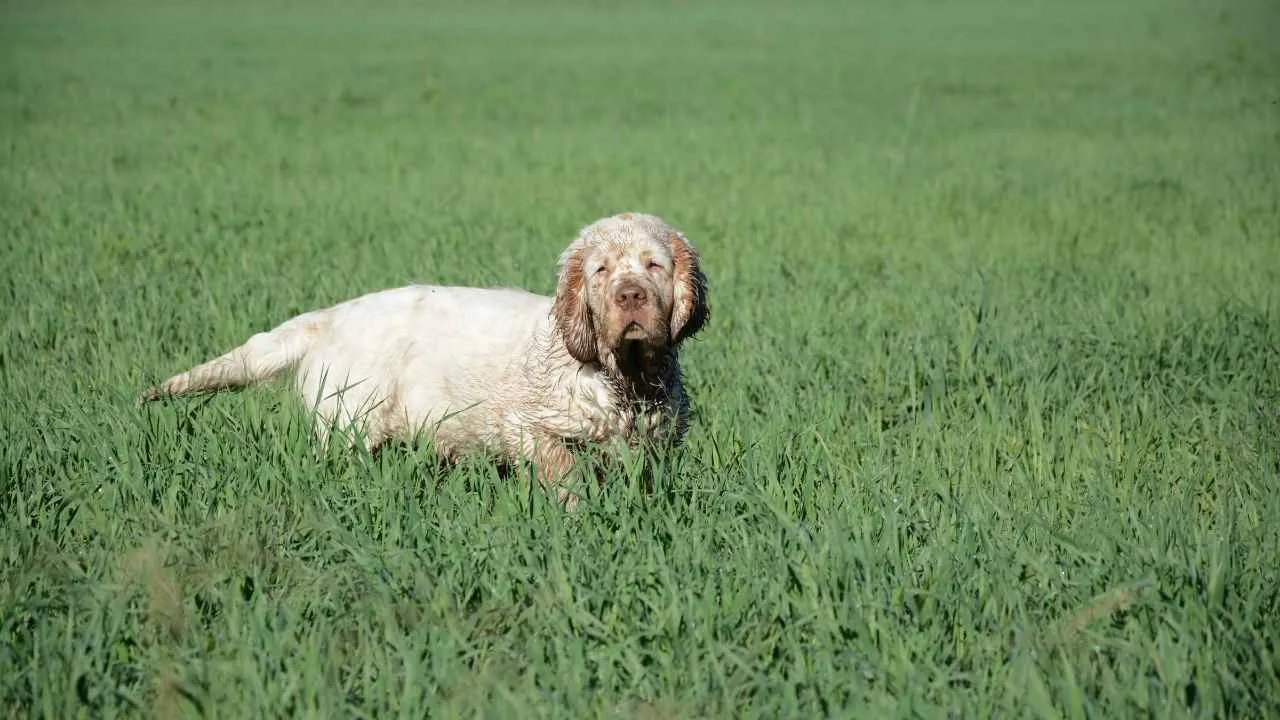
The Clumber Spaniel is a surprisingly low-key sporting dog, content with a short, easy walk. This old breed depends on routine mostly for mealtimes, since its calm nature holds steady either way.
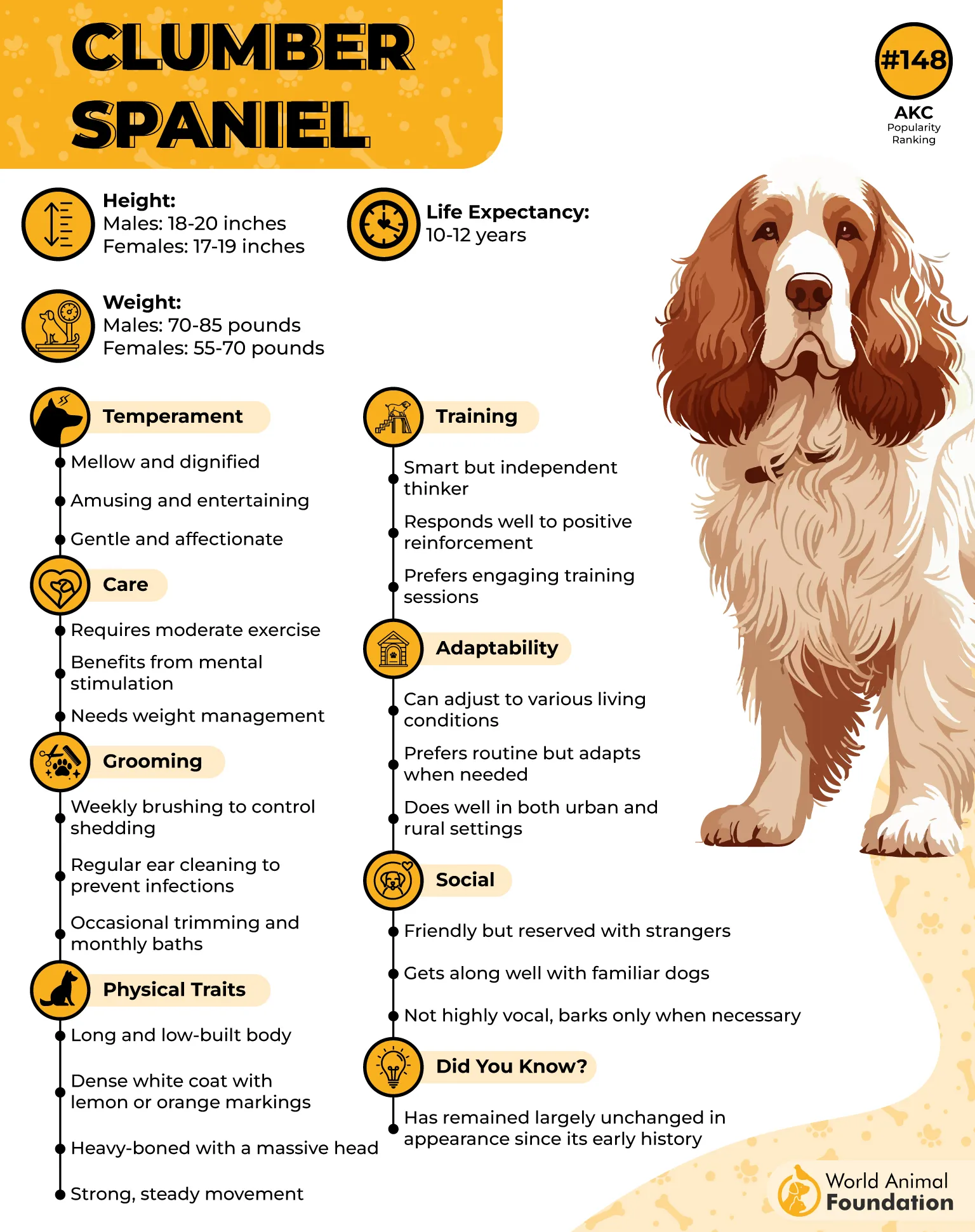
Shift the schedule around, and this dog takes it in stride. A late dinner or a shortened walk rarely causes a fuss. This breed handles an unpredictable day well.
Feeding: Regular mealtimes matter most, since this breed is prone to drooling and weight gain.
Walks: 1 gentle, moderate walk meets this breed’s energy requirements.
Grooming: Frequent brushing manages the feathered coat and heavy shedding.
This dog suits a relaxed household better than one with a tight schedule. People rarely expect a sporting breed to be this mellow, but the Clumber Spaniel was simply bred for a slower, steadier pace. Patience, not high energy, defines this old breed.
9. Newfoundland
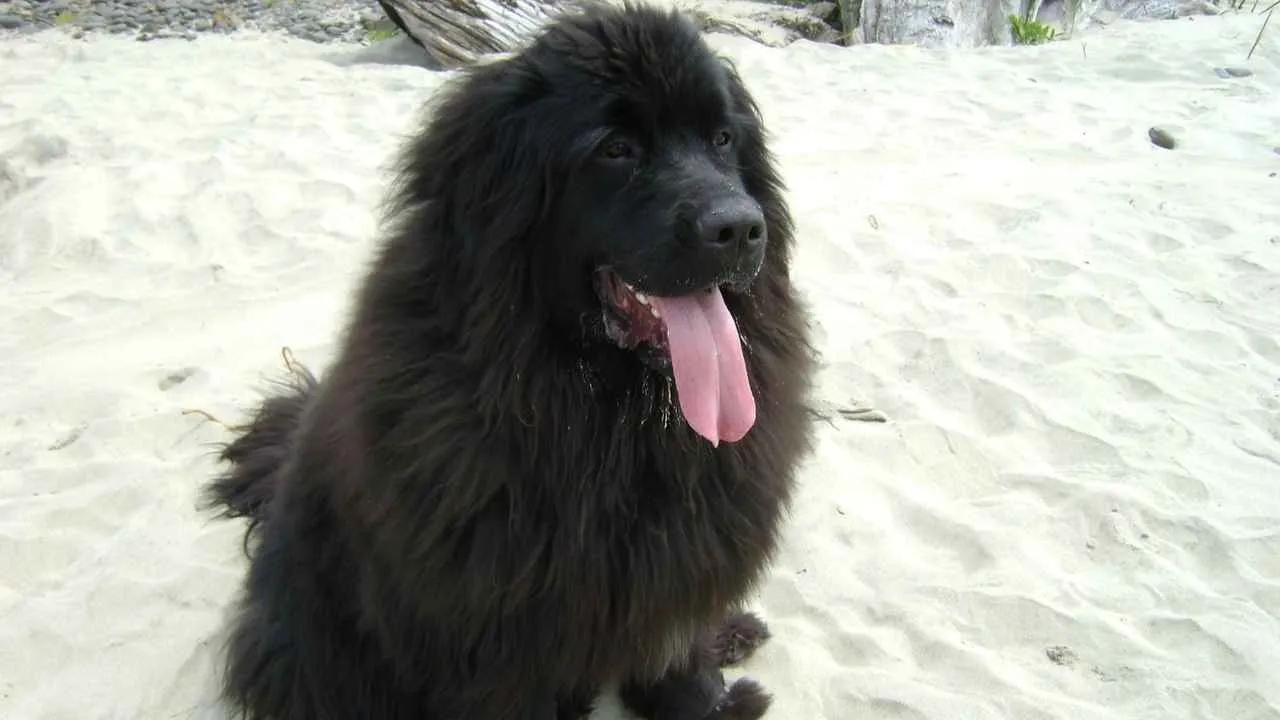
The Newfoundland carries a huge frame but gentle, low-key energy, needing only moderate daily exercise. This breed leans on routine for closeness more than activity, since it wants its people nearby.
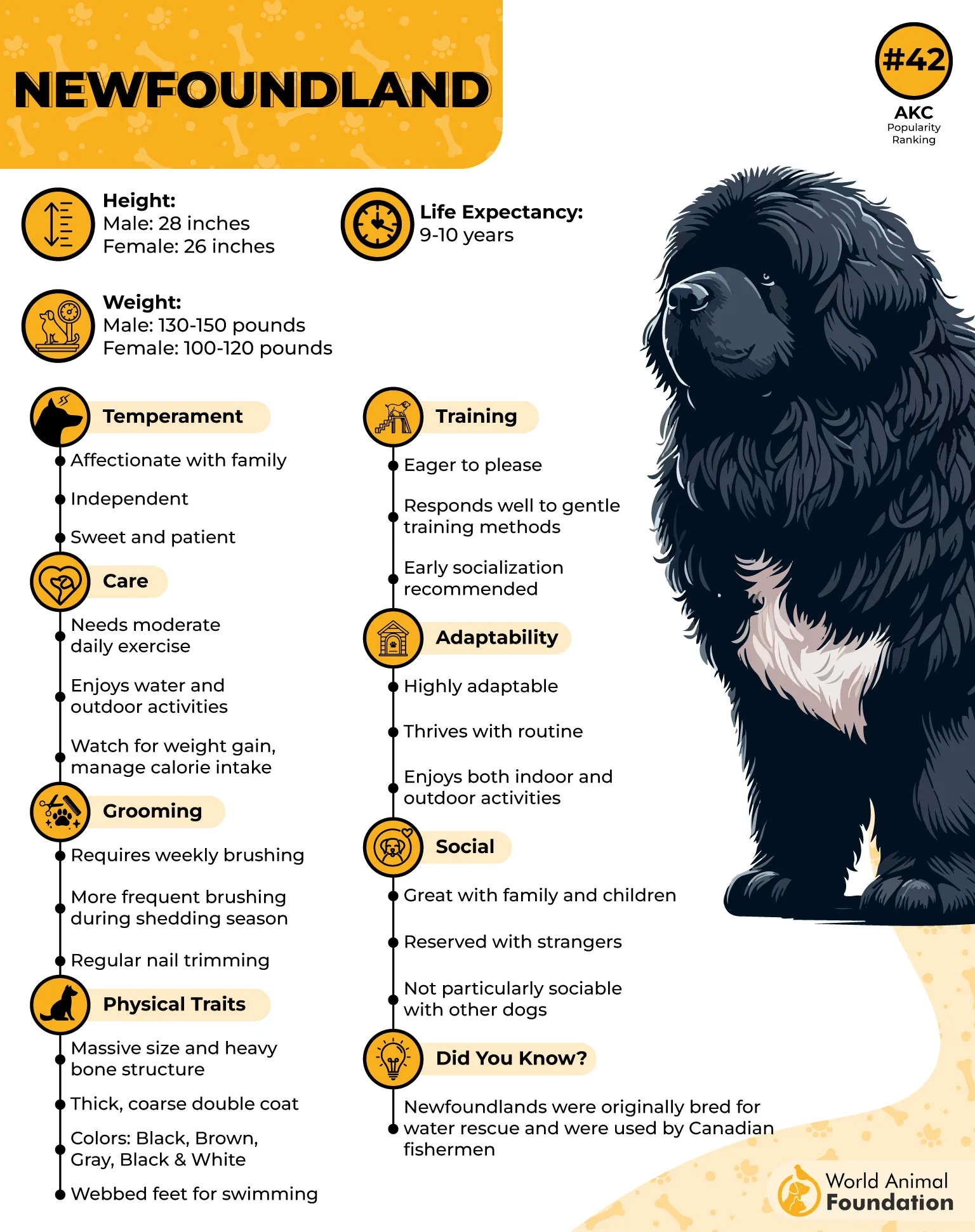
Leave a Newfoundland alone too often and loneliness shows fast, often through chewing or restlessness. A changed walk time rarely matters.
Company: Daycare or a companion helps during long stretches alone.
Walks: 1 moderate walk or swim session meets its daily exercise needs.
Cooling: Shade and water matter most in warm weather.
This dog suits a present, steady owner more than someone often away. This breed runs on medium energy and settles into an evening cuddle once it has had its exercise, according to WebMD, which gets mistaken for laziness. In truth, this gentle giant is built for closeness, not idleness.
Conclusion
Low energy never tells the whole story on its own, since the real test is how a dog actually handles routine and change. From the easygoing Basset Hound to the clingy Cavalier, these nine breeds prove that calm comes in different flavors, built on flexibility or a steady schedule.
Match your own daily rhythm honestly before choosing a furry best friend, since the wrong fit can turn a low-maintenance pup into one with real behavioral issues. Start with the breed above whose routine needs mirror your own, and give your home a calmer, happier new best friend.
