




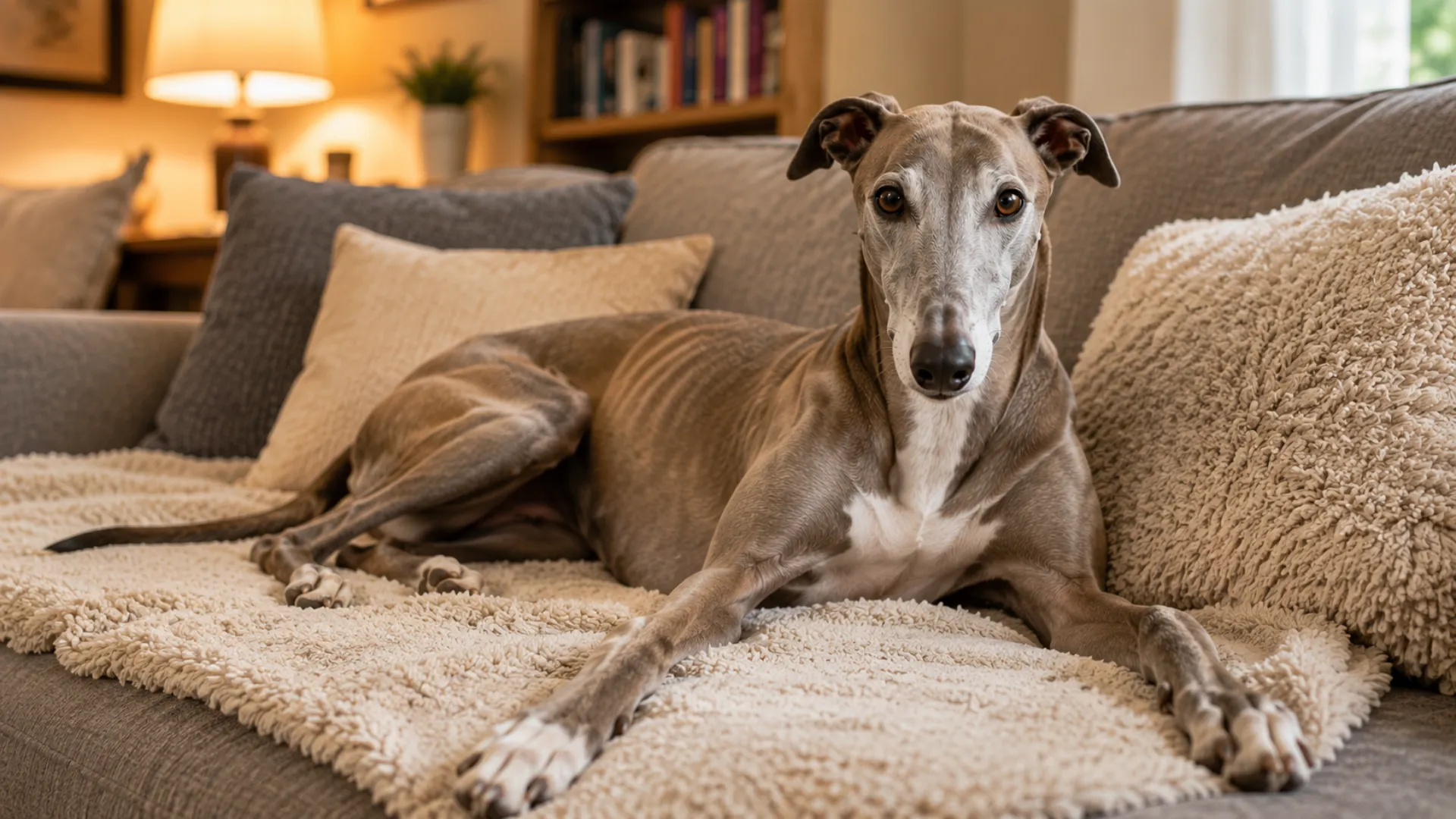
Owning a dog shouldn’t feel like signing up for a second full-time job. Yet that’s exactly how many people picture it.
Endless walks before sunrise, nonstop games in the backyard, and enough energy to wear out even the most active owner. If your perfect evening involves a blanket, a good movie, and the smallest possible reason to leave the couch, that image probably makes you hesitate.
The good news is that not every dog is built for constant motion. Some are just as happy stretching out beside you, keeping you company through lazy weekends, slow mornings, and quiet nights at home. They still enjoy attention and daily exercise, but they rarely turn relaxation into a guilty pleasure.
This article is going to explore laid-back breeds that fit a slower lifestyle and why they make excellent companions for dedicated couch potatoes.
Key Takeaways
A dog does not need to keep you moving all day to be a wonderful companion. Some breeds are happiest when the day has plenty of room for quiet time.
The Greyhound may surprise you most, with a top speed of 45 mph yet a reputation for spending much of the day stretched out comfortably at home.
Basset Hounds, Shih Tzus, and English Bulldogs bring their own version of easy living, with short walks, simple games, and plenty of time to relax.
Then there are the Mastiff and Saint Bernard, two giant breeds that can be remarkably peaceful at home. The Pug has its own story to add, too.
Top Low‑Energy Dog Breeds Perfect for Couch Potatoes
1. Basset Hound
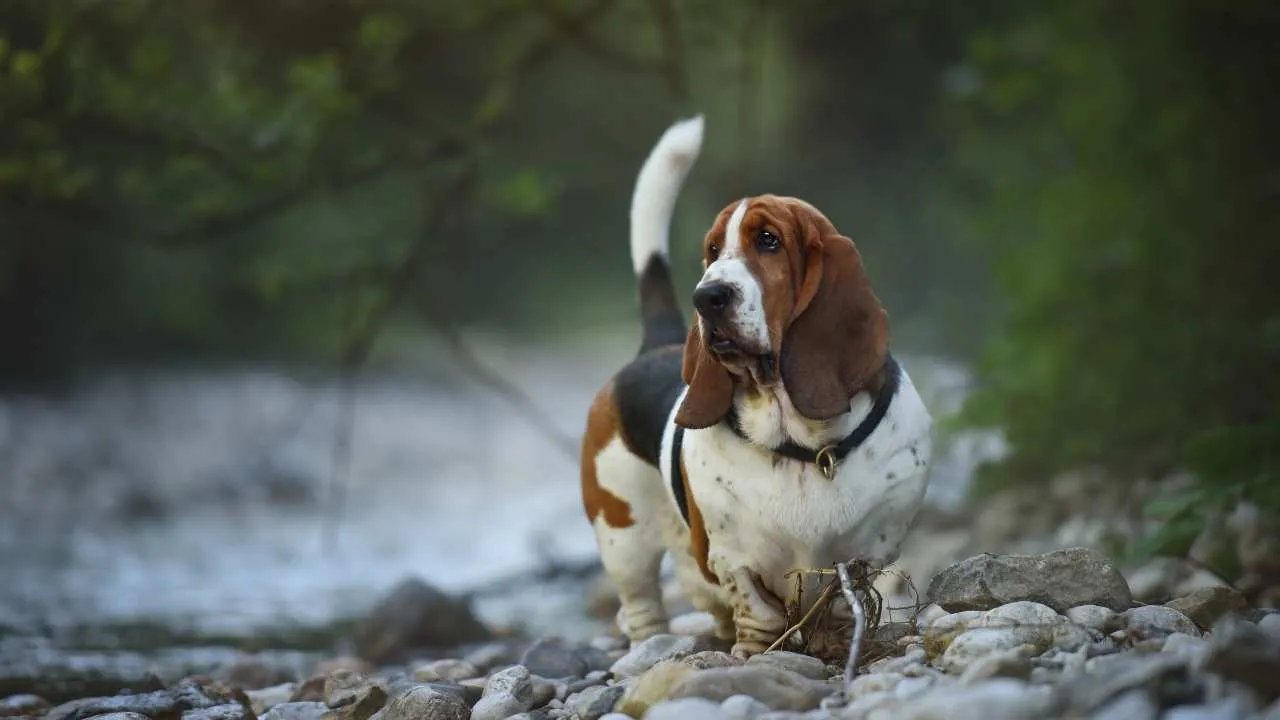
France gave the Basset Hound its early hunting role, with the breed tracking rabbits and hares through dense undergrowth and uneven ground. Its name comes from the French word bas, meaning “low,” a fitting nod to its short legs and long, low body.
Easy Pace
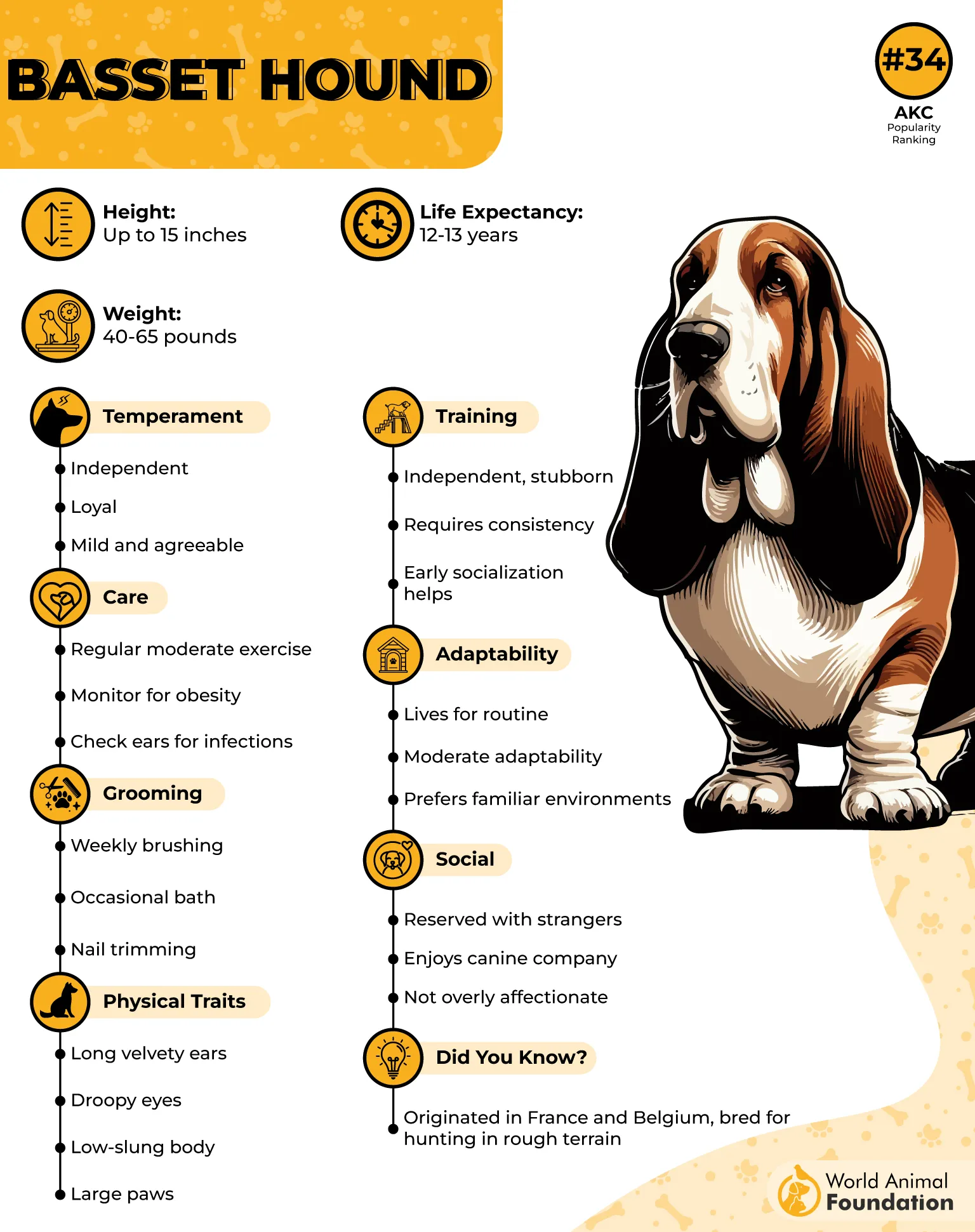
If your idea of a good day is more sofa time than nonstop activity, the Basset Hound may be right at home with you. Daily walks of about 30 to 60 minutes are usually enough, while extra weight deserves attention as this breed enjoys relaxing whenever it gets the chance.
The following activities fit naturally into its routine:
Nose work games
Scent-focused walks
AKC Rally events
Gentle Company
Basset Hound brings a patient and affectionate nature into family life, often fitting in well with children, other dogs, and even cats after careful introductions, as Purina stated. Visitors are generally greeted with a calm attitude, adding to the easygoing atmosphere this breed creates indoors.
2. English Bulldog
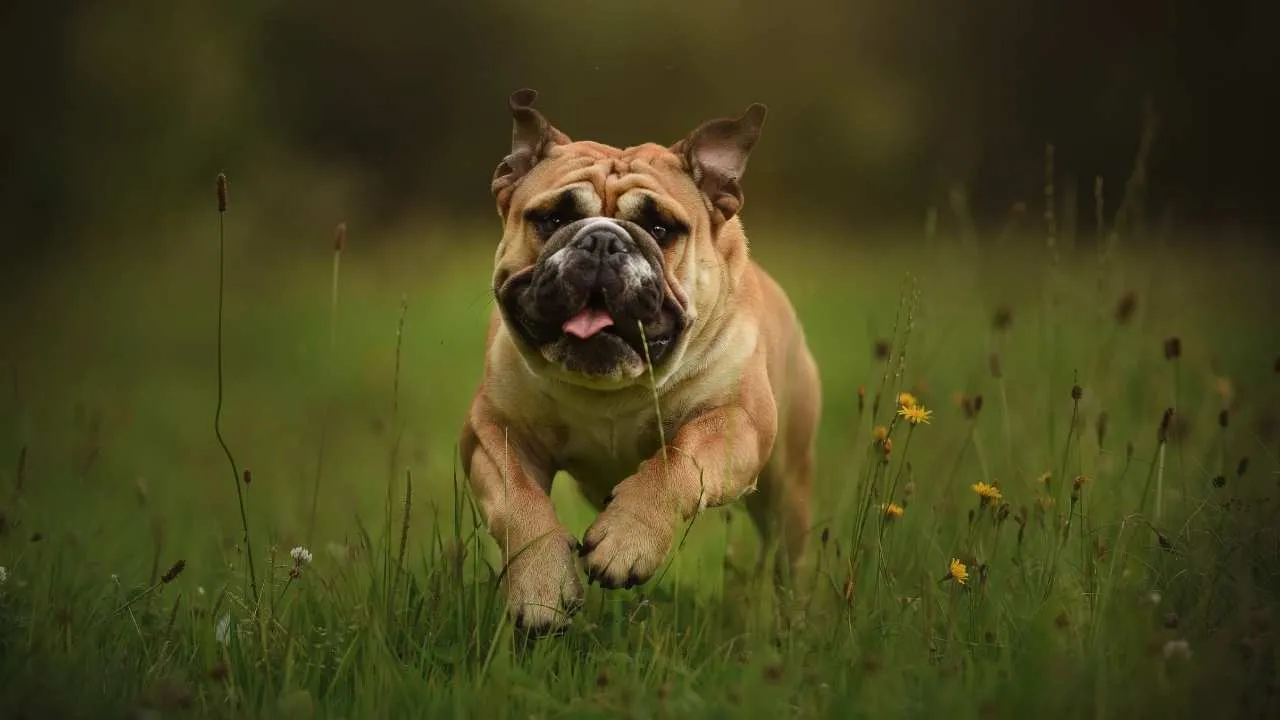
English Bulldog began with demanding jobs that included bull-baiting and controlling livestock before slaughter, giving the breed a far different role than it has today.
Careful breeding over generations gradually shifted its temperament, leading to the calm companion that now spends far more time relaxing than chasing demanding work.
Easygoing Routine
The English Bulldog is not looking for a busy routine, often being content with gentle activity spread throughout the day. Indoor play, cuddling, and puzzle toys offer practical ways to keep this breed engaged without overdoing physical effort.
Home life has a few considerations too:
Harnesses are preferred over collars on walks
Treats should stay below 10% of daily calories
Positive reinforcement works best during training
Warm Weather Matters
English Bulldogs’ short muzzle makes hot weather more challenging, so access to shade, fresh water, and air conditioning becomes especially important on warmer days.
Dogs affected by brachycephalic obstructive airway syndrome often do better with several 10- to 15-minute walks instead of one longer outing, as PetMD noted.
3. Shih Tzu
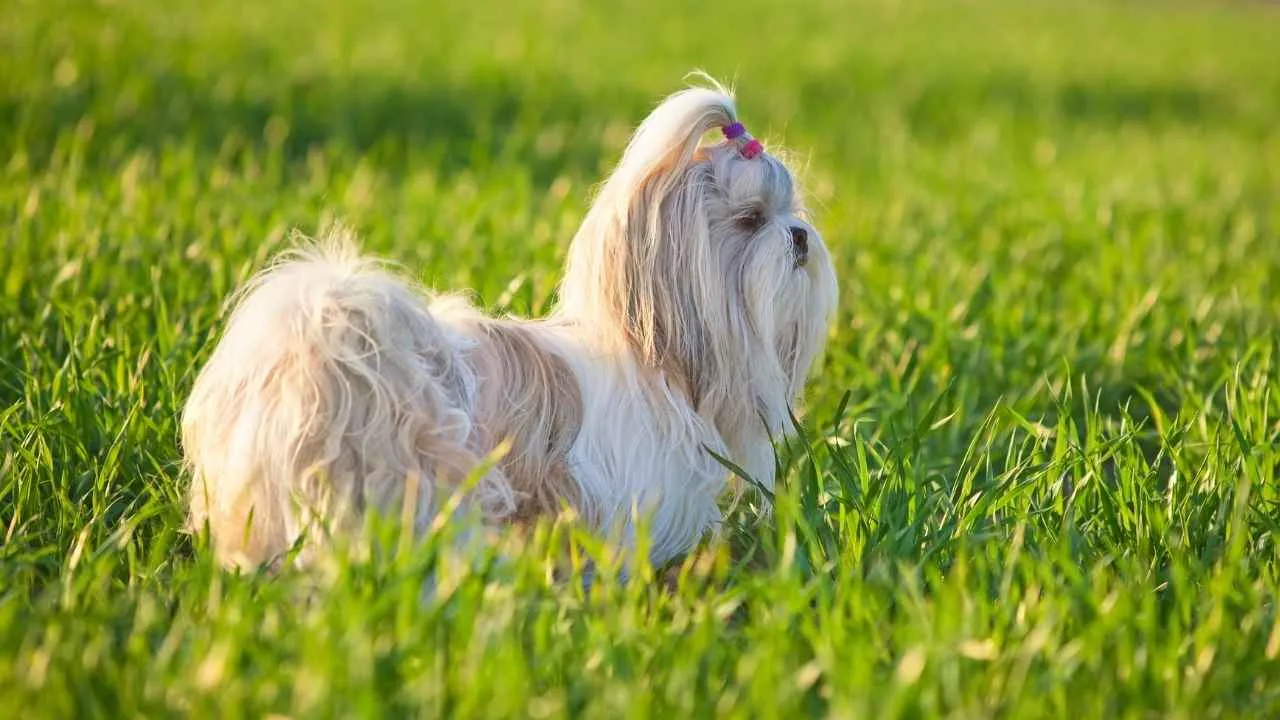
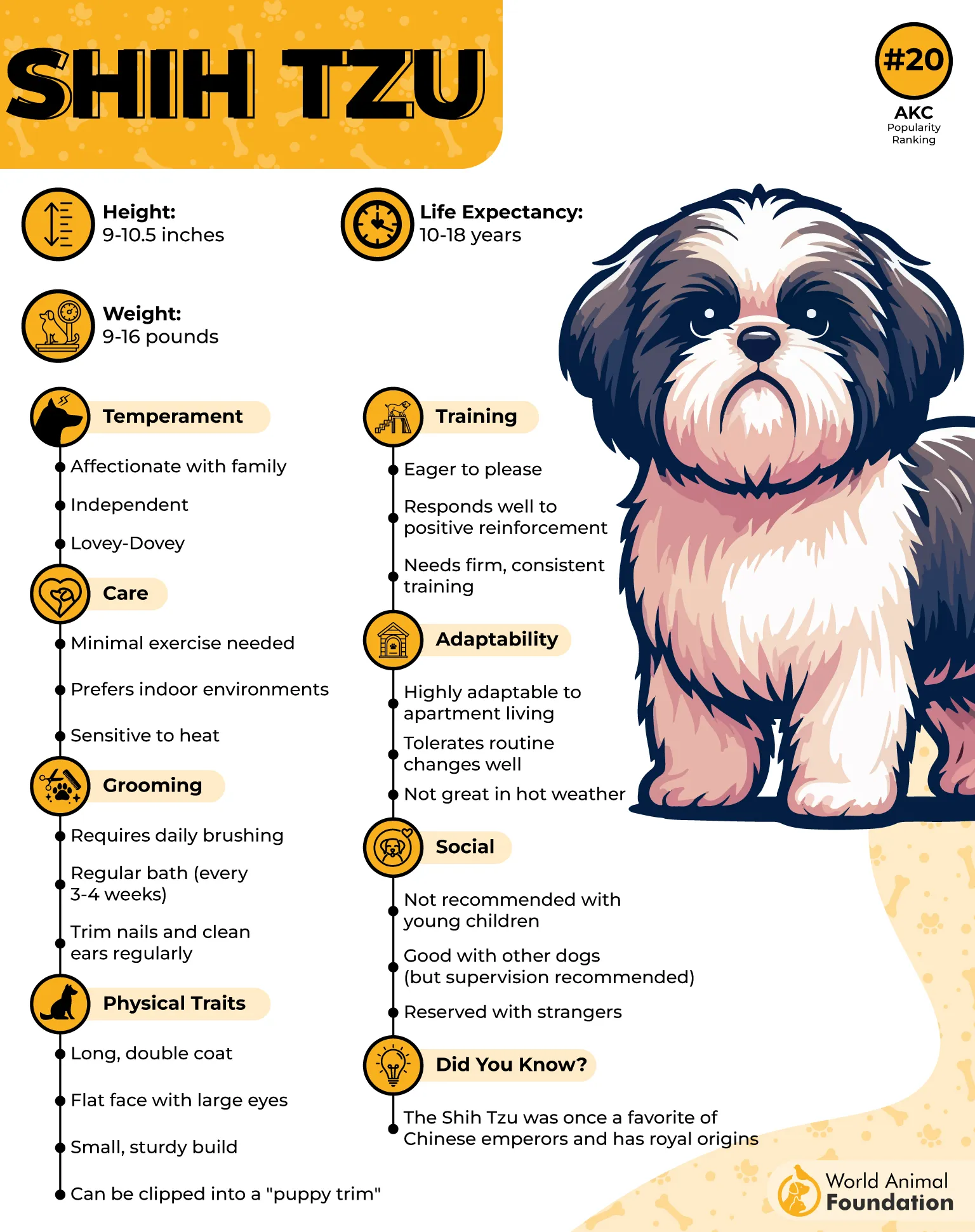
Centuries ago, Shih Tzu was bred as a Tibetan toy breed before becoming closely associated with China, where it gained a place in imperial households.
Its name translates to “Lion Dog,” reflecting the Buddhist influence behind breeding dogs that resembled symbolic lions long before AKC recognition arrived in 1969.
Happy Close to Home
For a Shih Tzu, a slow day at home can be every bit as satisfying as a brief outing. Around 30 minutes of walking, combined with simple games at home, is usually enough to keep this little companion content without demanding an active schedule.
These characteristics reveal another side of this breed:
Originally served as an alert dog
Quick to announce arriving visitors
Enjoys learning simple tricks
Calm Company
Shih Tzu adjusts easily between curling up beside the family and joining a gentle stroll through the neighborhood or local park. Early socialization helps this breed interact comfortably with children and other pets, while gentle handling keeps play enjoyable for everyone involved.
4. Greyhound
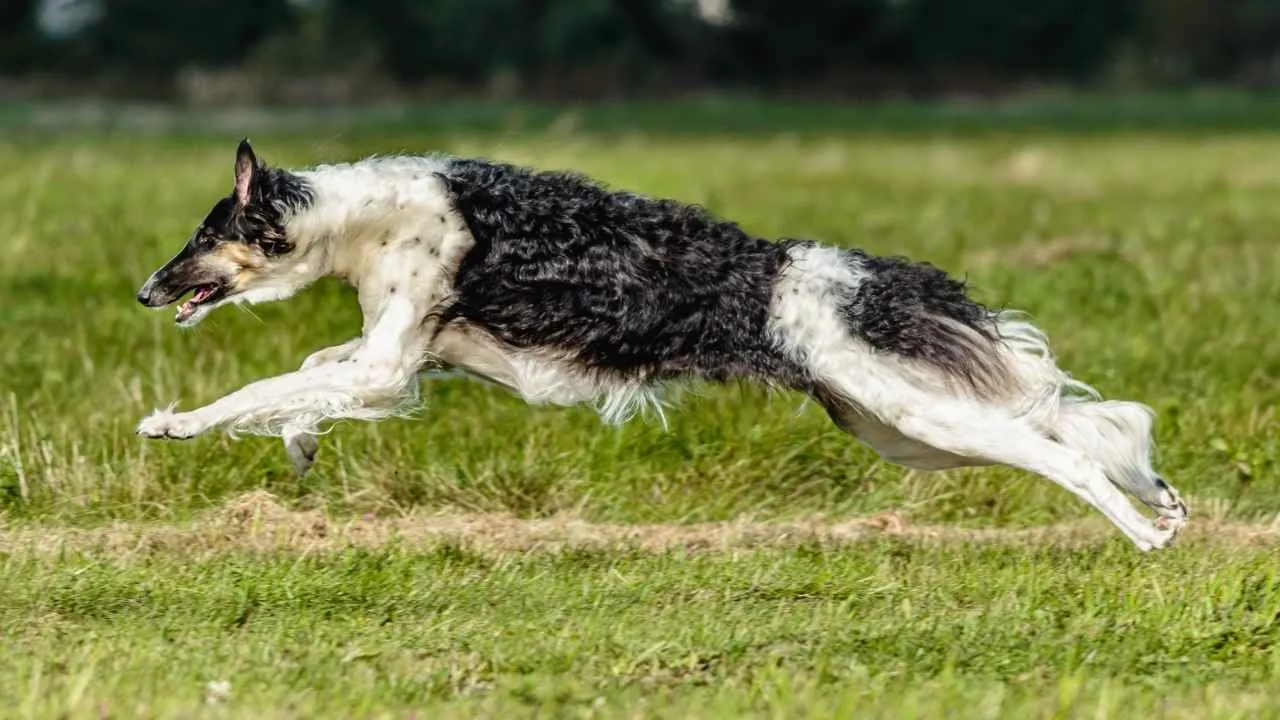
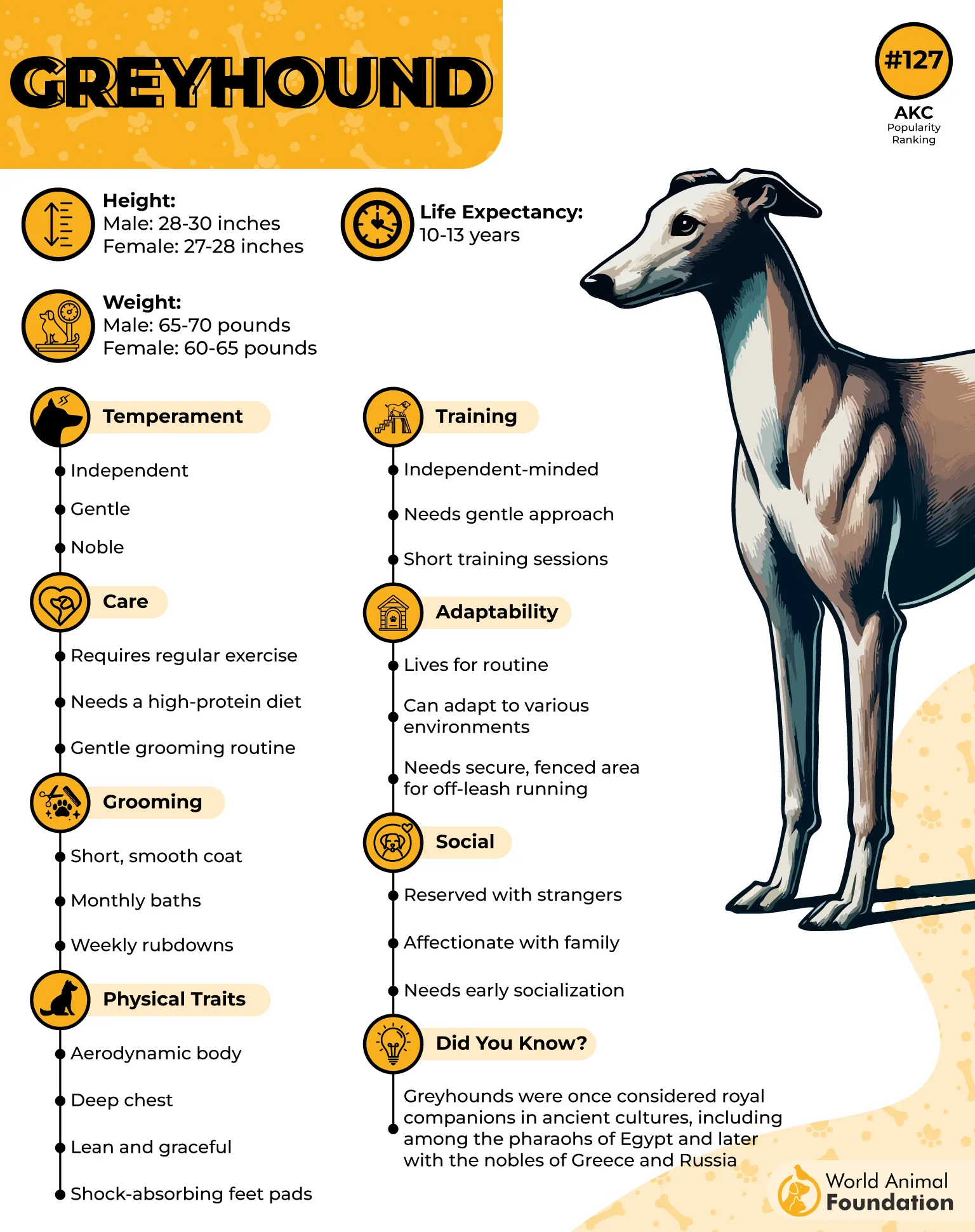
Greyhound appears in some of the earliest records of domestic dogs, with roots reaching back thousands of years to ancient civilizations, as noted by the AKC.
Long before organized racing, this breed gained recognition for keen hunting ability, remarkable speed, and a refined silhouette that has remained recognizable across generations.
Surprisingly Relaxed
Life at home tells a very different story from the racecourse, as a Greyhound often spends much of the day stretched out on a sofa or soft bed. Around 30 to 45 minutes of daily activity, paired with generous downtime, is usually enough to keep this breed content.
Everyday living brings a different side of this breed:
Reaches speeds of up to 45 mph
Famous for short “zoomie” bursts
Enjoys puzzle toys and obedience sessions
Gentle Nature
Greyhound responds best to calm handling and a peaceful environment, as loud surroundings or harsh training can leave this sensitive breed feeling uneasy. Early socialization with different people, pets, and everyday experiences helps build confidence over time.
5. Mastiff
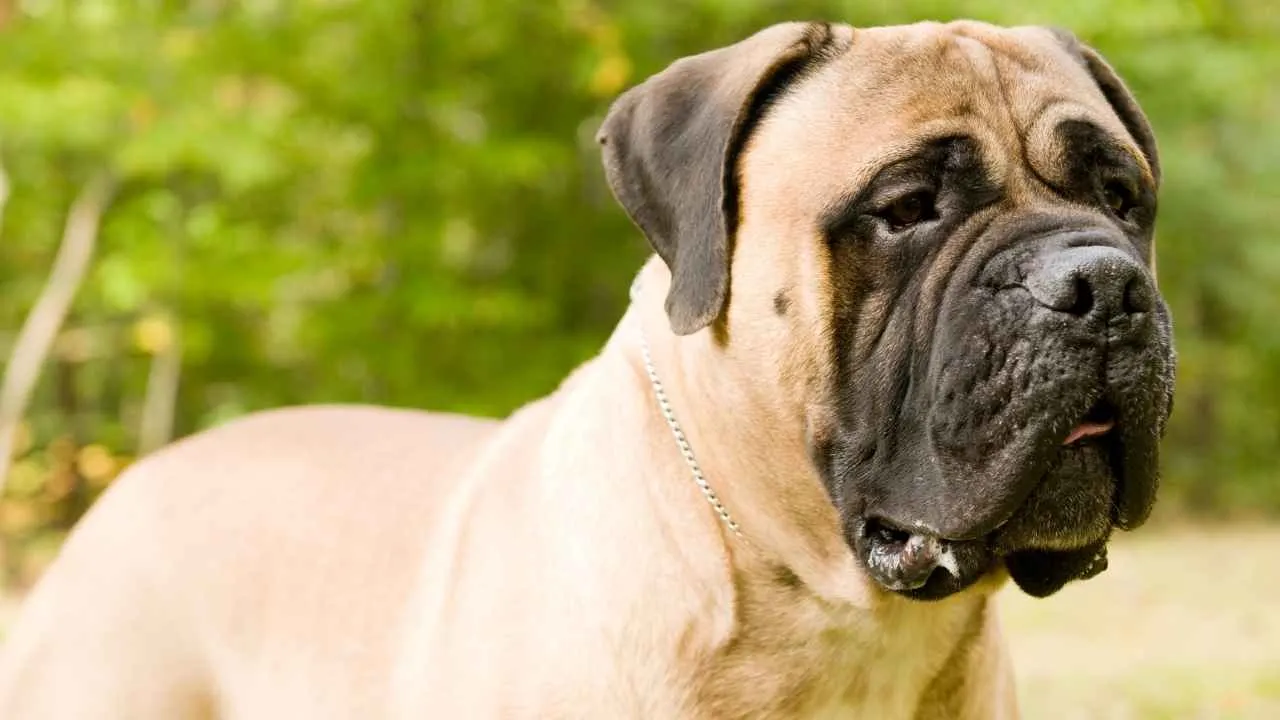
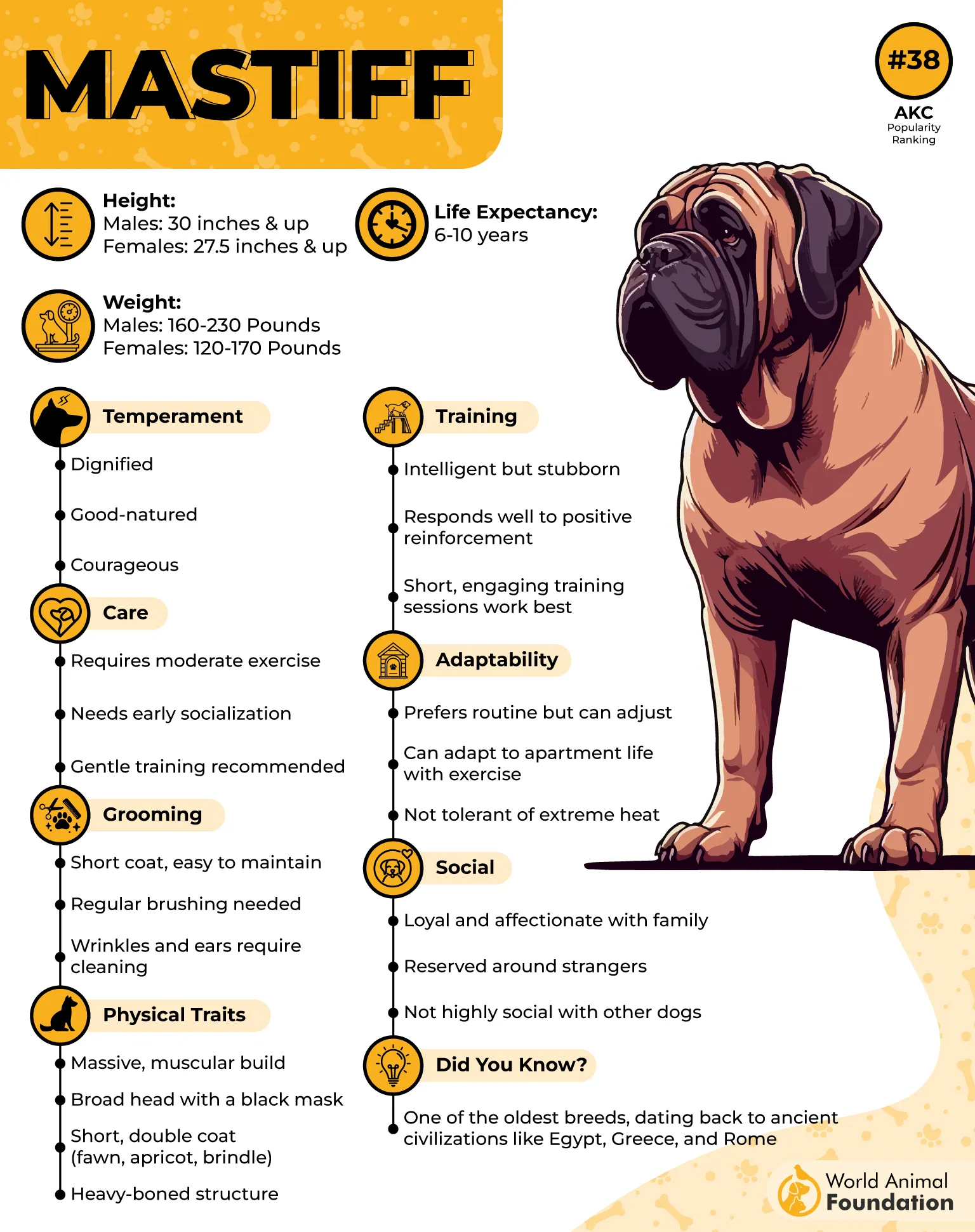
Mastiff has been associated with Britain since the Roman invasion of 55–54 BCE, although records also describe Mastiff-like dogs as far back as 2500 BCE. Over the centuries, this imposing breed became closely linked with guarding duties, giving it a lasting place among Britain’s oldest canine companions.
Quiet at Home
Most days with a Mastiff can be pretty low-key, with plenty of lounging and quiet time around the house. But let an unfamiliar person approach the door, and you may see this relaxed giant switch into watchful mode.
Worth noting practical details of this breed include:
Short, moderately shedding coat
Heavy drooling is common
Enjoys tracking and nose work
Gentle Giant
Mastiff pairs an impressive frame with a patient temperament, often leaning against the people it loves as a sign of affection. Early training and thoughtful socialization are especially valuable because such a powerful dog benefits from calm, reliable manners around visitors.
6. Saint Bernard
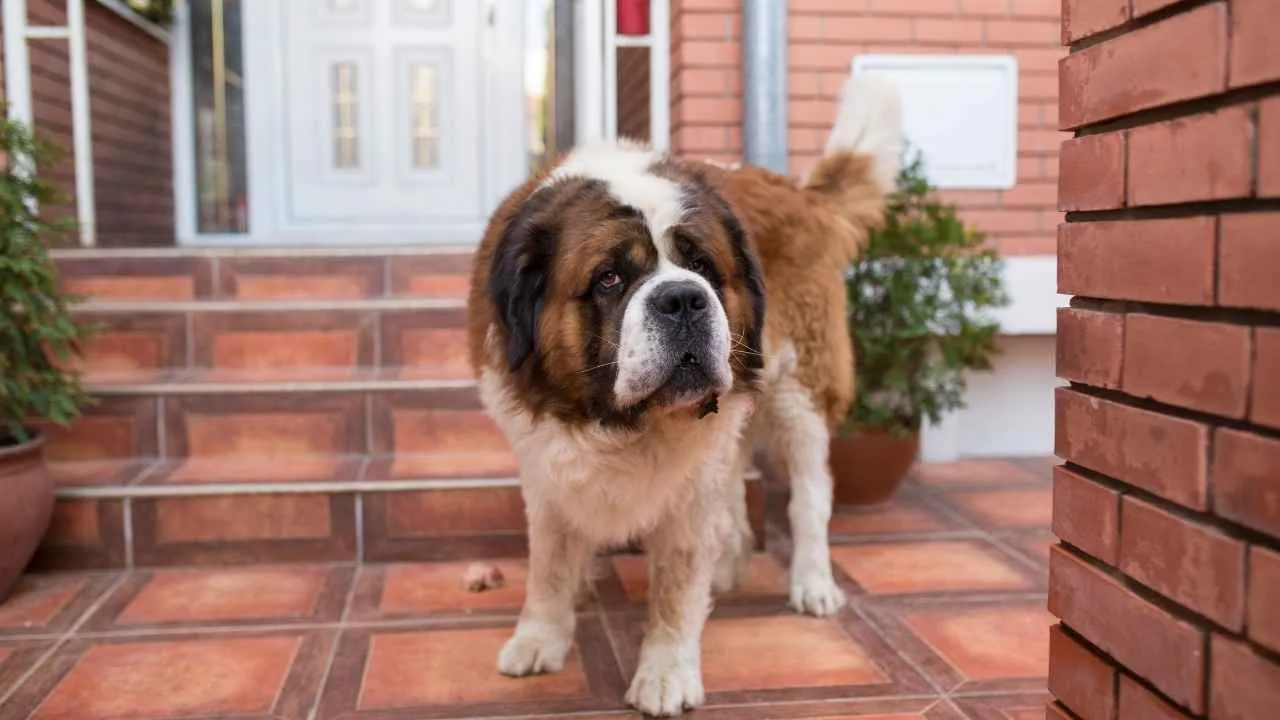
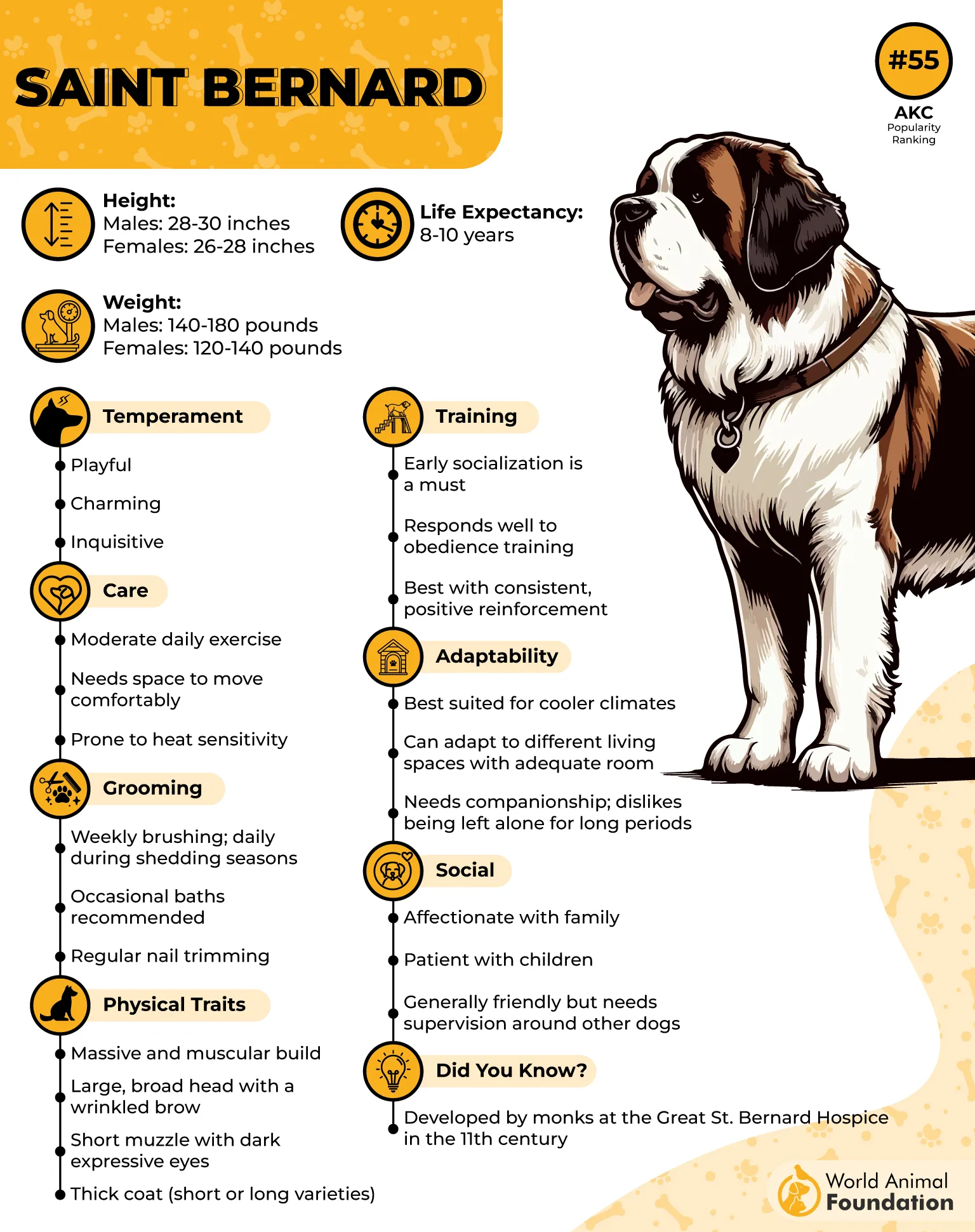
In the Swiss Alps during the 1600s, Saint Bernard worked alongside monks in conditions where deep snow and avalanches could turn a routine journey into a dangerous one.
Rescue missions in those mountains placed this giant breed in situations that demanded patience, sound judgment, and dependable teamwork with people.
Easygoing at Home
A calm personality makes Saint Bernard well suited to slower daily routines, although a 30-minute walk still helps keep this giant breed comfortable and content. Longer hikes, camping trips, or backpacking outings also fit naturally whenever the opportunity comes along.
However, these qualities also deserve a closer look:
Low prey drive around other animals
Digging instinct linked to rescue work
Enjoys carting and drafting activities
Friendly and Gentle
Saint Bernard matures into a much quieter dog than it was as a playful puppy, making relaxed afternoons feel just as enjoyable as outdoor adventures. Its patient nature also helps it interact well with children who understand how to behave respectfully around dogs.
7. Pug
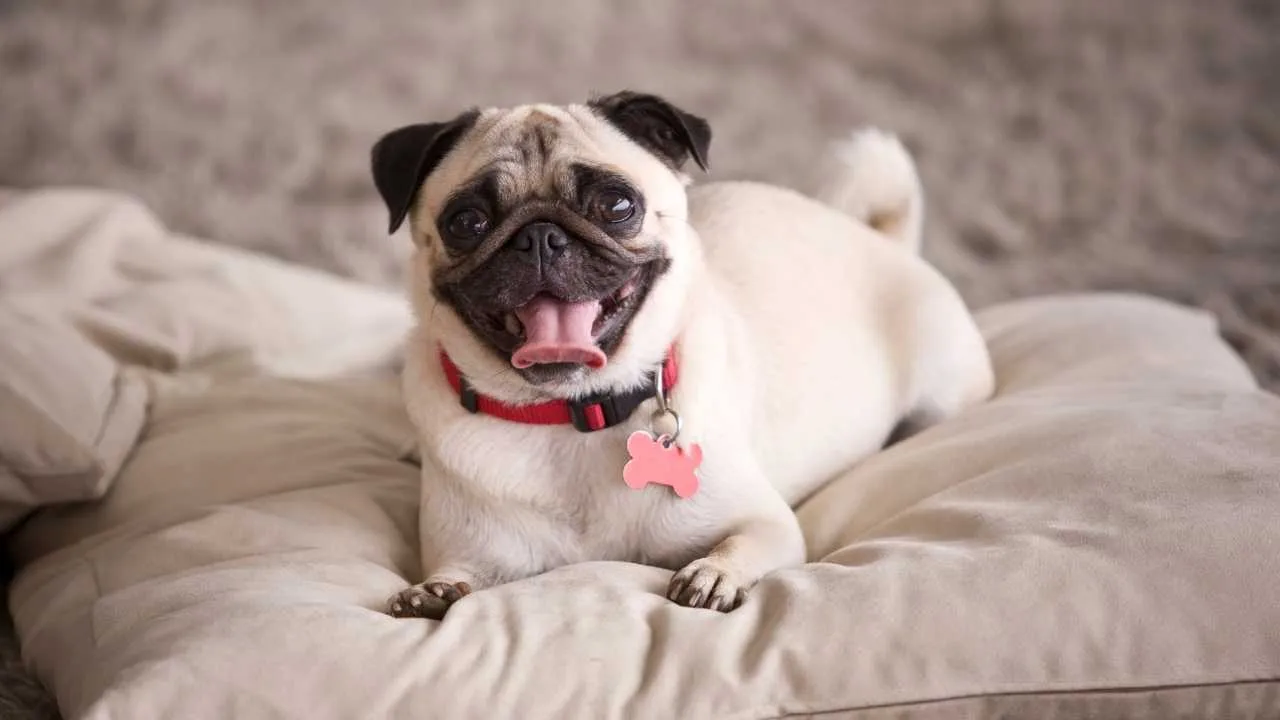
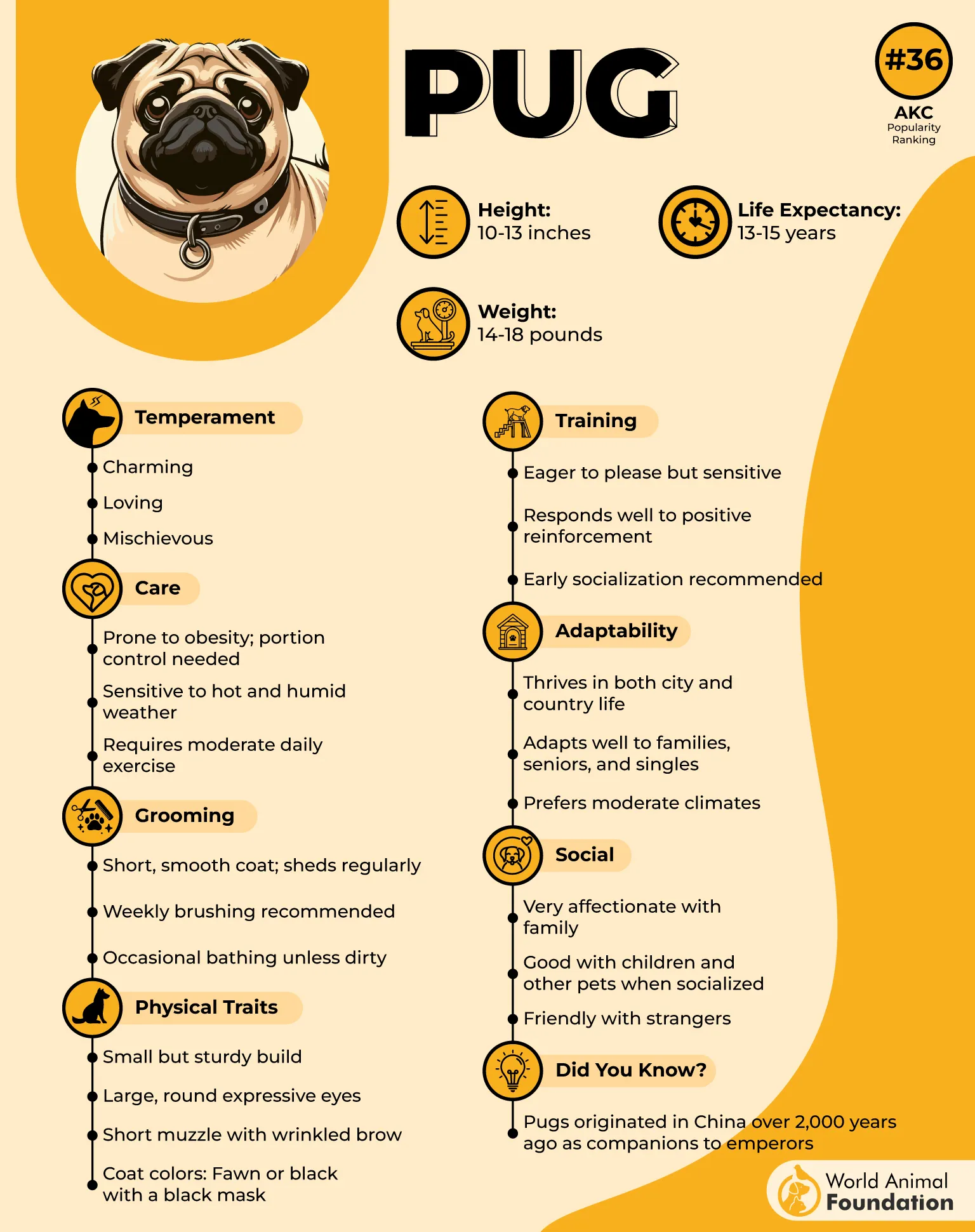
The Pug appeared in China as early as 400 BC, making it one of the oldest companion breeds still recognized today. Its place beside people was established long before modern dog breeding, giving this little dog a lasting connection with home life and close human companionship.
Happy With a Slower Pace
This low-maintenance dog is far more comfortable with several short walks than long, demanding outings, as its flat face makes breathing harder during intense activity or warm weather. Indoor time, gentle play, and brief strolls suit this breed much better than physically challenging routines.
A few interesting details are easy to overlook:
Often snores because of an elongated soft palate
Can become gassier after swallowing extra air while breathing
Usually does best with 15 to 20 minute walks
Life Around the House
This small dog enjoys being involved in whatever is happening at home and prefers spending time where people gather instead of finding a quiet corner alone. A playful personality, small size, and adaptable nature help this breed fit comfortably into different households with children or adults alike.
Conclusion
Not every dog needs an action-packed schedule to enjoy a happy and fulfilling life. For many people, the perfect day includes simple routines, comfortable surroundings, and a loyal friend always close by. Among the many lazy dog breeds, those with a calm nature often adapt especially well to apartment living, making everyday life easier while creating a relationship built on comfort.
Gentle walks, play sessions, and minimal exercise still play an important role, but they fit naturally into a slower routine that suits many pet parents. When personality and lifestyle complement one another, quiet mornings, peaceful evenings, and relaxing weekends become even more enjoyable because they are shared with the right companion from the very beginning.
