




Finding the perfect furry friend doesn’t have to break the bank. By choosing a dog with low-maintenance grooming, a small appetite, and a calm, adaptable temperament, you can enjoy companionship without constant financial stress.
According to PDSA, the cost of owning a dog can quickly add up, from food and veterinary care to grooming and equipment. Planning and understanding which breeds are more economical can save hundreds, even thousands, of dollars over a dog’s lifetime, helping owners provide happy, healthy lives without financial strain.
This blog explores the most budget-friendly breeds, highlighting their traits, care needs, and lifestyle compatibility. It’s a guide for anyone seeking a loving companion while keeping costs manageable, offering insights to help you make a smart, informed choice for your household.
Low-Cost Dog Breeds for a Frugal Lifestyle
1. Boston Terrier
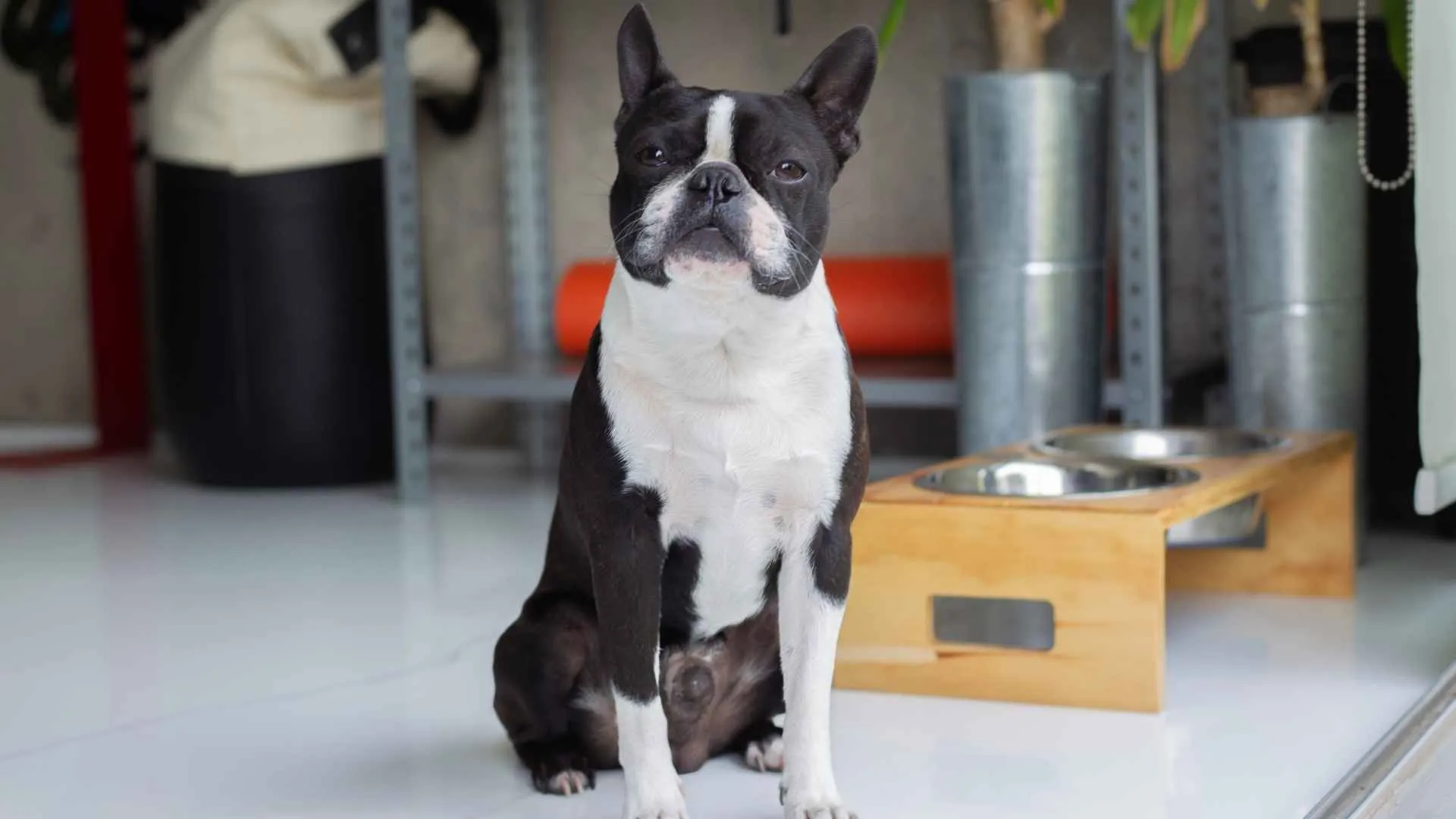
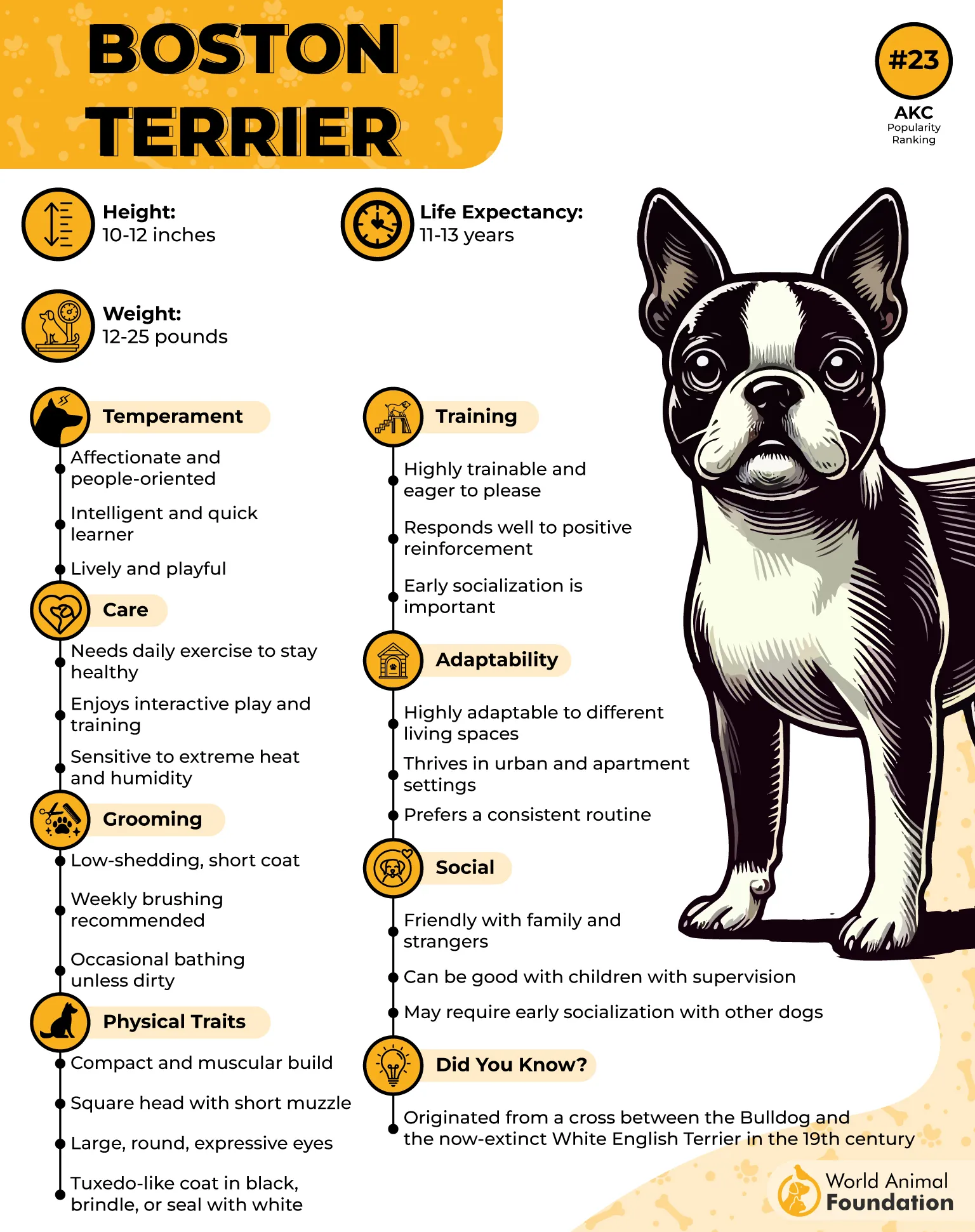
The Boston Terrier, affectionately known as “The American Gentleman,” sports a naturally crisp, tuxedo-like black and white coat. This breed is one of the few recognized breeds that truly originated in the United States, as mentioned by Britannica. They’re smart and pick up new things quickly, so training them is usually pretty easy.
Sleek Coat Requires Minimal Brushing
If you hate the thought of weekly grooming appointments, this is your dog! Their coat is naturally short and smooth. It’s truly a sleek coat that requires minimal brushing. You only need to run a soft brush over them about once a week. This keeps them looking sharp and helps you avoid those expensive monthly professional grooming costs.
Small Size Equals Low Feeding
A big dog needs a big bowl of food, but not the Boston Terrier! Since they are smaller, their tummies don’t need much filling up. This is where their small size equals low feeding, really shines for your budget, making them one of the most inexpensive dog breeds.
2. Chihuahua

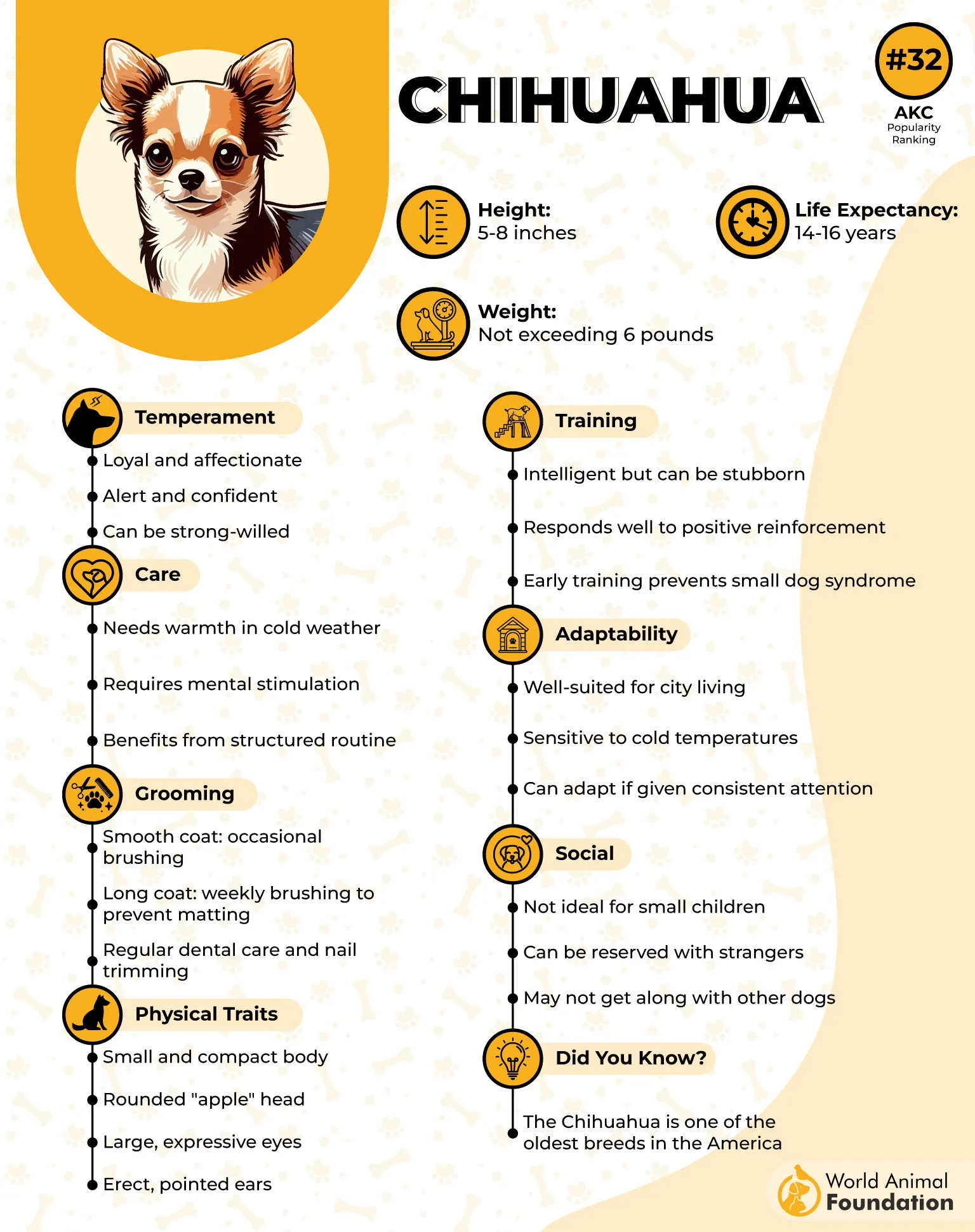
These tiny dynamos hold the title of the world’s smallest dog breed, often weighing less than six pounds. Despite their miniature size, Chihuahuas possess a massive personality, often acting like fearless protectors. These adorable dogs come in both long-coat and short-coat varieties, and their history is ancient.
Tiny Body, Minimal Food Costs
It’s simple math: a tiny body, minimal food costs! The small amount of kibble they consume keeps your grocery bill remarkably low, making them one of the most affordable dog breeds. You won’t need to dedicate much pantry space to pet food.
Short Coat, Low Grooming
One of the best cost-saving features that makes them a cheap breed is their coat. Many Chihuahuas have the short, smooth coat that is truly a dream. Their short coat has minimal grooming needs! You can avoid all professional grooming visits and the associated expenses.
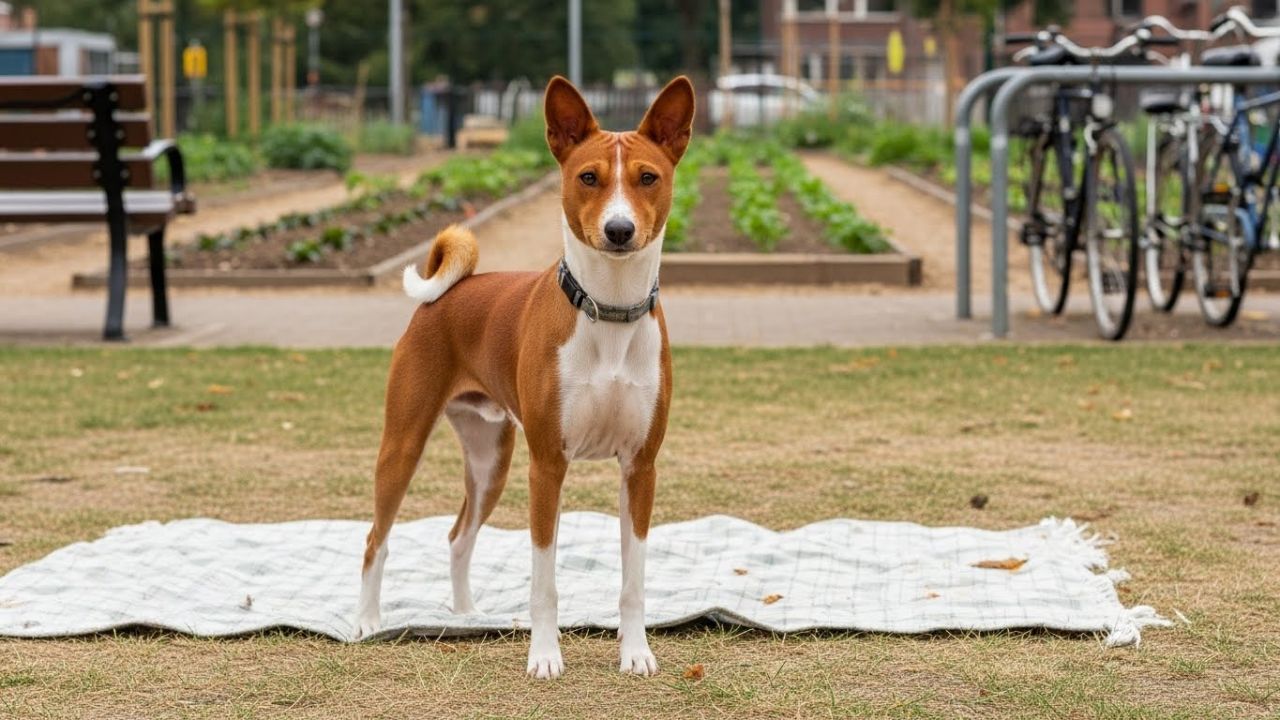
3. Basenji

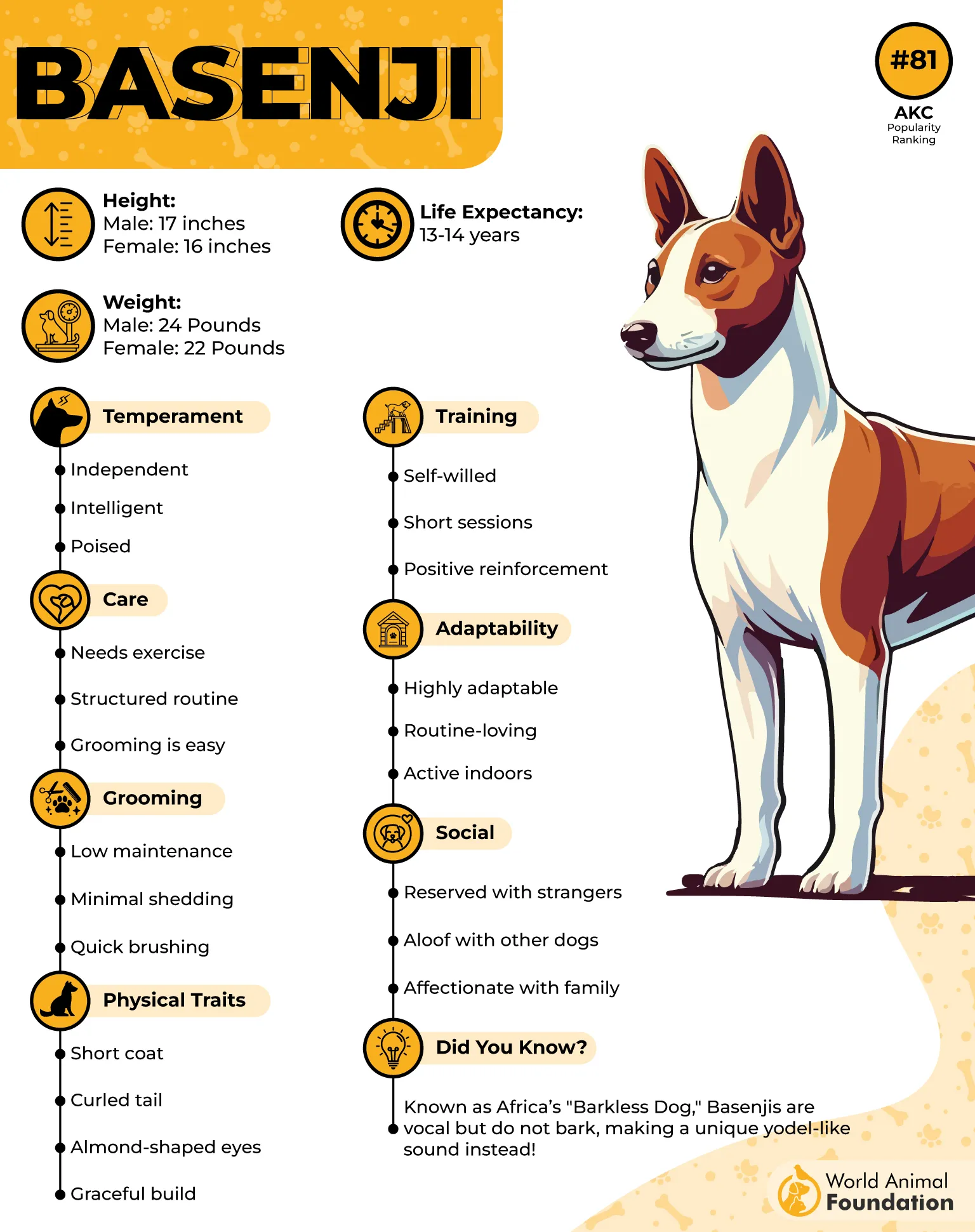
Often referred to as the “barkless dog,” the Basenji is one of the most unique canines in the world. The American Kennel Club notes that they don’t bark; they make their feelings known with an odd sound described as something between a chortle and a yodel. Originating in Central Africa, this breed is incredibly ancient and was once valued as a silent hunting dog.
Self-Grooming Like a Clean Cat
Basenjis are known for their exceptional fastidiousness. This breed is famous for self-grooming like a clean cat, licking their smooth coats to keep themselves spotless. This unique trait is a huge money-saver! Well, Basenjis are not the top pick for first-time owners.
Naturally Quiet, Non-Barking Nature
If you live in an apartment or close quarters, this breed offers a peaceful solution. Their naturally quiet, non-barking nature can help you avoid noise complaints and potential fees from landlords or neighbors. While they baroo, it’s generally less intrusive than constant barking.
4. Dachshund

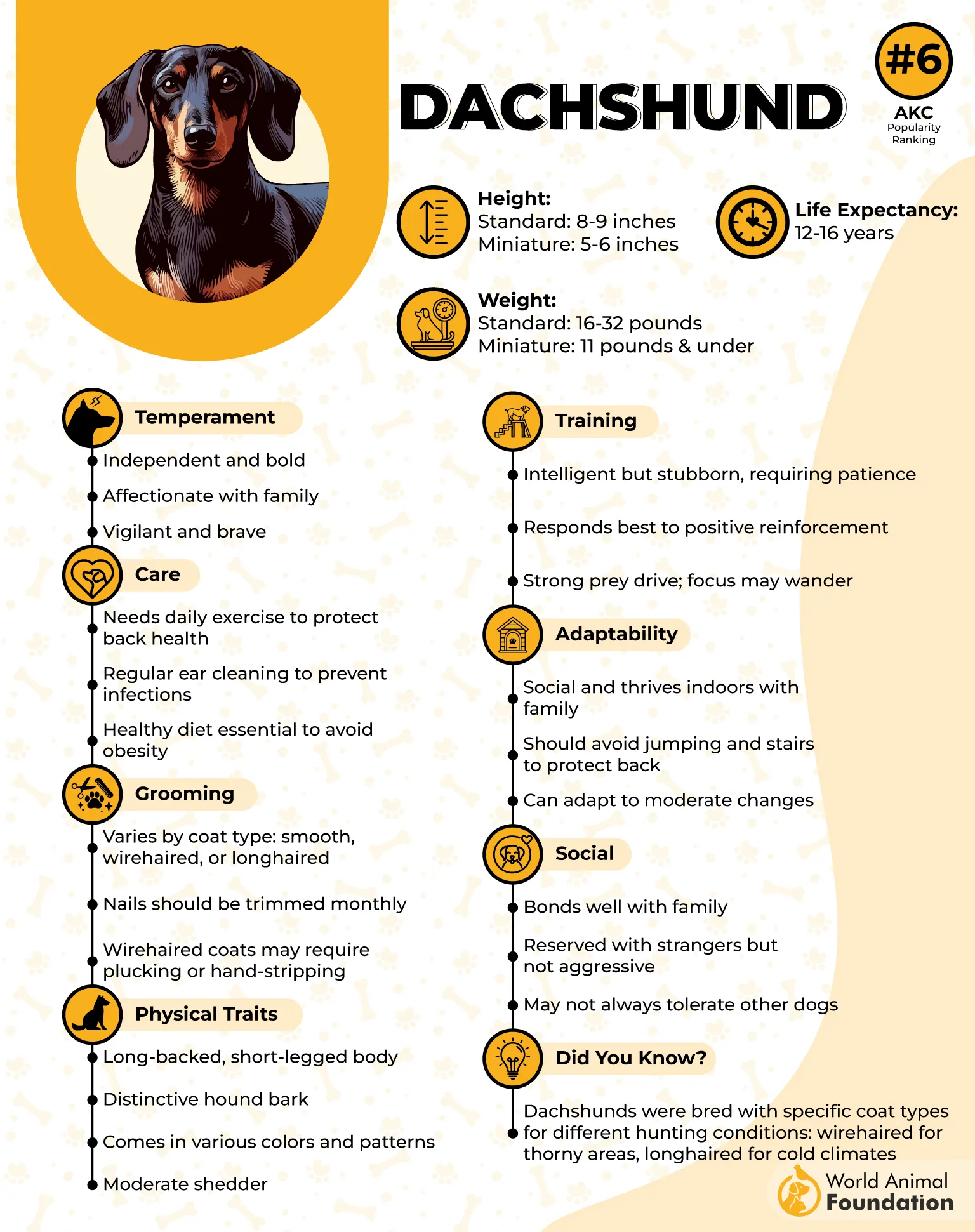
The long-bodied Dachshund, affectionately nicknamed the “wiener dog,” was originally bred in Germany to hunt badgers, burrowing into their dens. Despite their small stature, they have a brave and tenacious spirit. Their charming silhouette and playful nature make them popular family pets.
Smooth Coat Means Easy Care
If you opt for the short-haired variety, you’re signing up for easy living. Their smooth coat means easy care and minimal fuss. A simple weekly brush with a mitt or rubber curry brush is usually all it takes to keep them looking great. This prevents dog owners from ever needing to shell out money.
Apartment-Friendly, Less Exercise Needs
Dachshunds are surprisingly content indoors. While they are active, their little legs can’t cover much ground, so their total daily need is satisfied easily. Simple walks around the block are usually enough to keep them away from health issues. If you are apartment dwellers, you can consider this pup.
5. Maltese
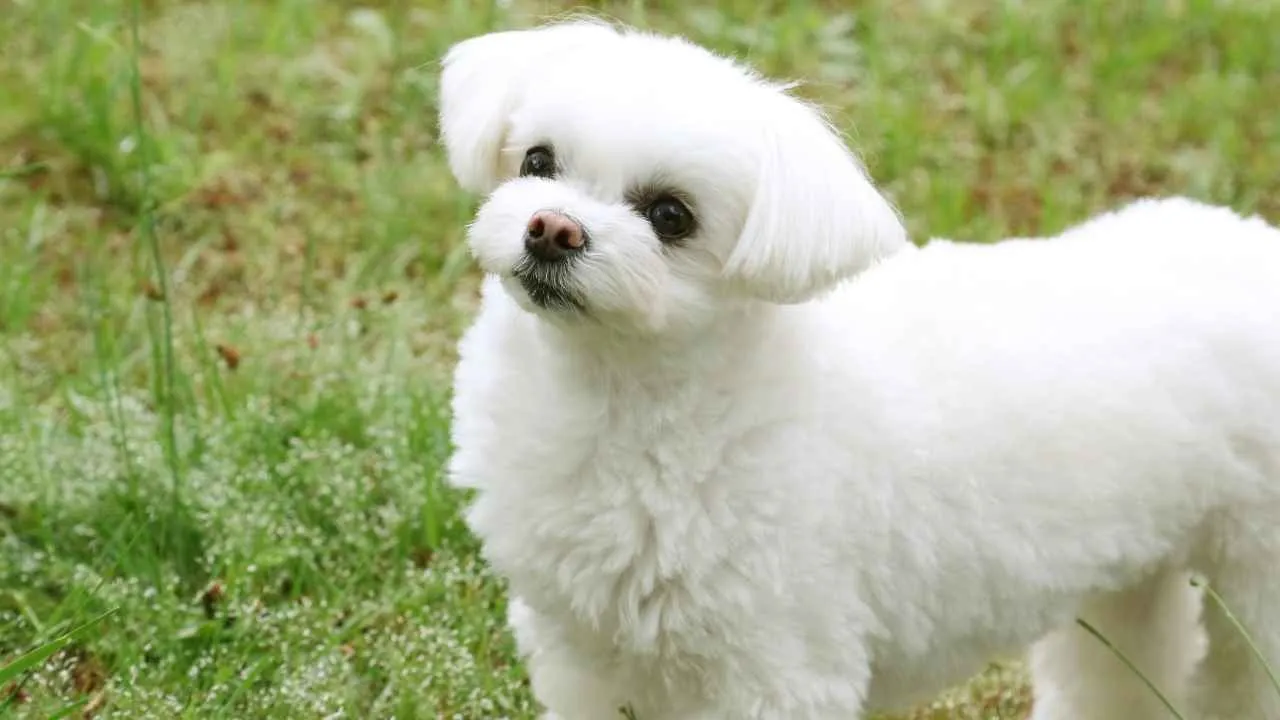
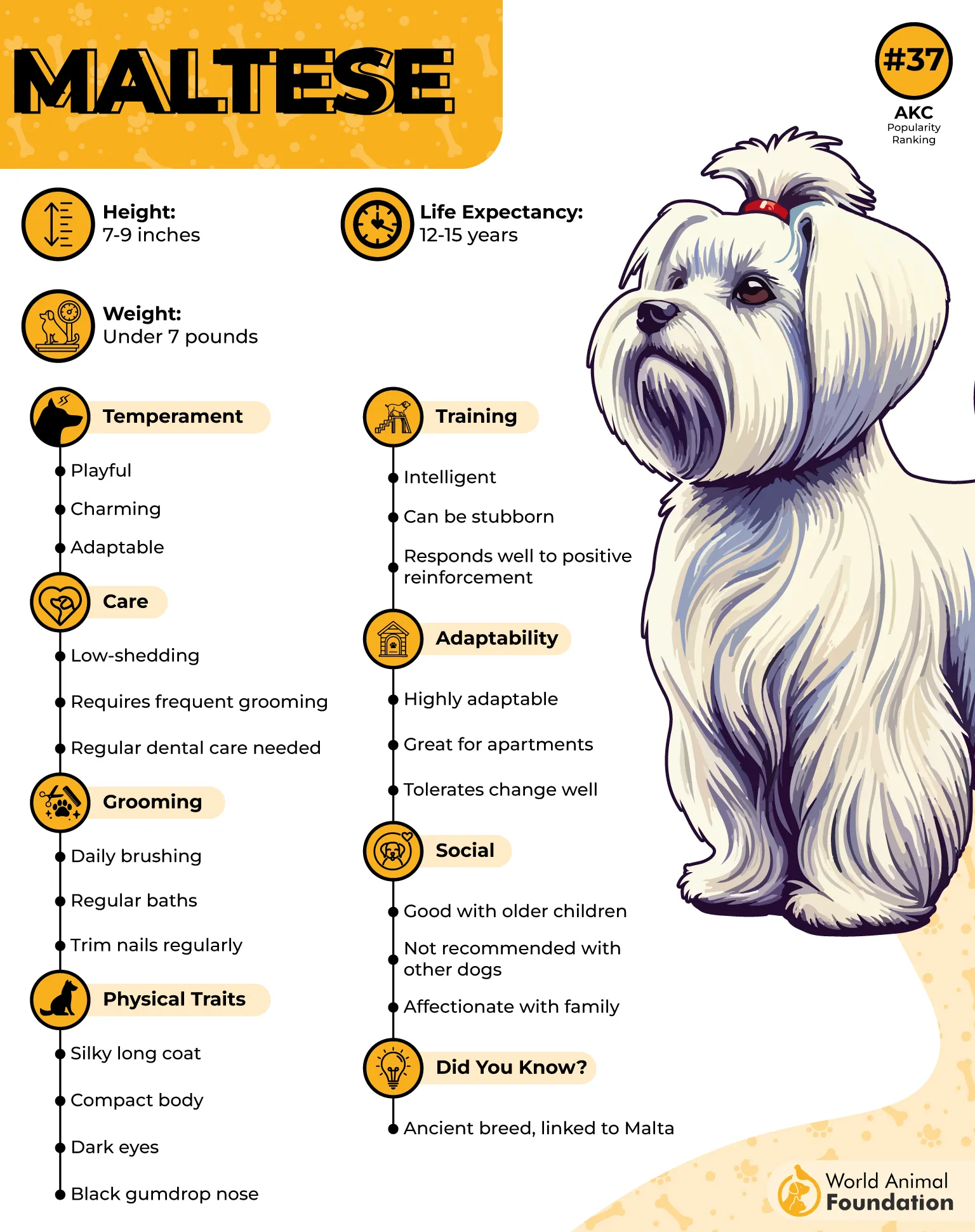
The Maltese is one of the most ancient of the European toy breeds, often depicted in Greek and Roman art as a symbol of nobility and status. These glamorous little dogs are famous for their floor-length, silky white coat and their gentle, affectionate demeanor.
Hair Is Non-Shedding, Less Cleanup
One of the biggest advantages is hidden in their coat. The Maltese possess continuously growing hair, but the hair is non-shedding, which means less cleanup for you. Plus, this non-shedding feature makes them a hypoallergenic dog breed.
DIY Grooming Saves Professional Fees
The Maltese’s hair grows continuously, so it needs regular attention to prevent matting. Budget-conscious owners can save a lot by investing in clippers and learning a simple puppy cut at home, skipping costly grooming appointments.
6. Bichon Frise

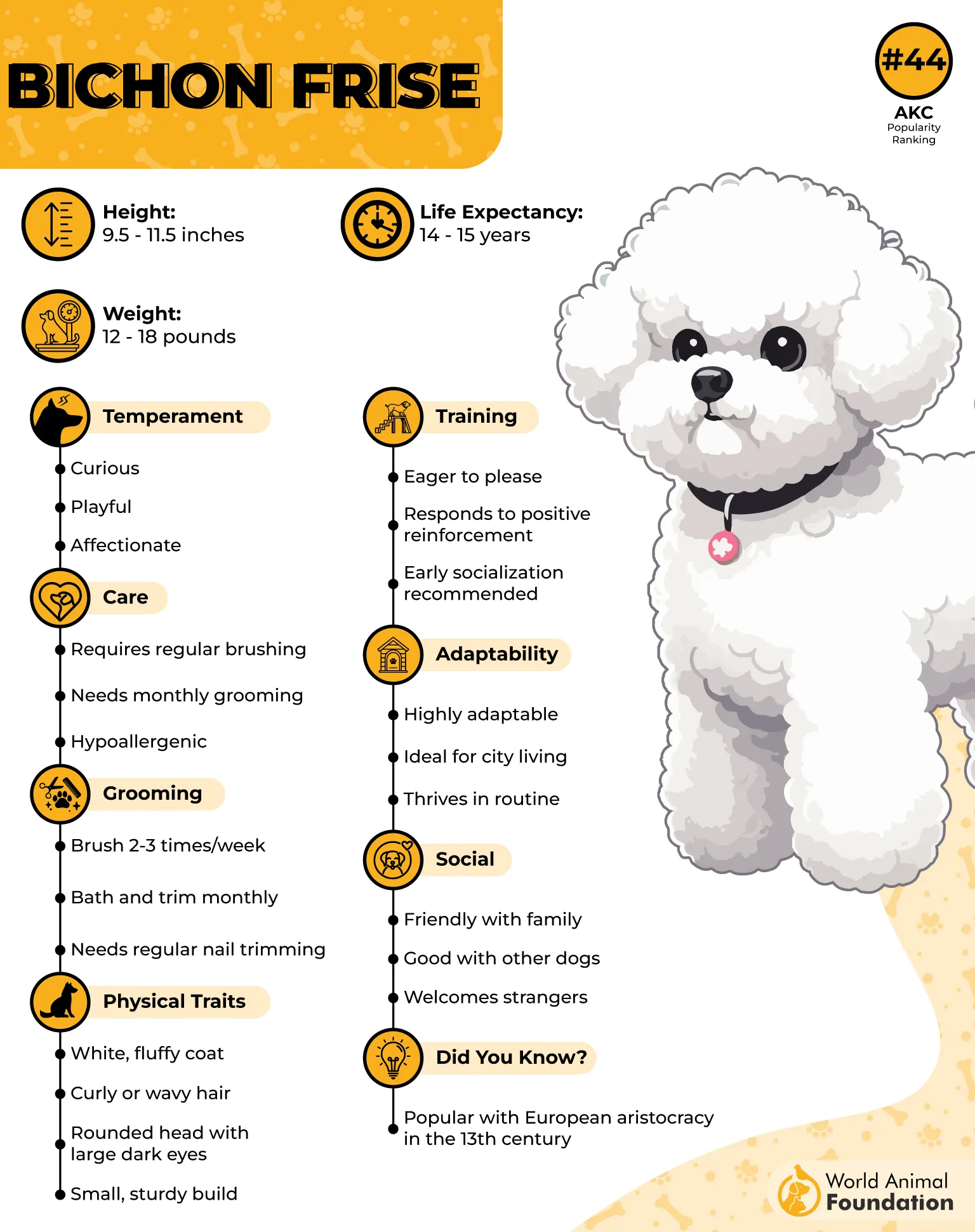
The Bichon Frise is a cheerful and playful little dog that looks like a white cotton ball on legs. Originating in the Mediterranean, they have a history as charming companions for European nobility. They are known for their merry, inquisitive temperament and their distinctive powder-puff coat.
Good General Health
Bichons tend to enjoy solid overall health compared to many other purebreds, which can translate to more manageable vet bills over time. With consistent preventative care, especially regular dental upkeep, you can avoid many issues. However, pet insurance is a good investment.
Modest Exercise Requirements Satisfied Easily
The Bichon is a small dog, and they doesn’t need to run a marathon every day. Their modest exercise requirements can be satisfied easily in your home or yard. A couple of short, brisk walks and some indoor playtime with a toy is usually plenty.
7. Shih Tzu
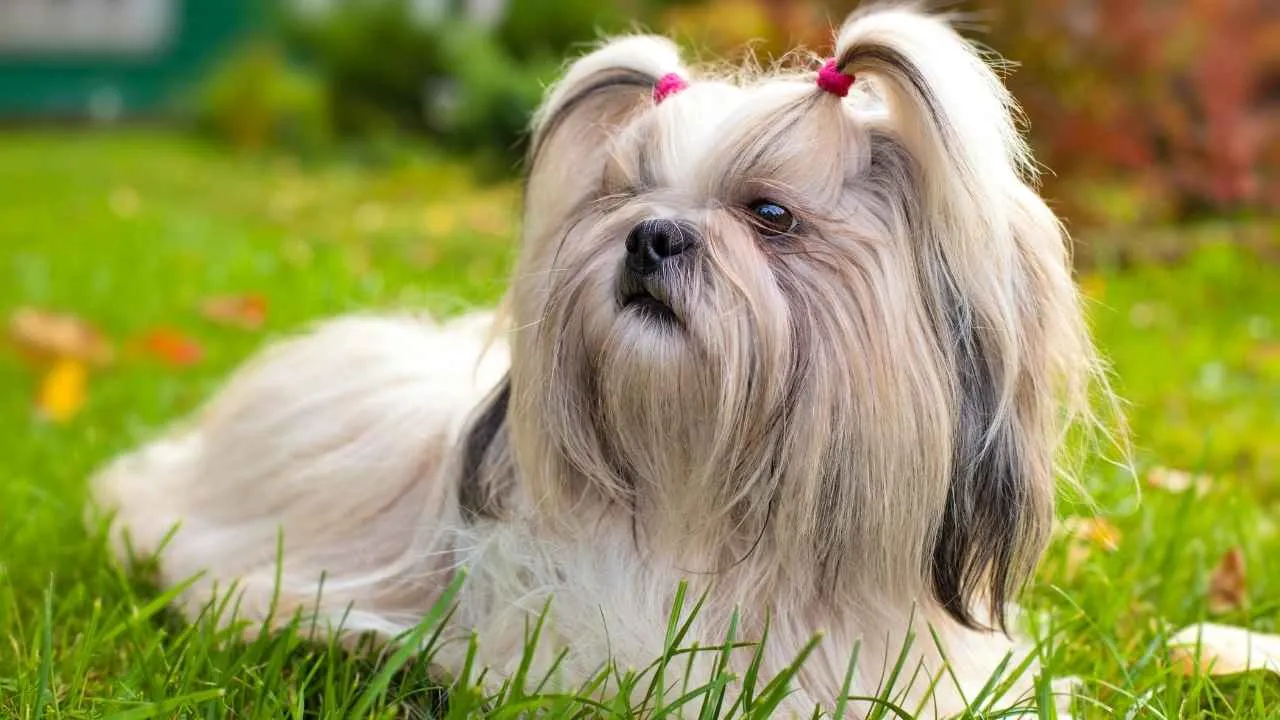
The Shih Tzu, whose name means “little lion,” originated in China and was treasured by the emperors of the Ming Dynasty. These dogs were literally royalty, living in the palace and pampered by the elite. Shih Tzu are often called chrysanthemum-faced dogs because the hair on their faces grows outward in every direction.

Calm Temperament, Highly Adaptable Indoors
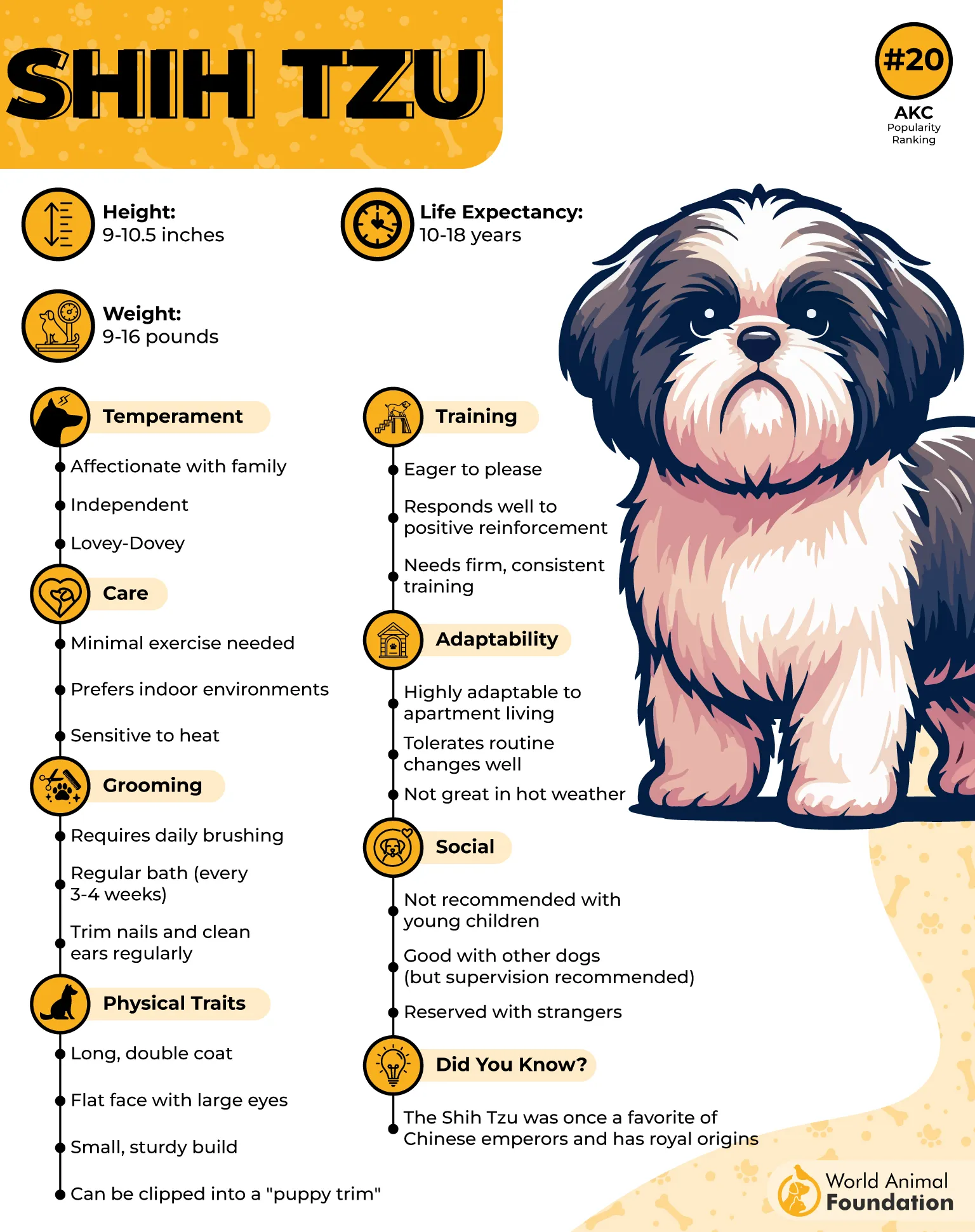
This breed is a champion of indoor life. Their calm temperament, highly adaptable indoors, makes them perfect for smaller homes and apartments. You don’t need a huge backyard, which is a major cost savings! They are content with simple daily walks and playtime inside.
Small Size Equals Low Caloric Intake
As a companion breed, the Shih Tzu has a compact structure. Their small size equals low caloric intake compared to large dog breeds. This directly translates to lower monthly food expenses, making them a fantastic choice for a frugal budget.
8. Miniature Schnauzer
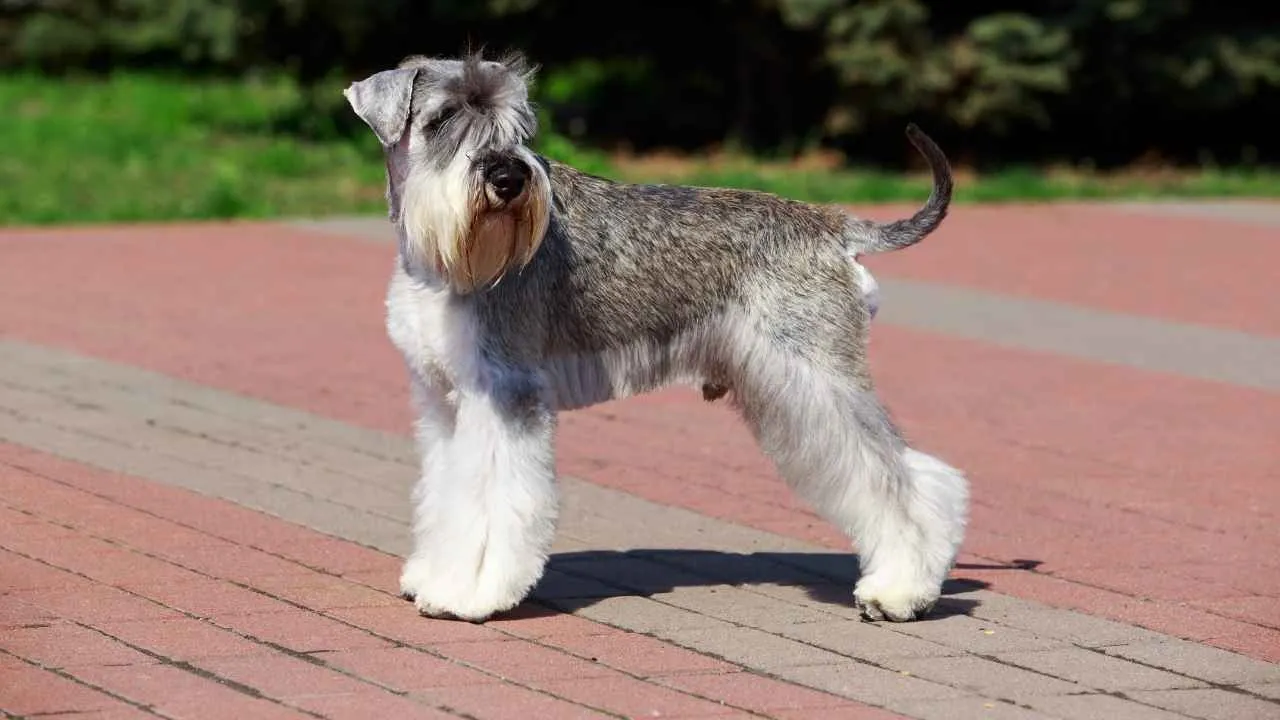
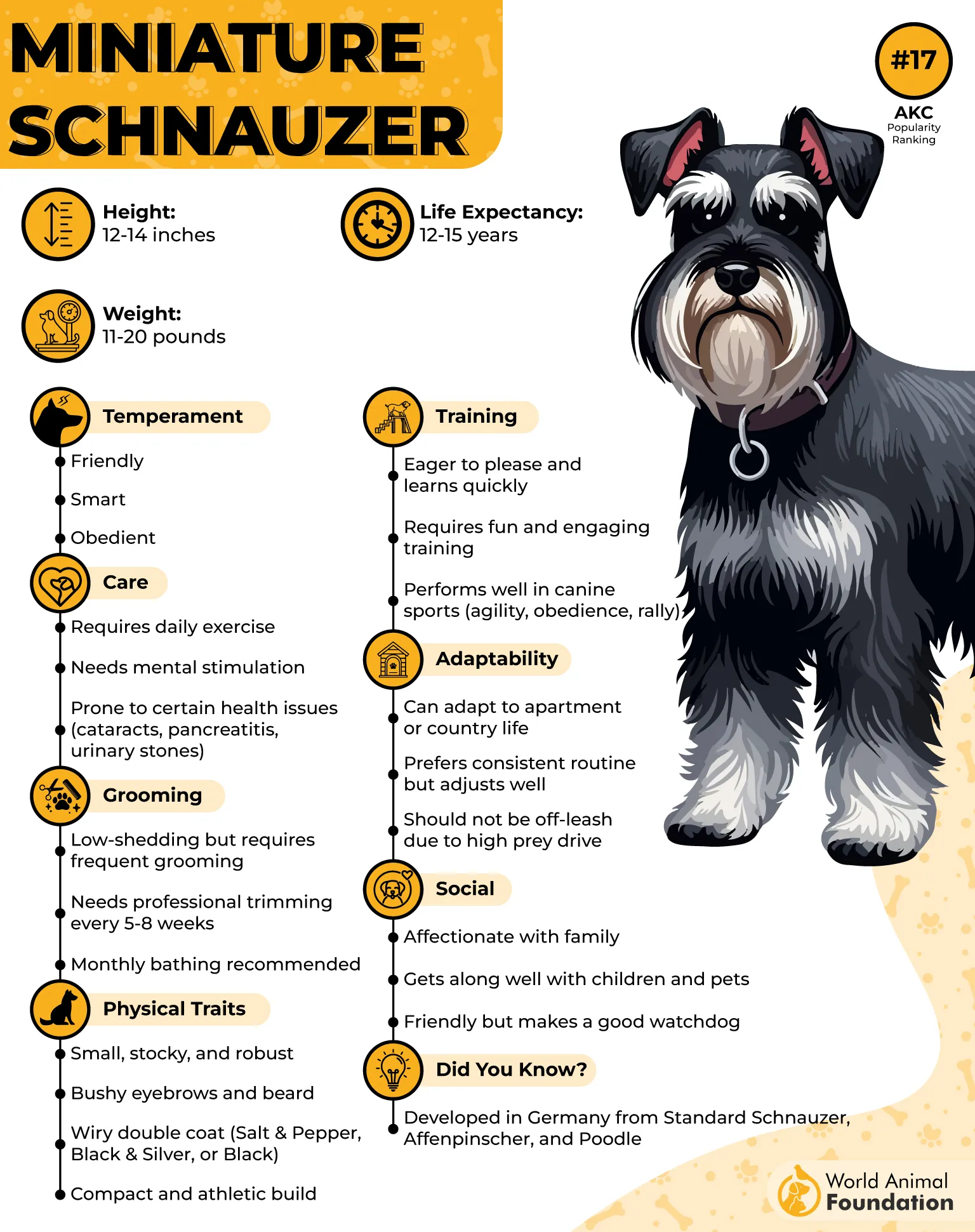
With their distinctive bushy eyebrows and whiskered snout, the Miniature Schnauzer is easily recognizable. Originating in Germany, they were bred as rat catchers and farm dogs. Small yet sturdy and intelligent, they stay loyal to their families and serve as sharp, reliable watchdogs.
Low-Shedding Coat
The Miniature Schnauzer has a unique double coat that is actually a great feature for the frugal owner. Their wiry coat sheds very little, which means less hair on your furniture and floors. You won’t spend money constantly cleaning up dog hair.
Sturdy, Generally Healthy Breed Line
One of the best ways to be frugal is to avoid large, unexpected bills. Miniature Schnauzers come from a sturdy, generally healthy breed line. While any dog can have issues, they are known for their vigor. By choosing a healthy breed, you minimize the risk of costly, ongoing veterinary treatments.
9. Poodle
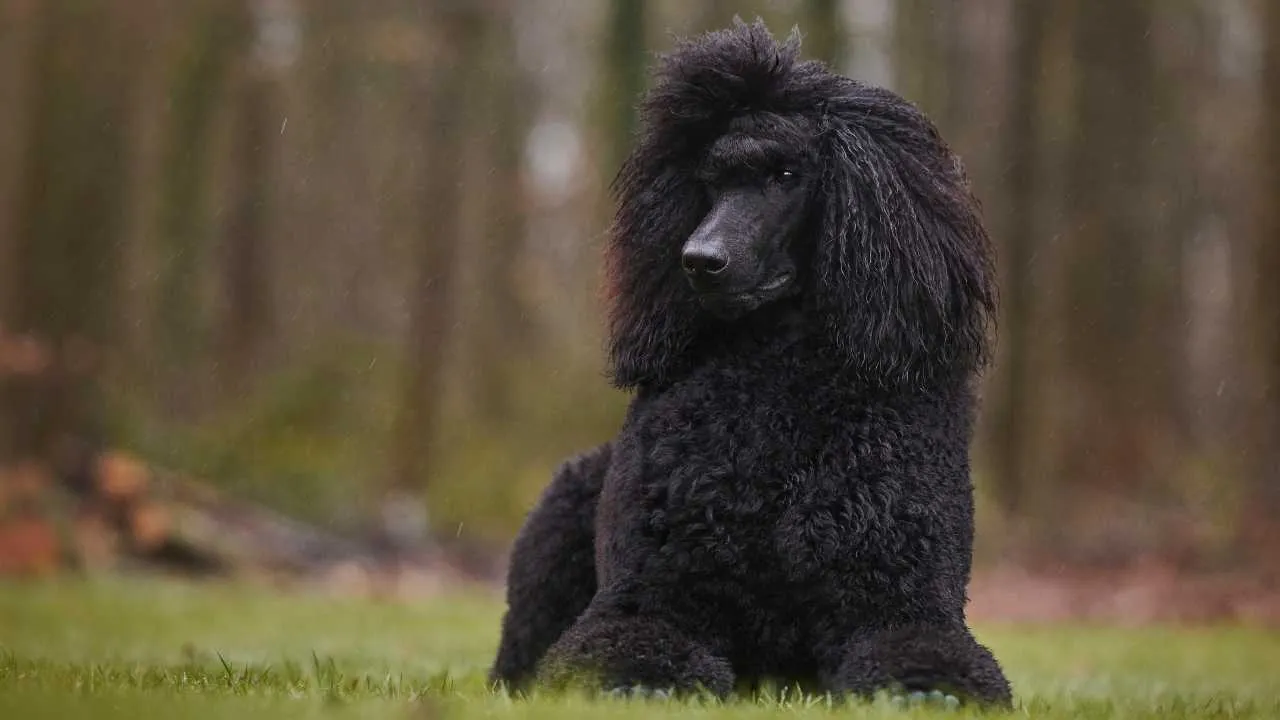
Often linked with France, the Poodle actually began in Germany as a skilled water retriever. Known for remarkable intelligence and keen problem-solving, they became popular performers in circuses thanks to their quick learning and playful nature. Their elegant look and lively personality make them stand out even more.
Exceptional Intelligence
Poodles are incredibly smart. Their exceptional intelligence and easy training save you money and time on professional dog trainers. Since they pick up commands quickly, you can handle most of their socialization and obedience training yourself.
Smaller Variety Means Less Feed
Focusing on the Miniature or Toy Poodle is key to saving money. The smaller variety means less feed is needed compared to the Standard Poodle. This reduces your main recurring food expense. Their smaller body also makes them easier to transport compared to other dogs.
10. Chinese Crested
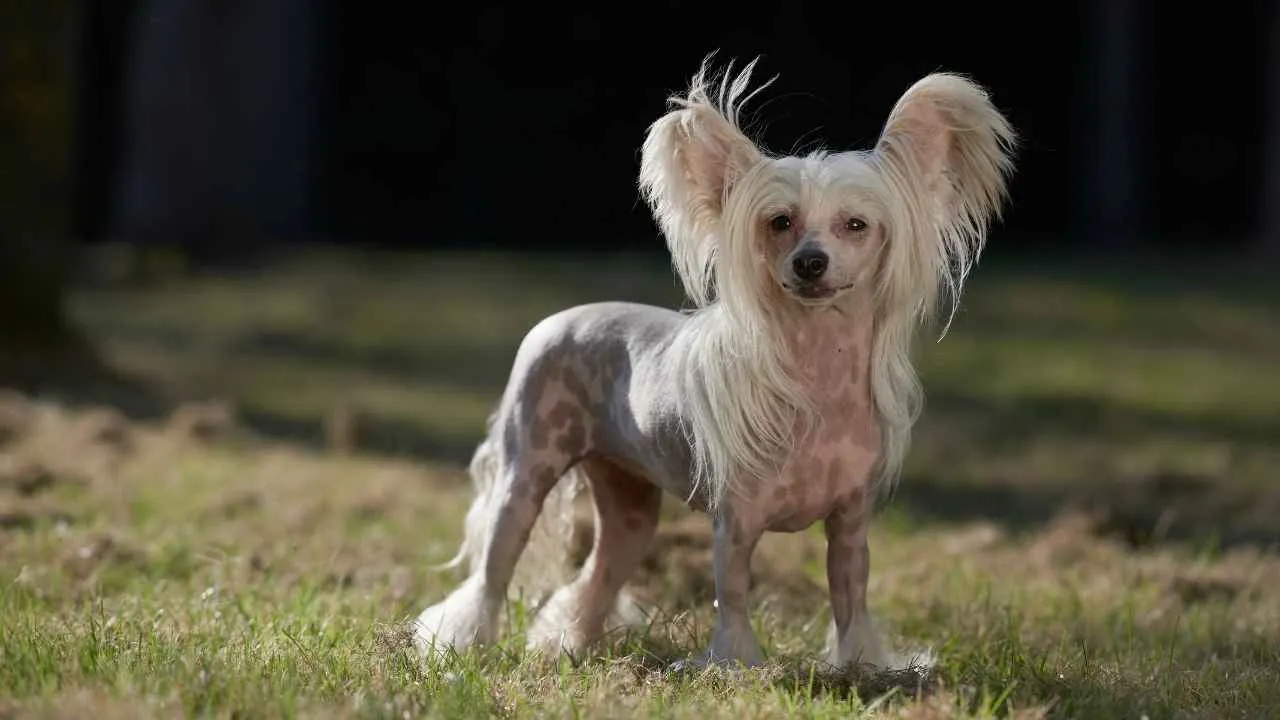
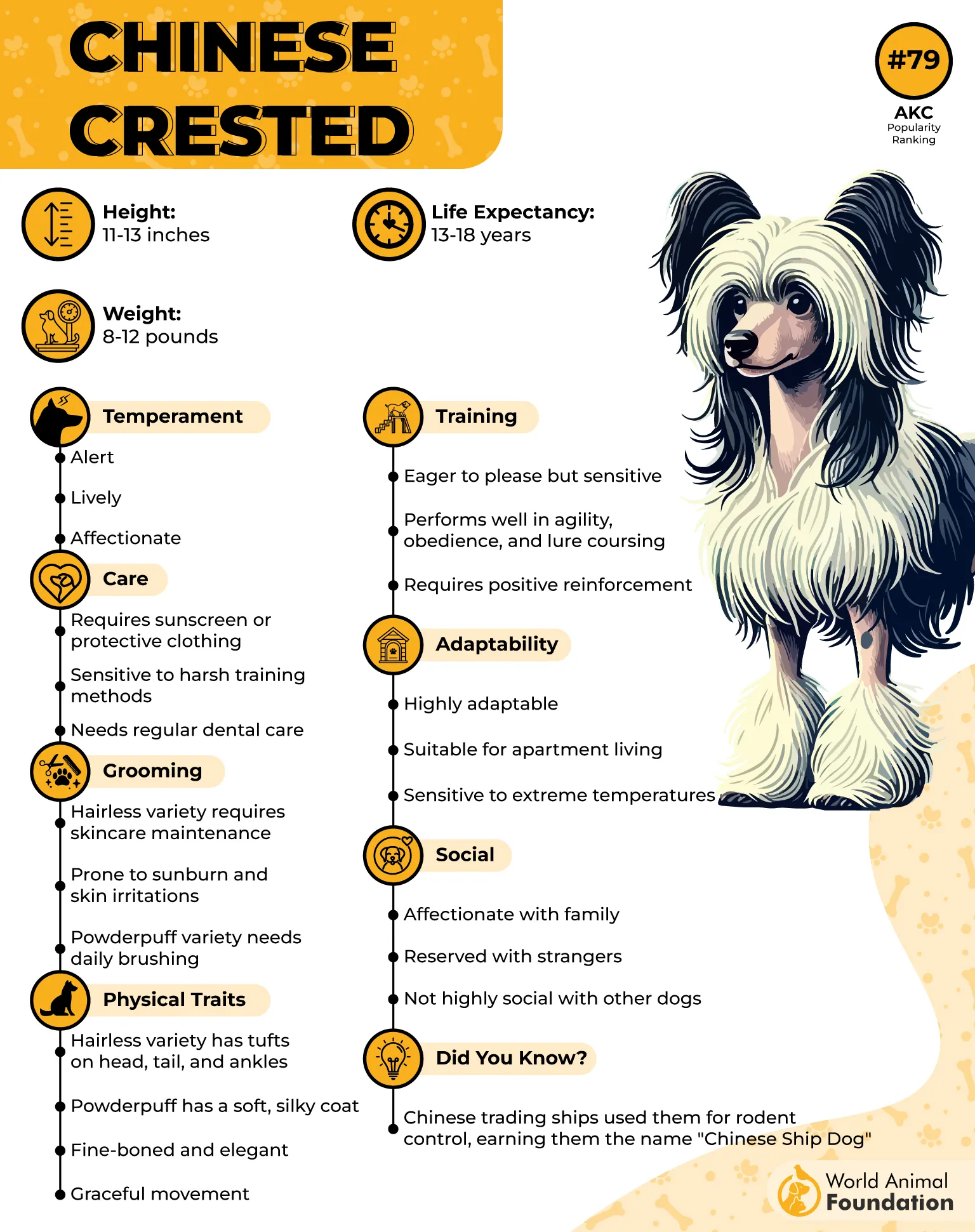
The Chinese Crested is known for its dramatic appearance, often having smooth, hairless skin on its body with tufts of hair on the head, feet, and tail. Despite the name, their origins are likely African, where they were used on ships to hunt vermin. They are highly attentive, charming, and form incredibly strong bonds with their human companions.
Hairless Skin
The hairless skin means you eliminate expensive professional clipping and styling fees, which are a major expense for many breeds. Instead, the budget focuses on necessary skin care products like lotions and sunblock, which are a manageable annual expense.
Delicate Frame Needs Short Play
The Chinese Crested is an indoor companion that is not built for strenuous activity. Their delicate frame needs short play sessions, not long, intense hikes. This means you don’t need expensive outdoor gear, nor do you need to spend money on long, active day care sessions.
Conclusion
Choosing an economical canine companion becomes much easier when you know which traits help reduce long-term costs. Small bodies, simple grooming needs, light food intake, and adaptable temperaments all play a major role in keeping expenses predictable.
Many breeds also offer reliable health and modest activity levels, which further lowers the chance of frequent veterinary bills or pricey outdoor routines.
By focusing on practical features like low-maintenance coats, minimal feeding, manageable exercise, and natural trainability, you can welcome a loving companion without stretching your budget. With thoughtful care and smart planning, the cheapest dog breeds can fit comfortably into any household.
