




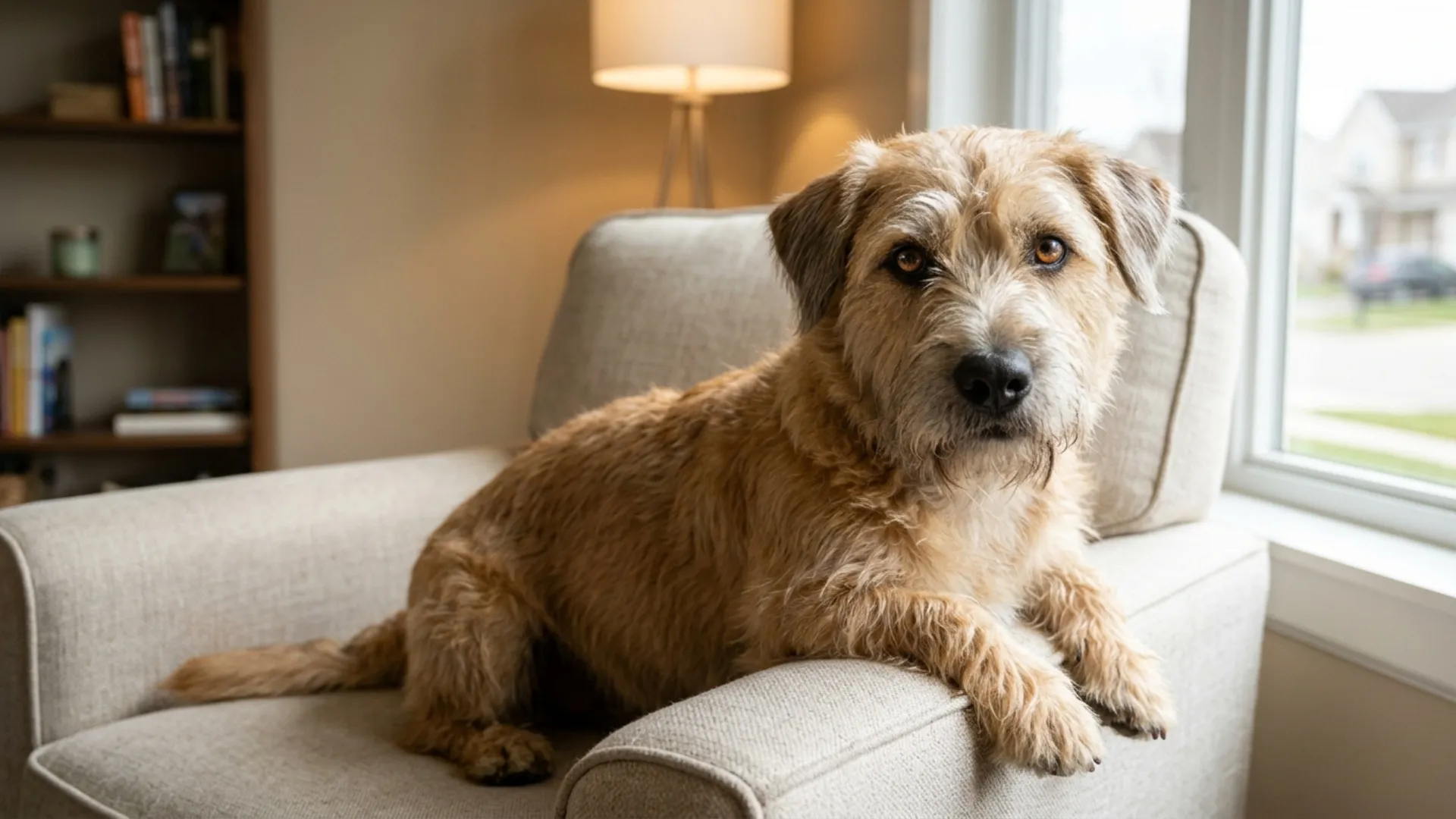
Living with a dog should bring plenty of tail wags, cuddles, and happy moments, but constant barking can quickly become a headache.
Whether you live in an apartment, share walls with neighbors, or simply enjoy a peaceful home, a dog that doesn’t bark at every little sound can make life much easier.
The good news? Some dogs are naturally quieter and are less likely to turn every passing stranger, doorbell, or rustling leaf into a neighborhood announcement!
The key is finding a companion whose temperament and energy level fit your lifestyle. Ready to enjoy more peaceful walks, relaxed evenings, and happier neighbors? These low-barking dog breeds might be just what your home needs!
Low‑Barking Dog Breeds That Keep Your Neighborhood Calm
1. Pekingese
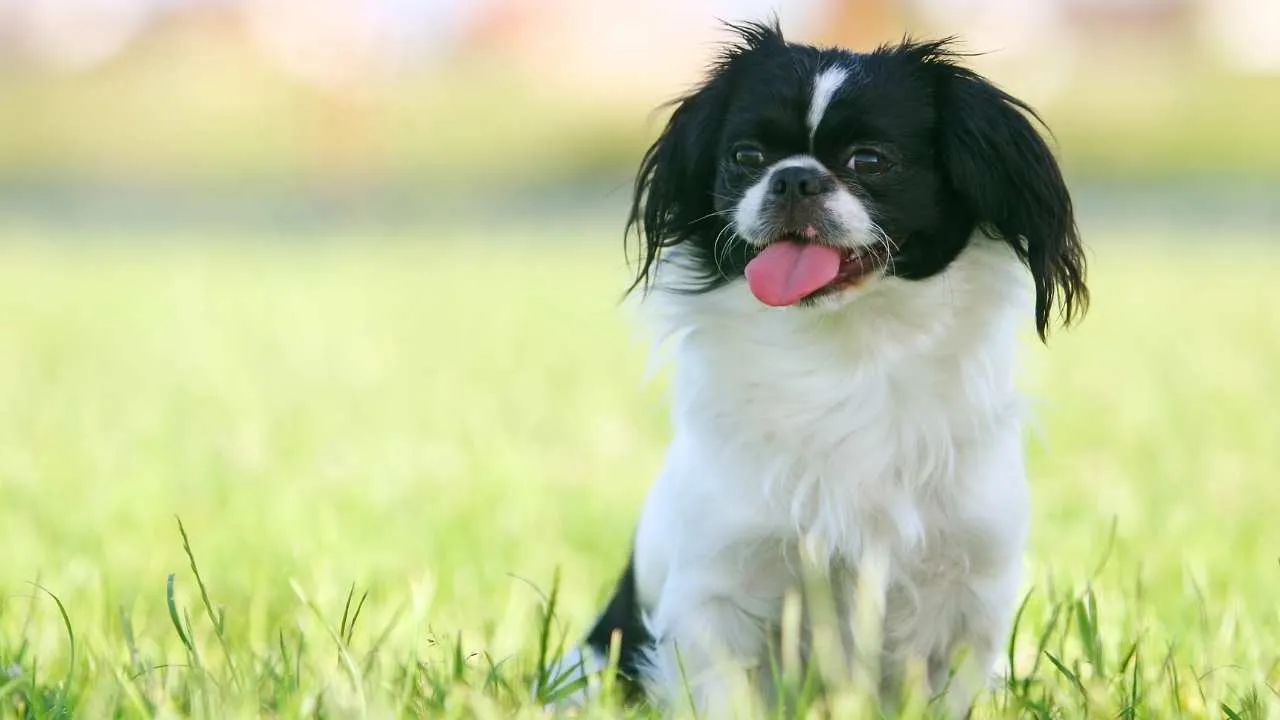
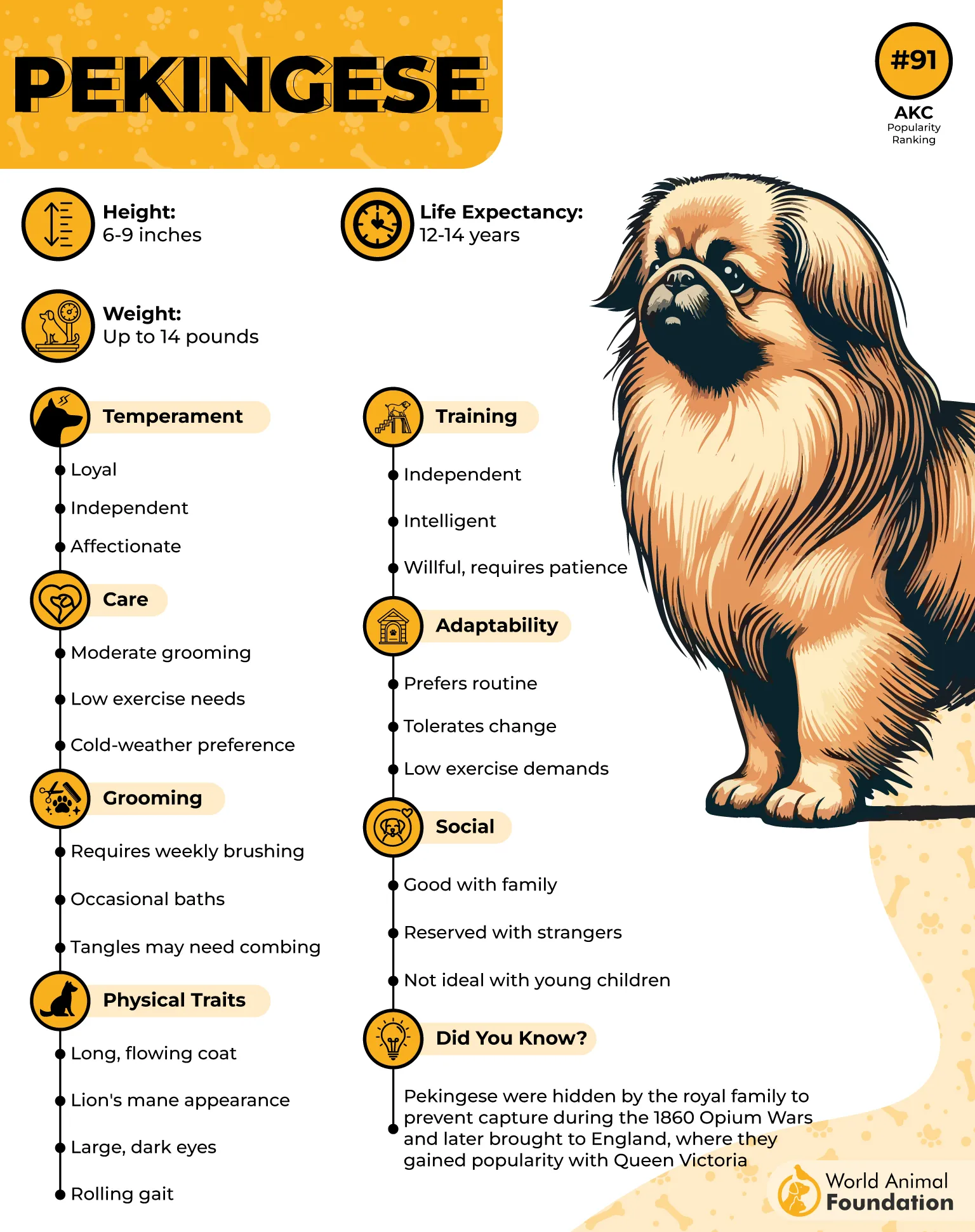
Pekingese dogs have a long history as companions to the royal classes of ancient China. These proud little dogs have a distinctive rolling gait and a thick coat that forms a lion-like mane around their necks and shoulders.
They are affectionate and loyal, often forming a close bond with one favorite person. Despite their regal appearance, they also have a playful and amusing side at home.
Personality and Barking Habits
Pekingese dogs are confident, alert, and independent. They can make good watchdogs and may bark when someone knocks at the door. However, they are not known for being overly active and can suit apartment living.
Purina says they may be reserved around strangers and can become possessive of their favorite person, so early socialization and patient training are important.
Care and Daily Needs
Grooming: Their thick double coats need regular brushing to prevent mats and tangles.
Exercise: They enjoy walks and indoor play but do not need strenuous activity. Their short muzzles make them prone to overheating, so avoid exercise in hot weather.
Training: These strong-willed dogs can be stubborn, so training takes patience and consistency.
2. Chinese Crested

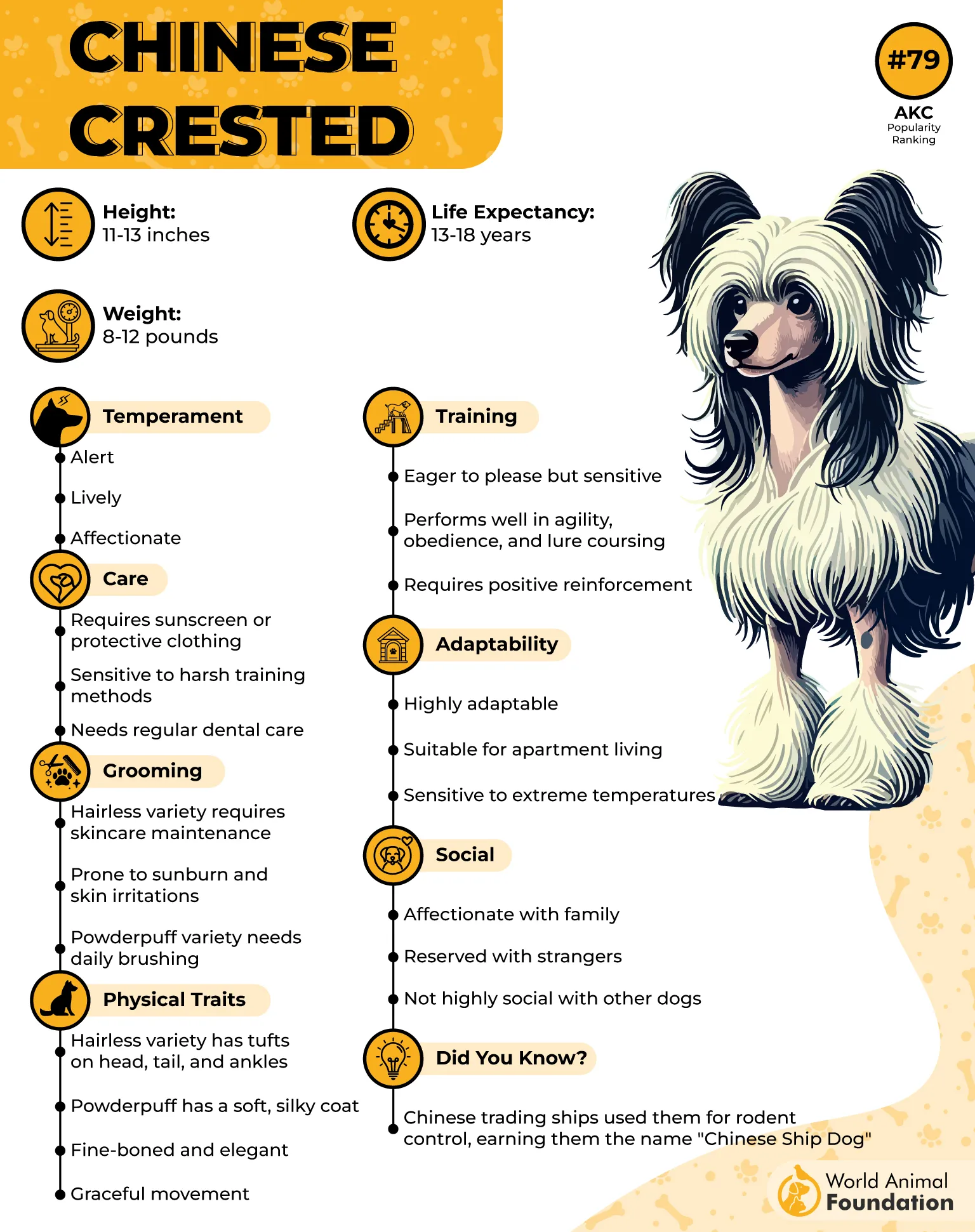
Chinese Crested dogs stand out with their unique looks, graceful movements, and playful personalities. They come in two varieties: hairless dogs with tufts of hair on their heads, tails, and ankles, and Powderpuffs with soft, silky coats.
These lively companions are affectionate and form close bonds with their families. They love attention and often greet their owners with an excited little trot.
Personality and Barking Habits
Chinese Crested dogs are bright, alert, and sensitive. They may bark to alert their owners to unfamiliar people or sounds, but their barking habits can vary. Early socialization and gentle training can help them feel comfortable in different situations.
They generally do well with children and other pets when properly socialized. Since they thrive on companionship, they may not enjoy being left alone for long periods.
Care and Daily Needs
Grooming: Hairless dogs have little shedding, while Powderpuffs need care for their soft coats.
Exercise: These energetic little dogs enjoy playtime and activities with their owners.
Training: Their intelligence and willingness to learn make training easier when it is gentle and positive.
3. Japanese Chin
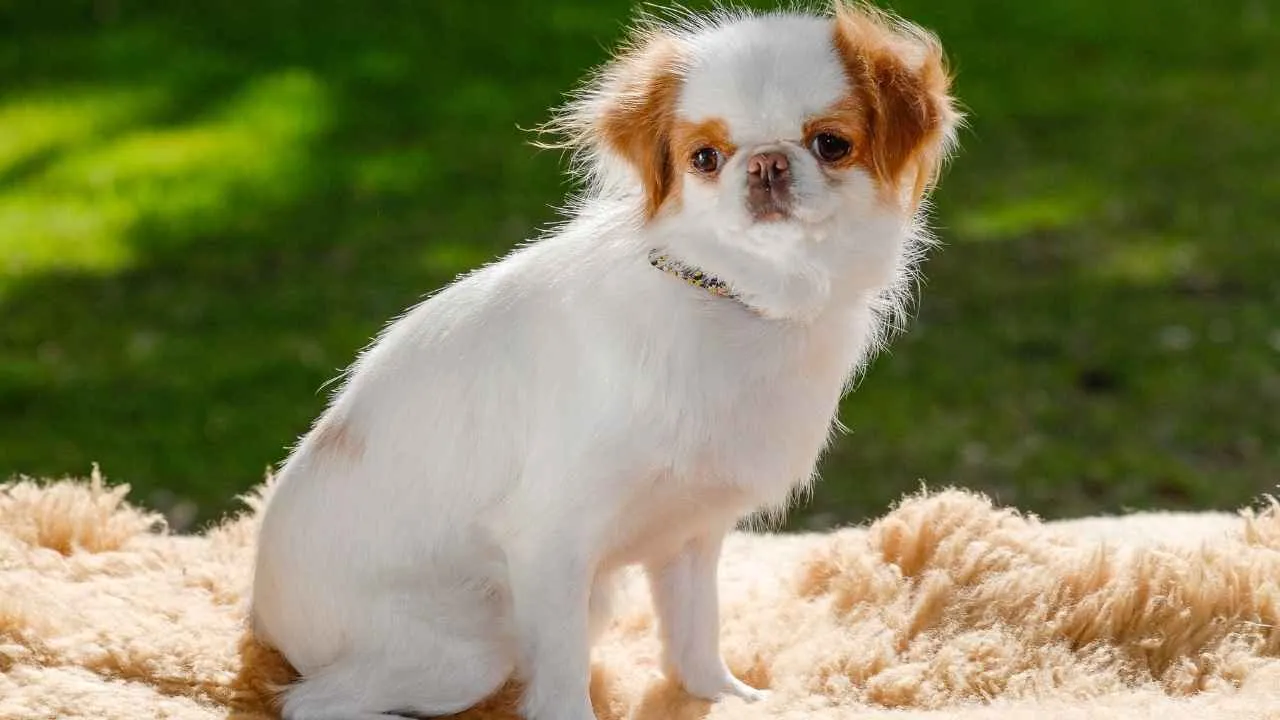
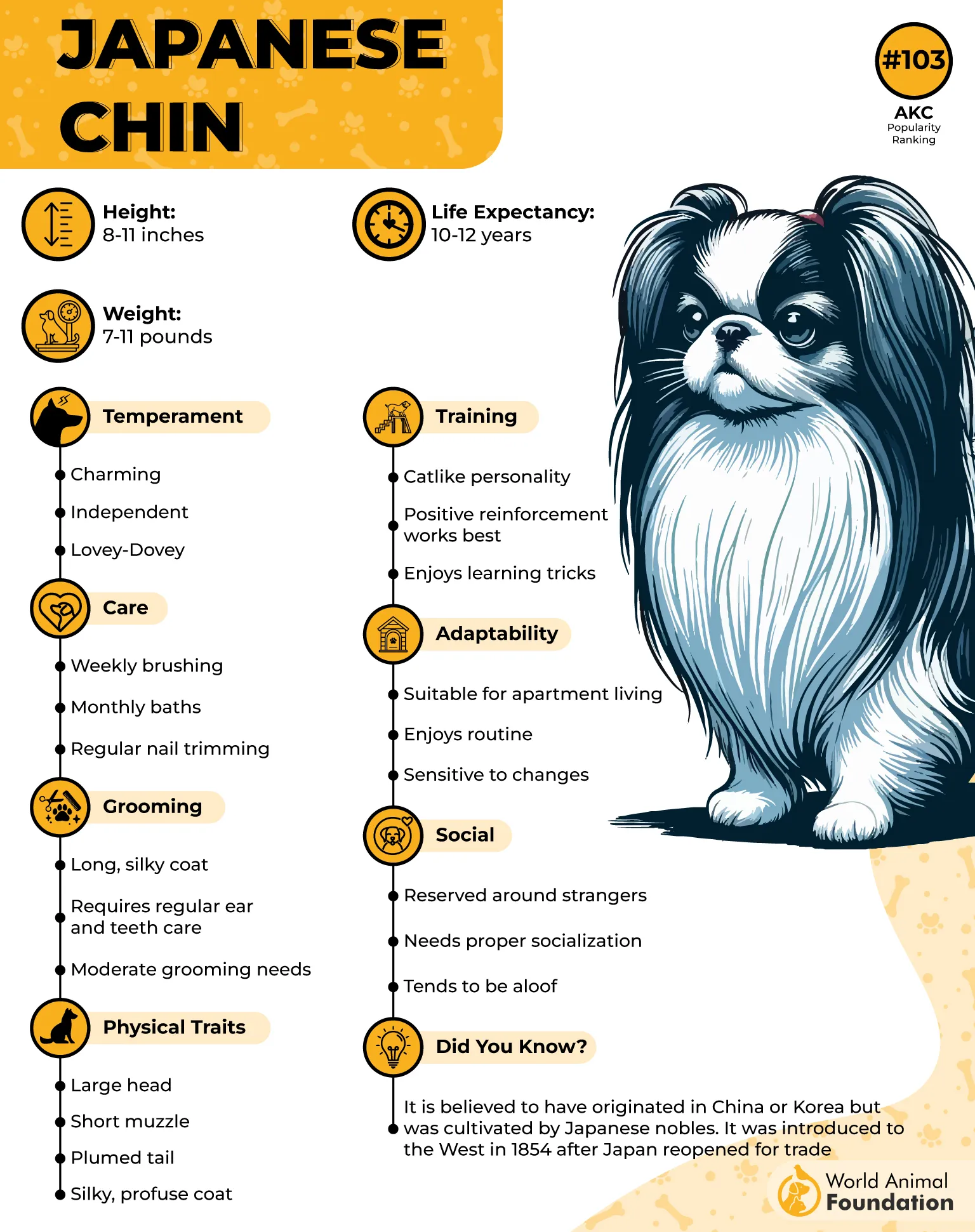
Japanese Chin dogs are elegant companions known for their silky coats, large round eyes, and aristocratic appearance. According to PetMD, their history is linked to Asian nobility, and they were kept by Buddhist monks and gifted to royal families.
These tiny indoor dogs have a graceful, cat-like nature. They may even clean their faces with their paws or climb onto high furniture to find a comfortable spot.
Personality and Barking Habits
Japanese Chin dogs are generally quiet, playful, and friendly. They may bark when someone arrives at the door, but they usually welcome visitors without much fuss.
They enjoy meeting people, playing with children, and living with other animals when raised together. These intelligent dogs can learn tricks but may become bored with repetitive training. Short, fun sessions with praise and affection work best.
Care and Daily Needs
Grooming: Their silky coats need brushing once or twice a week, with baths as needed.
Exercise: They enjoy walks and playful activities but do not need demanding exercise routines.
Training: Keep sessions short and enjoyable. Praise and games help maintain their interest.
4. Boston Terrier
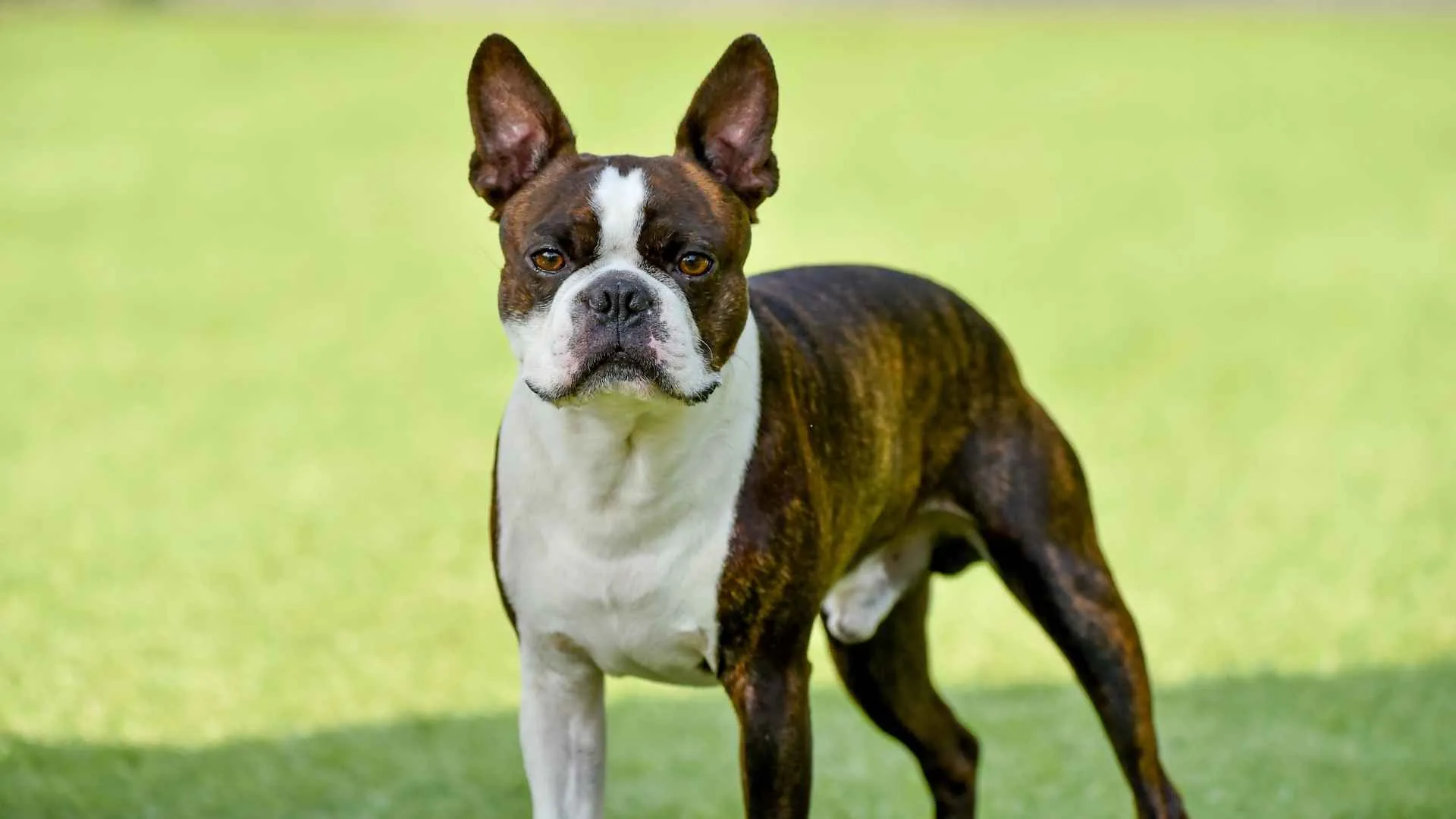
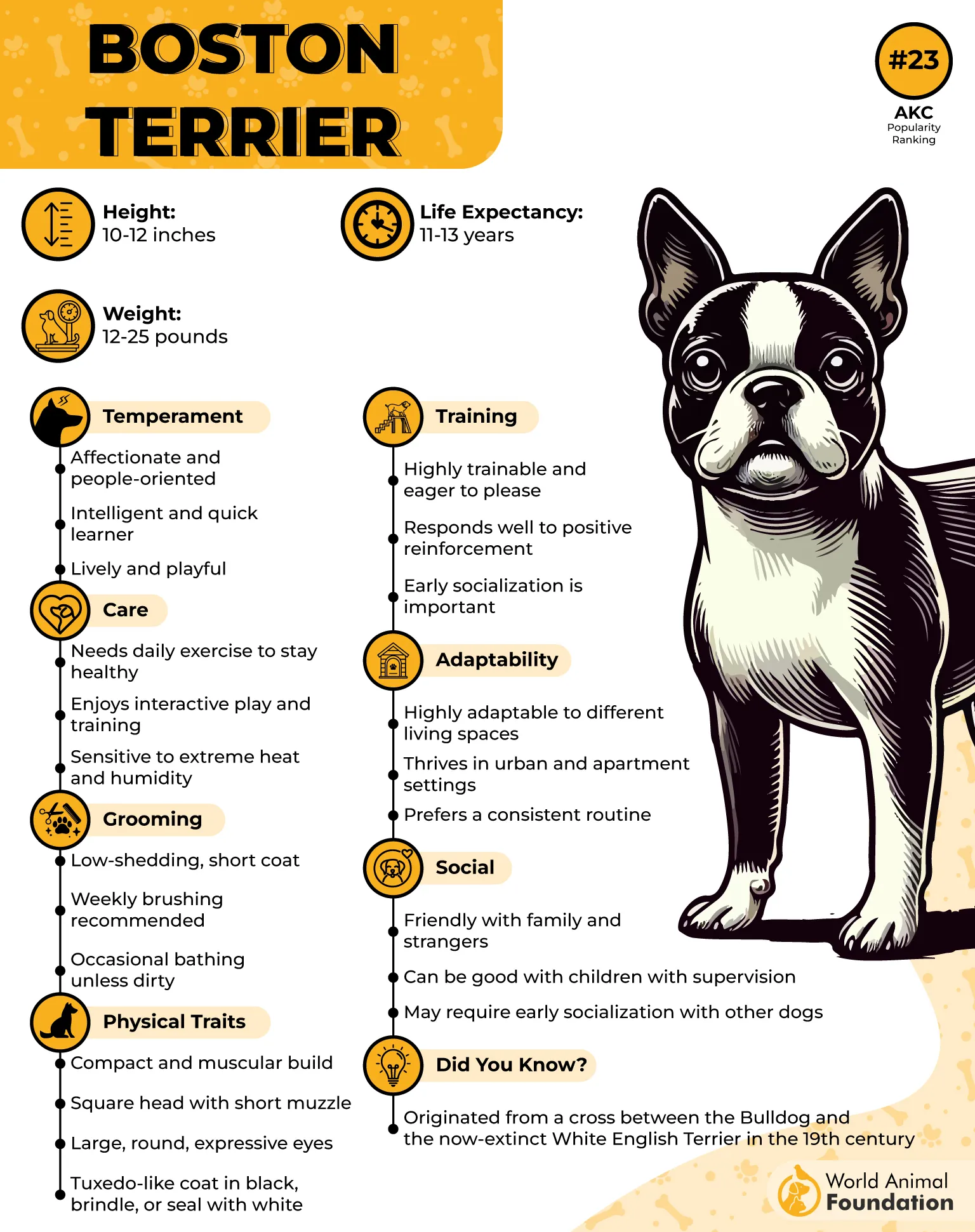
Boston Terriers, often called the “American Gentleman,” are known for their distinctive tuxedo-like coats, compact bodies, and large, expressive eyes. Originally from Boston, these cheerful dogs are affectionate, playful, and full of character.
They love spending time with their families and enjoy joining in with everyday activities. Despite their lively nature, they are also happy to relax on a comfortable lap.
Personality and Barking Habits
Boston Terriers are alert, social, and playful, but they can also be strong-willed. They may bark to alert their owners or respond to unfamiliar dogs and sounds, though their barking habits vary. They can be reserved around strangers and assertive toward unfamiliar dogs.
Early training and positive reinforcement help encourage good behavior. They usually get along well with children who play gently and with other household pets.
Care and Daily Needs
Grooming: Their short coats are easy to maintain.
Exercise: They enjoy walks and playtime but need only moderate exercise. Their short muzzles can cause breathing difficulties, so avoid strenuous activity and hot weather.
Training: These quick learners respond well to treats, games, and encouragement.
5. Cavalier King Charles Spaniel

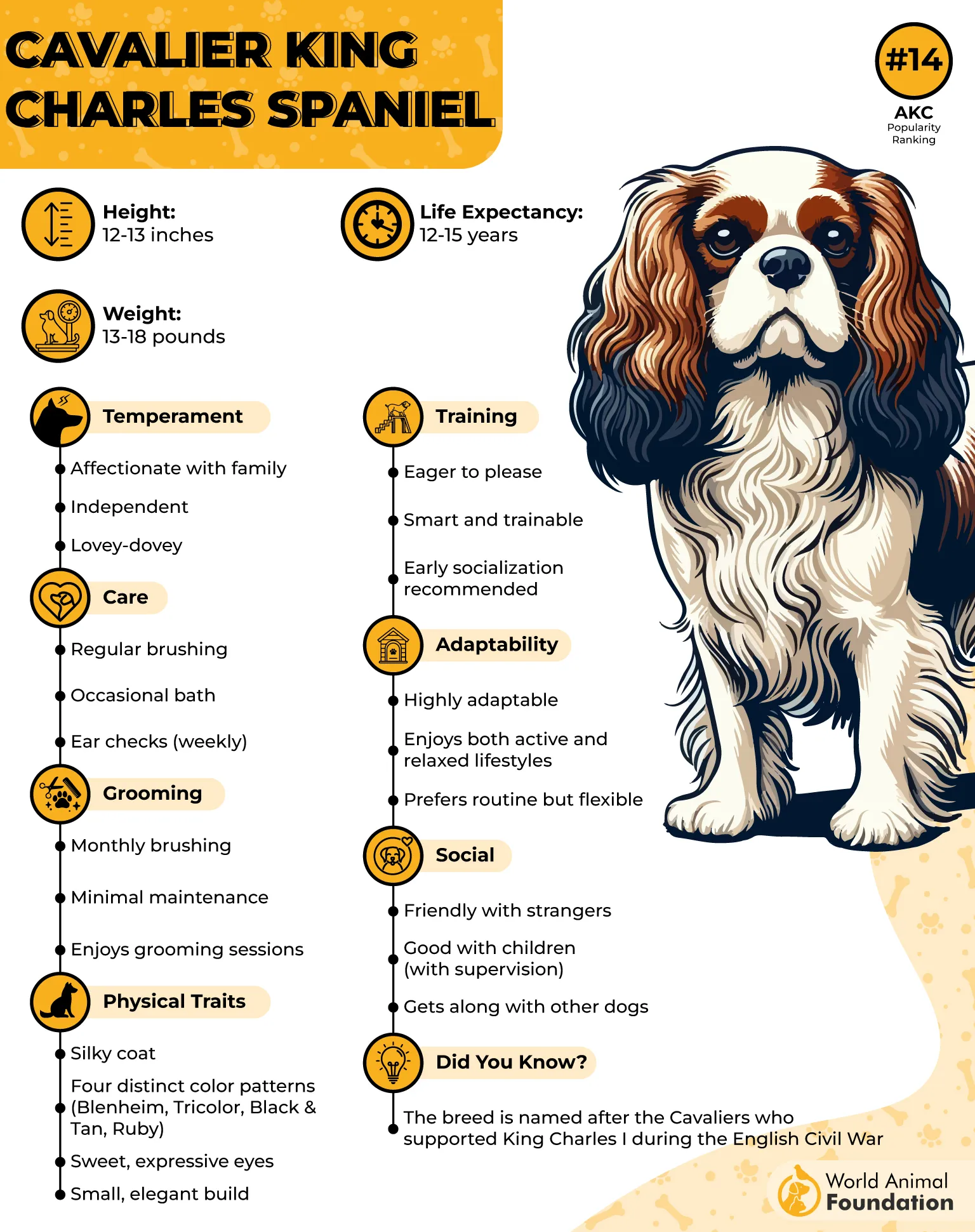
Cavalier King Charles Spaniels are affectionate companion dogs with a royal history. They were favorites of British kings Charles I and Charles II, who took them almost everywhere.
These graceful dogs have silky coats, large round eyes, and a sweet expression. They are friendly, adaptable, and happy to spend time cuddling with their families or enjoying outdoor activities.
Personality and Barking Habits
Cavalier King Charles Spaniels are generally quiet and are not known for excessive barking. Their friendly nature makes them more likely to welcome visitors than act as watchdogs.

They usually get along well with children, strangers, and other pets. These playful, gentle dogs are also eager to please, making them relatively easy to train with positive reinforcement. They thrive on human companionship and may struggle when left alone for long periods.
Care and Daily Needs
Grooming: Their long, silky coats need regular brushing to manage loose hair and prevent tangles. Check their ears and eyes regularly.
Exercise: Two daily walks of around 20–30 minutes, along with playtime, can meet their moderate exercise needs.
Training: They respond well to praise and positive reinforcement.
6. Glen Of Imaal Terrier
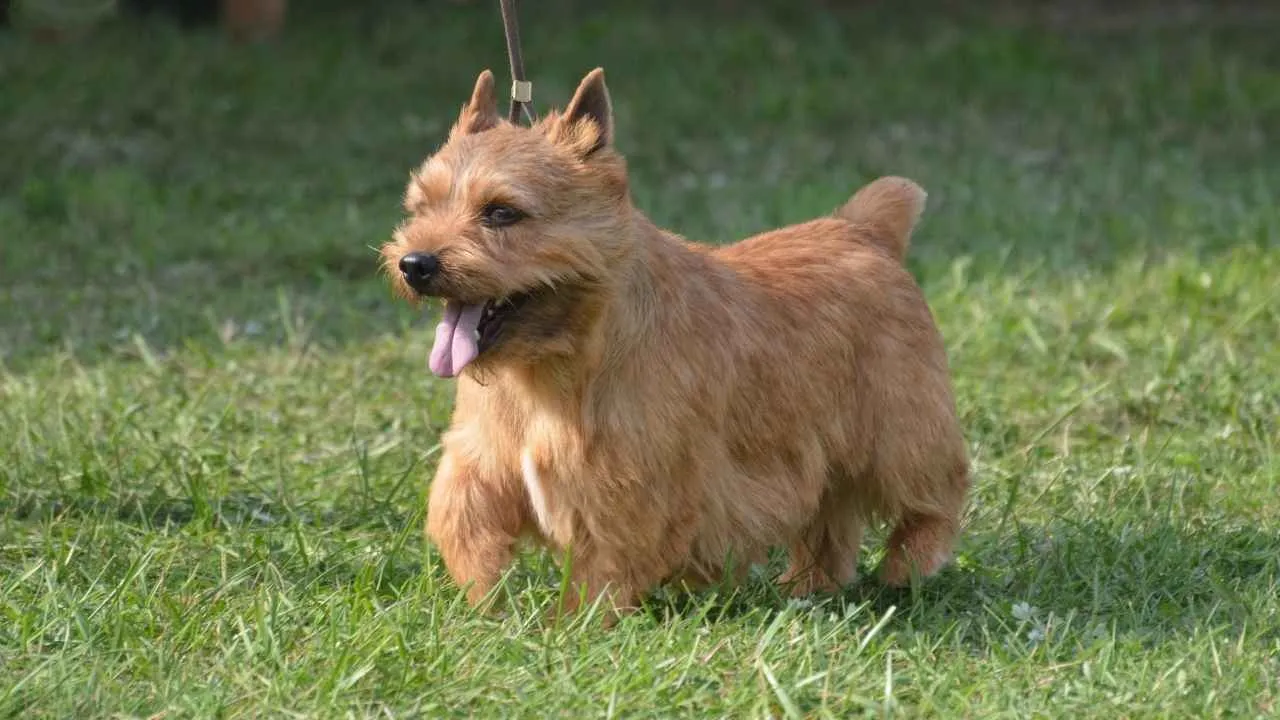
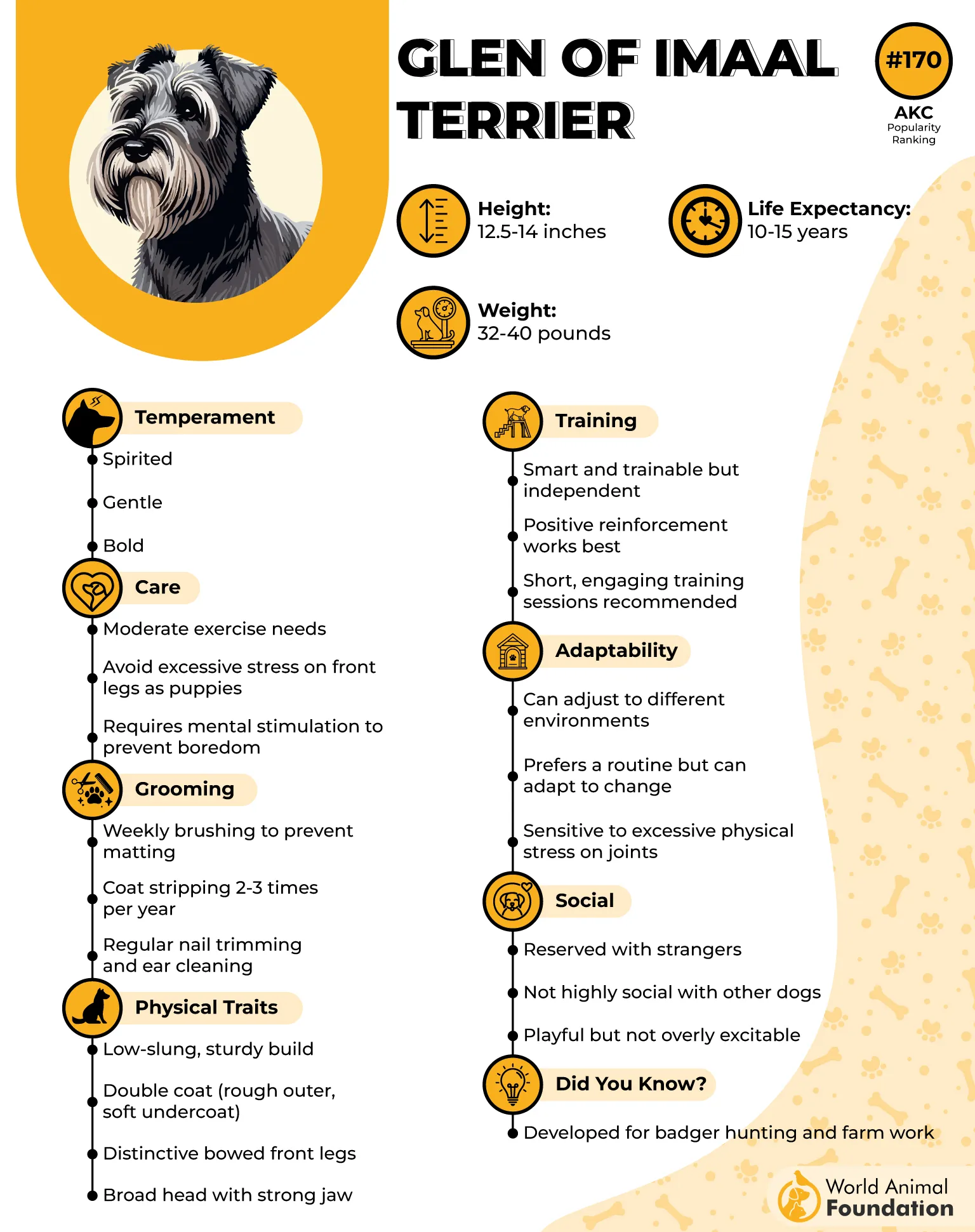
Glen of Imaal Terriers originated in Ireland, where they worked on farms and hunted vermin, badgers, and foxes. These sturdy dogs have wiry double coats, broad heads, and slightly bowed front legs.
They are affectionate with their families and enjoy joining in with everyday activities, whether it means going for a walk or relaxing on the couch.
Personality and Barking Habits
Glen of Imaal Terriers are bold, intelligent, and playful, but they are generally quieter than many other terriers, as noted by VCA. They can settle down at home after getting enough physical and mental exercise.
They are loving with children when properly socialized and treated gently. However, some may be aggressive toward unfamiliar dogs, and their strong prey drive means they should be kept on a leash or in a secure area outdoors.
Care and Daily Needs
Grooming: Their wiry double coats need regular care to stay in good condition.
Exercise: They enjoy walks, hikes, and activities that challenge their minds. They also appreciate quiet time at home.
Training: These clever dogs can be stubborn with repetitive exercises. Use food rewards, toys, and consistent, gentle handling.
7. French Bulldog
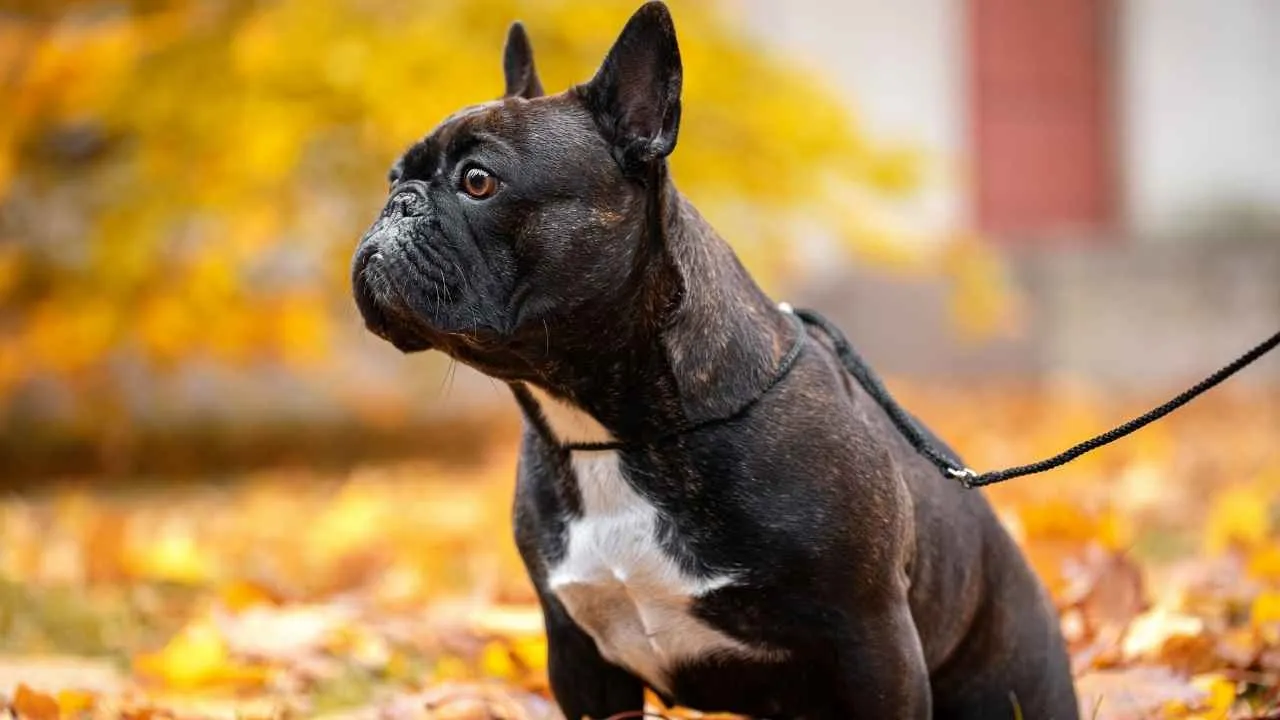
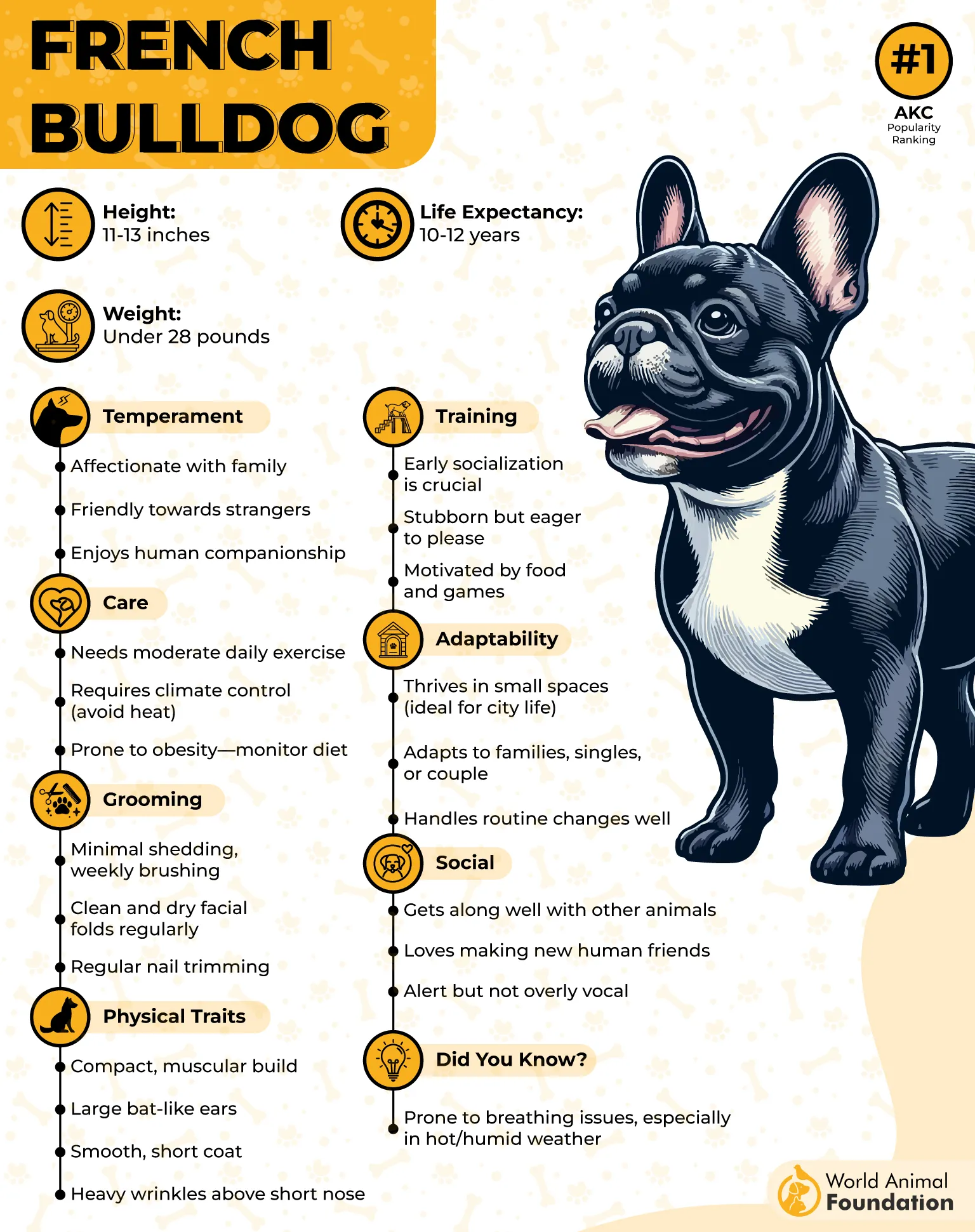
French Bulldogs are popular companions known for their bat-like ears, wrinkled faces, and compact, muscular bodies. Despite their grumpy expressions, these dogs are cheerful, affectionate, and full of playful antics.
They adapt well to city living and suit first-time owners, singles, couples, and families. Frenchies enjoy both playtime and relaxing beside their favorite people.
Personality and Barking Habits
French Bulldogs are relatively quiet dogs that do not bark much. However, they are alert and may bark to let their owners know when someone is approaching. They make good watchdogs but are not suited to protection work.
Frenchies usually get along well with children, other dogs, cats, and unfamiliar people when properly socialized. They also form strong bonds with their families and may become anxious when left alone for too long.
Care and Daily Needs
Grooming: Their smooth coats are relatively easy to maintain.
Exercise: They enjoy short walks and playtime but do not need intense exercise. Their short muzzles make them sensitive to heat, so avoid overexertion in hot weather.
Training: Use patient, consistent training and positive reinforcement to manage their stubborn streak.
Conclusion
Choosing a low-barking dog can make life more peaceful for you and your noise-sensitive neighbors. From affectionate lap dogs to sturdy, playful companions, these breeds offer different personalities and care needs while generally keeping the noise down.
Remember that every dog is different, and barking habits also depend on training, socialization, and feeling secure at home.
Before bringing a dog home, consider your living space, daily routine, and the time you can give your new companion. Research your favorite breeds, meet them in person, and choose a dog whose temperament suits your lifestyle.
After all, a calm neighborhood doesn’t mean a quiet bond. Sometimes, the best companionship comes with fewer barks and plenty of love.
