




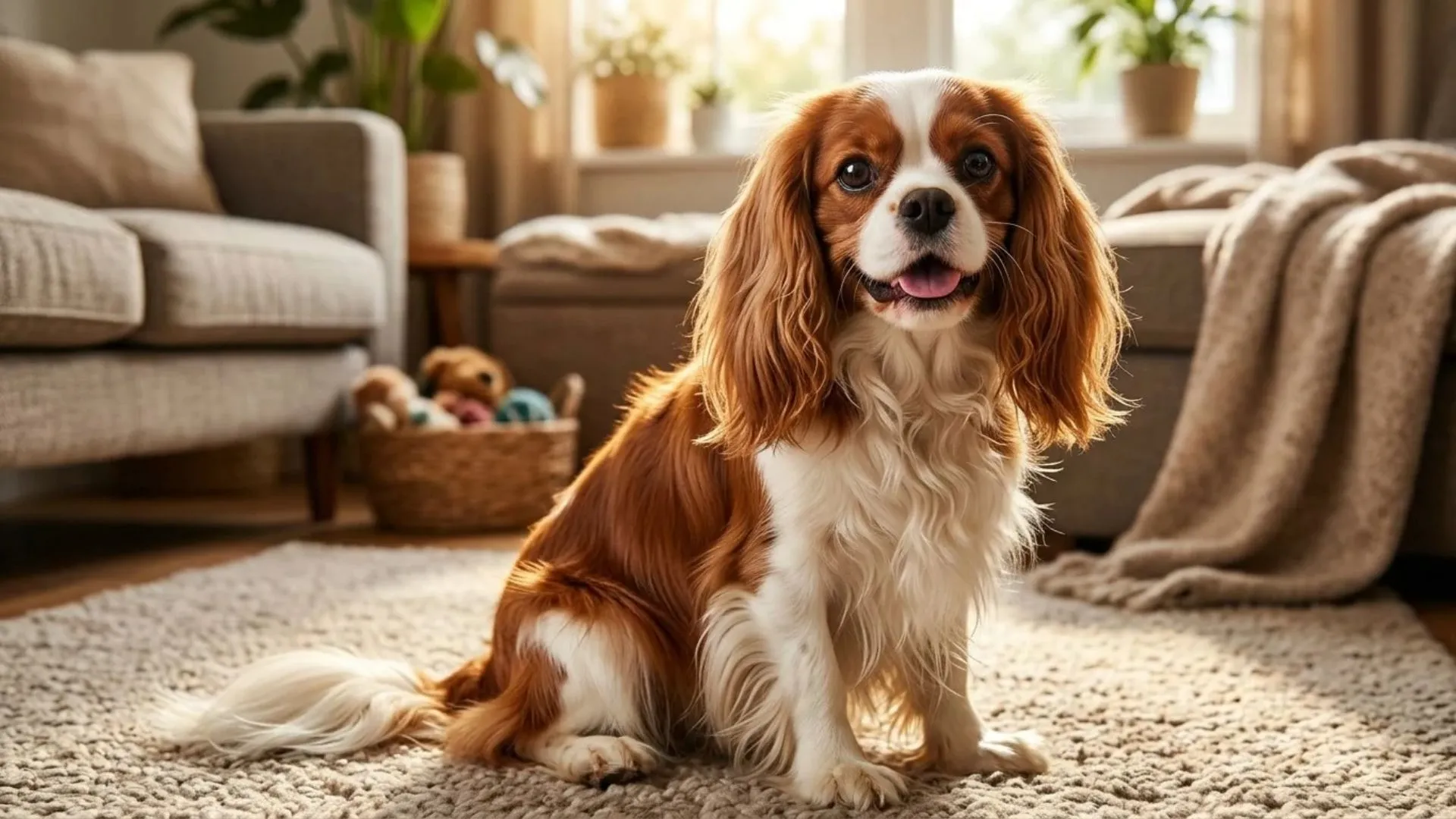
Picture this: a gorgeous, flowing coat catches your eye at the shelter, so you bring that pup home within the week. 3 months later, you’re buried in brushes, combs, and tangles you never saw coming.
CKCUSA asserts that neglecting regular grooming traps moisture against the skin, leading to irritation, inflammation, and potential infections.
Here’s the good news: not every long coat demands the same daily grooming routine or professional grooming schedule. Some flowing, silky coats forgive a missed day or 2, while other long-haired breeds mat within days if ignored.
If you’re a first-time pet parent eyeing a long coat, you’re about to find your shortlist. Keep scrolling to see which long-haired breeds make grooming simple enough for even the newest dog owners to master.
Lovely Long-Haired Dog Breeds Options for New Owners
1. Havanese
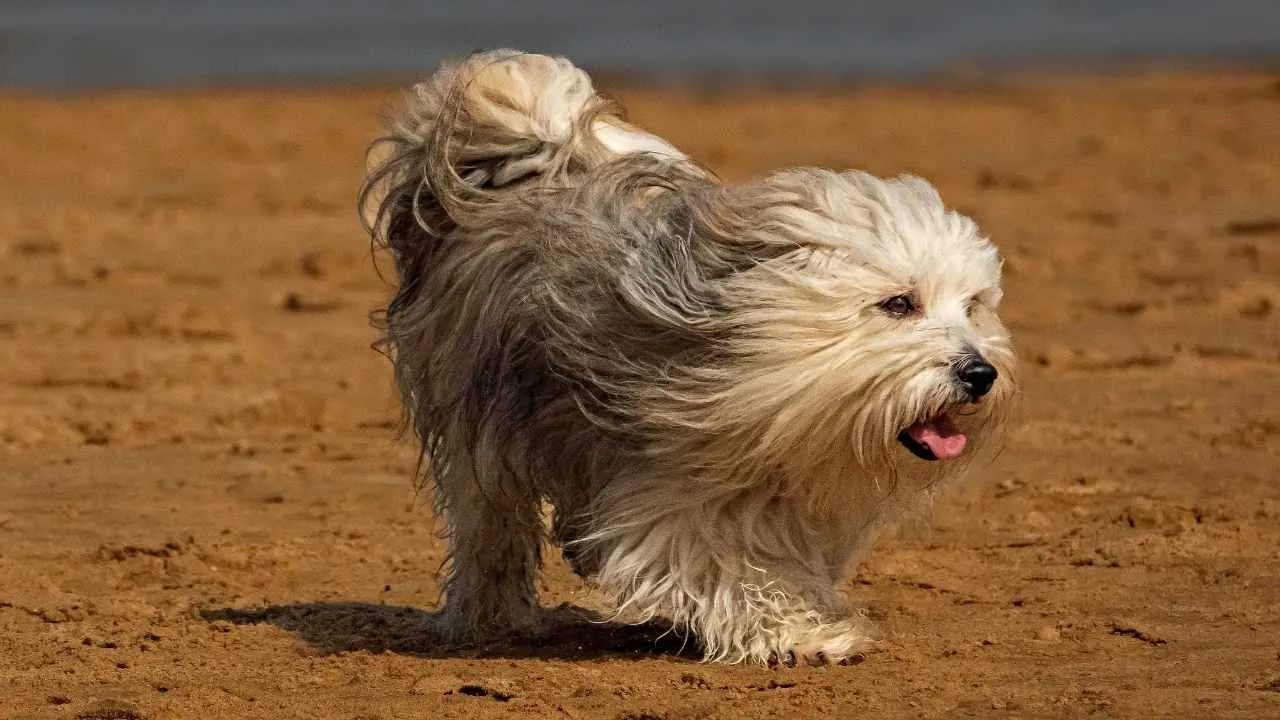
Havanese dogs are affectionate and easygoing, so grooming sessions feel more like cuddle time than a chore. They settle quickly once they trust the process. That calm nature helps first-time pet parents build confidence fast.
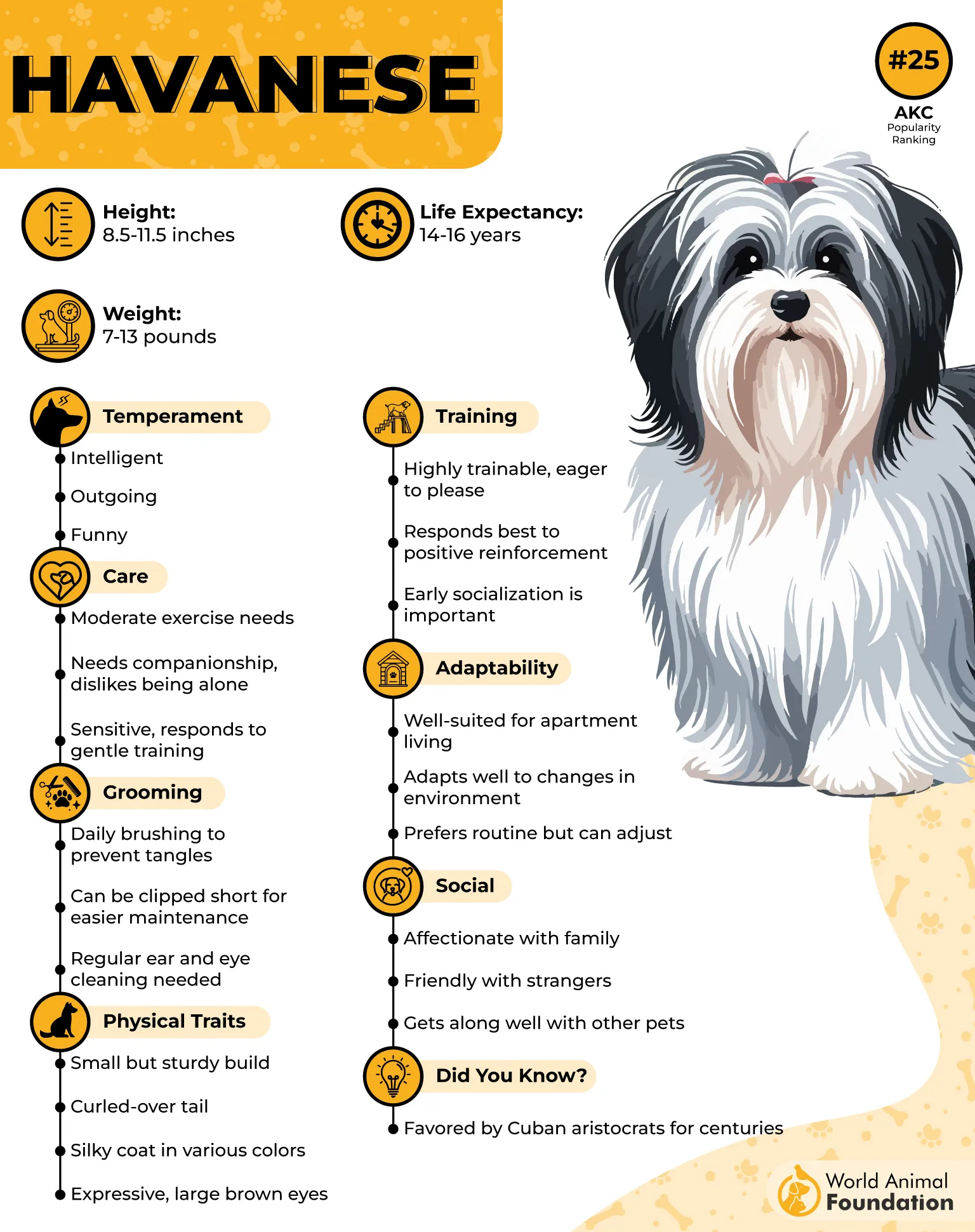
The Havanese wears a long, silky coat that falls in soft waves, not tight curls. It is a single coat with no dense undercoat underneath. The AKC notes the breed was originally bred as a companion dog in Cuba.
Frequency: Brush daily to prevent loose hair from tangling.
Tools: Use a slicker brush and a wide-tooth comb.
Common mistake: New pet parents brush over small knots instead of combing through them.
This coat forgives the occasional missed day without much fuss. A full missed week usually means small tangles near the ears and legs.
2. Cavalier King Charles Spaniel
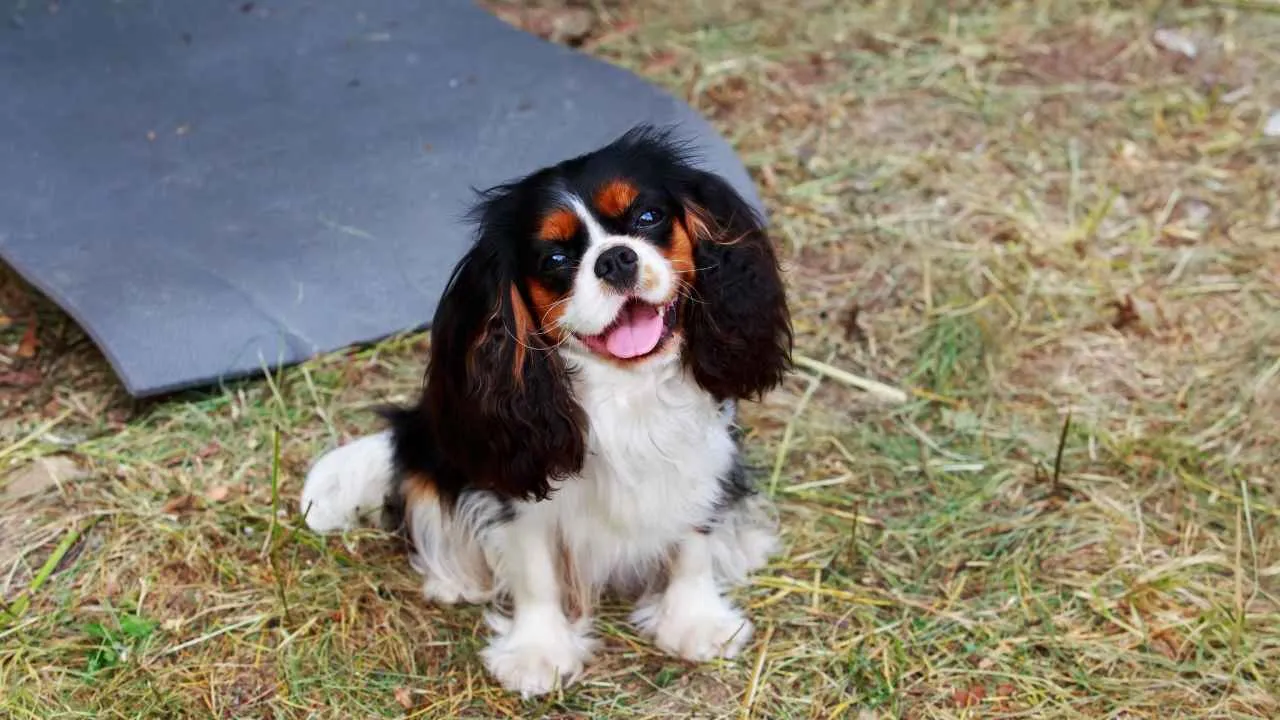
Cavalier King Charles Spaniels have a gentle nature and enjoy being fussed over, so grooming rarely turns into a struggle. They sit still happily during ear and leg brushing. That patience saves a nervous beginner real stress.
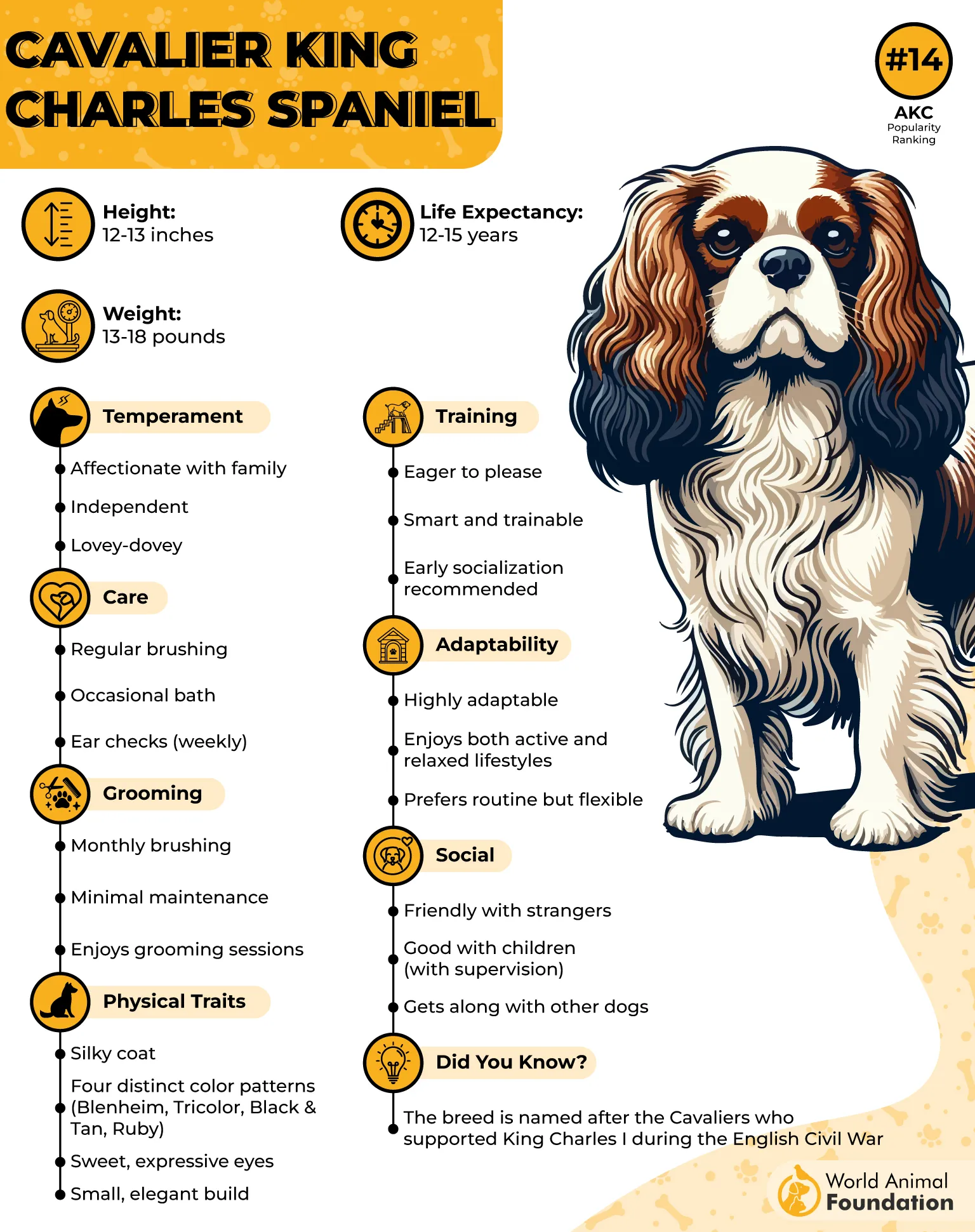
This cute breed carries a silky, flowing coat with feathering on the ears, chest, and legs. It is a single coat without a dense undercoat. The VCA points out the feathering is where most tangles actually start.
Frequency: Brush the feathered areas 2 or 3 times a week.
Tools: A pin brush glides through feathering without pulling.
Common mistake: First-time dog parents skip the ears, where food and moisture build sticky tangles.
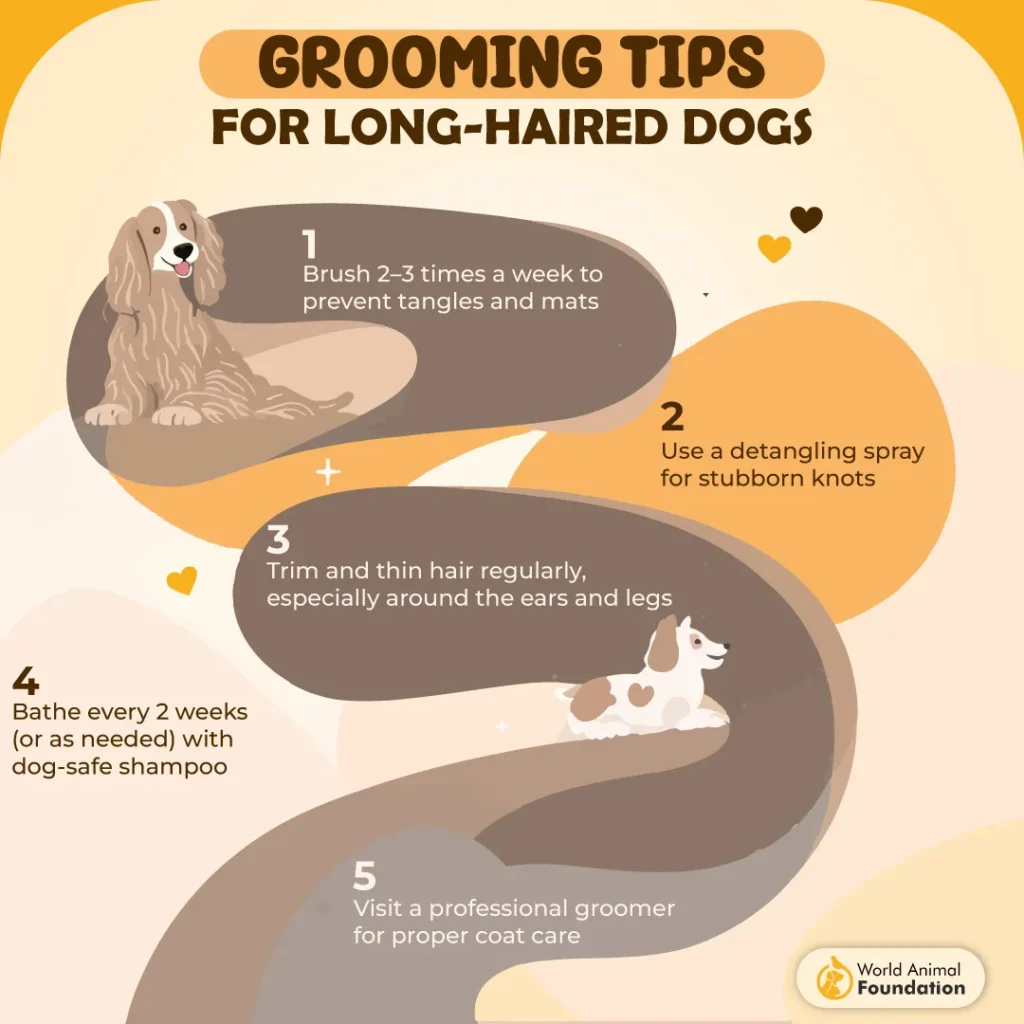
This coat tolerates a missed week better than most long-haired breeds here. A full month of neglect turns soft feathering into stubborn knots.
3. Maltese
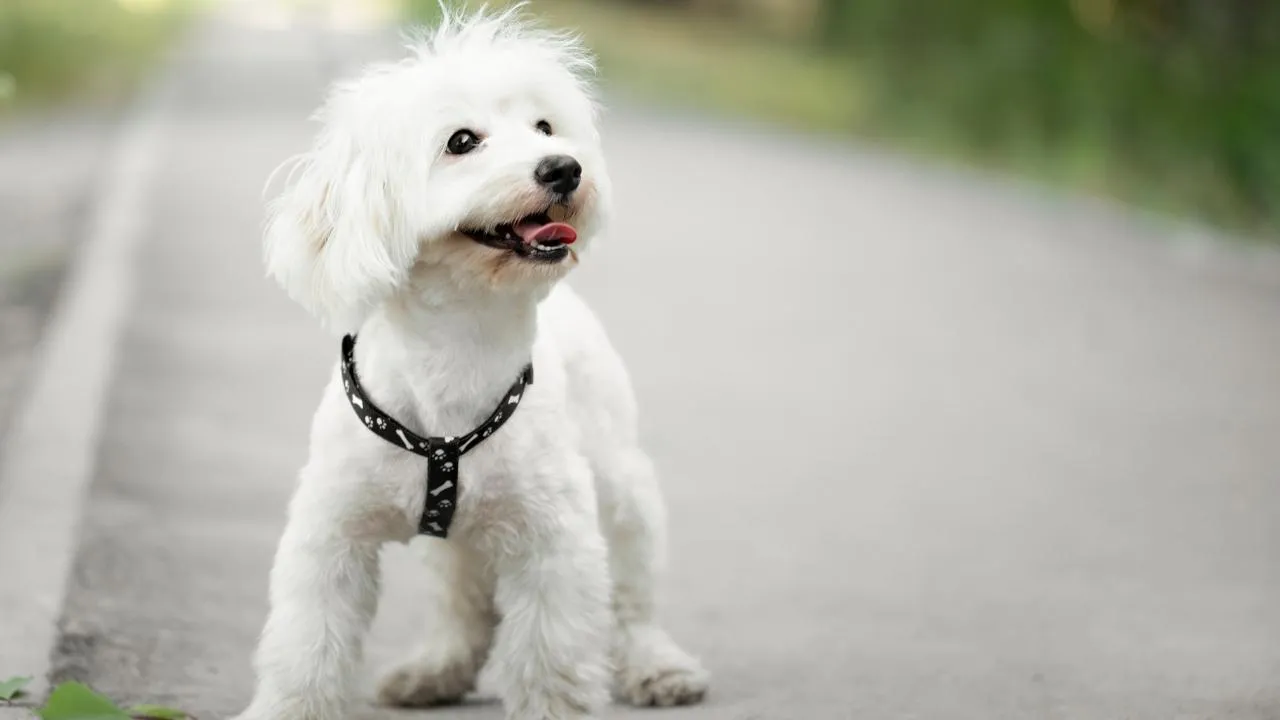
Maltese dogs love attention and rarely squirm during brushing once they trust the process. Early sessions can test a new owner’s patience, since this tiny breed has a stubborn streak. Stick with it, and cooperation comes fast.
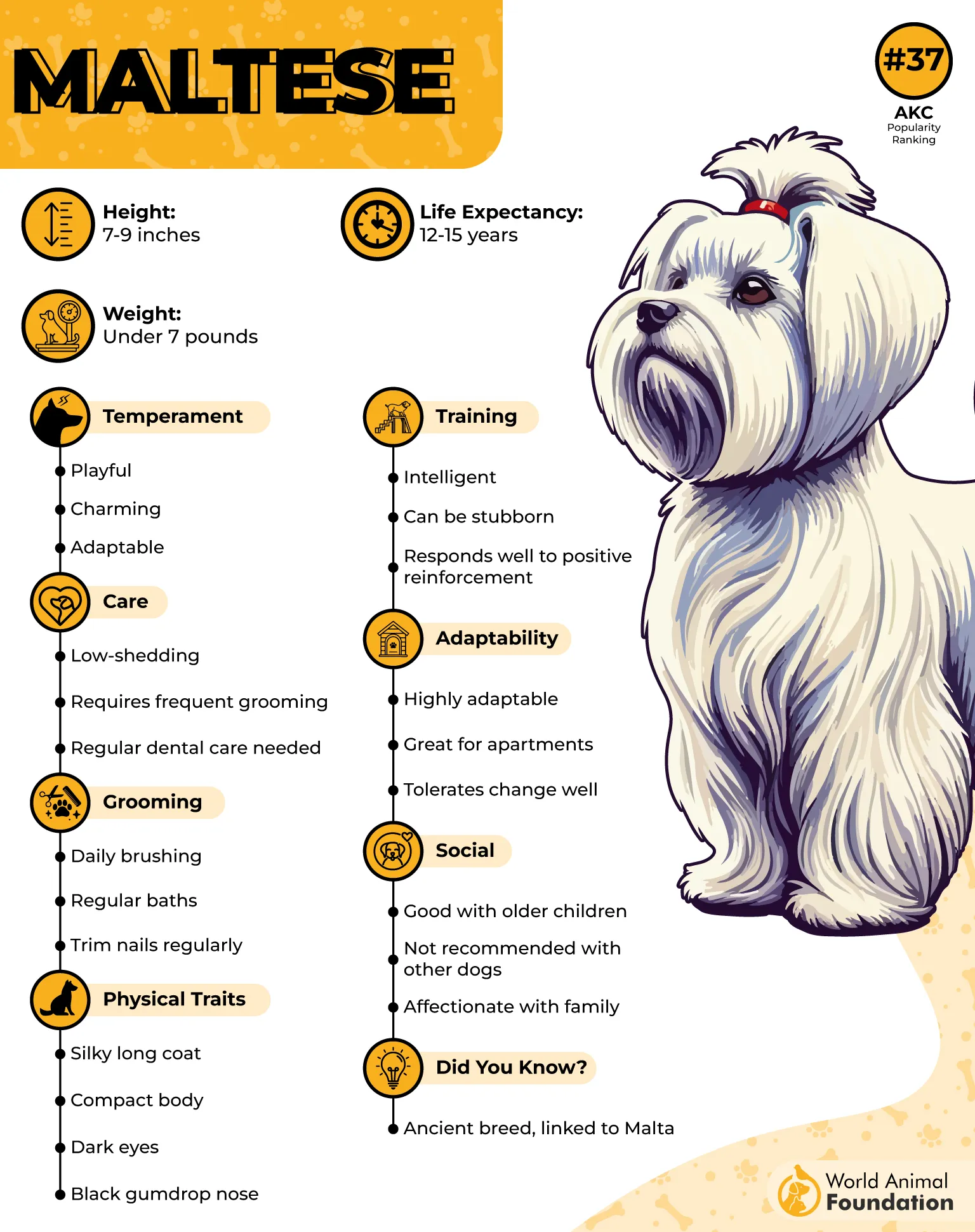
The Maltese is a fluffy white dog with a straight, silky coat often compared to flowing human hair. PetMD describes it as a single coat with no insulating undercoat beneath. That means low shedding but daily upkeep instead.
Frequency: Brush the entire coat daily, not just the top layer.
Tools: A metal comb finds hidden knots a brush can miss.
Common mistake: Owners groom only the surface and miss mats near the skin.
This coat leaves little room for error. A few skipped days and it starts matting close to the skin. True beginners need daily consistency.
4. Shih Tzu
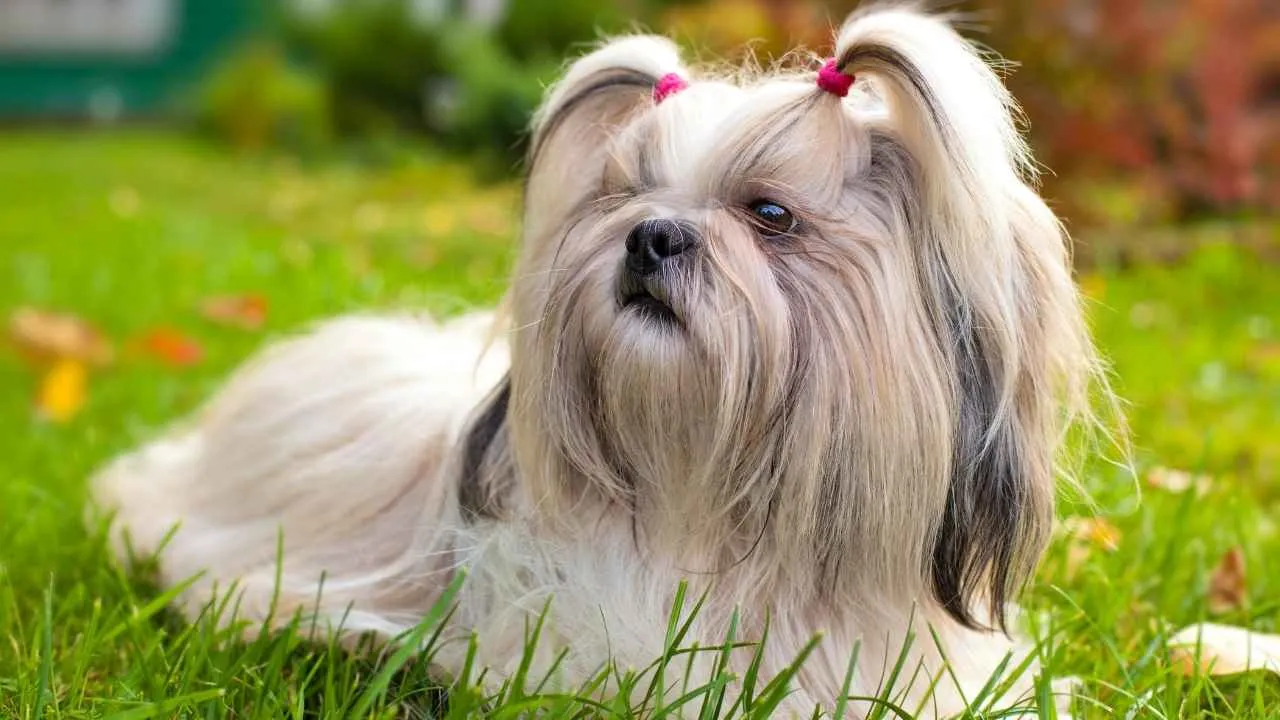
Shih Tzu dogs are famously laid-back, which helps enormously during long grooming sessions. They tend to flop over and relax rather than fight the brush. That easygoing nature makes them a forgiving teacher for a beginner.
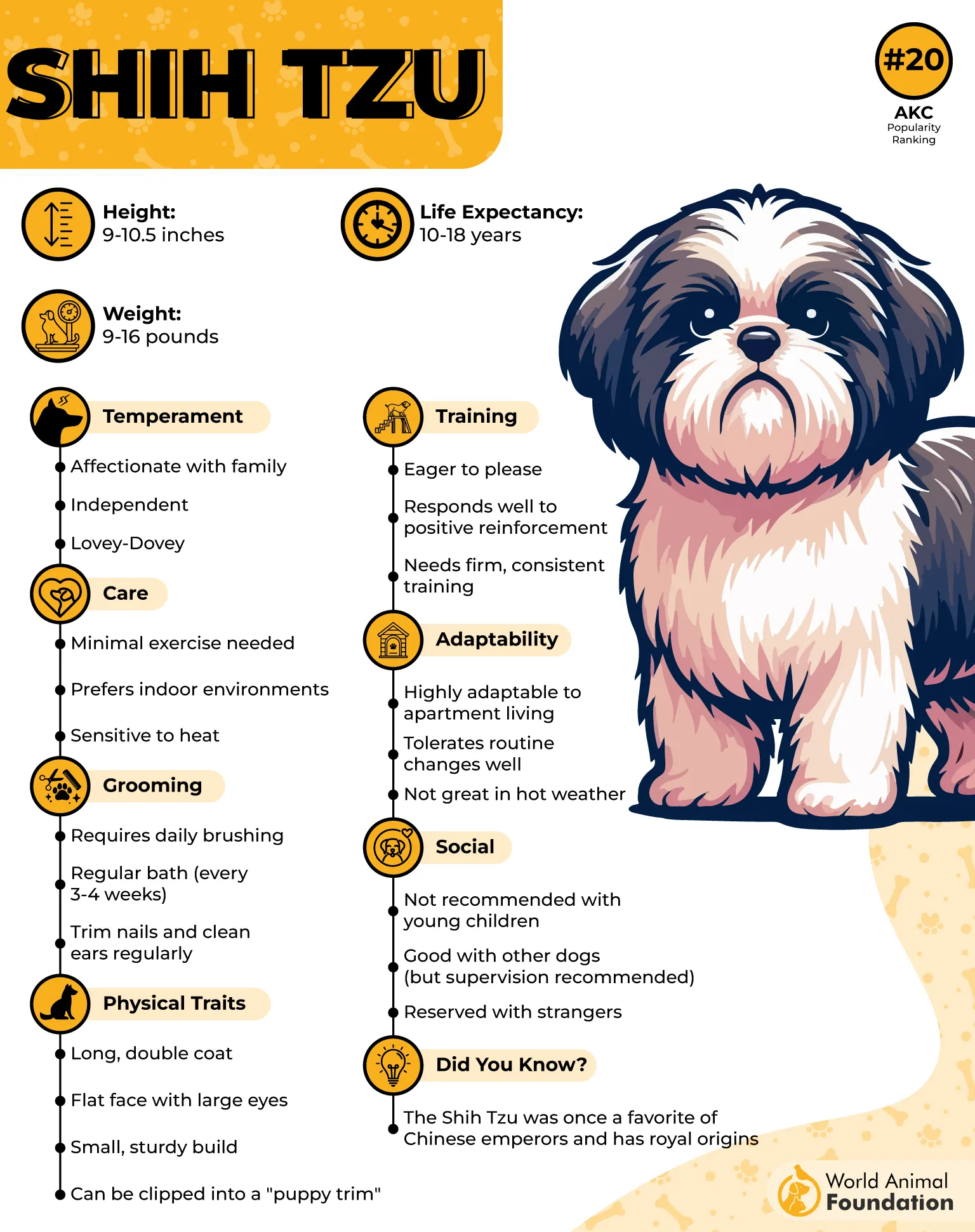
The Shih Tzu wears a thick, dense double coat that grows continuously rather than shedding in a seasonal cycle. The texture sits somewhere between silky and coarse. Purina notes this coat was originally bred for Tibet’s cold climate.
Frequency: Brush daily before the thick coat has a chance to knot.
Tools: A slicker brush followed by a comb clears hidden tangles.
Common mistake: Owners let hair around the eyes grow long and skip trimming it.
A missed day or 2 will not ruin this coat. A missed week usually means tangles have already started near the legs and belly.
5. Yorkshire Terrier
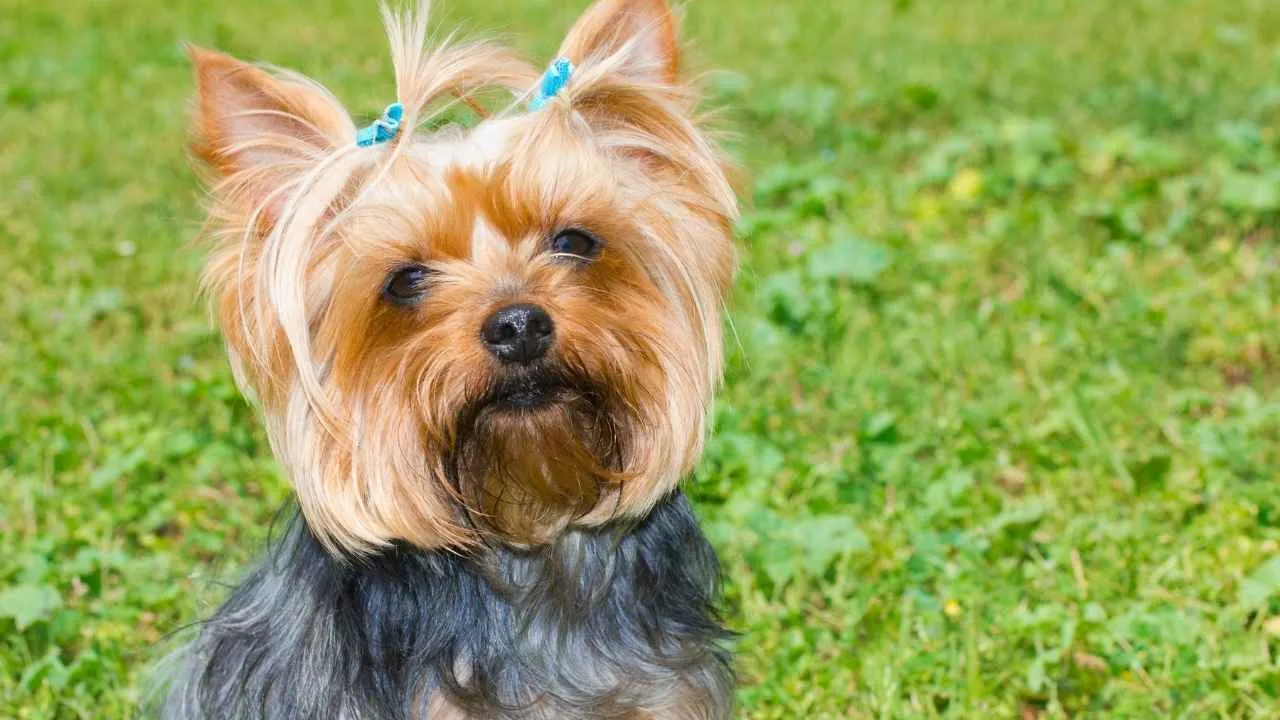
Yorkshire terriers are small but spirited, and that energy can make early grooming sessions a real challenge. Short, gentle sessions work far better than long ones. Once the routine clicks, most settle down nicely.
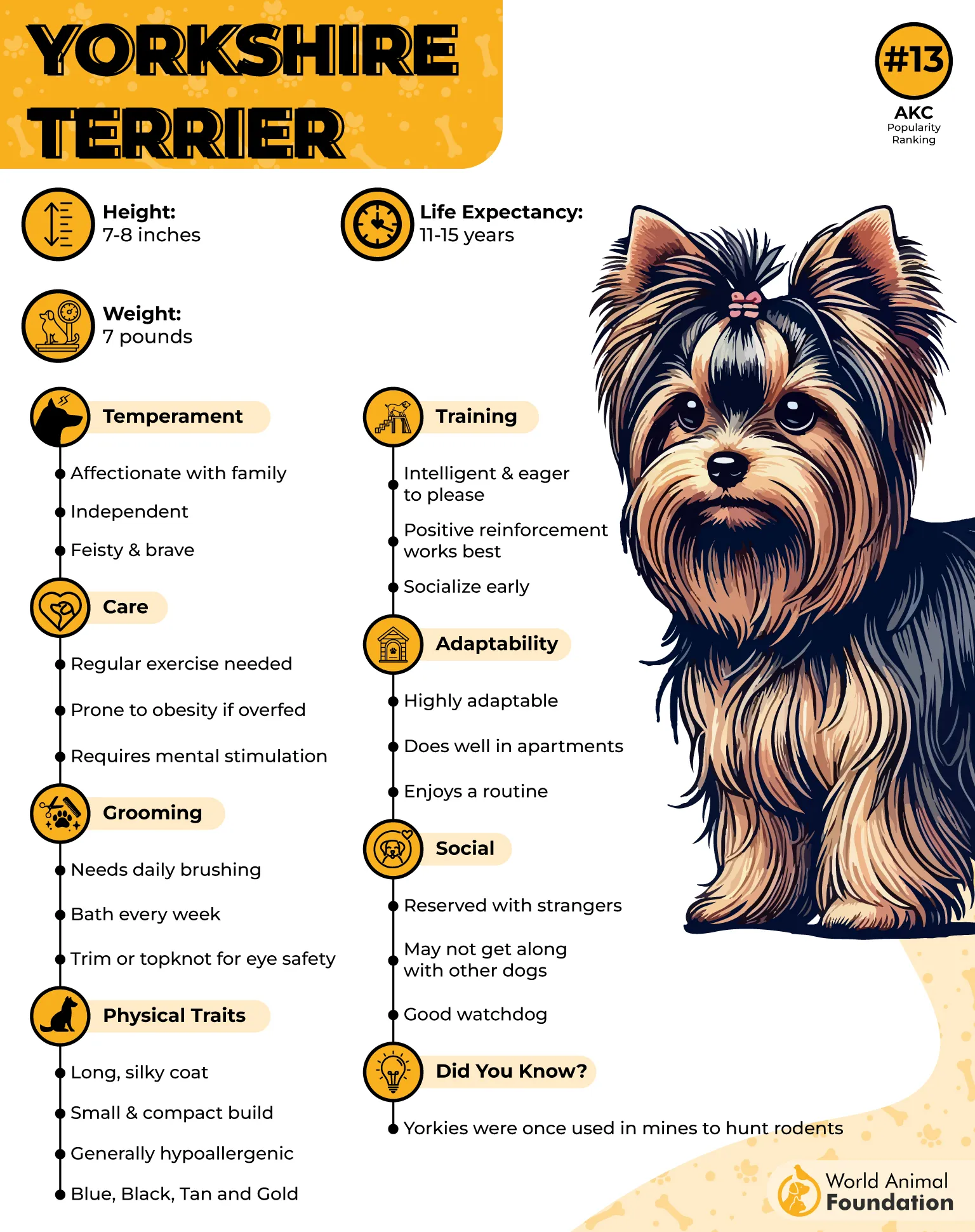
The Yorkshire Terrier carries a fine, silky coat that grows long and straight, much like fine human hair. It is a single coat, so there is no dense undercoat underneath. Hill’s Pet notes this fine texture tangles easily.
Frequency: Brush daily, focusing on the face and leg hair.
Tools: A soft slicker brush is gentler than wire bristles here.
Common mistake: First-time pet owners brush too roughly and snap the fine hair instead of smoothing it.
This coat mats within days, not weeks, if it is ignored. A true beginner needs to commit to a daily routine from the very first week.
6. Pomeranian
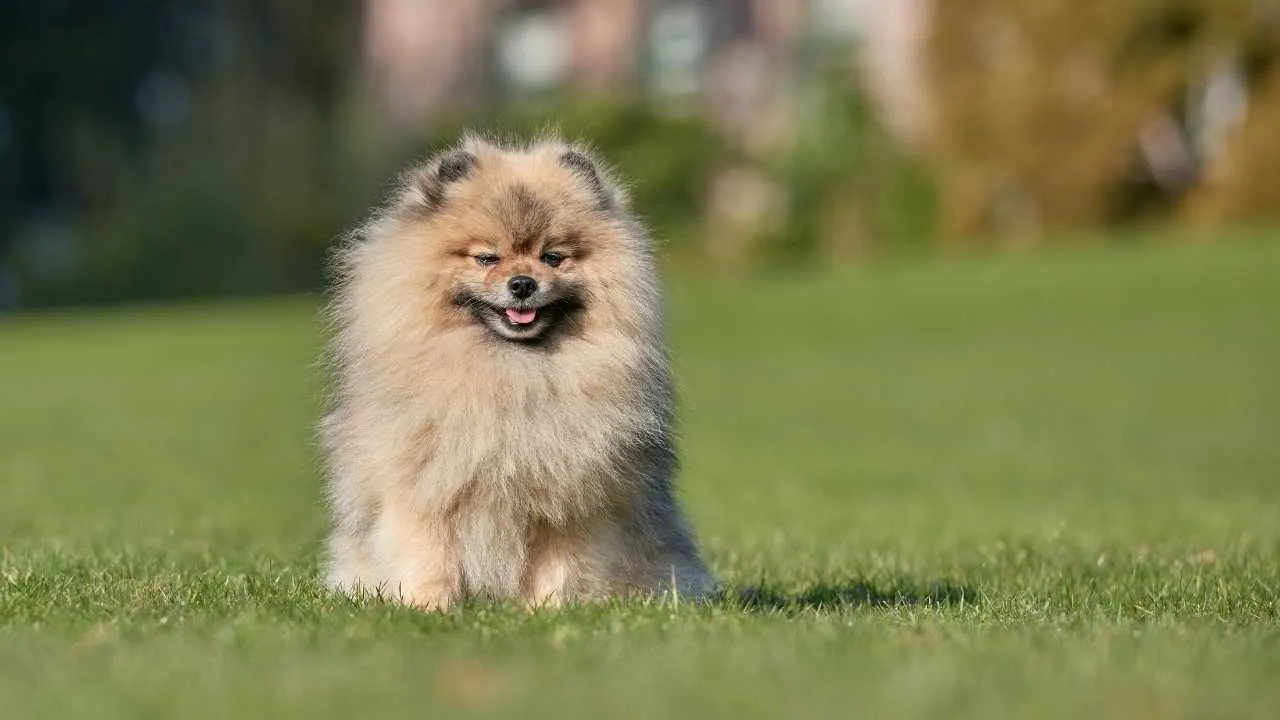
Pomeranians are alert and a little bossy, and they let an owner know fast when a brushing session is over. Short sessions beat long ones. Keep a treat nearby and cooperation improves quickly.
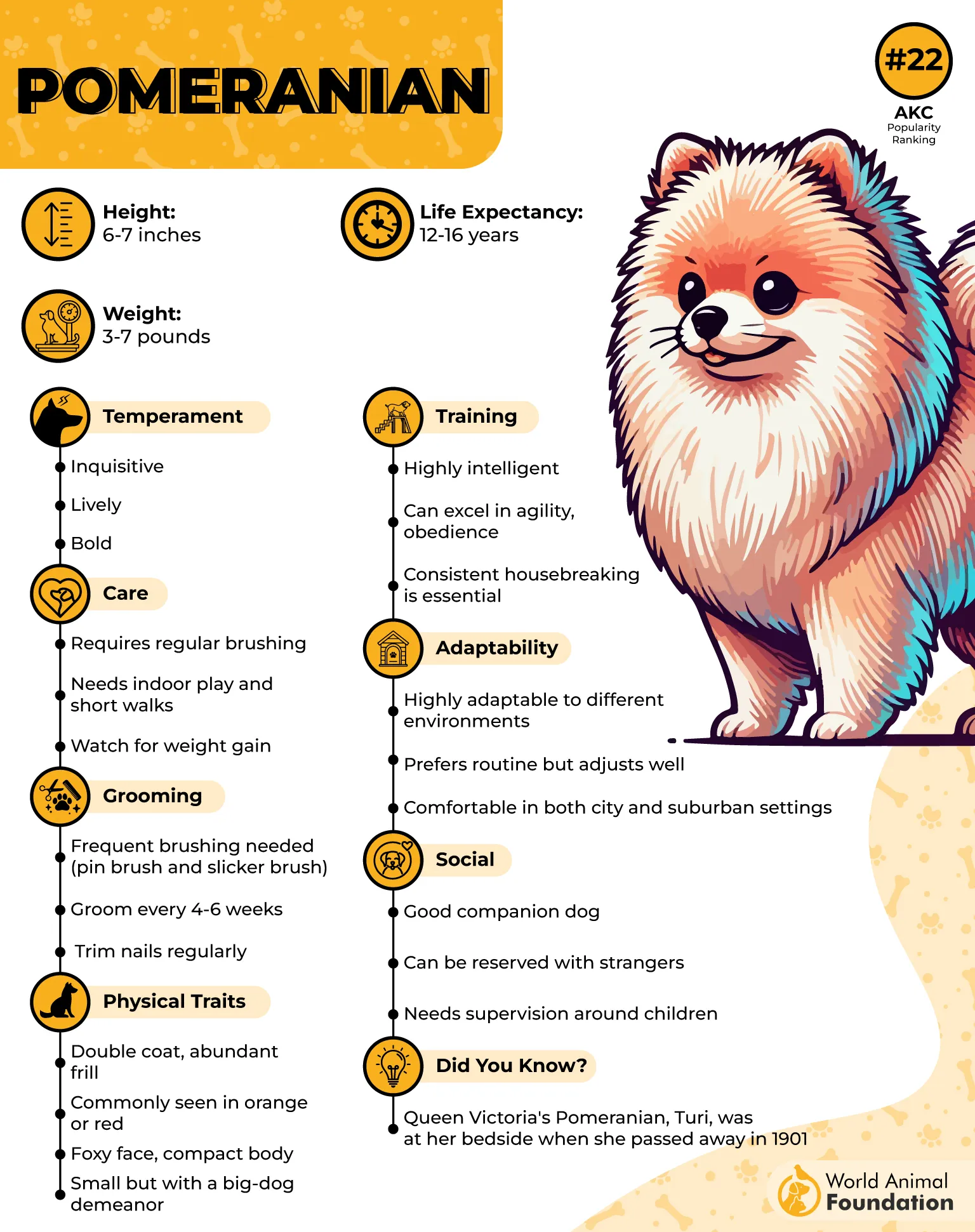
The Pomeranian carries a thick double coat, with a fluffy outer layer sitting over a dense undercoat. This creates serious volume rather than length alone. Most of the real shedding and tangling happens in that hidden undercoat.
Frequency: Brush 3 or 4 times a week, more during seasonal shedding.
Tools: An undercoat rake removes loose hair a regular brush misses.
Common mistake: New owners brush only the top layer and skip the undercoat completely.
This coat is more forgiving than it looks. It tolerates a missed week fairly well since the fluff hides small tangles. Seasonal shedding is when daily brushing becomes necessary.
7. Tibetan Terrier
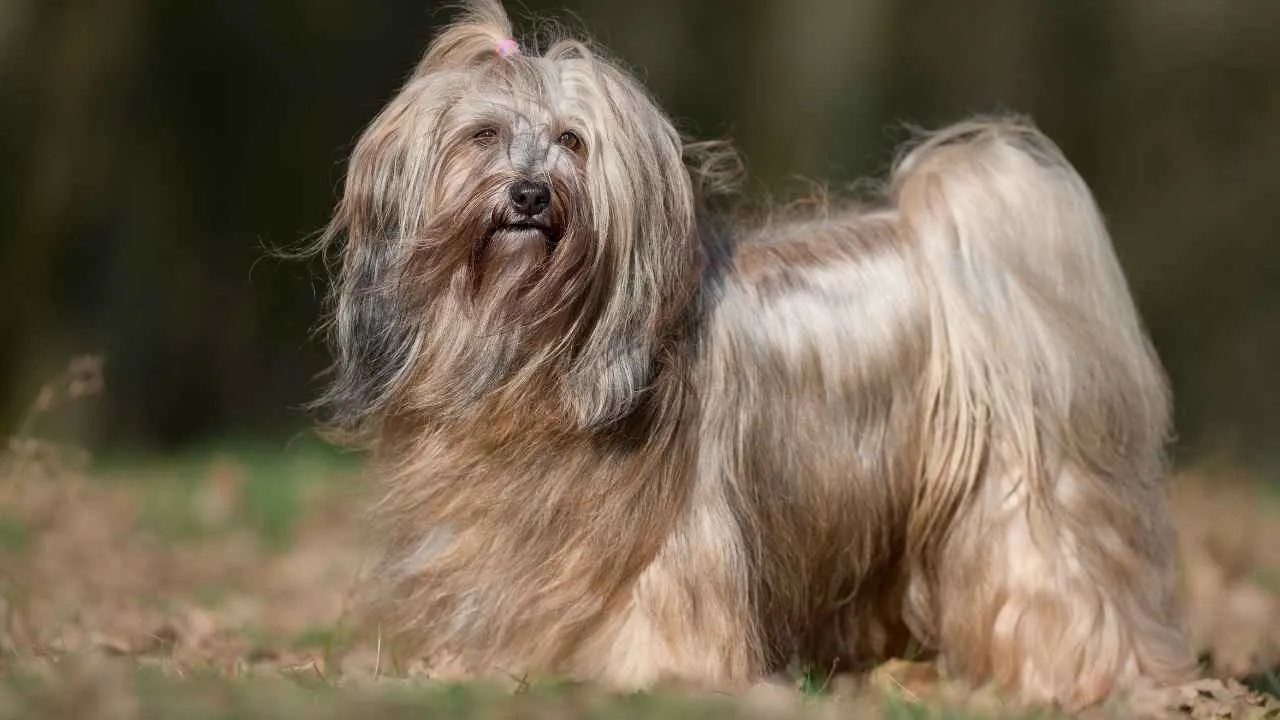
Tibetan terriers are independent thinkers, so grooming takes patience and consistency before it becomes routine. They are not fussy once they trust the process. A calm, steady approach wins them over quickly.
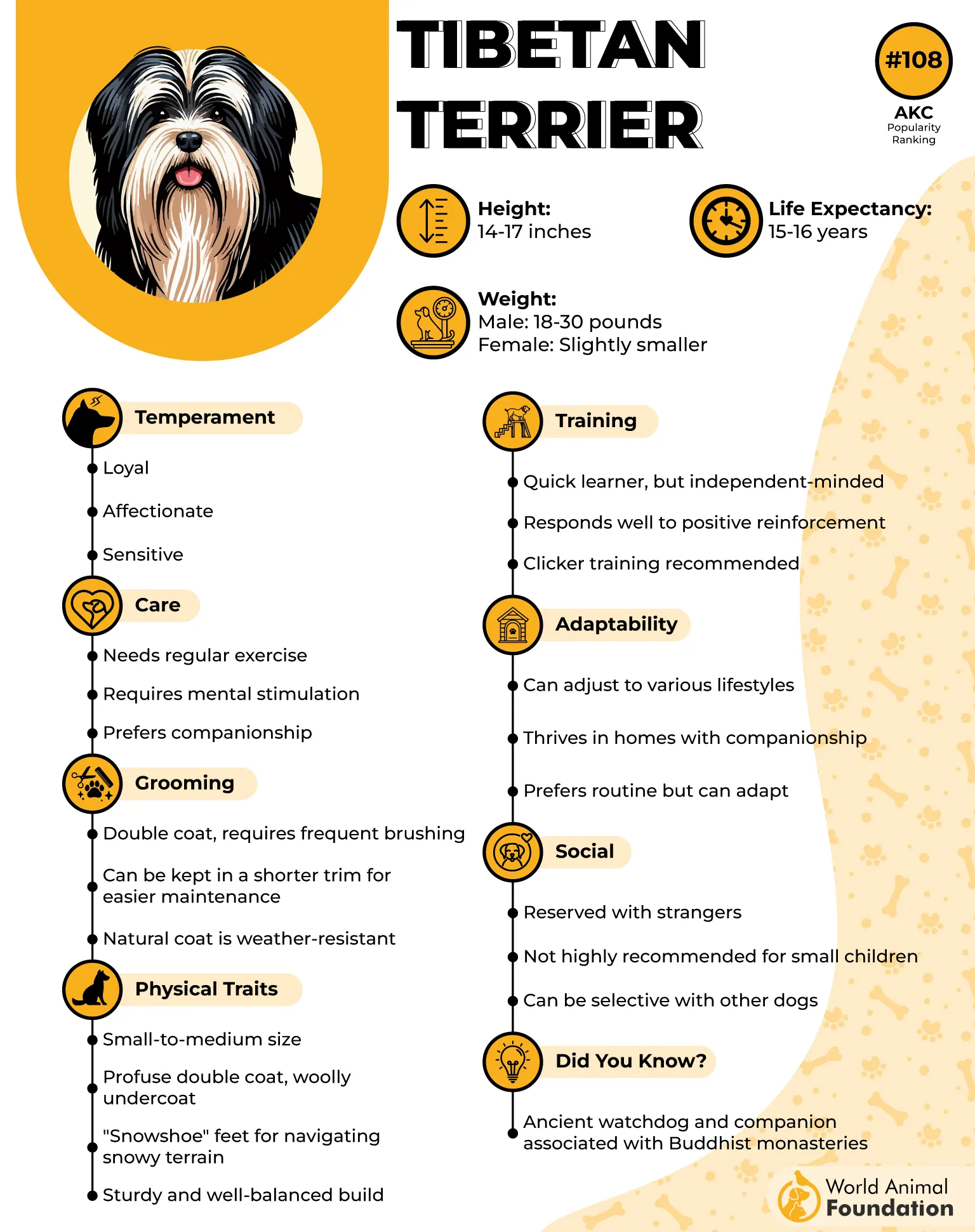
This ancient breed carries a long, dense double coat that often turns wavy with age. It is heavier than most coats on this list, closer to a working dog’s coat built for harsh mountain weather.
Frequency: Brush every day, down to the skin, not just the surface.
Tools: A long-tooth comb paired with a slicker brush handles the density.
Common mistake: Owners brush only the outer layer and leave mats forming against the skin.
This is the least forgiving coat on the list for a true beginner. A missed week here often means mats have already set in close to the skin.
Conclusion
At the end of the day, a flowing coat does not have to scare off a first-time pet parent, especially once you know which breeds forgive a missed brushing session. Match your real routine, not your wish list, and even these small dogs with big coats and regular grooming needs turn into wonderful companions, great family pets, and loyal shadows rather than a daily chore.
Bookmark this list, because your grooming confidence and weekly brushing schedule will only get easier with practice. Scroll back up and pick a long-haired breed that actually fits your routine today.
