




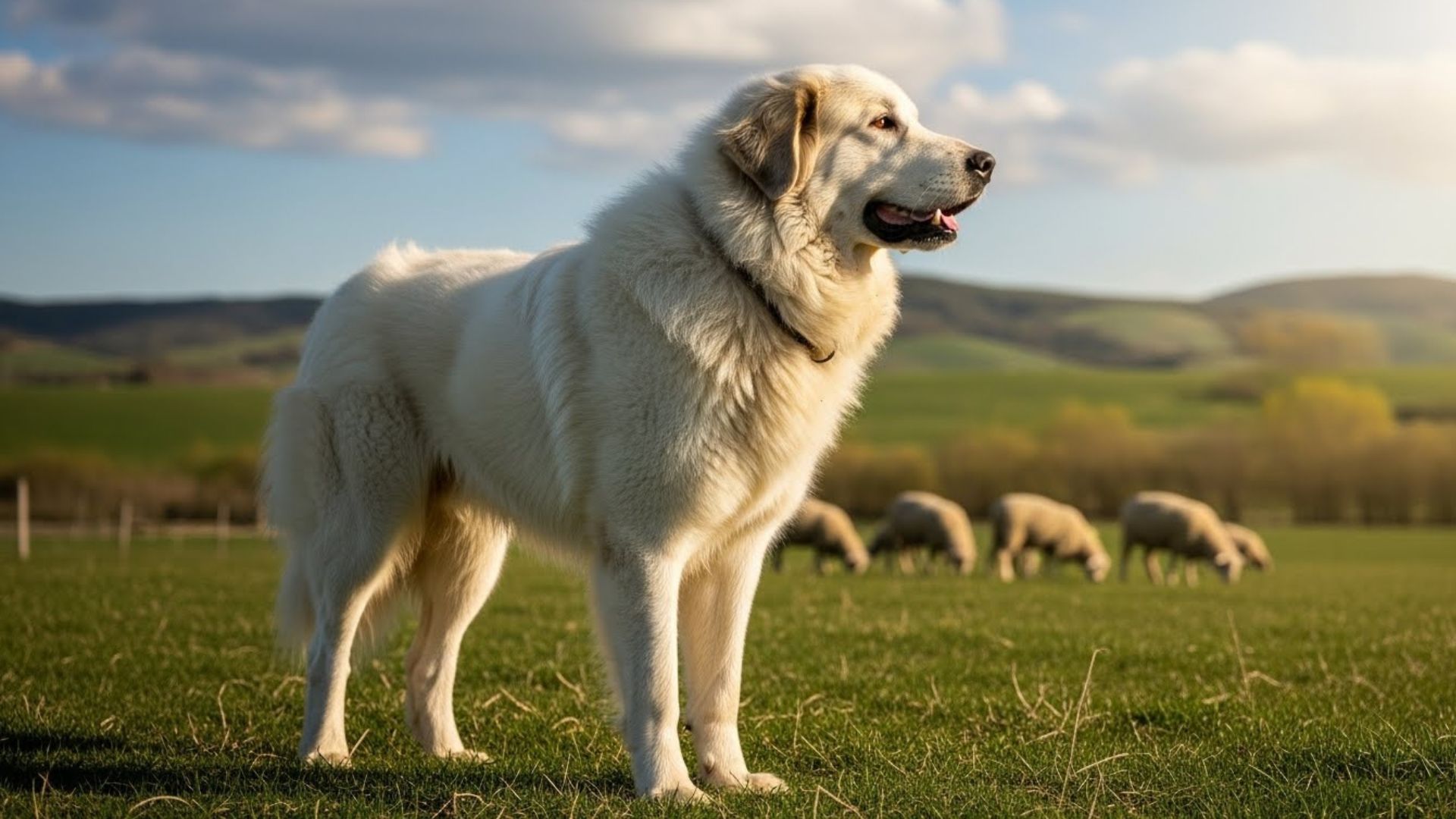
Protecting livestock is a critical task for farmers and ranchers, and having the right dog breed can make all the difference. Livestock guardian dogs are specifically bred to safeguard animals from predators, ensuring the safety of sheep, goats, cattle, and other farm animals.
Choosing a breed that aligns with your farm’s needs and environment is essential for effective protection.
These livestock guardian breeds are not just strong and alert; they are intelligent, loyal, and possess an innate sense of responsibility toward the animals they guard.
Proper training and socialization from a young age further enhance their natural protective instincts, making them reliable partners in safeguarding livestock.
In this guide, we explore the top nine livestock guardian dog breeds renowned for their guarding abilities, temperament, and adaptability. Whether you have a small farm or a sprawling ranch, these breeds offer a combination of courage, vigilance, and devotion.
Top 9 Livestock Dog Breeds For Protecting Your Animals
1. Kuvasz
The History of the Kuvasz
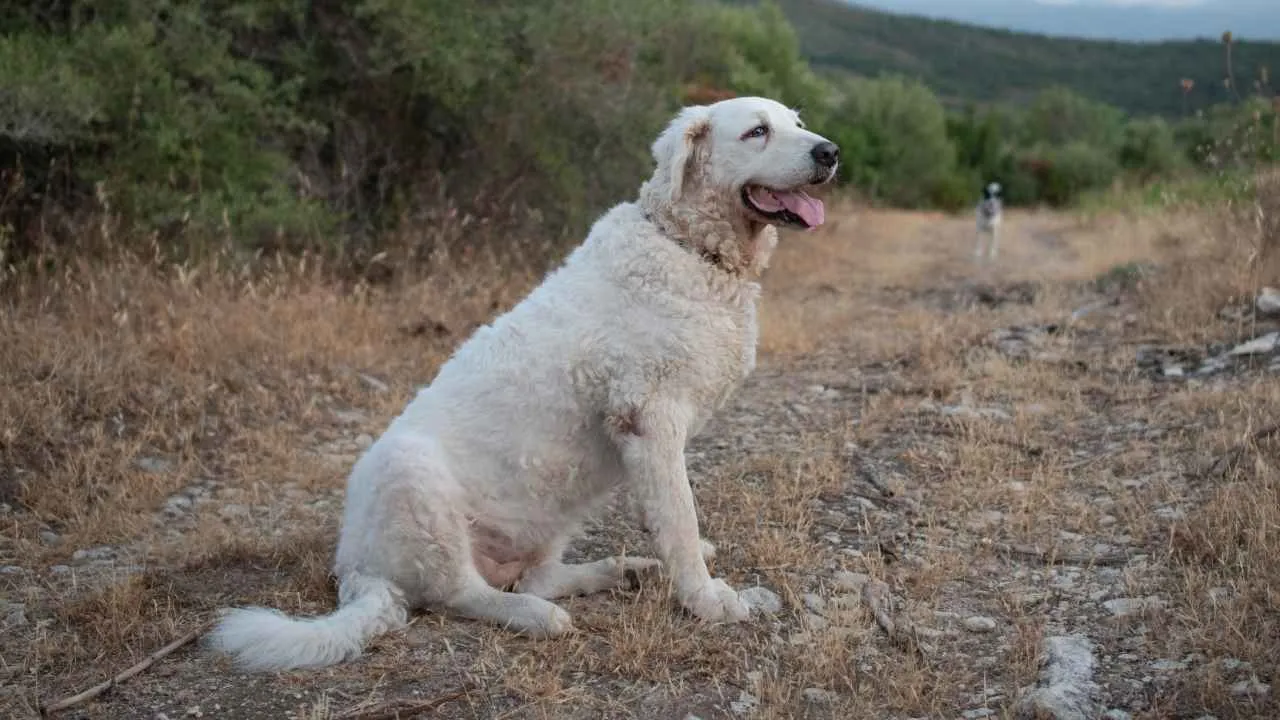
The Kuvasz, a striking snow-white guardian, hails from Hungary but traces its lineage back to ancient Turkey and Tibet. Originally prized by shepherds, these loyal dogs watched flocks for days and fearlessly confronted wolves or intruders.
Heart and Mind: Kuvasz Personality
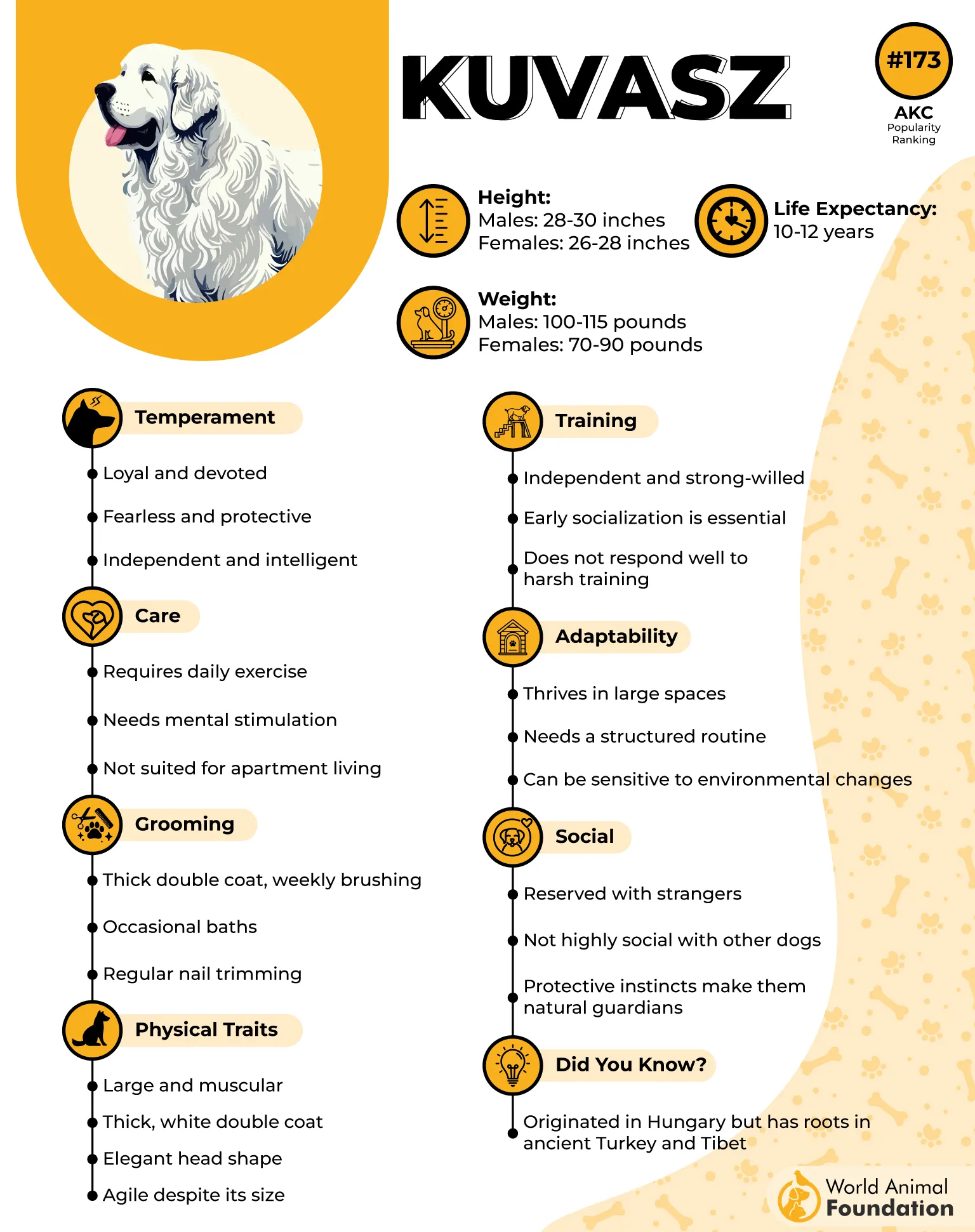
Kuvaszok are confident, intelligent, and fiercely loyal, yet they maintain a calm, gentle side with family. Independent thinkers by nature, they excel in making decisions when guarding livestock but may challenge inexperienced owners.

Guiding Paws: Training Your Kuvasz
Training a Kuvasz requires patience, consistency, and positive reinforcement. Socializing them early with children and other animals ensures safe, harmonious interactions. With proper guidance, their natural intelligence and protective instincts make them dependable guardians and loving family companions.
Guardian Coat: Why Kuvasz Protects Livestock
A thick, wavy white coat shields the Kuvasz from harsh weather, allowing them to patrol flocks in any season. Combined with their size, agility, and vigilance, these traits make them formidable protectors. Loyal, alert, and courageous, the Kuvasz thrives in a role that blends guardianship with companionship.
2. Pyrenean Mastiff
The History of the Pyrenean Mastiff
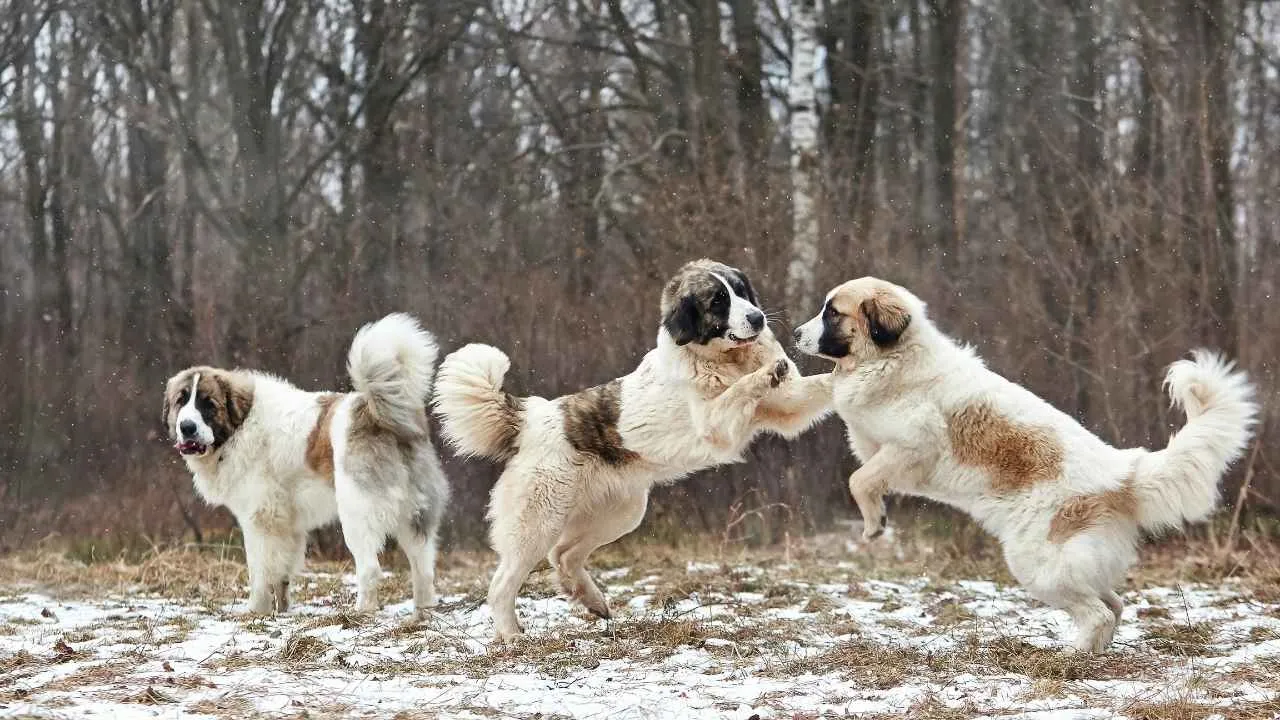
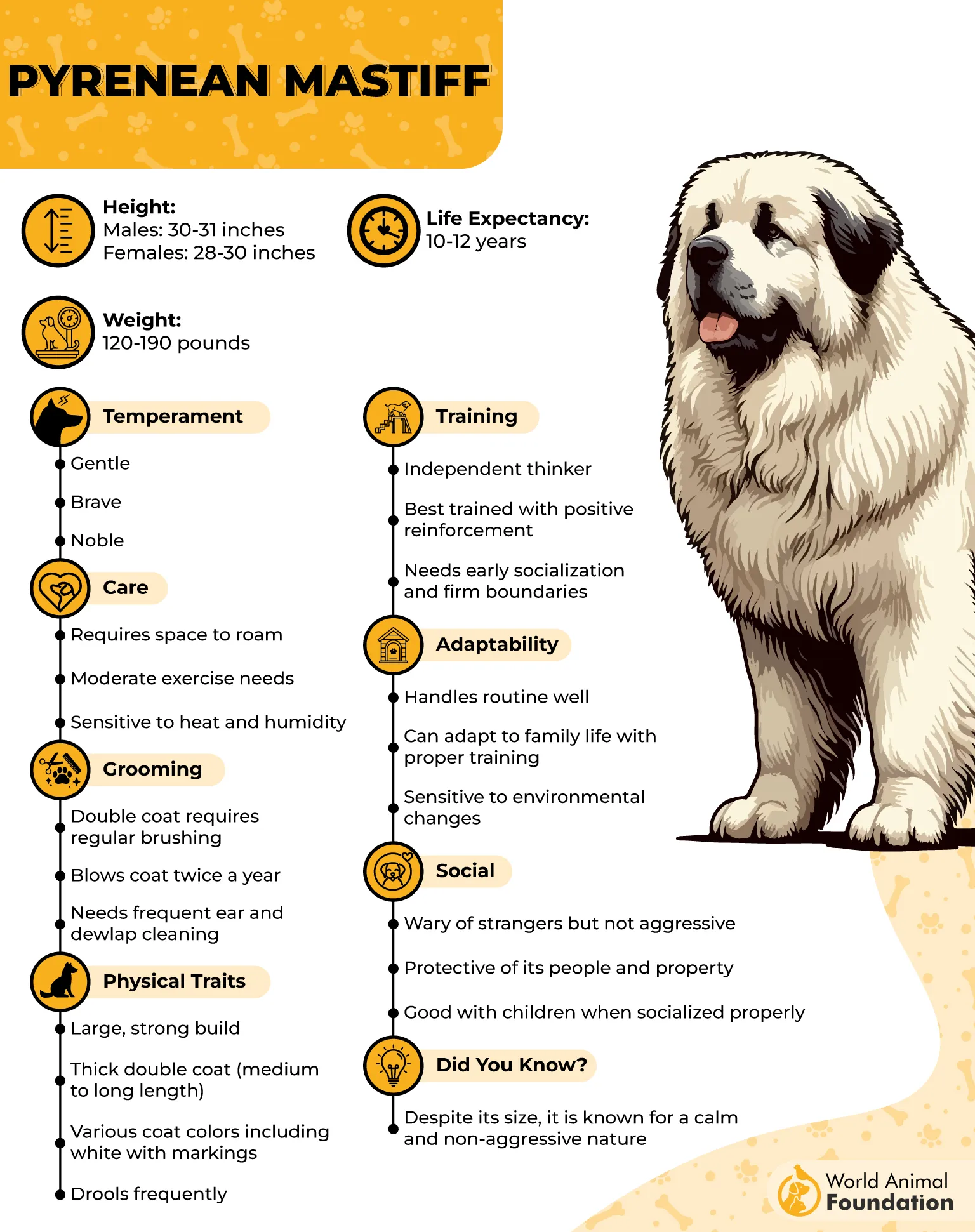
Originating in the rugged Pyrenees Mountains of Spain, the Pyrenean Mastiff has guarded flocks from wolves, bears, and thieves for over 3,000 years, as per PetMD. Though nearly extinct in the mid-20th century, dedicated breeders revived the breed, preserving their noble size, strength, and protective instincts.
Gentle Giants: Personality and Temperament
Calm, confident, and affectionate, the Pyrenean Mastiff is a true “gentle giant.” These dogs are loyal to family, patient with children, and discerning with strangers, showing courage only when protection is necessary. Their low prey drive and loving nature make them perfect companions for both humans and other animals.
Smart Strength: Training a Pyrenean Mastiff
Although independent, Pyrenean Mastiffs respond well to consistent, positive reinforcement training. Early socialization with children, other pets, and new experiences ensures balanced, confident behavior.
Mental stimulation, basic obedience, and low-impact daily exercise keep these massive dogs happy and well-adjusted.
Built to Guard: Why Pyrenean Mastiffs Protect Livestock
Their thick, double-layered coat shields them from harsh mountain weather, while their imposing size and alertness make them formidable livestock guardians.
Historically trained to defend flocks from predators, their instincts remain strong, combining vigilance, strength, and gentle loyalty to safeguard both animals and family.
3. Maremma Sheepdog
The History of the Maremma Sheepdog
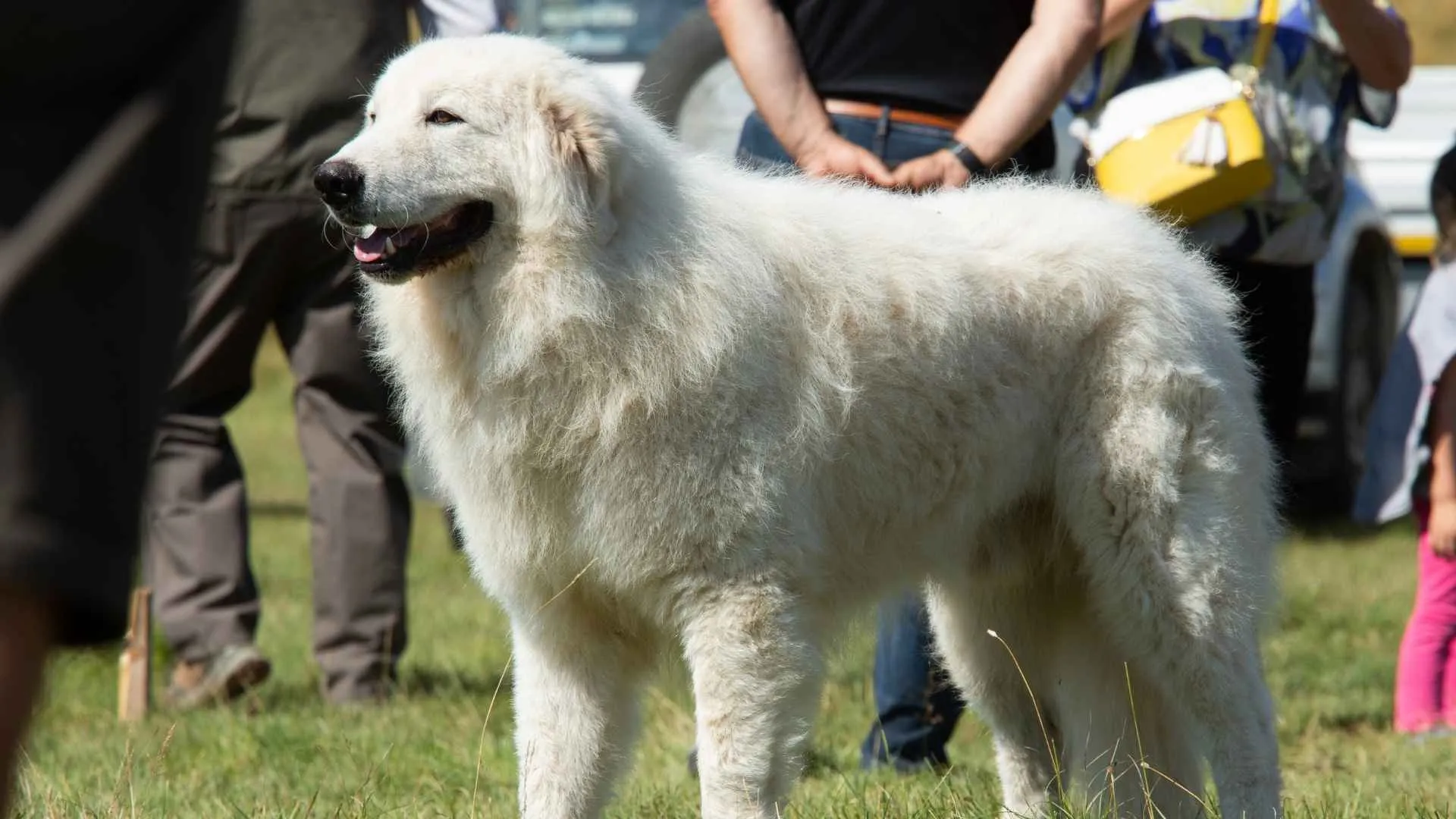
The Maremma Sheepdog hails from the Maremma and Abruzzes regions of Italy, with roots stretching back to Roman times. Bred to fearlessly protect flocks from wolves and other predators, these dogs have long served as loyal partners to shepherds, as per Purina.
Loyal Watchers: Personality and Temperament
Independent, intelligent, and devoted, Maremmas form strong bonds with their family while remaining cautious around strangers. Affectionate with children and other animals, they combine gentle loyalty with a natural protective instinct.
Mindful Training: Raising a Well-Balanced Maremma
Maremmas respond best to consistent, patient training and early socialization with people and animals. Positive reinforcement and ongoing guidance are essential for this intelligent breed. When properly managed, they develop confidence, obedience, and a sense of purpose in guarding their flock.
Guardians by Nature: Why Maremmas Protect Livestock
With a thick white coat and strong physique, the Maremma is built for outdoor work in all conditions. Alert, they instinctively protect livestock—and even small creatures, like penguins, in extraordinary cases.
4. Tibetan Mastiff
Himalayan Heritage: The History of the Tibetan Mastiff
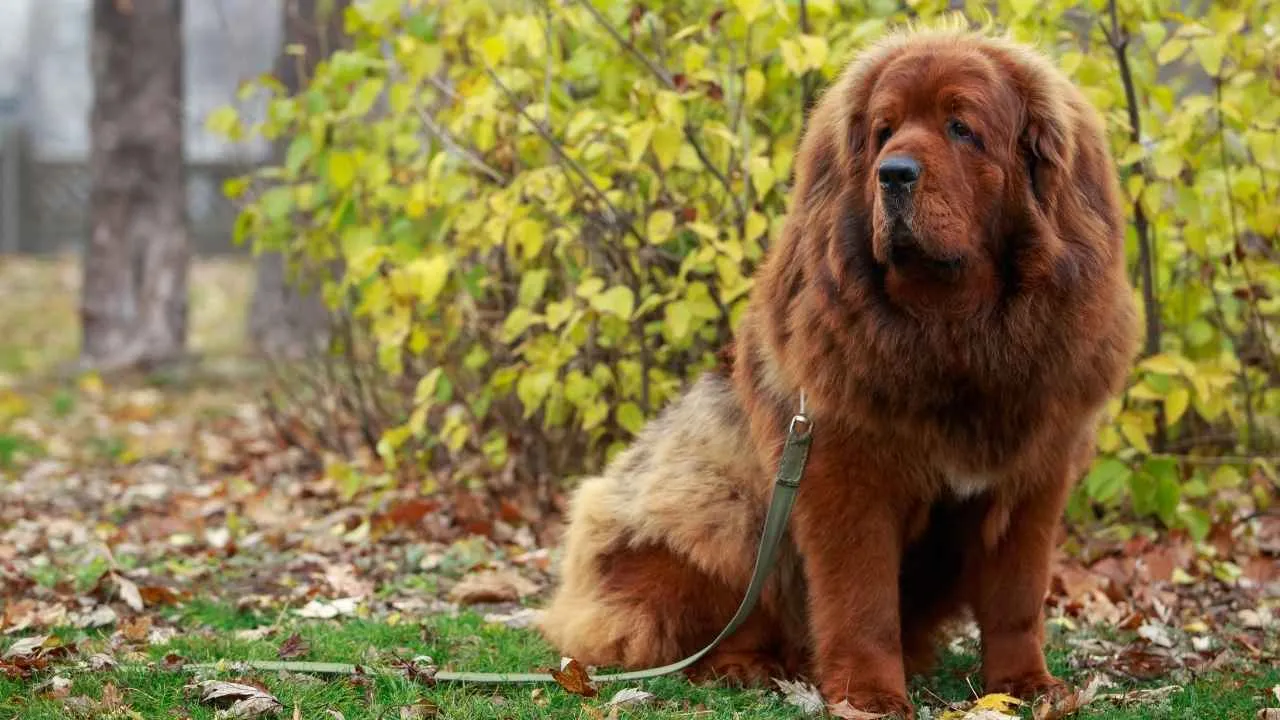
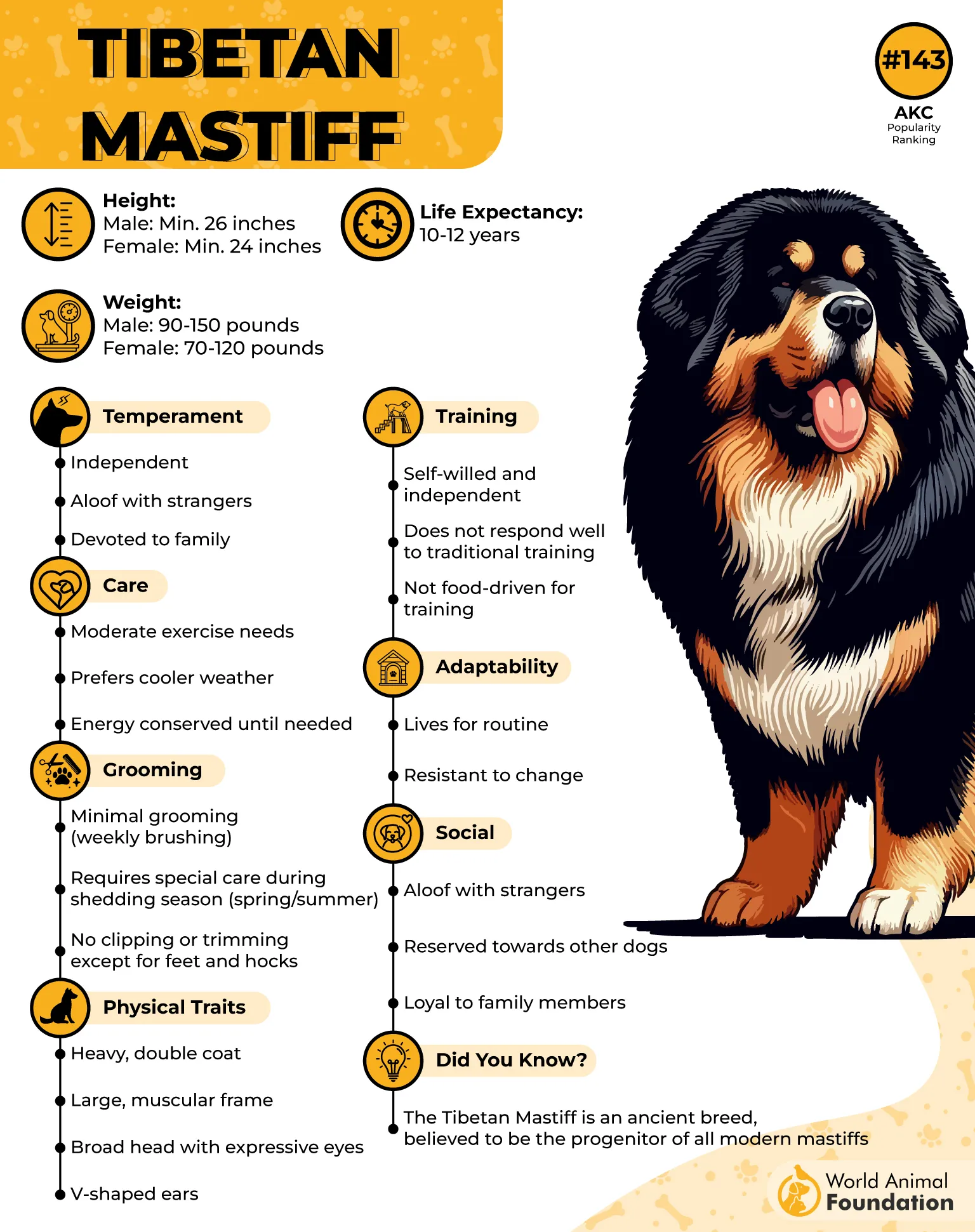
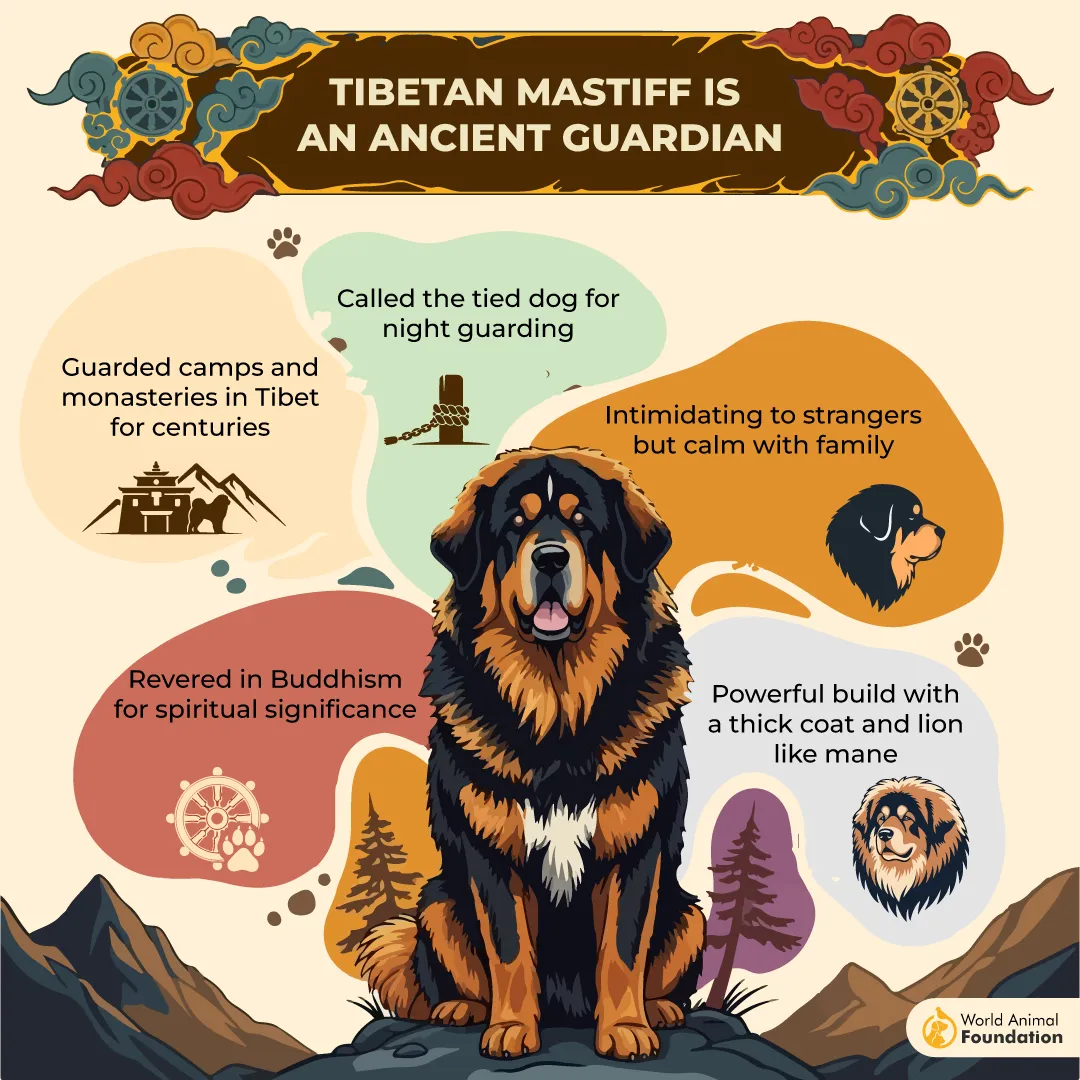
Originating in the high Himalayas, the Tibetan Mastiff has guarded livestock, homes, and traders for thousands of years, as per the AKC. Revered for their strength and intelligence, these ancient dogs were also part of armies and royal households.
Gentle Guardians: Personality and Temperament
Despite their imposing size, Tibetan Mastiffs are loyal, calm, and affectionate with their family. They are naturally protective, discerning with strangers, and fiercely devoted to their home and loved ones. Independence and a strong-willed nature require patient, experienced owners for harmonious companionship.
Smart Strength: Training Your Tibetan Mastiff
Tibetan Mastiffs thrive under consistent, reward-based training and early socialization. Positive reinforcement and clear boundaries are essential to manage their intelligence and independence. Regular exercise, mental stimulation, and social exposure help these giants become confident, obedient guardians.
Built to Protect: Why Tibetan Mastiffs Guard Livestock and Property
With a thick double coat, powerful build, and vigilant nature, Tibetan Mastiffs are perfectly suited for guarding livestock and property. Their natural alertness, loyalty, and courage make them exceptional protectors, combining both strength and intelligence to defend their family and flock.
5. Great Pyrenees
Mountain Monarchs: The History of the Great Pyrenees
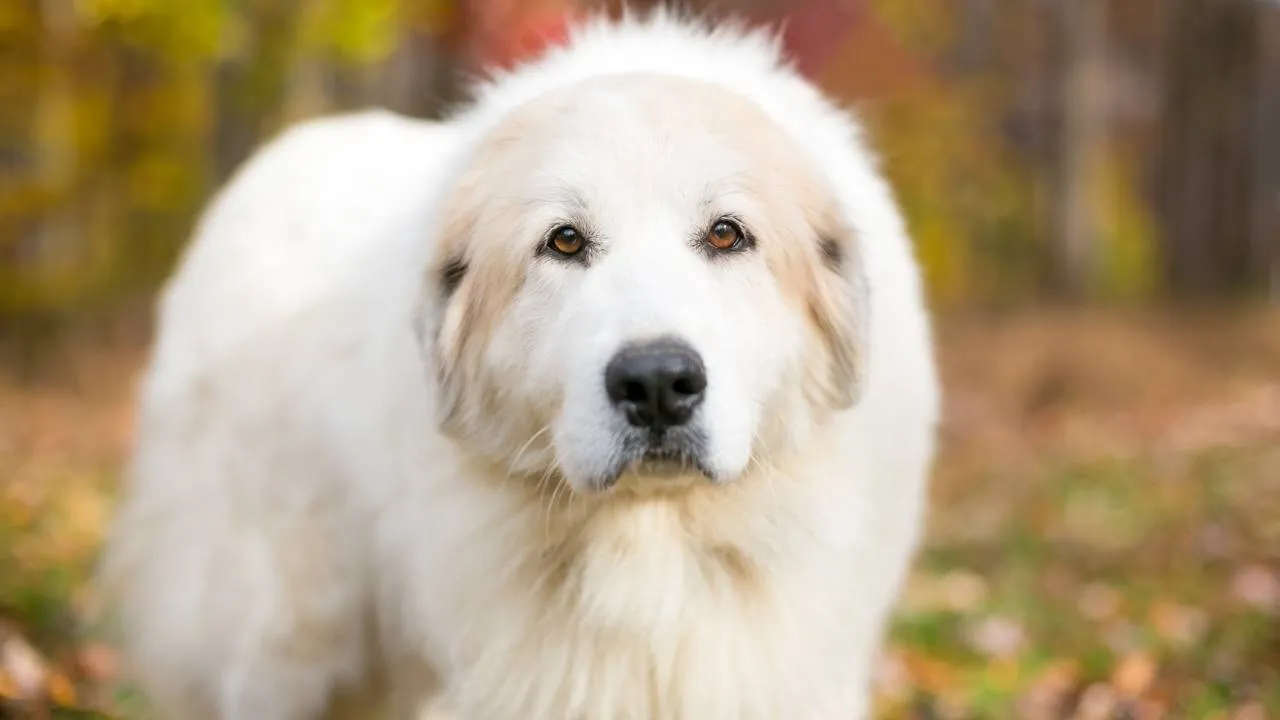
The Great Pyrenees has patrolled snowy peaks for centuries, guarding flocks against wolves, bears, and rustlers along the France-Spain border. Revered by royalty and shepherds alike, this large dog breed became the “Royal Dog of France” under Louis XIV.
Calm Protectors: Personality and Temperament
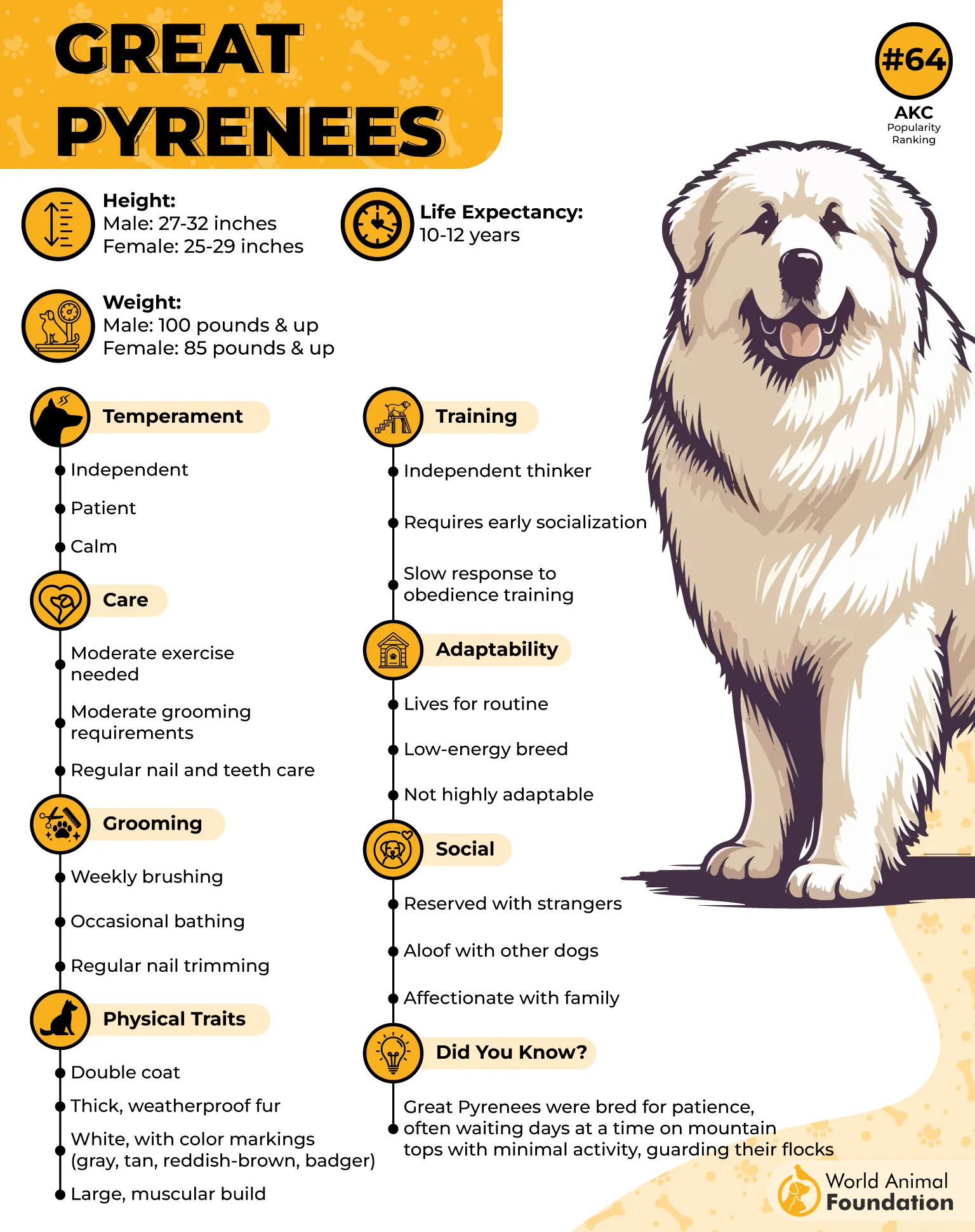
Gentle, affectionate, and devoted, Pyrs are loyal family companions with a strong protective instinct. Calm by nature yet alert to threats, they are especially patient with children and display remarkable vigilance toward strangers. Their independence, however, requires experienced guidance.
Thoughtful Training: Raising a Well-Adjusted Pyr
Great Pyrenees thrive on patient, consistent training and early socialization. While their guarding instincts make them more independent than many breeds, positive reinforcement, exposure to new people, and structured routines ensure they grow into confident, well-behaved guardians.
Snowy Sentinels: Why Great Pyrenees Protect Livestock
With a thick, weatherproof double coat and imposing size, the Pyr is built for harsh mountain conditions. Their strong instincts, vigilance, and courage make them exceptional livestock guardians, combining serene composure with the ability to act decisively when threats arise.
6. Karakachan
Ancient Guardians: The History of the Karakachan Dog
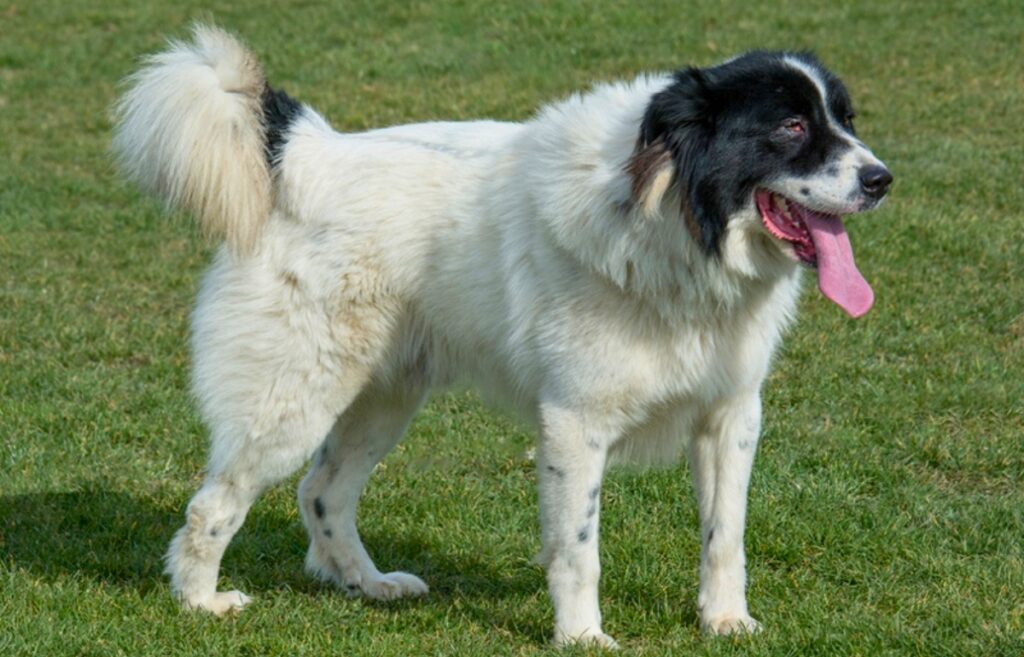
One of Europe’s oldest breeds, the Karakachan Dog dates back to Thracian times, forming as early as the third millennium BC. Bred by nomadic shepherds of the Balkans, these fearless Molossers defended flocks from wolves and bears in the rugged Bulgarian mountains.
Loyal Protectors: Personality and Temperament
Independent, intelligent, and devoted, Karakachan Dogs are deeply loyal to their family and flock. Naturally suspicious of strangers, they require experienced, consistent handling to balance their protective instincts with calm, confident behavior.
Raising a Karakachan: Training and Socialization
Early socialization and ongoing training are essential to help Karakachans thrive in modern life. Positive reinforcement, structured routines, and exposure to people and animals ensure a well-adjusted guardian without compromising their innate vigilance.
Mountain Sentinels: Their Role Today
Still guarding flocks across Bulgaria, northern Greece, and Macedonia, Karakachans patrol high mountain pastures with courage and alertness. Their traditional role as flock protectors preserves an ancient link to Europe’s pastoral heritage, alongside native Karakachan sheep and horses.
7. Anatolian Shepherd
Ancient Guardians: The History of the Anatolian Shepherd
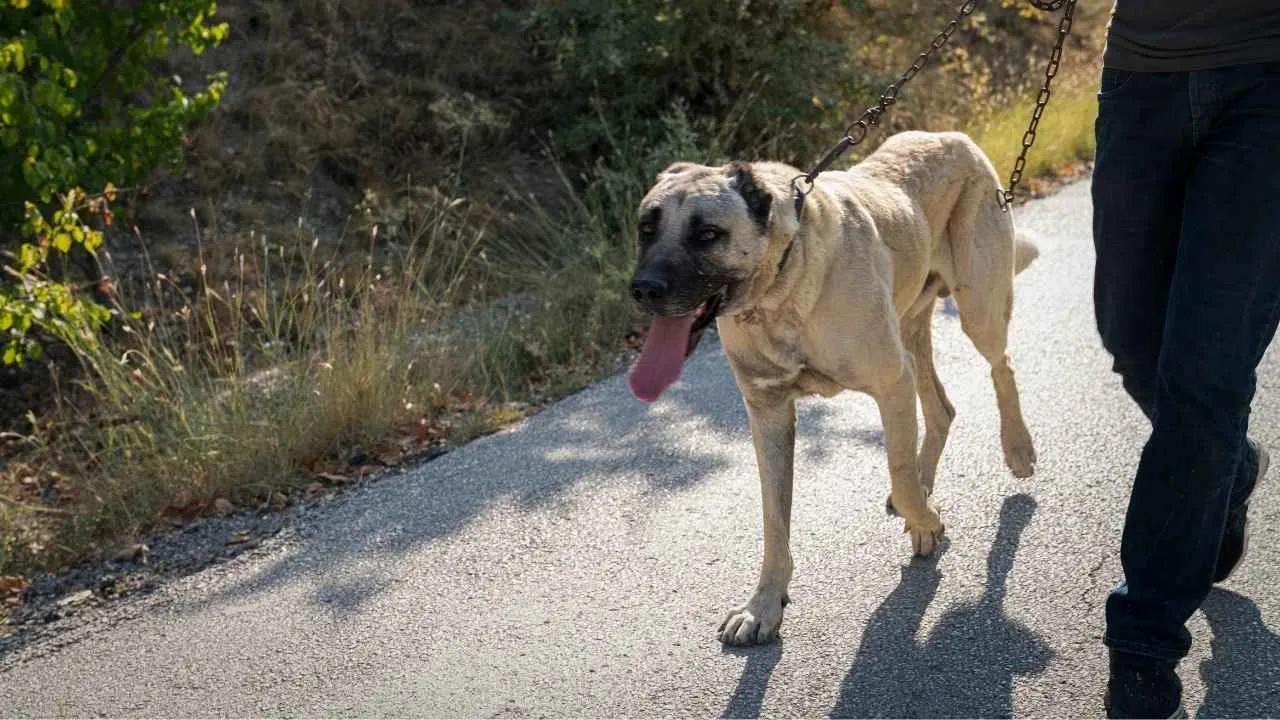
The Anatolian Shepherd descends from some of the oldest known domestic canine bloodlines, with roots stretching back over 6,000 years to the Bronze Age.
Bred specifically by shepherds in central Anatolia, Turkey, these dogs were designed to protect flocks across harsh plains and mountains from wolves, bears, and other predators.
Loyal Protectors: Personality and Temperament
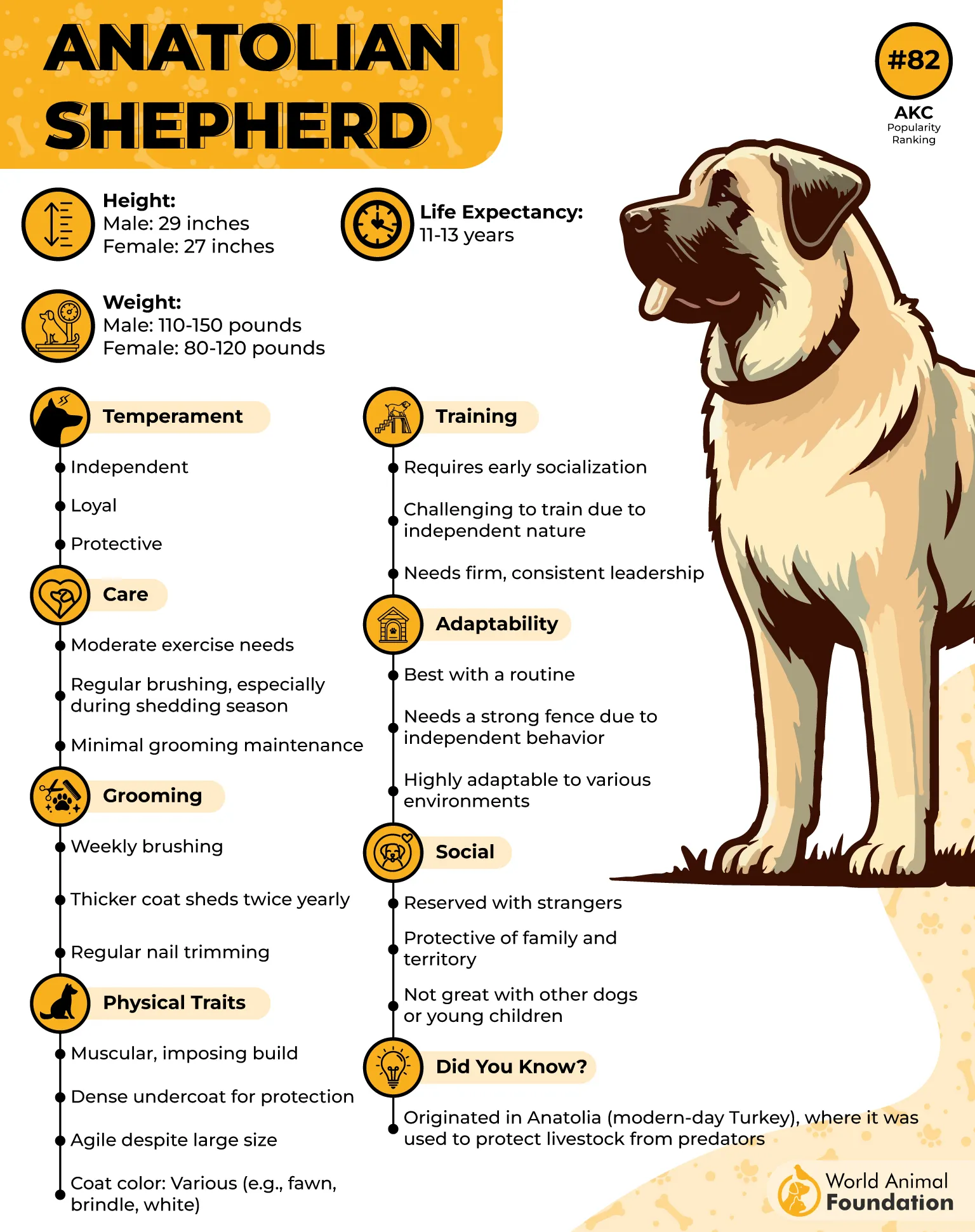
Independent, intelligent, and deeply loyal, Anatolians form strong bonds with their family and flock. Calm yet fearless, they will defend livestock, children, and even other pets, but require experienced owners who can handle their strength, independence, and protective instincts, as per WebMD.
Raising an Anatolian: Training and Care
Early socialization with people, animals, and new experiences is crucial to prevent over-guarding behaviors. Consistent, patient training using positive reinforcement is essential, as Anatolians can be strong-willed. Their short, thick double coat protects in extreme weather and requires only moderate grooming.
Guardians Today: Work and Legacy
Anatolian Shepherds remain highly valued as livestock guardians around the world, including sheep, goats, and even endangered species. With their imposing size, courage, and intelligence, they are modern-day sentinels carrying forward a tradition forged over millennia.
8. Bernese Mountain Dog
Swiss Giants: The History of the Bernese Mountain Dog
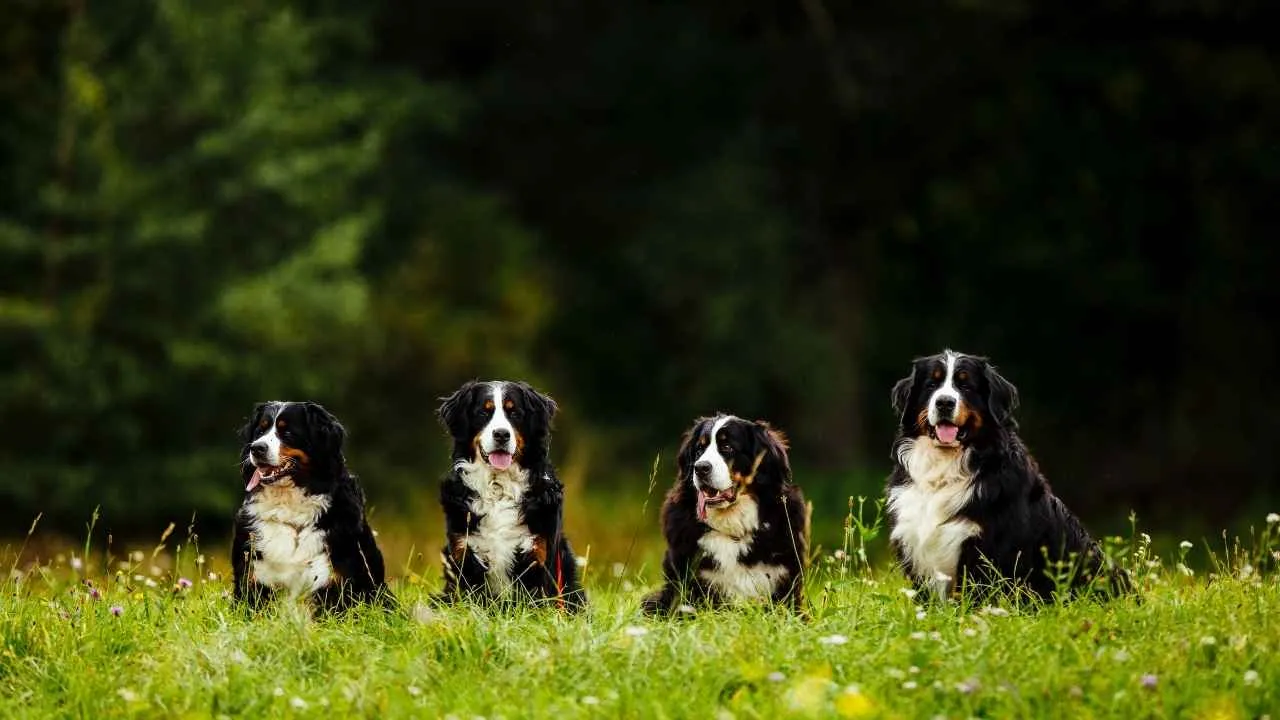
The Bernese Mountain Dog, or “Berner,” is an ancient herding dog breed brought to Switzerland over 2,000 years ago by Roman invaders. Recognized by the American Kennel Club in 1937, they are one of four historic mountain dog breeds from the canton of Bern.
Gentle Giants: Personality and Temperament
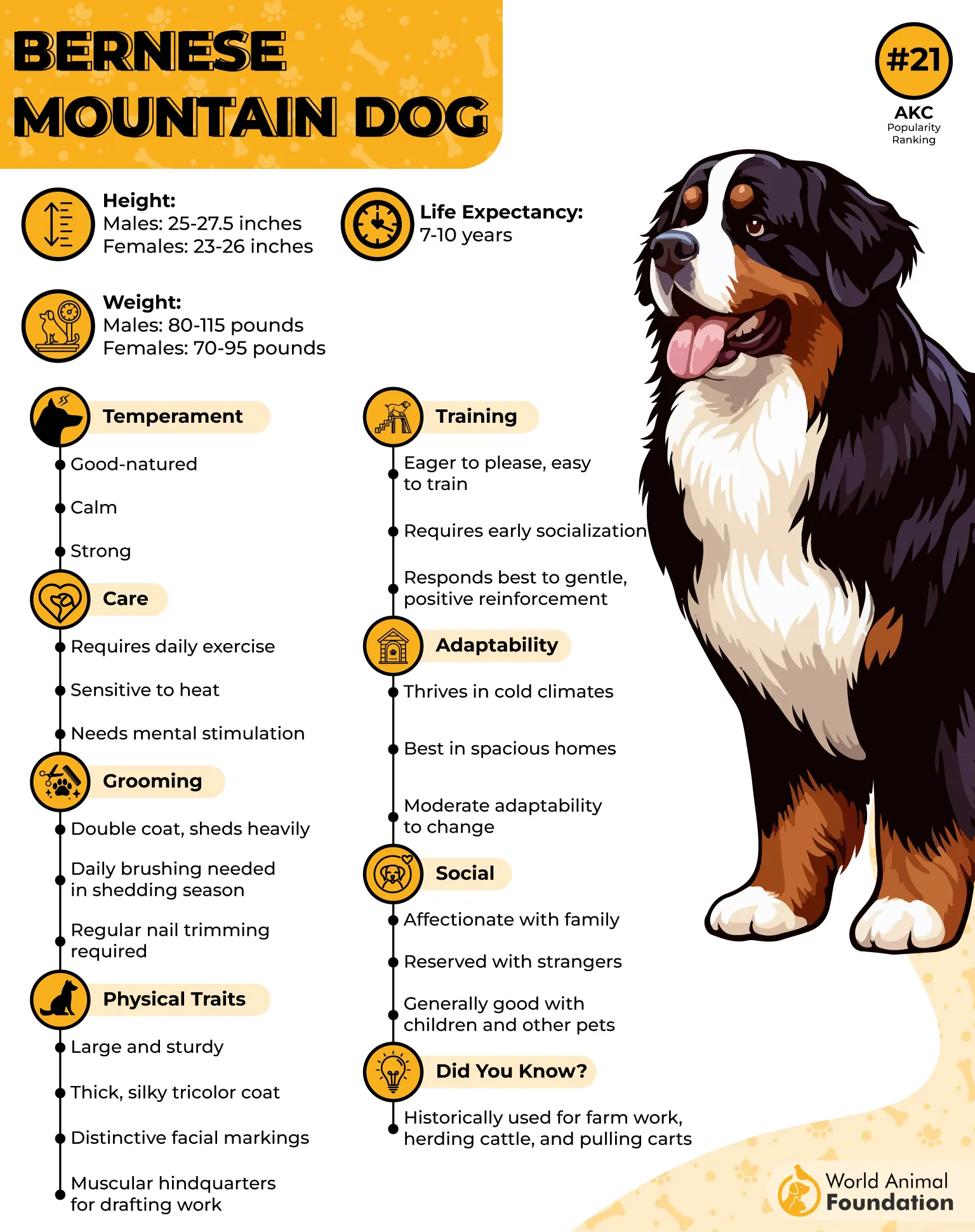
Bernese Mountain Dogs are calm, affectionate, and loyal companions. Friendly toward children, strangers, and other pets, they balance their imposing size with a gentle, playful nature. These herding dogs can act as watchdogs without being aggressive and are happiest in families that can provide attention, love, and structure.
Care and Training
With their long, silky, tri-colored coat, Berners require regular brushing and moderate grooming, especially during seasonal shedding. Exercise needs are moderate, but mental stimulation and activities like obedience training, herding, or carting are important.
Modern Role: Working Companion and Family Dog
Today, Bernese Mountain Dogs continue to shine as versatile working dogs and devoted family pets. While prone to certain health issues and a shorter lifespan, their intelligence, loyalty, and affectionate temperament make them cherished companions.
9. Polish Tatra Sheepdog
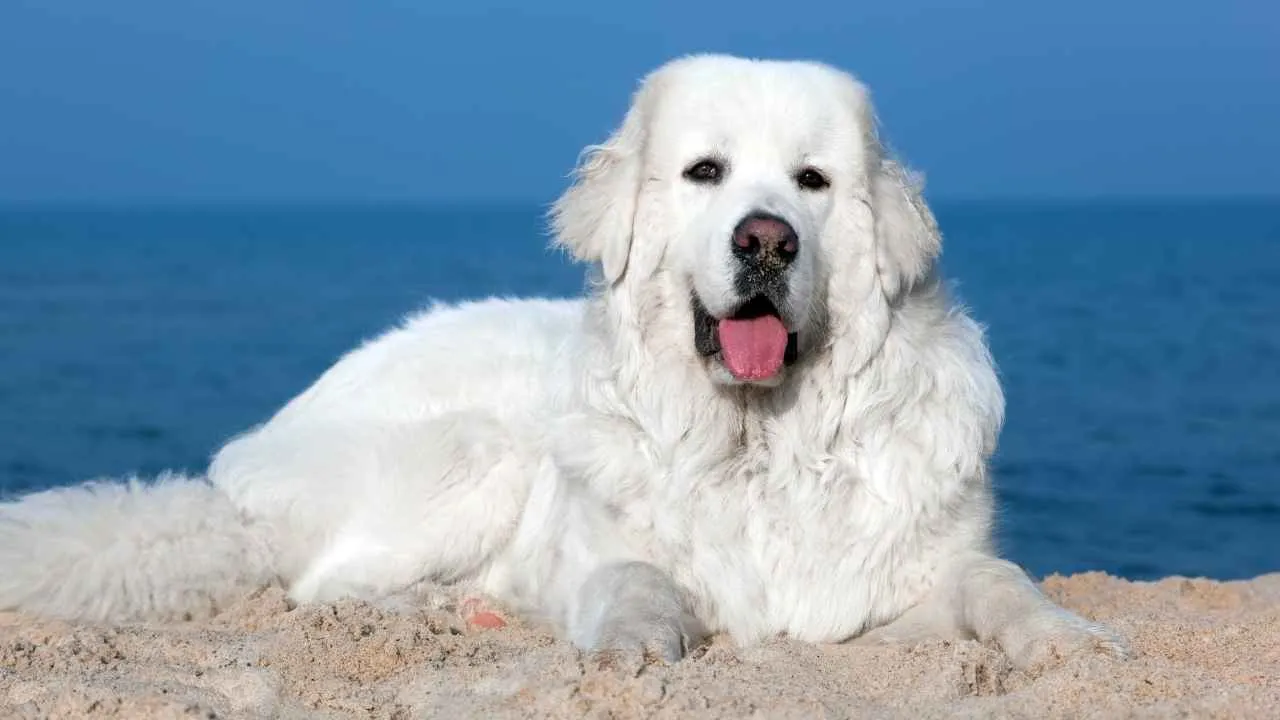
Guardians of the Tatras: History and Heritage
The Polish Tatra Sheepdog, or Owczarek Podhalanski, is a rare and historic livestock guardian breed from the Tatra Mountains of Poland. Their development was closely tied to traditional shepherding practices, which preserved their intelligence, independence, and working instincts over generations.
Temperament and Personality
Polish Tatras are alert, loyal, and highly intelligent. Gentle with children and compatible with other pets, they are independent thinkers capable of assessing situations without guidance. While not aggressive by nature, they will bark, growl, or act to protect family, property, or livestock if provoked or warnings are ignored.
Care, Training, and Living Conditions
Tatras thrive when given meaningful work or a structured environment. Although some individuals can adapt to home life, the breed flourishes in farm or rural settings where their guarding instincts and intelligence can be exercised. Early socialization and consistent leadership are critical for nurturing well-rounded dogs.
Preservation and Breeding Challenges
The Polish Tatra Sheepdog is extremely rare in North America, with very few breeders working to preserve its limited genetics. Responsible breeding requires careful attention to health, temperament, and conformation, avoiding inbreeding and ensuring dogs are placed in homes suited to their abilities.
Conclusion
Originally bred for guarding livestock, these guardian dog breeds have protective instincts and form strong bonds with humans. Many livestock guardians keep family and potential threats under watch while ensuring the livestock’s safety.
These livestock dog breeds for protecting your animals thrive on large farms and in harsh climates, with a calm demeanor and thick double coat for livestock guarding.
Consistent training and mental stimulation make them highly skilled, deeply loyal, and excellent at guarding livestock and other livestock. Guardian dogs excel at livestock protection, protecting sheep, other animals, and farm herds from potential threats.
Beyond their working roles, livestock guardian breeds are wonderful family pets and great family dogs, gentle giants with strong bonds to humans and other dogs. With proper training, livestock guarding dogs protect flocks, herds, and other livestock while keeping family and pets safe.
