




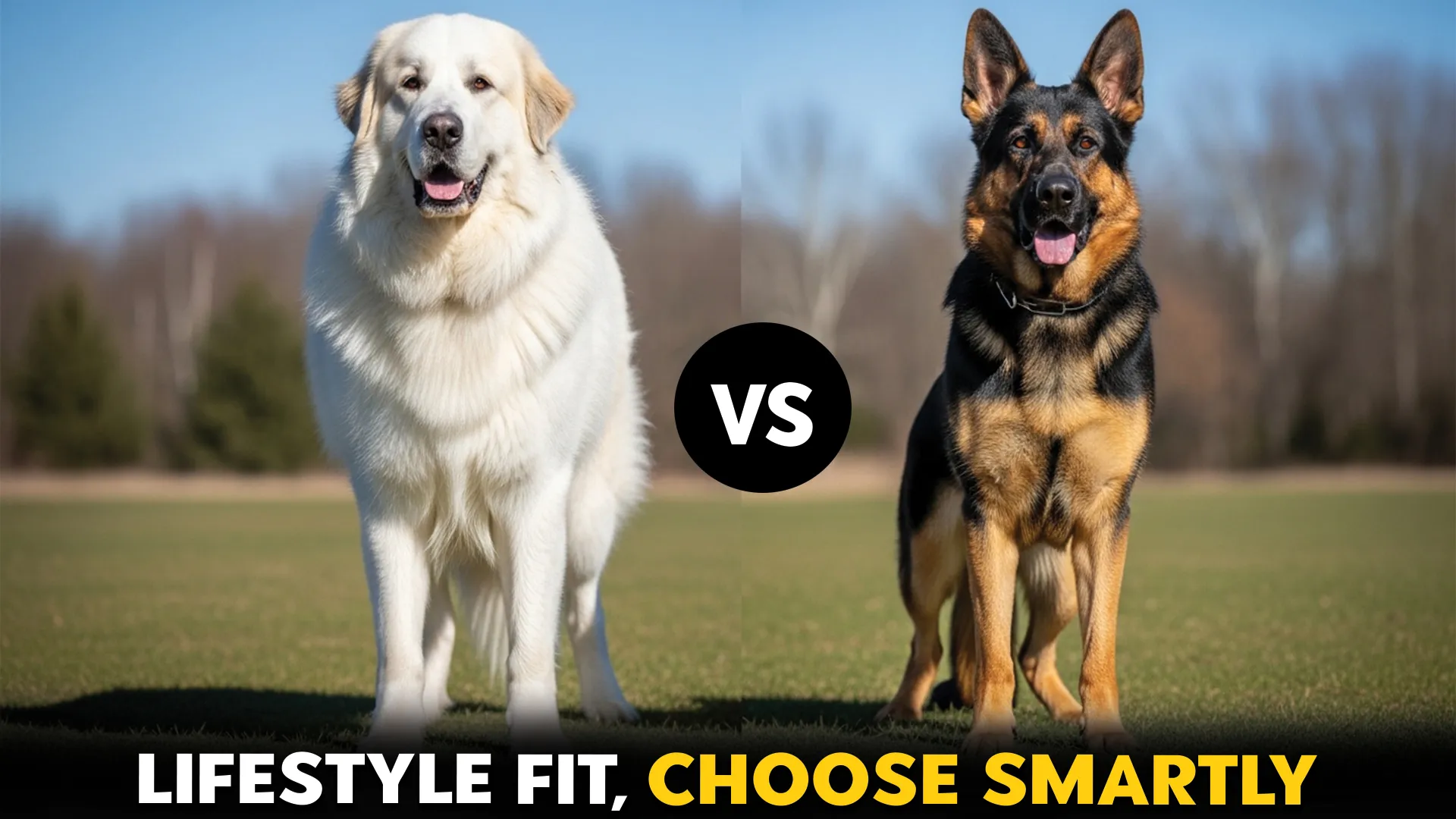
Choosing the right dog isn’t just about appearance—it’s about finding the right fit for your everyday life. Some dogs crave action, structure, and constant engagement. Others are content being calm, steady guardians who quietly watch over their family and home.
If you’re deciding between the driven intensity of a German Shepherd and the gentle strength of a Great Pyrenees, you’re already asking the right question.
So what suits you best? An energetic, highly trainable German Shepherd who thrives on mental challenges and close partnership? Or a massive, composed Great Pyrenees who values independence and protects with quiet confidence?
In this article, we break down their differences in energy, personality, grooming, space needs, and more—so you can confidently choose the breed that truly belongs in your life.
Key Takeaways
Discover which dog fits your lifestyle: the high-energy, always-on German Shepherd or the calm, watchful Great Pyrenees.
Compare size, strength, and exercise needs to see which breed thrives in your home and routine.
Learn how temperament, loyalty, and training style differ between these iconic working dogs.
Get practical insights on grooming, health, and family compatibility before choosing your perfect companion.
Lifestyle Matchups: Great Pyrenees Dog Breeds vs. German Shepherds
Origins & Purpose
German Shepherd
The German Shepherd was officially developed in 1899 by Max von Stephanitz, a German cavalry captain who believed dogs should be bred for working ability above all else.
After discovering a dog named Hektor Linksrhein—later renamed Horand von Grafrath—he founded the Verein für Deutsche Schäferhunde and began carefully refining the breed.
Originally bred as a herding dog, the German Shepherd quickly proved to be exceptionally intelligent, loyal, and trainable. As herding needs declined, they transitioned into police, military, search and rescue, and service roles.
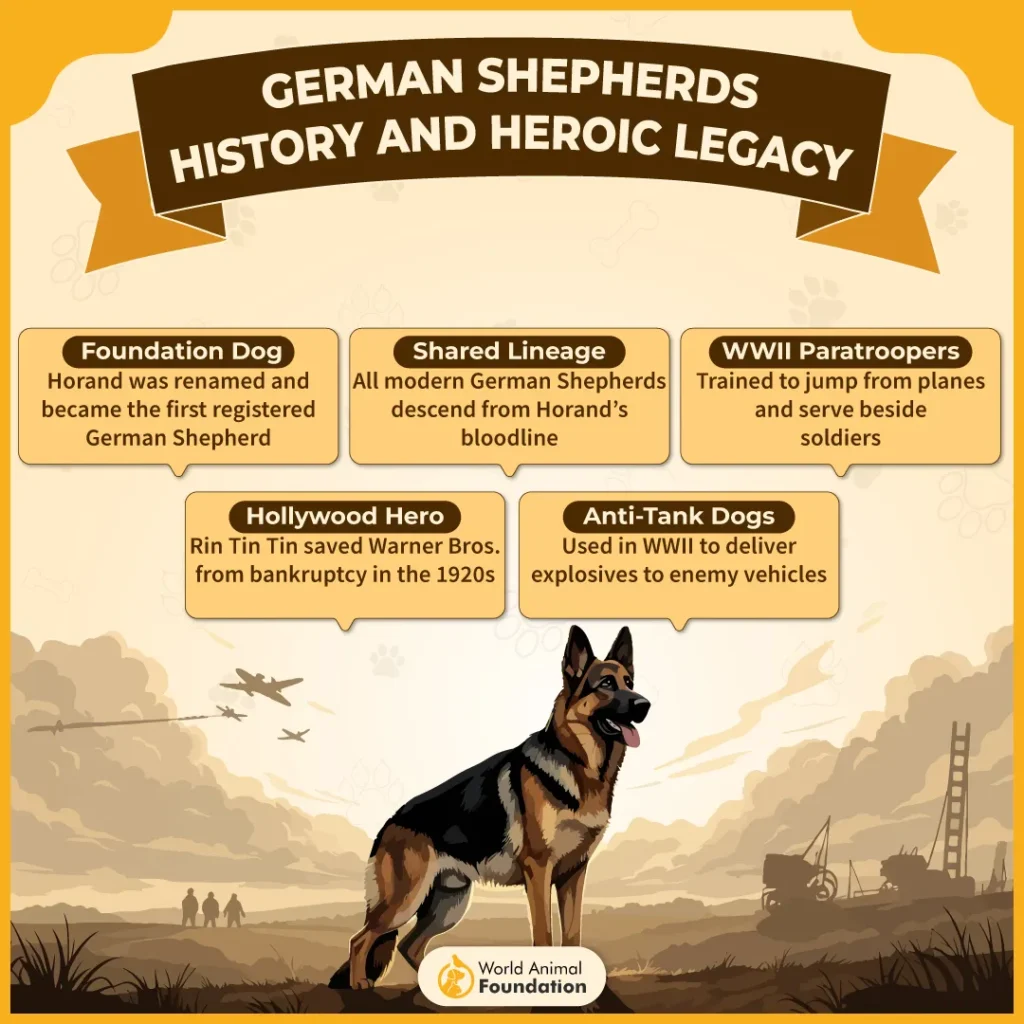
In fact, nearly all modern German Shepherds trace their lineage back to Horand, making him the genetic foundation of the breed.
Great Pyrenees
The Great Pyrenees dates back thousands of years to the Pyrenees Mountains between France and Spain. Shepherds relied on these powerful white dogs to guard flocks from wolves and bears, often leaving them to work alone in remote mountain pastures.
Unlike herding breeds, they were bred to think independently and make decisions without human instruction. By the 17th century, the breed impressed French royalty, including Louis XIV, who named it the Royal Dog of France, as mentioned by the Royal Kennel Club.
After nearly facing extinction in the early 1900s, preservation efforts led by Bernard Senac-Lagrange helped restore the breed. Their purpose has always been steady, calm protection rather than constant command-driven work.
Size & Physical Build
German Shepherd
The German Shepherd is a large, well-proportioned working dog built for speed, endurance, and strength. Their frame is muscular yet agile, allowing them to move quickly and work for long hours without tiring easily.

Average Size:
Height (at withers):
Males: 24–26 inches
Females: 22–24 inches
Weight:
Males: 65–90 lbs (some lines 75–95 lbs)
Females: 50–70 lbs
Their double coat is dense and sheds heavily, especially during seasonal changes. Because of their intelligence and high energy, they require at least 1.5–2 hours of daily exercise, along with consistent training for mental stimulation. Without enough activity, they can become bored or destructive.
This size and energy level mean they’re best suited for experienced owners who understand early training, socialization, and structured discipline. They are strong dogs that need confident handling.
Great Pyrenees
The Great Pyrenees is significantly larger and heavier, bred to stand its ground against wolves and other predators. Their powerful, muscular build and thick white coat often earn them comparisons to a polar bear.
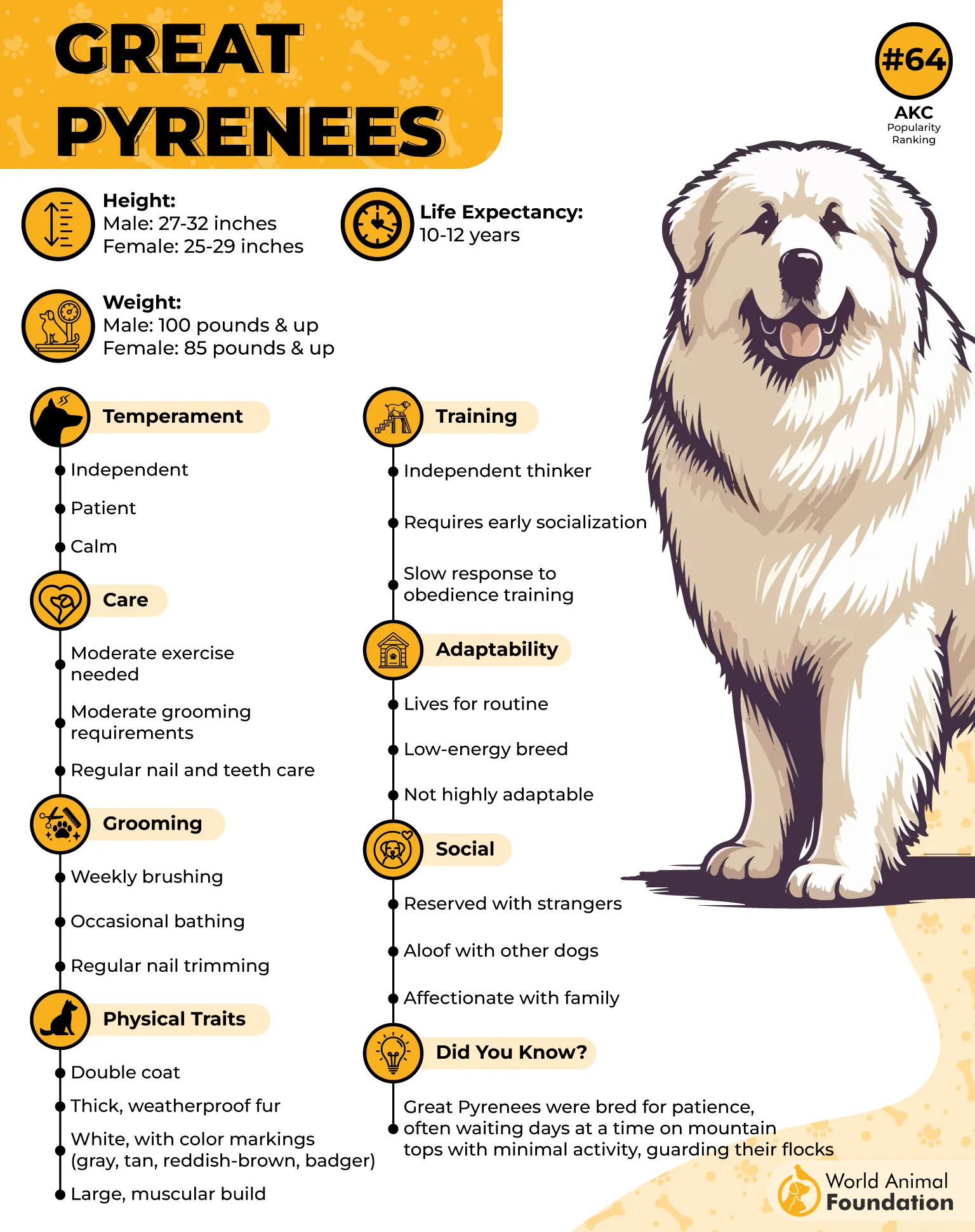
Average Size:
Height: 25–32 inches
Weight:
Females: Around 85 lbs
Males: 100+ lbs
Their thick double coat is weather-resistant and naturally dirt-repellent, meaning they only need occasional bathing.
However, shedding is constant—expect white fur on clothes and furniture year-round. Despite their heavy coat, it should not be shaved in hot weather, as it helps regulate temperature and protect their skin.
While they are not as high-energy as their counterpart, their sheer size and strength mean they still need space, secure fencing, and steady guidance. Their build reflects their original purpose: calm, steady protection rather than speed and pursuit.
Temperament & Personality
German Shepherd
German Shepherds are intensely loyal and deeply bonded to their families. They form strong attachments and genuinely want to be involved in everything their humans do.
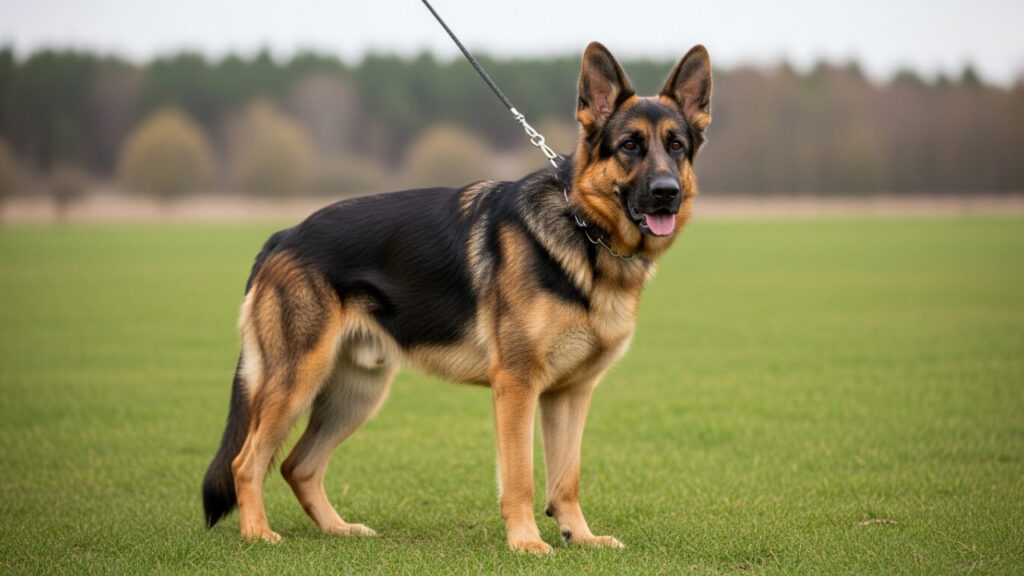
Often described as “cold on the outside, soft on the inside,” they can appear aloof at first—but once they trust you, they are affectionate, playful, and incredibly devoted.
Because they were bred as working dogs, they are:
Highly intelligent and quick learners
Naturally protective and alert
Energetic and task-oriented
Deeply people-focused
They are naturally cautious around strangers and will assess new people or situations carefully. With proper early socialization and training, they make outstanding family companions and gentle protectors of children.
However, without structure and stimulation, their intelligence and energy can turn into boredom, destructiveness, or overprotectiveness.
They dislike being left alone for long periods and are prone to separation anxiety. Simply put, this is a breed that needs purpose, training, and daily engagement to truly thrive.
Great Pyrenees
The Great Pyrenees has a quieter, steadier personality. Bred to guard livestock alone in remote mountains, they are naturally independent thinkers. They are calm, patient, and affectionate with their families, especially gentle with children, often showing remarkable tolerance and care.
Key personality traits include:
Mellow and composed
Strong territorial instincts
Loyal and watchful
More independent than obedient
They may seem relaxed, but they are always aware of their surroundings. If they sense a threat, they will not hesitate to step in. Their protective nature can sometimes lead them to be wary of visitors if not properly socialized.
Unlike their more people-dependent counterpart, they generally tolerate alone time better and are less prone to separation anxiety. However, their independent nature can make obedience training more challenging, especially for first-time owners, according to the Great Pyrenees Club of America.
Exercise & Energy Levels
German Shepherd
German Shepherds are high-energy dogs, especially during puppy and young adult stages. Bred for herding and guarding, they are driven, athletic, and happiest when they have a job to do.
Daily Exercise Needs:
At least 1.5–2 hours of vigorous activity
Off-leash running in a secure area
Jogging, hiking, or structured walks
Canine sports like agility, tracking, or obedience work
Without enough physical and mental stimulation, they often create their own outlets—barking, chewing, digging, or obsessive behaviors like tail chasing. Puppies, in particular, are known for sudden bursts of “zoomies” followed by dramatic crash naps.
This is not a low-maintenance breed. If you enjoy being active and want a dog that can keep up with adventures, this energy can be a perfect match. If not, frustration can build quickly—for both of you.
Great Pyrenees
The Great Pyrenees has a very different approach to energy. As livestock guardians, they were bred to conserve strength and act only when necessary. Rather than constant movement, they prefer relaxed patrols and lounging near their family.
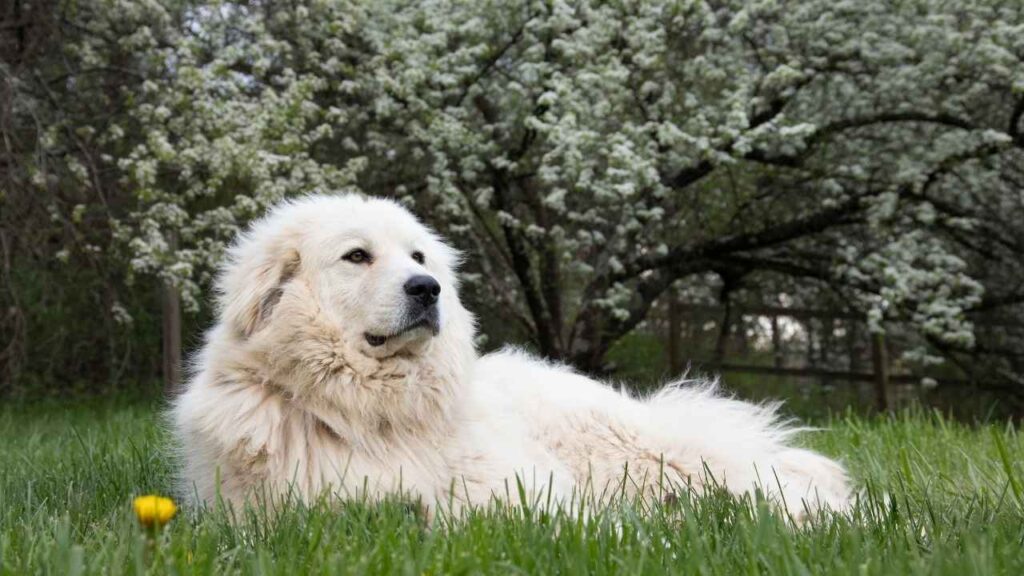
Daily Exercise Needs:
About 30–60 minutes of moderate exercise
Calm walks and light roaming
Access to a secure, fenced yard
They are not natural running partners and may wander off-leash. While they enjoy hikes and outdoor time—especially in cooler weather—they are generally mellow indoors and happy to relax.
Keep in mind that their thick coat makes them sensitive to heat, so exercise in hot weather should be limited. In colder climates, however, they truly thrive.
Training & Intelligence
German Shepherd
German Shepherds are considered one of the most intelligent dog breeds, and their eagerness to please makes training much easier. Bred to work closely with humans, they respond extremely well to structure, consistent guidance, and positive reinforcement.
Training is not optional for this breed—due to their strength and protective instincts, it’s essential to establish rules and boundaries early. Early socialization with people and other dogs, obedience classes during puppyhood, and daily mental stimulation are critical.
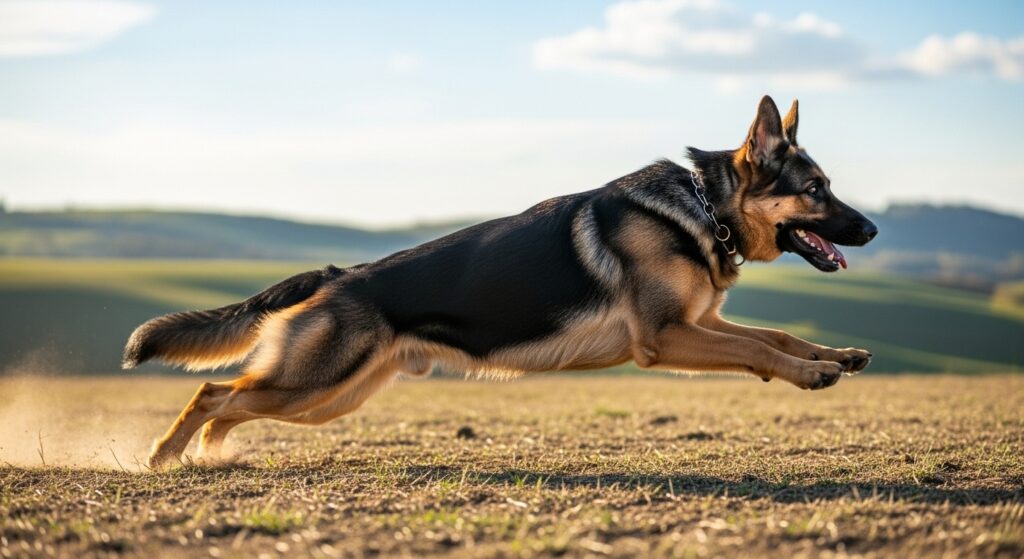
Mental exercises, problem-solving games, and structured tasks help channel their intelligence productively. Without proper guidance and engagement, German Shepherds can become overprotective, anxious, or develop unwanted behaviors.
Great Pyrenees
The Great Pyrenees is also highly intelligent, but in a very different way. Bred to guard livestock alone in remote mountains, they were expected to make independent decisions without human direction.
This independent mindset means they understand commands but may not always follow them unless they see a reason to do so.
Training a Great Pyrenees requires patience, consistency, and positive reinforcement. Short, rewarding sessions work best, and early socialization is critical to prevent suspiciousness of strangers or guests.
For first-time owners, obedience classes can be very helpful. Harsh or repetitive training methods do not work well with this breed. When trained properly, they are calm, dependable, and trustworthy family guardians.
Coat Maintenance
German Shepherd
German Shepherds have a dense double coat, with a soft undercoat and a tight, rough outer coat. PetMD mentions that this breed sheds heavily year-round, with two periods of extreme shedding in spring and fall. Regular grooming is key to keeping their coat healthy and reducing hair around the house.
Grooming Tips:
Brush daily with a pin brush or Furminator to reach the undercoat
Increase brushing frequency during heavy shedding seasons
Bathe only when necessary or before dog shows—overbathing can strip natural oils
Invest in a good vacuum cleaner for managing loose hair
Never shave the coat; it insulates in winter and keeps them cool in summer
High-quality protein in the diet can also influence shedding, so feeding a balanced diet helps maintain a healthy coat. Consistent grooming keeps German Shepherds looking their best and supports overall skin and coat health.
Great Pyrenees
The Great Pyrenees has a long, silky outer coat and a soft undercoat. Despite their impressive size and fluffy appearance, their coat is naturally resistant to tangles and dirt, making routine grooming relatively manageable. A weekly brushing session is usually sufficient to prevent mats and keep the coat clean.
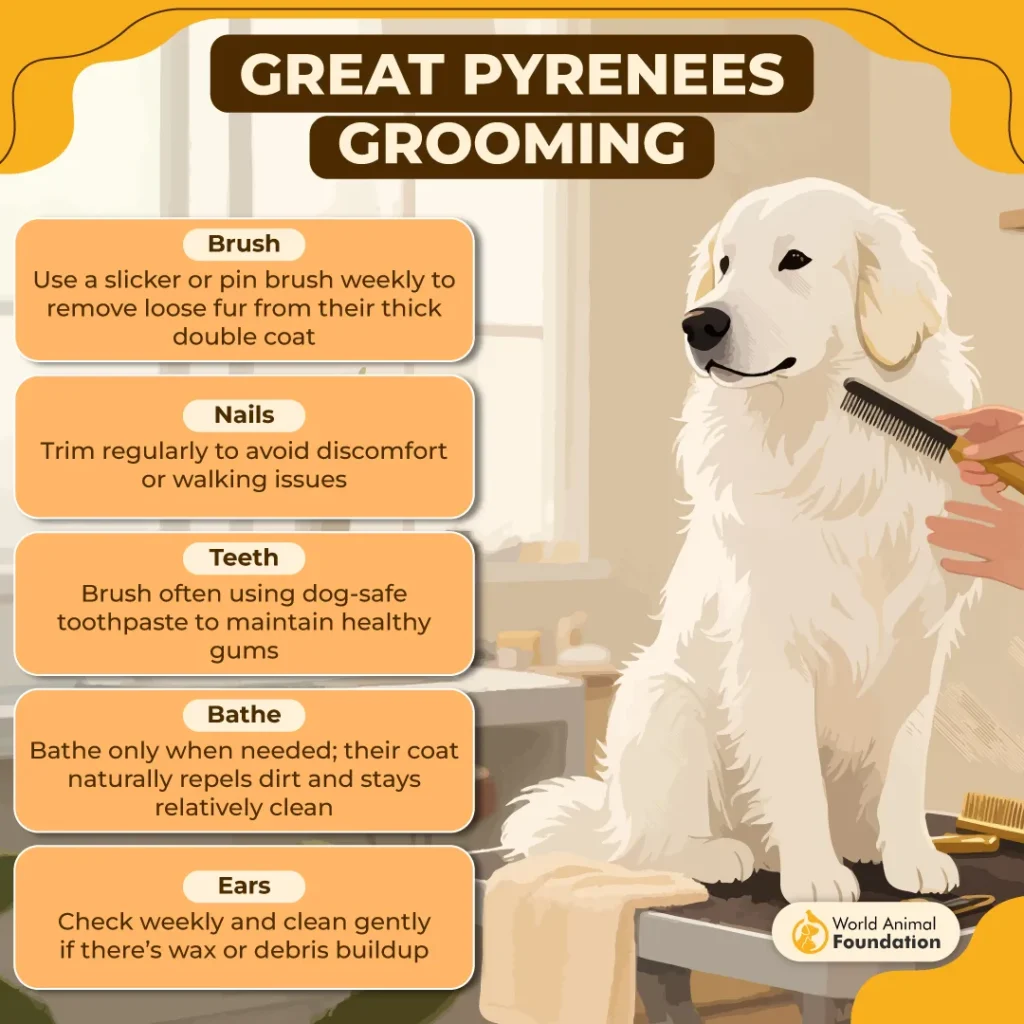
Grooming Tips:
Spend 30 minutes a week brushing, focusing on areas prone to mats: neck, tail, back legs, and rear
Use a curved-bristle slicker brush followed by a wide-toothed comb or grooming rake
Check eyes, ears, mouth, and dewclaws during grooming sessions
Bathing is rarely needed, about every 3–4 months, unless the dog gets very dirty
Avoid shaving; the double coat regulates temperature in both summer and winter
During the seasonal “blowing coat,” more frequent brushing will help manage the extra shedding. Overall, the Great Pyrenees’ coat is surprisingly low-maintenance given its size and fluff, thanks to its self-cleaning, tangle-resistant qualities.
Health & Lifespan
German Shepherd
German Shepherds are known for their loyalty and intelligence, but their popularity means some breeders prioritize demand over health. Large size and genetics make them susceptible to more inherited health issues. Responsible breeders perform genetic testing to reduce these risks.
Common Health Issues:
Hip dysplasia
Elbow dysplasia
Degenerative myelopathy
Dilated cardiomyopathy
Epilepsy
Cataracts
Exocrine pancreatic insufficiency
Cancer
Bloating
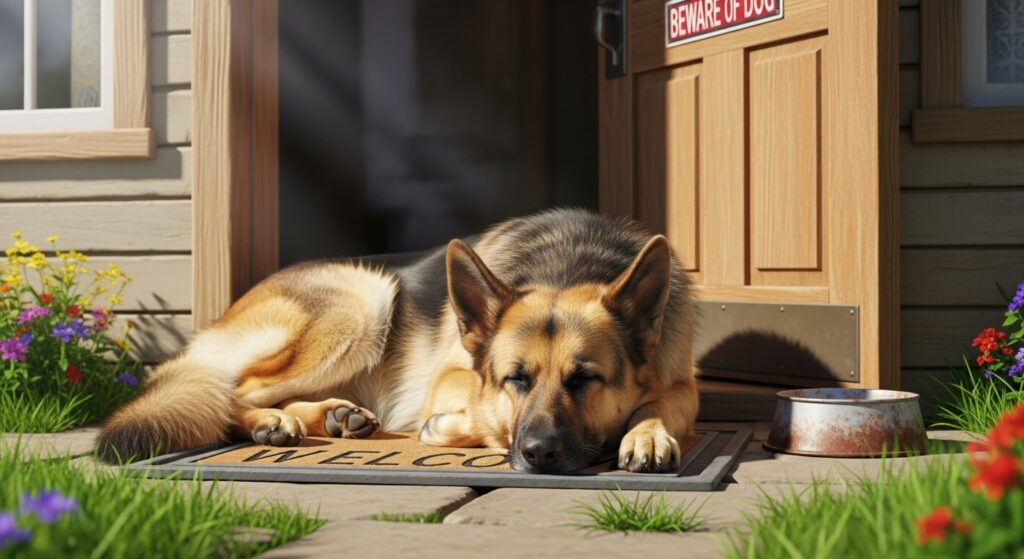
German Shepherds generally live 7–10 years. Pet insurance and regular veterinary checkups can help manage potential health concerns throughout their lives.
Great Pyrenees
The Great Pyrenees is a large, majestic breed originally bred to guard livestock. While considered healthy overall, their size and genetics make them prone to some specific conditions. Ethical breeders perform recommended screenings to ensure the health and longevity of their puppies.
Common Health Issues:
Hip dysplasia
Elbow dysplasia
Luxating patella
Osteochondrodysplasia
Eye problems
Neuronal degeneration
Bloating
Certain bone cancers
Heart problems
Great Pyrenees typically have an average lifespan of 10–12 years, slightly longer than many giant breeds. Proper care, regular checkups, and a healthy diet can help maintain their well-being.
Suitability as Family Pets vs Guard Dogs
Both German Shepherds and Great Pyrenees make excellent family companions, but their strengths differ.
German Shepherds are loyal, intelligent, and protective, making them ideal guard dogs for active households. They bond deeply with children and family members but need early socialization, consistent training, and regular exercise to manage their energy and alertness.
Great Pyrenees are calm, patient, and protective, with natural guardian instincts without being hyperactive. They are gentle with children and other pets, though their large size can be a factor in homes with small kids. Pyrs are independent and low-maintenance, making them suited for families who want a quiet, reliable guardian.
In short, German Shepherds suit active families seeking an alert and trainable protector, while Great Pyrenees fit households wanting a calm, steady, and devoted guardian.
Conclusion
Choosing between a German Shepherd and a Great Pyrenees comes down to matching their personality, energy, and protective instincts with your lifestyle. German Shepherds are high-energy, intelligent, and versatile—perfect for active families who want a loyal protector and companion.
Great Pyrenees are calm, independent, and gentle giants, ideal for those who value a steady, watchful guardian with a loving heart. Both breeds offer deep loyalty and affection, but in very different ways.
Before making a decision, think about your daily routine, activity level, and the kind of bond you want with your dog. Visiting breeders, meeting dogs in person, or even volunteering at shelters can help you understand which breed truly fits your family.
Whichever breed you choose, both of these remarkable breeds have the power to bring joy, protection, and lifelong companionship into your home—sometimes in ways you’d never expect until you meet them.
