




Dogs come in all shapes, sizes, and personalities, but some breeds are so rare and unique that they almost feel like hidden treasures. From cliff-scaling puffins to desert-speedsters, these extraordinary canines carry stories of history, purpose, and adaptation that few people ever get to witness firsthand.
These lesser-known breeds aren’t just unusual in appearance; they were shaped by harsh environments, specialized work, and centuries of selective breeding.
Their rarity often comes from geographic isolation, specific skill sets, or complex care requirements. For the right owner, they offer intelligence, loyalty, and personalities unlike anything you’ll find in common household pets.
This blog explores ten of these fascinating, rare dog breeds, highlighting their history, traits, and what makes them stand out. Whether you’re a dog enthusiast or curious about unusual companions, it reveals the stories behind these hidden canine gems.
Lesser-Known Dog Breeds Worth Your Curiosity
1. Bergamasco Sheepdog
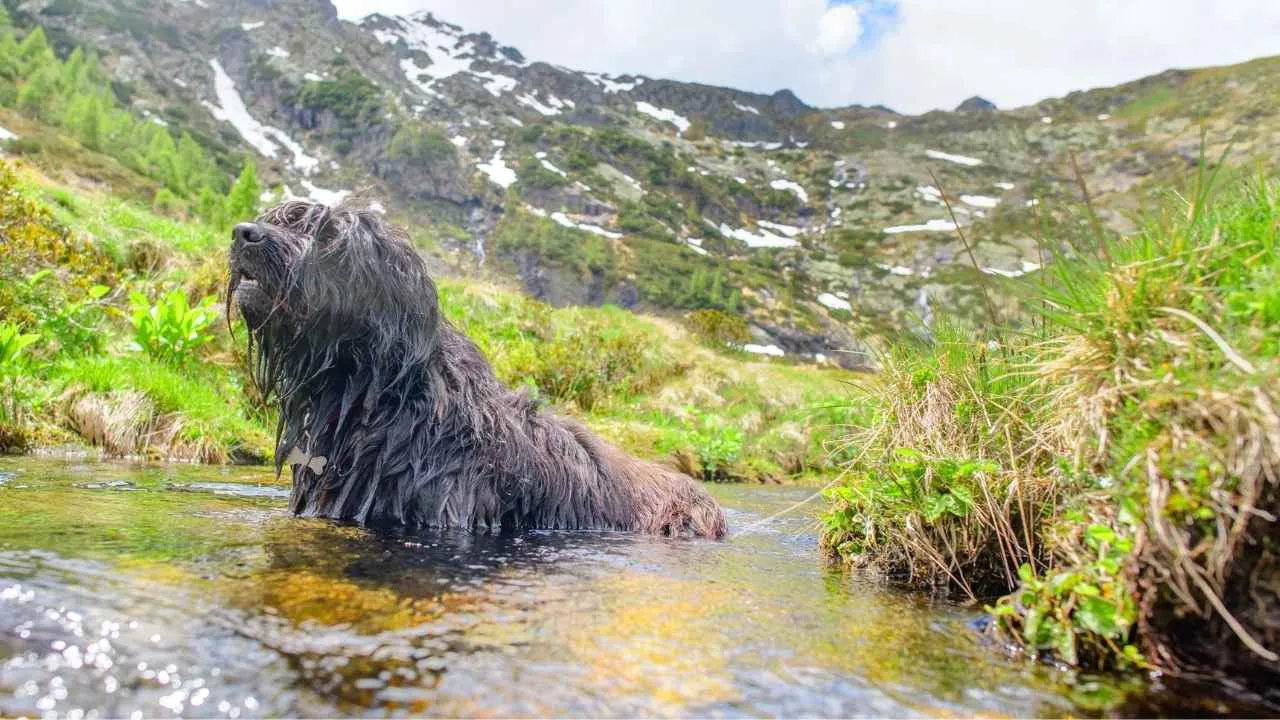
Originally bred as a herding dog across the Italian Alps, these canines look like they wandered straight out of a fiber arts festival. Their striking feature is the coat, which naturally forms flat, felted mats. It is a spectacular sight!
One reason they remain rare is the complex flocking maintenance required for that coat. Many potential owners feel intimidated by the unique grooming needs of those felted locks. Consequently, this keeps the herding breed from gaining mainstream popularity despite its incredibly patient and intelligent temperament.
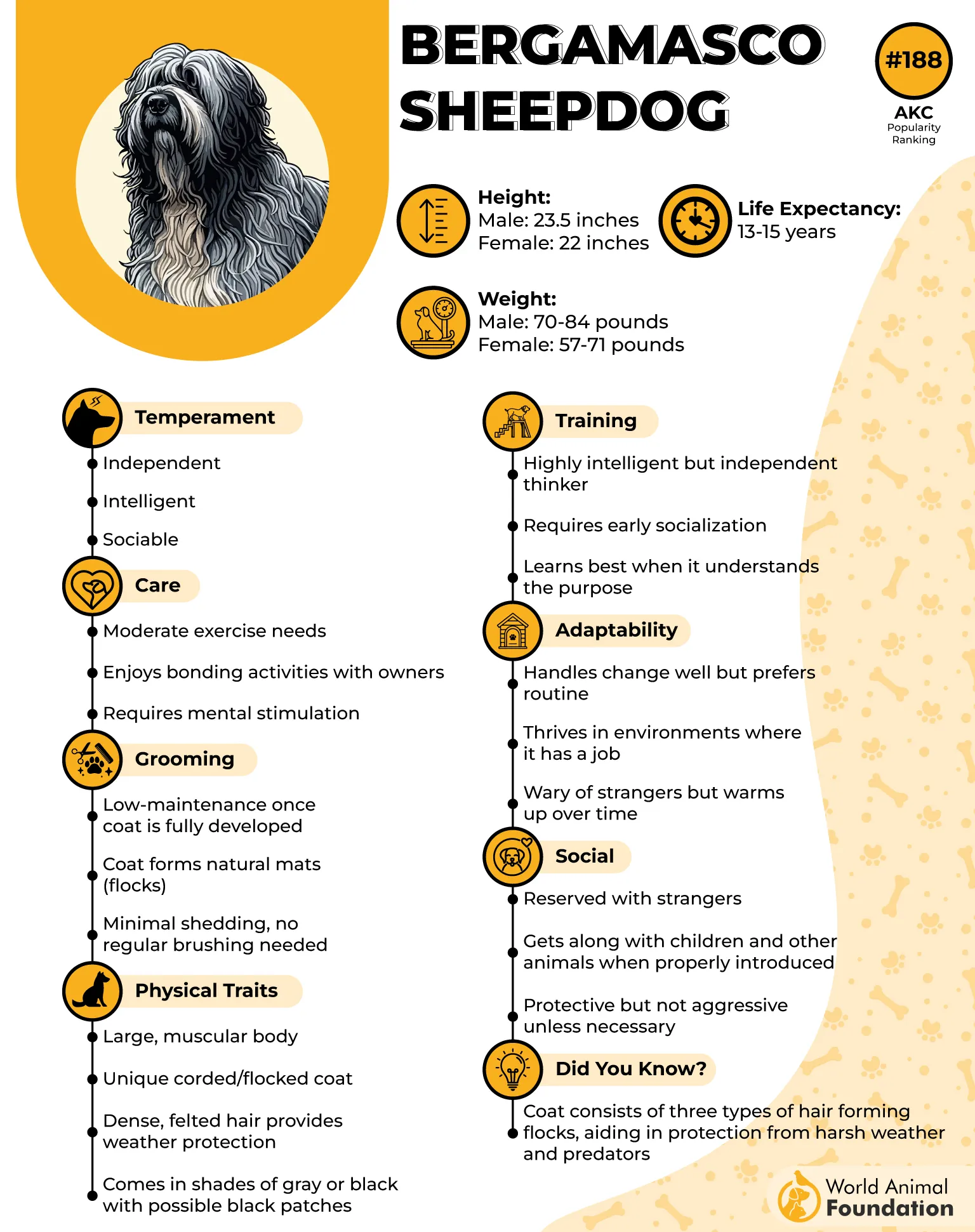
Furthermore, there is a distinct lack of puppy availability because there are extremely few active breeders globally. Their history is tied to Alpine isolation in specific mountain regions rather than commercial breeding. This makes finding one of these loyal companions a very difficult task for enthusiasts.
2. Cirneco dell’Etna
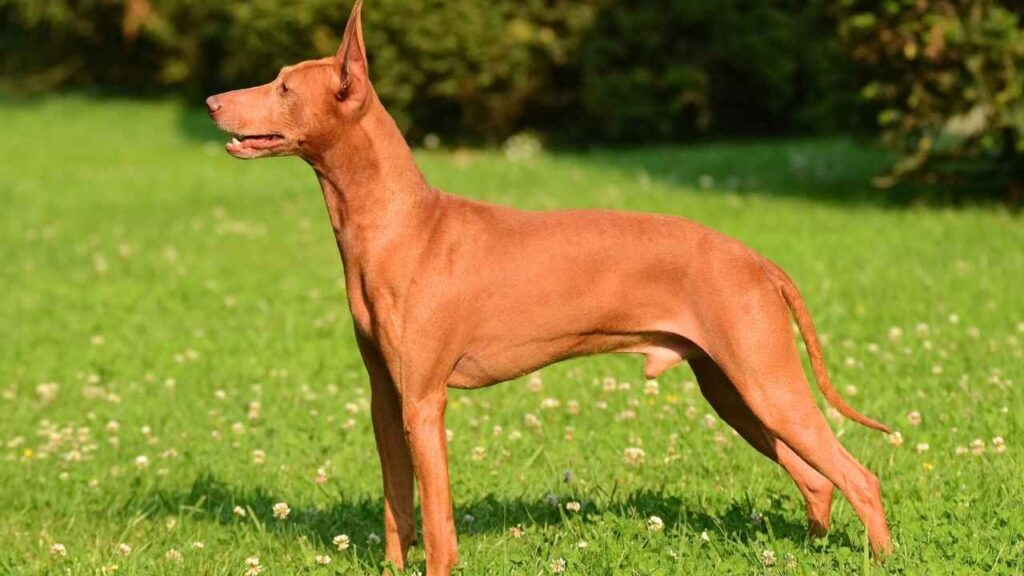
These sleek athletes were developed to navigate treacherous volcanic terrain while chasing rabbits under the Mediterranean sun. They resemble a smaller version of a Pharaoh Hound, possessing an elegant silhouette and large, upright ears. These affectionate dogs are truly hidden gems.
Their obscurity is largely due to geographic isolation since they primarily reside in Sicily. Because they stayed tucked away on one island for thousands of years, the population never surged. Living with one is like owning a piece of ancient history that prefers your sofa.
Additionally, Cirneco dell’ Etna are high-energy dogs, so not well-suited for an average casual owner. They require a fair amount of regular exercise and space to run for mental stimulation, which doesn’t always fit an easy lifestyle. Their niche hunting background ensures they remain a specialized choice rather than a common pet.
3. Azawakh
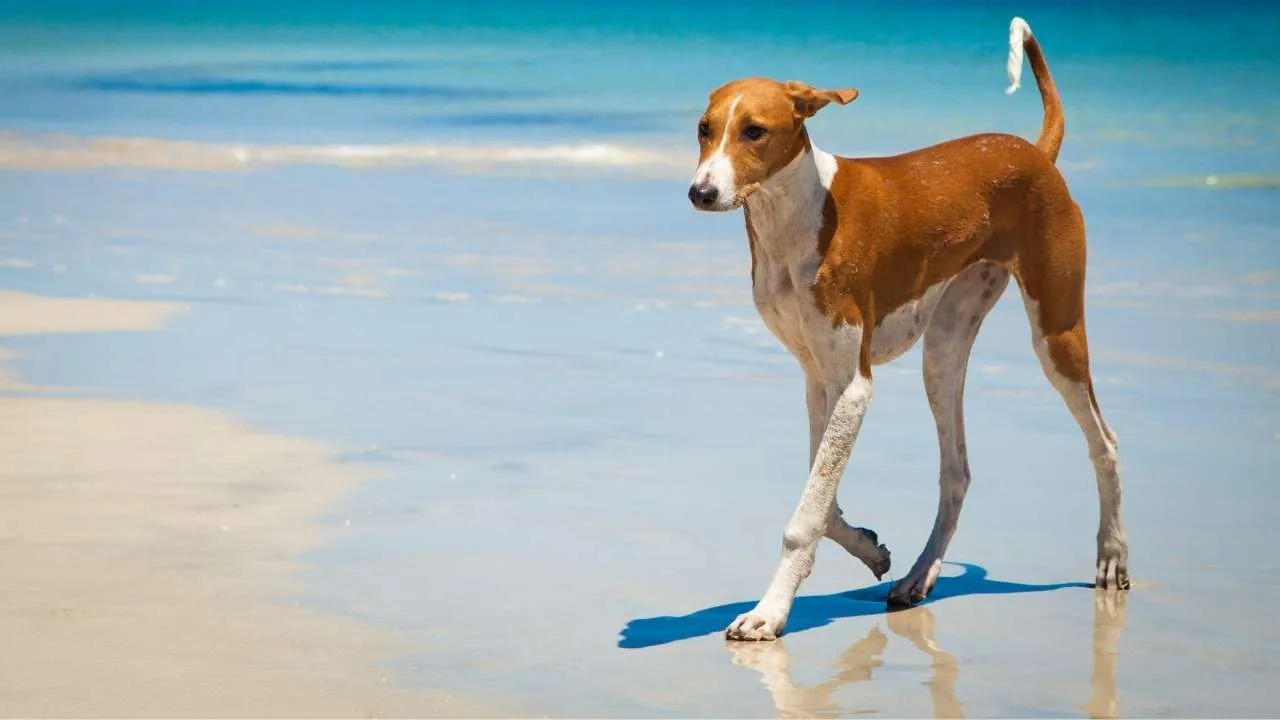
Originating from the Sahel region, these sighthounds are so leggy they look like models of the canine kingdom. They were built by nomadic people to hunt large game animals. Azwahks are loyal and devoted pets, perfect companions, but they may not be the right fit for every family, as mentioned by WebMD.
A major reason for the lesser-known breed is its extreme climate sensitivity, as it cannot tolerate cold weather well. This physical trait limits their popularity in many parts of the world. They are beautifully adapted for the desert, making them less suitable for traditional northern living.

Furthermore, they are less available because of the difficulty in rehoming them. They become so intensely attached to one person that they rarely thrive in new environments. Azawakhs are lively dogs that require daily exercise, enjoy long walks, and excel in dog sports.
4. Sloughi
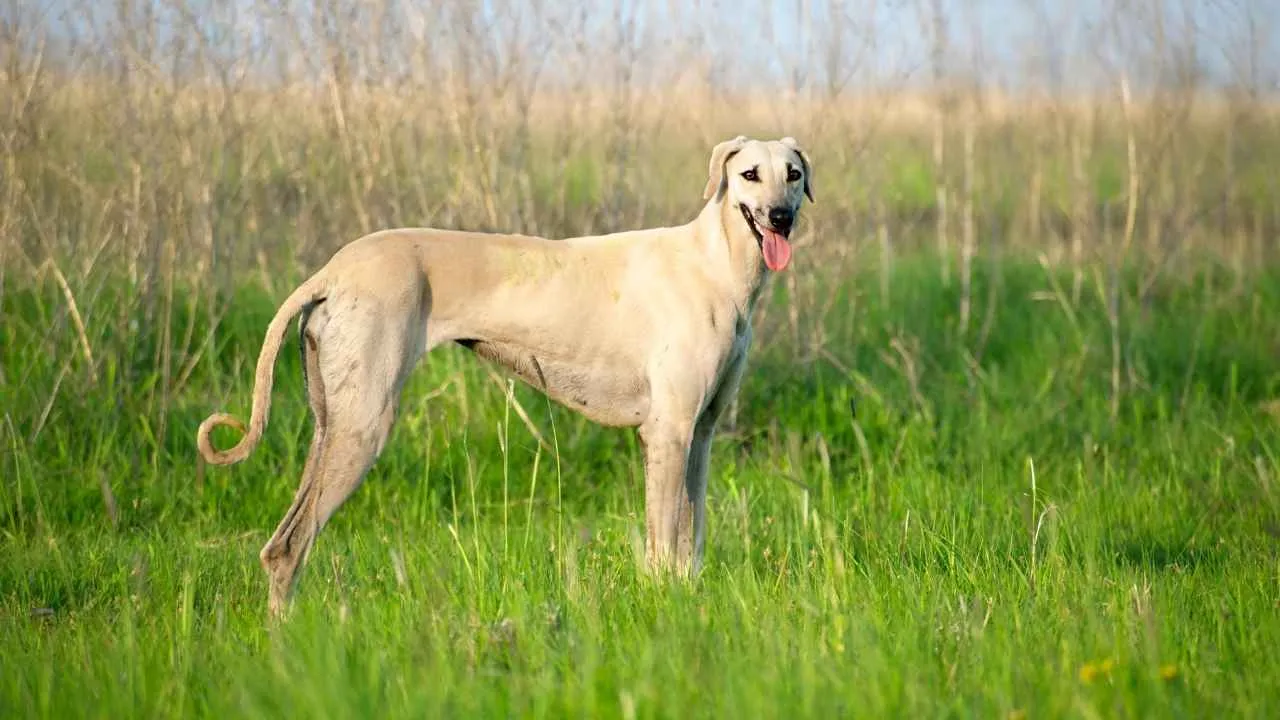
Often called the “Arabian Greyhound,” this ancient breed was built for speed and endurance in harsh North African deserts. They have a melancholic expression paired with an athletic build. Historically, they were prized companions used for coursing game across vast plains.
The reason that makes it one of the rarest dog breeds in the USA stems from ancient lineage protection and selective North African exportation. For centuries, they were shielded from the outside world to maintain their pure desert heritage. This restricted access has kept their numbers very low in Western countries.

Moreover, they currently face a vulnerable global population status with critically low registration counts. Finding a puppy is quite a challenge because there simply aren’t many breeders outside their homeland. They remain a noble, quiet secret for those lucky enough to find one.
5. Spinone Italiano
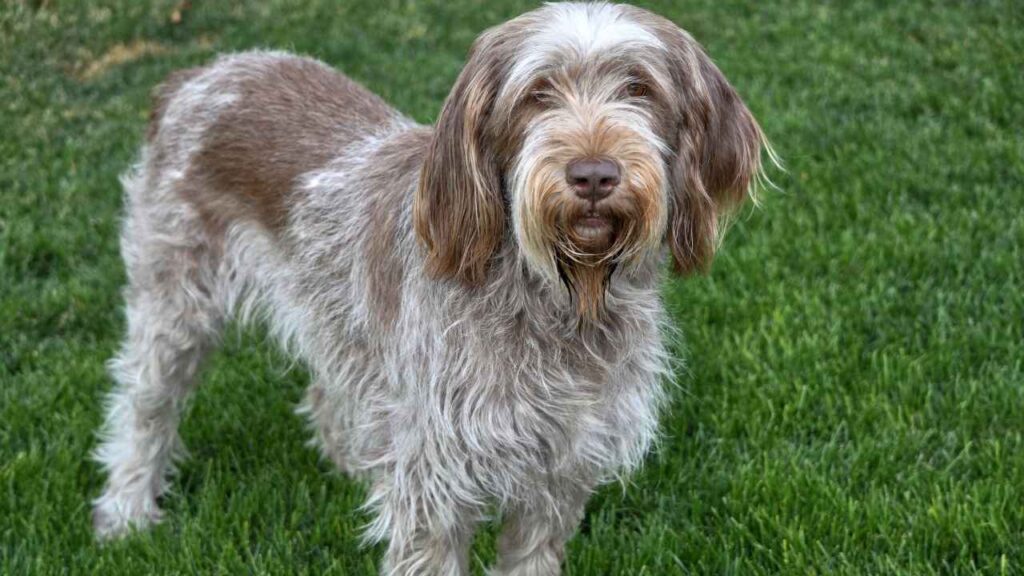
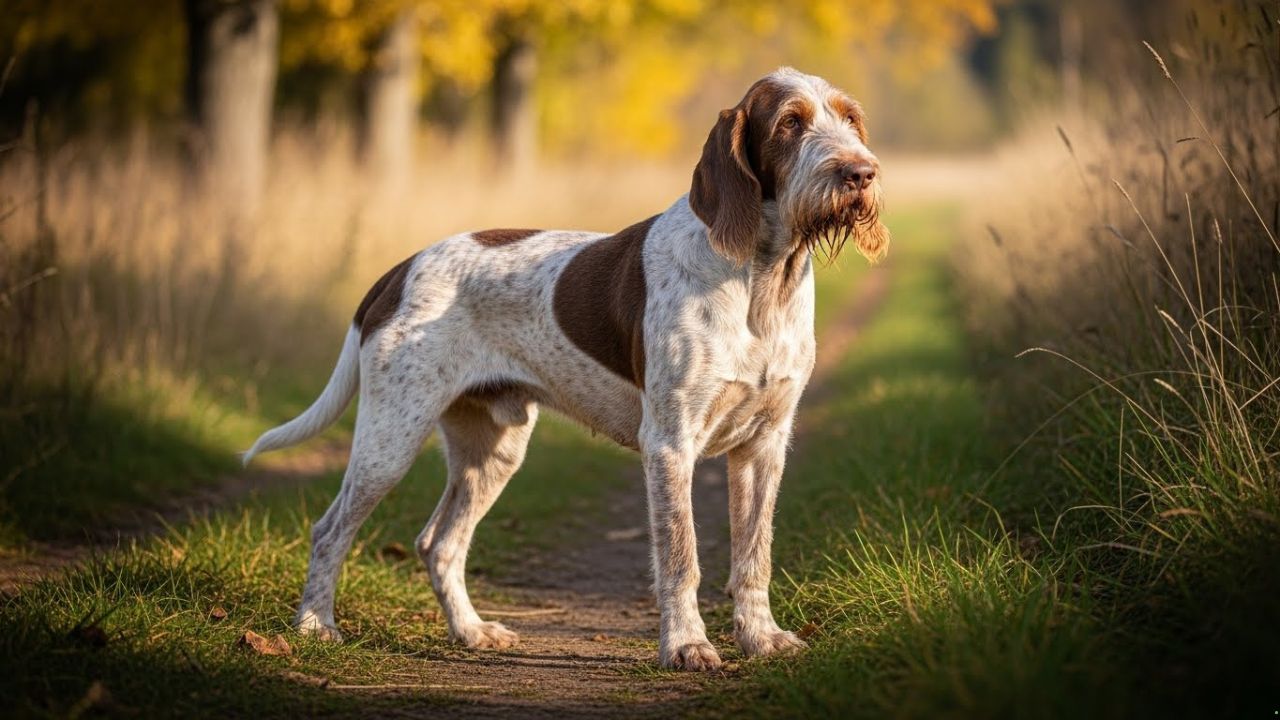
The Spinone Italiano is a friendly, gentle, and patient hunting dog. It can be a little stubborn at times, but its charming personality makes up for it. With roots tracing back to ancient Italy, this breed is known across Europe for being a versatile and reliable companion in the field.
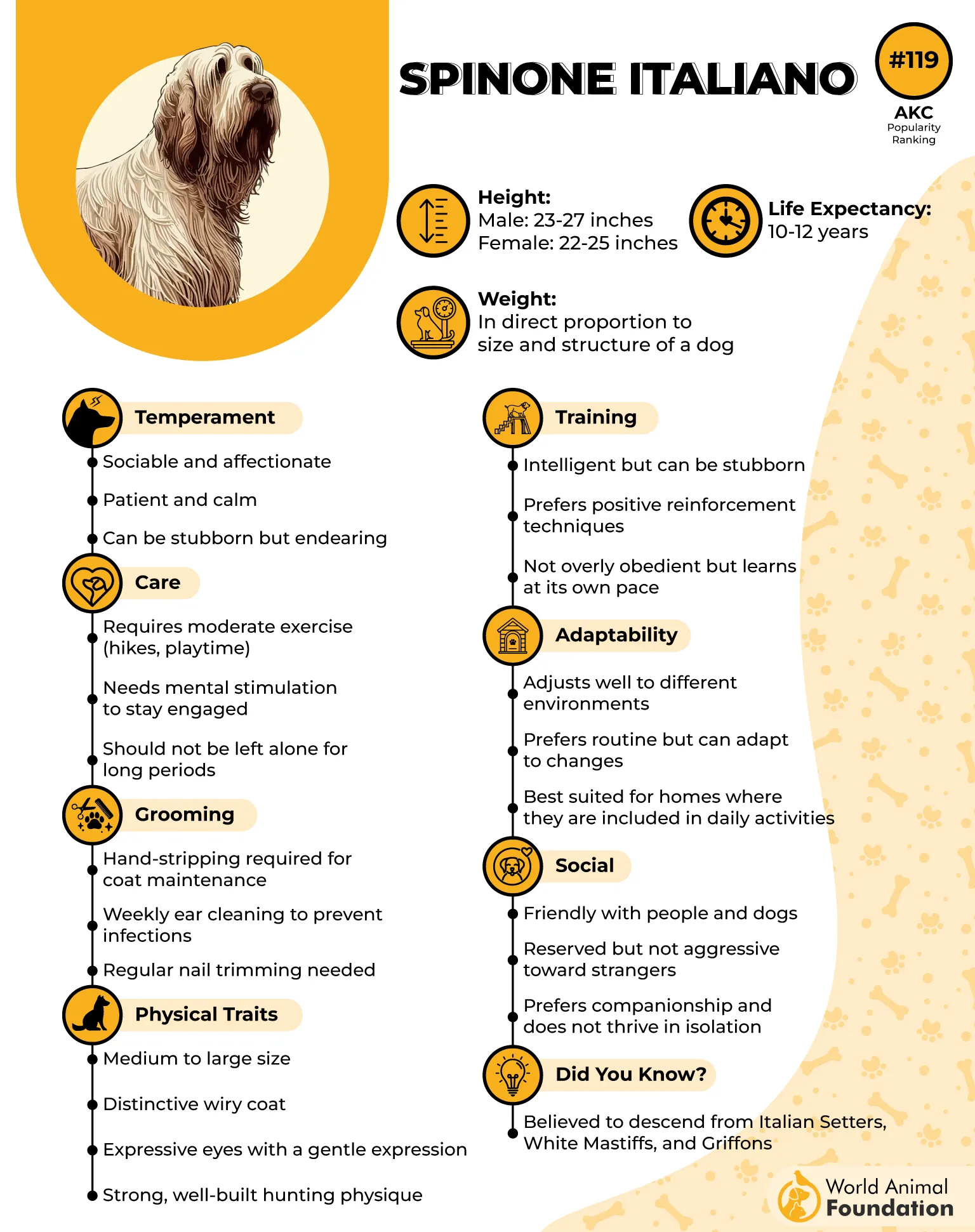
Their slow hunting popularity is one reason they are among the rare breeds. They trot with a purposeful rhythm rather than racing, which fell out of fashion for modern hunters. This “slow and steady” style makes them less available in traditional sporting circles.

Additionally, they fill a very niche, versatile role that is specialized for specific field work. While they have a goofy, sweet temperament, they aren’t marketed as common household pets. This specialized identity keeps them tucked away from the mainstream public’s attention.
6. Canadian Eskimo Dog
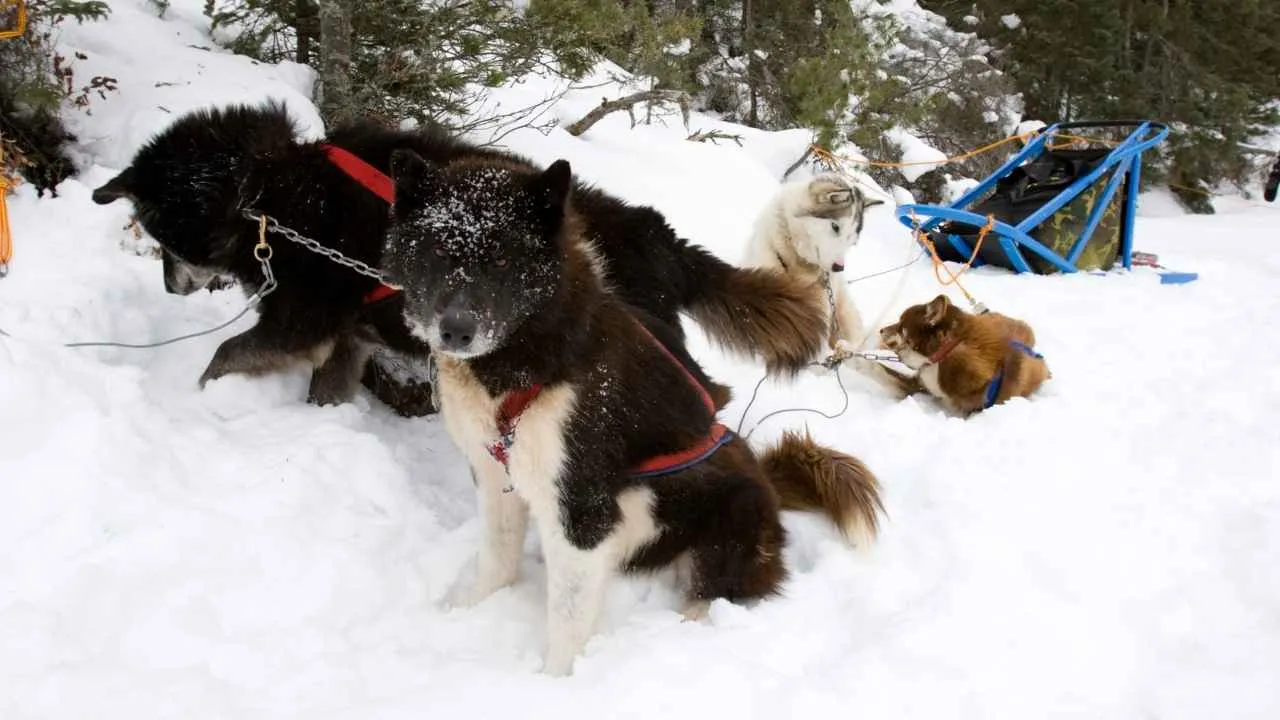
These powerful pups are ultimate survivors, having spent centuries hauling heavy sleds across tundra. They are thick-boned, muscular, and possess a dense double coat designed to withstand temperatures that would turn a human into a popsicle.
Their obscurity is mainly due to specialist working needs, as they require intense Arctic conditions. Most people simply don’t live in an environment where these powerful workers can thrive. This geographical constraint severely limits their popularity as general family pets or apartment companions.
Furthermore, technology caused a massive population decline when snowmobiles replaced traditional sled dogs. This shift nearly wiped out the breed entirely in the mid-20th century. Today, they remain rare because breeders are still struggling to rebuild their numbers from that collapse.
7. Borzoi
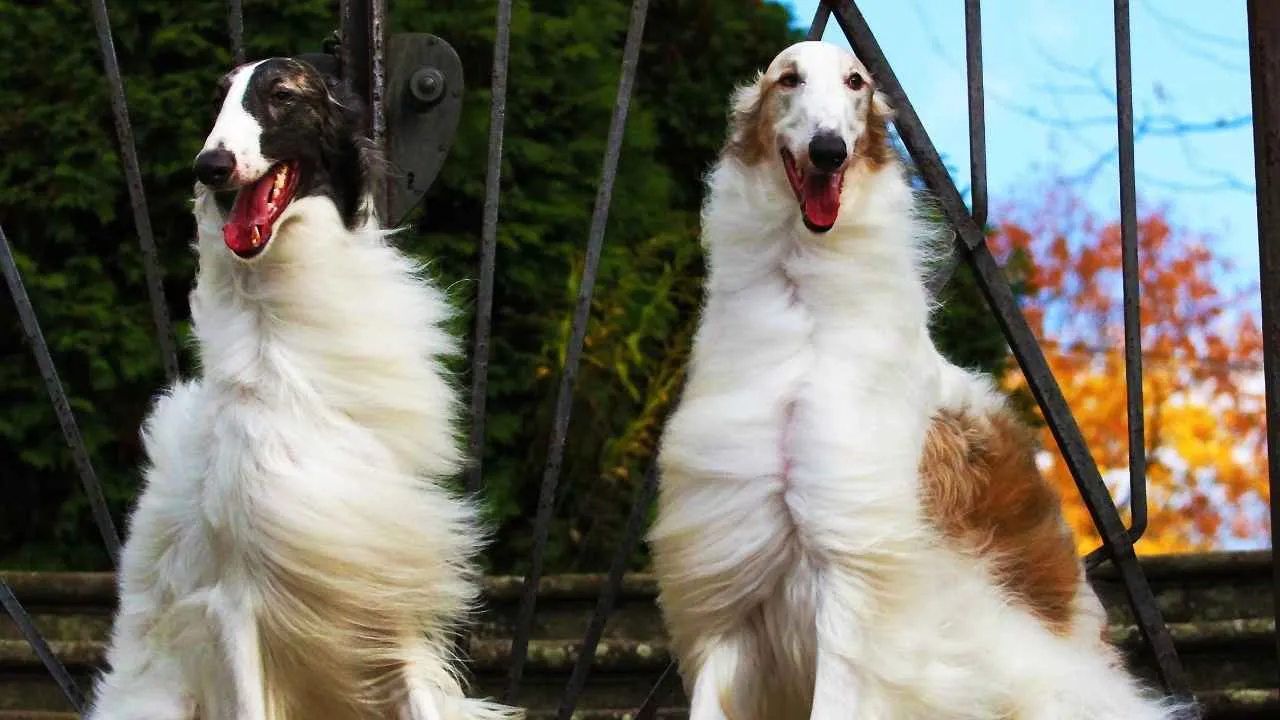
Once known as the Russian Wolfhound, these dogs look like they belong in a Renaissance painting. They are incredibly tall and narrow, featuring long, silky hair. They were originally bred by the Russian nobility to hunt wolves in large teams.
Their low availability is tied to an aristocratic gift history; they were traditionally never sold commercially. Instead, they were shared as prestigious presents between nobles, preventing a market from developing. This exclusive past kept them away from the general public for generations.
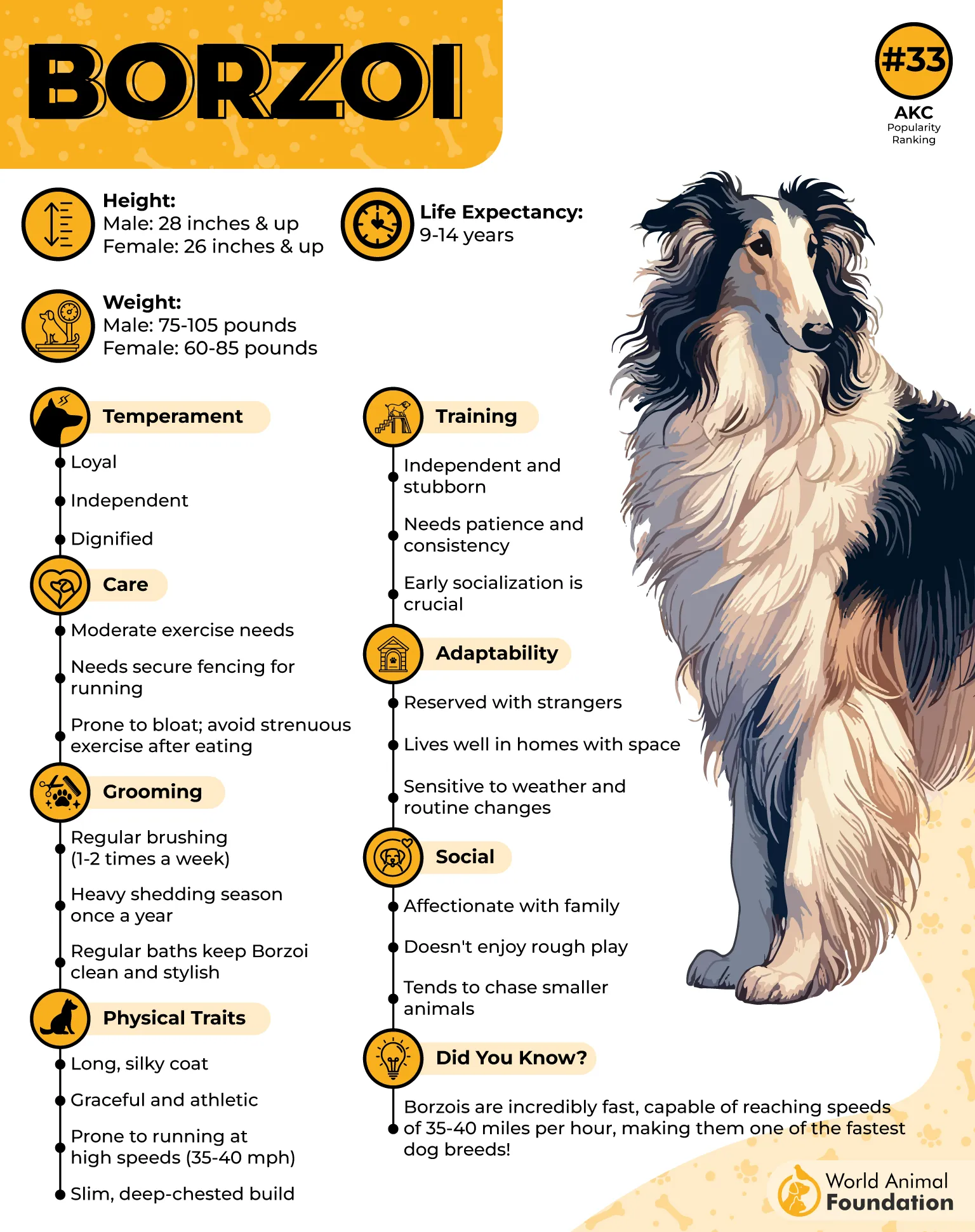
Moreover, a revolutionary population collapse occurred when they were targeted during political upheavals in Russia. Since they represented the wealthy ruling class, many were lost, nearly ending the breed. It took immense international effort to preserve these elegant, feline-like sighthounds for today.
8. Glen of Imaal Terrier
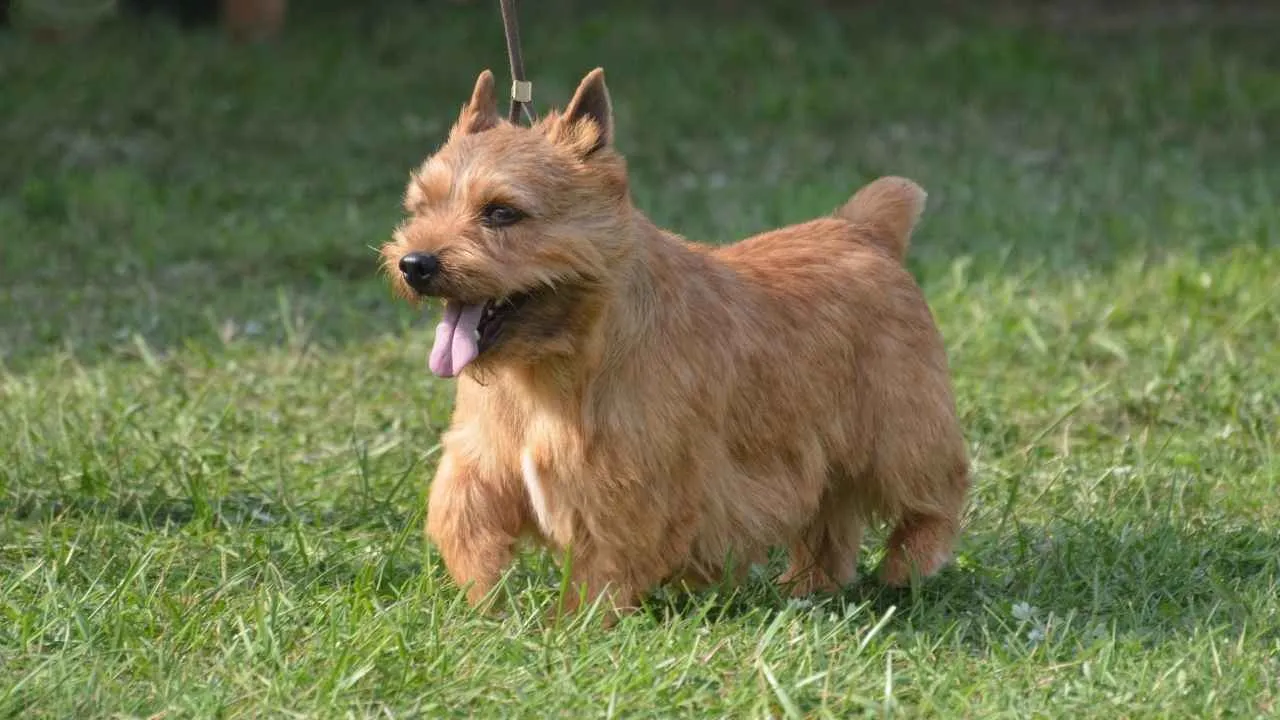
Coming from a remote valley in Ireland, these “big dogs on short legs” were built for rugged farm work and hunting badgers. They have a unique, bowed front leg structure and a wiry coat. They are sturdy and possess a great attitude.
Their hidden valley origin kept them geographically isolated, preventing them from spreading quickly across the world. They were a local secret for so long that they never gained the fame of other terriers. This isolation preserved their unique look but kept them quite rare.
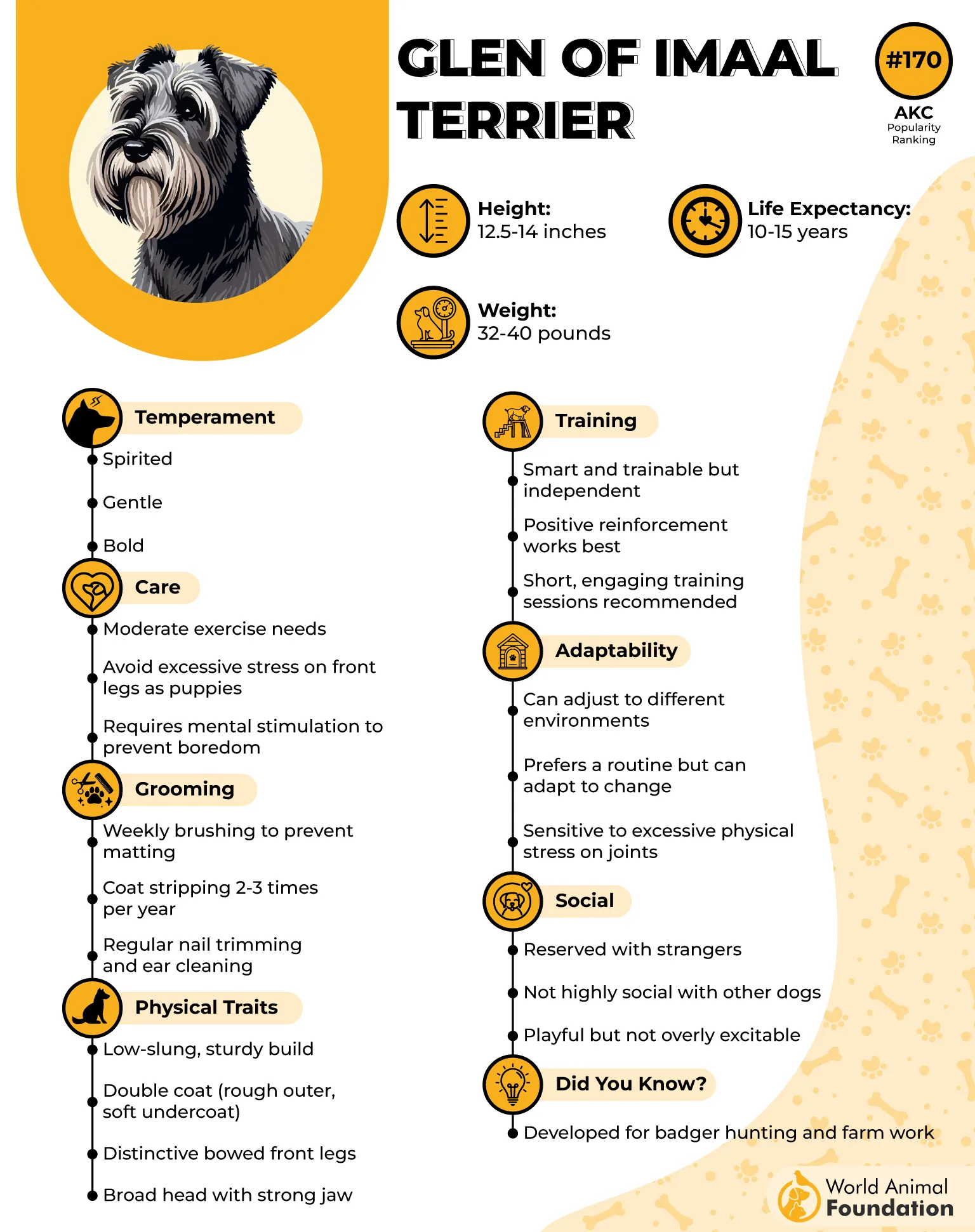
Additionally, they remain less available due to limited breeding numbers and small litter sizes. There are very few breeders dedicated to this specific Irish lineage today. These loyal dogs are relatively quiet; you simply won’t find many of them at your local park.
9. Norwegian Lundehund
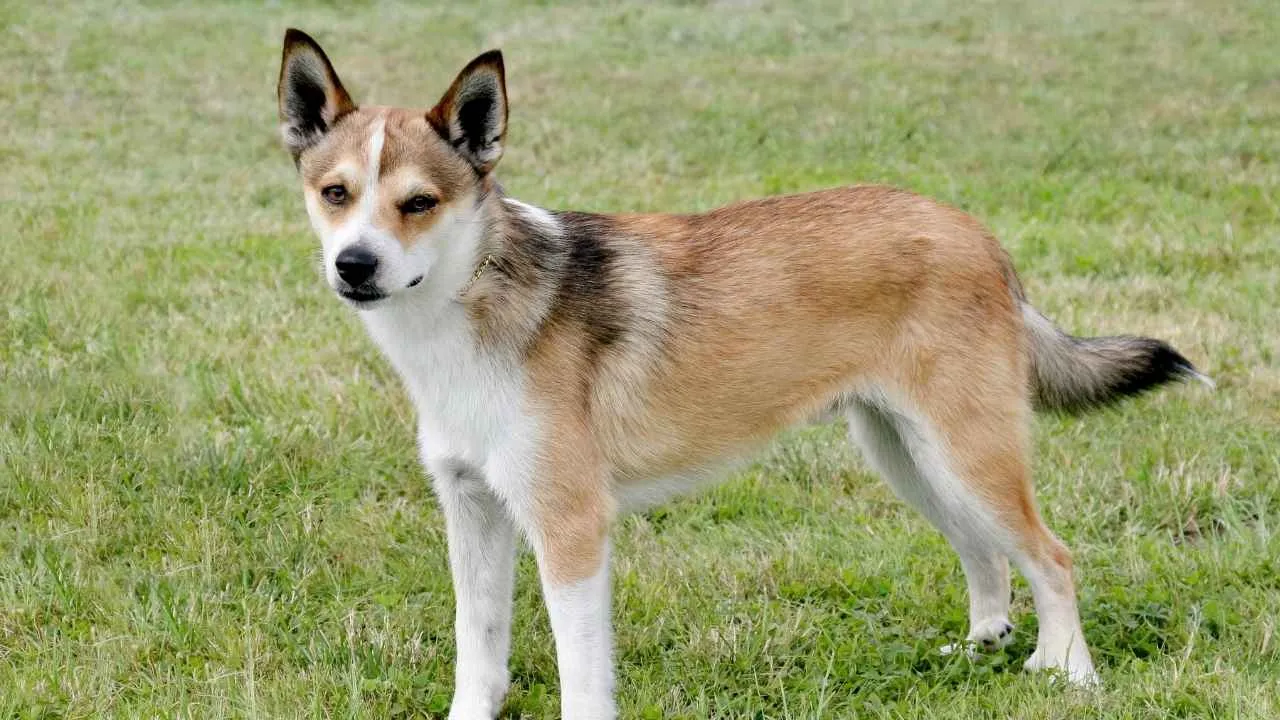
These little “Puffin Dogs” are perhaps the most anatomically strange canines. They were originally used to scale steep, slippery cliffs in Norway to retrieve sea-birds from narrow crevices. They have six toes on each foot and can fold their ears shut to protect against moisture.
One major reason this small dog is so rare is its survival through a severe population bottleneck. Every living Lundehund today is descended from only five individuals. This makes the breed incredibly fragile and difficult to find, as the gene pool is one of the smallest in existence.
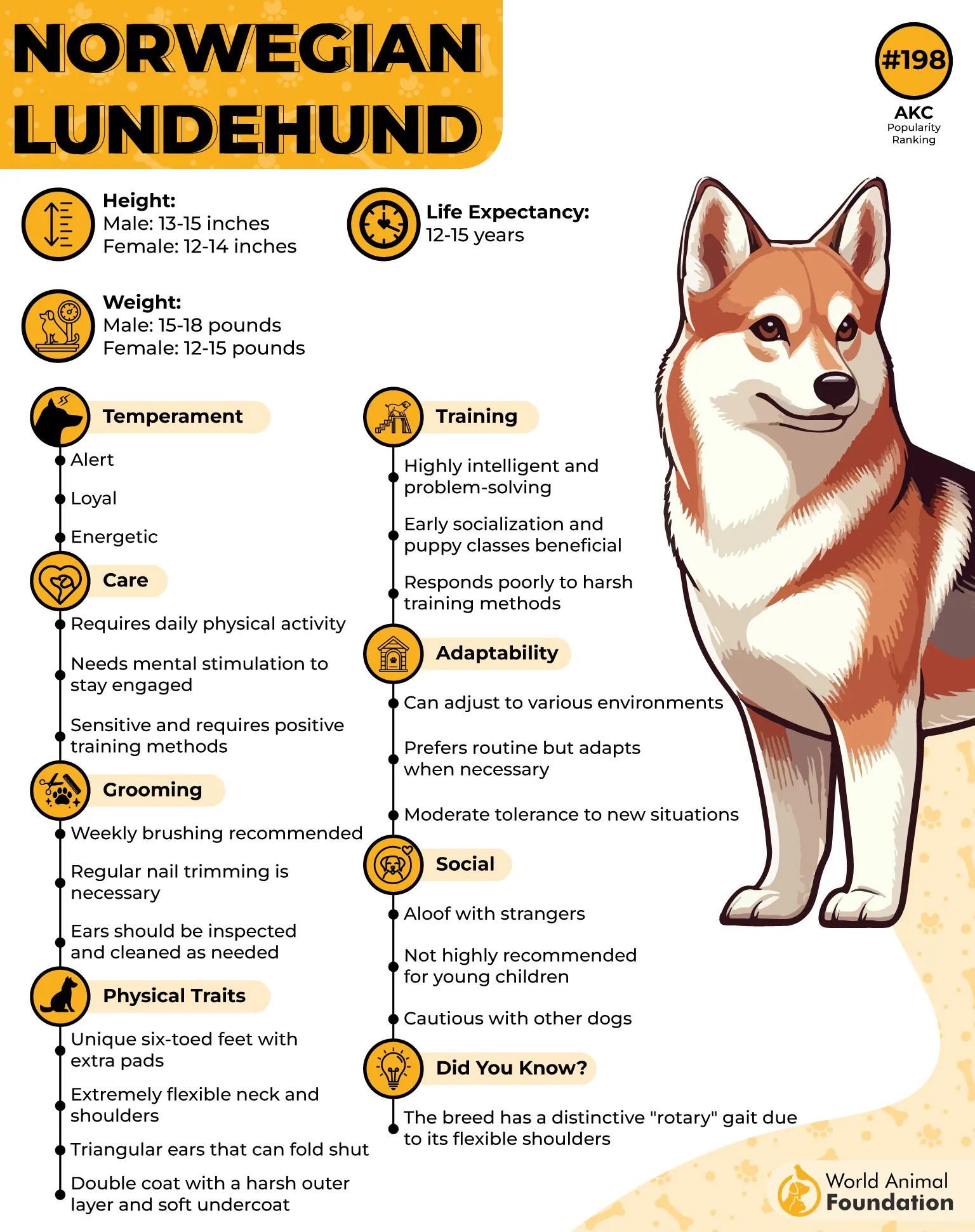
Furthermore, they face severe inbreeding depression, which has led to reduced fertility and specific health challenges. These biological hurdles make breeding them very difficult for even the most experienced experts. According to PetMD, the Norwegian Lundehund remains an alert and intelligent dog. But not highly trainable due to its stubborn nature.
10. Finnish Spitz
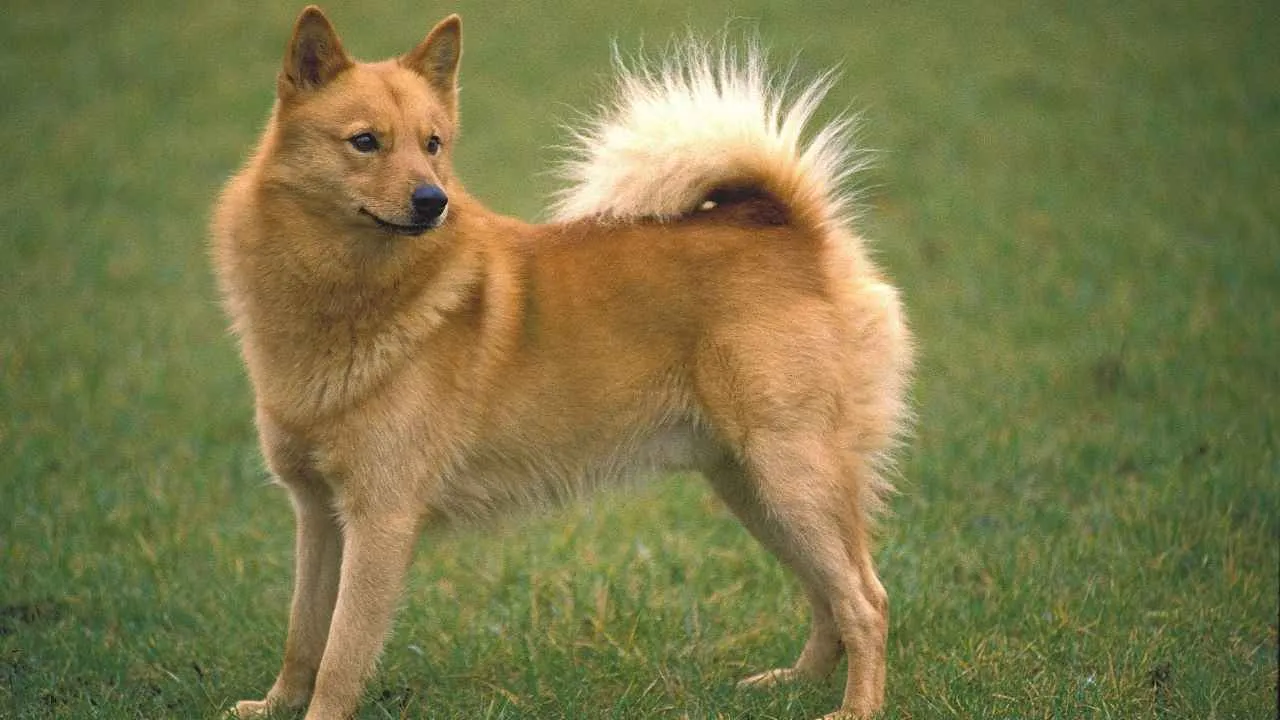
Finnish Spitz, the national dog of Finland, is a small but fearless hunting dog, known for its distinctive way of tracking and signaling prey, which has earned it the nickname the ‘Barking Bird Dog.’They have a fox-like appearance, sporting a bushy tail and pointed ears.
Their compulsive barking trait is a primary reason they are not popular dogs in urban areas. They were bred to bark to alert hunters, a habit that doesn’t fit quiet neighborhood living. The American Kennel Club Finkies possess high tolerance, and they are patient with kids. Overall, they are great family dogs.

Additionally, a Scandinavian regional focus has limited their global spread. Most enthusiasts remain in Finland, keeping the breed off the radar for international owners. While they are loyal and active, their independent nature and loud voice make them a very specialized choice.
Conclusion
These lesser-known dog breeds highlight the remarkable diversity and history of the canine world. Each breed has traits shaped by geography, purpose, and centuries of selective breeding, from mountain herders to desert hunters and Arctic sled dogs.
Owning one is more than having a pet; it is embracing a living piece of history. Their intelligence, loyalty, and unique personalities reward owners willing to meet specific needs, offering a deep, meaningful bond that goes beyond companionship into true partnership with a devoted animal.
For those ready to invest time, attention, and care, these rare dogs provide unmatched companionship, charm, devotion, and fascinating traits. They are extraordinary additions for the right home, enriching life in ways ordinary pets cannot.
