




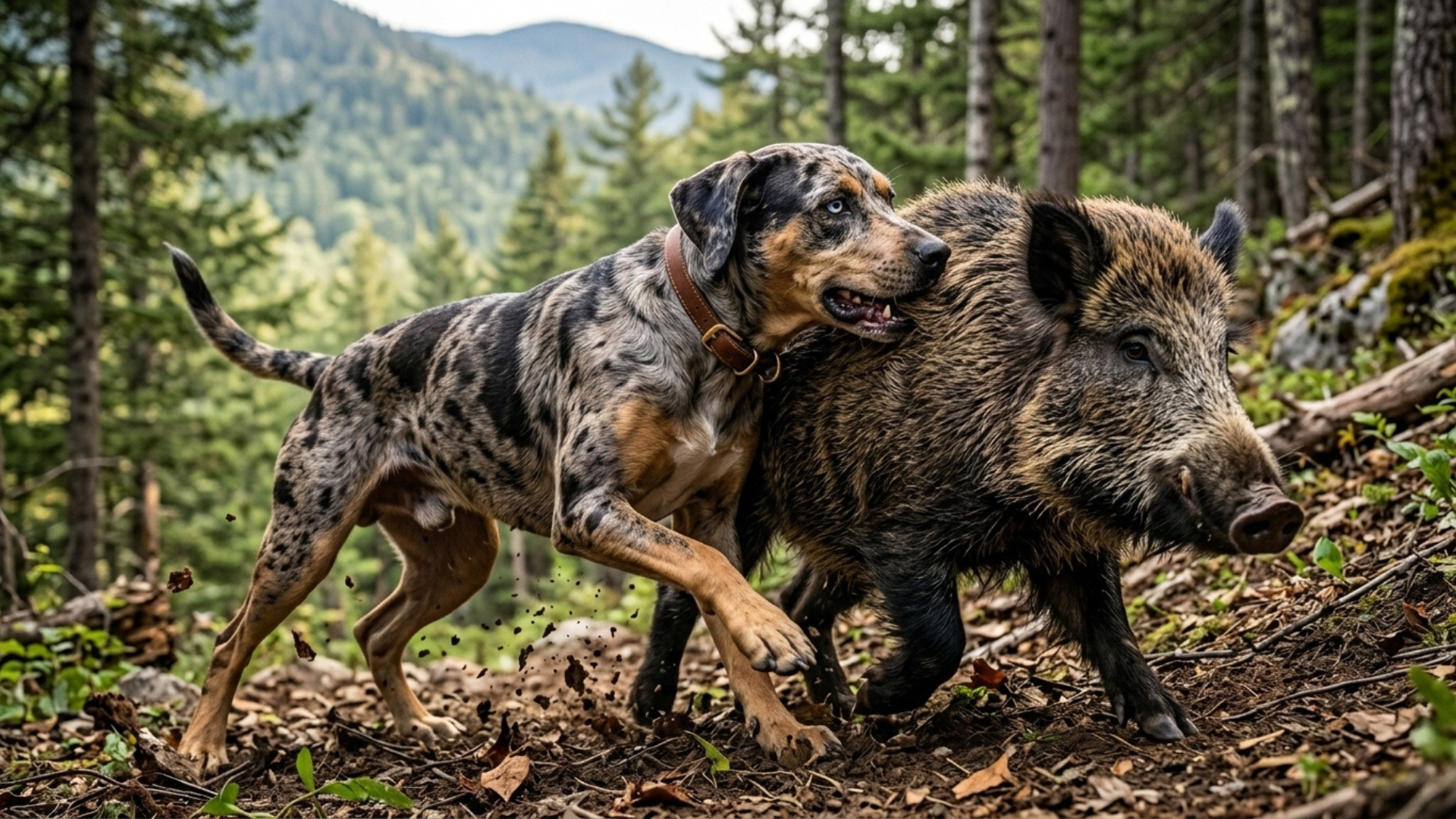
People often assume the biggest or strongest dog is automatically the best choice for hunting wild boars. In reality, size alone has never been enough.
A powerful body means very little without the instincts to track accurately, the endurance to keep moving across difficult terrain, and the confidence to face an aggressive animal without losing focus. Hunters have always valued dogs that combine intelligence with courage because one quality without the other rarely leads to success.
Over time, only a handful of breeds consistently proved they could handle these demanding hunts, earning reputations that lasted far beyond the regions where they first worked. Their skills were refined through experience rather than appearance, making them respected partners in some of the toughest hunting conditions imaginable.
Here you’ll discover the legendary breeds known for tracking and taking down wild boars, and the unique qualities that continue to define them.
Key Takeaways:
Tracking a wild boar is one thing. Staying close enough to keep it cornered while avoiding those sharp tusks is a completely different challenge.
The Catahoula Leopard Dog can create a moving canine fence around hogs, while the Plott Hound can follow a scent trail that is several days old.
Then comes the Dogo Argentino, bred to take on the most dangerous part of the hunt by gripping and holding a boar until the hunter arrives.
The other breeds bring their own remarkable skills to the chase, and some of their hunting methods are even more fascinating once you see how they work.
Legendary Dog Breeds for Tracking and Taking Down Wild Boars
1. Catahoula Leopard Dog
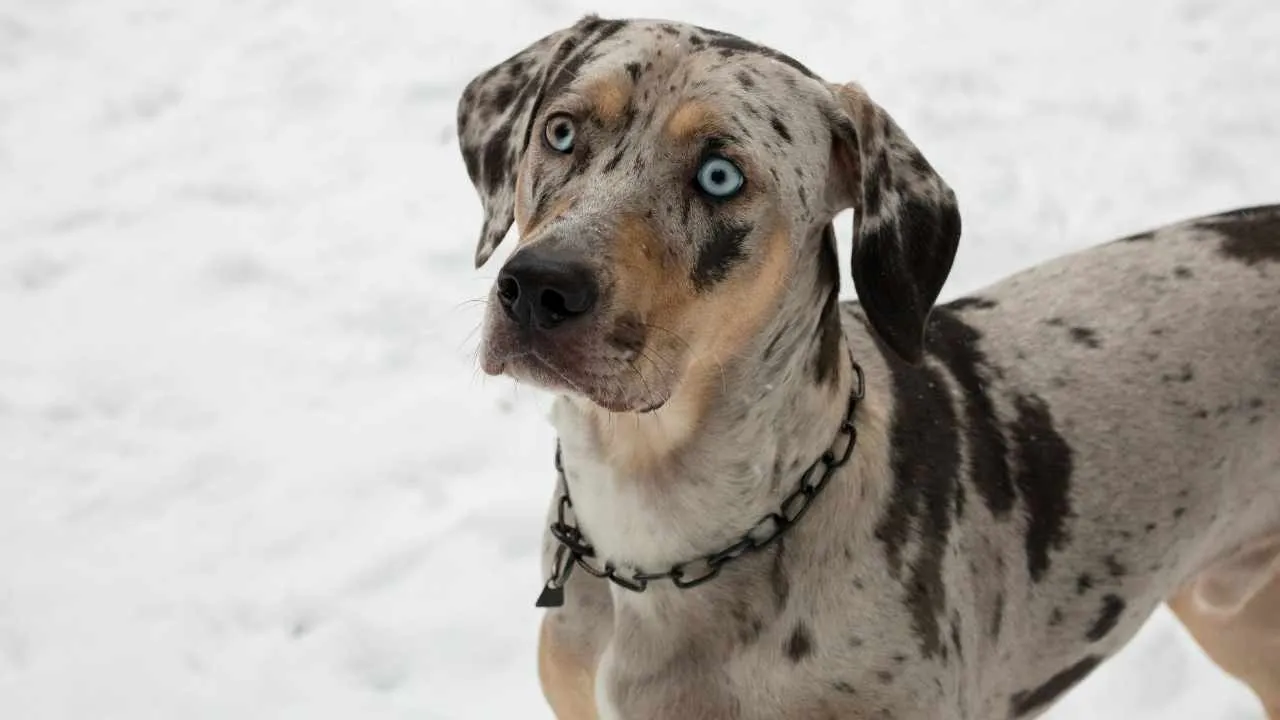
Catahoula Leopard Dog takes its name from a Choctaw word meaning “sacred lake,” a reference to the region surrounding Catahoula Lake in Louisiana. Early working lines gained recognition across the Southern swamps, where these dogs became closely associated with demanding livestock and hog work.
Boar on the Trail
As a hog hunting breed, they could follow fresh hog scent over long distances, even across difficult swamp ground. After locating the animal, the dog circled with quick, agile footwork while using persistent barking to guide hunters directly to the location.
That working style relied on several specialized skills:
Creates a canine fence to halt stock
Avoids direct contact with sharp tusks
Likes to work independently
Driven to Work
Catahoula Leopard Dog still carries the determination expected from a hardworking stock dog, which explains its need for constant purpose and activity.
Without enough productive outlets, that unused energy can quickly turn into digging, chewing, and other destructive habits around the home, as PetMD mentioned.
2. Plott Hound
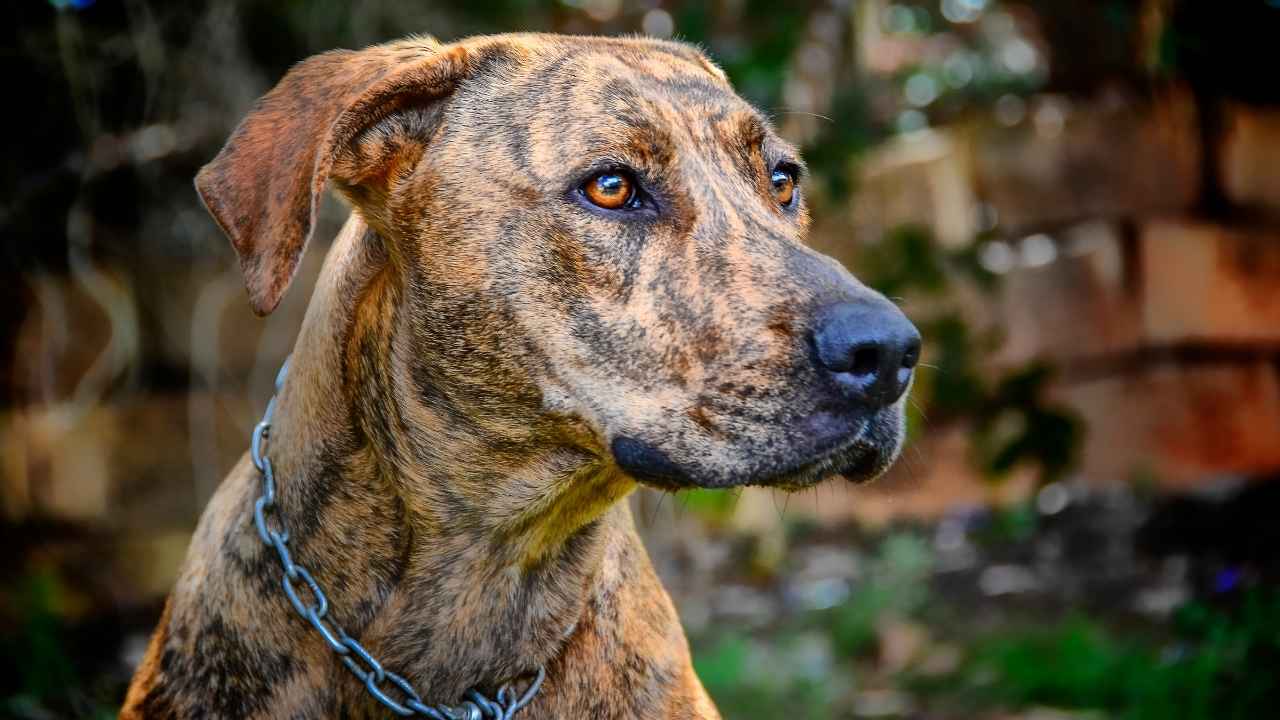
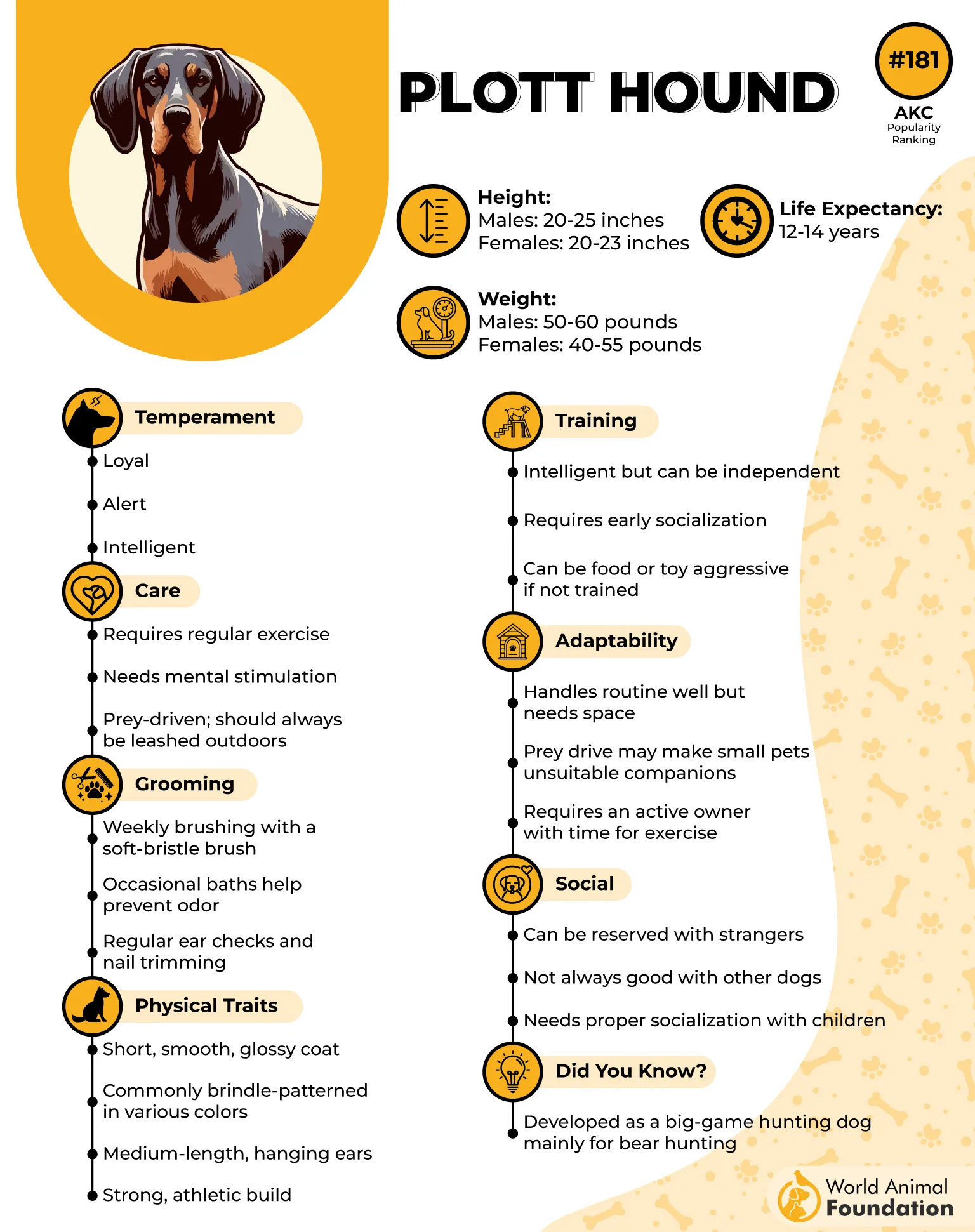
Plott Hound began with German gamekeeper Johannes Plott, who arrived in North Carolina during the 18th century accompanied by Hanoverian Scenthounds, as per the AKC. Over time, his family’s breeding efforts shaped a distinct line of hunting dogs that later became closely associated with the state.
Boar Specialist
Plott Hound excels at following cold scent trails that may be several days old, even through dense forests, swamps, and steep mountain country.
After locating a wild boar, the pack surrounds the animal and uses a powerful chop-and-bawl bay while relying on agility and courage to avoid dangerous tusks until the hunter arrives.
Some other remarkable abilities complete the picture:
North Carolina’s state dog
Distinctive brindle coat
Superb swimmer and trail companion
Built for the Hunt and Home
Plott Hound pairs confidence with a strong desire to work alongside people, which explains why it responds quickly during active outings. Hiking, swimming, and long walks filled with interesting scents suit this breed’s curious nature, while its short coat requires very little upkeep.
3. Dogo Argentino
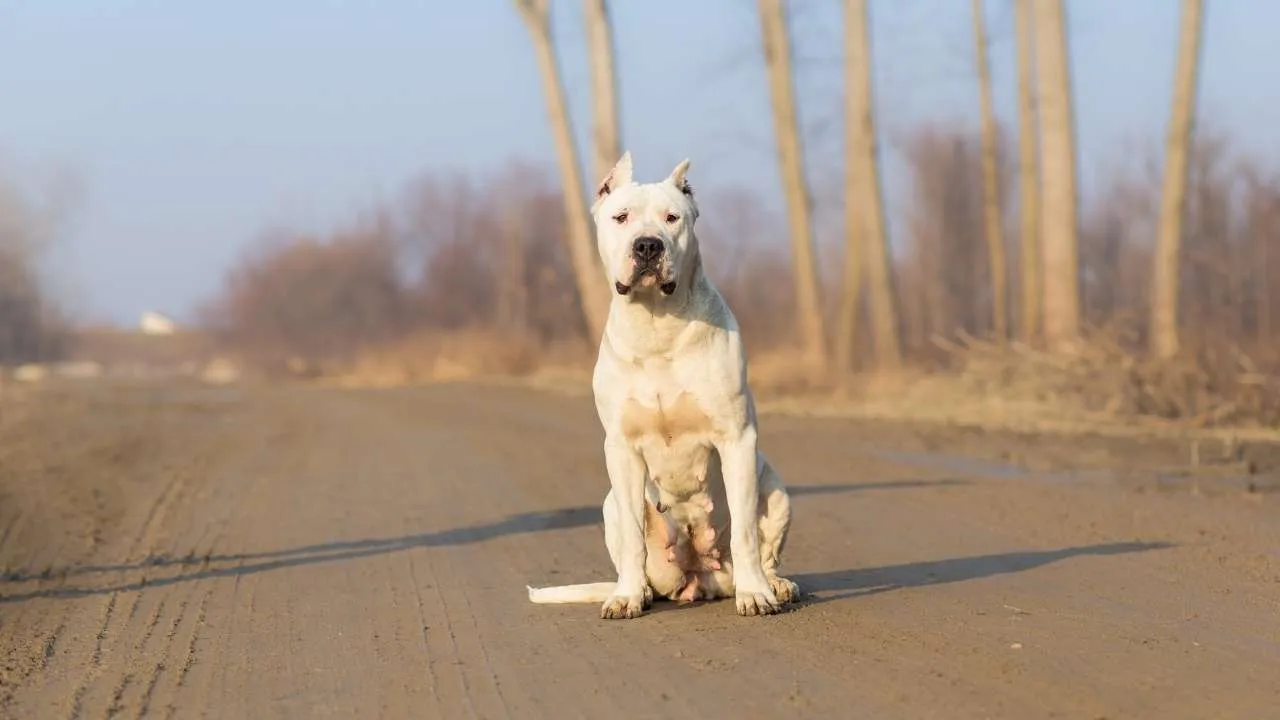
Dogo Argentino came into existence as a pack-hunting dog with one demanding purpose: pursuing formidable game such as wild boar and puma. From the beginning, every part of this breed was shaped around the endurance, courage, and responsiveness needed for dangerous hunts.
The Catch Dog
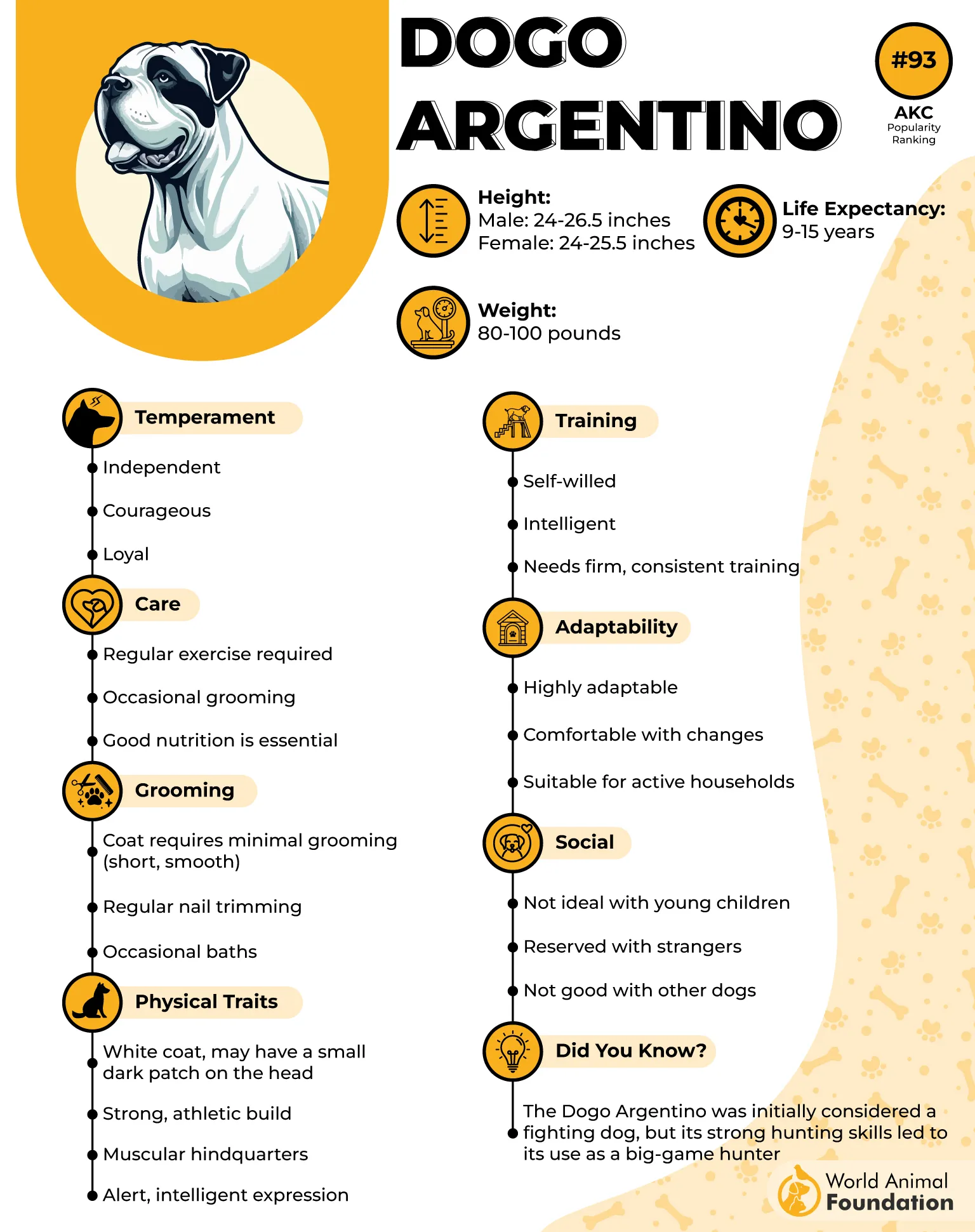
This hog dog did far more than follow a scent trail during a hunt, as its final task required direct contact with the boar. Hunters relied on this breed to grip the base of the ear or neck and hold the animal until they arrived.
That demanding role depended on several key qualities:
Silent tracking approach
Around 500 PSI bite force
White coat for hunter visibility
Built to Hold
Dogo Argentino combines a powerful frame with impressive agility, giving it the balance needed for sudden bursts of speed and controlled movements. Its muscular jaws are structured to grip firmly while allowing the dog to continue breathing during prolonged holds.
4. Mountain Cur
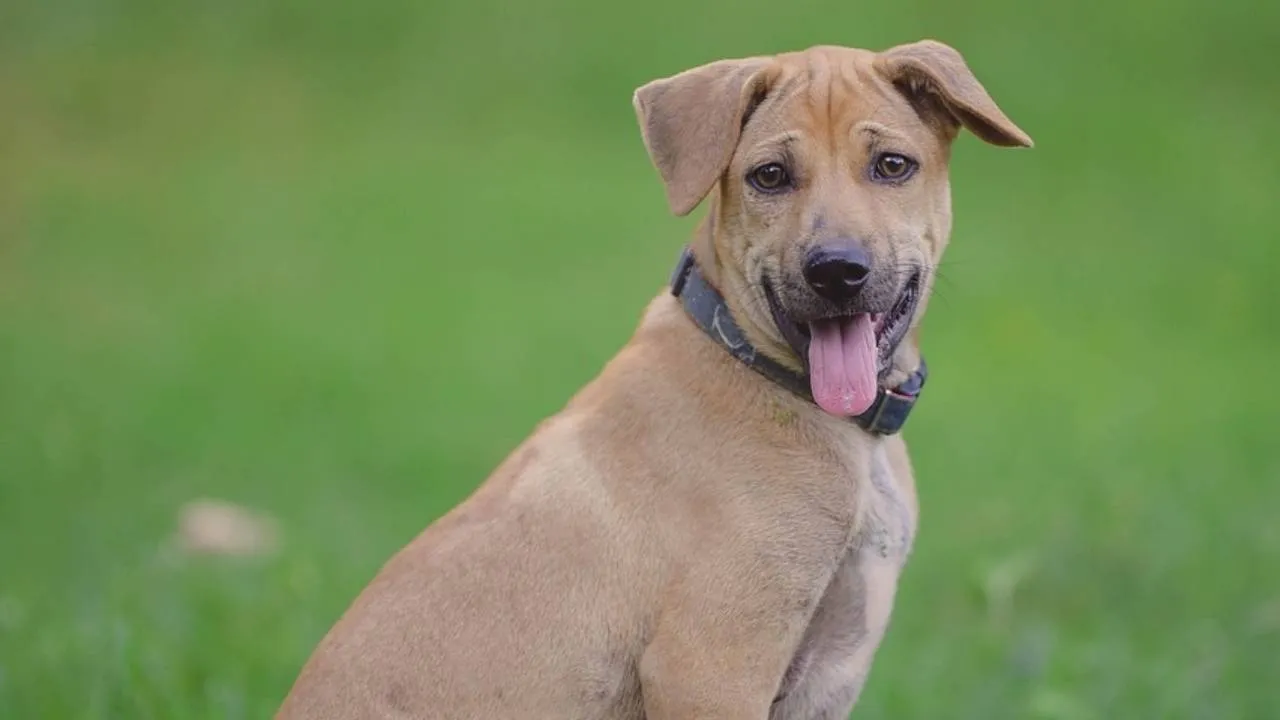
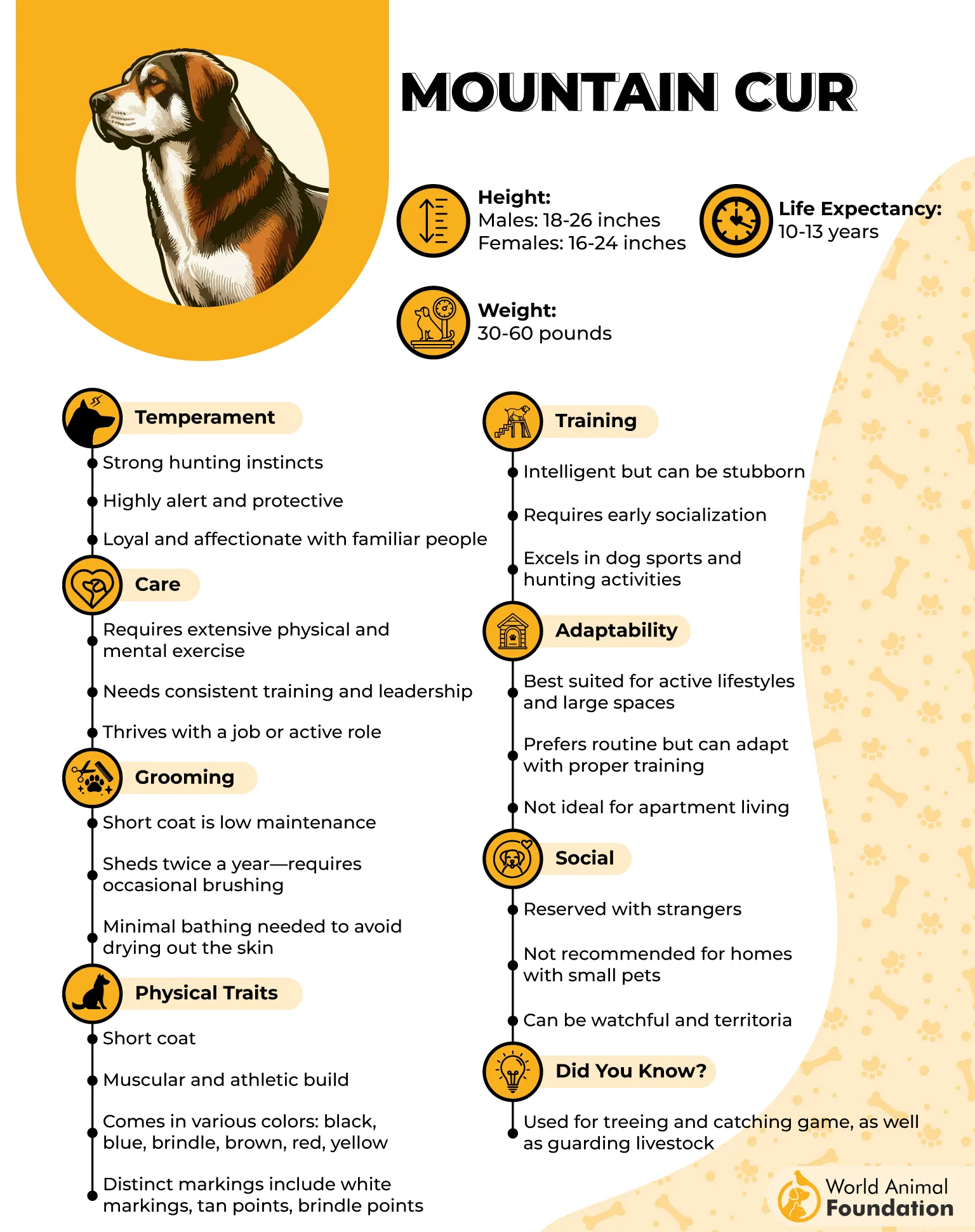
Mountain Cur became an important working partner for early American pioneers, helping with hunting expeditions and protecting remote homesteads across rugged country. Daniel Boone also relied on these dependable dogs while traveling through the Appalachian Mountains during his frontier journeys.
Built for the Pursuit
This hog hunter breed follows airborne scent with its head raised instead of keeping its nose pressed to the ground, allowing it to close distance at impressive speed. When a scent trail weakens, it circles the area until it locates a stronger line, then quickly resumes the pursuit.
A closer look reveals a few specialized skills:
Bays cornered wild boars with a powerful bark
Circles hogs to avoid sharp tusks
Holds game until support arrives
Everyday Drive
Mountain Cur enjoys challenging activities such as tracking games, hiking, agility training, hunting, and fetch that give its active mind a clear purpose, as PetMD notes. Without enough productive outlets, this energetic breed may create its own entertainment through unwanted behaviors.
5. Weimaraner
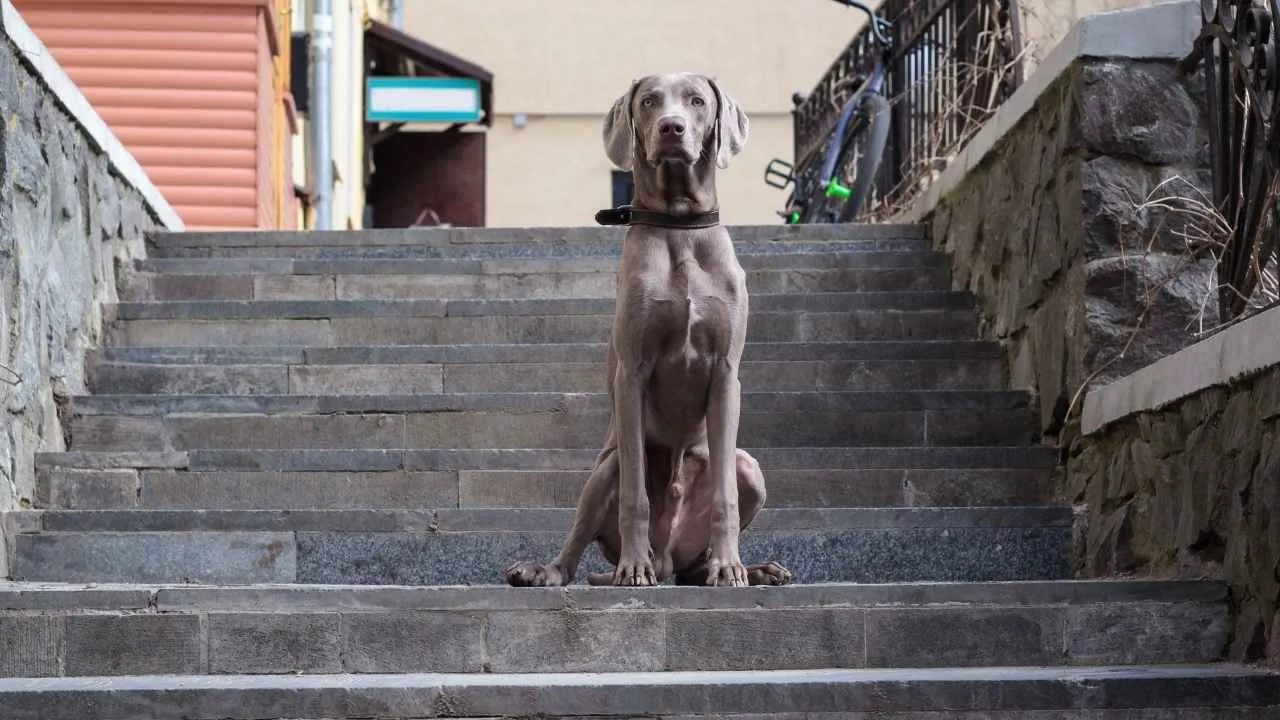
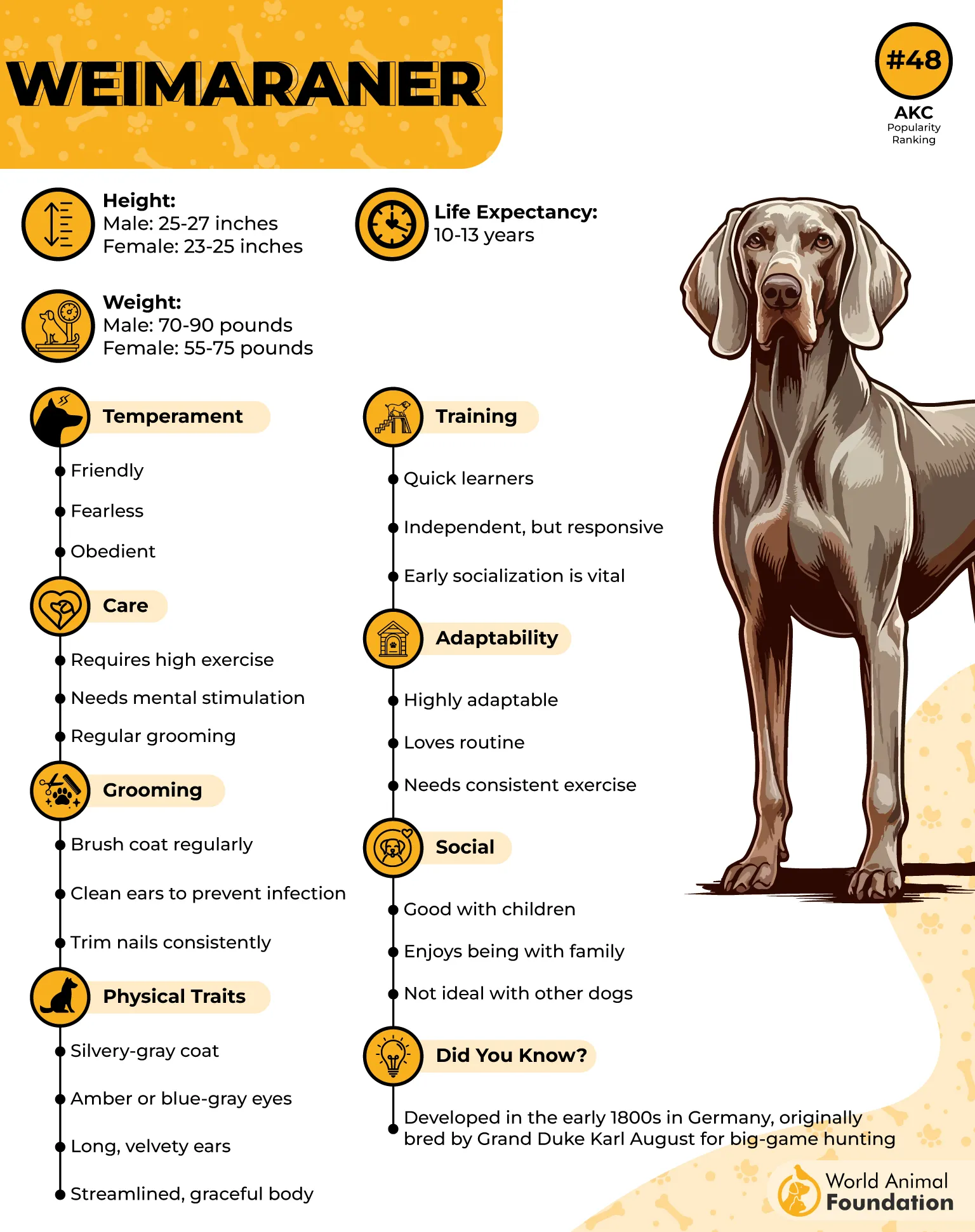
Weimaraner first appeared in Germany during the 19th century, where breeders sought a versatile hunting dog capable of pursuing everything from smaller quarry to formidable animals such as deer and wild boars. Bloodhounds, Schweisshunds, and several pointer breeds all contributed to the athletic companion recognized today.
Built for the Chase
Weimaraners use their keen sense for following game while silently closing the distance without losing contact with the hunter. Its muscular frame, deep chest, and confident nature also helped it confront and hold dangerous animals until help arrived.
Several working qualities supported that demanding role:
Silent close-shadow tracking
Powerful jaw strength
Strong protective instinct
A Mind That Never Rests
Weimaraner combines sharp intelligence with high energy, making regular physical activity and engaging tasks an essential part of daily life.
When this breed gets bored, it can become surprisingly resourceful, turning doors, gates, and even faucets into its next little challenge.
6. Transylvanian Hound
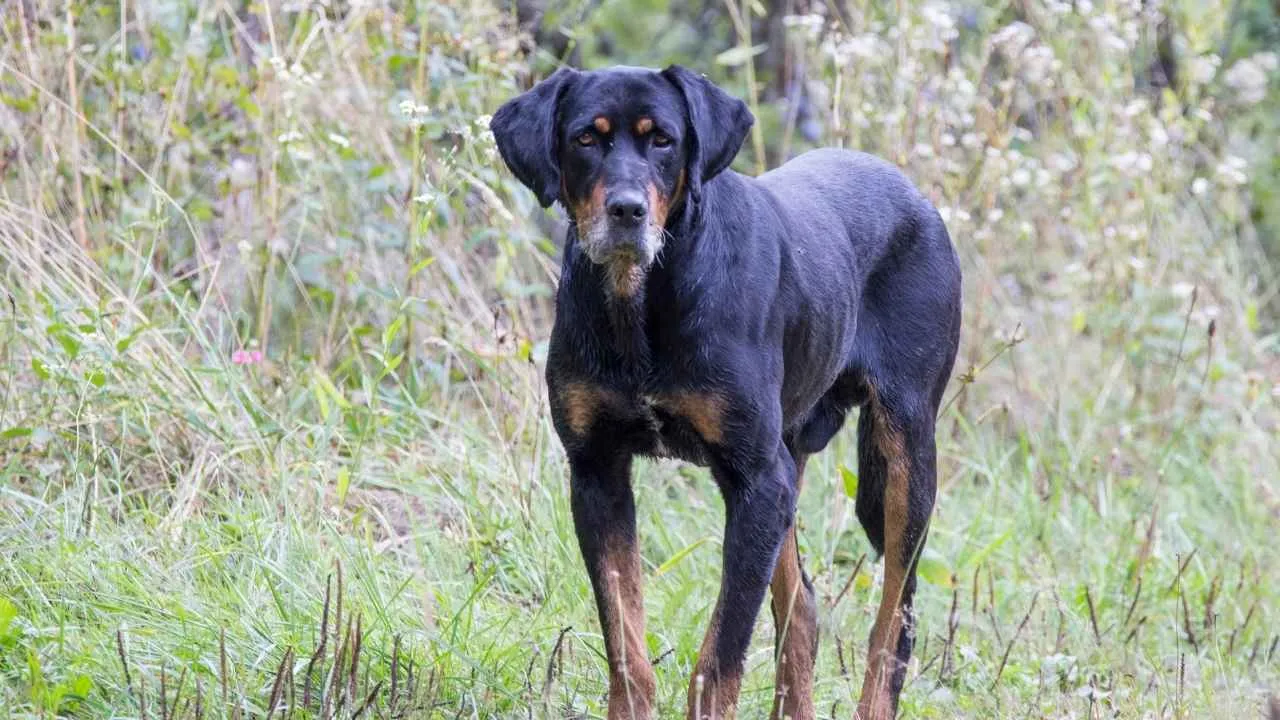
Transylvanian Hound emerged in the rugged Carpathian region, where dense forests, steep terrain, and demanding hunting conditions shaped its purpose over centuries.
Ancient Hungarian hunters valued this scent hound because endurance, courage, and sound judgment were essential in such unforgiving landscapes.
Built for the Hunt
This hound excelled as a bay dog, locating wild boars, following their scent across long distances, and forcing them into one area without direct physical contact. Its distinctive high-pitched bay guided hunters through thick woodland once the quarry had been cornered.
Several working details deserve a closer look:
Hunts independently or in pairs
Displays intense, single-minded focus
Keeps a safe perimeter around cornered boar
Reliable Companion
Transylvanian Hound also serves as a dependable retriever and an alert guardian, adding versatility beyond scent work alone. A playful personality, loyal character, and friendly nature help this breed fit comfortably into family life while remaining attentive to its surroundings.
7. Segugio Italiano
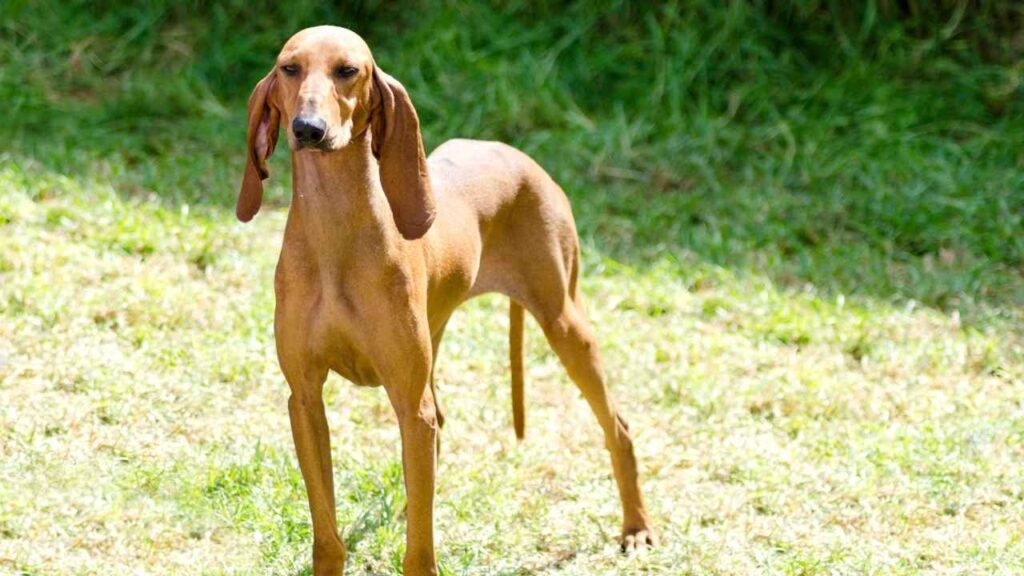
Segugio Italiano has been part of Italy’s hunting tradition for thousands of years, first working in organized packs when wild boars were a primary quarry. As boar numbers declined in some regions, the breed later shifted much of its attention toward tracking rabbits and hares for local hunters.
Built for the Chase
Segugio Italiano follows a scent trail with unwavering concentration, keeping its nose low and tail high while working across rugged ground for hours. Once the trail is confirmed, its clear, high-pitched baying helps hunters follow the boar’s direction without losing contact.
These working details make this breed especially interesting:
Hunts for up to 12 hours continuously
Available in smooth and wire-haired varieties
Ranked among Italy’s ten most common breeds
Calm Between Hunts
Segugio Italiano spends its quiet moments close to people and fits comfortably into family life after proper socialization. Children, other dogs, and household pets are generally accepted, while unfamiliar visitors are more likely to receive an alert bark before a friendly greeting.
Conclusion
The history of wild boar hunting has never depended on strength alone. Success came from dogs capable of following difficult scent trails, working confidently in rough country, and pursuing wild hogs despite environmental hazards. Whether a large breed or one used to hunt large and small game, only a select group earned lasting respect among hunters across generations.
Although many now spend more time as companions than working partners, their instincts and determination still reflect the purpose they were bred to fulfill. For any dog owner, understanding that background offers a greater appreciation for these remarkable, well-muscled dogs and the demanding work that shaped their abilities over countless years in the field.
