




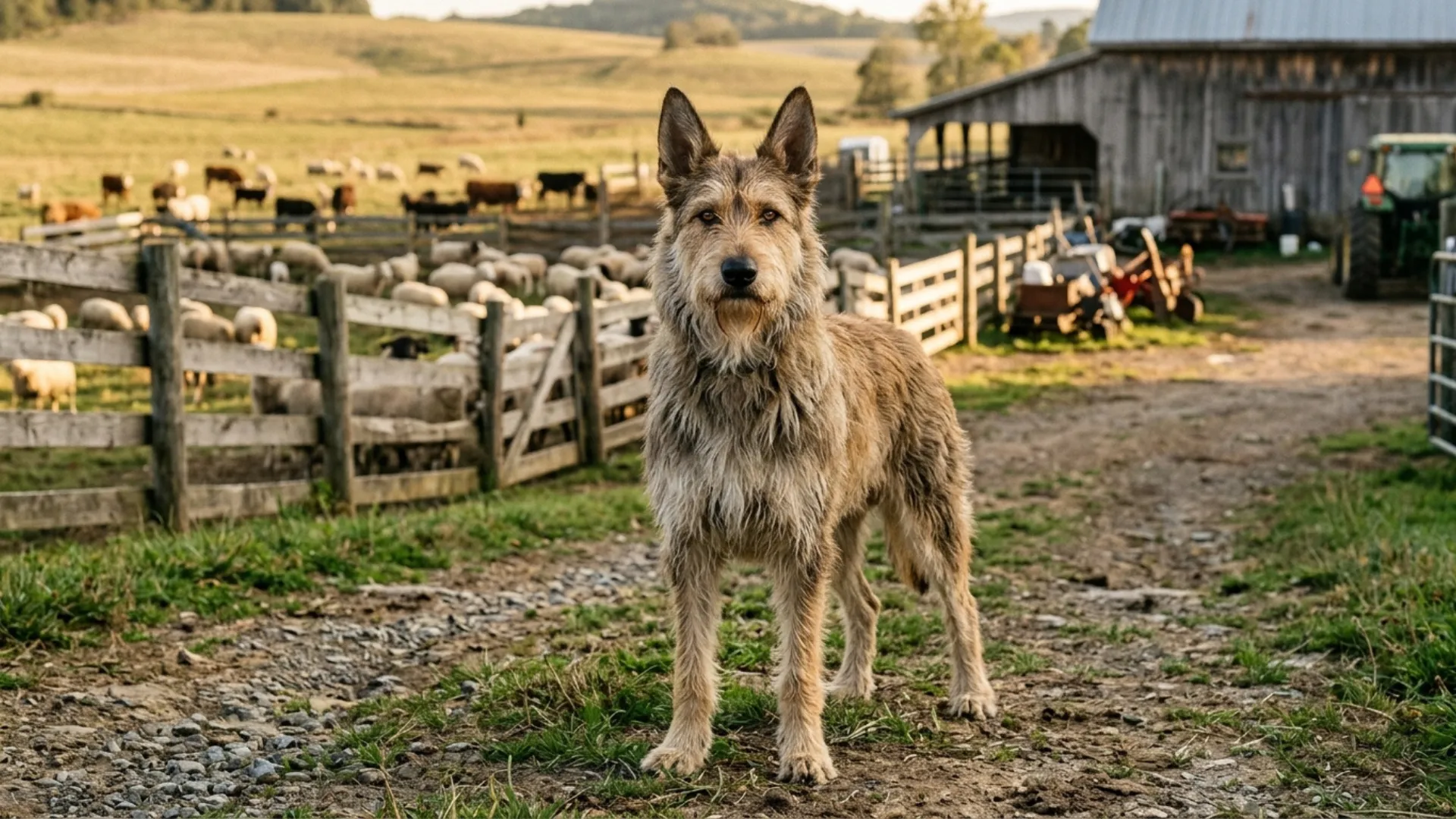
Before tractors, drones, and automated everything, farms ran on muscle, instinct, and seriously intelligent dogs. Herding breeds weren’t just pets—they were essential workers responsible for moving livestock, guarding flocks, and surviving brutal outdoor conditions. These dogs were basically the original “farm management system.”
What makes them legendary isn’t just strength or speed, but decision-making ability in real-time chaos. A good herding dog can read livestock behavior better than most humans and react instantly without needing constant commands. That kind of intelligence is why these breeds are still irreplaceable in many rural communities today.
Let’s break down the most iconic agricultural and herding dog breeds that continue to dominate farms around the world.
Legendary Dog Breeds for Agriculture and Herding
1. Bergamasco Sheepdog
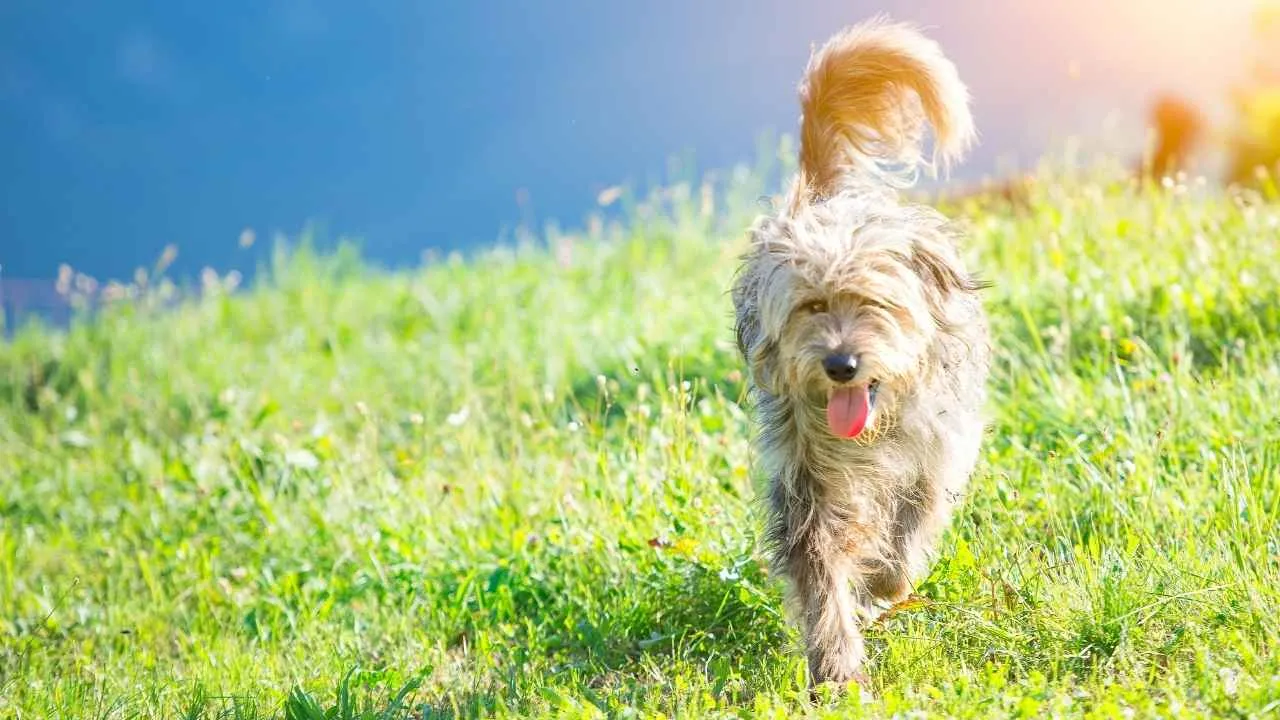
The Bergamasco Sheepdog looks like it walked straight out of a fantasy movie, but its dreadlock-style coat is actually purely functional. Those mats protect them from freezing mountain weather in the Alps, where they originally herded sheep.
Beneath that unusual coat is a highly intelligent and patient working dog, as per PetMD.
Unlike flashy herders that sprint constantly, these energetic breed dogs are strategic thinkers. They observe flock movement and make slow, calculated decisions rather than frantic chases. This makes them especially effective in rough alpine terrain where precision matters more than speed.
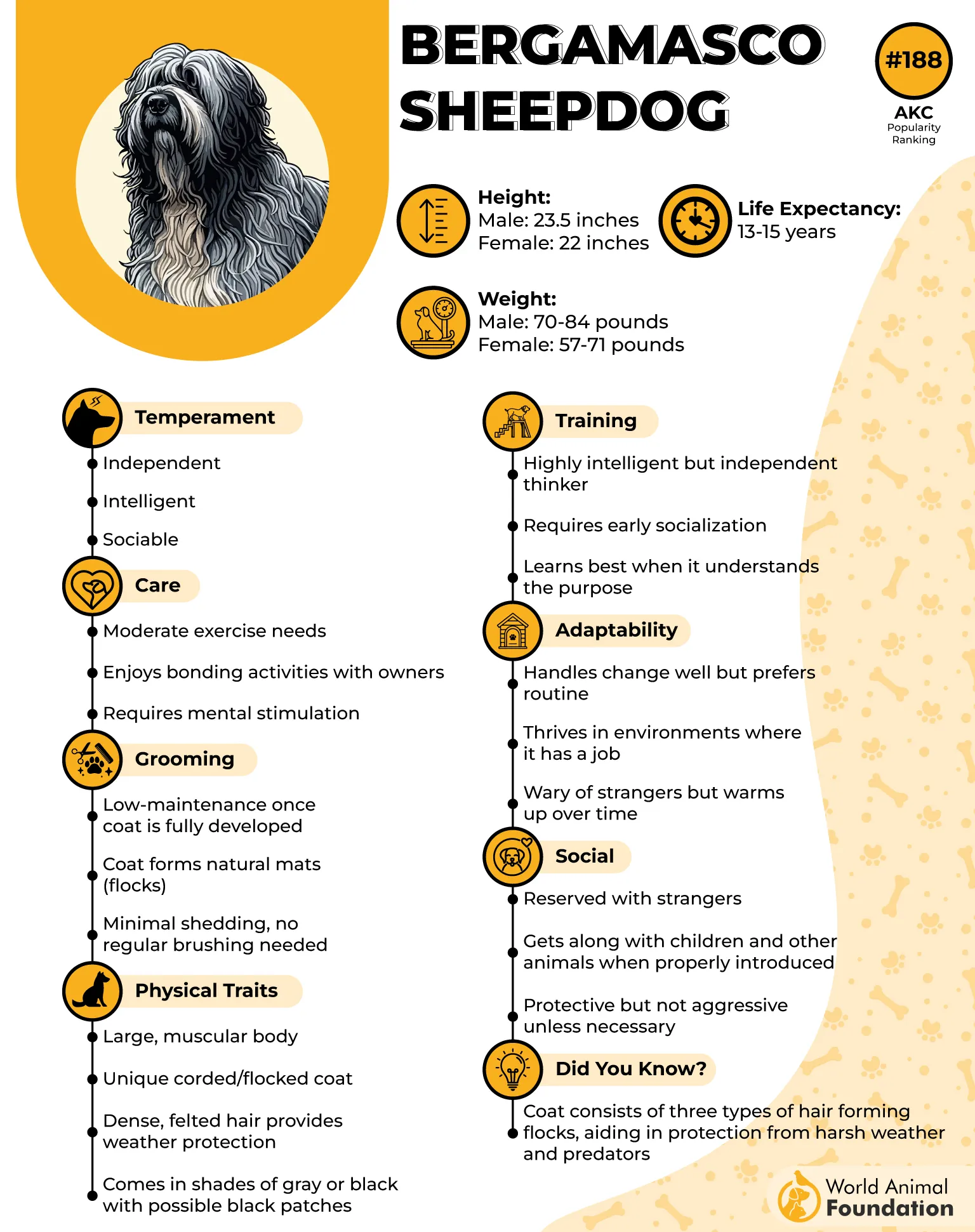
They are known for extreme independence while still maintaining strong loyalty to their handler. Farmers often rely on them to make decisions without constant supervision. That level of trust is rare even among working dogs.
Reddit dog owners say their calm temperament helps them manage stubborn livestock without escalating stress in the herd. They rely more on presence and positioning than on aggression. This makes them ideal for sensitive or mixed animal environments.
Even today, they are valued in niche farming communities for their reliability in harsh conditions. Their working style is often described as “quiet efficiency with intelligence-first execution.”
What Makes Them Efficient For Agriculture and Herding Jobs
Naturally, self-directed decision-making reduces human supervision needs
A protective coat allows long working hours in extreme alpine climates
Calm, non-aggressive herd control minimizes livestock stress
2. Bouvier Des Flandres
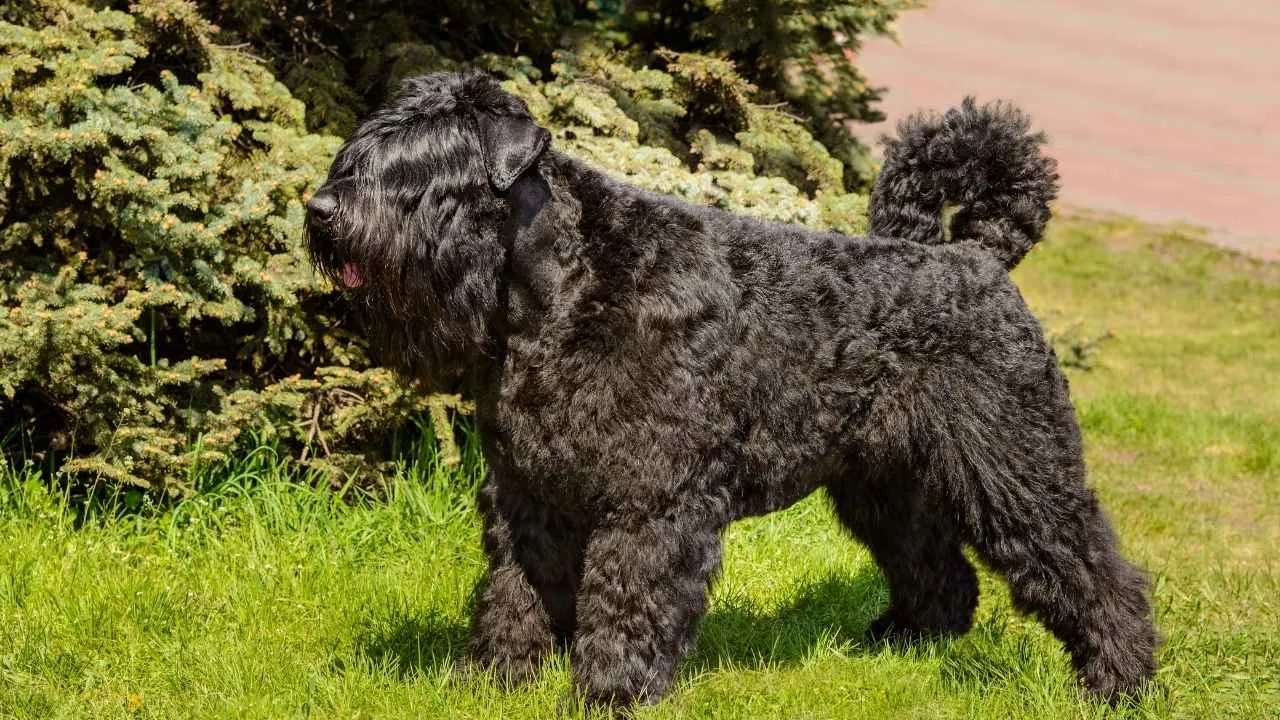
The Bouvier des Flandres was built for one thing: heavy farm labor with zero complaints. Originally developed in Belgium, this breed was used for cattle driving, cart pulling, and general farm work. Think of them as the agricultural equivalent of a multi-tool.
They have a thick, weather-resistant coat that allows them to work in muddy, rainy European fields without slowing down. Their strength is often compared to that of much larger mastiff-type breeds, even though they are more agile. Farmers valued them for endurance rather than for bursts of speed.
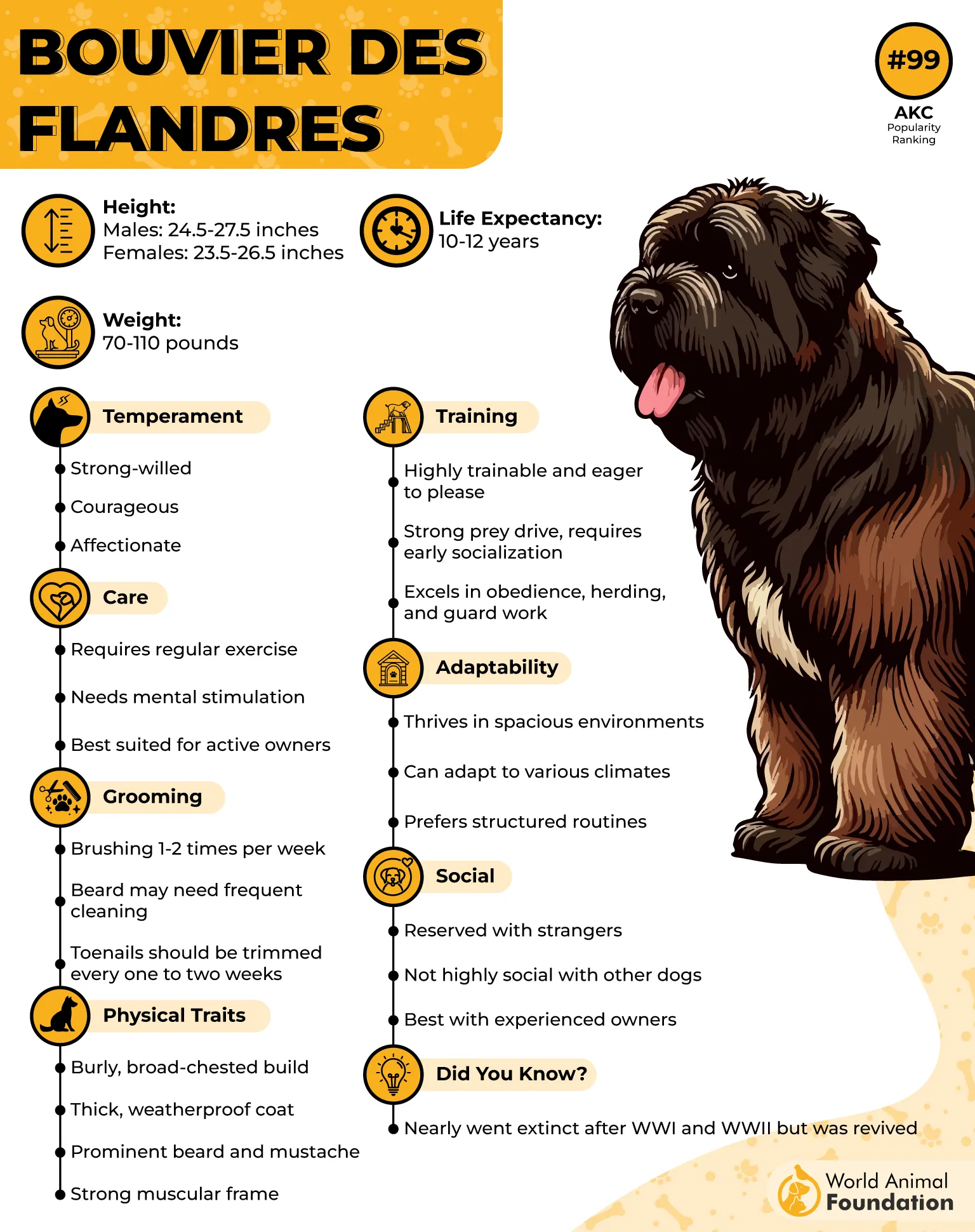
This breed is highly intelligent and has natural herding instincts, but is also known for being calm under pressure. That combination made them ideal for managing unpredictable cattle herds. They don’t panic easily, even in chaotic barnyard conditions.
They are also known for their strong protective instincts, which make them effective livestock guardians. They naturally balance herding and guarding roles without needing separate training paths. That versatility is rare in working dogs.
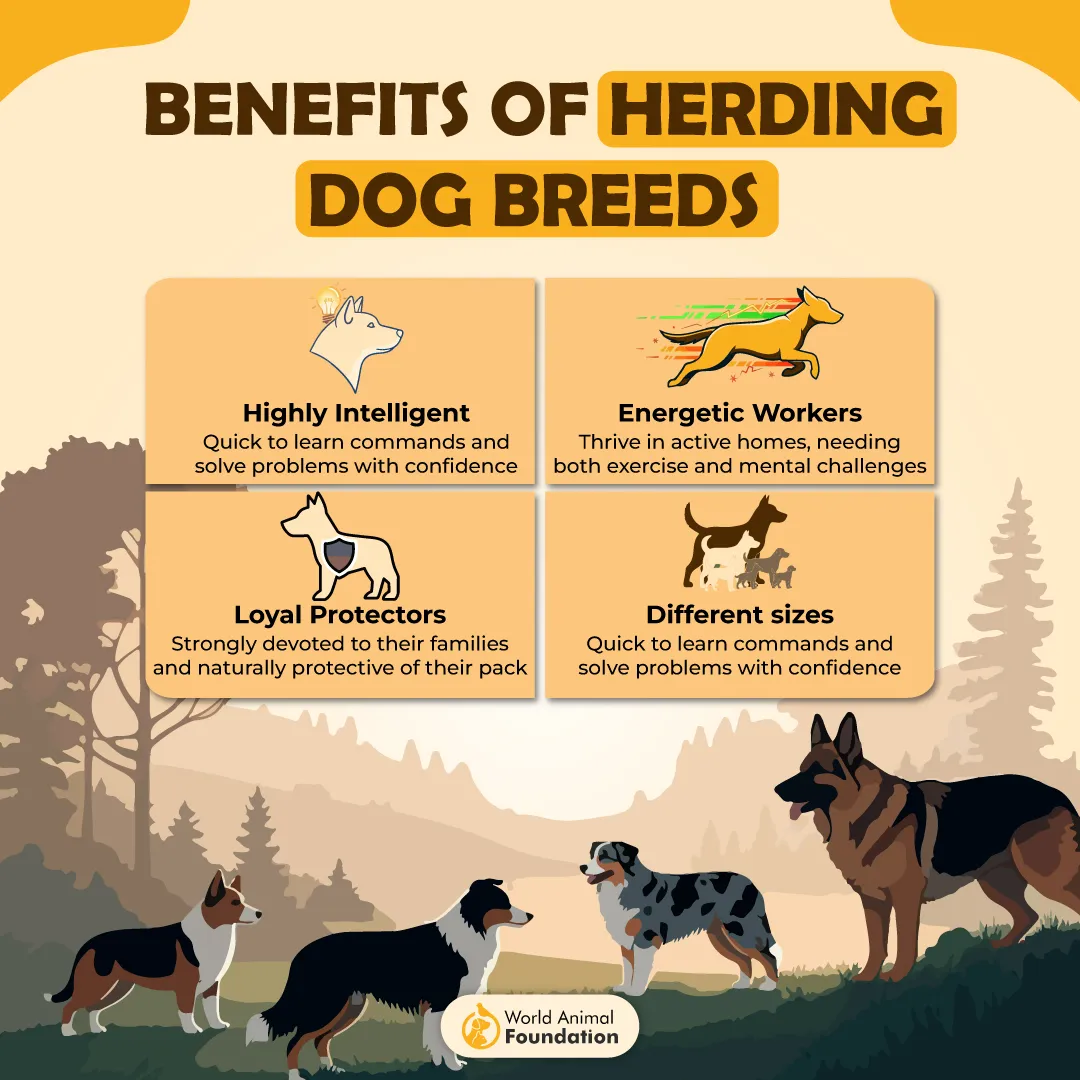
Modern family members still use them in parts of Europe for traditional cattle work. Their adaptability keeps them relevant even in mechanized agriculture.
What Makes Them Efficient For Agriculture and Herding Jobs
Exceptional strength enables cattle driving and pulling farm loads
Calm temperament supports controlled herd movement in stressful environments
Dual-purpose ability for herding and guarding livestock
3. Berger Picard
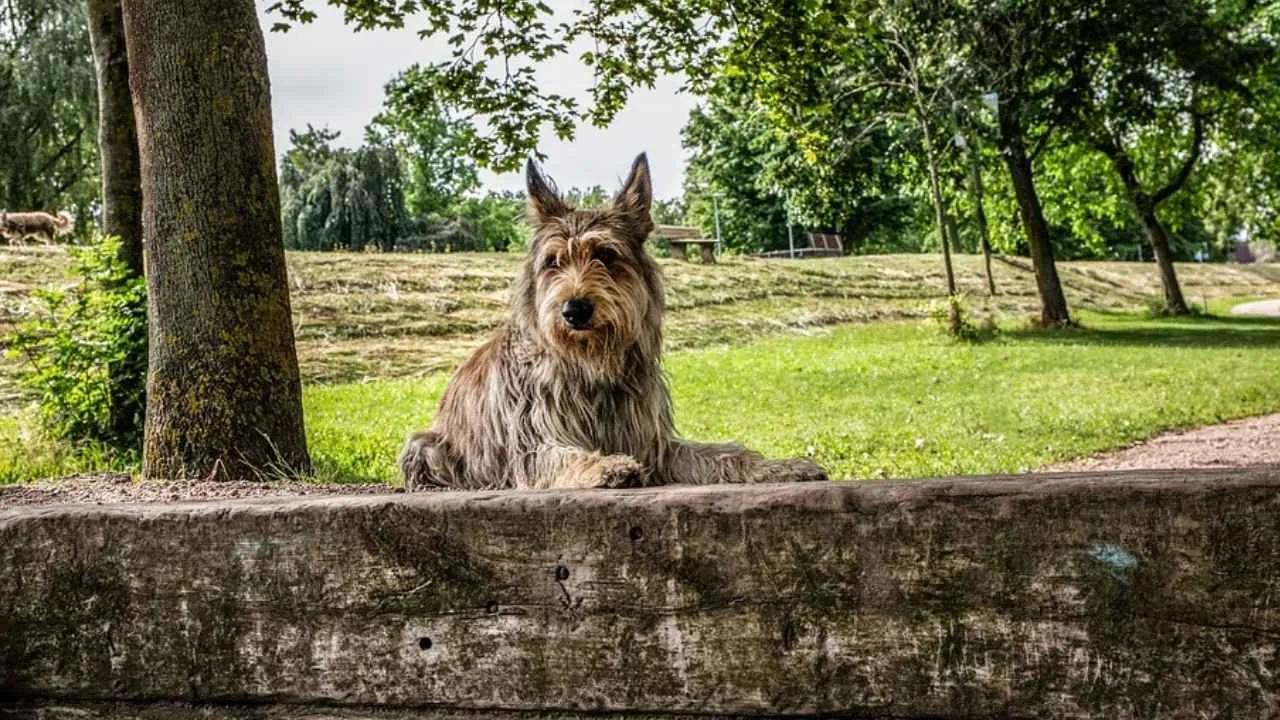
The Berger Picard is one of France’s oldest herding breeds and looks as rugged as the fields it worked in. Its wiry coat and upright ears give it a scrappy, alert appearance. Despite being relatively rare, it has a strong reputation for working well in rural France.
This breed is highly energetic and thrives on constant movement across open farmland. Farmers relied on it to move sheep across long distances with minimal guidance. It works best when given autonomy rather than micromanagement.
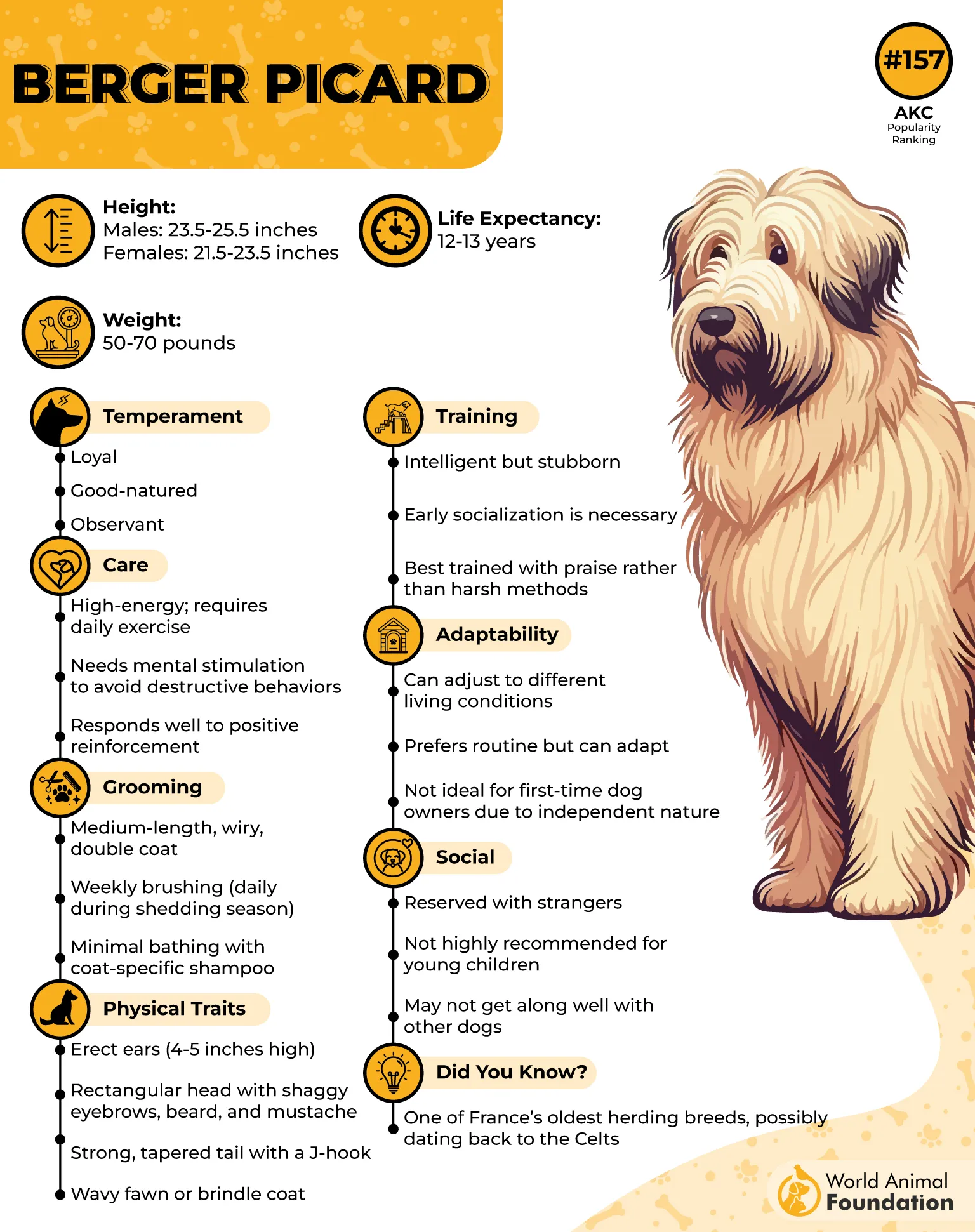
Berger Picards are known for their stubborn intelligence, meaning they solve problems their own way. That independence made them valuable in unpredictable grazing environments. However, it also means they require experienced handlers.
They have strong stamina and can work for long hours without fatigue. Their natural athleticism helps them navigate rough terrain with ease. This makes them excellent for free-range livestock management.
Today, they are still used in herding trials and working dog competitions. Their skill set remains highly respected among traditional shepherd communities.
What Makes Them Efficient For Agriculture and Herding Jobs
High endurance supports long-distance livestock movement
Independent problem-solving reduces reliance on constant commands
Agile movement adapts well to uneven agricultural terrain
4. Beauceron
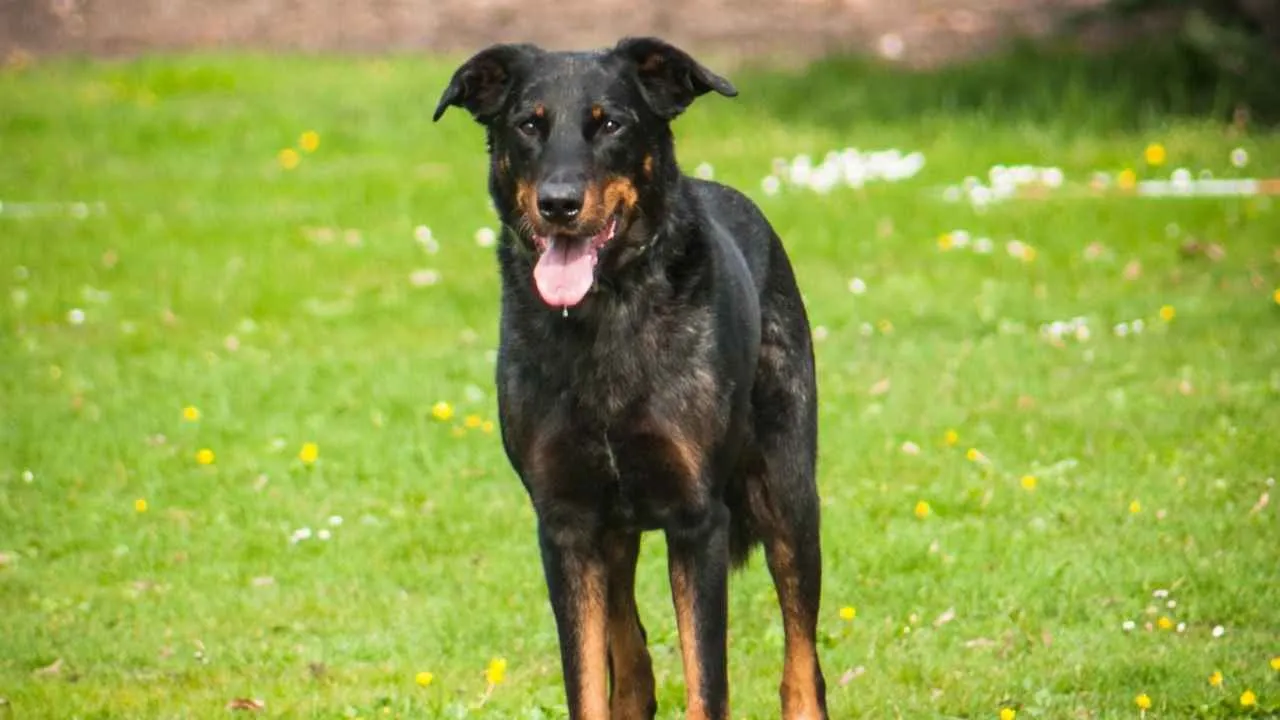
The Beauceron is France’s powerhouse herding dog, often mistaken for a Doberman because of its sleek, muscular build. Historically, it was used for both sheep herding and guarding large farms. This breed is basically a “farm security system with legs.”
Beaucerons are incredibly intelligent and highly responsive to advanced training. They can handle complex herd directions involving multiple groups of livestock. That makes them ideal for large-scale farming operations.
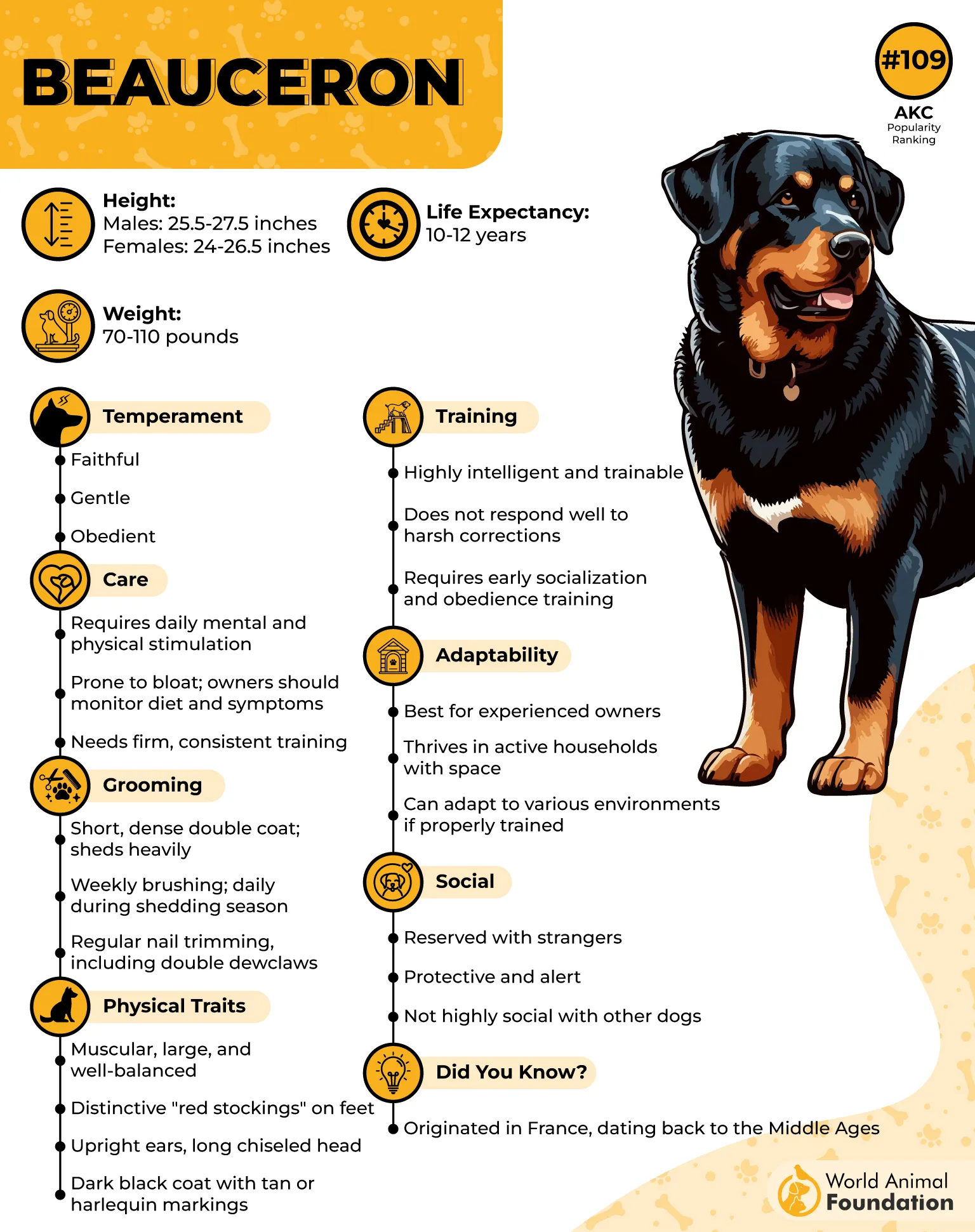
Purina says their physical strength allows them to control stubborn animals without excessive force. They rely on positioning and confidence rather than aggression. This makes herd movement smoother and less chaotic.
They also serve as reliable watchdogs, protecting livestock from predators and intruders. Farmers appreciate their dual-role capability in both herding and protection. This reduces the need for multiple working dogs.
Modern agricultural handlers still use them for sheep and cattle management in Europe. Their versatility makes them one of the most complete working breeds.
What Makes Them Efficient For Agriculture and Herding Jobs
Advanced obedience allows control of complex livestock groups
Strong protective instincts secure farms from predators
Balanced mix of power and precision in herd direction
5. Entlebucher Mountain Dog
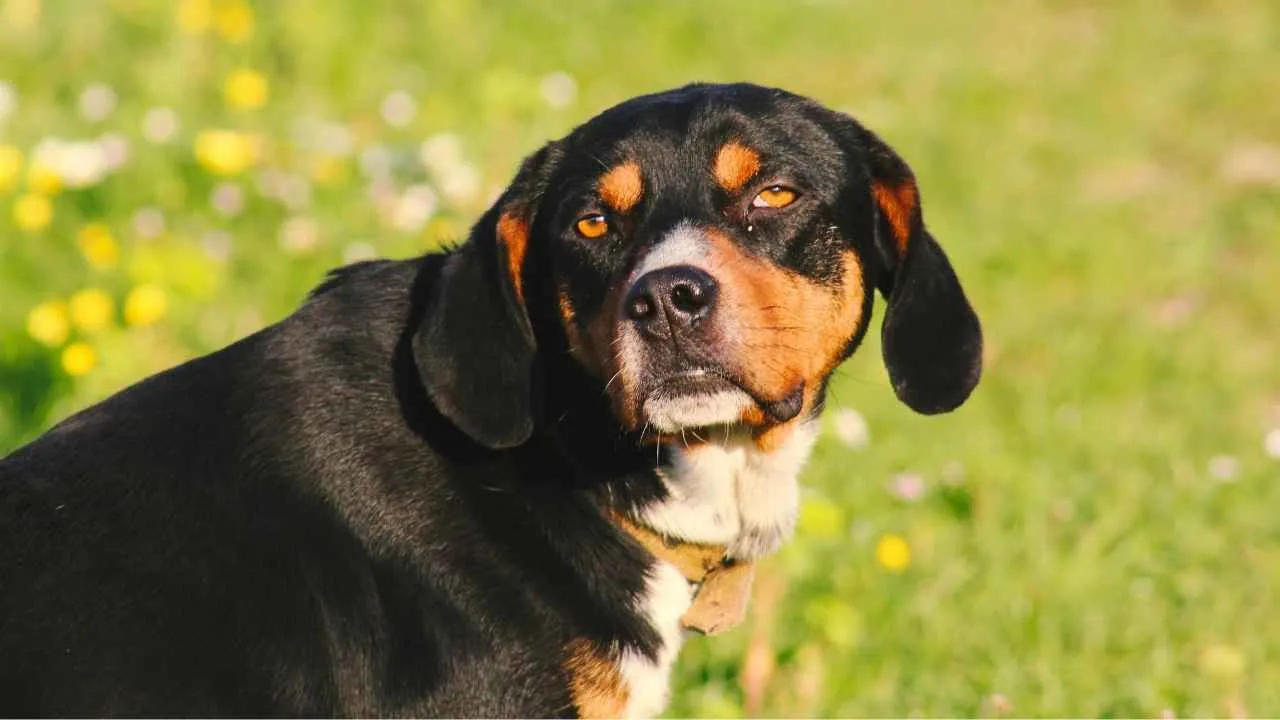
The Entlebucher Mountain Dog is the smallest of the Swiss mountain herding breeds, but don’t let size fool you. It was originally used to move cattle down steep Alpine valleys. That job alone proves its serious working capability.
This breed is extremely energetic and thrives in physically demanding environments. Farmers relied on it to maintain control of cattle in narrow mountain paths. Its agility makes it ideal for navigating risky terrain.
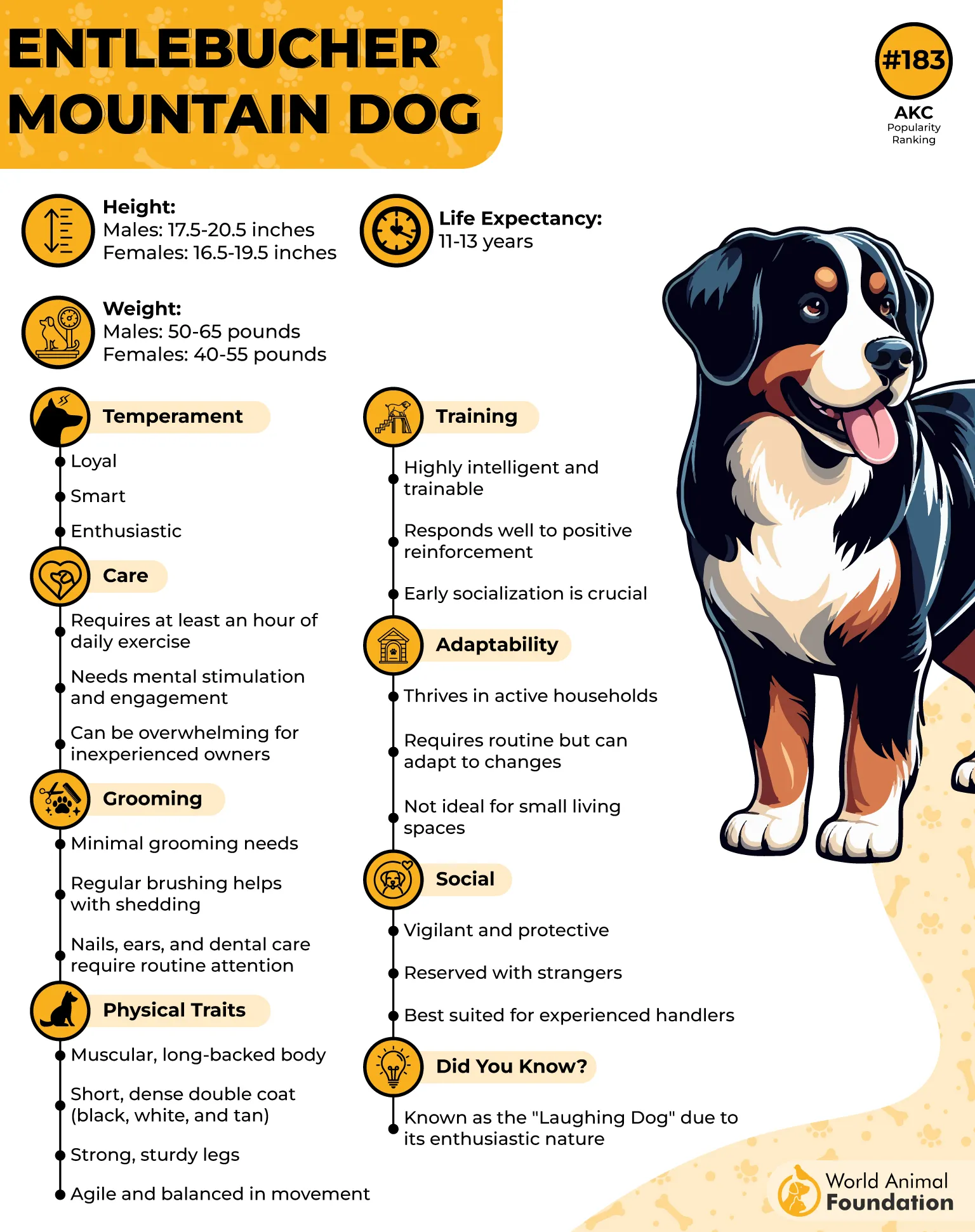
These mountain dogs are highly intelligent and quick to respond to commands. They form strong bonds with handlers, which improves coordination in fast-moving herd situations. This responsiveness is critical in mountainous farming.
They are also known for vocal communication, using barking to direct livestock movement. This helps farmers track herd activity even at a distance. Their communication style is part of their working efficiency.
Even today, they are used in small-scale mountain farming and livestock management. Their compact size makes them surprisingly powerful working dogs.
What Makes Them Efficient For Agriculture and Herding Jobs
Exceptional agility supports safe cattle movement in steep terrain
High responsiveness improves real-time livestock control
Vocal signaling enhances farmer coordination across distances
6. Mudi
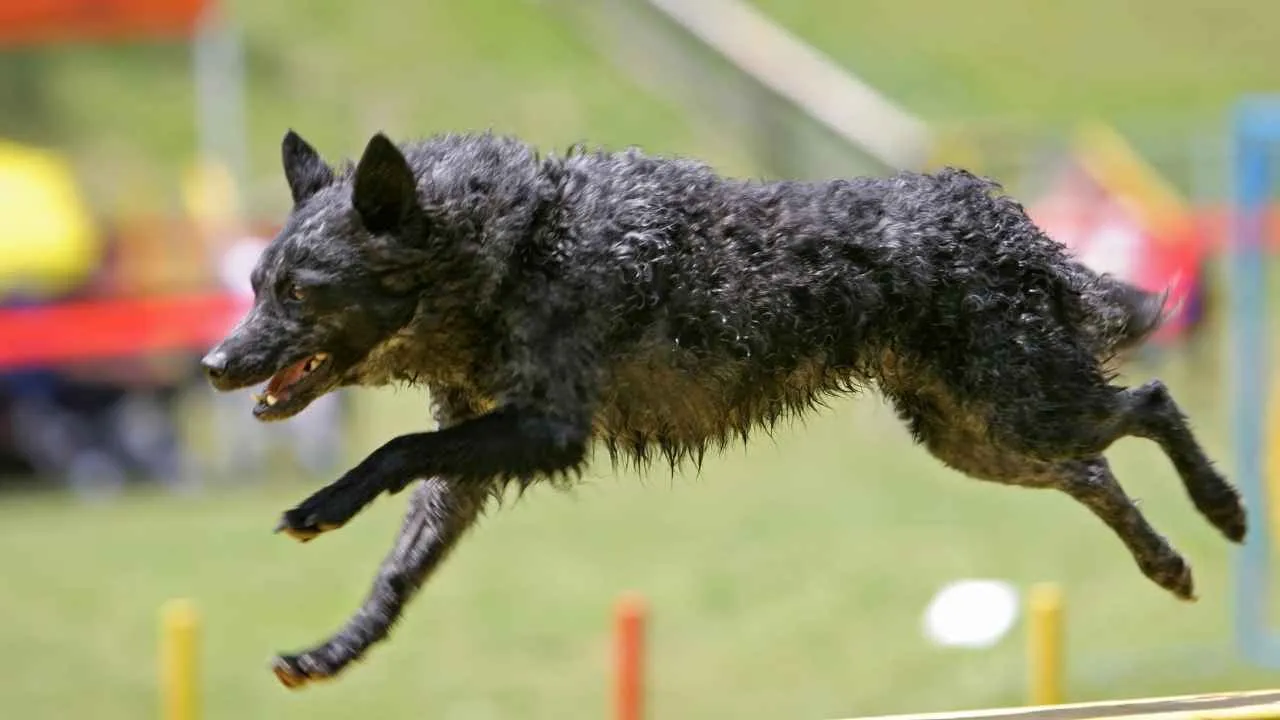
The Mudi is a rare Hungarian herding breed that feels like a hidden gem in the world of working dogs. It was developed for versatile farm duties, including herding sheep and cattle, as well as guarding property. This makes it one of the most flexible agricultural breeds.
Mudik are extremely energetic and thrive in fast-paced environments. They are known for lightning-fast reflexes when controlling livestock. Farmers rely on them for quick corrections in unpredictable herd movement.
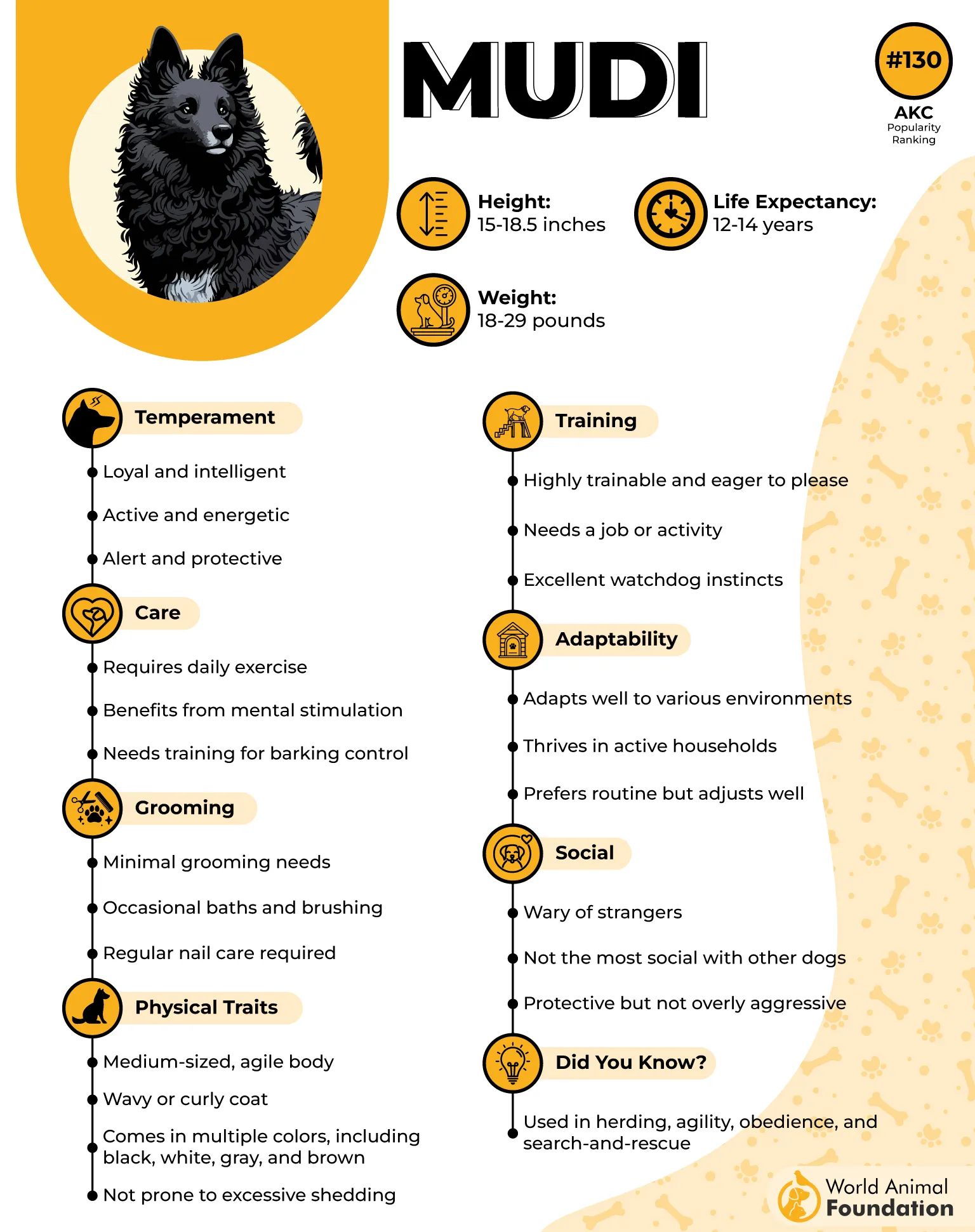
They are highly intelligent and excel in advanced training tasks. Their adaptability allows them to switch between herding styles depending on livestock behavior. That flexibility is a huge advantage on mixed farms.
Despite their drive at work, they remain highly loyal and people-oriented. They bond strongly with handlers, which improves coordination during fieldwork. This makes them excellent long-term farm partners.
They are still used in Hungary and neighboring regions for traditional livestock management. Their rarity makes them less known globally but highly valued locally.
What Makes Them Efficient For Agriculture and Herding Jobs
Versatile herding ability across multiple livestock types
Fast reflex movement improves real-time control accuracy
Strong handler bonding enhances field communication efficiency
7. Icelandic Sheepdog
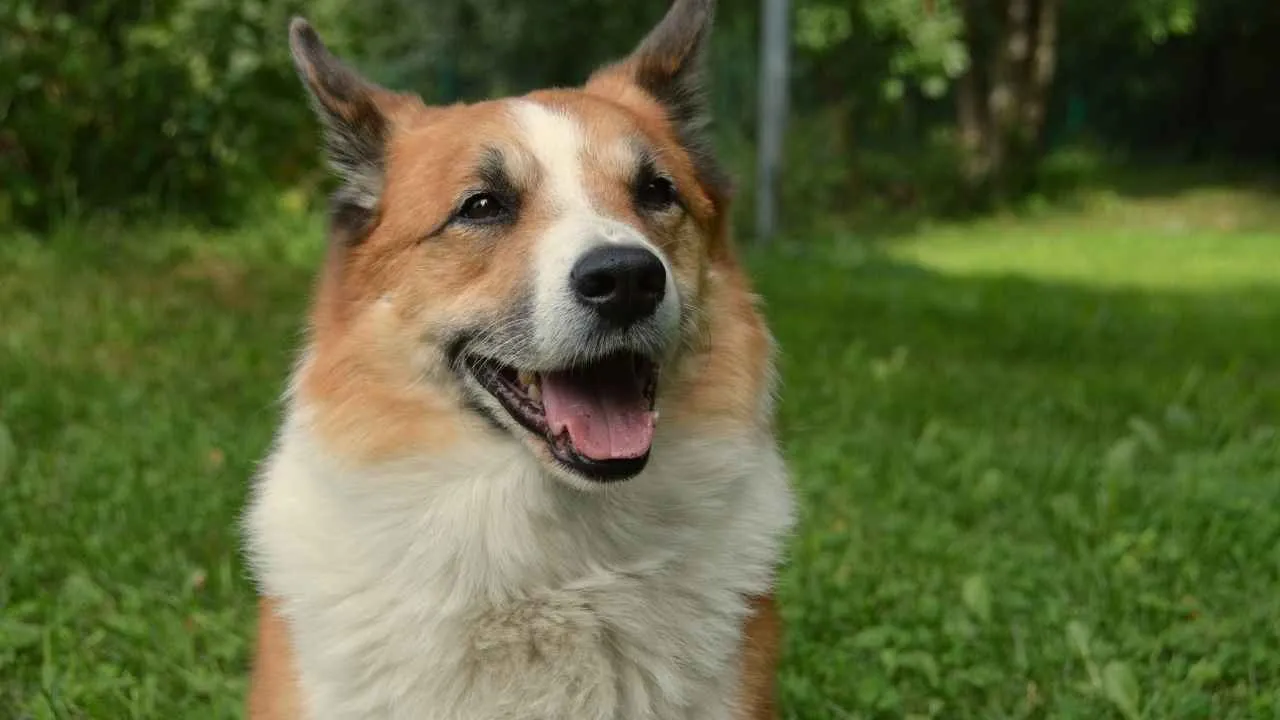
The Icelandic Sheepdog is one of the oldest Nordic herding breeds, brought to Iceland by Vikings over a thousand years ago. It was essential for managing sheep in harsh, volcanic terrain. This history makes it deeply adapted to extreme environments.
AKC calls them generally healthy! These dogs are friendly but highly alert, which is important for open-range farming. They use barking and movement to gather scattered livestock across wide areas. Their communication skills are a key advantage in herding.
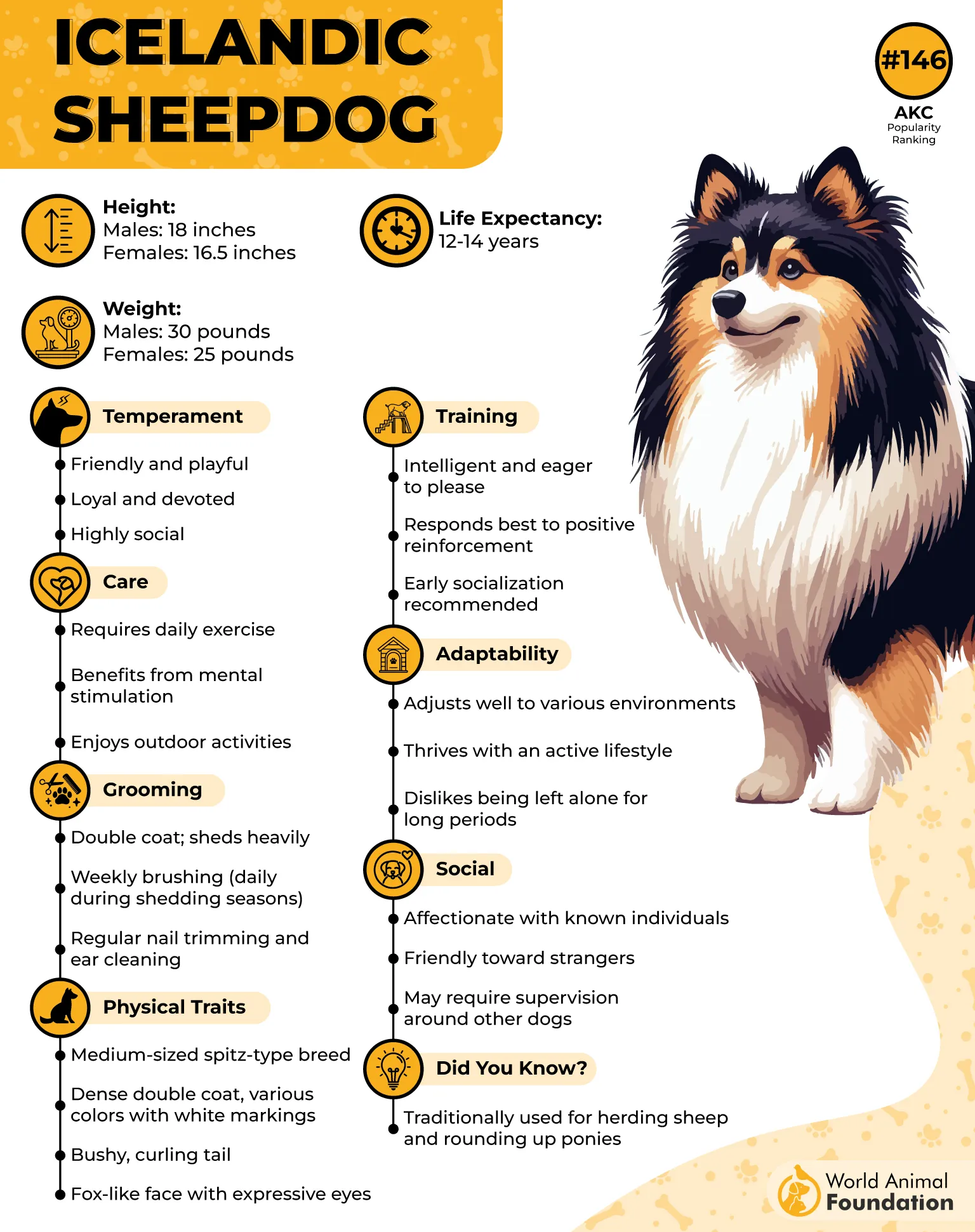
They are extremely hardy and can work in cold, windy, and unpredictable weather. Farmers depended on them to track sheep across rugged landscapes. That resilience is still a defining trait today.
Icelandic Sheepdogs are also very social and form strong bonds with humans, and they also herd cattle. This makes them cooperative working partners in challenging conditions. Their emotional intelligence helps them read both livestock and handler cues.
Even today, they remain part of Iceland’s agricultural identity. They are a living example of how ancient working dogs still serve modern farming needs.
What Makes Them Efficient For Agriculture and Herding Jobs
High environmental resilience supports extreme weather farming
Strong communication instincts improve livestock gathering efficiency
Deep human bonding enhances cooperative herding performance
Conclusion
These legendary herding breeds aren’t just part of history—they’re living proof of how intelligence, stamina, and instinct shaped agriculture for centuries. Even with modern farming technology, these dogs still outperform machines in unpredictable, real-world conditions.
From the independent Bergamasco to the high-energy Mudi, each breed brings a unique strategy to livestock management. Some rely on strength, others on precision, and a few on pure adaptability. Together, they represent the backbone of traditional farming systems.
In a world that’s constantly automating everything, these dogs remind us that natural intelligence still has a major role in agriculture.
