




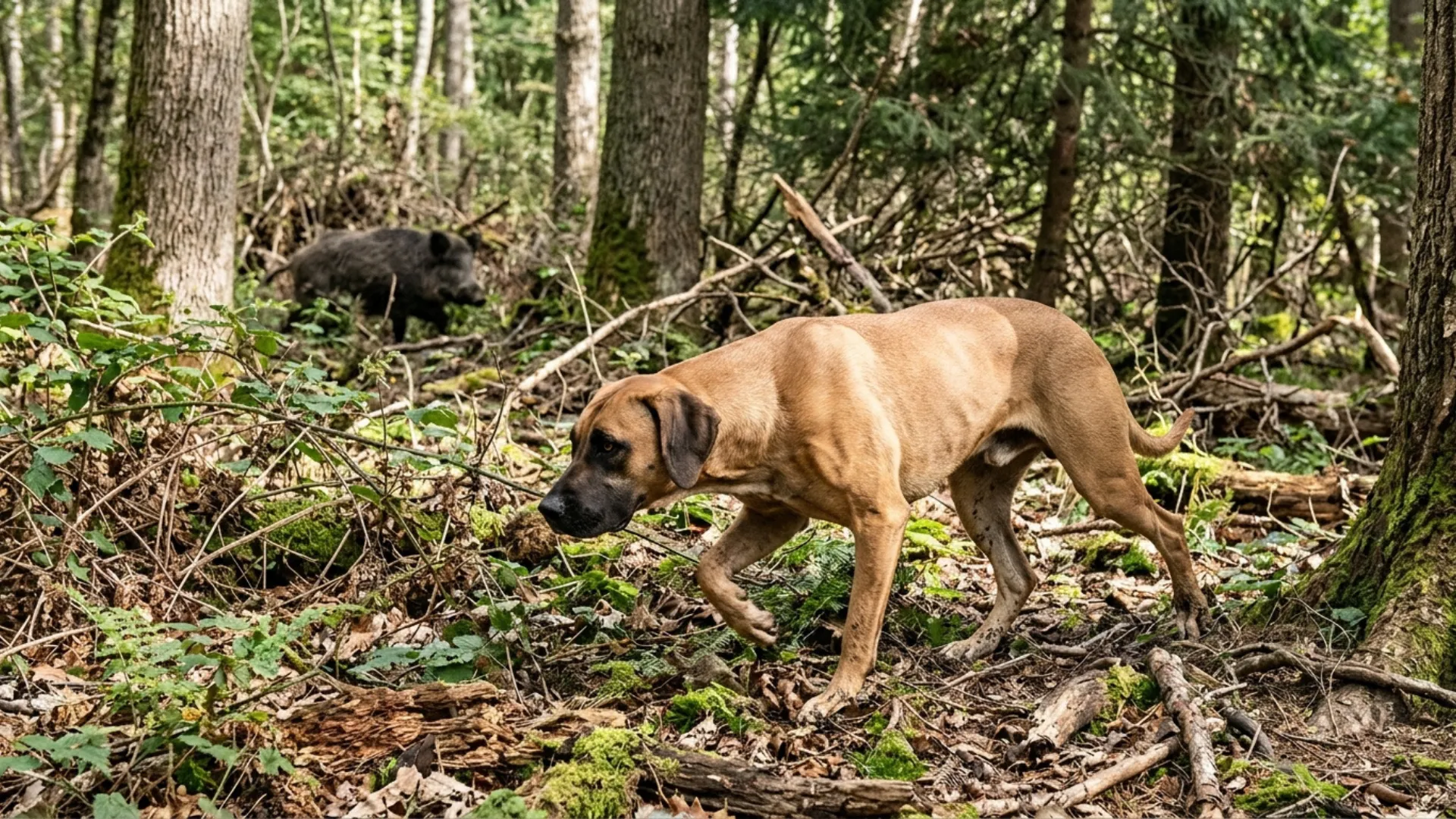
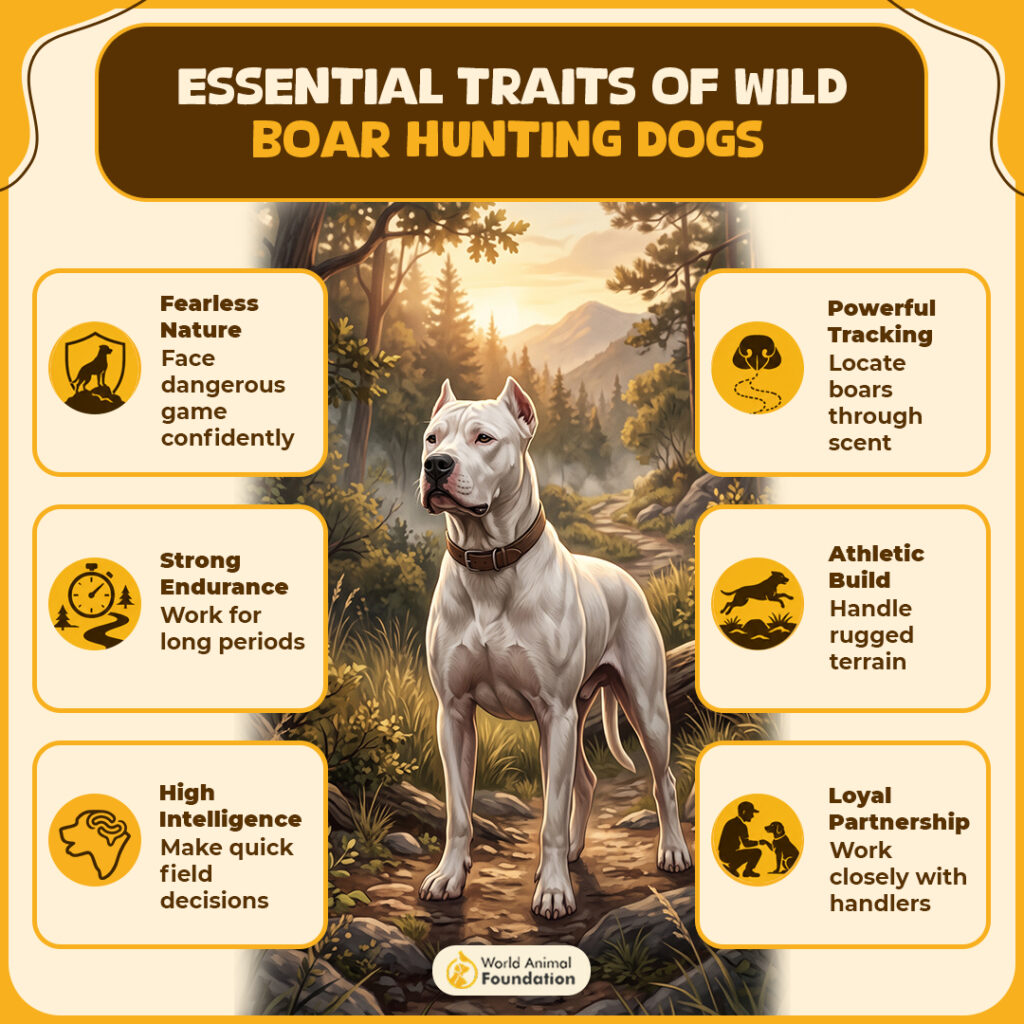
Taking on the deep woods and tracking wild boar demands a rare blend of courage, intelligence, and sheer athletic power. Unlike standard hunting pursuits, wild boar baying and catching require dogs built to navigate dense brush, withstand punishing terrain, and hold their ground against one of nature’s most formidable and unpredictable animals.
The legendary breeds that excel in this high-stakes environment aren’t just swift trailers; they are heavy-duty working dogs forged by generations of rugged field labor.
From muscular catch dogs that rely on unyielding strength to agile bay hounds that use sharp instincts to track and hold game at a safe distance, these breeds possess an unmatched work ethic. They combine sharp scenting ability with calm, steady focus under pressure—traits that keep them safe in the thick of a pursuit while working in tight harmony with their handlers.
Whether navigating tangled swamps or rocky ridges, these remarkable dogs represent the pinnacle of canine endurance and field intelligence.
Legendary Dog Breeds That Outperform in Wild Boar Pursuits
1. Plott Hound
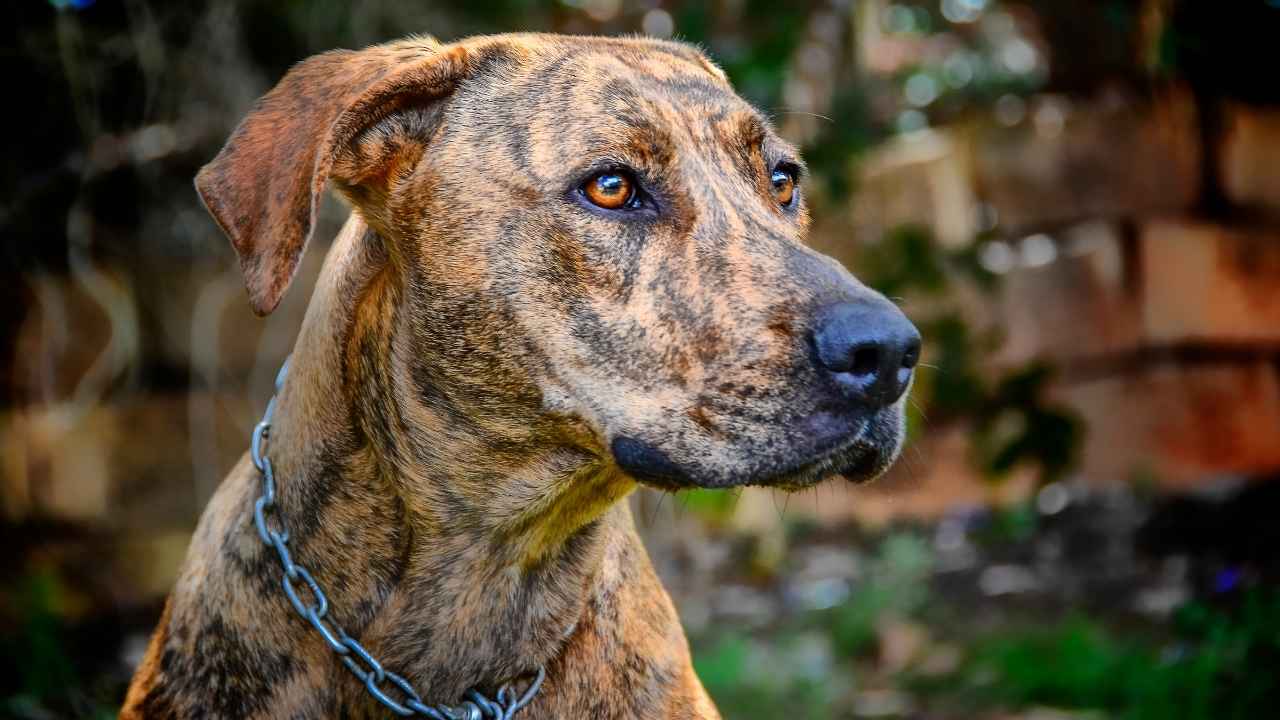
Relentless, bold, and fearless at work, this eye-catching scent hound is the state dog of North Carolina. This big-footed, nimble hunter with brindle stripes has an inquisitive, confident expression.
Originally bred to pursue large game like feral hogs, the Plott Hound is a brave, strong-hearted dog you can rely on to track game through dense cover. This enthusiastic tracker tends to follow a scent trail without turning back to check whether its owner is in sight.
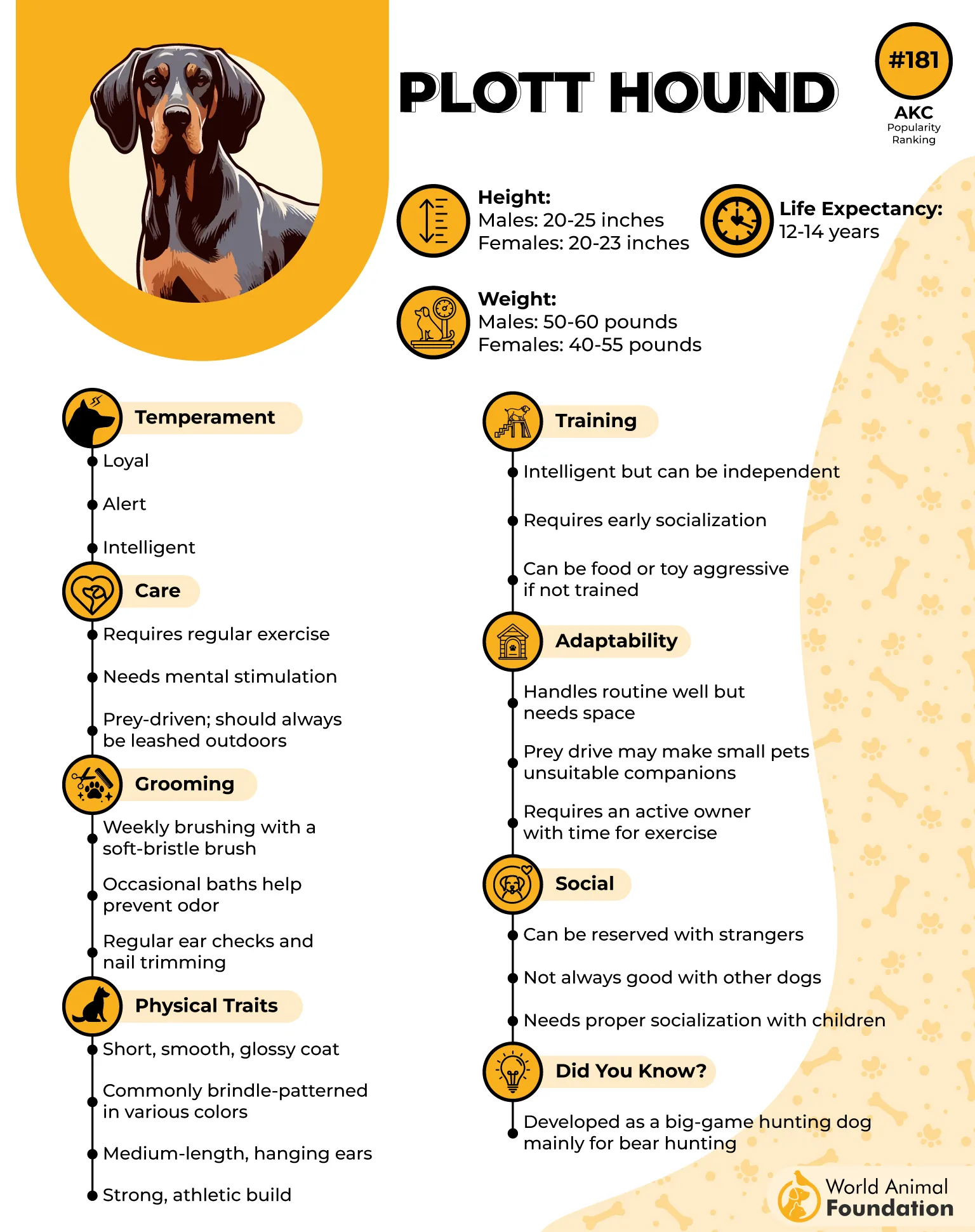
That’s why it’s worth investing in a GPS collar and ID tags, so you can keep track of this athletic dog. Luckily, Plotts have a strong baying voice that helps hunters locate their prey. This rugged, determined scent hound is one of the six recognized coonhound breeds, and it’s the only one that doesn’t descend from foxhounds.
The breed descends from German hounds brought to America and was used to hunt black bears. A dog like that can certainly handle a wild boar, and tracking and baying a hog is well within a Plott’s skill set.
2. Catahoula Leopard Dog
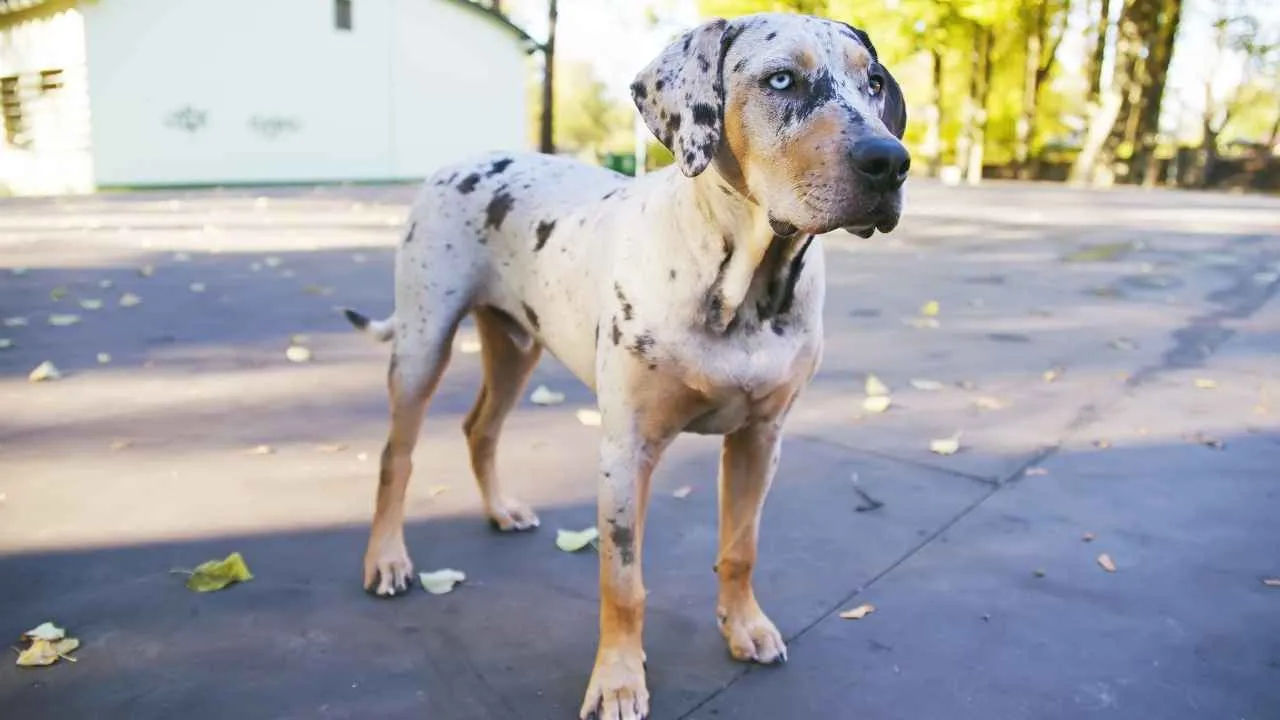
Also called the Catahoula Hog Dog, this watchful, fiercely loyal, well-muscled dog is instantly recognizable thanks to its varying eye colors and leopard-like coat pattern. But rare beauty isn’t the only thing this pup brings to the hunting field.
This powerful breed is a serious bay dog, originally bred for hunting big game, guarding property, and working stock. An independent-minded dog, it can even tree small or large game with real skill. Catahoula Leopard Dogs show agility, endurance, and determination in the field.
They are capable of harassing the boar and keeping it cornered with loud barking, which alerts hunters so they can catch up. The breed is thought to descend from dogs kept by Native Americans, crossed with dogs brought by European explorers and settlers, including mastiff-, greyhound-, and hound-type breeds.
Did you know? Early settlers of central Louisiana used these crossbred dogs to pen and catch the wild hogs and cattle that roamed the area. Catahoulas have a unique way of working stock that sets them apart from other herding and working breeds. They create a canine fence around the herd, and within that fence the animals are directed by the dog’s handler.
3. Black Mouth Cur
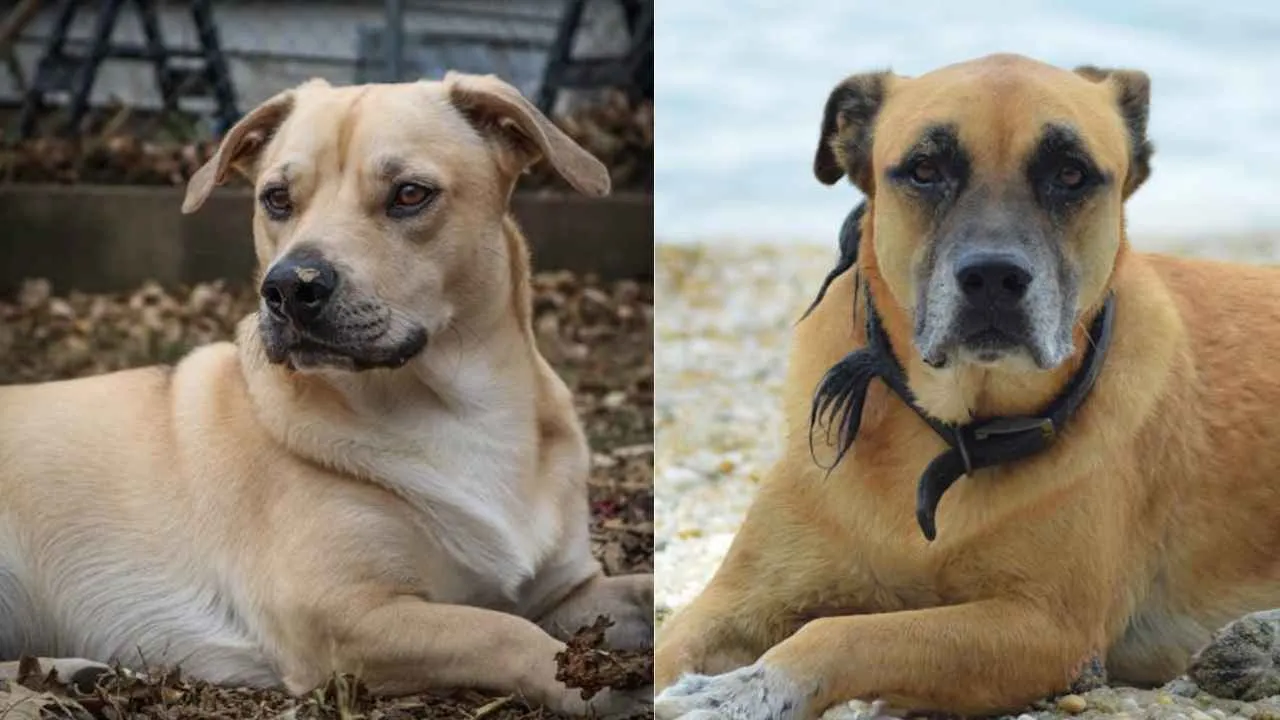
Known for its black muzzle, the Black Mouth Cur originated in the southern United States, in states like Mississippi and Tennessee and the surrounding regions. These pups evolved from various cur-type dogs and hardy hunting, herding, and guarding dogs. The Black Mouth Cur is a versatile medium-to-large dog with strong working ability.
This muscular working dog is known for its efficient movement and strong driving power, which makes the breed a common choice for tracking and baying work.
It can cover a lot of ground without wasting energy, and it forms strong bonds with its handlers. Build recall and directional control before taking these dogs out to the open hunting grounds.
Intelligent and spirited, Black Mouth Curs can be territorial toward strangers and have a strong prey drive, so they may chase small animals. That same driven nature is what makes them good bay dogs for holding hogs.
4. Redbone Coonhound
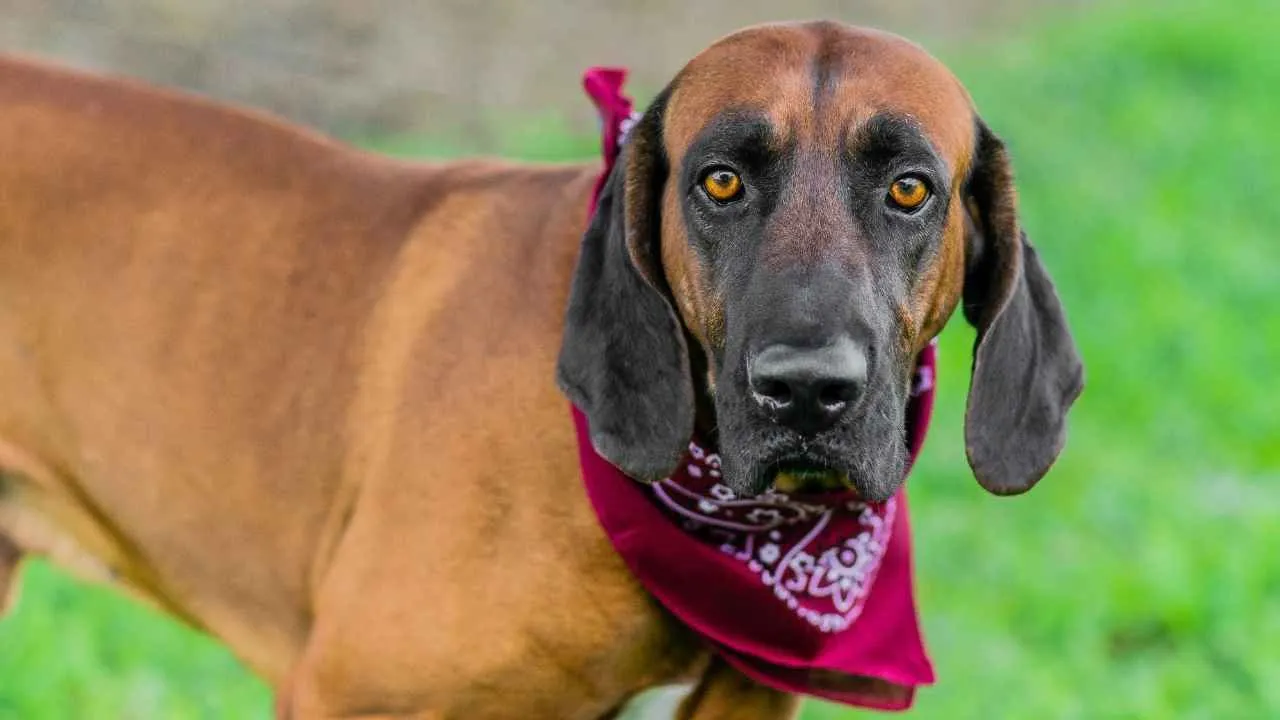
This sleek, stunning dog, often called the “red tiger” of the trail, is a vigorous hunter with dreamy brown eyes. Fast and sure-footed on all kinds of punishing terrain, the Redbone Coonhound moves with a proud, determined gait.
Traditionally used for night hunts, these tireless, tenacious pursuers are enthusiastic at detecting and treeing a wily raccoon, and that same skill carries over to tracking wild boar.
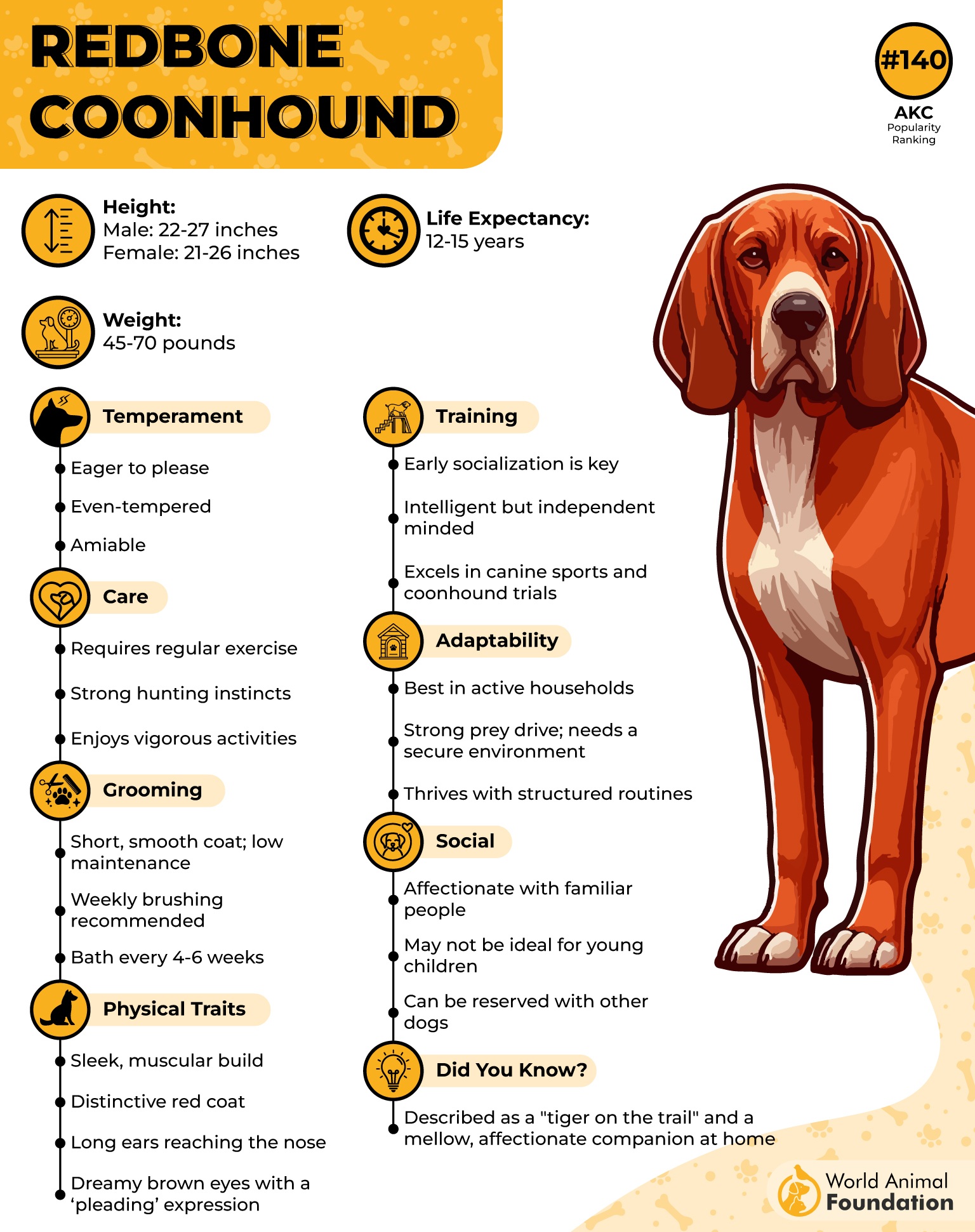
They’re renowned for a deep, resonant bay that sounds like music to a hunter’s ears. These dogs communicate well from a distance and can help you cover a lot of ground.
Redbones are best used for locating and baying rather than close physical contact. They also tend to keep moving once they find a scent trail, so it’s crucial to establish recall and collar conditioning before entering the field.
5. Black And Tan Coonhound
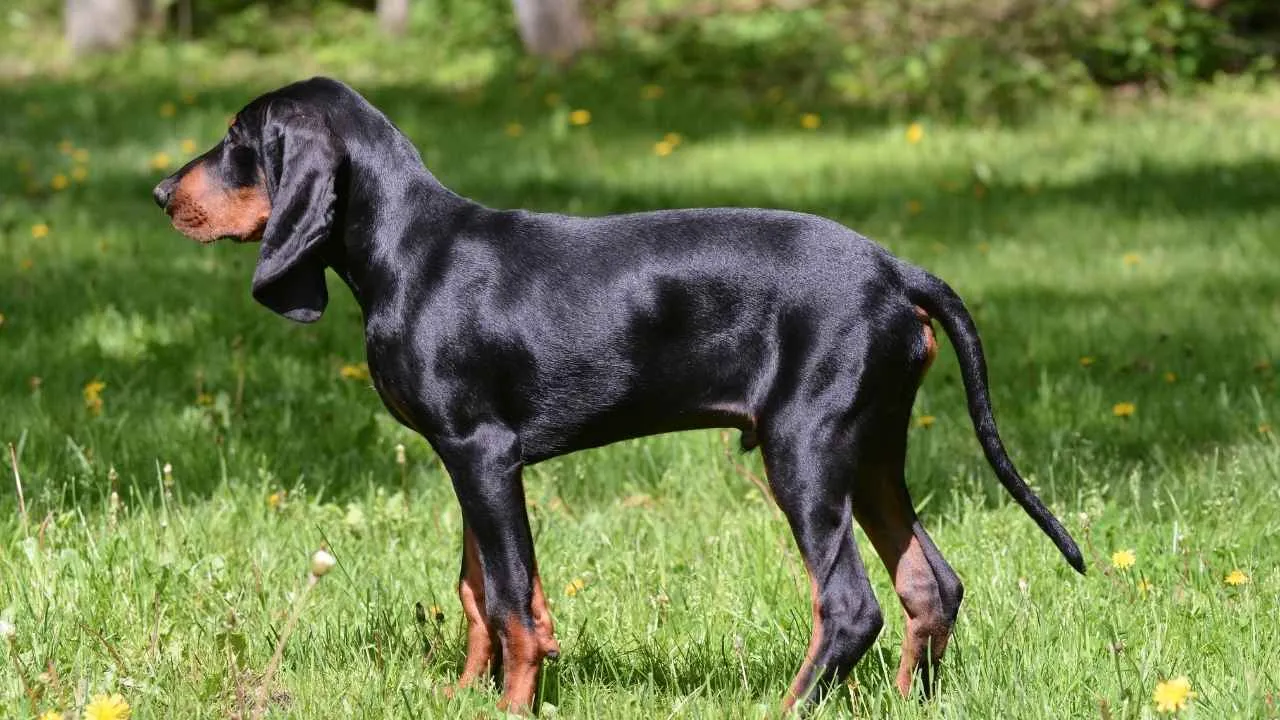
Don’t underestimate this bright, easygoing hound that loves company and snoozes peacefully by the fireside. You’ll only see this calm side of the athletic hunter at home, in its safe space.
Out in the field, it’s a different story. On a night hunt, these big, strong hounds are incredibly tenacious and athletic, covering a lot of ground with effortless, eager strides. At home, they might spend hours hogging the sofa or serenading the neighbors with their loud, mournful bay.
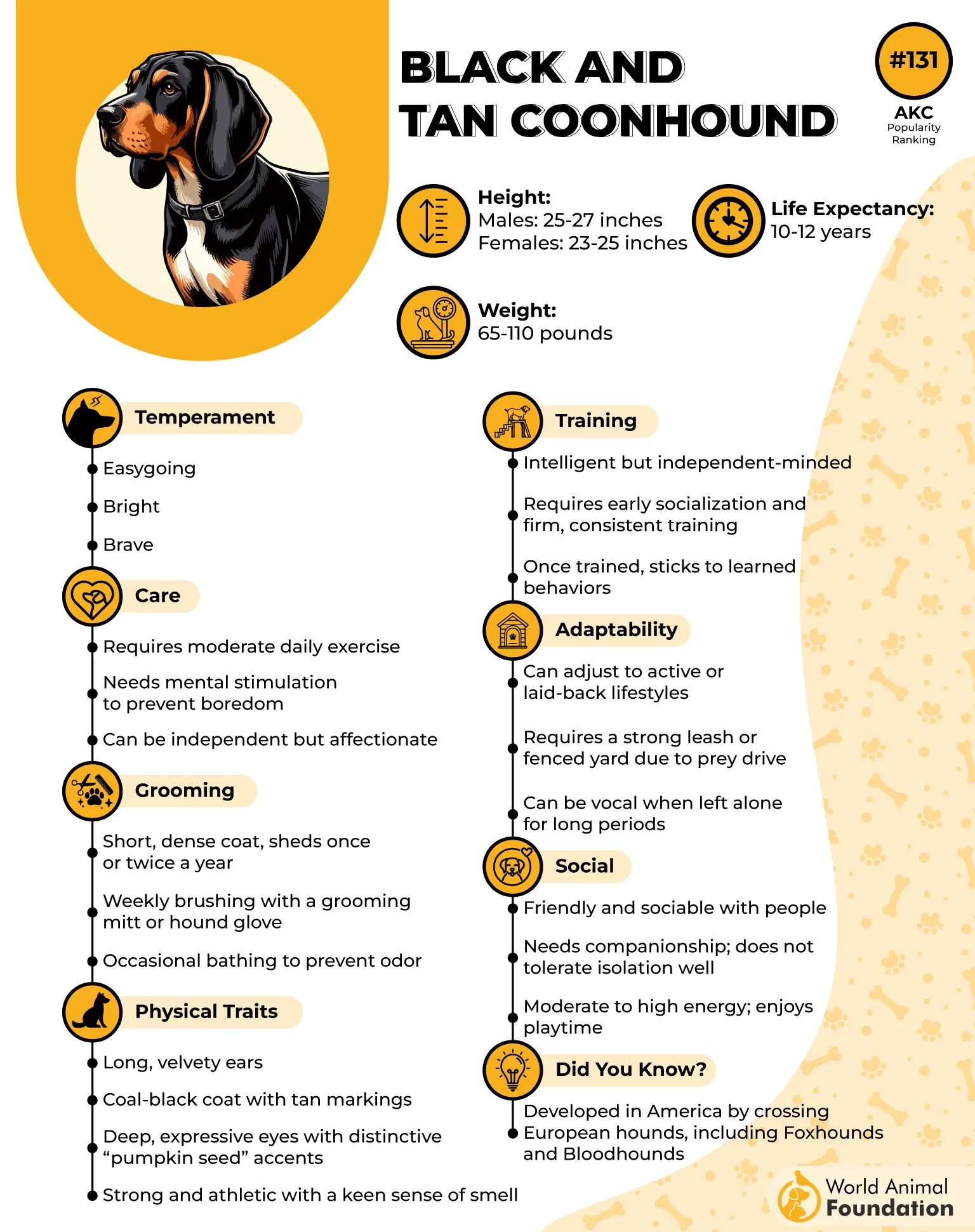
The AKC notes that Black and Tan Coonhounds have an excellent sense of smell, and a strong nose and prey drive make them capable hog dogs.
Low light, moonlit woods, swamps, thick brush, or varied terrain won’t stop this pup from treeing or baying its quarry. Feral hogs don’t stand much of a chance against these bawling night owls and their rifle-toting hunters.
6. Dogo Argentino
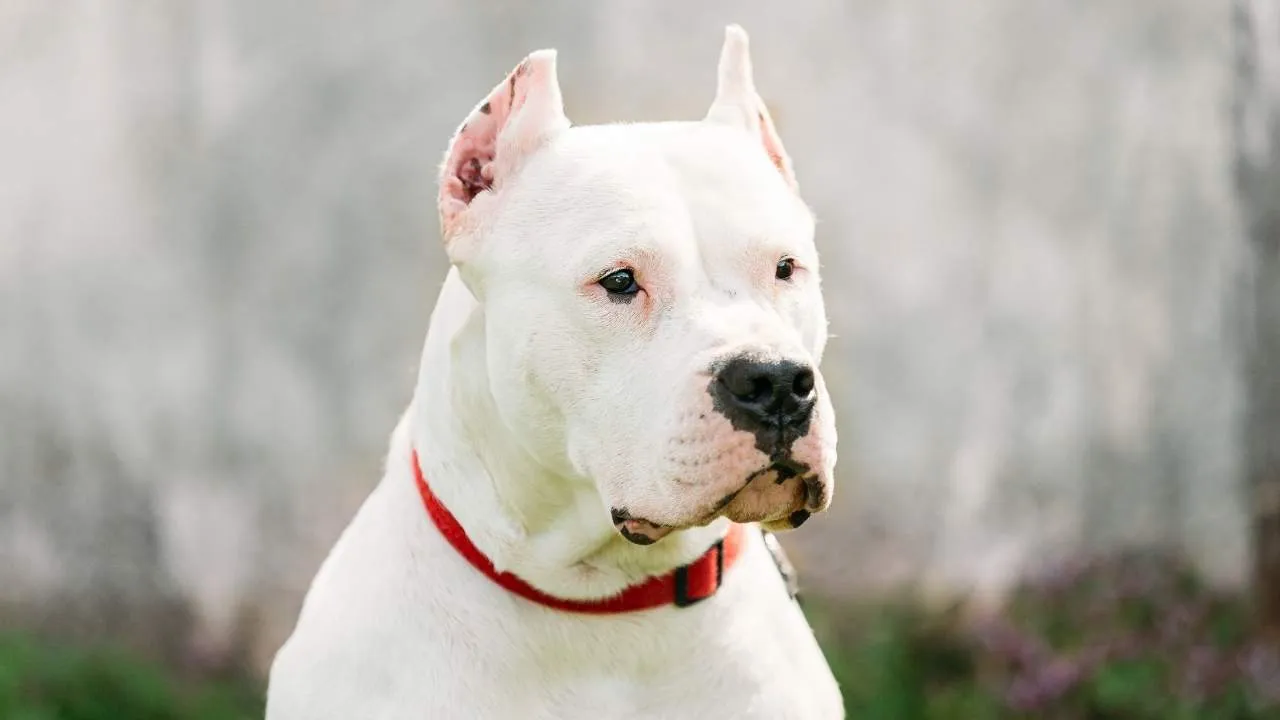
Specifically bred for the job, this pack-hunting dog is an excellent candidate for pursuing big game like wild boar and pumas. With a combination of strength, intelligence, and quick responsiveness, this serious athlete from Argentina is a study in power and harmony.
Yes, the Dogo Argentino can find, chase, and catch dangerous game like wild boar. It has a great nose, a powerful, agile build, an alert demeanor, and the toughness this brutal sport demands. Because of its territorial, independent nature, it needs consistent training and experienced handling.
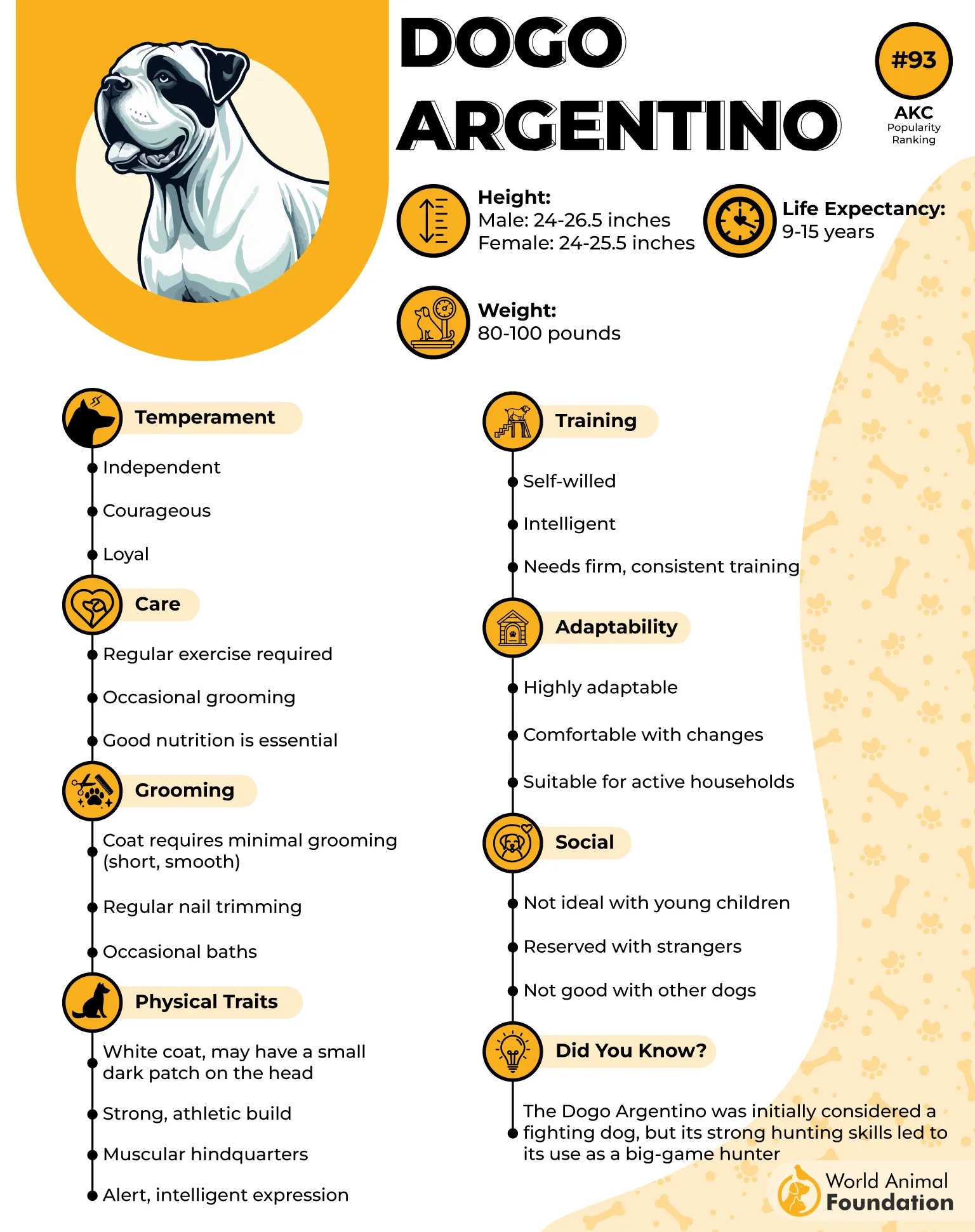
You won’t be disappointed by its efficiency in demanding big game work. Careful early socialization with other dogs and reliable obedience training can help channel a Dogo’s power and instincts appropriately, because physical strength without discipline and control can quickly become dangerous.
7. American Bulldog

This loyal, self-confident dog has a long history as a remarkable catch dog. Known for its strength and steady temperament, this well-balanced pup with an athletic frame was historically bred as a utility dog for working on the farm.
Small farmers and ranchers still use this multipurpose dog as a livestock guardian, stock dog, and catch dog. The American Bulldog largely survived in the southern United States because it could bring down and hold feral pigs and cattle. Descended from bulldogs brought over from England in the 17th century, it became a reliable farmhand.
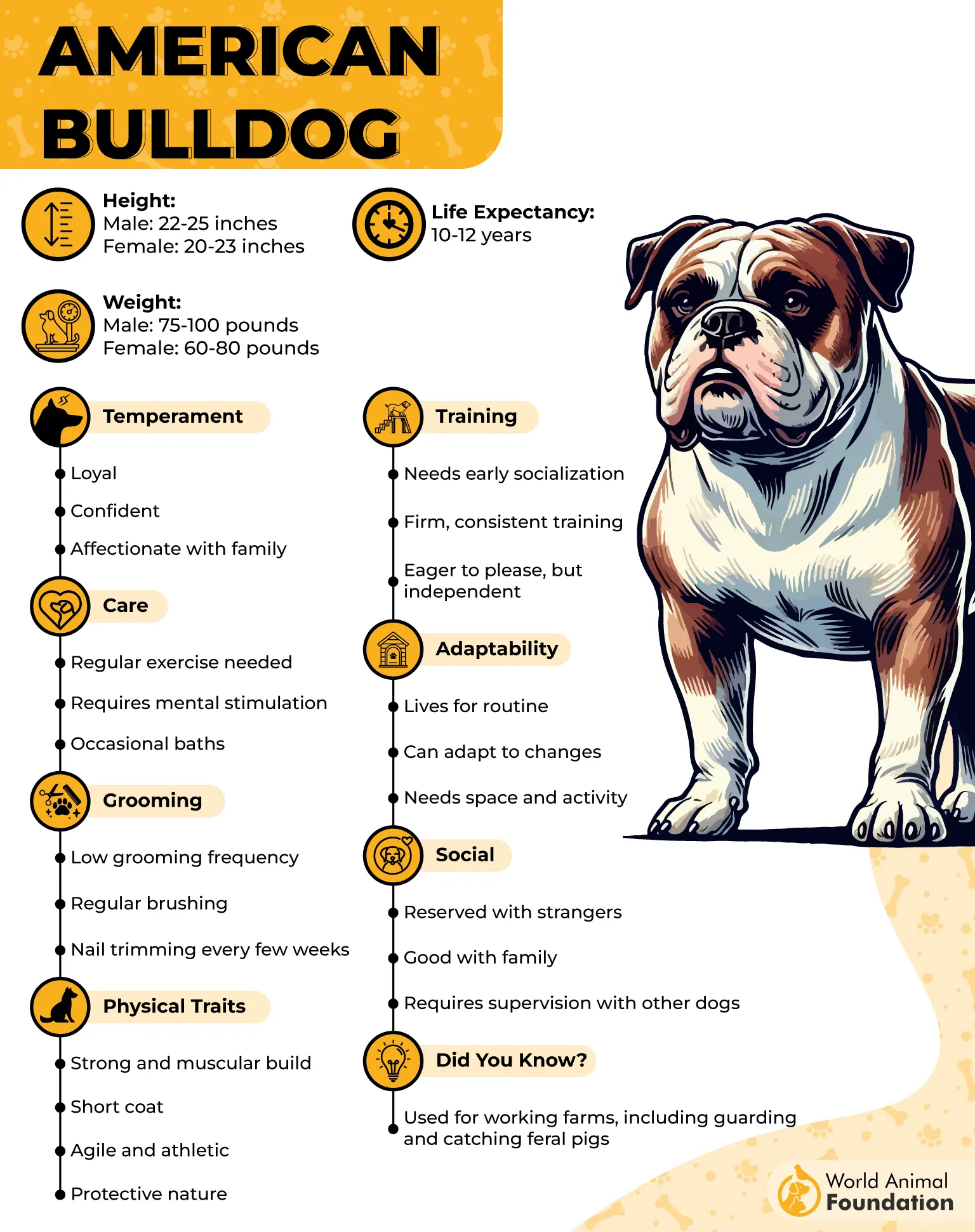
Built like a tank, this descendant of the English Bulldog has a strong prey drive. Hog hunters use it alongside their bay dogs because of its reliable obedience and brave attitude.
8. Blue Lacy
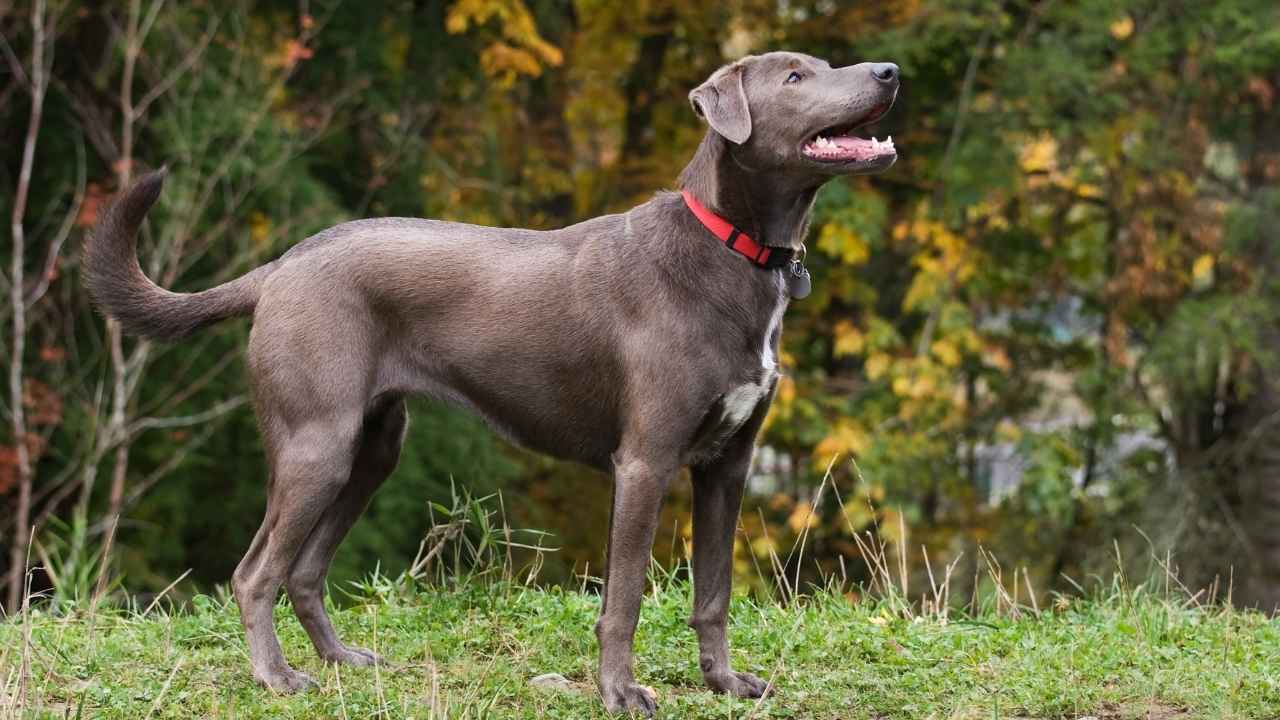
Developed in Texas in the 1800s, the Blue Lacy, also called the Texas Lacy, is a medium-sized, high-energy working breed with a distinctive blue-toned coat and a versatile range of working talent. It isn’t easy to find a dog that can herd, hunt, and handle ranch work all in one.
The breed was developed by the Lacy brothers, and it is believed to descend from greyhound, scent hound, and possibly coyote-type ancestors. It was originally used to herd free-ranging domestic pigs, and these dogs can also track and bay wild pigs by instinct. Bold and active on the terrain, they’re determined at herding cattle and hunting wild hogs.
Wikipedia notes that Blue Lacys also have territorial, protective instincts, so careful socialization is essential to keep them from becoming distrustful of or aggressive toward strangers. They are rare and hard to find outside Texas, and they’re not recommended for inexperienced owners because their high energy and strong work drive can easily overwhelm a novice.
You’ll need to give these pups regular exercise or put them to work, whether that’s running trap lines or recovering wounded game. They’re useful on newer, fresher hog trails and short tracks. Blue Lacys never lack endurance, and they’re agile and nimble in tight, brushy areas while baying.
9. Mountain Cur
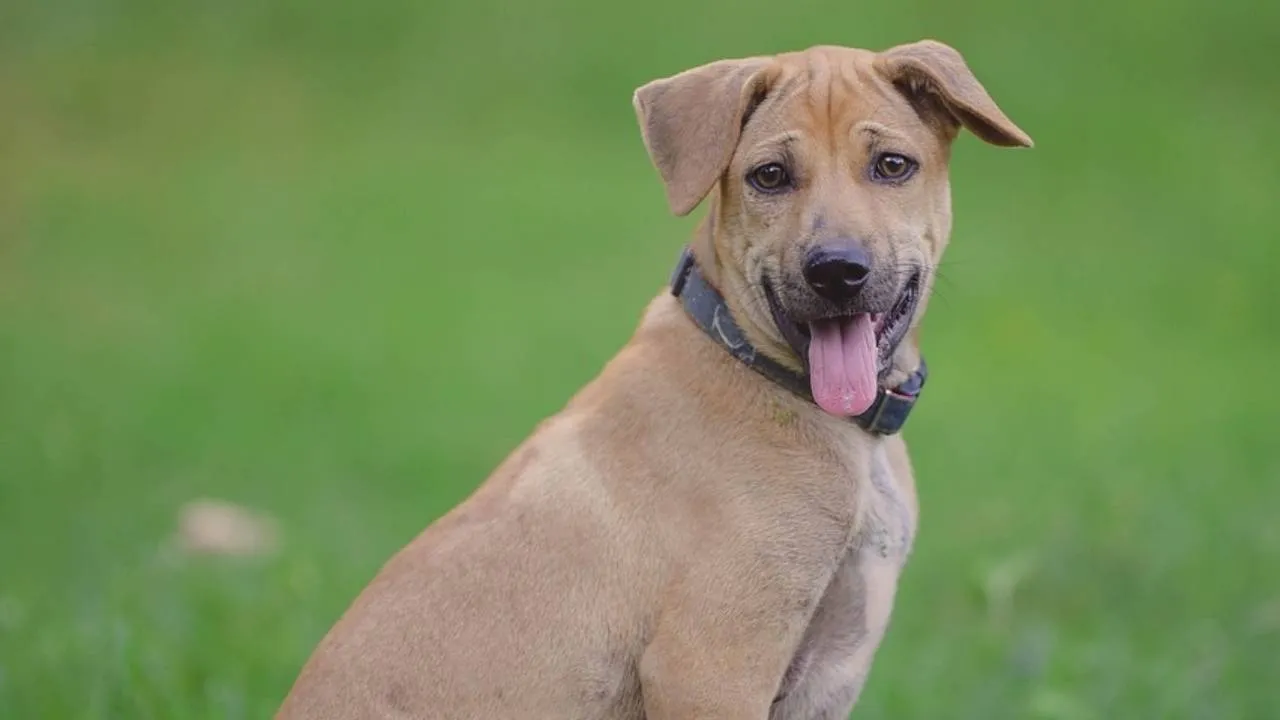
This strong-willed hunting dog with a good treeing instinct is a courageous fighter. A fast, hard hunter, it runs a track with its head in the air. Highly prized by early pioneers, homesteaders, and settlers, the Mountain Cur has quick reactions and a strong hunting drive.
Its clear bark can be heard from a long distance. It responds extremely well to training and plenty of human contact, and it’s an intelligent, perceptive dog that will circle and drift on a cold track until it finds a hot one.
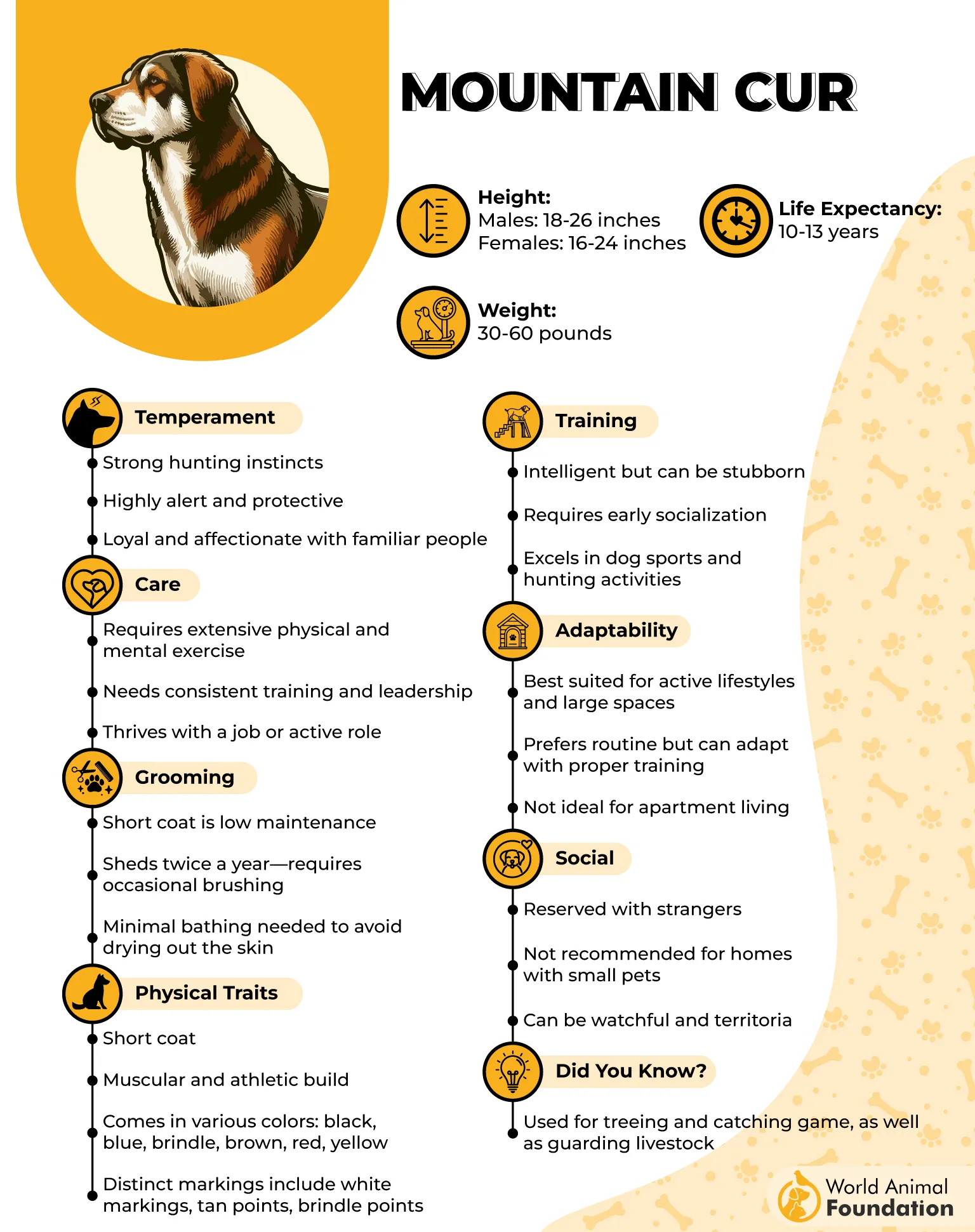
This all-American pioneer dog was a huge asset to frontier families and helped early settlers survive in rough, unforgiving mountain country. These pups guarded their families and livestock against wild predators and intruders, and they were also used to catch, tree, and hold wild game for the family’s food.
Conclusion
If you’re out in the woods chasing big game like deer and your hunting dog suddenly picks up the scent trail of a feral hog, you’d better be focused and prepared. Feral hogs can be aggressive, so it’s always recommended that you scout the area and learn which wild species live there before planning a hunt. It’s also smart to bring a few trusted hunting partners along if you’re heading out in harsh weather or demanding terrain.
A pack of diverse dogs, including a bay dog, a catch dog, and a scent hound, can help shorten your response time in the wild. These rugged pups track effortlessly and can warn you about game ahead of time. After you take the shot, you’ll also want blood-tracking hounds to help find and recover wounded or downed game.
Be aware that big game pursuit is no child’s play. It’s recommended for experienced handlers and hunters who stay steady even in the face of danger. Large game like deer, bears, and wild boar can hurt you if they charge, if you give away your hiding spot in dense cover, or if you miss the shot. These animals also have extremely alert senses and spook easily, so you’ll need to stay quiet and patient while preparing to take your shot.
