




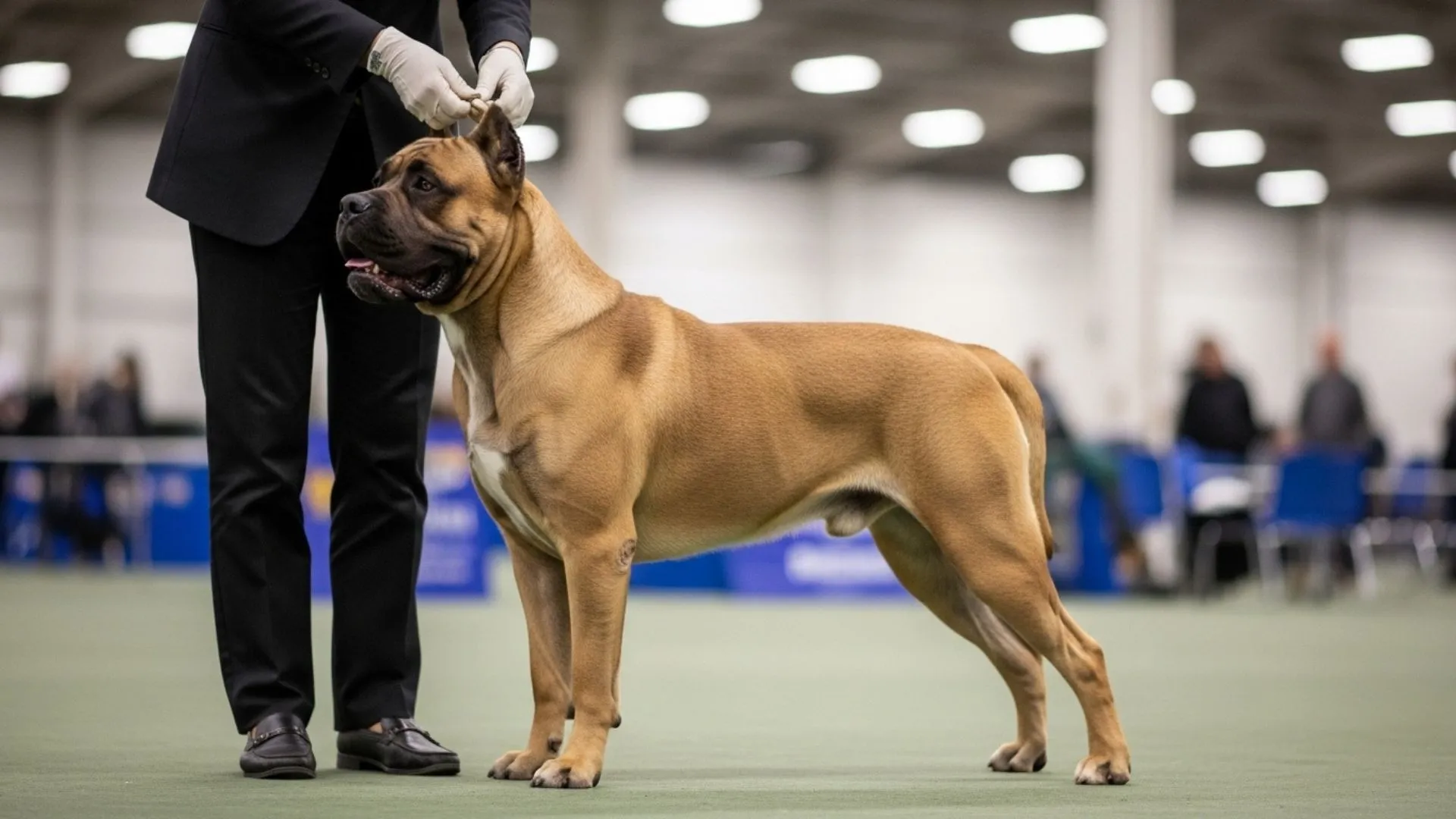
Bringing a large dog into your life can feel exciting—until you picture the constant brushing, shedding, and grooming appointments. The good news? Not all big dogs come with high-maintenance coats.
Many have short, smooth hair that’s surprisingly easy to manage, making them a great choice for busy families or anyone who prefers a simpler routine.
Short-haired dogs are generally lower maintenance because their coats don’t tangle or trap dirt the way long-haired ones do. That means less time brushing and cleaning up, and more time enjoying your dog’s company.
Of course, “low grooming” doesn’t mean “no care.” These dogs still need occasional brushing, baths, and plenty of exercise to stay healthy and happy.
If you’re looking for a big, lovable companion without the extra grooming hassle, large short-haired dog breeds offer the perfect balance of ease and companionship. So what are you waiting for? Let’s take a look!
Key Takeaways
Big dogs can still be low-grooming, thanks to short, easy-care coats.
Great Dane, Rottweilers, and Doberman Pinschers offer loyalty with simple maintenance.
Cane Corso, Rhodesian Ridgeback, and Boerboel bring protection with low grooming needs.
Even the Neapolitan Mastiff shows that giant dogs can be surprisingly easy to care for.
Large Dog Breeds With Short Hair For Low Grooming Needs
1. Great Dane
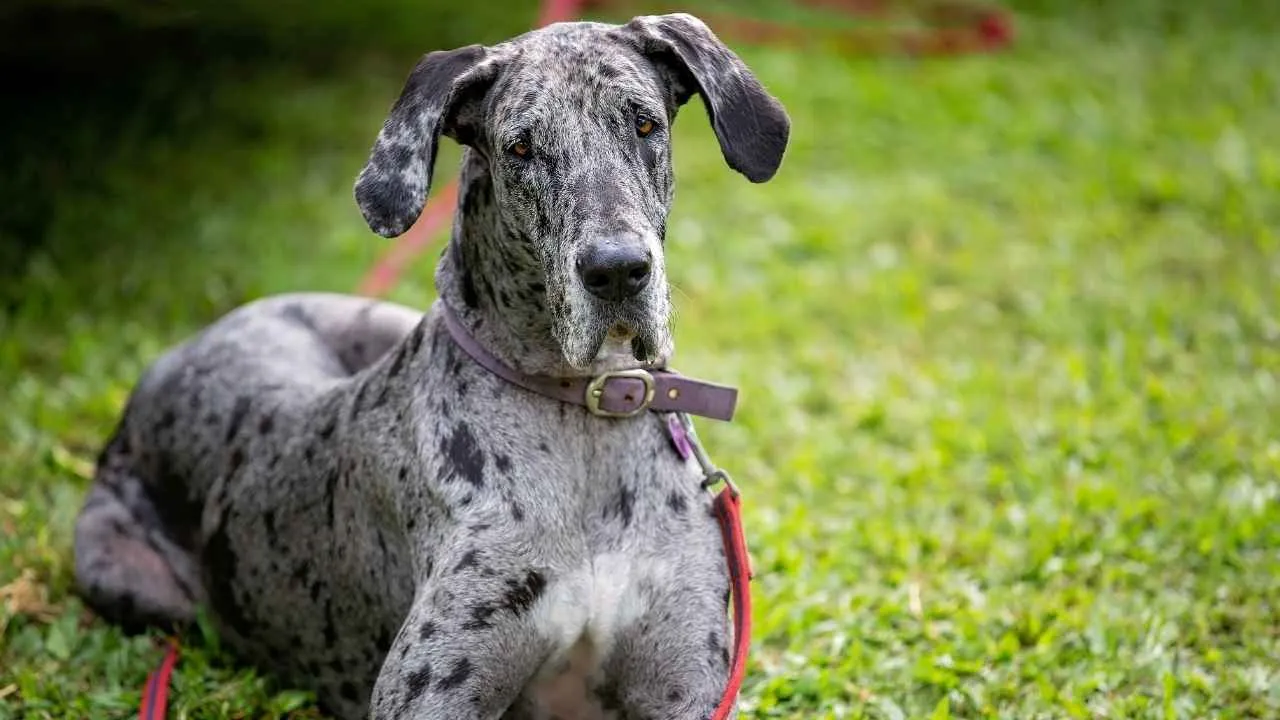
Known as the “gentle giant,” the Great Dane may look intimidating, but its personality tells a completely different story. This breed is calm, kind, and extremely affectionate. It loves being around people and often seeks attention with cuddles and nuzzles.
Great Danes are especially gentle with kids and fit well into family life. Despite their size and history as hunters and estate guards, they are friendly, welcoming, and rarely aggressive unless they sense real danger.
Personality & Behavior
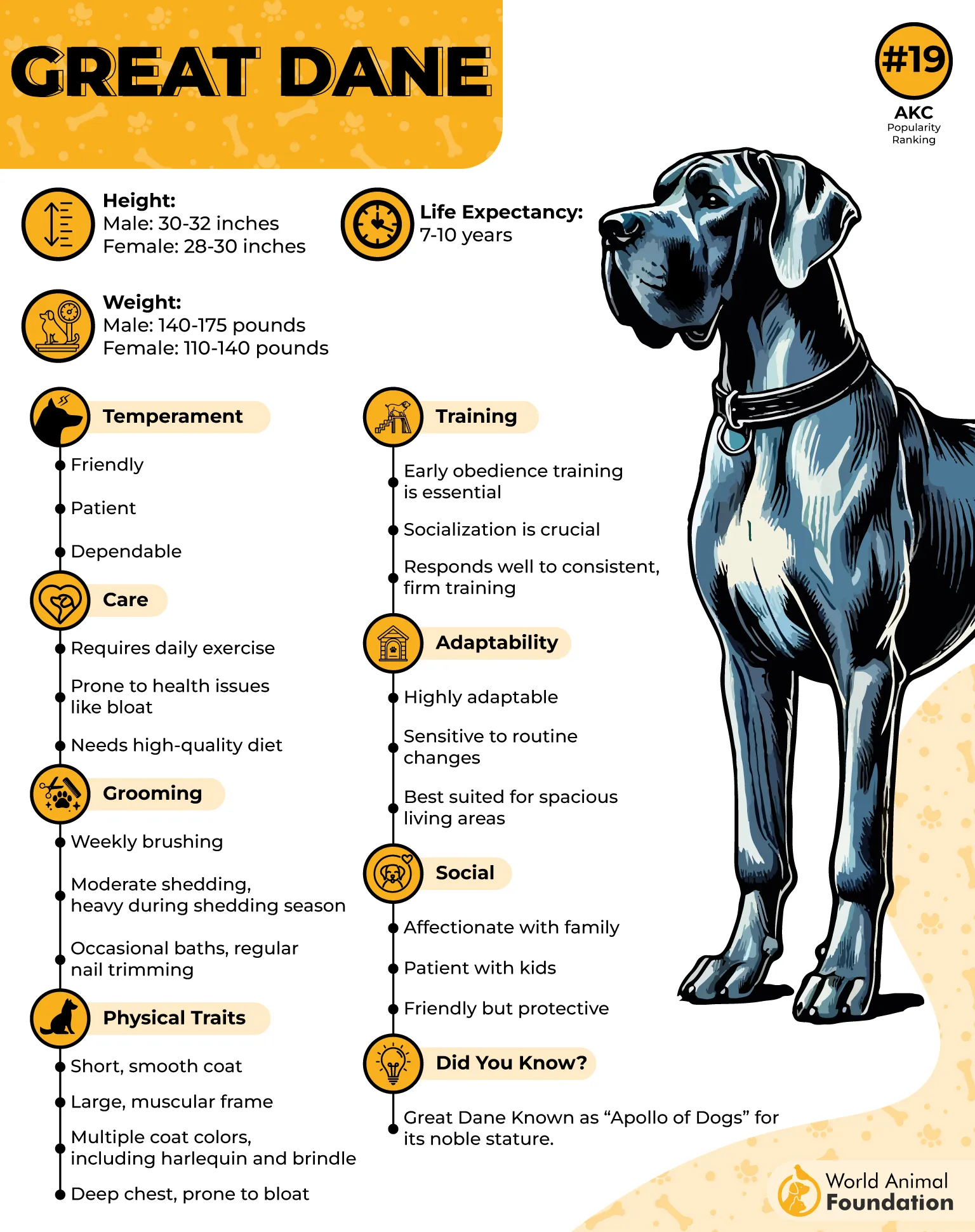
Sweet, patient, and people-oriented
Loves attention and being part of the family
Friendly with guests but protective when needed
Can be playful and sometimes forget their size (yes, they may try to sit in your lap!)
According to PDSA, Great Danes are intelligent and eager to please, which makes training easier. However, early socialization and obedience training are important.
Without it, their size and strength can become hard to manage. They can also develop anxiety if left alone for too long, so they do best in homes where they get regular interaction and companionship.
Care, Exercise & Grooming
This breed has a short coat, making grooming simple and low-maintenance. Weekly brushing is usually enough, along with basic care like nail trimming, ear checks, and dental hygiene. A Great Dane needs daily exercise, such as walks and playtime, to stay healthy and happy.
Puppies are more active but should not be over-exercised to protect their joints. They enjoy activities like walking, playing, and even swimming.
While they are calm indoors, they still need space and a secure yard. Their playful nature may not suit delicate gardens, and they should not be left alone for long periods. With proper care, training, and attention, Great Danes make loving, loyal, and easy-to-maintain companions.
2. Doberman Pinscher
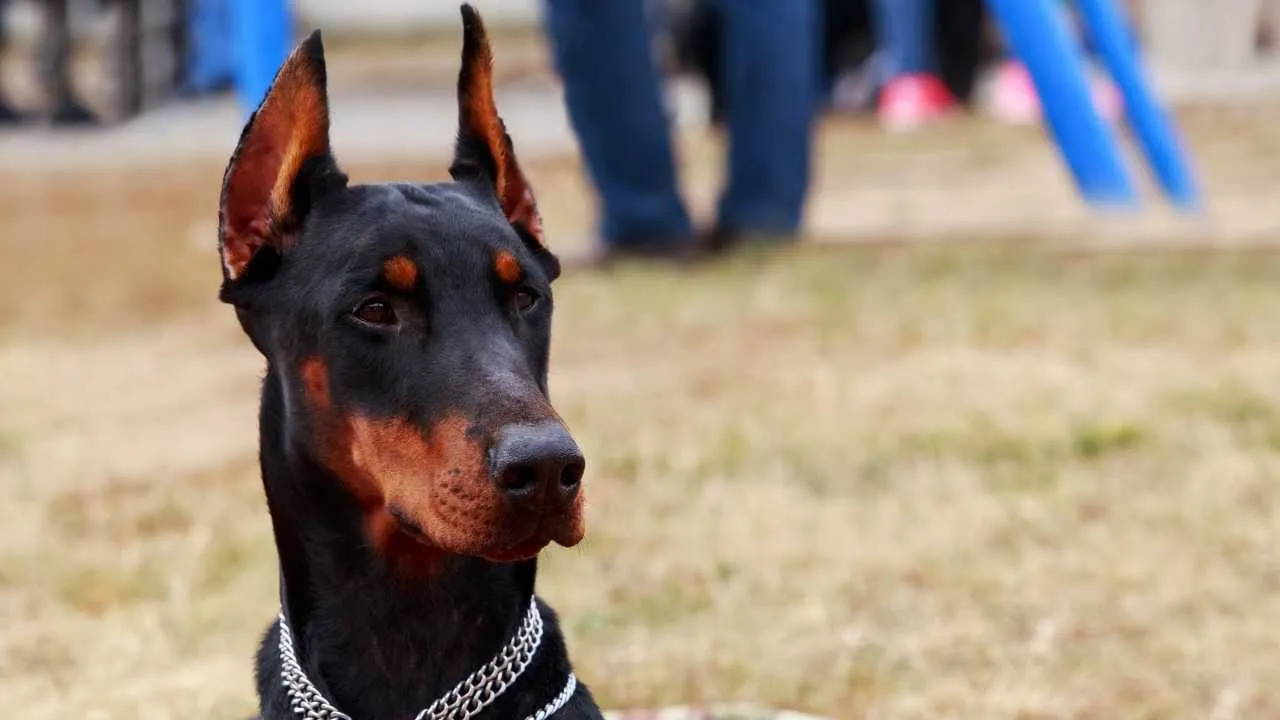
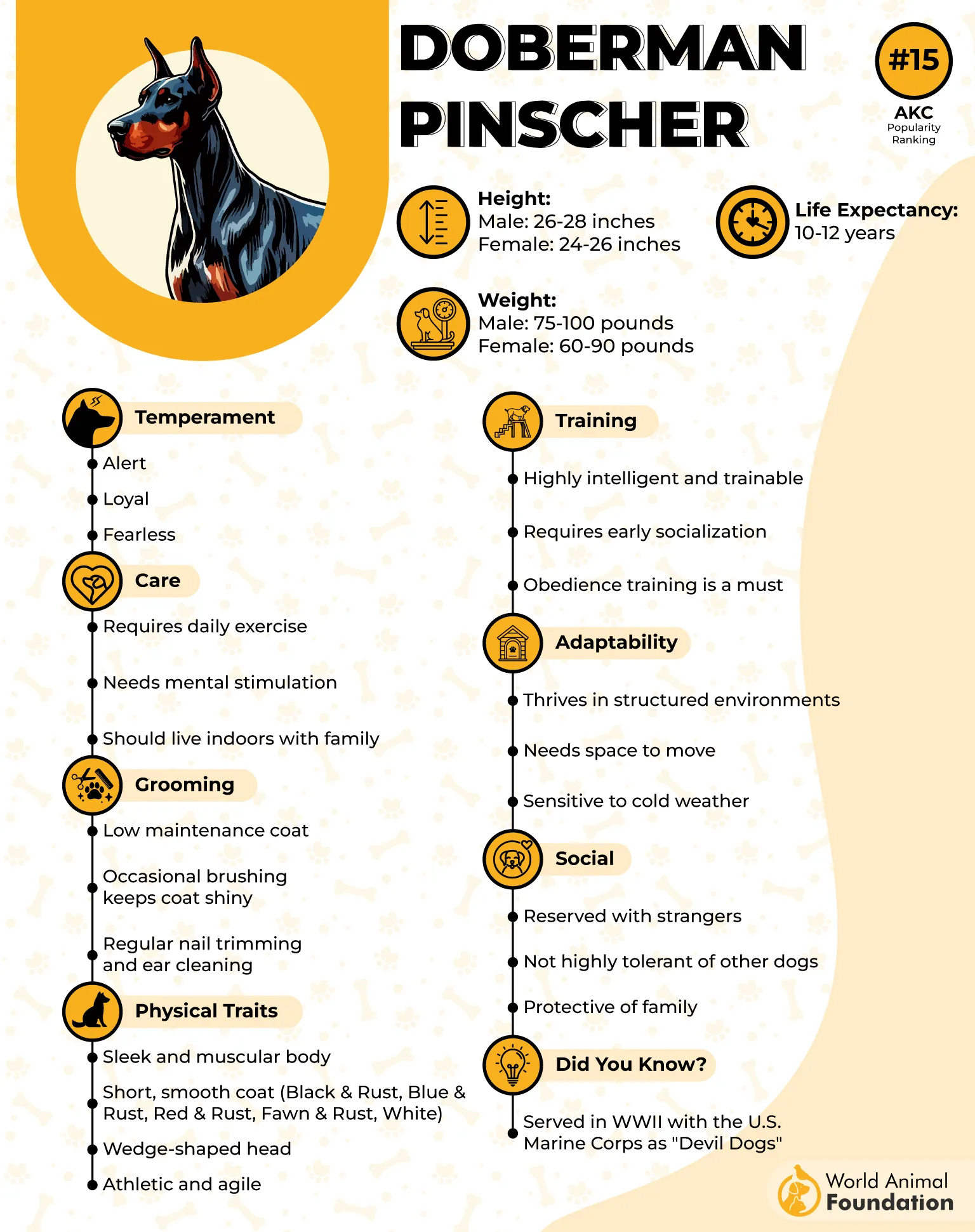
The Doberman Pinscher is a powerful and elegant dog with a sleek, muscular build and sharp intelligence. Often seen as one of the finest protection dogs, this breed is fearless, alert, and naturally watchful.
Despite their strong appearance, Dobermans are loving companions who form deep bonds with their families. Originally developed in Germany by Louis Dobermann, they are now widely used as family pets as well as in security, police, and rescue work.
Personality & Behavior
Loyal, protective, and highly devoted
Intelligent and quick learners
Alert and naturally cautious around strangers
Energetic and needs mental stimulation
Dobermans are easy to train but require early socialization and consistent guidance. Without proper training, they can become pushy or destructive.
They thrive in active homes and should live indoors with their family. While they are affectionate, their high energy levels mean they may not always suit homes with very young children unless properly trained.
Care, Exercise & Grooming
Dobermans have a short, sleek coat that is easy to maintain, making them ideal for low-grooming needs. A quick daily or weekly brush helps keep their coat shiny and minimizes shedding. They do not need frequent baths, and basic care like nail trimming, ear cleaning, and dental hygiene is important.
These dogs are energetic and need regular strenuous exercise and mental activities to stay happy. Without enough activity, they may develop unwanted behaviors. With the right care, training, and attention, the Doberman Pinscher is a loyal, low-maintenance, and highly capable companion.
3. Cane Corso
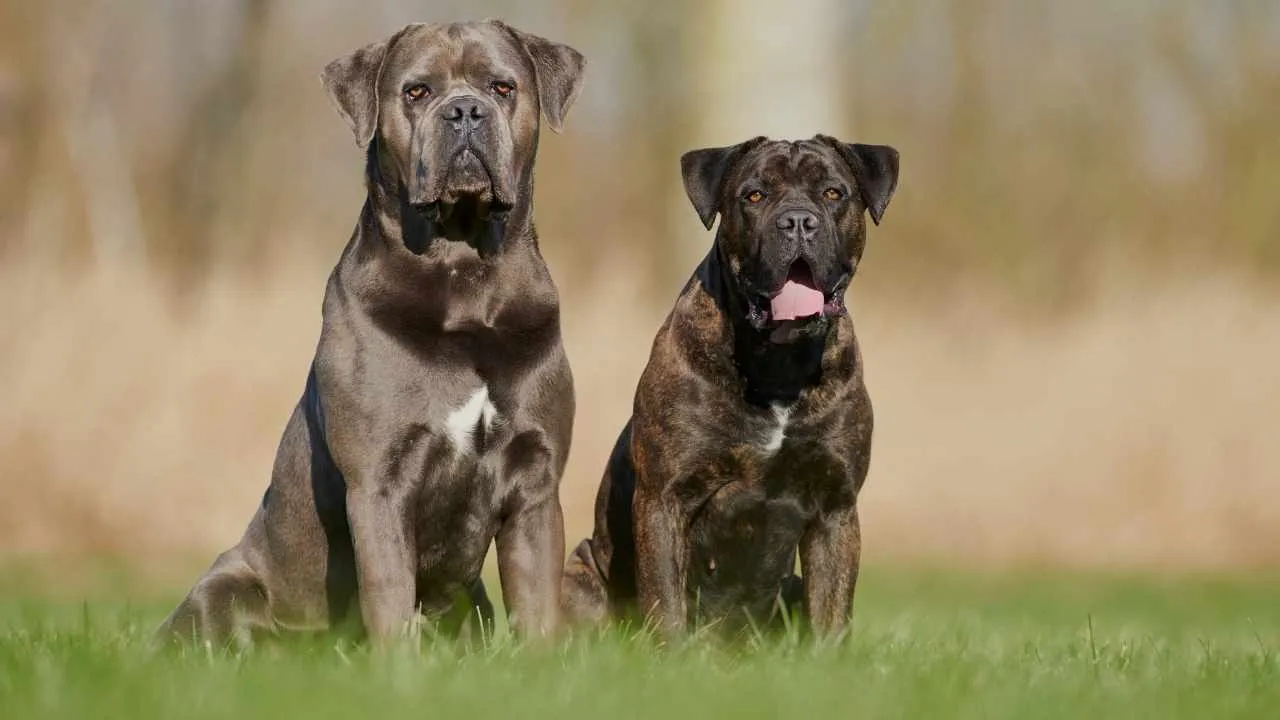
The Cane Corso is a large, confident dog with a strong guarding instinct and a calm, commanding presence. Its roots go back to ancient Roman times, where it worked as a protector and farm dog.
Even today, this breed is known for its loyalty and “bodyguard-like” nature. While their muscular build and serious expression may seem intimidating, they are deeply devoted and affectionate with their families.
Personality & Behavior
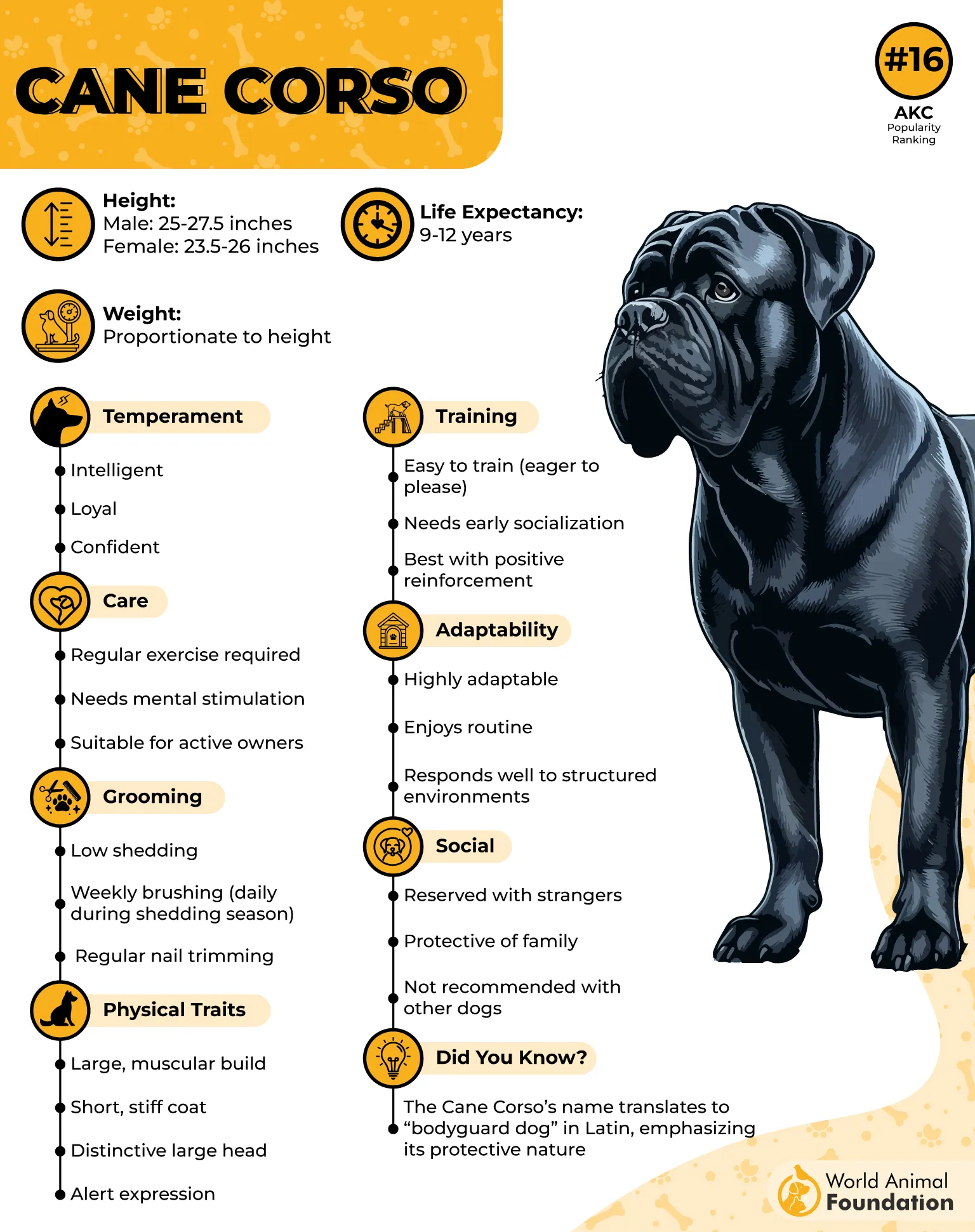
Loyal, protective, and highly devoted
Intelligent and eager to please
Confident but can be strong-willed
Needs early training and socialization
Cane Corsos are smart and versatile, but they require an experienced owner. Without proper training, they can become dominant or difficult to manage.
Early socialization is very important to help them grow into calm and well-behaved adults. They enjoy having a job to do and love being involved in family activities.
Care, Exercise & Grooming
This breed has a short, smooth, double-layered coat that is low-maintenance. Weekly brushing is usually enough, though daily brushing helps during shedding seasons.
They only need occasional baths, as too much bathing can harm their skin. Basic care like nail trimming, ear checks, and dental hygiene should be done regularly.
Cane Corsos are energetic and need serious daily exercise, such as long walks, runs, or outdoor activities. They also need mental stimulation to stay balanced. With proper care, training, and attention, the Cane Corso is a loyal, strong, and low-grooming canine companion.
4. Rottweiler
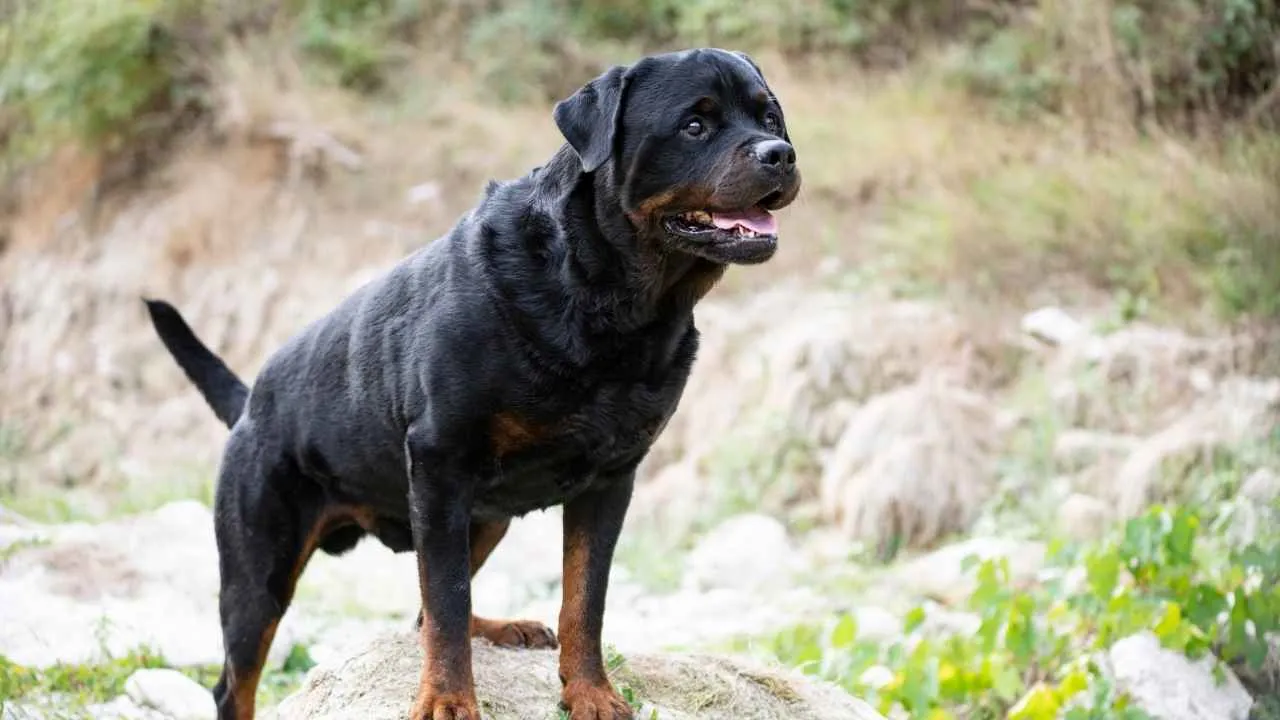
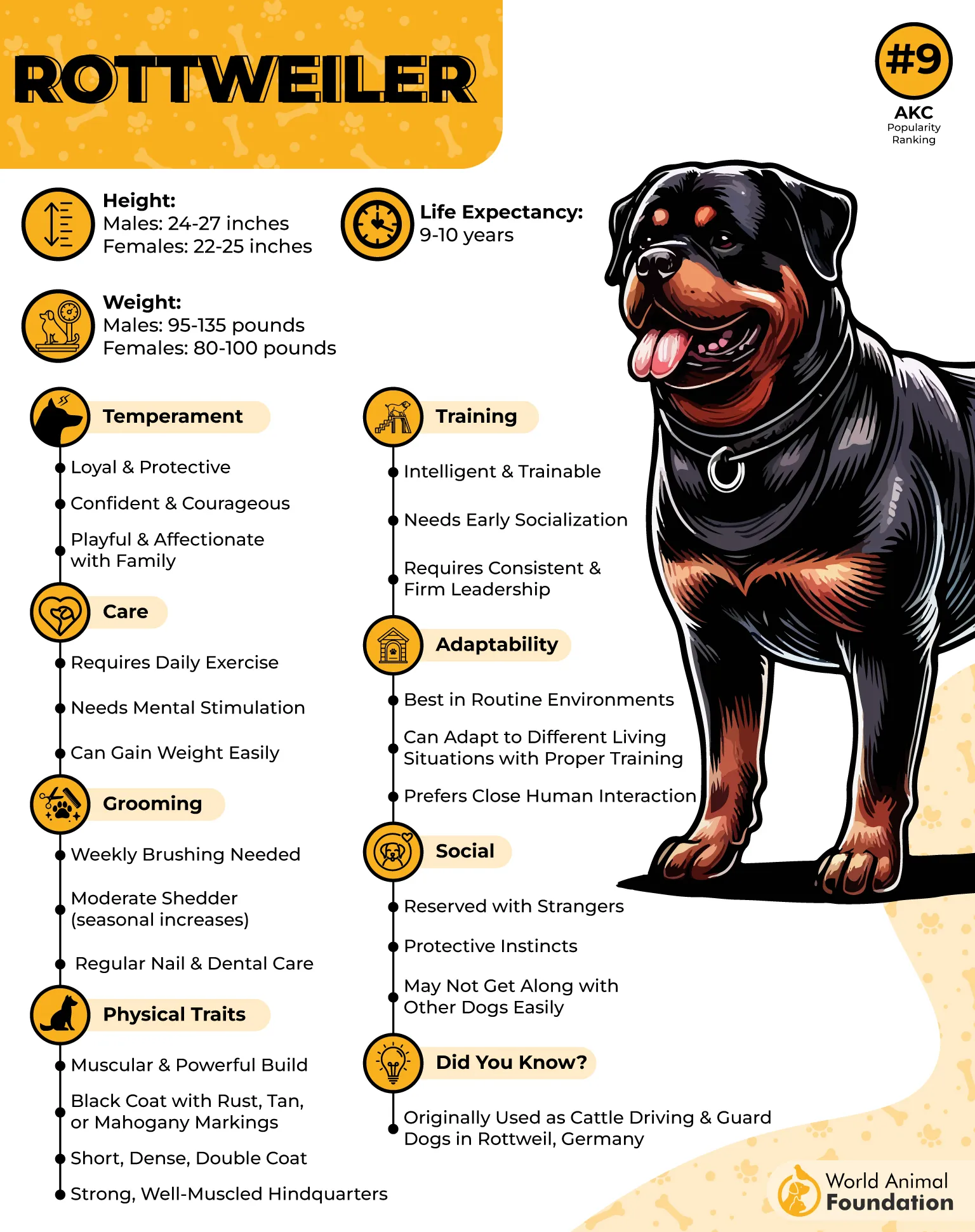
The Rottweiler is a powerful and confident breed with roots tracing back to ancient Roman mastiffs. Known for its broad head, strong build, and short coat, this dog is both a capable guardian and a loving family companion.
Despite their tough appearance, Rottweilers are often calm, affectionate, and even a bit playful with their loved ones. They are popular working dogs and are widely used in roles like police work, search and rescue, and therapy.
Personality & Behavior
Loyal, protective, and people-oriented
Intelligent and easy to train
Calm, gentle, and sometimes playful
Can be reserved around strangers
Rottweilers form strong bonds with their families and enjoy close companionship. They are highly trainable and respond well to positive reinforcement.
Early socialization is important to help them stay confident and well-mannered. Without proper training and enough mental stimulation, they can become bored and develop unwanted behaviors like chewing.
Care, Exercise & Grooming
Rottweilers have a short coat, making them relatively low-maintenance despite moderate to heavy shedding. Weekly gentle brushing helps manage loose and dead hair, especially during seasonal shedding. They only need baths when necessary, along with regular ear cleaning, nail trimming, and basic health checks.
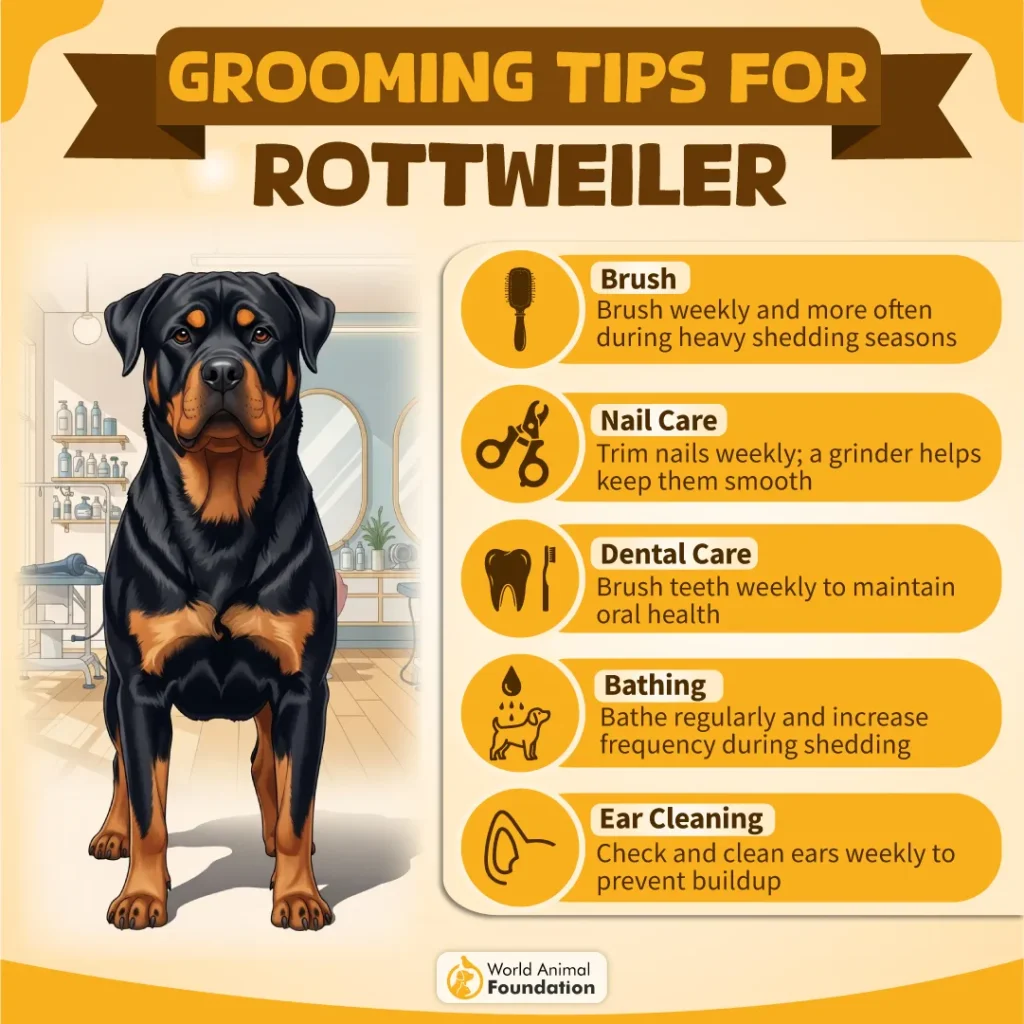
PetMD mentions that this breed needs at least 60 minutes of daily exercise, including walks, playtime, or training activities. They thrive in homes with space and mental engagement. With proper care, training, and routine, the Rottweiler is a strong, loyal, and easy-to-maintain companion.
5. Rhodesian Ridgeback
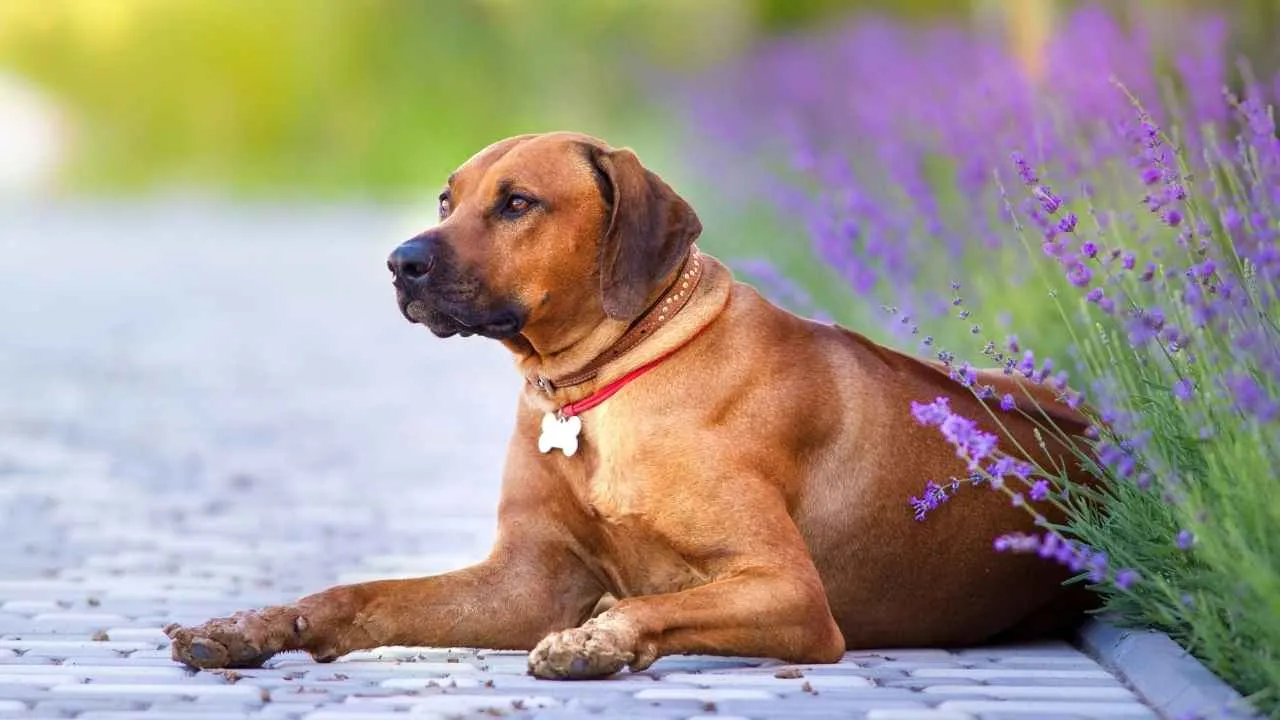
The Rhodesian Ridgeback is a powerful and elegant breed, best known for the unique ridge of backward-growing hair along its back. Originally bred in Africa to track large game, this dog is strong, fast, and highly independent.
Despite its hunting background, the Ridgeback is a loyal and affectionate family companion. It forms deep bonds with its owners but can be reserved around strangers, making it both a loving pet and a natural protector.
Personality & Behavior
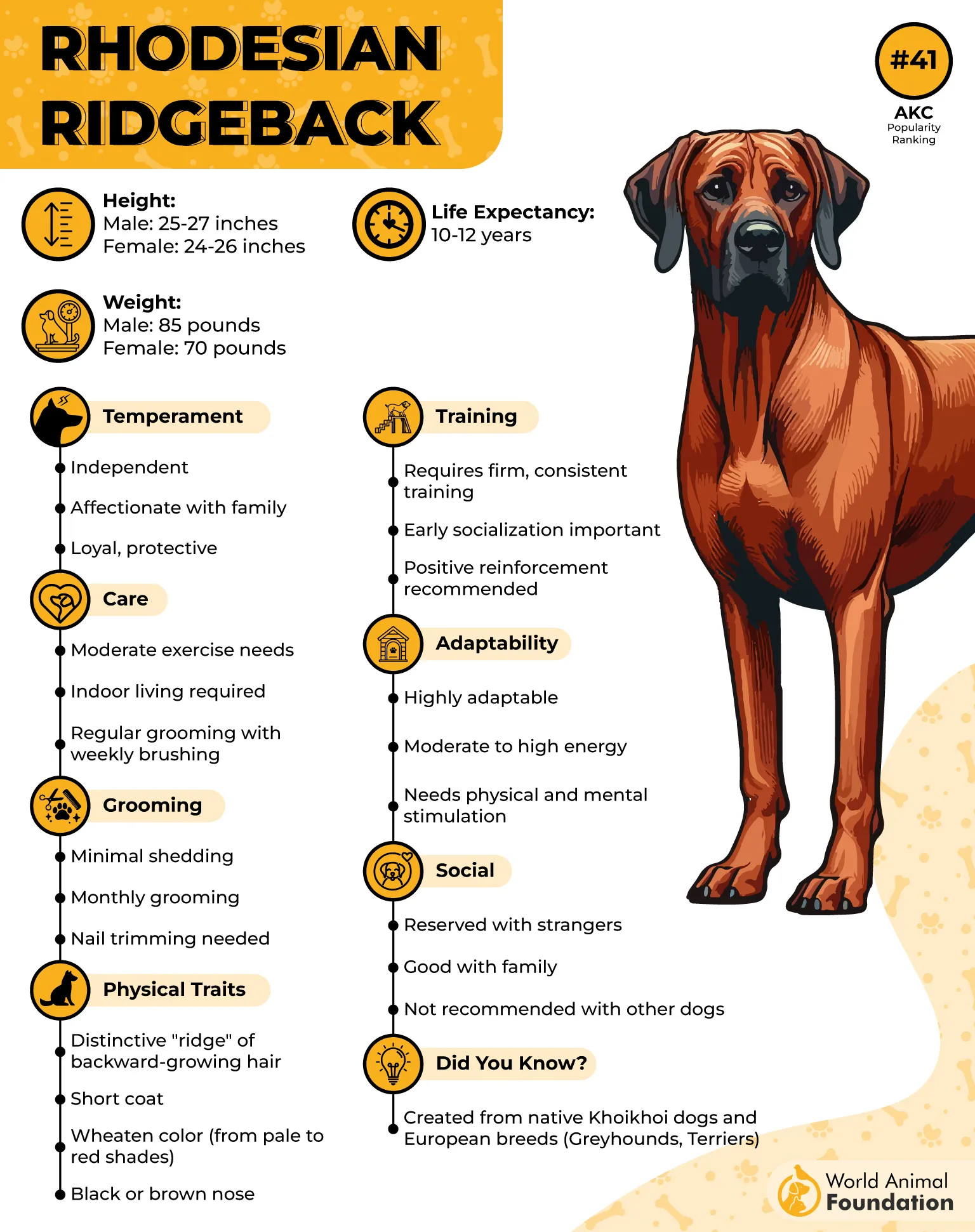
Loyal, affectionate, and protective
Independent and sometimes strong-willed
Intelligent with a strong prey drive
Aloof with strangers but loving with family
Ridgebacks are not always ideal for first-time owners, as they need firm and consistent training from an early age. With proper socialization, they can be great with children and other pets. They are active dogs that enjoy running, playing, and participating in activities like tracking or agility.
Care, Exercise & Grooming
This breed has a short, smooth coat that is easy to maintain. Grooming needs are minimal, with weekly brushing enough to remove loose hair and keep the coat healthy. Occasional baths help maintain cleanliness, and regular nail trimming is important.
Rhodesian Ridgebacks require daily exercise and mental stimulation to stay balanced. They enjoy long walks, play sessions, and outdoor activities. With the right care and attention, this breed makes an excellent family dog.
6. Boerboel
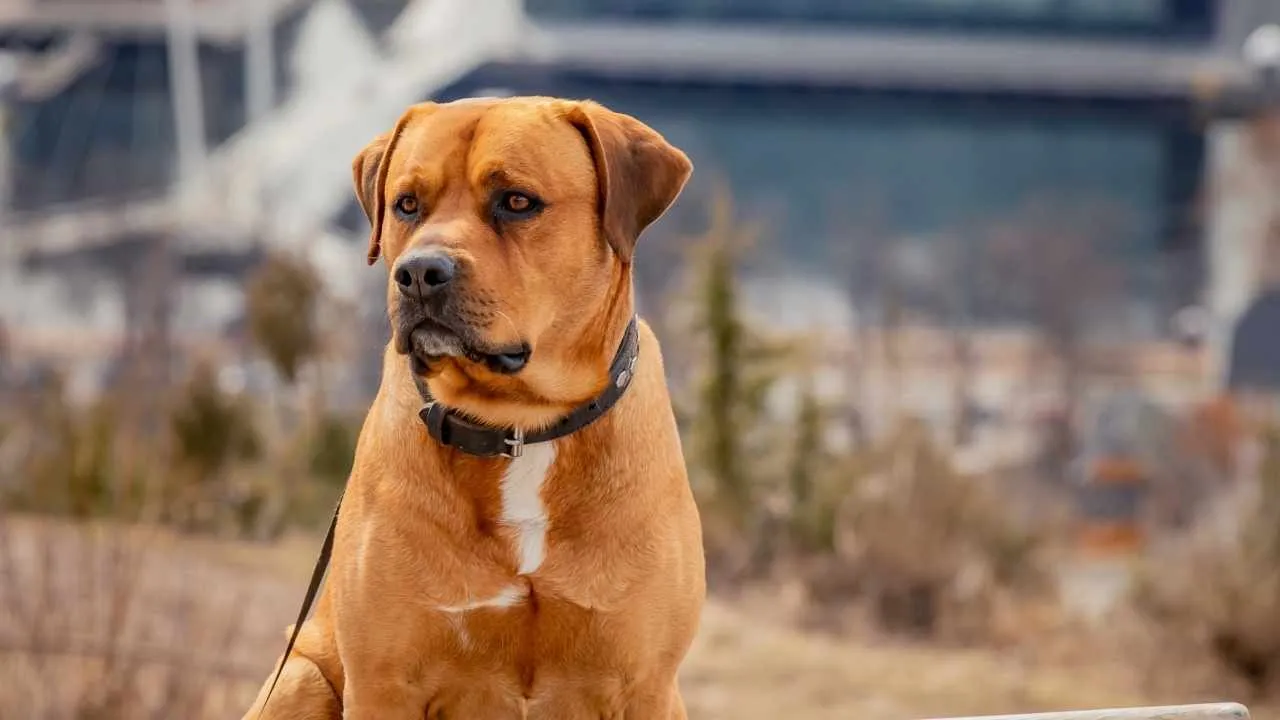
The Boerboel is a large, strong, and confident dog from South Africa, originally bred to protect farms and homes from danger. With its muscular build and commanding presence, this breed is a natural guardian.
Despite its intimidating look, the Boerboel is deeply loyal and affectionate with its family. It is especially gentle and playful with children, but remains alert and protective when it senses a threat.
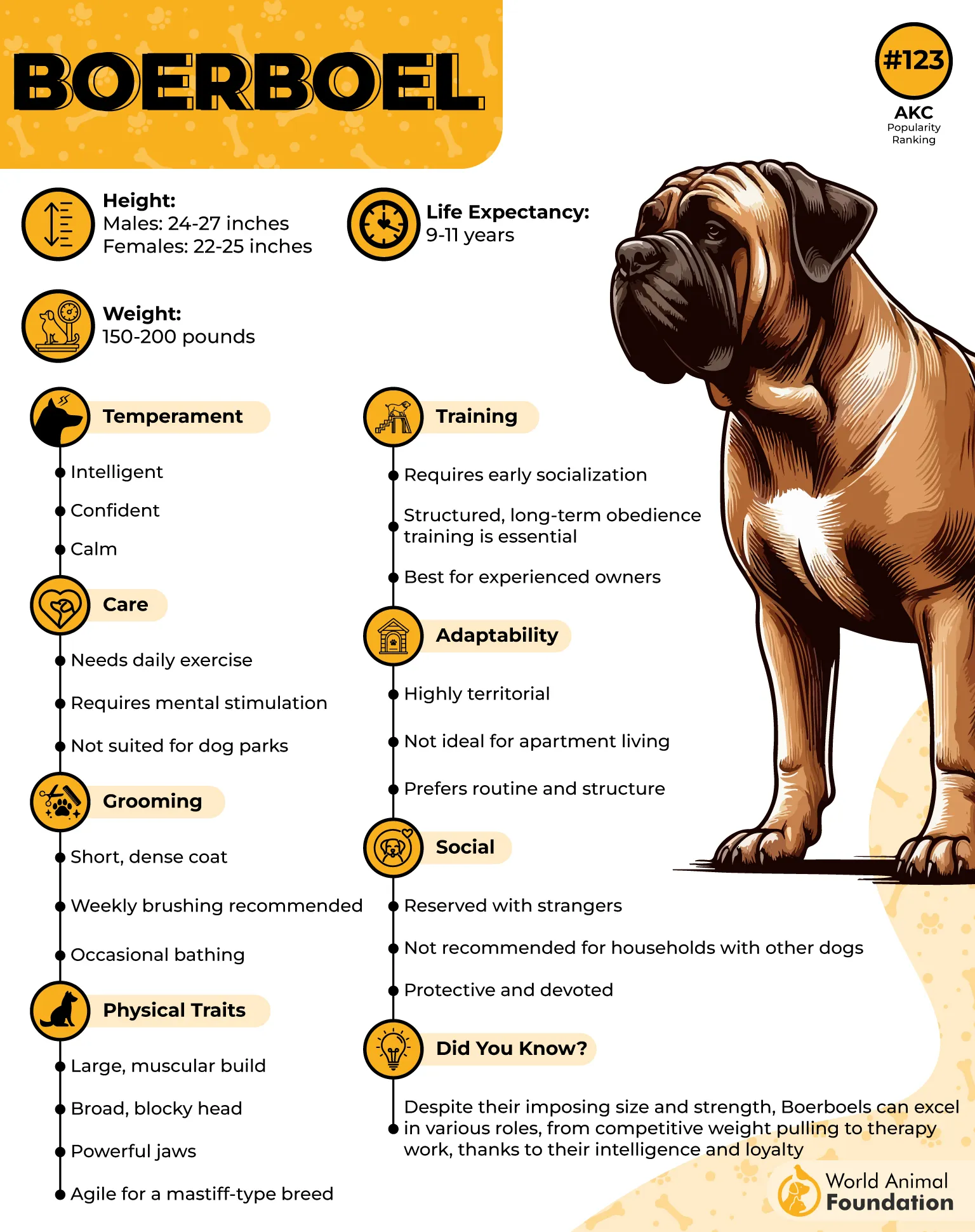
Personality & Behavior
Loyal, protective, and family-oriented
Confident, strong-willed, and dominant
Intelligent and eager to learn
Can be reserved around strangers
Orvis mentions that Boerboels are often called “velcro dogs” because they love staying close to their owners. However, they do not like being left alone for long and may develop destructive habits.
Early training and socialization are very important, as this breed needs a confident and experienced pet parent. With consistent and positive training, they grow into well-mannered and reliable companions.
Care, Exercise & Grooming
The Boerboel has a short, dense coat that is easy to maintain, making it a good low-grooming option. Weekly brushing helps control shedding and keeps the coat healthy.
They only need occasional baths, though regular face cleaning may be needed due to drooling. Basic care like nail trimming, ear checks, and daily dental hygiene is essential.
Boerboels need regular activity and enjoy spending time with their family. They do best in homes with space and supervision, especially around children due to their size.
7. Neapolitan Mastiff
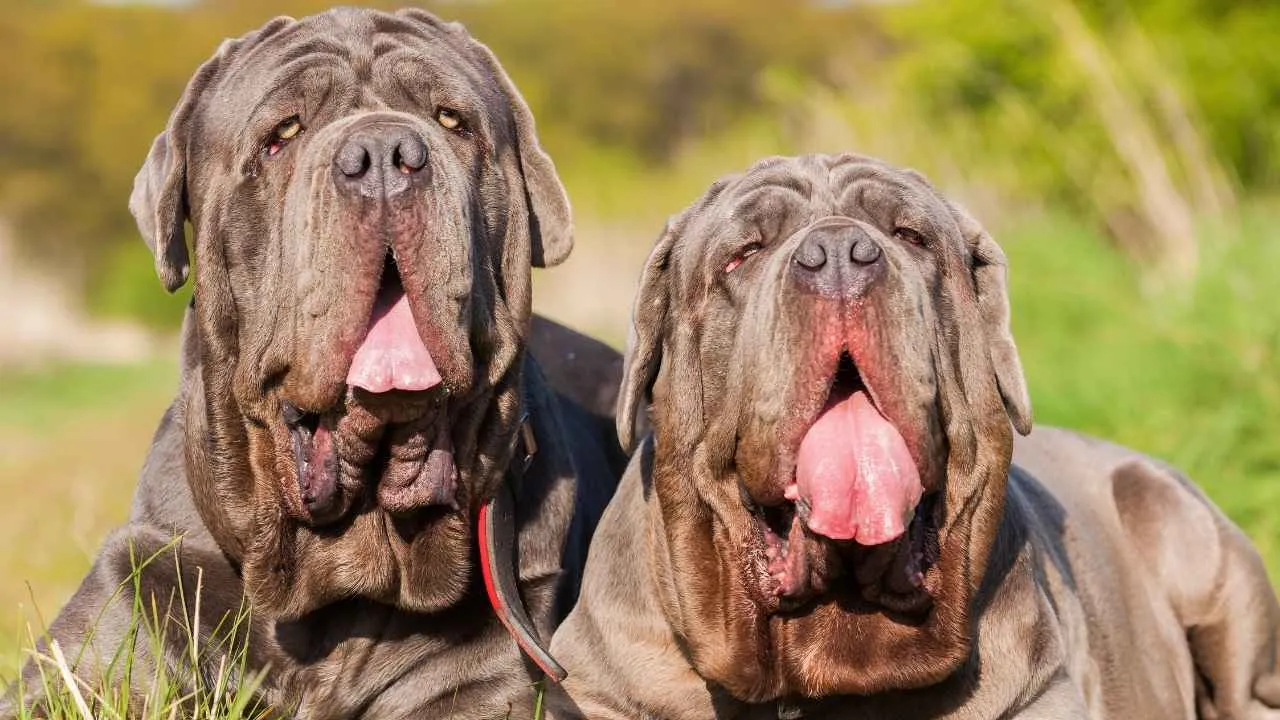
The Neapolitan Mastiff is a huge and powerful guard dog with a truly unique look. Known for its heavy wrinkles, loose skin, and droopy face, this breed has been protecting homes since ancient Roman times.
While their appearance may seem intimidating, they are actually calm, gentle, and deeply loyal to their families. Around loved ones, they are affectionate and relaxed, often enjoying quiet time at home.
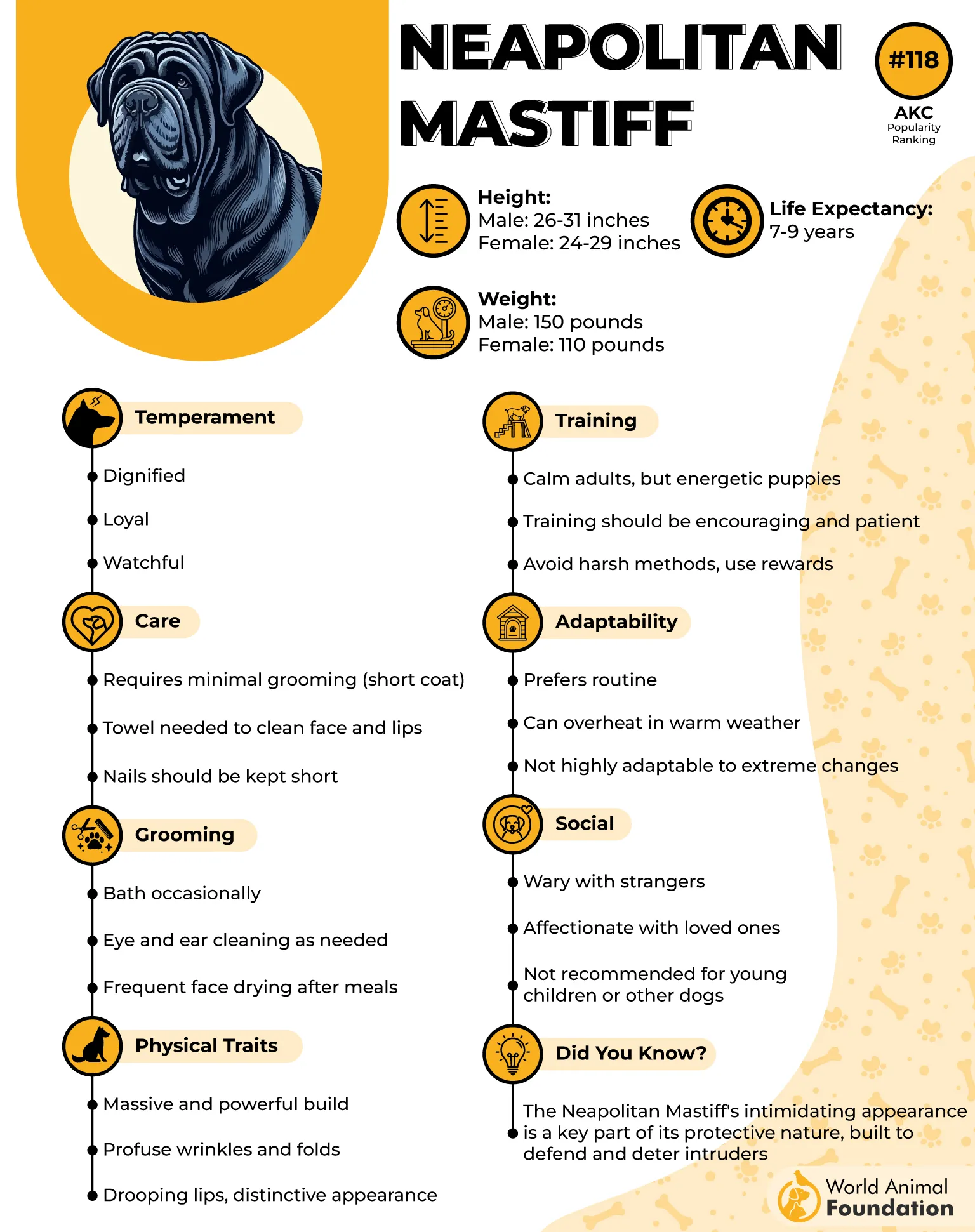
Personality & Behavior
Loyal, gentle, and family-oriented
Calm and placid indoors
Wary of strangers but not overly aggressive
Loves staying close to its owners
Neapolitan Mastiffs are natural guardians and will instinctively protect their home. Early socialization is important to help them stay balanced around new people and pets.
Despite their size, they are not very active and are often described as “couch potatoes.” They enjoy relaxing and being near their family, though supervision is needed around small children due to their size.
Care, Exercise & Grooming
This breed has a short coat, making grooming relatively low-maintenance. Occasional baths and brushing a few times a week help manage shedding.
Special attention is needed for their skin folds, which should be cleaned regularly to prevent infections. Basic care like nail trimming, ear checks, and daily dental hygiene is essential.
Neapolitan Mastiffs do not require heavy exercise. Regular walks and some space to move around are enough to keep them healthy. Be prepared for drooling, as it is common with this breed. With proper care and attention, they make calm, loyal, and low-grooming companions.
Conclusion
Choosing a large dog doesn’t have to mean signing up for endless grooming sessions. As you’ve seen, many big breeds come with short, easy-care coats that keep maintenance simple while still offering loyalty, protection, and companionship.
If you’re thinking about bringing one home, focus on more than just coat type—consider their energy level, training needs, and how well they fit into your lifestyle. The right dog isn’t just low-maintenance, it’s the one that feels like part of your family.
Take your time, do your research, and when you’re ready, you’ll find a big, short-haired companion that’s easy to care for and impossible not to love.
Looking for more short-haired breeds? You can also check out the Boston Terrier, German Shorthaired Pointer, French Bulldog, Miniature Pinscher, Ibizan Hound, Greyhound, and Chihuahua.
