




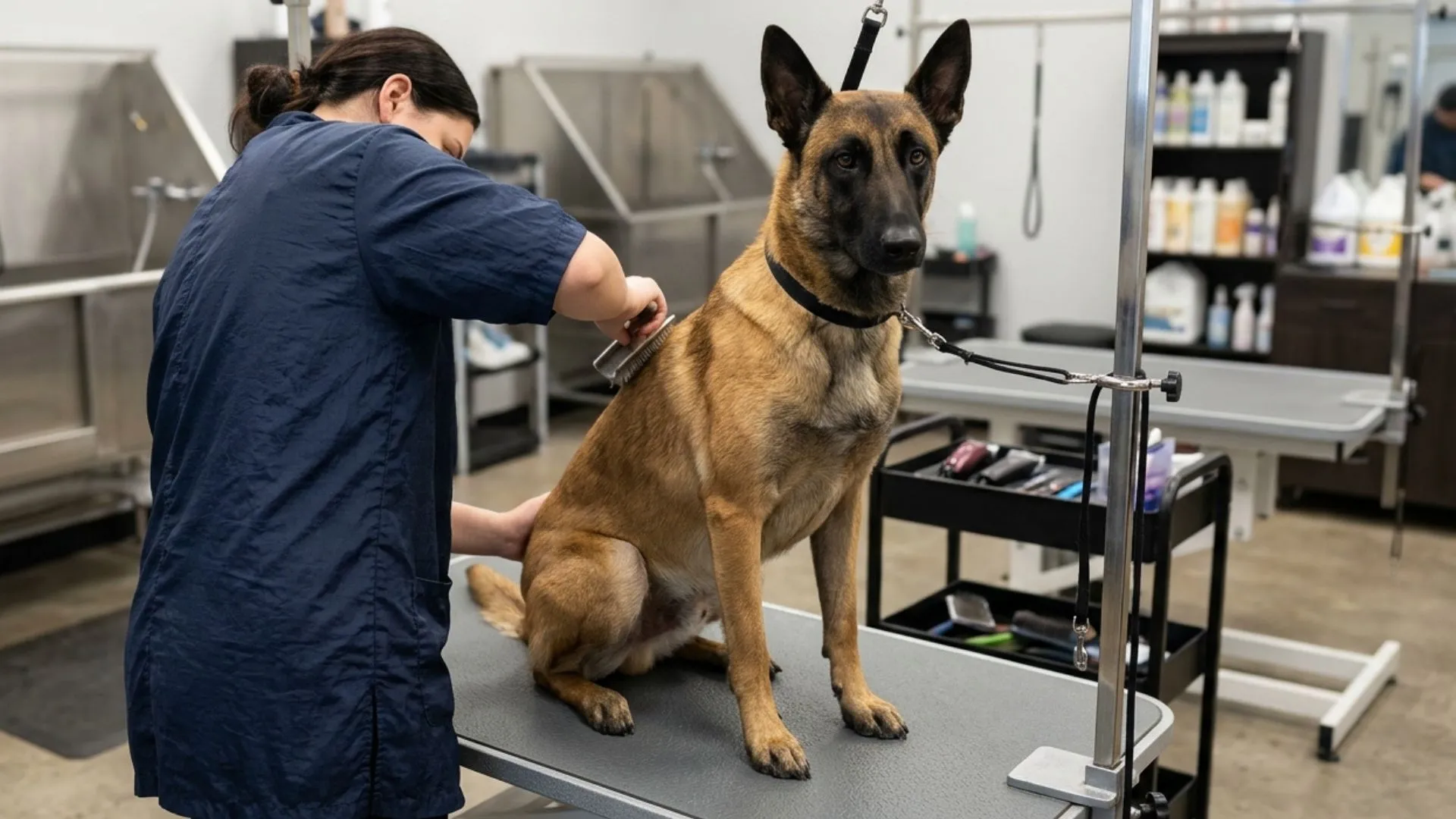
Ever met a dog so big it makes your couch look like a decorative napkin… yet somehow still believes it’s a lap dog?
That’s the magic of large dog breeds. They arrive in your life with the energy of a gentle freight train—big paws, bigger presence, and a tail that can clear a coffee table in one enthusiastic sweep.
And just when you start imagining endless grooming sessions, surprise… some of these giants come dressed in the dog world’s version of a “low-maintenance haircut.”
We’re talking short, sleek coats that don’t demand daily brushing marathons or leave your home looking like it hosted a fur festival.
Instead, these dogs keep things simple: a quick wipe, an occasional bath, and they’re back to looking effortlessly polished—like they just stepped out of a canine fitness commercial.
But here’s the real question—what makes these gentle giants perfect companions for people who want size, strength, and companionship without signing up for a full-time grooming schedule?
Did You Know?
Some short-coated large breeds naturally shed less visibly than long-haired dogs because their fur structure tends to lie flatter against the body. However, they still shed year-round—it just shows up in smaller, more “mysterious” ways (usually on your black clothes).
Large Dog Breeds With Short, Easy-to-Groom Fur
1. Bloodhound
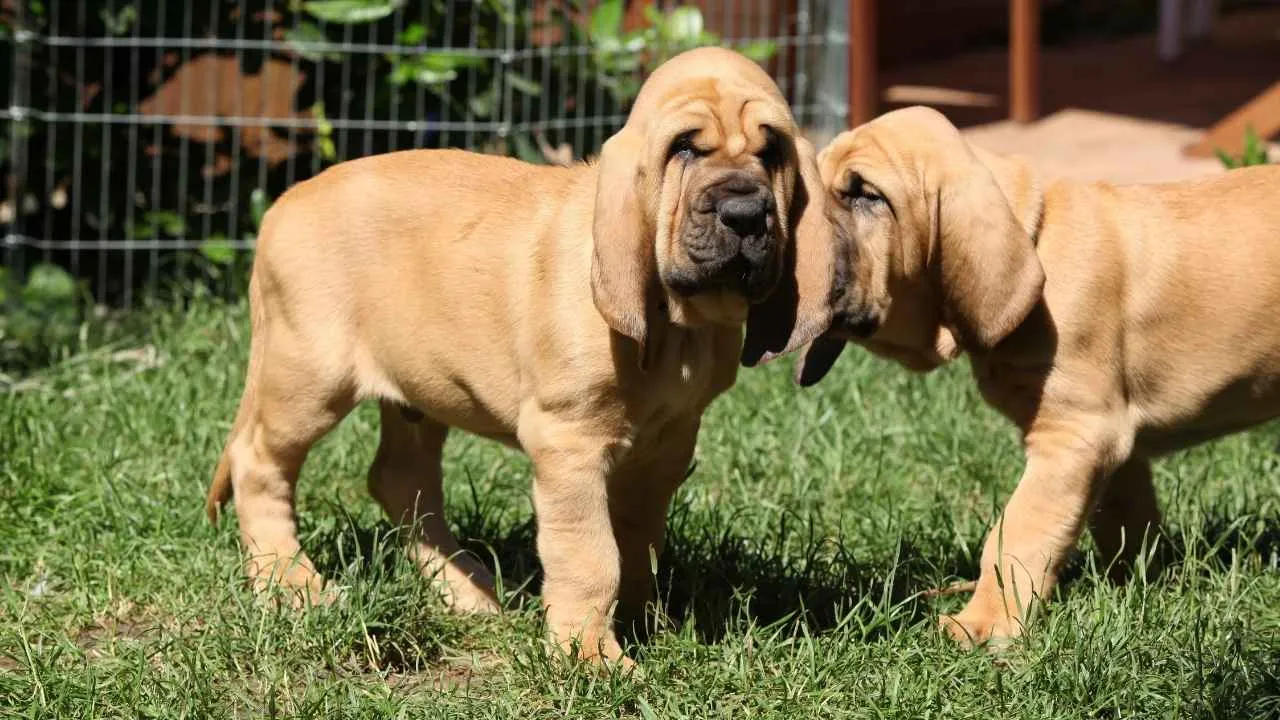
Bloodhound stands apart from heavily coated large dogs that need constant brushing after outdoor runs. Its short, smooth coat stays neat with minimal effort, needing only an occasional brush to remove loose and dead hairs, making daily care feel quick and simple.
Instead of long grooming sessions, attention is usually given to checking its long drooping ears and alert eyes, since these areas can trap moisture after walks.
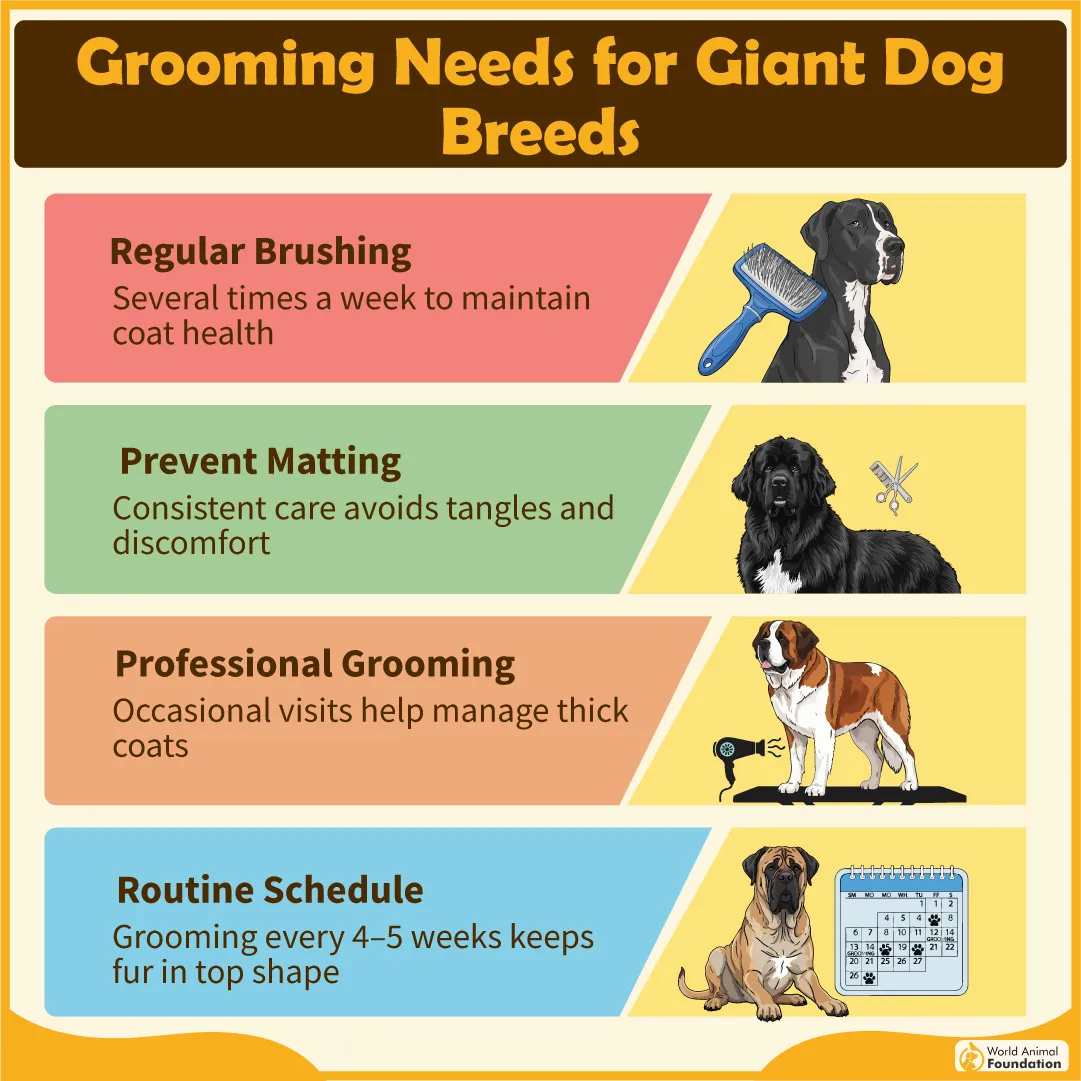
Compared with fluffy breeds that collect dirt and debris easily, it often returns home surprisingly clean, even after active outdoor movement.
What truly makes the Bloodhound remarkable is its powerful scent tracking ability, allowing it to follow trails with unusual persistence. Its loose facial skin and deep folds also need occasional cleaning, unlike smoother-faced breeds that rarely require such care.
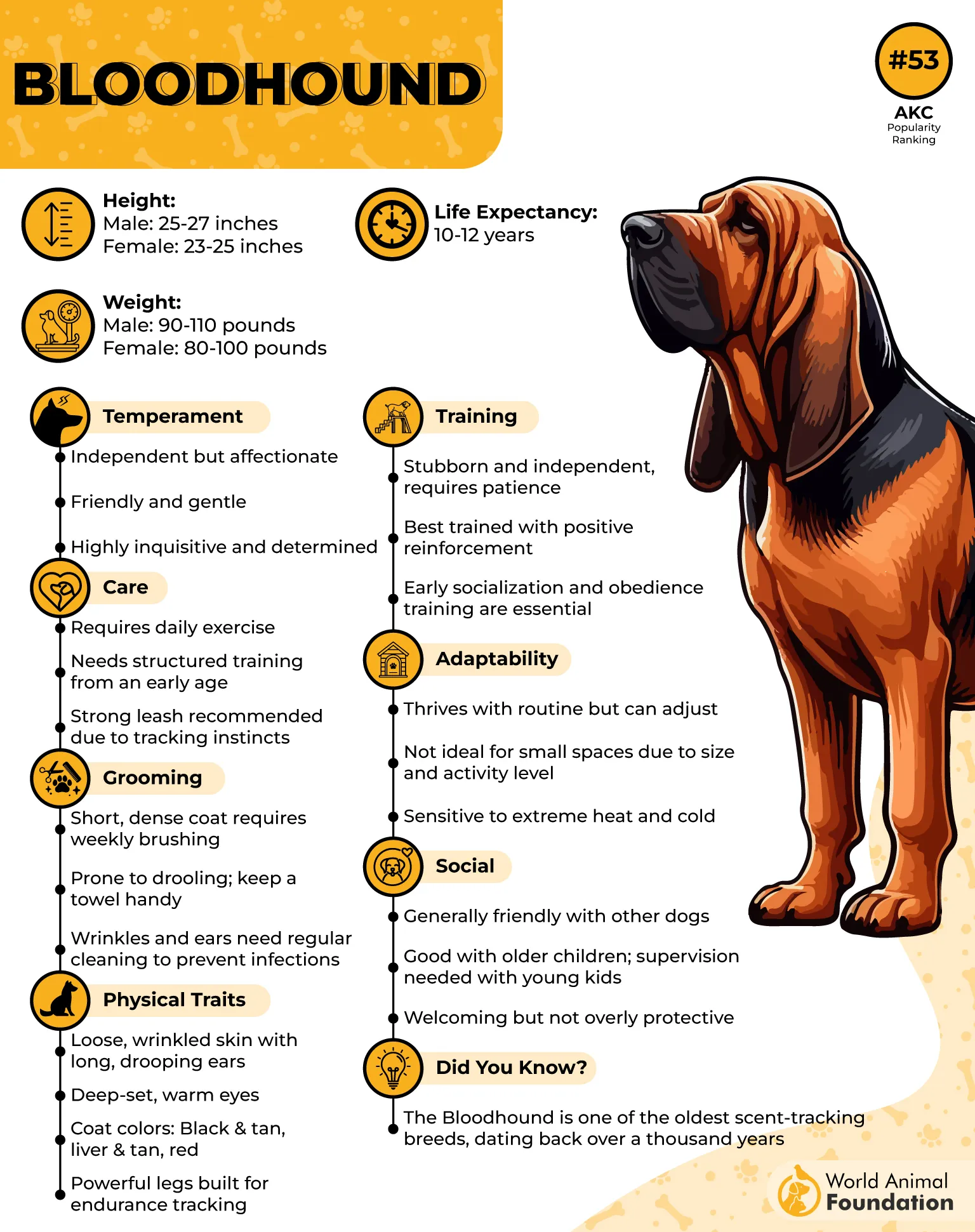
Compared to maintenance-heavy companions, this ideal companion breed offers a practical balance of companionship, endurance, and simple upkeep.
It makes it suitable for owners who prefer function over constant grooming demands in everyday routines, especially during long outdoor tracking or active exploration days in varied terrain.
2. Beauceron
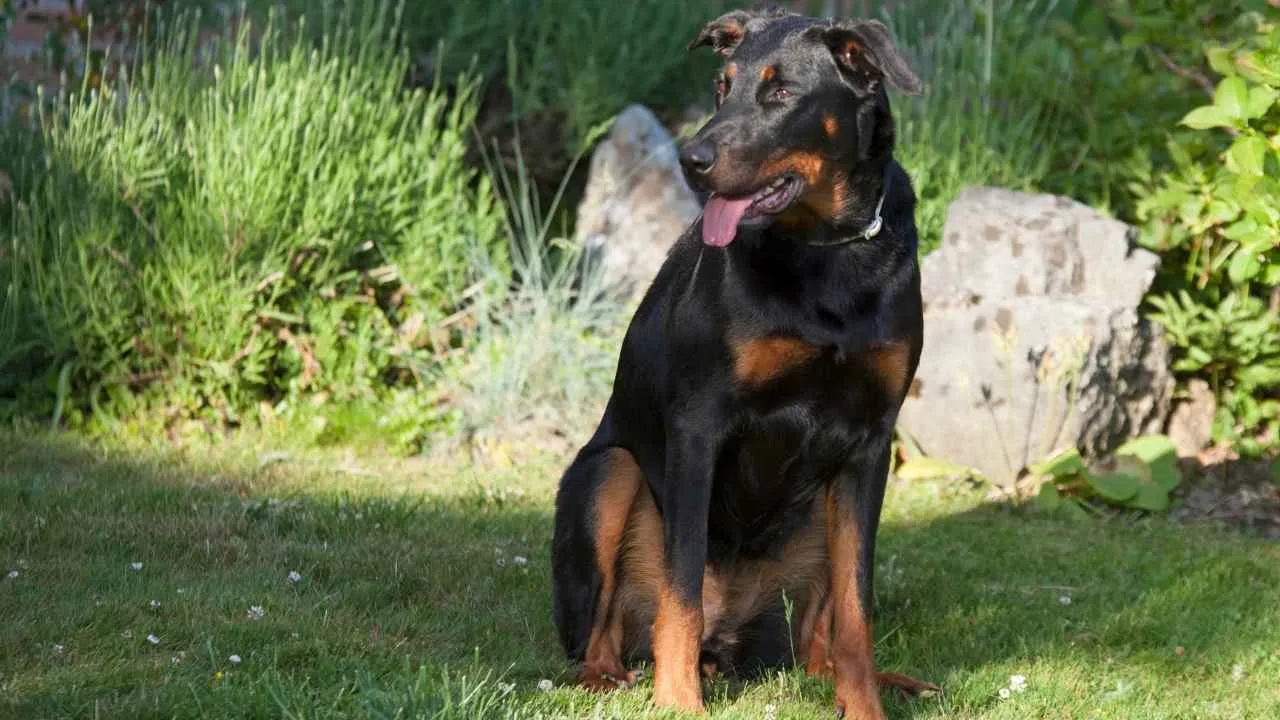
Beauceron is often mistaken for a high-maintenance working dog because of its strong, athletic build, but its grooming needs are actually quite manageable compared to long-coated herding breeds that trap dirt after every outdoor task.
Its short, dense double coat lies close to the body, so care mainly involves regular brushing rather than constant detangling or trimming sessions.
In everyday routines, a weekly brushing is usually enough to lift away loose hair and keep the coat healthy, while during seasonal shedding, a bit more frequent grooming helps control the heavier coat drop—something far less demanding than breeds with continuously growing fur.
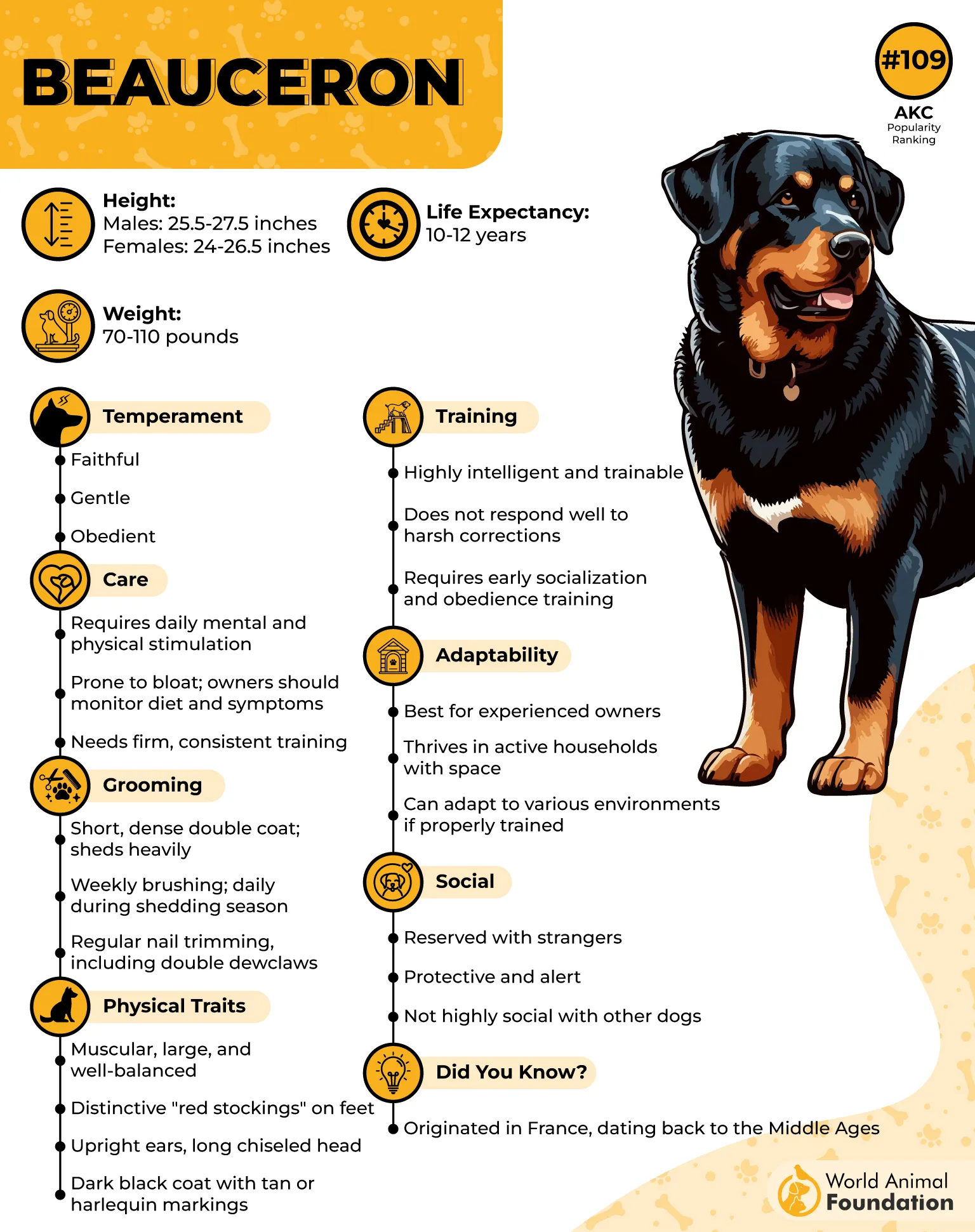
Compared to fluff-heavy dogs that collect mud and require drying time after rain or field work, this one dries quickly and stays relatively clean.
One striking detail is the rich tan markings on its legs that resemble fitted “stockings,” giving it a very recognizable outline during movement.
Its naturally firm, alert posture also makes it stand out among similarly sized companion dogs, especially when working in open outdoor spaces or acting as a watchful presence around property and livestock.
3. Belgian Malinois
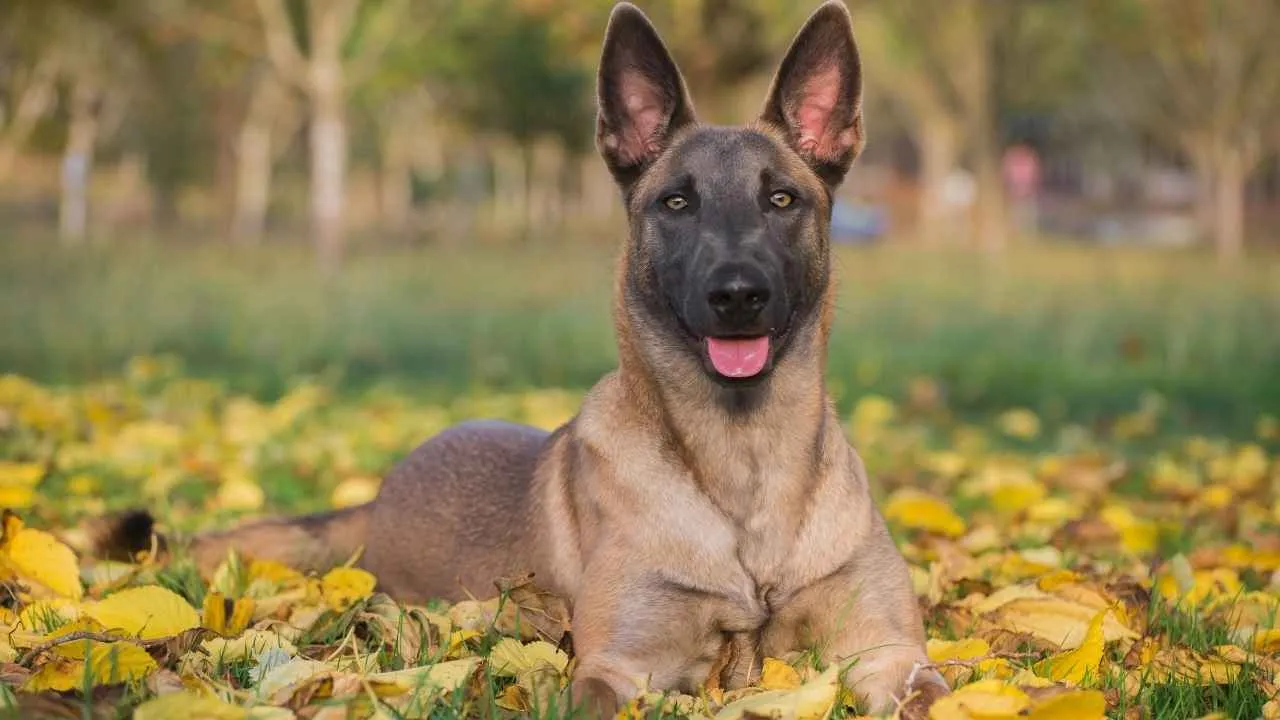
Belgian Malinois often gets confused with heavier shepherd-type dogs, but the difference becomes clear the moment it moves.
Where bulkier working breeds feel more like steady, heavy-duty transport, this one behaves like a quick, responsive performer built for speed, agility, and sharp direction changes during training or outdoor work, as stated by the Purina.
Its coat is short and tight to the body, which keeps grooming needs simple compared to long-haired working dogs that collect dirt and require frequent brushing and detangling.
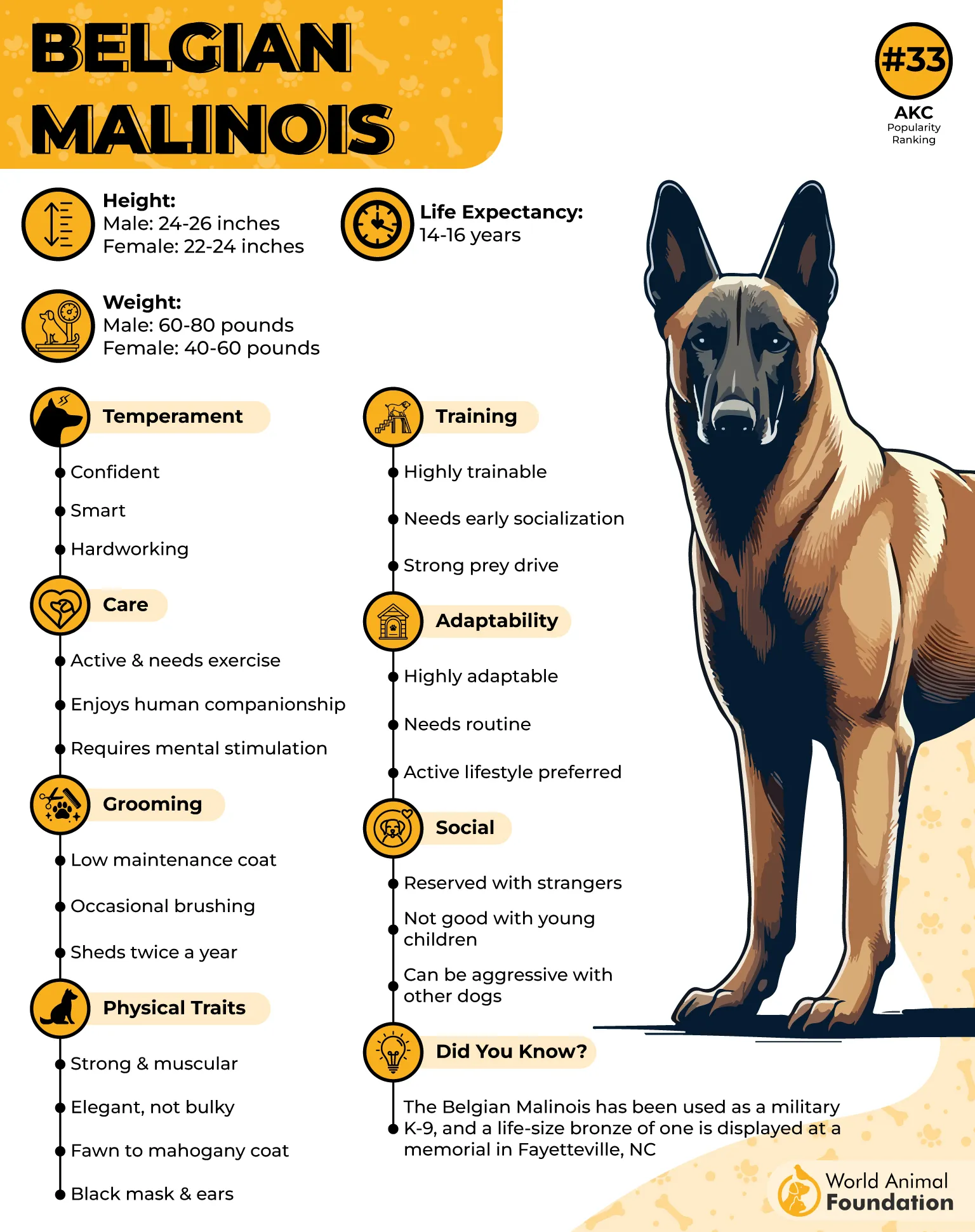
A weekly brush is usually enough to manage loose hair, even though the undercoat becomes more noticeable during seasonal shedding. Compared to fluffier companions, it stays relatively neat after active field exercise.
Longer hair appears subtly around the neck and hindquarters, with a fuller tail that adds balance during fast movement.
One eye-catching detail is the dark facial mask that sharply contrasts with its lighter body tones, giving it a focused expression that stands out during working tasks or structured training sessions outdoors.
4. Black and Tan Coonhound
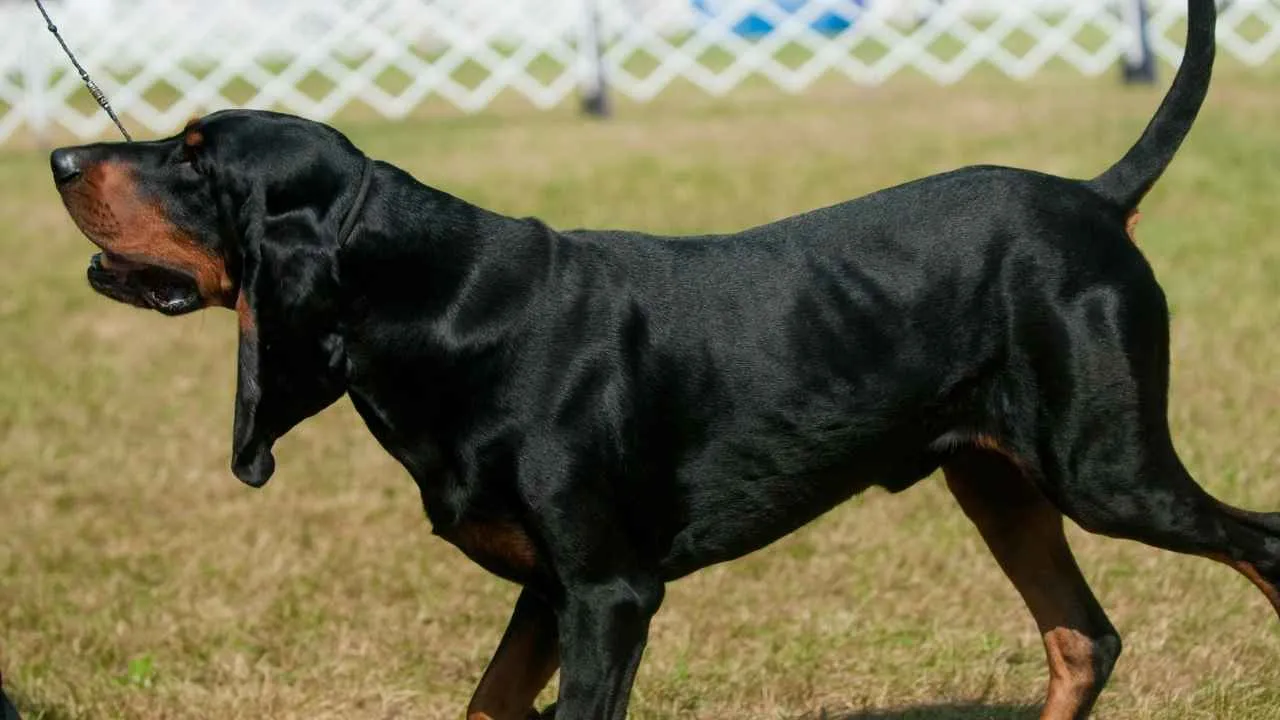
Black and Tan Coonhound stands out among large hounds that often come with heavy grooming demands, yet it keeps things surprisingly simple with its short, dense coat.
Unlike long-haired tracking breeds that trap debris after every outing, this one only needs a weekly brush to lift away loose hair and maintain a clean, healthy look.
In everyday care, attention is more about comfort than styling—especially around its long, velvety ears, which can hold moisture after long tracking walks, as noted by the AKC.
Compared to fluffy outdoor companions that require frequent detangling, this short-haired breed stays relatively tidy even after moving through rough terrain or wooded trails.
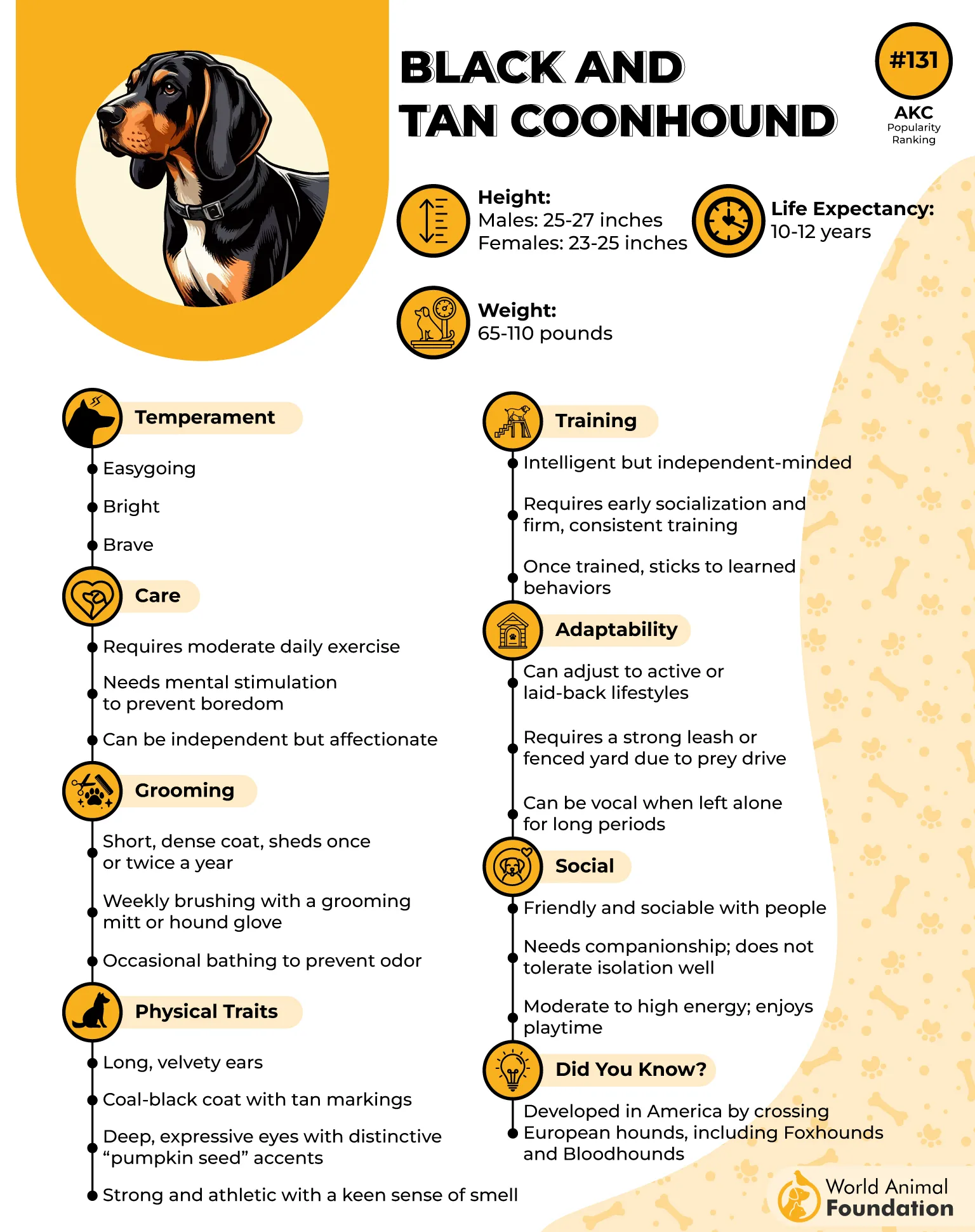
One unmistakable detail is the rich tan markings above its eyes, often called “pumpkin seeds,” which give it a sharp, expressive gaze during scent work.
Another notable trait is its deep, musical voice used during tracking, far more resonant than most similarly sized working dogs, especially when following a scent trail at night.
Unlike high-maintenance coats seen in many large hunting breeds, occasional brushing and light bathing are usually enough to keep it comfortable, making it practical for families who value active companionship without constant grooming demands in daily life.
5. Great Dane
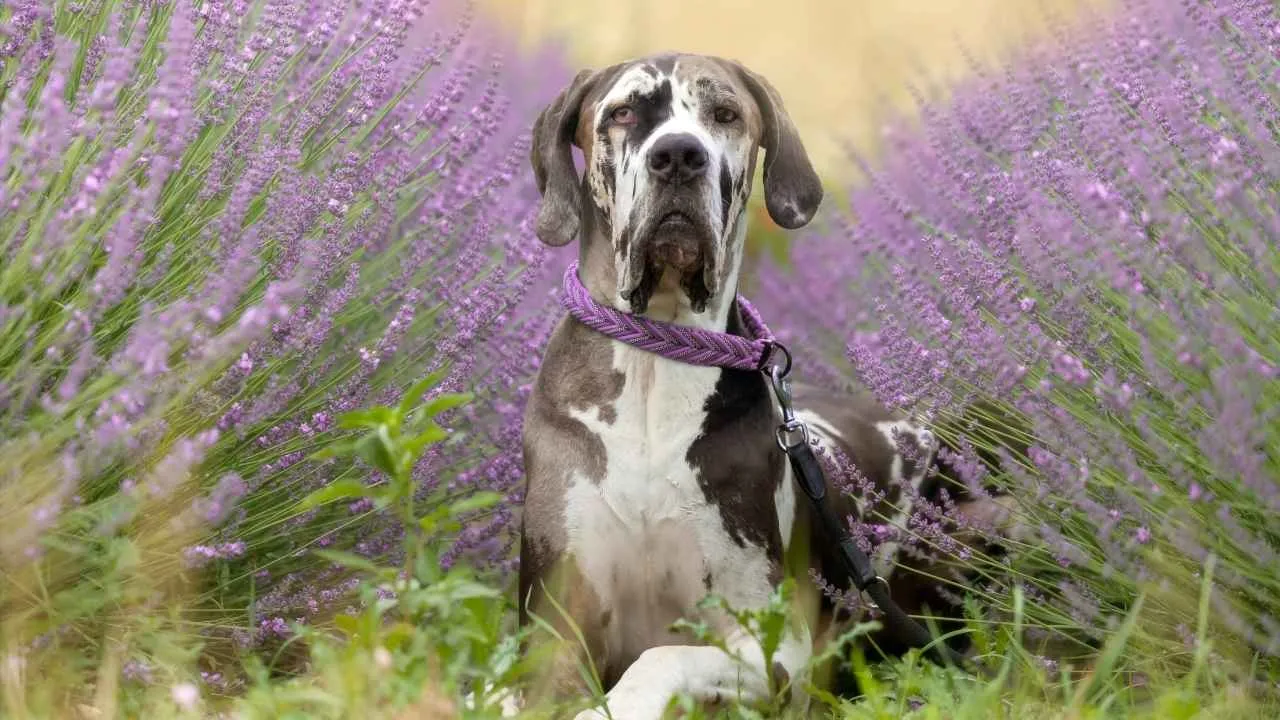
The Great Dane is known as a gentle giant, typically standing between 28 to 34 inches tall and weighing between 100 to 200 pounds, making it one of the largest dog breeds.
Great Dane often looks like a high-maintenance giant at first glance, but its grooming routine is surprisingly simple compared to long-coated large breeds that need frequent brushing and detangling after everyday activity.
Great Danes have a short, smooth coat that requires minimal grooming, needing only occasional brushing and bathing, which contributes to their low-maintenance care routine.
In normal home life, a monthly brushing is usually enough to keep the coat tidy, though some owners brush a bit more often during shedding periods to manage loose hair around furniture.
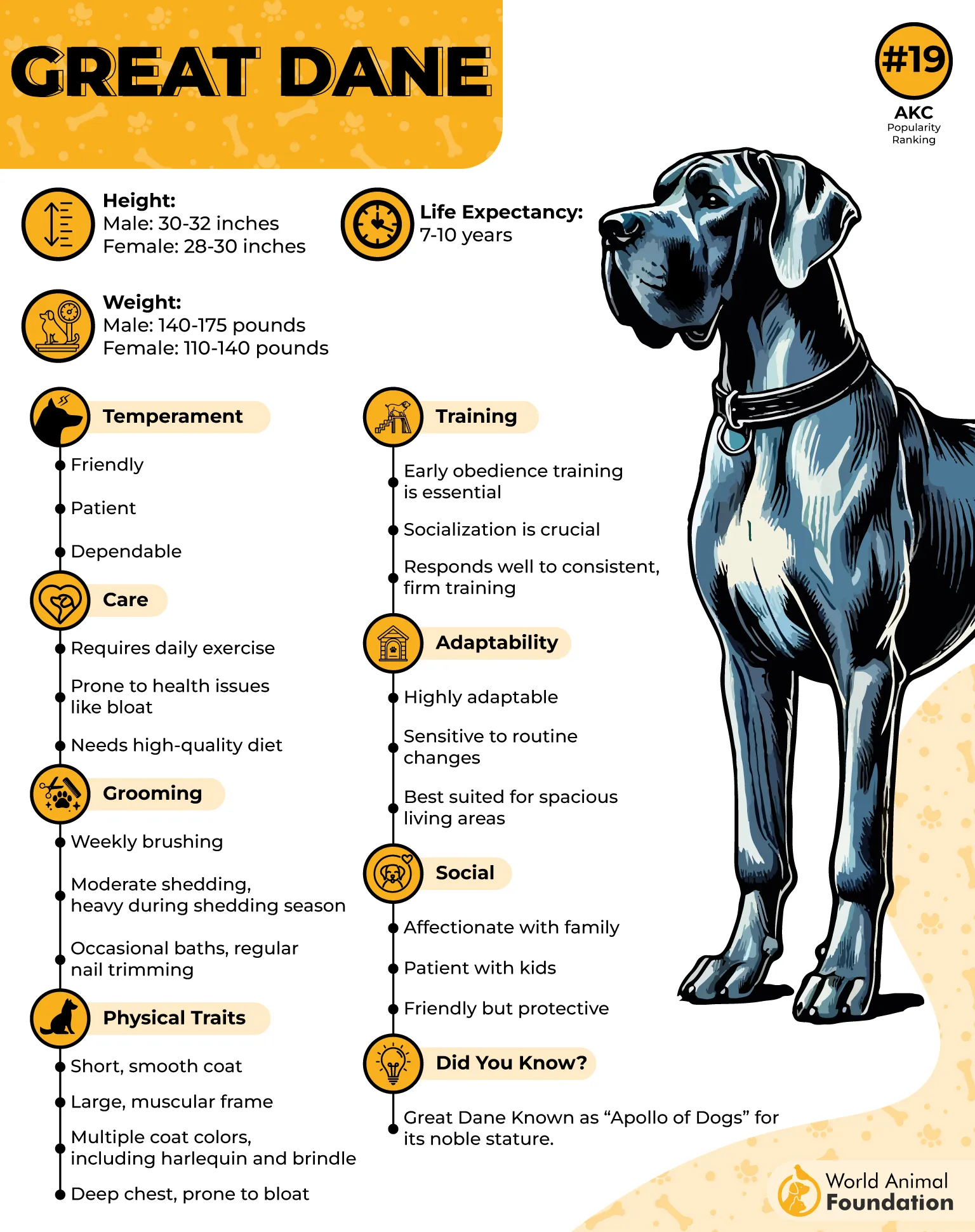
Unlike heavily coated companions that require drying and combing after outdoor time, this low maintenance dog stays relatively easy to maintain despite its size.
One striking detail is the naturally broad range of coat patterns, from solid tones to striking merle and mantle markings that make each dog visually unique during movement.
Another notable trait is its relaxed jowls, which can lead to noticeable drooling after eating or drinking, something not commonly seen in many other short-haired large dogs.
Compared to grooming-heavy giants, it offers a low-effort coat care routine, making it practical for homes that can handle size and energy but prefer simplicity in daily grooming habits.
6. Rafeiro do Alentejo
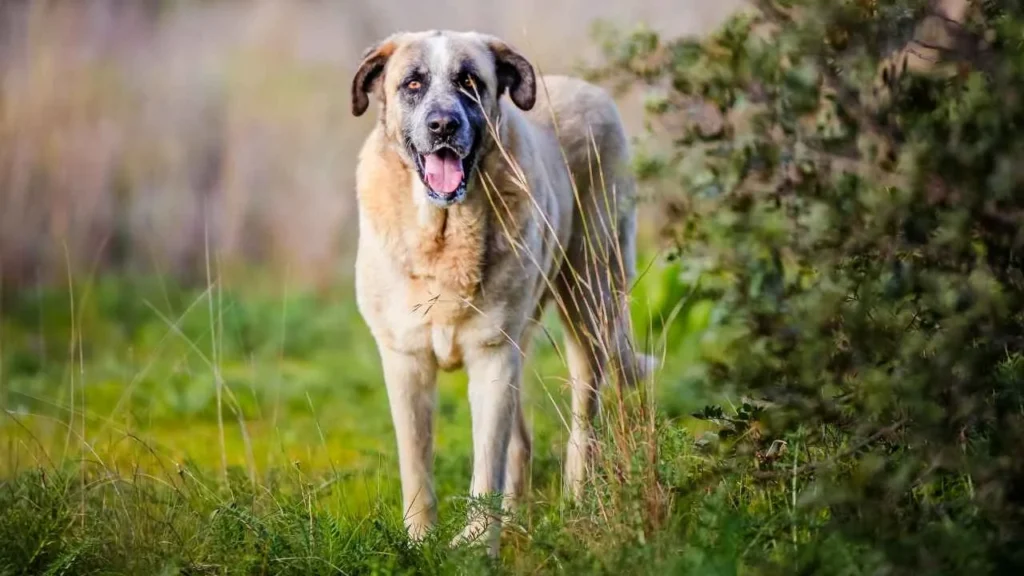
Rafeiro do Alentejo stands out among large guardian-type dogs that often come with heavy grooming needs, yet its coat stays refreshingly practical.
Unlike long-haired protectors that trap dust and require frequent detangling after outdoor duty, this one carries a short, dense double coat that keeps maintenance simple and manageable.
In everyday care, a weekly brushing is usually enough to remove loose hair and keep the coat healthy, with a bit more attention needed during seasonal shedding when the undercoat loosens.
Compared to fluffier working breeds that demand constant cleanup after field time, this one remains relatively easy to maintain even with an active outdoor lifestyle. Occasional bathing is enough to keep odor under control, especially after long days spent guarding open land or livestock.
One noticeable detail is the thick, straight coat texture that lies close to the body, giving it a solid, weather-resistant look during outdoor patrols.
Another characteristic often seen in similar mastiff-type dogs is mild drooling, especially after eating or drinking, which sets it apart from cleaner-faced short-haired dog breeds.
Overall, it offers a low-effort grooming routine while still maintaining the rugged presence expected from a large guardian dog, making it practical for rural homes and working environments where function matters more than frequent coat maintenance.
7. Dogo Argentino
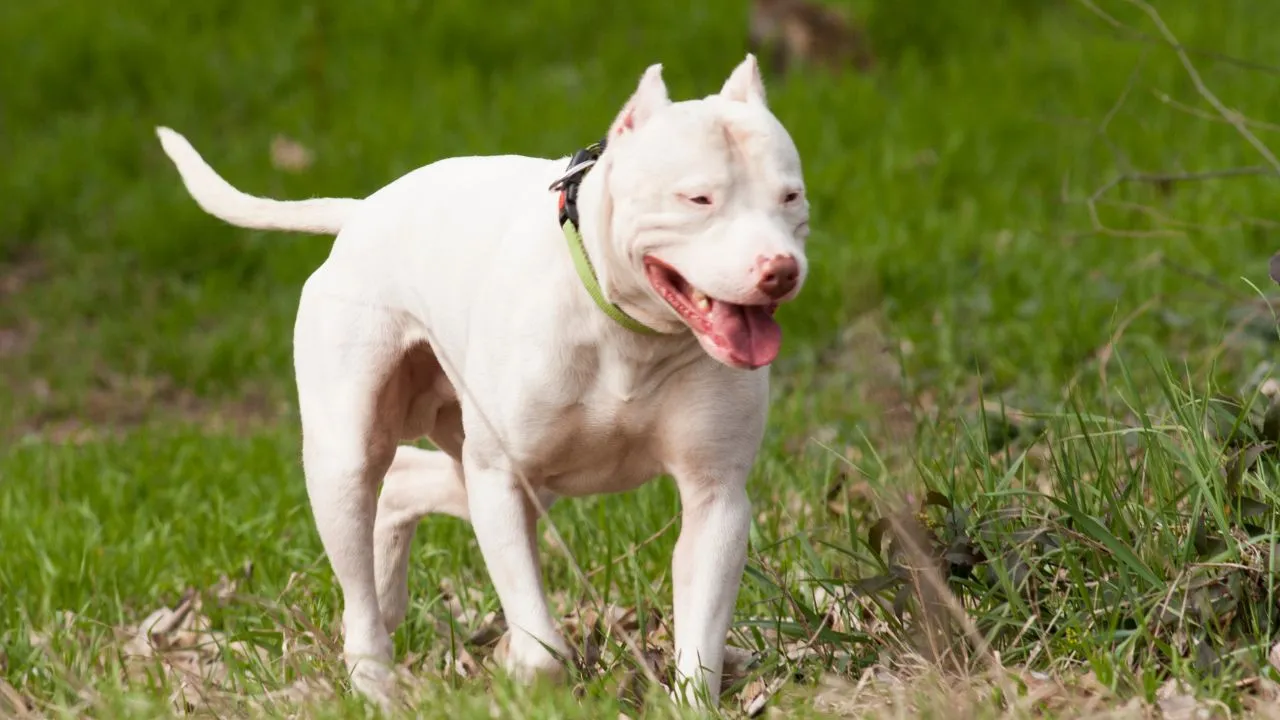
Dogo Argentino often surprises people who expect a high-maintenance white-coated giant, because its grooming routine is far simpler than many other large guardian breeds.
Unlike long-haired breed protectors that collect dirt and need frequent detangling after outdoor activity, this one has a short, smooth coat that stays clean with minimal effort.
In day-to-day care, brushing once or twice a week with a soft or rubber curry brush is usually enough to remove loose hairs and keep the coat looking neat.
Compared to dense double-coated working dogs that trap debris and retain odors, this big dog breed’s single coat sheds lightly and is generally easier to manage in active homes.
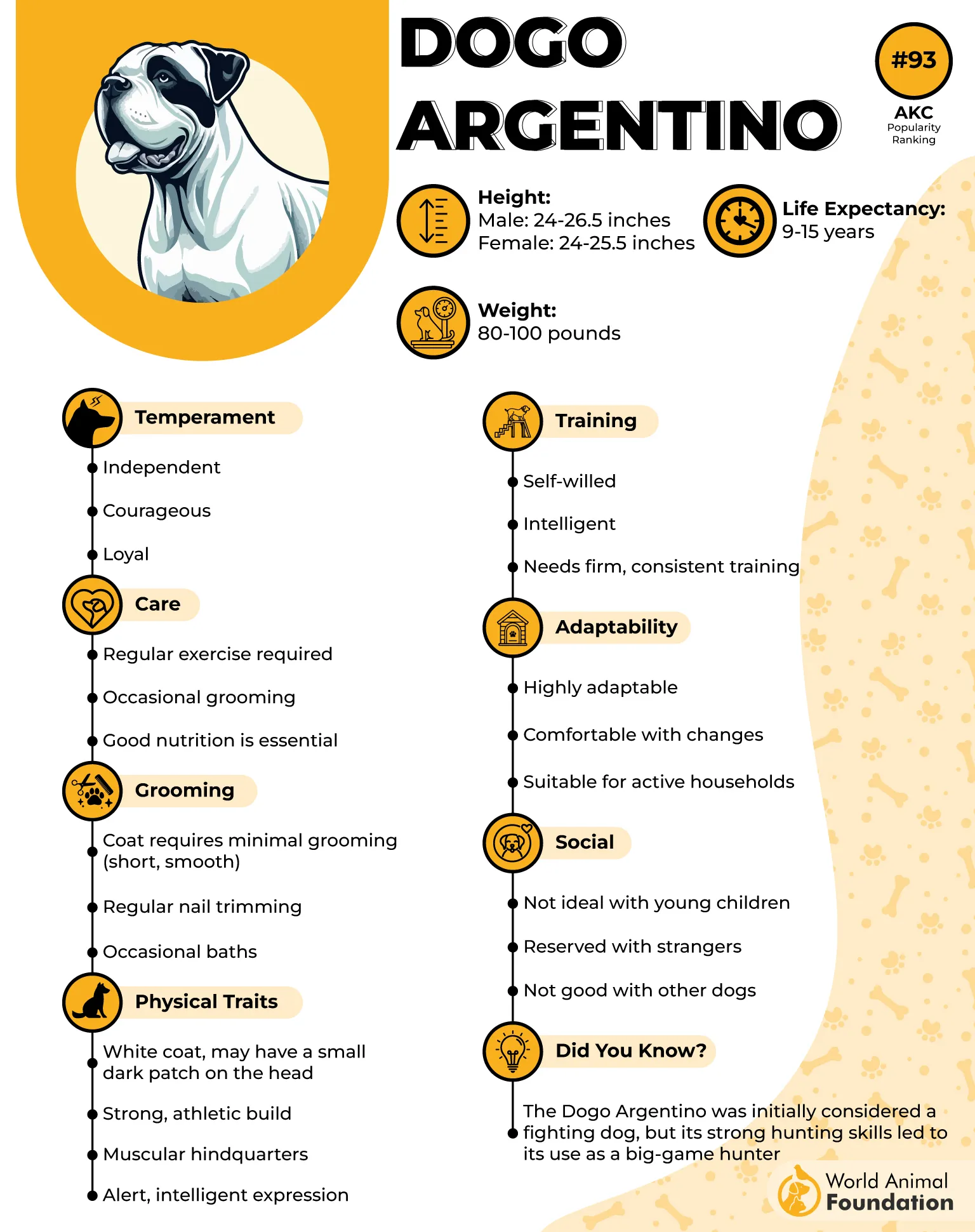
One recognizable detail is the pure white coat often marked by a small dark patch near the eye, known as “pirata,” which gives the face a striking contrast during movement and alert moments.
Another notable trait is the lack of an undercoat, which helps reduce heavy shedding cycles seen in many similar-sized dogs, as highlighted by the Webmd.
Overall, it offers a straightforward grooming routine while still fitting into energetic lifestyles that involve outdoor exercise and regular activity, making it more practical than many other large working companions with heavier coat maintenance needs.
Conclusion
Discover how living with powerful, large companions doesn’t have to mean endless grooming battles or constant fur cleanup. Large dog breeds with short, low-maintenance coats typically only require weekly brushing and occasional baths.
These short-coated giants prove that strength, size, and easy upkeep can exist in the same package, making them far more practical than heavily coated alternatives that demand daily attention.
However, Short-coated breeds are prone to calluses on their elbows if they frequently lie on hard surfaces due to less fur acting as a cushion.
With simple brushing routines, occasional bathing, and basic care, they fit smoothly into active households that value time outdoors over time spent on maintenance.
If you want presence, energy, and companionship without the grooming overload, these dogs show exactly how effortless big living can feel.
