




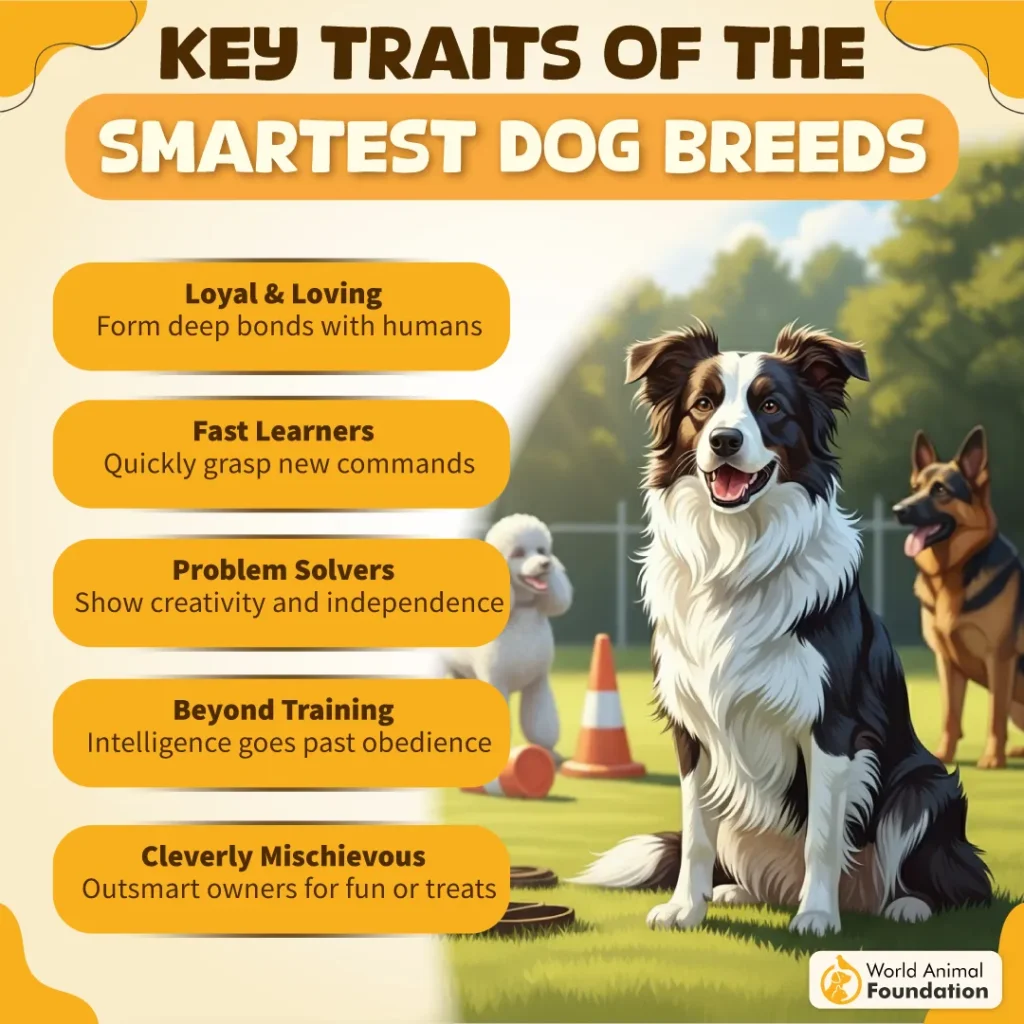
Not all dogs learn at the same pace. While every breed has unique strengths, some stand out for their extraordinary ability to process information, solve problems, and respond to training. These highly intelligent dogs have earned a reputation for excelling in everything from obedience competitions to real-world working roles that demand focus and precision.
The intelligence alone is not the only trait that makes them stand out among other breeds, but also the way they use it. They excel at challenges, enjoy learning new skills, and often form strong bonds with their owners during that time of their lives.
Remember, the success heavily depends on those training tips that encourage curiosity, reward progress, and maintain engagement. Let’s try to understand the valuable insights into canine behavior and learning by exploring the world’s most intelligent dog breeds.
Fun Fact: An average dog breed can learn up to 150 words, but smart dogs can learn almost 200 words. Some intelligent dog breeds need fewer than five repetitions and obey the commands immediately, and are capable of memorizing them for lifetime.
Top Most Intelligent Dog Breeds and Their Training Secrets
1. Border Collie
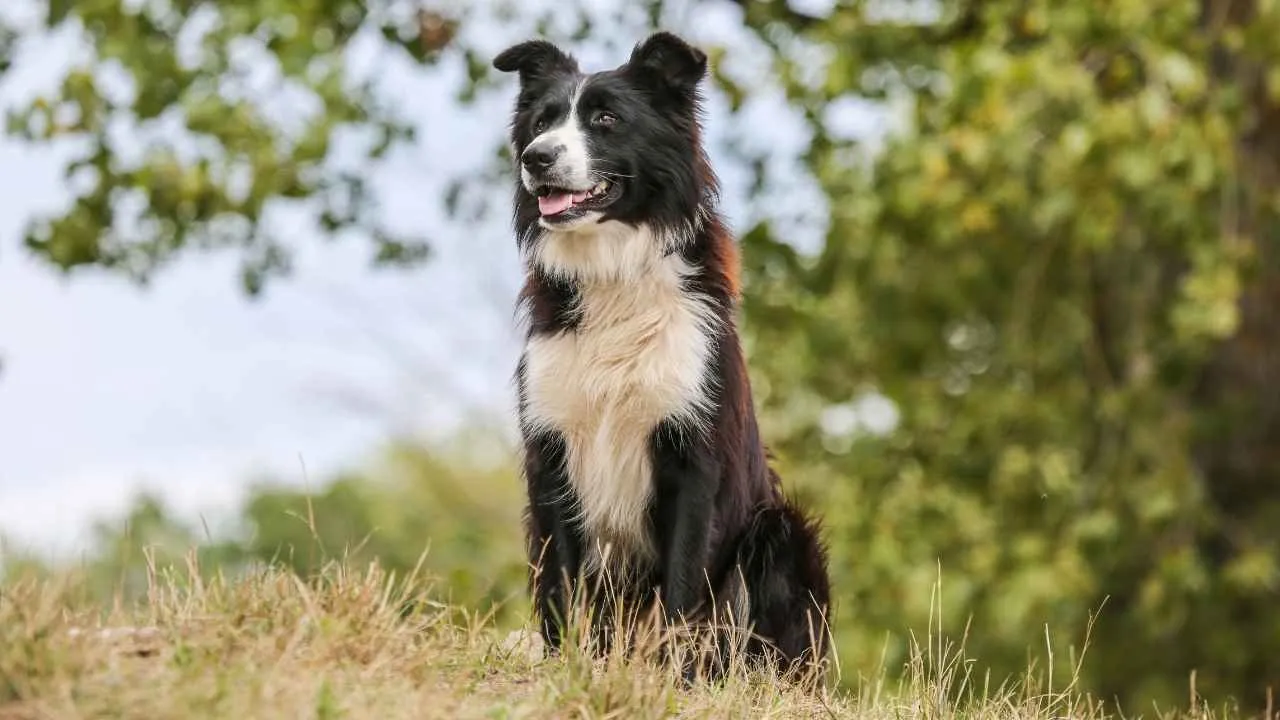
We are exploring the most intelligent dog breed on this planet, and if we call them the Einsteins of the dog world, it is true to their remarkable intelligence. These dogs were originally bred for herding purposes in Great Britain, but with the passage of time, their trainability has made them much more than that.
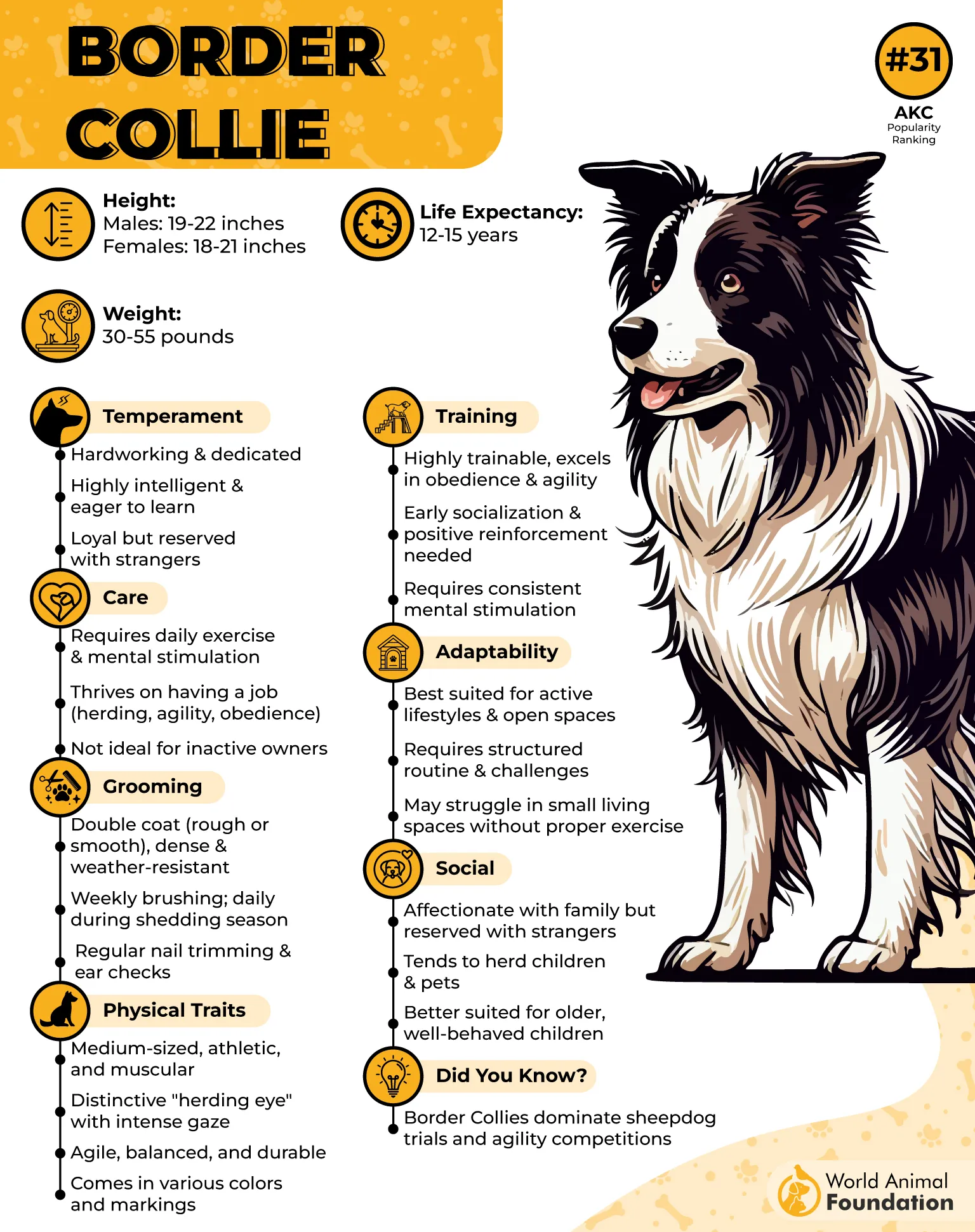
Their learning ability is quick, and they excel in learning new tricks and commands at advanced levels. However, if they are not provided with consistent and structured training sessions, they may invent their own jobs, such as herding children and chasing small animals.
Being a smart dog breed, Border Collies thrive in advanced obedience competitions. Owners should introduce them to training at the 8th month. Always use reward-based methods to boost their confidence. They must not lack physical exercise and mental stimulation, otherwise develop undesired behaviors.
2. Poodle
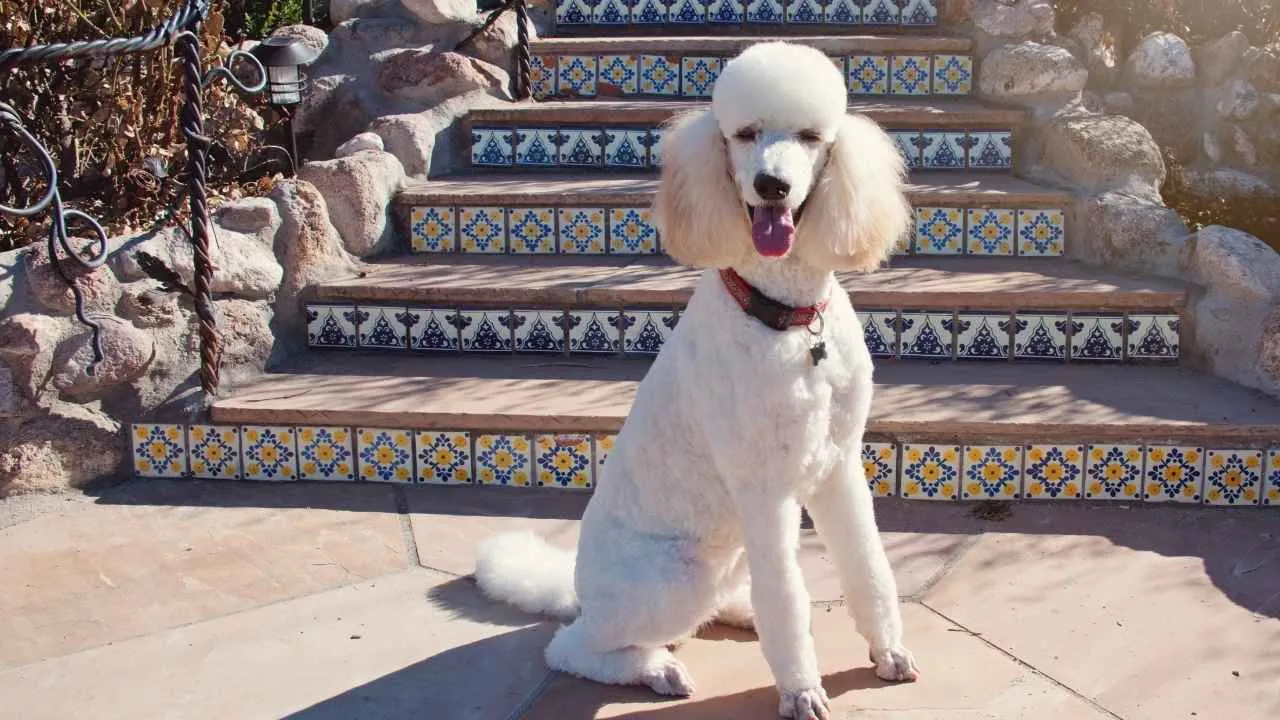
If you are seeking a breed that is an ultimate couch potato, a Poodle is not for you. These dogs were originally bred as bird-retrieving hunting dogs and outshine many breeds in dog intelligence. Therefore, they also require constant stimulation to engage their bodies and minds.
Poodles only show their bad behavior when their energy levels are not channeled well. So, make sure that before their training, they must be offered a significant number of activities. Their sharp minds and exceptional learning speed enable them to excel in dog sports like obedience and agility competitions.
Do not handle them with harsh techniques, or you will get nothing but a frustrated Poodle. Positive reinforcement plays a crucial role here as praising your pups whenever they demonstrate the behavior you are teaching them. Poodles can be trained as therapy dogs, too, as they understand human emotions.
3. German Shepherd
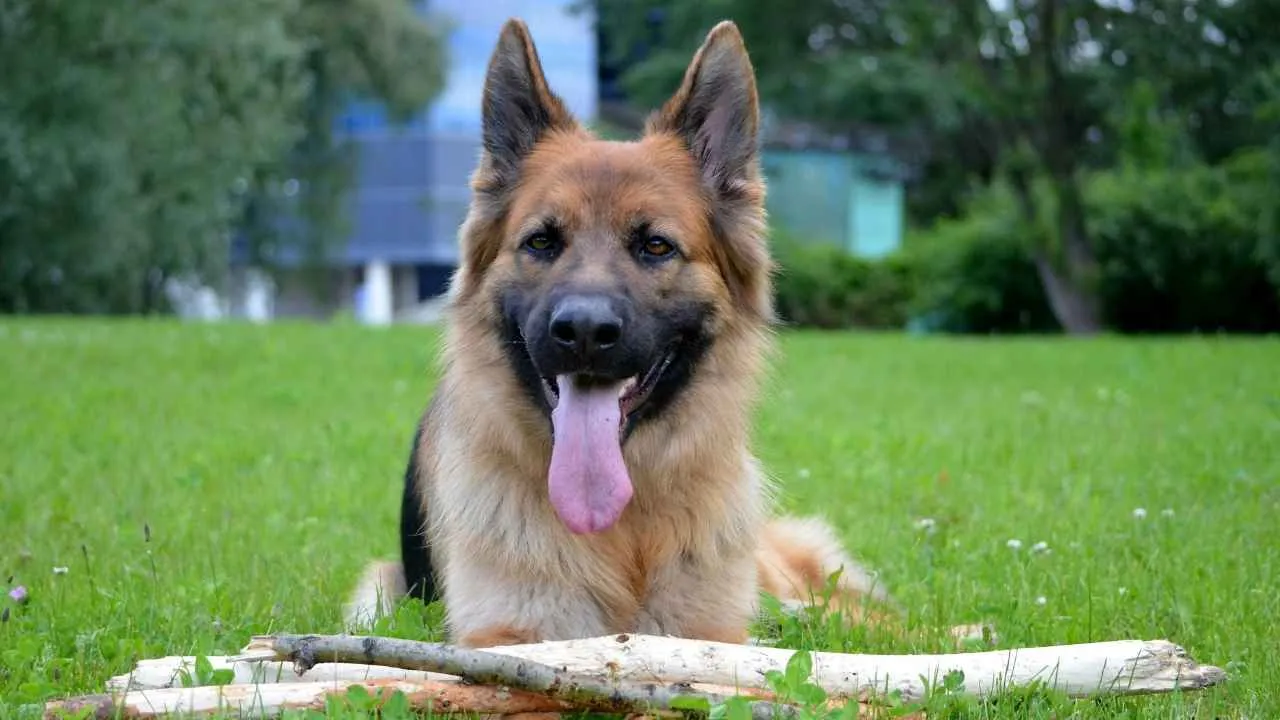
There are many reasons behind the ranking of German Shepherds as one of the most popular dog breeds worldwide. You have often seen them performing almost everywhere, which is because of their intelligence, loyalty, and eagerness to please nature, making them highly trainable for any kind of work.
According to the AKC, these dogs should receive consistent training sessions starting from a young age, especially in the first year of life. Owing to their belonging to a herding group, these dogs are naturally protective of their pack, aka families, so they need early socialization to act as good guardians.
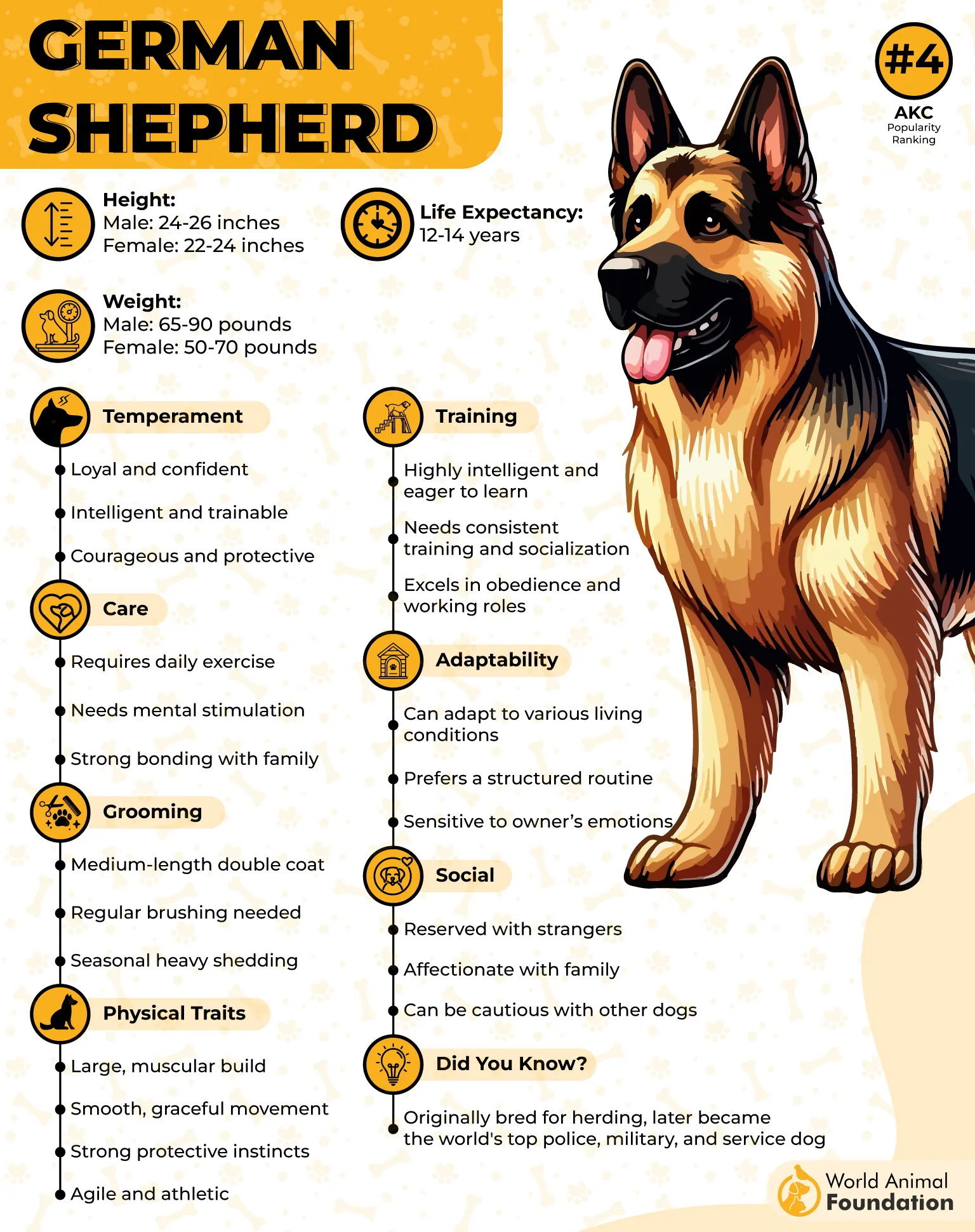
Apart from being exceptionally intelligent, they are known for their versatility and problem-solving ability. Therefore, German Shepherds also excel as service dogs in law enforcement agencies. Regular exercise and mental stimulation keep them out of trouble, and they are better suited to active households.
4. Golden Retriever
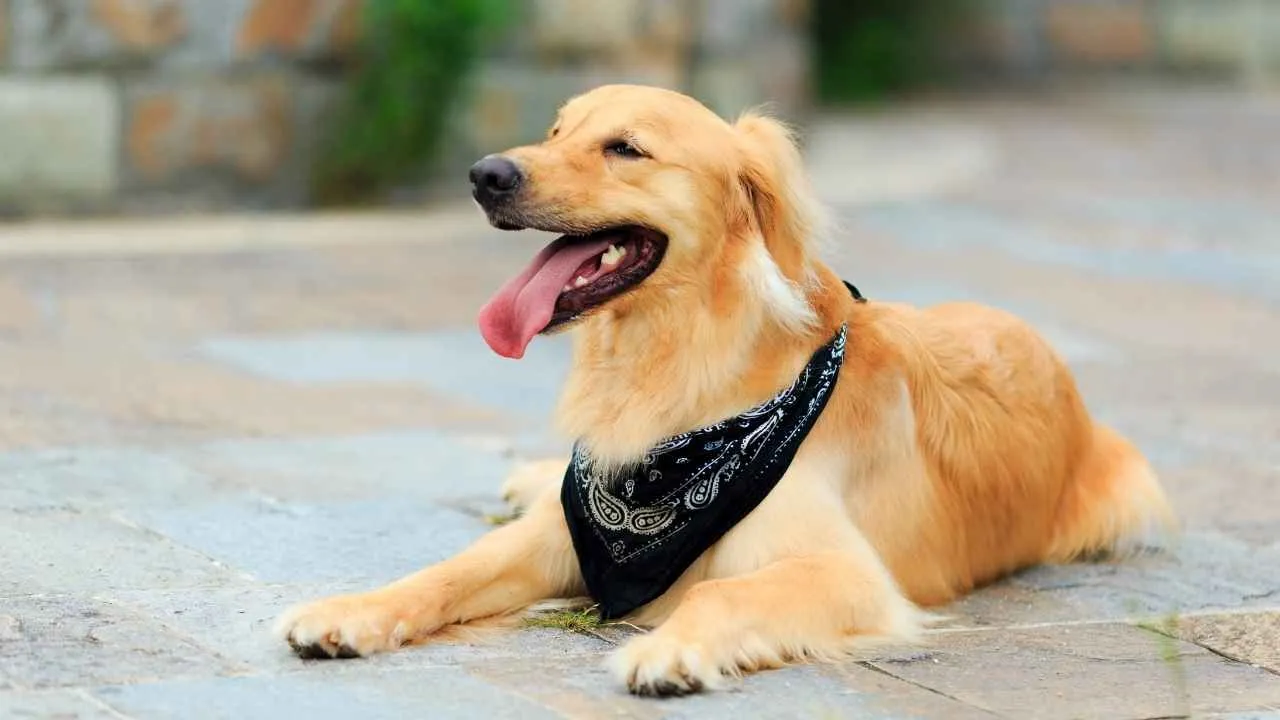
Hailing from Scotland, Golden Retrievers are famous family pets in households where adventures are enjoyed the most with their canine friends. Apart from their energies, these smart dogs are easy to train and enjoy learning new tricks and commands, making great choice for first-time dog owners.
Since they were bred to retrieve wounded game from both land and water, in this context, they need at least 1 to 2 years of training. Early training of Golden Retrievers starts at the 6th month of their age. Goldens do not respond to harsh handling or develop a stubborn streak.
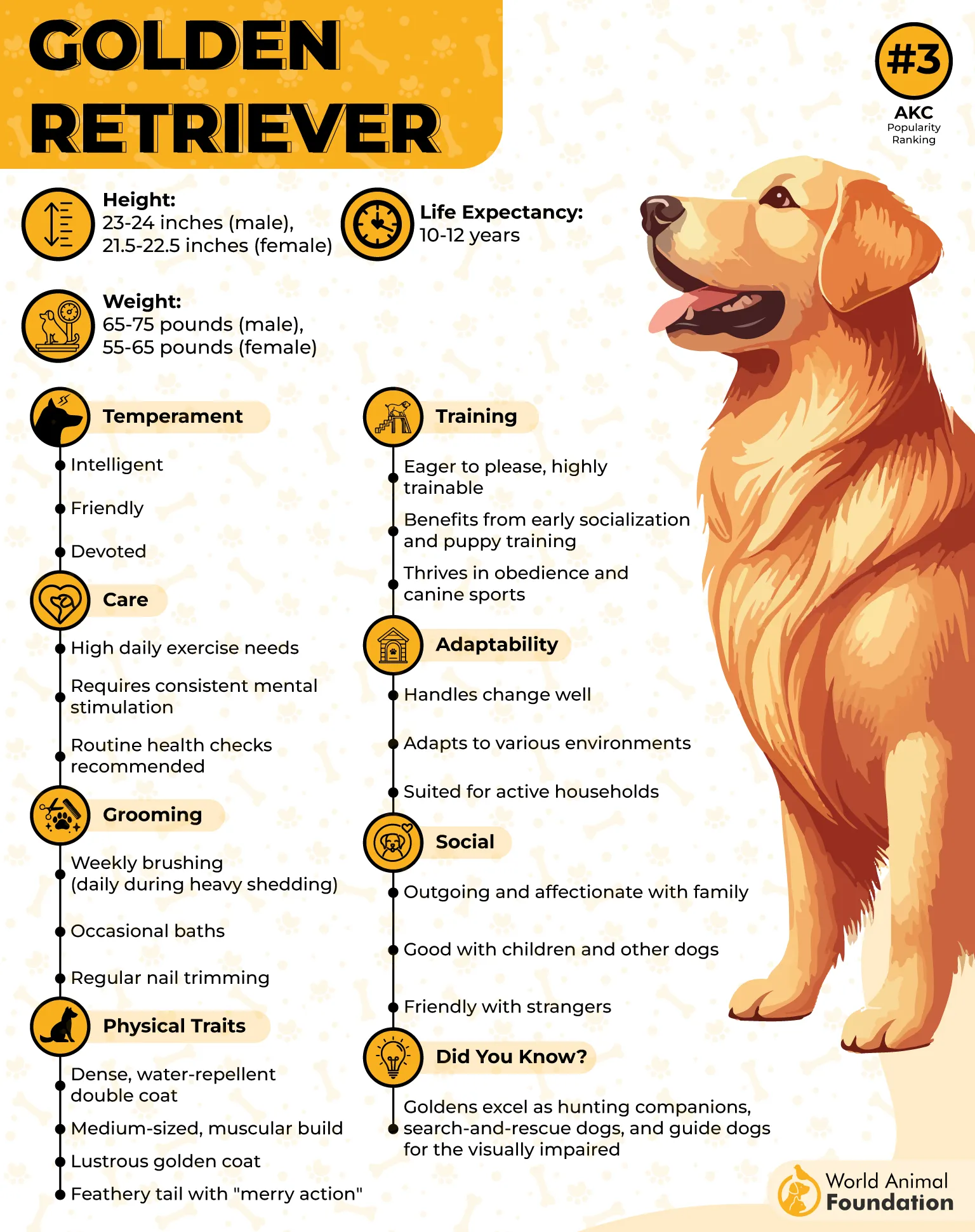
Physical activities play a vital role in calming down Golden Retrievers before their training sessions. Recall training in these dogs often brings some challenges for owners. Do not allow them to wander off-leash unless you teach them to come back quickly when called.
5. Doberman Pinscher
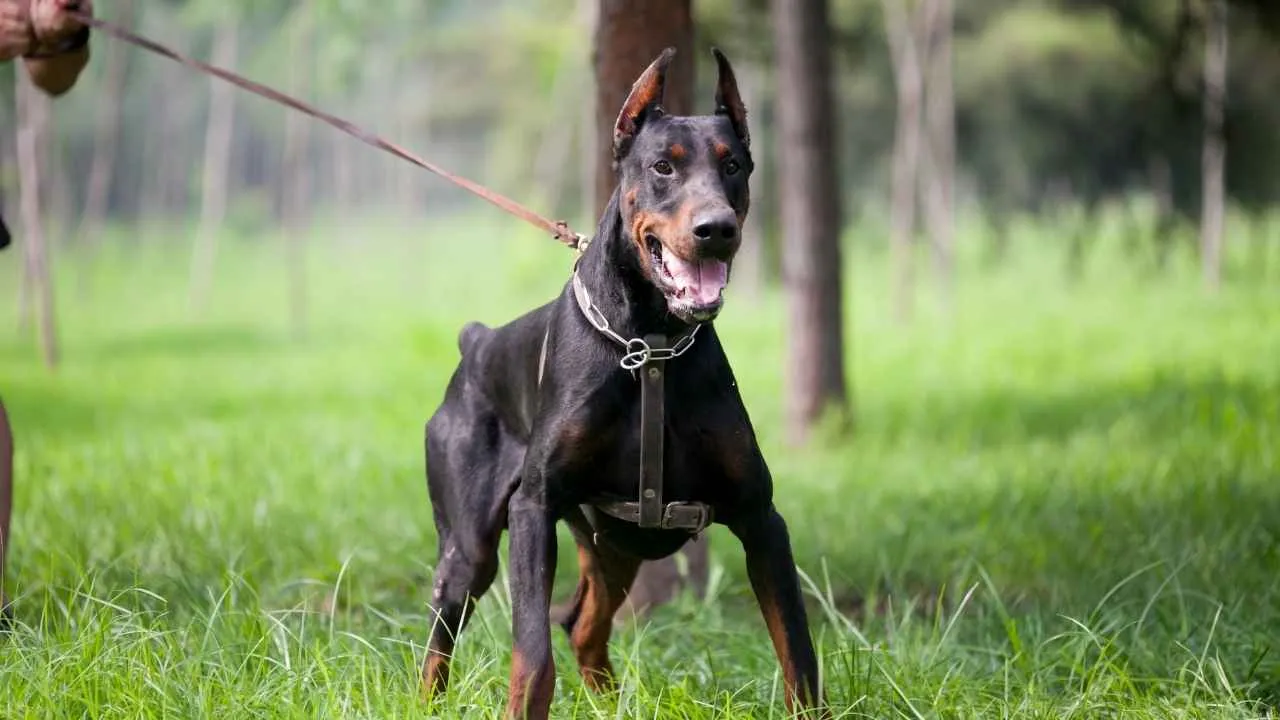
One of the finest protective guard dog breeds, Doberman Pinschers also seamlessly rank among the most intelligent dog breeds. Doberman Pinschers also shine in law enforcement agencies as police dogs, military dogs, and search and rescue dogs.
Their intelligence and need to do demanding tasks make them highly work-oriented dogs, which is why they are not for everyone. Frustration and aggression are also seen when Dobbies are not properly trained or guided well. Early obedience training will encourage your pet to learn basic commands quickly.
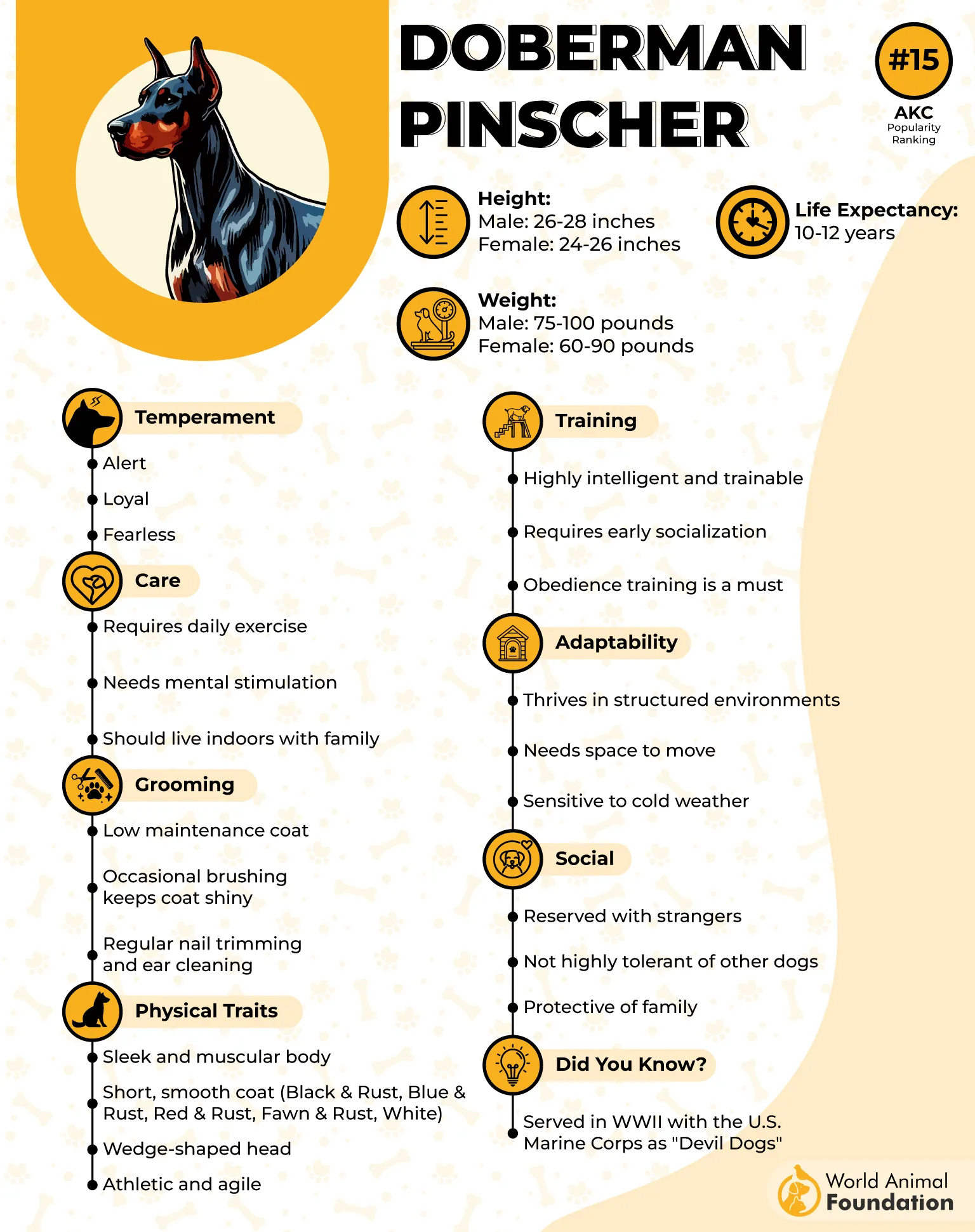
These dogs are deeply attenuated with their humans’ emotions; always use positive reinforcement methods in consistent training. Physical exercise alone will not get the best results, so include mental engagement, which prevents boredom and keeps them focused and relaxed for upcoming learning.
6. Shetland Sheepdog
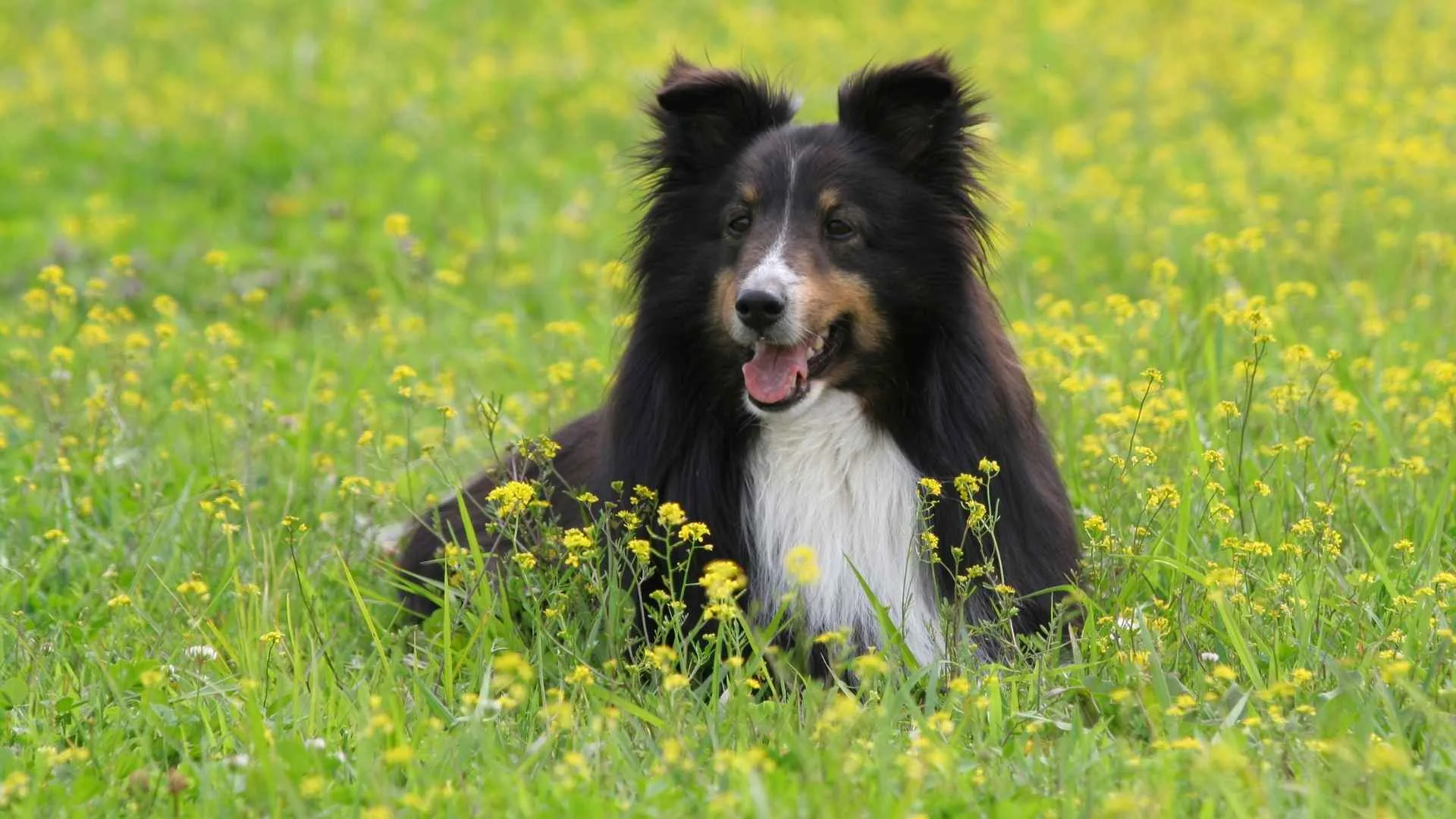
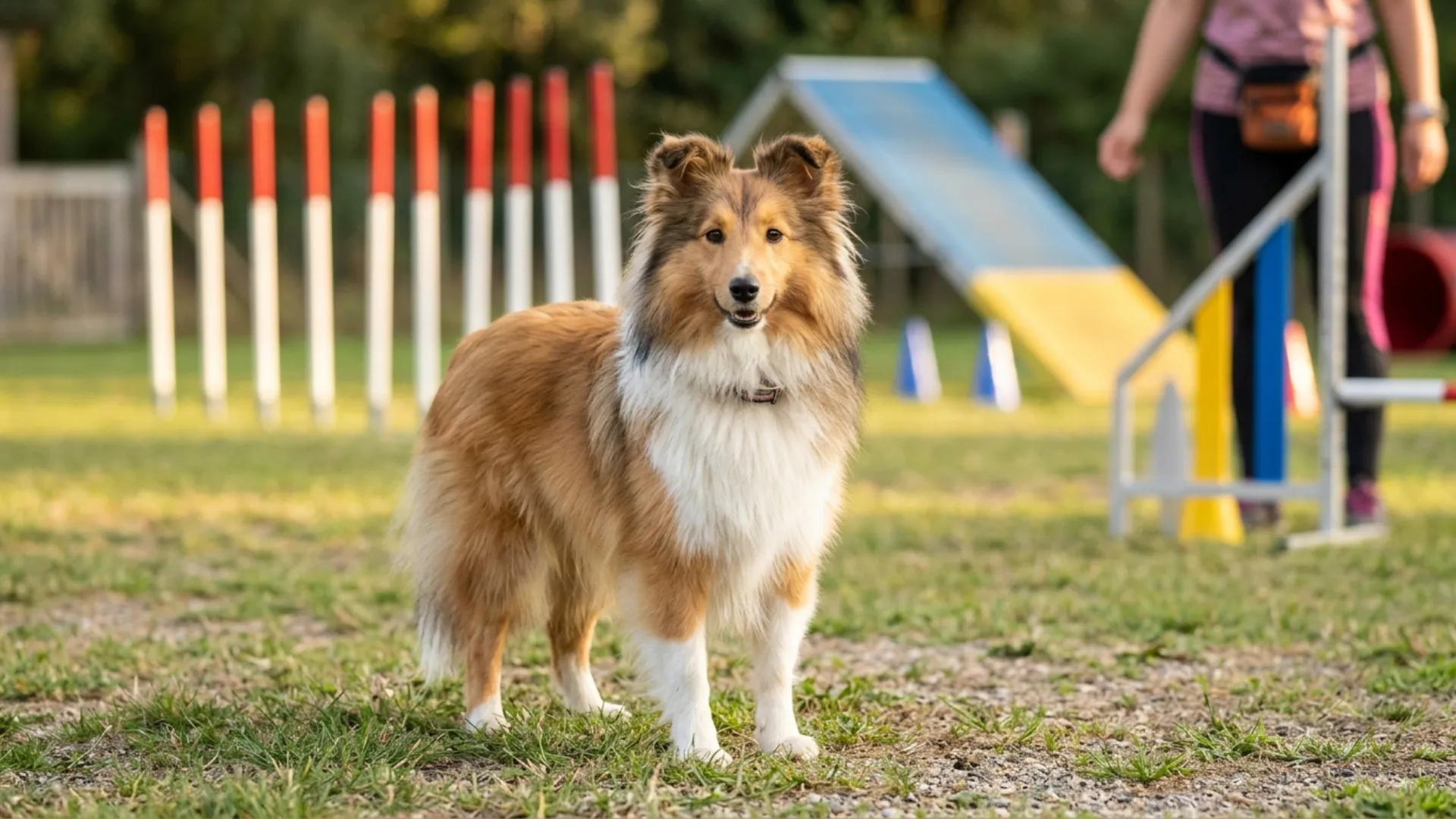
Nicknamed Shelties, Shetland Sheepdogs are primarily bred for herding livestock, especially sheep, in the Shetland Islands of Scotland. These dogs are known for their intelligence, affectionate, and loyal nature. With an eager to please and highly trainable disposition, they excel in agility training, herding, and obedience.
Backed by history, these dogs thrive when assigned with some jobs to do or develop anxious behavior, including excessive barking, and boredom turns into mischief. Before progressing to busier environments, offer them a quiet space, as these dogs overwhelm and distract easily.
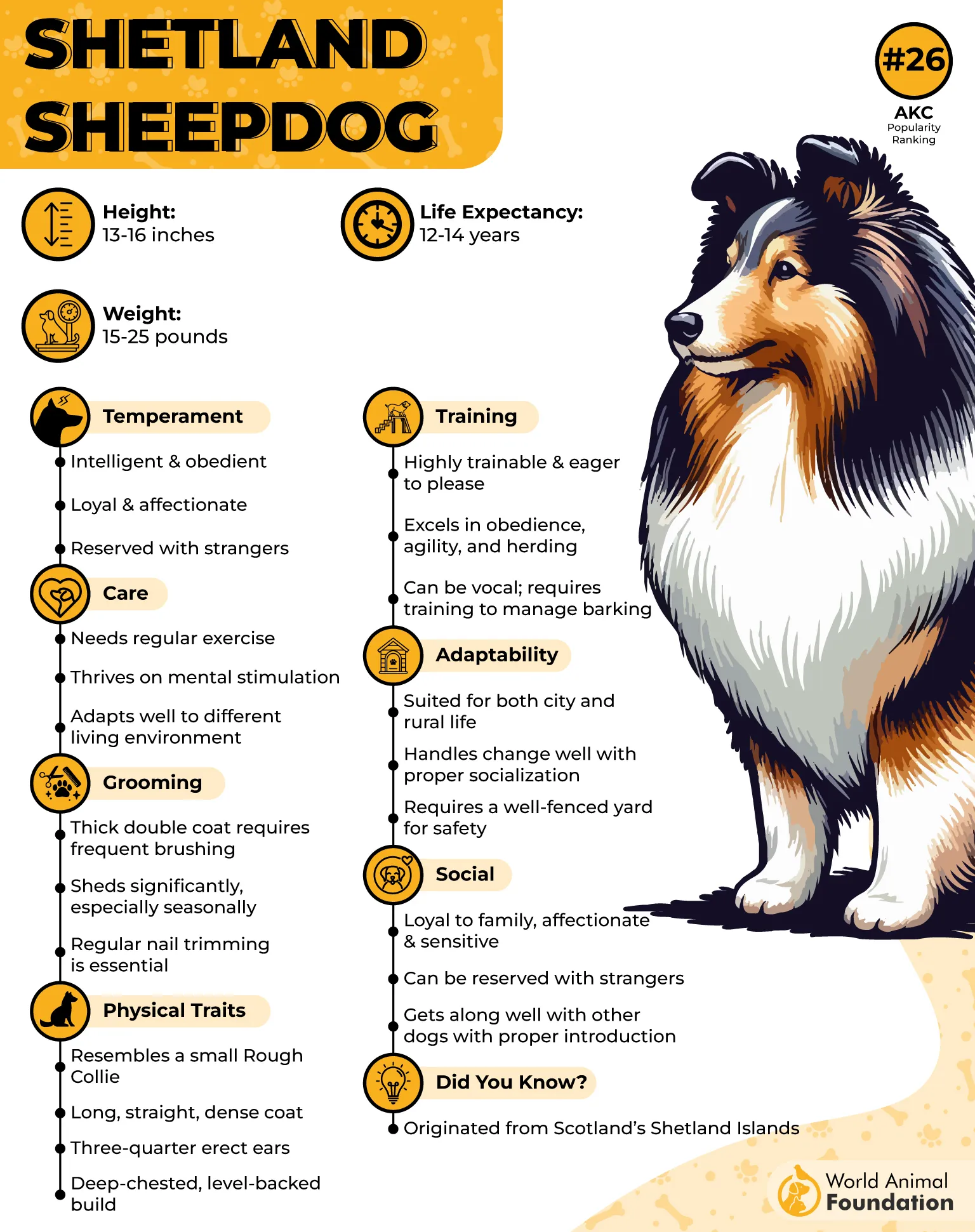
They basically enjoy learning new tricks and games, and are blessed with problem-solving skills. They are very tolerant of older children’s presence, thanks to their gentle temperament and protective nature. Leash training is also important because when they are outside, they tend to chase after small things moving fast.
7. Labrador Retriever

One of the friendliest dog breeds, Labrador Retrievers exhibit an amiable temperament, sharp minds, and an eager-to-please nature, as noted by WebMD. This athletic and highly intelligent breed not only outsmarts many sporting breeds but also thrives in service and therapy work.
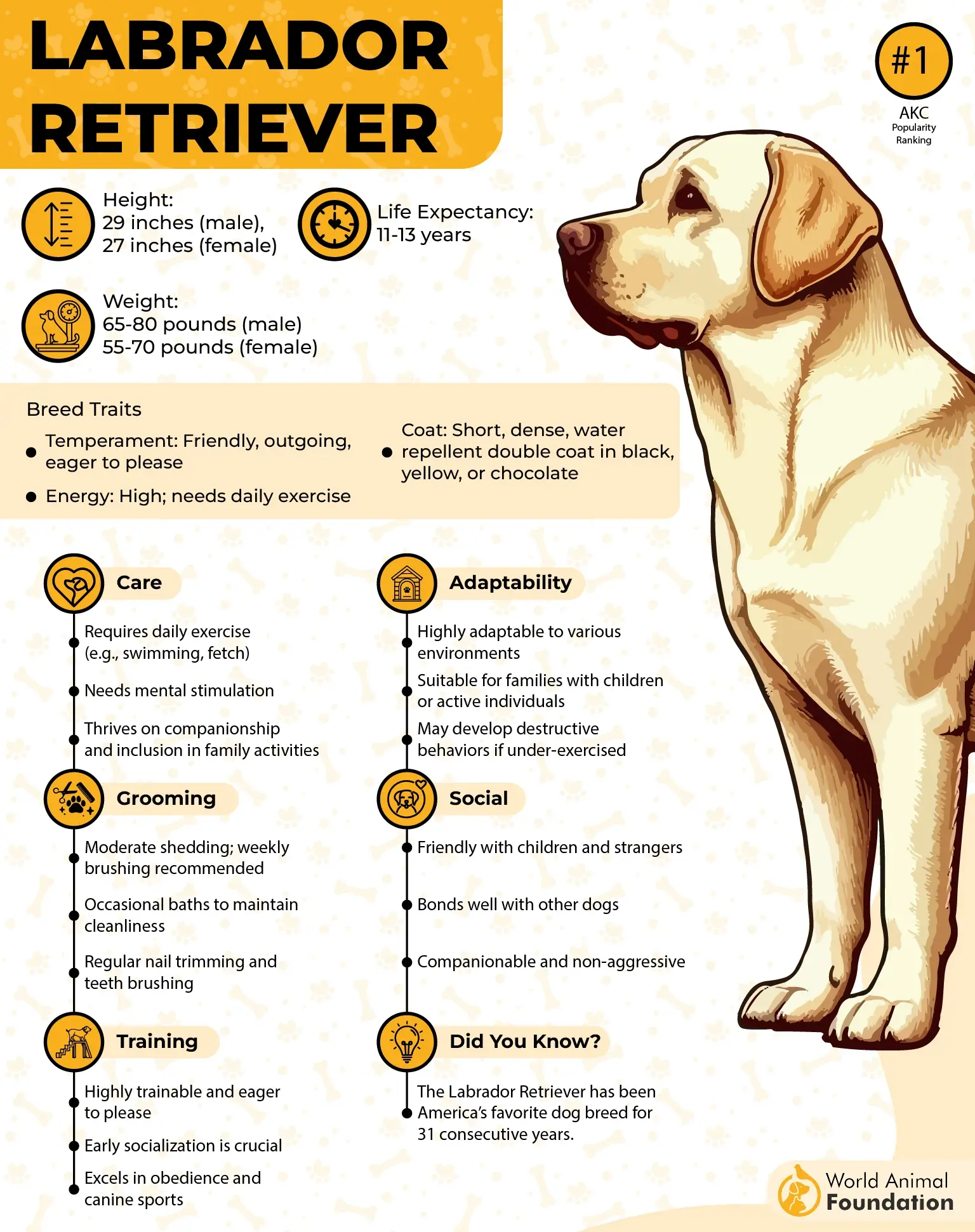
Labrador Retrievers are lively spirits who love making new friends and engaging with others when socialized and trained properly. With positive reinforcement methods, consistency, and gentle handling, keep the sessions fun and short for 5 to 10 minutes at the beginning.
To keep their minds active and engaged, mental stimulation is necessary, which includes playing with puzzle toys and participating in agility and obedience training. Coupling their stamina and smartness with sharp noses, these dogs can also be trained for search and rescue missions.
8. Papillon
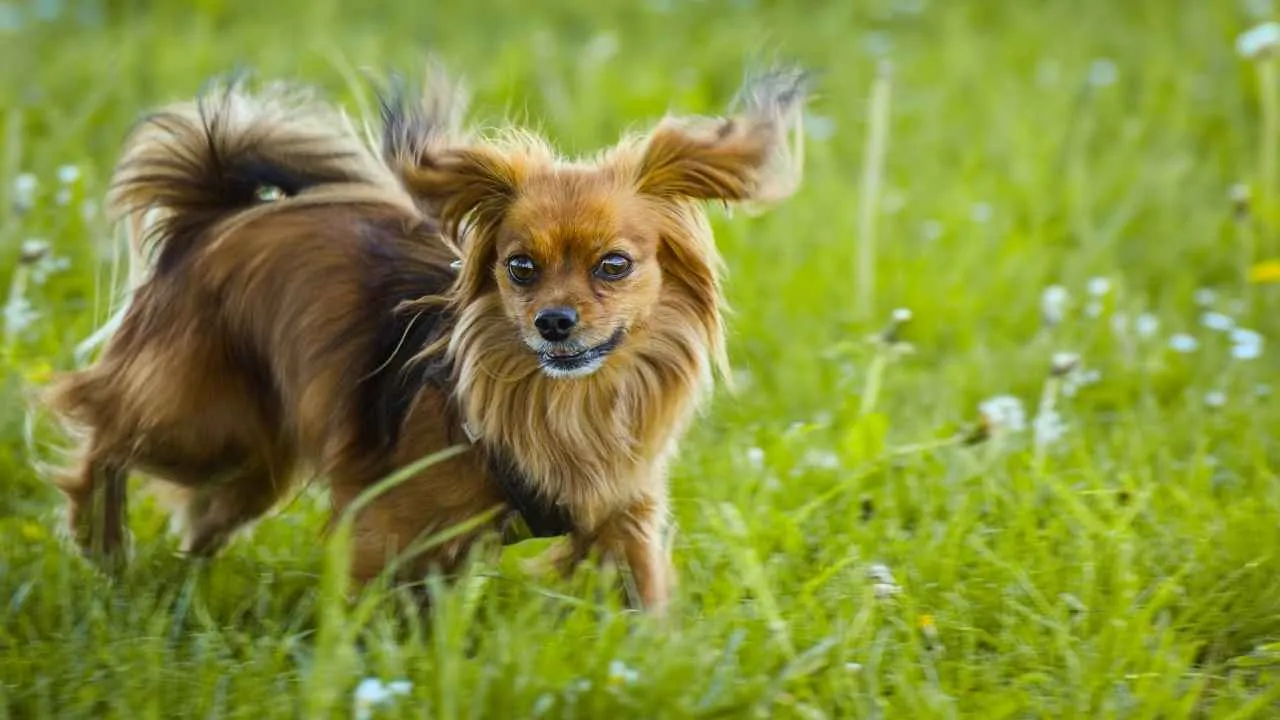
A first glance at these small dogs, and you sense their confidence, smartness, and beauty all within a few seconds. Papillons are also called butterfly dogs due to their unique ears that resemble a butterfly’s wings. They are sociable, active, and easygoing smart dogs and are suitable for first-time dog owners.
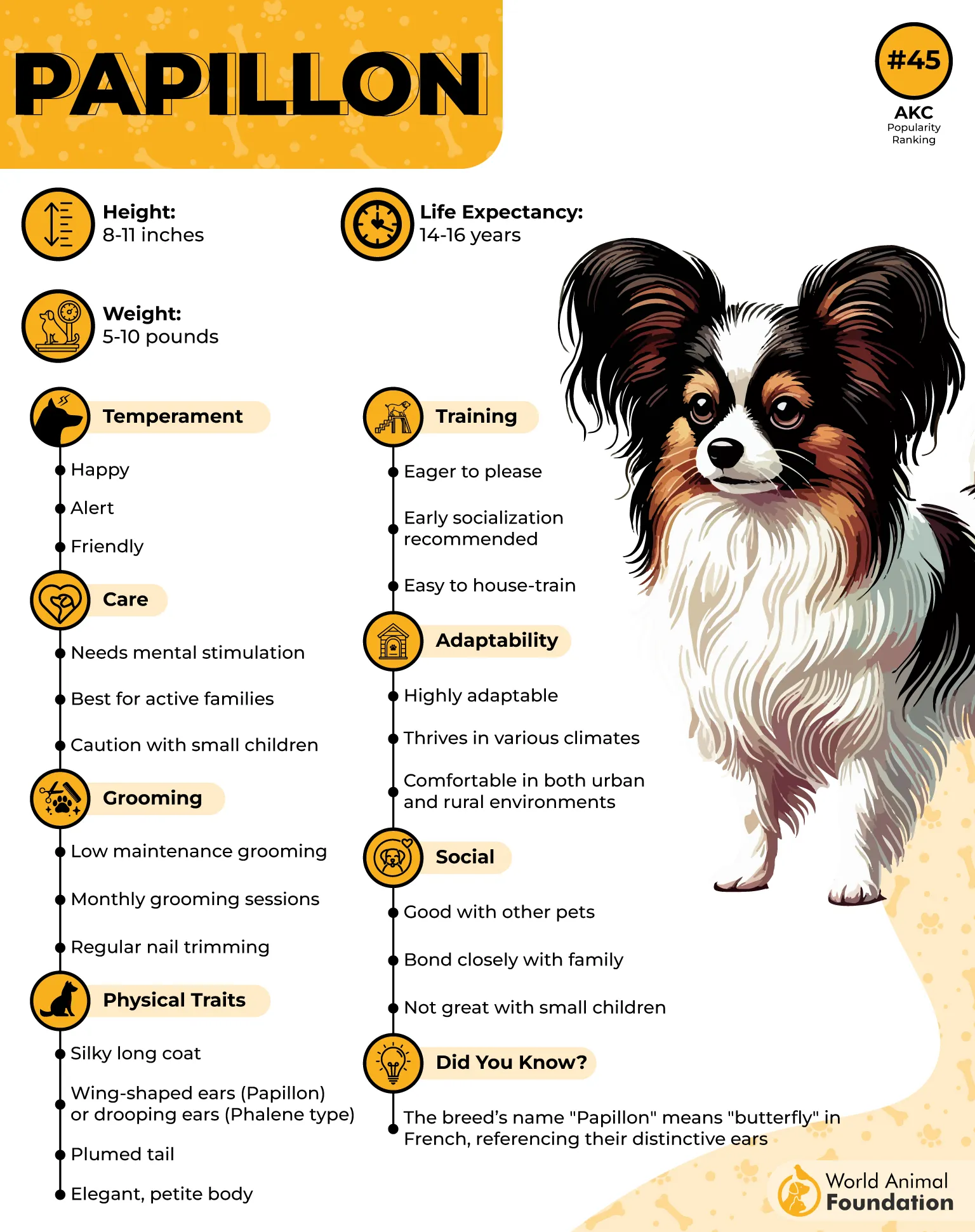
Eagerness to please their owners when blended with keen intelligence, Papillons become easy-to-train dogs. Despite having pint-sized bodies, these dogs learn commands quickly and have an active personality to impress their family members.
PetMD says that being one of the smartest small dog breeds, Papillons enjoy participating in agility competitions, therapy work, and service work as well. When introducing them to basic obedience intelligence, pet owners should be very consistent and patient to increase their positive response.
9. Rottweiler

These large dogs are physically characterized by a broad head, short fur, and wide-set eyes. Rottweilers have deep roots in the ancient Roman army, where they used to be the army’s dogs for protecting their animals. They are highly intelligent dogs with limitless energy and are not suitable for first-time owners.
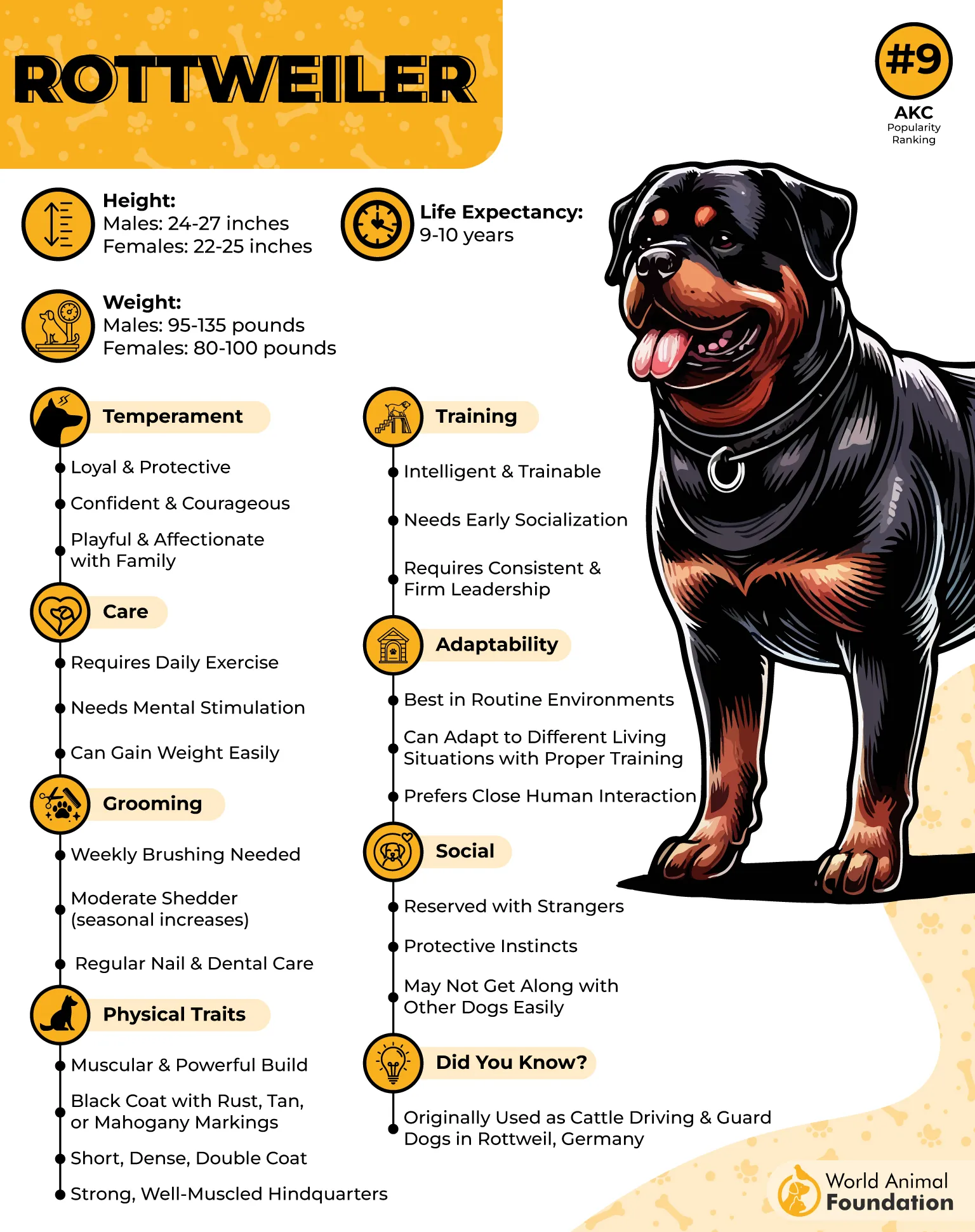
If you do not offer these dogs proper physical and mental exercise, they will make their own entertainment, creating problems for you. They are also strong-willed dogs who need consistent training and basic obedience trials at a young age with reinforcement methods.
A properly trained Rottweiler can be a great service dog for blind people. They are calm and quiet dogs, but due to protective instincts, they tend to bark if they sense anything unusual. These dogs excel in agility and obedience competitions, helping them to overcome their boredom.
10. Australian Cattle Dog

Often called Red Heeler or Blue Heeler, these dogs come with blue or red speckled coats and a characteristic nipping behavior, which is used to move the cattle by nipping them at their heels. While these dogs are popular for having exceptional stamina and strength, they are also classified as intelligent dog breeds.
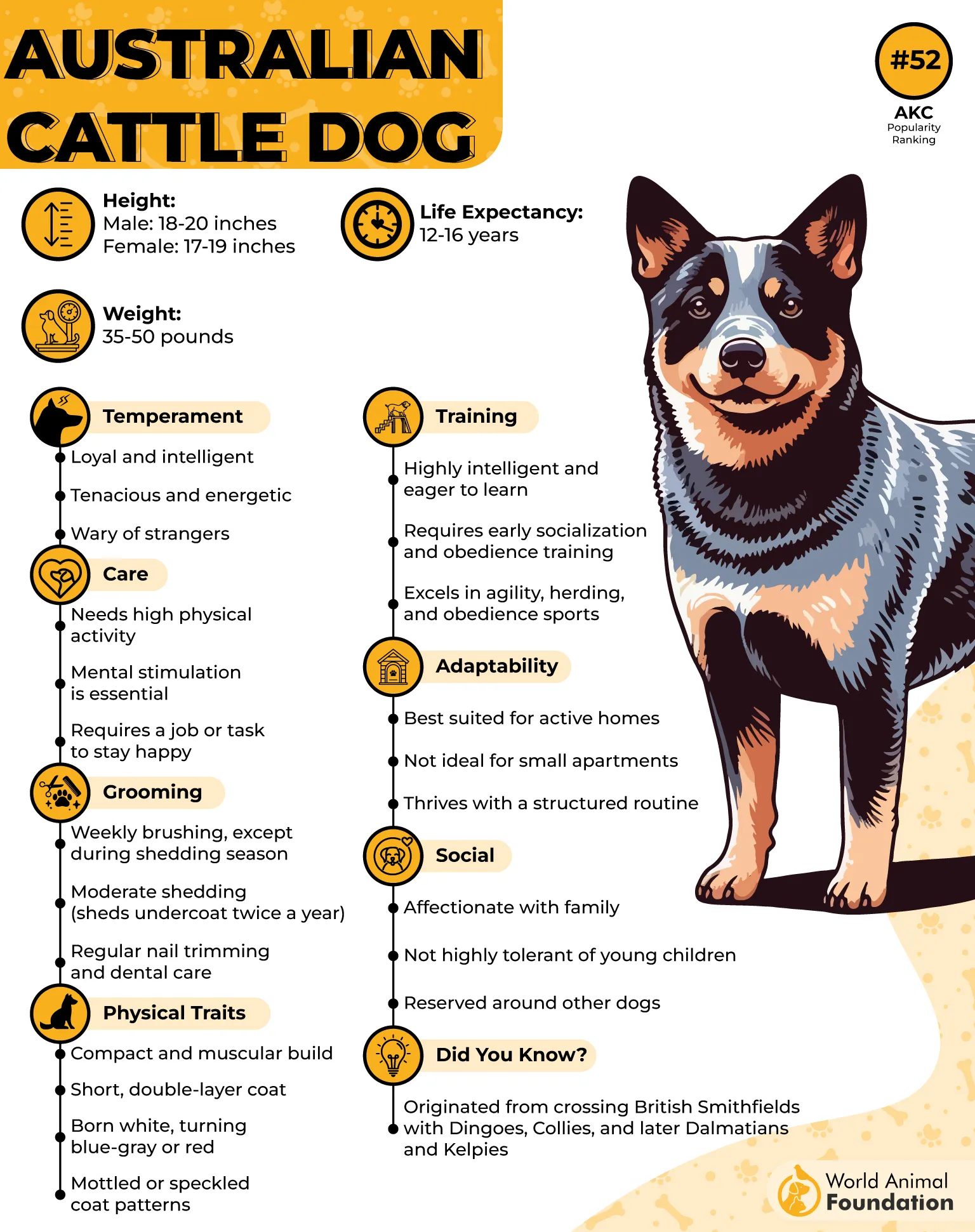
Australian Cattle Dogs are working dogs, so they excel when given opportunities for ample exercise and solid training sessions. Despite having sharp instincts to learn, they still carry a strong desire to do things they find interesting, reflecting their stubborn streak.
For best results, you should offer them lots of mental stimulation along with one or two hours of physical activities, to channelize their boundless energy. To control their nipping tendencies, early socialization plays an important role.
Conclusion
Highly intelligent dogs are capable of mastering complex tasks, adapting to new situations, and understanding human cues with impressive accuracy. Their training success is rarely accidental; it stems from regular practice, positive experience, and activities that keep their minds engaged.
Owners who embrace these training principles often discover smart dogs are amongst the most versatile and rewarding companions.
