




Life isn’t always spent at home, and most of us know that all too well. Work, errands, appointments, and social commitments can keep even the most devoted dog owners away for several hours each day. For many people, finding a canine companion that can comfortably handle these quiet periods is an important part of responsible dog ownership.
Fortunately, some breeds are naturally more independent and self-reliant than others. They love affection and companionship, just on their own terms. With the right training and a predictable routine, these dogs can spend time alone without developing excessive stress or anxiety.
Whether you live alone, work full-time, or simply need a pet that adapts well to a structured schedule, certain breeds stand out for their ability to stay calm and content at home. Let’s take a closer look at the dogs that genuinely thrive when solitude becomes part of their daily routine.
Independent Dog Breeds That Excel When Left at Home
1. Lhasa Apso
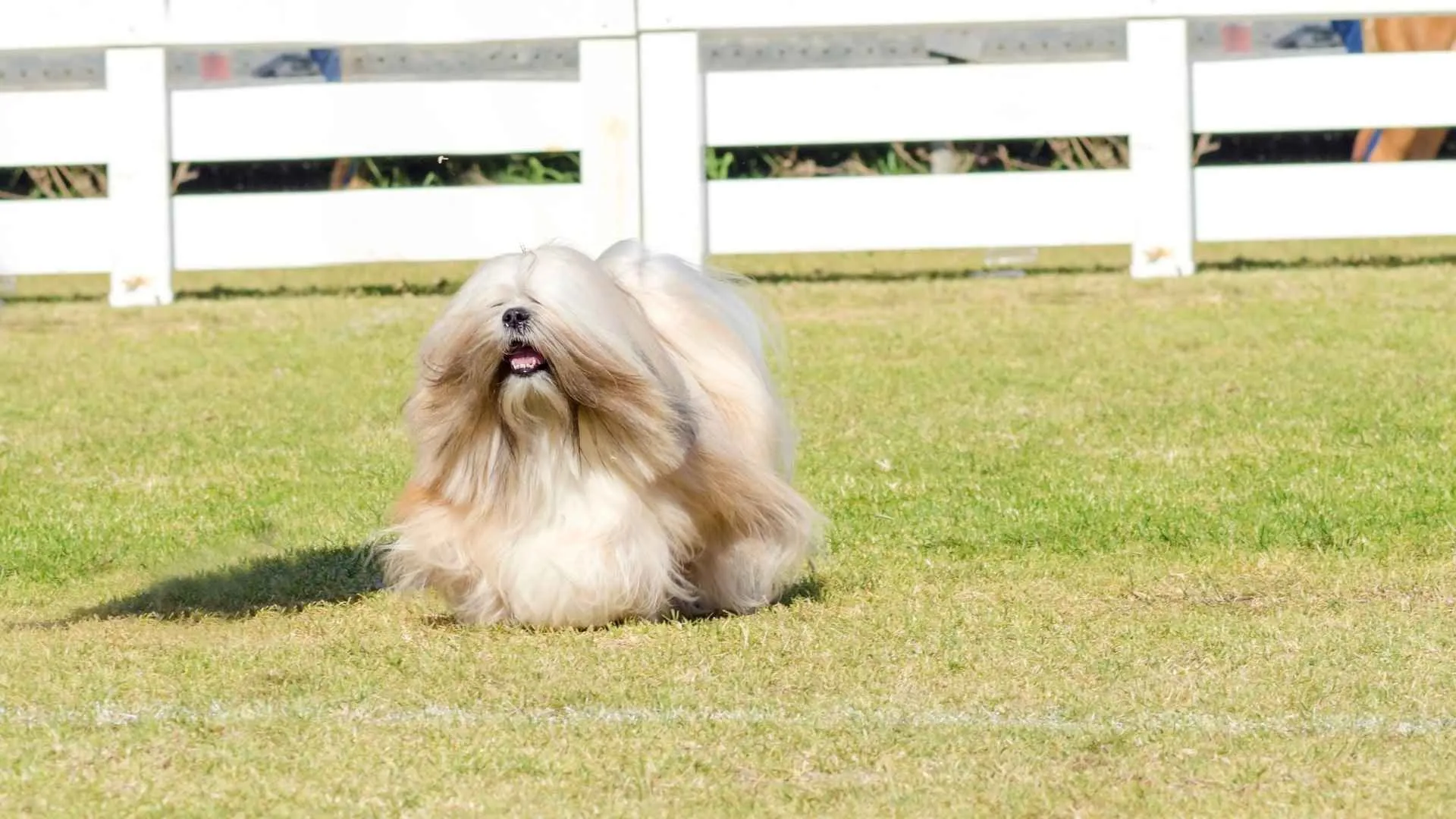
Hailing from Tibet, the Lhasa Apso is one of the oldest dog breeds in the world, originally bred to serve as watchdogs in monasteries and noble households. They’re a unique combination of calm and independent; a personality that makes them stand out among small breeds. Their name loosely translates to “bearded lion dog,” a nod to their visually striking, thick, flowing coats.
Because of their independent nature, Lhasa Apsos can comfortably spend a few hours alone at home, making them one of the better dog breeds for people with a 9-to-5 schedule. They do have a stubborn streak, especially during training sessions, so positive reinforcement methods tend to work best with them.
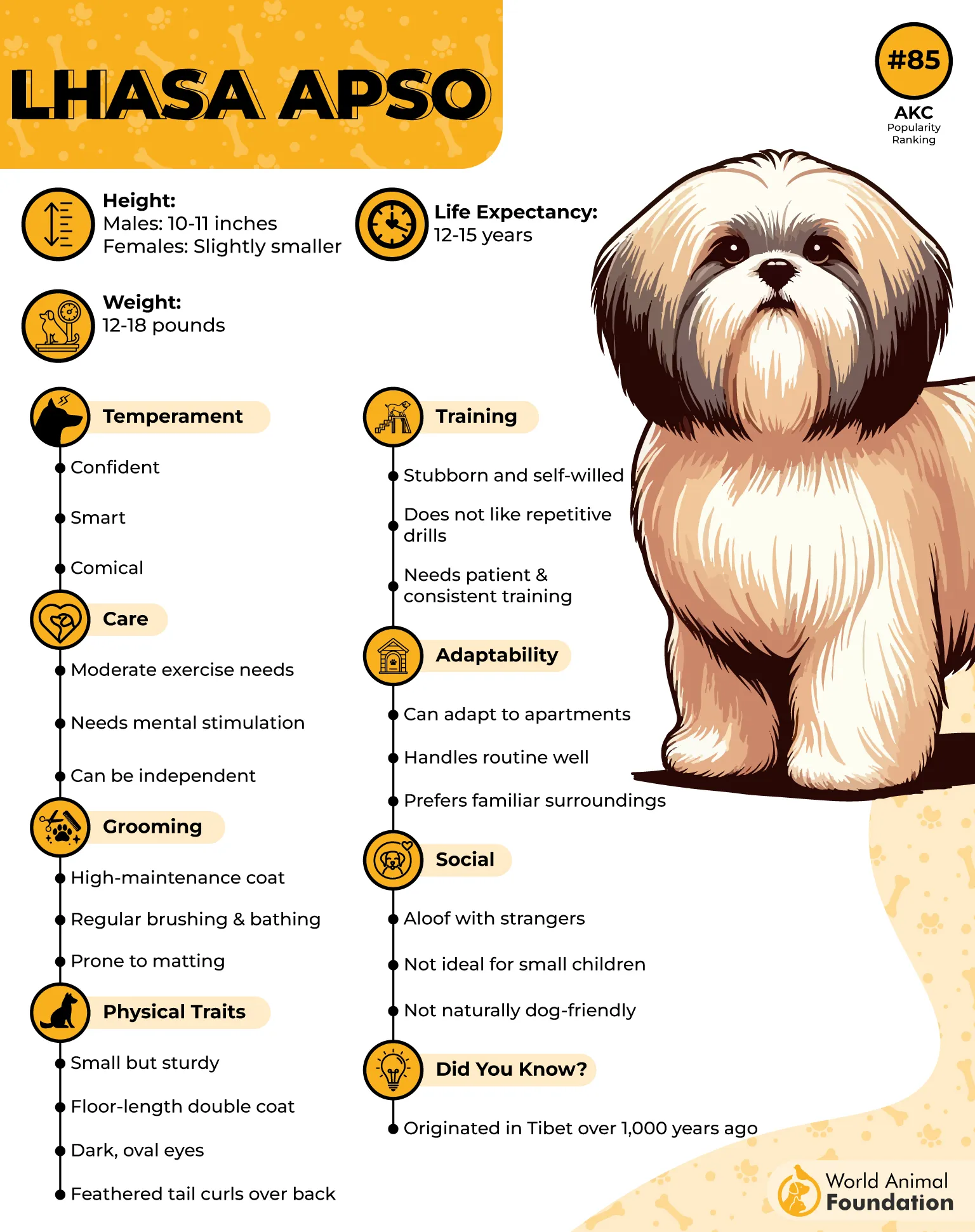
Lhasa Apsos form strong bonds with their owners and are deeply loyal, but their natural alertness also means they can be aloof around strangers, which is very much in line with their watchdog roots. Energy-wise, they’re not demanding at all.
Short daily walks keep them happy, and when left alone, they’re perfectly content entertaining themselves rather than tearing up your furniture.
2. Basset Hound
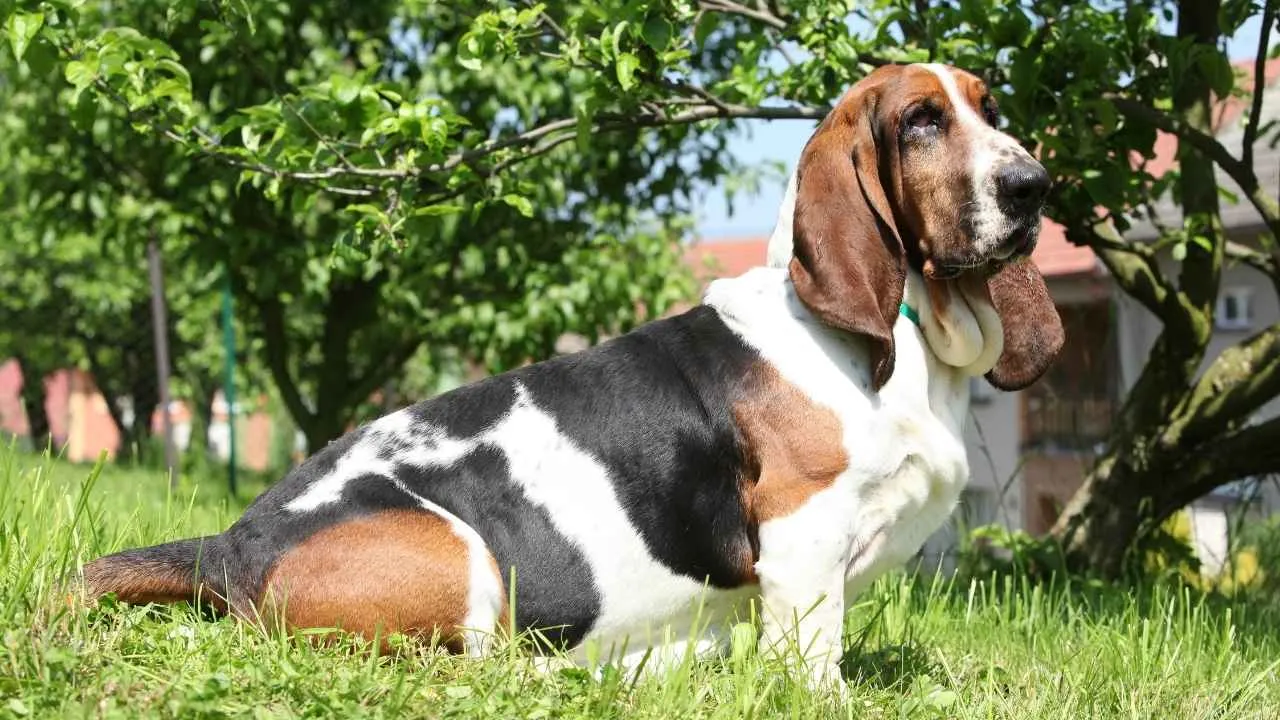
As one of the most popular dog breeds, Basset Hounds were originally bred to hunt small game, yet they also make wonderful family pets across a variety of households, provided they receive proper training and socialization. Calm and unhurried by nature, these dogs don’t demand constant attention from their owners, which is a big part of their charm.
That said, Basset Hounds can be tricky to train. They have an independent streak that tends to show up most during training sessions, so patience is key. Despite their low separation anxiety, they still enjoy their humans’ company, just without being overly clingy or affectionate. That balance makes them a genuinely good fit for busy owners.
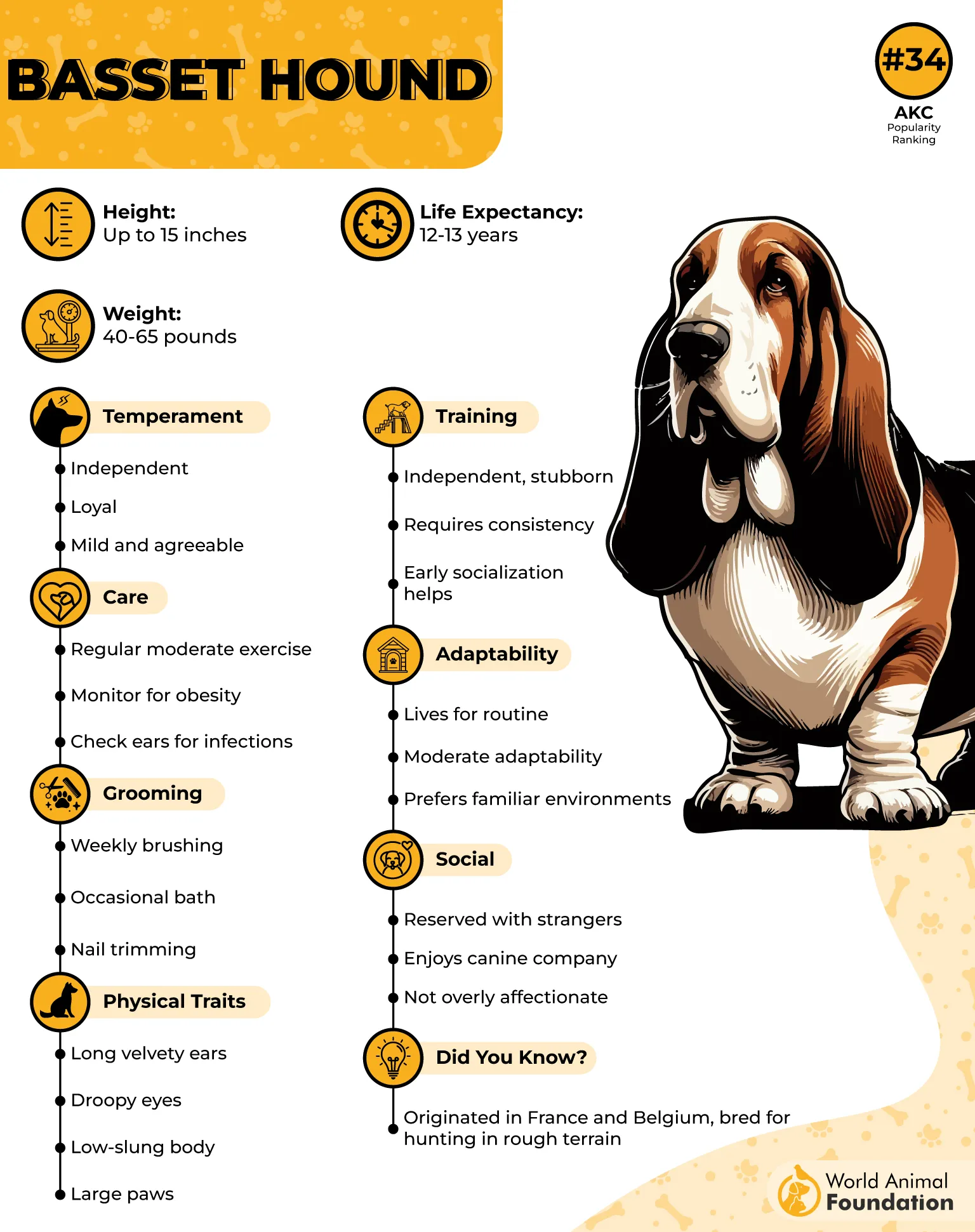
One thing worth noting: Basset Hounds have powerful noses and a strong instinct to chase small animals like cats and rabbits. Leash training early on is a must. They’re also prone to barking, particularly when excited or when that nose picks up something interesting.
On the social side, they tend to get along well with other dogs and generally appreciate having a canine companion around.
3. Basenji
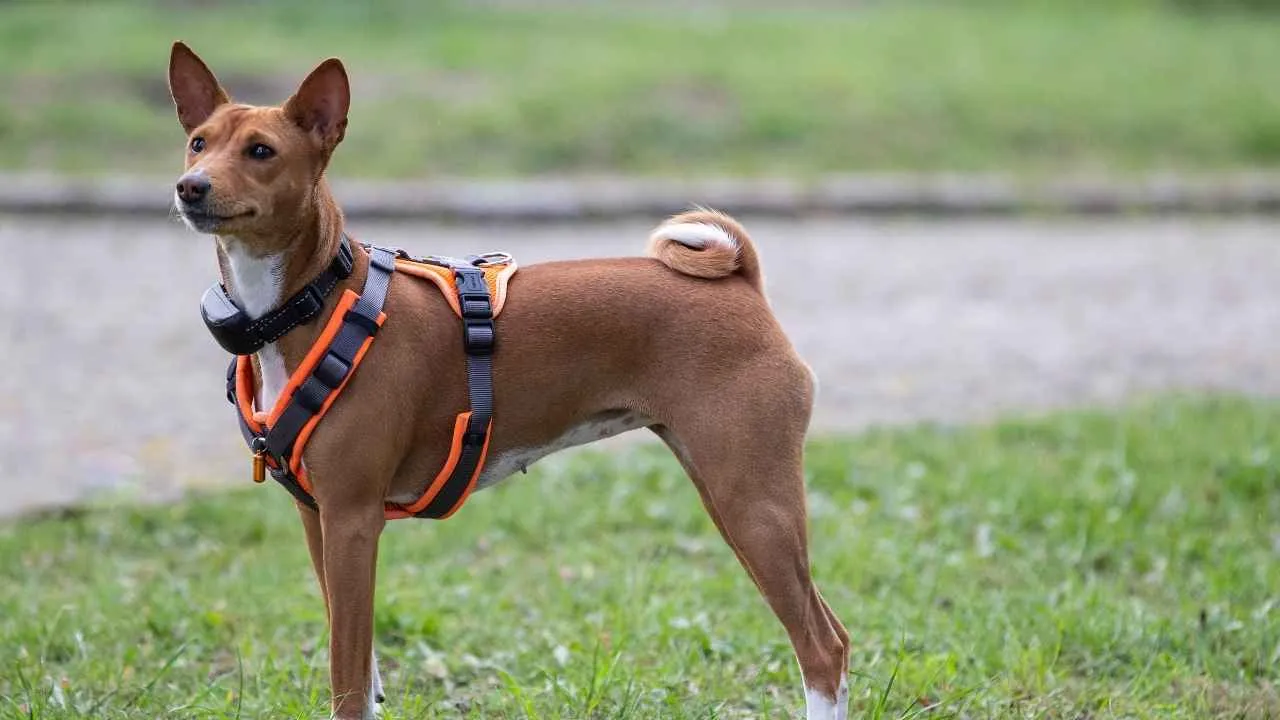
Hailing from Central Africa, the Basenji is known for its independent personality, athletic build, and quiet demeanor. Often called the “barkless dog,” the Basenji has a uniquely shaped larynx that prevents traditional barking; instead, they produce a distinctive sound known as a yodel.
These small dogs belong to the hound group, and their cat-like independence is one of their most talked-about traits. According to the AKC, Basenjis have short coats and are known to groom themselves much like cats do, which naturally cuts down on grooming needs.
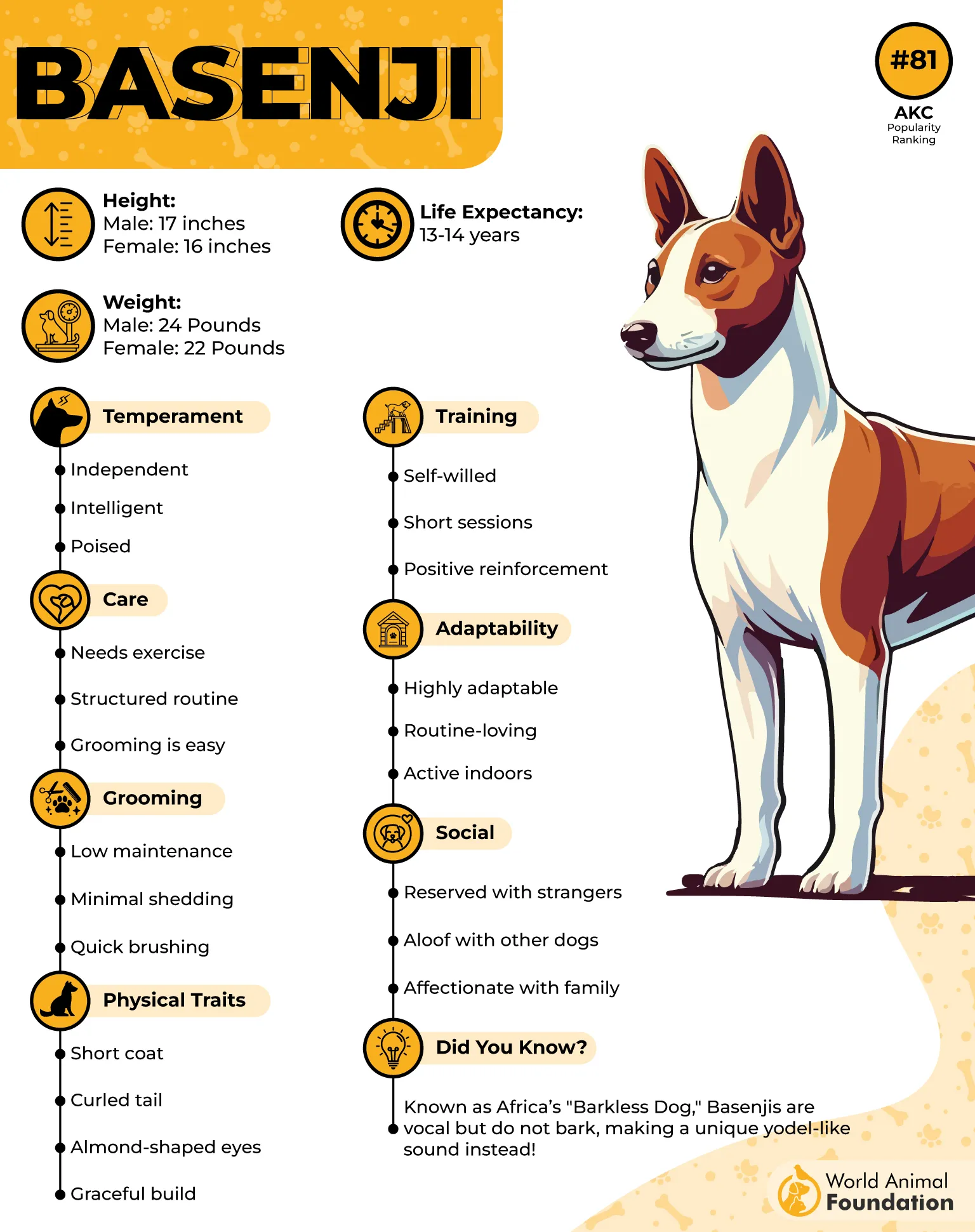
When it comes to people, Basenjis are warm and affectionate with their own family but tend to be reserved around strangers. They’re intelligent dogs, though that intelligence comes paired with a stubborn side, especially when it comes to learning basic manners. Consistency and patience are the real keys to training them successfully.
4. Chinese Shar-Pei
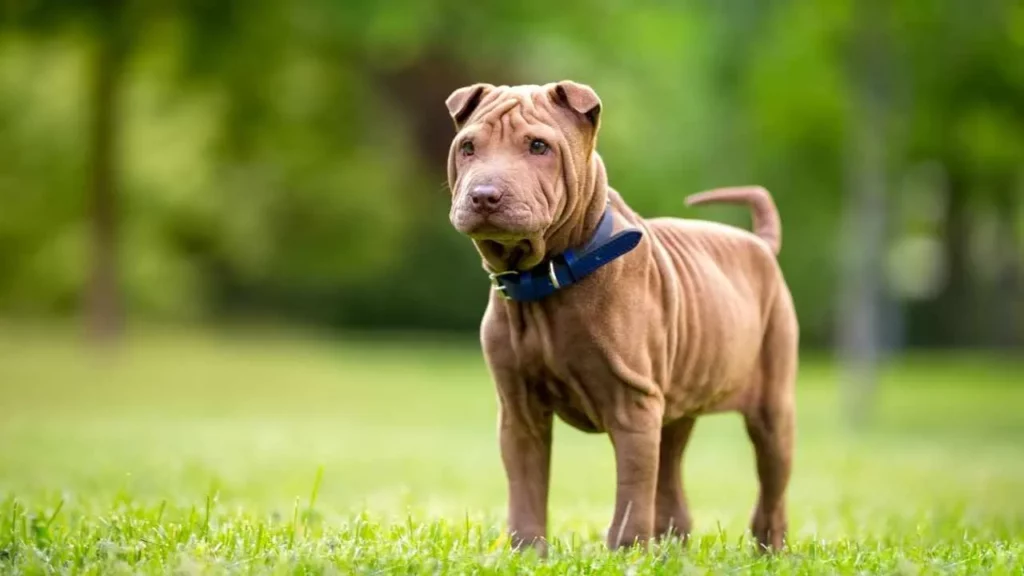
Despite ranking among the more powerful and independent dog breeds, Chinese Shar-Peis are considered loyal companions to their families. Their history stretches back over 2,000 years in China, where they were originally bred by farmers for hunting, fighting, and guarding.
Naturally watchful and protective, Shar-Peis keep a close eye on everything happening around them. But they’re not excessive barkers; they’ll only sound the alarm when they genuinely feel it’s necessary. Exercise-wise, they’re not high-maintenance either; daily walks and some indoor playtime are enough to keep them satisfied.
This makes the Chinese Shar-Pei a solid match for busy households that can’t always be home. Mental stimulation is important though; without it, boredom can lead to unwanted behaviors. Keeping a variety of toys on hand goes a long way in helping them stay occupied and content during those longer stretches alone.
5. Shiba Inu
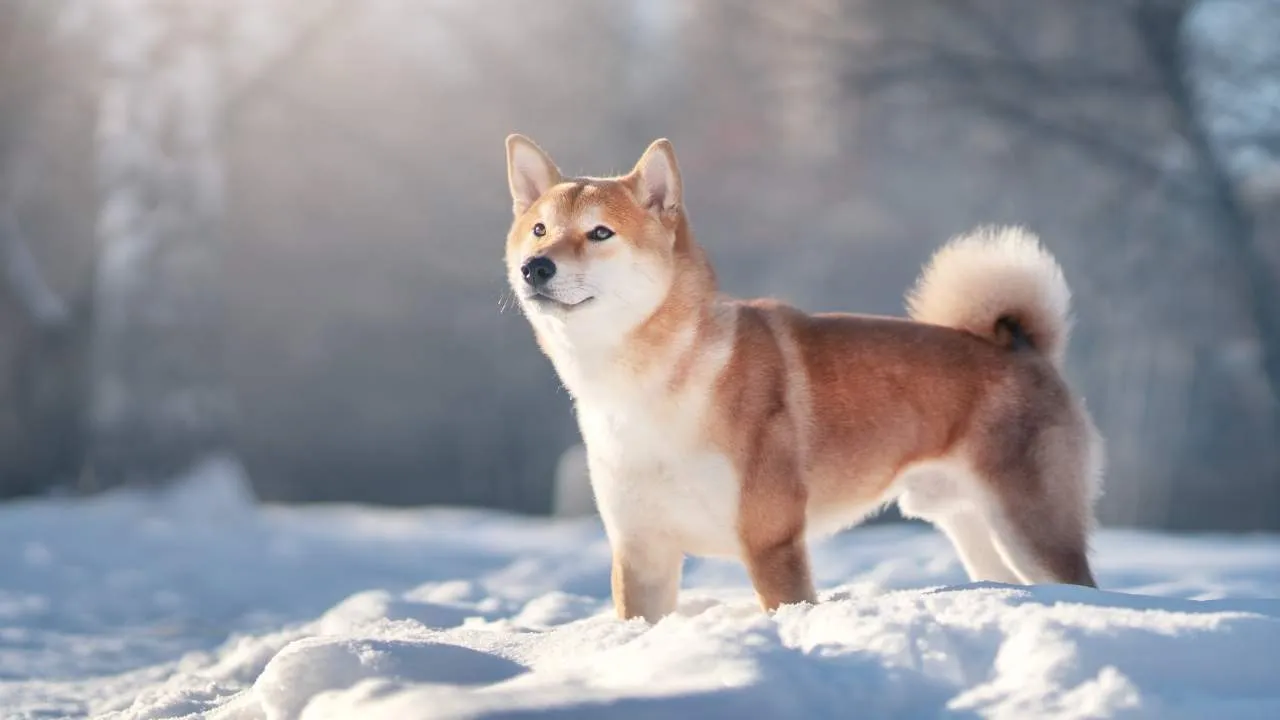
A national treasure of Japan, the Shiba Inu is famous for its feline-like characteristics, including the ability to comfortably spend long stretches of time alone. Much like cats, they’re also known to groom themselves, adding to that independent, low-maintenance personality.
That said, owning a Shiba Inu comes with some important considerations. Their high prey drive means a securely fenced yard is a must. They also tend to be selective around other dogs and can develop aggressive behaviors without proper early socialization.
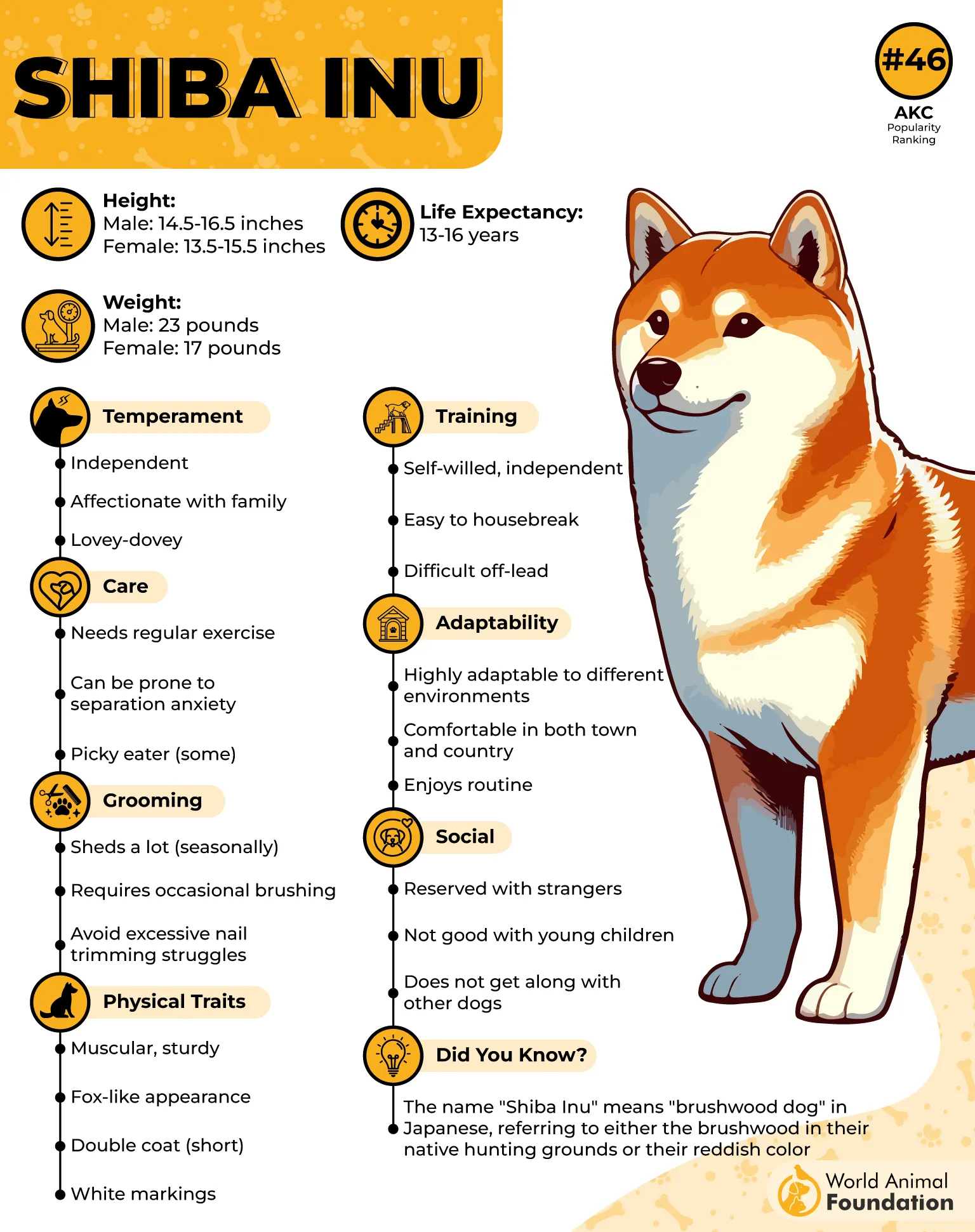
And as PetMD points out, without adequate exercise, Shiba Inus can become prone to anxiety, and their infamous “Shiba scream” is very much a real thing.
Highly active and intelligent, these dogs need plenty of mental stimulation to stay out of trouble. All things considered, the Shiba Inu is best suited for experienced owners who understand the breed; people who can commit to regular exercise, early training, and setting clear boundaries from the start.
6. Chow Chow
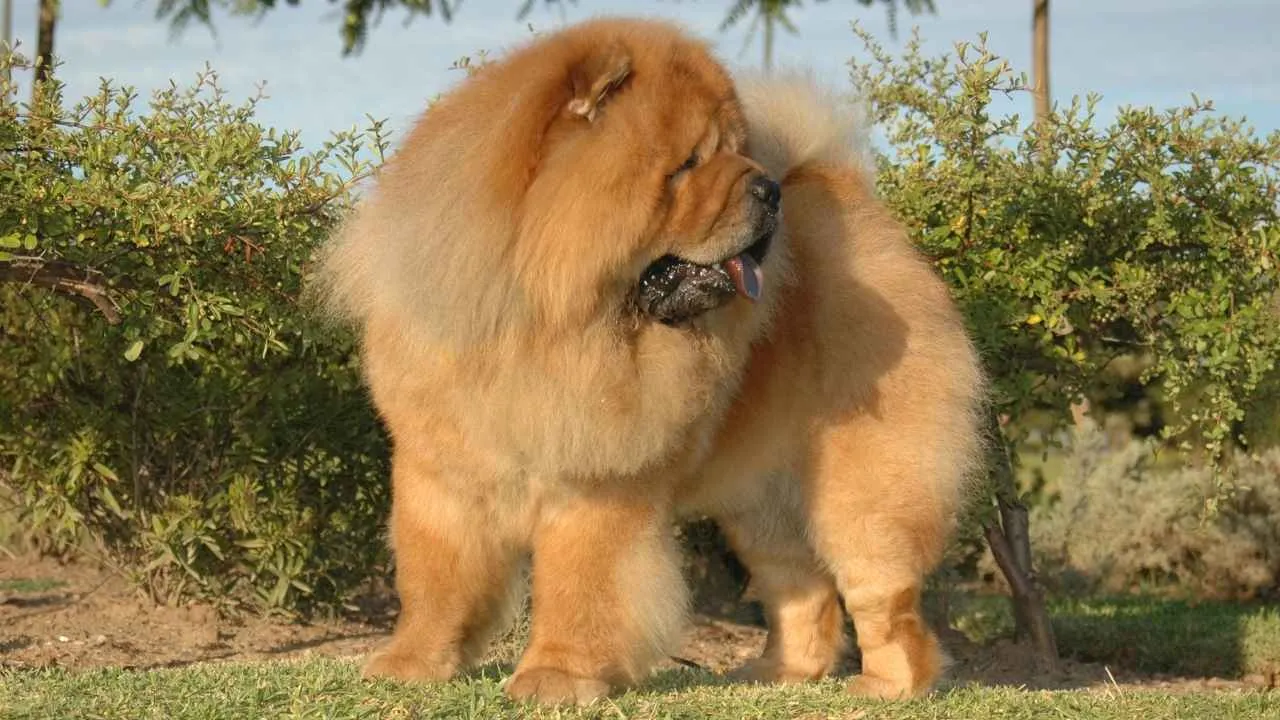
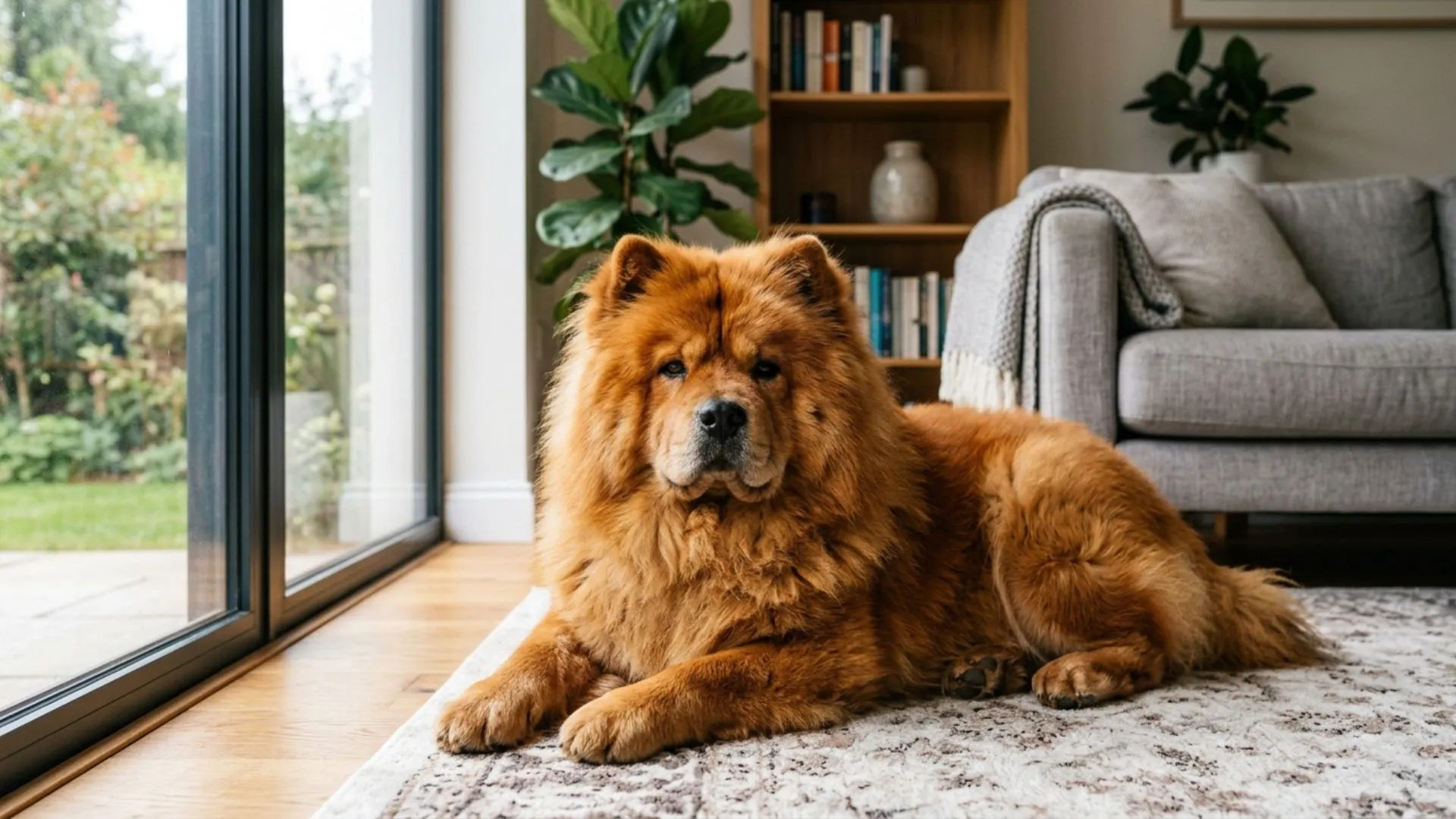
With their teddy bear-like appearance, Chow Chows are renowned for having an independent yet loyal personality. While they’re perfectly comfortable spending reasonable stretches of time alone, they do tend to form a particularly close bond with one favorite person in the family.
Physically, they’re hard to miss: characterized by a lion-like mane around the head and shoulders, almond-shaped eyes, and that distinctive blue-black tongue, as noted by WebMD. Early socialization is important to keep their natural aloofness toward strangers in check, which mostly stems from their protective instincts rather than aggression.
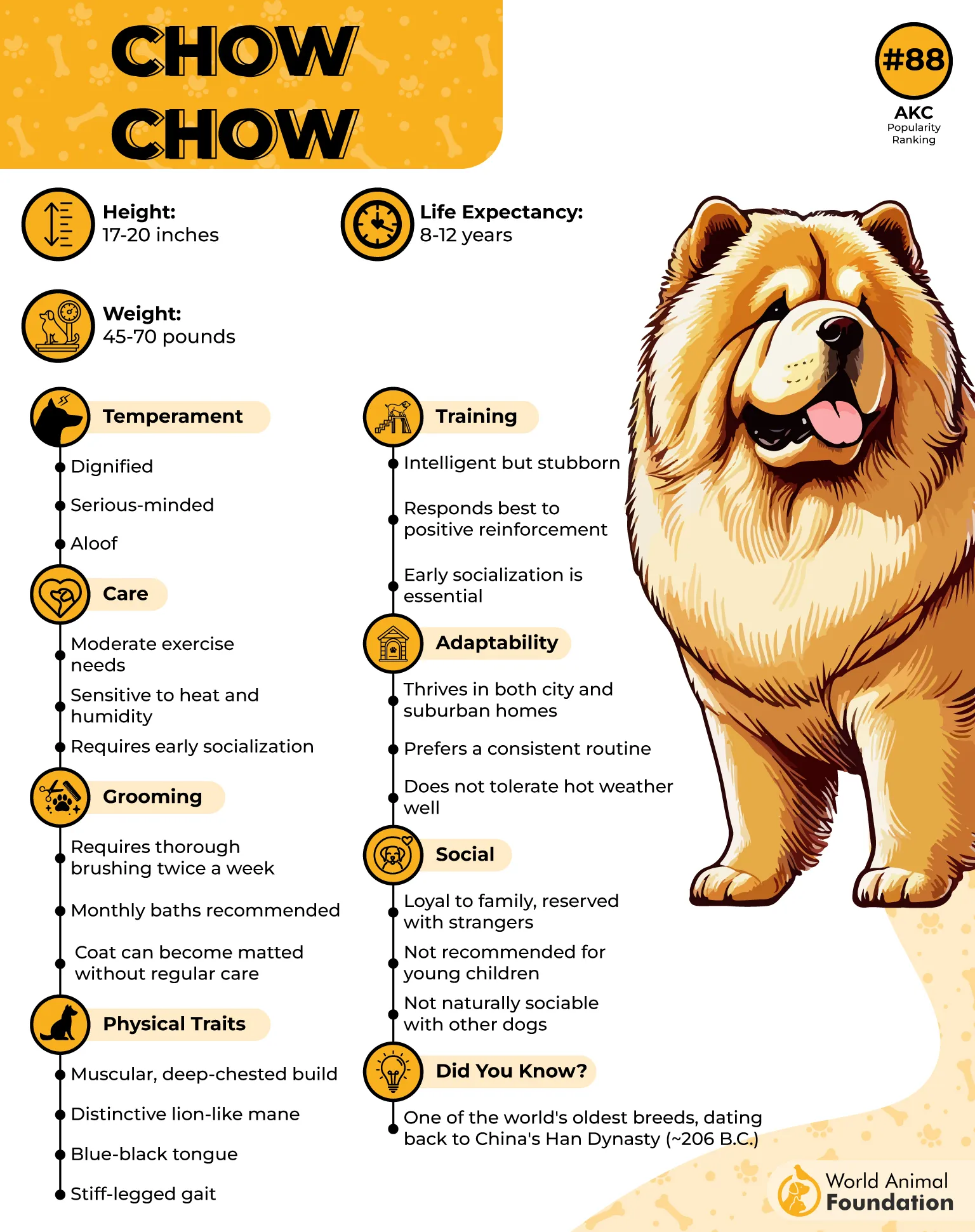
Chow Chows are low-energy dogs, but don’t mistake that for laziness. They still need around 40 minutes of daily exercise: think long walks and some off-leash playtime in a secure area.
And despite those irresistibly fluffy looks that make you want to smother them with cuddles, Chow Chows actually prefer their personal space. Constant attention isn’t something they ask for, or particularly enjoy.
7. Afghan Hound
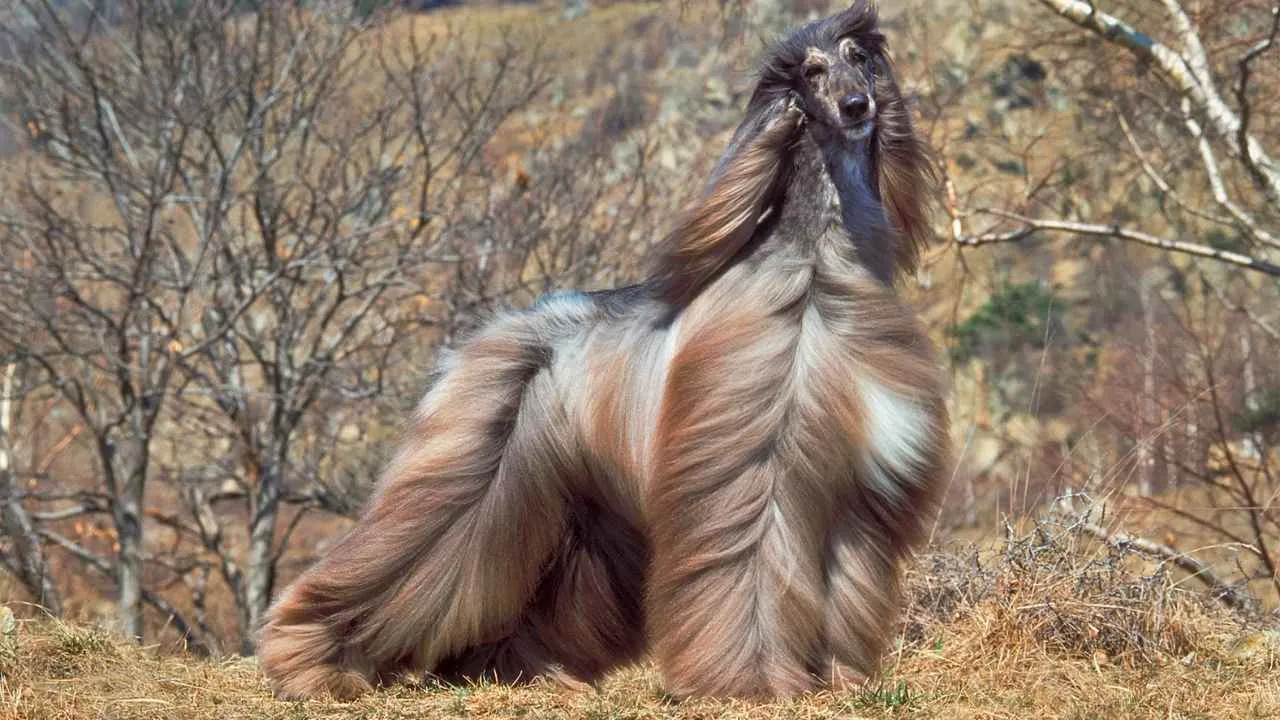
Last but not least, Afghan Hounds are celebrated as some of the most beautiful dogs in the world, and they carry themselves with a dignified, independent personality to match. They generally do well being left alone at home, though 4 to 6 hours is about their limit, as long as they’ve had proper exercise and something to keep their mind engaged beforehand.
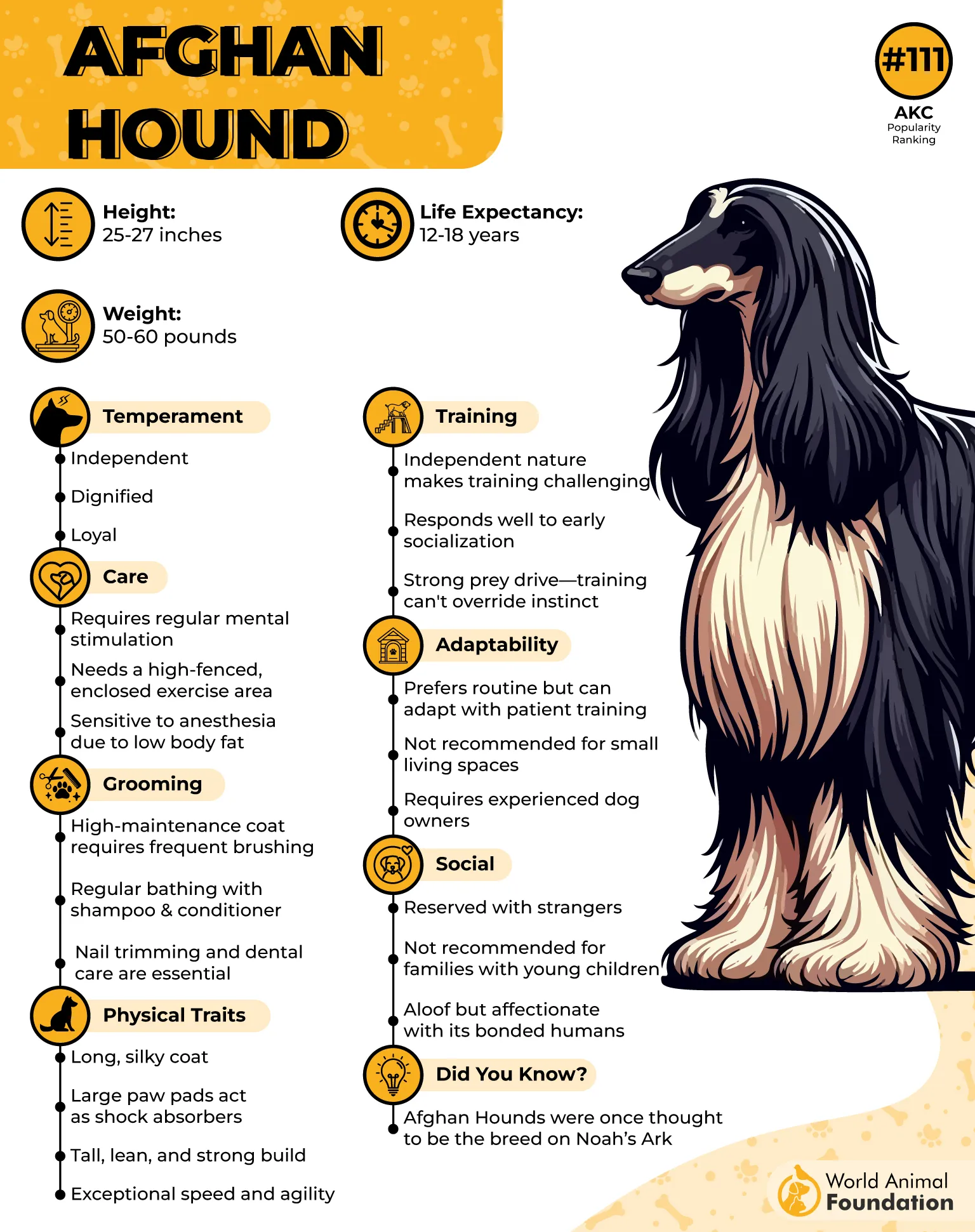
Afghan Hounds are also emotionally sensitive and form deep bonds with their families. Their calm and gentle nature means they tend to get along well with older children who know how to interact with dogs, making them great family pets, though perhaps not for every type of household.
Maintaining their stunning appearance requires a consistent grooming routine, so be prepared to put in that effort regularly. They’re also best suited to homes with a large yard where they can run and play freely. As with any breed, regular vet checkups and a balanced diet are essential to keeping them healthy and thriving long-term.
Conclusion
Choosing a dog that is comfortable spending time alone can help create a happier, more balanced experience for both pet and owner. While no dog should be left isolated for excessive periods, independent breeds naturally adapt much better to quiet hours and self-reliant routines.
Finding a breed whose natural pacing matches your daily career and social commitments ensures your pup views empty house hours as a peaceful opportunity to recharge, rather than a source of stress. Ultimately, balancing these quiet solo stretches with dedicated exercise, mental stimulation, and quality bonding time when you return is the secret to a thriving partnership with your independent companion.
