




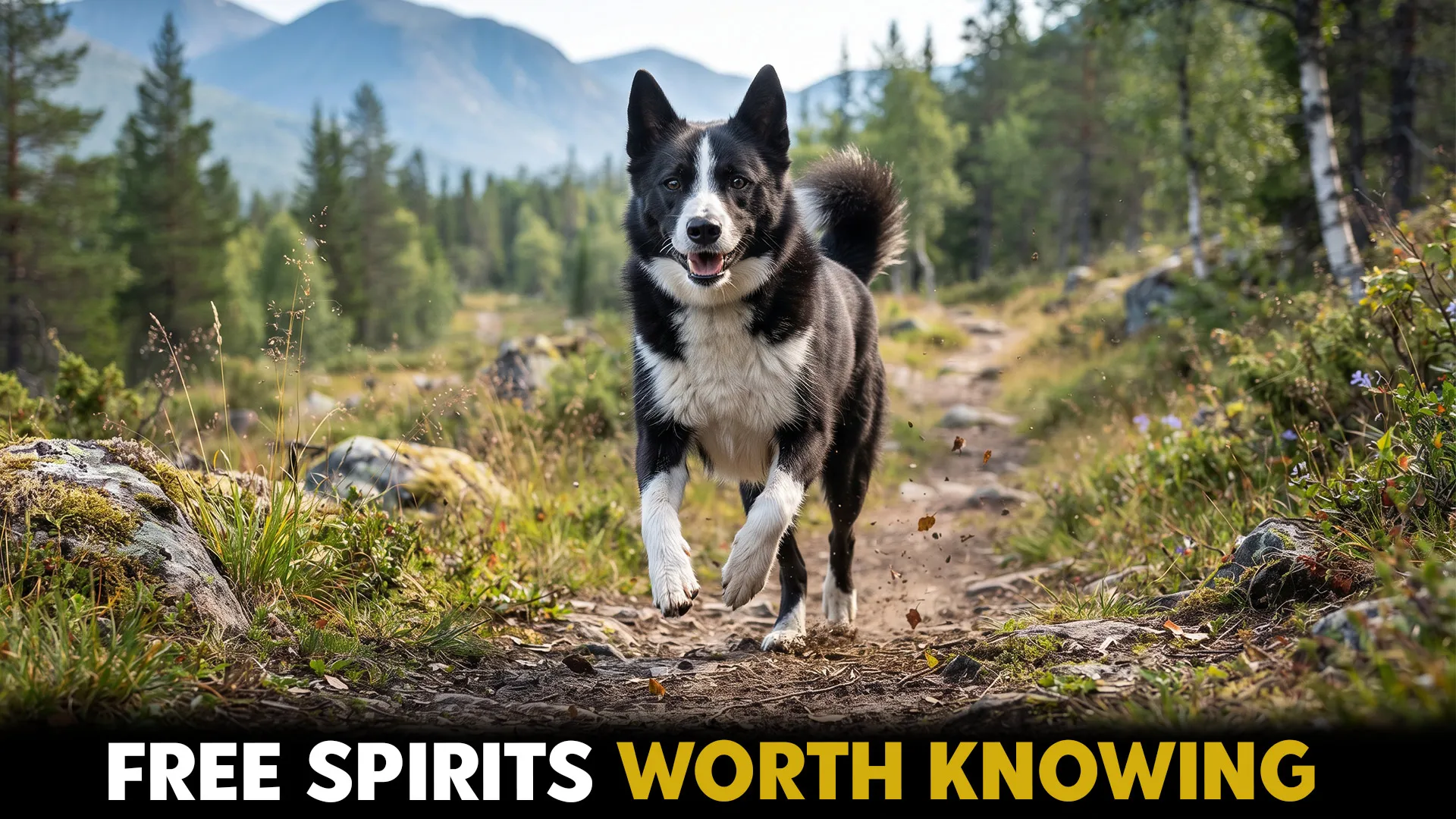
Northern sled dogs, hunting spitzes, and ancient mountain breeds were shaped by environments where stamina, judgment, weather resistance, and the ability to work away from constant human direction were genuinely useful. That history makes some dogs fascinating candidates for experienced, outdoorsy owners who understand that an independent dog is a thinking partner.
Independent breeds can have an intense prey drive, powerful roaming instincts, or a tendency to make their own decisions. A reliable harness, long line where appropriate, identification, conditioning, weather awareness, and solid trail manners are therefore part of the aesthetic, whether Instagram shows them or not.
Let’s talk about some of the most independent dog breeds that are strong-willed and love being on solo wilderness explorations.
Independent Dog Breeds for Solo Wilderness Exploration
1. Alaskan Malamute
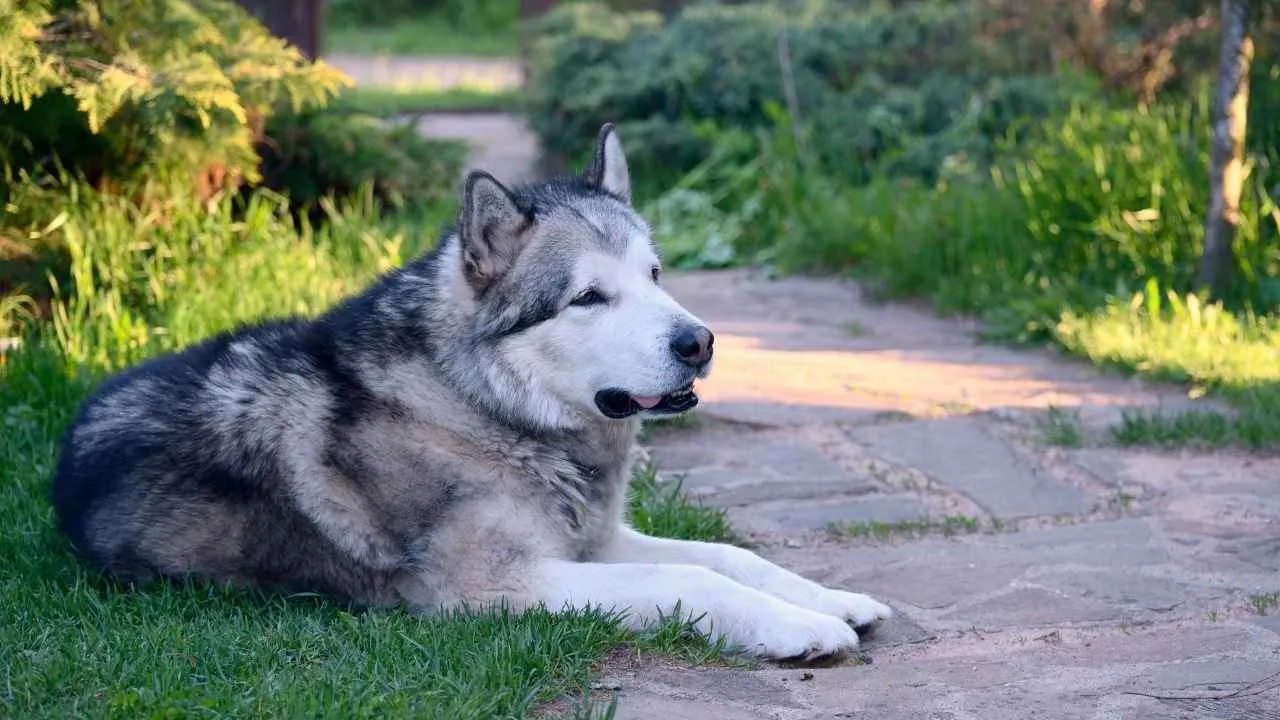
The Alaskan Malamute was developed as a powerful northern working dog. This Alaskan dog was historically used to haul heavy sledges rather than to race light loads at maximum speed.
That heavy-freighting background explains why the Malamute feels so at home when a wilderness outing becomes more of an expedition than a casual stroll. They are immensely strong, substantial working spitzes, with historical accounts emphasizing endurance and physical toughness.
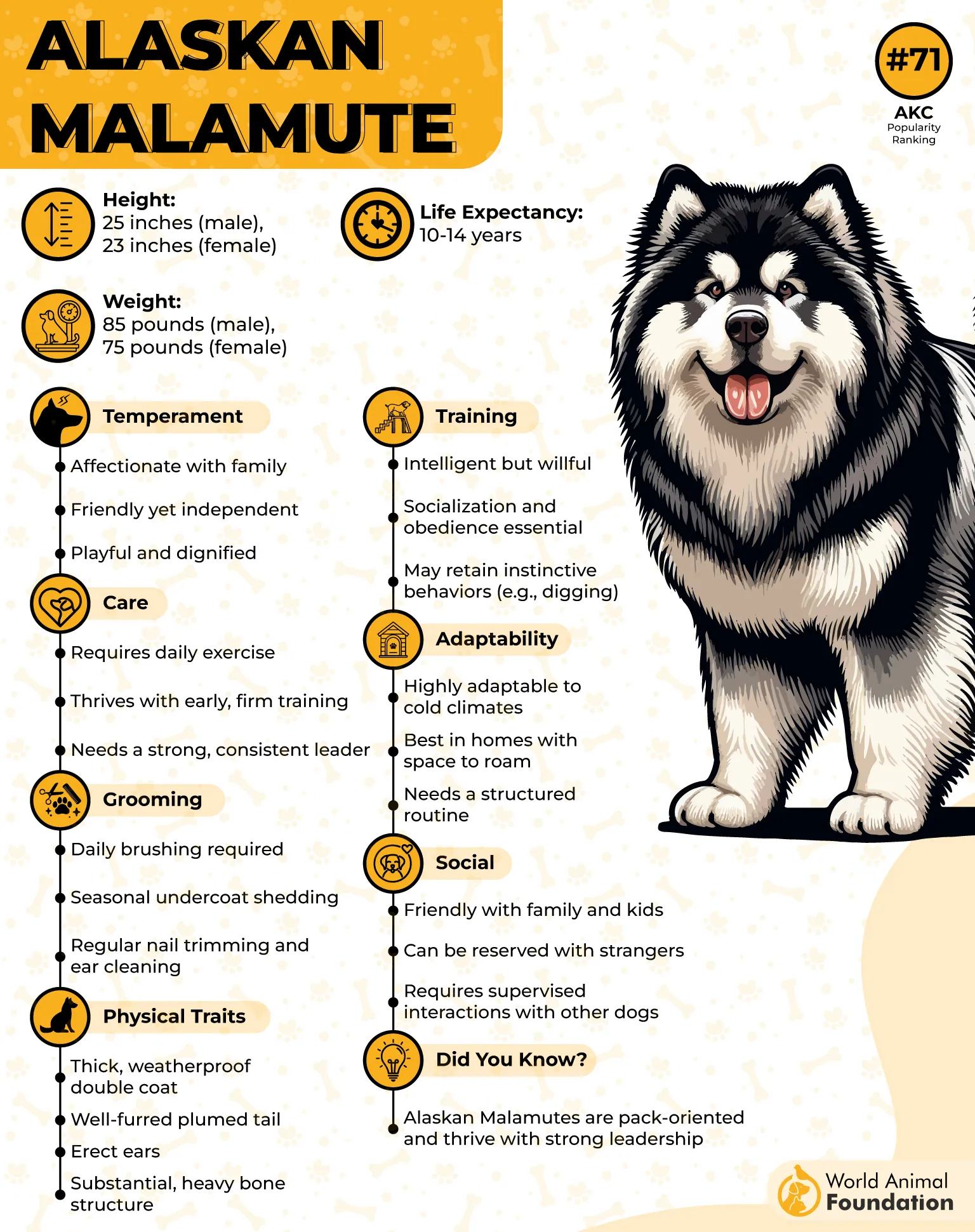
Independence is absolutely part of the equation, but it comes wrapped in strong social instincts. The Alaskan Malamute Club of America describes the breed as intelligent and independent. That combination means the dog may adore you deeply while still submitting your trail request for internal review.
In wilderness settings, their natural advantages are especially obvious on cold-weather hikes, backpacking routes, and activities involving pulling or carrying appropriately conditioned loads. They are strong hiking partners and have a history of pulling carts and sleds over considerable distances.
The catch is that all this strength requires an owner who has already mastered basic handling before heading out to a remote location. A large independent working dog capable of hauling serious weight can also haul you toward whatever suddenly becomes fascinating.
2. Norwegian Elkhound
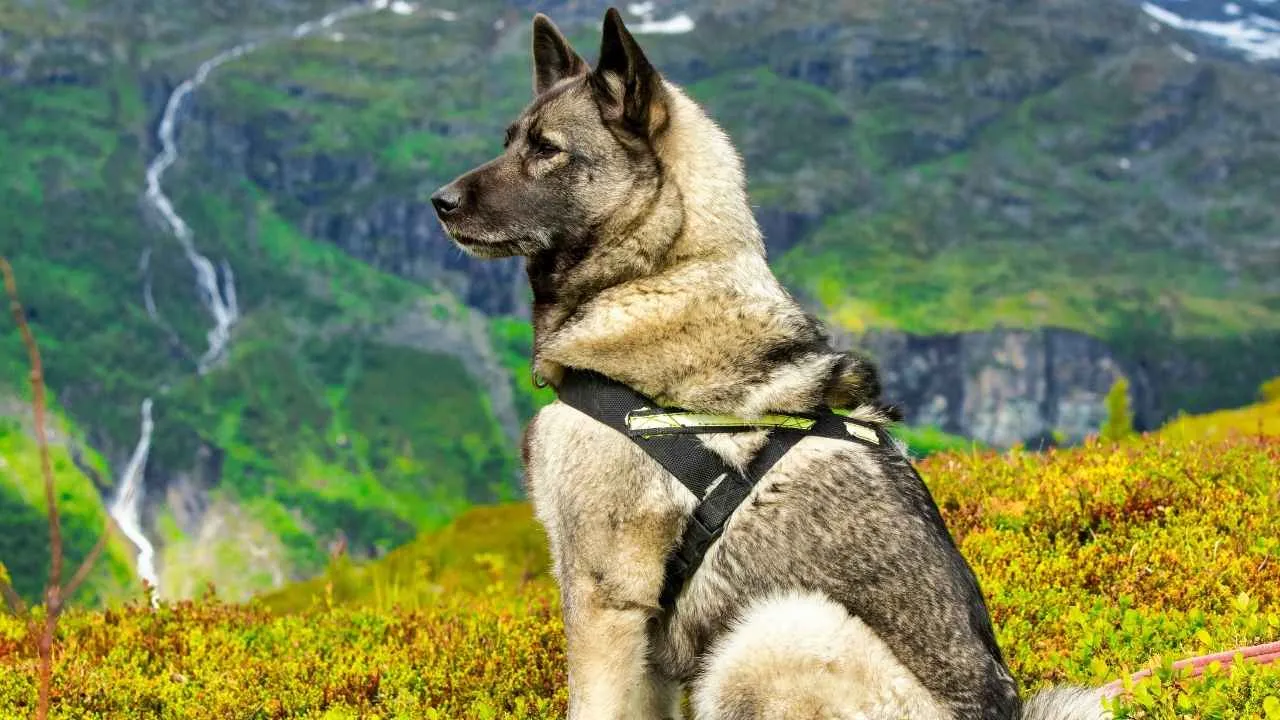
The Norwegian Elkhound was basically wilderness multitasking before multitasking became corporate jargon. Royal Kennel Club describes these silver-gray dogs working with people in Scandinavia as hunters, guardians, herders, and companions, with their hunting form shaped by cold weather and steep, rocky country.
Traditional Elkhound hunting required the dog to search for moose and work at a meaningful distance from the hunter. One method involved the dog ranging independently, locating the animal, and then holding its attention with movement and persistent barking so the hunter could approach.
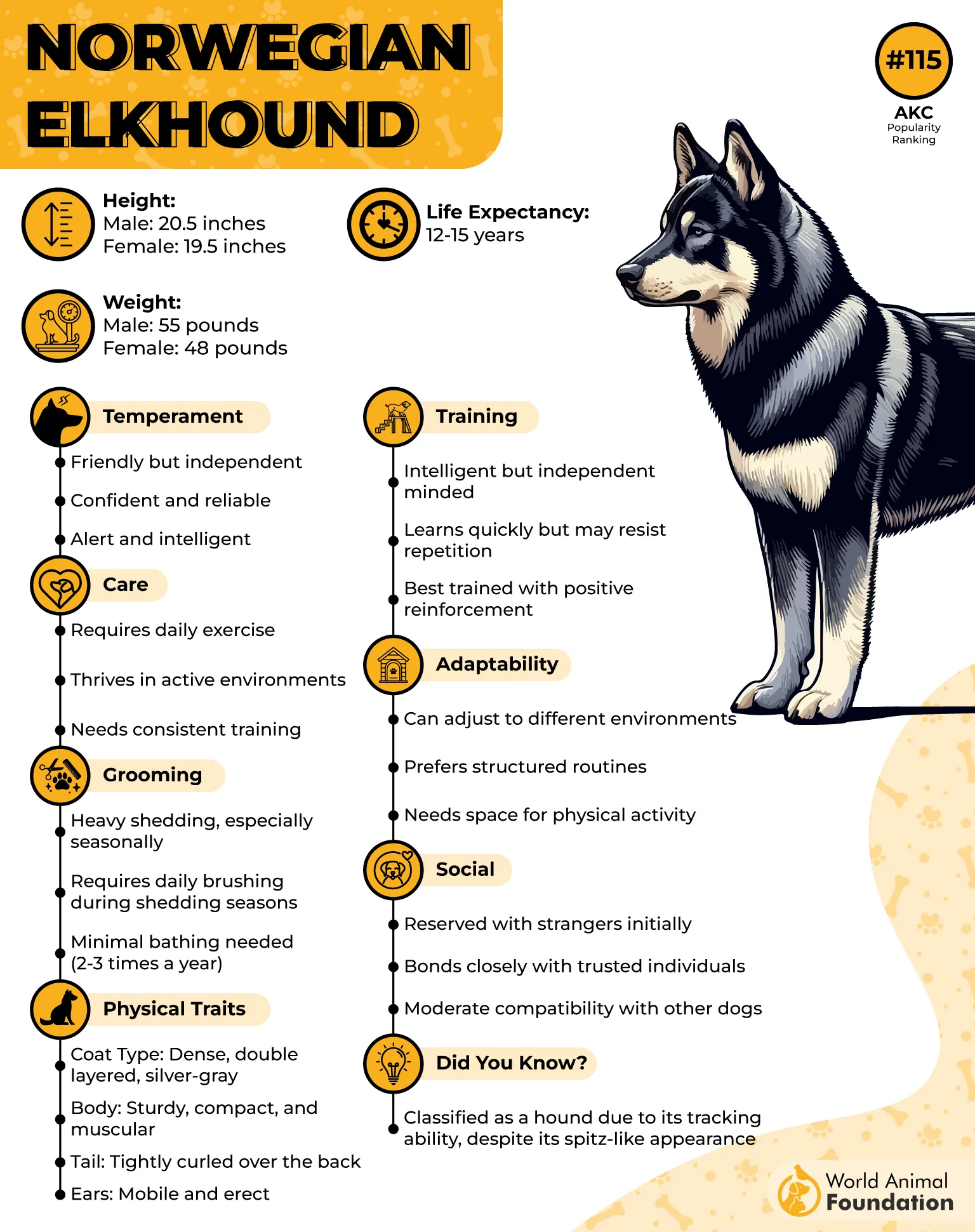
Those abilities transfer beautifully to wilderness exploration because the breed combines stamina with an instinctive awareness of rugged terrain. The elkhound’s structure is what enables the dog to trail moose for miles, navigate rocks and inclines, and remain effective in harsh northern conditions.
Independence does not make the breed incapable of serious training, either. The real-world lesson is useful for people who spend time outdoors: ancestral independence and modern responsiveness can coexist when the training relationship is actually good.
3. Karelian Bear Dog
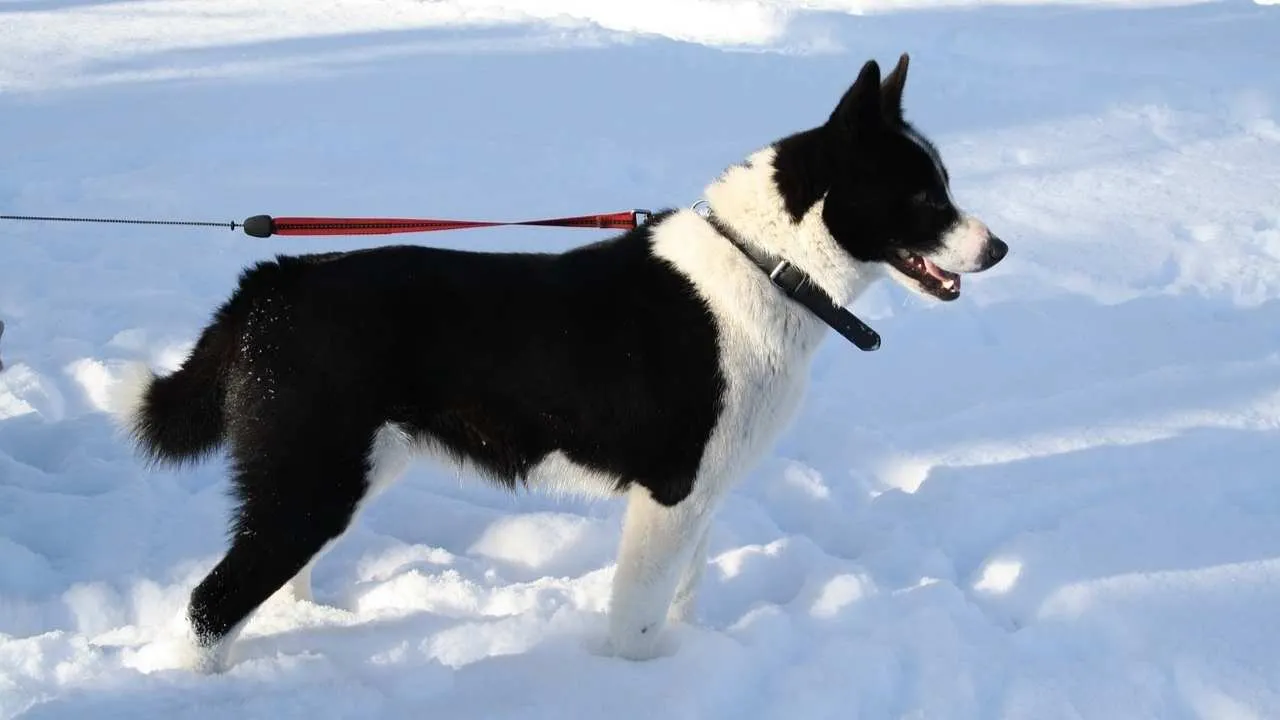
The Karelian Bear Dog is a traditional big-game hunting dog used to corner elk and bears.
It is an independent hunter that nevertheless works cooperatively by locating game and marking it through barking. The breed’s working independence becomes even clearer when you look at modern wildlife management.
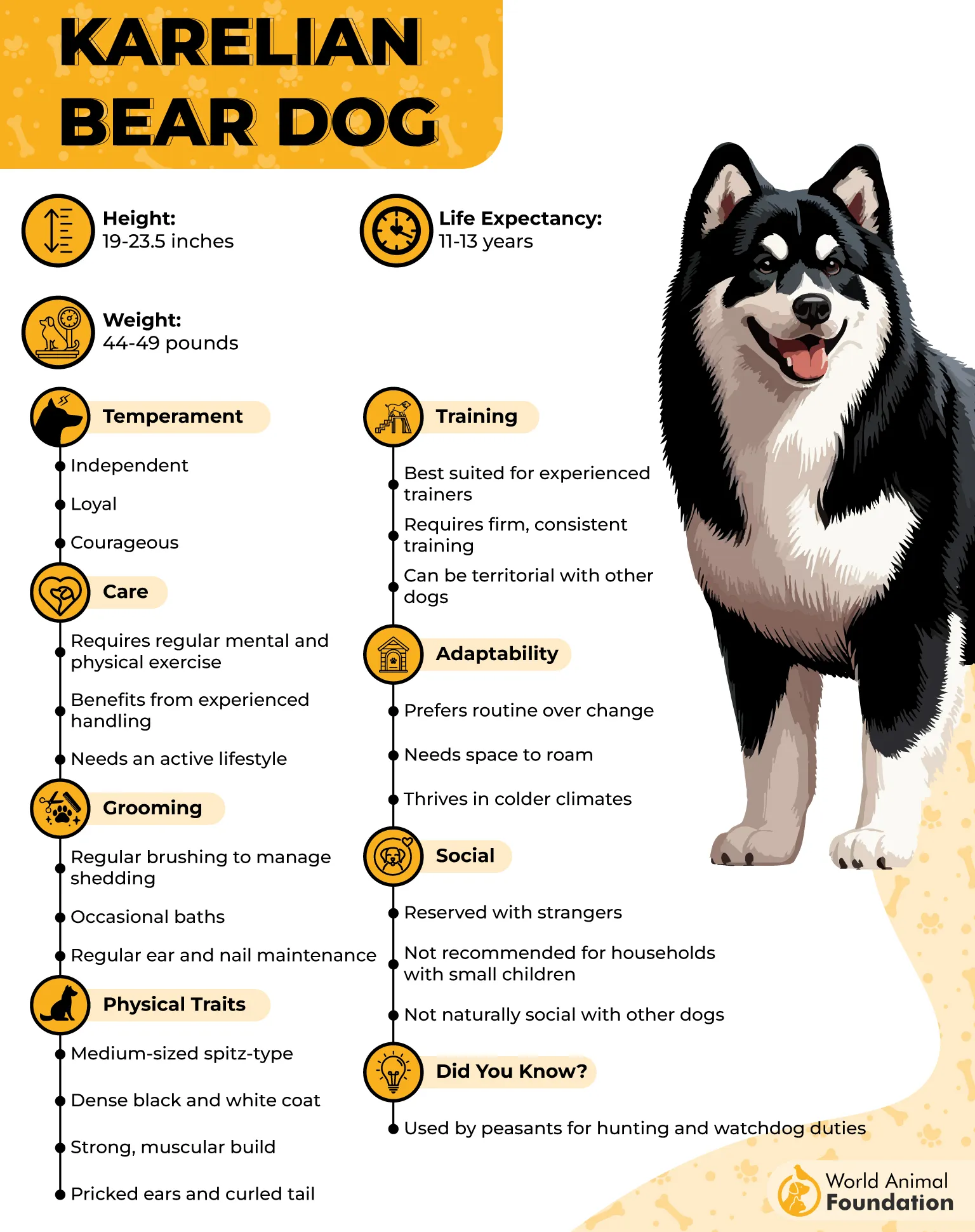
Trained Karelian Bear Dogs are used for non-lethal bear management, including aversive conditioning to move bears away from human-use areas. That does not mean a pet Karelian should ever be encouraged to confront wildlife. Still, it demonstrates just how specialized their courage, responsiveness, and predator awareness can become under professional handling.
They enjoy their own company while also being bold, determined, strongly territorial in some, and intensely motivated to hunt. Those traits can make remote woodland exploration incredibly engaging because the dog is mentally switched on to movement, scent, and environmental change.
That is why wilderness adventures with this breed require unusually rigorous management. Long lines, conditioned recalls, directional communication, wildlife avoidance, and the owner’s ability to read arousal before it spikes matter far more than romantic ideas about letting an “independent” dog run free.
4. Siberian Husky
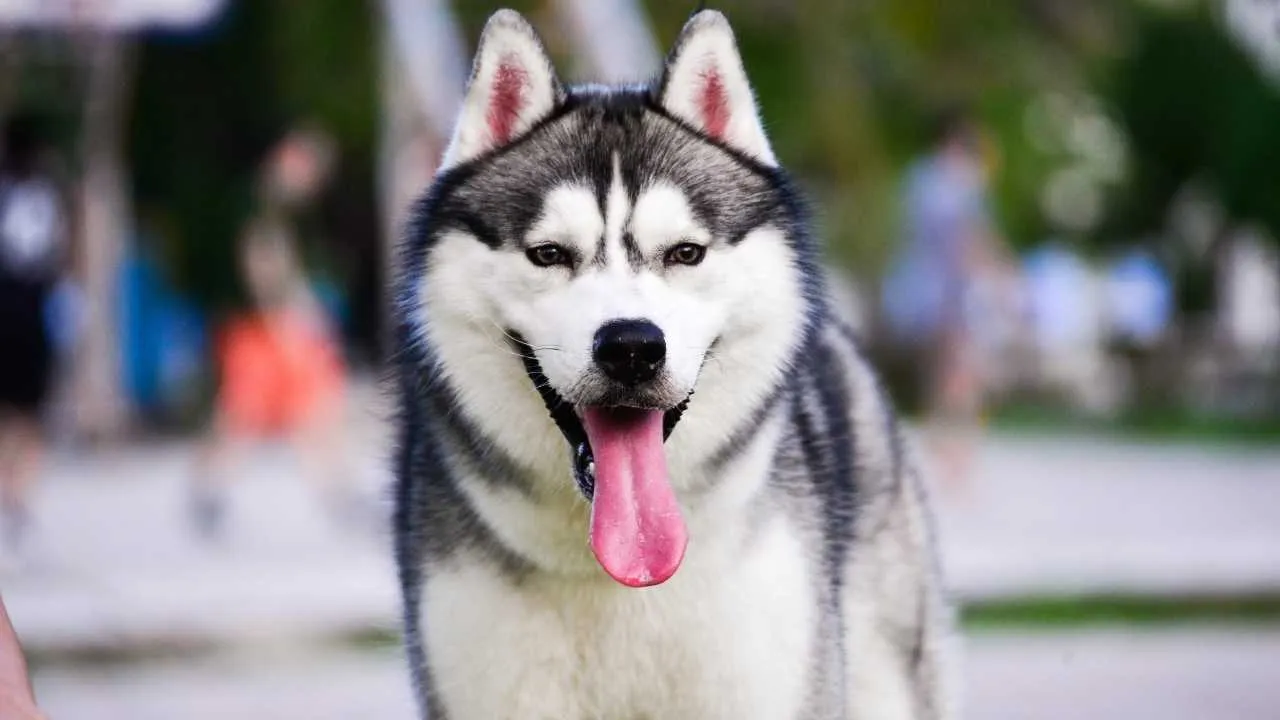
Originally bred by the Chukchi people of northeastern Asia, Siberian Huskies were built to pull comparatively light loads at moderate speed over vast frozen distances. Their combination of efficient movement, endurance, and pack cooperation turned them into one of history’s most recognizable travel dogs.
Their independence is just as legendary as their stamina. They are really smart dogs, rooted in primitive working ancestry, and possess a phenomenal ability to climb, dig, chew, or otherwise engineer an escape.
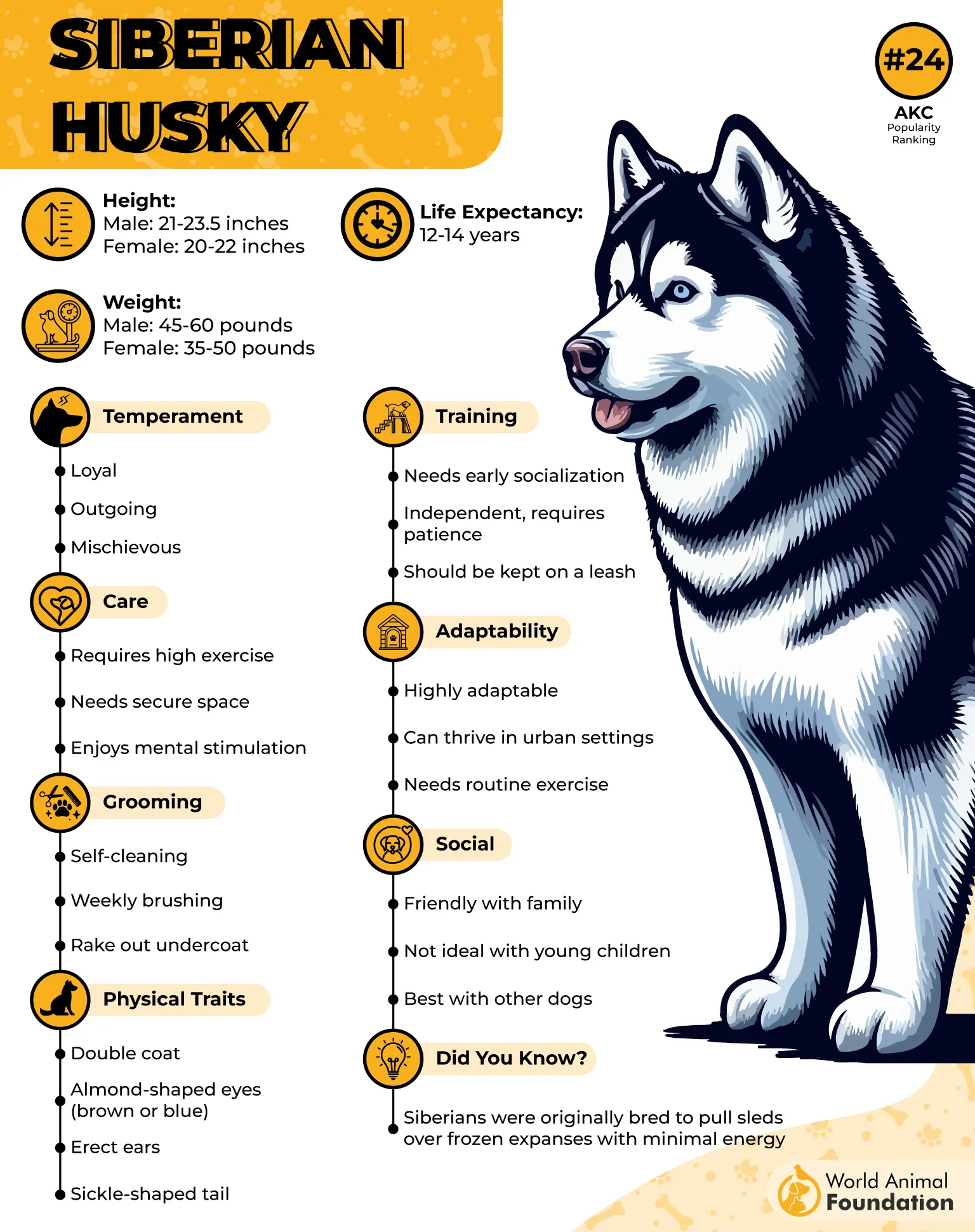
On wilderness trips, the Husky shines when exploration involves sustained movement rather than slow pottering around camp. Running, sled work, and long-distance hiking speak directly to the breed’s engine, although puppies need gradual physical development before they can handle serious mileage.
Their biggest challenge is their strong instinct to roam. Keep them on a leash in open, unfenced areas because they may run farther than expected. Even though they love exploring outdoors, owners still need to supervise them carefully.
5. Greenland Dog
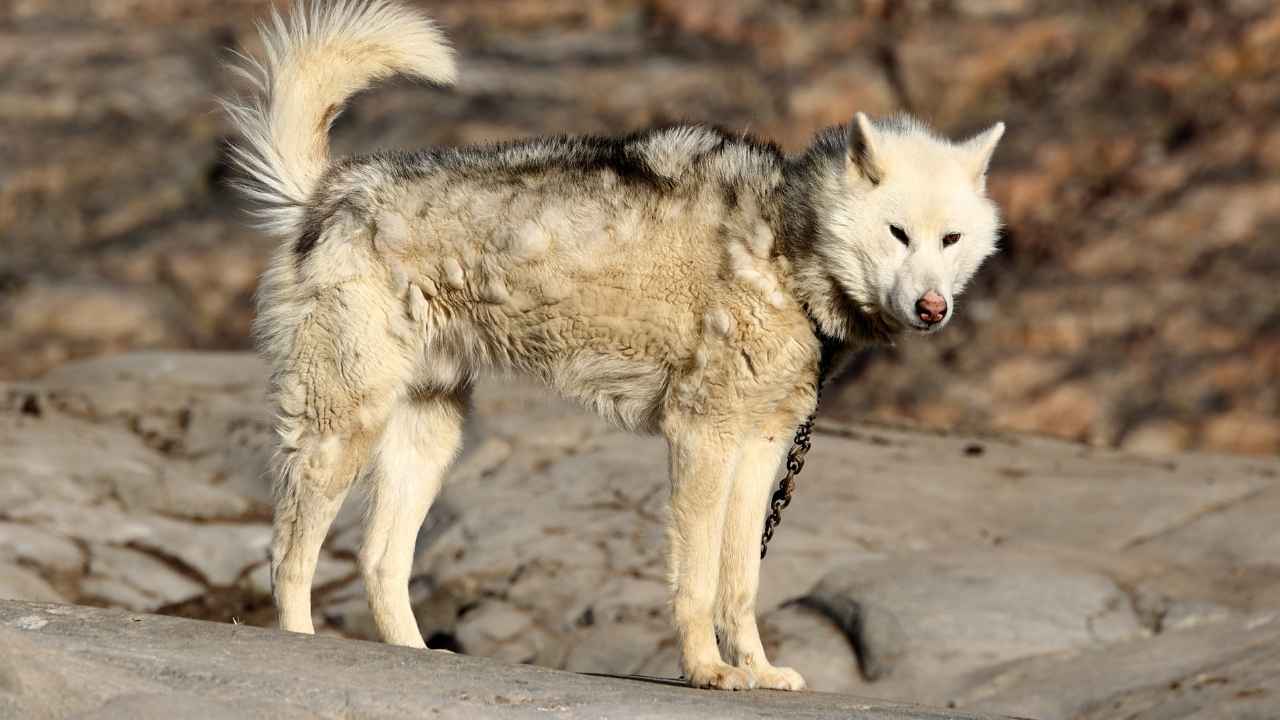
The Greenland Dog is suited to people who enjoy outdoor life.
It is a companion for walks through woods or mountains while pulling or carrying gear, which could hardly fit wilderness exploration perfectly.
Independence here has a fascinating social form. These dogs are friendly toward people, including strangers, but traditionally, working sled dogs are not necessarily closely attached to any one person.
Their bodies are equally specialized for moving through demanding country. UKC Dogs say their powerful bones, muscular hindquarters, large, strong feet, a dense double coat, and an efficient, tireless trot are considered essential for sled work.
This is also a breed whose primitive working instincts can overwhelm owners looking for a conventional pet that happens to enjoy camping. Strong hunting instinct, serious exercise requirements, group-working heritage, and an unusually independent temperament mean management has to be proactive rather than vibes-based.
6. West Siberian Laika
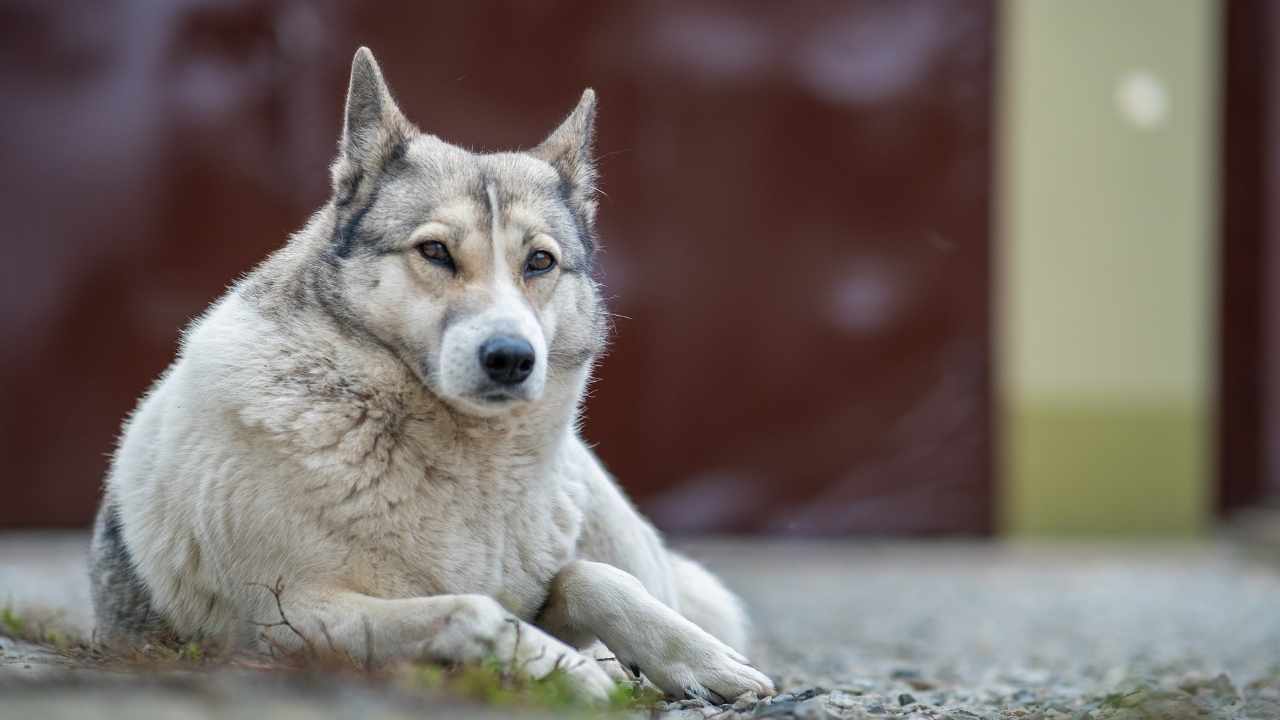
The West Siberian Laika is a different type of wilderness expert because its ancestral workplace was not primarily a sled trail but enormous forest country. It is classified as an all-purpose Nordic hunting dog.
Physically, these high-energy dogs occupy a practical medium-to-large range rather than heavyweight territory. They have a strong yet clean construction and energetic movement, alternating between trot and gallop.
Their independence in the wilderness stems from search behavior. The breed standard emphasizes highly developed scenting ability, game detection, self-confidence, alertness, and enthusiasm for both feathered and furred quarry.
For today’s non-hunting outdoor owner, that instinct can be redirected into tracking exercises, scent searches, structured woodland exploration, and long-line roaming that allows the dog to investigate without disappearing over the horizon.
West Siberian Laikas therefore suit people who enjoy active participation in the wilderness rather than simply sitting beside a campfire looking outdoorsy. Their brains want scent, movement, changing terrain, and meaningful work, so hikes become substantially richer when the dog has trained tasks along the way.
7. Canadian Eskimo Dog
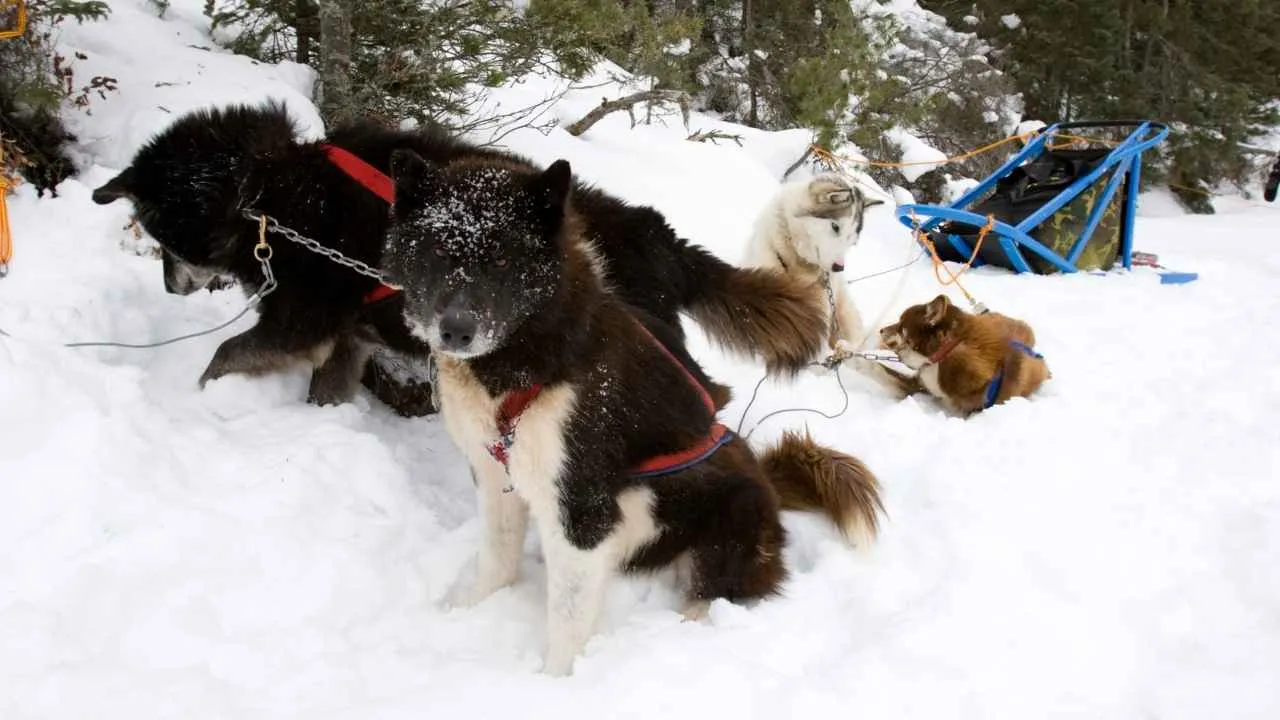
The Canadian Eskimo Dog is a rugged, independent Arctic breed built for endurance, making it a remarkable companion for experienced adventurers exploring remote, cold wilderness.
It is legitimately considered a highly independent breed. The Canadian Kennel Club specifically describes it as a “spirited, intelligent, strong-willed, independent dog,” which fits your point well.
The breed is strong-willed, intelligent, highly independent, and exceptionally hardy, having been developed to haul heavy sled loads across the Canadian Arctic in brutal conditions. These dogs can work all day in harness and thrive in sub-freezing temperatures, while the breed club describes them as alert, energetic, independent, and built for stamina.
That makes them impressive companions for experienced wilderness travelers in cold climates, especially for trekking, sled work, and long-distance outdoor activity.
However, they are also strongly pack-oriented, have a substantial prey drive, and can react intensely to outside stimuli, so “independent” should not be interpreted as “safe to roam freely beside you without management.”
8. Shikoku Ken
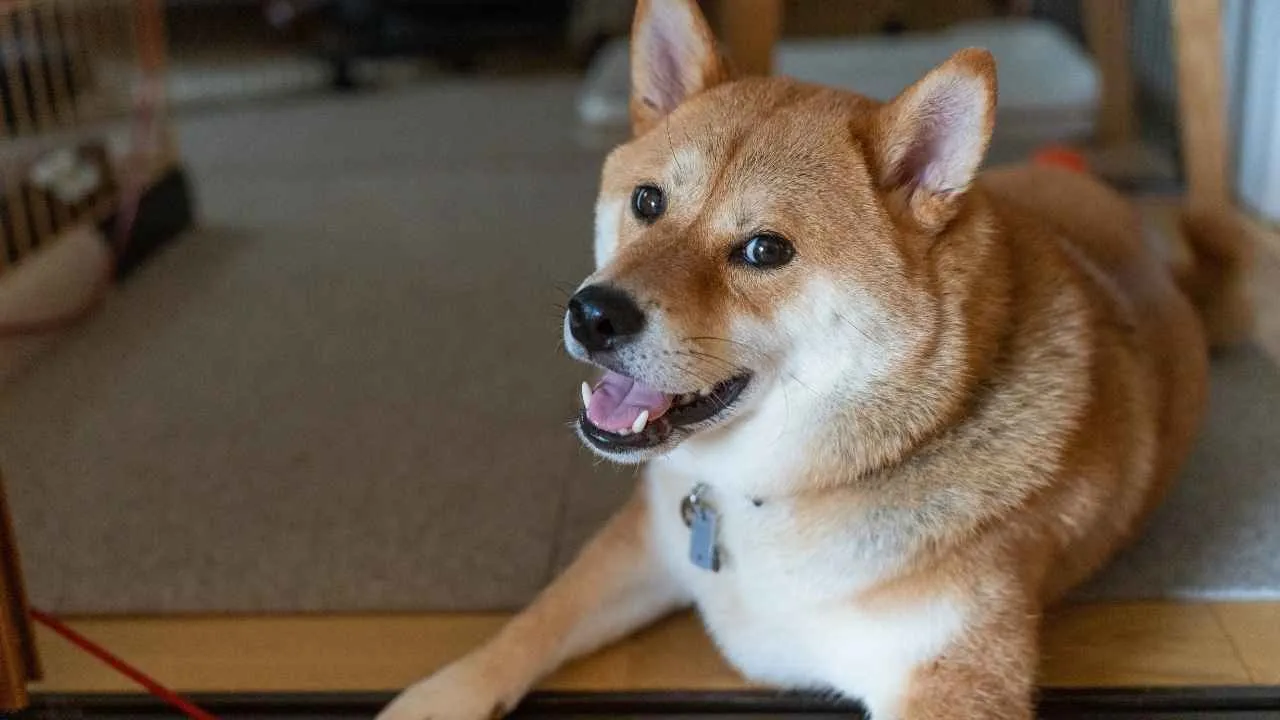
The Shikoku Ken looks so strikingly wild that people sometimes assume its entire personality is “mysterious mountain wolf,” but its history is more specific. The breed developed in Japan as a hunting dog, particularly for wild boar in the mountainous districts of Kochi Prefecture.
That mountainous background shows in the physical blueprint. PetMD says the Shikoku’s standard calls for a strong, compact, muscular dog with thick elastic pads, resilient movement, and the ability to turn quickly.
Temperament is equally adventure-coded. It is energetic, highly alert, keen-minded, notably enduring, and an enthusiastic hunter. That makes wilderness exploration mentally rich for a Shikoku, as forests and mountains offer an endless buffet of sensory information.
Its independence should not be exaggerated into total disregard for people, however.
Long-line sniffing, technical hikes appropriate to the dog’s conditioning, tracking exercises, and frequent engagement around wildlife create a far safer outlet for those mountain-dog instincts than gambling everything on an untested recall.
9. Saarloos Wolfdog
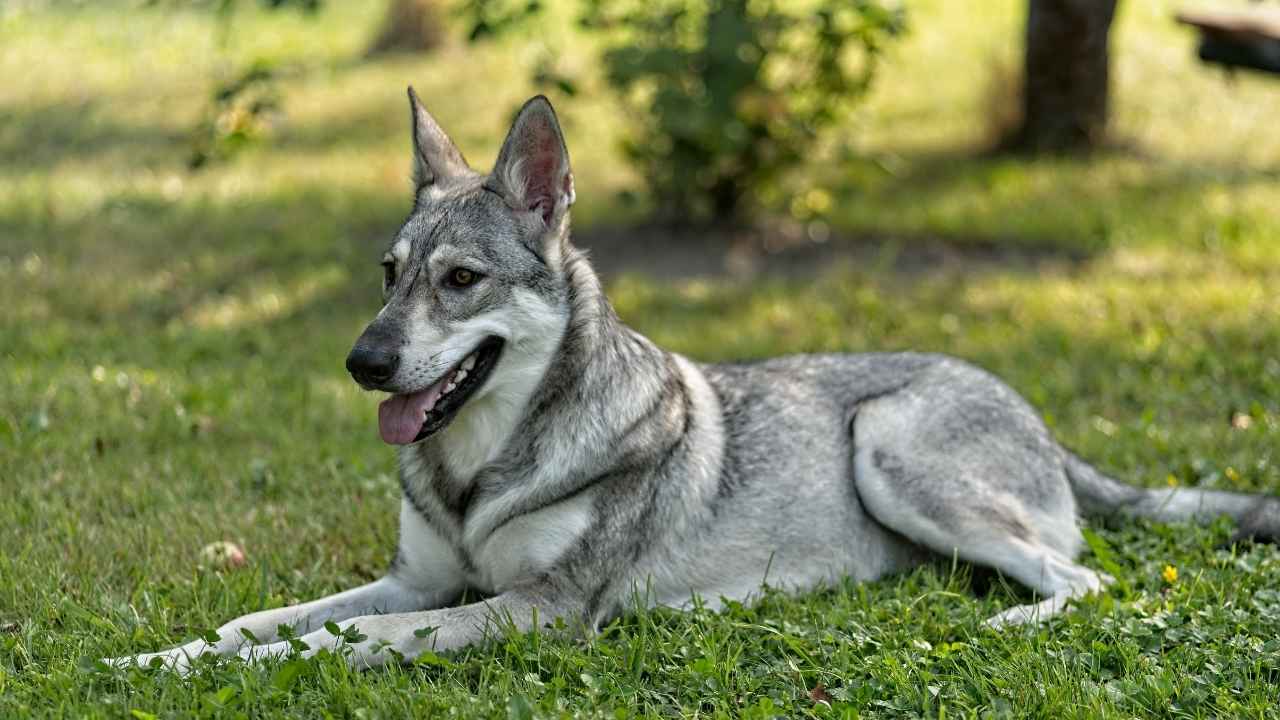
The Saarloos Wolfdog is one of the more independent and self-directed dog breeds, with a nature closely tied to its wolf ancestry and a strong preference for making its own decisions
The FCI breed standard explicitly describes it as having a “proud independent character” and says it is known to follow its own will, even though it can be highly devoted and reliable with its owner. With strong self-decision-making, it often evaluates situations on its own rather than constantly waiting for human instructions.
They usually do not rush toward unfamiliar people for attention and may actively avoid unknown situations. This self-contained social style contributes strongly to their independent reputation. Alongside this, they have little desire for repetitive obedience and can bond deeply with their owner without feeling compelled to obey every request to please them.
Its independence comes from its self-directed nature, reserved attitude toward strangers, strong instincts, and tendency to assess unfamiliar situations on its own rather than constantly looking to its owner for instructions
10. Hokkaido
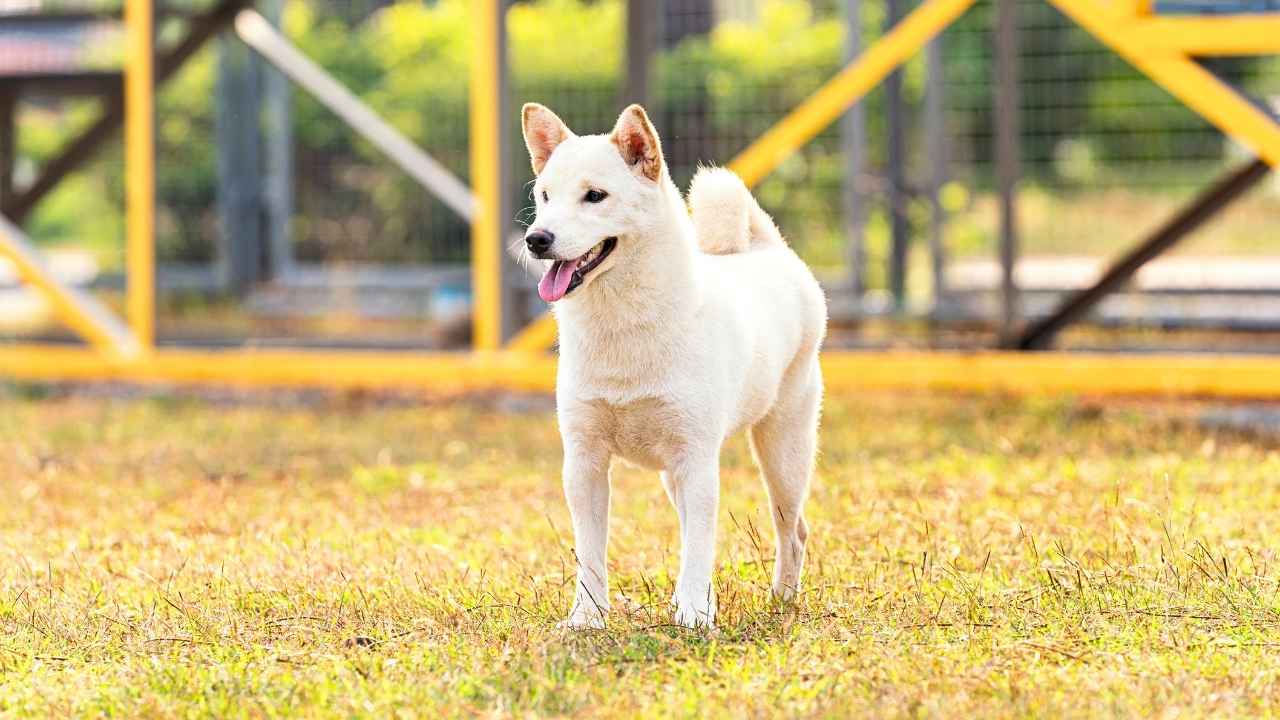
The Hokkaido is a hardy, self-reliant Japanese hunting breed known for sharp judgment, endurance, and the ability to make decisions in harsh terrain, making it a compelling companion for experienced wilderness adventurers.
The AKC describes it as having “great stamina” and noteworthy endurance, which is exactly what you want for long hikes, camping trips, and extended outdoor travel. Its thick double coat has coarse protective guard hairs over a dense undercoat, helping it cope with harsh weather and snow.
The breed standard specifically highlights accurate judgment, alertness, and boldness—useful qualities when navigating unfamiliar outdoor environments.
They are active working dogs that can participate in hiking, jogging, biking, weight pull, agility, and other physically demanding activities. They are well suited to active families who enjoy hiking and camping.
One of the most independent dog breeds, it is naturally vigilant and bold, helping it remain aware of its surroundings during wilderness trips.
Conclusion
These ten breeds prove that independence is not a single personality trait in a single setting. That makes them exciting wilderness partners, but independence should never be confused with automatic off-leash reliability.
Some of the same traits that once helped these dogs travel, hunt, or survive—roaming drive, prey interest, confidence, environmental focus, and willingness to make decisions—can become serious liabilities around roads, cliffs, livestock, or wildlife.
