




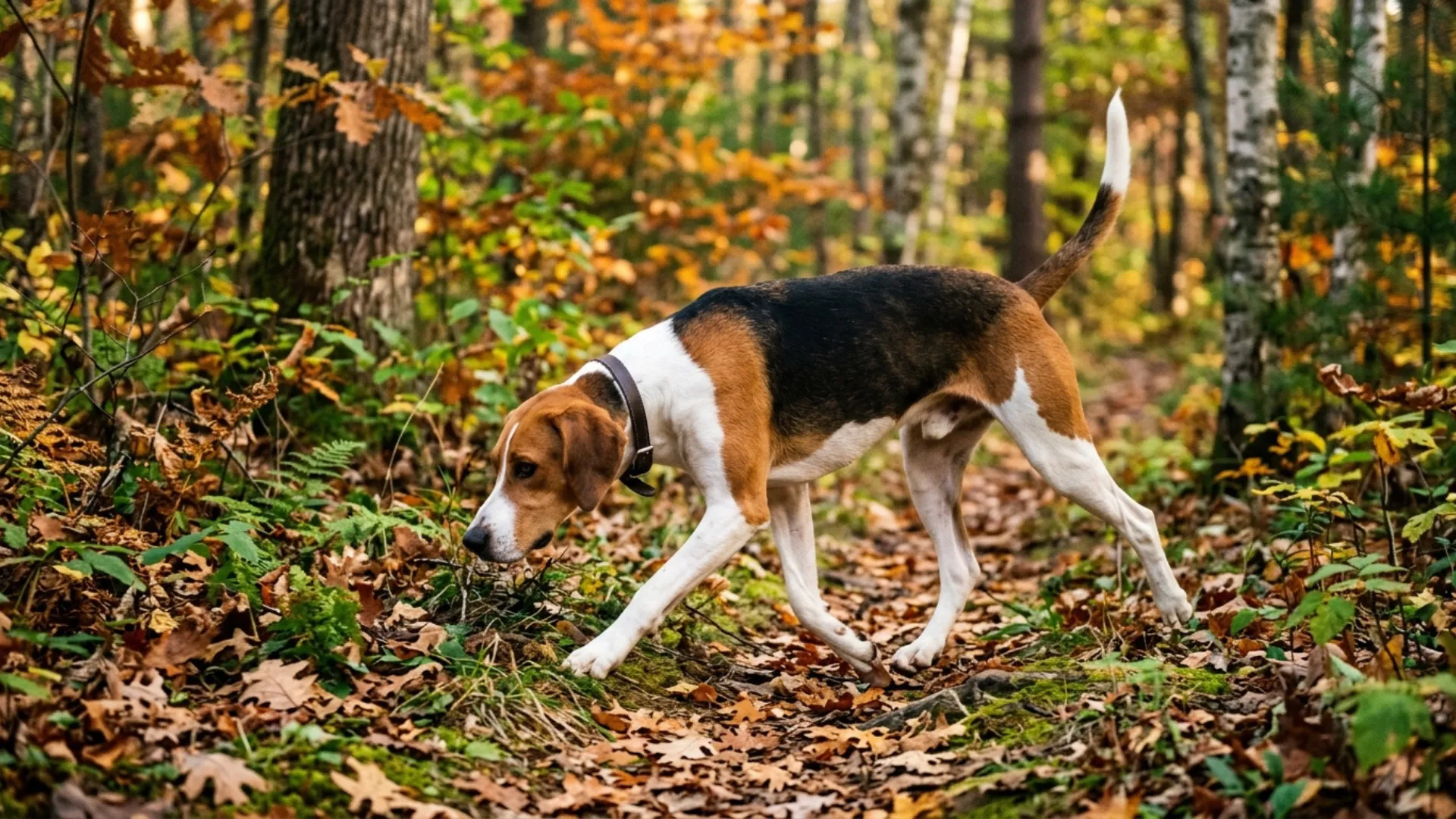
What if the most incredible hunting partner on Earth wasn’t human at all?
For centuries, specialized dogs have been carefully bred for singular, high-stakes purposes: to track, chase, point, retrieve, and sometimes fearlessly face wild animals twice their size. It sounds intense because it is.
While many people mistakenly assume that all hunting dogs are essentially the same—possessing fast legs, sharp noses, and endless energy—the truth is much more complex. Every hunting breed was engineered for a completely different, highly specific mission.
Some of these remarkable canines can follow a faint scent trail for miles through dense brush without ever losing focus. Others freeze like statues the exact second they detect hidden game birds, while the most resilient water dogs will dive straight into icy marshes as if it were nothing. They possess different instincts, master different skills, and thrive in completely different environments.
This deep level of specialization is exactly what makes these dogs so fascinating. Before you assume a hunting dog is just another high-energy breed, let’s explore the incredible canine specializations that turned ordinary companions into legendary hunting partners.
Incredible Dog Breeds Specialized for Hunting
1. Pharaoh Hound
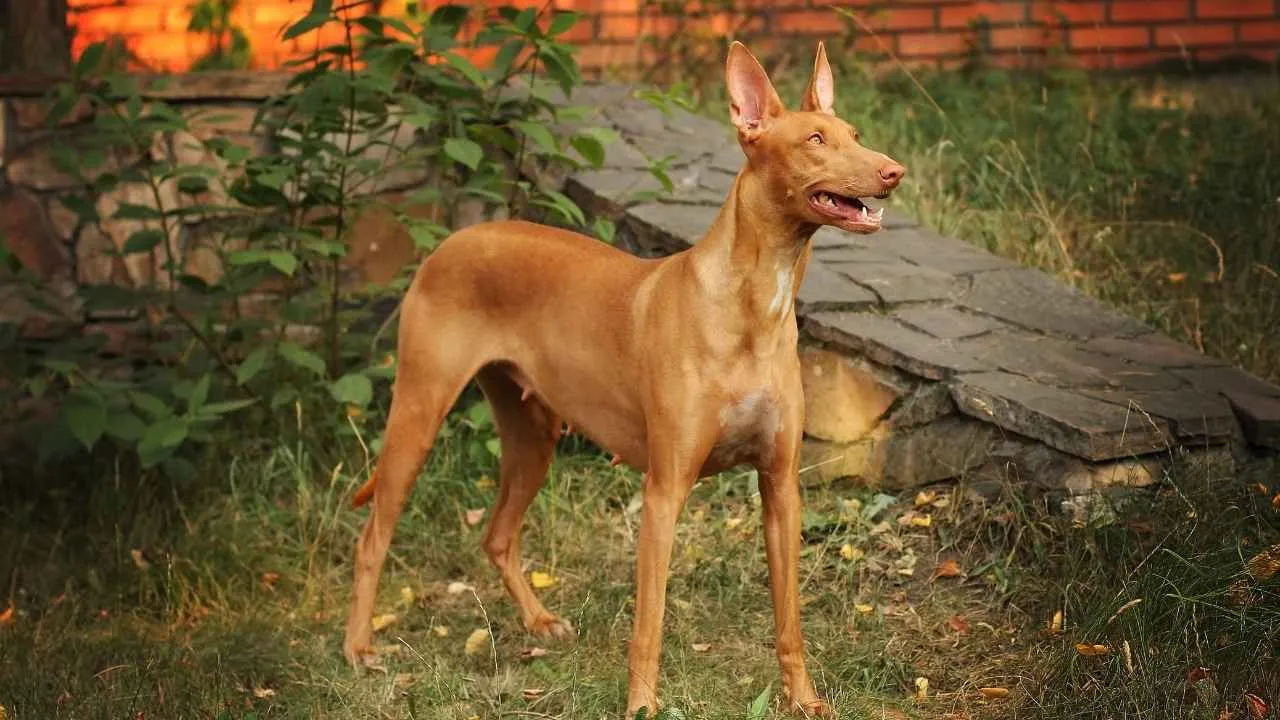
The Pharaoh Hound hunted differently from heavy tracking dogs that relied mostly on endurance and brute strength.
This ancient Maltese hunter was built for speed, sharp eyesight, and quick reactions across rough, rocky ground where slower breeds struggled to keep up.
The moment hunting small game darted across open terrain, the Pharaoh Hound exploded into action with long, effortless strides and incredible agility, as noted by the AKC.
But speed alone wasn’t the whole story…
Unlike scent-driven hounds that kept their noses glued to the ground, this breed used both sight and scent while chasing rabbits through uneven landscapes and stone fields. Hunters valued their ability to change direction instantly without losing momentum during fast pursuits.
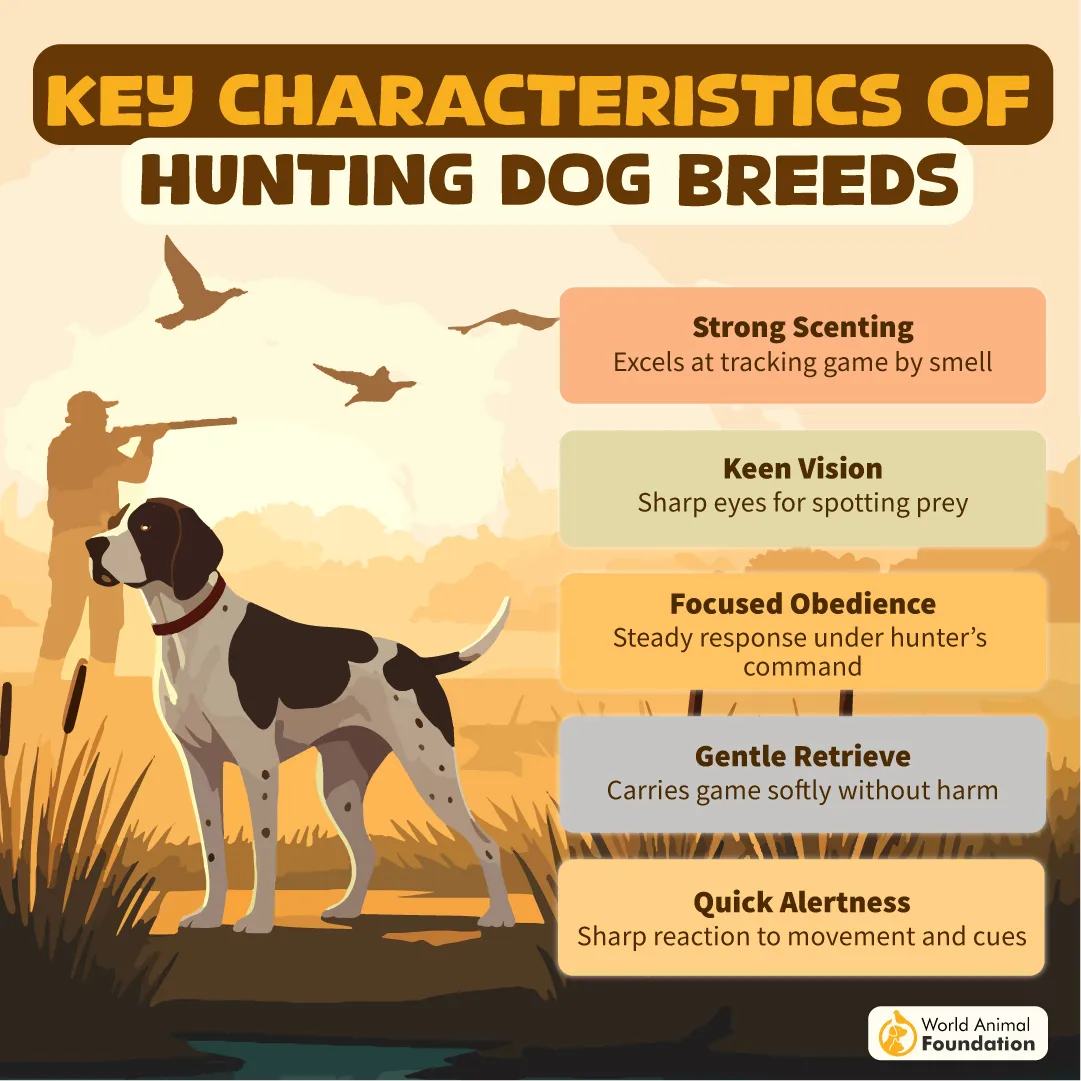
That quick agility also helped during upland bird hunts across rocky open ground.
Then there’s the part most people never forget.
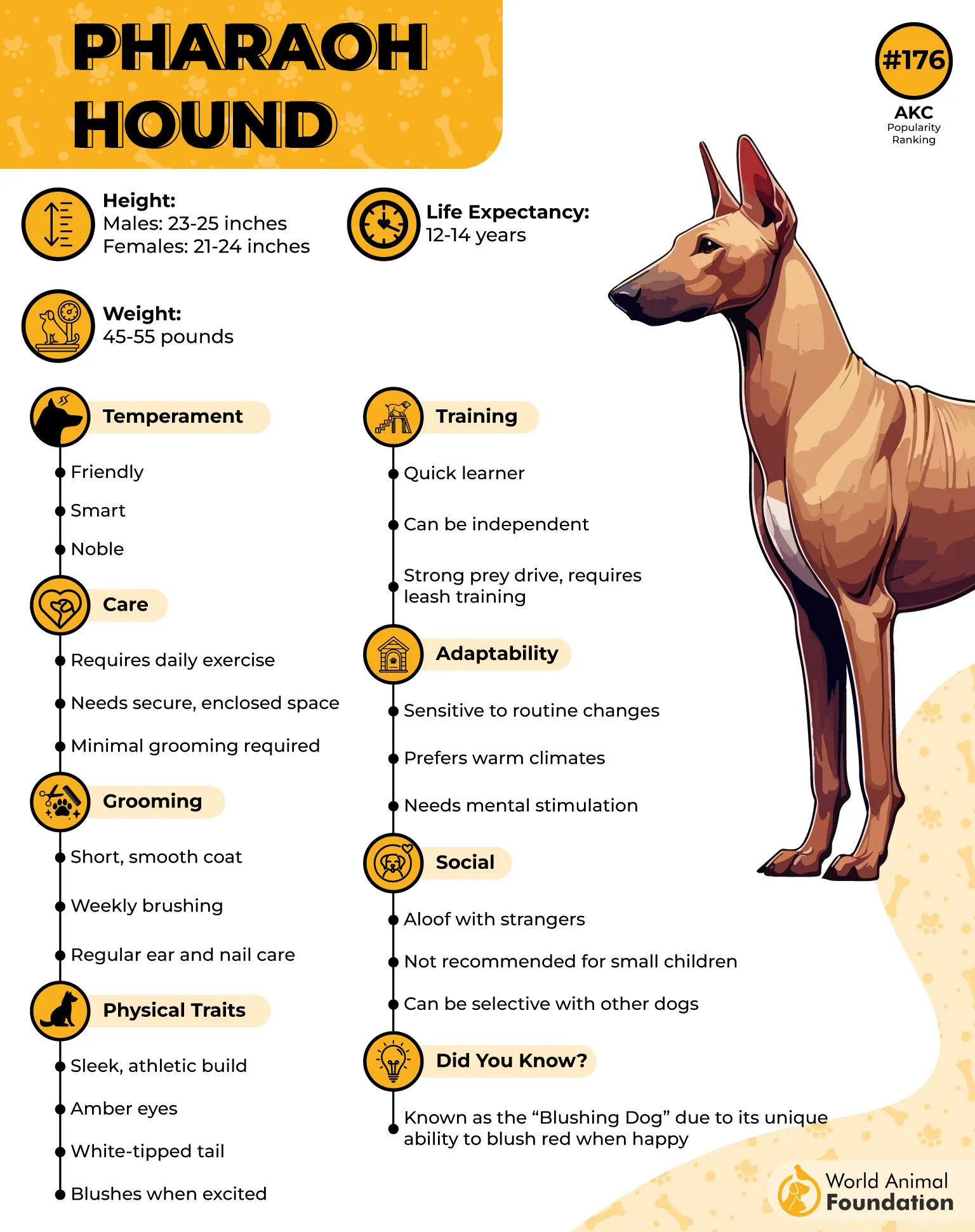
When excited, the Pharaoh Hound’s nose and ears turn a rosy pink shade, almost like it’s blushing. Few breeds show emotion so visibly.
Combined with glowing amber eyes and a white-tipped tail flashing through the terrain, these dogs became capable hunting companions long before modern hunting breeds even existed.
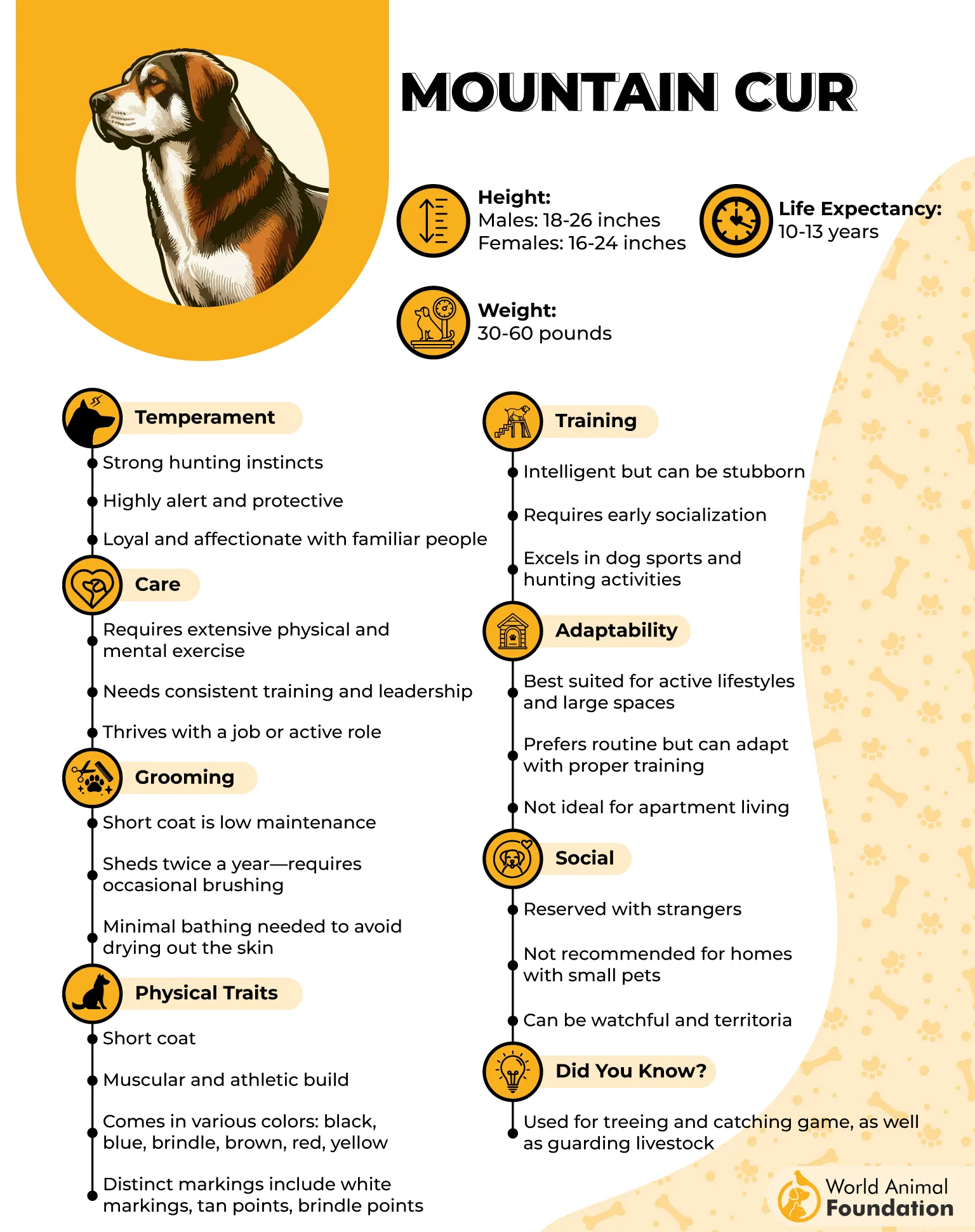
2. Mountain Cur
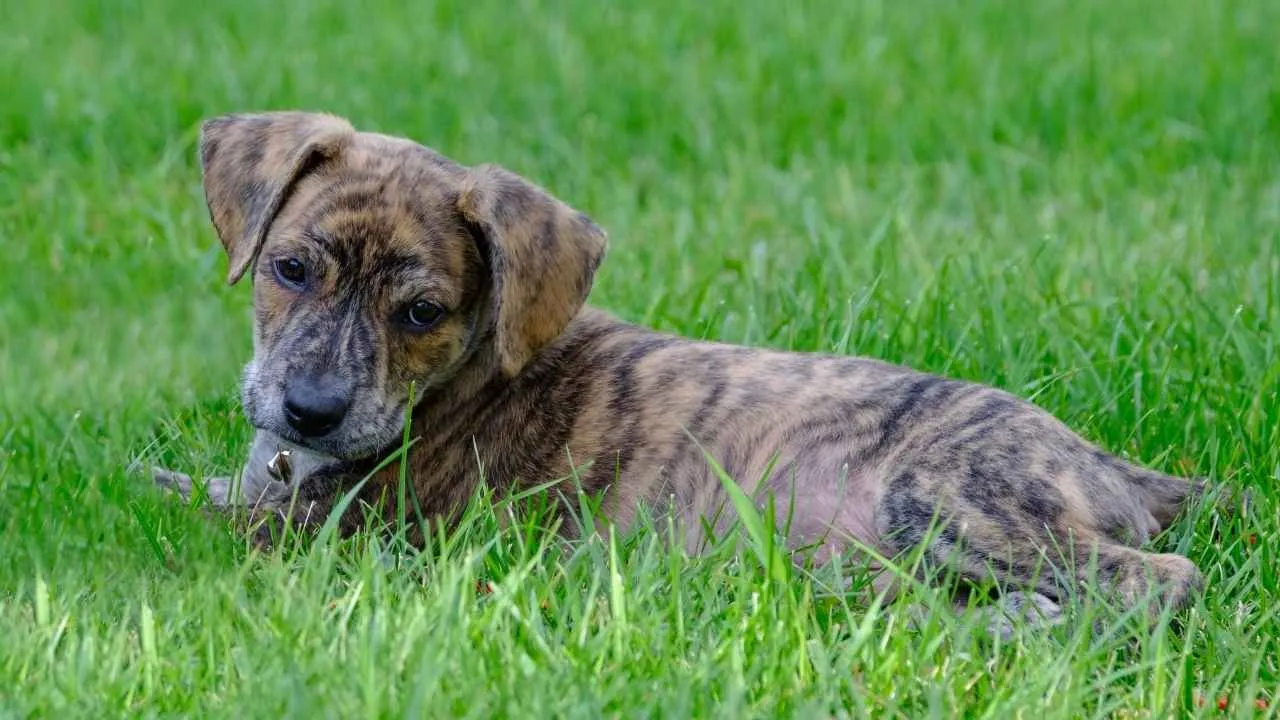
The Mountain Cur wasn’t bred to be a flashy show dog standing quietly on the sidelines.
It was bred to work.
While many hunting breeds focused on a single skill, the Mountain Cur became an all-purpose frontier hunter trusted by early American settlers who depended on their dogs for survival.
In dense forests and steep hills where visibility was poor, this breed learned to chase game differently from slower scent hounds.
Instead of keeping its nose glued to the ground, the Mountain Cur often hunted with its head in the air, catching drifting scent while moving quickly through challenging terrain.
That made a huge difference during long hunts.
When raccoons or squirrels climbed trees to escape, the Mountain Cur stayed locked in place below, barking loudly enough for hunters to locate it from far away through thick woods. Even more impressive, the breed refused to abandon difficult trails.
If the scent went cold, it circled patiently until it picked up fresh movement again.
Fearless when challenged and deeply loyal to its owner, the Mountain Cur earned a reputation as one of the top hunting dog breeds rural families could rely on daily.
3. American Leopard Hound
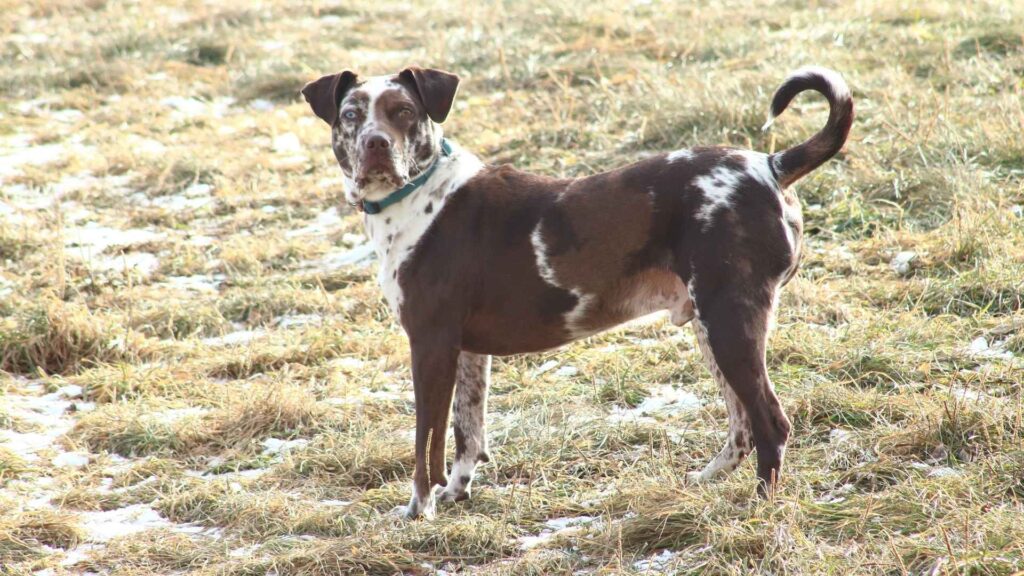
The American Leopard Hound could follow a trail long after other hunting dogs lost the scent.
This breed was built for long tracking jobs where endurance, intelligence, and toughness mattered more than speed alone. Hunters also trusted the breed for tracking wounded animals across difficult backcountry terrain.
While some hunting dogs lost focus after a few miles, the American Leopard Hound became known for staying locked onto a trail across forests, mountains, and rough backcountry terrain for hours at a time.
And it didn’t stop with small game.
Unlike many breeds that specialized mainly in raccoons or squirrels, the Leopard Hound was also trusted during big game hunts involving bear, cougar, and bobcat through difficult conditions.
Hunters valued how calmly the breed handled extreme heat, freezing temperatures, and exhausting terrain without slowing down.
That adaptability made the breed highly reliable in changing hunting environments where weather and terrain shifted quickly.
But what truly separated this dog from many other hunting breeds was its ability to think independently during a chase. The American Leopard Hound often made decisions on its own while following game far ahead of hunters, adjusting to changing scent trails deep in the wilderness.
Then there’s the coat.
Some appear in striking leopard-like patterns, while many are completely solid-colored, giving the breed one of the widest appearance ranges among American hunting dogs.
4. American Foxhound
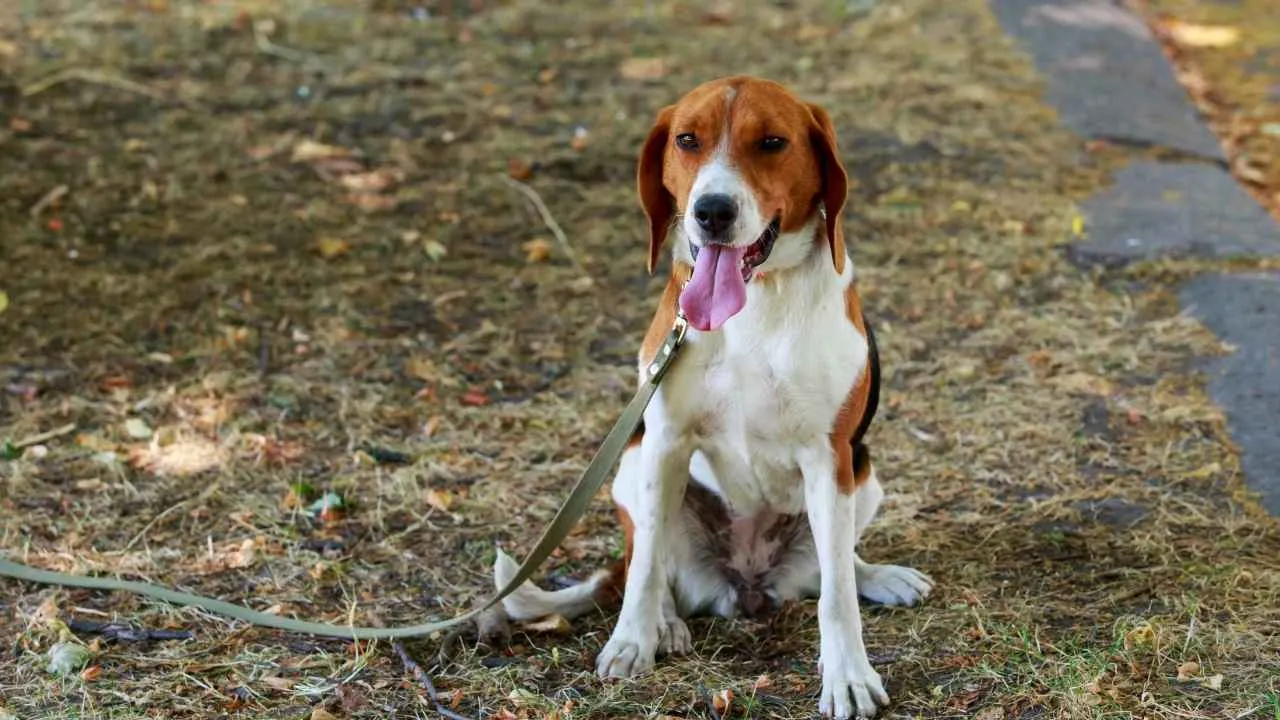
The American Foxhound is known for its strong scenting ability and stamina, originally bred to track and chase foxes over long distances, making it a versatile hunting dog.
Unlike stealthy hunting breeds that worked close to their handlers, the American Foxhound specialized in long-distance pursuit during colonial foxhunts, where hunters often followed on horseback for miles.
Speed mattered. Endurance mattered even more. These lean, athletic hounds could maintain a steady chase across open countryside long after many other dogs would tire out.
And once they picked up a scent…
The deep, musical baying began.
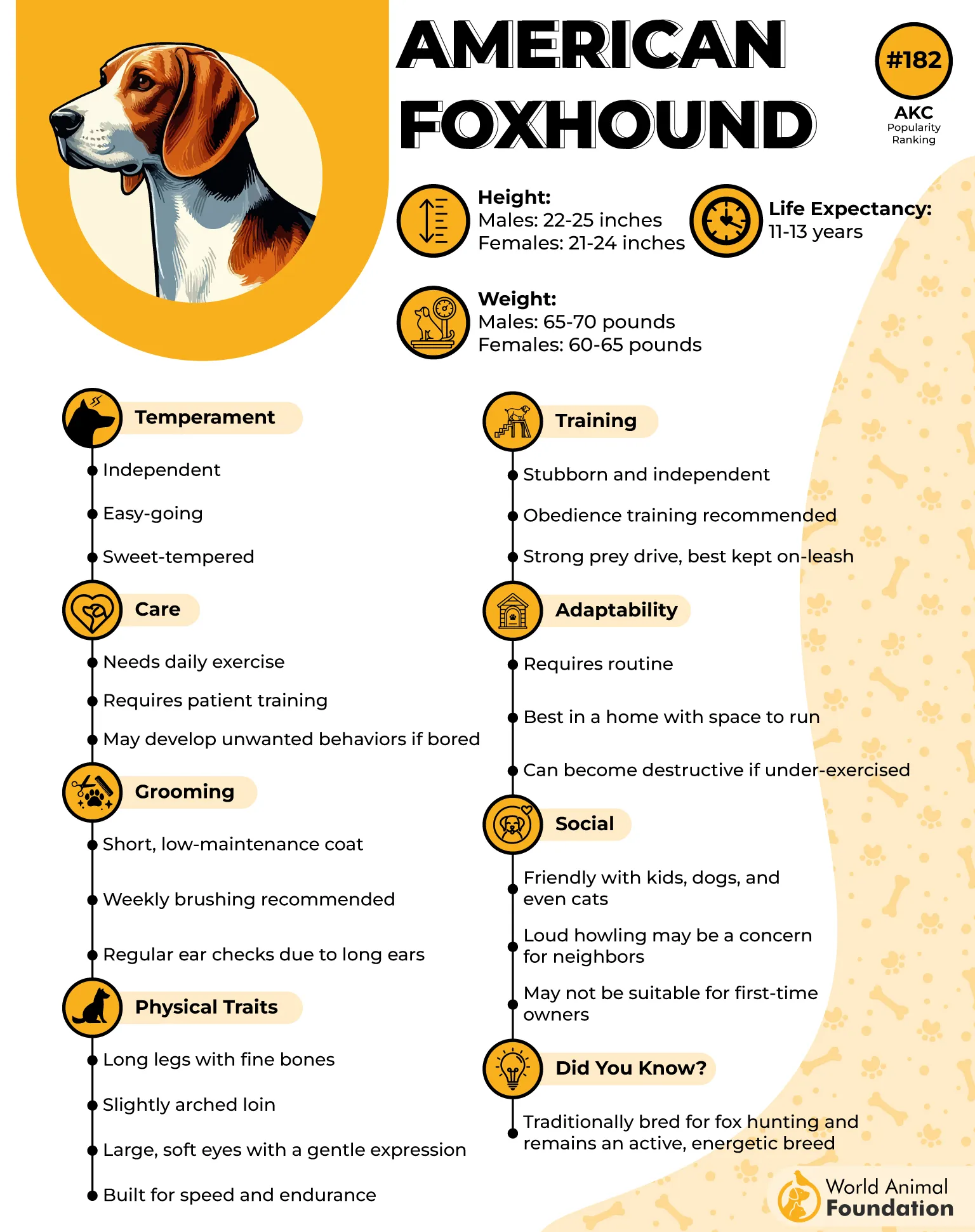
That powerful voice served an important purpose during hunts, helping riders track the dog’s location even when thick forests or rolling hills blocked the view. Few breeds became as famous for their echoing call during a chase.
Their hunting style also differed from treeing dogs or sight hounds. Instead of cornering prey quickly,
American Foxhounds excelled at wearing down foxes through relentless pursuit and teamwork within large packs. Long legs, tough paw pads, and incredible stamina made them ideal for covering rough ground hour after hour.
Even today, that nonstop energy remains part of the breed’s personality. A short walk simply isn’t enough for a dog bred to run for miles.
5. American Staffordshire Terrier
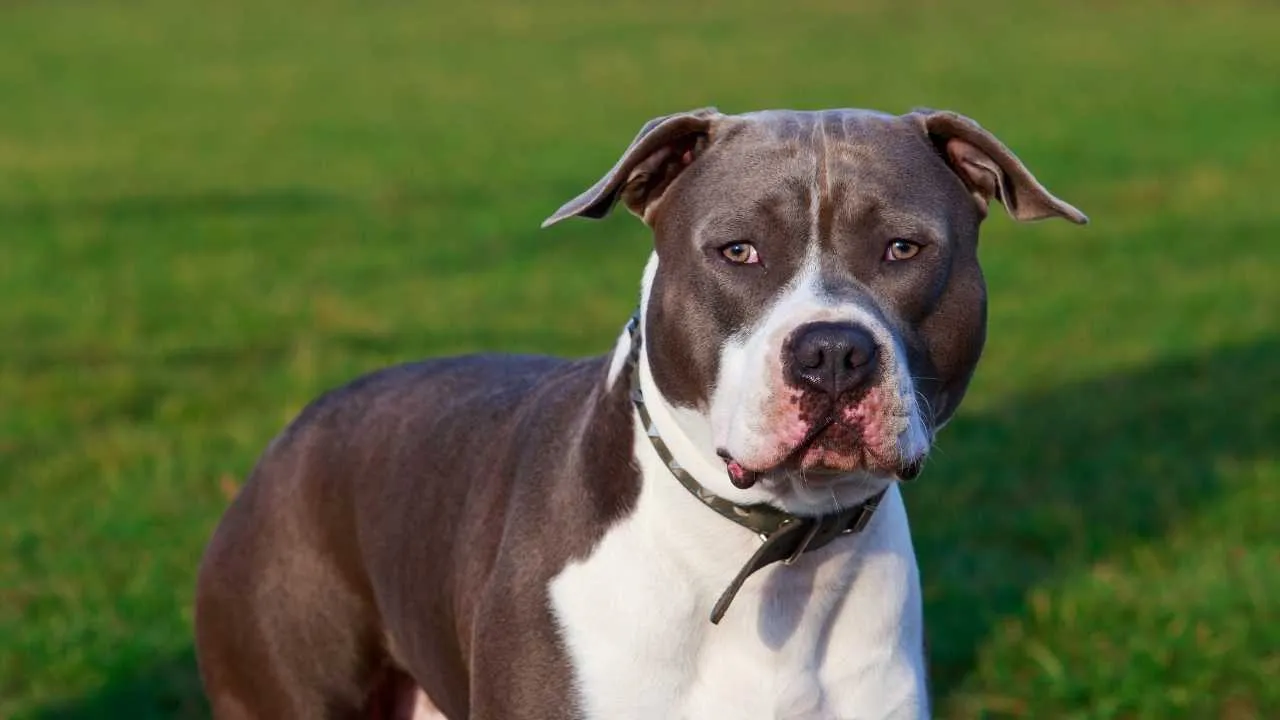
The American Staffordshire Terrier wasn’t designed for long-distance tracking like scent hounds or fast open-field chases like coursing breeds, as stated by Britannica.
This dog worked up close.
Powerful, muscular, and incredibly determined, the American Staffordshire Terrier became valuable on farms where strength and fearlessness mattered more than speed.
Farmers relied on these dogs to control stubborn vermin populations, protect property, and handle demanding work that required courage under pressure.
Their compact, heavily built bodies allowed them to move through tight spaces while still having the force needed to confront dangerous animals.
And once focused on a target…
They rarely backed down.
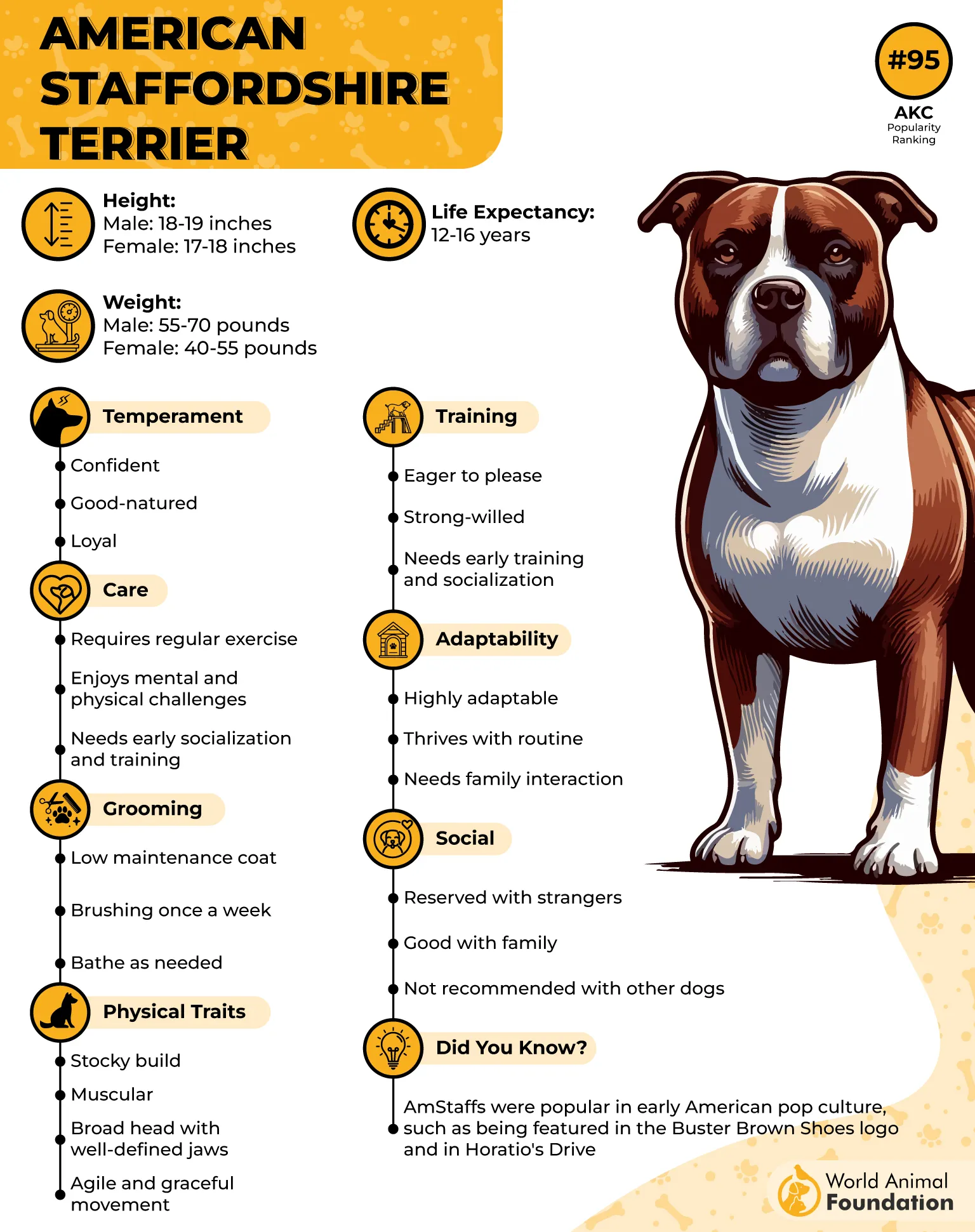
Compared to lighter hunting breeds that depended mostly on endurance, the AmStaff specialized in short bursts of explosive power and gripping strength. That made the breed especially effective for catching tough prey that fought back aggressively.
In some rural hunting communities, dogs with similar strength and gripping ability were also used when confronting wild boar.
One detail many people instantly recognize is the breed’s broad head with pronounced cheek muscles, giving it a powerful jaw structure built for holding firmly during physical tasks.
Combined with remarkable confidence and quick learning ability, the American Staffordshire Terrier earned a reputation as a hardworking farm hunter long before becoming widely known as a companion dog.
6. Black And Tan Coonhound
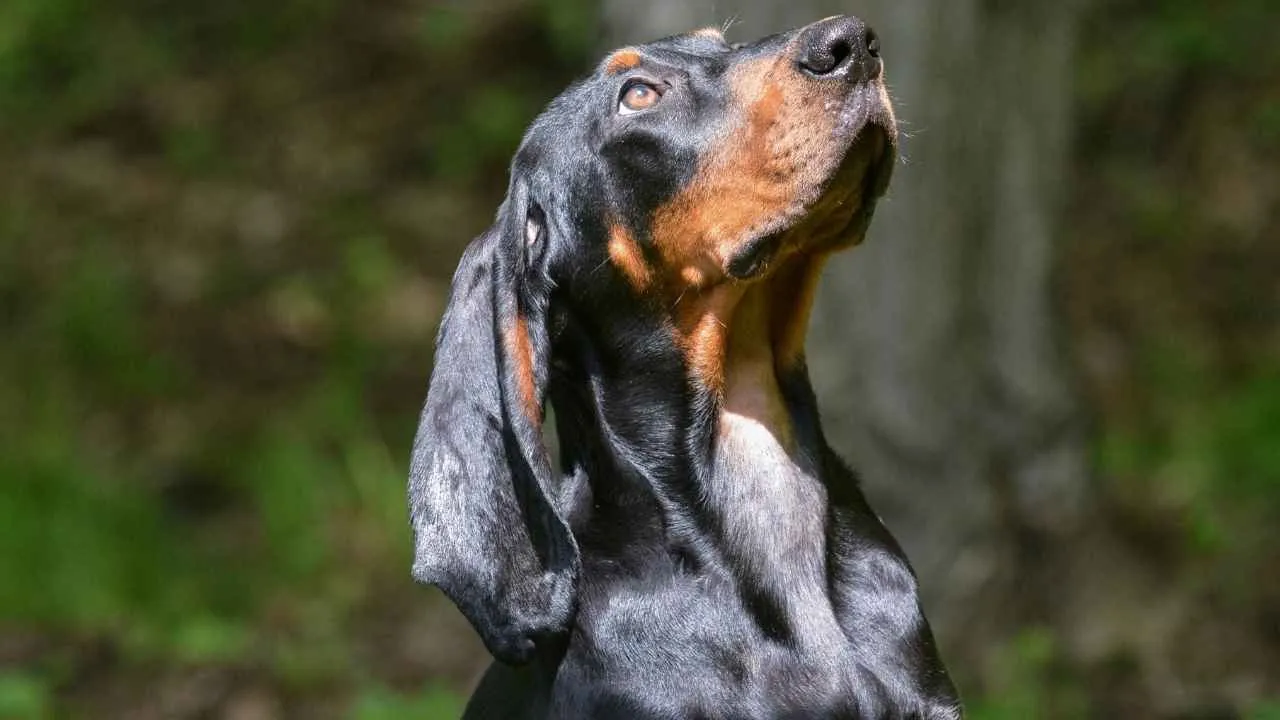
The Black and Tan Coonhound could turn a cold nighttime trail into a full pursuit within minutes.
Unlike fast sight hounds that depended mainly on speed, this breed specialized in tracking scent through forests long after darkness made visibility nearly impossible, as noted by WebMD.
Hunters relied on these dogs to track raccoons, deer, bears, and even cougars across rough terrain where weaker scent trails would confuse many other breeds.
And once the Black and Tan Coonhound locked onto a trail…
The deep, booming howl carried through the woods for incredible distances, helping hunters follow the chase without ever seeing the dog. That powerful voice became one of the breed’s most recognizable hunting tools during nighttime tracking expeditions.
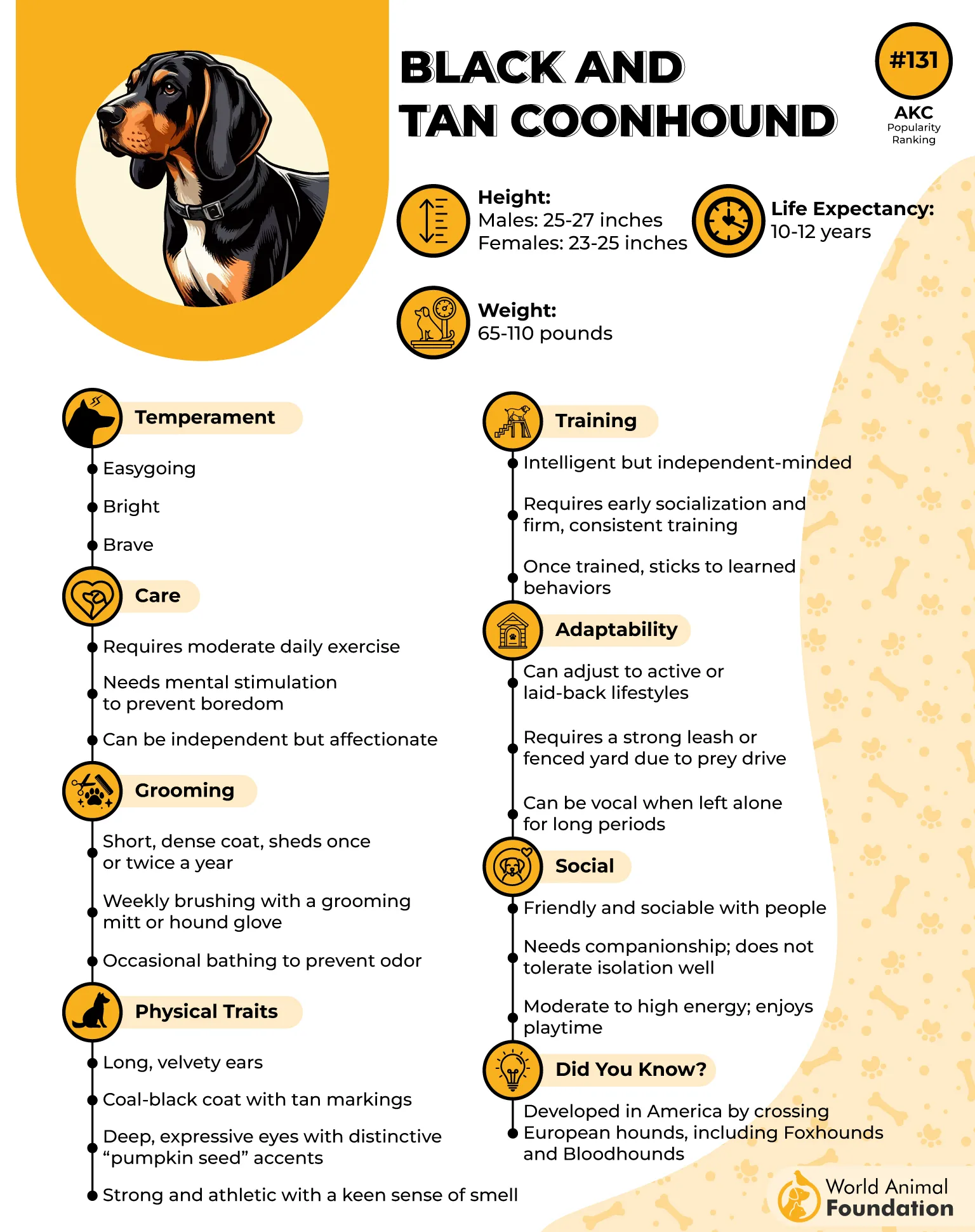
Its bloodhound ancestry also gave the breed exceptional scenting ability and patience during long hunts. Its bloodhound ancestry gave the breed a keen sense of smell and the patience to follow difficult trails for hours.
Instead of rushing blindly, these dogs worked methodically, sorting through older trails until they located fresh movement. That patience made them especially useful when following wounded game through dense forests at night.
Strong legs, endurance, and determination allowed them to continue tracking for hours without losing focus.
Yet after intense hunts, the same dog often transformed completely at home—relaxed, affectionate, and eager to stay close to its family rather than spending time alone.
7. Bluetick Coonhound
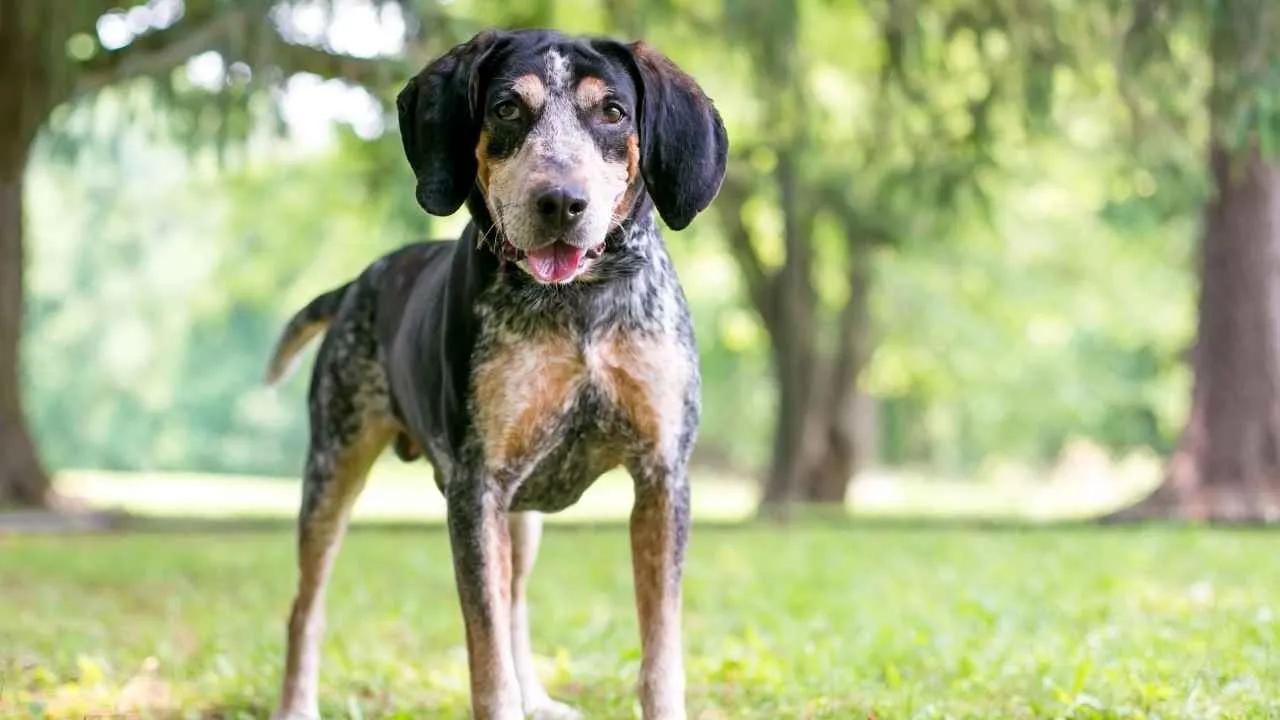
The Bluetick Coonhound treated every scent trail like a mission it refused to abandon.
While some hunting dog breeds worked best with constant direction from handlers, the Bluetick became famous for independently following game through forests for hours with almost obsessive determination.
The moment it picked up a scent, everything else seemed to disappear. Squirrels, raccoons, and larger game animals could travel long distances, but these dogs stayed locked onto the trail with remarkable focus.
And hunters always knew where the chase was happening.
The Bluetick’s long, echoing bay rolled through the woods during nighttime hunts, helping hunters track the dog even when it vanished deep into thick timber.
Compared to faster sprinting hounds, this breed relied more on endurance, scent accuracy, and persistence than sudden bursts of speed.
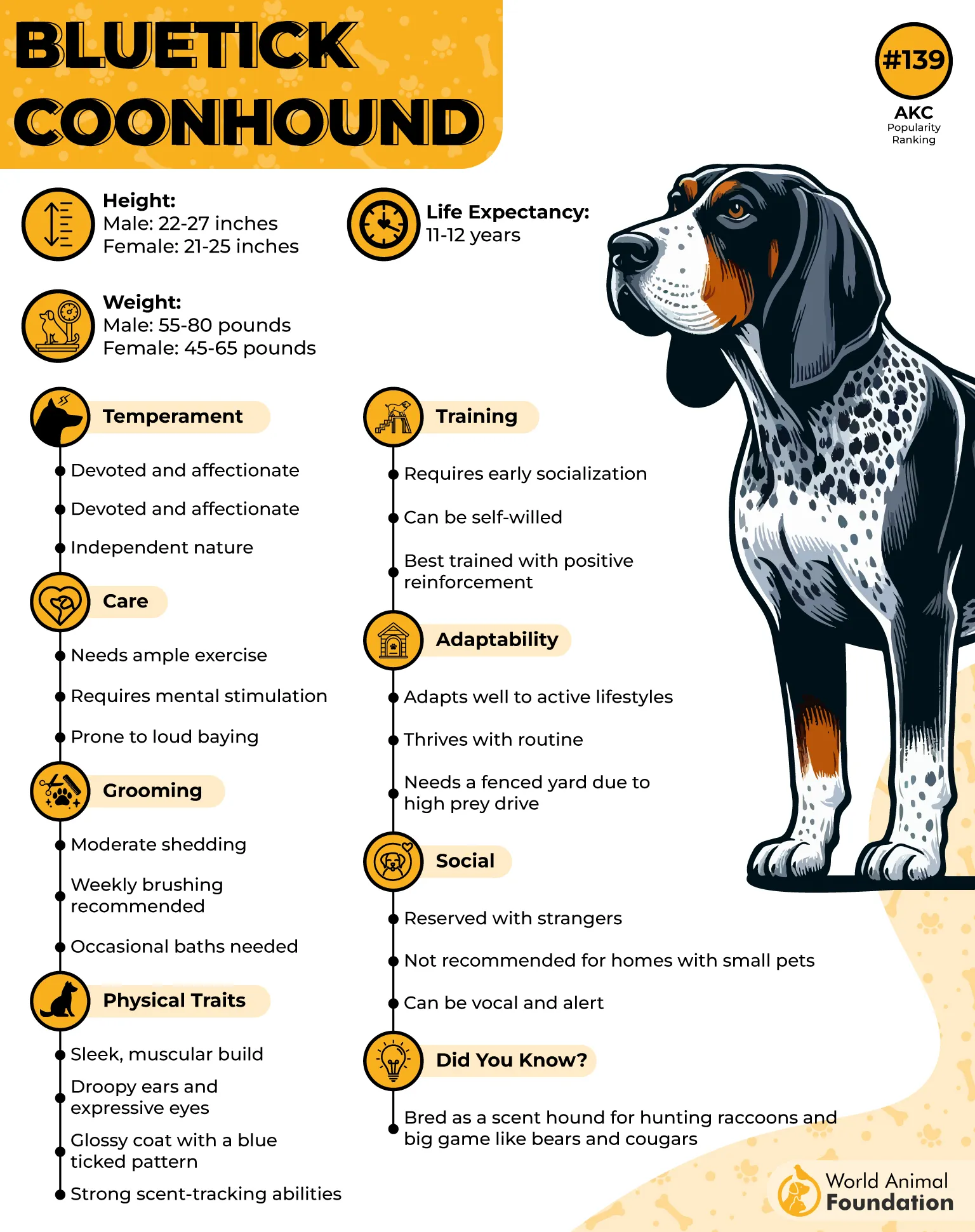
Its speckled blue-black coat also made the breed instantly recognizable in the hunting world, especially under lantern light during late-night tracking trips.
Strong prey drive, stamina, and sharp scenting ability turned the Bluetick Coonhound into a dependable trailing dog for difficult hunts where patience mattered just as much as skill.
Their tracking focus also helped hunters locate a downed bird hidden deep in thick brush or wooded cover.
At home, though, that relentless hunter often became surprisingly affectionate and calm around family.
Conclusion
Behind every great hunting dog is a purpose shaped over generations. Some were built to follow faint scent trails through dense forests, while others mastered waterfowl hunting in freezing conditions or retrieving upland game birds across open fields.
Certain dogs excelled at upland game hunting with sharp natural instincts and tireless focus, while others relied on strength, endurance, or explosive speed during difficult pursuits.
What makes these canines so remarkable isn’t just their athletic ability, but how perfectly each skill matches a specific hunting task. That deep specialization transformed ordinary dogs into trusted hunting partners for centuries.
