




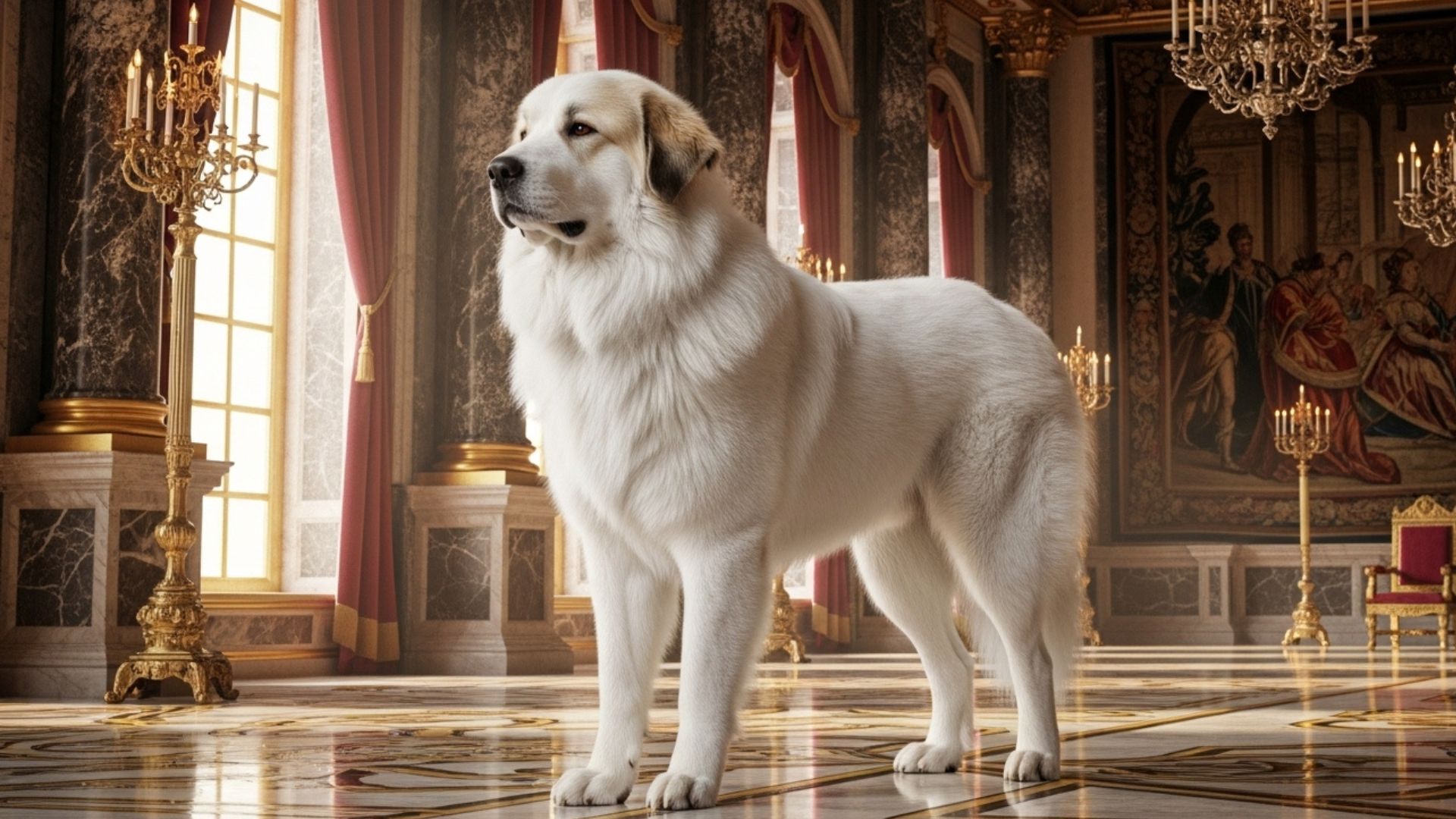
Imagine walking through a palace hallway and seeing a dog trotting gracefully beside a king or queen. For centuries, impressive dog breeds have been associated with royal courts, admired not just for their beauty but for their loyalty, intelligence, and poise.
These dogs were symbols of status, elegance, and refinement, often serving as companions, hunting partners, or even guardians of royal households. Many royal court dogs were selectively bred for both appearance and temperament.
Their refined looks, graceful movements, and dignified personalities made them perfect companions for aristocrats who valued prestige and style. These breeds carry a legacy that continues to captivate dog enthusiasts today.
We’ll explore dog breeds associated with royal courts, uncovering their noble heritage, remarkable traits, and why they remain symbols of elegance and prestige in the modern world. Whether you’re fascinated by history, beauty, or regal companionship, these dogs embody the grandeur of a bygone era.
Fun Fact: Historical records show these dogs were cherished companions, often pampered and given important social roles in royal households.
Impressive Dog Breeds Associated with Royal Courts
1. Great Pyrenees
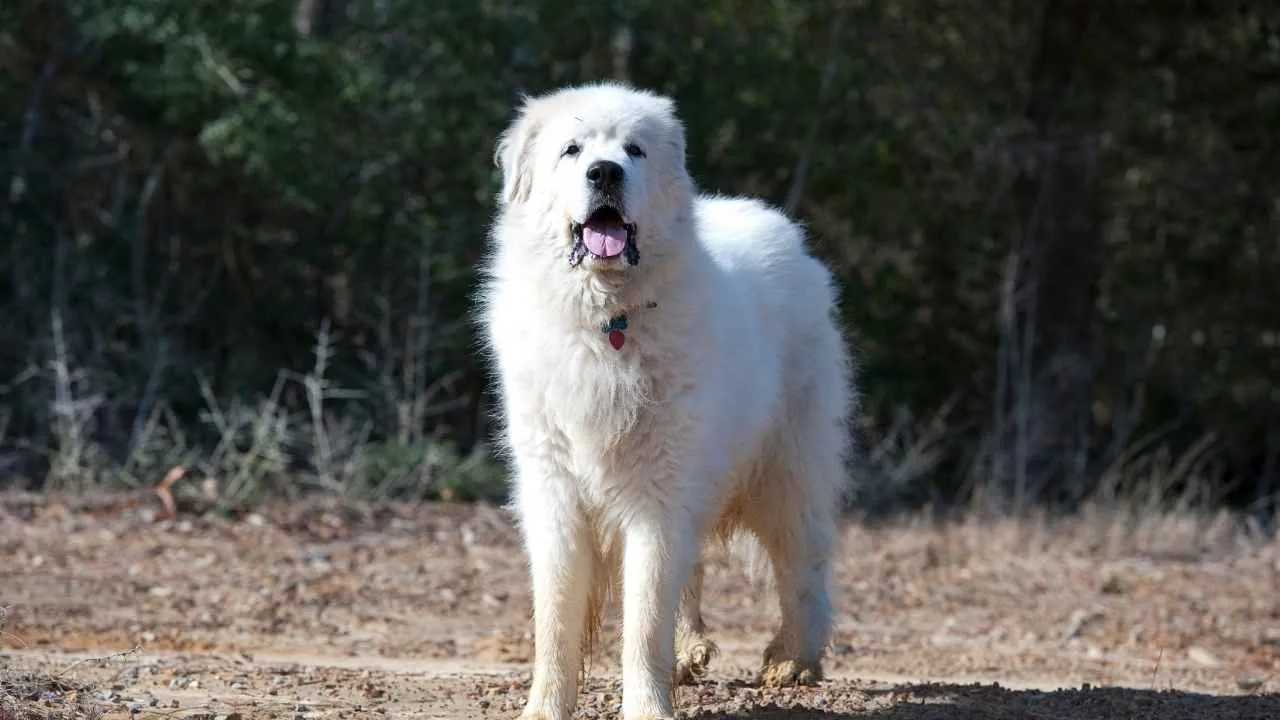
If you’ve ever imagined a dog strutting through a castle courtyard like a tiny, fluffy monarch, the Great Pyrenees is your noble vision brought to life. With their thick, snowy-white coats and statuesque presence, these dogs exude elegance, but don’t let that fool you—they are also serious protectors.
Originally, the Great Pyrenees were rugged mountain guardians for peasant shepherds in the Pyrenees Mountains, keeping flocks safe from wolves and other predators.

So yes, they started humbly, but the French nobility caught wind of these imposing yet gentle giants in the seventeenth century, and suddenly, they were walking the corridors of châteaux, guarding priceless treasures (and probably judging the butler’s fashion choices).
Belonging to the Working Group, the Great Pyrenees is calm, patient, and incredibly loyal. They treat their family like royalty and their home like a fortress. With their independent streak, you might find them lounging like a king in the sun, but dare a stranger approach the gate unannounced? Instant royal decree: “Stand back, peasant!”
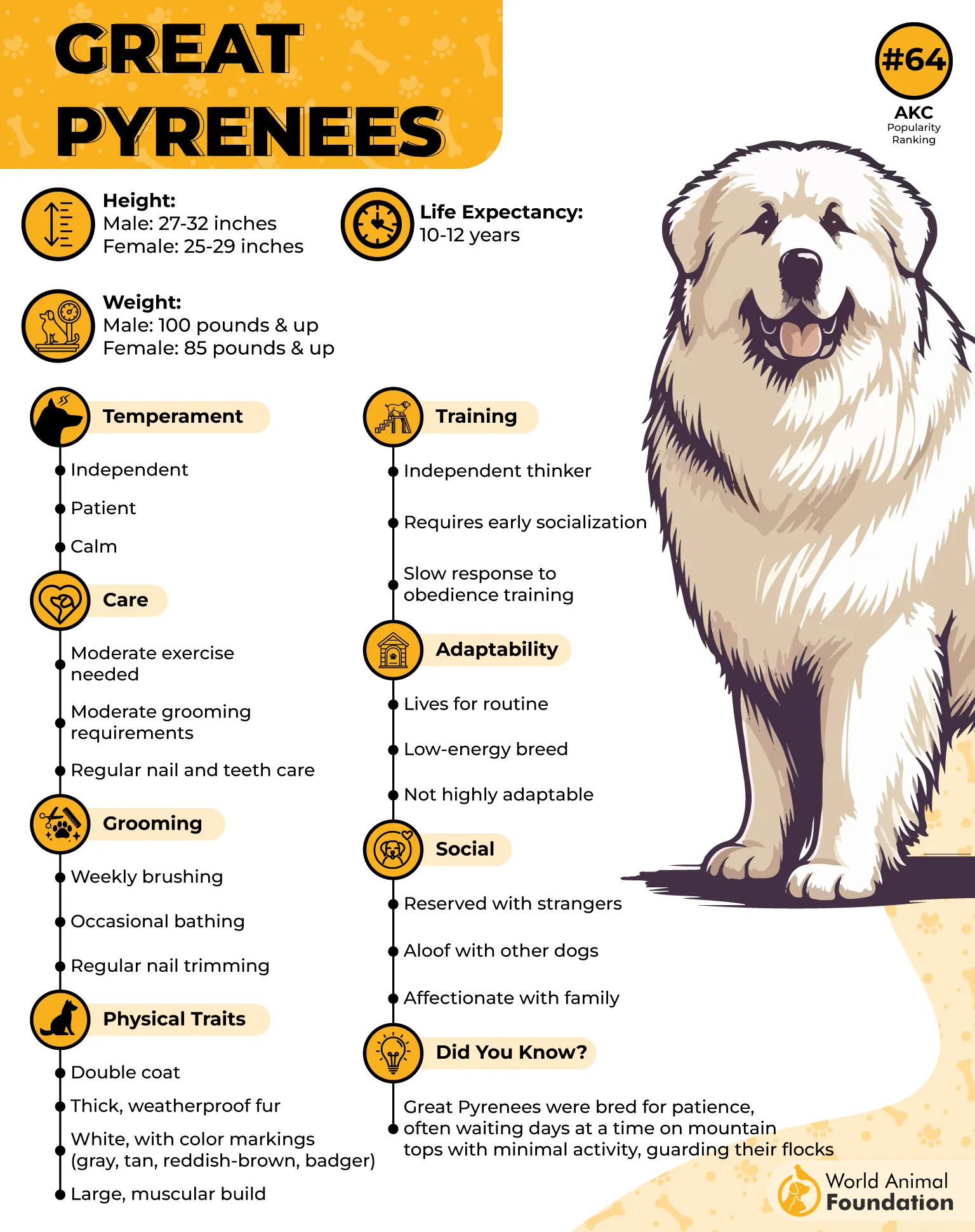
Fun fact: One Great Pyrenees is considered as capable as two men when it comes to guarding. So, if you’ve ever wanted a dog that could double as both family companion and castle security, this is your canine aristocrat.
2. Cavalier King Charles Spaniel
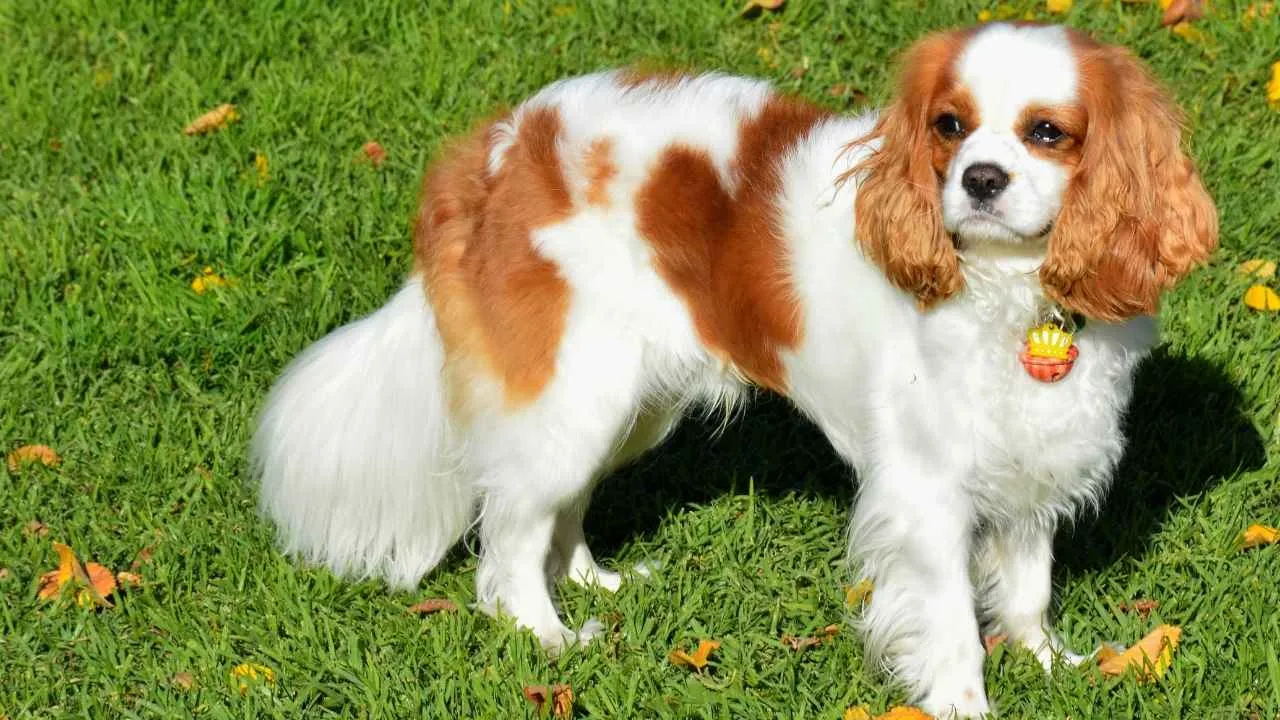
When it comes to living the royal life, few dogs have done it better than the Cavalier King Charles Spaniel. Their very name drips with courtly charm, and these pint-sized aristocrats have been stealing hearts (and laps) since the fifteenth century.
They earned the nickname “comforter spaniels” for a reason: whether it was keeping a queen’s hand warm or offering a gentle snuggle during a boring council meeting, they were the ultimate companions.
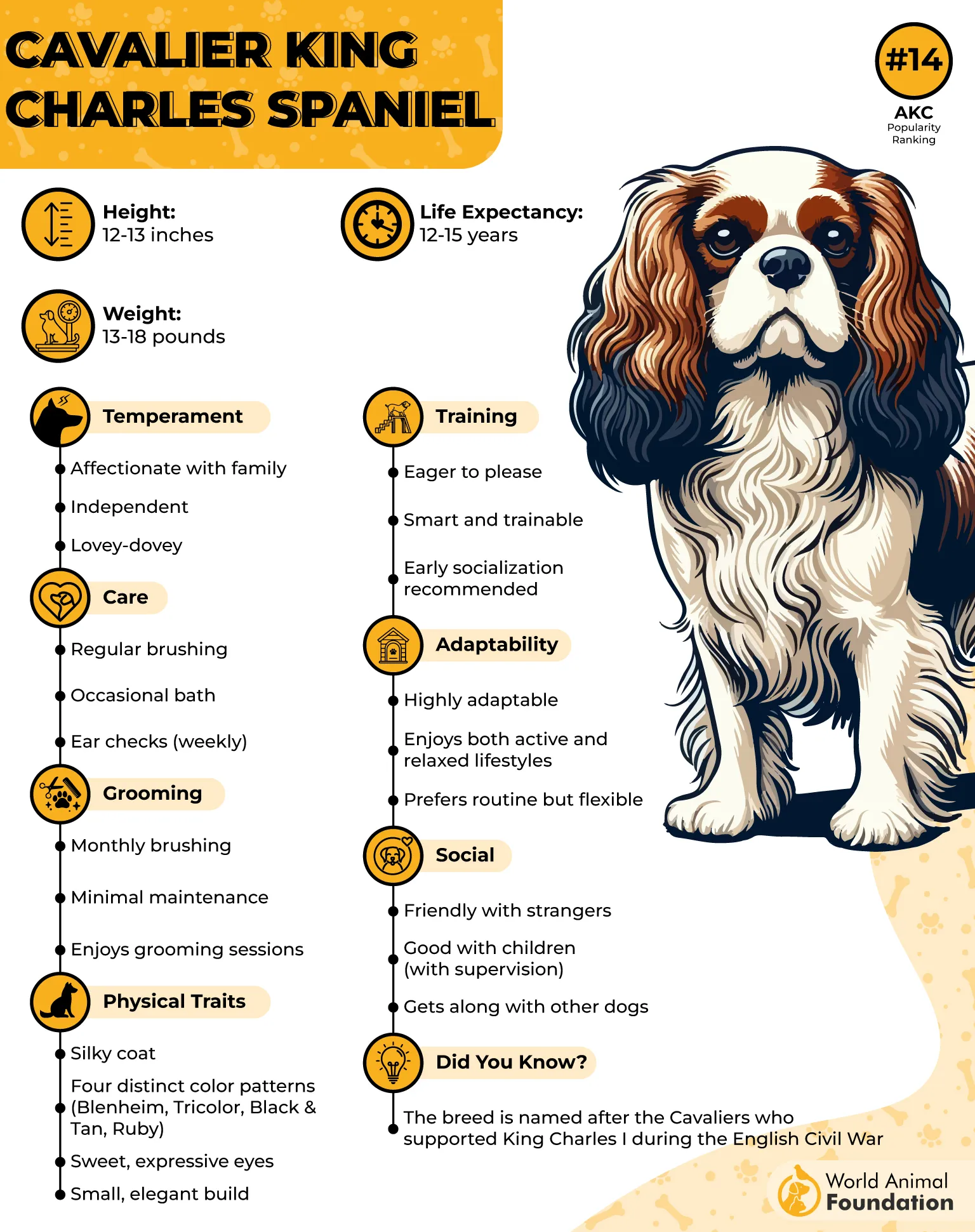
But don’t mistake them for mere pampered fluff—they were also expected to trot along hunting horses, proving that even royalty’s lapdog needed stamina. During Tudor times, these little charmers were favorites of aristocratic ladies, serving as flea catchers, hot water bottles, and loyal confidants.
PetMD noted King Charles I, Charles II, and even Mary Queen of Scots couldn’t resist them, often taking them everywhere—even into Parliament. Imagine a royal debate being interrupted by a tiny, tail-wagging legislator.
Fast forward to today, and the Cavalier remains the epitome of versatility: equally happy curled on a sofa or showing off agility skills. As members of the Toy Group, they’re small in stature but big in heart, winning over families with their gentle nature, sweet expression, and uncanny ability to look utterly regal while doing absolutely nothing.
Fun royal fact: if you ever see a Cavalier giving you “the look,” just know—it’s not judgment, it’s pure aristocratic approval (or a polite demand for more treats).
3. Shih Tzu
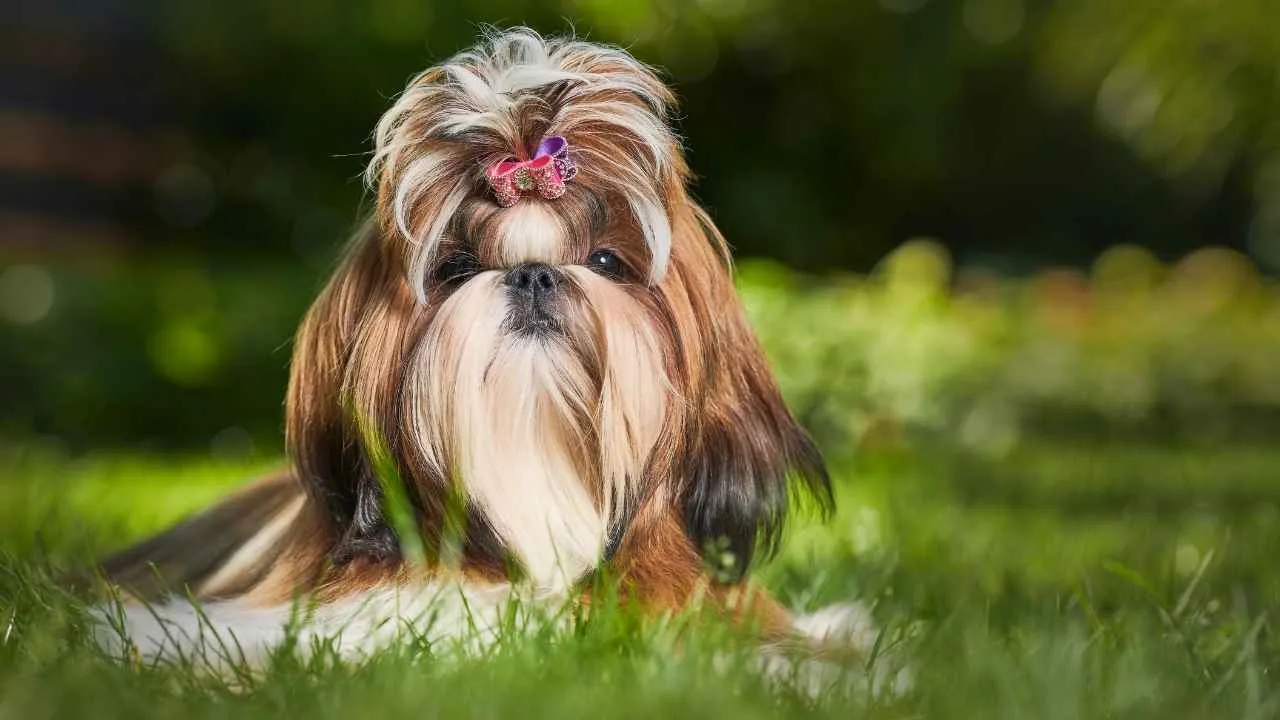
Meet the Shih Tzu (pronounced sheed-zoo), a tiny dog with a seriously royal résumé. Their name literally means “lion dog,” which is a pretty bold claim for a pup that comfortably fits in your lap—but remember, these were lion-like dogs sent from Tibet to the Chinese imperial court centuries ago.
The emperors were smitten, and over time, palace breeders refined these little nobles into the fluffy, elegant companions we know today. Shih Tzus were treated like living treasures. Emperors would reward breeders handsomely for producing the most affectionate, attractive pups.
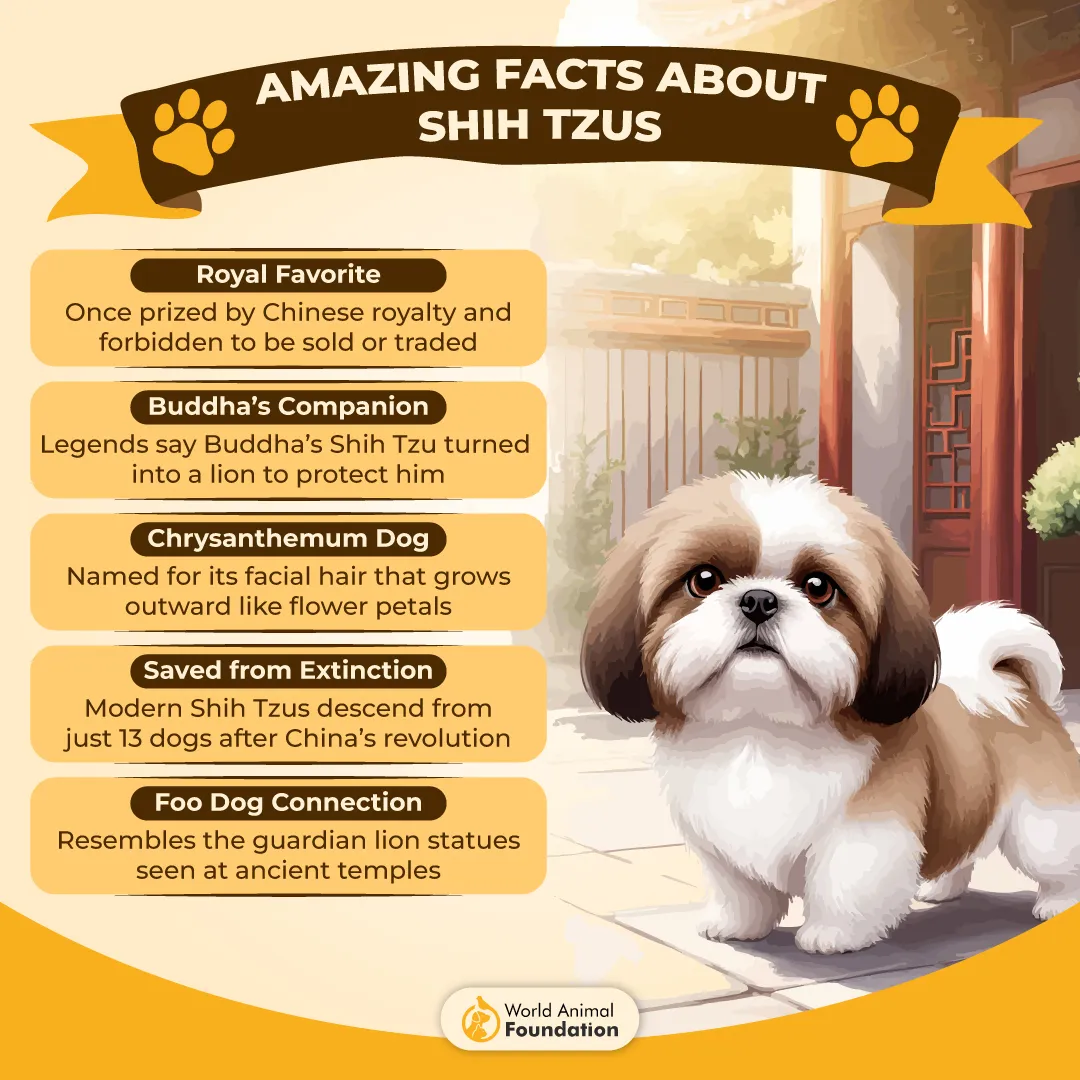
In other words, they weren’t just pets—they were the palace equivalent of a crown jewel… that occasionally drooled on your sleeve. Their main duty? Sitting in laps, warming hands, and looking impossibly cute while doing absolutely nothing else. Talk about a cushy job description.
Modern Shih Tzus are part of the Toy Group—small but surprisingly sturdy. Their luxurious coat requires some serious grooming (because a lion’s mane doesn’t brush itself), but the payoff is more than worth it.
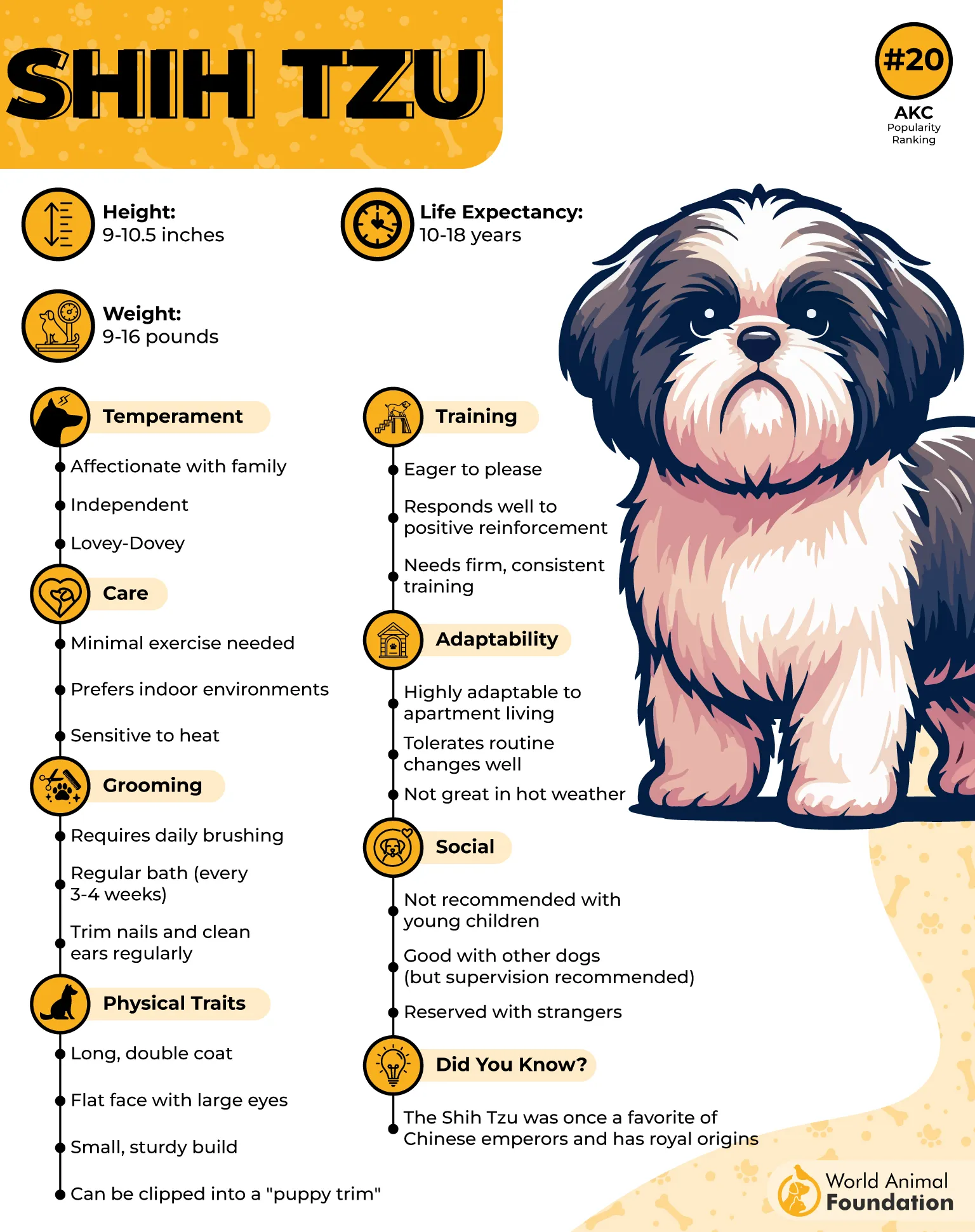
With their sweet expressions and affectionate nature, they make every owner feel like royalty. And truth be told, living with a Shih Tzu is basically like having a tiny, fuzzy emperor ruling over your sofa.
Fun royal fact: if your Shih Tzu glares at you while you eat, they’re not angry—they’re simply judging your table manners in true imperial style.
4. Pekingese
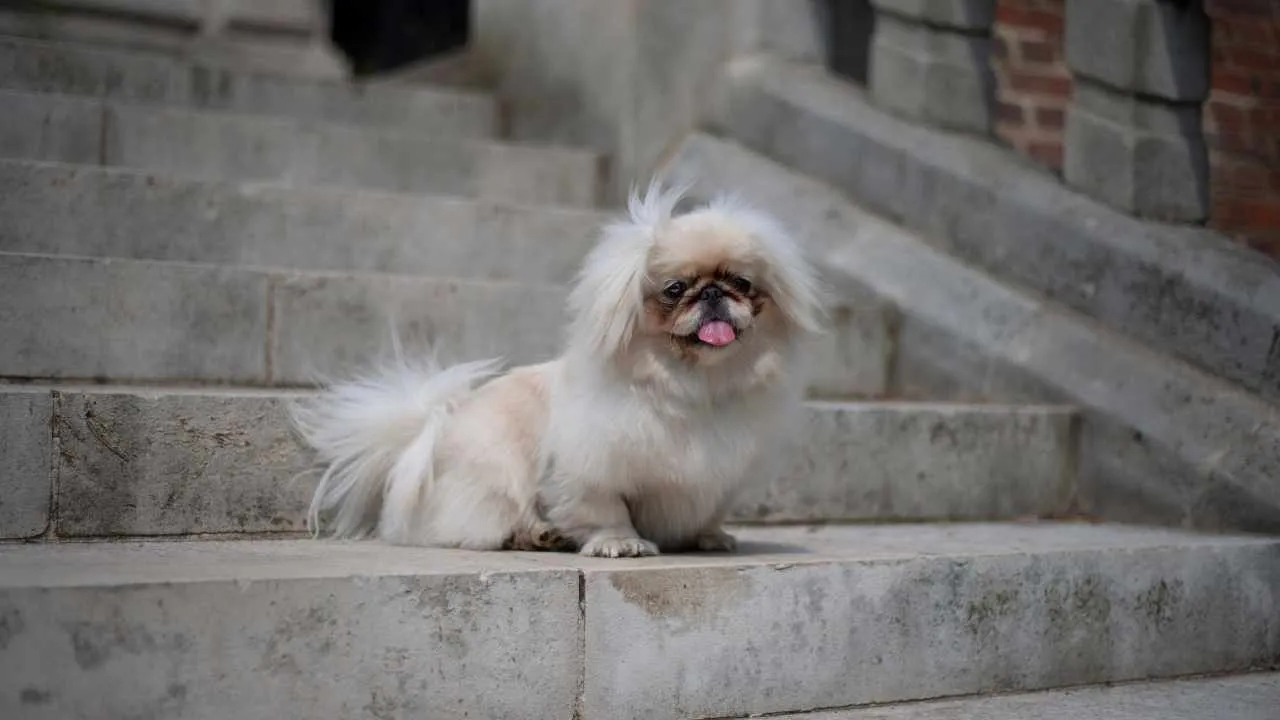
If you thought the Shih Tzu was fancy, meet the Pekingese—the tiny emperors of ancient China, ruling the palace since 200 BC.
These little dynamos weren’t just cute; they were highly prized for their size and special markings, with some dogs carefully bred to be as light as four to five pounds.
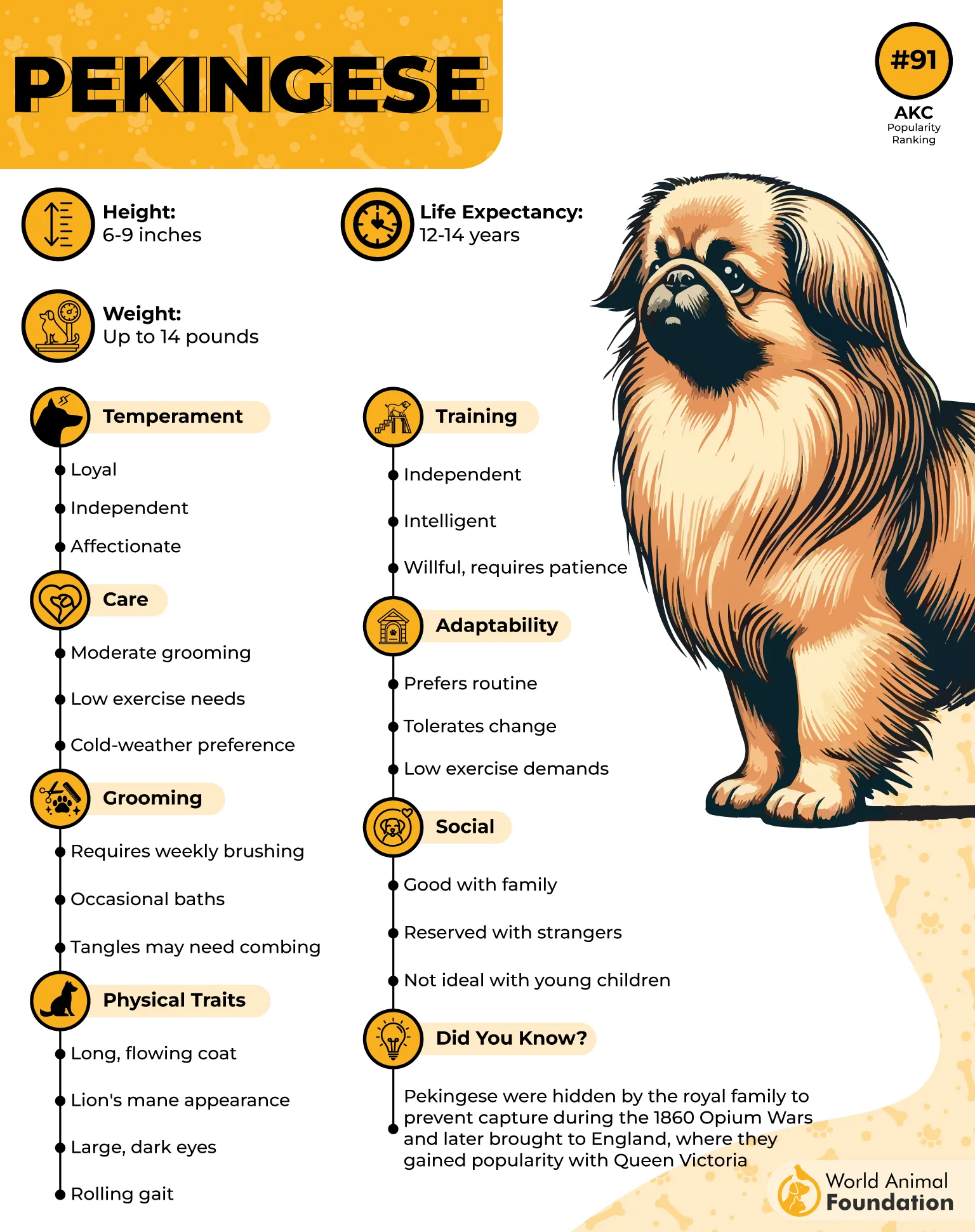
Why so small? So they could hide in the giant sleeves of royal robes, acting as surprise “guard lions” ready to intimidate anyone who dared cross the emperor. Smuggling one out of the palace? Not recommended—death was the penalty. No pressure, right?
Today’s Pekingese are members of the Toy Group, exuding the same regal dignity as their palace ancestors. With a distinctive rolling gait, an intelligent gaze, and a personality all their own, they are affectionate yet independent—a true emperor in miniature.
They enjoy lounging like royalty and have modest exercise needs, though they definitely don’t tolerate heat well. Think of them as the noble nap enthusiasts of the canine world.
Fun royal fact: a Pekingese will stare at you with such dignified judgment that you might start apologizing for sitting on their favorite throne—aka, your couch.
5. Saluki
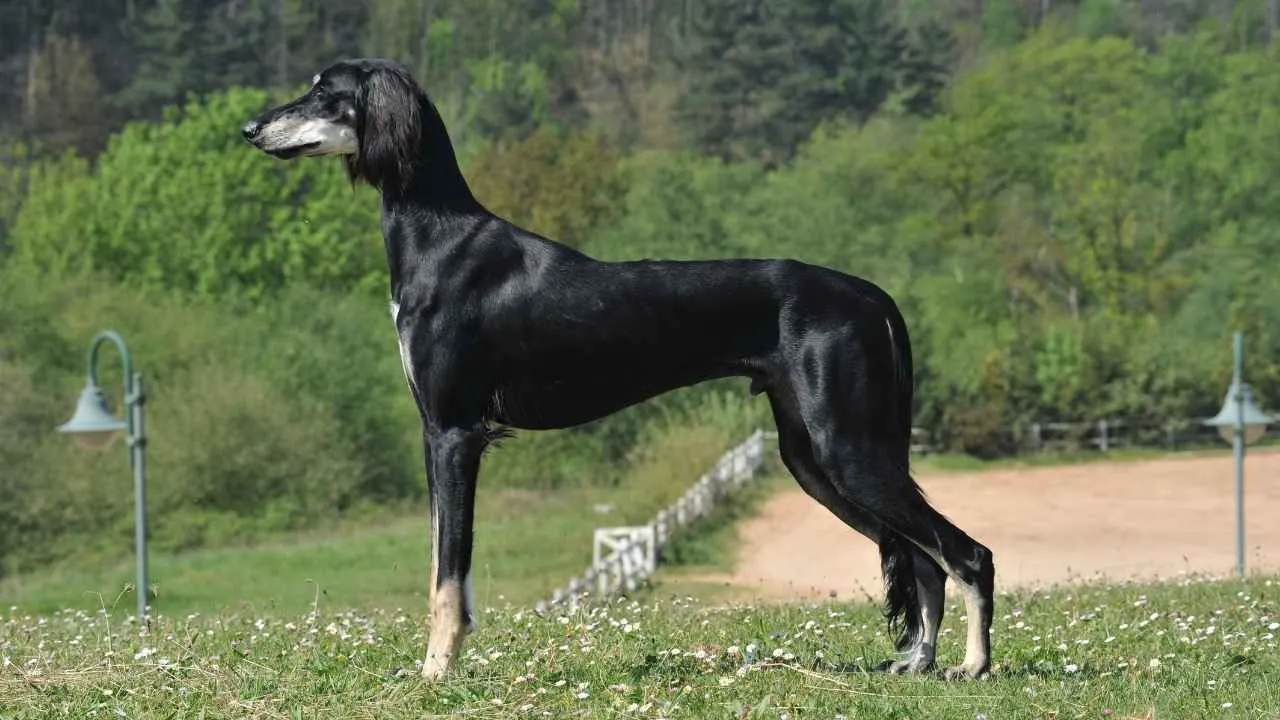
If there’s a true “living relic” of the canine world, it’s the Saluki—one of the oldest dog breeds in history. These elegant sighthounds were prized hunting companions for royalty thousands of years ago, with tomb paintings and sculptures dating back to 2100 BC capturing their regal presence.
In fact, some were even mummified alongside pharaohs—talk about dying in style! Hailing from the Middle East, the Saluki was considered a gift from Allah, and it’s easy to see why, as Britannica noted.
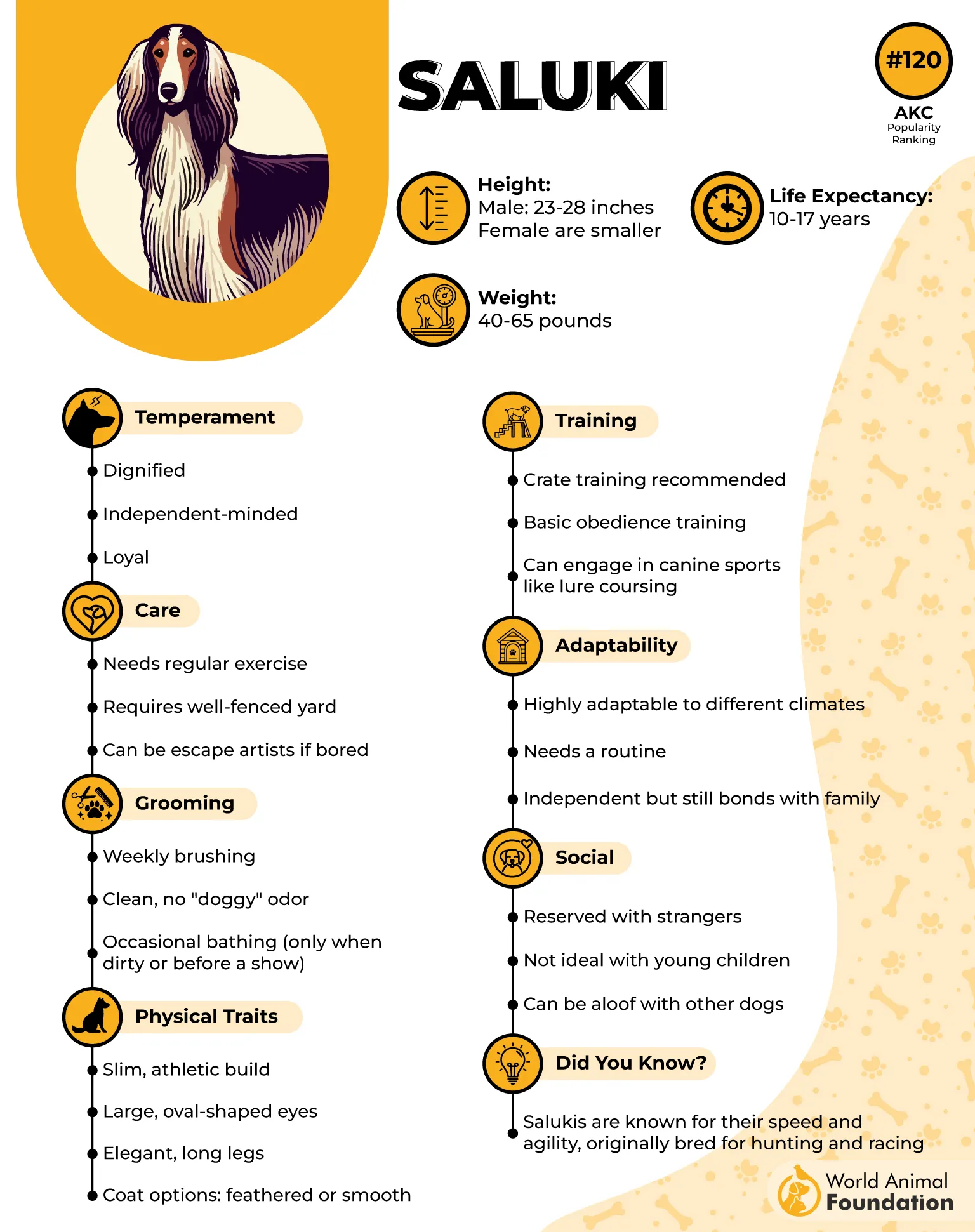
Medium-to-large in size, slender, and graceful, they move with a quiet dignity that exudes ancient nobility. Independent yet loyal, these dogs are built for bursts of incredible speed, making activities like lure coursing their personal playground.
But don’t let that athleticism fool you—they are equally content to curl up on the couch afterward, surveying their domain like a true aristocrat. Smart, sleek, and full of history, the Saluki embodies both beauty and brains in perfect balance.
Fun royal fact: after a vigorous run, a Saluki doesn’t just nap—they lounge as if granting audiences to their loyal human subjects.
6. Pembroke Welsh Corgi
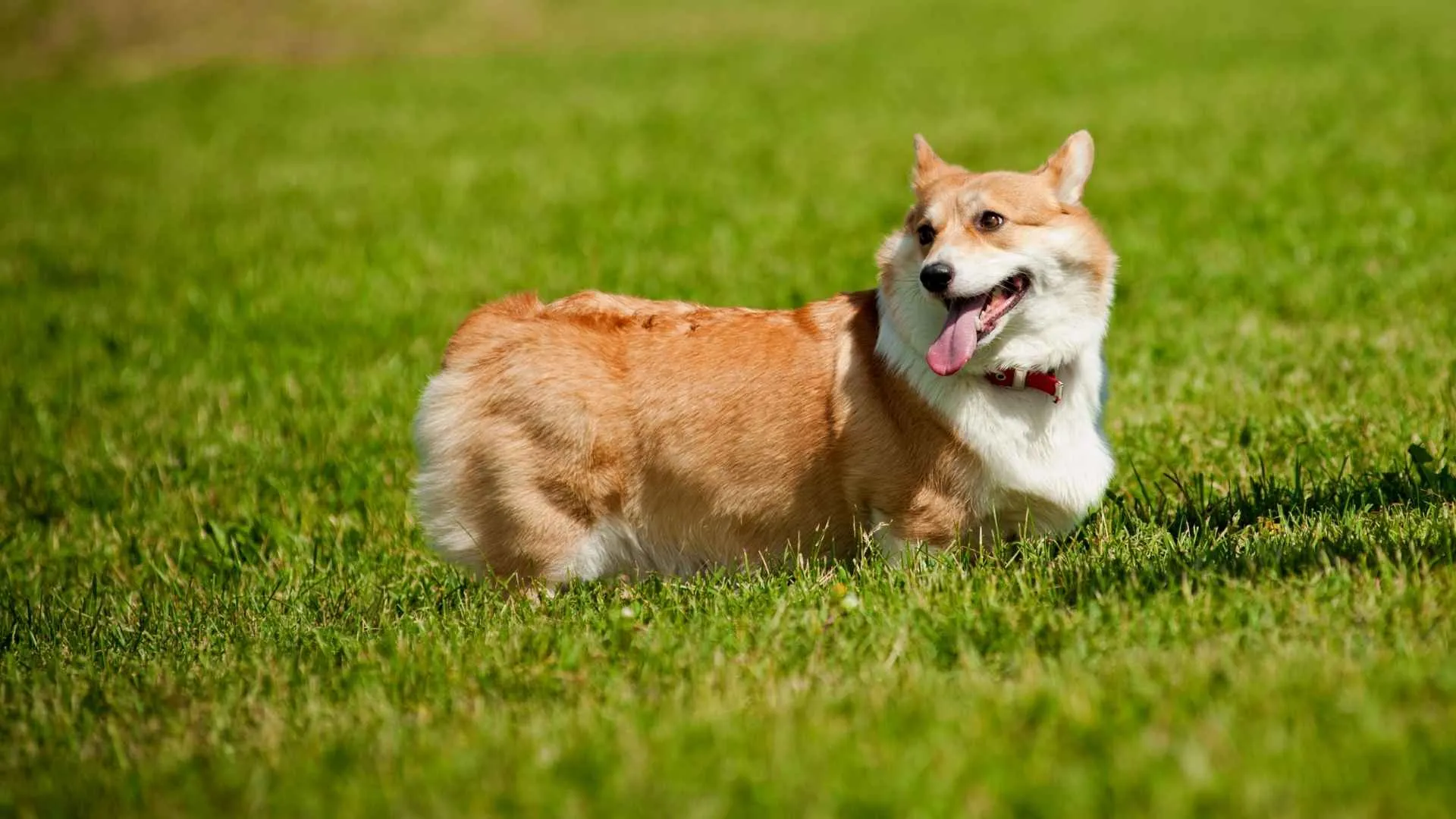
You can’t think of modern royalty without picturing a Pembroke Welsh Corgi trotting along behind Queen Elizabeth II.
The queen received her very first Corgi, Dookie, in 1933 as a gift from her father (soon-to-be King George VI) to her and her sister. That was just the beginning—over the years, more than 30 Corgis have strutted through Buckingham Palace, each one a tiny ambassador of loyalty, charm, and royal mischief.
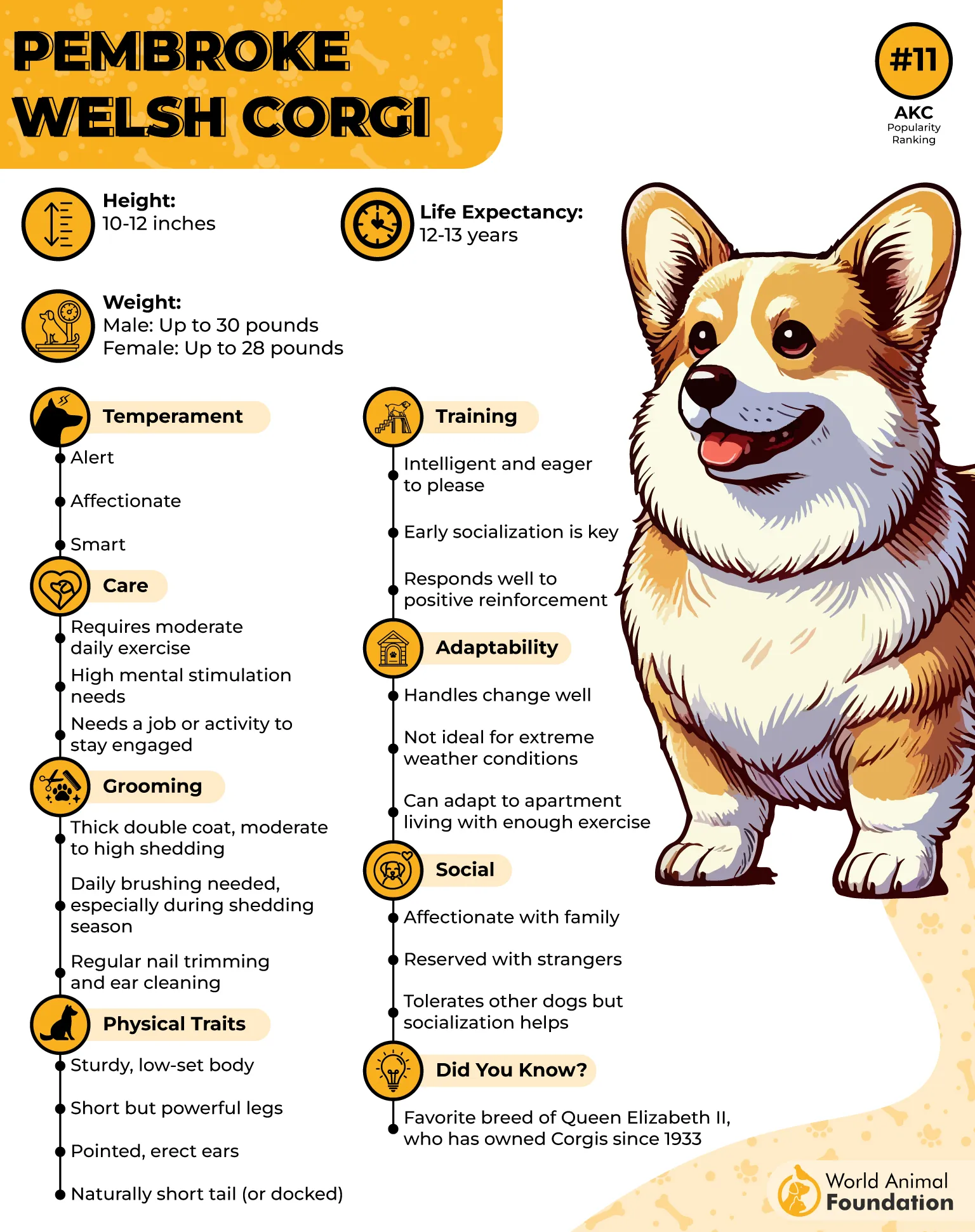
Don’t let their short legs fool you. These little dogs are robust, athletic herders, bred to move cattle with courage and cleverness. Their fearless nature, combined with their big-dog bark, makes them excellent watchdogs.
At the same time, their playful, affectionate personality ensures they’re adored companions, ready to snuggle on the sofa—or herd your unsuspecting houseguests if they wander too close to the royal throne (or coffee table).
Fun royal fact: Corgis may be small, but with their intelligence and bold spirit, they’ve proven time and again that they can run a palace as well as a pasture—just don’t tell them that humans are technically in charge.
7. Greyhound
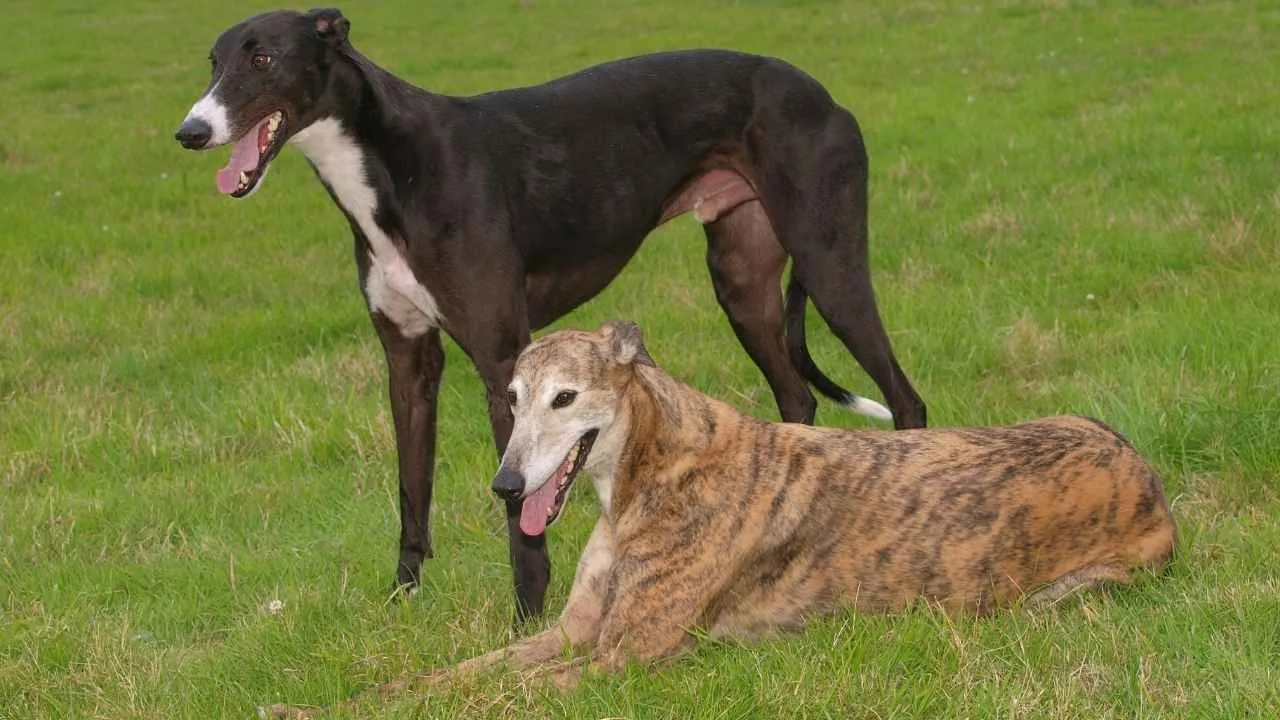
When it comes to elegance, speed, and a long history of noble companionship, few breeds can match the Greyhound. Revered for thousands of years, this breed was a symbol of aristocracy, with depictions appearing on Egyptian tombs as far back as 3000 BCE.
Owning a Greyhound was basically an ancient way of saying, “Yes, I am sophisticated, wealthy, and excellent at hunting.” Greyhounds are sprinters through and through.
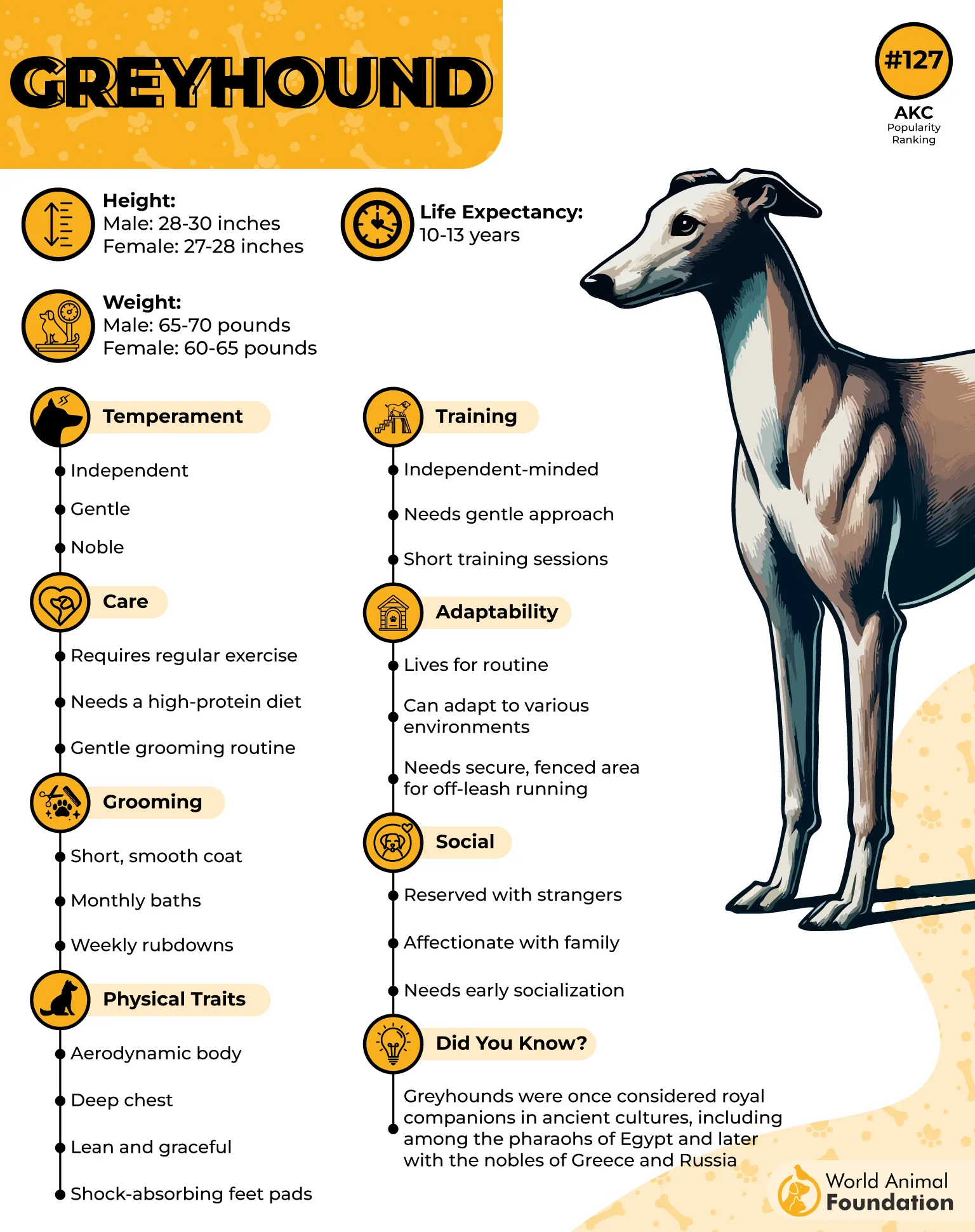
Built for short bursts of incredible speed, they don’t need hours of exercise—just a few minutes at full throttle will satisfy their inner Olympian. Afterward, they’re perfectly content to lounge like the royalty they are, surveying their kingdom with quiet dignity.
Independent and intelligent, Greyhounds think for themselves—so don’t be surprised if they take a moment (or three) to consider whether following your command is truly in their best interest.
But when they do move, it’s with a grace and power that leaves no doubt: this is a dog born for both the chase and the throne.
Fun royal fact: Greyhounds are so aristocratic that even their naps look like a formal audience with the court—regal, poised, and utterly untouchable.
Conclusion
Dog lovers will appreciate the rich history of breeds favored by royalty, from Queen Elizabeth II’s Pembroke Corgi to the Maltese dogs, Malta’s national dog, originally bred as a royal dog with a silky coat and noble demeanor. Many other breeds, including Bichon Frise and Pharaoh Hound, have roots tracing to ancient Egyptian tombs, Chinese emperors, and Tibetan monks.
Dogs appeared in royal palaces like Windsor Castle and were official dogs of King Charles II, Queen Victoria, King Edward VII, and King Louis XIV. These ancient breeds, with majestic appearance, dignified presence, and sometimes imposing size, became popular companions and working dogs for noble families, enjoying extreme popularity in royal history as canine companions of family members across Europe and Egypt.
