




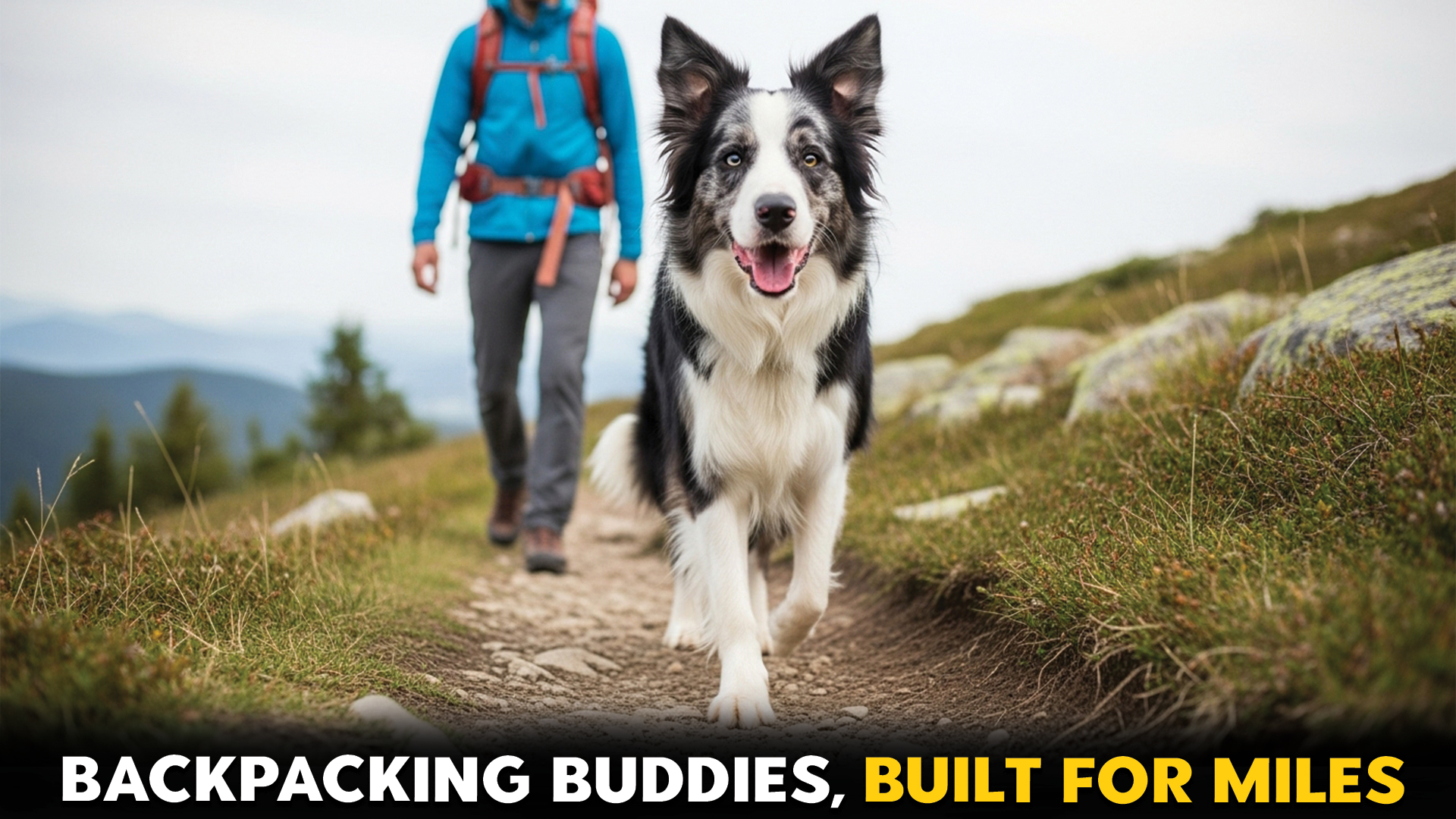
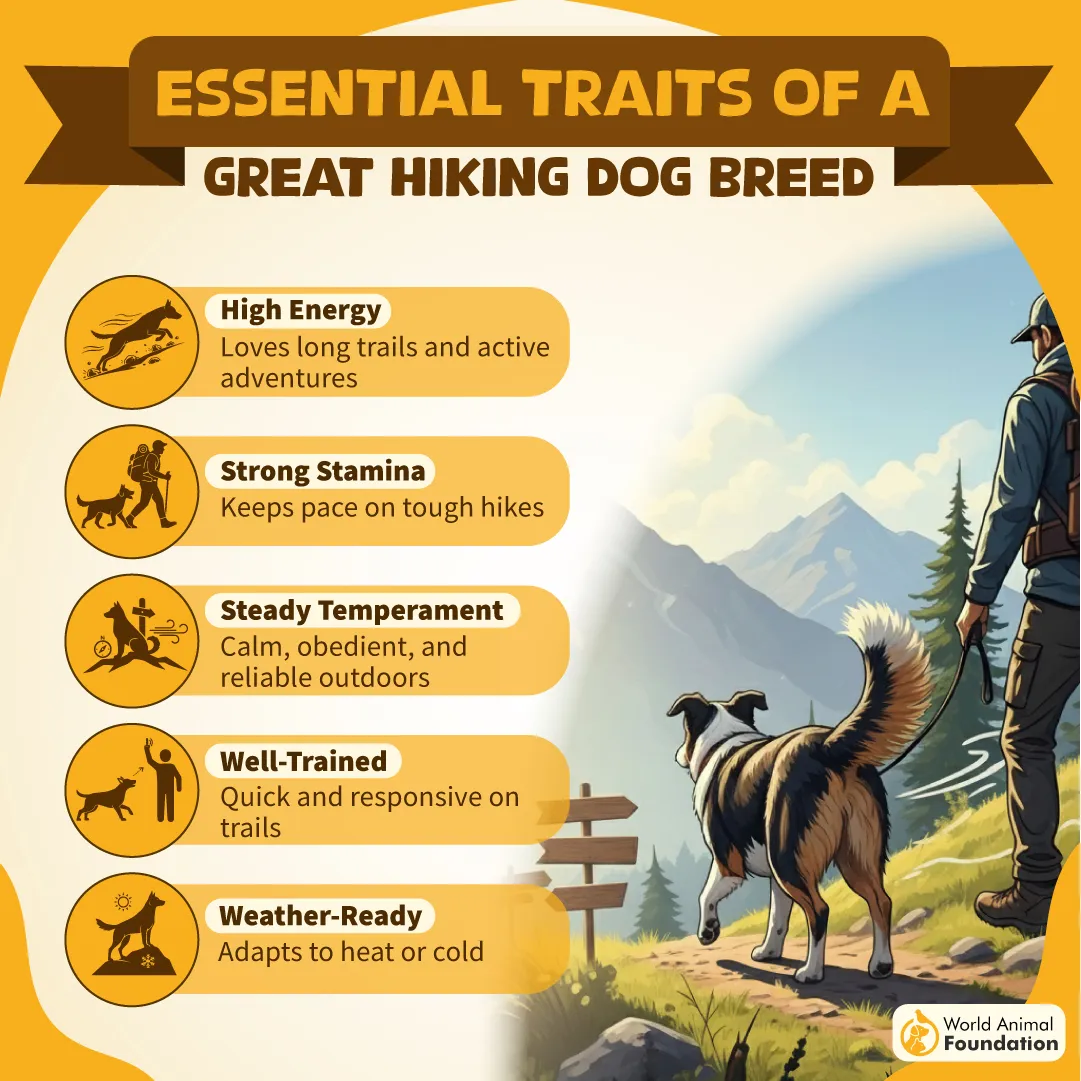
Long hikes feel better when your dog matches your pace and mood.
Backpacking with a dog is freedom with a tail. Most dogs like fresh air, but not every dog can handle long distances or long hours on rough hiking trails. The best dog breeds for this life often come from working breeds or herding lines, and some even did jobs like herding fish.
These dog breeds were bred to work outdoors through shifting weather conditions. Good hiking dogs are intelligent dogs that learn routines fast.
Start with regular exercise, then add miles slowly. Pack water, snacks, and a first-aid kit. Bring a long leash, and save off-leash time for safe places.
That kind of proper training keeps outdoor adventures and activities fun for you and your dog.
Ideal Dog Breeds for Long-Distance Hiking and Backpacking
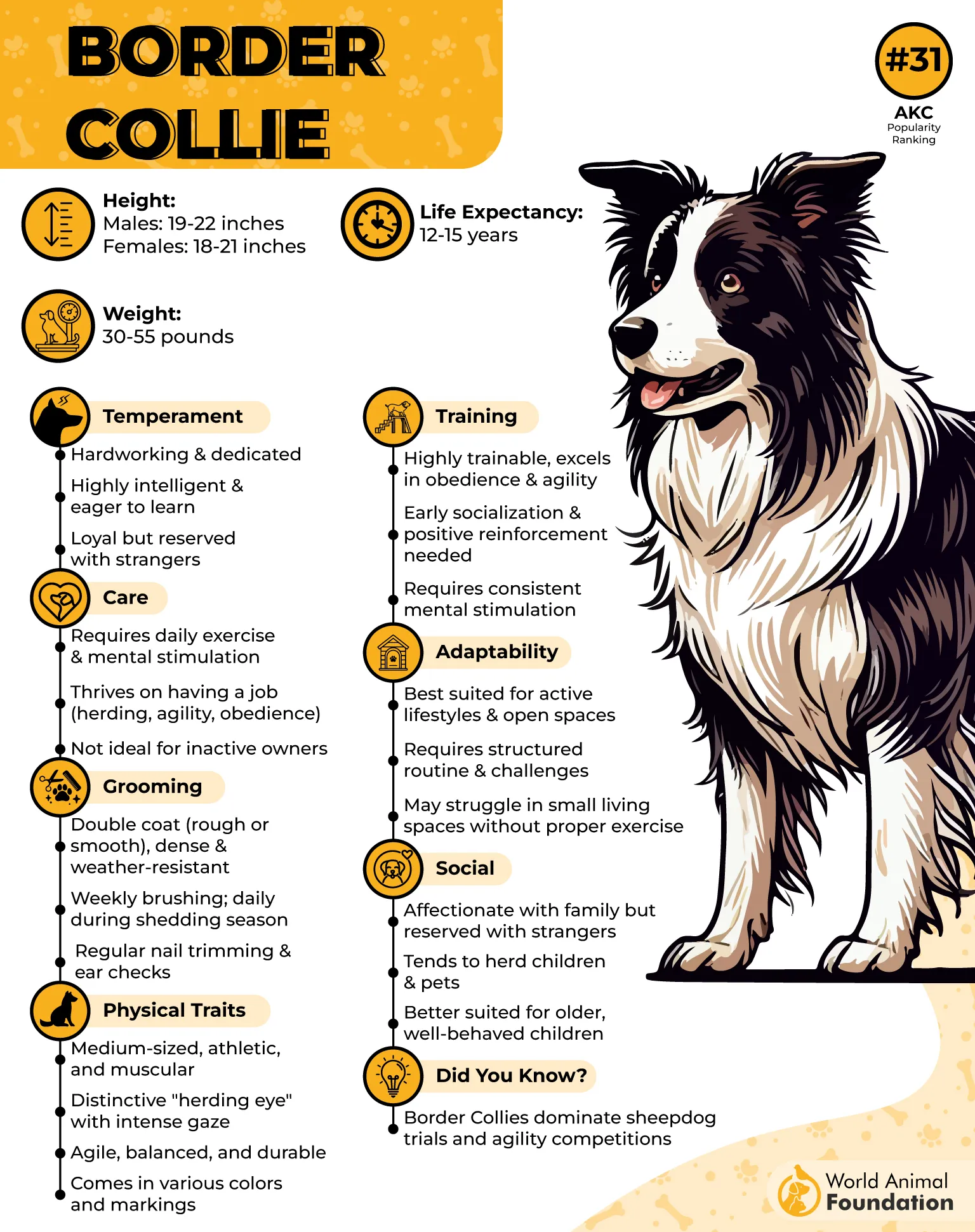
1. Border Collie
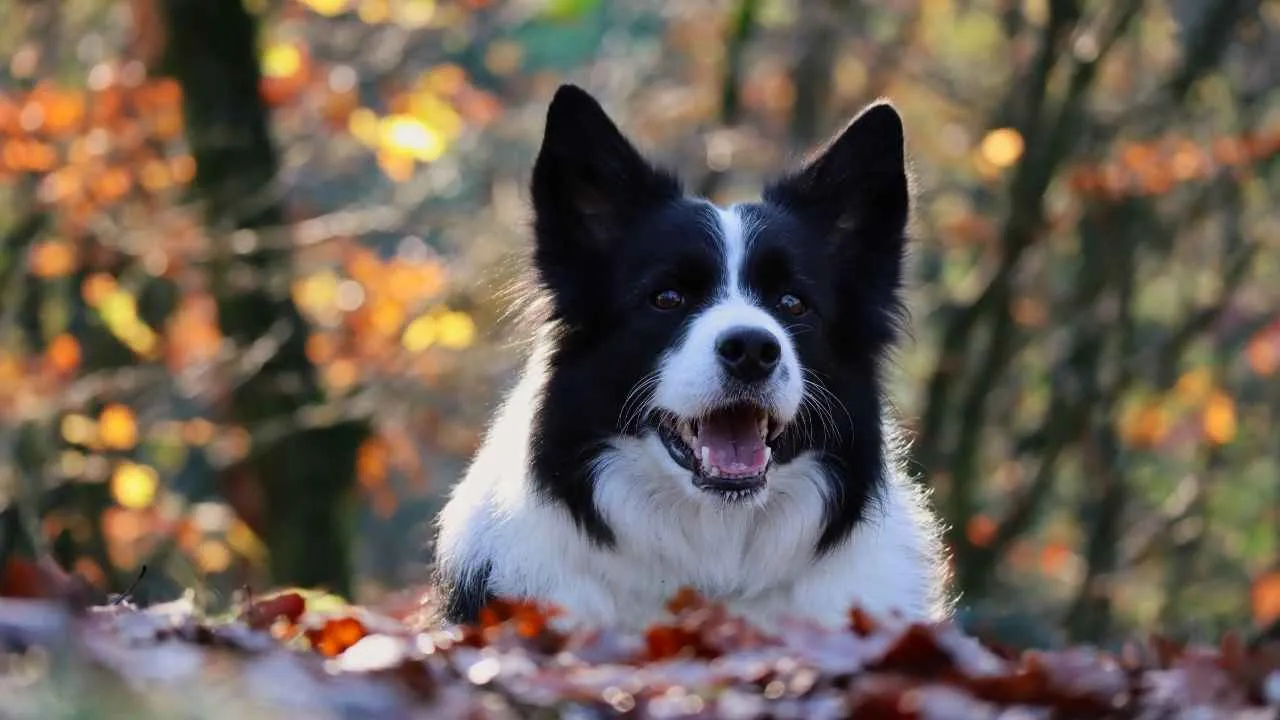
Brainy trail rocket with a medium-length double coat
A border collie is one of the most highly intelligent hiking partners you can find. This breed watches everything. Foot placement, wind shifts, and your hand reaching for water. That makes sense when you remember the breed was shaped for herding work and constant decision-making.
On rough ground, the dog often adjusts fast and stays confident. Tiny streams, slippery roots, and narrow ledges feel less scary when your dog stays calm.
Here’s the good part. According to AKC, a border collie is built for motion and focus, so trail running and steep climbs can feel like a game. These are athletic dogs with high energy, and they are also agile dogs that love quick turns.
Mental work matters as much as miles. Toss in quick “touch” drills, a short sniff break, or a simple “find the treat” game, and the dog stays tuned in instead of frazzled. A tired brain often means a polite dog at camp.
Coat matters too. Many have a medium-length double coat that handles cool mornings and brushy paths well. Keep burr checks in your routine and trim fur between pads.
Teach the dog to carry its own pack with only light items, like empty bowls or poop bags. Do that, and you get one of the great trail partners for long hours outside.
Great for: fast pace, agility, and quick direction changes
Watch for: trying to “work” squirrels or joggers
Trail tip: Practice a recall command daily, then reward calm check-ins before you try off-leash time
2. Siberian Husky
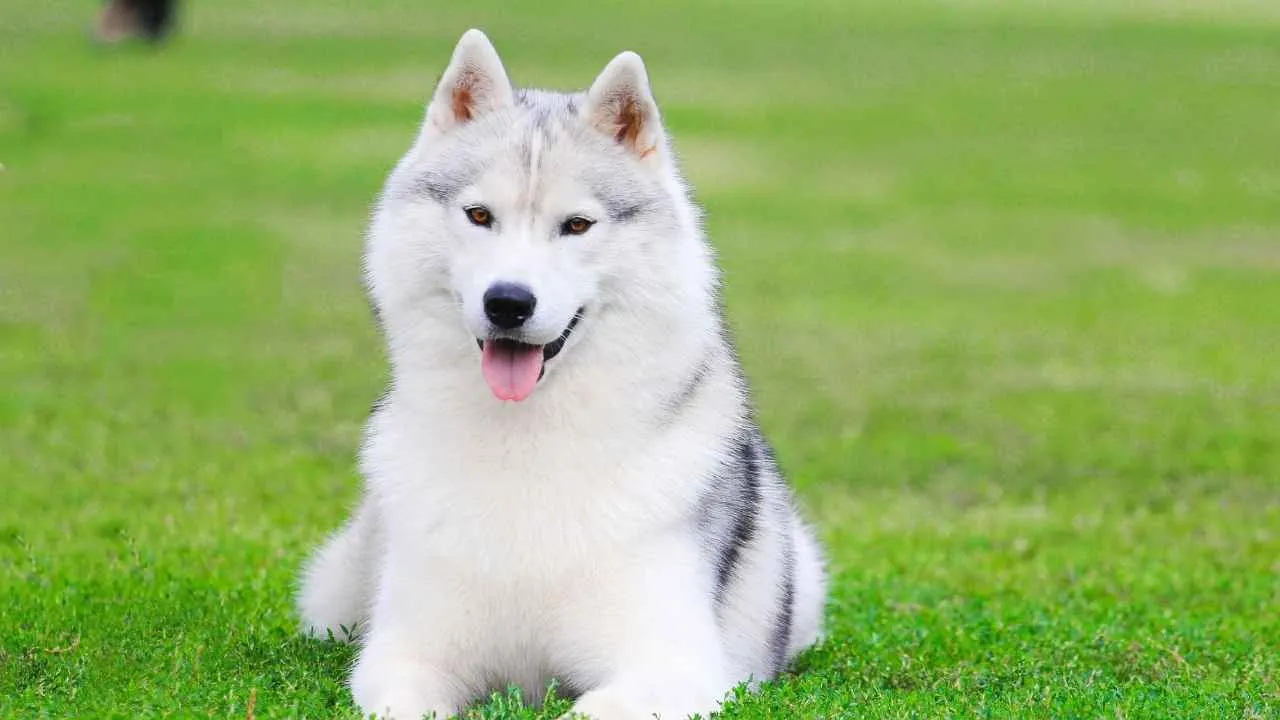
Cold-weather comedian with a “selective hearing” habit
A Siberian husky brings a big personality. Funny, bold, and a little mischievous, this dog can turn a boring grind into a laugh.
As per PetMD, this breed was originally bred to pull sleds and carts long distances, so endurance is baked in. That history is why many huskies stay steady for long hikes when the air is chilly. Snowy switchbacks and crunchy ice can look like a playground to them.
And here’s the best part! A husky often absolutely loves the rhythm of moving forward, especially in cool weather. The coat is a dense double coat that helps in cold weather, but it can be a pain in the heat.
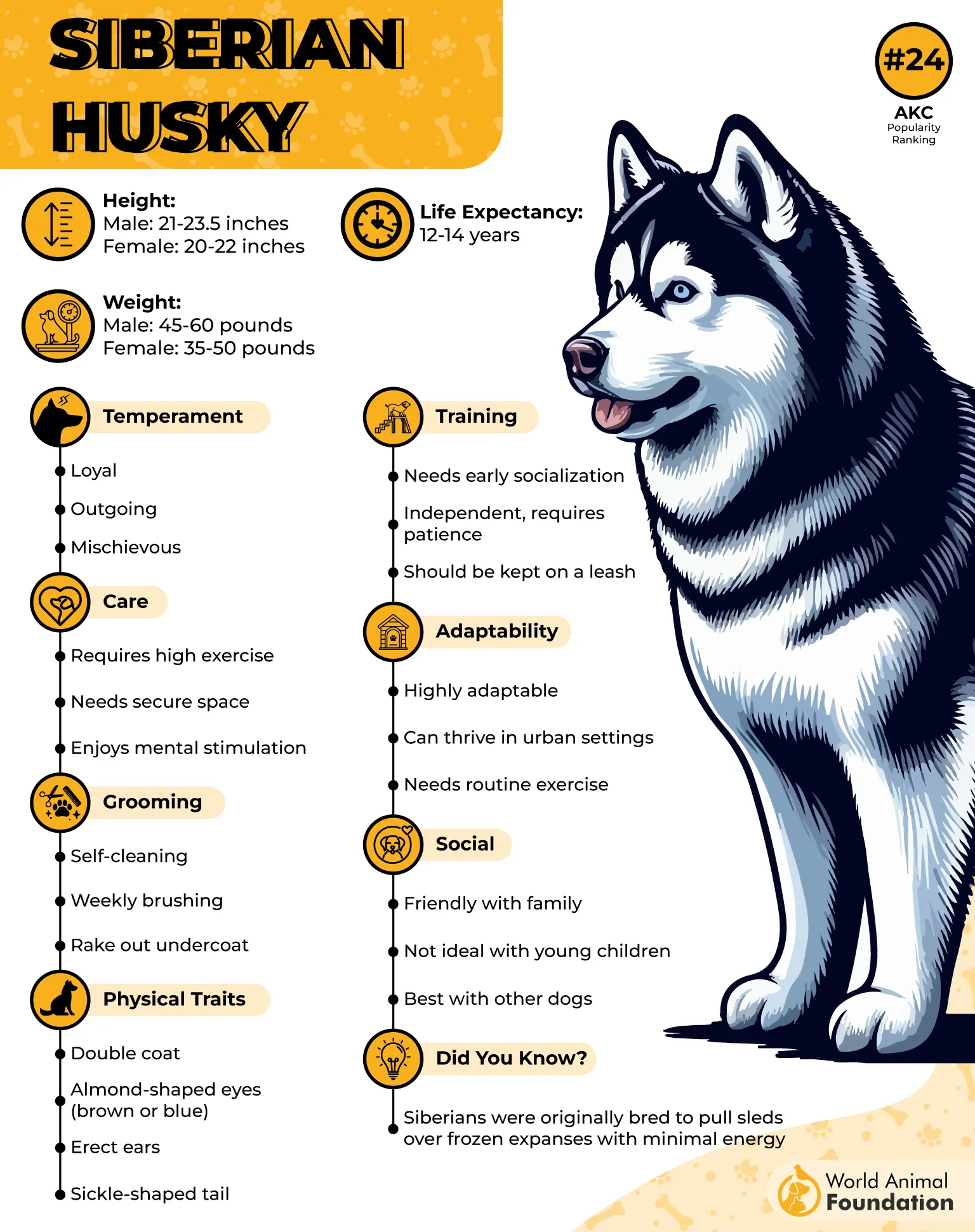
If summer is your season, plan early starts, shade stops, and lots of water. Let the dog rest in the shade, and keep the pace steady.
It gets even worse, though, if you assume training will be easy. A husky can be independent, so trust builds over time. Practice calm passing around people and their dogs, and keep the routine steady.
A harness with a secure clip helps on steep sections. When you do, this breed becomes a joyful hiking companion for big hiking adventures and steady miles.
Great for: snowy routes and steady pacing over long distances
Watch for: roaming urges and sudden “I’m gone” moments
Fun fact: some huskies will sing at camp like tiny wolves
3. Labrador Retriever
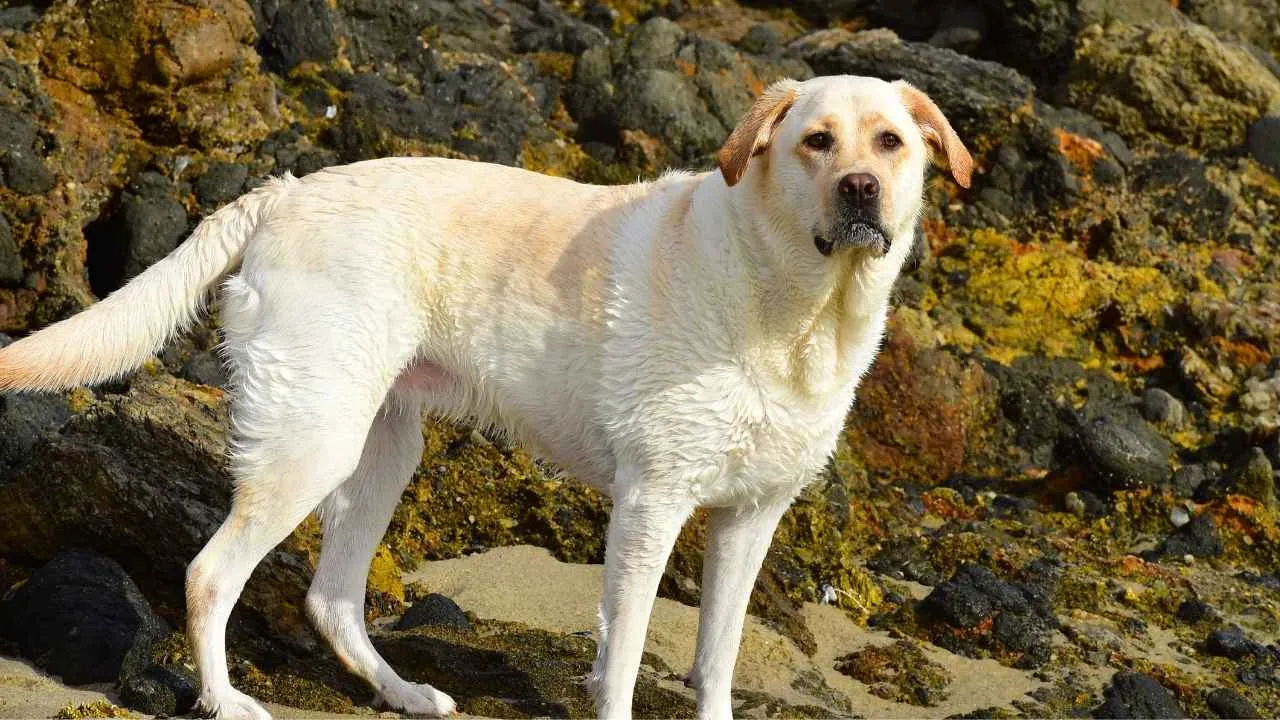
The friendly water-lover who makes every mile feel lighter
A Labrador Retriever is the kind of dog that makes strangers smile. Many people pick this breed because it is social, steady, and easy to read.
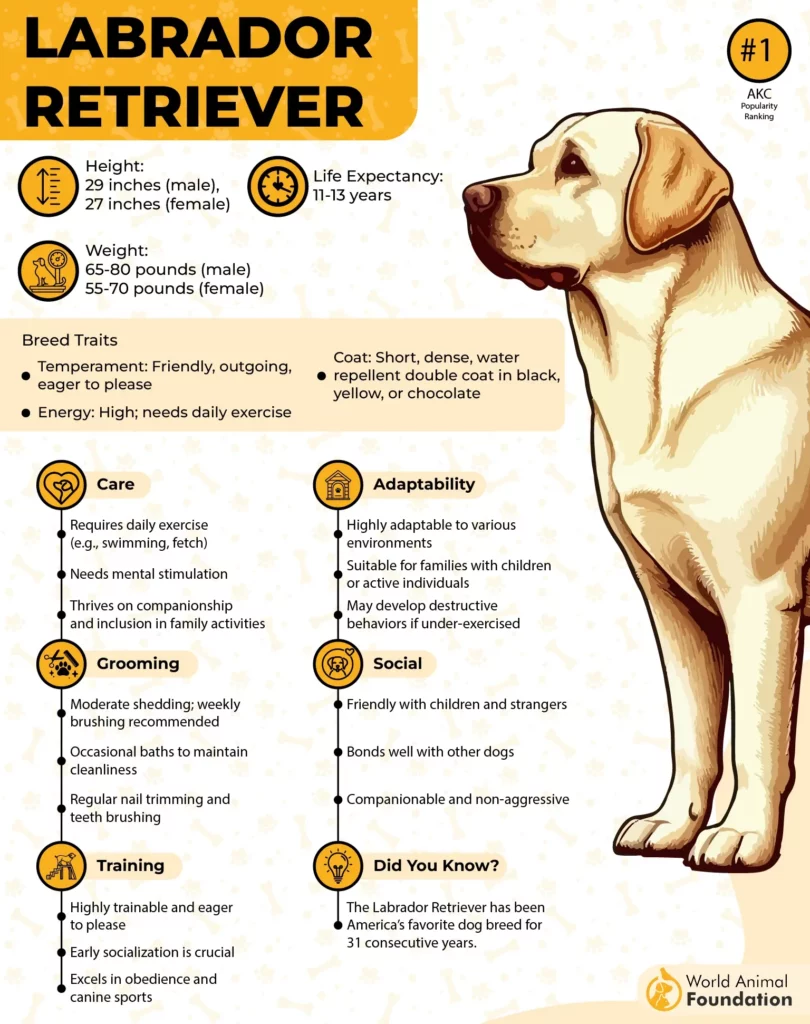
Most labs are happy to hike, splash, and then nap hard. Their coat helps in wet terrain, and a quick dip can cool them down on warm days. This breed also tends to handle crowd noise better than many shy dogs.
Here’s the good part. Labs often adjust well to different ground and different climates. Many can tolerate heat if you manage water, shade, and pace. They also tend to enjoy being around other hikers, which helps on popular routes.
Teach “leave it” for food scraps, and you avoid a gross trail snack disaster. A little towel in your pack helps with muddy paws before the car ride home.
But wait, there’s more! Food drive is strong in this dog, so weight can creep up. Extra weight can stress hips and knees and lead to joint problems, especially if you push steep miles too soon.
Keep treats tiny, build fitness slowly, and mix in games so the dog stays happy. With good care, these are great dogs and great hiking buddies for families and solo walkers.
Great for: mixed terrain, lakeside routes, and beginner backpacking
Watch for: overeating and tired legs after big climbs
Trail tip: offer water before the dog seems thirsty
4. Alaskan Malamute
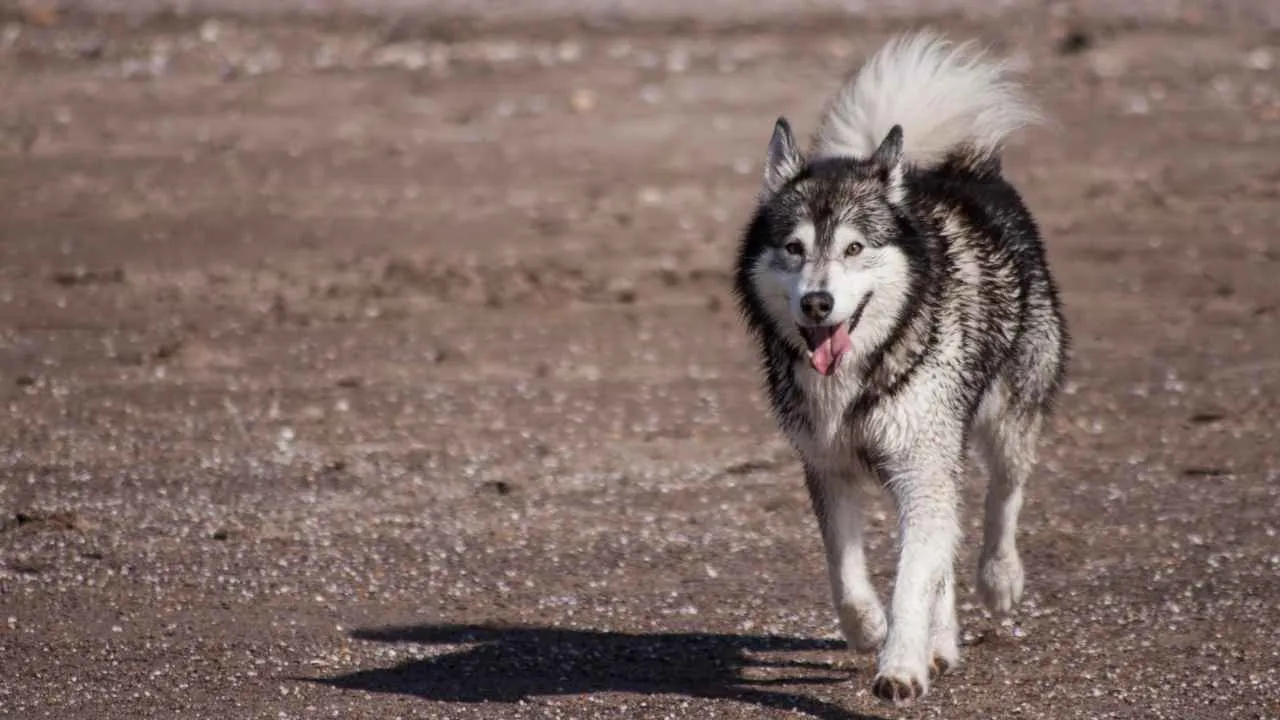
Calm powerhouse built for winter work, not summer heat
An Alaskan malamute is a big, sturdy dog with a gentle vibe. This is a classic of the working dogs world, designed for hauling heavy loads in snow. They are not about speed.
They are about steady effort, step after step, hour after hour. That is gold on long hikes when you want a calm pace.
Sounds crazy, right? A dog this strong can still be sweet and playful at camp. Many malamutes enjoy being outside and staying close to their people. They often do best in colder seasons, where their thick double coat is a true advantage.
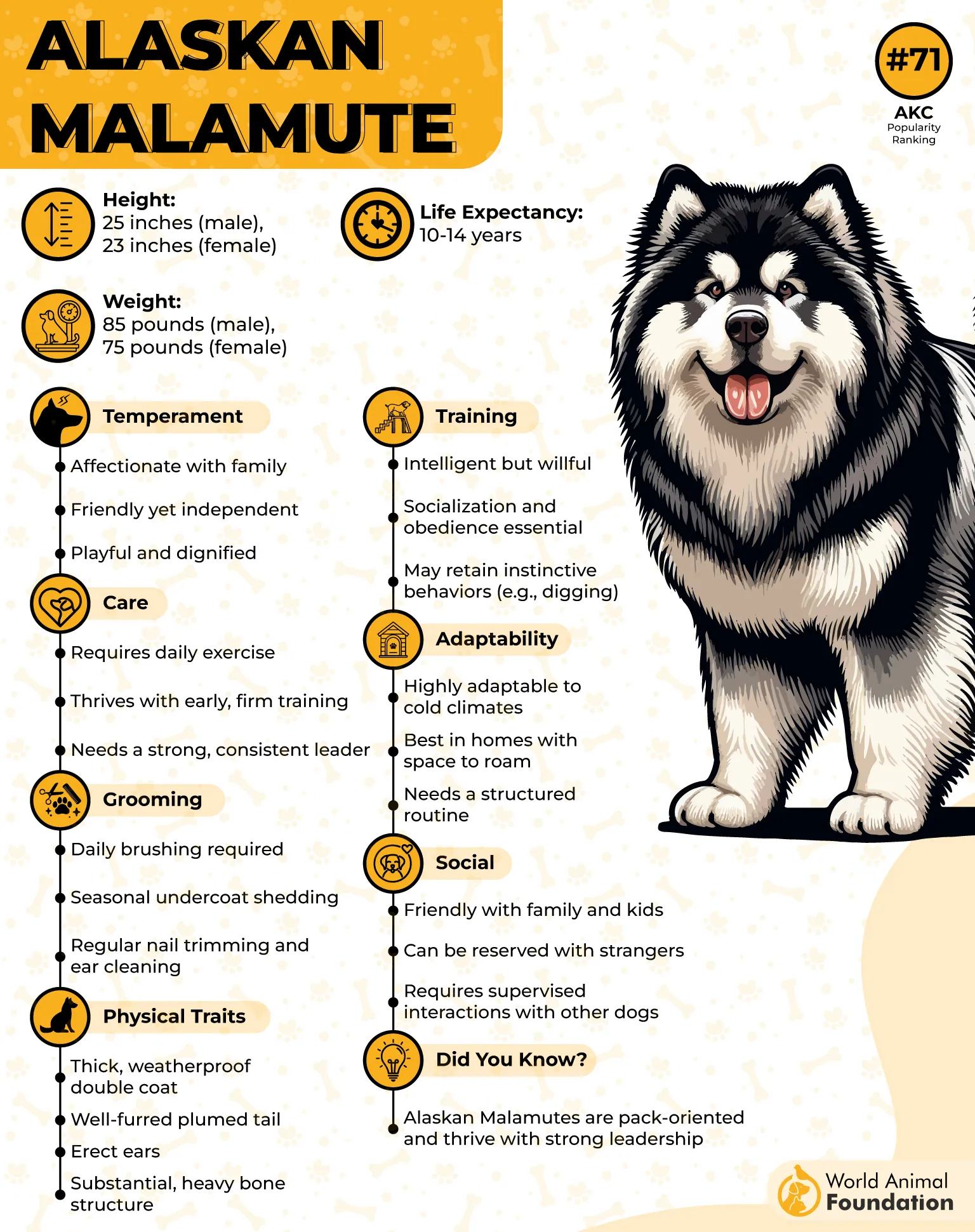
In cold air, they can keep moving without drama. Carry a brush for quick coat checks, since snow clumps can form between toes.
Heat is the deal-breaker. This breed handles heat poorly, and that needs respect. Choose shady routes, start early, and stop if panting looks intense. Keep the pack load light, even if the dog looks like it could carry your tent.
Train polite leash manners, too, since a strong pull can wreck your shoulders. Short breaks with water and a few calm pats keep this dog steady and happy.
Great for: winter trekking and crisp mountain mornings
Watch for: heat stress and pulling on climbs
Important note: bring extra snacks for this big eater
5. Golden Retriever
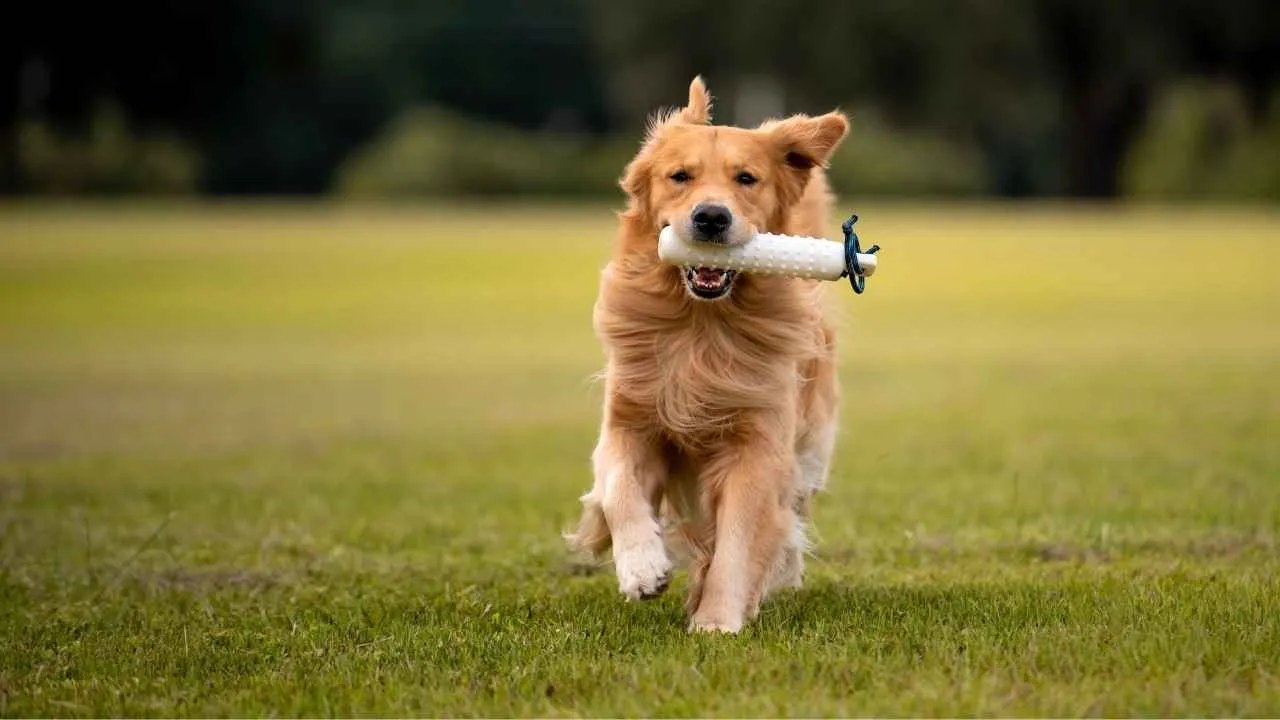
Sunny’s best friend, who keeps spirits up
A golden retriever is famous for kindness, but the true side of this dog is real. Many goldens love hiking because it feels like nonstop play with their favorite human. They can be surprisingly athletic when you build stamina in small steps.
Their social nature also helps on busy routes, since they usually gently greet people. That friendly vibe can ease tension when a trail feels crowded.
Here’s the best part says WebMD, Goldens often bond deeply and become great companions at camp. Set your sleeping bag down, and a golden may curl up nearby like a fluffy check-in buddy.
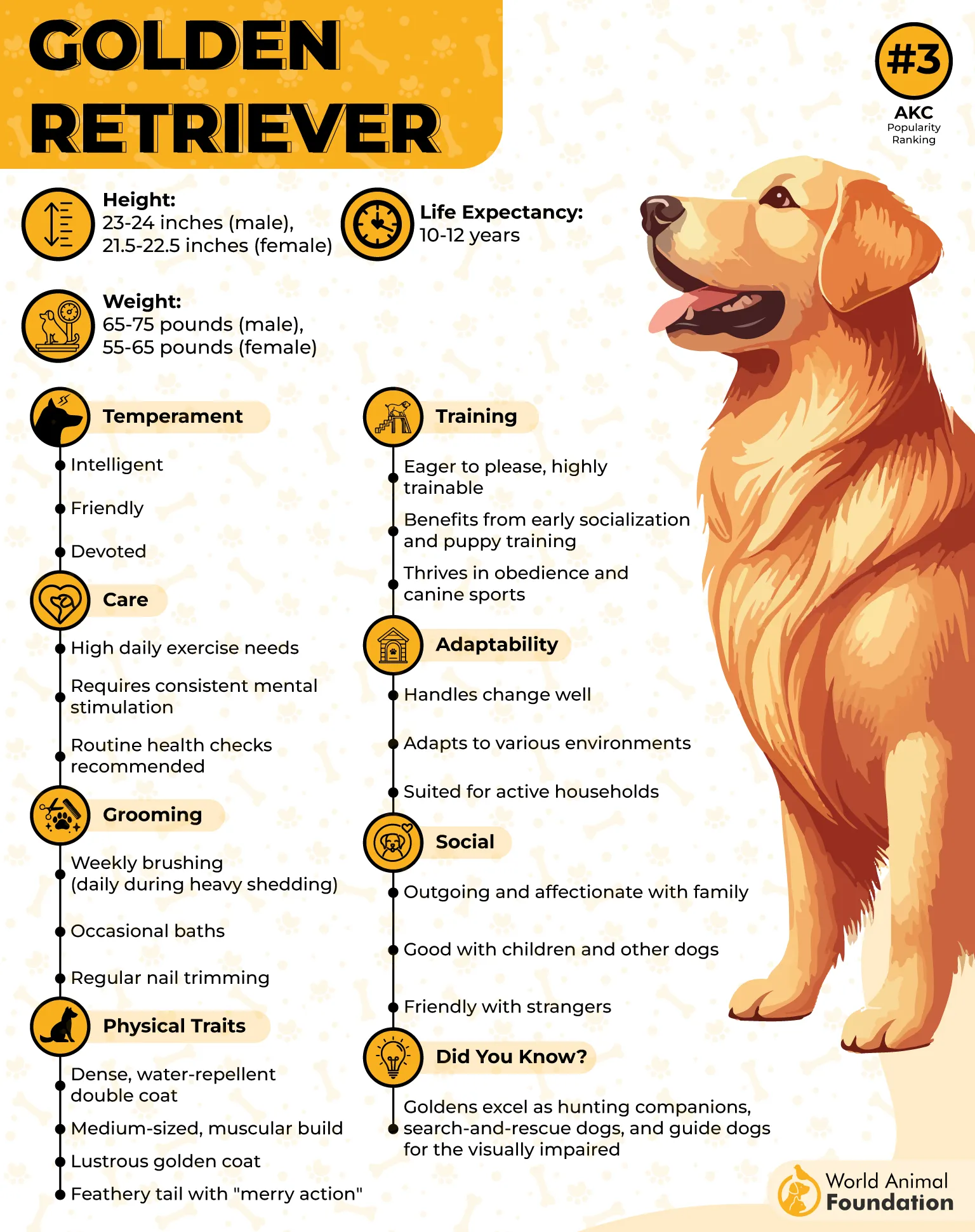
That closeness can lower stress at night, especially in new places with strange sounds. A chew toy can help them settle if the campsite is noisy.
Some goldens have health concerns around joints, so keep jumps and hard landings low. Build distance slowly, and pay attention after downhill sections. A warm-up walk at the trailhead helps, just like it helps people.
When trained with calm cues and rewarded for focus, this breed becomes one of the great hiking partners for relaxed backpacking trips and long days.
Great for: friendly trails, camp manners, and patient pacing
Watch for: tired hips after steep descents
Fun fact: many goldens carry a stick like it is a trophy
6. Australian Shepherd
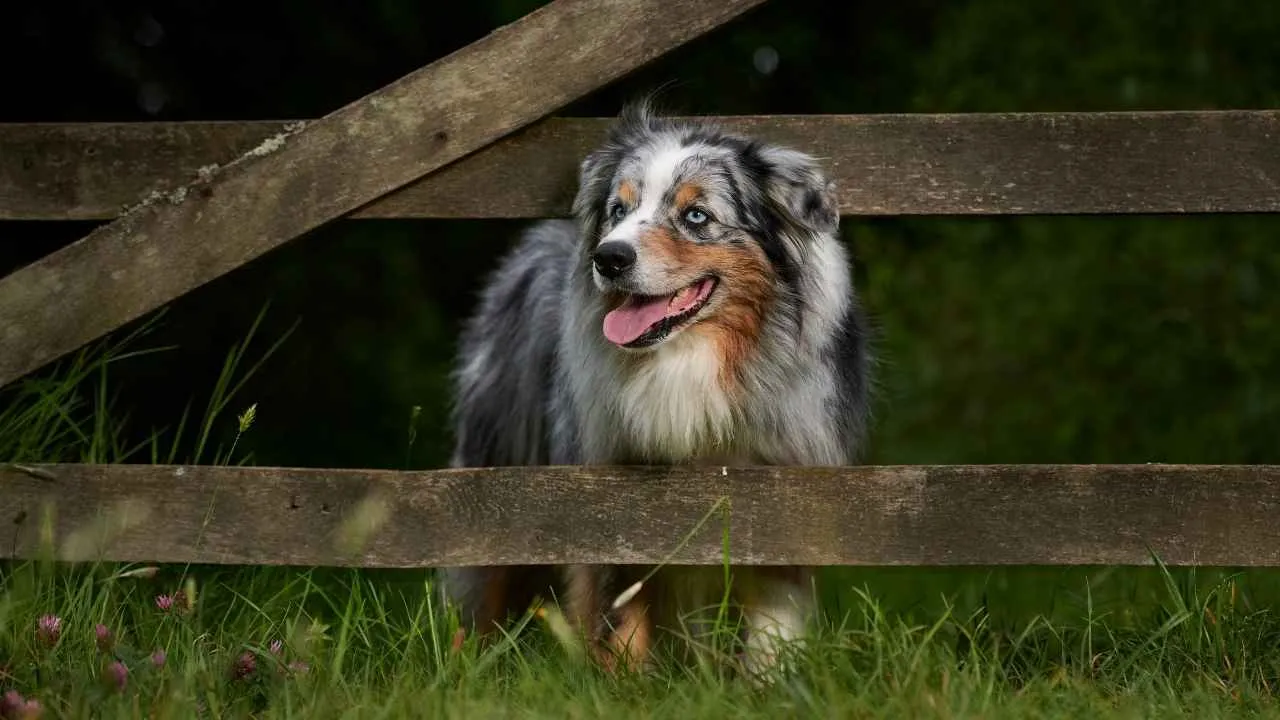
Upbeat worker who turns the trail into a game
An Australian Shepherd is a bright, athletic dog that loves having a job. This breed came from herding roots and still carries that “let’s do stuff” spirit. They thrive with an active lifestyle and daily purpose.
On a long-distance hike, that drive can be amazing because the dog stays engaged instead of zoning out. For many people, this is the adventure dog that keeps motivation high when the climb gets rough.
But why bother with all that energy if it spills everywhere? Give structure. Teach waiting at turns, moving aside when people pass, and settling during breaks. A quick toy game or scent search can reset the brain.
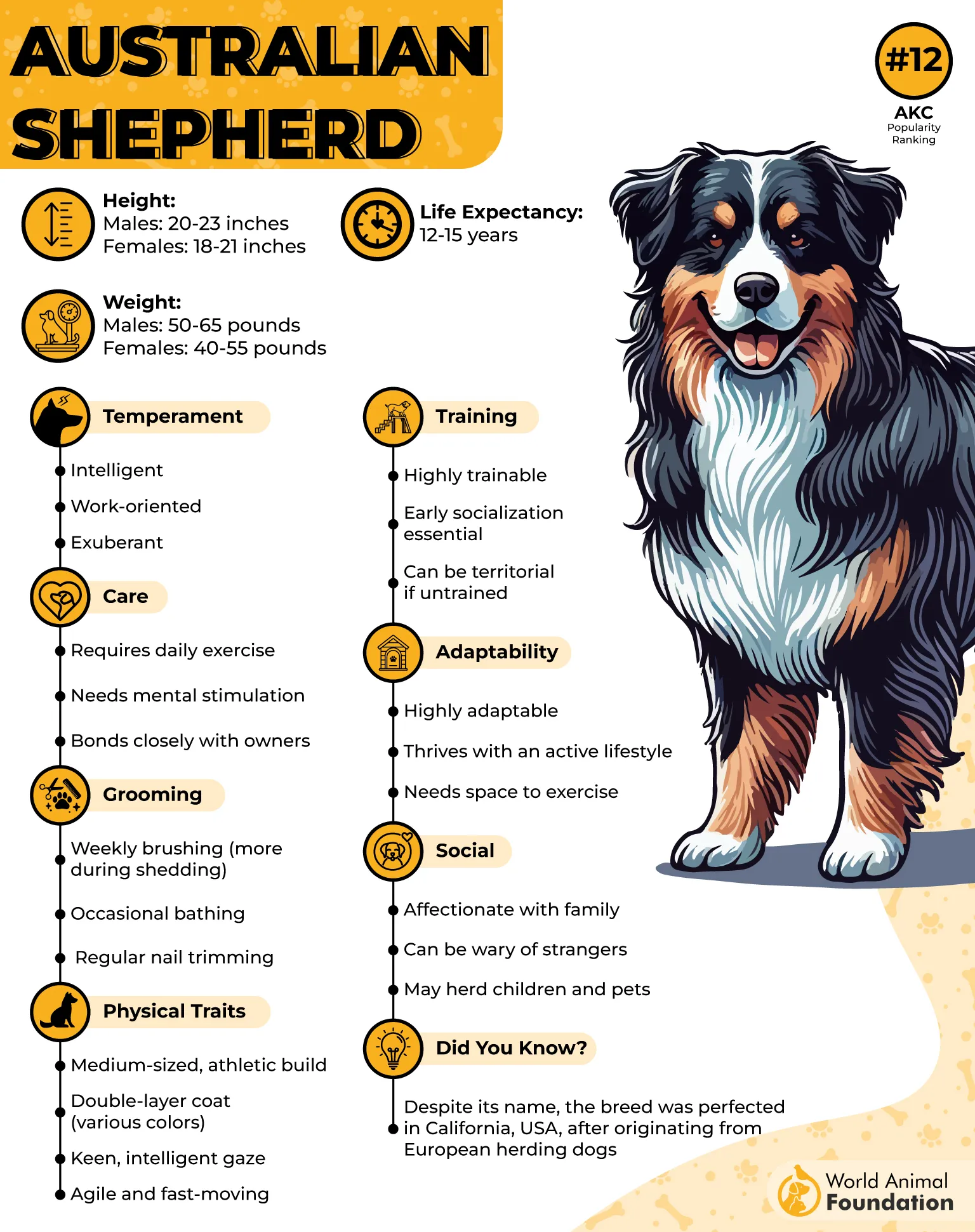
This is one of those active dogs that needs real physical exercise and mental play, not just a weekend outing. If you skip that, the dog may invent “jobs,” and the jobs are usually annoying.
Other breeds like the blue heeler also love the outdoors, but the Aussie tends to bring a softer, bouncier joy. Aussies can still chase fast movement, so keep training steady and reward calm focus.
A light rain jacket can help on wet days, since a soaked coat can chill them at rest stops. When handled well, this breed becomes a reliable hiking companion for long hours of movement.
Great for: long days with training games and varied terrain
Watch for: herding behavior around kids, bikes, or other dogs
Trail tip: Practice “leave it” before wildlife season
7. Vizsla
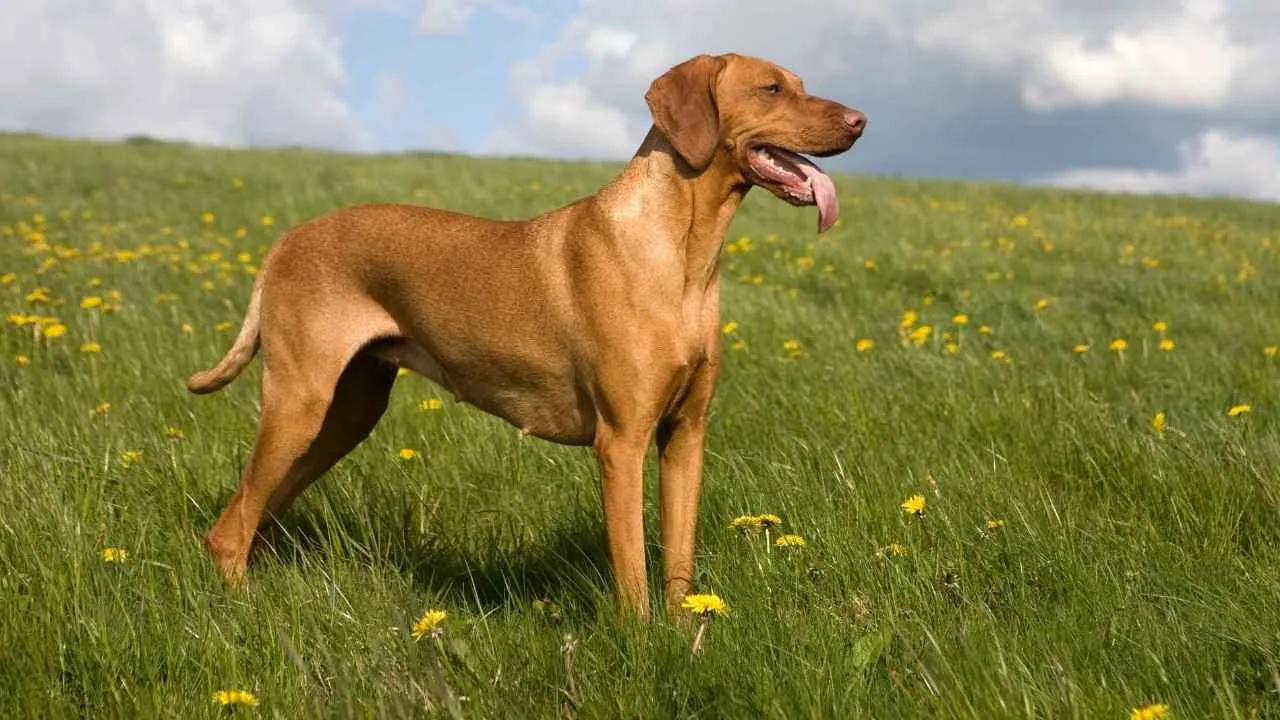
Lean runner who wants to be near you, always
A vizsla is a short-haired dog built for speed and stamina. This breed is friendly, affectionate, and always ready to go.
They were originally bred as a Hungarian hunting dog, and that drive shows in how they move. The body is light, the stride is smooth, and the attitude is “let’s go now.” If you like a quick pace, this dog will match it.
And here’s the best part! Vizslas are often called velcro dogs because they love staying close. On a trail, that closeness can feel safe. The dog checks in, reads your tone, and settles fast at breaks.
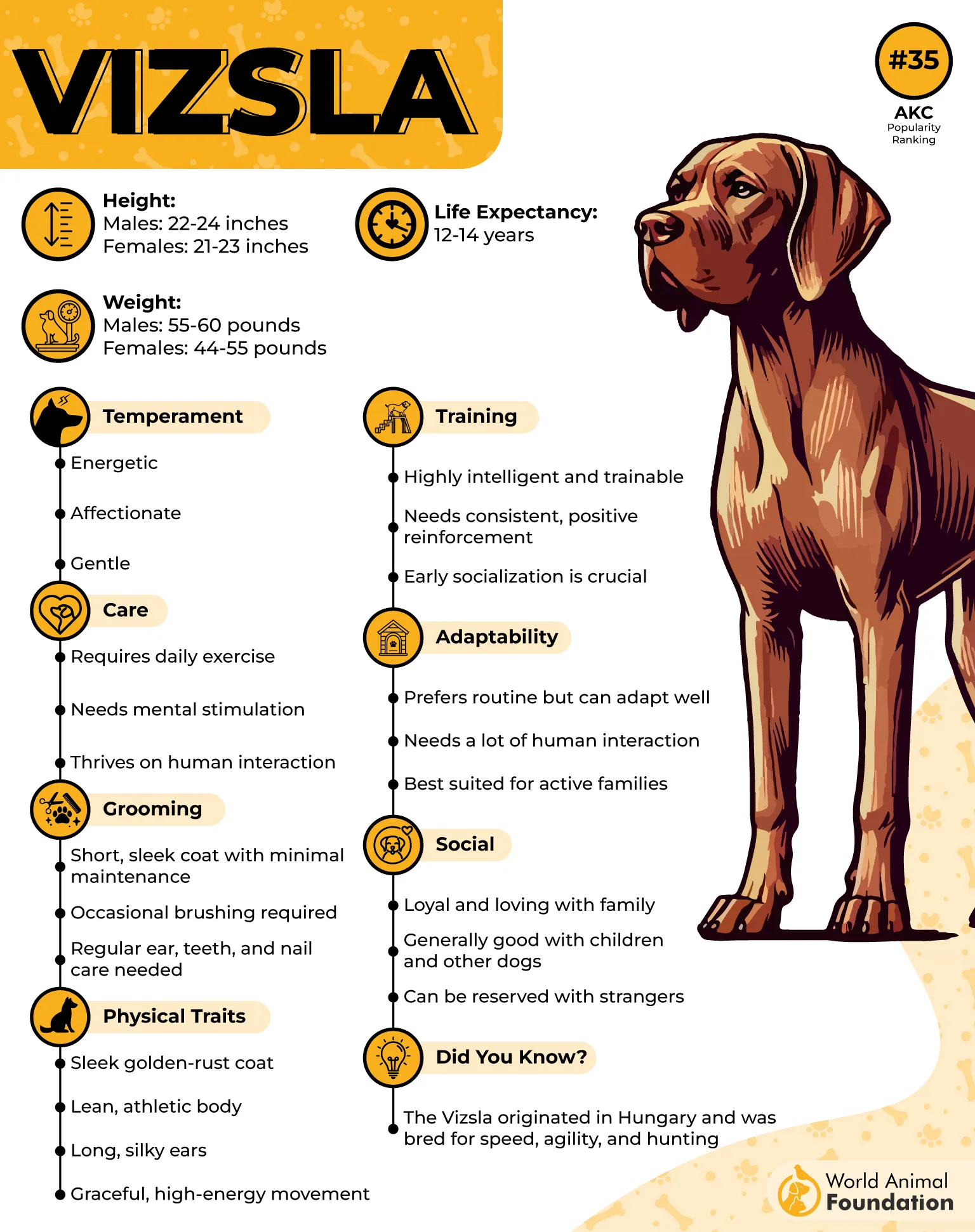
That bond can make training smoother, as long as you keep it gentle and consistent. Short, fun sessions beat long, strict drills with this sensitive breed.
Because the coat is short, cooling can be easier than with heavily coated working dogs. Still, heat hurts every dog. Plan shade, offer water, and slow down if panting looks intense.
A soft bed or pad at camp helps this lean body rest well. With steady conditioning, this breed is the best bet for trail running and long distances without the bulk of bigger dogs.
Great for: runners, fast hikers, and close bonding on the move
Watch for: stress if left alone for long hours
Fun fact: some vizslas will “point” at birds even on a casual walk
Conclusion
Picking a hiking dog is not about picking a “tough” dog. It is about matching your life. Choose a breed that fits your climate, your pace, and your daily routine. Small dogs can be solid hiking companions, but small dogs may need shorter stages and a lift over sharp rocks.
Large dogs and big dogs can cover ground, yet joints and heat deserve respect. Build up slowly from long walks to longer routes, and keep pack weight reasonable.
Stay breed specific with coat care, food, and rest days. If you feel unsure, the safest move is to start small and talk with a vet. Do that, and you and your dog will become confident hiking partners.
