




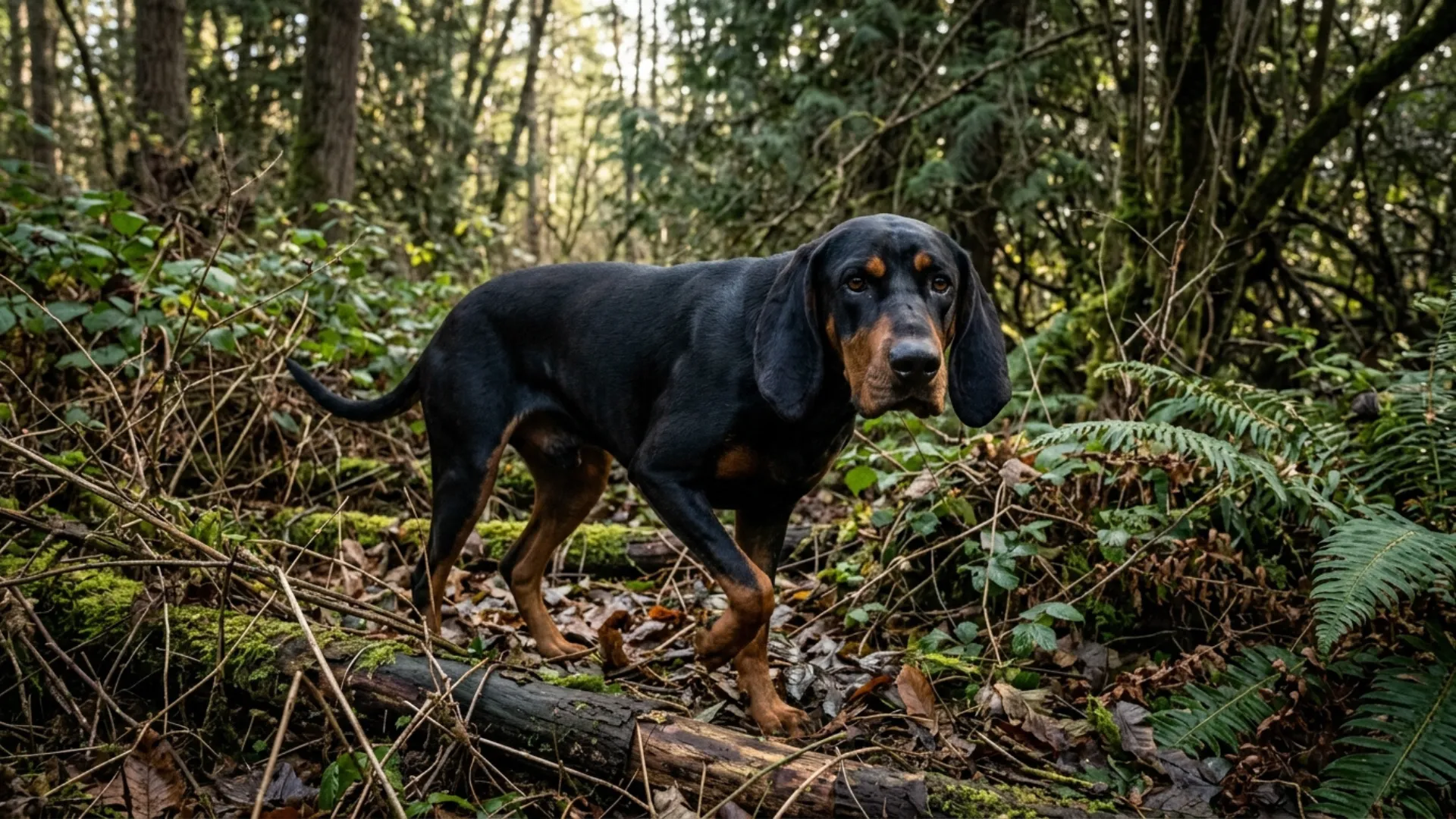
If you’ve craved wildlife encounters all your life, or you simply love a good hunting trip, there are many hunting breeds with striking looks and serious talent that can make your trips into dense brush and woodland smoother and a lot more satisfying.
That’s because these dogs are born with an incredible sense of smell, backed by an estimated 200 to 300 million scent receptors. They also see better than we do in low light, and some research suggests dogs may even be sensitive to the earth’s magnetic field, which could help them find their way.
Add the speed and stamina to handle tough terrain, and it’s easy to see why they make such valuable hunting partners. What more could a hunter ask for?
Meet the best hunting dog breeds to bring some smooth sailing to your next trip. So, are you ready to push the boat out?
Ideal Dog Breeds for Hunting in Dense Woodlands
1. Bluetick Coonhound
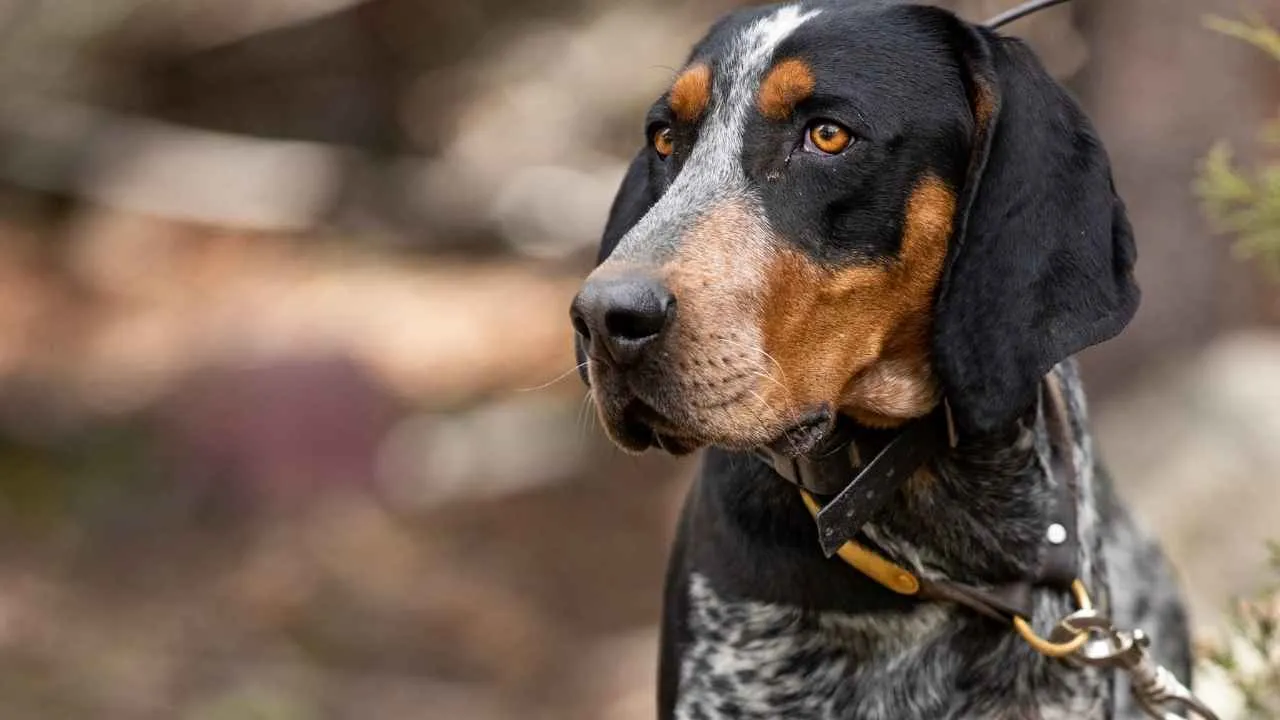
Specialization: Speedy, single-minded, and bold, the handsome Bluetick Coonhound has an extremely strong prey drive. Neither chunky nor clumsy, this night-hunting specialist treats the neighbors to its loud, mournful baying.
Frontiersmen used these dogs to chase the wily raccoon. In packs, these keen-nosed trackers can also help take on dangerous quarry like bear, lynx, wild boar, and cougar.
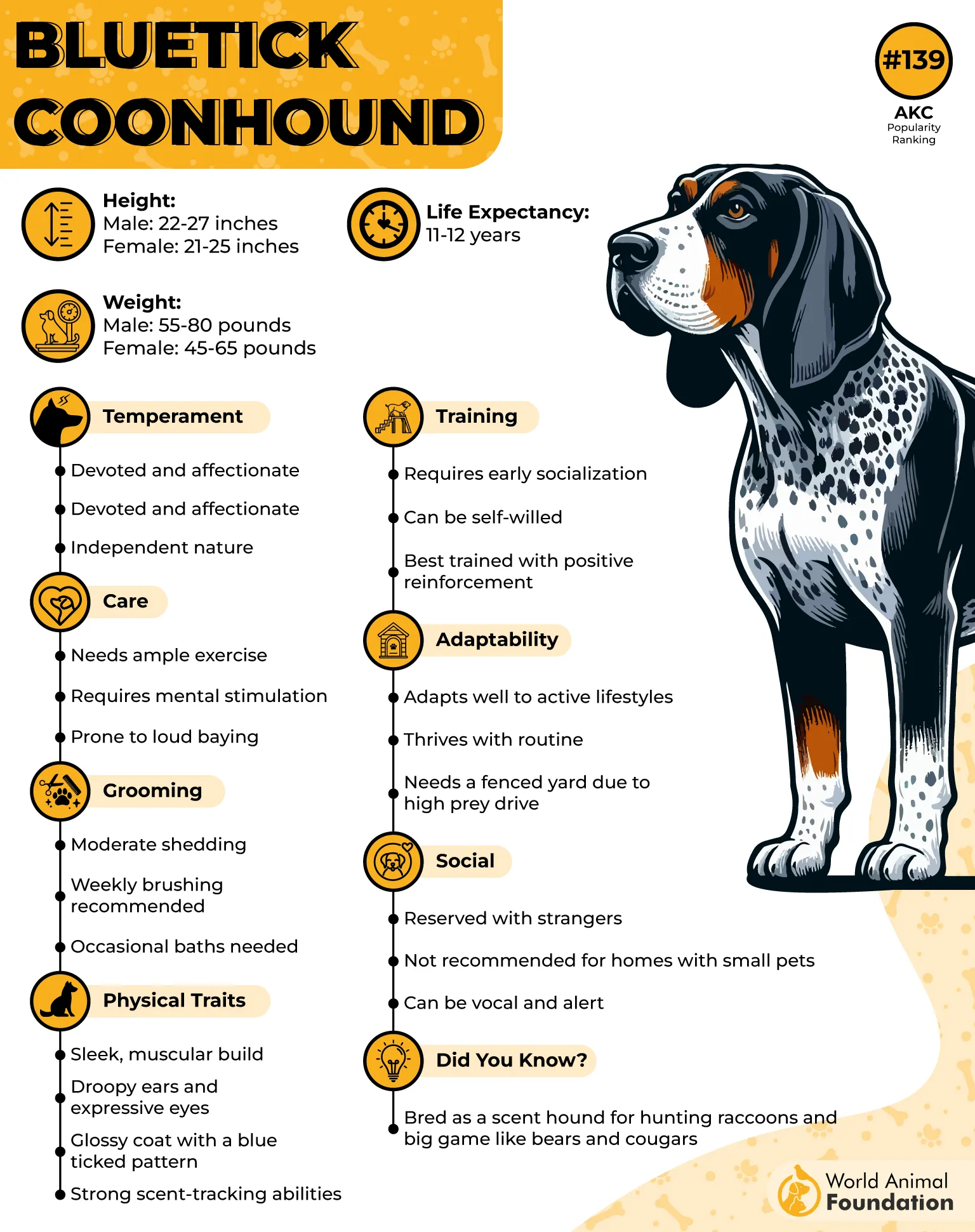
Bred to pursue warm-blooded game, the Bluetick’s bloodline is said to trace back to the French staghounds that Marquis de Lafayette gave his friend George Washington. These big, bell-voiced scent hounds can follow trails that have long gone cold.
They’re also brave enough to chase down almost anything that doesn’t take to a tree first, which makes Blueticks a hunter’s delight. They even serve as the University of Tennessee’s mascot, and their endurance lets them stay on a trail for hours on end.
2. Black And Tan Coonhound
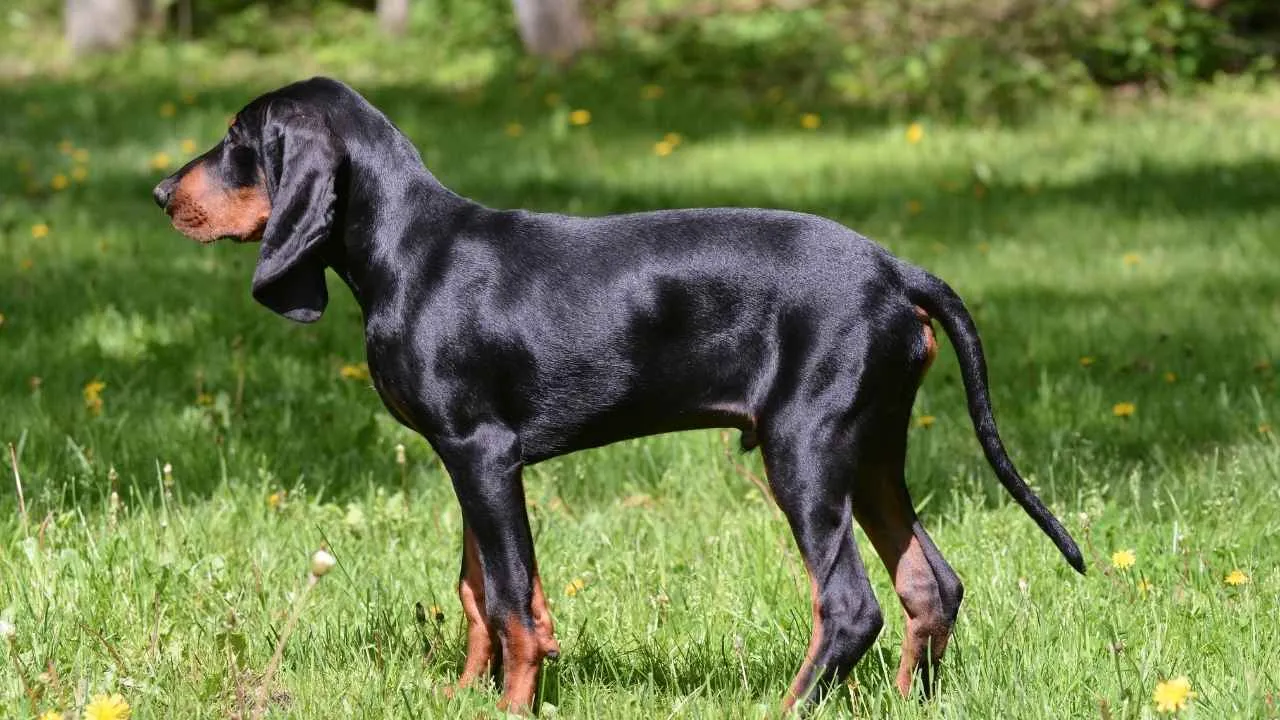
Specialization: Tenacious on the trail, these big boys are night owls that help hunters on after-dark outings. They cover ground with effortless, eager strides, and these black-and-tan fluffs can keep pace with active families. They are simply too much hound for an unsuspecting owner, though.
Their intelligence needs a productive outlet, and their intense prey drive, which a passing squirrel’s scent can set off in an instant, needs to be channeled into hiking, camping, or racing. At home, though, you’ll often find them hogging the sofa for hours on end.
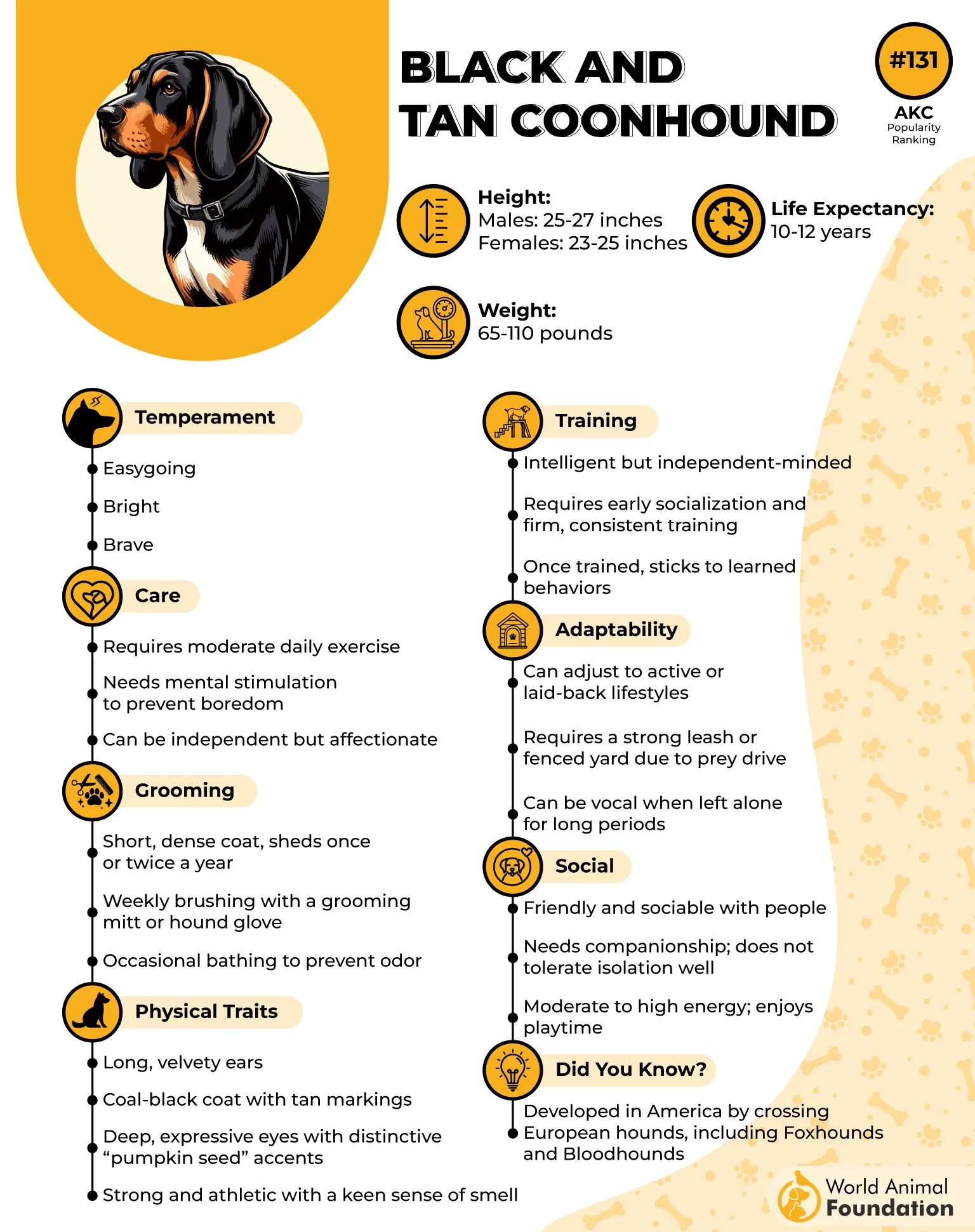
With their sensitive noses and long, velvety ears, these hounds also helped early frontiersmen survive by hunting the raccoon, a plump nocturnal mammal that provided fur, meat, and fat to settlers struggling for rations on the wild continent.
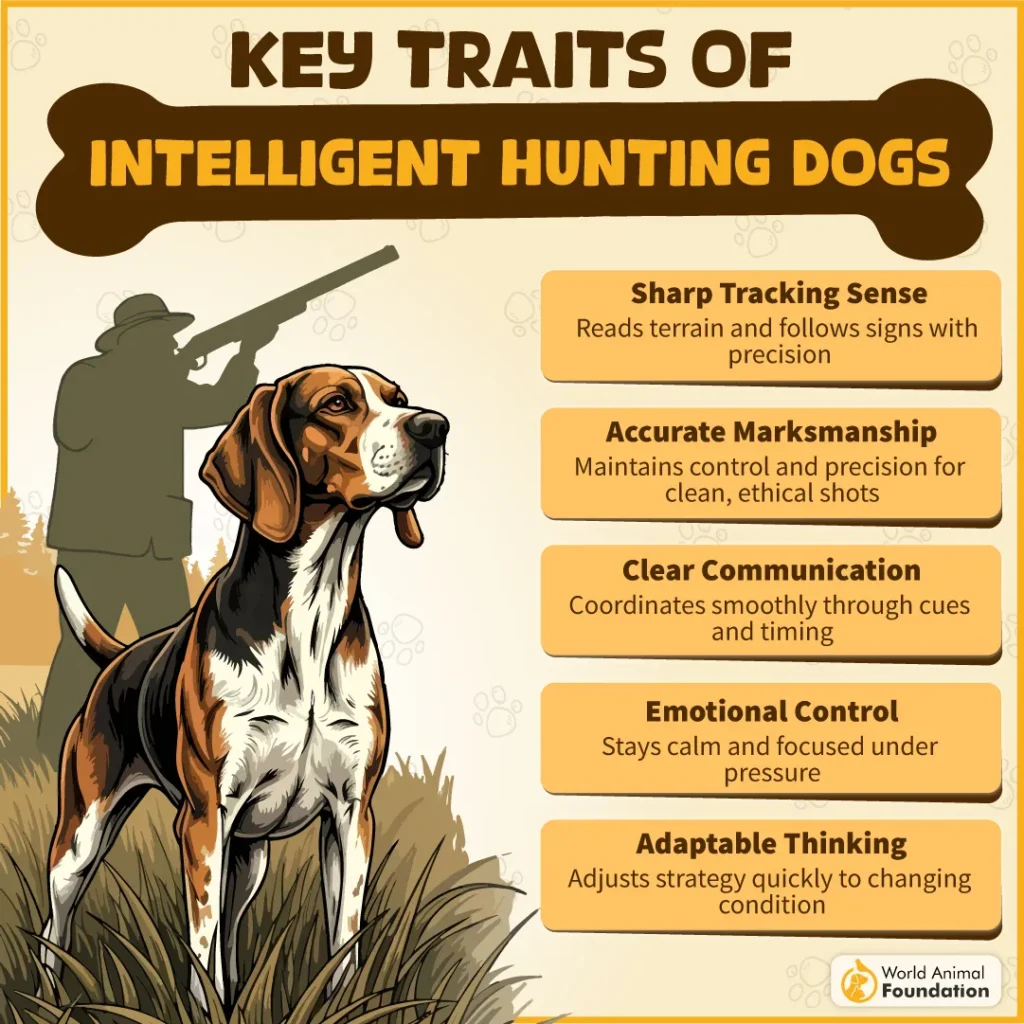
This American original is a product of Yankee ingenuity, bred from a mix of European hounds, foxhounds, and bloodhounds. The goal was a coonhound that could trail a raccoon’s scent through moonlit woods and swamps until it treed its quarry. Along the way, the dogs bawl out clear, musical notes to let rifle-toting hunters know where they are.
3. Pharaoh Hound
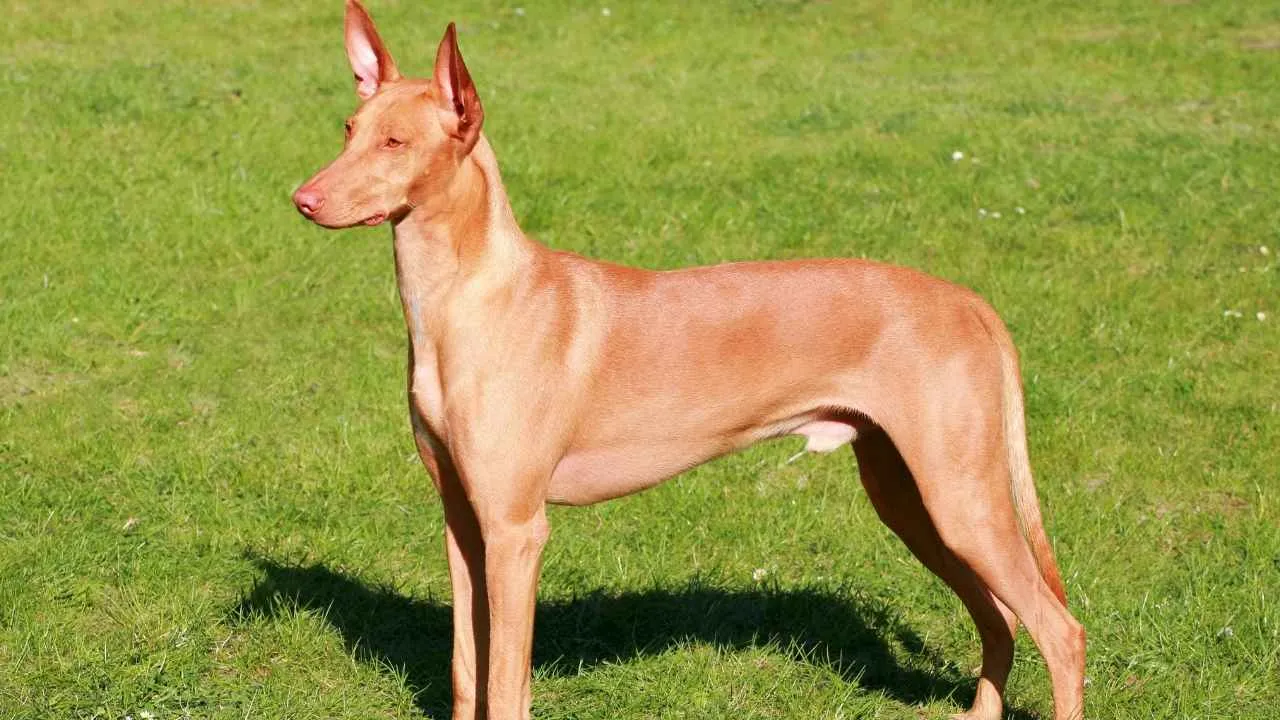
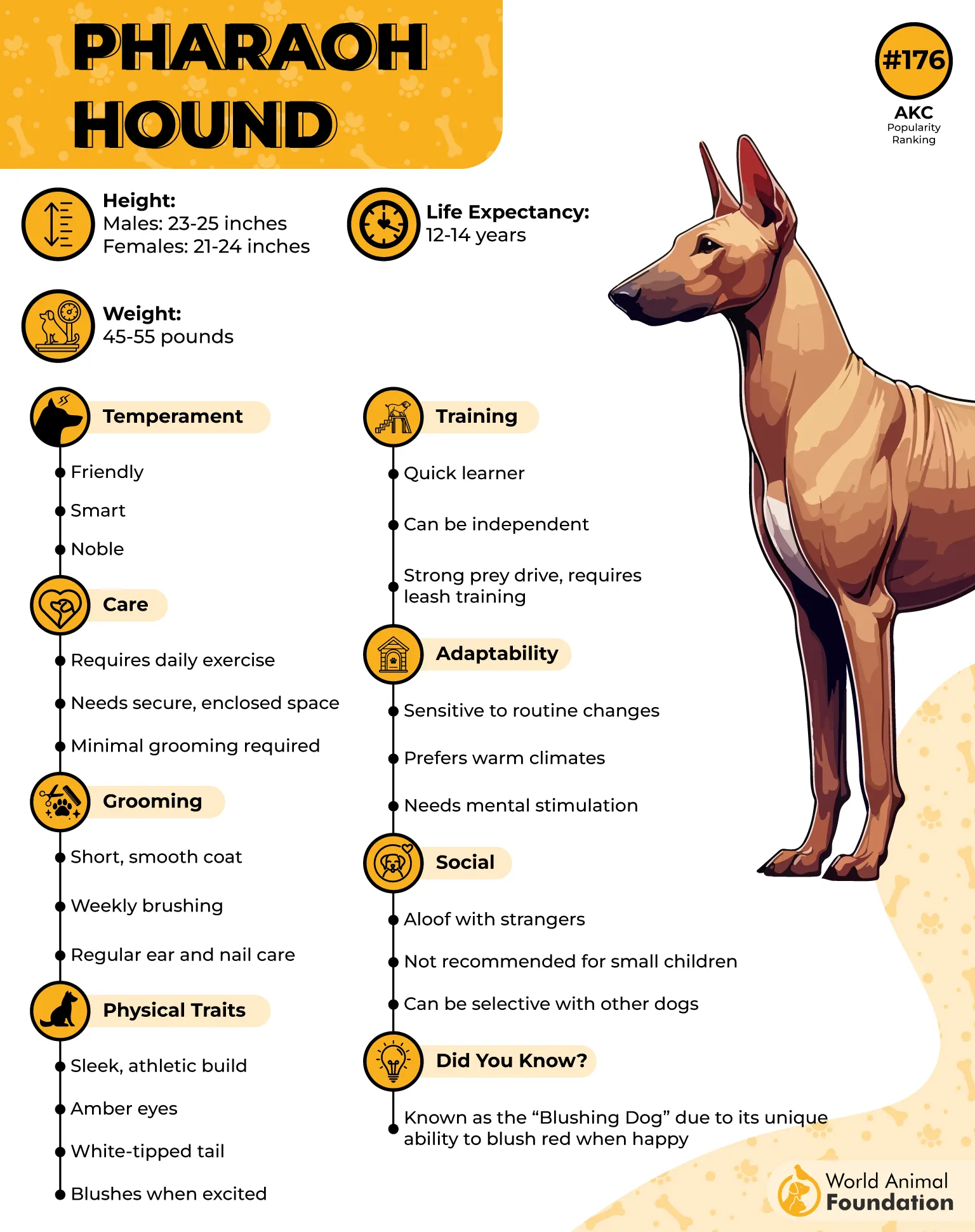
Specialization: This ancient “blushing dog” of Malta is an aerodynamic coursing hound bred for high-speed pursuit over rocky terrain. Its ravishing amber eyes, white-tipped tail, and ability to “smile” and blush when excited make it one of a kind among small-game coursing hounds.
Descended from Bronze Age hounds, Pharaoh Hounds are believed to have originated in ancient Egypt. Phoenician traders, who sailed the Mediterranean some 2,500 years ago, are thought to have brought them to Malta. Those seafaring merchants did brisk business in luxury goods and helped spread several Egyptian hound types across the ancient world.
Malta named the breed its national dog in 1979, and rabbit hunters and farmers there still use it today. Known locally as the Kalb tal-Fenek, it’s a unique entry on this list. Its long legs, sleek build, keen intelligence, and speed let it sprint and turn with ease, so it shines in dense woodland, and it excels at far more than hunting.
According to the American Kennel Club, reliefs of these hounds appear in the tomb chapels of Mereruka at Saqqara and Senbi at Meir. Ancient Egyptian art shows dogs like them in hunting scenes, chasing and subduing game, which symbolized control, loyalty, and the pharaoh’s connection to the divine.
Egyptians viewed these dogs as guardians and protectors, held them in high regard, and even believed they played an important part in their owners’ afterlife.
4. Treeing Walker Coonhound
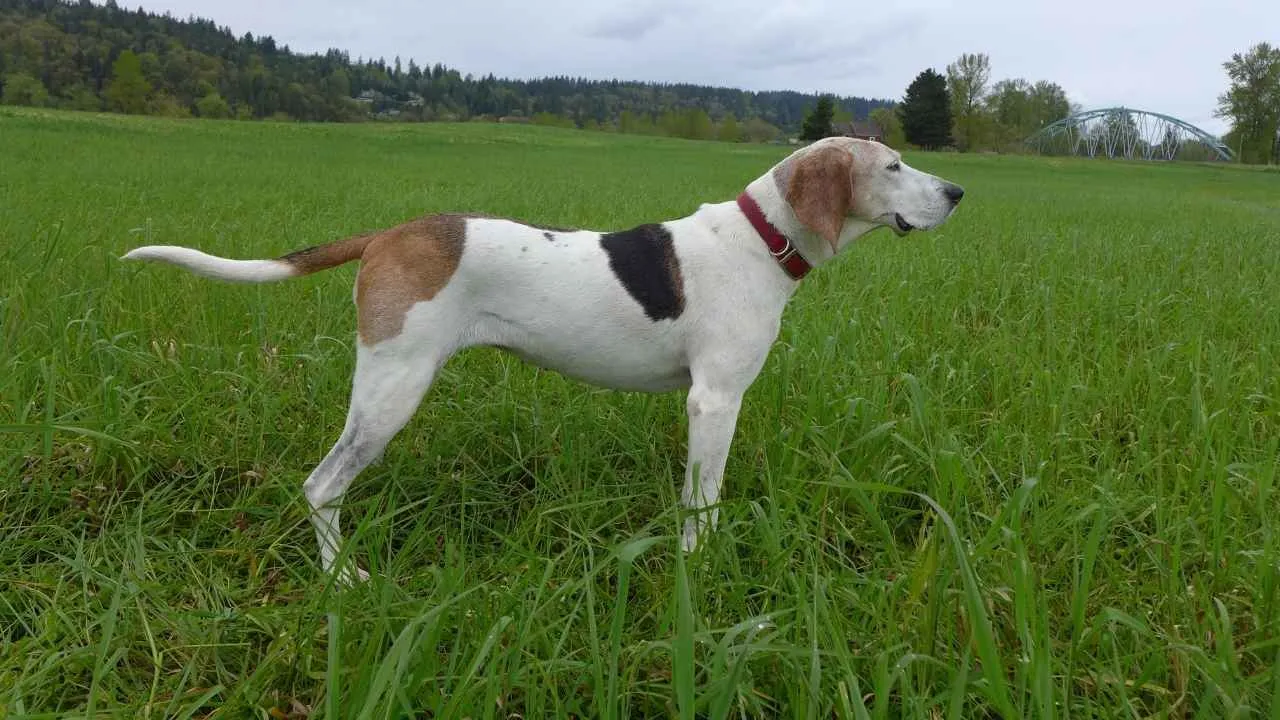
Specialization: Courteous, brave, and smart, this fella is a genuine American favorite, often called the people’s choice. Not many hounds can quicken a coon hunter’s pulse like the tricolored Treeing Walker. In full stride, these streamlined, long-legged, powerful dogs cover maximum ground with minimal effort.
Their hunting style is the same as their coonhound cousins’. They trail the scent of their quarry until it scurries up a tree for safety, then camp out below, barking vigorously until the gun-toting hunter arrives.
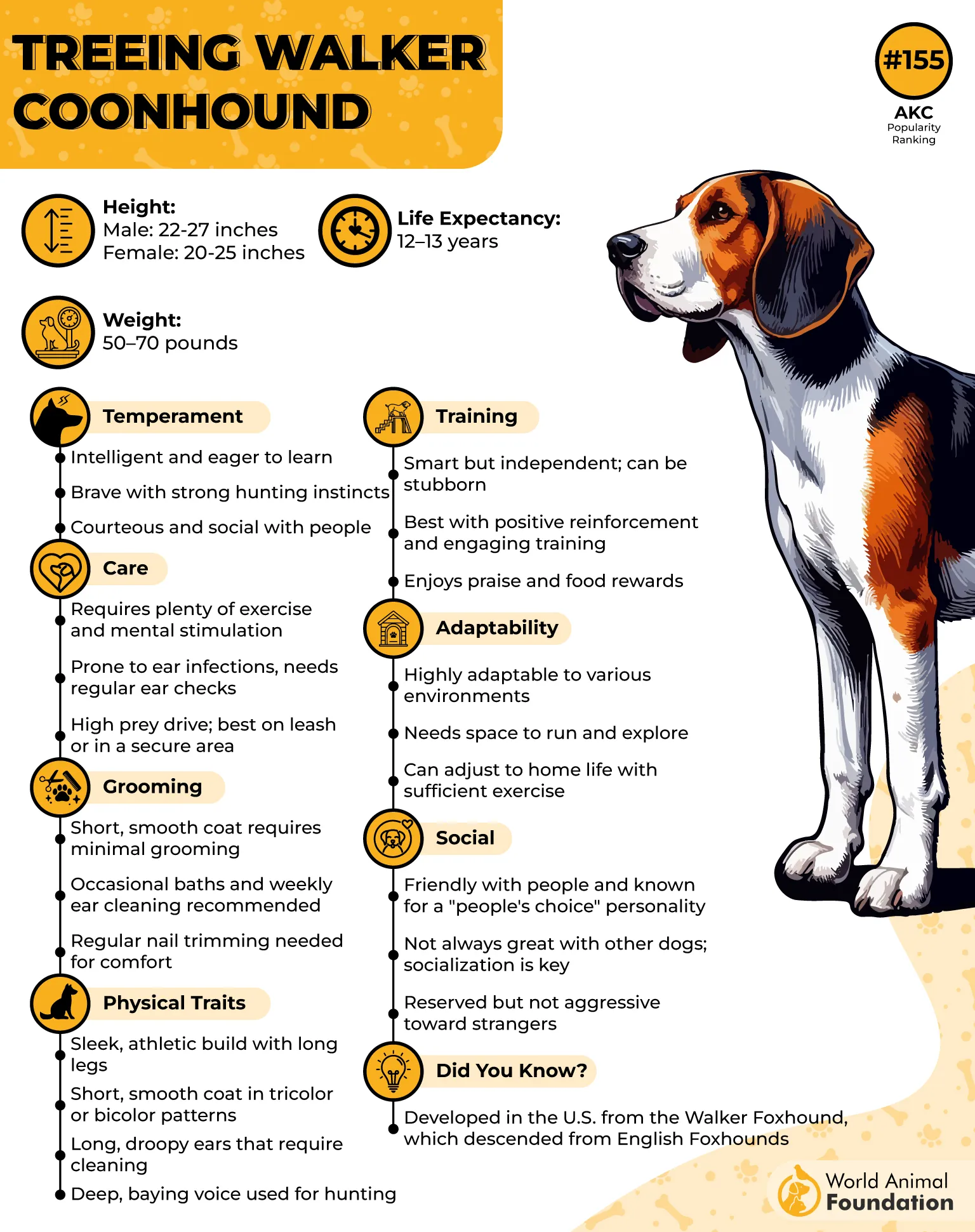
Chewy notes that bringing home this turbocharged floof is like signing up for a nonstop adventure. You may want to buy some good noise-cancelling headphones and gift them to your neighbors, because their “hound song” carries for miles.
You can also say goodbye to quiet, leisurely strolls down the street. These coonhounds are classic people-pleasers: very smart and ultra-friendly. Bred to hunt in packs, they’ll dash after any critter, whether it’s a raccoon or a squirrel. Treeing Walkers also adapt well to both cold and warm weather, and they’re the official state dog of Kentucky.
5. Redbone Coonhound
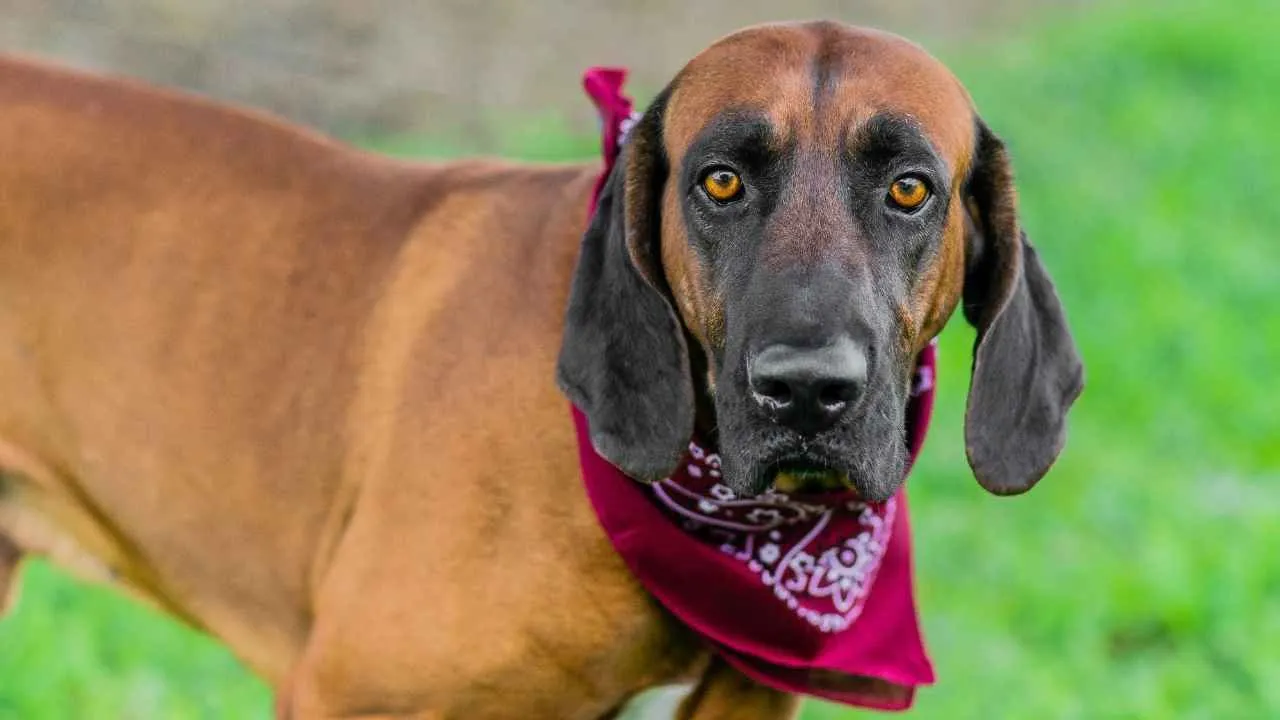
Specialization: A tiger on the trail, this fast, surefooted classic hound has dreamy eyes and a coat that looks sculpted from polished mahogany. At home, Redbone Coonhounds are mellow, even-tempered, and kind, and they enjoy resting by the campfire after a good day’s work.
You won’t be able to resist that sweet face, framed by ears long enough to reach the nose. These stunning dogs were bred to work across all kinds of punishing terrain, and they can serve as search-and-rescue partners. They rank among the most tireless, tenacious pursuers in the dog world.
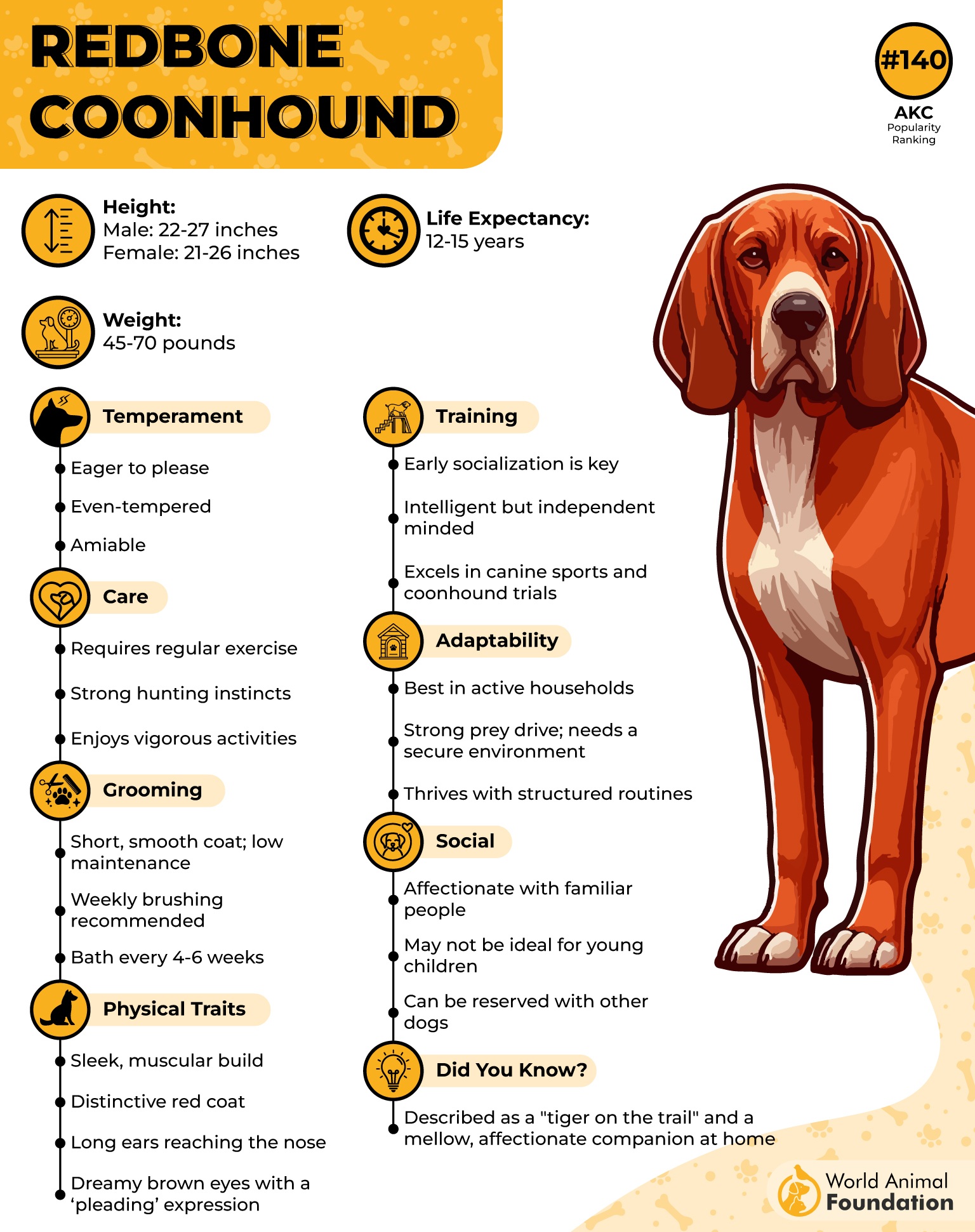
Born with a playful spirit and plenty of charm, Redbones are unapologetically oversized lapdogs with boisterous personalities. You’ll often see these bright-eyed floofs zipping across the landscape at high speed.
They’re independent-minded but far from loners. Super friendly, they’ll greet all your friends at the door, then roll over for belly rubs. They love mingling with people and want to get out and see the world, so they make great running and exercise buddies. Just keep in mind that the world’s many scents can distract them, and they may take off at a moment’s notice.
6. Beagle
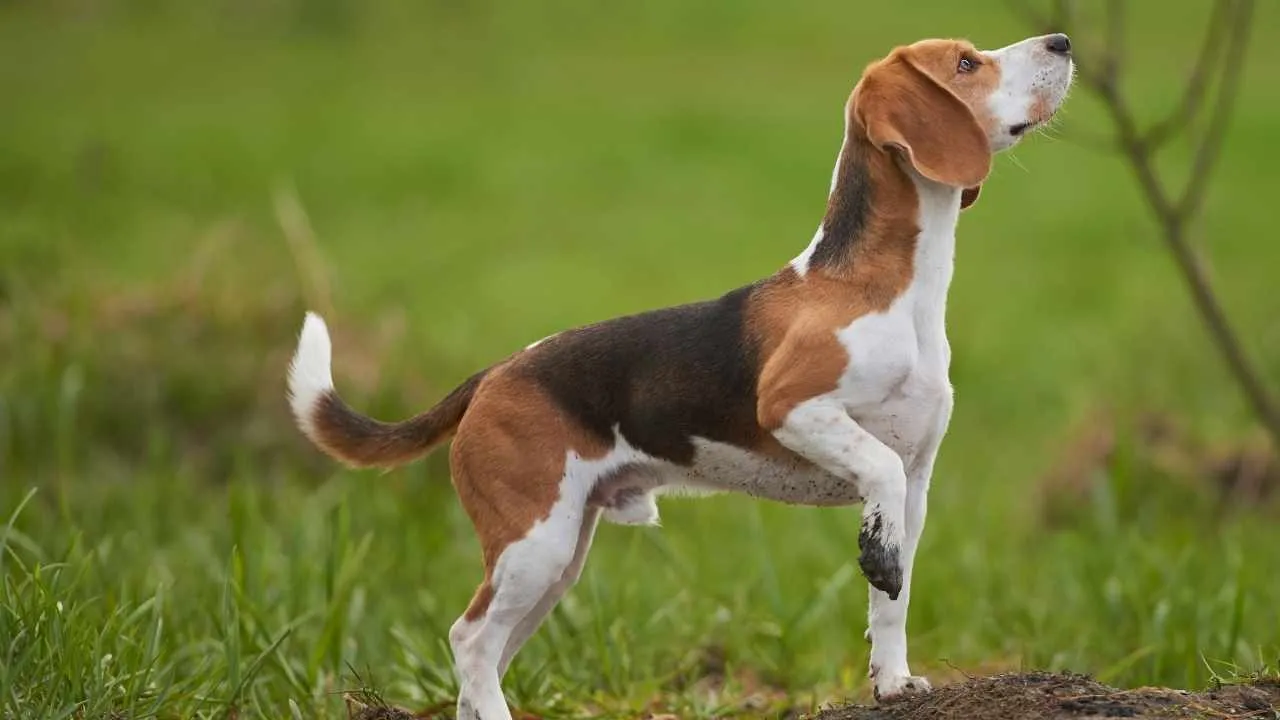
Specialization: Bred to hunt in packs, these curious, clever rabbit chasers have adorable faces and big hazel-to-brown eyes. But before you get lost in those pleading looks, you should know Beagles are seriously old.
They were used to hunt rabbits and hares in England long before the Roman legions arrived in 55 B.C. The English consider the Beagle the foot hound of their country, native to their soil.
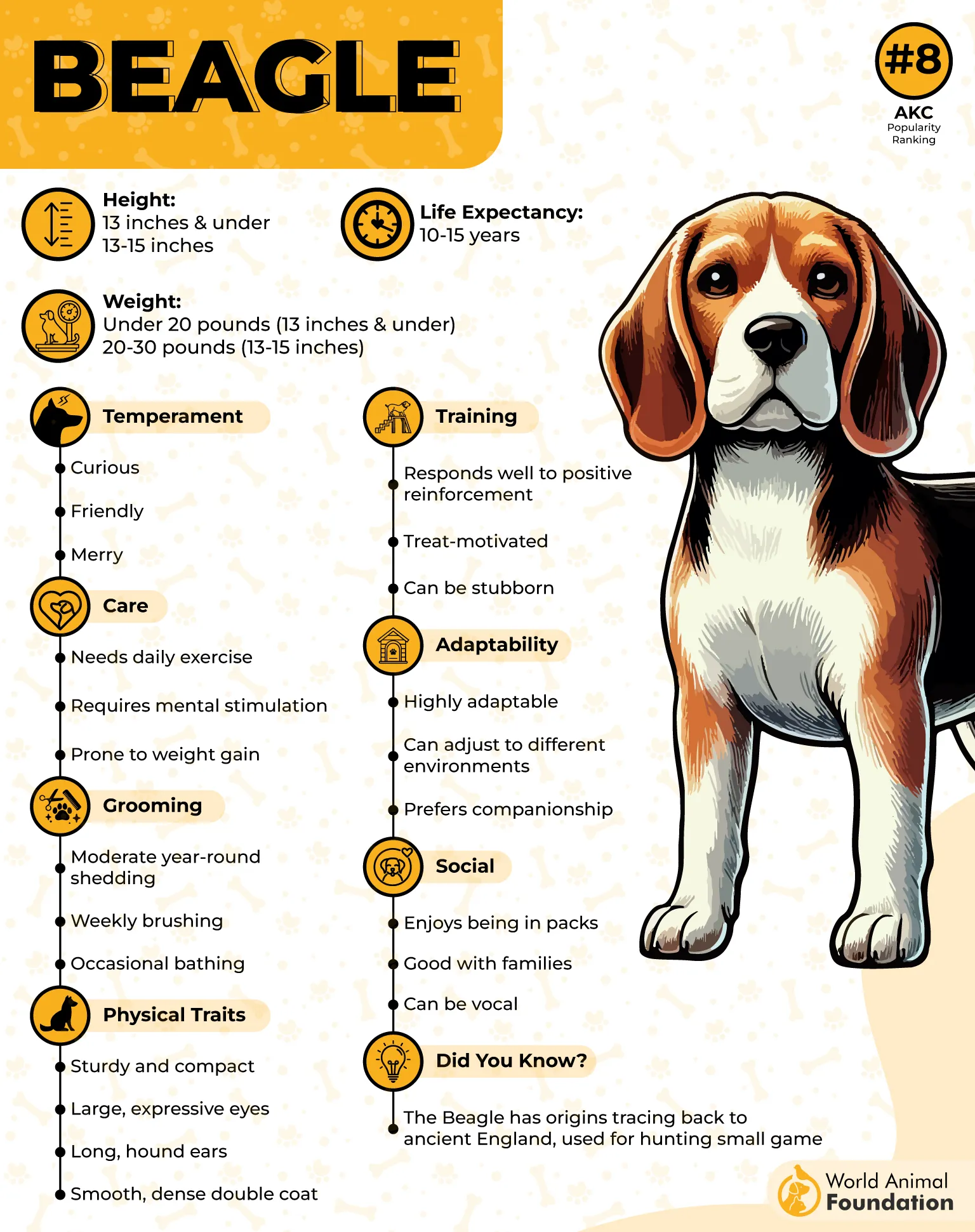
Today, Beagles are still used to hunt rabbits in the woodlands of North America. They have a great nose, good enough to land them a spot on the Beagle Brigade, plus a musical voice and an enthusiastic approach to life that keeps things lively at home.
According to the AKC, people who couldn’t afford to feed and stable a horse, or who were too old to thunder across the countryside, once chose to hunt on foot with these loyal, generally easygoing dogs.
7. Irish Setter

Specialization: These sleek, swift Irish Setters were helping hunters find and trap birds before firearms were invented, working alongside trained falcons and hunters’ nets. In their day, they were the rifles of olden times. When they locate game birds, they strike a distinctive pose by crouching low to the ground.
They were developed to cover the wide, flat countryside of the Emerald Isle. Their kin, the Gordon Setter, is a heavier-bodied bird dog from Scotland that moves at a more deliberate pace and is better equipped for rocky, punishing terrain.
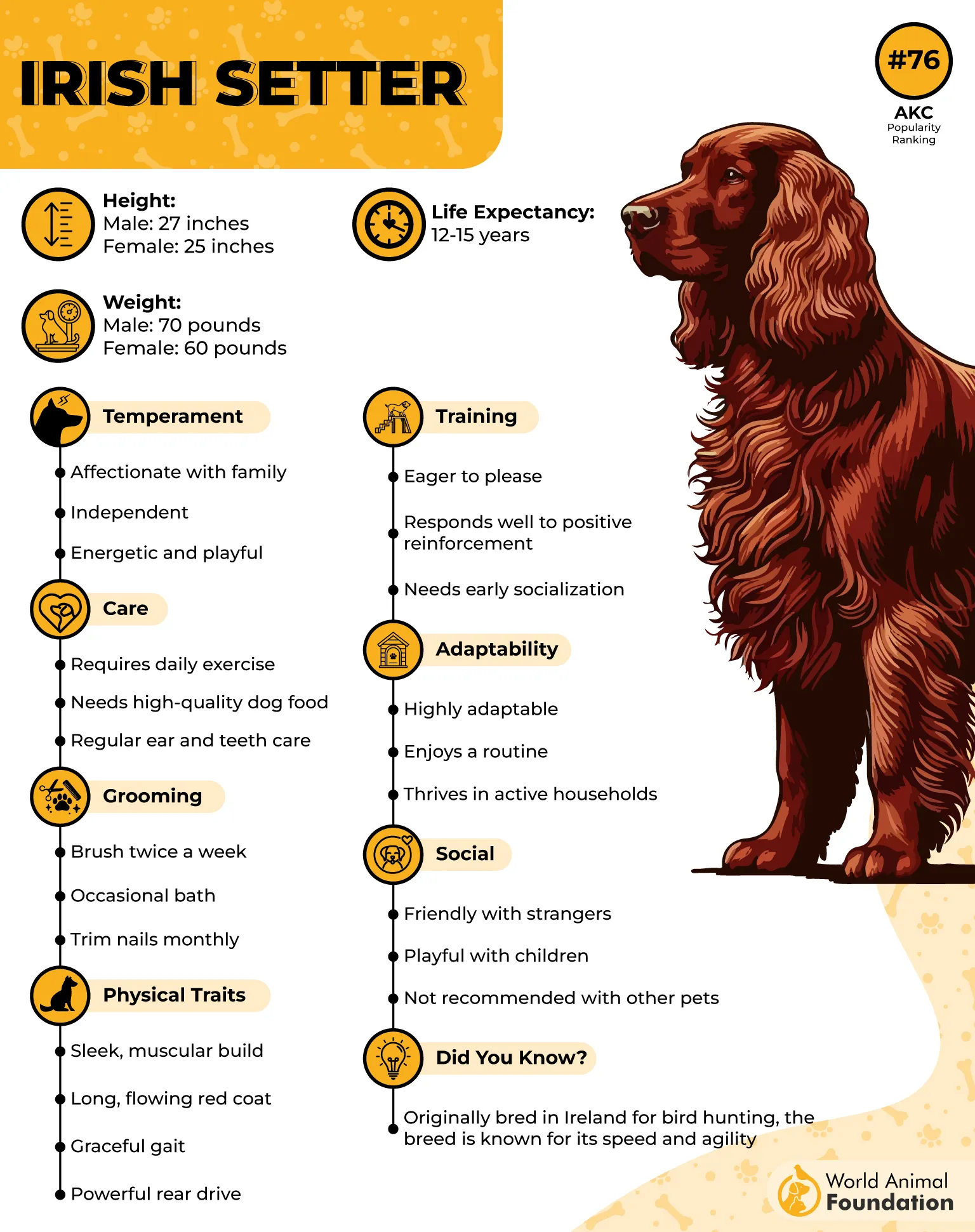
The Irish Setter, meanwhile, has proved its mettle in the bird field, so if you’re upland hunting in Michigan or Kansas, let these feisty redheads tag along.
This high-spirited gun dog has a gorgeous mahogany or chestnut-red coat. Irish Setters are as graceful as they are flashy, with long legs and a powerful rear drive that give them a sporty, rambunctious flair. These rugged redheads are big-hearted, rollicking playmates for children and determined hunting partners with a devil-may-care attitude.
8. American Foxhound
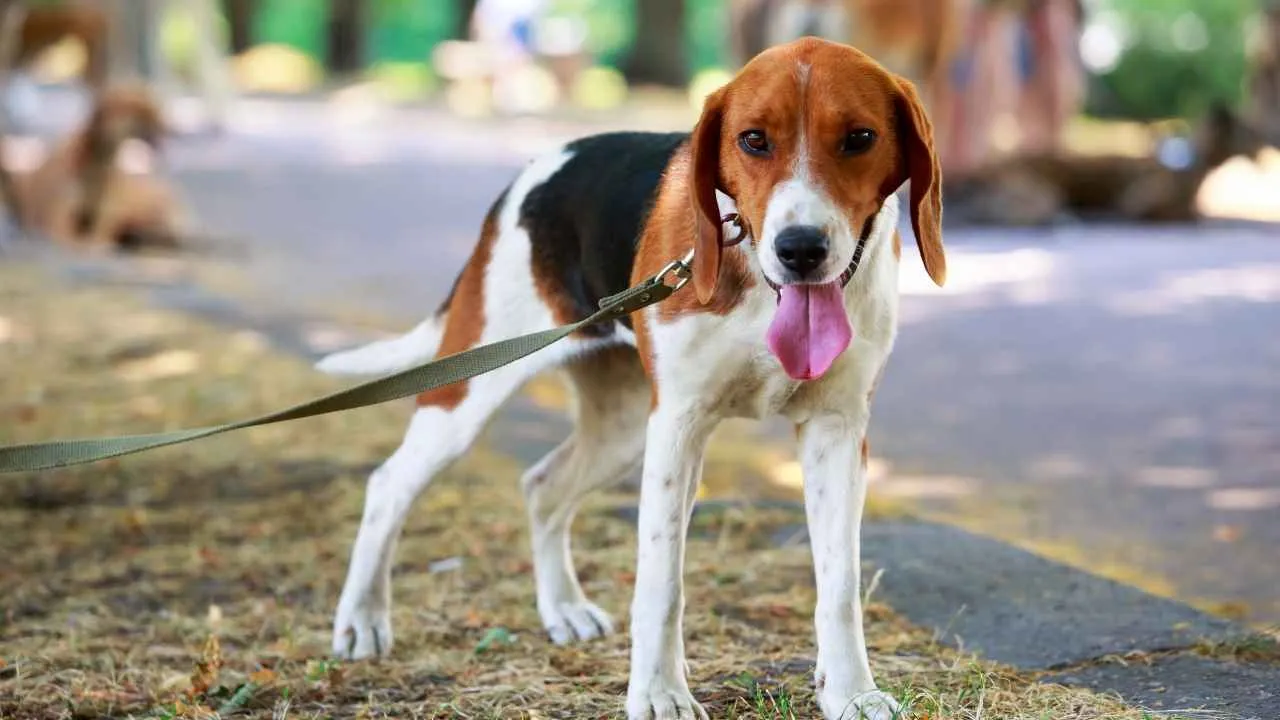
Specialization: These low-maintenance hounds get along well with kids, dogs, and even cats. Closely tied to revolutionary heroes and the rolling estates of Old Virginia, these rangy hunters are renowned for their work ethic. Their longer, more finely boned legs make them faster than their English cousins.
They’re also known for their loud, bawling melodies and independent streak. The breed was partly developed by avid foxhunter George Washington for his favorite pastime, the traditional English foxhunt. At Mount Vernon, scores of riders and hounds would thunder across the countryside in pursuit of a clever fox.
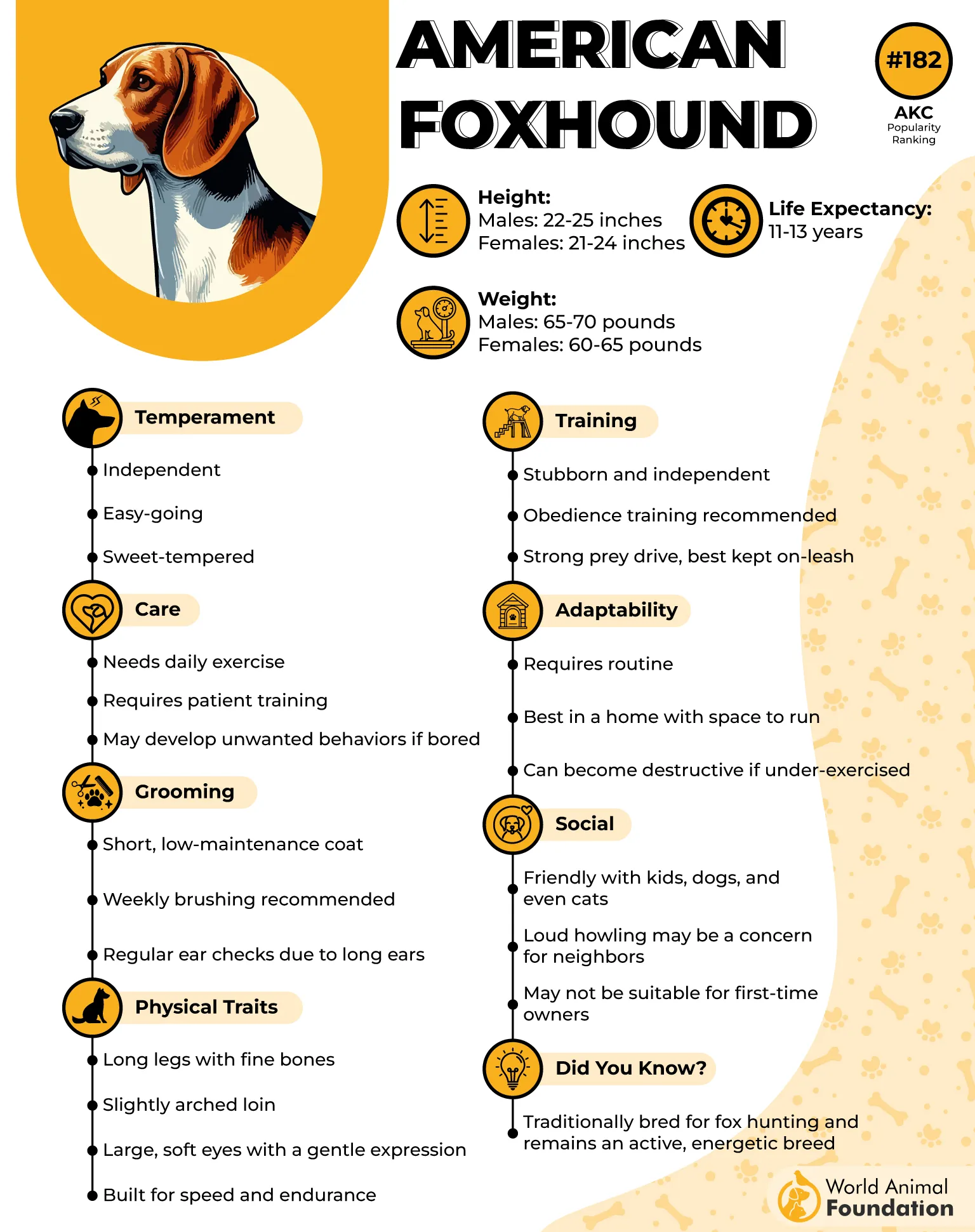
Royal Canin says this state dog of Virginia was a principal part of the field sports of the American gentry. Today, you’ll find this perky pooch zooming around your backyard or tracking scents with its nose to the ground, always searching for excitement or a little mischief. Shameless in their quest for attention, these floppy-eared hounds will nudge you for pets and crave your affection.
This bestie was bred to hunt, so if it doesn’t have a proper job, expect to be asked for plenty of trips to the park. Be ready to take them out into the open air for hiking, camping, and swimming. The good news is that they’re a breeze to train.
9. Bloodhound
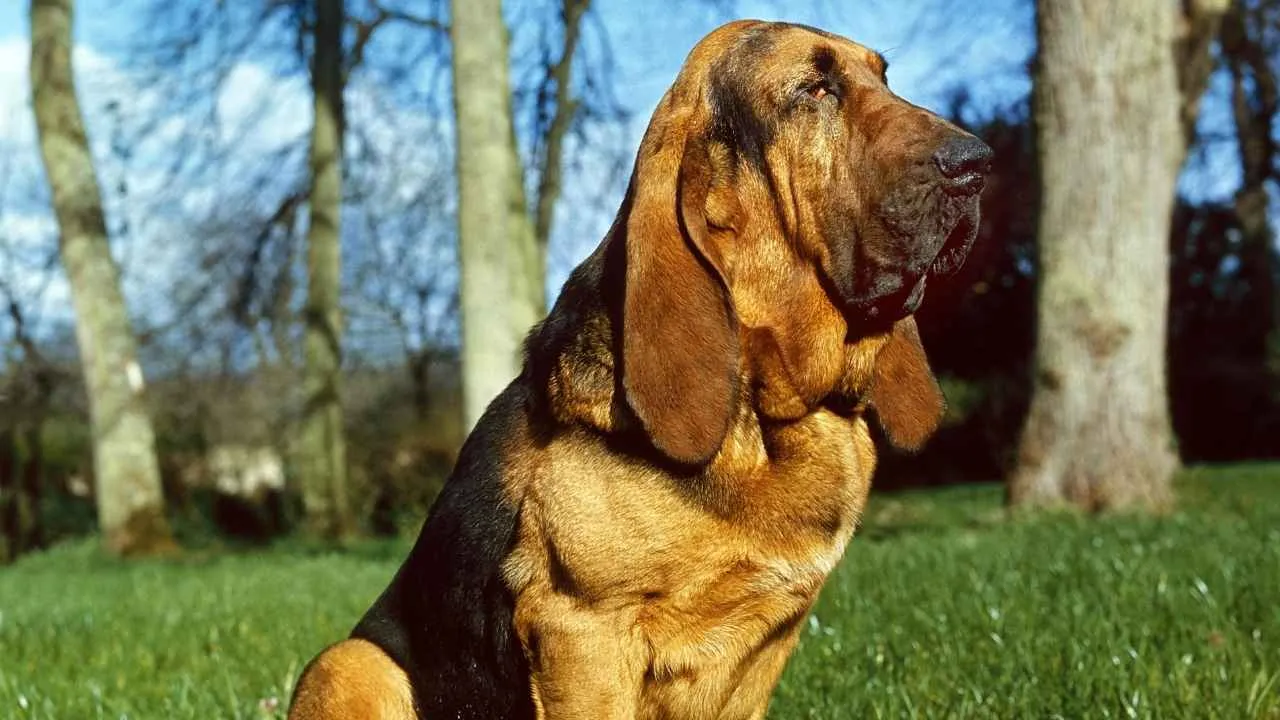
Specialization: This perpetually inquisitive pup pokes its nose into everyone’s business. Bloodhounds can find people lost at shore or at sea, or hiding in some questionable corner of the city. They’re always sniffing, whether it’s to crack an unsolved mystery or to track down a venison-bearing quarry.
This relentless man-trailer is nature’s own scenting device, and its accuracy is unlike any technology humans have built. A Bloodhound’s scent-tracking evidence is even admissible in some courts.
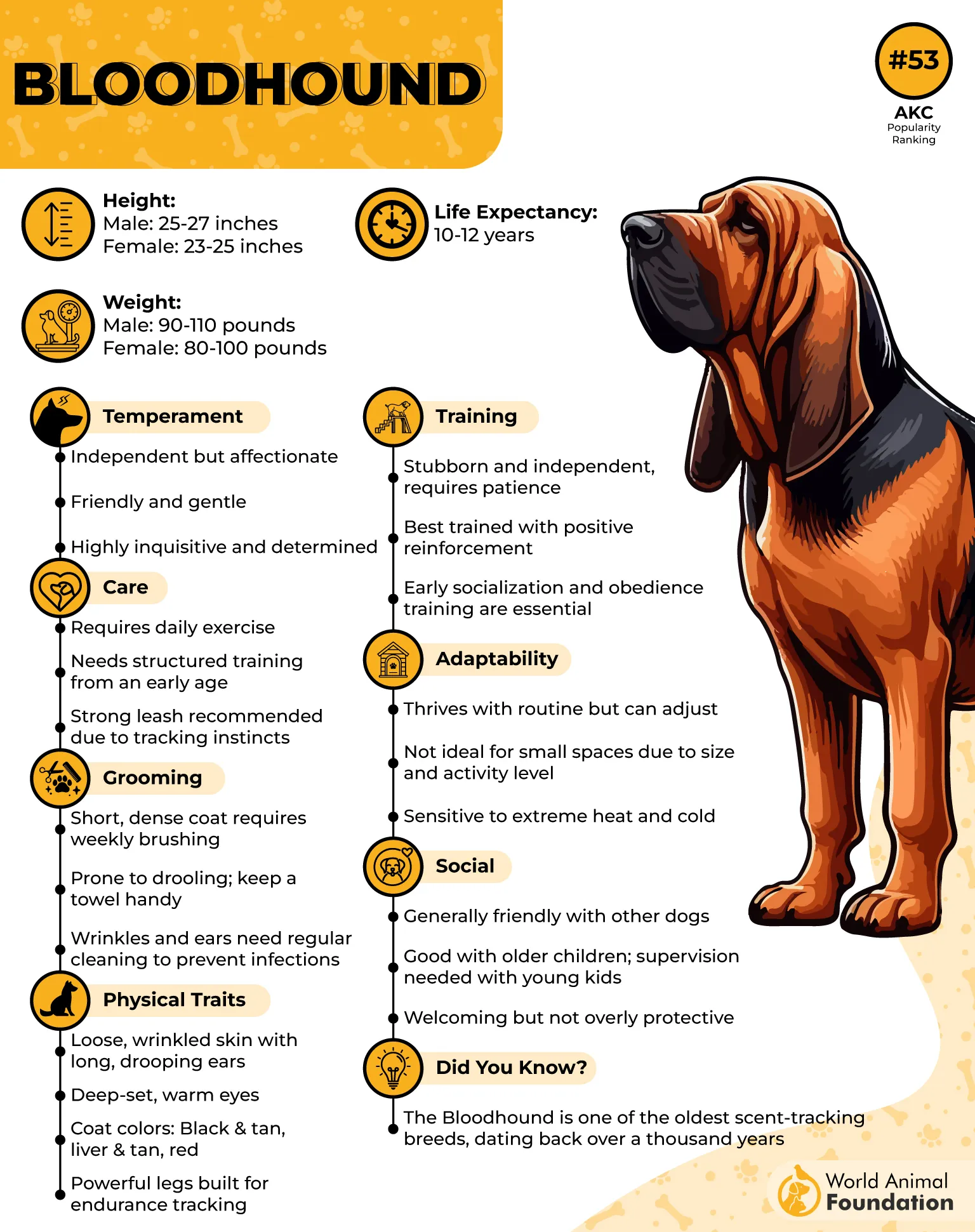
A bit silly and goofy in their puppy years, these spirited, kind dogs have nothing to do with bloodsucking vampires. The name refers to their noble ancestry and “blooded” lineage. Like a true star detective, they jump from case to case, and their stellar sense of smell is hard for any other hunting breed to beat.
They’re secretly mushy on the inside but will surprise you with their sportiness at work. Their instincts don’t let them rest, so expect them to jump in on any mystery the moment it appears.
Conclusion
The pups we’ve already covered are undoubtedly masters of the hunt and the field. But if bird hunting is on your radar, and the season is already underway, there are other breeds worth considering. Dedicated gun dogs are great at finding and flushing upland birds such as grouse, doves, turkeys, pheasants, and quail.
Many hunting dogs are also prized for their versatility. Some can handle big and small game in the same outing, while others move easily between upland and waterfowl hunting. Some are great at retrieving the catch from ice-cold water, some squeeze into tight spaces like pros, and some are born detectives with supercharged noses that stay glued to the ground, picking up fresh scent trails.
These hunting breeds come in all shapes and sizes. They need training; they’re known for their agility, and they need at least an hour of daily exercise for both brain and body. Most are highly affectionate and bond well with families, though a few have such loud, musical baying that it can be a bit much for a calm, laid-back owner.
