




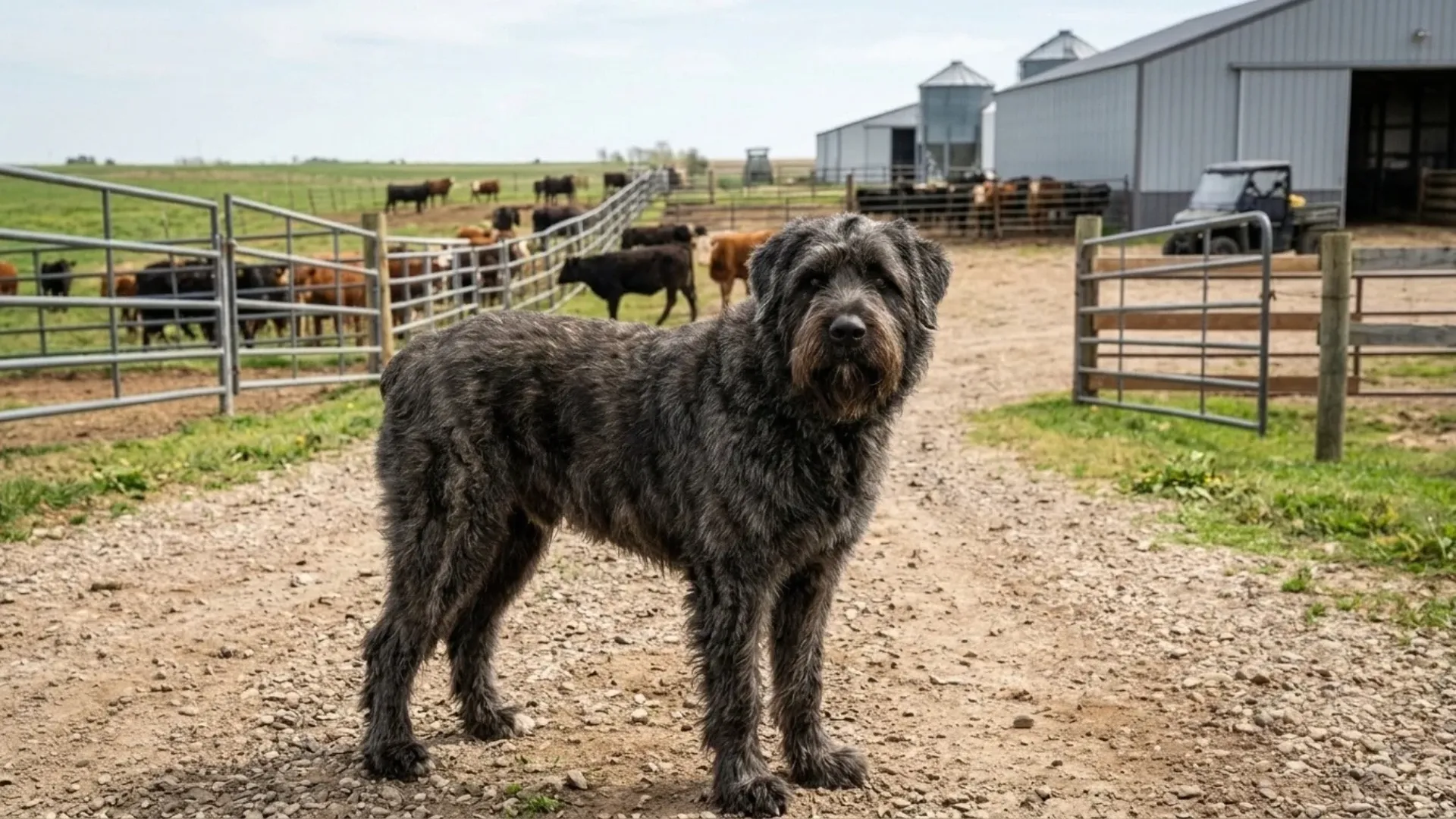
Being a cattle farmer isn’t easy. Stubborn cows, muddy fields, and early mornings make the job tough. Fortunately, the right herding dog can make things a lot simpler. These are no ordinary dogs. They are diligent and capable, with quick wits and great endurance.
Still, not every dog performs the same way. The best cattle-herding breeds are alert, intelligent, and physically capable, with an innate knack for moving cattle without turning the whole farm into a wrestling match.
Livestock can be tough to handle, even when it doesn’t look that way. Farmers who want extra help often turn to dogs with natural protective instincts, since they can guard animals as well as herd them. These hardworking dogs can make daily farm tasks much easier. After all, why should you do all the work yourself?
Here are seven farm dogs that help keep modern farms running efficiently, and some of the best breeds for guarding livestock.
Ideal Dog Breeds For Cattle Herding On Modern Farms
1. Australian Cattle Dog
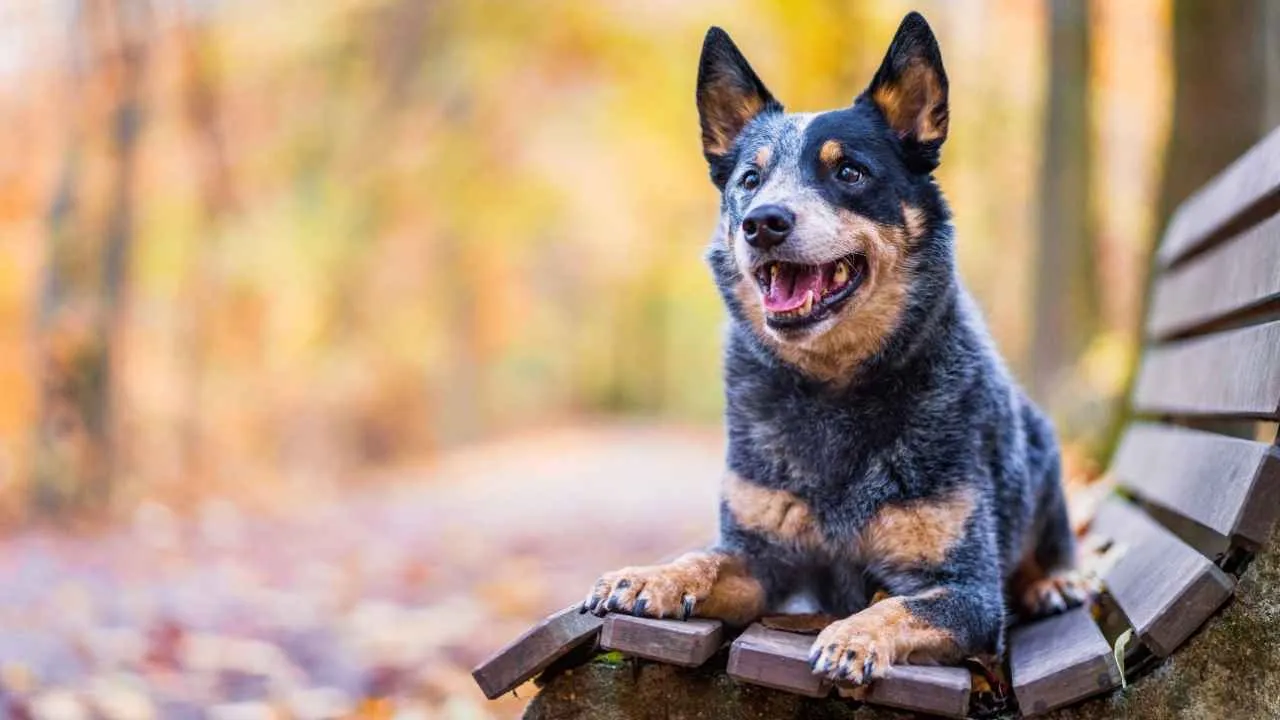
The Australian Cattle Dog is the classic cattle-herding breed. It was developed in Australia to move cattle across vast, difficult terrain, and it goes about the job with great zeal.
These dogs are medium-sized, athletic, and extremely active. According to the American Kennel Club, they move cattle quickly, using controlled heel nipping to push them in the right direction. They have a strong work ethic and learn complex commands easily.
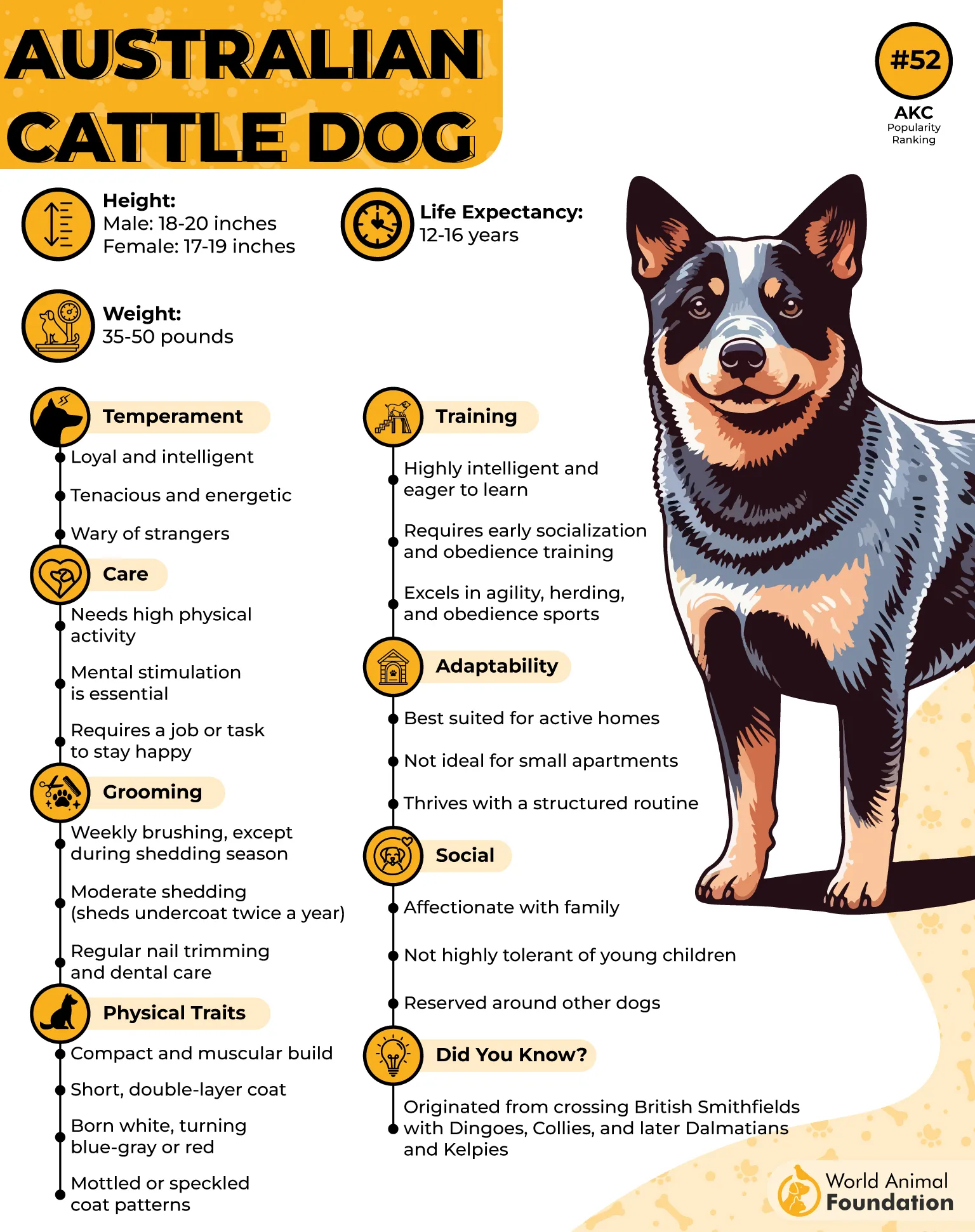
They are also highly intelligent. Give them a job, and they will usually figure out what to do. Having work to do is crucial, since a bored Cattle Dog can turn destructive and hard to manage. Their short double coat is easy to keep clean, though regular brushing helps remove loose fur.
2. Australian Shepherd
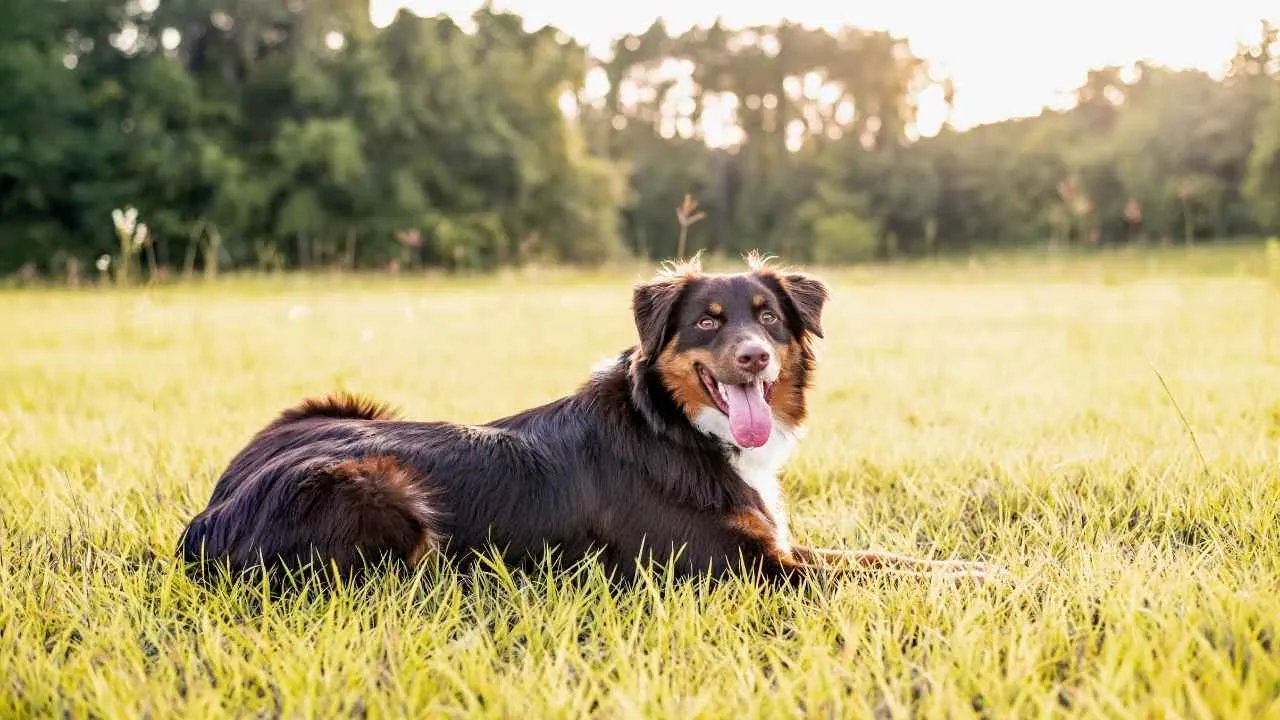
Despite the name, Australian Shepherds were developed in the United States. They are athletic dogs that ranchers rely on to manage various kinds of livestock, which has made them a popular working breed.
Aussies have plenty of energy and think fast. According to the Royal Kennel Club, they use body position, movement, and strong focus to direct cattle, and with training, they can work them effectively.
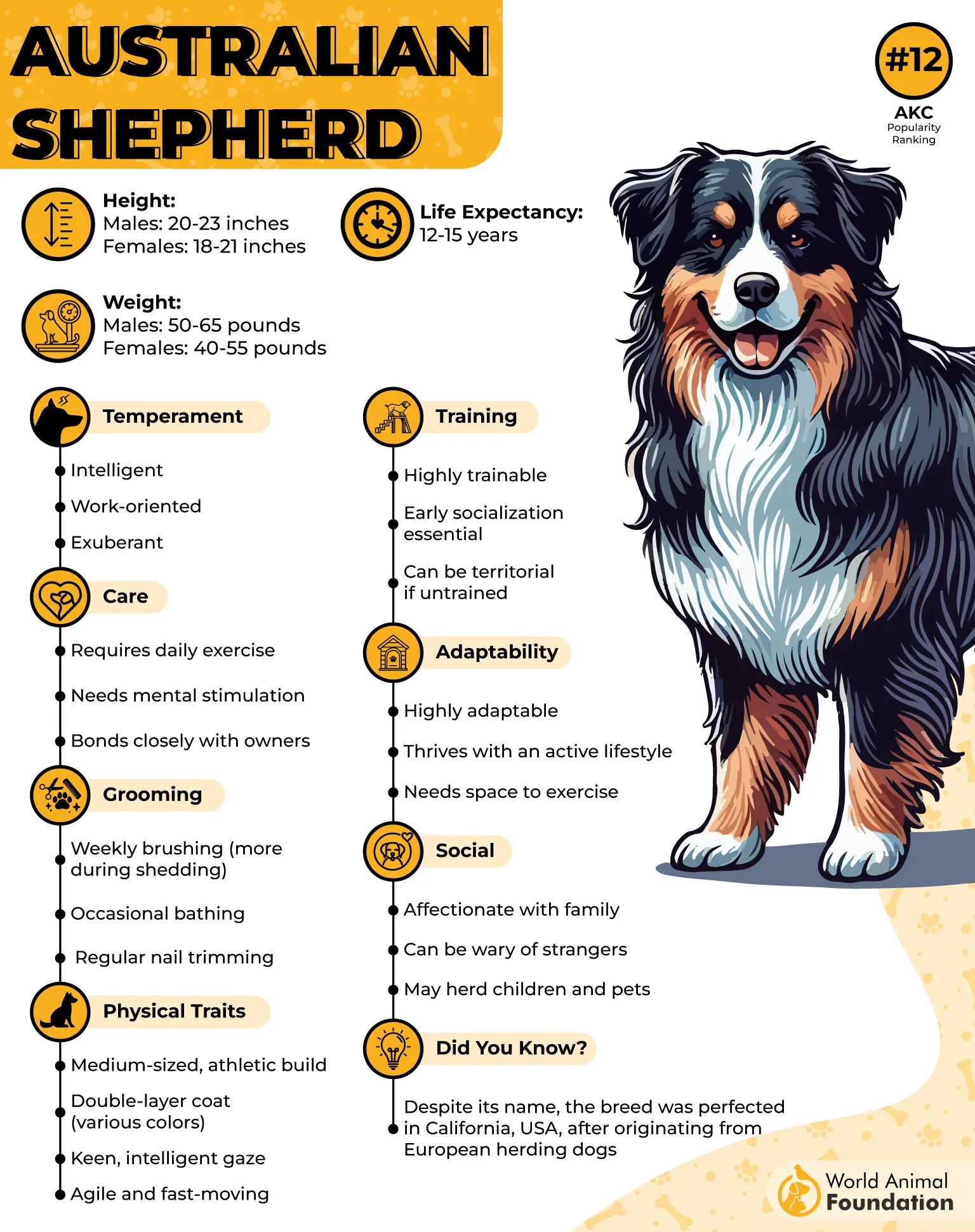
With their intelligence, these dogs always need something to do. Without a job, they may pick up unwanted habits like chasing children, and once that starts, it can be hard to stop.
Their medium-length double coat needs regular grooming, especially during shedding season. Consistent training and plenty of activity keep them at their best.
3. Border Collie
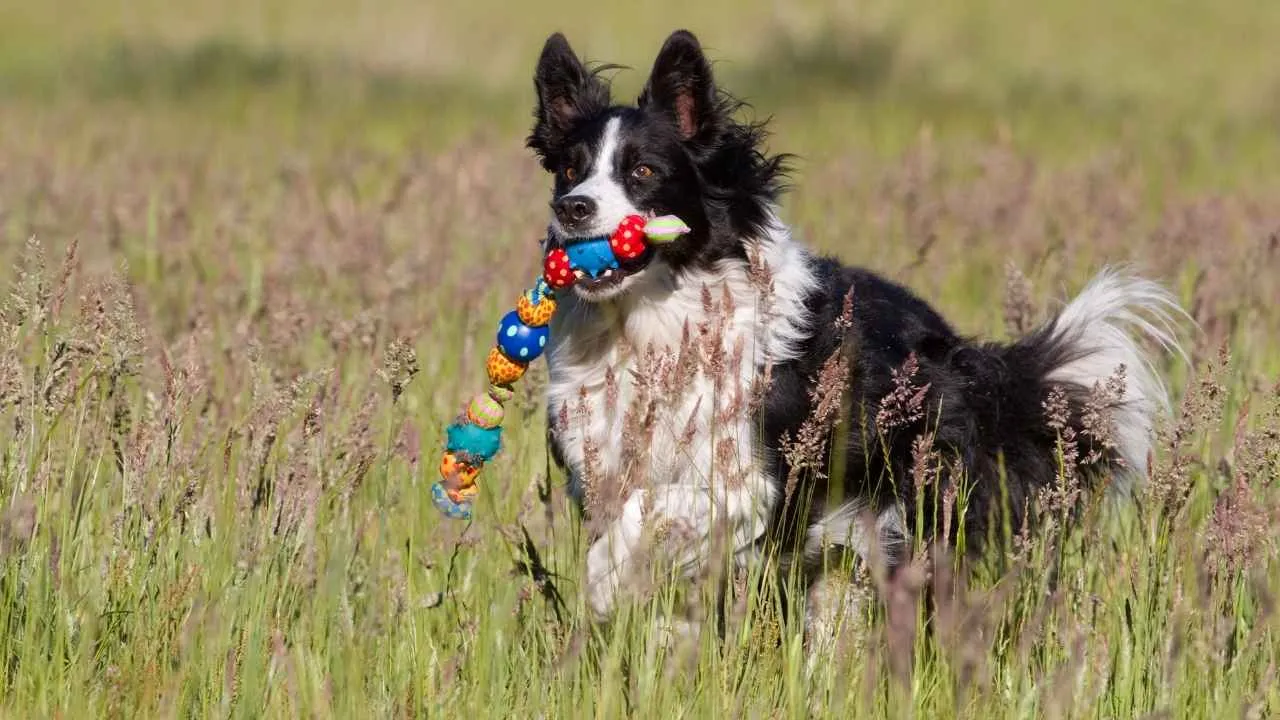
The Border Collie is often called the “clever one” of the herd. It is known for reading livestock with great precision and responding to subtle commands. A quick learner when it comes to managing animals? That’s a hard one to pass up.
Border Collies originated in the border regions of Scotland and England and are especially known for herding sheep. With the right training and experience, though, they can work cattle too.
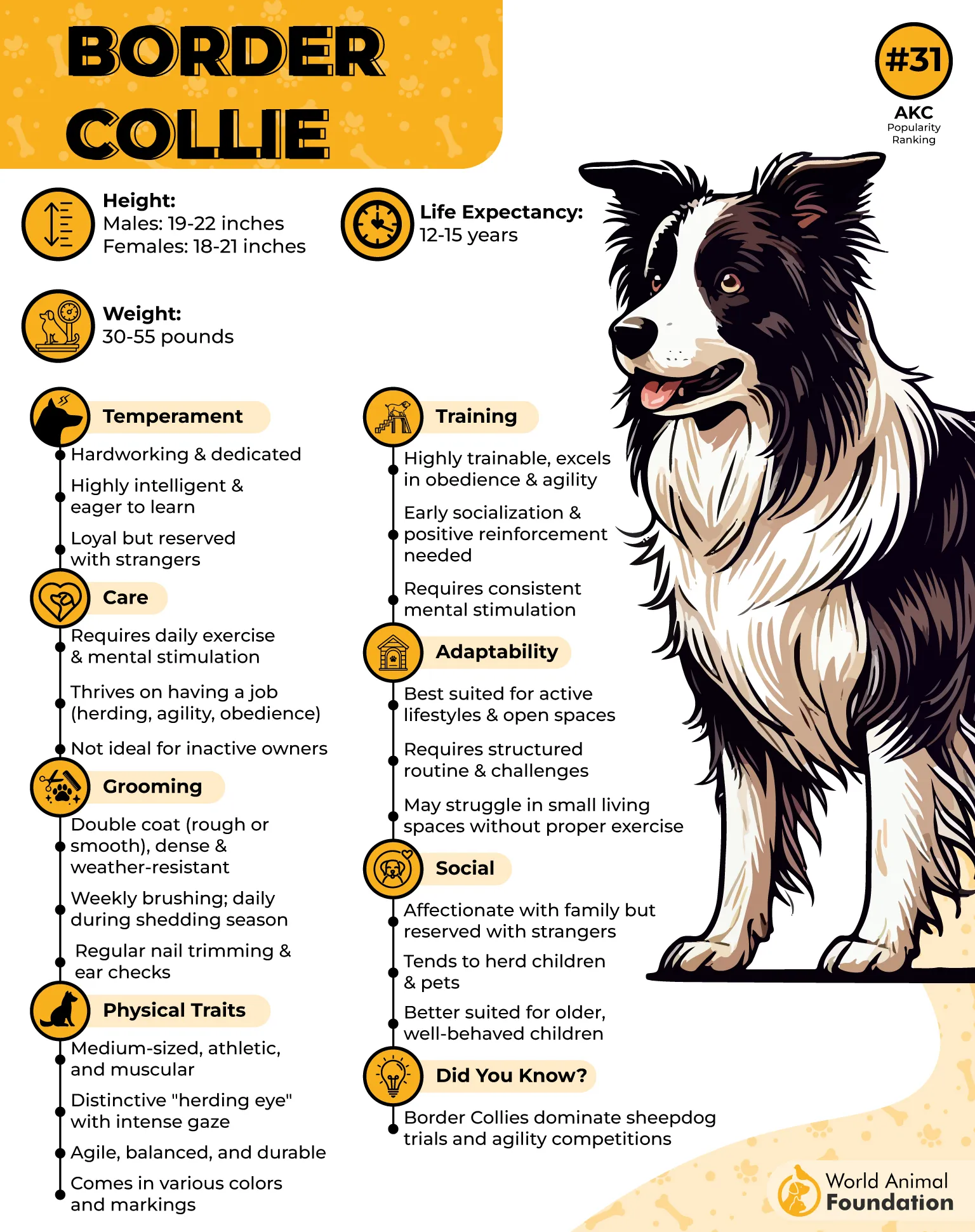
They are intelligent, fast, and responsive, which helps when moving livestock through a gate, into a pen, or across an open field.
They use precise eye contact, positioning, and movement to influence livestock, which takes regular training. An under-trained Border Collie can become restless.
4. Pembroke Welsh Corgi
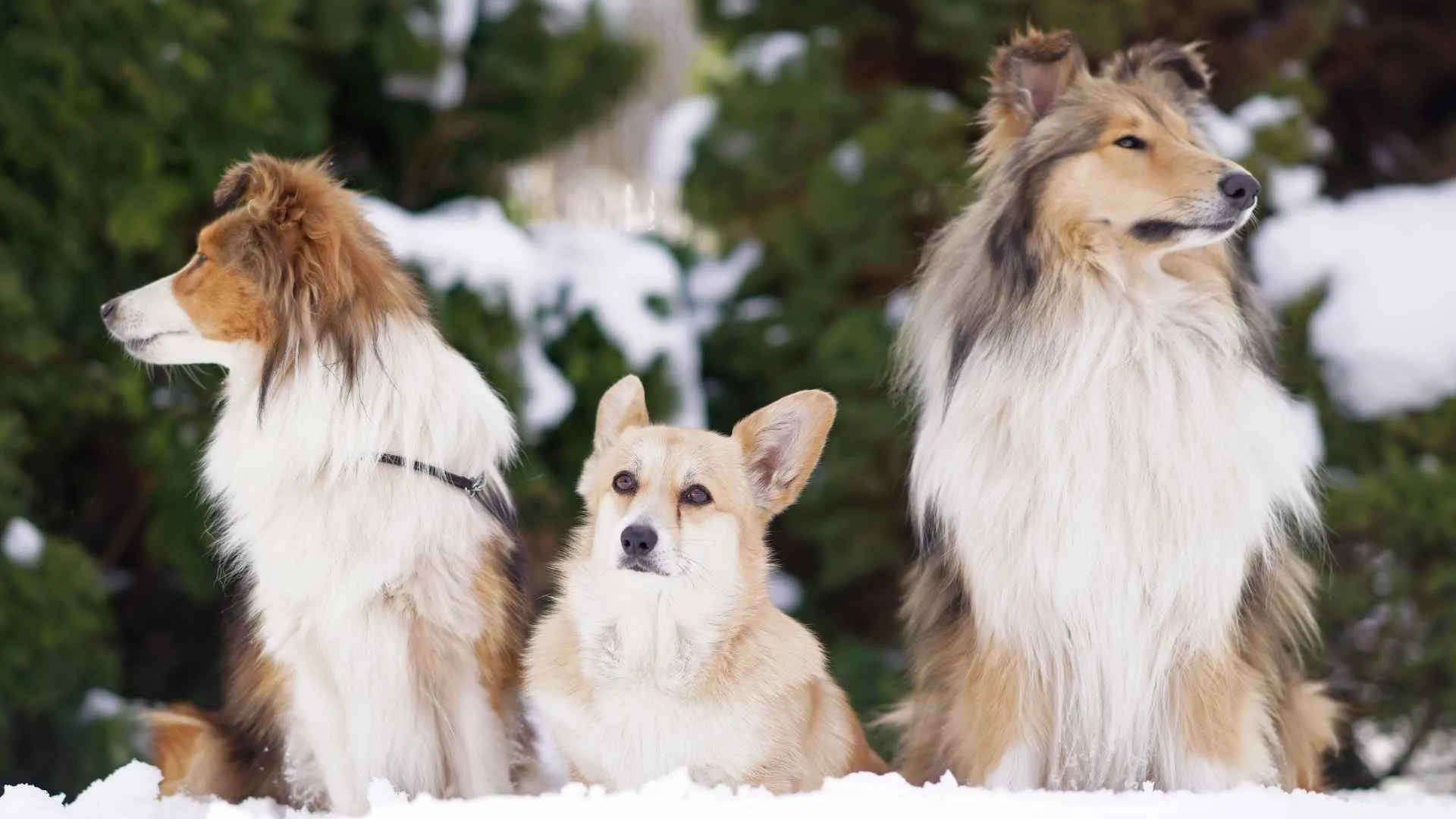
A cattle dog doesn’t need long legs, does it? The Pembroke Welsh Corgi proves that a short dog can have a mighty attitude.
Corgis were originally bred in Wales as cattle drovers. Their low stature helped them avoid kicks from cattle, while their agility and habit of nipping at heels kept the herd moving. They may look like happy little loaves, but they were made to work hard on a farm.
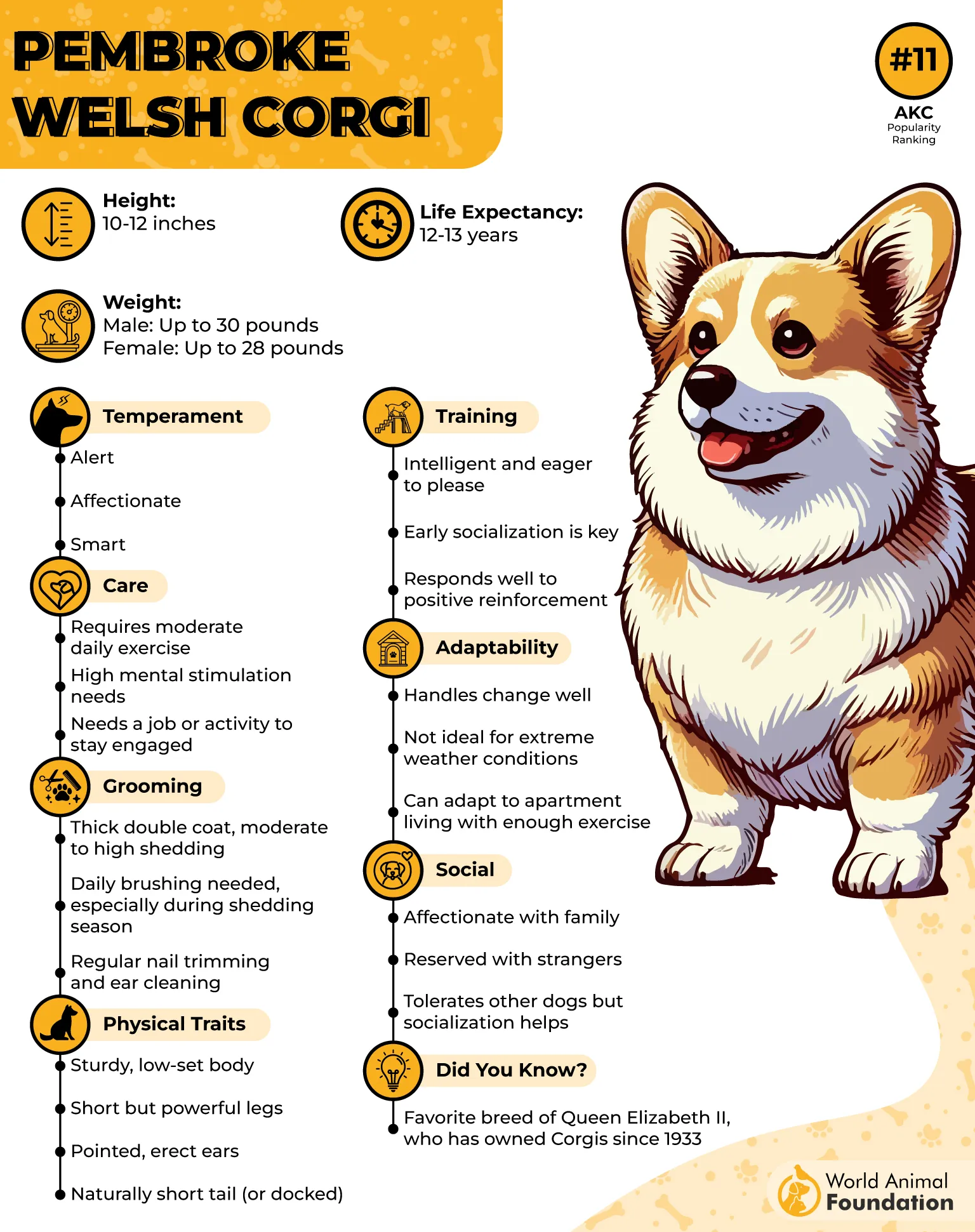
Corgis are vigilant, courageous, and smart, but that doesn’t mean you can skip mental stimulation. With proper training, they can be bold around large animals, and their small size can even be an advantage in certain working conditions.
They also make cute house pets. They shed quite a bit of their thick double coat, so frequent brushing is needed, according to PetMD. They need exercise too, but care should be taken to protect their long backs.
5. Australian Kelpie
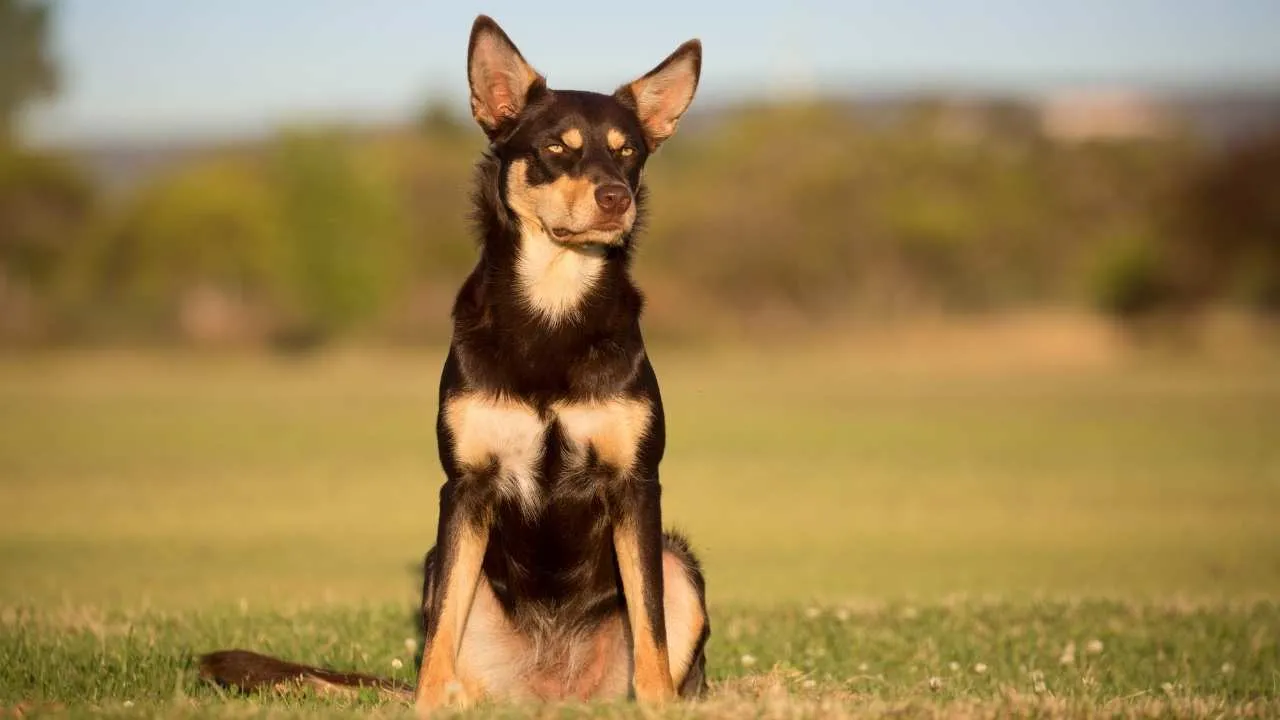
Australian Kelpies are determined little dogs. They were bred in Australia to work for farmers in difficult conditions on tough terrain, which gave them stamina, agility, and the ability to work long hours.
Kelpies are best known for handling sheep, but they can drive cattle too. They are fast, agile, and extremely responsive, which makes them valuable on farms where livestock must be moved efficiently across large stretches of land.
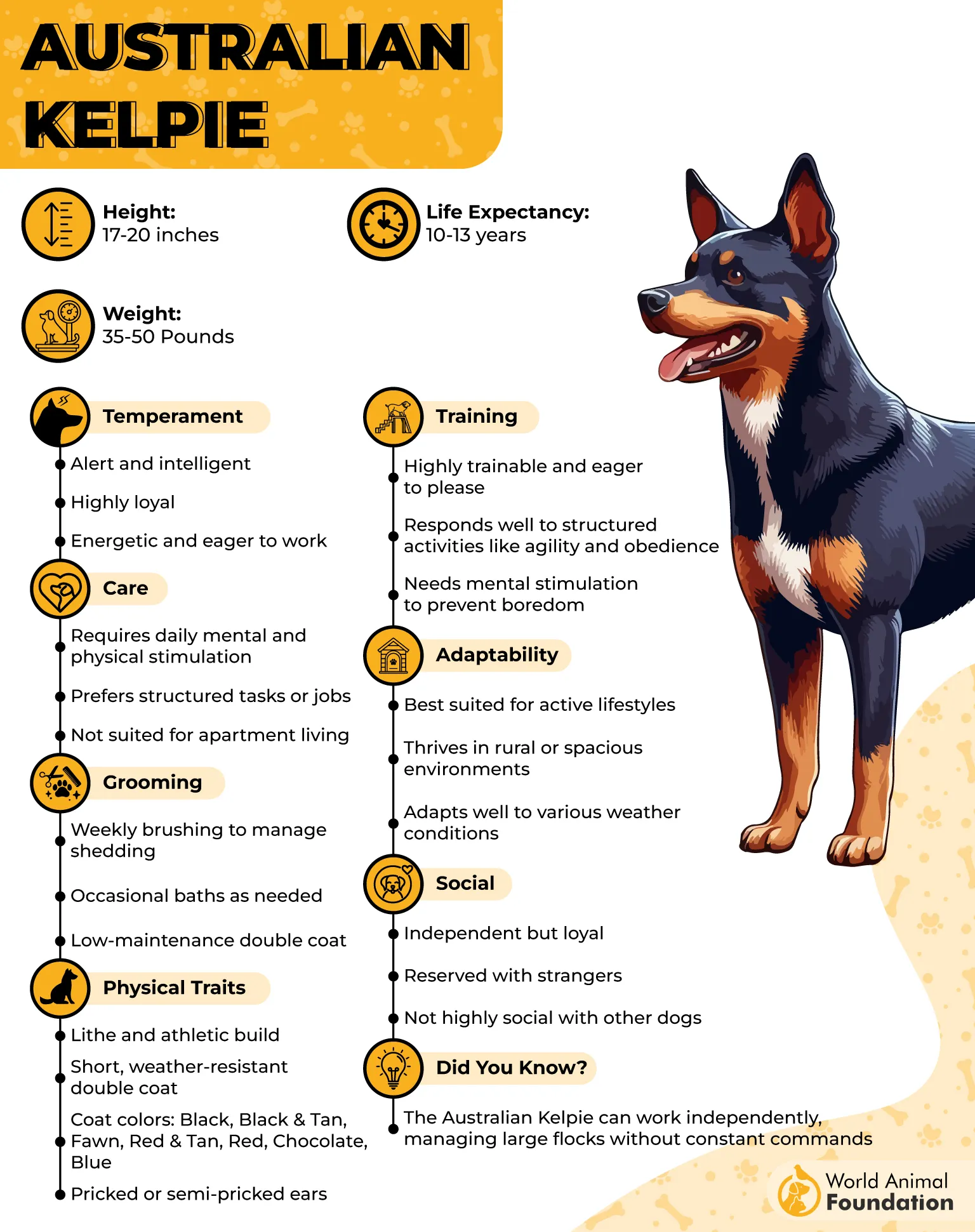
Kelpies are independent thinkers and can make their own decisions on the job, but it’s still a good idea to train them so they know how to react in specific situations. If left idle, they can become restless and hard to manage.
Their short coat is relatively easy to maintain and only needs occasional brushing. Exercise is non-negotiable. A dog bred to work open farmland won’t be content with a stroll around the block.
6. Bouvier Des Flandres
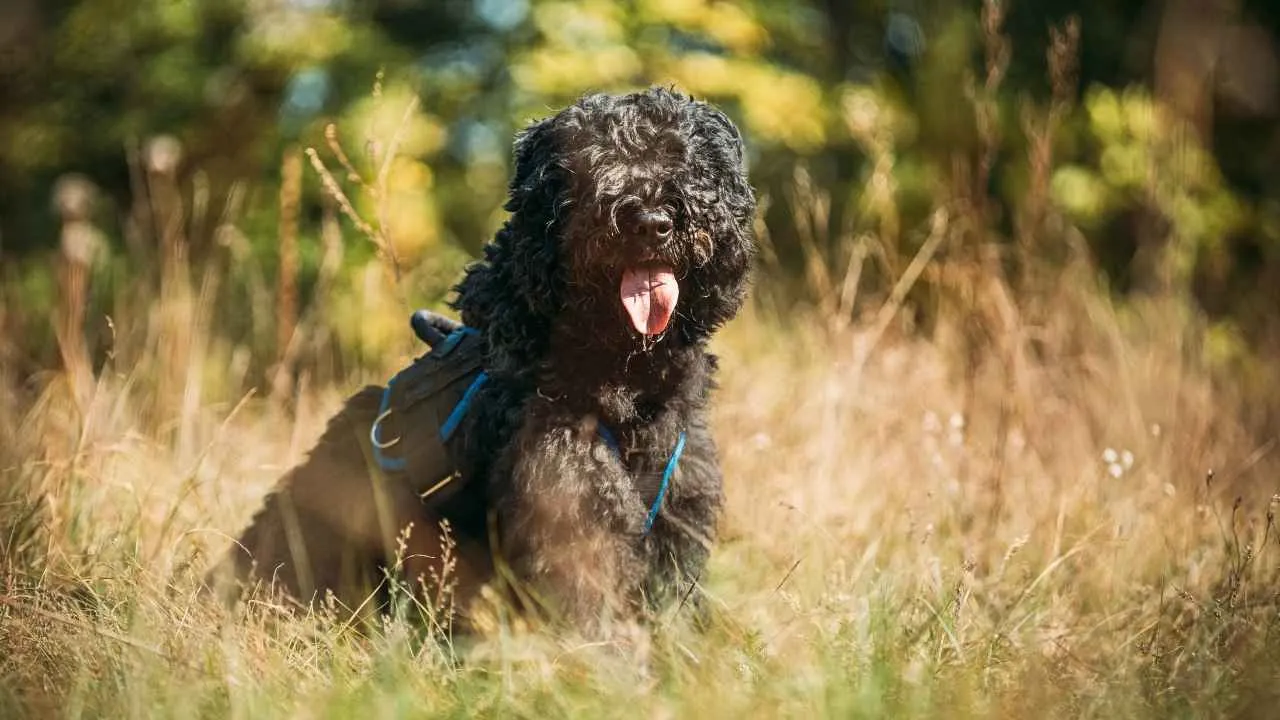
The Bouvier des Flandres is often described as a dog that walks around in its own shaggy rug, but under that fluffy exterior is a formidable working dog. It was developed in the Flanders region of Belgium and France, where it did farm work like cattle droving and guarding.
Unlike the lighter, faster herding breeds, Bouviers are strong, reliable workers. They are known for their durability and strength, which suits them for a variety of farm tasks, and their intelligence and protective nature make them useful around livestock and farm equipment.
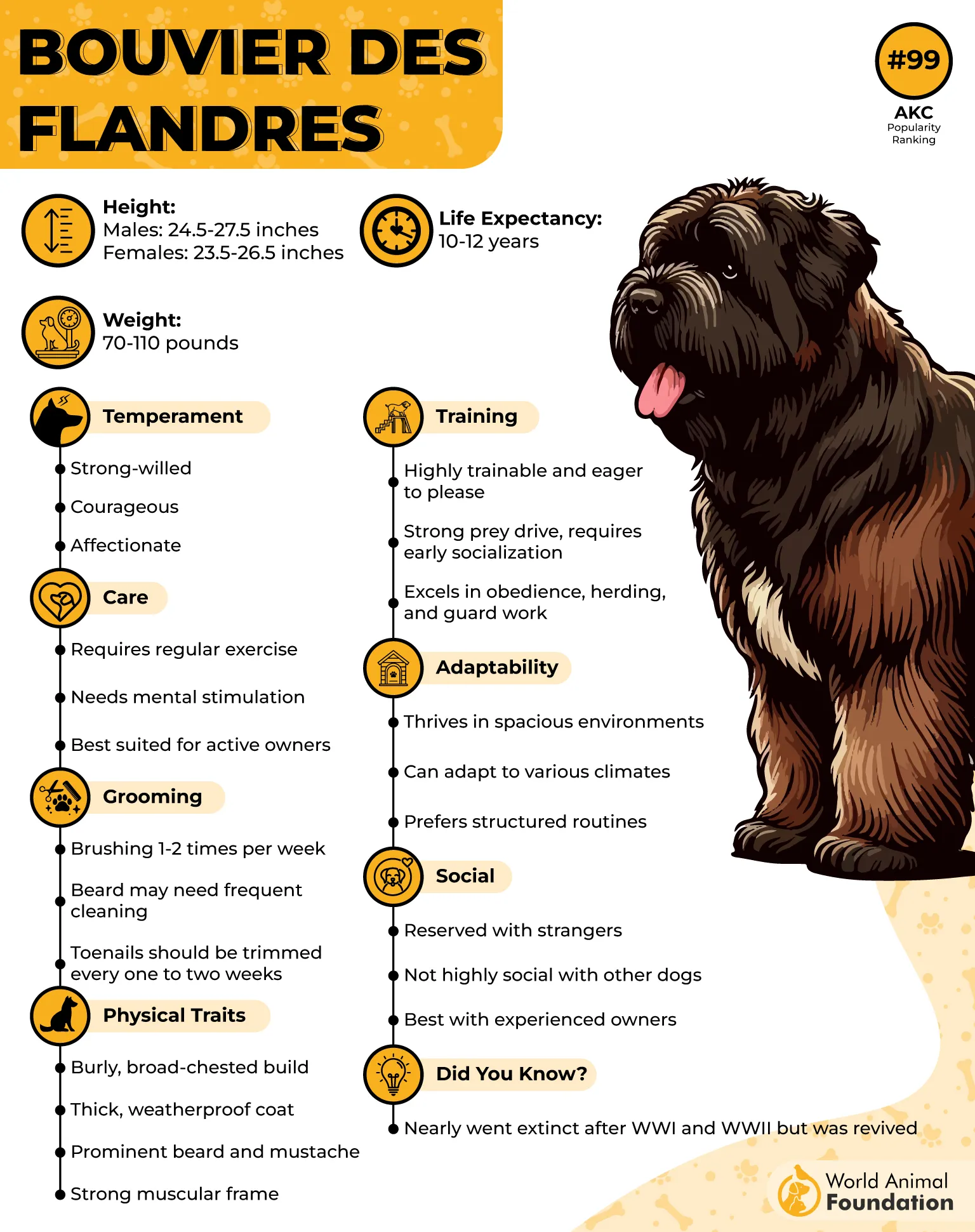
They are usually calmer than the high-speed herding breeds, but that doesn’t mean they’re lazy. Bouviers need exercise, activities, and training. They are also big and powerful, so good manners should be taught from an early age.
As for that coat, it’s not wash-and-wear. Regular brushing is needed to prevent matting and keep it healthy.
7. English Shepherd
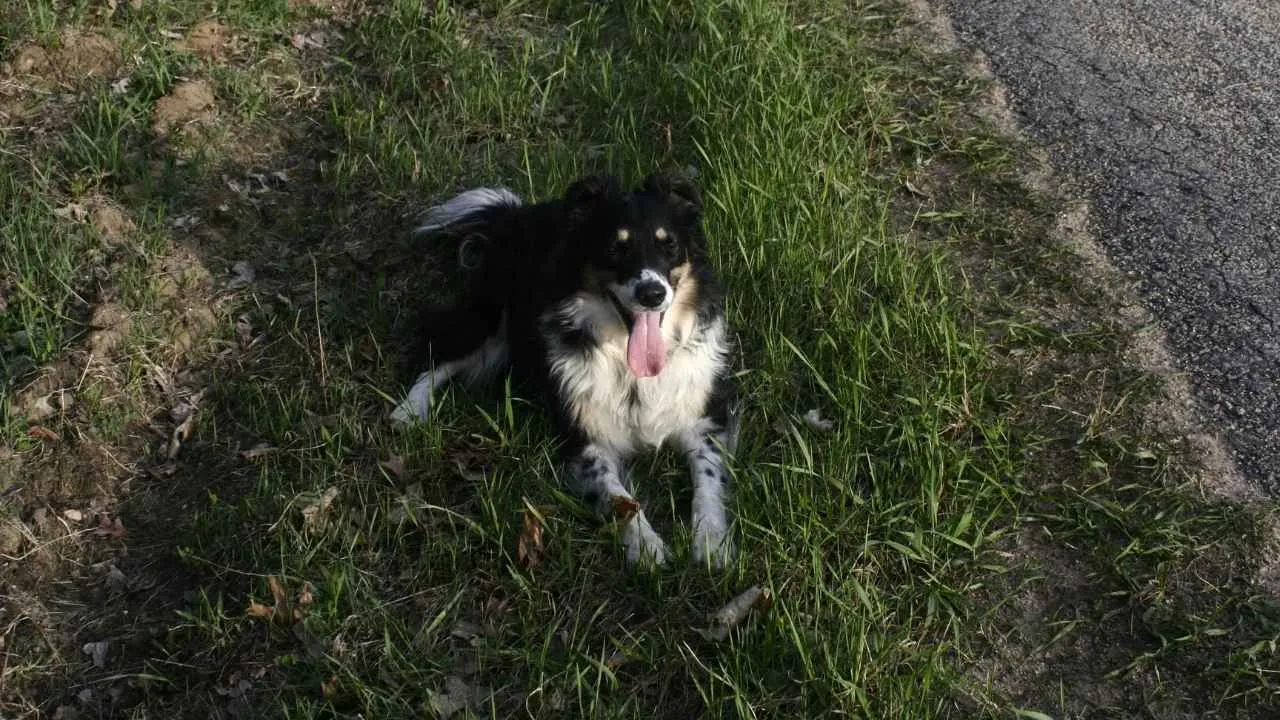
The English Shepherd is the kind of dog that seems to know how to work a farm without a lengthy orientation. This all-purpose breed was developed in the United States and was once used to herd livestock and watch over property.
Unlike breeds built for one highly specialized task, English Shepherds are all-rounders. They can herd cattle, sheep, and other livestock using their intelligence, agility, and natural herding instincts.
They are eager to please and responsive, and they tend to form close working relationships with their owners. Since they can handle both herding and general farm work, they are especially useful on small and medium-sized farms.
Their medium-length coat needs regular brushing to control loose hair and tangles. They also make great family companions, as long as their exercise and work needs are met.
Conclusion
The best dog breed for herding cattle depends on your farm, your animals, your working environment, and the kind of help you need. Keep in mind that every herding dog, even one born with strong instincts, needs training and proper introduction to cattle.
Choose the best farm dog breed that suits the work and the setting, train it well, and you could have one of the most reliable partners on your farm. Remember, a smart dog is worth even more than a merely hardworking one. After all, it takes some brains to manage stubborn farm animals.
