




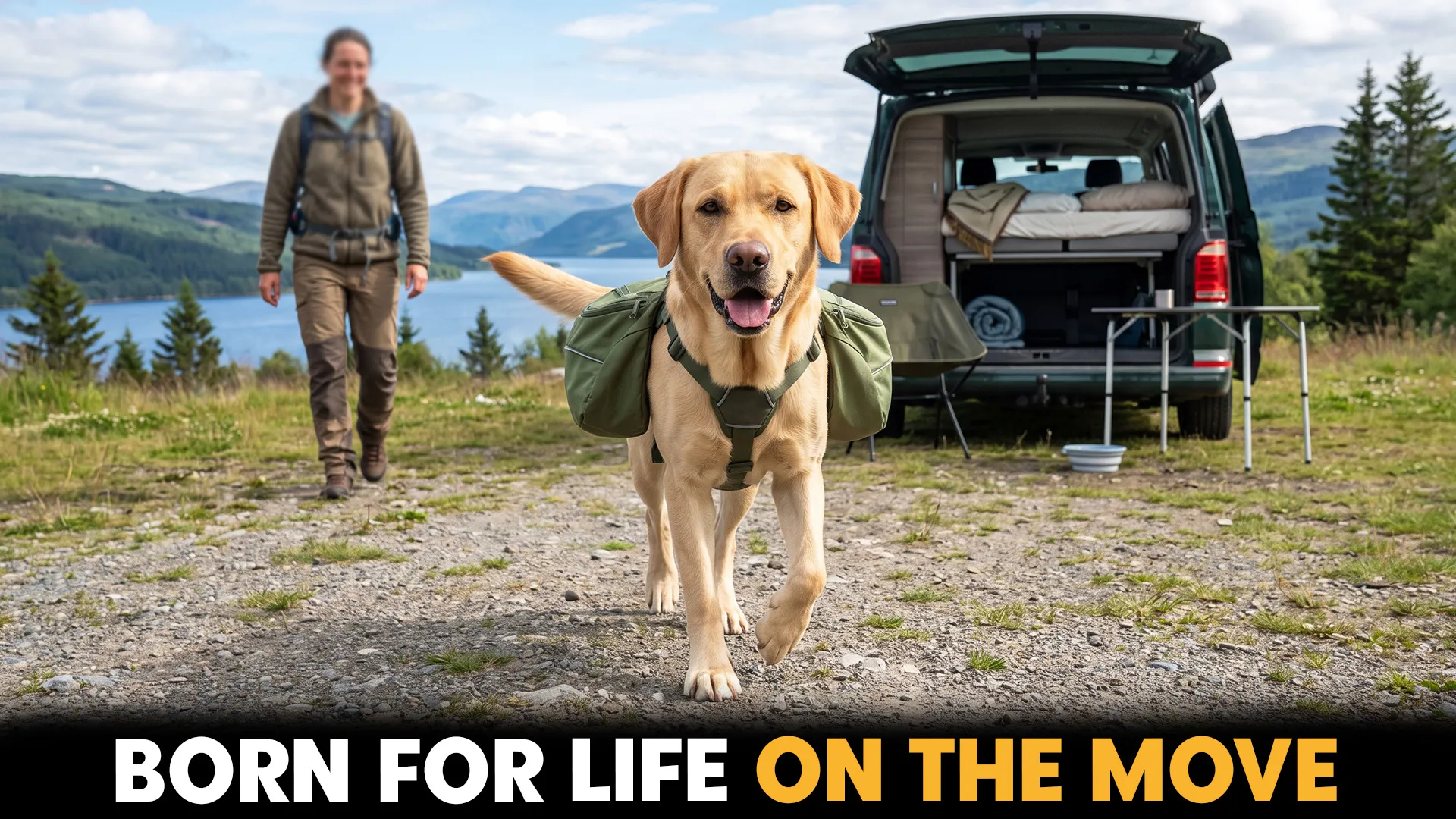
Home can be a cabin, a camper, or wherever you park before sunset. Add a dog, and even a roadside coffee break feels like a small adventure.
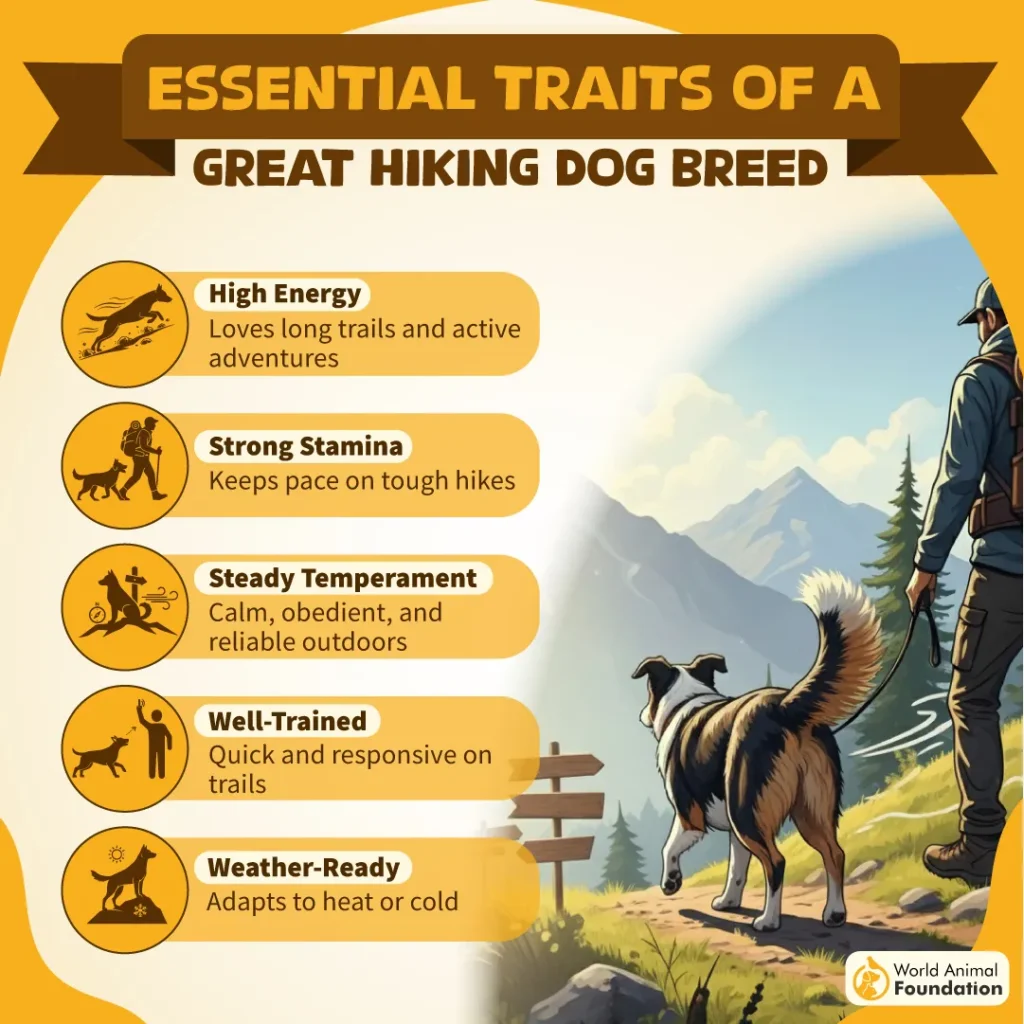
Muddy paws on your clean blanket? That is the unofficial travel tax. But choosing the ideal dog breeds for a nomadic, outdoor lifestyle takes more than spotting a cute trail buddy.
Athletic breeds can enjoy demanding outdoor activities, yet their exercise needs must fit your actual routine. Think beyond the postcard moments: rainy afternoons, driving days, and shared living space matter, too.
The goal is not a dog that looks adventurous. It is a companion whose needs belong in the life you genuinely live.
The article covers top picks that thrive in outdoor adventures and are perfect for dog owners with an active lifestyle.
Ideal Dog Breeds for a Nomadic, Outdoor Lifestyle
1. Siberian Husky
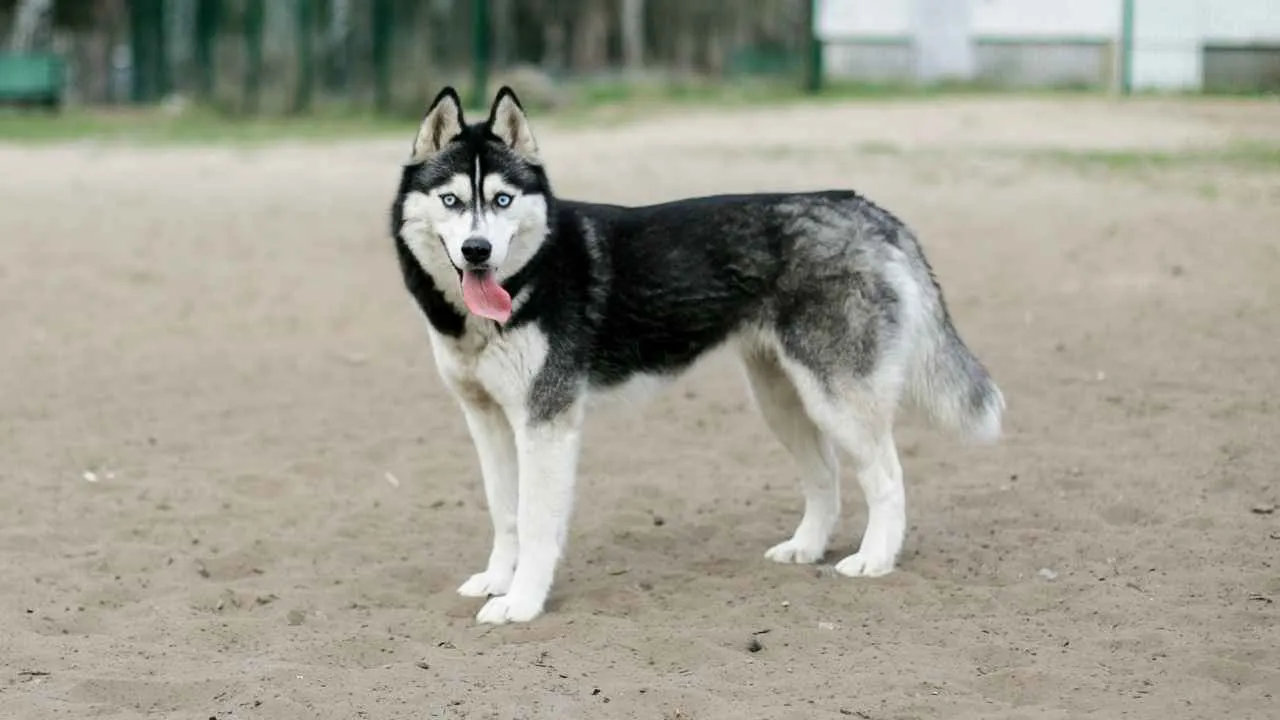
This large dog breed was originally bred as a working dog in Siberia, Russia. It spread through Alaska in the 19th and 20th centuries and was adopted to participate in sled dog races. The unusual breed was later used by the U.S. Army during WWII for SAR operations.
Its metabolism switches directly to utilize stored fats for energy, allowing it to run up to 100 miles a day. The dual-action double coat provides thermoregulation in temperatures below -50°C to -60°C and protection against external stimuli. The deeply affectionate breed has a feline-like, low-to-the-ground trot that maximizes energy conservation.
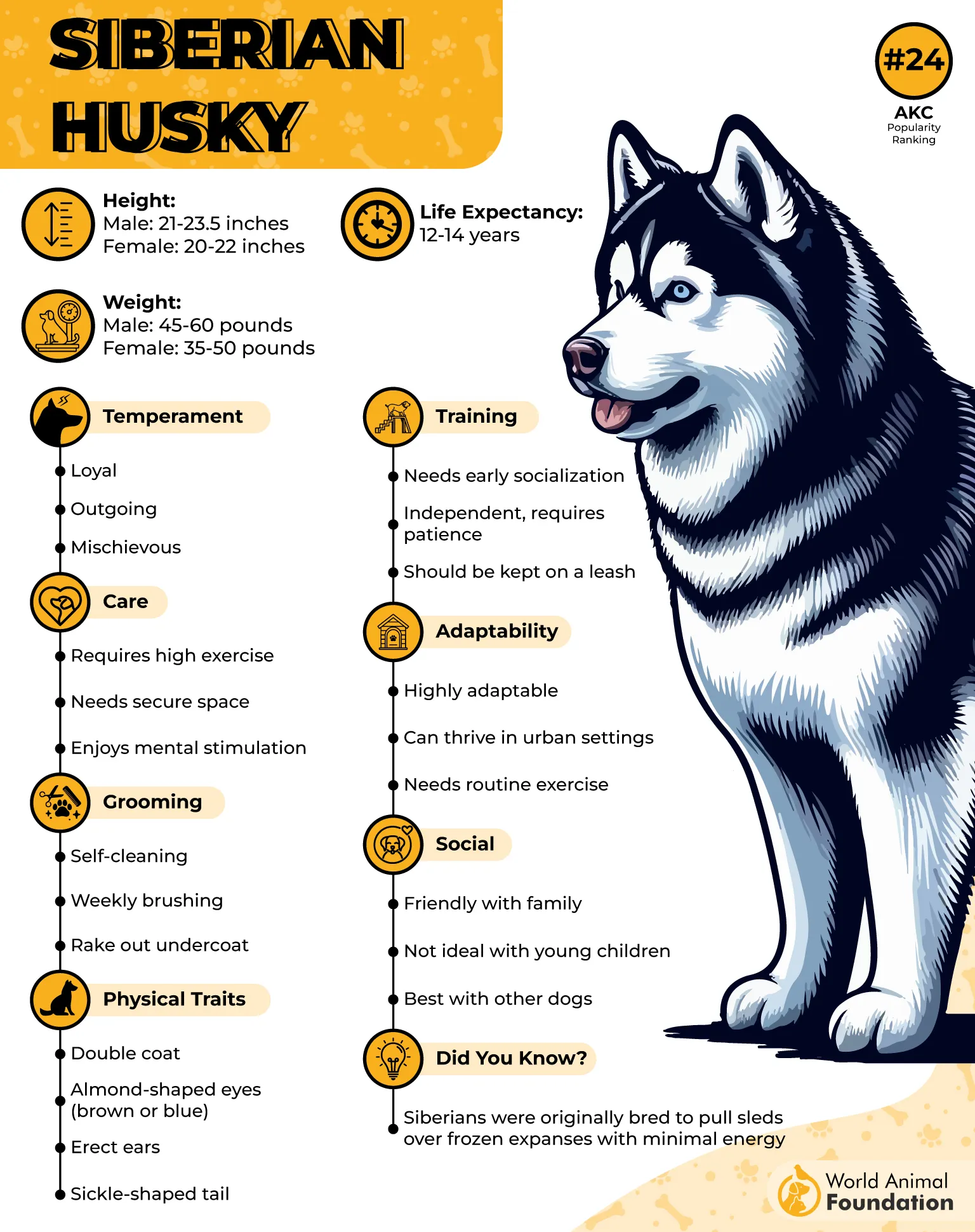
The triangular ears reduce heat loss, and the almond-shaped eyes protect corneas from blinding snow glare. The larger breed excels in mushing, skijoring, dryland adventures, dog trekking, canicross, and dryland carting.
2. Border Collie
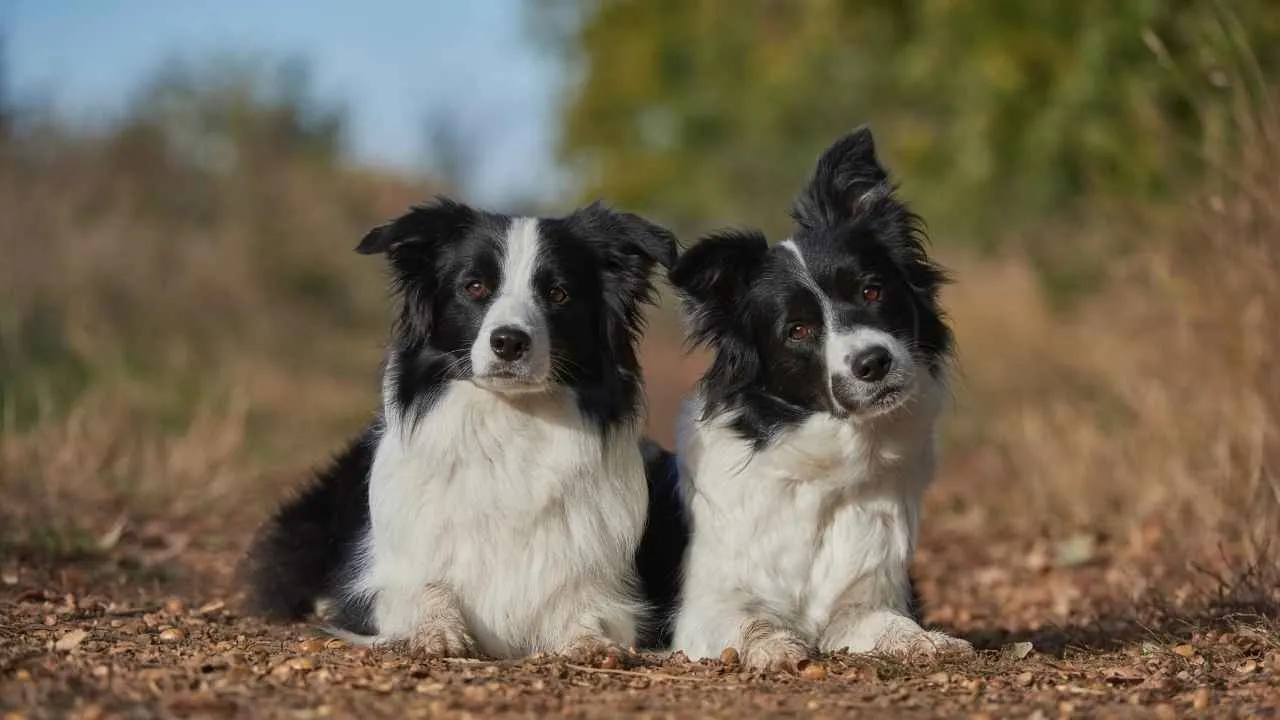
The most intelligent breed in the dog world was bred between the border of England and Scotland, and the word ‘Collie’ was specifically used to mention a working breed, such as a herder. The primary purpose of this herding breed was to control livestock through ‘the stare.’
Selectively designed to work on steep terrain, the great companion can run for hours without tiring. It has a ground-hugging posture, allowing it to change directions instantly. It actively reads environmental cues and opts for safe alternate pathways without the handler’s instructions. The breed acts as a radar system because of its strong sense of hearing and sight.
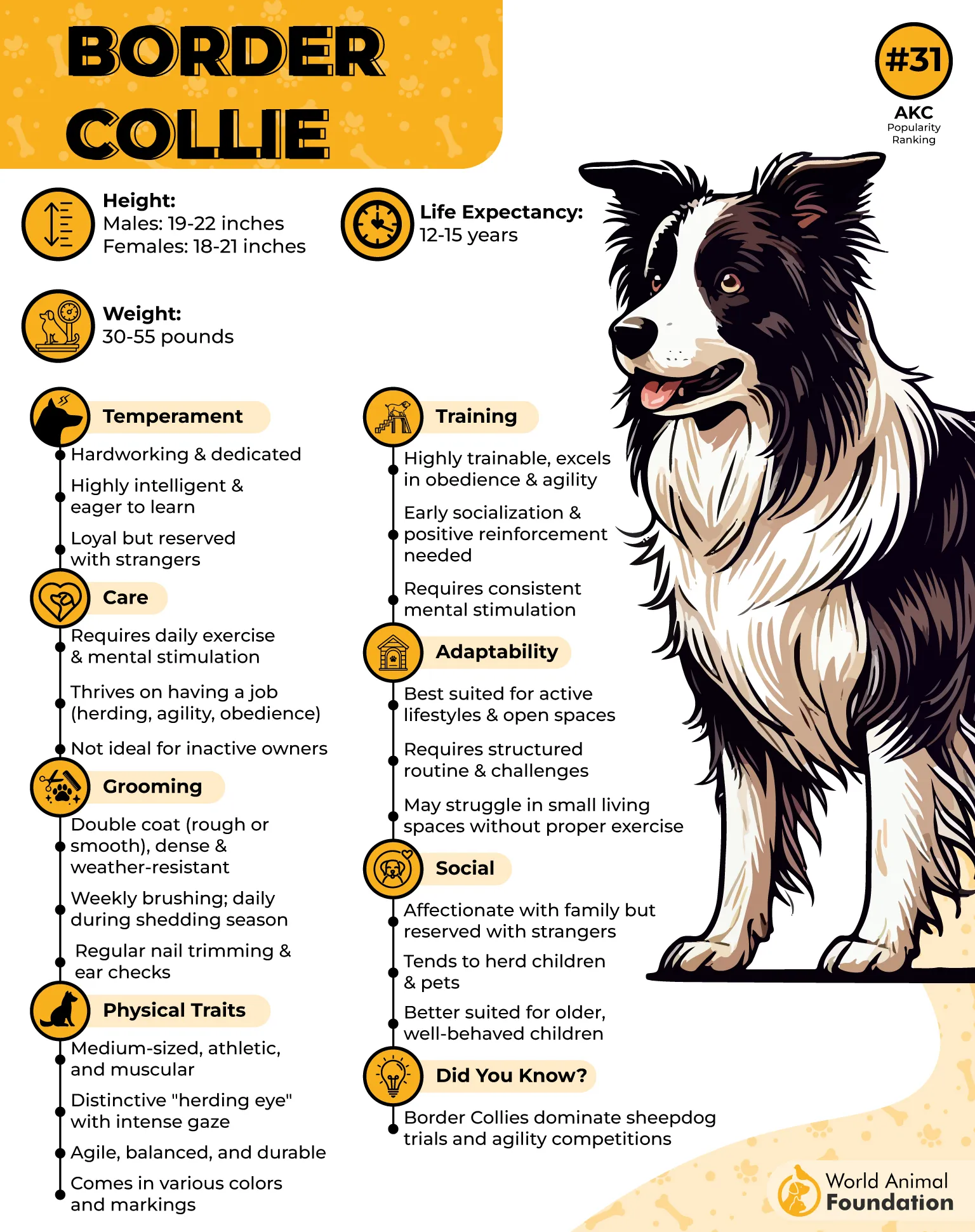
This medium dog excels in search and rescue work, tracking, advanced backcountry hiking, herding, sheepdog trails, canine agility courses, disc dog, dock diving, and freeball rally racing.
3. Australian Shepherd
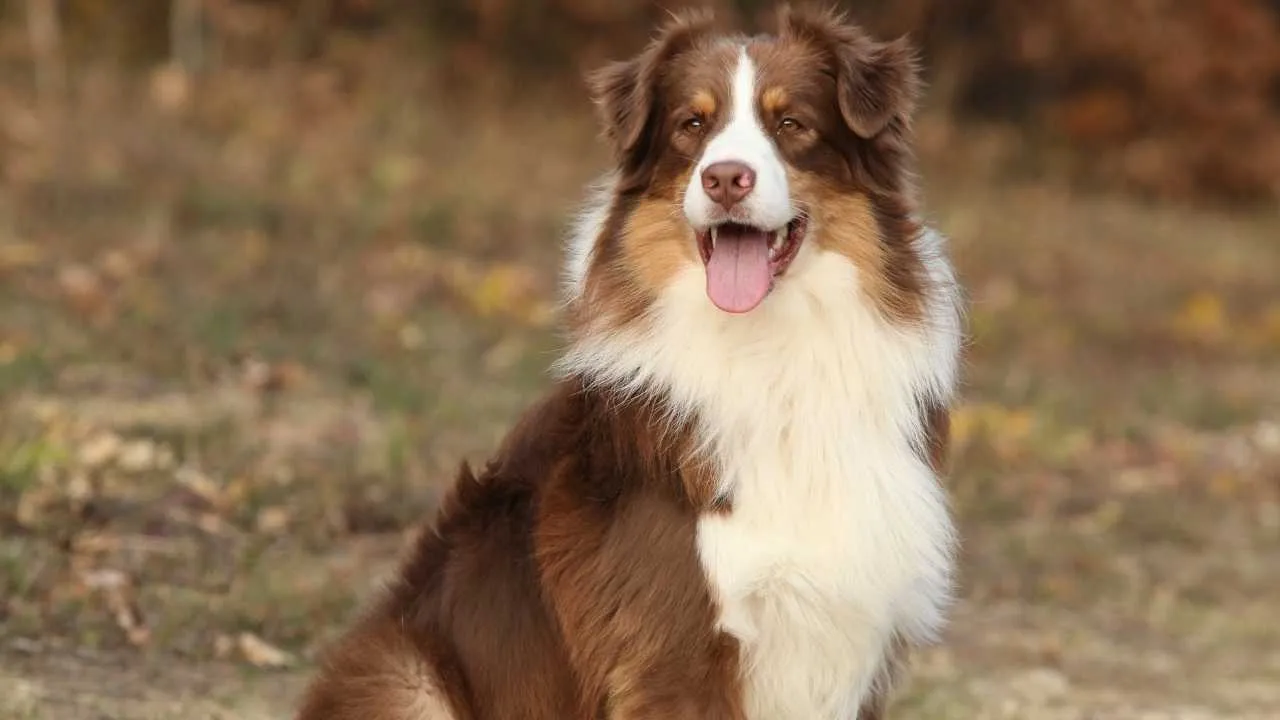
This breed was originally developed in America from the sheepdogs imported from Australia in the 19th and 20th centuries. It remained a popular herding breed in the country for almost a century, and was later adopted for dog sports because of its versatility, according to Purina.
The right angulation of hindquarters to the shoulders provides maximum mechanical efficiency. This perfect companion has oval-shaped feet with arched toes, offering superior traction on surfaces like wet rocks. It is known for changing behavioral patterns rapidly in response to surroundings.
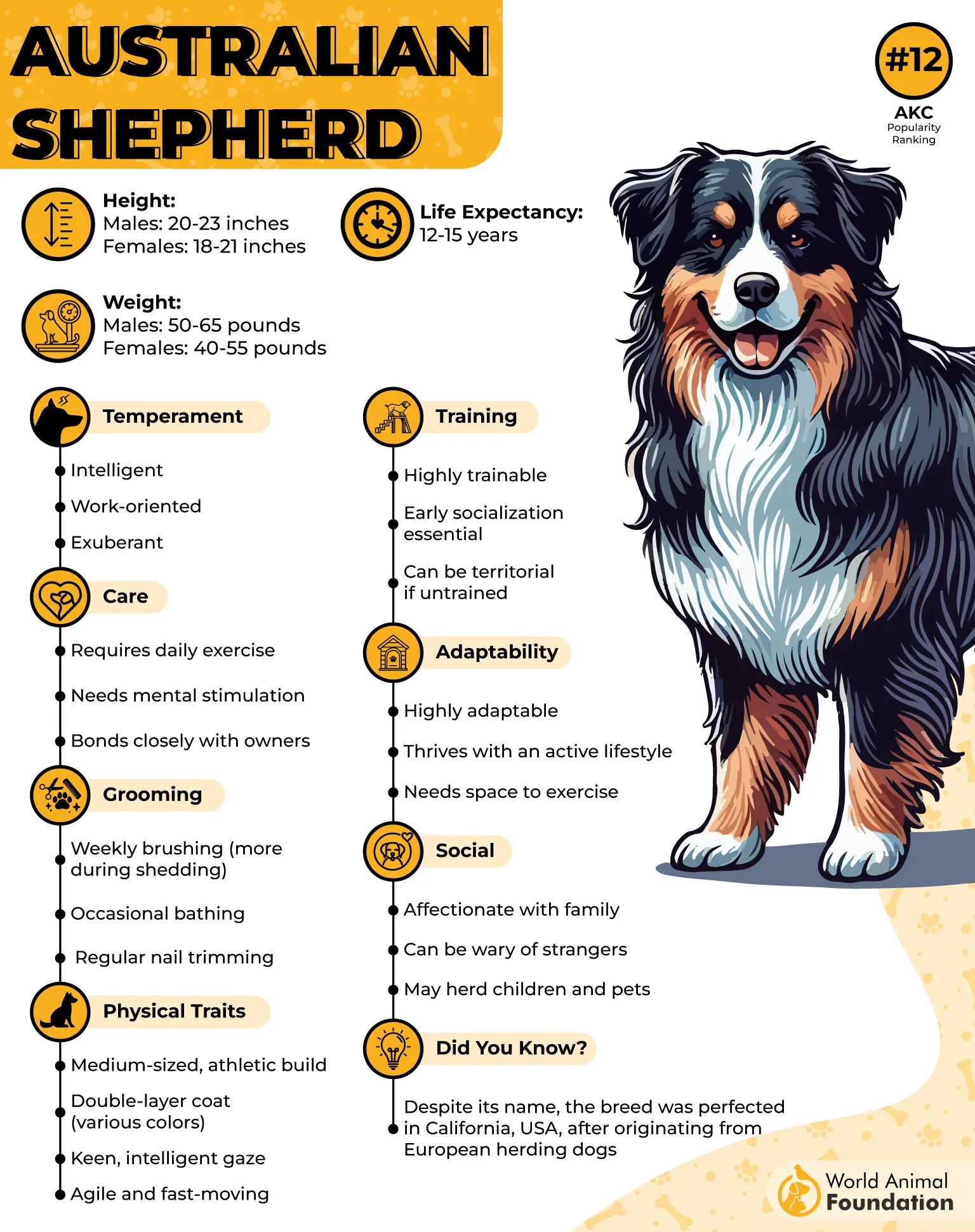
It was historically used to herd livestock 20 miles a day and possesses a natural guardian instinct. The Australian Shepherd is widely used in nomadic work, sport, water adventures, and high-endurance trailing.
4. German Shorthaired Pointer
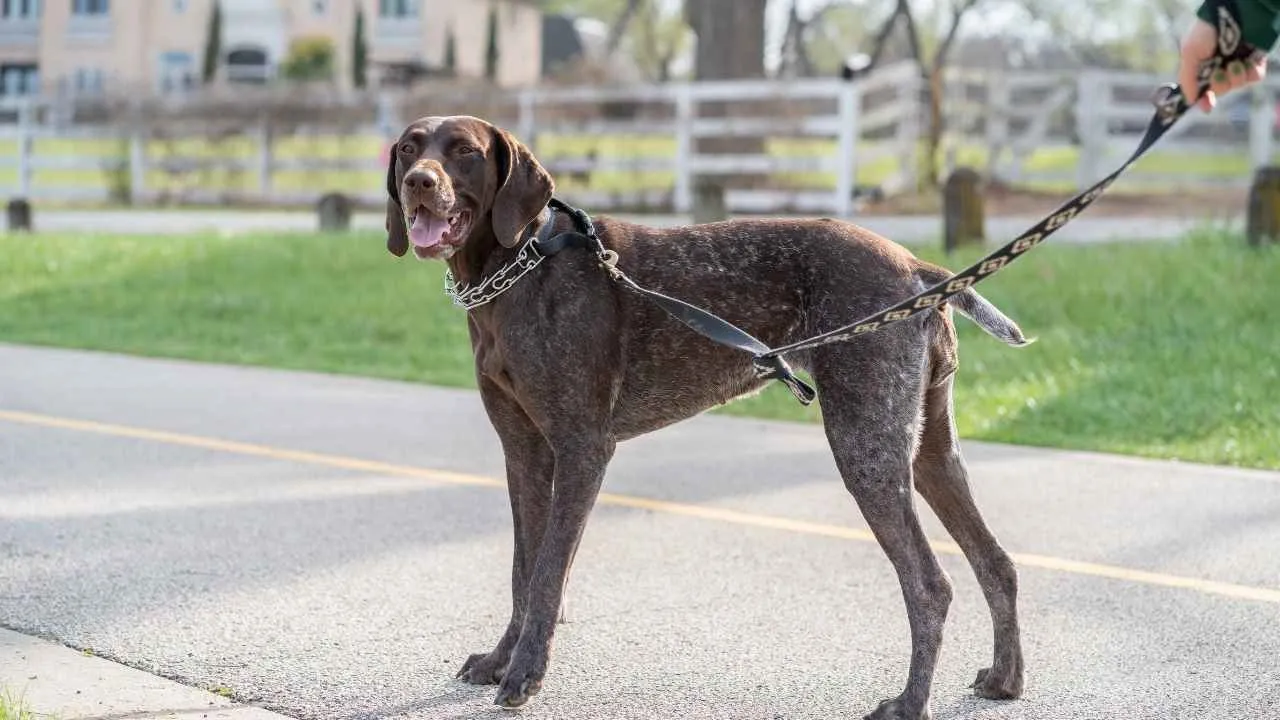
The German Shorthaired Pointer was developed in Germany in the 17th century by crossing the German bird dog breed, Bloodhound, and the Spanish Pointer. The initial breed was relatively slower and heavier; thus, it was interbred with the English Pointer, resulting in a faster and lighter GSP.
The unique musculoskeletal structure gives a short and rigid spine (preventing fatigue) and well-angulated and long legs (allowing maximum stride). This grants the breed a high speed of 30-34 mph. Because of the unique coat varieties (solid liver, black, or roan), it creates natural camouflage.
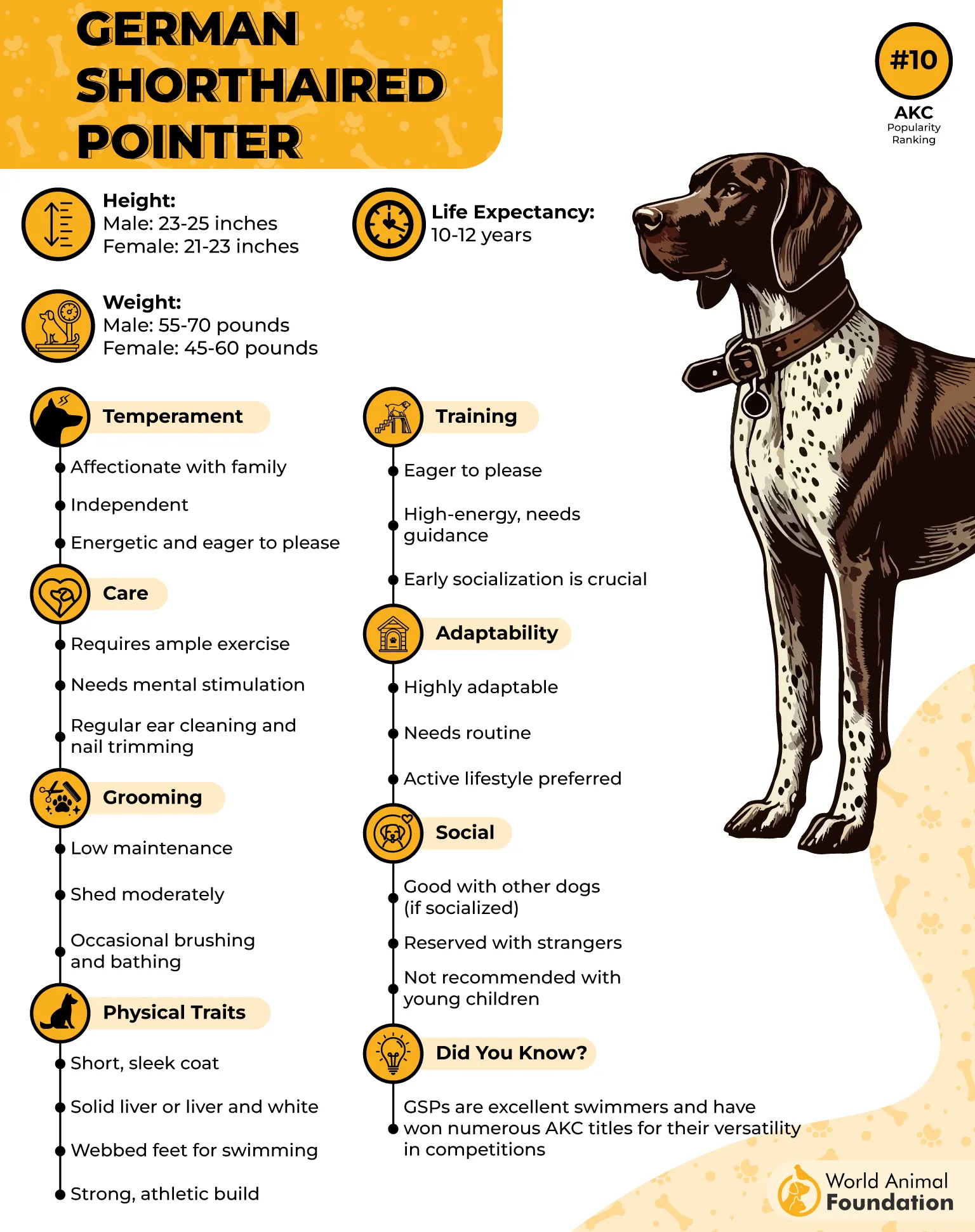
The breed thrives in intense outdoor activities, including gundog operations, tracking, wilderness trekking, pulling and water sports, scent work, and rescue tasks, as noted by WebMD.
5. Labrador Retriever
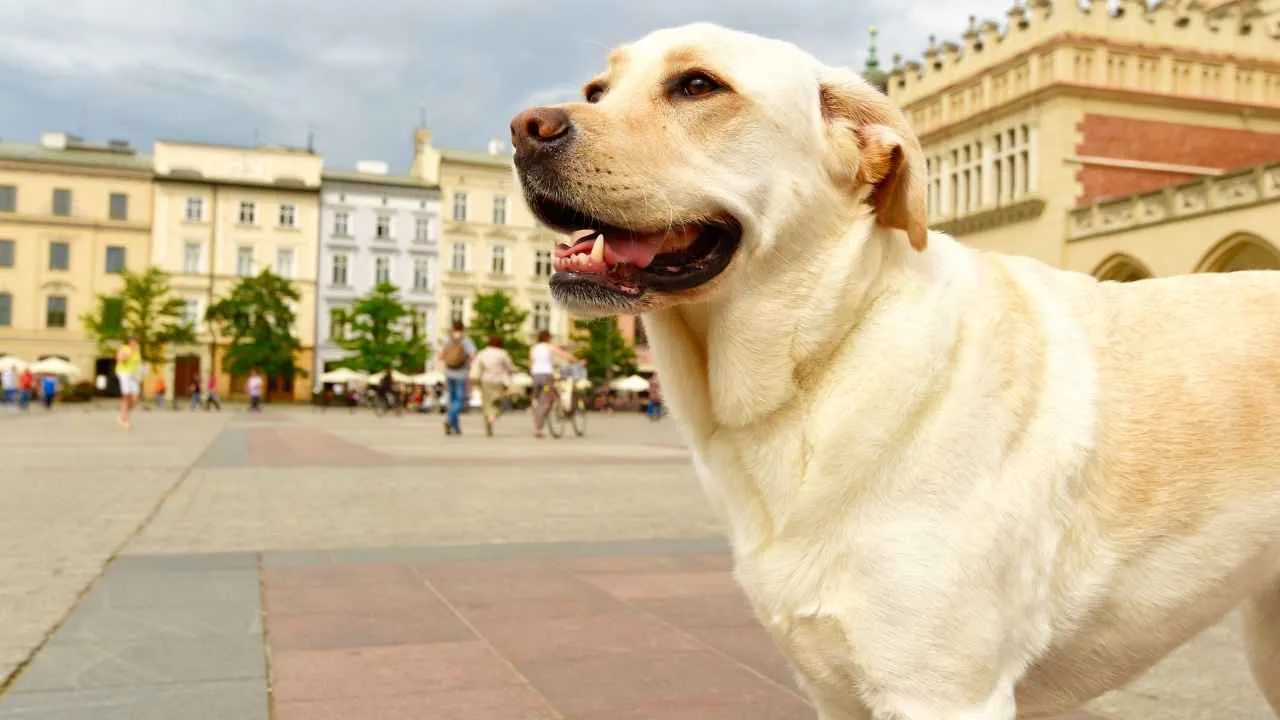
The medium-to-large breed is descended from the St. John’s water dog that was imported from Canada and was used on fishing boats in the 19th century. The dog was brought to England and was used as a gun dog and a retriever. It was officially recognized by the AKC in 1917.
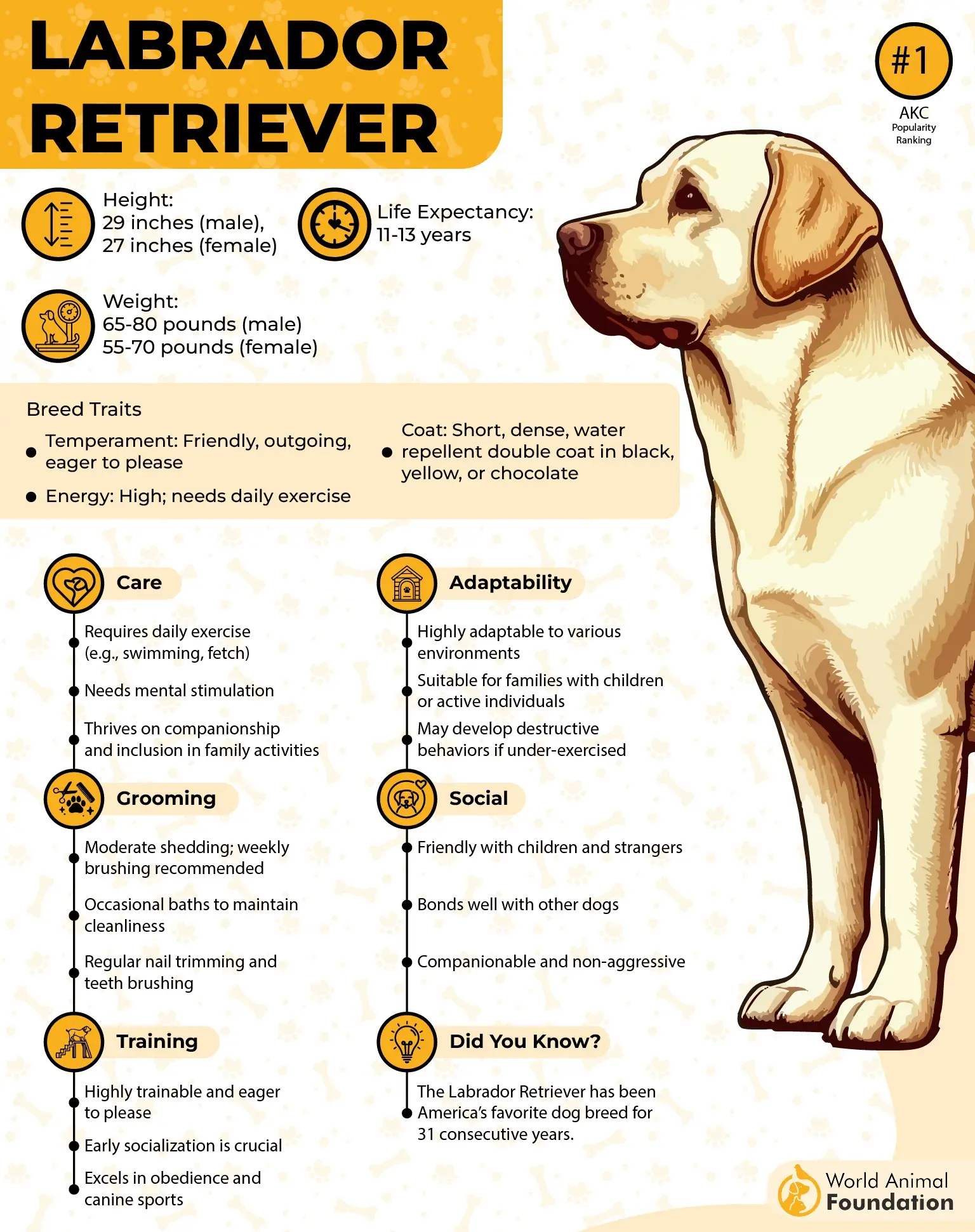
The dog’s feet feature fully webbed feet with prominent skin membranes connecting the toes. This helps the Lab generate hydrodynamic propulsion and excellent traction across various terrain. The breed is known for its otter tail, which helps it navigate turbulent alpine rivers and acts as a counterbalance.
With its short-coupled, athletic build, the Labrador Retriever can hike up to 10 miles a day. It also excels in watercraft expeditions, thru-hiking, upland hunting expeditions, and nomadic foraging
6. Vizsla
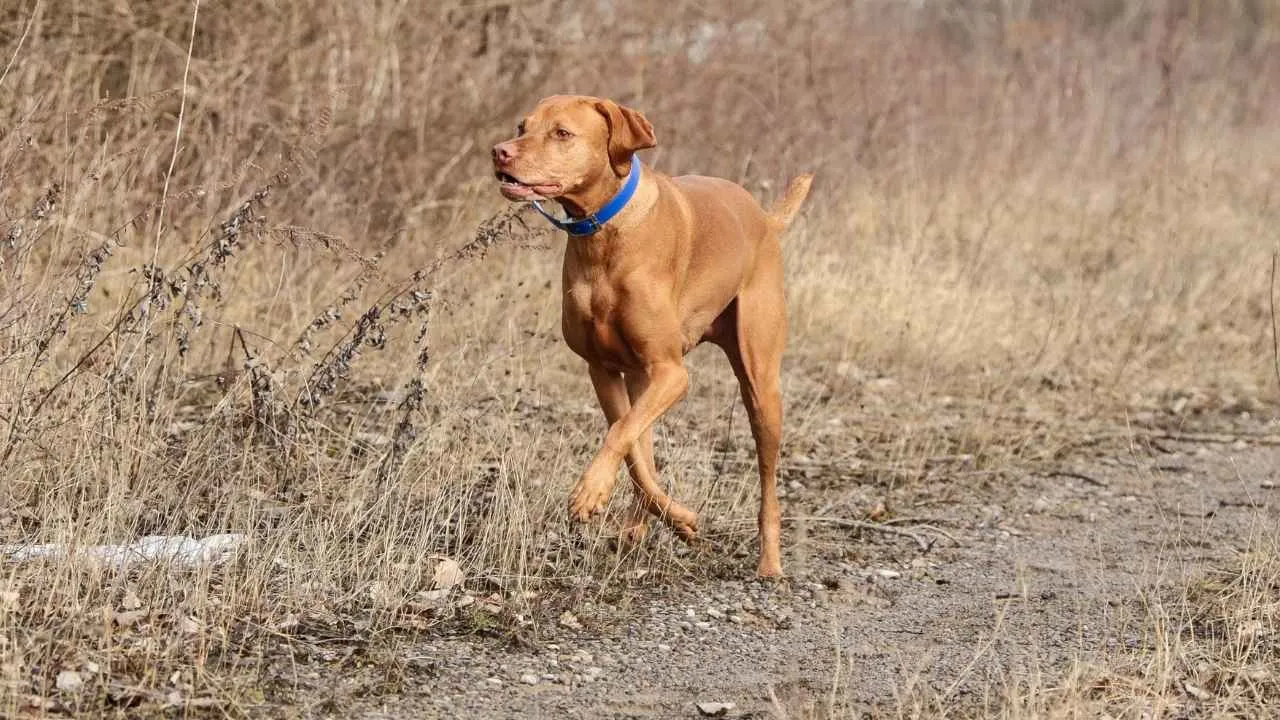
This old breed is closely related to the Weimaraner and differs in coat color. It is thought to have developed by crossing the Weimaraner and various pointers in the 20th century. However, records suggest that the breed has been around since the 11th and 12th centuries.
The high power-to-weight ratio allows the breed to navigate through rugged terrain. It has a short coat that dissipates heat more efficiently than double-coated breeds, making it functional in harsh weather. With its strong sense of smell and eyesight, the athletic breed can detect an anomaly long before humans do.
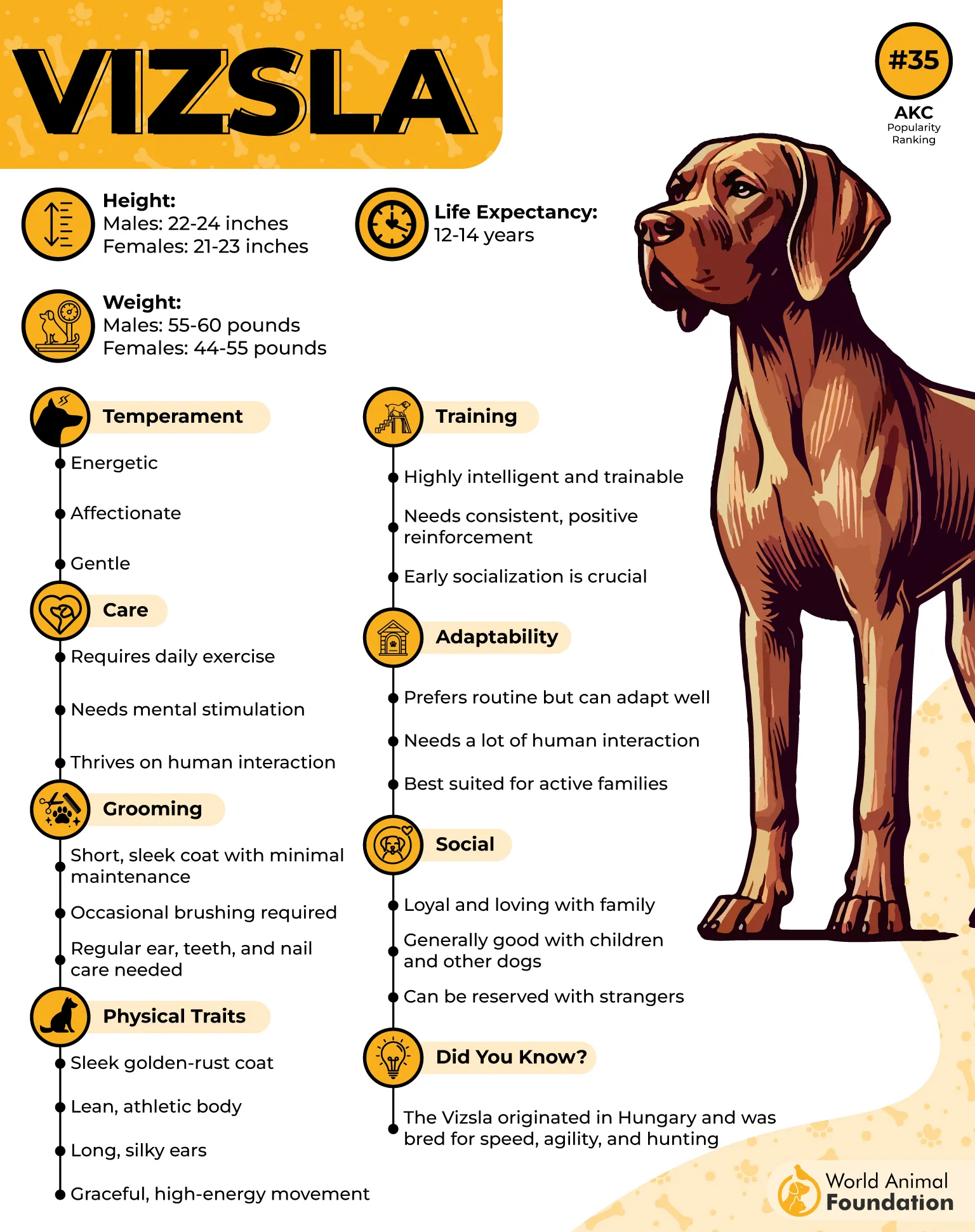
The Vizsla’s athletic build allows it to excel in hunting and fieldwork, water retrieving, bikejoring, canicross, multi-day backcountry adventures, and backpacking, as noted by Britannica. It also enjoys swimming, although its short coat does not dry instantly and may require some time to dry after a swim.
7. Alaskan Malamute
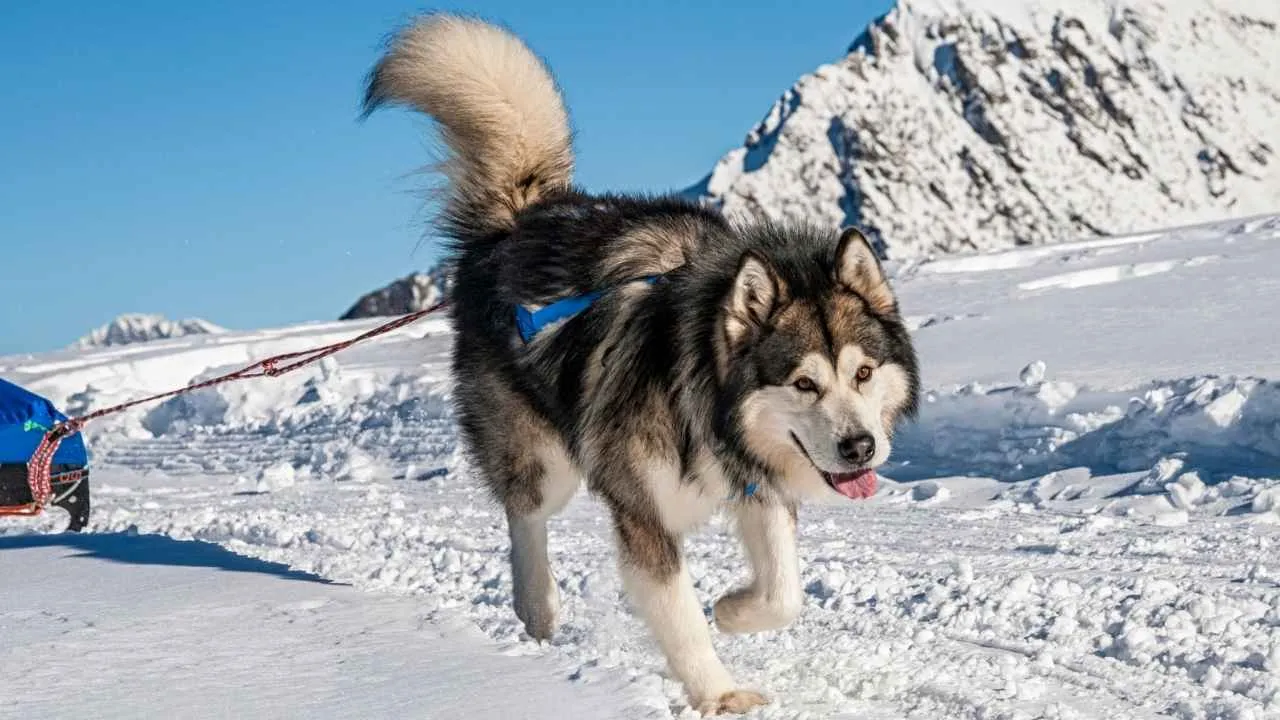
The snow dog was first discovered on Alaska’s North Coast and was primarily used by hunters to retrieve large game. Since it was bred for cold weather, it has large feet and dense fur, helping the Alaskan Malamute pull the heavy carts and sleds through the snow.
The dog has a dense, plumed tail that is naturally carried over its back. It covers its nose, mouth, and rest of the body while sleeping outdoors in snow to maintain thermoregulation. It was designed for structural drafting rather than sprinting. Being an independent breed, it tends to make decisions on its own, without the handler’s instructions.
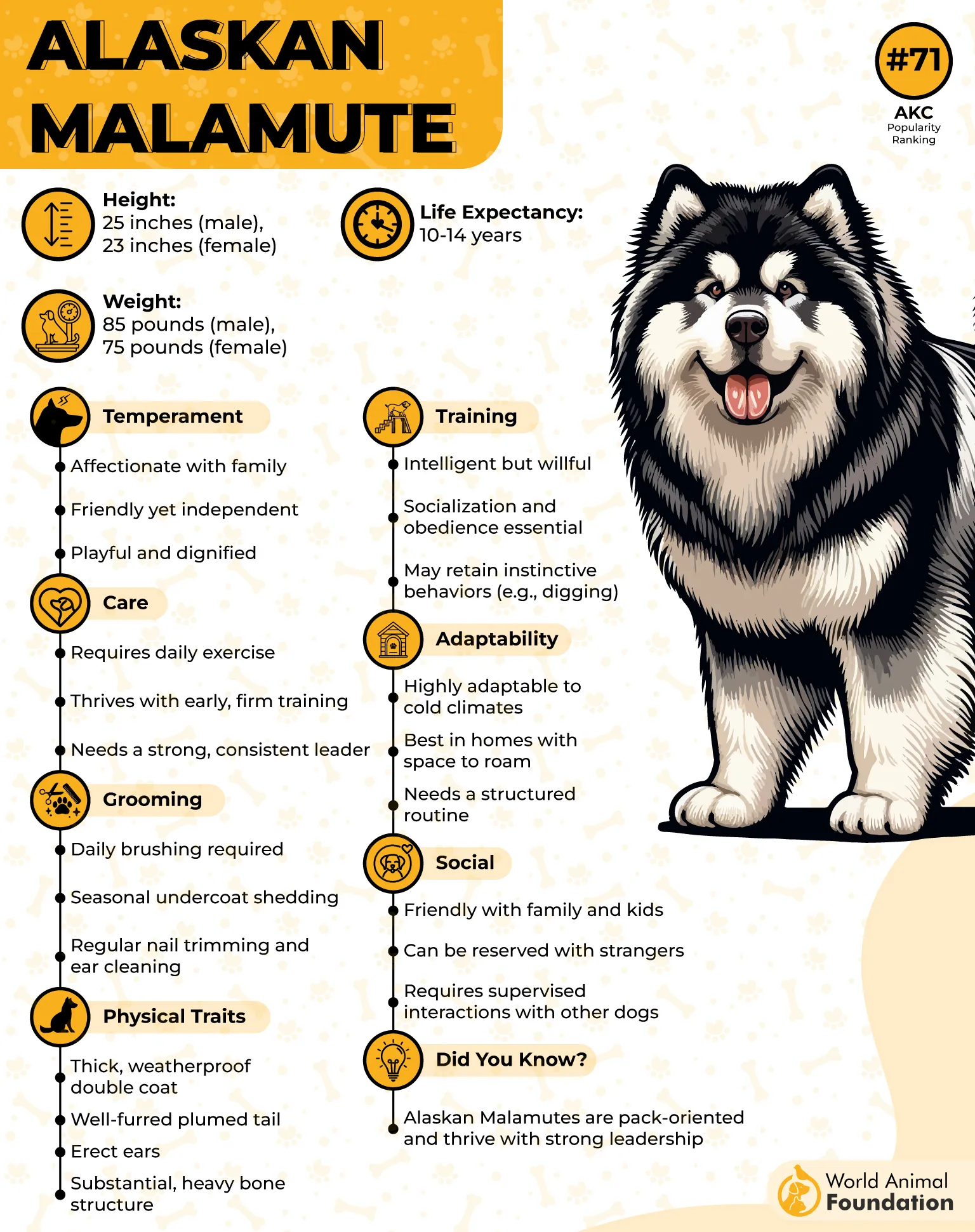
The Alaskan Malamute needs proper training, as it has a massive pulling drive. Originally designed by the Mahlemiut Inuit tribe, it thrives in heavy freight sledding, alpine backpacking, pulk sledding, backpacking, dog trekking, canicross, carting, and bikejoring.
Conclusion
The right travel companion fits your ordinary Tuesday, not just your dream weekend. Before choosing a dog, picture the whole trip: grocery stops, muddy gear, quiet evenings, and the occasional change of plans. Be honest about what you can offer when the scenery gets less exciting.
A breed name can start your search, but it should not decide for you. Meet the dog. Ask questions. Leave room in your budget and your schedule for its needs. You are not hiring a hiking machine; you are welcoming a family member.
