




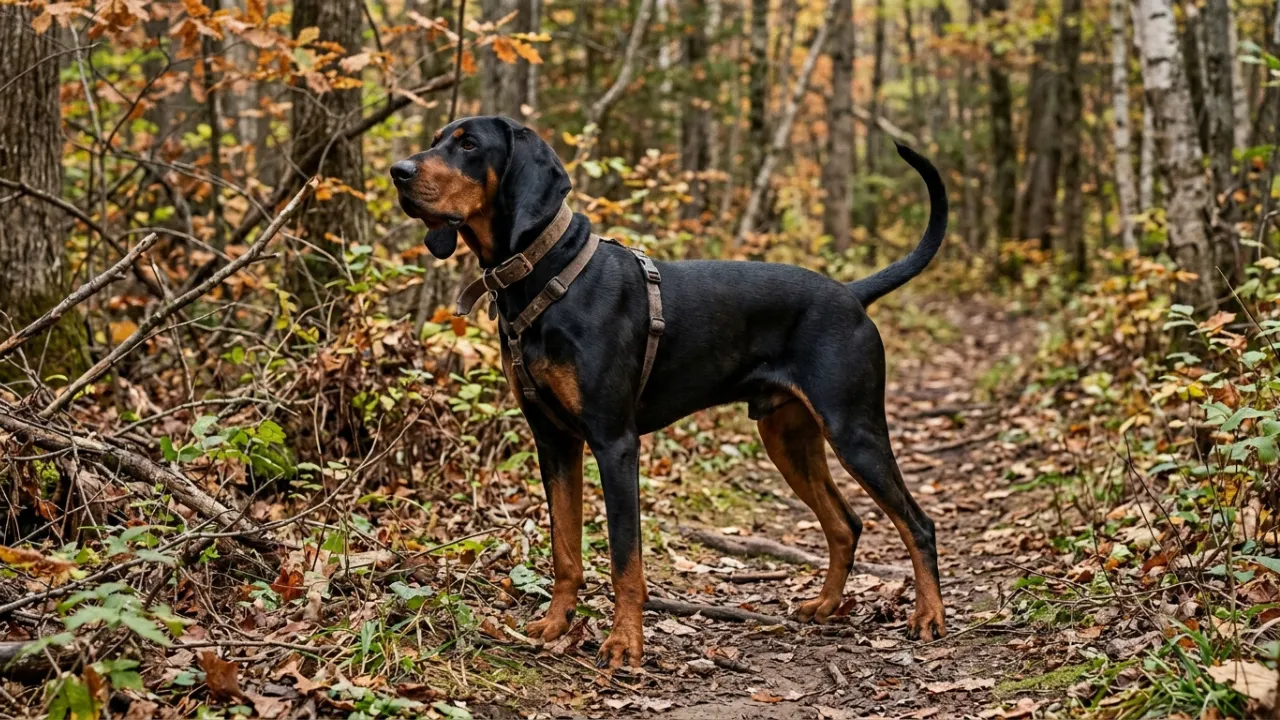
A hunting dog without strong tracking instincts becomes unreliable the moment conditions stop being easy. Open ground, fresh scent trails, and clear movement patterns can make almost any dog appear capable at first.
The real difference shows up once the terrain changes, weather interferes, or the scent begins fading across difficult ground. That is where superior tracking breeds separation immediately. These dogs stay focused long after others lose direction, using patience, scent recognition, and controlled movement to continue working the trail with remarkable precision.
Their ability to track consistently through demanding environments has made them trusted hunting companions for generations. Hunters who rely heavily on scent work understand how valuable that level of dependability becomes during long field sessions where mistakes waste both time and opportunity.
Coming next are seven powerful hunting dogs respected for their elite tracking ability, endurance, intelligence, and exceptional scent-driven focus in the field.
Key Takeaways
A Bloodhound’s nose is so reliable that its tracking results were once accepted in court, which says everything about how powerful scent work can become in the right breed.
German Shepherds and Belgian Malinois stay locked onto trails with a level of focus that makes rough terrain and fading scent trails far less of a problem.
Then come determined trackers like the Plott Hound and Redbone Coonhound, dogs built to push through forests, mountains, and long outdoor sessions without losing momentum.
Somewhere in this list is the kind of hunting companion that keeps going long after other dogs lose the trail.
Top Hunting Dog Breeds With Superior Tracking
1. Bloodhound
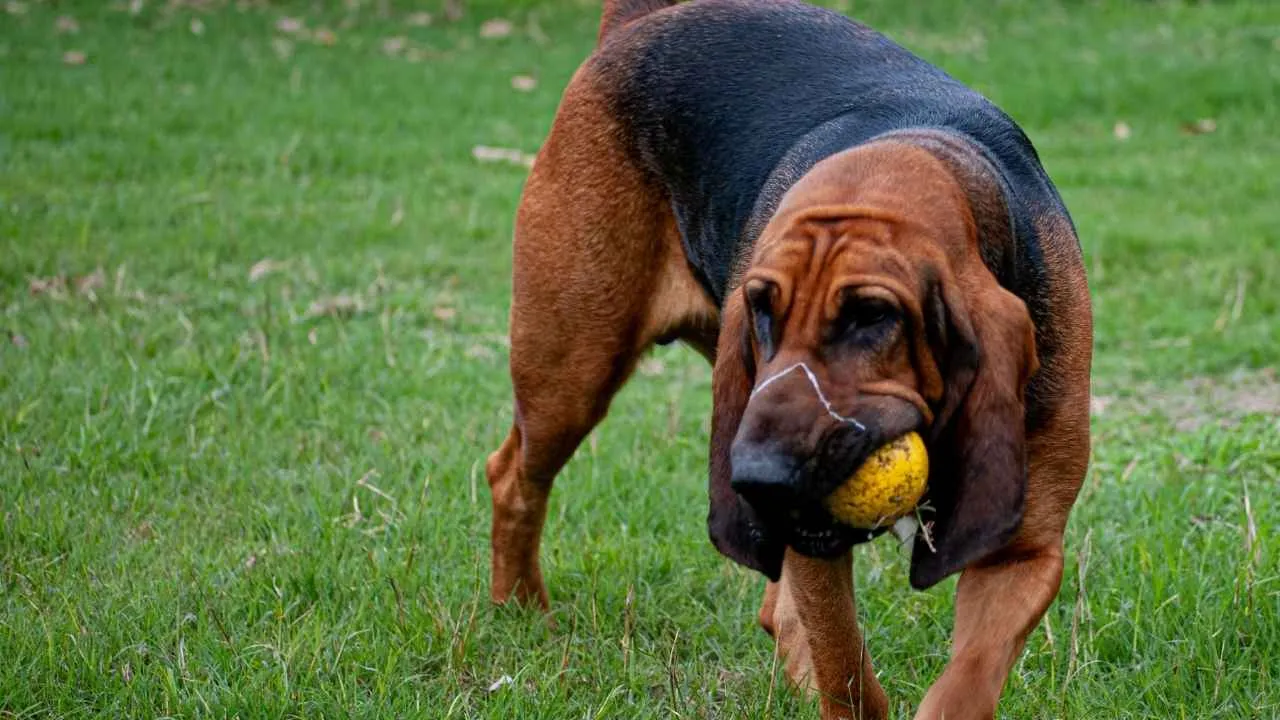
The Bloodhound earned lasting recognition through scent work, once relied upon by medieval nobles tracking game across long distances.
Its nose became so trusted that tracking results could later be accepted in court proceedings. That reputation shaped a hound intensely driven by scent direction and endurance.
Tracking instinct that overrides distraction
This tracking dog follows odor trails with unusual persistence, often locking onto a scent with little interest in surrounding activity. Long-distance tracking ability comes from generations of selective breeding focused on stamina and concentration.
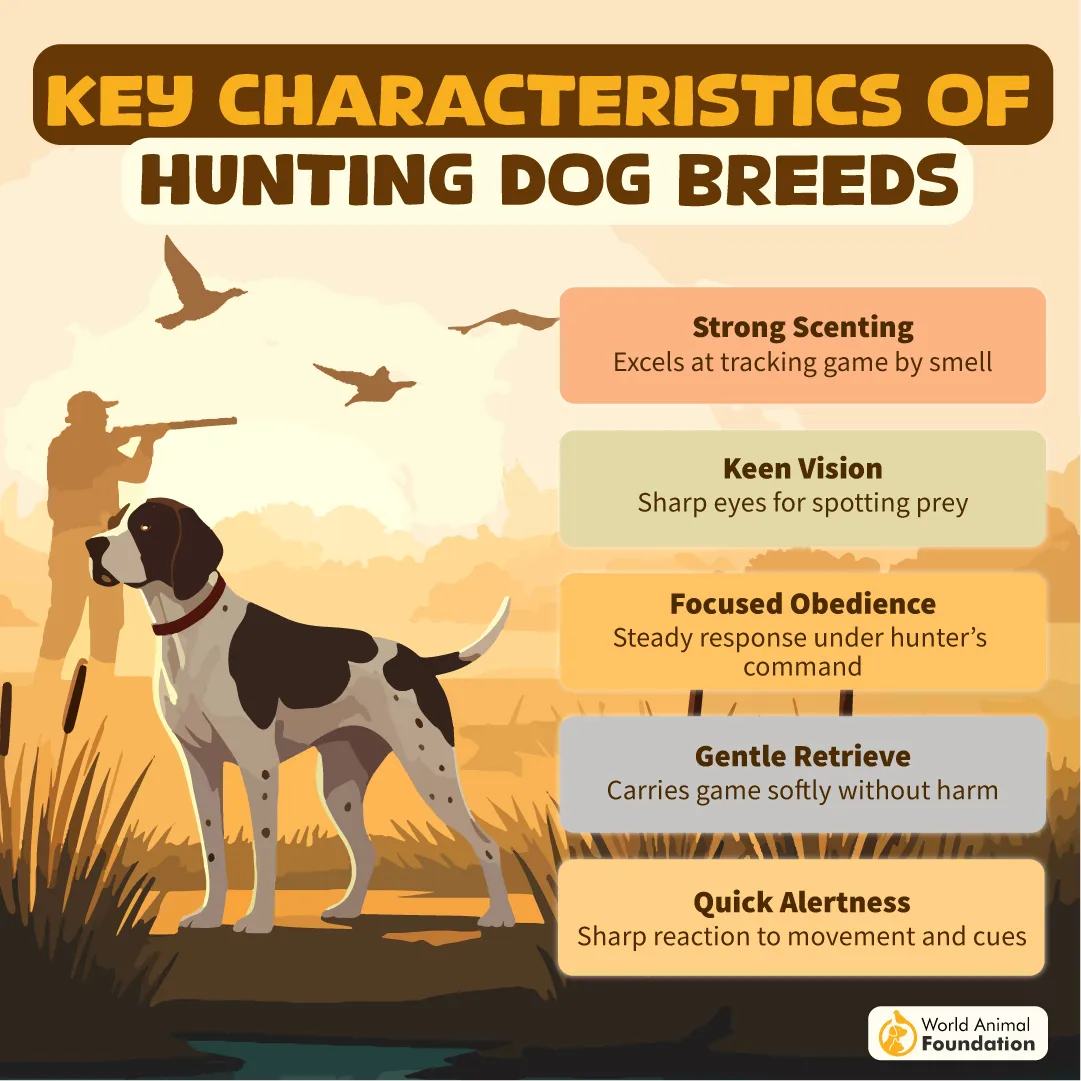
That instinct appears through unmistakable habits:
Pursues scent trails for extended periods
Ignores distractions once focused on odor
Uses deep vocal howls during communication
Gentle nature within the household
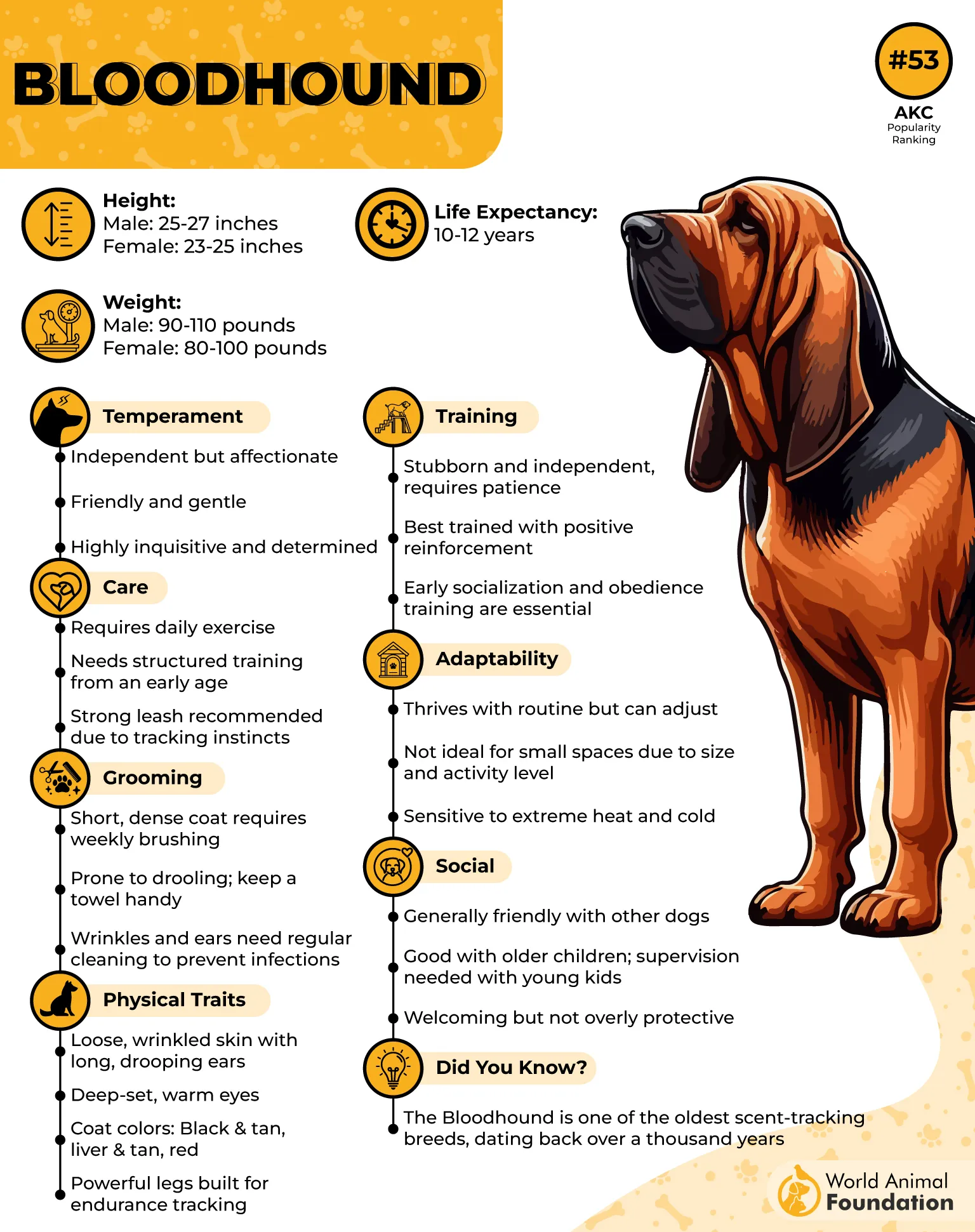
As a family dog, they interact with family life more calmly and patiently than its powerful tracking ability might suggest, as PDSA mentioned. It generally responds well to children and other animals when introduced early in life. The breed also prefers companionship, reflecting its strong pack-oriented nature.
2. German Shepherd
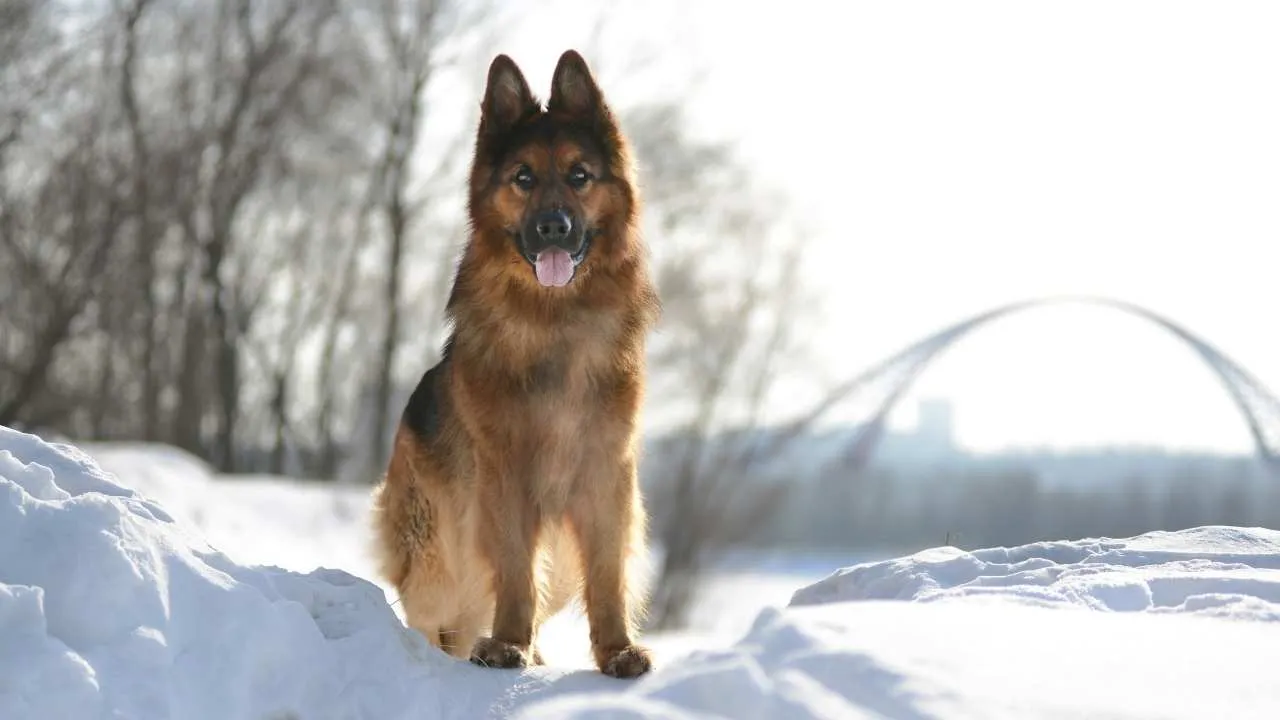
German Shepherd combines athletic structure with a scenting ability trusted in patrol, rescue, and detection work, as stated by PetMD.
Its tracking style relies on concentration and controlled decision-making rather than frantic searching. Confidence and intelligence shape how it follows trails across demanding conditions.
Built for precision tasks
They respond strongly to structured work, especially activities requiring scent recognition and directed movement. Police and military units rely on this breed for tracking because it processes commands quickly during active assignments.
Several qualities strengthen that working approach:
Exceptional scent recognition in varied terrain
Quick response during obedience tasks
Strong focus during search assignments

Driven by purpose
German Shepherds belong to the herding group, bringing constant mental engagement into physical activity and tracking exercises. Long walks alone can’t satisfy this breed because it prefers problem-solving tied to movement and direction. Its energy connects closely with having a clear objective.
3. Belgian Malinois
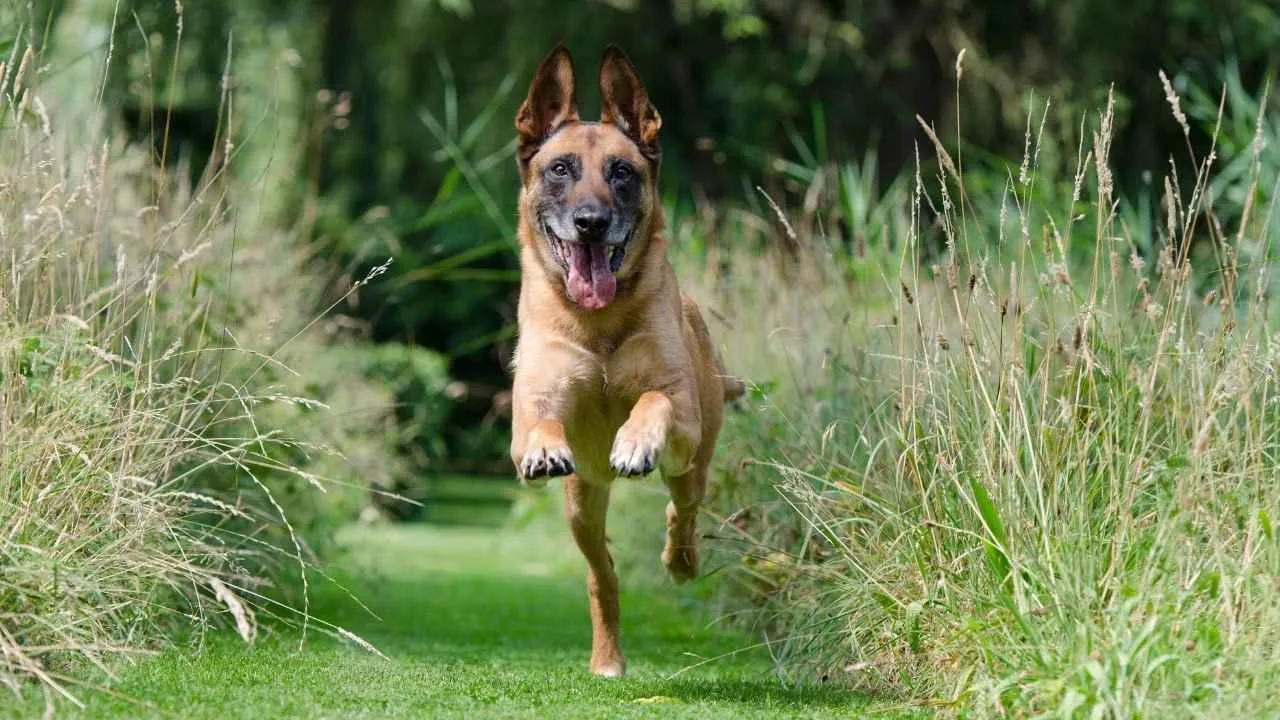
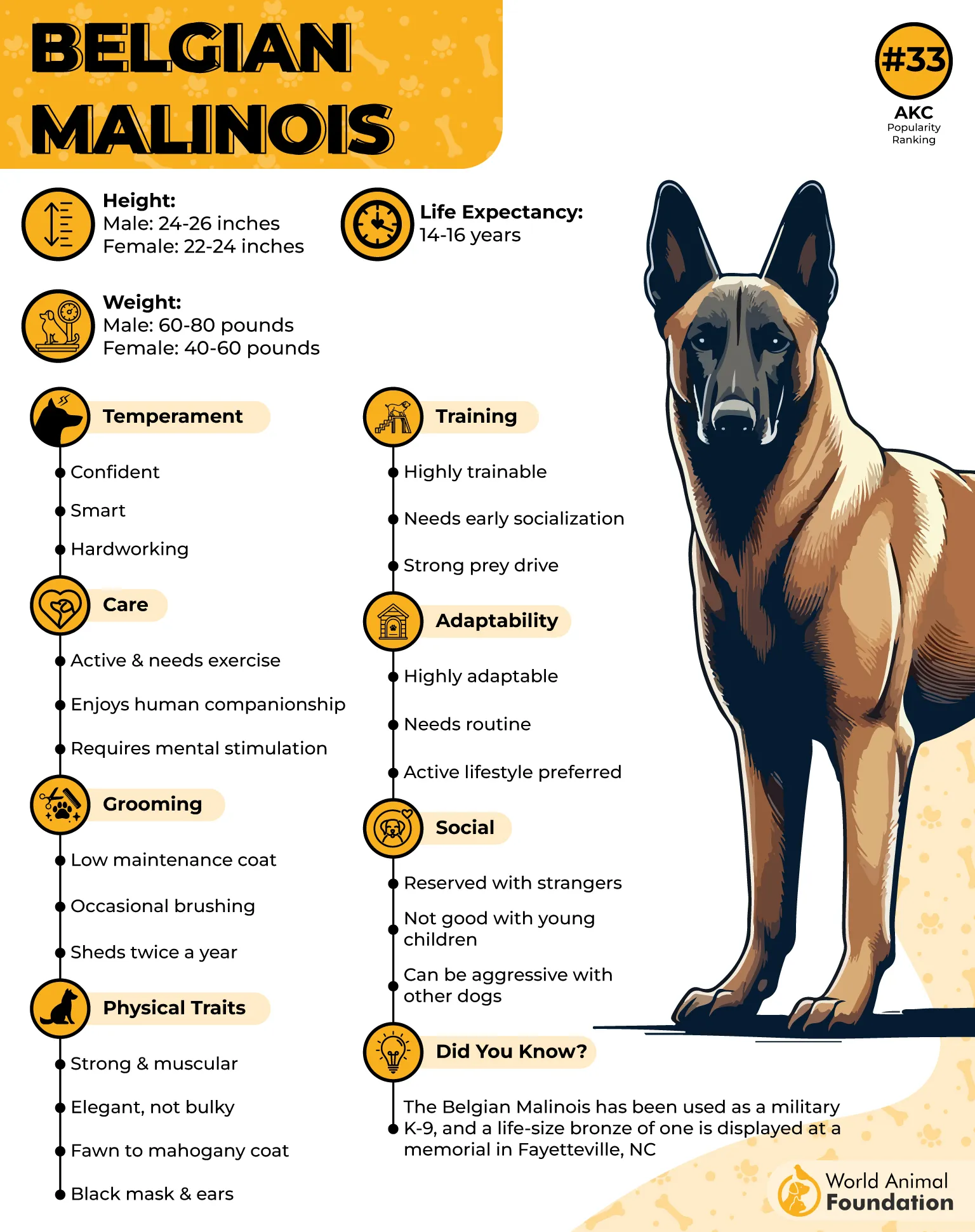
The Belgian Malinois emerged near the Belgian city of Malines, where herding work shaped a dog known for sharp decision-making and relentless focus.
Its lean frame, quick reactions, and confident temperament fit demanding outdoor tasks requiring precision. That working instinct later pushed the breed into detection and rescue roles.
Driven by purpose
The Malinois responds best to structured activity and proper training that challenge both mind and body, rather than casual exercise alone. Tracking, obedience, and agility tasks keep its attention fixed on productive outlets.
Its working style becomes clear through:
Fast response during scent-based tasks
Strong focus during obedience routines
Endurance is suited for long outdoor sessions
Energy with intensity
It thrives in physically demanding routines such as running, hiking, or biking alongside its handler. Short walks rarely satisfy the breed because its energy level links closely with constant engagement and directed effort. Without enough stimulation, it often creates its own outlets indoors.
4. Plott Hound
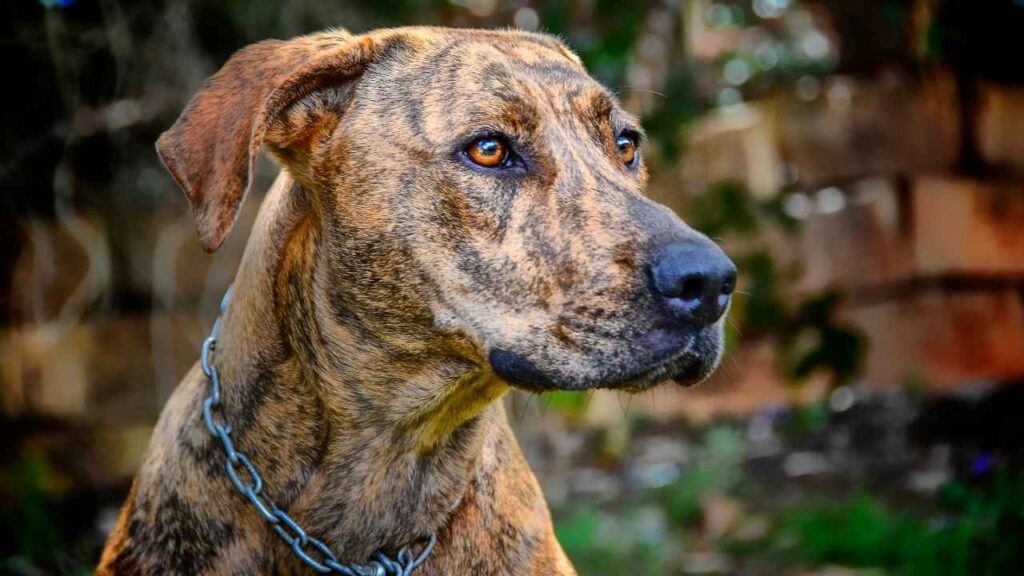
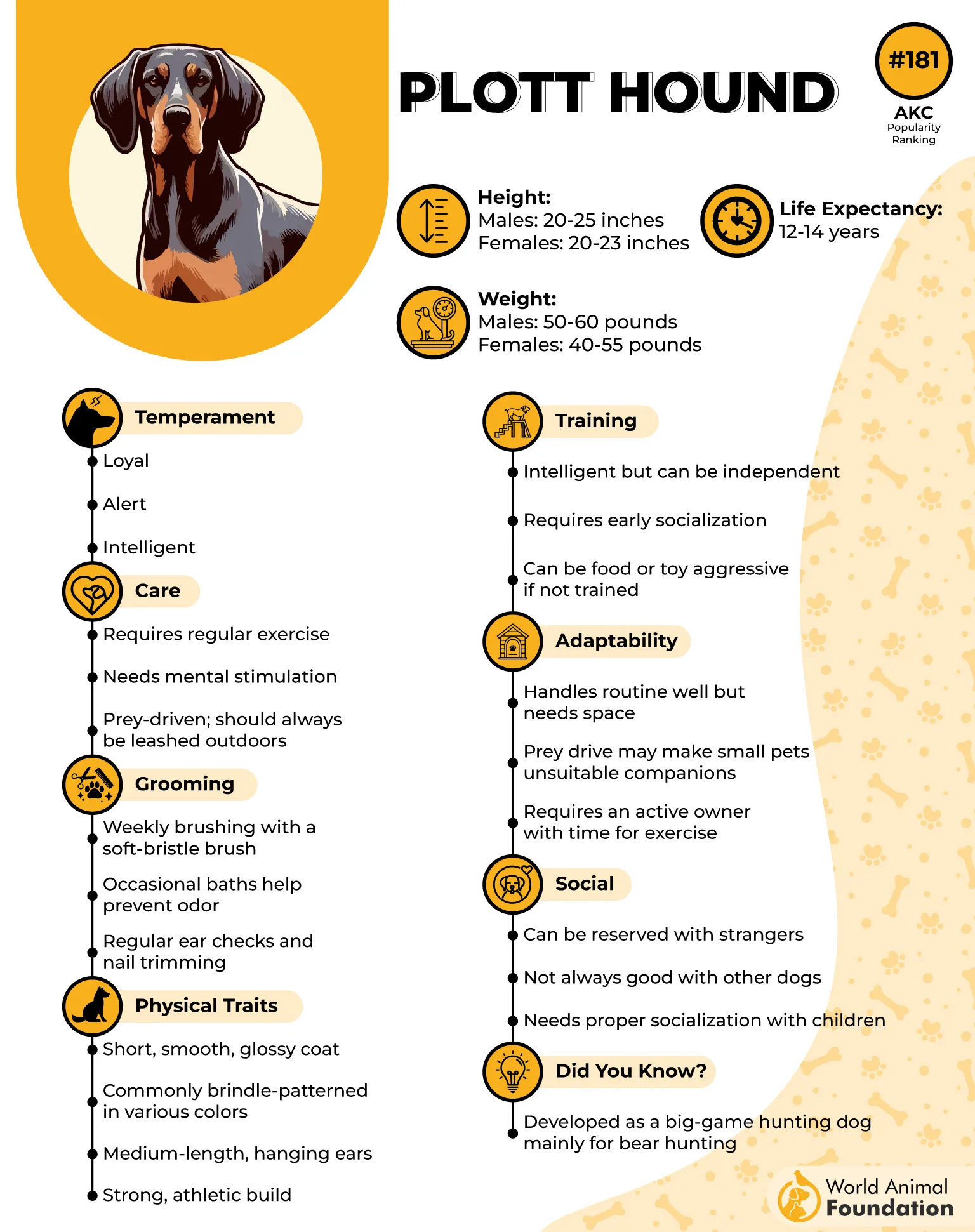
The Plott Hound originated in the mountains of North Carolina, where endurance and scent focus mattered more than appearance. Its tracking style revolves around persistence, especially when following dangerous game through difficult terrain. The breed’s determination becomes obvious the moment a scent trail begins.
Field instinct with serious purpose
This hunting breed approaches tracking with intensity, often locking onto ground scent before shifting attention upward when game takes cover. It’s work around boar, bear, and mountain lion hunting shaped a dog comfortable in demanding environments, as per the AKC.
That instinct appears through several clear traits:
Follows scent trails for long distances
Trees game with focused persistence
Handles rough terrain with stamina
Loyalty beneath the hunting drive
The Plott Hound forms close bonds with both people and other dogs, creating a social side that contrasts with its intense field behavior. The breed responds well to companionship and shared activity instead of isolation. Older children often match their pace more naturally during daily interaction.
5. Black and Tan Coonhound
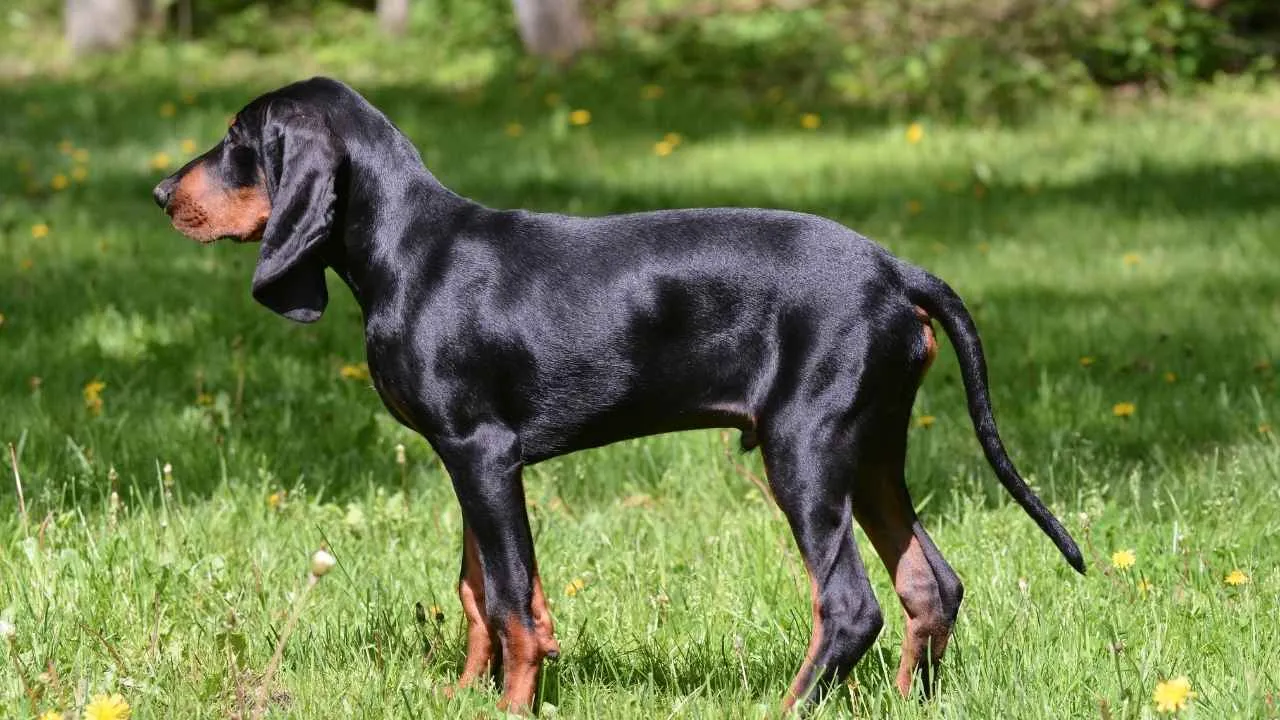
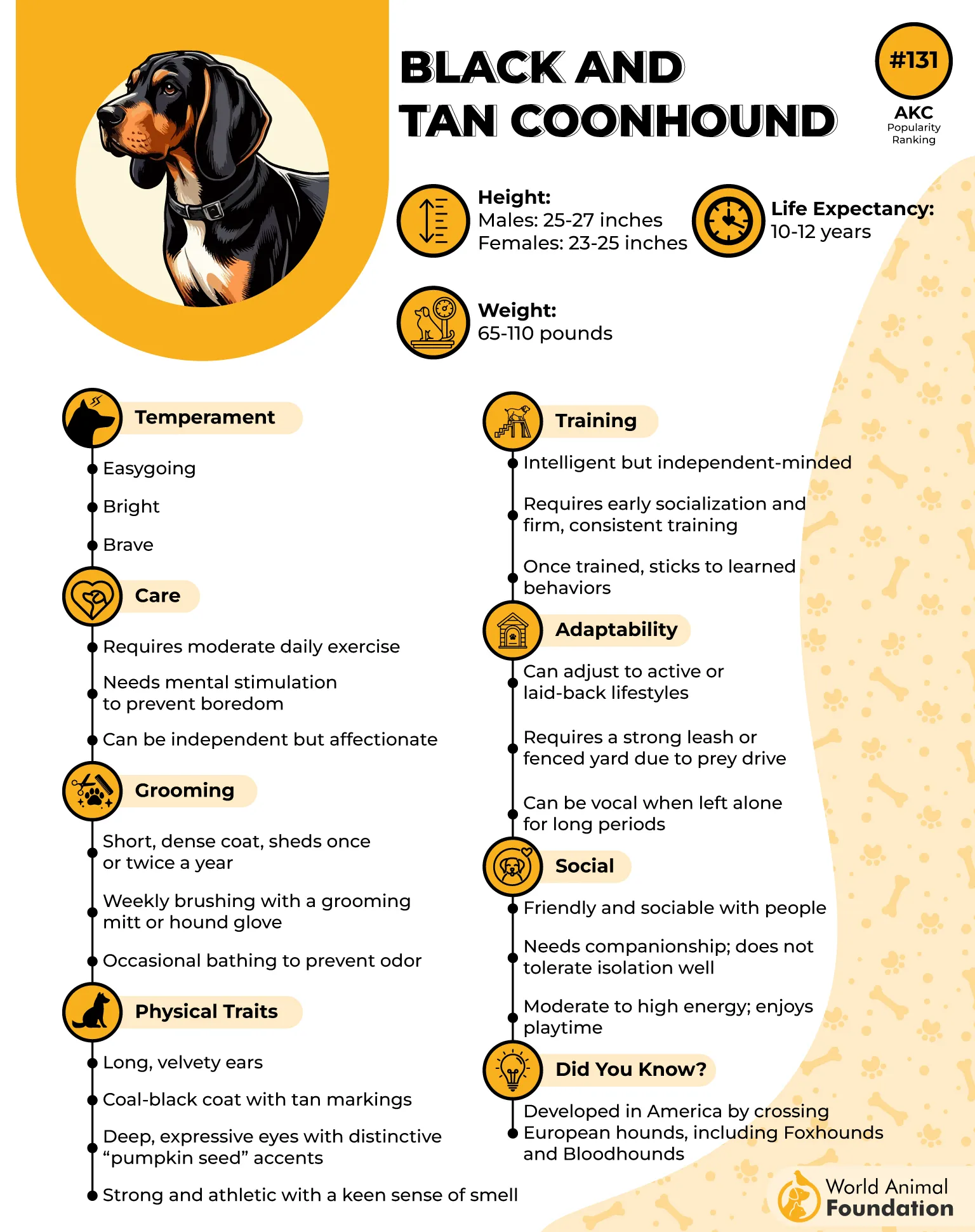
The Black and Tan Coonhound was originally bred from crosses between Bloodhounds and Black and Tan Virginia Foxhounds, shaping a dog built for tracking raccoons and bears across rough southeastern terrain. Its nose stays close to the ground while covering distance at a quicker pace than heavier scent hounds.
Tracking style in the field
The Black and Tan Coonhound follows scent trails with intense concentration, often locking onto odors long after it passes through an area. Outdoor settings quickly activate its hunting focus, shifting its attention fully toward scent direction.
Several traits explain that working style clearly:
Tracks scent over extended distances
Uses deep vocal baying during pursuit
Follows trails with nose held low
Temperament inside the home
This Coonhound brings a calmer rhythm indoors, often settling into quiet routines once activity slows down. Around unfamiliar people, its behavior becomes more reserved and observant rather than immediately social. Early social exposure influences how comfortably it reacts in new situations.
6. Redbone Coonhound
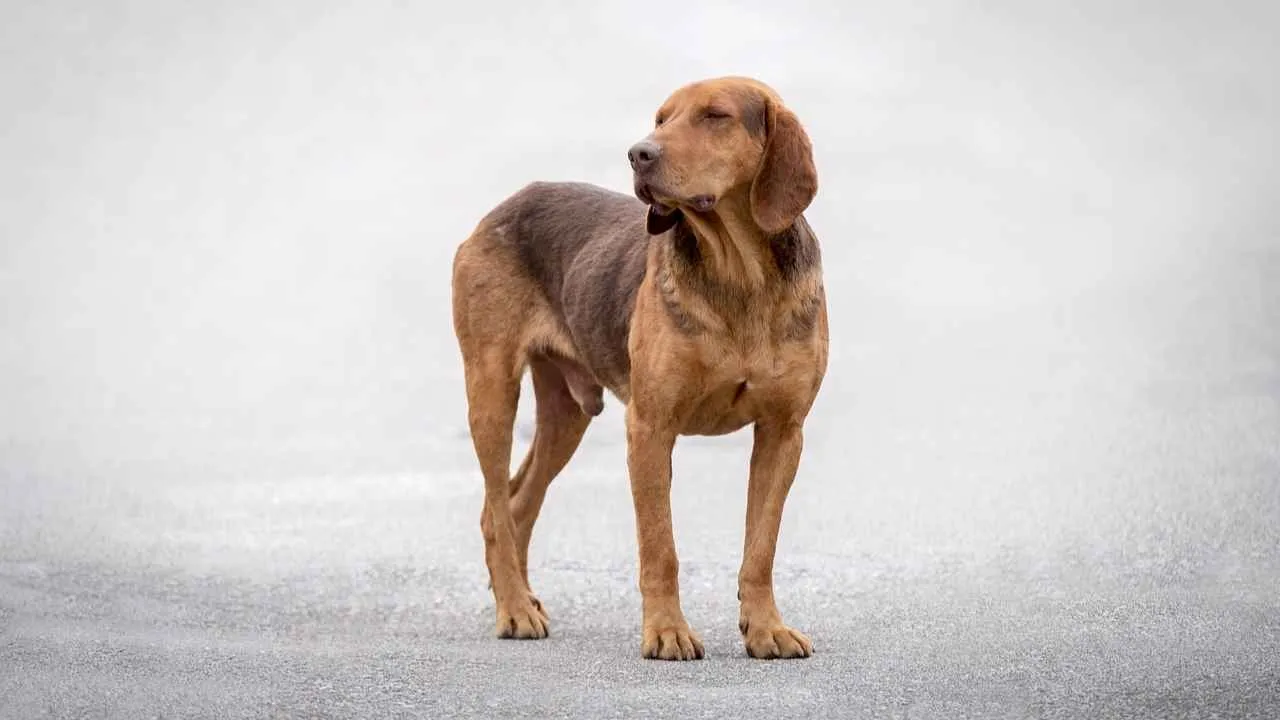
The Redbone Coonhound earned recognition through its ability to trail and tree raccoons while also handling larger game like bear and cougar.
Its hunting approach relies heavily on scent focus and endurance across rough outdoor terrain. The breed’s athletic nature connects closely with long hours spent following active trails.
Curiosity with purpose
This Coonhound reacts quickly to scent changes, often shifting attention toward trails, wooded areas, or moving animals outdoors. Its intelligence and curiosity create a dog that constantly searches for engagement during activity.
That instinct appears through practical habits:
Follows scent trails over long distances
Pursues outdoor movement with intensity
Uses nose work naturally during exploration
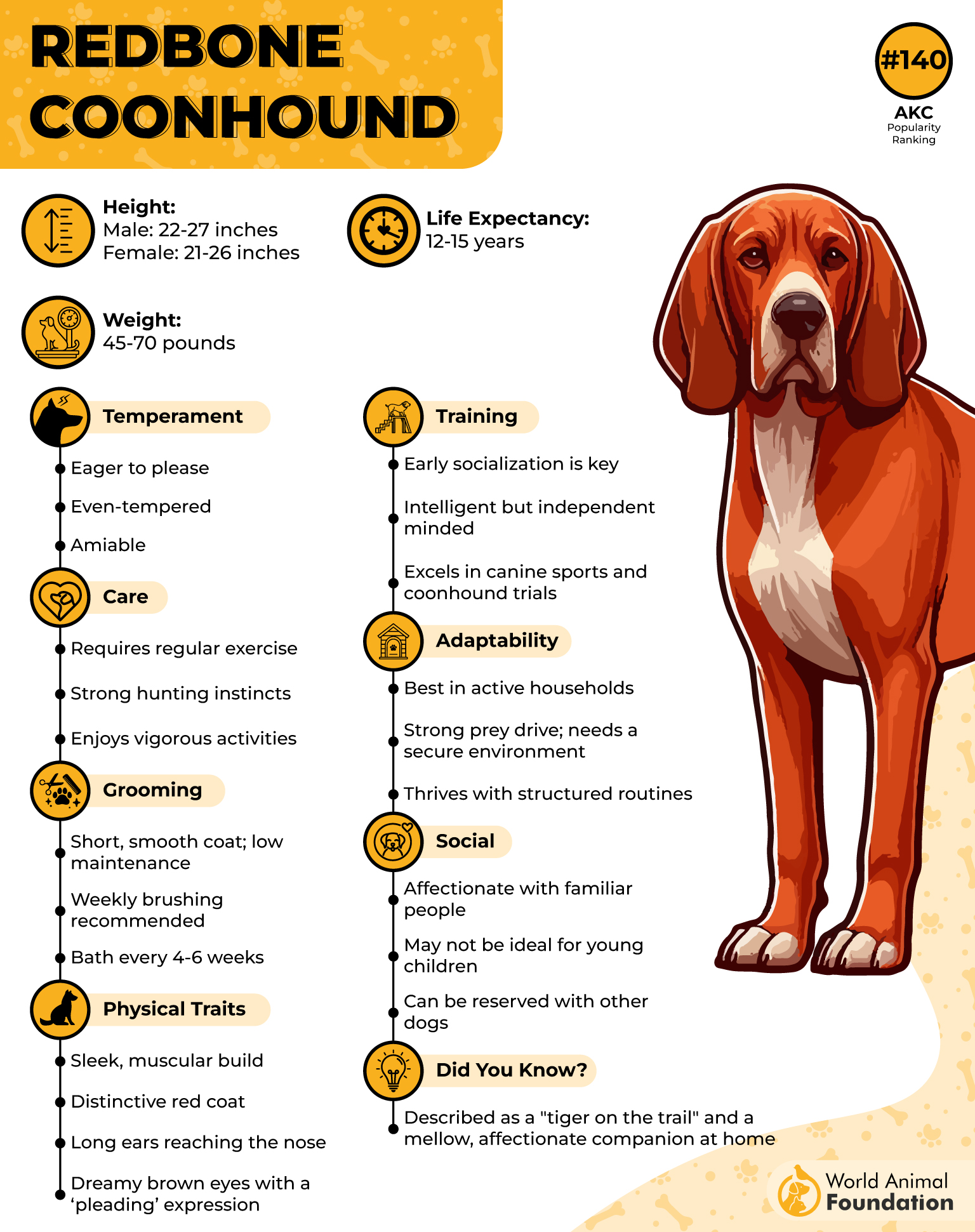
Energy tied to outdoor routines
This dog fits best with routines involving hiking, hunting, fetch, or structured movement across open spaces. A fenced area and leash control become important because interesting scents can quickly redirect its focus outdoors. Limited activity often leads to digging or vocal behavior around the home.
7. Airedale Terrier
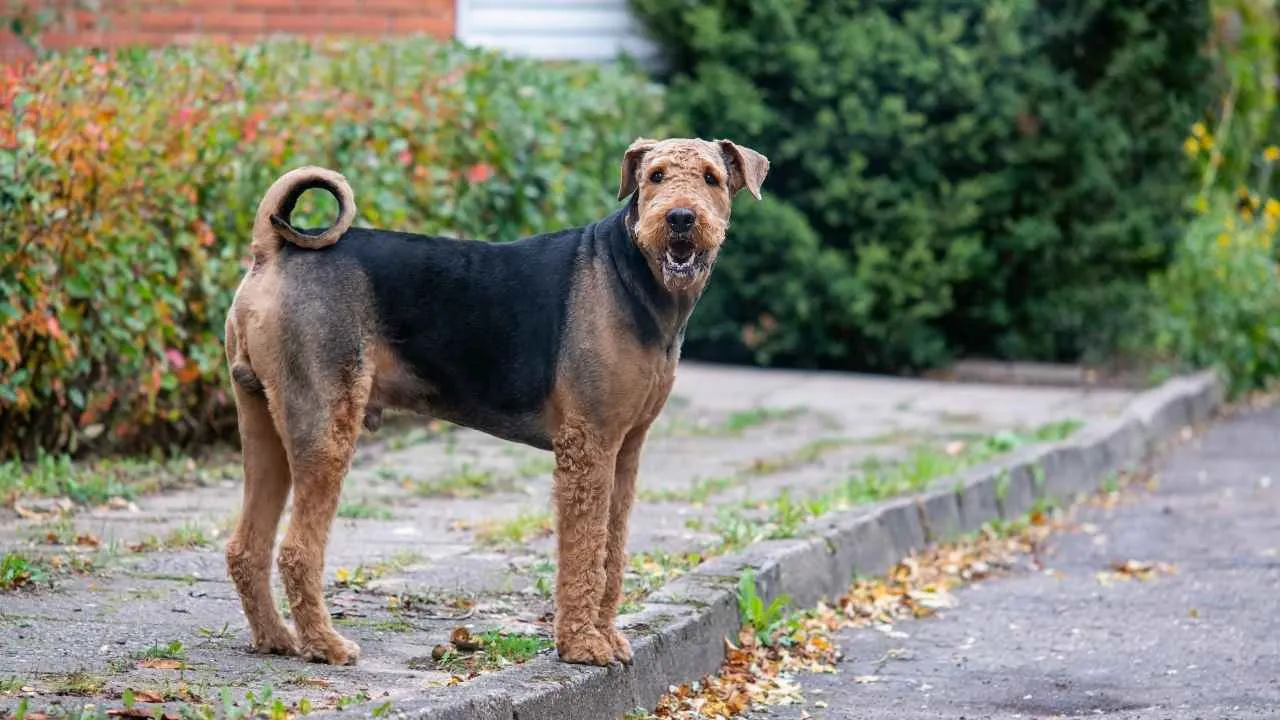
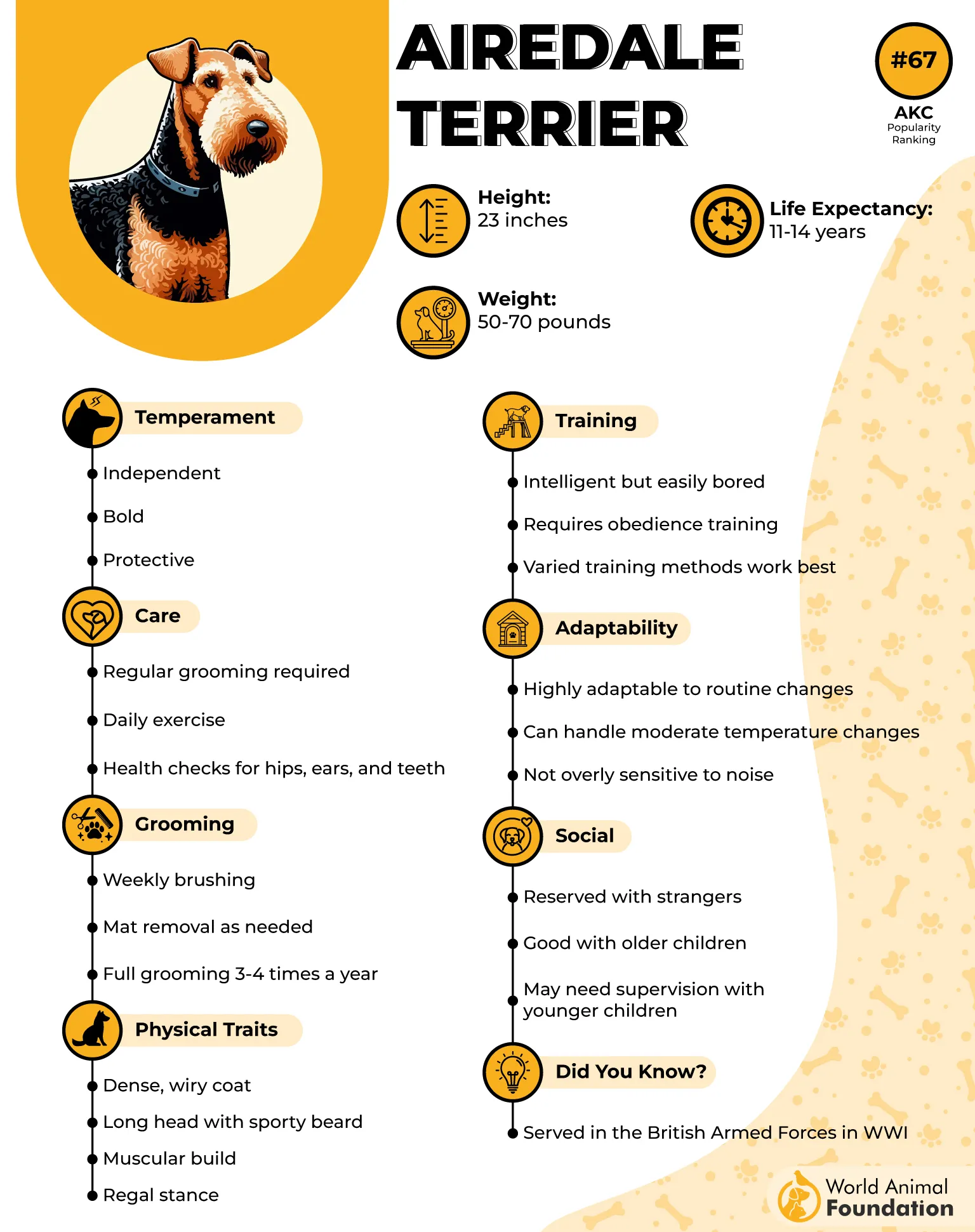
The Airedale Terrier earned the title “King Terrier” through its size, confidence, and ability to handle demanding hunting tasks across land and water. Yorkshire hunters valued the breed for pursuing foxes, rats, and especially otters after crosses with Otter Hounds sharpened its scent tracking ability.
Hunting style in action
These Terriers approach the game with curiosity and independence, often working through terrain with an investigative rhythm instead of reckless speed. Around water, their stronger scenting instincts helped hunters follow difficult trails during long pursuits.
That working style becomes clear through several traits:
Tracks game across varied terrain
Uses scent heavily near water routes
Responds well during a tracking session
Energy that needs direction
The Airedale Terrier prefers active routines filled with exploration, chasing games, and outdoor movement instead of long inactive periods indoors.
Fetch sessions and open-field running help channel its lively temperament into something productive. Beneath the mischievous side sits one of the more loyal companions among working terriers.
Conclusion
Tracking dogs earned their reputation by succeeding in conditions where weaker instincts quickly fall apart. Dense woods, changing weather, rough ground, and fading scent trails demand patience and concentration, especially while tracking wounded animals or small game.
That dependability cannot be created through appearance alone. Generations of hunting work shaped each scent dog into a perfect tracking dog capable of following trails with remarkable control and endurance. Their focus often feels mechanical once a tracking session successfully begins in the field.
The best tracking dogs are remembered not for speed or aggression, but for staying committed when the hunt becomes difficult and exhausting. That same loyalty can also make them a great family dog outside the field.
