




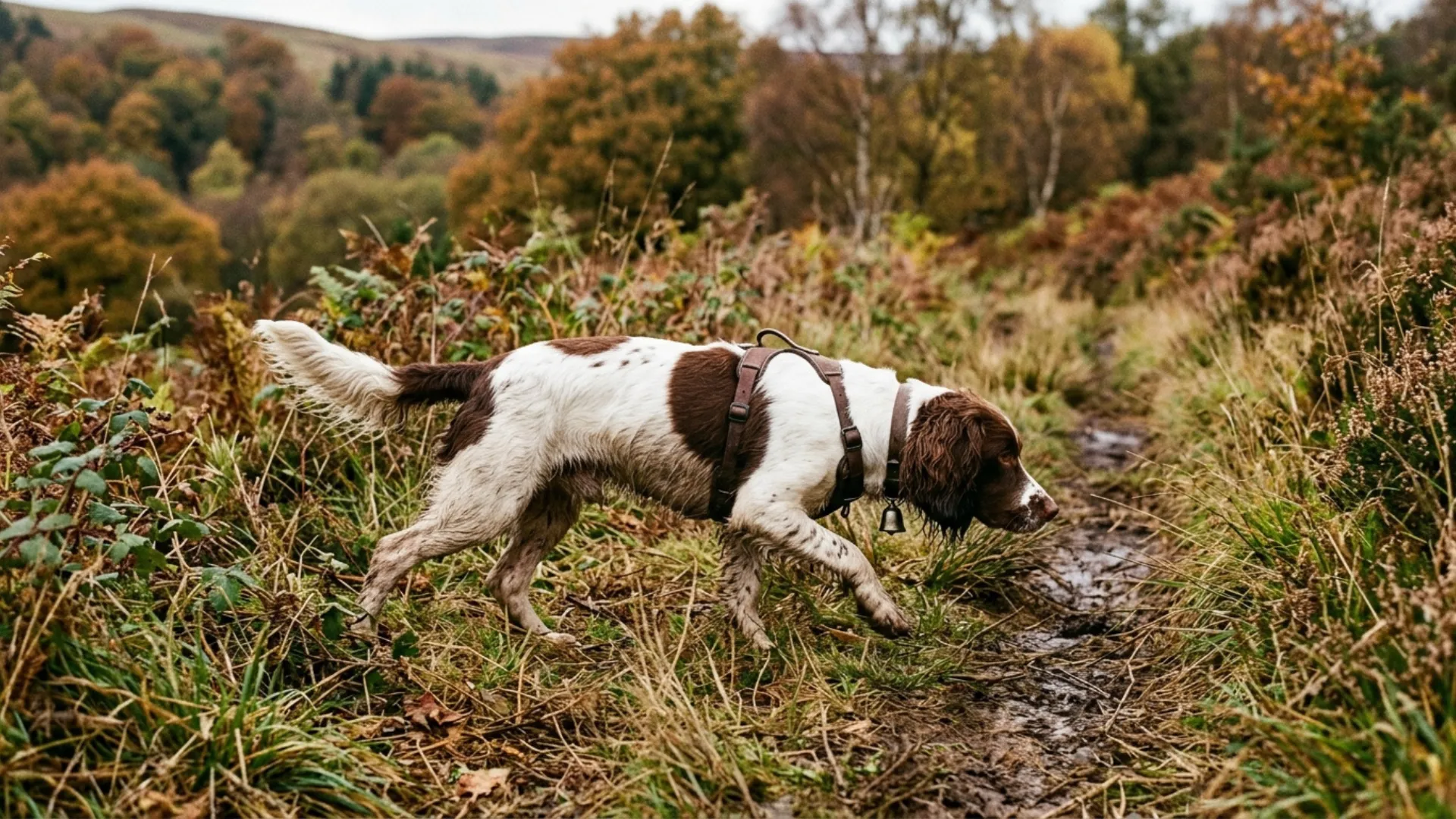
Dogs have always been expert hunters through the generations. While all dogs have a great sense of smell, tracking dogs in particular are experts in this field. Developed to specifically hunt and retrieve over various distances and terrain, these dogs can detect the slightest of disturbances and intrusions over their guarding areas.
They can track scent over huge distances and remain attentive for hours.
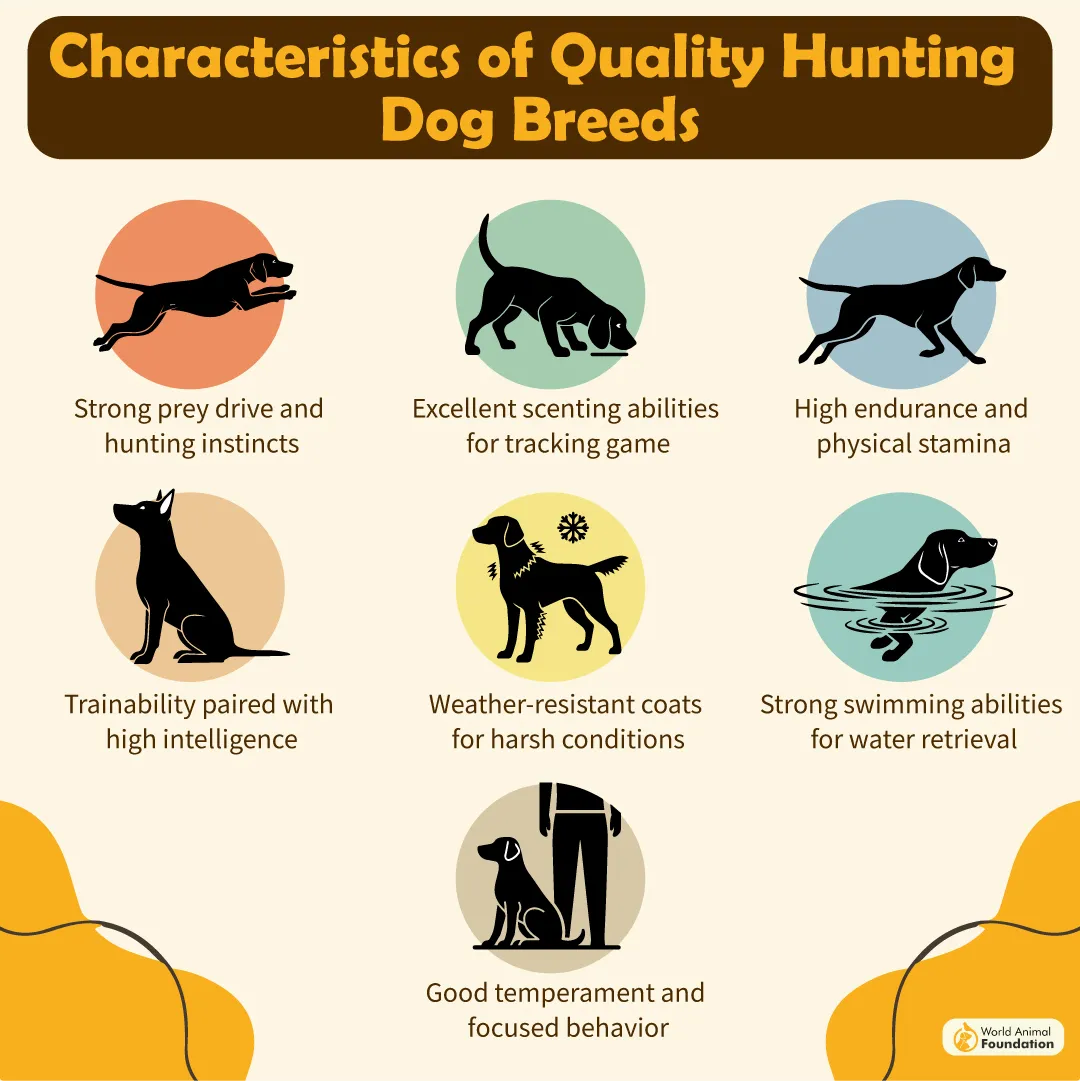
A good hunting dog breed combines stamina, intelligence, perseverance, and an exceptional sense of smell to track down targets and help in all kinds of rescue and search missions.
The following guide will cover 7 dog breeds that have an unreal sense of hunting and tracking. It will also explain how their physical characteristics, behaviors, and instincts allow them to be crucial in emergency scenarios.
Top Hunting Dog Breeds with Superior Tracking Ability
1. Bluetick Coonhound
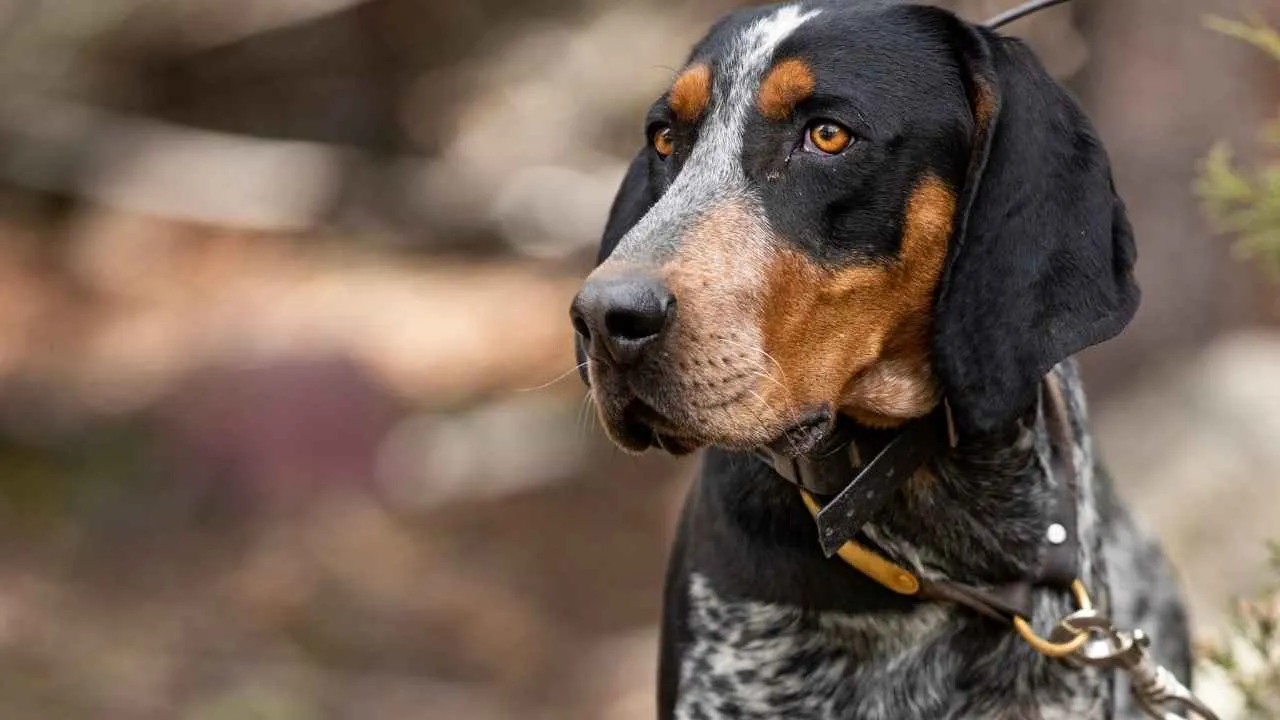
One of the most specialized scent-tracking breeds is the Bluetick Coonhound, as this breed excels at tracking a trail over a long distance.
It can track scent trails with extreme accuracy due to its strong sense of smell, and its nose is very sensitive to detect the most subtle trails.
They are especially proficient in:
Following cold odors for many hours or days down the line
Being able to stick to attention
Going through thick woods and arduous trails
Communicating location using vocal signals
Distinguishing between similar trails
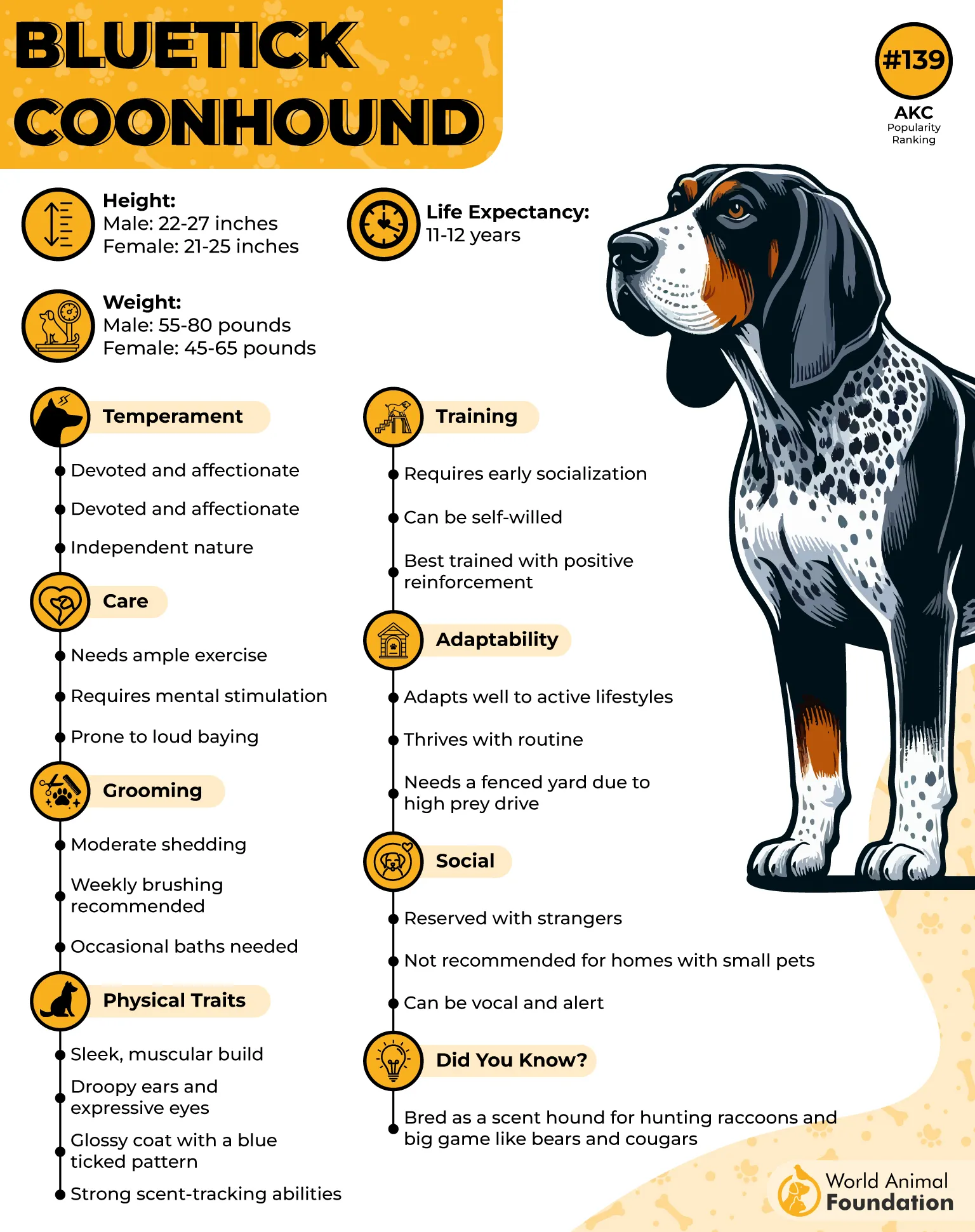
Blueticks are characterized by a systematic tracking manner and hunting style. They are not fast but move gradually, so that they are accurate instead.
They are very reliable in difficult hunting conditions, since the stamina of this hunting dog enables it to work long hours without getting lost.
2. Plott Hound
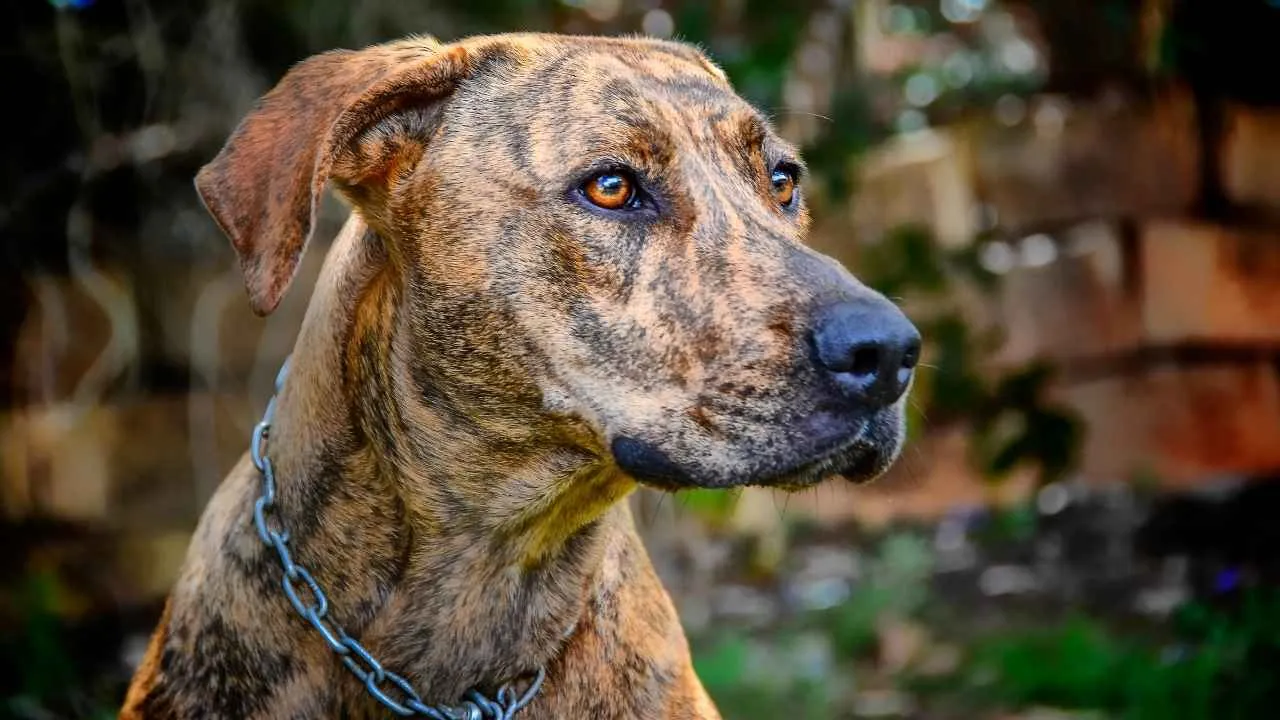
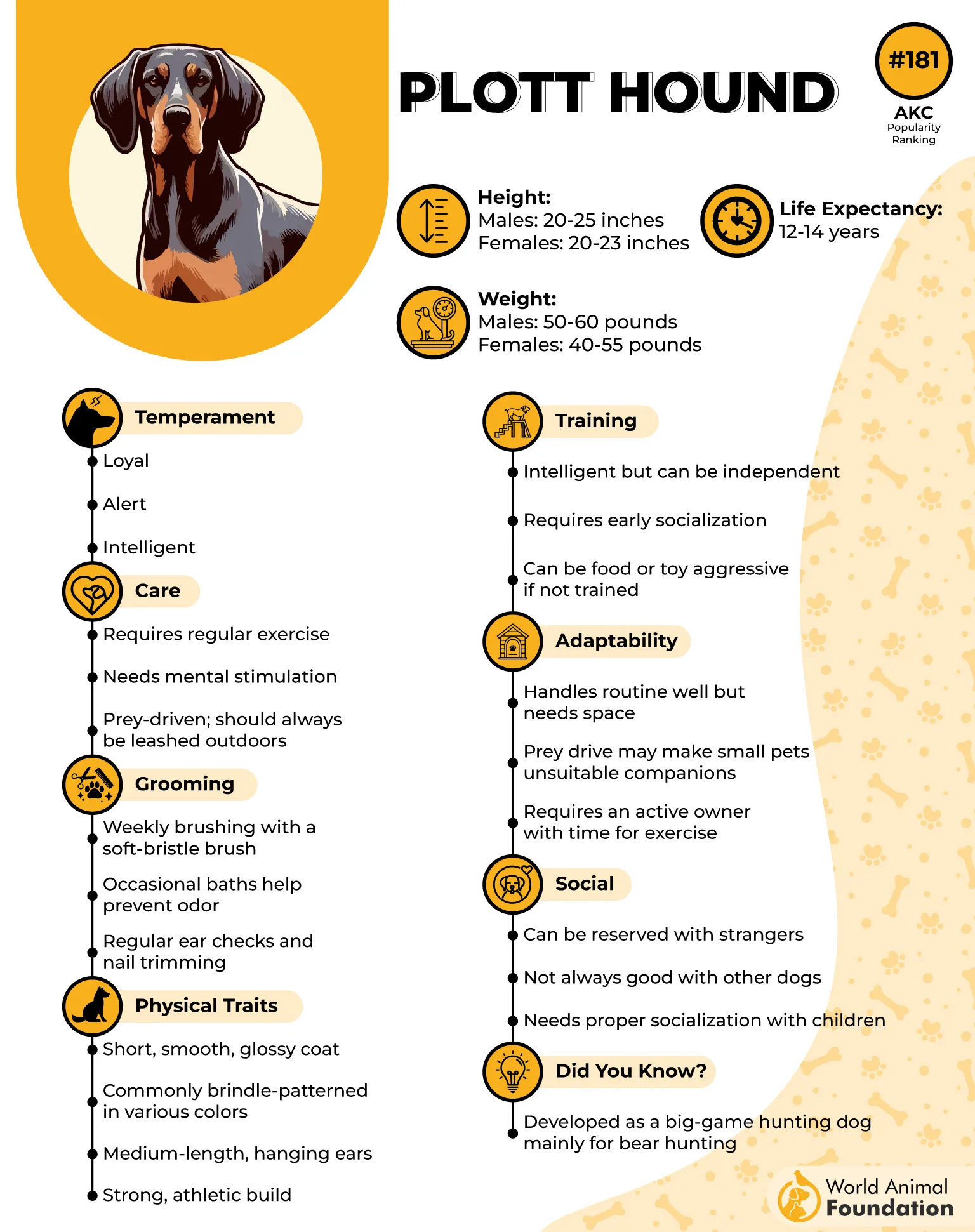
The Plott Hound is a hunting dog breed that was specifically evolved to hunt large game and small game, where stamina and endurance are required.
This energetic dog can track with its determination and scent, and it can follow challenging terrain in diverse landscapes.
They are especially adept at:
Following strong and weak trails of scent
Following along rough or rugged terrain
Pushing hard towards moving objects
Operating without requiring supervision
Adjusting to varying scent situations
These scent hounds are renowned for being mentally tough. When they get a trail, these hunting companions will not drop it.
Their physical power also enables them to deal with more challenging tracking scenarios compared to other breeds, such as deer hunting.
The American Kennel Club mentions that this eye-catching scenthound is North Carolina’s state dog.
3. English Springer Spaniel
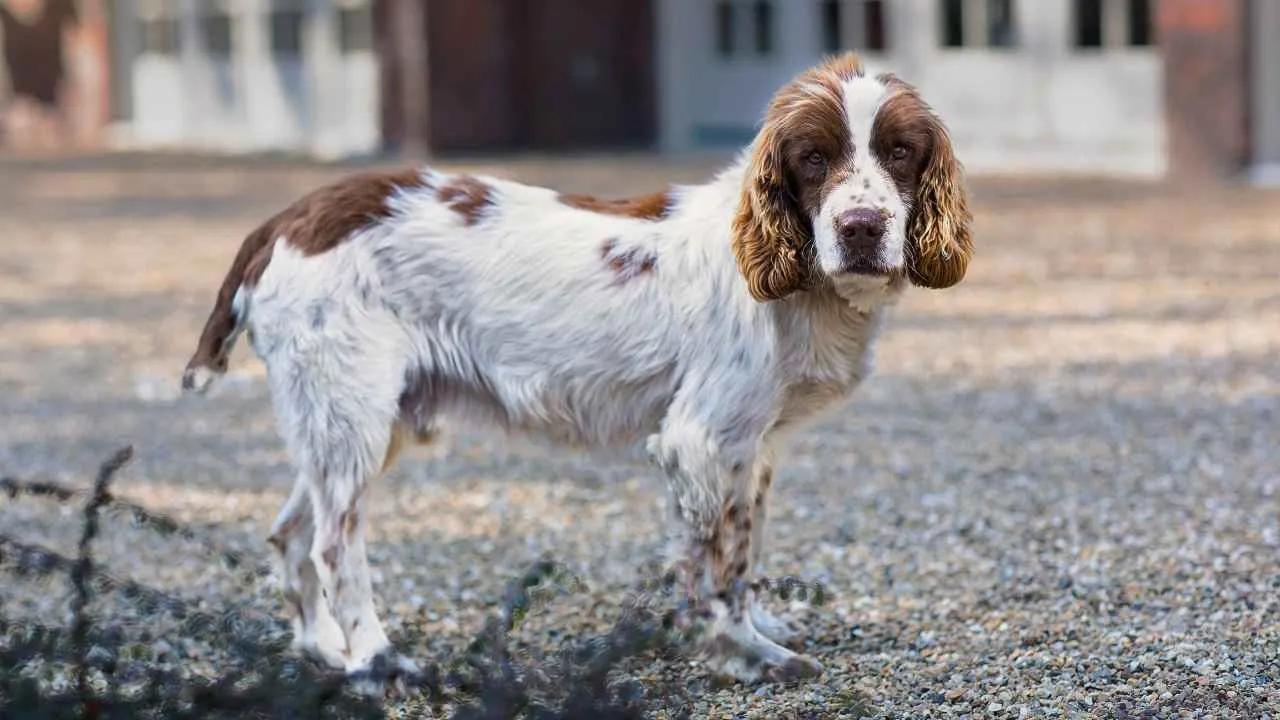
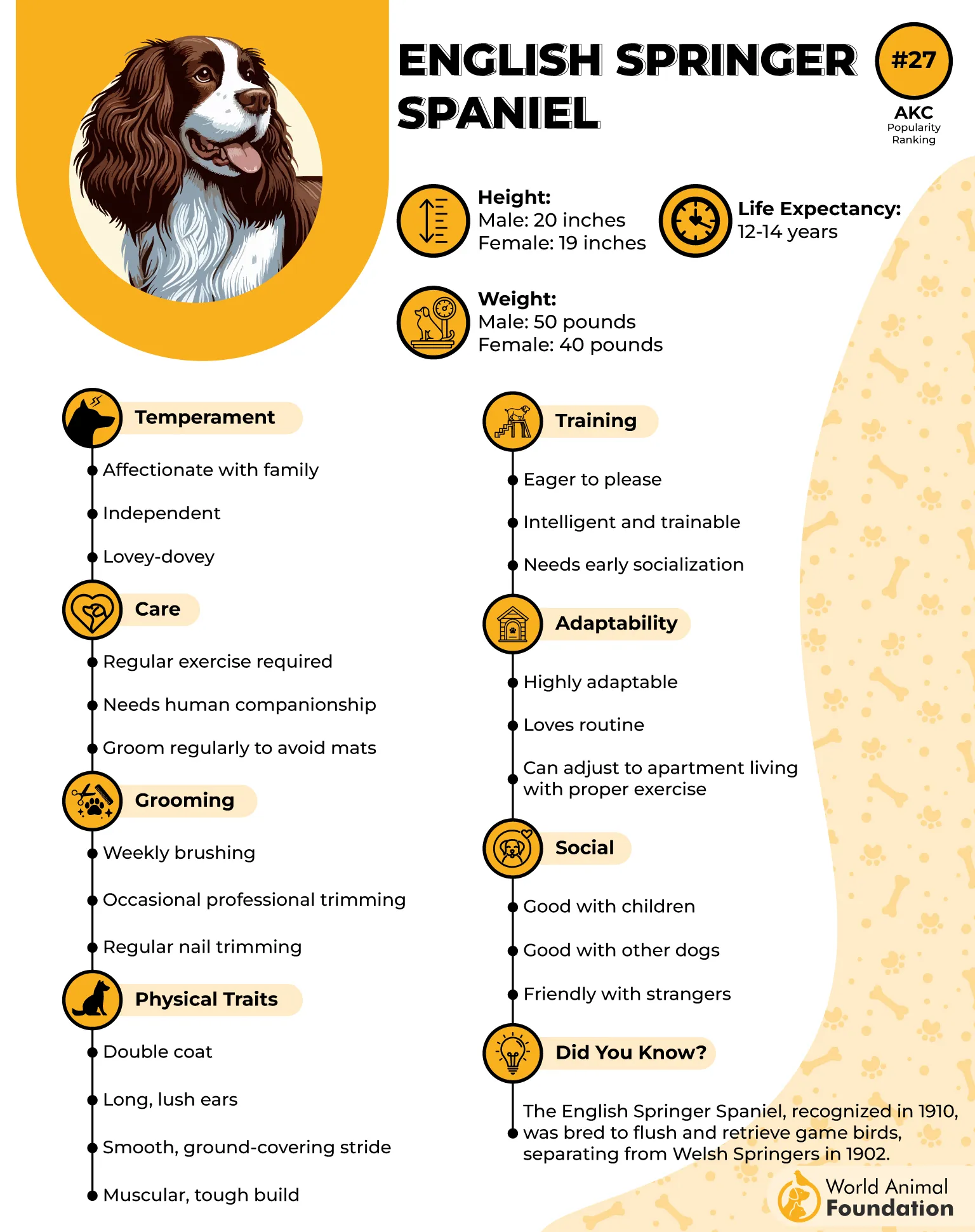
The English Springer Spaniel is a versatile hunting dog breed with good close-range tracking and flushing capabilities.
It is particularly good in areas where vegetation and movement are intermingled with trails that these active dogs can track through scent.
They excel especially in:
Following new perfumes through thick brushes
Close interaction with the handlers
Tracking game followed by flushing game
Having constant search patterns
Rapid adjustment to changes in terrains
Springer Spaniels are very receptive, hence they can be easily led through tracking activities. These new hunting dogs can withstand cold temperatures and run behind small animals.
Their ability to be scent-trained makes them an excellent hunting dog breed for people who want to have a partner that they can rely on to track game.
4. Vizsla
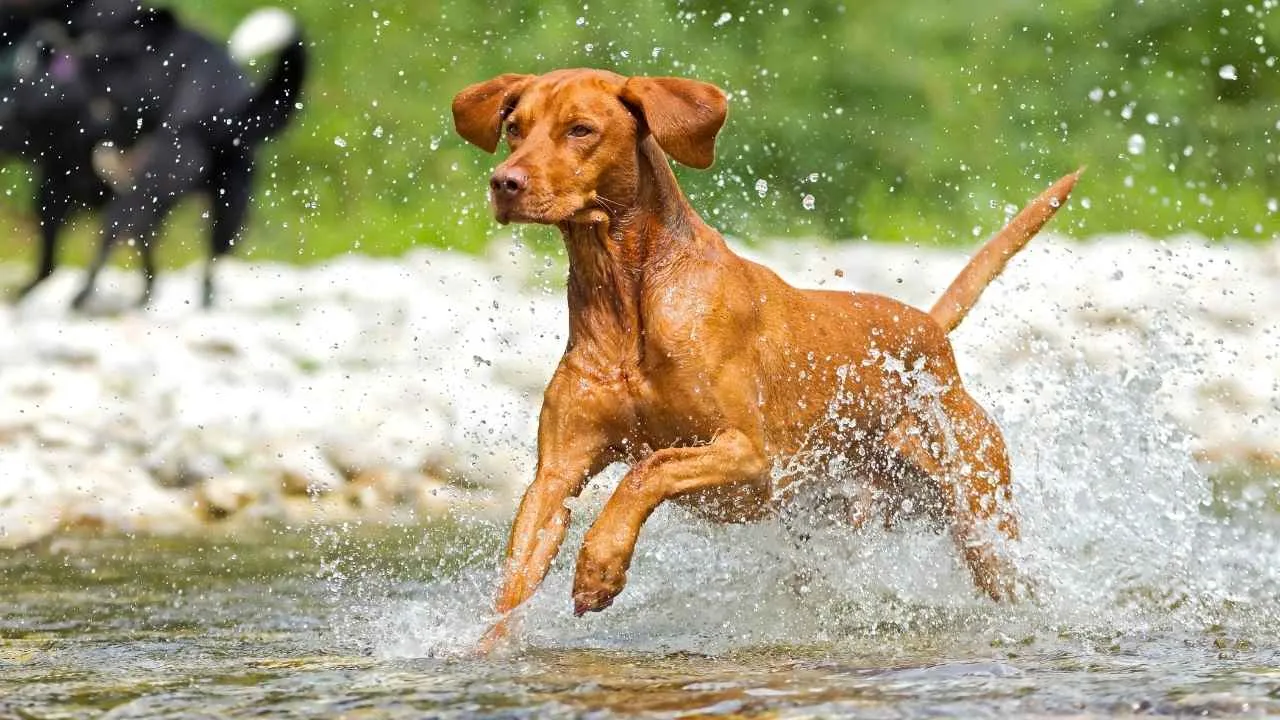
The Vizsla has been characterized as a balanced tracker that is able to identify scents and be fast and agile at the same time.
These bird hunters work especially well in areas where there is a need to keep track of movement and responsiveness.
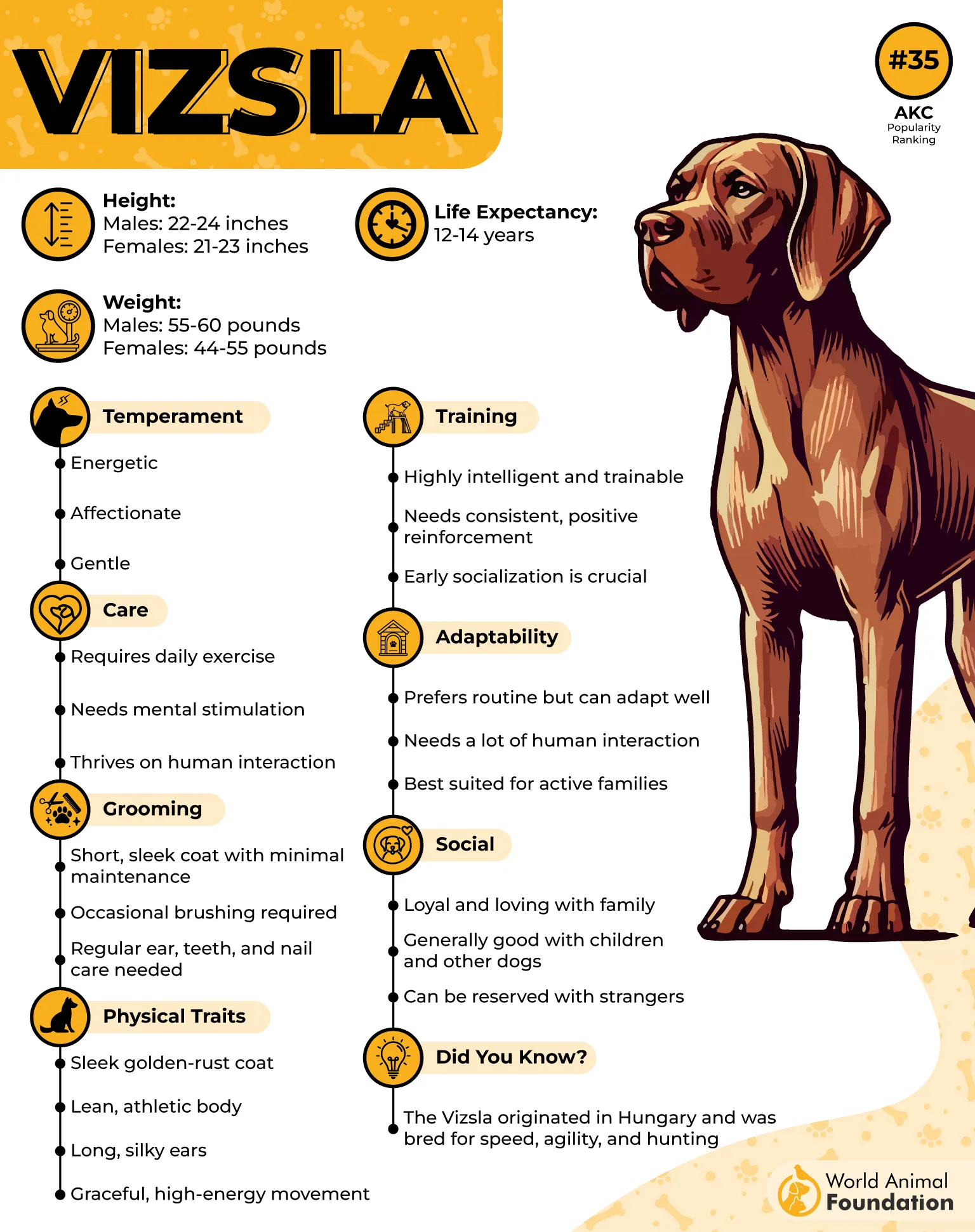
They are very adept at:
Tracing medium-strength scents
Being aware of visuals and scent at the same time
Tracking over a short distance
Speeding up or slowing down according to scent intensity
Operating in the open and in mixed terrain
Vizslas are also very trainable and communicate well with their handler, thus making them more effective when it comes to tracking. Apart from this, this one is a great family dog.
Their versatility has inspired them to suit hunters who require a hunting dog breed with multiple functions other than tracking various game.
5. Boykin Spaniel
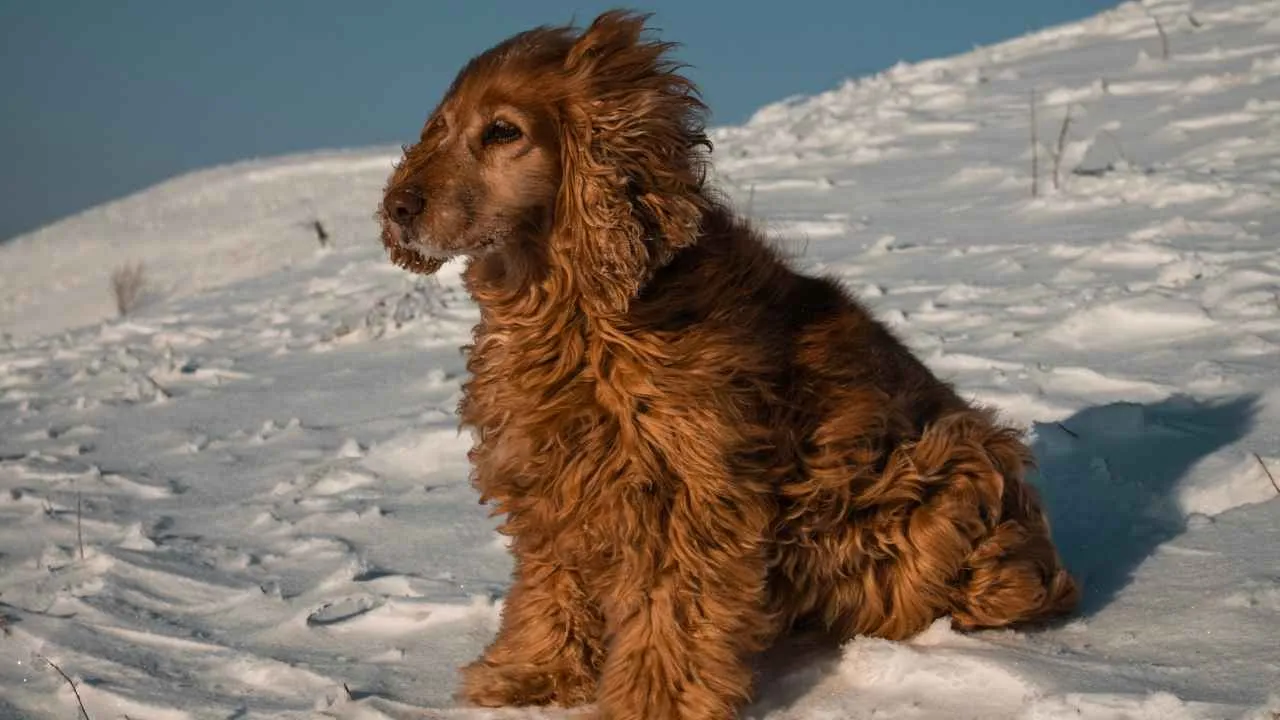
The Boykin Spaniel is a small but very efficient tracking dog, particularly in the wetlands and forests.
It can move freely through dense vegetation due to its size and retain scent focus.
They excel especially at:
Following in swampy or water-saturated ground
Tracking new perfumes with accuracy
Traveling through narrow or blocked areas
Keeping a consistent concentration in searches
Switching between tracking and retrieving skills
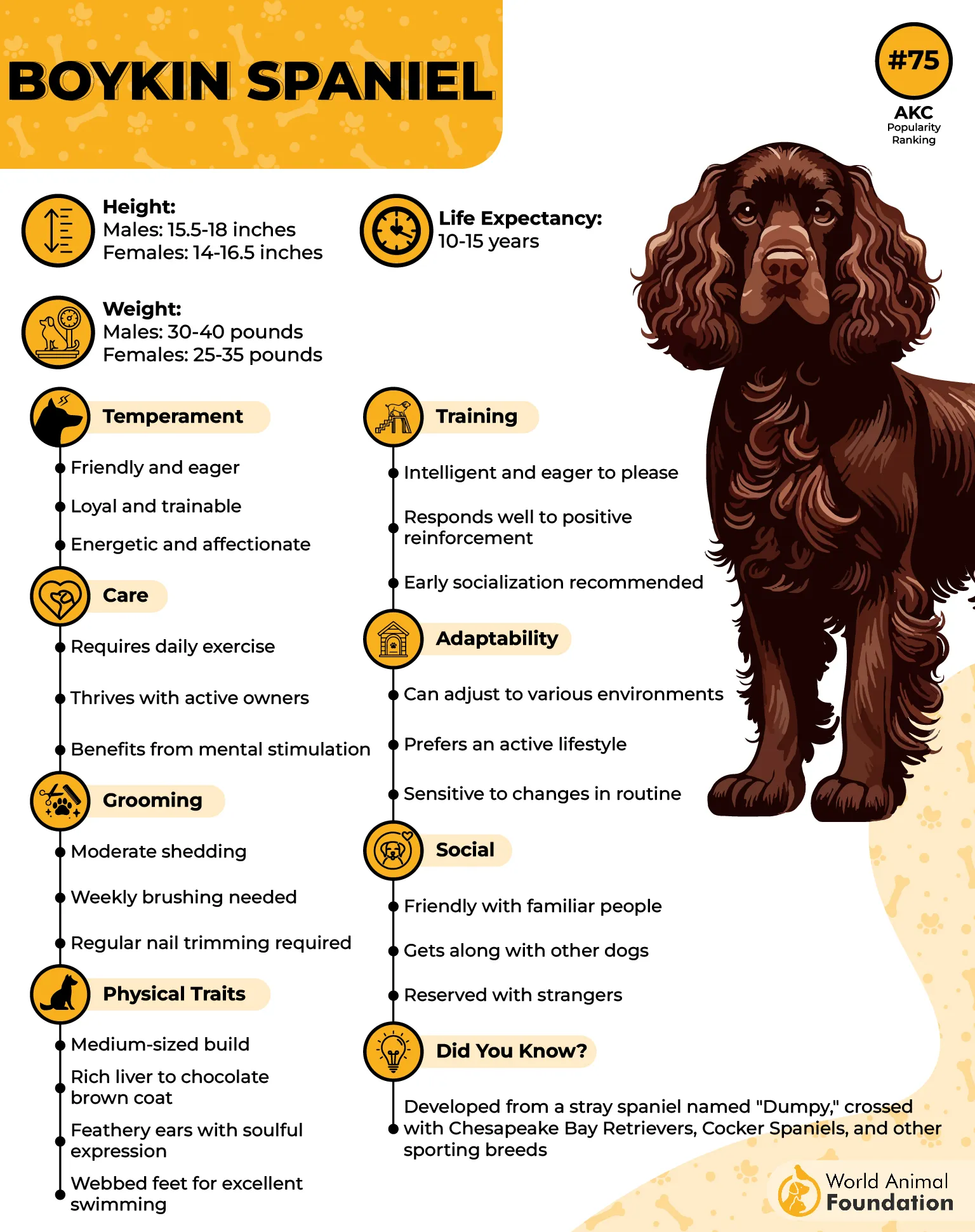
Boykins are also consistent and reliable, and can be used in controlled hunting conditions provided they receive consistent training. These wonderful pets have floppy ears when compared to other pets in the canine world.
This family pet thrives with an active family, as stated by Purina. Unlike other animals, its size is also manageable, making it easier to handle for hunters who prefer a smaller-sized dog.
6. Brittany
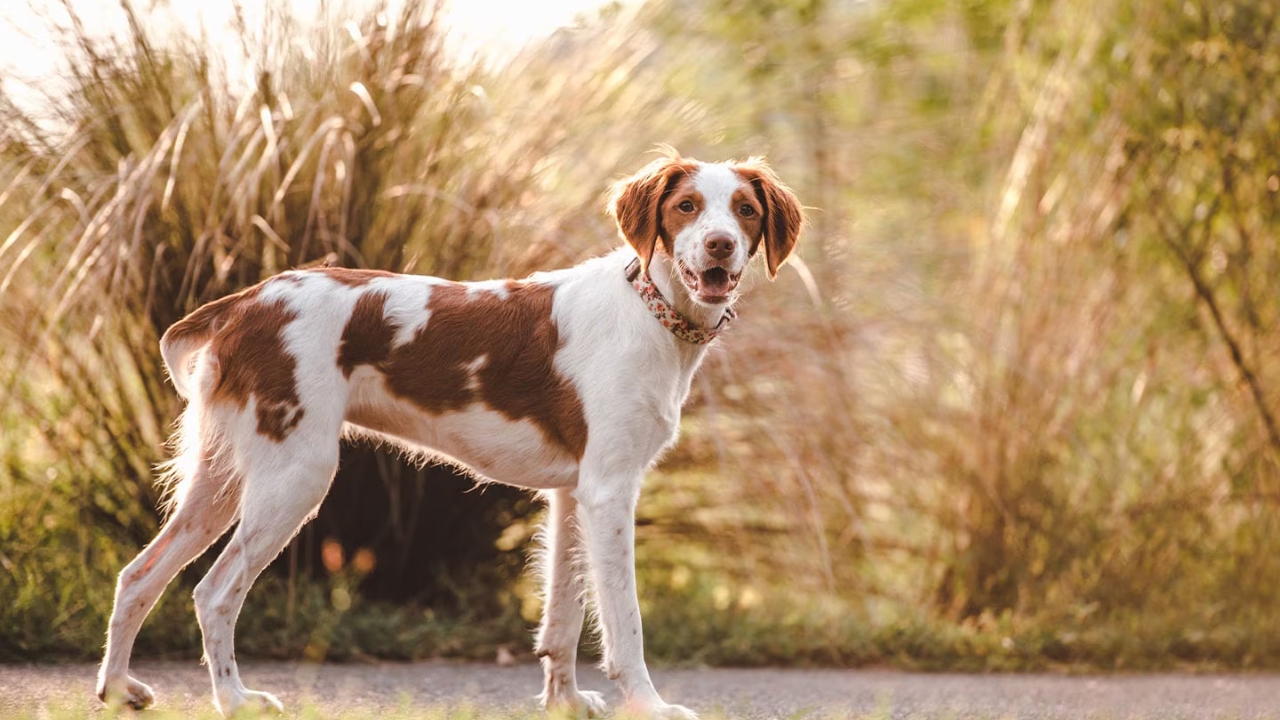
The Brittany is a very energetic breed and displays great tracking and pointing instincts.
It is best in situations where the following result in finding a game. They have downed birds and big game in the past very easily. These loyal companions were initially explored in France as gundogs. They have a medium coat and a keen sense of smell.
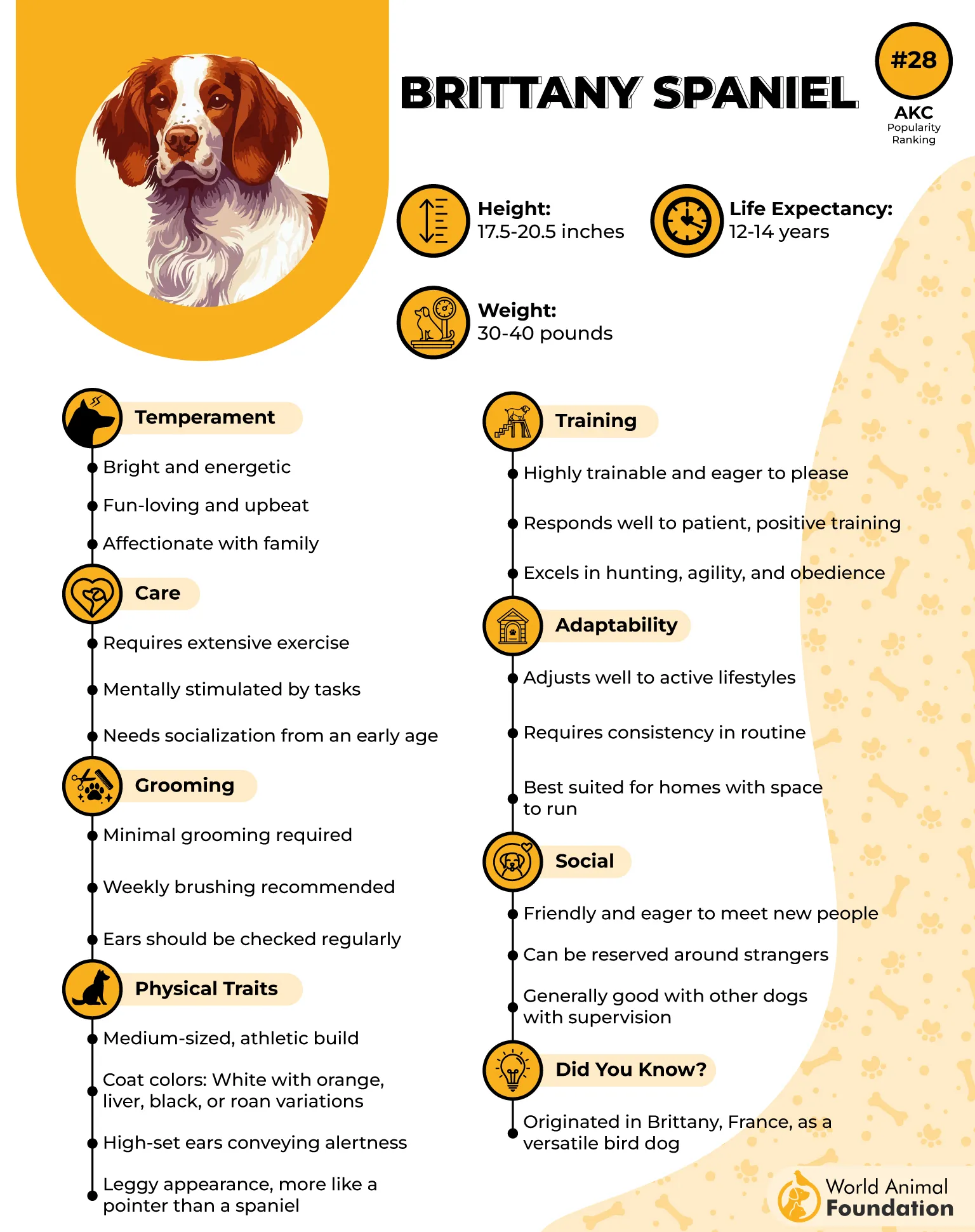
They especially excel at:
Following new scents and tracking them
Serving extensive spaces effectively
Being energetic during long sessions
Switching between tracking and pointing
Labor in open fields in outdoor adventures
Brittanys are also quick and energetic, something that may prove advantageous in situations that require ground cover.
They need to be trained to be focused, but in their instincts, they are very effective trackers. Proper nutrition is necessary for these dogs to be active.
7. English Setter
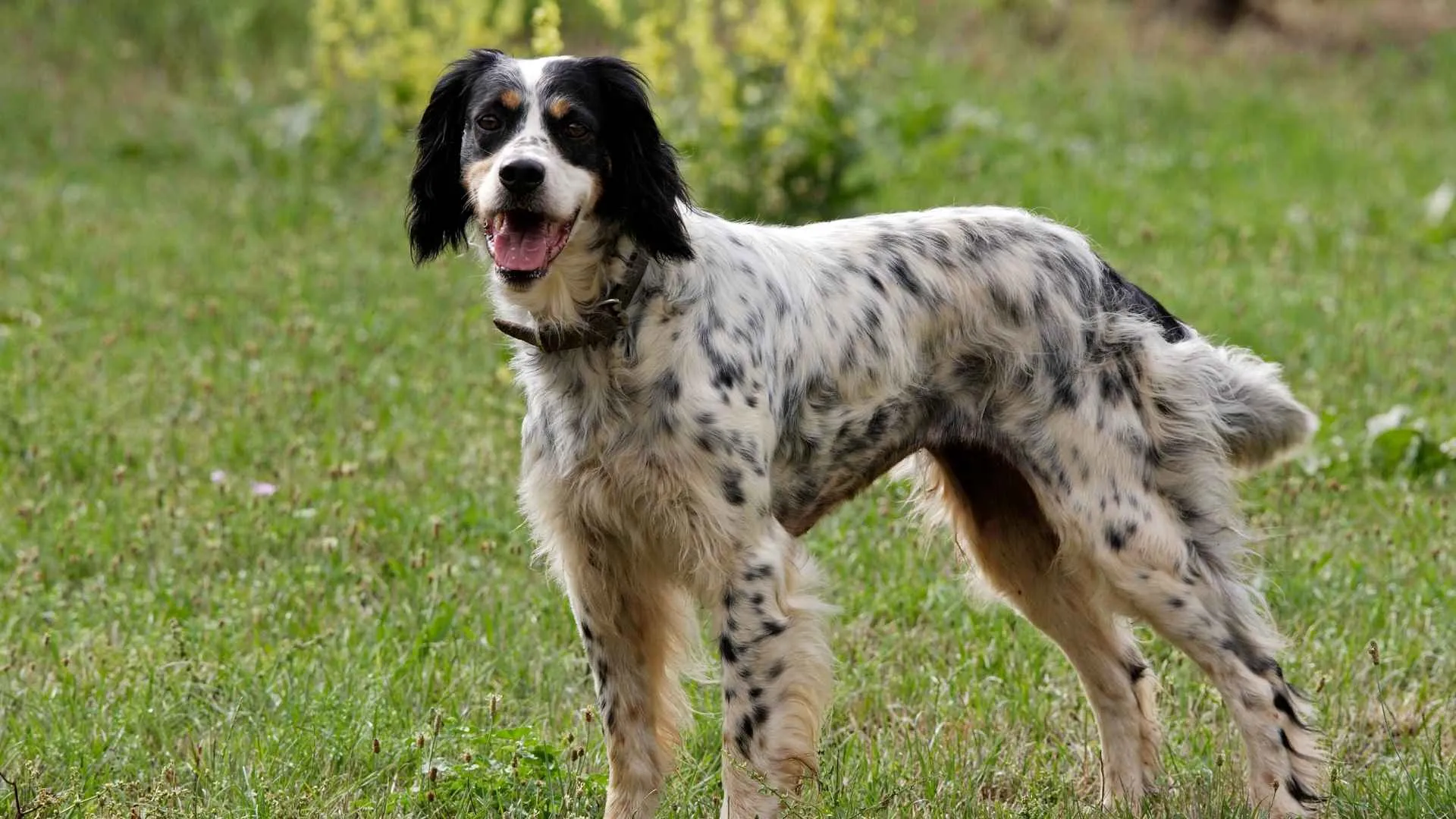
The English Setter is a combination of classiness and an excellent sense of scent, especially in upland game hunting.
It has a smooth, controlled tracking style, which is based on precision and not speed. They are well-suited to retrieve waterfowl and survive in harsh weather. Their protective nature makes them assess every situation very carefully.
These wonderful companions are especially proficient in:
On open ground, after faint scents
Continuous movement when tracking small prey
Finding a game using smell makes all the difference
Being able to stick to the task in low-distraction conditions
Orvis states that English Setters are exceptional at hunting birds. Hence, they are suitable for hunters who are focused on hunting upland birds.
They are also easier to handle in longer tracking sessions because of their very relaxed nature, provided they receive proper training.
Conclusion
Tracking is an art that involves intuition, experience, and physical prowess, and the above breeds are some of the best in this profession.
Each different breed is a unique way to go – the accuracy of the Bluetick Coonhound, or the flexibility of the Vizsla.
The selection of the appropriate tracking dog is based on your surroundings, mode of hunting, and experience. When matched with the correct companion, these dogs do not trail; they learn to trail.
