




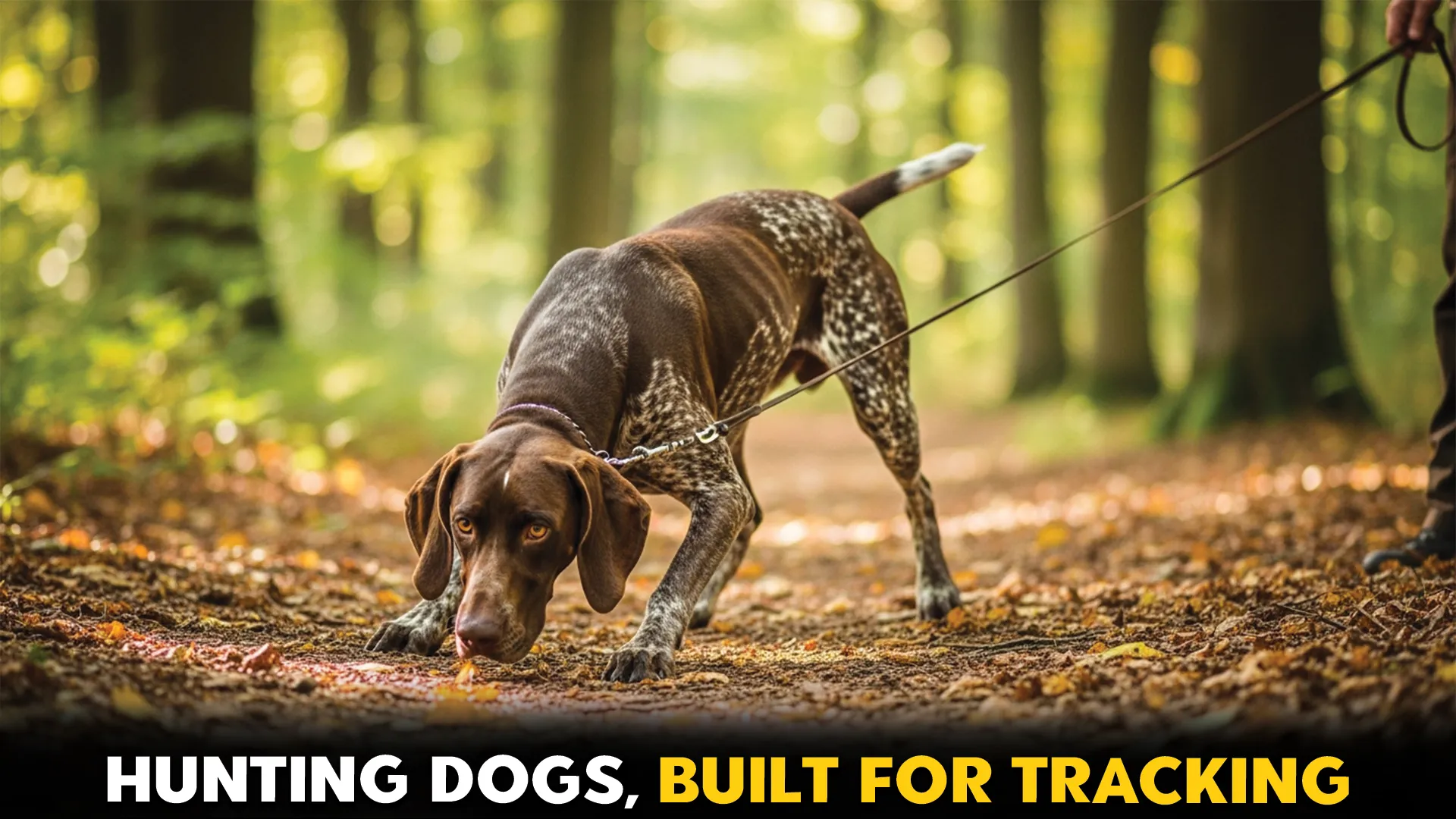
The trail looked easy at first. Fresh marks on the ground, a clear direction, and enough confidence to move forward without hesitation. But after a short distance, everything changed. The scent weakened, the ground became uneven, and the path started to disappear.
What seemed straightforward quickly turned uncertain. This is the point where many tracking attempts fail, not because of a lack of effort, but because the conditions demand more than basic skill. A dog that can stay focused in that moment makes a noticeable difference.
It does not rush or lose direction. Instead, it works slowly, picking up details that are easy to overlook. That kind of tracking ability is not common, and it is not something every dog can develop. It depends on natural instincts and consistency in difficult situations.
This article explores hunting dogs known for handling these challenges with a level of control that stands out in real tracking work.
Key Takeaways
A faint scent on uneven ground can change everything, especially when most dogs lose focus where the trail begins to disappear.
German Shorthaired Pointer and Bloodhound stand out for how they read scent with patience and precision instead of speed or guesswork.
Basset Hound and American Foxhound show how tracking is less about rushing and more about staying with a scent until it reveals the path.
Stay till the end to see how these hunting breeds turn fading trails into clear direction when everything else gives up.
Top Hunting Dog Breeds: Tracking Expertise
1. German Shorthaired Pointer
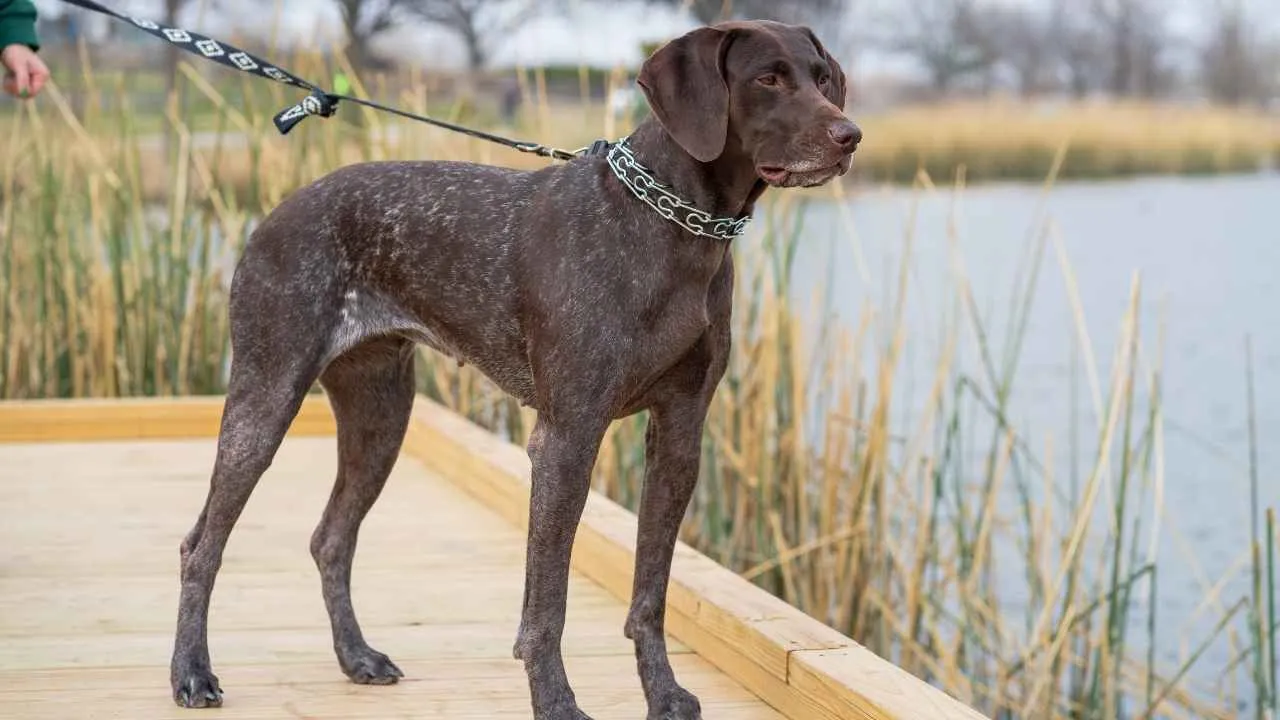
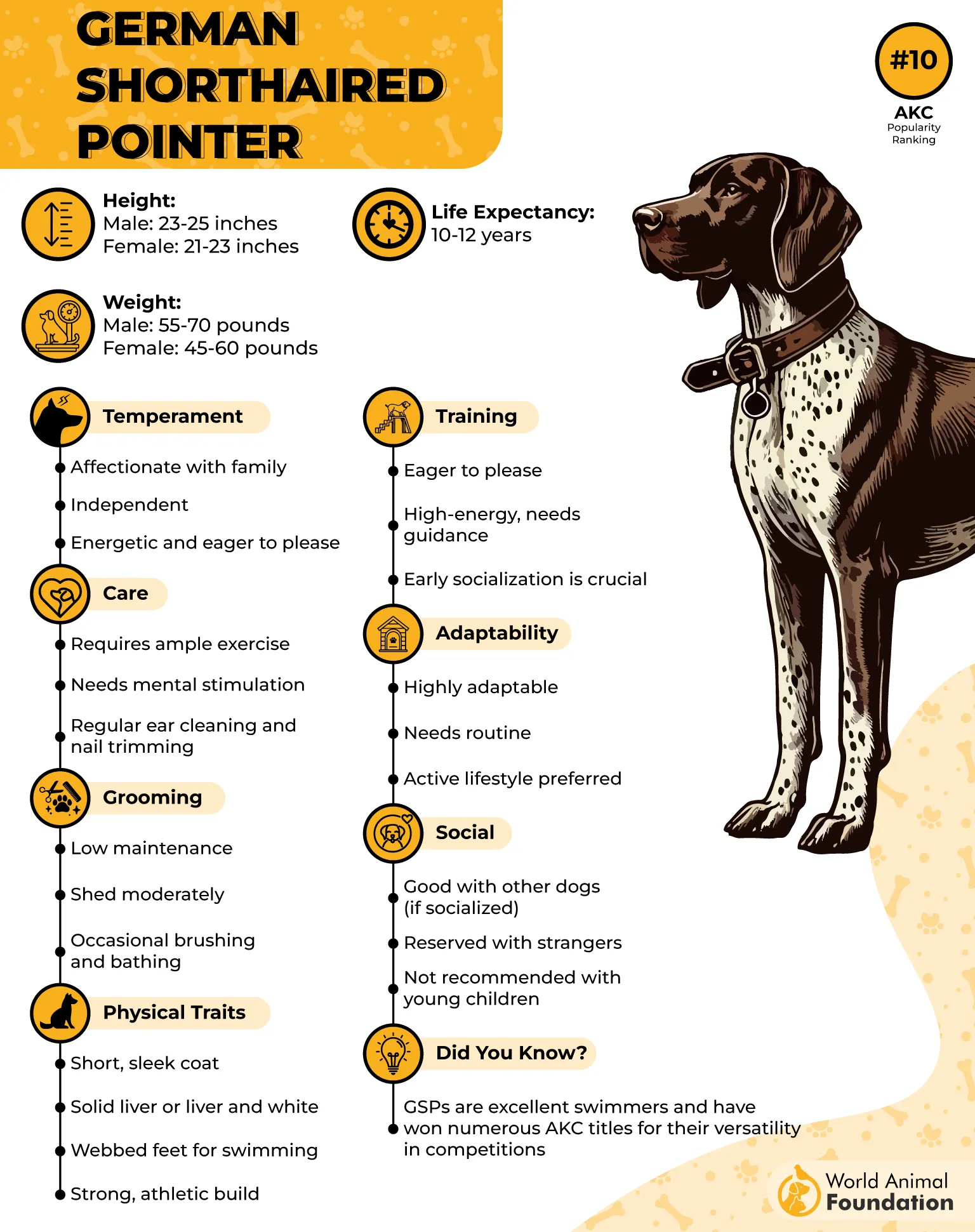
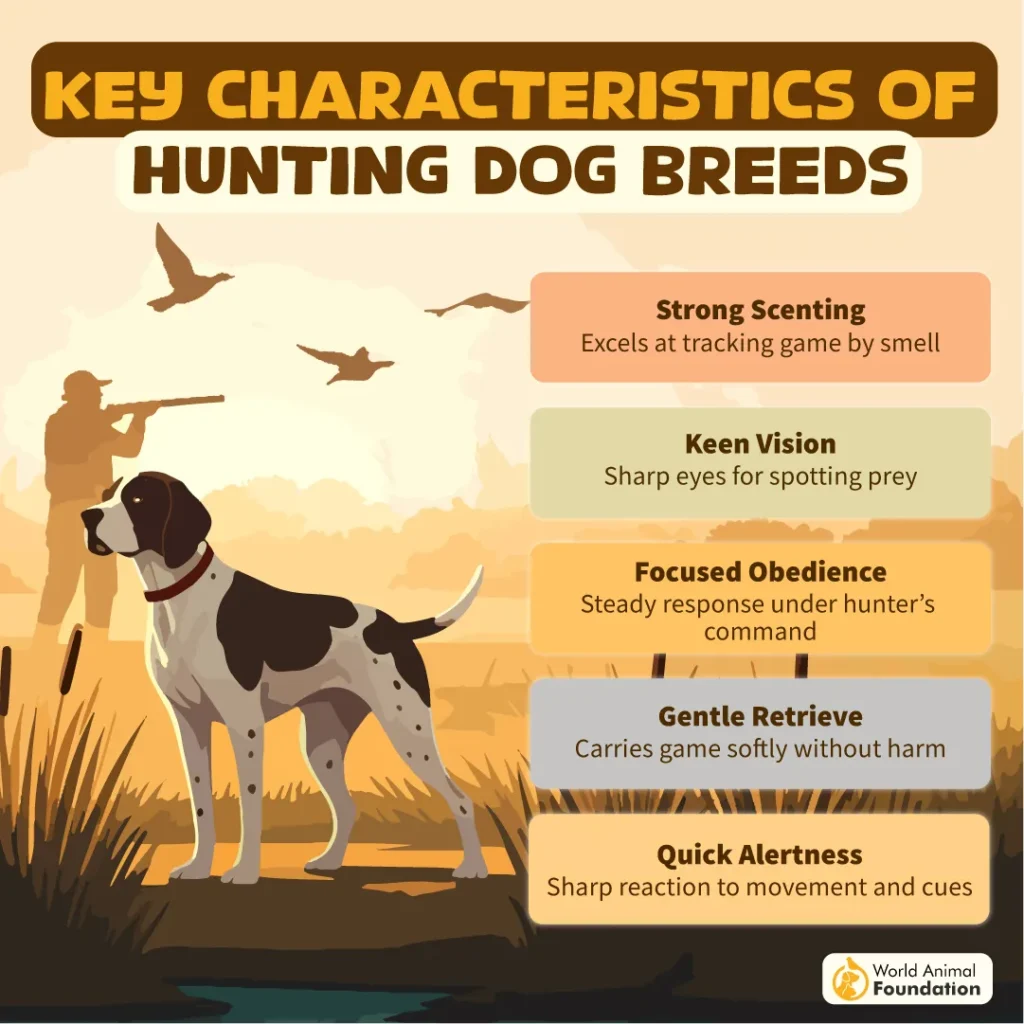
German Shorthaired Pointer is shaped for hunting work where speed, agility, and stamina define performance across wide terrain. Its structure reflects constant movement, built to stay active during long tracking sessions. This foundation creates a dog that connects naturally with outdoor-driven tasks.
Tracking behavior in action
This pointer functions as a bird dog that identifies game birds and signals their location through a fixed pointing stance, as PetMD reports. Instead of rushing in, it stops and holds direction until the hunter responds.
That hunting method is reflected in field actions:
Stops immediately when scent is located
Points toward the exact direction of game birds
Waits for the handler cue before flushing the game
Temperament around people and home
This hunting breed adjusts to family environments when activity is part of the routine, staying engaged rather than passive indoors. Its interaction style remains steady with children and other pets when properly guided. This balance comes from a working background that ties activity with stability.
2. Basset Hound
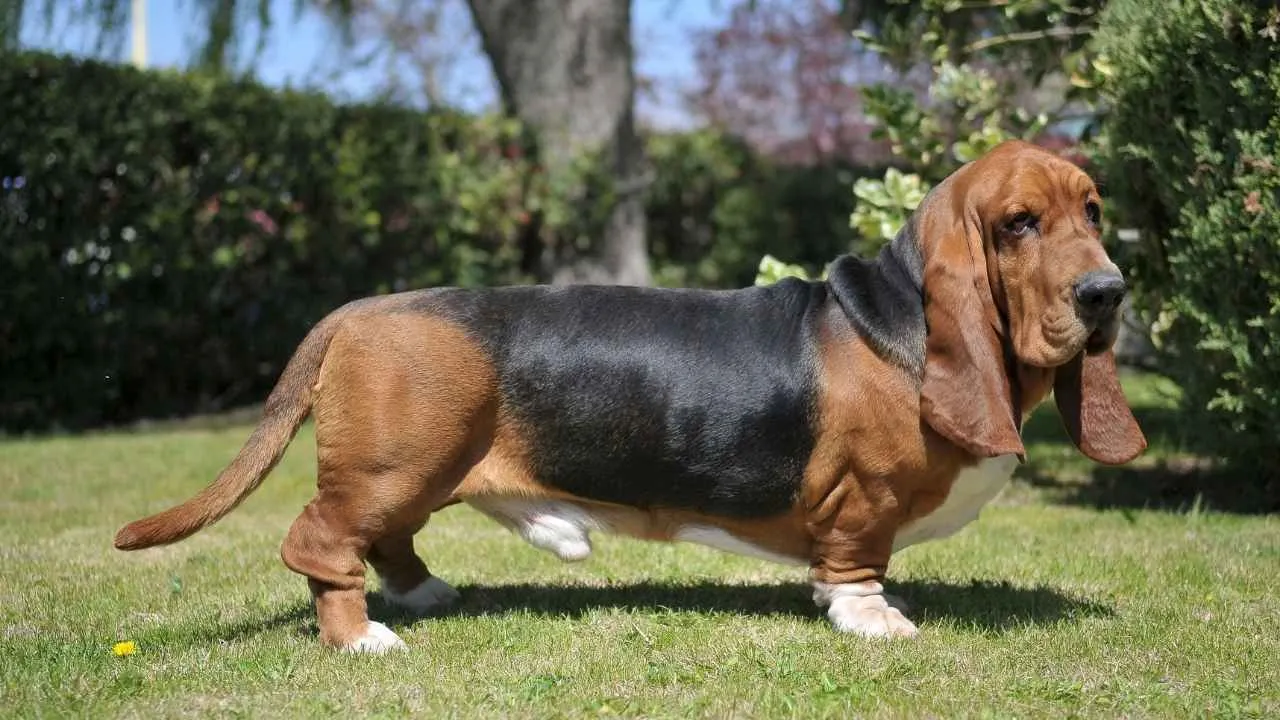
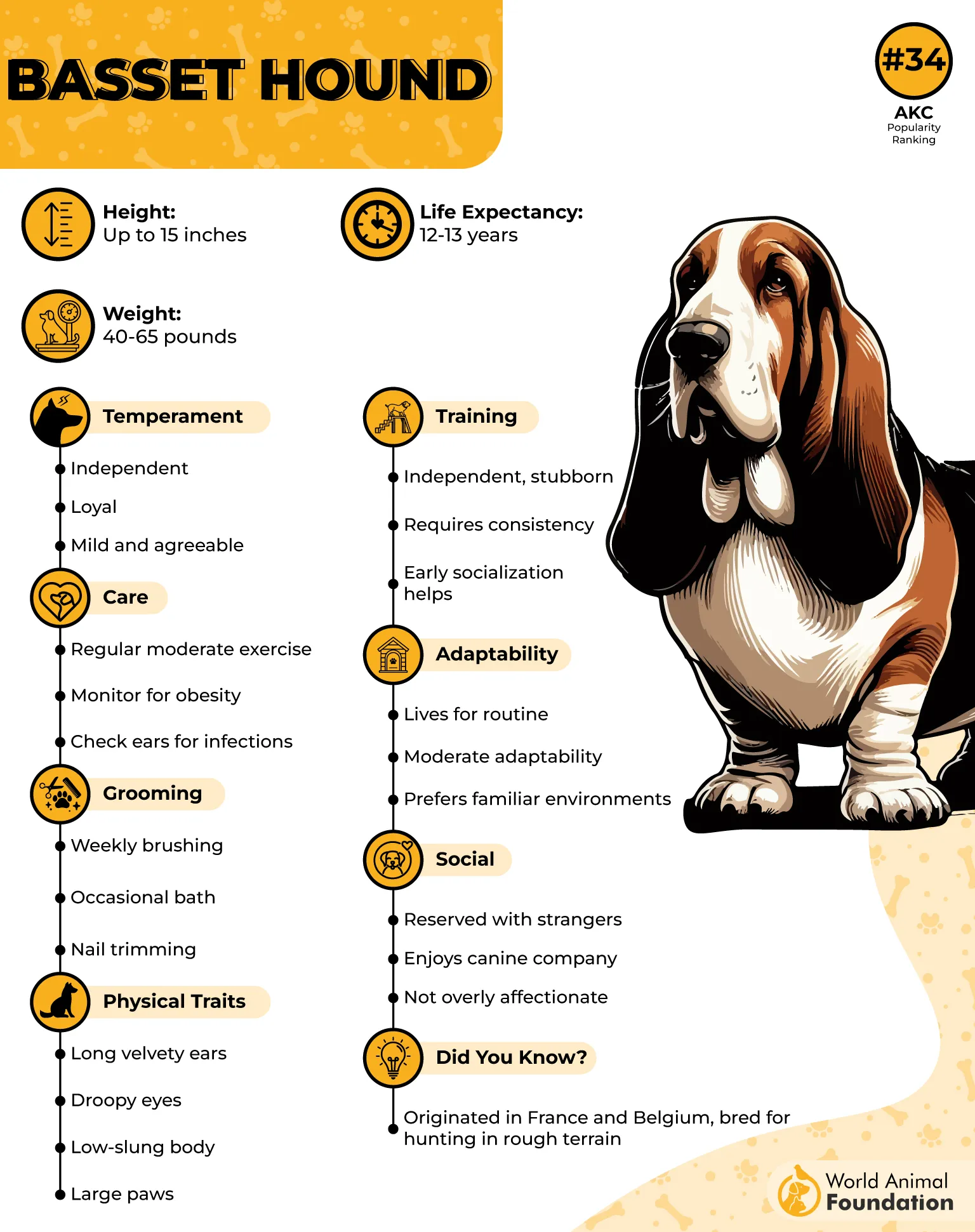
Basset Hound traces back to French hunting lines shaped from St. Hubert Hound ancestry, built for tracking small game like rabbits and hares. Its low structure is not decorative but functional, helping it stay close to scent trails on the ground. That hunting design still defines how it moves today.
Tracking focus and working behavior
They rely heavily on scent rather than speed, following trails with steady persistence once a direction is picked up. As per Hills Pet, its long, floppy ears and facial structure support ground-level scent gathering during tracking work.
This working style reflects in daily behavior:
Follows scent trails with strong persistence
Keeps nose close to the ground during movement
Responds more to smell than to visual cues
Social behavior and living balance
This tracking dog maintains a friendly and easygoing temperament, often forming strong attachments as a great family dog.
Extended solitude can disrupt its comfort, especially without stimulation or company nearby. Its scent-focused mind also means it may follow interesting smells without hesitation during routine walks.
3. American Foxhound
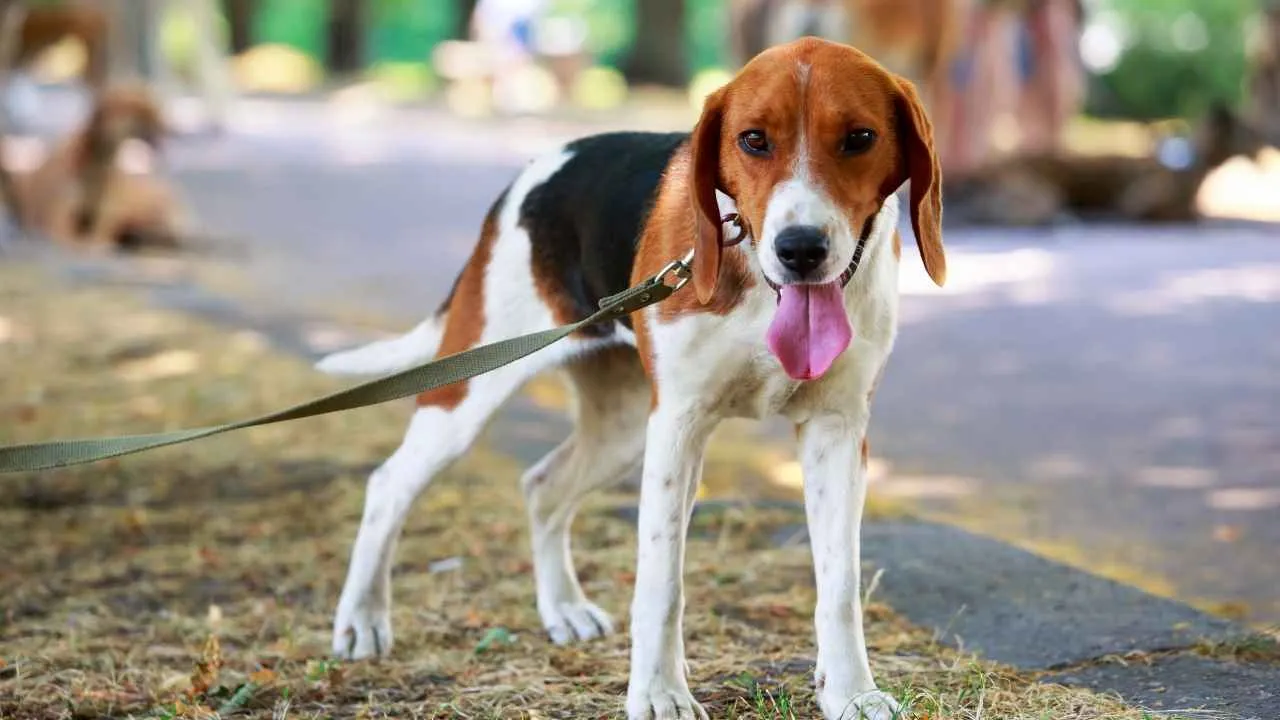
Originating from early American hunting estates, the American Foxhound was shaped by long-distance tracking. Its structure reflects a working hound built for open land and continuous movement. This history explains its steady drive during scent-based work.
Behavior shaped by scent focus
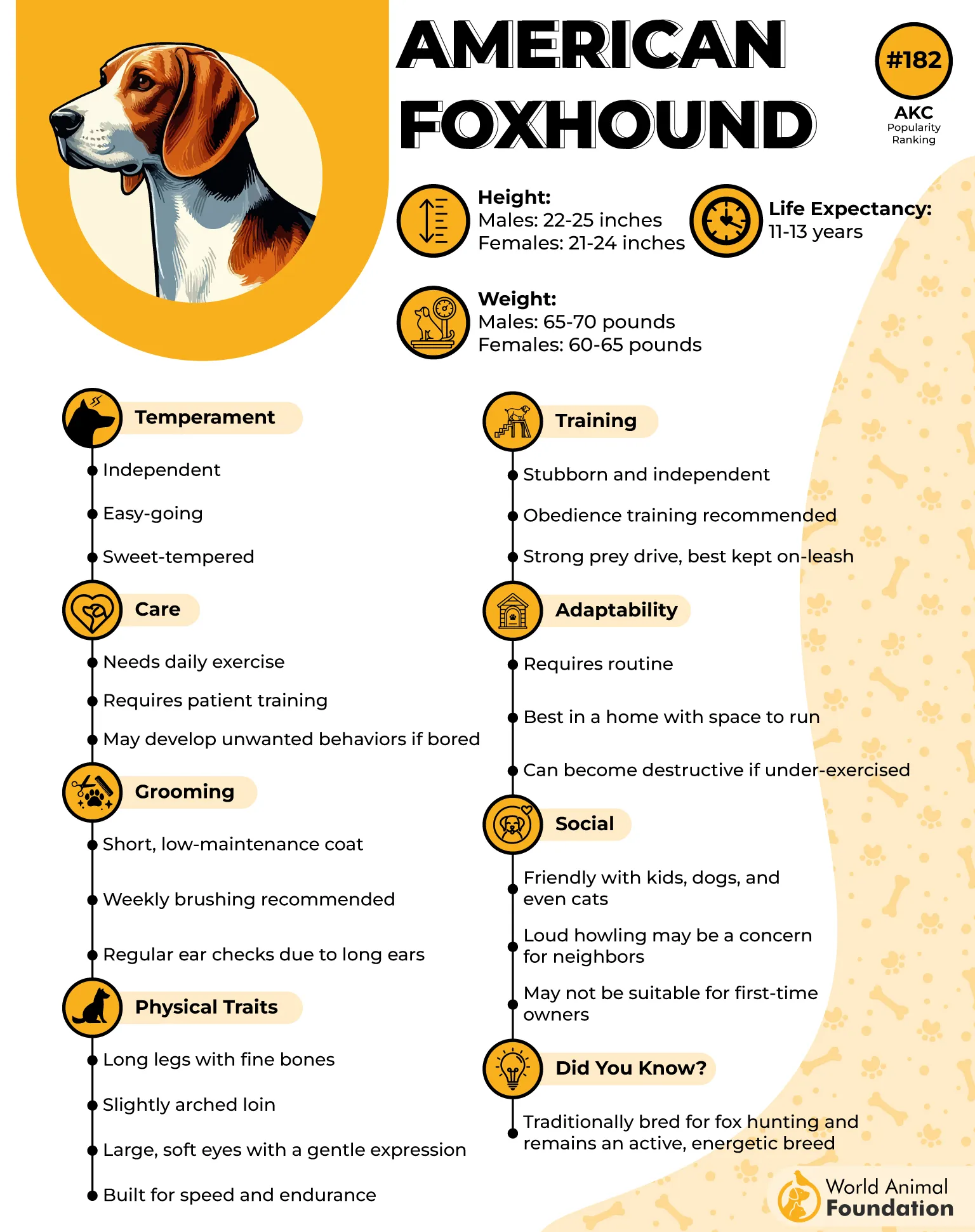
They follow scent with single-minded focus, often prioritizing tracking over distraction in open environments. Its friendly nature extends to people and other animals, creating a calm presence in group settings.
That working mindset becomes clearer in daily behavior patterns:
Stays locked onto scent trails outdoors
Maintains calm interaction with dogs and pets
Reacts strongly when movement triggers the pursuit instinct
Temperament and handling reality
They have an independent working style that can make training slower compared to more handler-focused breeds. Its vocal communication reflects traditional hound behavior, as the AKC claims. Consistent structure helps manage its instincts while keeping its natural drive engaged.
4. Britanny Spaniel
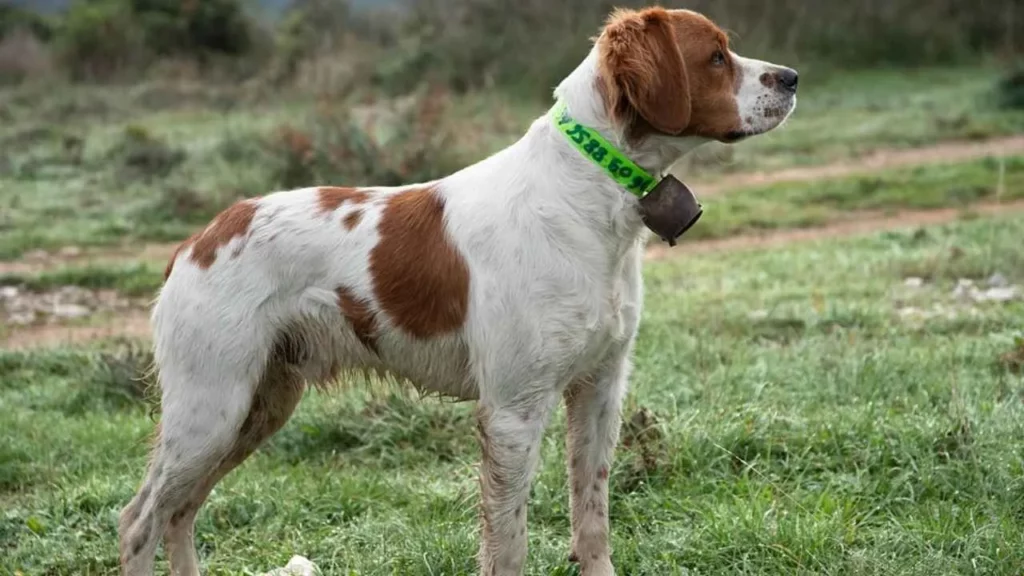
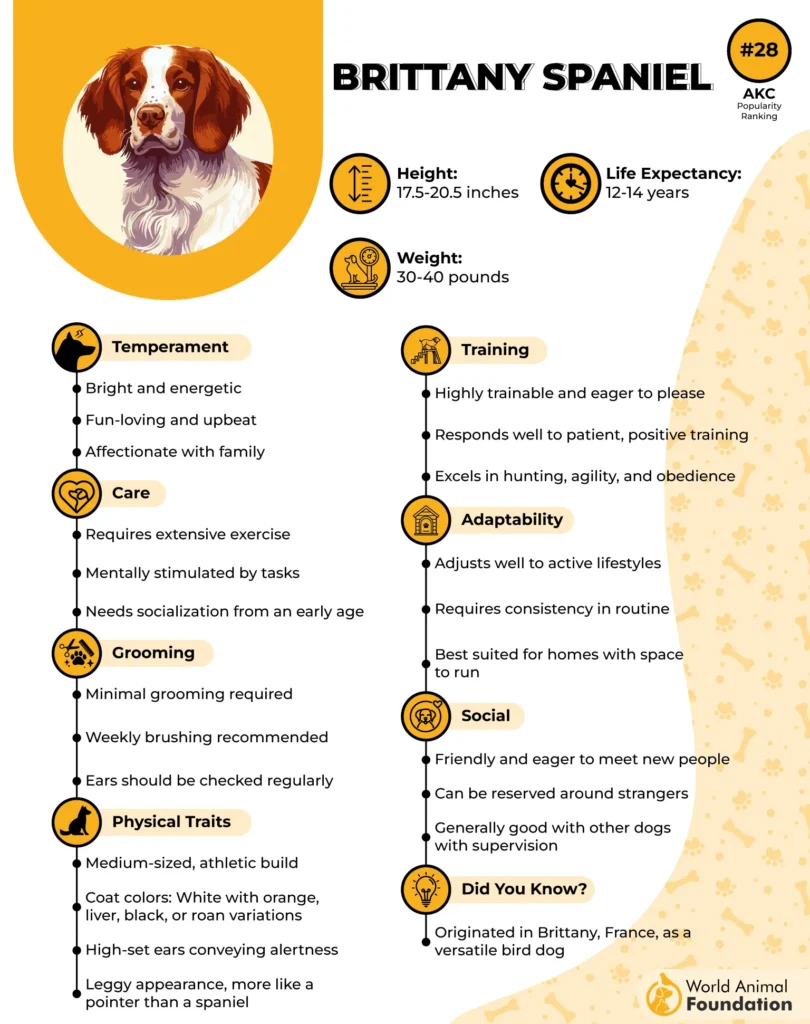
Brittany Spaniel is built around movement in open terrain, where its hunting role depends on speed, control, and staying closely tuned to the handler. Its lighter frame allows it to shift direction quickly while working across varied ground. Energy is directed, not scattered, for field performance.
Work Pattern in Action
These spaniels follow a rhythm of constant engagement, staying active both in proper training and open-field work. Its responsiveness makes it easy to channel into different dog sports and hunting environments.
That working rhythm becomes clear from these points:
Pauses briefly before redirecting movement
Checks back frequently during open-area activity
Adjusts speed based on the handler’s distance
Trainable Versatility
They adapt well to structured learning, making it suitable for obedience work, agility tasks, and high-energy sporting activities. Its drive stays consistent when given purpose-driven engagement. This combination of eagerness and control shapes how it fits into active, outdoors-focused lifestyles.
5. Redbone Coonhound
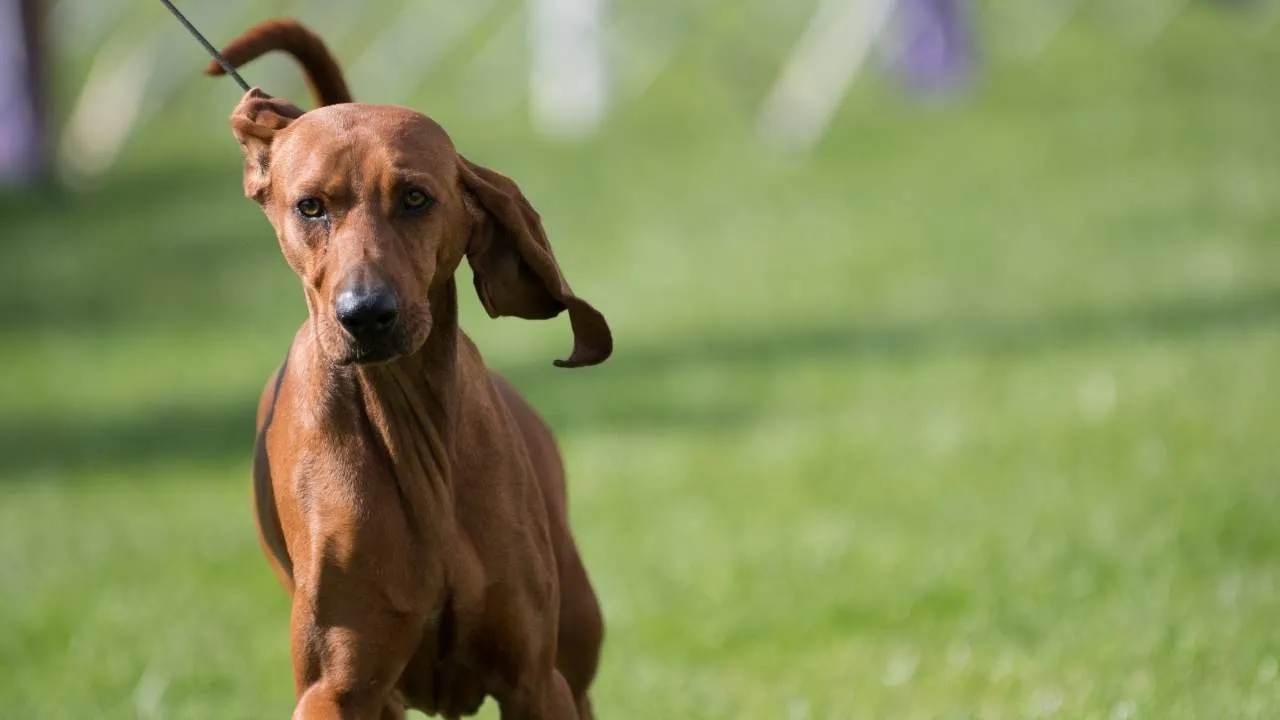
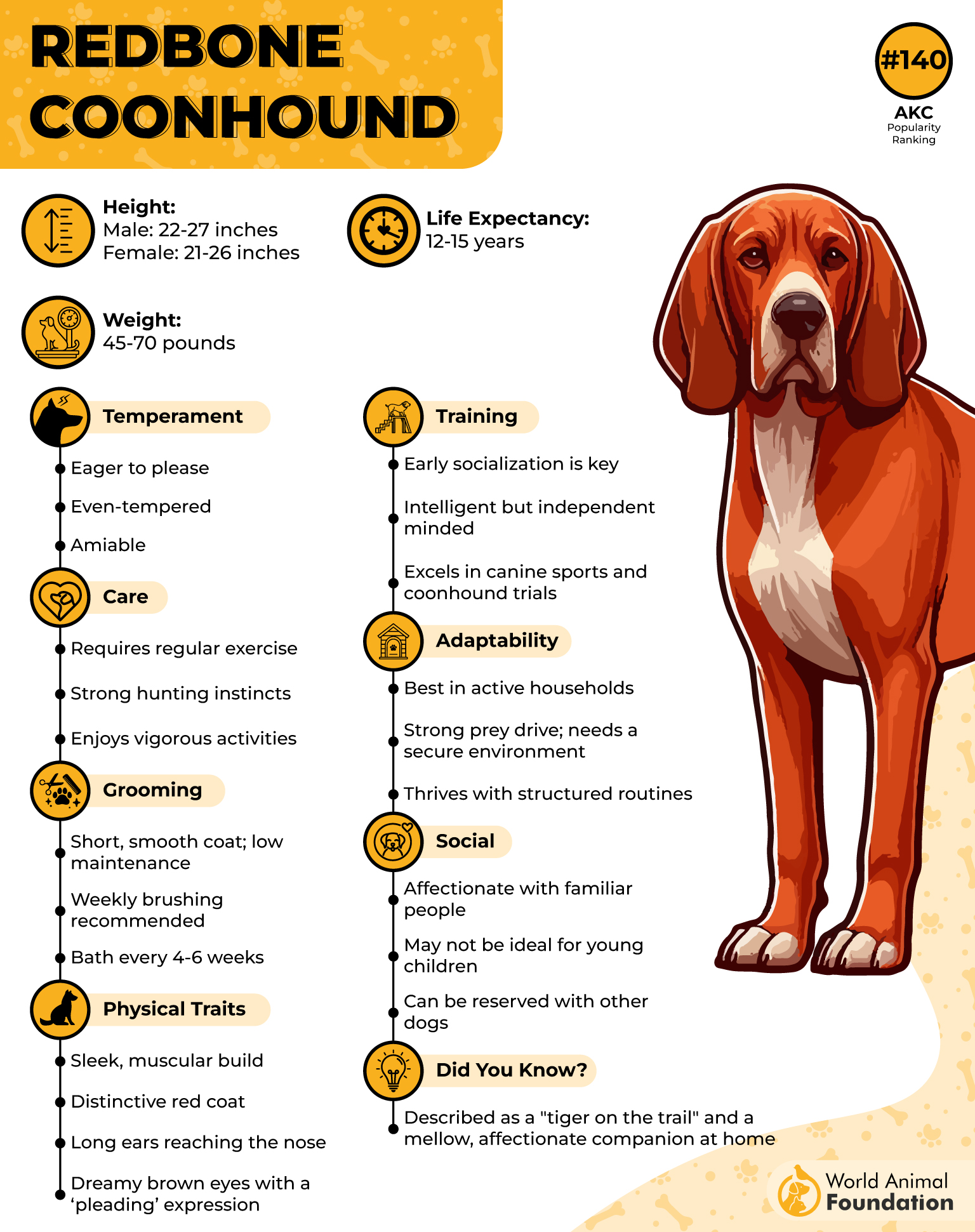
Redbone Coonhound was originally bred in the late 18th century to track raccoons across swamps, forests, and mountains, creating a dog with unmatched stamina and focus. Their resilience comes from generations of adapting to challenging terrains while staying close to hunters.
Energy in motion
The breed combines a high-energy personality with loyalty, making every outdoor adventure purposeful and engaging. They move with intent, exploring scents while staying aware of their human companions.
This dynamic nature appears in three key ways:
Excels in long hikes and swimming
Engages fully in games and outdoor play
Thrives when mental stimulation is consistent
Temperament for families
Friendly, loyal, and energetic, they enjoy interaction with children and other pets, provided they have room to roam safely. Fenced yards and leashed walks help manage their scent-driven curiosity. Their temperament balances spirited playfulness with dependable companionship.
6. Bluetick Coonhound
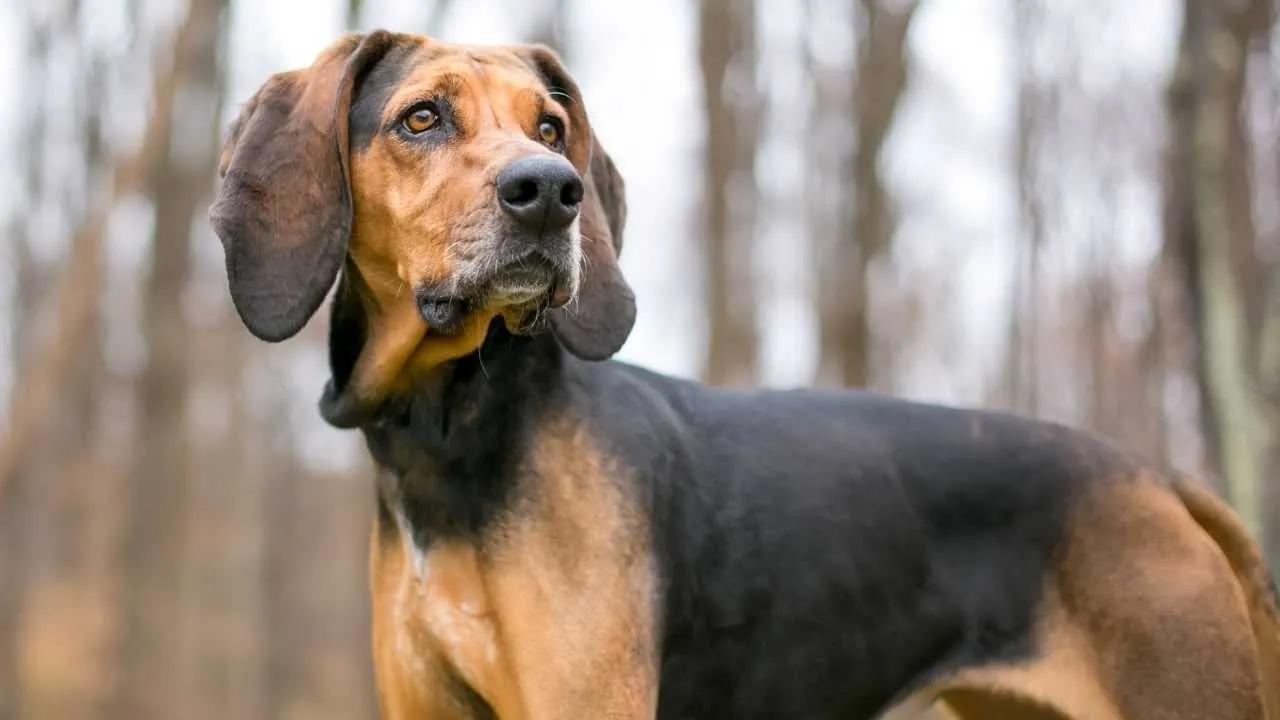
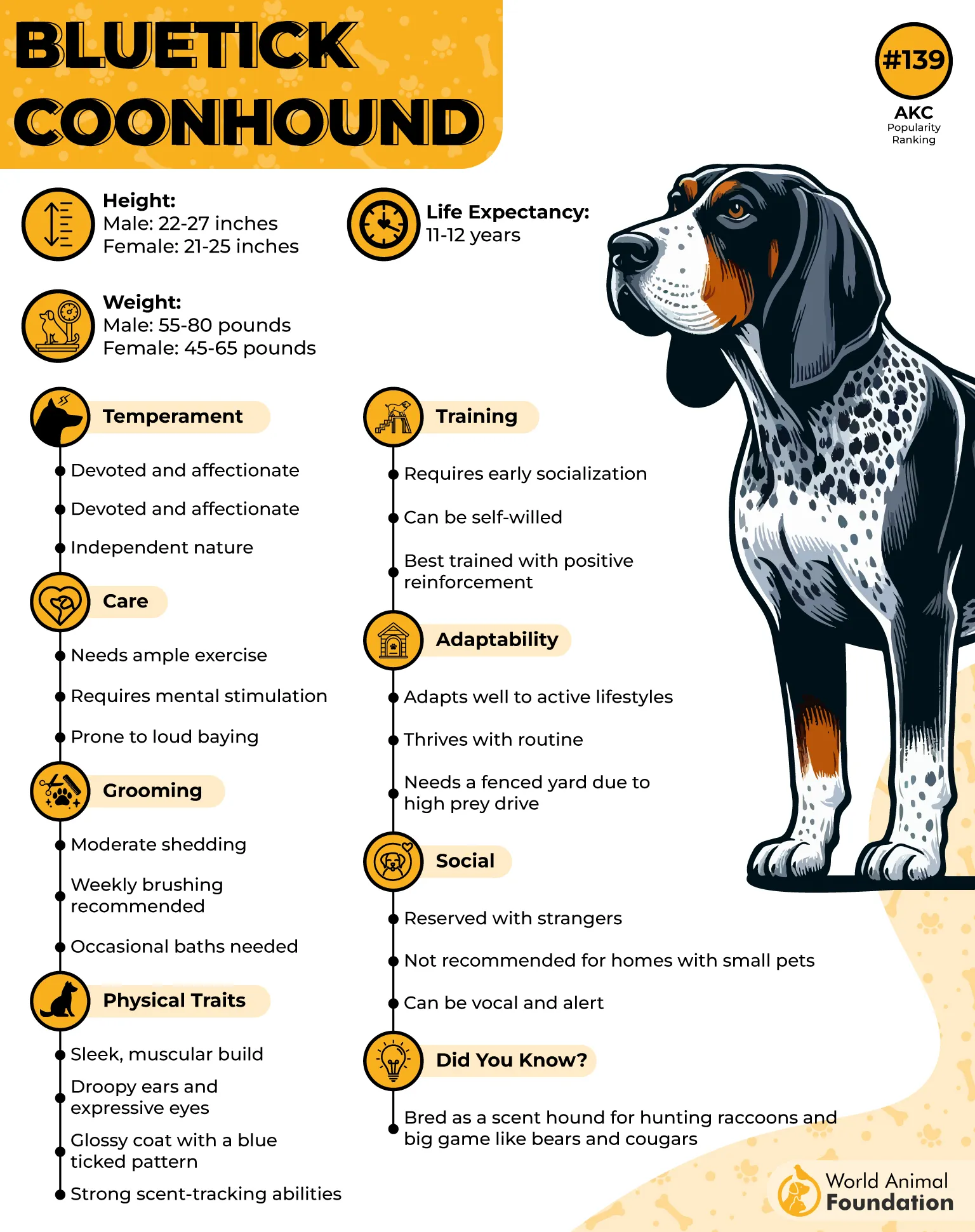
Bluetick Coonhound traces its roots to French staghounds once gifted to George Washington, shaping a breed built for long pursuit rather than short bursts of effort. Its history reflects dogs used across demanding terrain, following scent trails that could lead to varied game.
Scent-driven focus in real settings
They rely heavily on scent tracking, often staying locked onto trails that demand patience and distance coverage. Its behavior reflects a working style where mental engagement and physical motion stay tightly linked.
That working pattern becomes clearer through daily traits:
Follows scent paths with strong persistence
Covers ground with steady endurance
Reacts strongly to tracking opportunities
Communication style shaped by instinct
This Coonhound uses a deep, distinctive vocal pattern during activity, a trait linked to its hunting communication style across open land. This vocal behavior appears most when tracking intensity rises. Its long-range working history explains why sound plays a key role in its expression.
7. Bloodhound
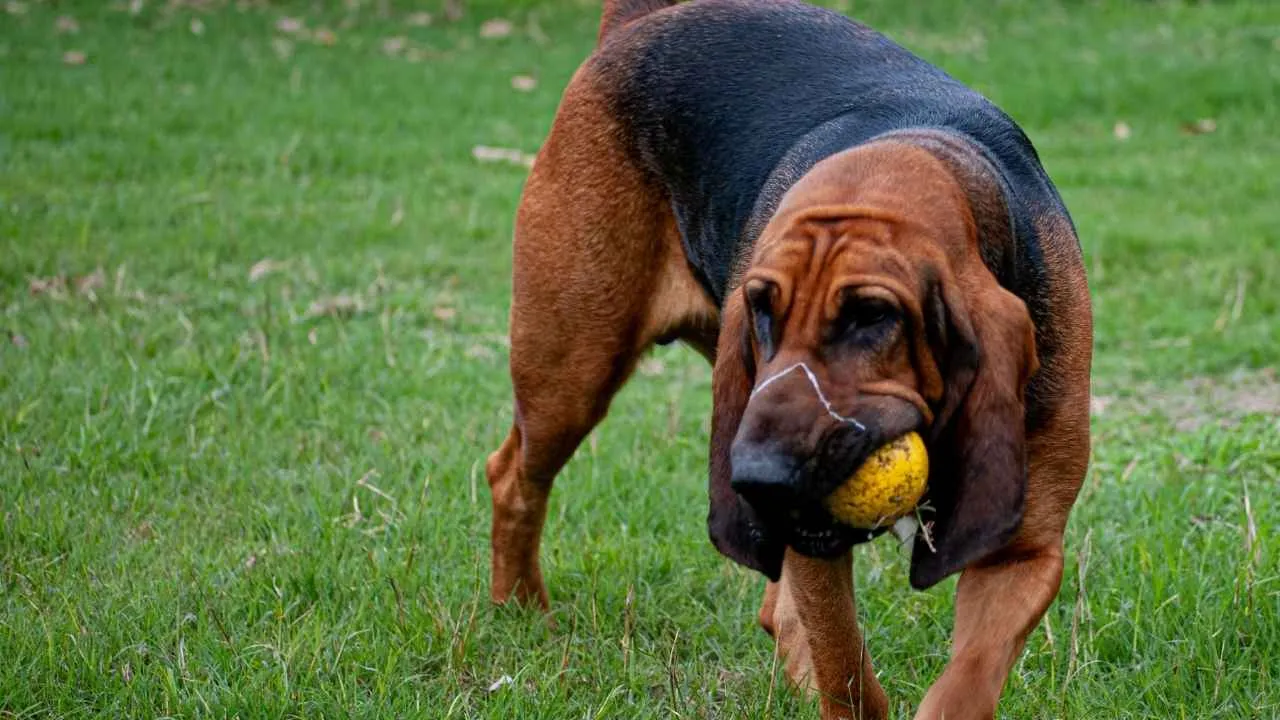
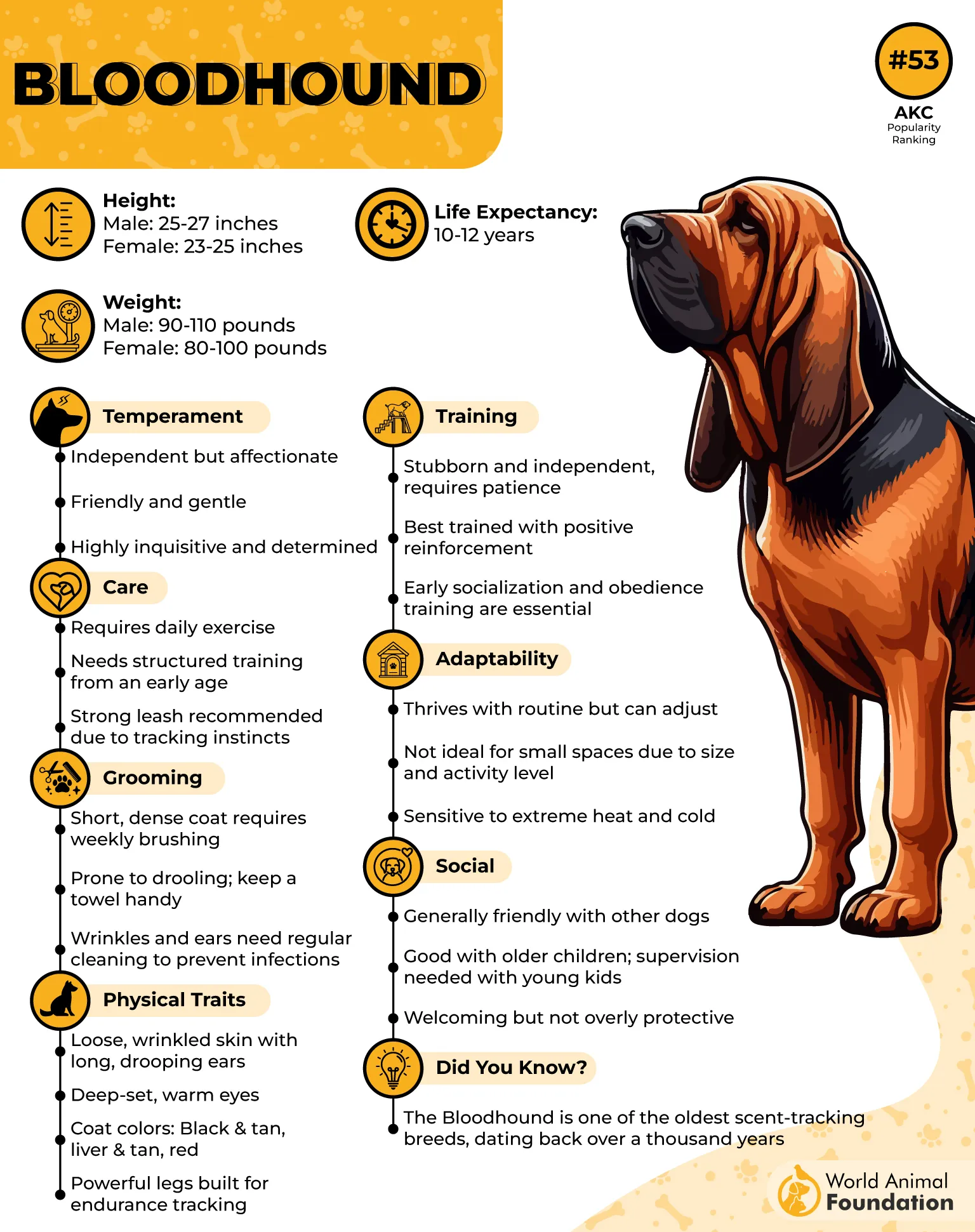
Bloodhound traces its role back to medieval tracking work, where scent trails guided long-distance tracking over difficult terrain. That same ability still defines how it interacts with its environment today. Its focus follows scent patterns that override casual distractions in everyday settings.
Tracking behavior in real settings
These scent hounds process surroundings through smell first, often committing fully to a single scent direction once engaged. This makes its movement intentional but highly guided by external triggers.
That tracking instinct shows clearly in daily behavior:
Locks onto scent trails with sustained focus
Moves with steady persistence during outdoor tracking
Requires controlled spaces to prevent wandering
Environment and daily handling
Bloodhound operates best in structured outdoor routines where long walks and extended activity allow its natural tracking drive to be expressed.
Its physical endurance supports long working hours rather than short bursts of activity. This creates a dog that feels purpose-driven when given enough space to follow its natural rhythm.
Conclusion
Tracking is not about speed or force. It is about staying with a trail when it begins to fade and resisting the urge to guess. The best hunting dogs in this list show how patience, sense of smell, and controlled movement shape real tracking success. Each one approaches the hunting task differently, yet the outcome stays the same. They follow what others lose.
Selecting the right breed means understanding how it works under pressure, not just how it performs at the start. When that match is right, tracking becomes less uncertain and more consistent, turning difficult trails into something that can be followed with clarity and control.
