




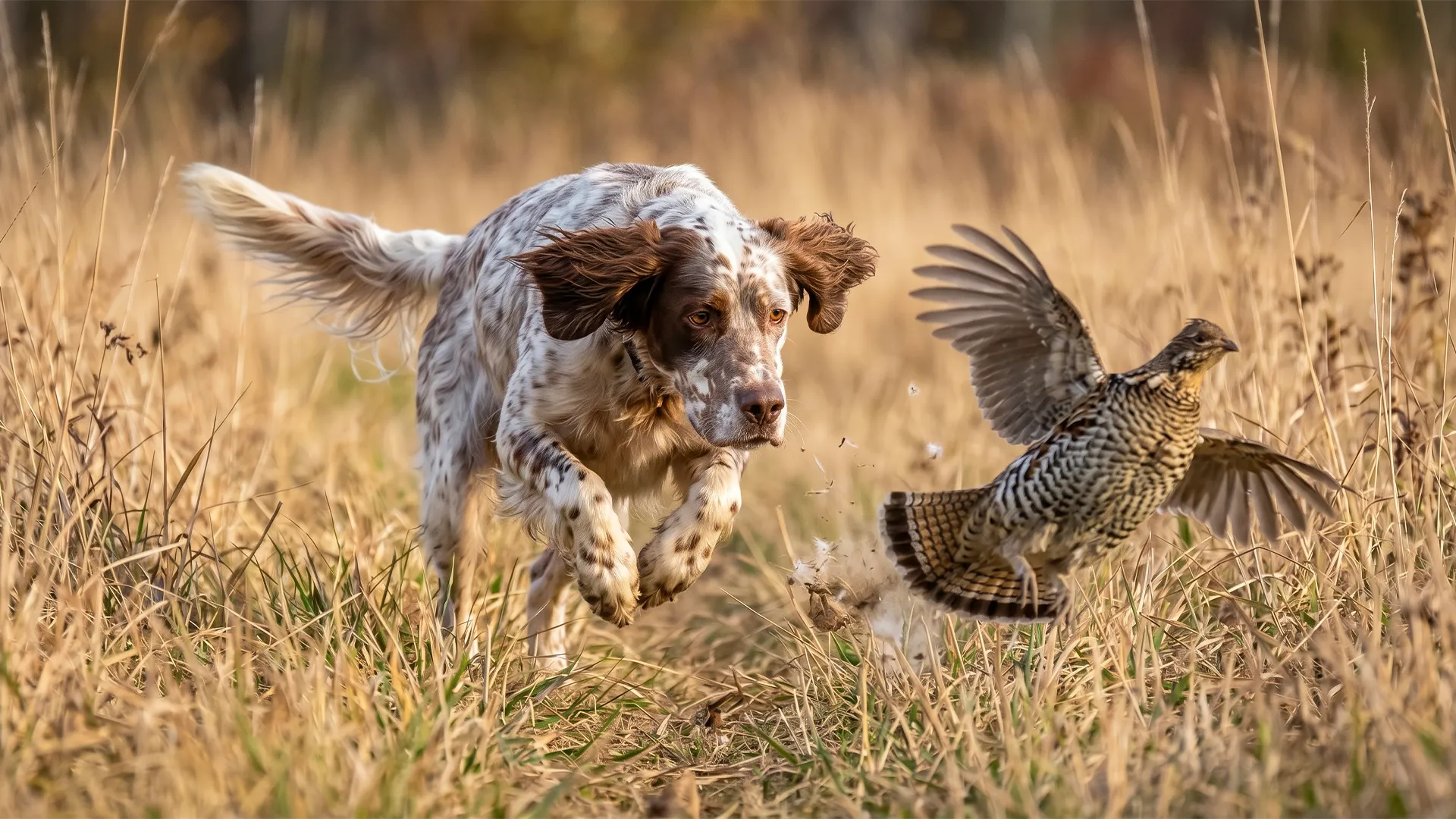
If you watch different dogs in the same outdoor setting, a clear pattern begins to appear. Some wander without direction, while others move with purpose, following a path that seems invisible.
This behavior is tied to trail tracking ability, a trait that has been developed in certain hunting dogs over generations. It shows up in how they lower their nose, maintain a steady pace, and stay committed to a scent even when distractions are present.
This is not about short bursts of attention. It is about sustained focus over distance and time. Many owners only notice this difference after seeing it firsthand, when one dog continues tracking while another loses interest quickly.
The following sections highlight the dogs that excel in trail tracking and how this skill defines them in the dog world.
Key Takeaways
A strong scent hits the ground, and certain dogs instantly switch into a focused tracking mode that is hard to break.
Vizsla works closely and precisely with its handler, while English Setter covers wide ground and freezes the moment it catches a scent.
Bluetick Coonhound keeps going over long distances using its powerful nose, and Boykin Spaniel moves easily through water to retrieve without hesitation.
At the end, each breed reveals a different way of tracking that shows just how sharp and driven these dogs really are.
Top Hunting Dog Breeds Skilled in Trail Tracking
1. Vizsla
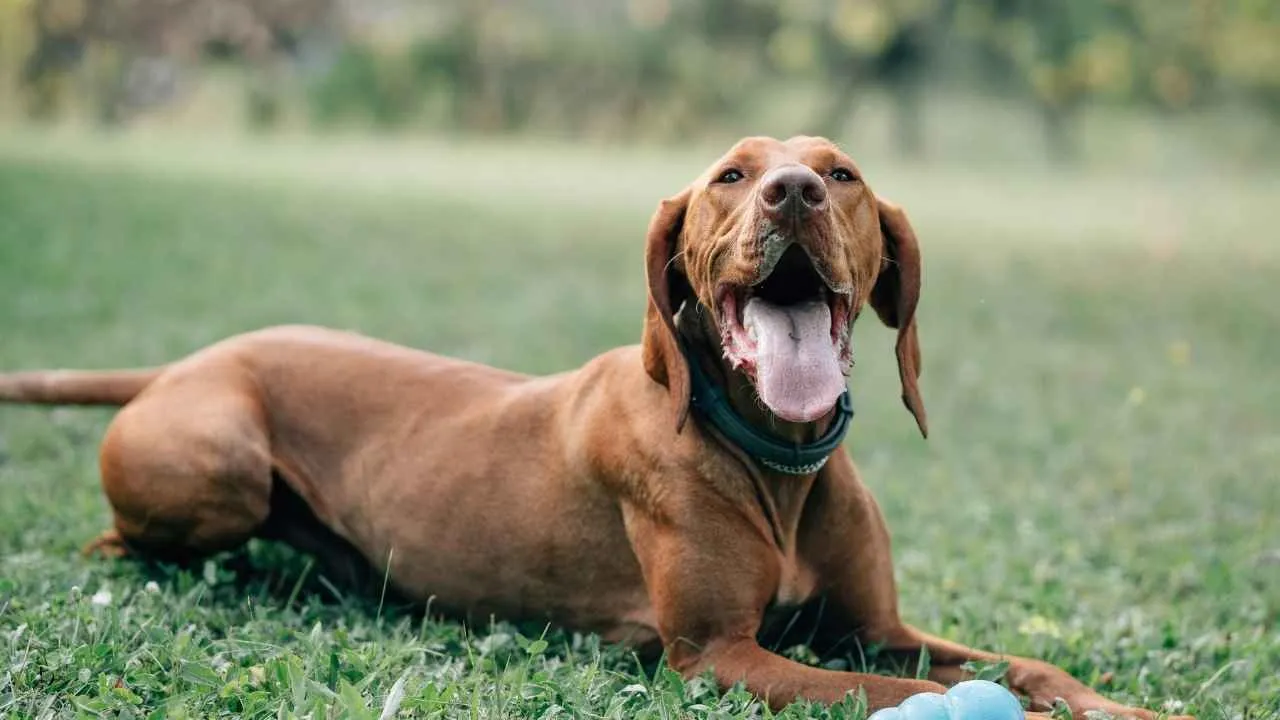
Vizsla works close to the ground, using its slim, athletic frame to navigate dense cover while following scent trails with precision. Its focus stays locked on movement patterns rather than random searching. The breed’s design supports close coordination with the handler during field work.
Skills shaped for field coordination
This hunting breed operates as a pointing and retrieving breed, often staying within visible range of the handler while tracking game. Its natural connection with water adds another layer to its retrieval ability across varied terrain.
This ability shows up clearly in working behavior:
Tracks scent through dense ground cover
Retrieves game from water with ease
Maintains close range with the handler during tasks
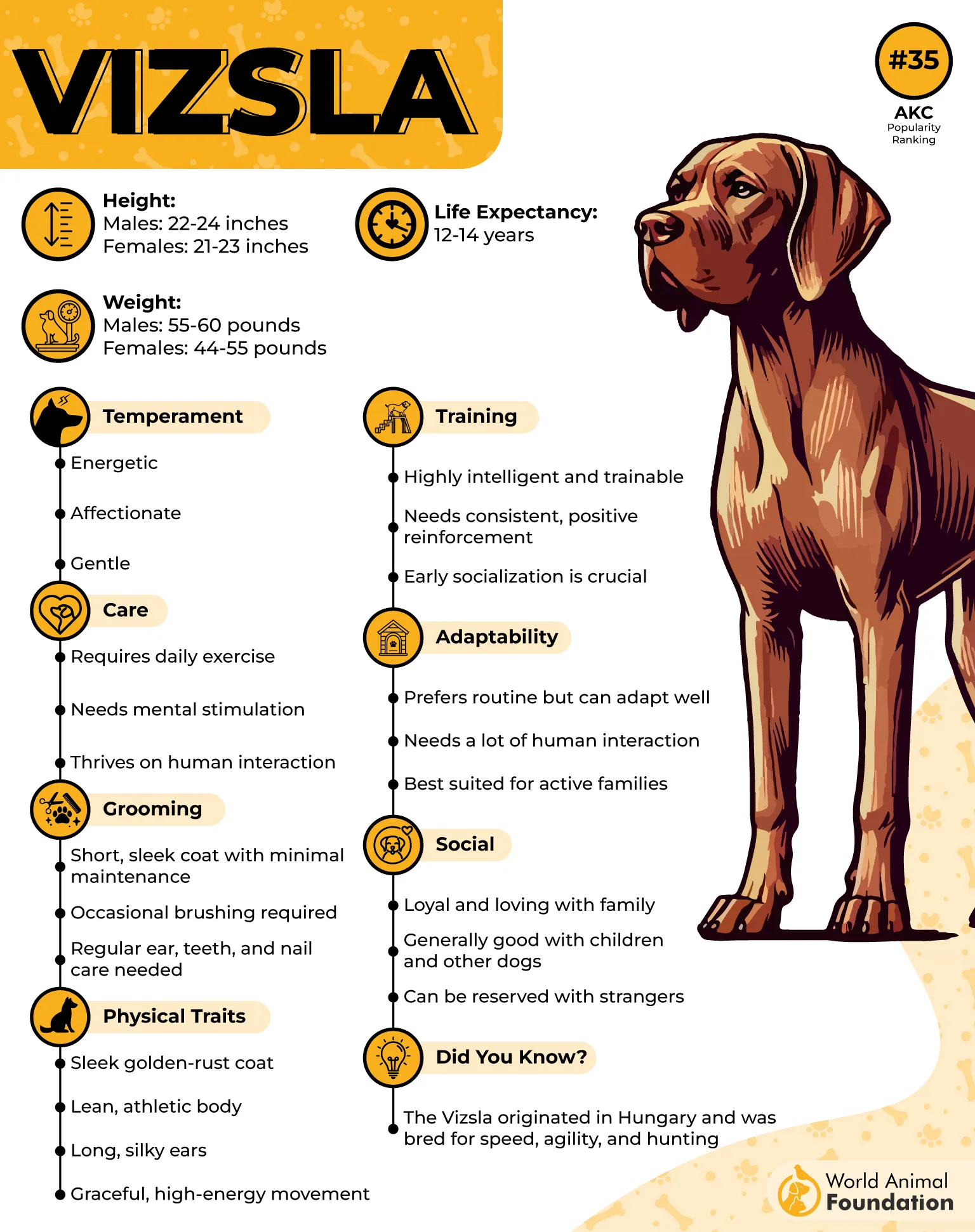
Energy tied to engagement
They show steady enthusiasm during extended activity, especially when tasks involve running, swimming, or directional tracking. Its response to engagement depends on continuous involvement rather than passive waiting. Open terrain often brings out its most focused working rhythm.
2. English Setter
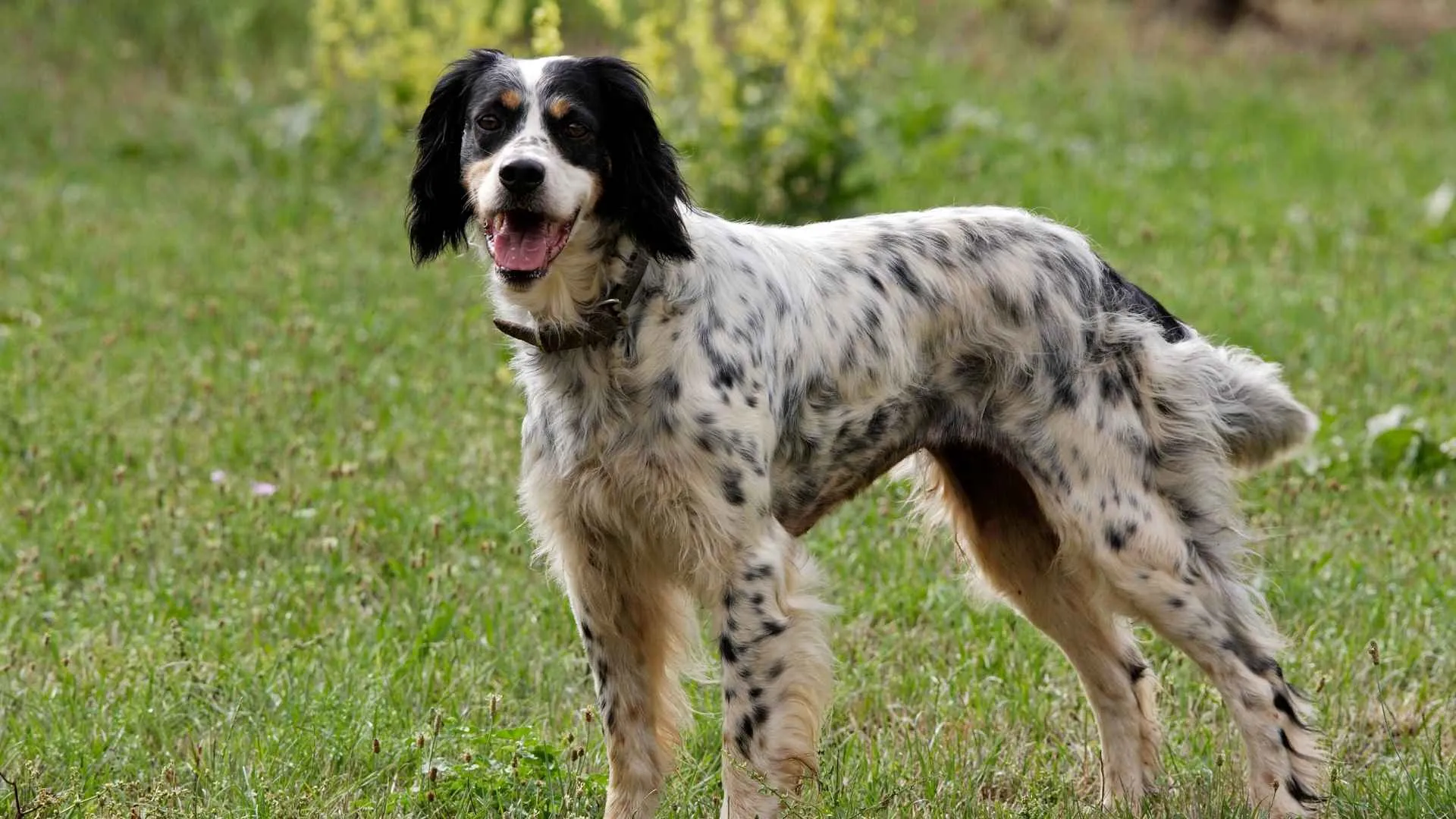
English Setter was originally bred from early setter lines, influenced by spaniels and pointer-type dogs, shaped for locating game across wide ground.
Its hunting role focused on finding prey and holding a position to guide the hunter visually. This instinct remains central to how it approaches scent and movement.
Tracking style in open ground
As one of the best hunting dogs, they work through scent with a steady, searching pattern, covering distance while staying focused on trail cues, as Omlet stated. When it locates upland birds or game, it instinctively holds position rather than chasing.
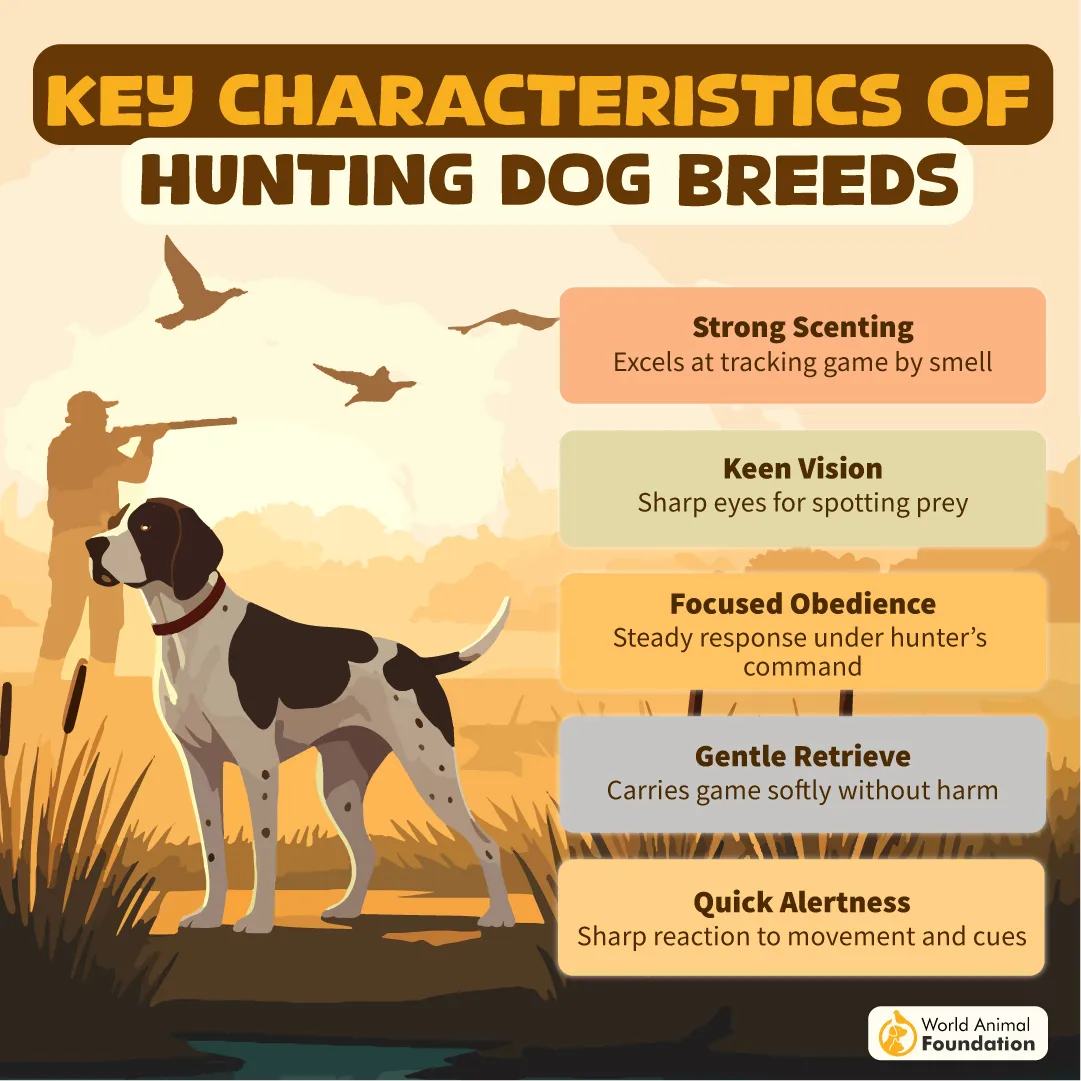
In their hunting trips, their working style shows in these actions:
- Searches methodically across large areas
- Freezes instantly when scent is confirmed
- Maintains control instead of rushing forward
Life inside the home
They settle into a relaxed and affectionate companion when their need for outdoor exploration is met. It often seeks physical closeness, sometimes attempting to sit beside or on people despite its size. Its friendly nature extends easily across children, pets, and unfamiliar guests.
3. Bluetick Coonhound
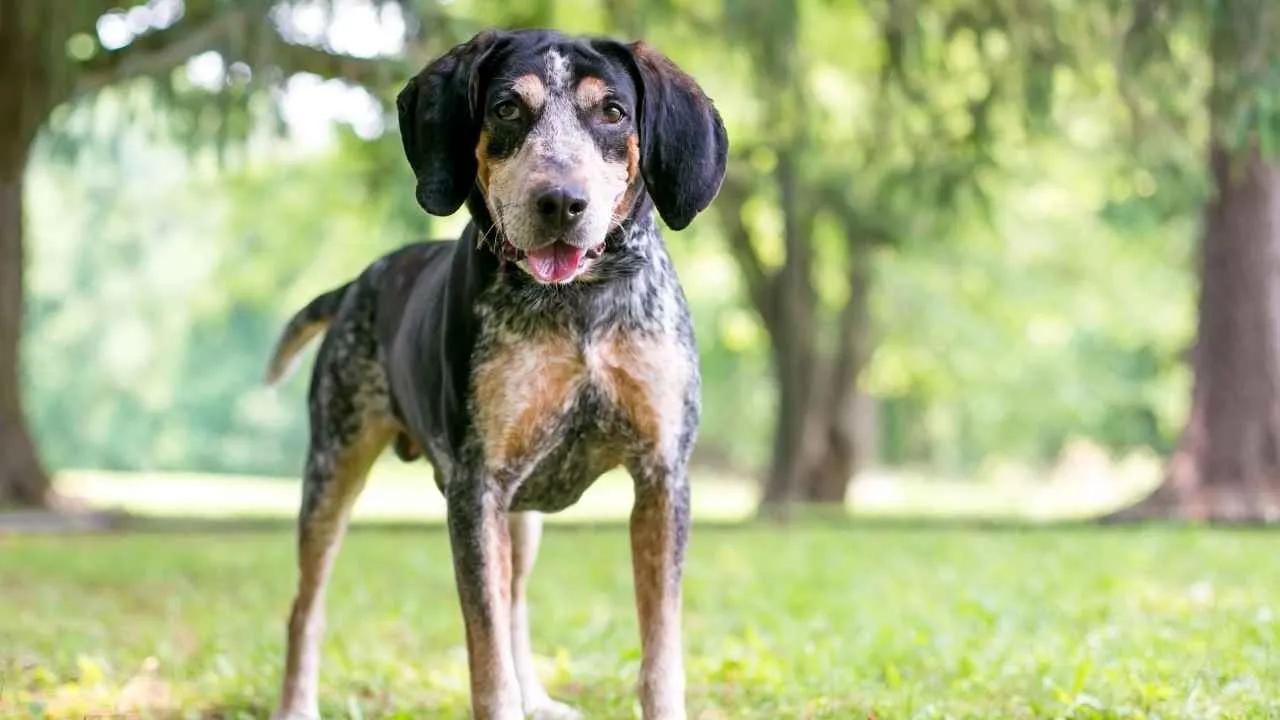
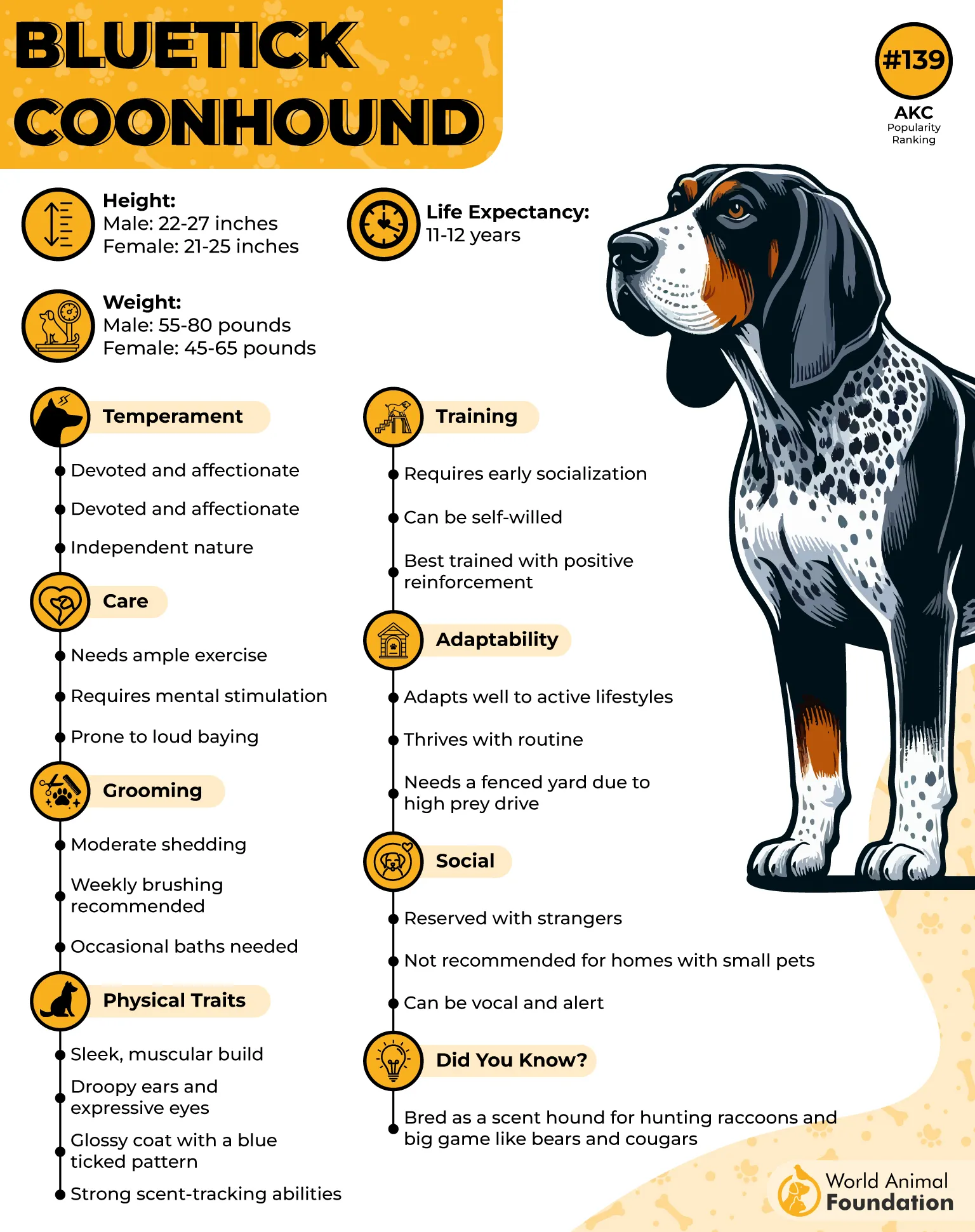
Bluetick Coonhound descends from French staghound-type dogs linked historically to early American hunting lines, including those associated with George Washington’s era. Its structure reflects long-distance tracking ability combined with a strong scent focus.
Tracking style built for long pursuit
They work with sustained intensity across wide ground, relying on an exceptional nose rather than visual cues. Its hunting pattern extends from small game like raccoons to larger quarry and wild boar, showing persistence over distance.
This field behavior becomes clear in action patterns:
Follows scent trails over extended terrain
Maintains pursuit focus on long-distance tracks
Uses vocal signaling during tracking phases
Communication and daily expression
This breed uses a deep, resonant baying style that functions as a tracking signal during hunts, as PetMD writes. In domestic settings, this vocal pattern becomes more noticeable due to its volume and projection. Its intelligence is closely tied to movement, scent, and vocal feedback loops.
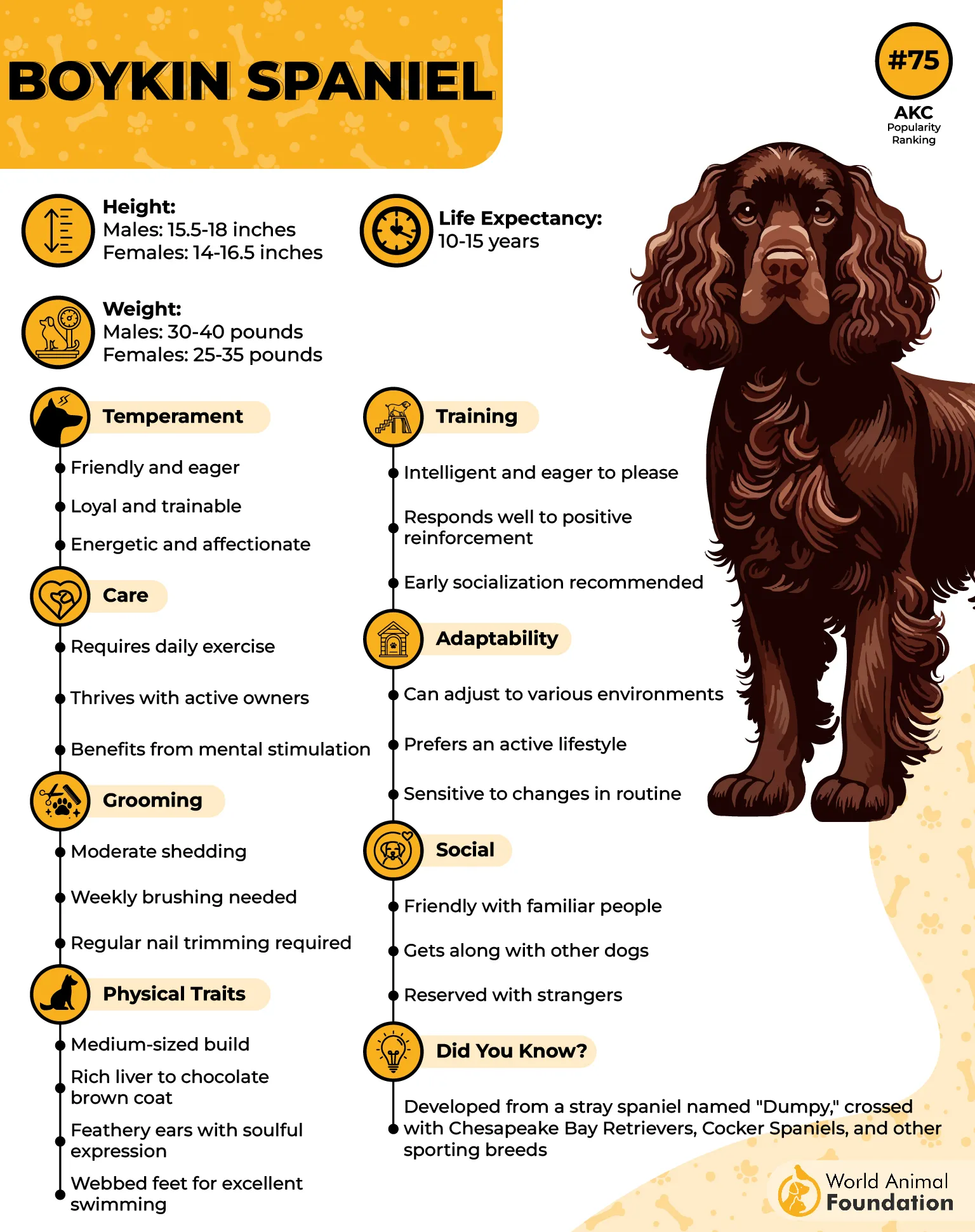
4. Boykin Spaniel
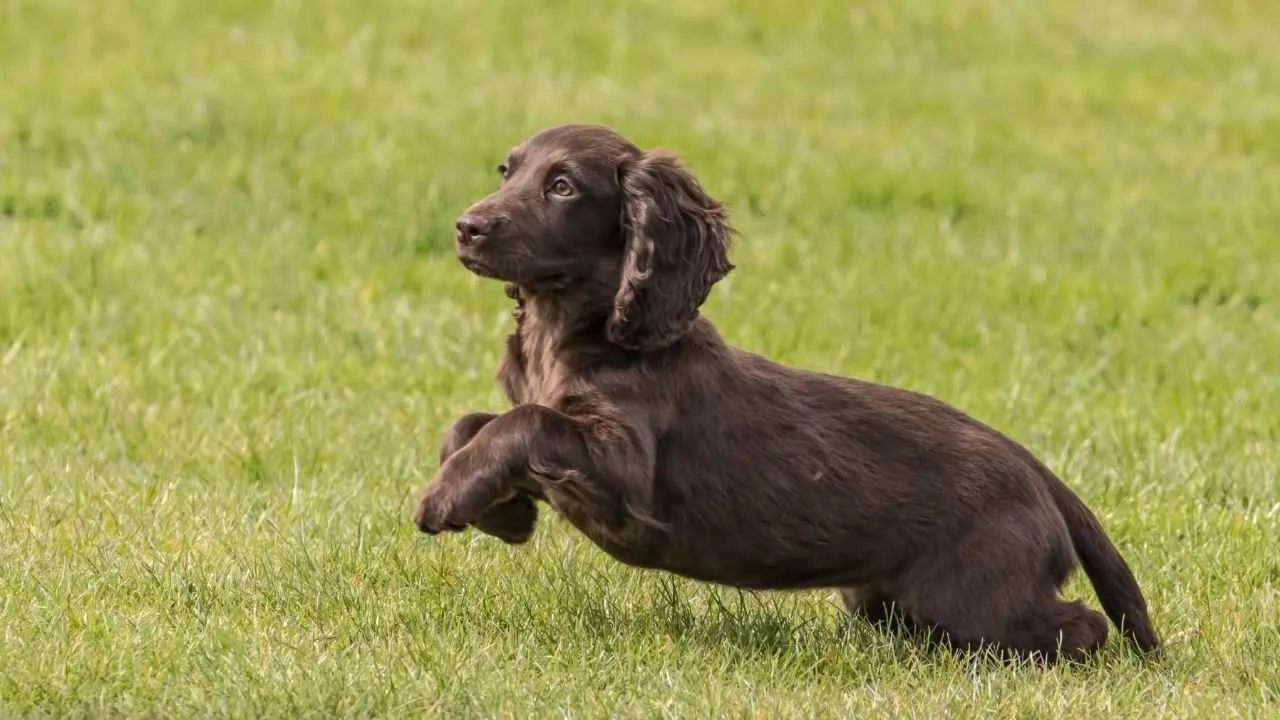
The Boykin Spaniel comes from the marshlands of South Carolina, shaped for retrieving birds across water-heavy terrain. Its origin is tied to a single stray dog that eventually influenced an entire regional hunting line. This background set the foundation for a water-ready spaniel with steady retrieving focus.
Field abilities and water readiness
These spaniels work comfortably across wetlands, showing ease in swimming and retrieving game like ducks, turkeys, and doves. Its size supports agility in dense water cover while maintaining steady control during retrieval work.
This field behavior can be seen in clear working patterns:
Retrieves game from marsh and open water areas
Maintains steady focus during bird flushing tasks
Enters water with natural ease and control
Personality within home settings
They shift into a friendly and people-oriented temperament when not working, often staying close to family members. It interacts well with children and other pets, reflecting a social nature that extends beyond field activity. Its behavior remains relaxed when needs for activity are met.
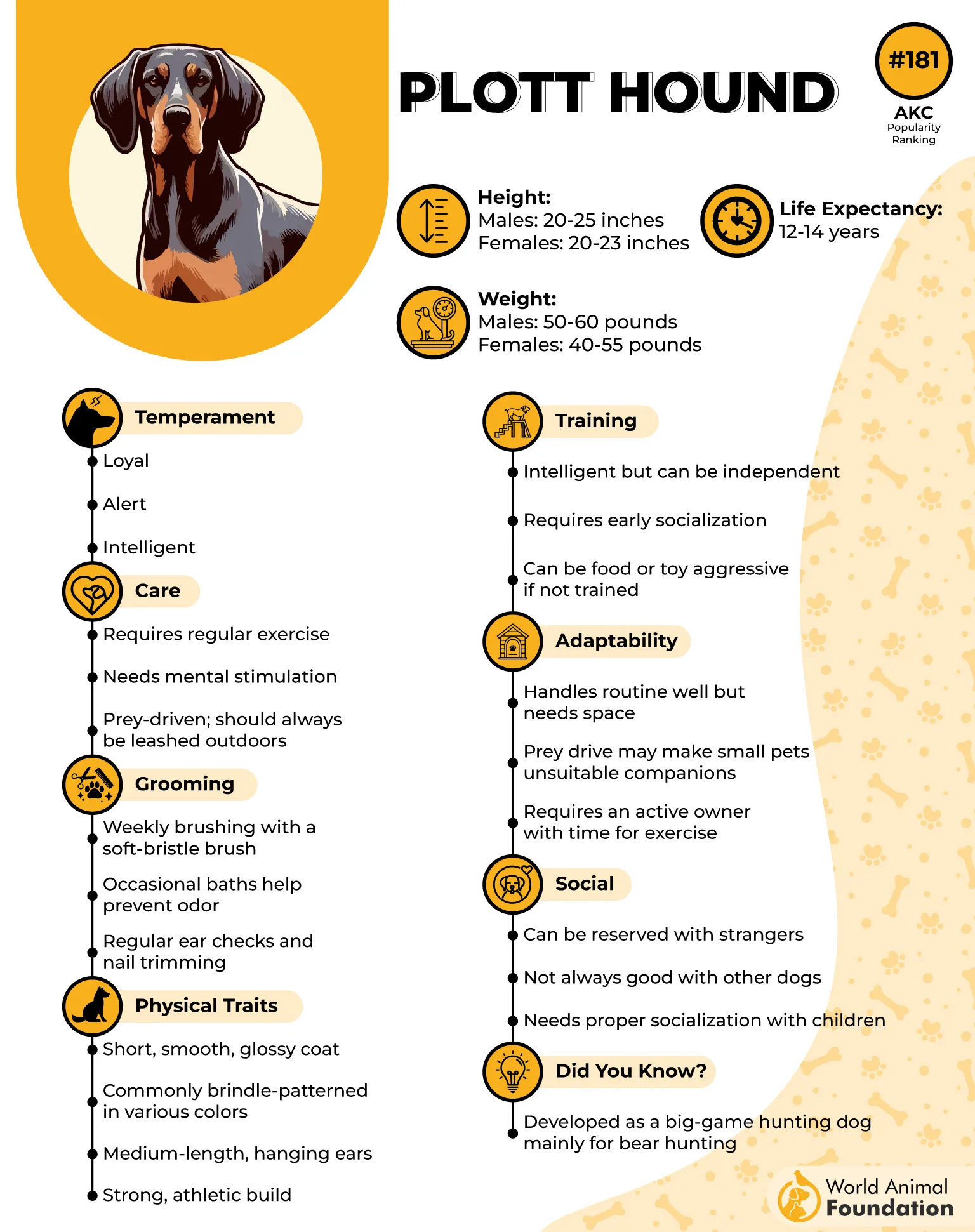
5. Plott Hound
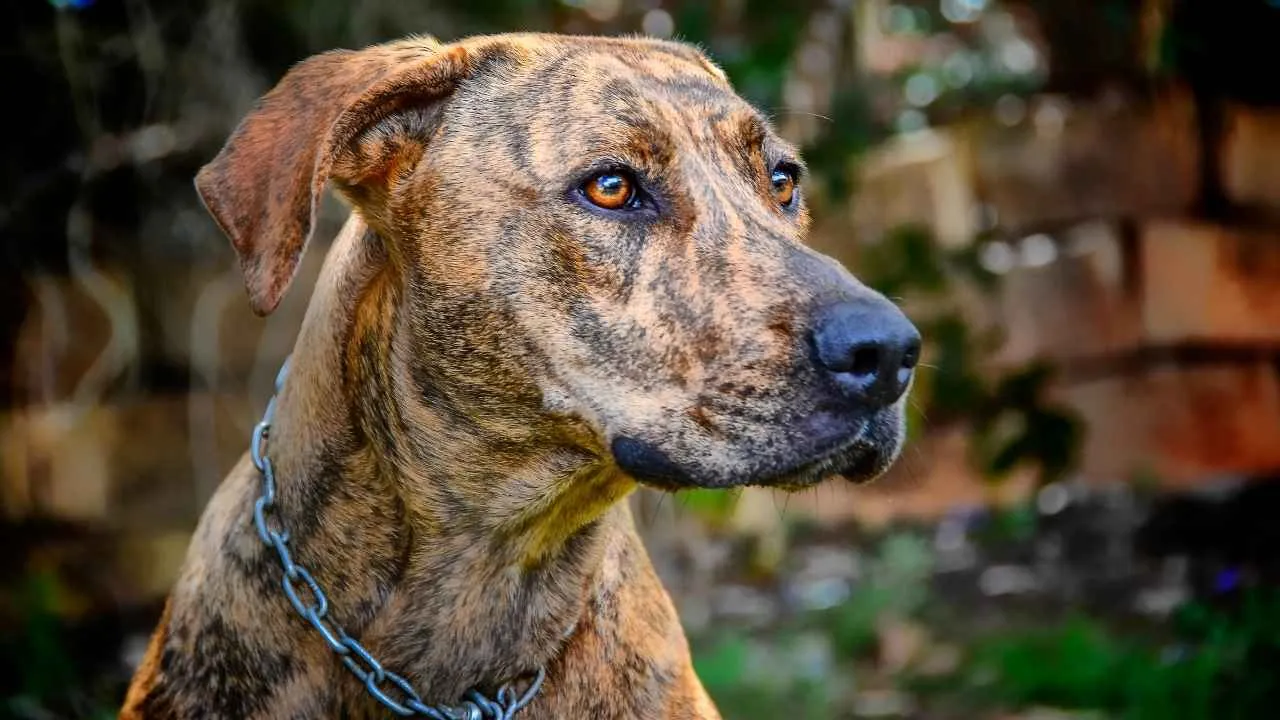
Plott Hound originates from German hunting stock brought to North Carolina by Johannes Plott in the 18th century, later refined into a local strain by his family.
This background ties the breed closely to long-standing scent tracking work. Its history is rooted in purposeful hunting roles rather than general companionship.
Tracking style, built on persistence
They follow scent trails with strong focus, often showing determination when working through rough terrain. Its brindle coat and alert expression reflect a dog that stays engaged with ground-level tracking and upward scanning during hunting tasks.
This working pattern becomes clear through field behavior:
Tracks scent with steady ground focus
Climbs or checks elevated scent points when needed
Maintains drive during long search routes
Social side in familiar environments
They interact easily with both people and other dogs, showing a friendly and social temperament at home or in shared spaces, as WebMD mentioned.
It enjoys active time outdoors, such as hiking or water play, often linking movement with scent exploration. The energy level remains consistent during group interaction.
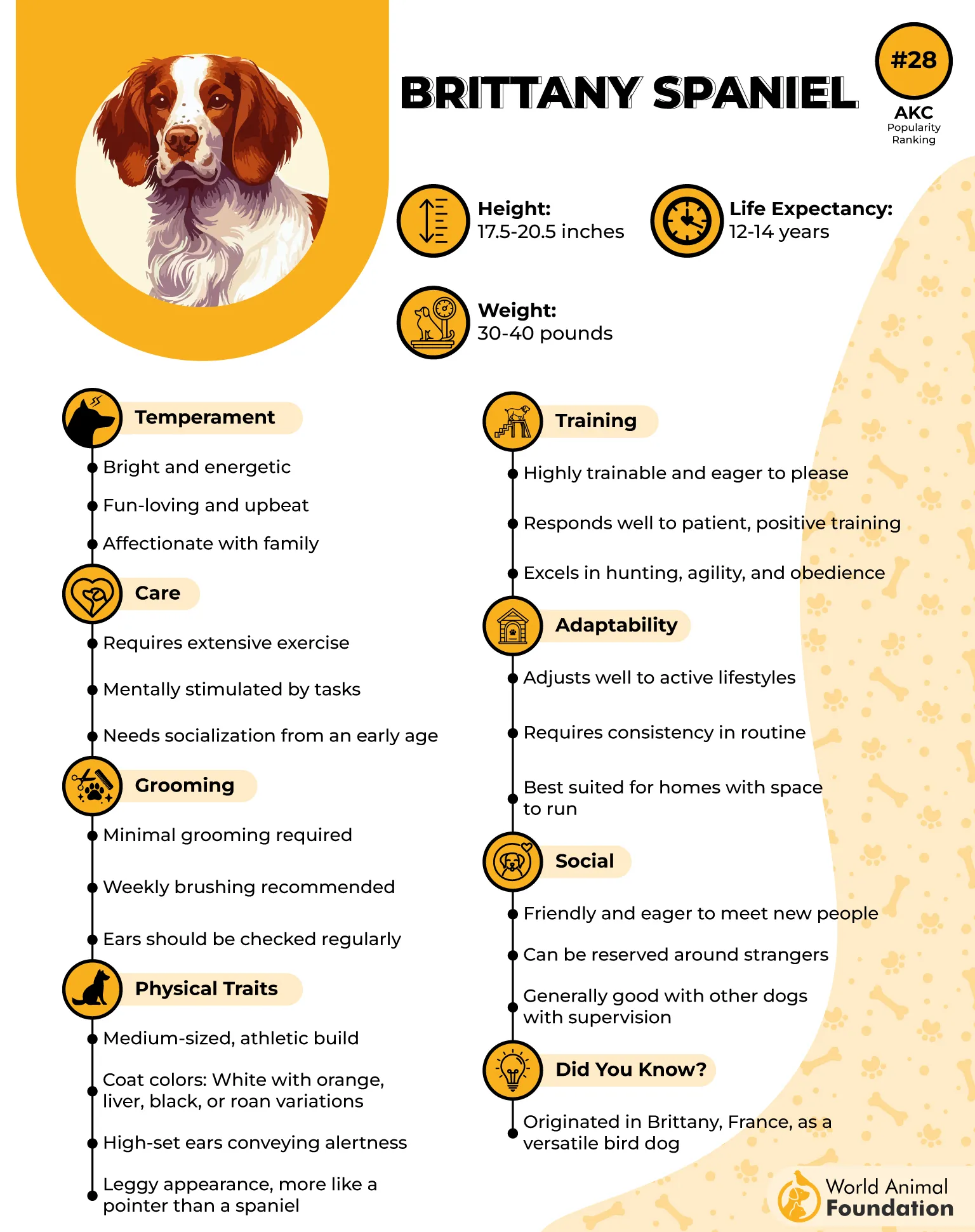
6. Brittany
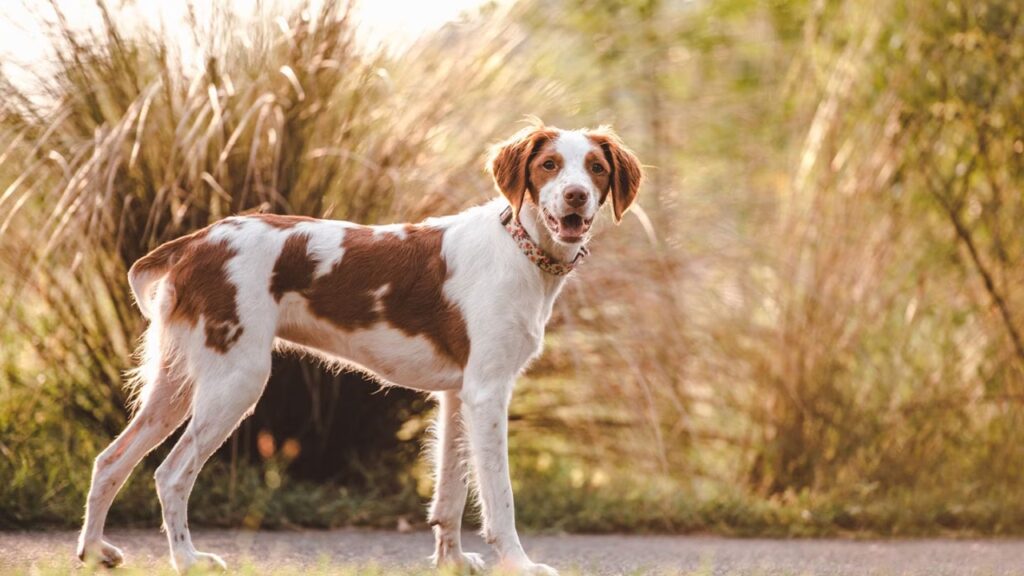
Brittany originates from the Brittany region of France, shaped through crossing small spaniel types with setter lines for pointing and retrieving work. Early selection even included dogs born with short or absent tails, refined further for field use.
Active field rhythm and scent response
They work with high energy across countryside settings, relying on a strong scenting ability while covering ground in repeated search patterns. Its role in woodcock hunting shaped a quiet working style with steady responsiveness.
This field behavior is reflected in practical working traits:
Tracks scent over long, continuous runs
Responds quickly during pointing situations
Maintains quiet focus during field work
Social behavior in daily life
Brittany shows a friendly and engaging temperament, often staying close to people and integrating easily into family environments. Its interaction with children, other dogs, and pets remains naturally open, without hesitation, in social settings.
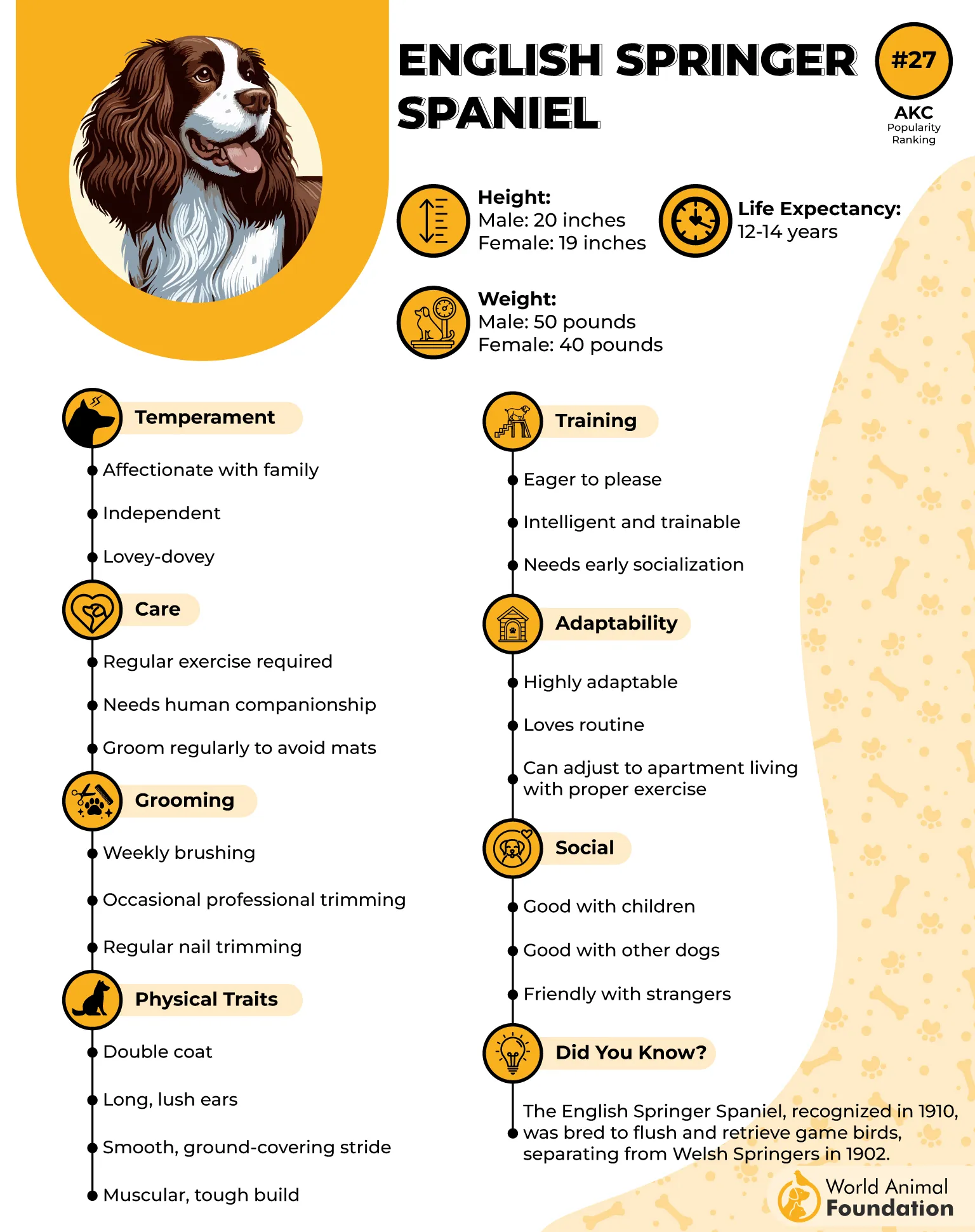
7. English Springer Spaniel
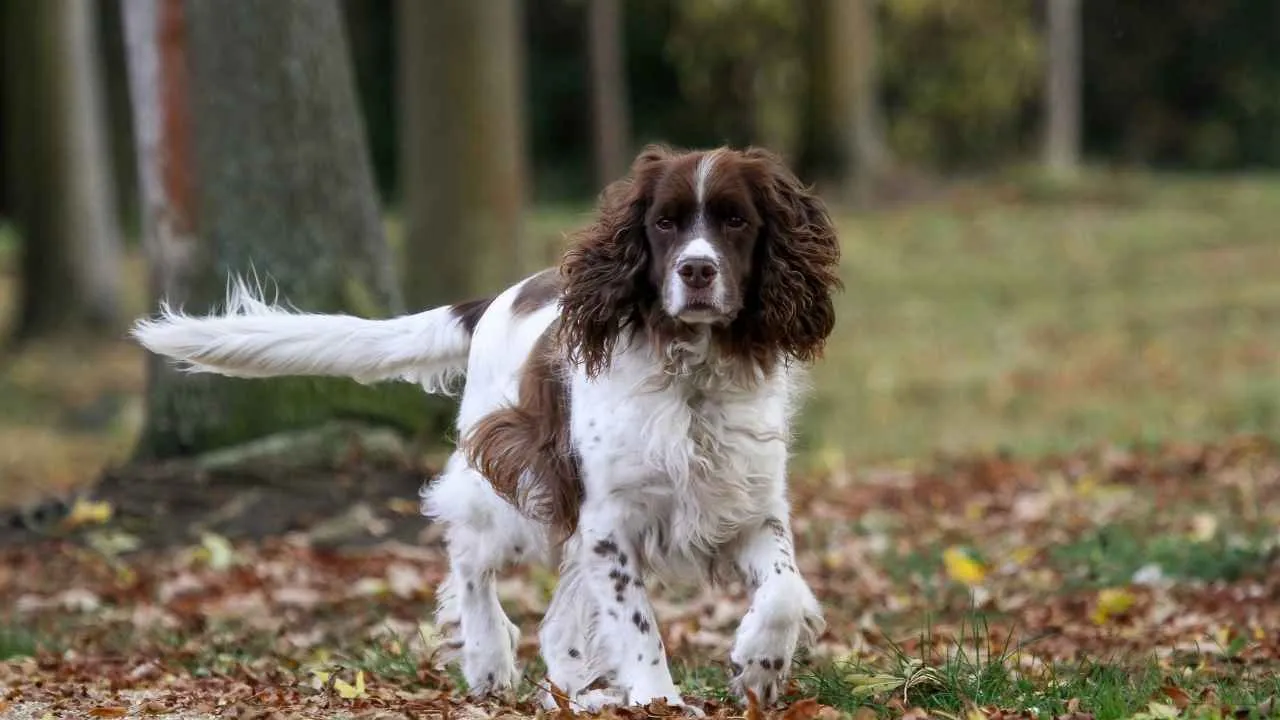
The English Springer Spaniel was shaped from large land spaniels in Britain, refined during the 1800s for flushing game across wide terrain. Its working purpose is focused on covering distance while locating and disturbing hidden game. This foundation built a dog driven by scent and ground coverage.
Active field behavior and scent response
They work through dense ground with constant nose-led searching, often pushing into cover where scent is strongest. Its tracking style stays energetic yet organized, supporting both flushing and retrieval roles.
This field behavior shows up in practical working actions:
Uses scent to locate hidden game in cover
Pushes through dense ground during search work
Retrieves after flushing without hesitation
Learning pattern and behavioral control
This breed responds quickly to instruction and adapts well to structured activities like obedience and agility work. Regular training helps balance its high activity level with calmer indoor behavior. Early social exposure supports smoother interaction across environments and routines.
Conclusion
Tracking ability reveals itself through patience, control, and a clear sense of direction. The tracking dogs highlighted here carry that ability in different forms, yet all show a strong connection to scent work. Some move with quiet precision, while others rely on stamina to follow trails over distance.
Knowing how each of these wonderful companion dogs approaches a trail helps set the right expectations before choosing one. Many also prove to be a great family dog while remaining dependable hunting partners in the field.
When that understanding is in place, their instincts fit smoothly into real use. Over time, this creates a working rhythm that feels consistent, purposeful, and easy to rely on.
