




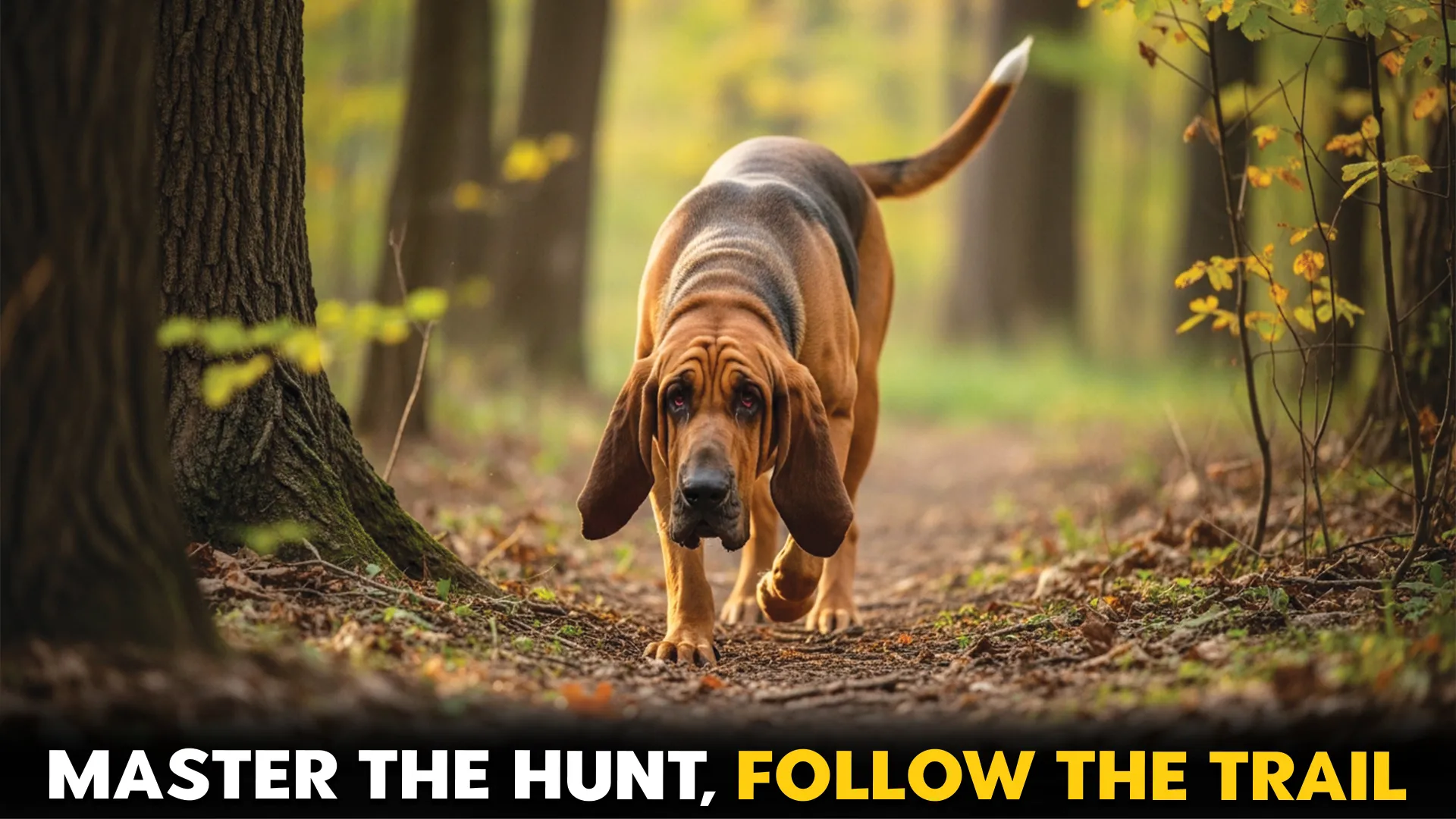
The sight of a skilled tracking dog that tracks its target by using its nose to track the scent on the ground to reach its destination remains a permanent memory. Before hunters arrive at the edge of the woods, these loyal companions are already reading scent trails like an open book.
The combination of their focus, endurance, and their natural hunting abilities creates partnerships that produce outstanding results.
Hunting dogs fulfill their purpose through more than just their ability to chase down animals. The dog demonstrates hunting skills when it hunts white-tailed deer and when it tracks down injured animals. Certain dog breeds exist because breeders created them to fulfill specific hunting requirements, which include deer hunting, cold-water duck hunting, and small game hunting.
Fun Fact
A tracking dog can follow blood trails with such accuracy that certain dog breeds can detect scent particles that are up to several days old. Dogs possess a sense of smell which is approximately 10000 times greater than that of humans. Their abilities make them suitable for both big game hunting and search-and-rescue operations. The situation appears quite impressive, correct?
Top Hunting Dog Breeds Mastering Trail Tracking
1. German Shorthaired Pointer
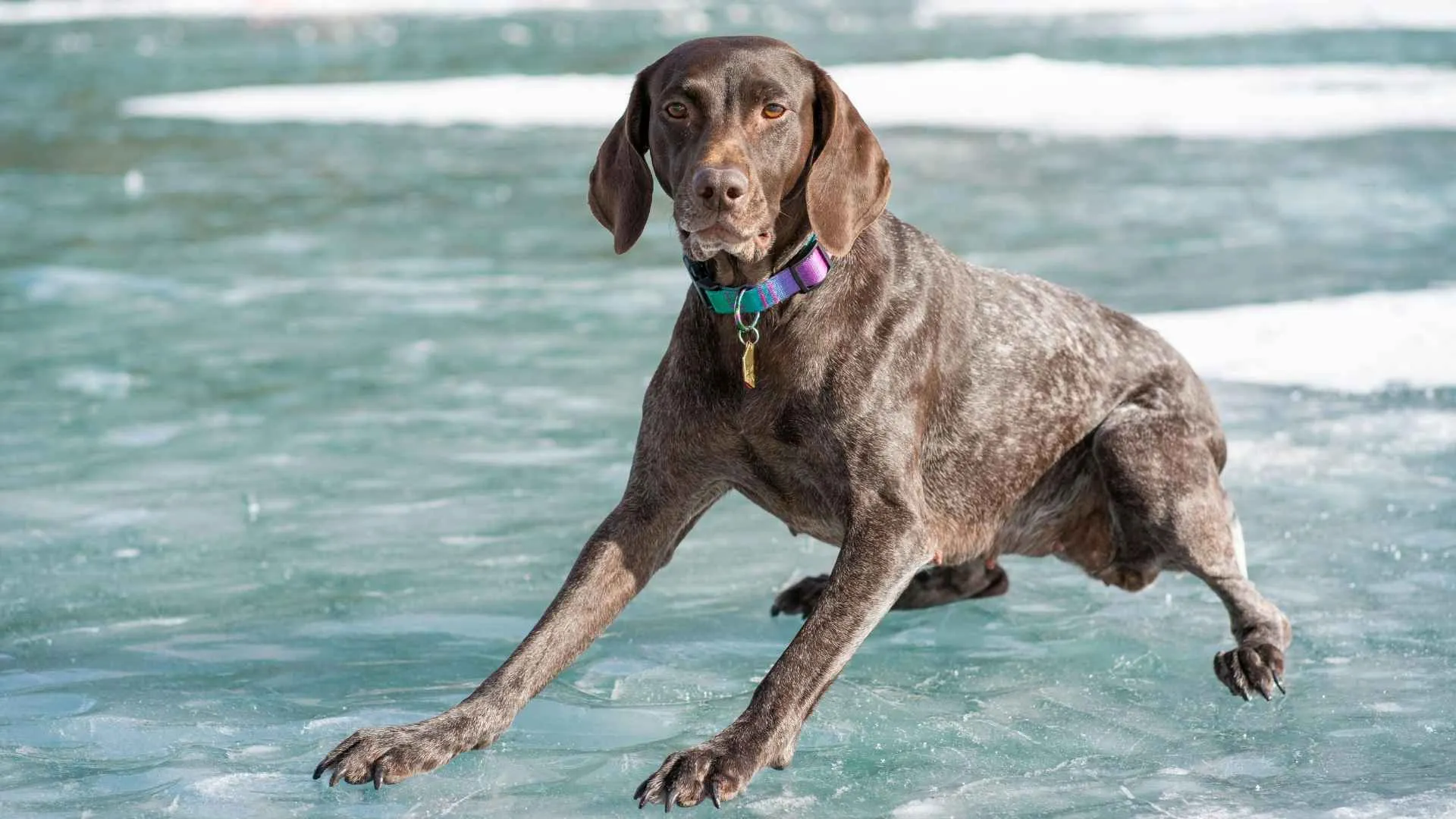
The German Shorthaired Pointer combines two essential characteristics that create its exceptional performance capabilities. Hill’s Pet Nutrition reports that this medium-sized, muscular hunting dog reaches a height range of 22 to 24 inches and a weight range of 45 to 70 pounds. The dog uses its sleek liver or liver-and-white coat to move quickly through thick underbrush.
The energetic and adventurous breed of dog shows its best performance through its work during deer hunting, bird retrieval work, and tracking tasks for wounded animals. The dog is well-suited for bird hunting and small game hunting because of its strong prey drive and sharp instinct abilities.
The German Shorthaired Pointer develops into a dedicated family pet who shows both affection and playfulness to his family members.
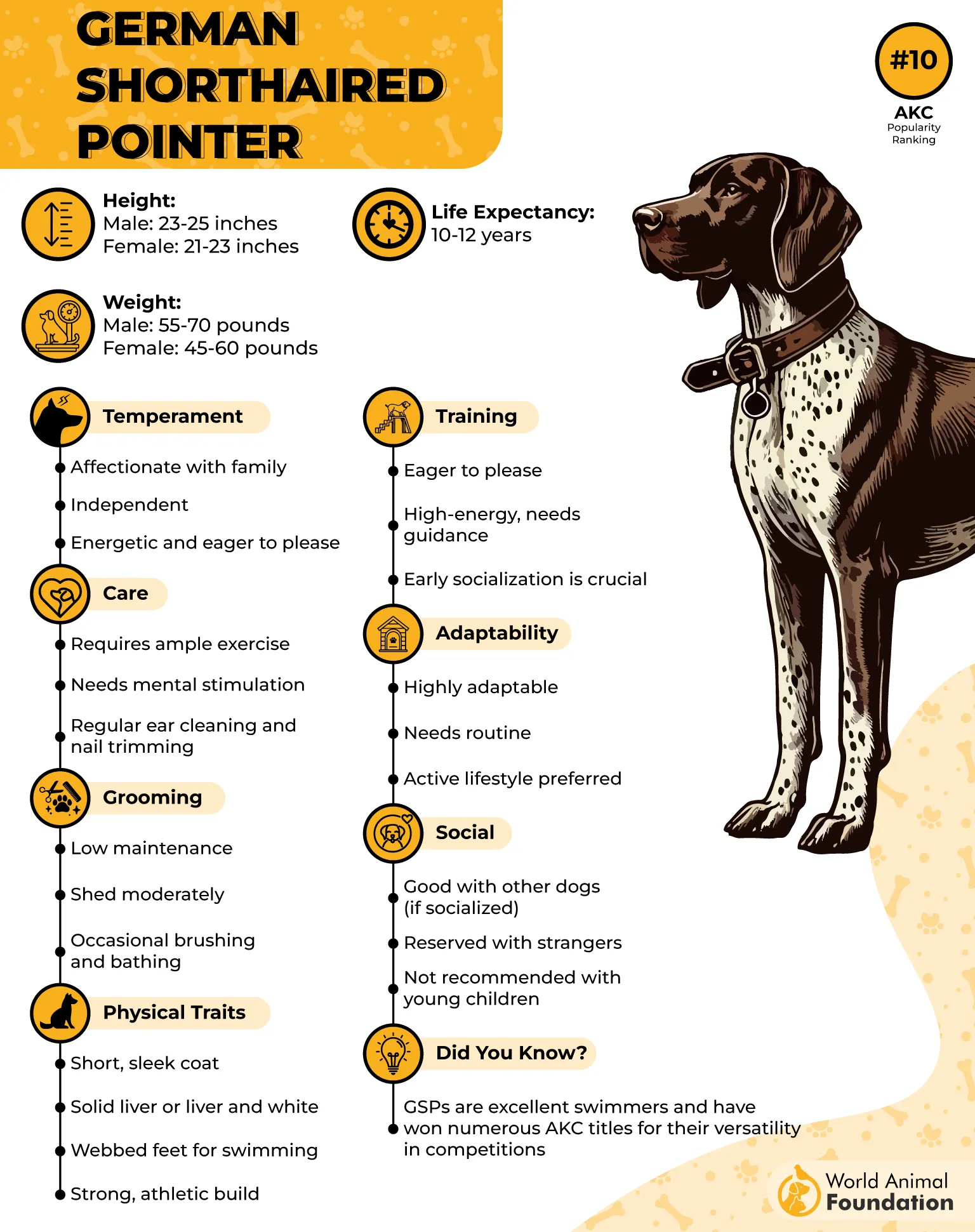
The active nature of this companion requires outdoor training because it becomes easily distracted in outdoor spaces. It learns quickly through training because it requires proper guidance and positive reinforcement methods. The dog behaves well with other dogs but needs supervision because it will pursue any small animals that catch its interest, especially rabbits and tiny pets.
Hunters who need a single dog to track upland birds, blood traces, and large game will find this breed to be their most suitable choice.
2. Brittany
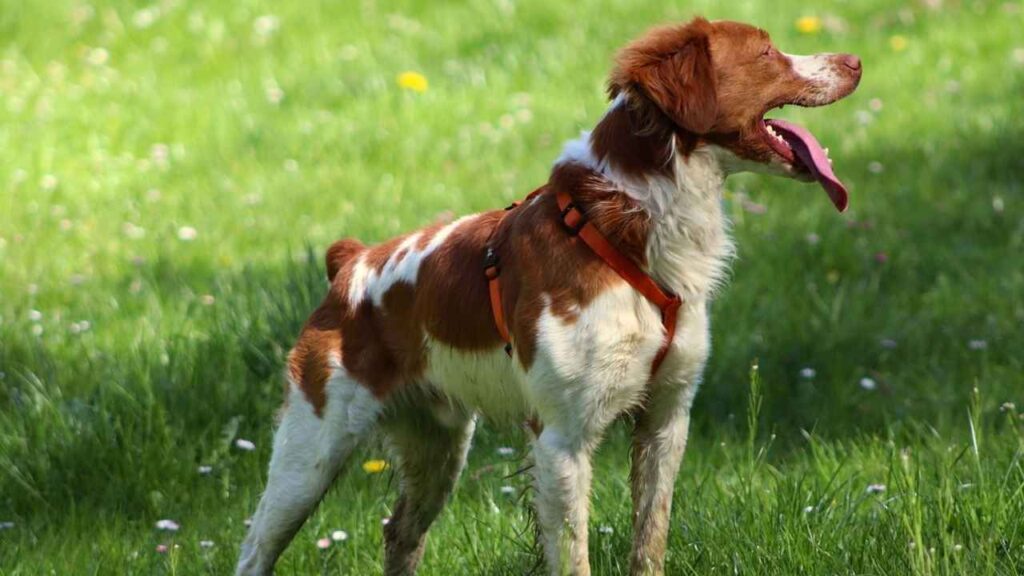
The Brittany demonstrates its strength through its ability to perform both agile movements and sustained physical activities. Purina mentions that this medium-sized dog breed has a muscular body structure that maintains its endurance through its fine yet slightly wavy coat. The outfit appears stylish, but its field performance proves to be its actual worth.
This hunting dog shows sociable behavior, which enables it to build strong family connections, while it fits well into families that lead active lives. The dog achieves success in hunting birds and tracking small game through its dual capabilities of sight and scent detection.
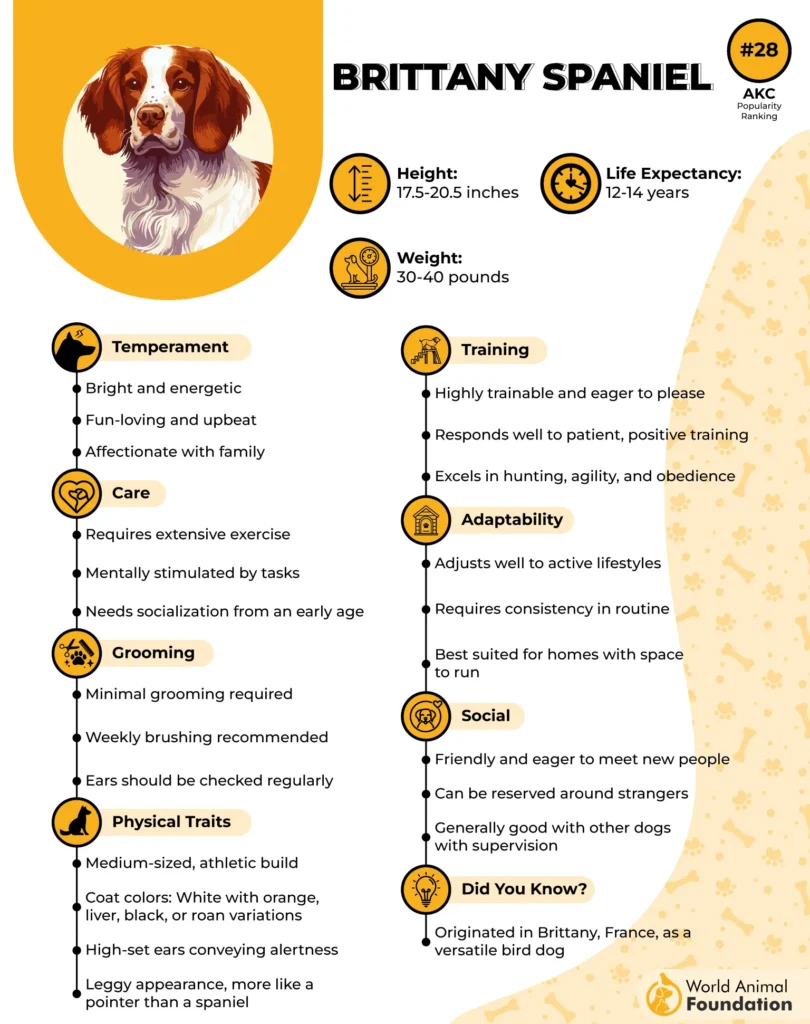
This dog requires daily exercise because it possesses both a powerful sense of smell and a strong innate drive. Britanny needs mental activities to fight off boredom, which will help it maintain control over its hyperactive behavior. It shows love for children and all pets, but needs to spend time outside to get enough exercise.
This active dog delivers two essential qualities of heart and hustle to hunters who participate in both duck hunting and upland work activities.
3. English Springer Spaniel
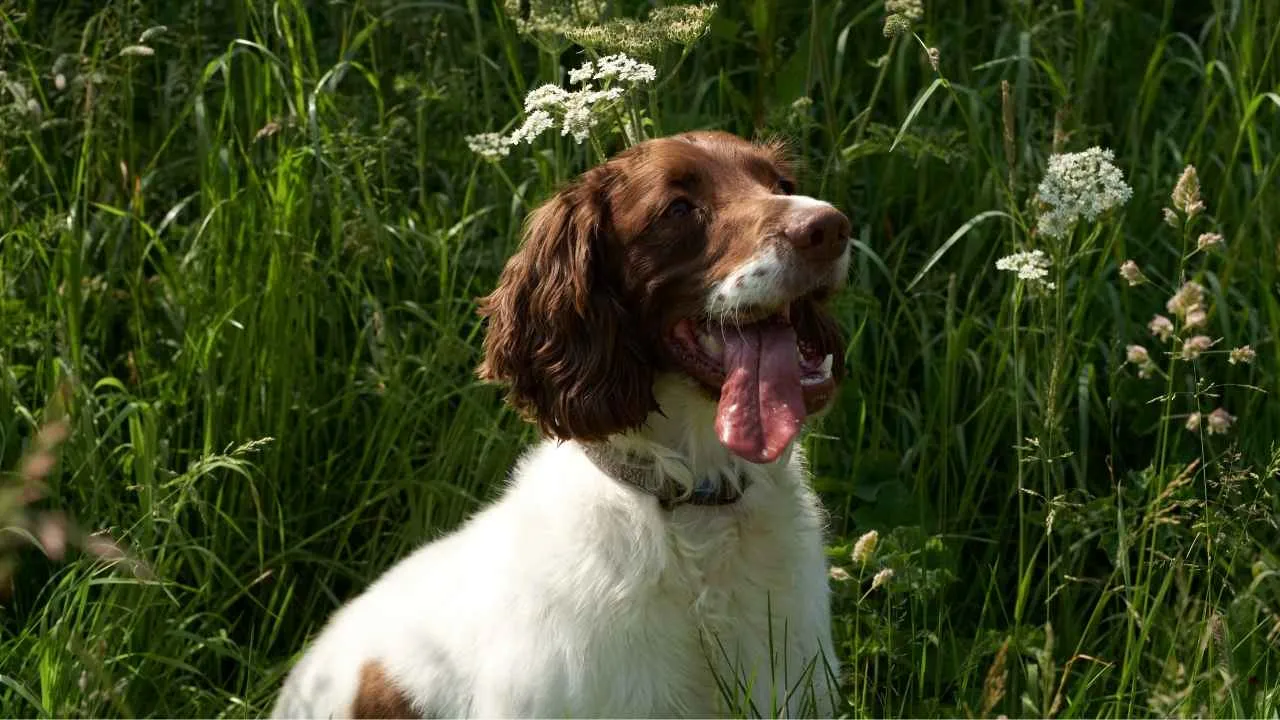
The American Kennel Club recognizes the English Springer Spaniel as a breed that combines athletic abilities with a sweet temperament. The English Springer Spaniel stands between 19 and 20 inches tall, while its weight ranges from 40 to 50 pounds, and it has extended ears that show its intelligent nature through its deep-set eyes.
People develop this breed to hunt and retrieve game birds from their hiding spots. The ESS moves forward with a smooth walking pattern while its double coat protects it from the sun during its extended time in outdoor environments. It assists the hunter by working hard to track scent trails and bring back items from icy water.
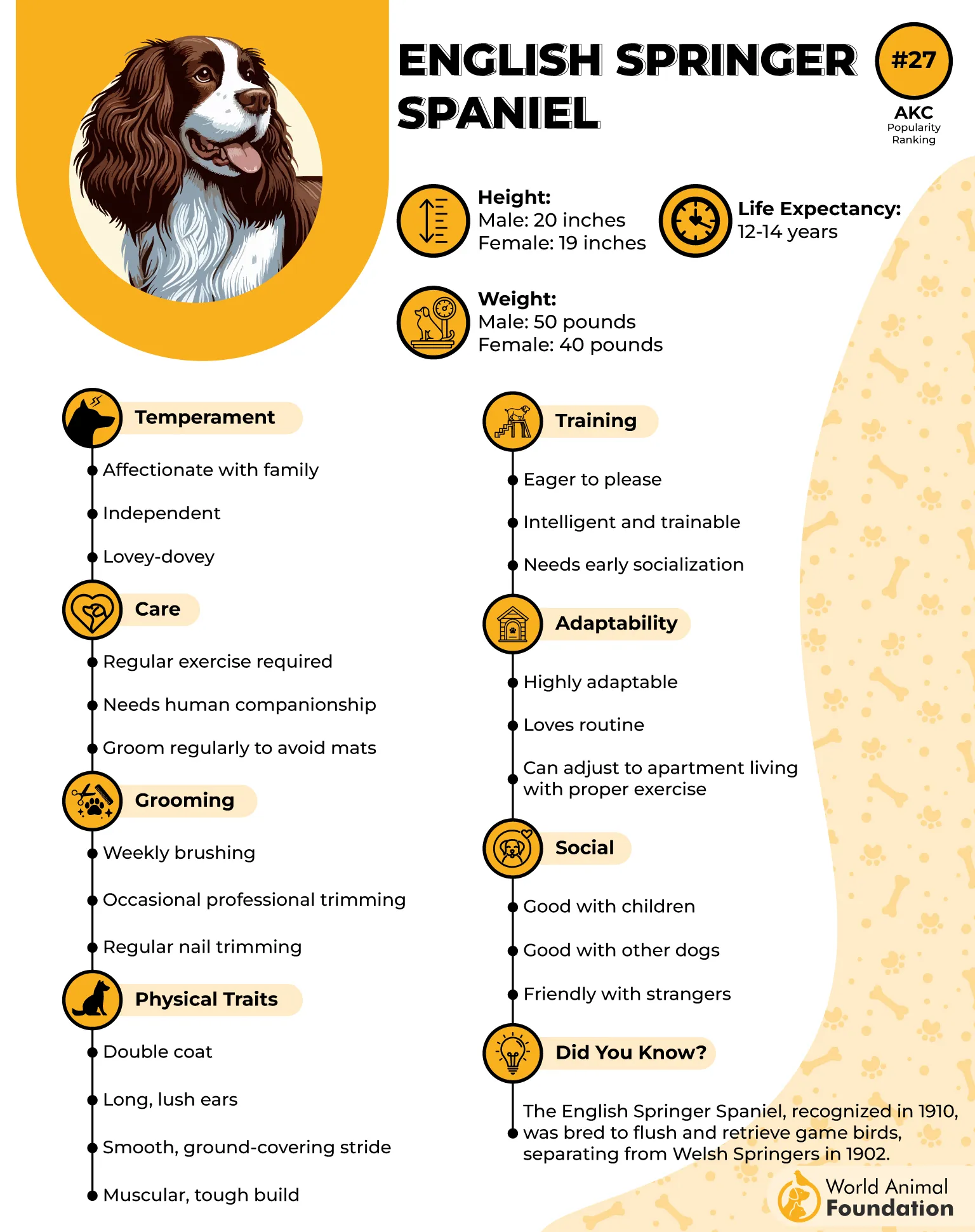
The English Springer Spaniel learns commands quickly because it wants to make its owner happy through positive training methods. It maintains a calm behavior that allows it to interact with young children in a friendly way. It shows steady energy levels, which make it suitable for both hunting activities and home life.
The sporting companion delivers reliable performance during all hunting activities, which include small game hunting and duck hunting.
4. Bluetick Coonhound
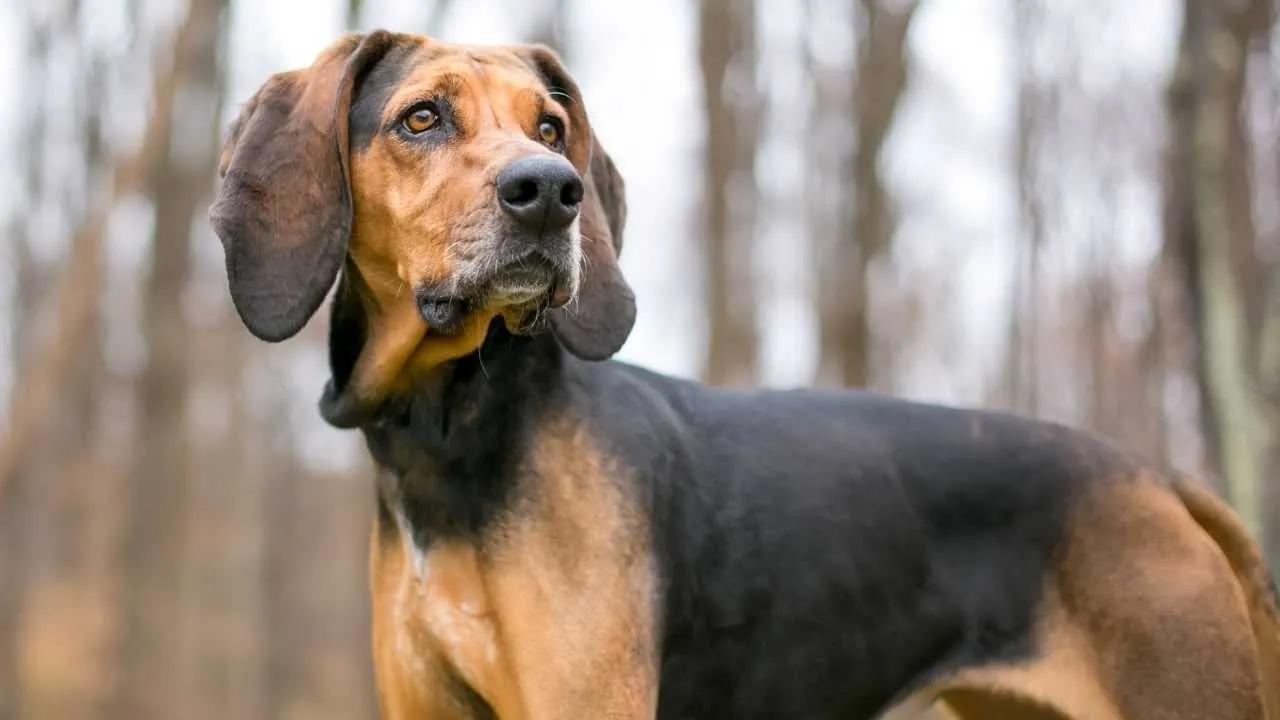
The Bluetick Coonhound is an American tracking dog breed that features a ticked coat and produces deep, vocal howling sounds. The breed was created as a powerful dog that can chase raccoons and track down bigger animals such as wild boar.
At home, the dog displays a friendly and devoted personality, but transforms into an intense predator when it detects a scent. The Bluetick Coonhound can follow its prey through extended distances because of its strong prey drive and outstanding smelling abilities.
Hunters prefer this breed because of its ability to hunt at night and traverse tough outdoor locations.
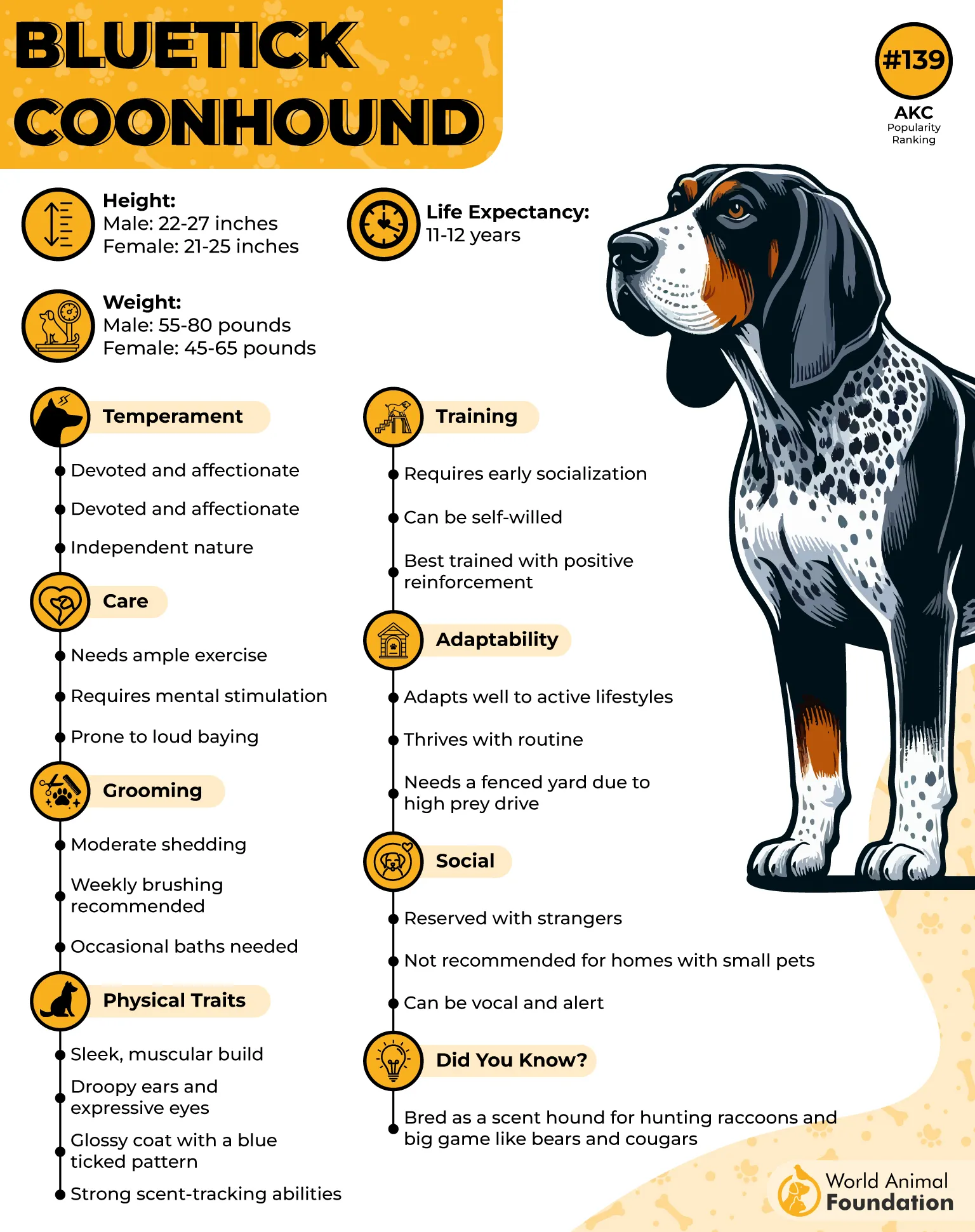
The Coonhound needs between one and two hours of exercise each day. It may begin howling and showing signs of restlessness when it does not have anything to do. The Bluetick Coonhound needs to stay on a leash or in a fenced area during outdoor time because it has strong tracking instincts.
The American Hound was engineered to follow wounded game and chase foxes through thick forest regions.
5. Redbone Coonhound
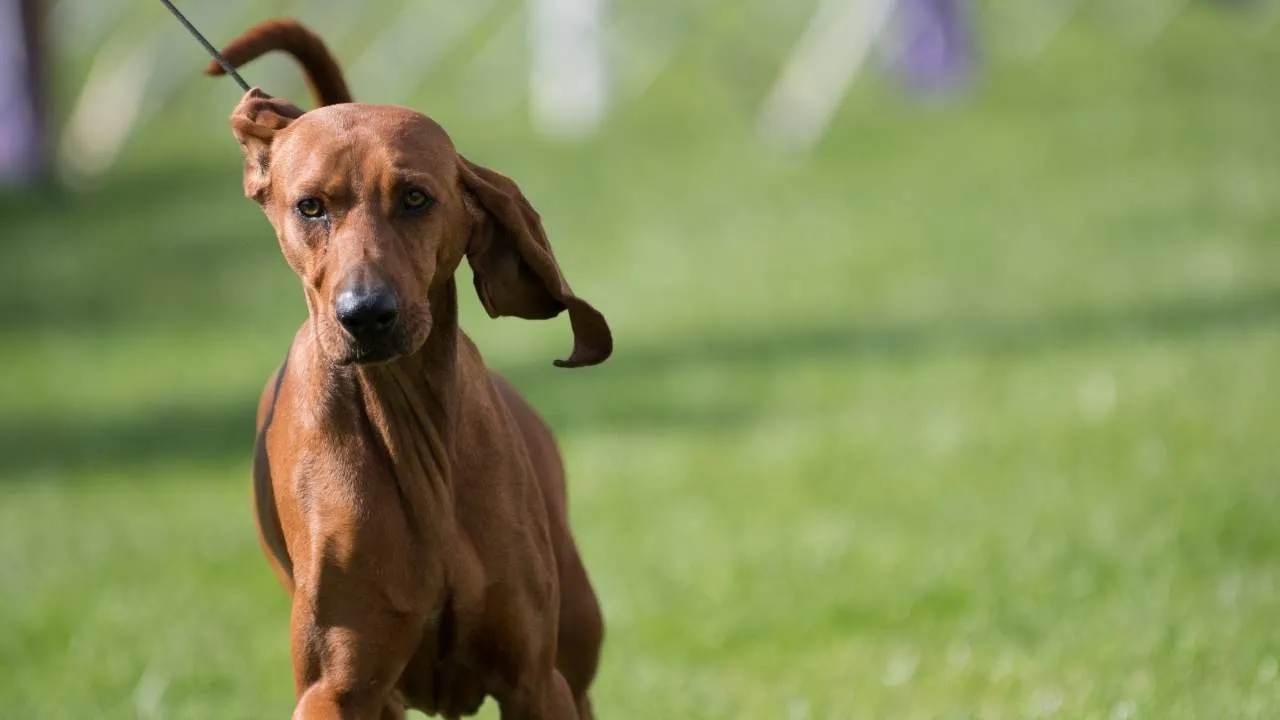
The Redbone Coonhound traces its origins back to the 1700s, when selective breeding efforts focused on developing a skilled raccoon hunter—ultimately producing a dog known for its distinctive deep red coat.
The Redbone Coonhound is friendly and loyal, making it happy to explore nature with its owner. It shows exceptional endurance while it hunts for deer and bears. After a muddy hunt, maintenance is simple, as the dog’s short coat requires only minimal grooming.
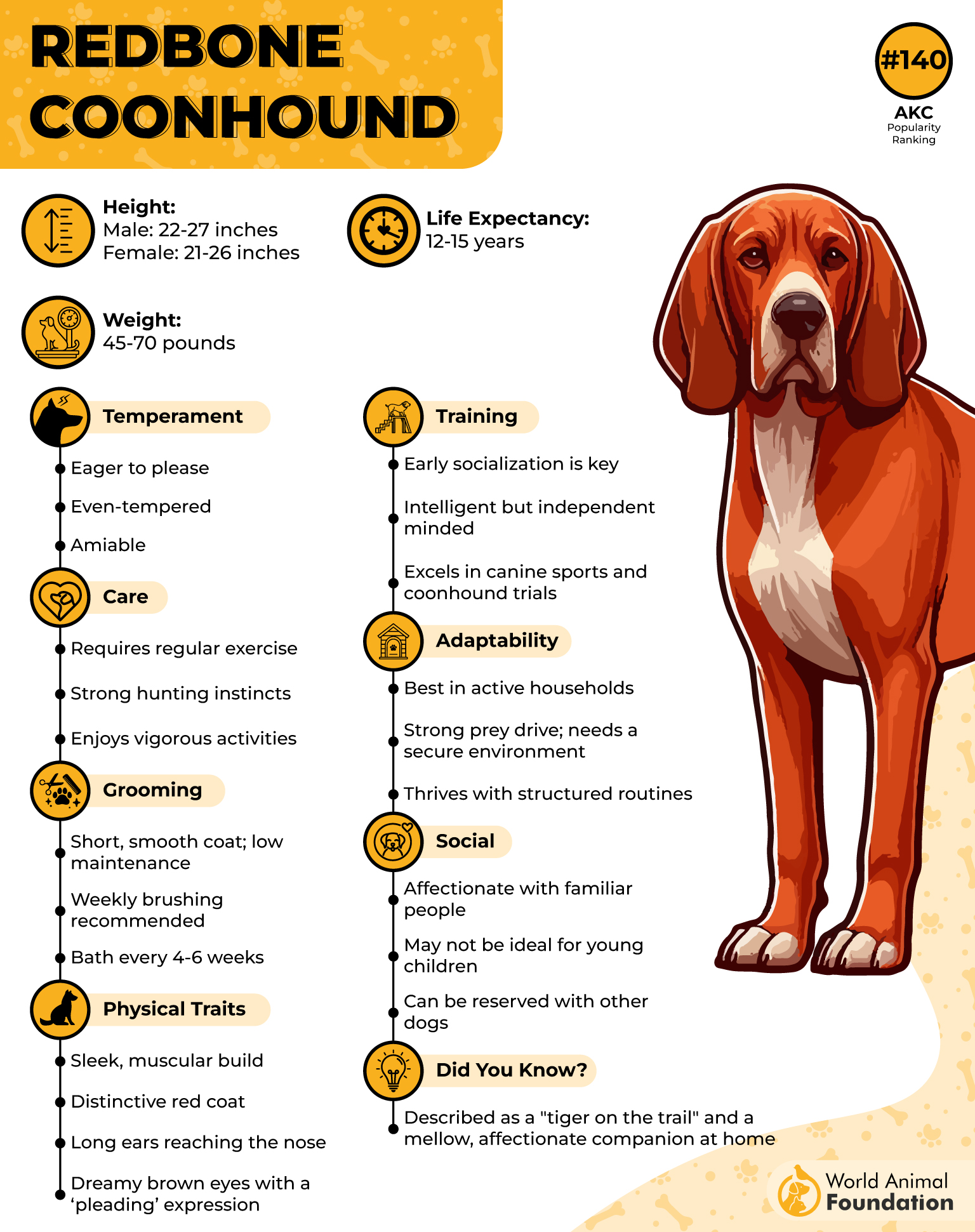
This hunting dog enjoys swimming and adapts well to humid climates. The dog shows love toward its family members, but it keeps the independent nature that most scent hounds possess. The dog will follow its master through the woods while hunting down injured animals.
6. Bloodhound
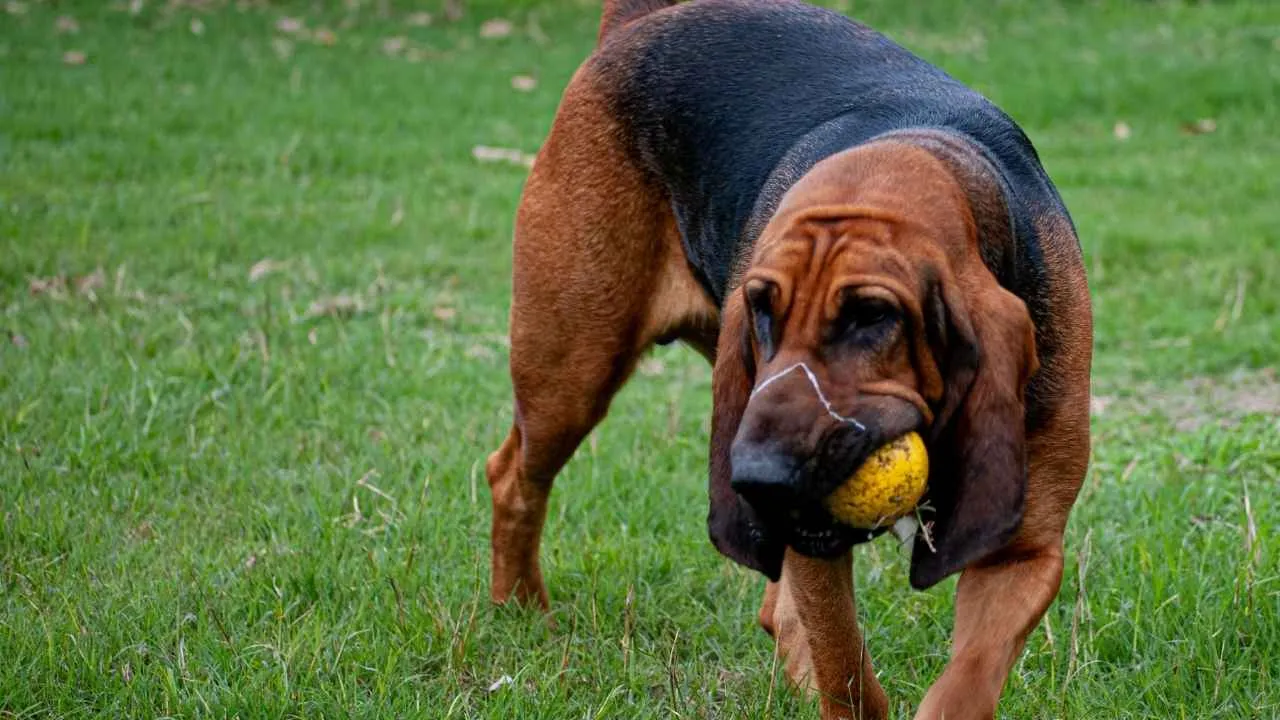
Bloodhounds rank among the most successful tracking dog breeds. They are widely recognized for their unmatched sense of smell and calm disposition compared to other hounds. It has distinctive facial features, which include a wrinkled face and long ears, yet its primary characteristic lies in its ability to track scents.
The Bloodhound brings a gentle and patient nature to its family, even though it was raised to follow wounded animals. It shows great skills in blood tracking and deer recovery because of its scent-tracking abilities.
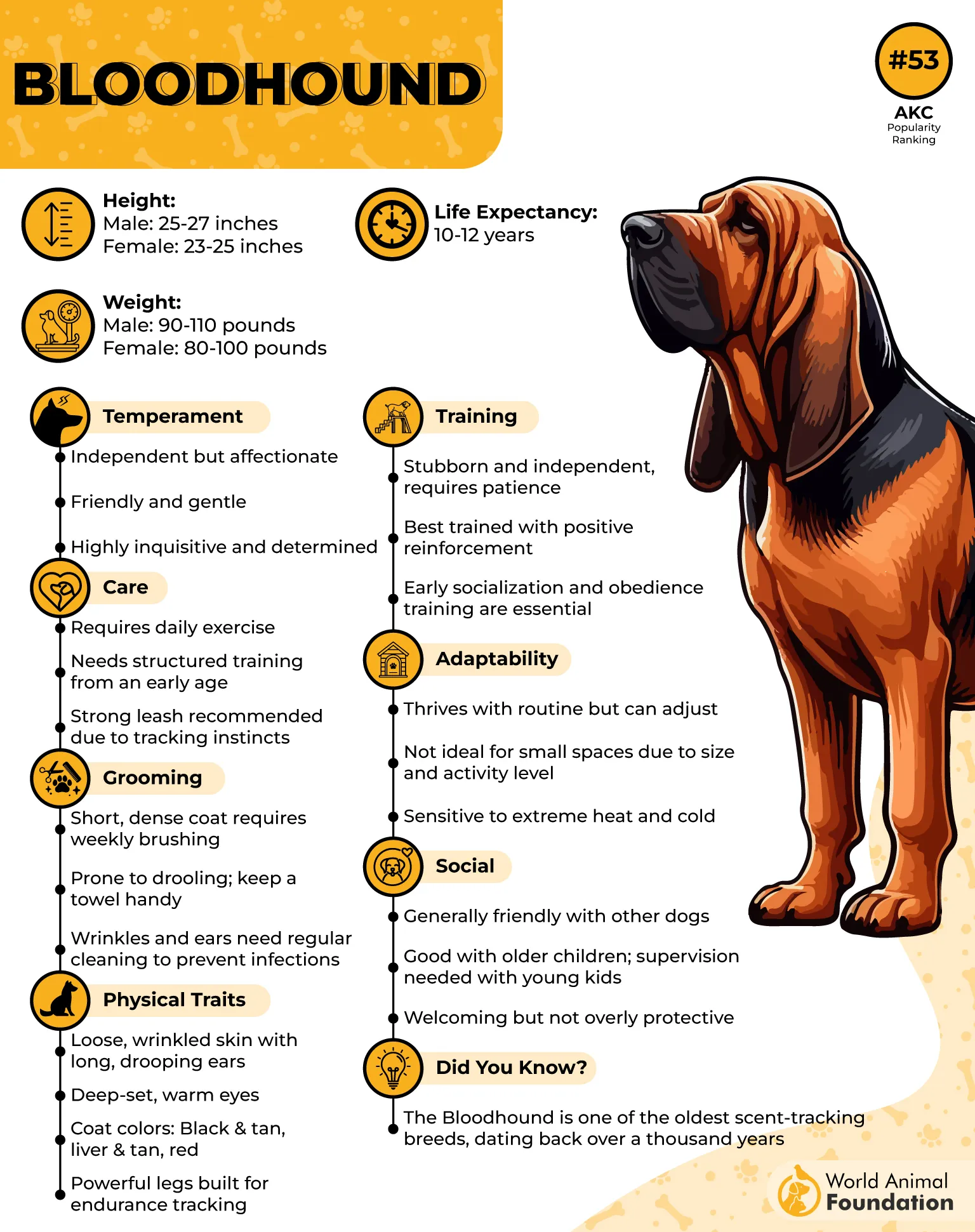
The Bloodhound shows affection toward individuals, but it exhibits two personality traits, which include sensitivity and stubbornness. Training during early development helps build stable self-assurance abilities. This particular breed shows its true abilities through its actual work.
This scent expert stands apart from all others because it possesses special skills in tracking wounded animals
7. Weimaraner
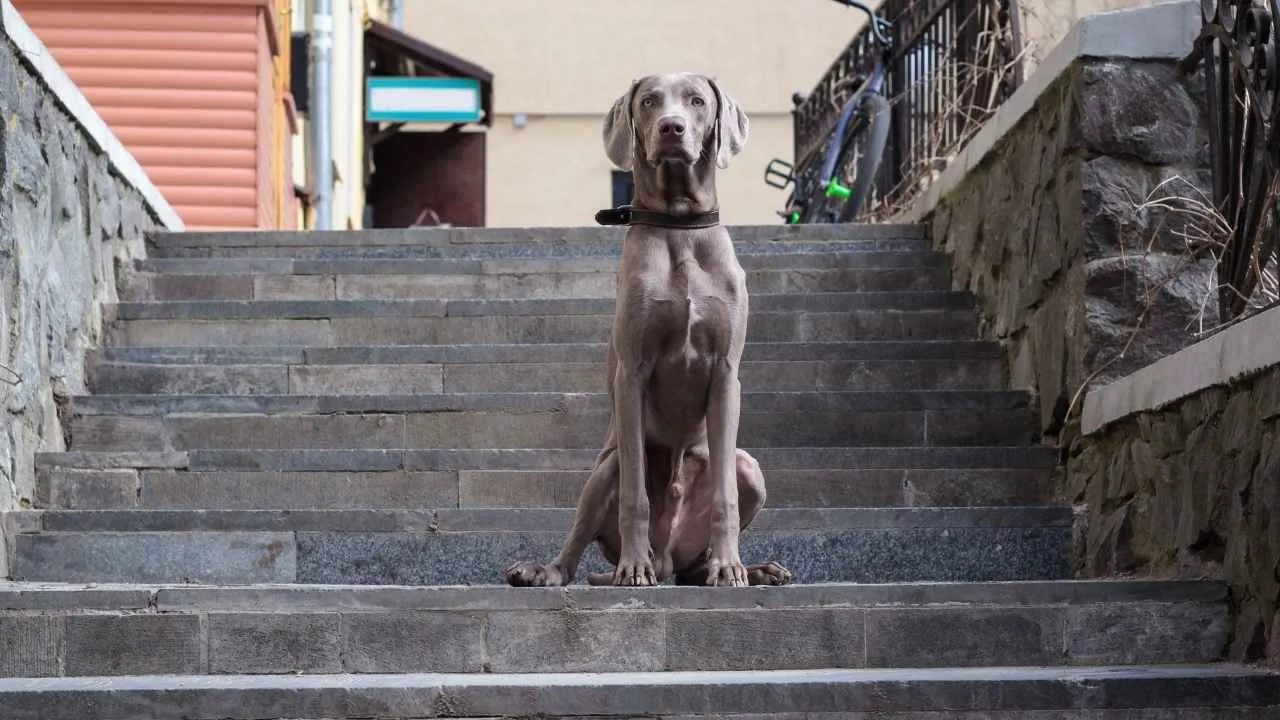
The Weimaraner attracts attention because of its sleek silver-gray coat and its striking eyes. PDSA reports that this intelligent hunting dog was developed to hunt large game species, which include deer and wild boar.
The Weimaraner establishes strong connections with its family because it needs to stay with them. It uses its webbed feet and athletic build to swim and hunt ducks because these features enable it to retrieve waterfowl.
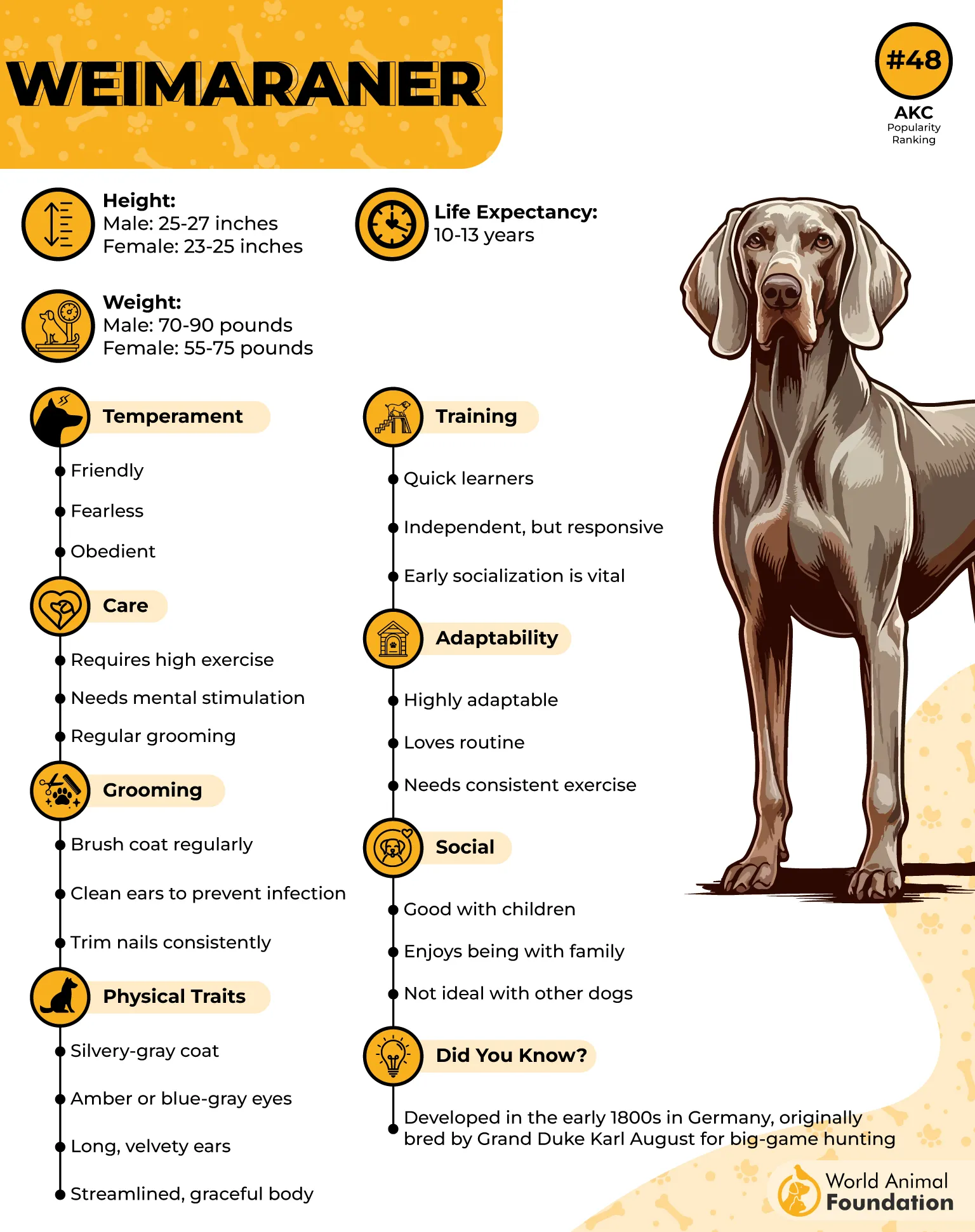
The Weimaraner demands comprehensive exercise throughout the day. This dog maintains its energy level through walking and training at specified times and through running in open areas. It shows its rebellious nature when it does not receive any guidance.
The Weimaraner needs to stay on a leash because of its strong hunting instincts, but it performs best when its handlers use firm yet gentle guidance. The powerful dog provides outstanding performance for experienced hunters who need a loyal yet dedicated hunting companion.
Conclusion
Top hunting dog breeds that excel at trail tracking operate as hunting tools. These dogs serve as partners that combine their instincts with their mental abilities and their steadfast devotion.
Their dedication to work is exceptional as they pursue deer and track wounded animals and flush birds from dense vegetation.
To select the correct dog breed, you must first comprehend its energy requirements, tracking abilities, and training requirements. The exceptional companions need mutual respect, proper training, and patience to create a partnership that transforms all trails into collective experiences.
