




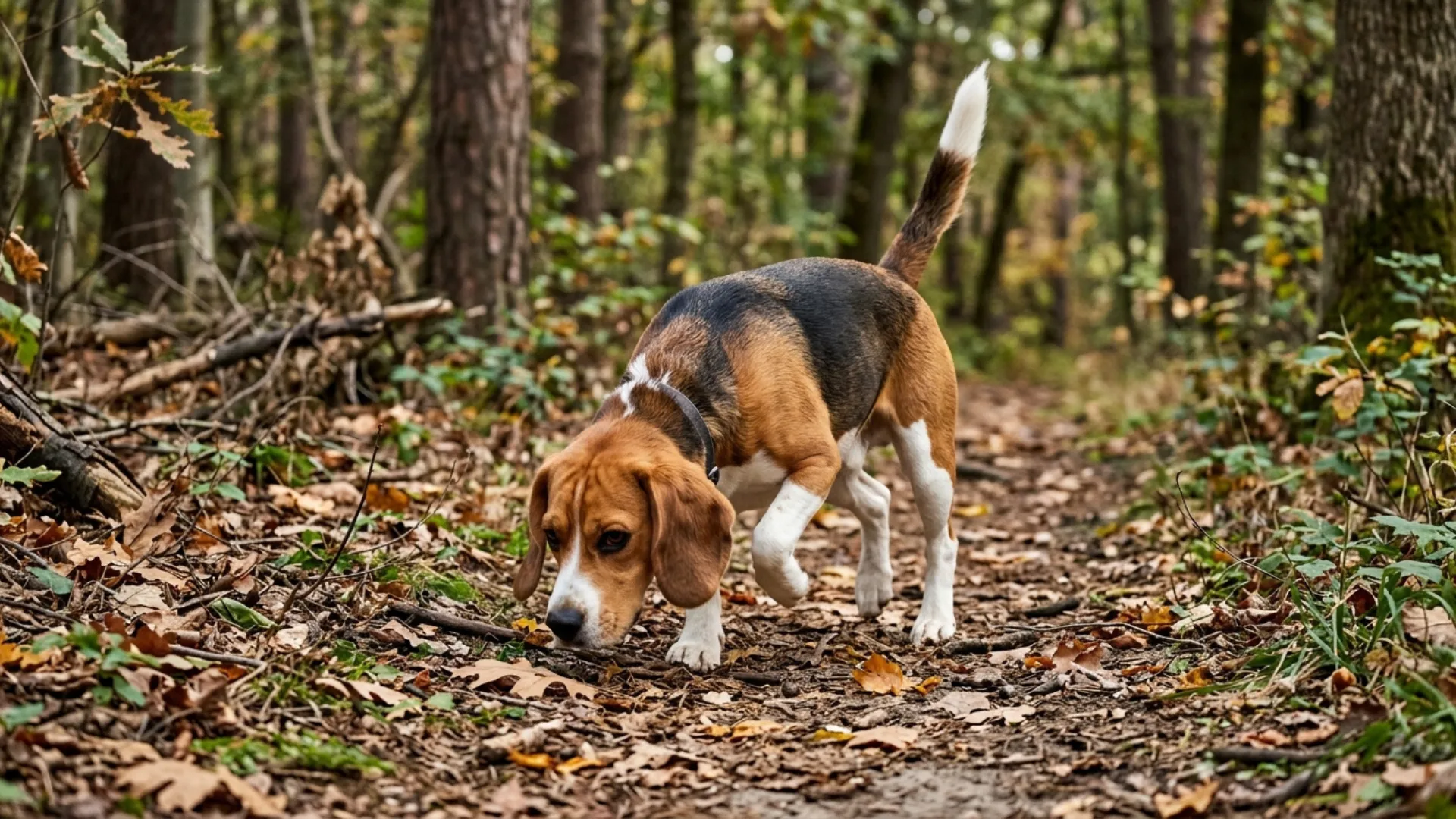
Ever watched a dog lower its nose, ignore every distraction, and follow a scent trail like it is reading a map only it can see? That is the kind of talent that turns an ordinary hunting trip into an unforgettable adventure.
The best tracking dogs combine remarkable noses with focus, stamina, and the determination to stay on the trail when conditions get tough. Whether the path winds through thick woods, open fields, or muddy marshes, these hardworking companions are built to keep searching.
Let’s take a closer look at the tracking breeds that truly shine when every scent tells a story.
Did you know?
Your scent is especially meaningful to your dog. While dogs recognize many different smells, the scent of a familiar human appears to trigger a positive reward response in their brain, showing just how special their favorite people are.
Top Hunting Dog Breeds with Superior Tracking Ability
1. German Shorthaired Pointer
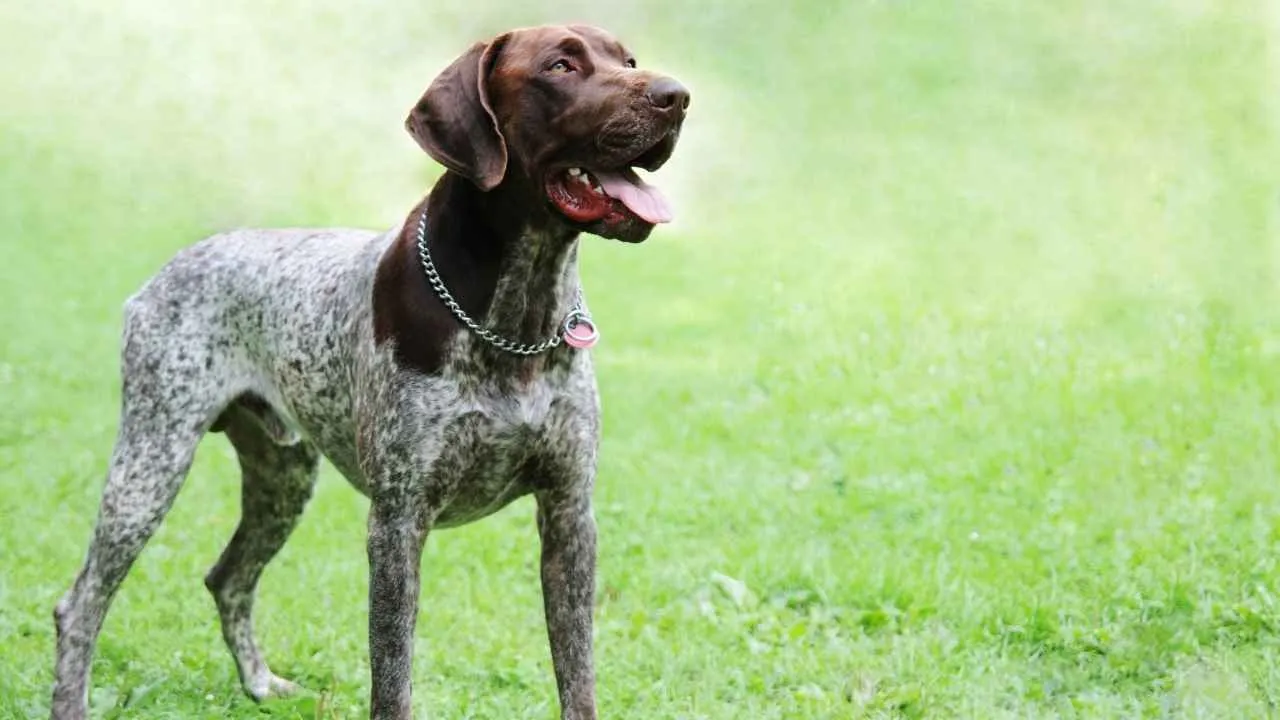
The German Shorthaired Pointer has serious “put me in, coach” energy. Friendly, smart, and eager to work, this breed brings tracking, pointing, and retrieving into one athletic package without acting like the job is too fancy for fun.
German hunters originally bred this dog as a versatile bird dog sometime in the 1800s. That careful work created a field partner built for long outdoor days, quick learning, and enough enthusiasm to make a lazy afternoon feel personally offensive.
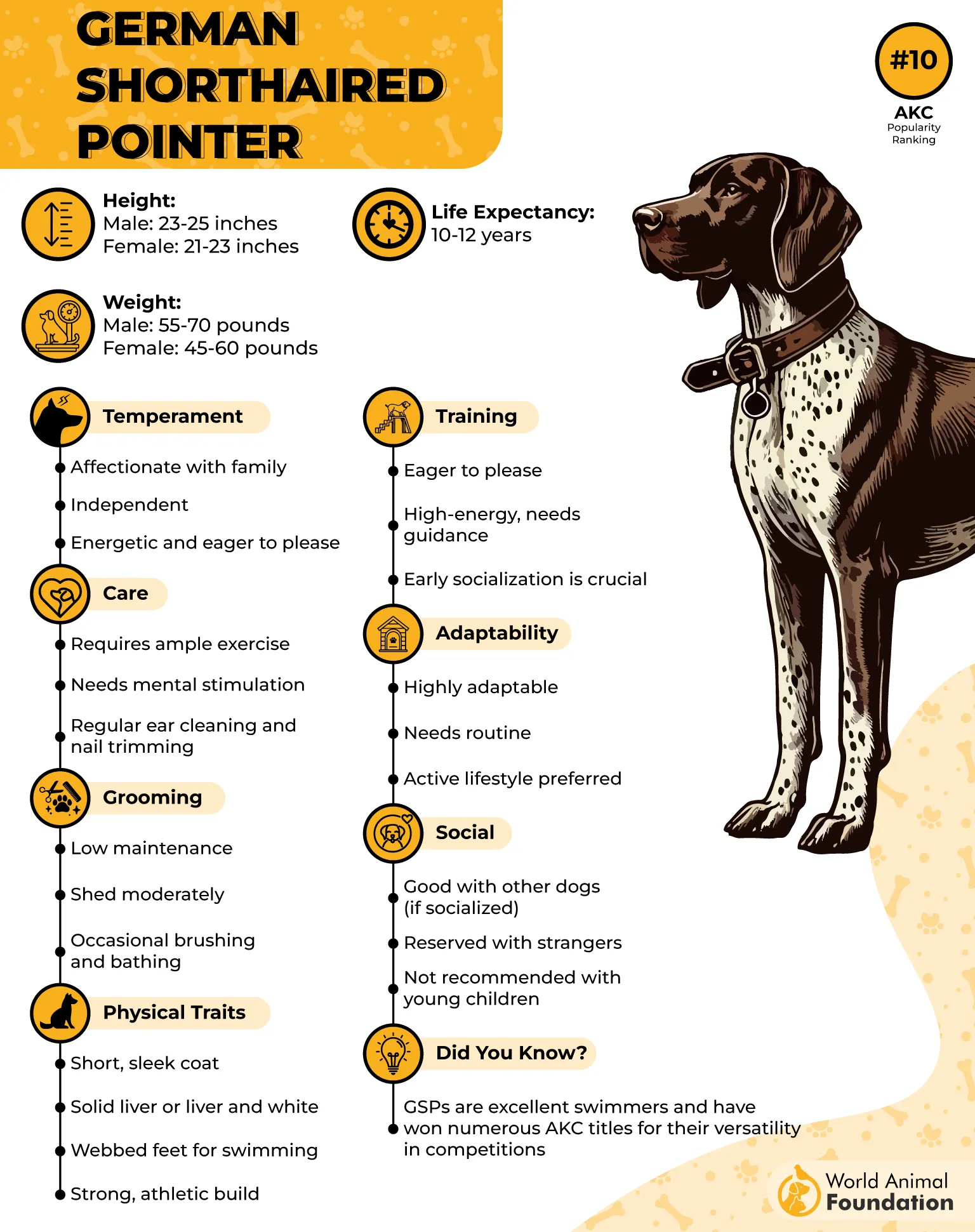
This breed’s superior scent tracking ability comes from its hunting focus, athletic build, and strong prey drive. Add quick learning and stamina, and the German Shorthaired Pointer becomes the kind of dog that treats a scent trail like unfinished business.
What Makes This Breed Stand Out
Thrives with vigorous outdoor activity and purposeful work.
Can shine in field events, agility, obedience, and dock diving.
2. Bluetick Coonhound
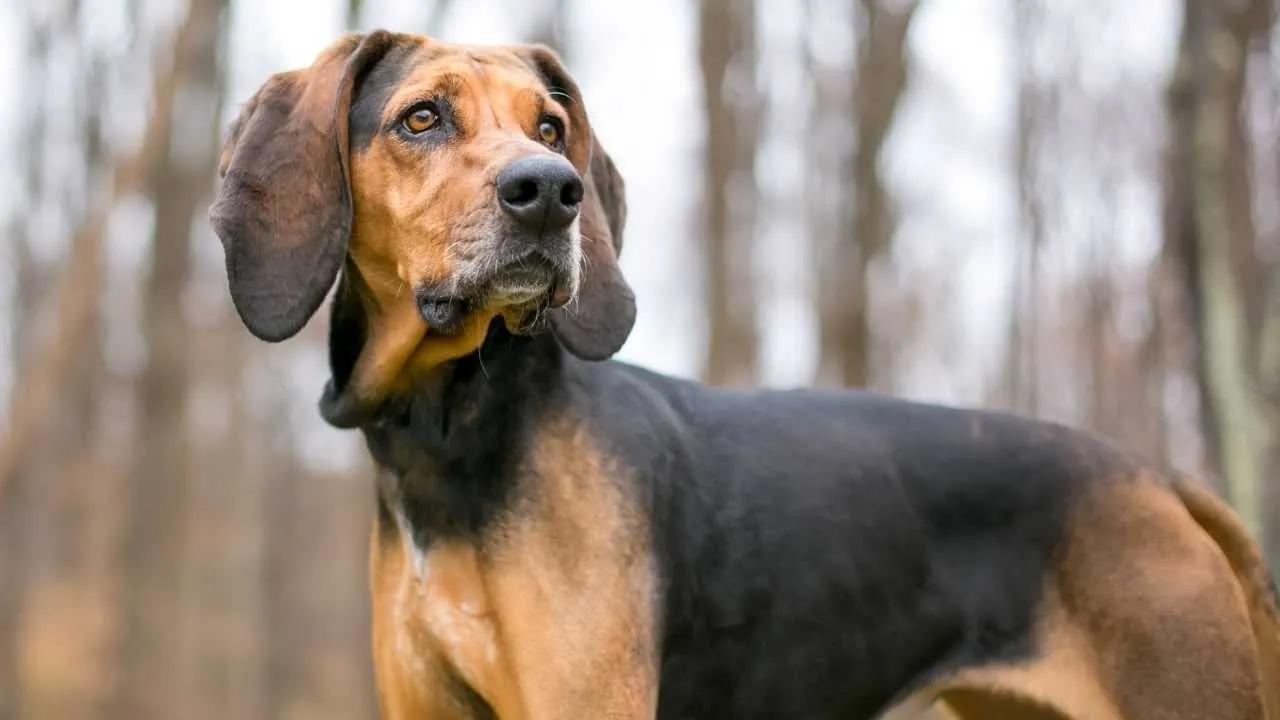
The Bluetick Coonhound is not here for a quiet little sniff and a polite shrug. This scent hound follows its nose with big personality, booming vocals, and that classic “I found something important, everyone gather around” energy.
Frontiersmen used this breed for raccoon hunting and big-game hunting, and its tracking talents also extend to deer. The Bluetick works well in packs, bringing endurance, nose power, and trail focus to rough outdoor situations.
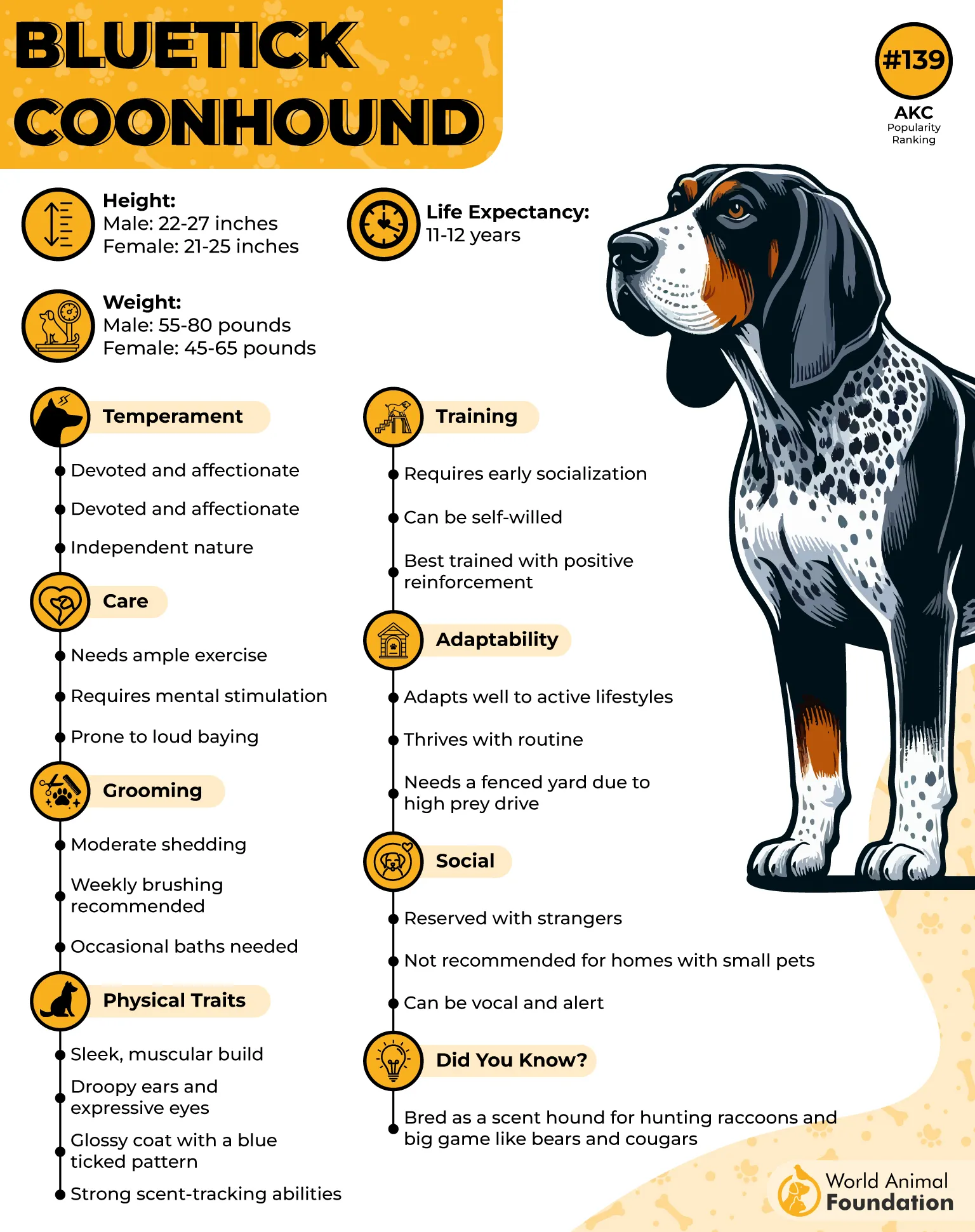
As noted by PetMD, Bluetick Coonhounds respond best to fun, reward-based training that begins early. Positive reinforcement encourages learning while strengthening your bond, and regular training sessions also give this bright, energetic breed valuable mental and physical stimulation.
What Makes This Breed Stand Out
Known for a distinctive hound voice while working a trail.
Enjoys outdoor access and active households.
3. Beagle
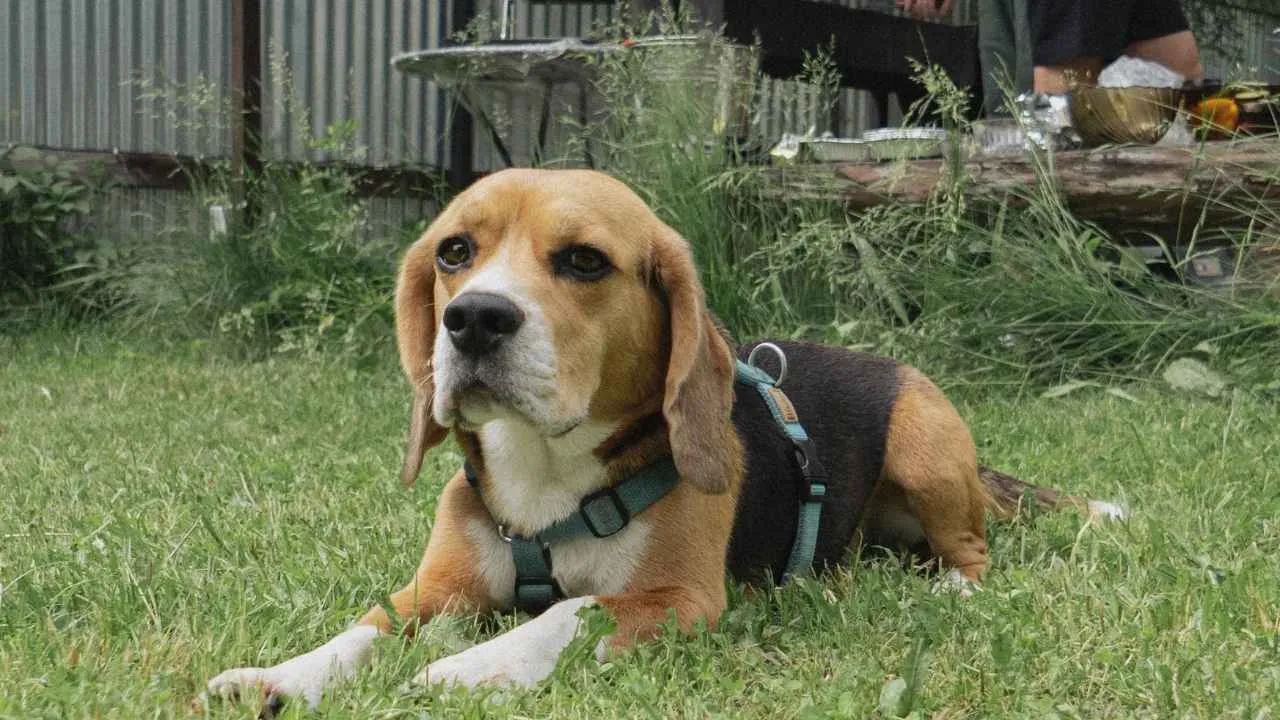
The Beagle may look cheerful enough to host a backyard snack party, but that nose is all business. This scent hound was developed for hunting hare, and its tracking instincts still give it a wonderfully determined little detective streak.

A Beagle needs activity and mental engagement to stay happy. Walks, runs, long hikes, scent walks, nose work, barn hunts, and hiding toys all suit this curious breed, especially when that busy nose needs a proper assignment.
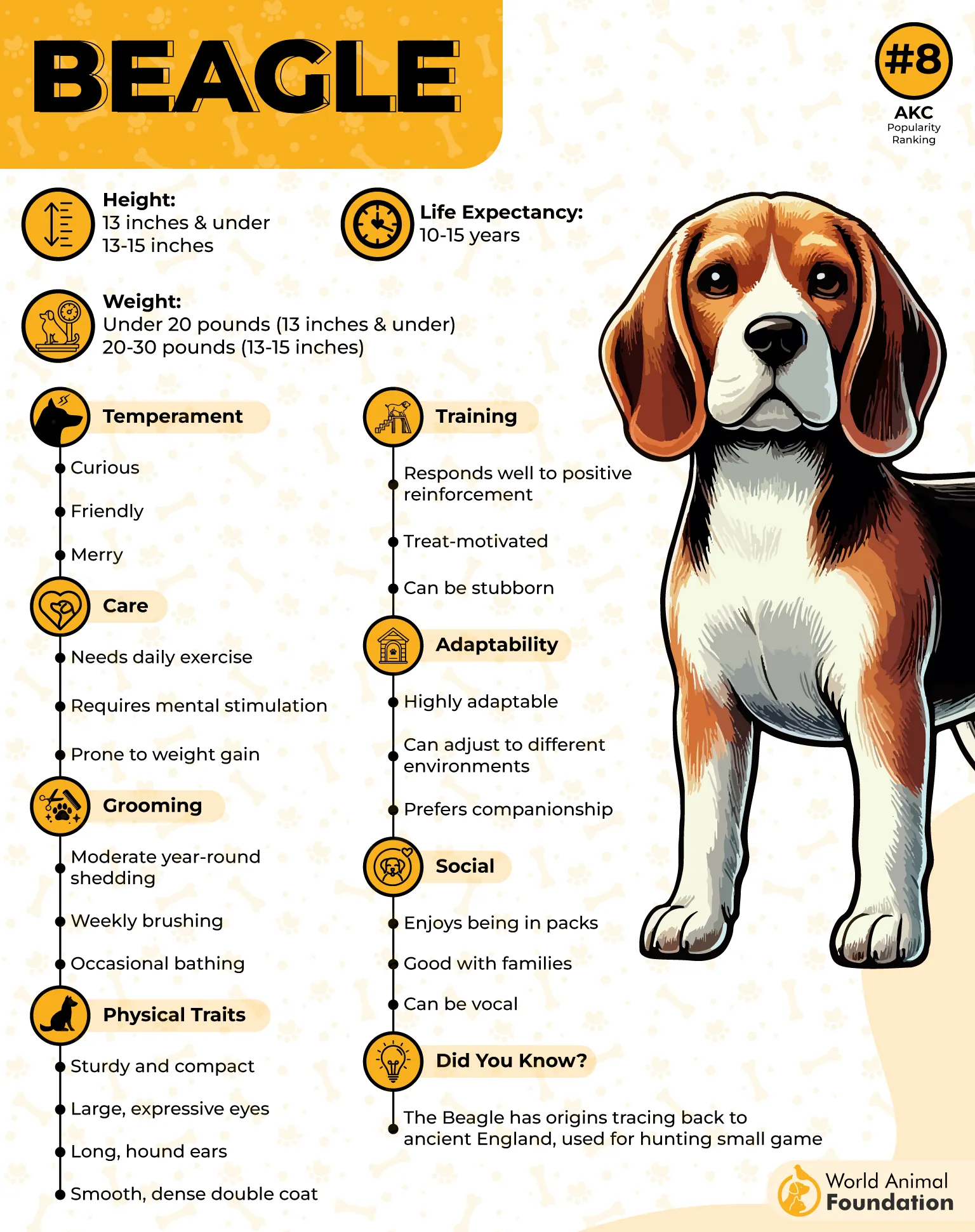
Beagles are widely considered good with children and other pets. Small animals still need sensible introductions and supervision because this breed has a hunting history, curiosity, and a nose that can lead straight into mischief.
What Makes This Breed Stand Out
Food motivation can make training more engaging.
Adaptable enough for city life or bush properties.
4. Labrador Retriever
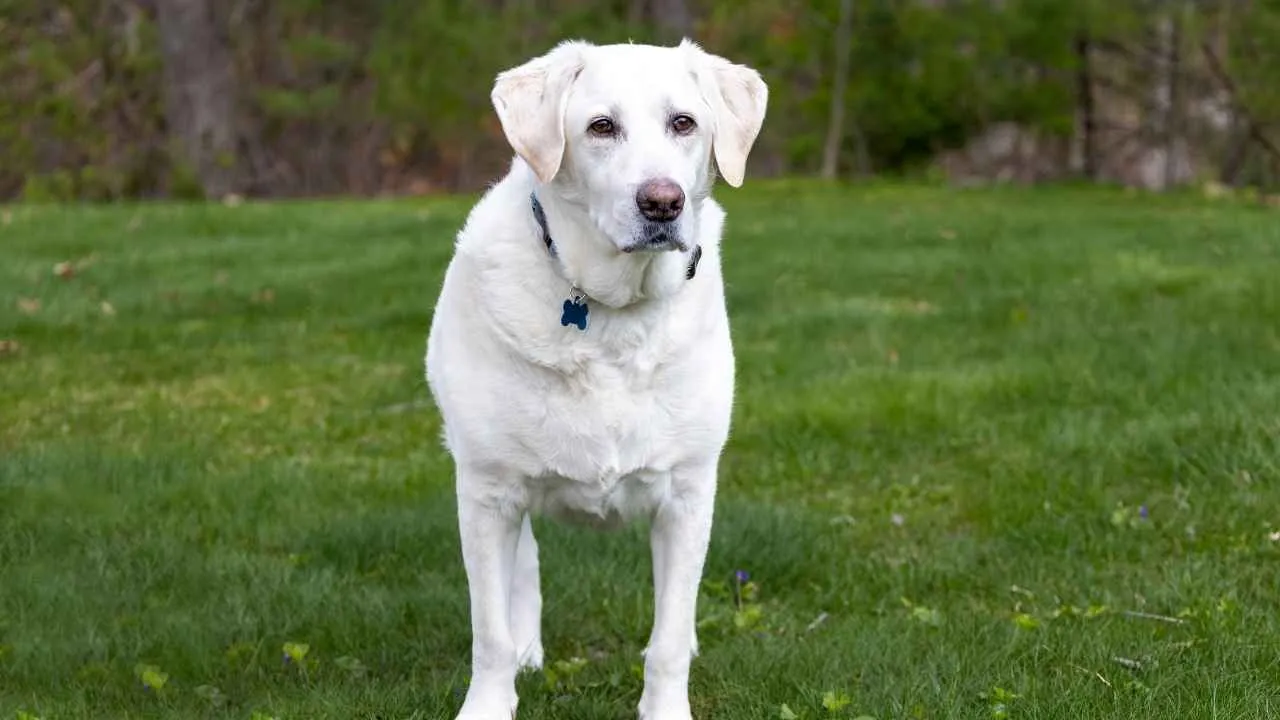
The Labrador Retriever brings cheerful “best buddy reporting for duty” charm with real sporting talent underneath. Recognized by the AKC in 1917, this breed pairs friendly confidence with the kind of working spirit that keeps hunters grinning.
Labradors are strongly connected to waterfowl hunting and retrieving downed birds. Their history includes working with fishermen, and their love of water still shows through swimming, outdoor adventures, and that joyful fetch obsession.
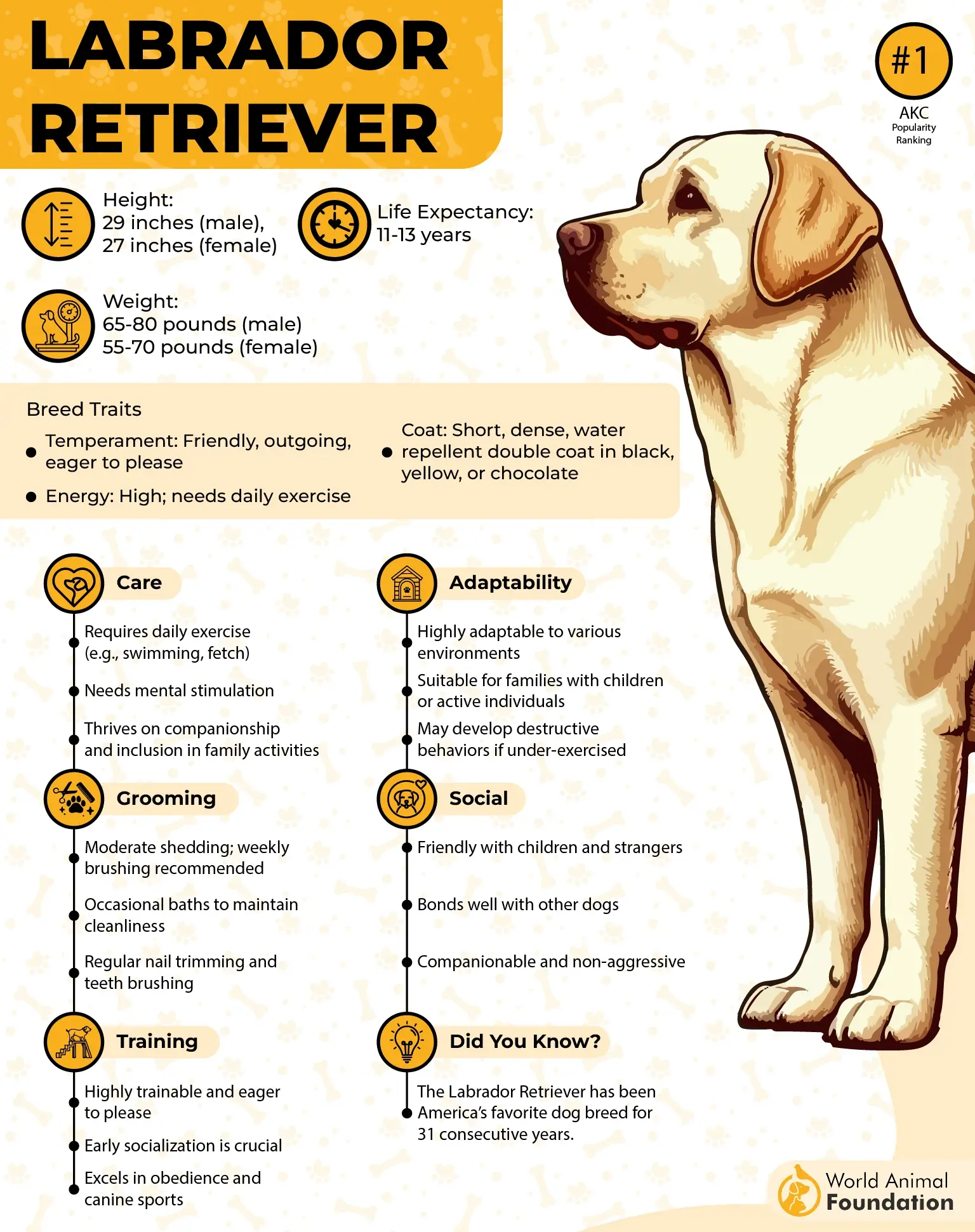
Labrador Retrievers are great family dogs. They are affectionate, friendly, and usually do well with children and other dogs, making them lively companions when given enough exercise, attention, and inclusion in family activities.
What Makes This Breed Stand Out
A water-repellent coat supports swimming and outdoor work.
An eager-to-please nature helps with obedience and service roles.
5. English Springer Spaniel
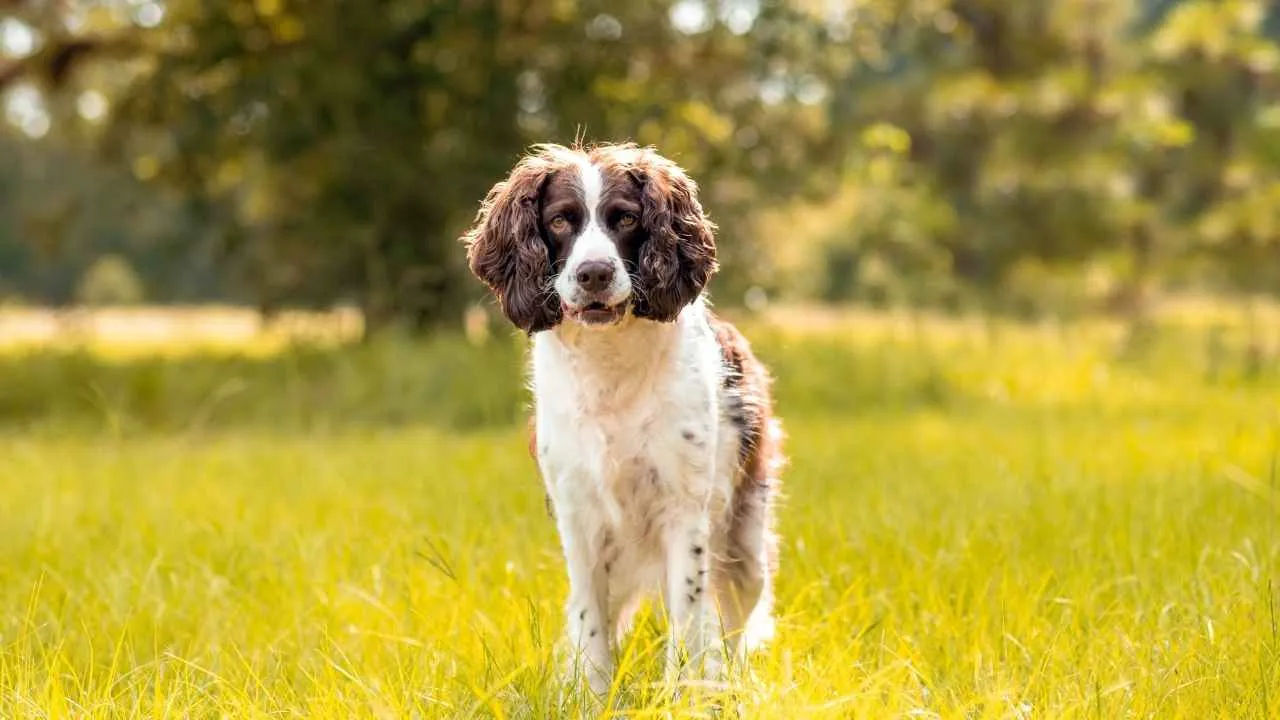
The English Springer Spaniel brings bouncy field energy with a people-loving grin attached. This breed was shaped to work close to hunters, flushing game with enthusiasm and staying wonderfully tuned into the humans nearby.
Springers were bred specifically to spring birds into the air for hunters, and later became useful for finding and pointing birds. That “pop goes the bird” job explains the name rather perfectly, with extra tail-wagging drama.
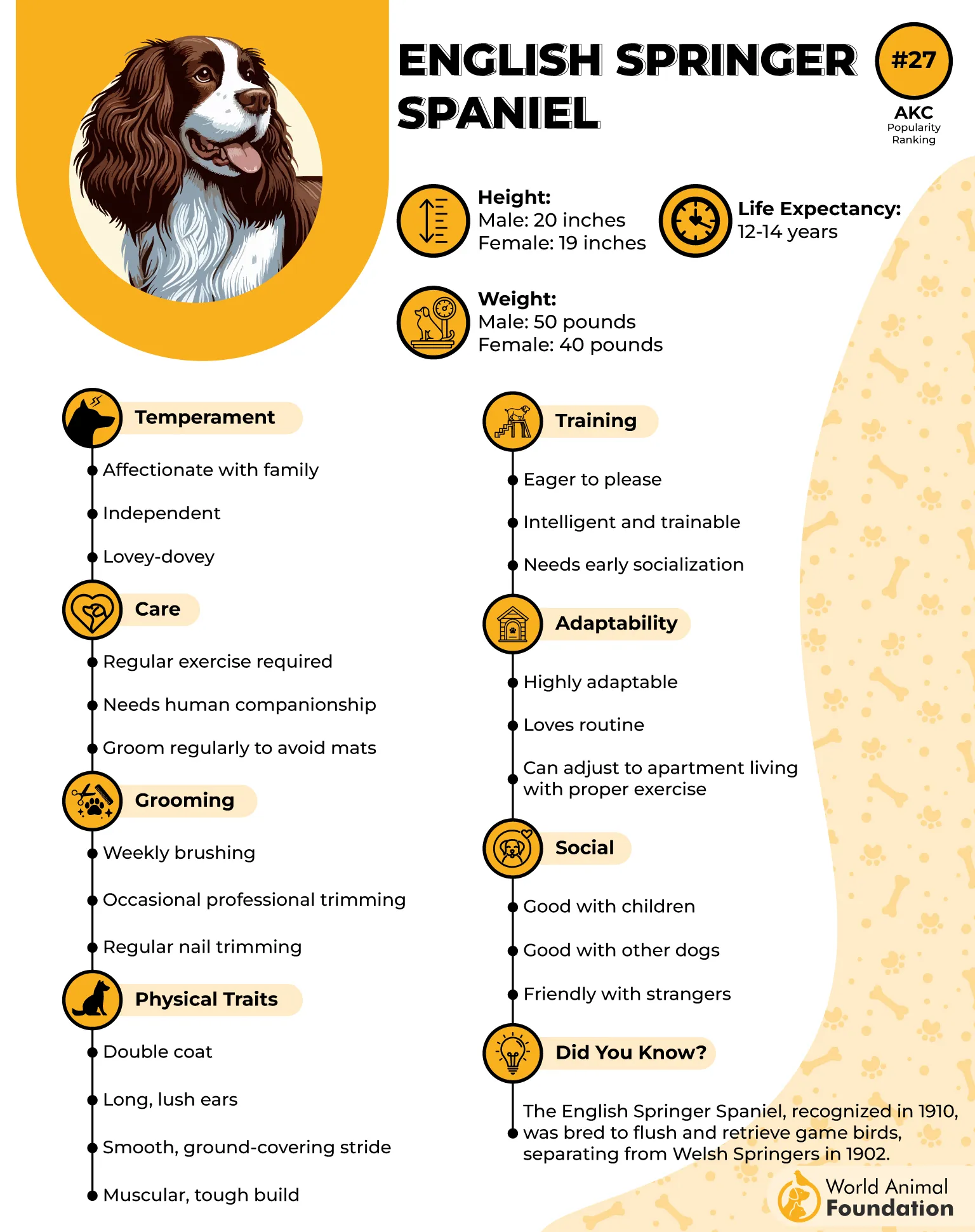
This is a good bird dog breed with strong retrieving instincts and a history of flushing game. Its close-working style, trainability, and field enthusiasm also make it useful when hunters need a focused dog on wounded game trails.
What Makes This Breed Stand Out
Works happily in obedience, agility, and hunting tests.
Enjoys both land work and water work.
6. American Foxhound
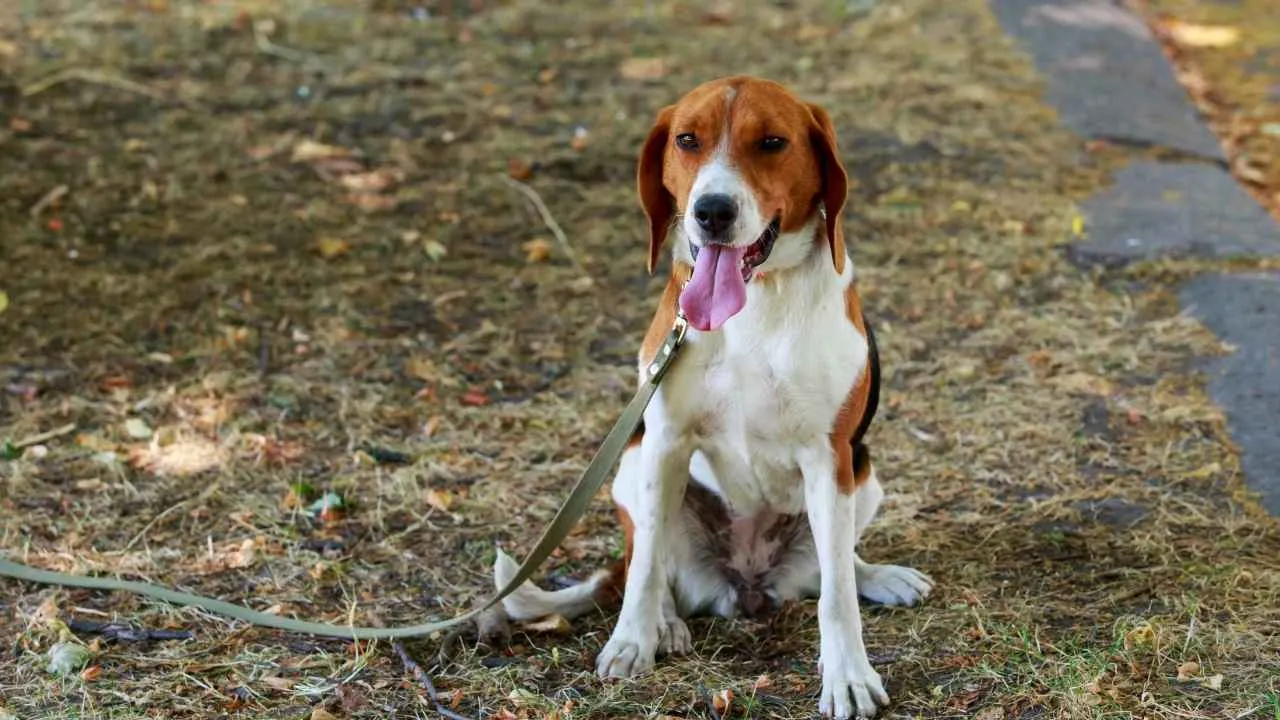
The American Foxhound is sweet at home, but outdoors, its nose clocks in like it has a serious job title. Fast, fearless, and determined, this breed was developed for long hunts, covering ground with impressive stamina while eagerly following scent trails wherever they lead.
American Foxhounds were bred to lead Colonial-era foxhunts, using speed, stamina, and drive. Their scent focus helps them follow trails over distance, which can make them useful when tracking wounded game through outdoor terrain.
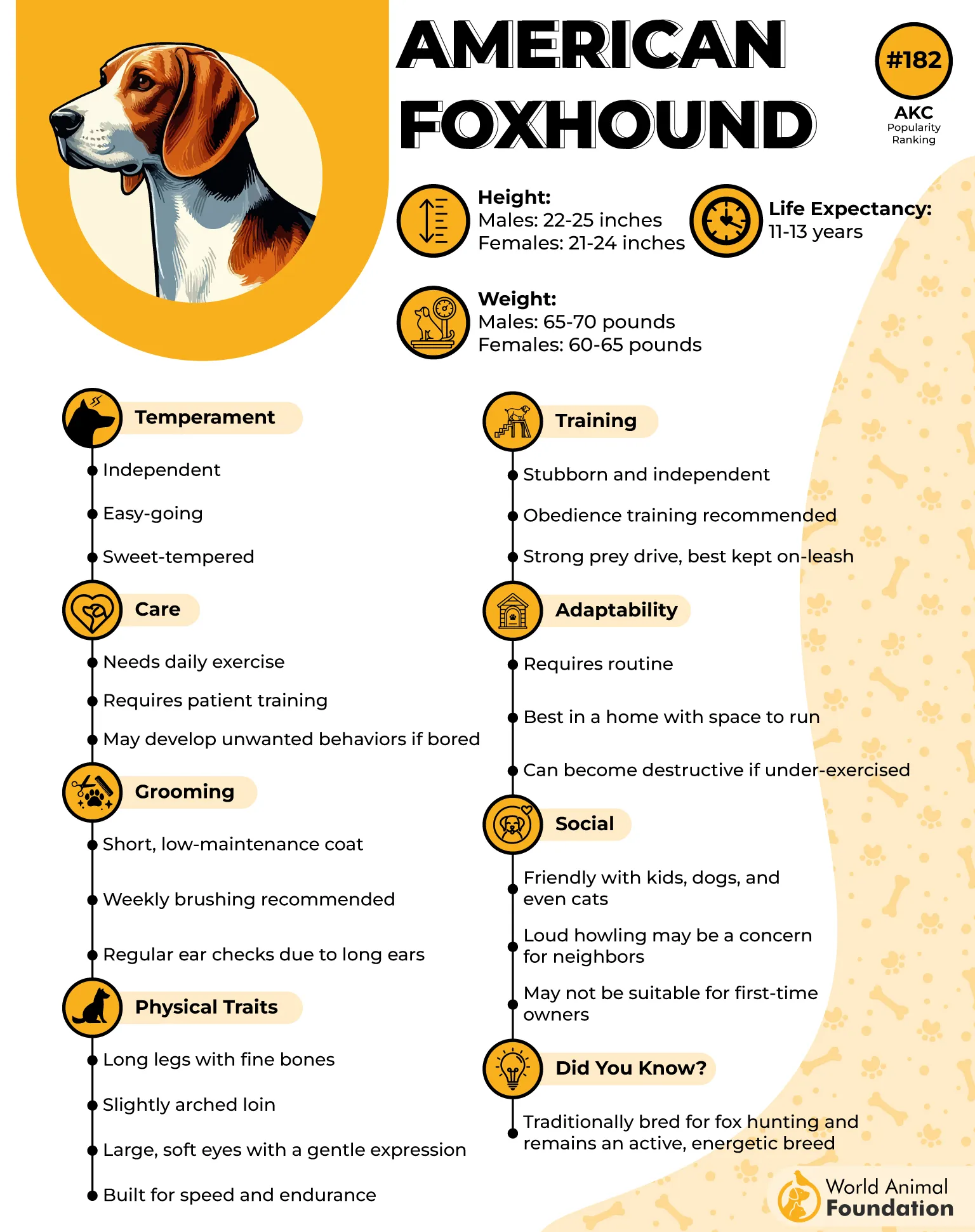
As mentioned by WebMD, American Foxhounds benefit from patient, consistent training that starts early. Positive reinforcement with treats works especially well, while obedience practice in a securely fenced area helps build respect, focus, and better listening skills for this independent breed.
What Makes This Breed Stand Out
Known for a booming bay used during scent work.
Needs secure spaces because outdoor scents are very tempting.
7. Weimaraner
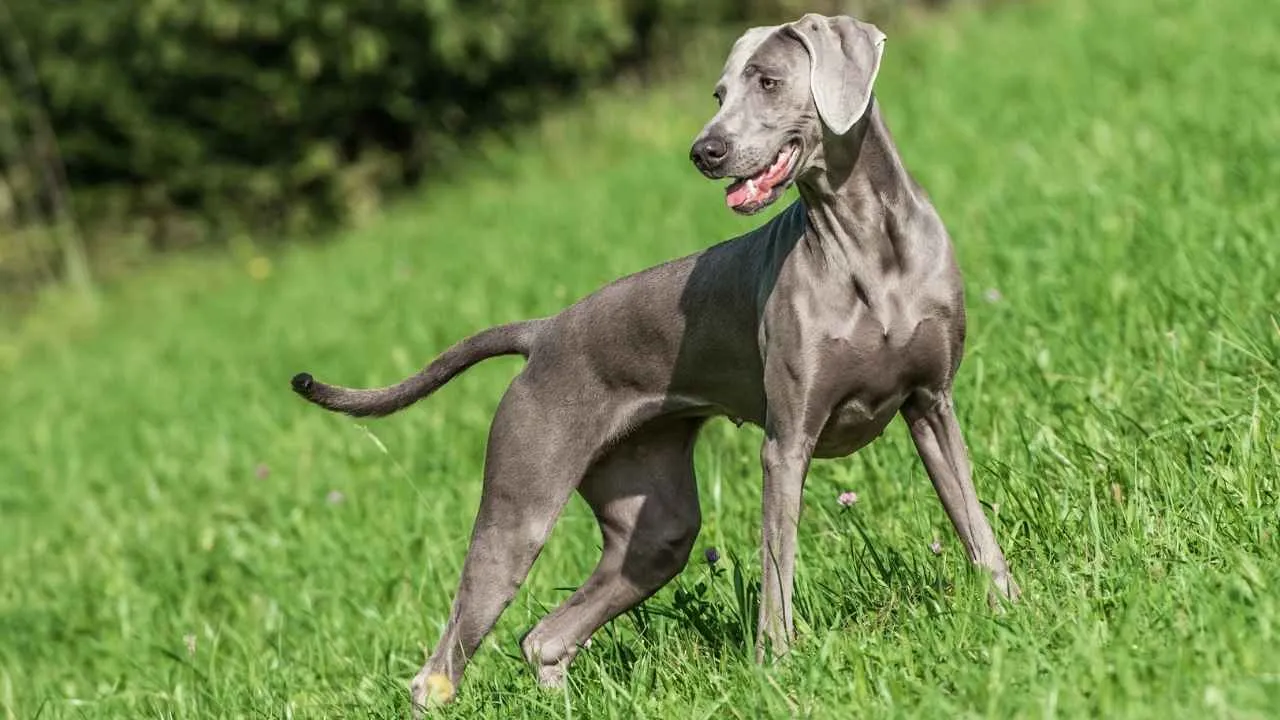
The Weimaraner enters the field like a silver athlete with a plan. Friendly, fearless, and full of motion, this breed combines hunting drive with close human attachment, which makes boredom a very bad roommate.
The breed was originally developed in Germany in the early 1800s for noble hunters. Its early work focused on big game, and later shifted toward pointing and retrieving gamebirds as hunting needs changed.
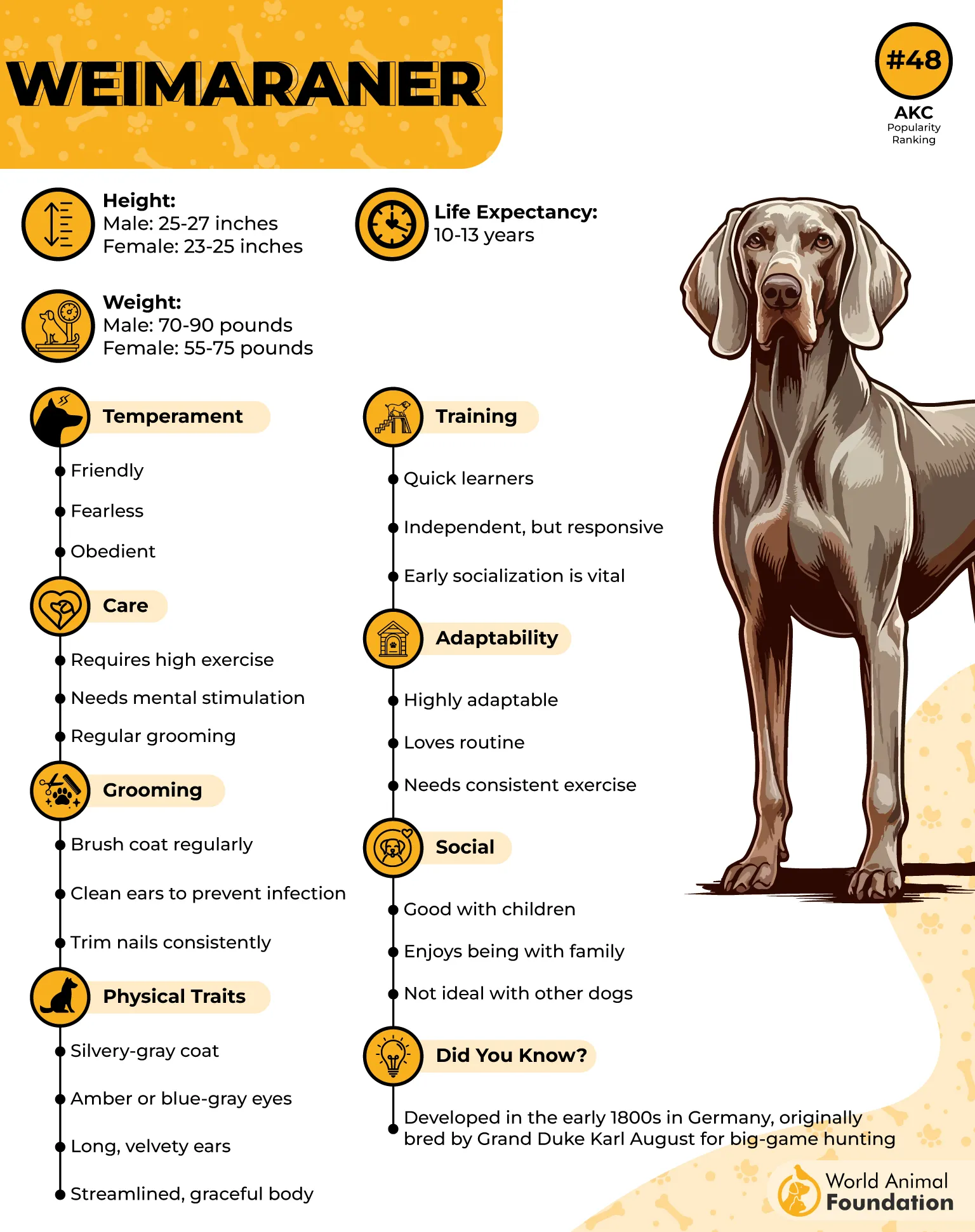
Weimaraners were first used for big game such as bears, mountain lions, and wolves. Later, they became all-purpose hunters, using strong scenting ability, speed, courage, and durability for pointing, retrieving, and field work.
What Makes This Breed Stand Out
Needs plenty of physical and mental activity.
Learns quickly, including both good and bad habits.
Conclusion
Every great hunting partnership starts with trust, patience, and the right dog for the job. Explore the breeds that match your hunting style, invest time in proper training, and enjoy building a partnership that grows stronger with every adventure outdoors together.
The best tracking companion is the one that fits your goals, experience, and lifestyle while making every outing more rewarding. Take your time, follow your instincts, and let the journey be just as memorable as every successful trail you share.
If you are further interested in such wonderful breeds, some other dogs you can look up include the Basset Hound, Irish Setter, English Setter, and Bloodhound.
