




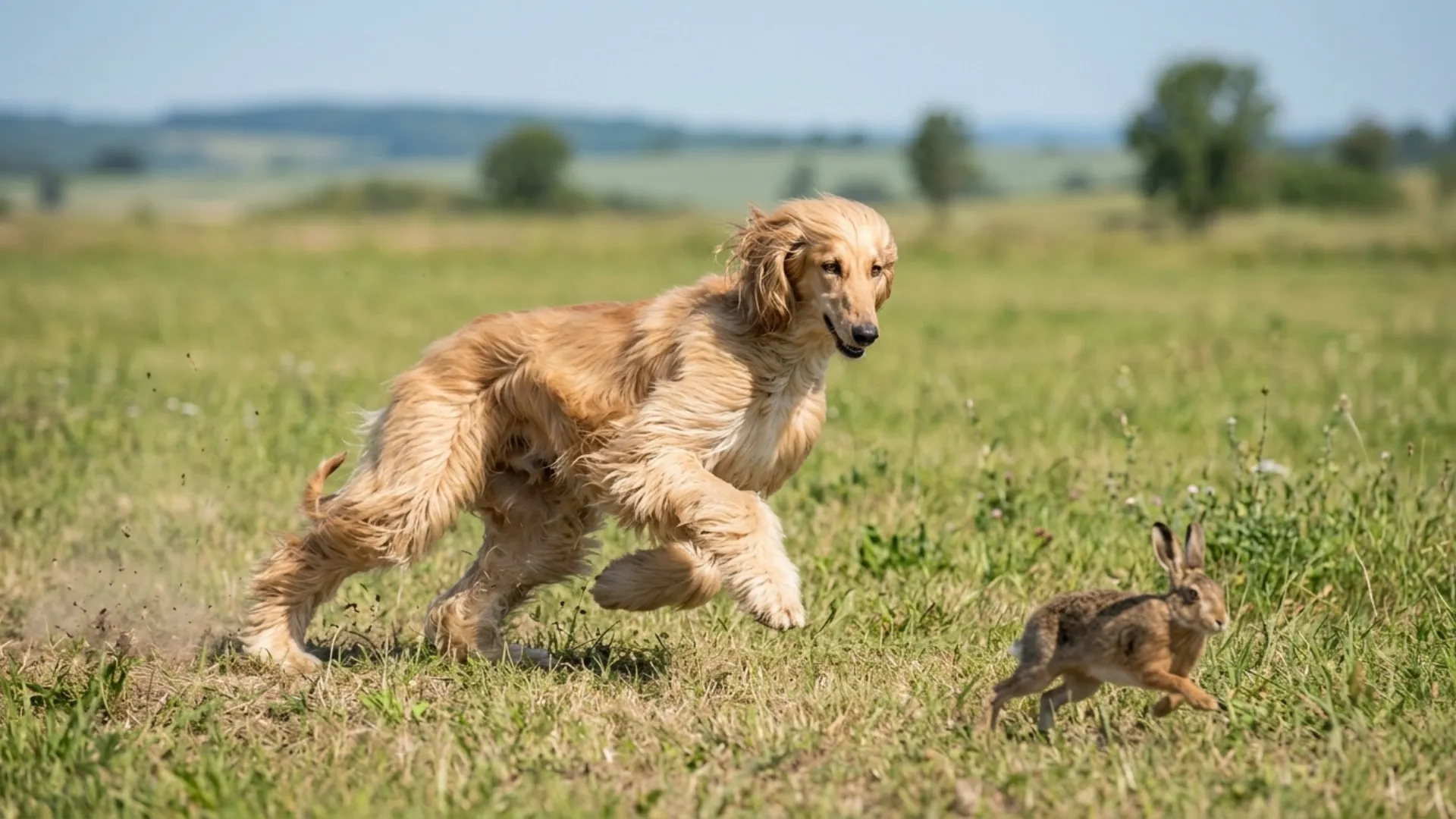
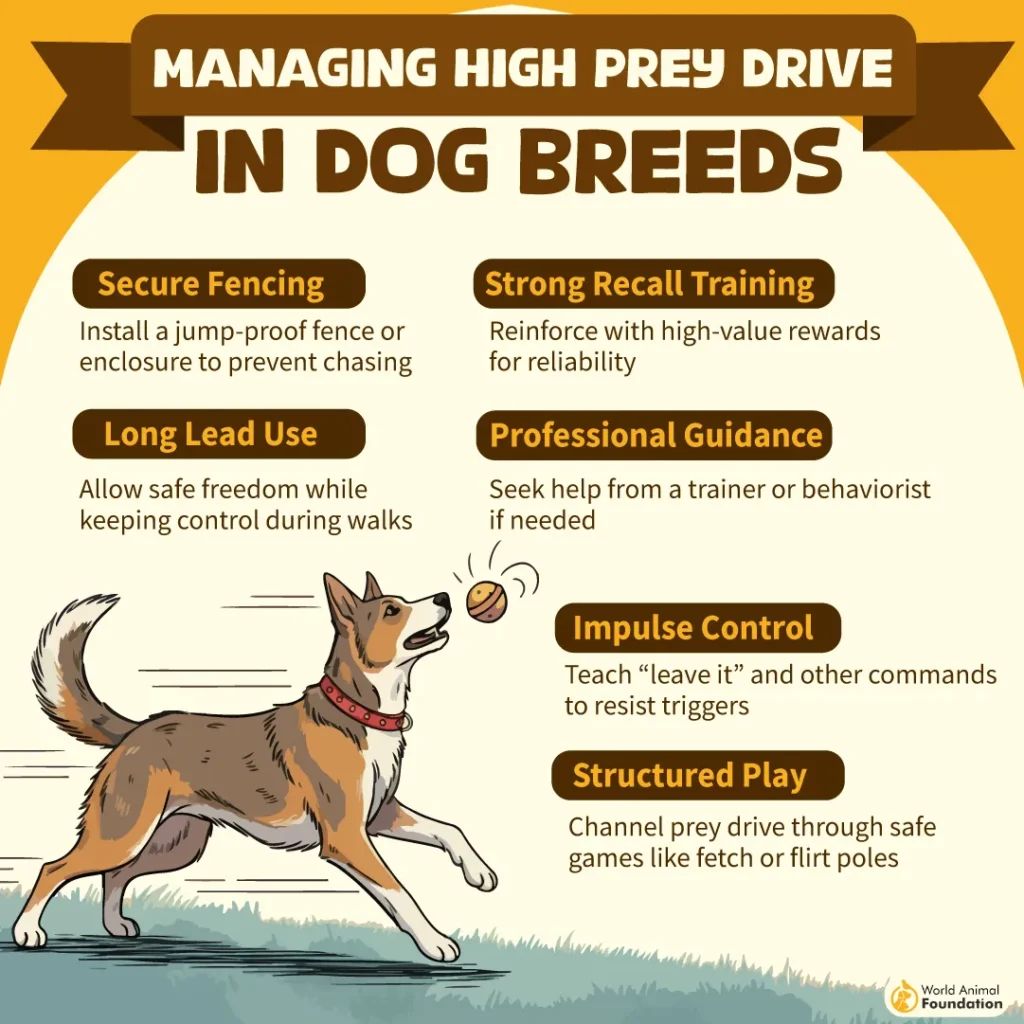
Picture a quiet trail, a loose leash, and a dog walking calmly beside you. Then something small darts through the brush. In a split second, the leash tightens, and your dog is focused on one thing only. That moment is familiar to people living with dogs that have a powerful prey drive.
The instinct can involve spotting, stalking, chasing, and grabbing, with speed and sudden movement acting as powerful triggers. Dogs bred for hunting or pursuing quarry may have especially strong responses because those behaviors once served a practical purpose in their working lives.
Training can improve control, but it does not erase an inherited instinct. Management therefore matters just as much as obedience, especially around wildlife, roads, and small household pets. Realistic expectations can prevent a mismatch between a dog’s tendencies and an owner’s routine.
Ahead, we look at breeds most closely associated with this chase-focused wiring and what that means for daily life.
Key Takeaways
One quick movement can be enough to turn a calm walk into a full-speed chase, especially for dogs bred to pursue moving prey.
The Jack Russell Terrier may lock onto cats, birds, bicycles, or almost anything that moves, while the Greyhound can turn its sharp eyesight into a 43 mph pursuit.
Salukis and Afghan Hounds take that instinct even further, with histories tied to chasing fast game across wide and difficult landscapes.
The next breeds show just how differently that same instinct can appear, so stay with the list through the final entry.
High Prey Drive Dog Breeds Wired to Chase
1. Jack Russell Terrier
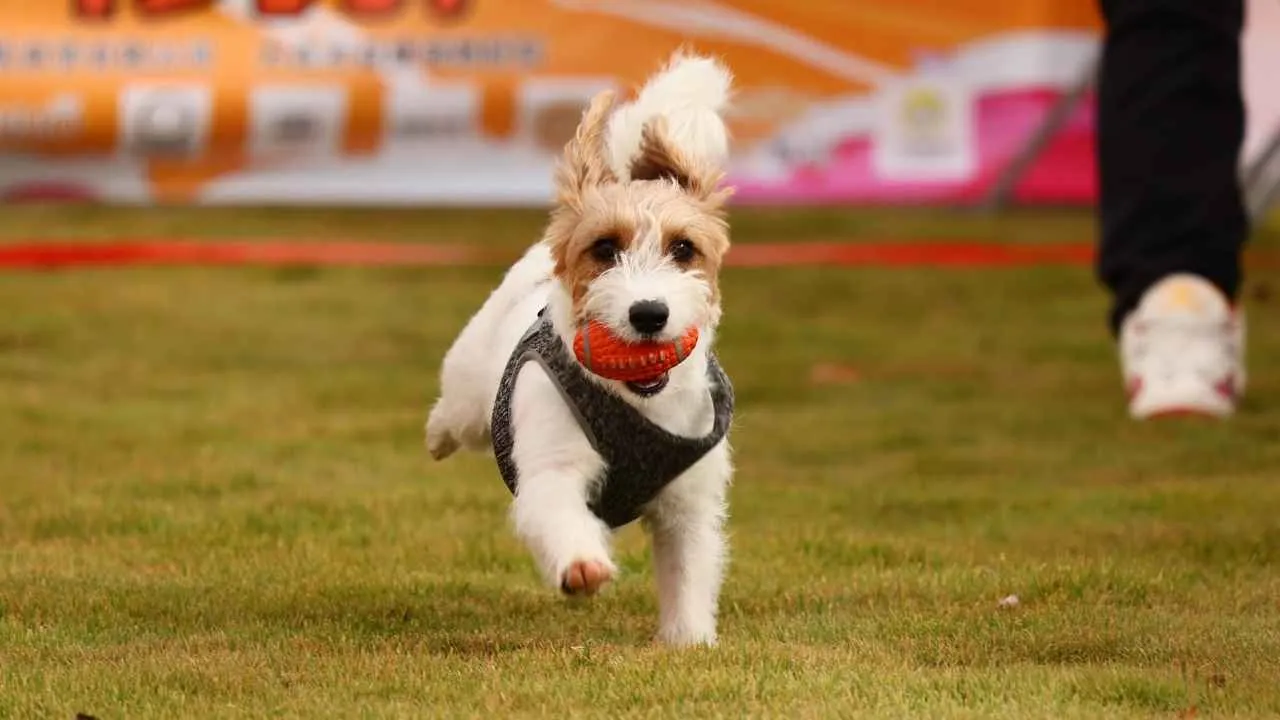
Jack Russell Terrier began in 1800s England, where early dogs came from crosses involving the now-extinct White Terrier. Their work in fox hunts required them to locate and dig out foxes, then hold them until hunters arrived, before they became valued rat catchers.
Chase Comes First
This terrier breed has a formidable chase instinct rooted in that working role, with motion, sound, and scent capable of triggering pursuit. Cats, birds, cars, bicycles, skateboards, lawn mowers, and even running people can become tempting targets.
The instinct can appear in several practical ways:
Acts before receiving a command
Investigates scents persistently
May pursue small animals
A Busy Little Mind
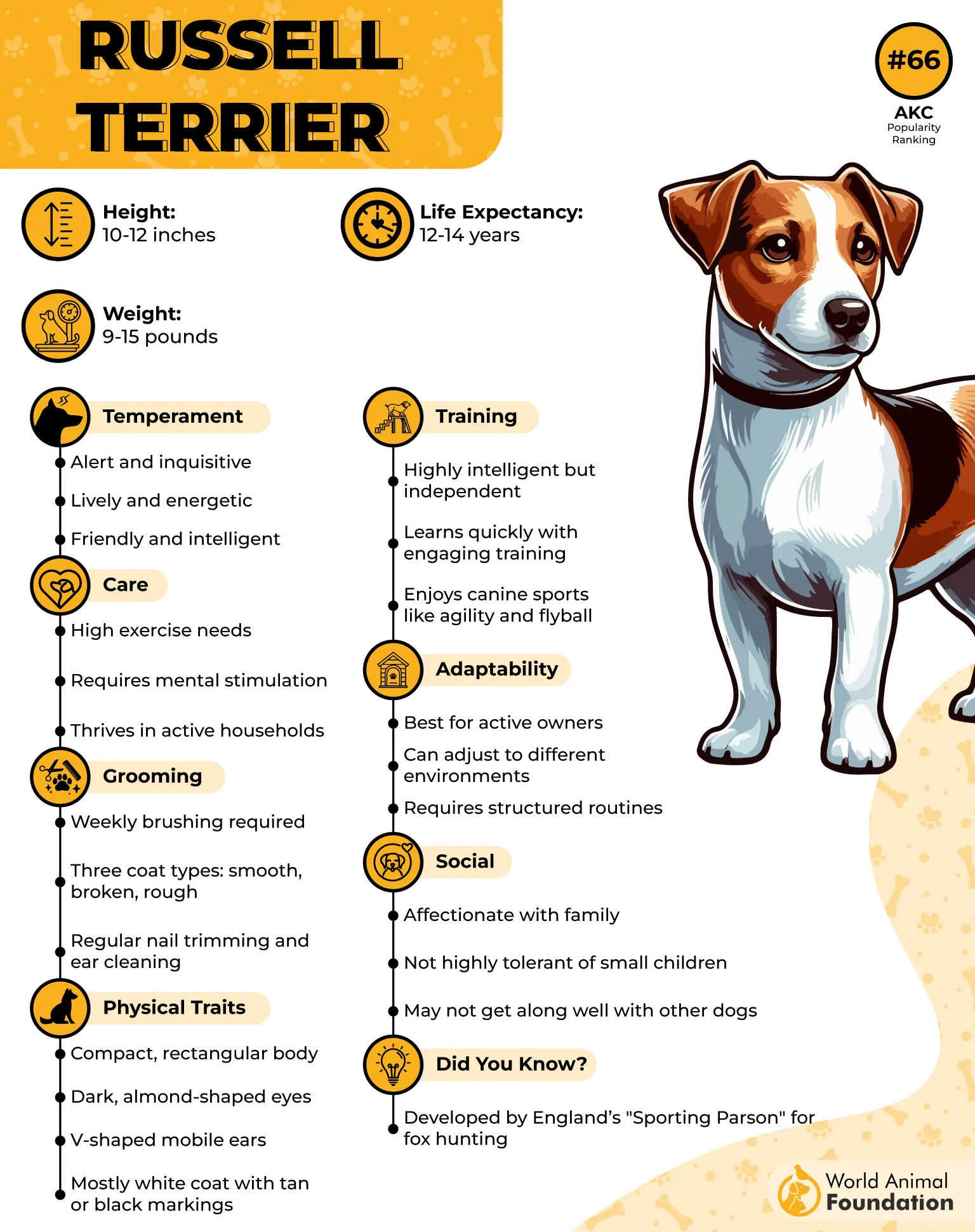
Jack Russell Terrier is an independent thinker with enough determination to make training demanding when boundaries are inconsistent. Its active mind keeps searching, sniffing, and investigating, while firm and consistent training helps channel that intense focus, as per Omlet.
2. Greyhound
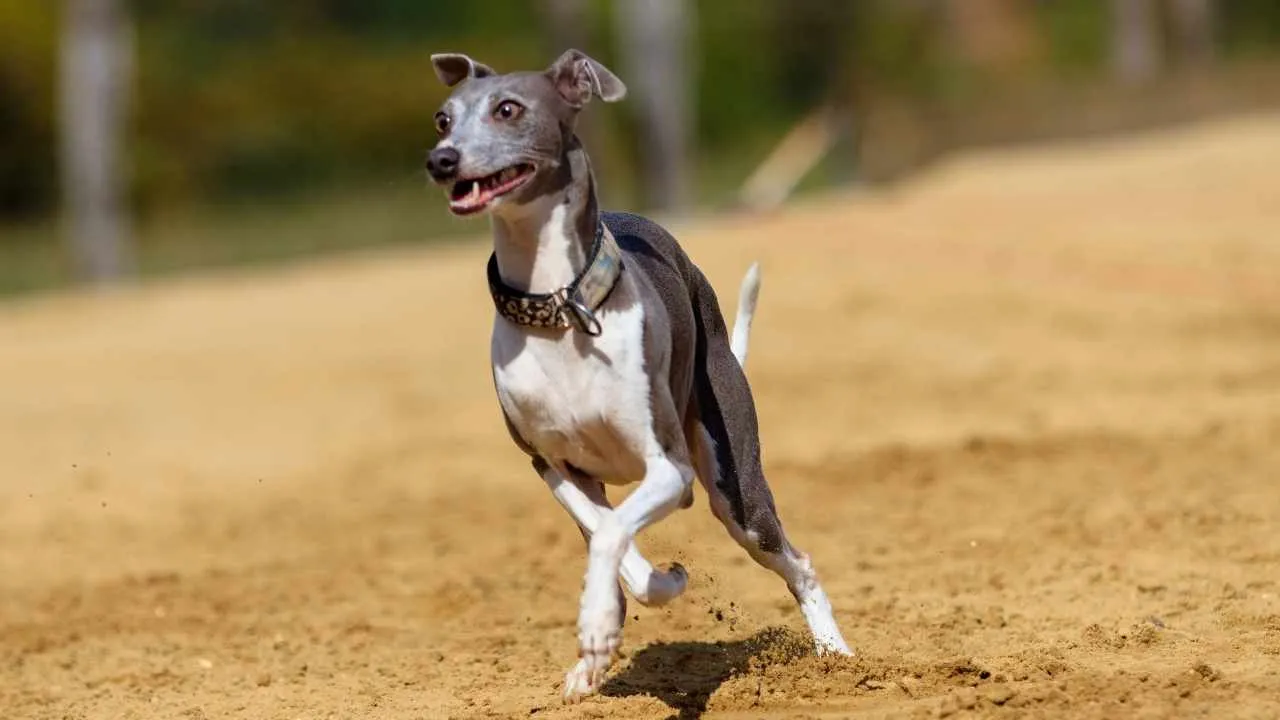
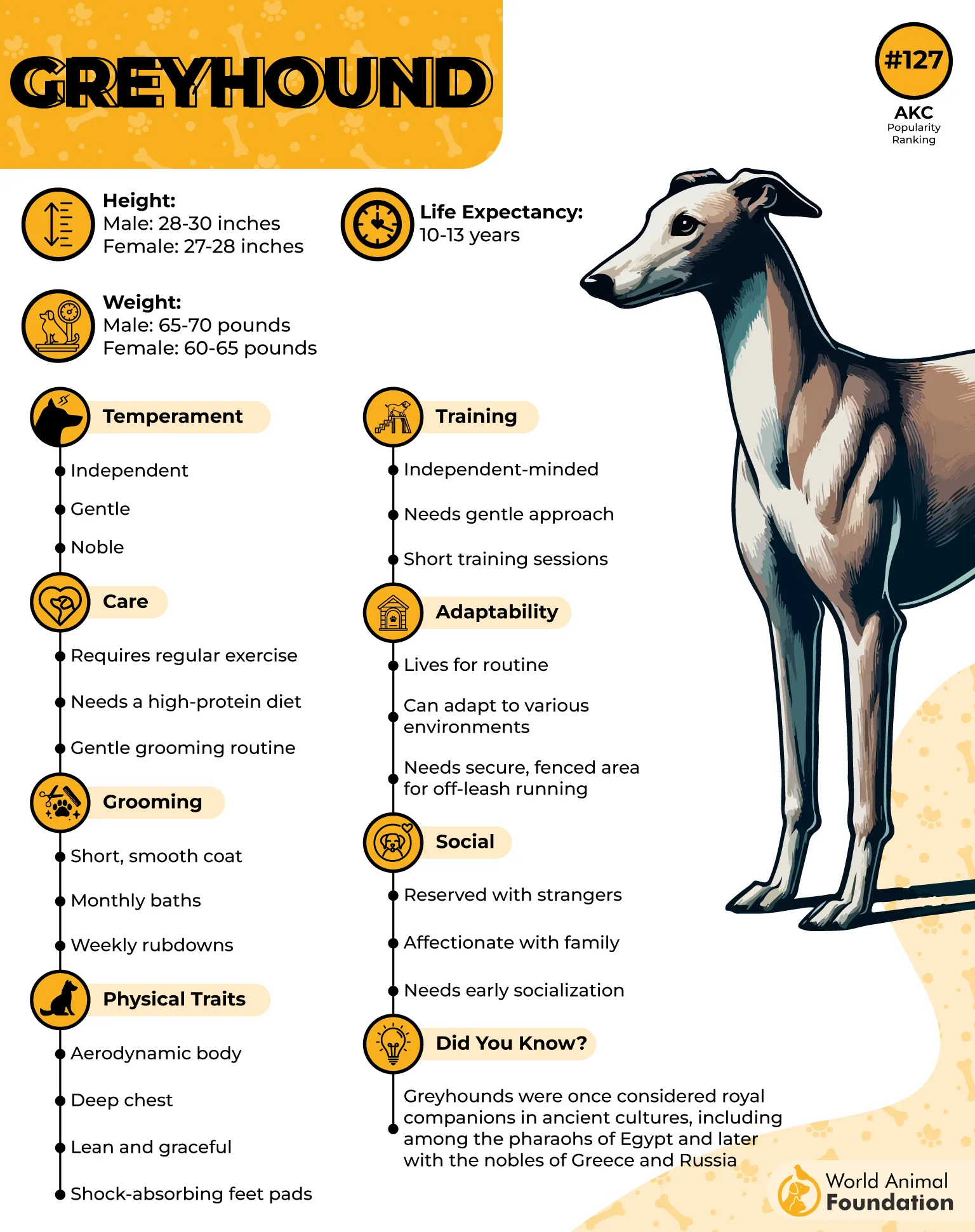
Greyhound is an ancient European sighthound bred to spot and pursue game, using its slim frame, long legs, and flexible spine to reach about 43 mph in short bursts.
The breed was once associated mainly with nobility before racing became popular in America and Britain during the early 1920s.
Eyes on the Target
They can detect movement from far away, and a fast-moving animal may instantly trigger its instinct to pursue. Intense staring, stalking, tracking, lunging, a rigid body, teeth chattering, or a stiff raised tail can signal that the chase response is building.
These traits are especially useful when managing that instinct:
Recall can weaken around prey
Open areas require leash use
Fenced spaces allow safer running
A Sprinter at Heart
Greyhounds can reach remarkable speed, yet their athletic style is built around short bursts rather than prolonged distance. Adult dogs are generally intelligent and responsive to training, while young dogs can struggle more with recall and need extra patience during early lessons.
3. Saluki
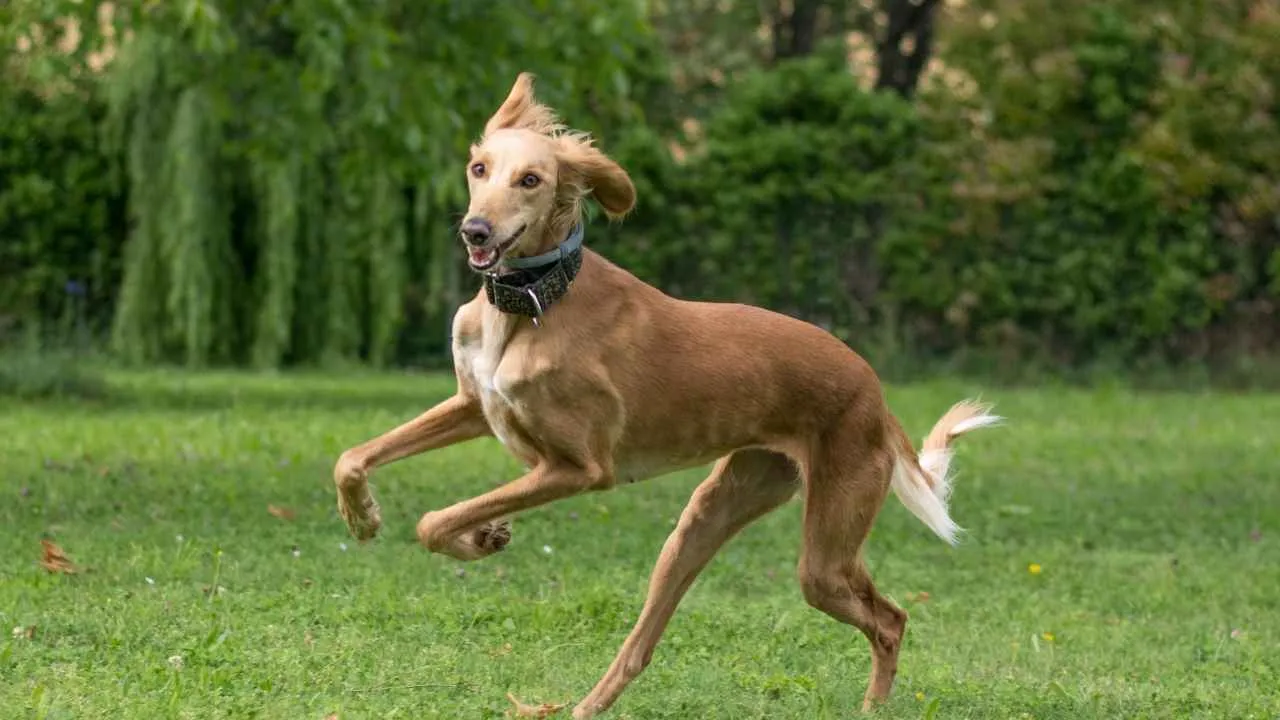
Saluki dates back thousands of years, with Egypt among the possible places of origin because mummified dogs have been found buried alongside Pharaohs. Nomadic tribes used these sight hounds to locate, chase, and bring down gazelle and hare across enormous stretches of land.
Made for the Chase
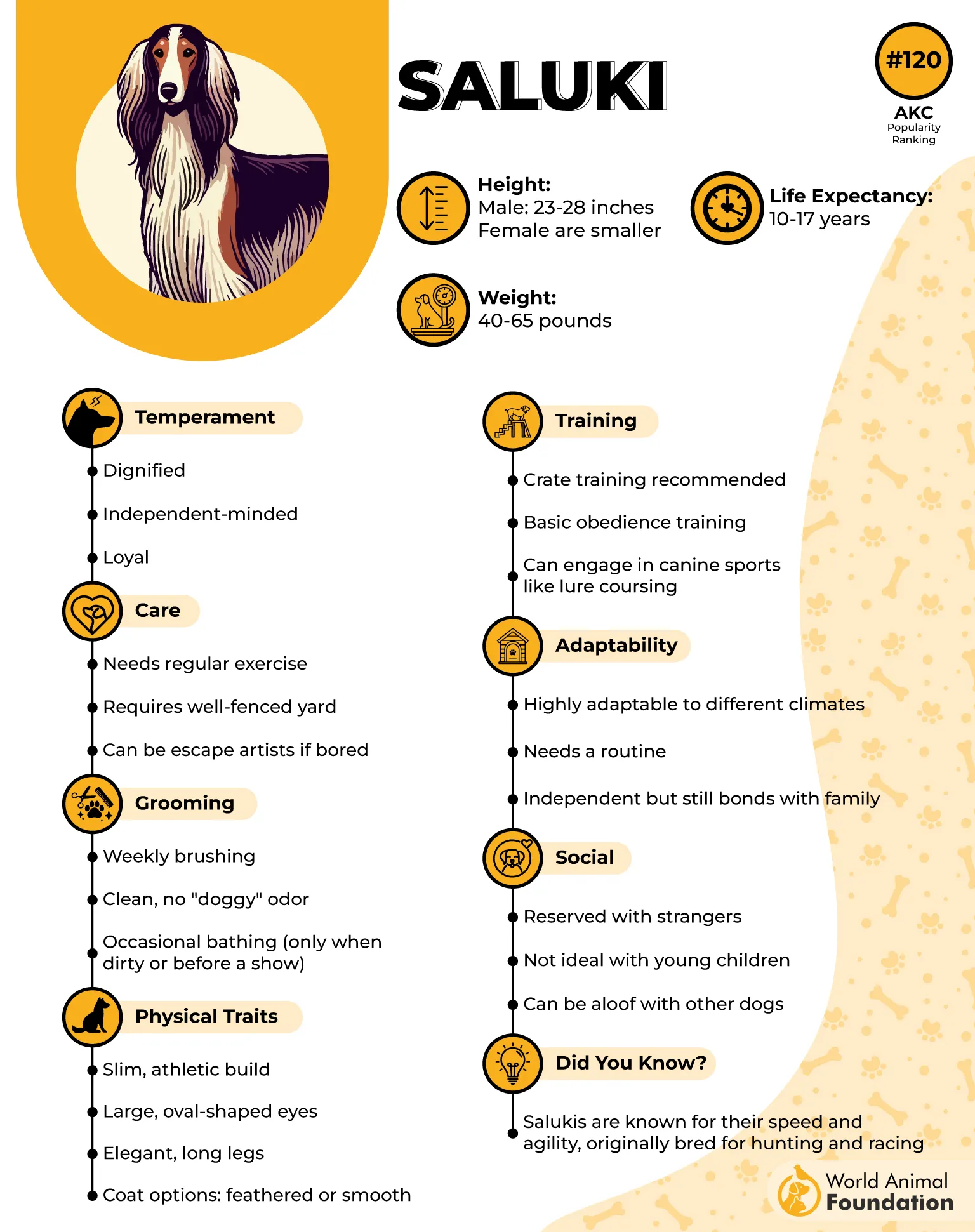
They have the speed to pursue fast game over long distances, combining a slender frame with exceptional endurance, as noted by the AKC. It is classed as a sight hound, relying heavily on vision to detect movement and launch into a high-speed pursuit.
A few practical details matter when that instinct kicks in:
Six-foot fencing is recommended
Lure coursing provides a safer sprint
Rabbits and rodents need secure separation
An Independent Mind
Saluki can be gentle and affectionate with familiar people while remaining reserved around strangers and sensitive to noisy surroundings.
Training works best when sessions are brief, upbeat, and reward-based, as harsh handling can make this naturally timid breed withdraw further.
4. Afghan Hound
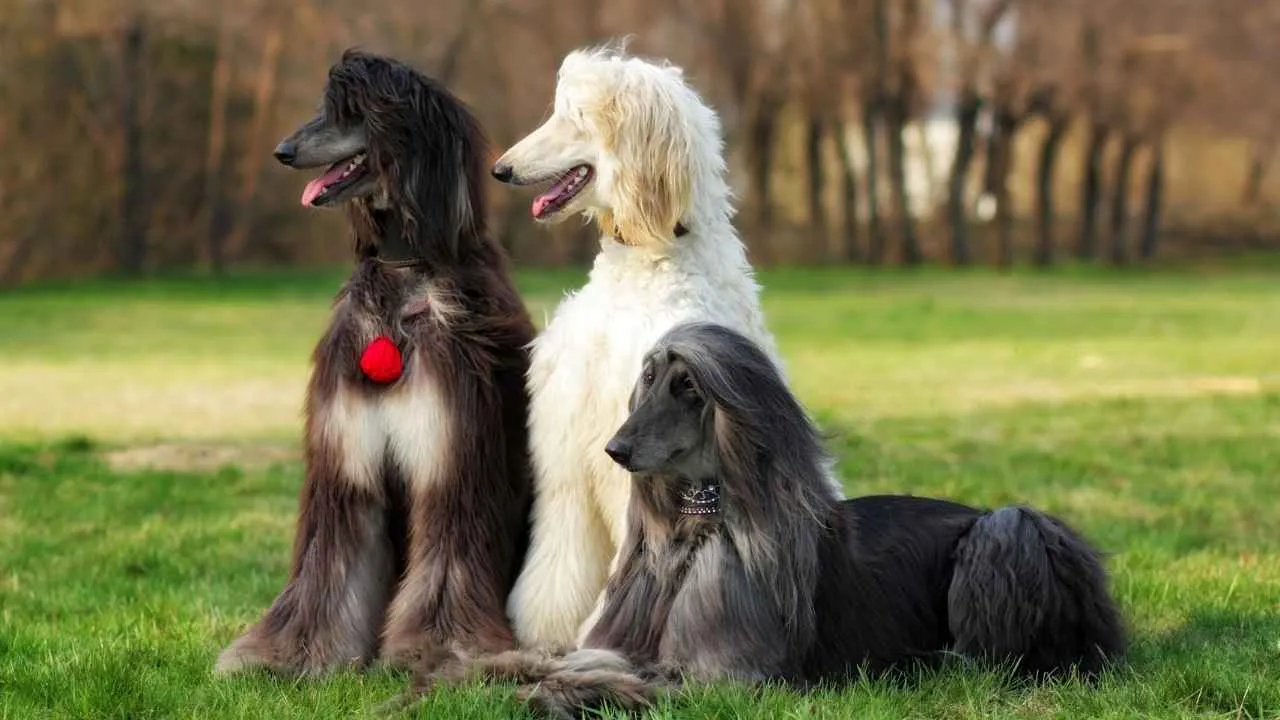
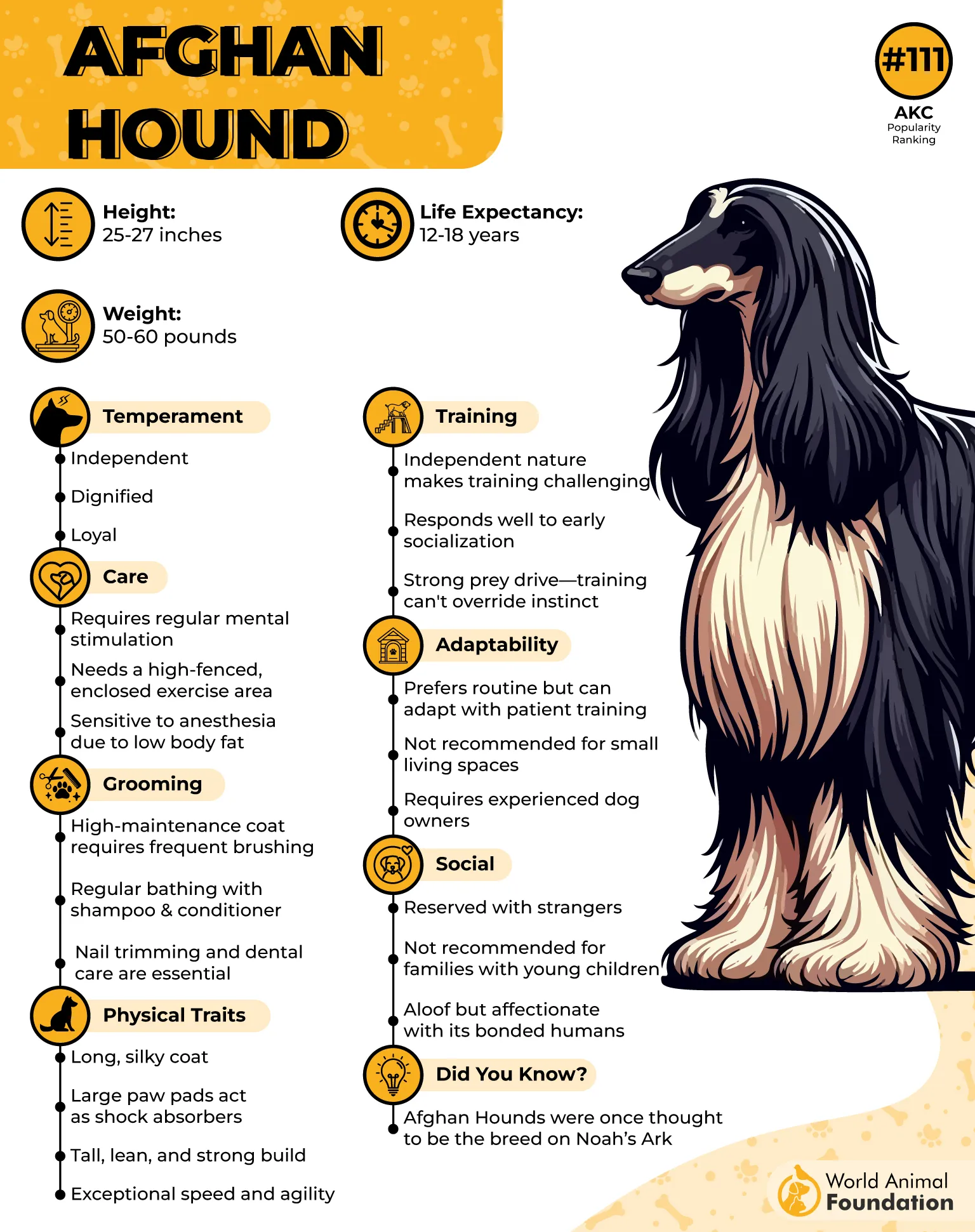
Afghan Hound traces its roots to Middle Eastern coursing dogs, with hunting traditions that may date back to the time of the Egyptian Pharaohs.
Known by names such as Tazi and Barluchi Hound, it reached Britain in the 1920s after working alongside nomadic communities as a hunting companion.
Made to Chase
They used to pursue hare, deer, and mountain leopard meat across severe terrain, a demanding job that favored speed, agility, and stamina.
Its Greyhound-like frame, large feet, and long coat suit fast running across rough ground and colder conditions.
These characteristics reveal how specialized that design is:
Jumps impressive distances
Large feet grip uneven ground
Head and tail held high while walking
Independent by Nature
This working companion can be aloof during training and may place a chasing rabbit, hare, or squirrel far above a recall command. It can be gentle with children and tolerant of other pets at home, although small animals such as rabbits, guinea pigs, and timid cats can be a difficult combination.
5. Whippet
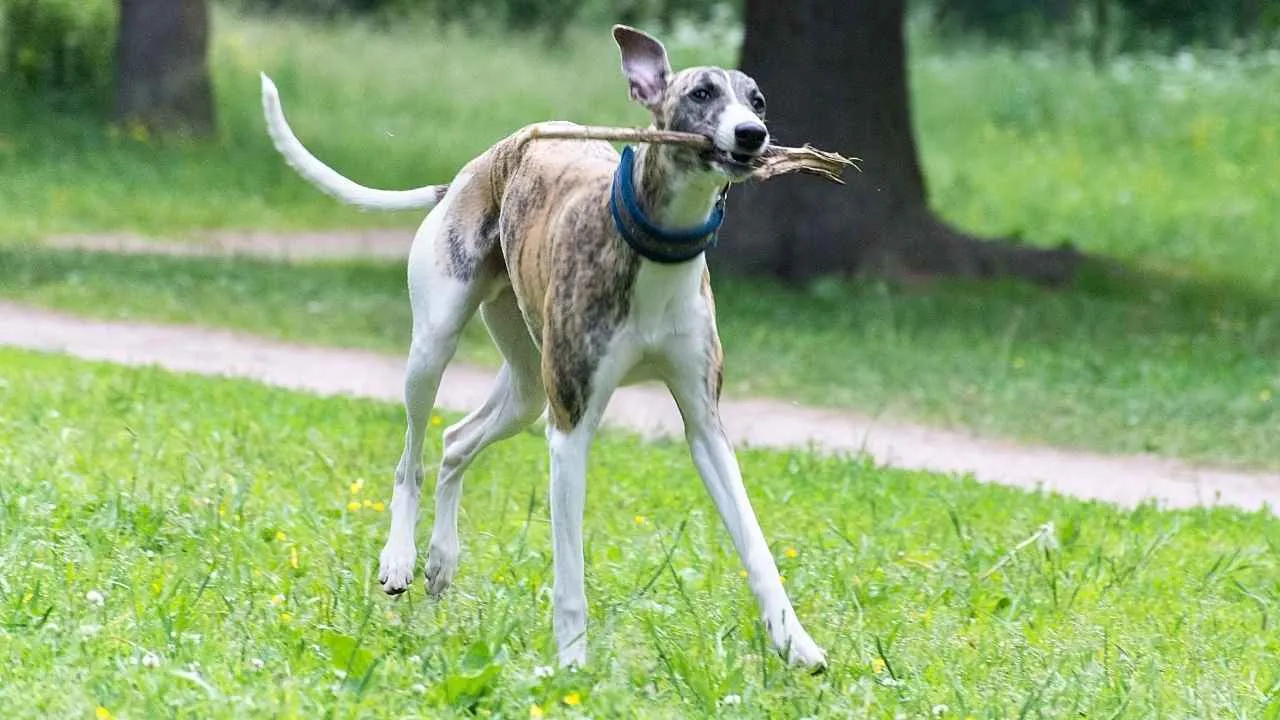
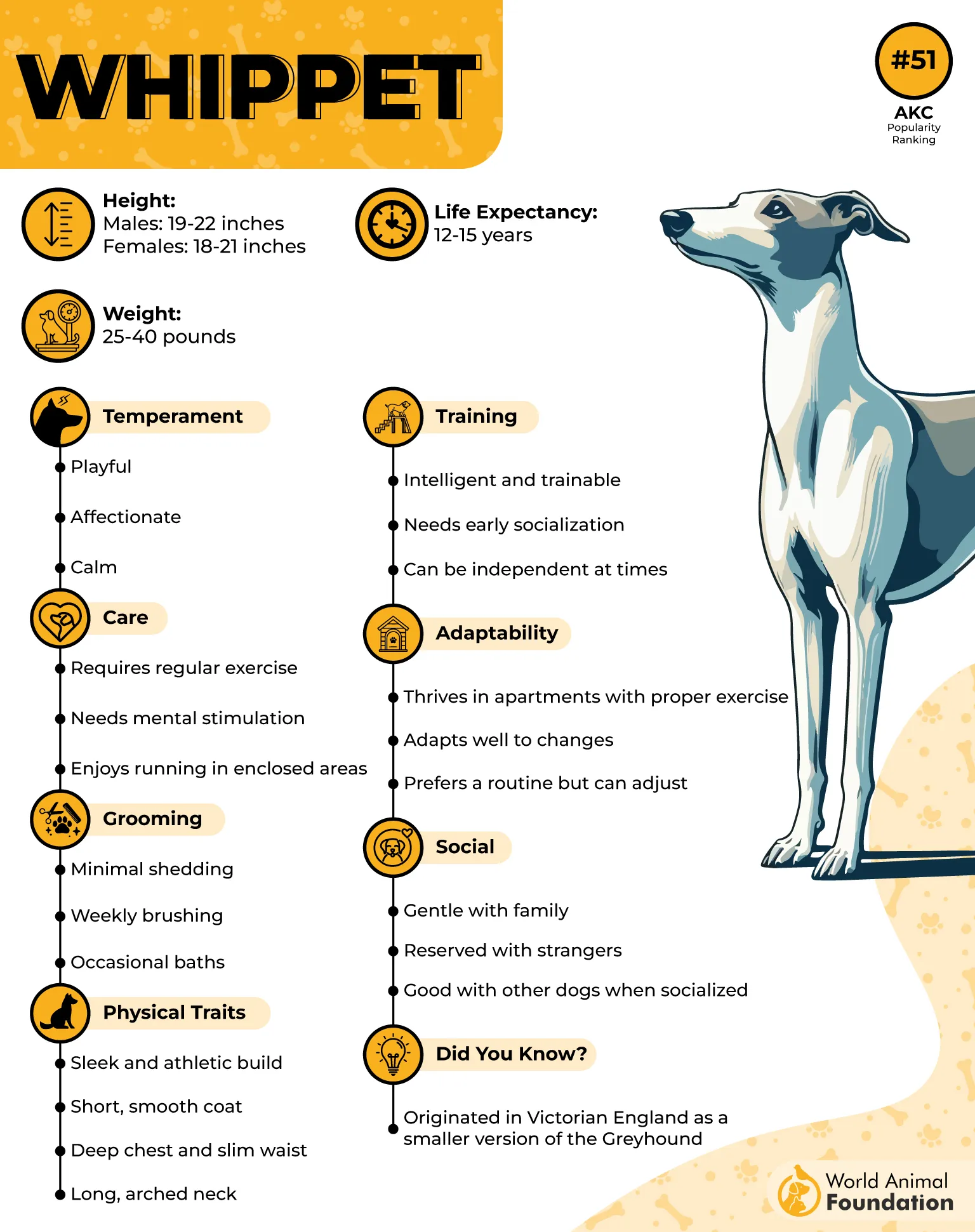
Whippet originated from Greyhound stock, with smaller dogs bred to create a lighter hunting companion for catching rabbits. By 1888, the breed had gained official recognition, while working-class communities later turned its instinct to chase waving flags into the popular sport of Whippet Racing.
Eyes on the Chase
Whippets have the keen eyesight of a sighthound, allowing them to notice movement from remarkable distances and react almost instantly.
Once something catches its attention, pursuit can happen faster than a recall command, making open, unfenced spaces a serious safety concern.
These characteristics matter when that instinct kicks in:
Can reach speeds up to 35 mph
Needs a securely fenced running area
Small pets can trigger pursuit
Sensitive and Social
Whippets respond well to gentle training and can learn racing, agility, and obedience tasks, although their independent side requires patience, as noted by Purina. It is also sensitive to harsh treatment, enjoys family company, and can experience separation anxiety when left alone for extended periods.
6. Dachshund
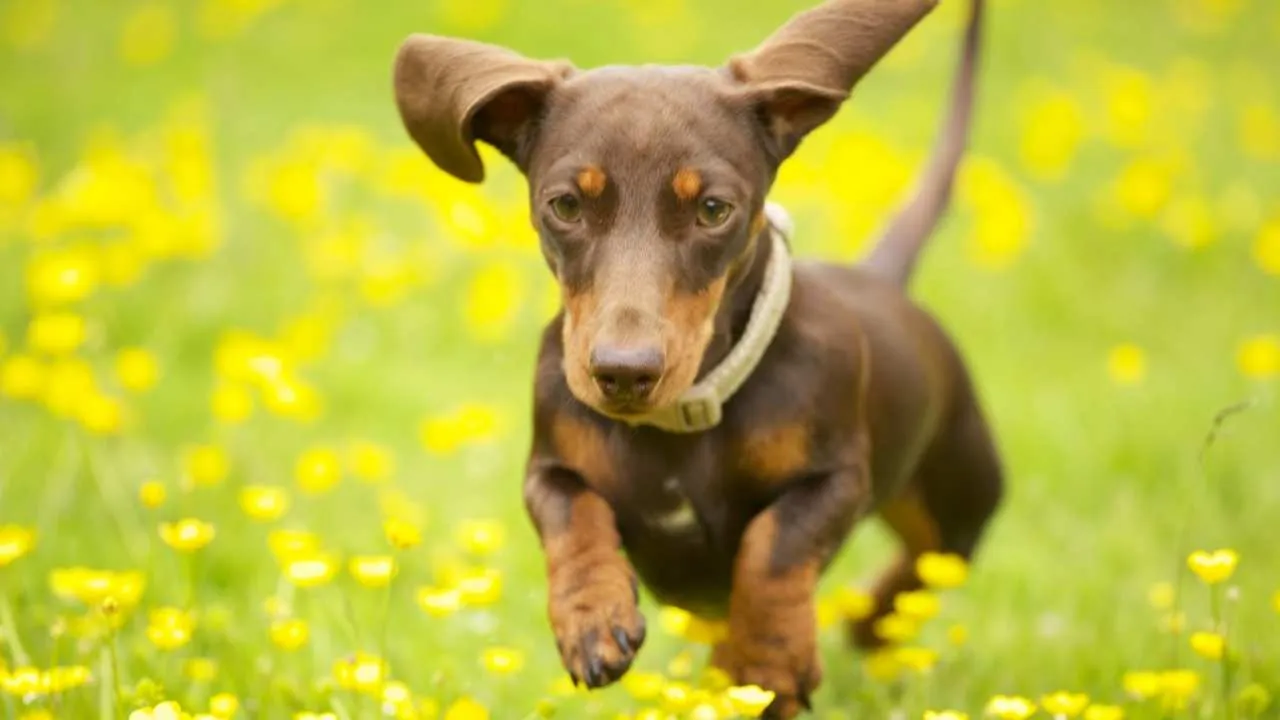
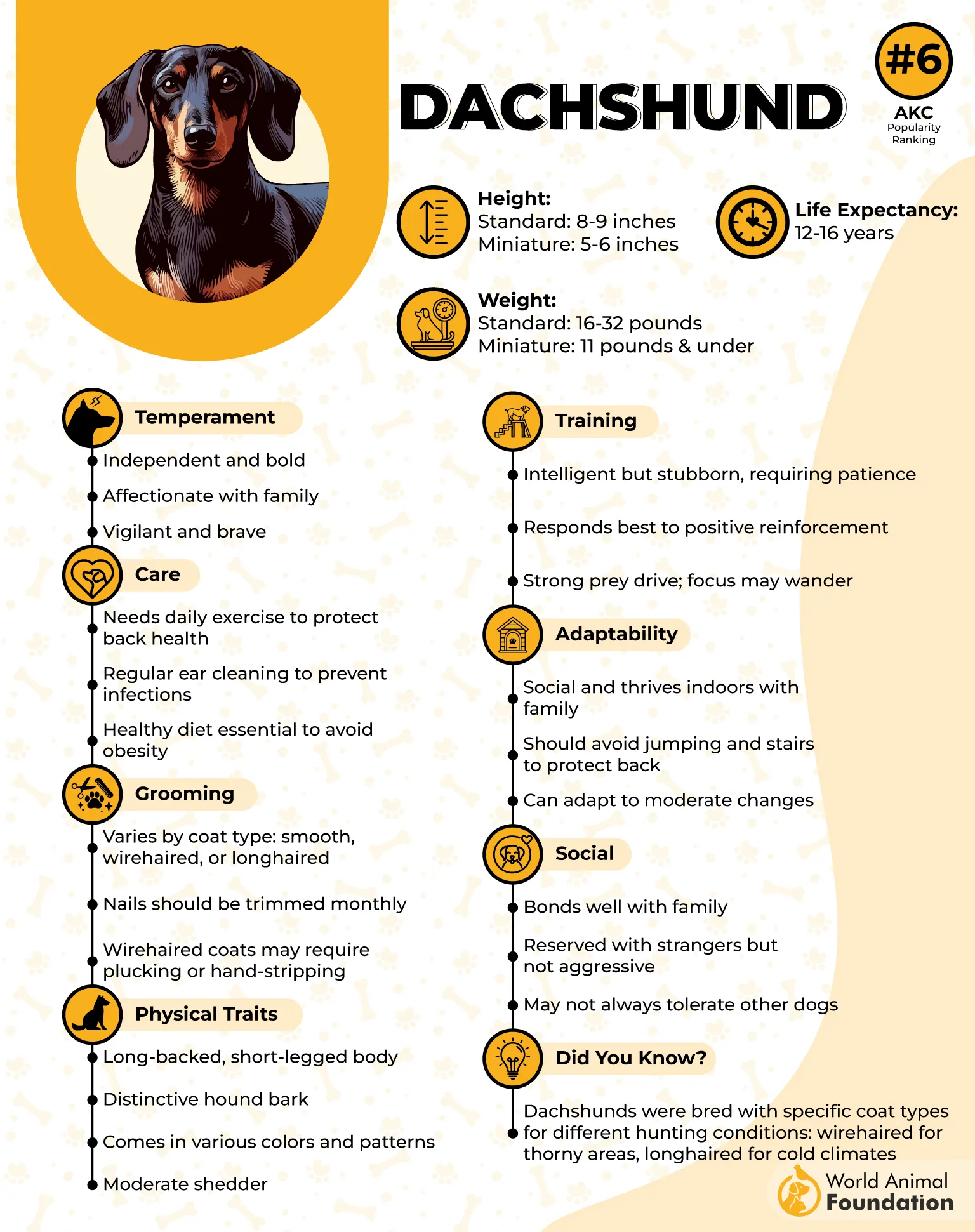
The Dachshund has been documented since the 16th century, and its name comes from German terms for badger and dog. Its elongated body, muscular legs, and broad front paws helped it move through underground spaces while hunting badgers, foxes, and rabbits.
A Chase in Seconds
This small dog can suddenly bolt after cats, birds, rodents, or even a leaf skimming across the ground, so its prey drive deserves serious attention outdoors.
A secure leash is especially important because the urge to pursue something small can take over before recall gets a chance to work.
These actions make their instincts easier to recognize:
Follows scents into tight spaces
Digs through soil and soft bedding
Burrows beneath blankets and cushions
Channeling the Instinct
Dachshunds can put their natural curiosity to safer use through nose work, puzzle toys, and designated digging areas. Homes with hamsters, mice, or other small animals also require extra caution because the breed’s original hunting purpose still influences its reactions.
7. Basenji
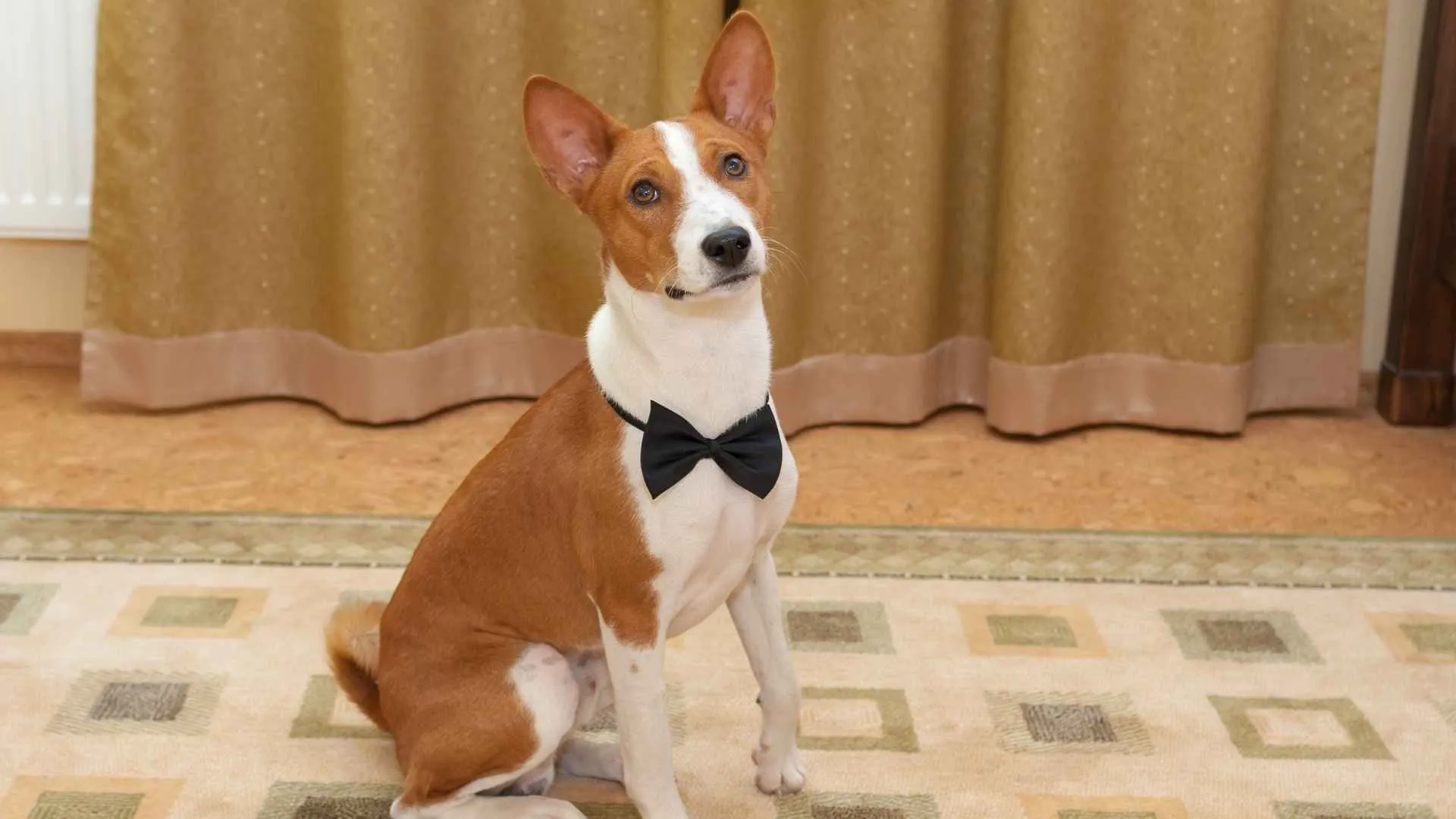
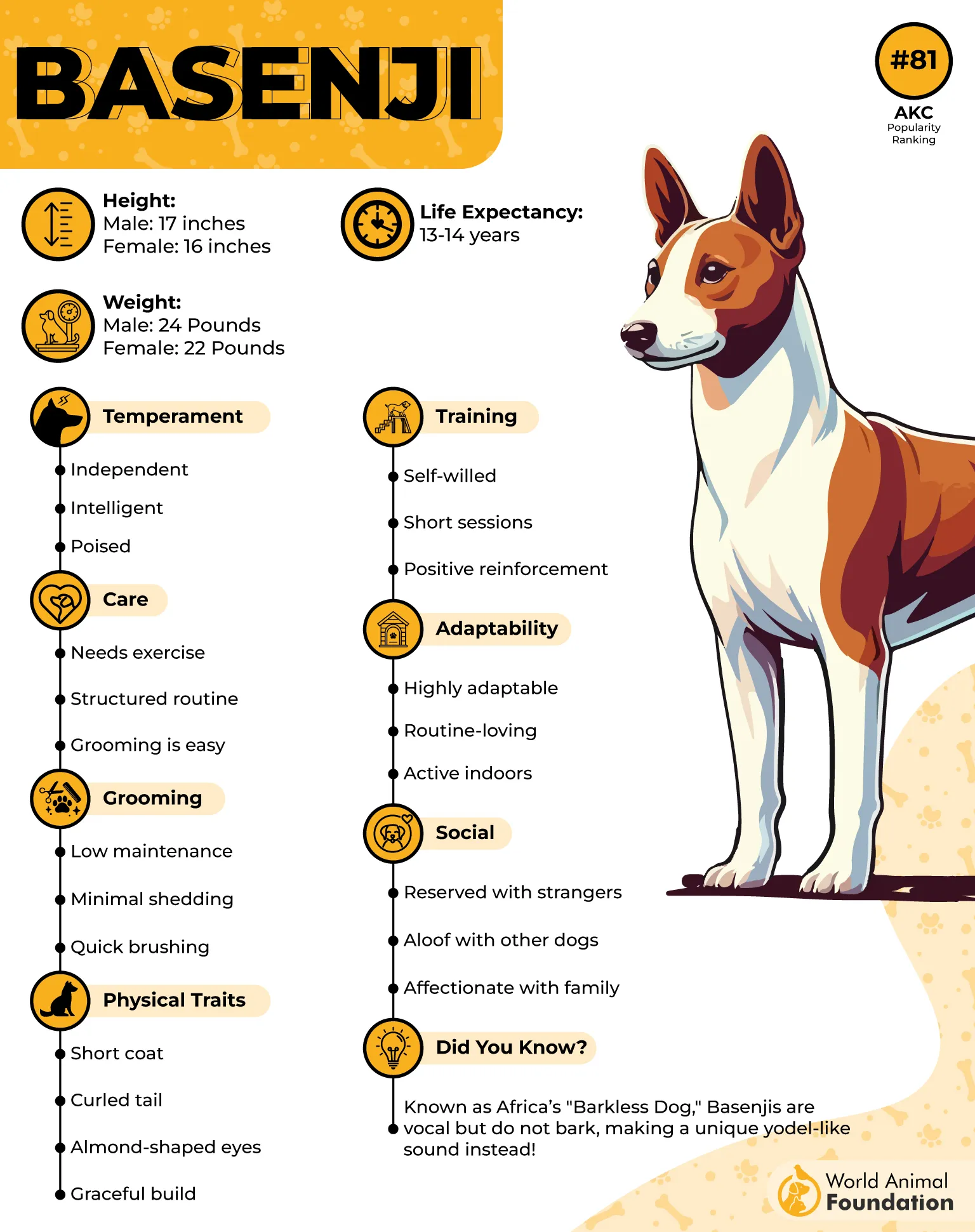
Basenji comes from the Congo region of Africa, where Pygmy hunters used these dogs as pack hunters. A small group reached England in 1930, forming the foundation for later breeding, and by the 1950s the breed was becoming more popular as a household and show dog.
Built to Chase
This breed has a powerful urge to pursue quick-moving animals, with squirrels, rabbits, cats, and hamsters all capable of triggering that response.
Its sharp sight and scent tracking can also send it running after an interesting trail before a handler has time to react.
That instinct creates a few practical concerns:
Small pets can trigger pursuit
Chain-link fences may be climbable
Recall can be extremely unreliable
A Difficult Training Partner
Basenji is intelligent, inquisitive, and remarkably independent, which can make obedience work a lengthy process. It may take a patient, experienced trainer to get consistent responses from a dog that can be exceptionally stubborn about following instructions.
Conclusion
Living with a dog that has strong prey instincts means planning for movement, speed, and sudden distractions. A squirrel across the yard or an animal beside the trail can quickly become more interesting than anything else around. A dog wired to chase may need extra guidance, so owners should use secure fencing, dependable leashes, and sensible separation from small pets.
Regular exercise and activities that involve chasing down prey, searching, or problem-solving can also give that instinct a safer direction while building useful chasing skills.
Before choosing a companion, consider your surroundings, daily schedule, training experience, and ability to manage strong reactions. Preparation makes this instinct easier to live with.
