




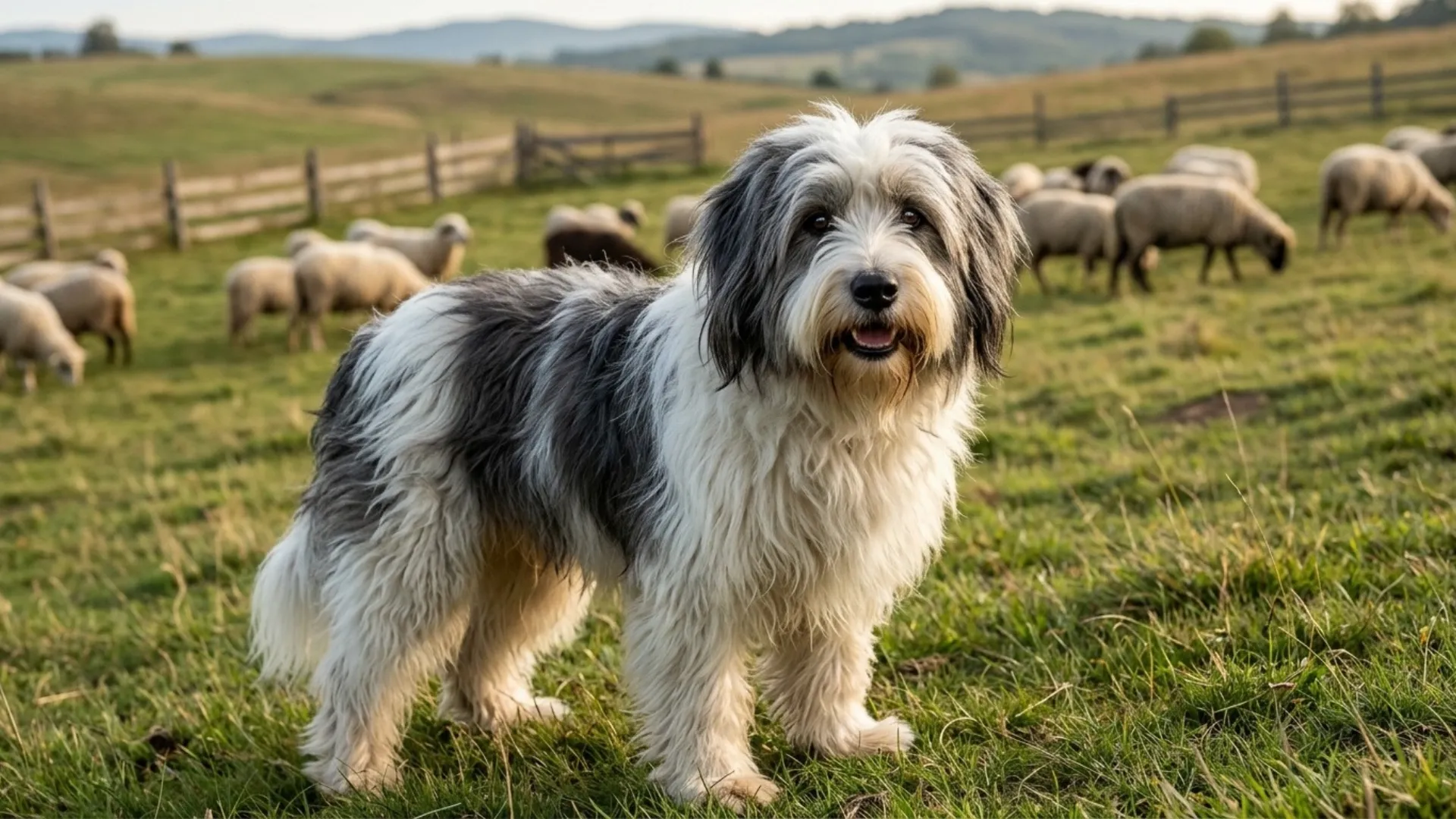
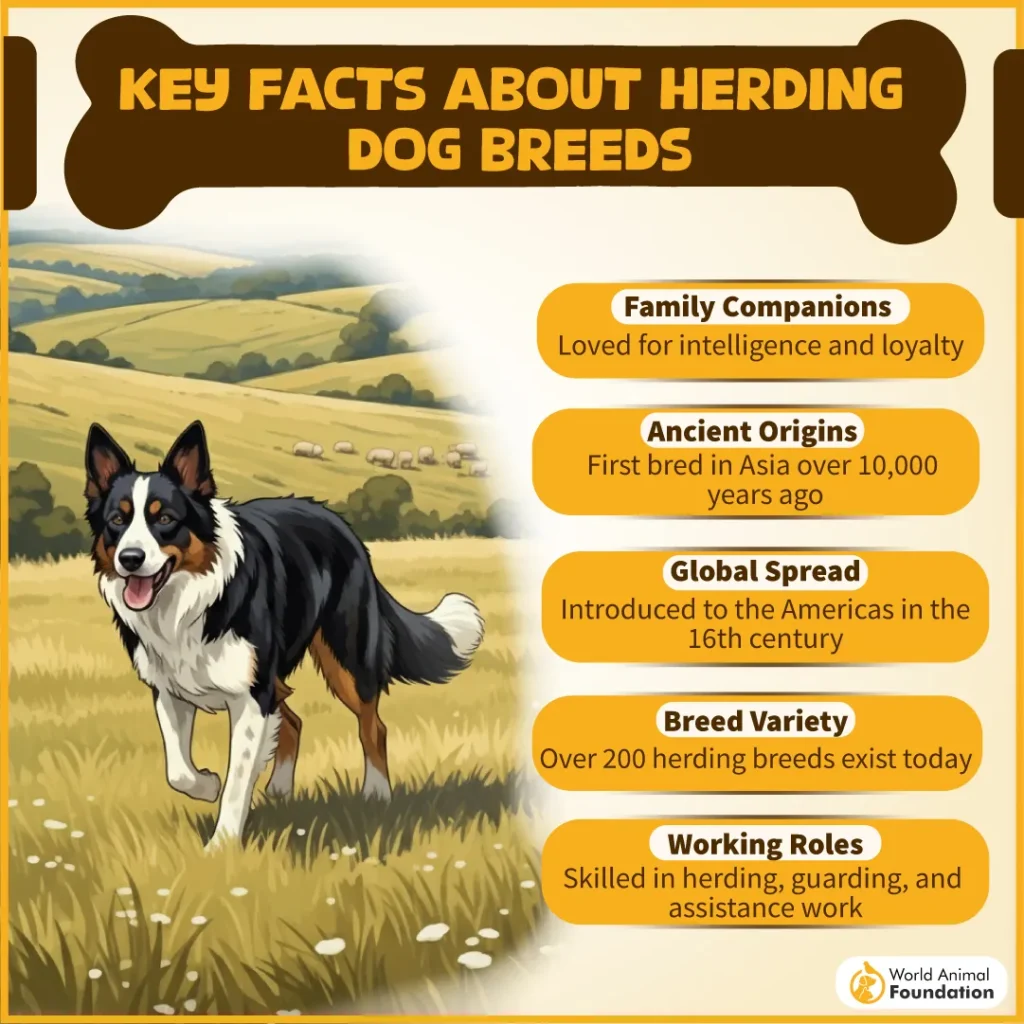
Herding dogs were originally developed to guide livestock, control animal movement, and work closely with farmers. Their demanding roles shaped breeds known for quick thinking, sharp awareness, and an exceptional ability to follow commands.
From mastering complex tasks to anticipating movement, these intelligent dogs thrive when given purposeful activities and mental challenges. Many also make devoted companions for active households.
Explore herding breeds celebrated for their intelligence and discover the unique abilities, working instincts, and exercise needs that make each one stand out.
Herding Dog Breeds with Exceptional Intelligence
1. Polish Lowland Sheepdog
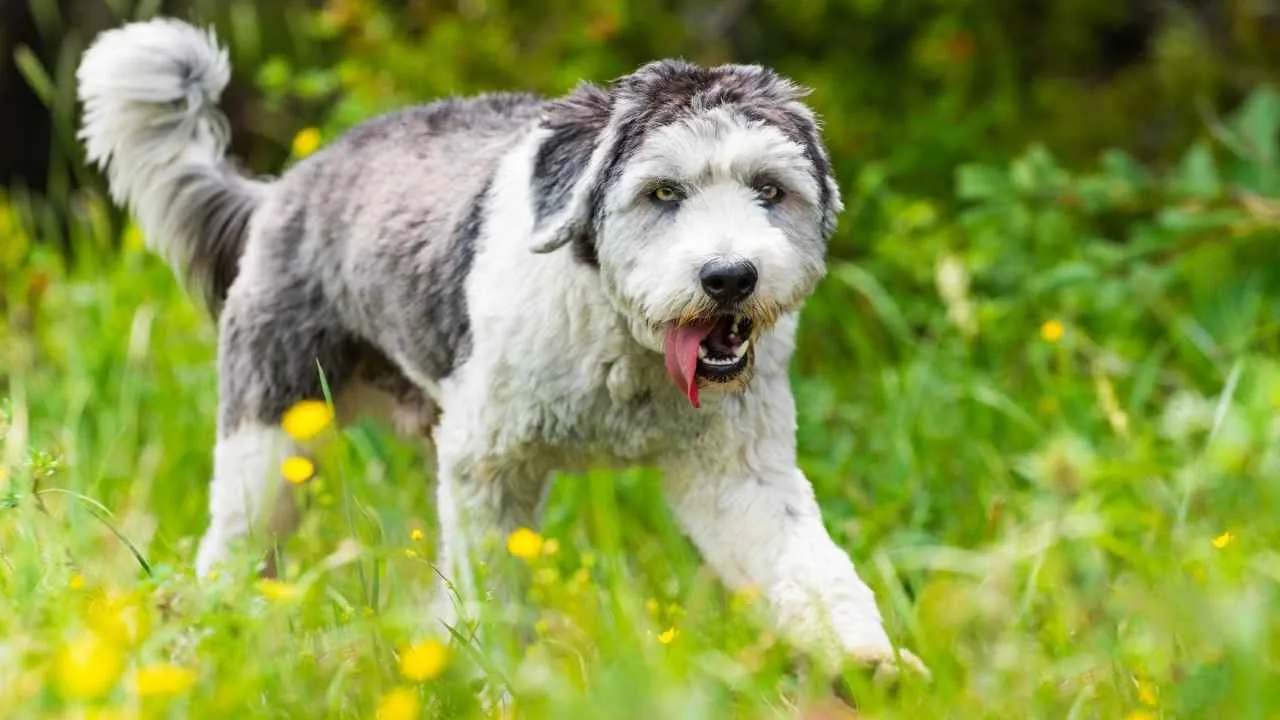
The Polish Lowland Sheepdog, also known as the PON, is a compact, muscular herding dog with a distinctive shaggy double coat. Its long, slightly wavy outer coat and dense undercoat give it a sturdy appearance, while the hair covering its eyes adds to its characteristic expression.
According to the AKC, its coarse, water-resistant outer layer and soft undercoat need thorough brushing at least once a week to prevent tangles and maintain coat health.
Clever, confident, and alert, this breed was developed for demanding herding work. It thrives on exercise and purposeful activities, displaying an independent nature that can sometimes make training challenging. Its adaptability also makes it a valued companion and watchdog.
Its intelligence extends beyond learning commands, helping it respond to changing situations while managing livestock with confidence.
How This Breed Stands Out
Strong memory for learned tasks: Retains training and familiar routines effectively.
Independent flock-management instincts: Uses its own judgment when guiding and controlling livestock.
2. Australian Shepherd
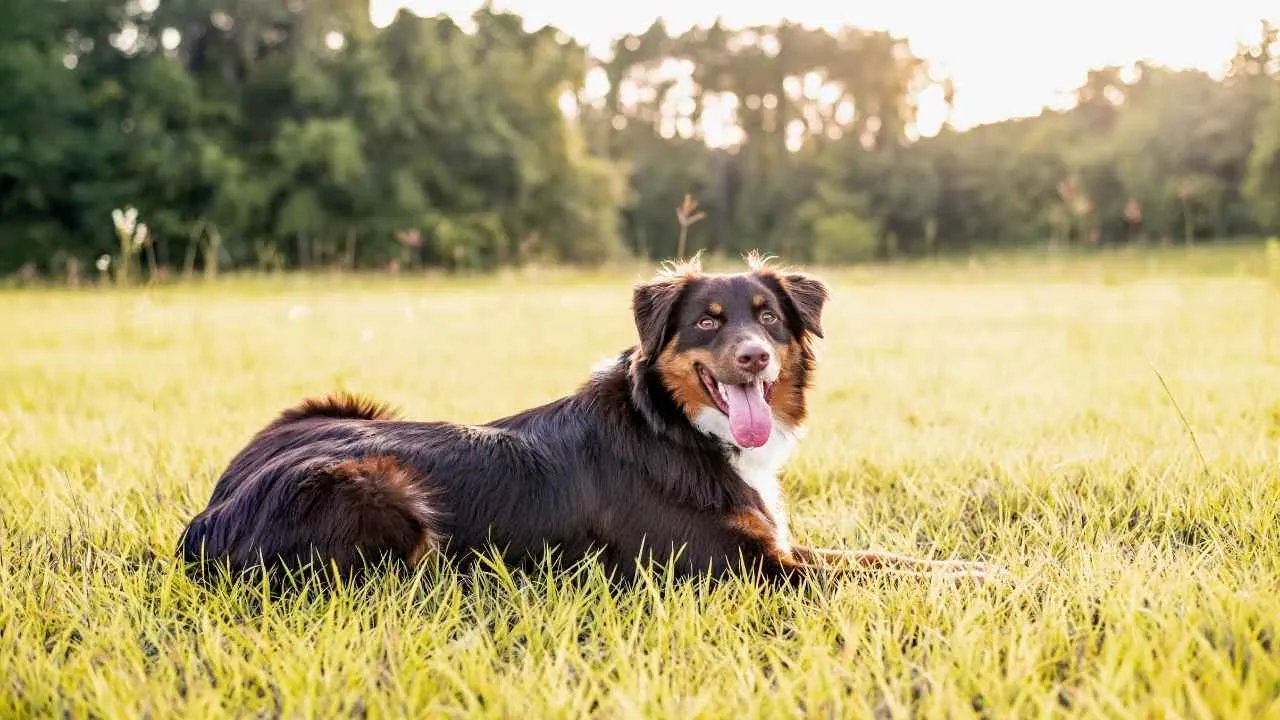
Developed in the United States for ranch work, the Australian Shepherd is a remarkably intelligent and energetic herding dog. Its sharp instincts and strong work ethic make it particularly skilled at managing livestock across demanding terrain.
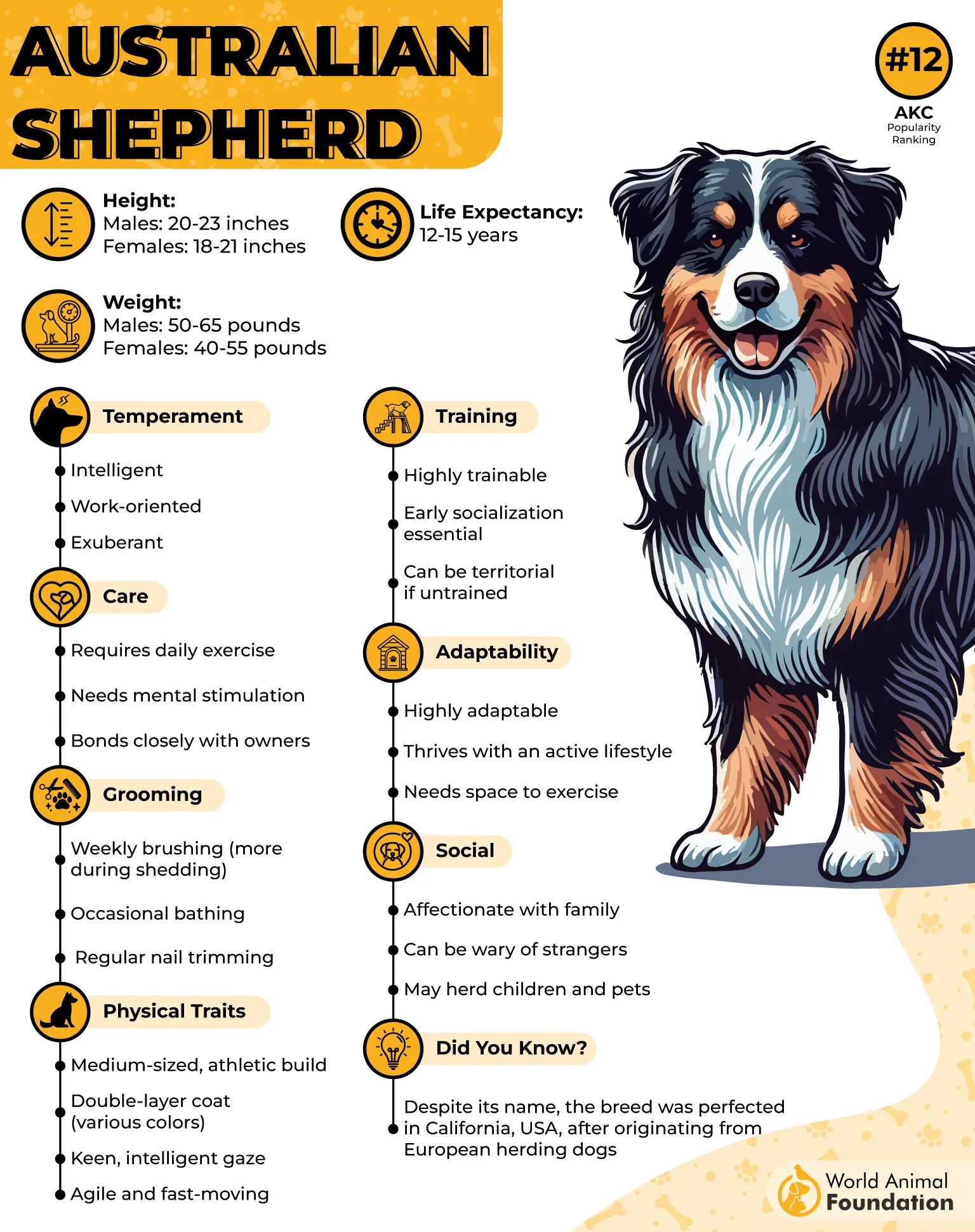
Britannica notes that Aussies learn commands quickly and enjoy having specific tasks to complete, whether working on a ranch or participating in outdoor activities. Their ability to anticipate movement and respond to changing situations makes them valuable working partners.
However, their herding drive extends beyond livestock, sometimes influencing how they interact with children and other animals. They need regular challenges and purposeful activities to channel their intelligence and enthusiasm.
How This Breed Stands Out
Exceptional livestock-handling instincts: Naturally inclined to guide and control moving animals through herding behavior.
Fast decision-making on ranches: Uses sharp awareness and quick responses to manage livestock in changing situations.
3. Australian Cattle Dog
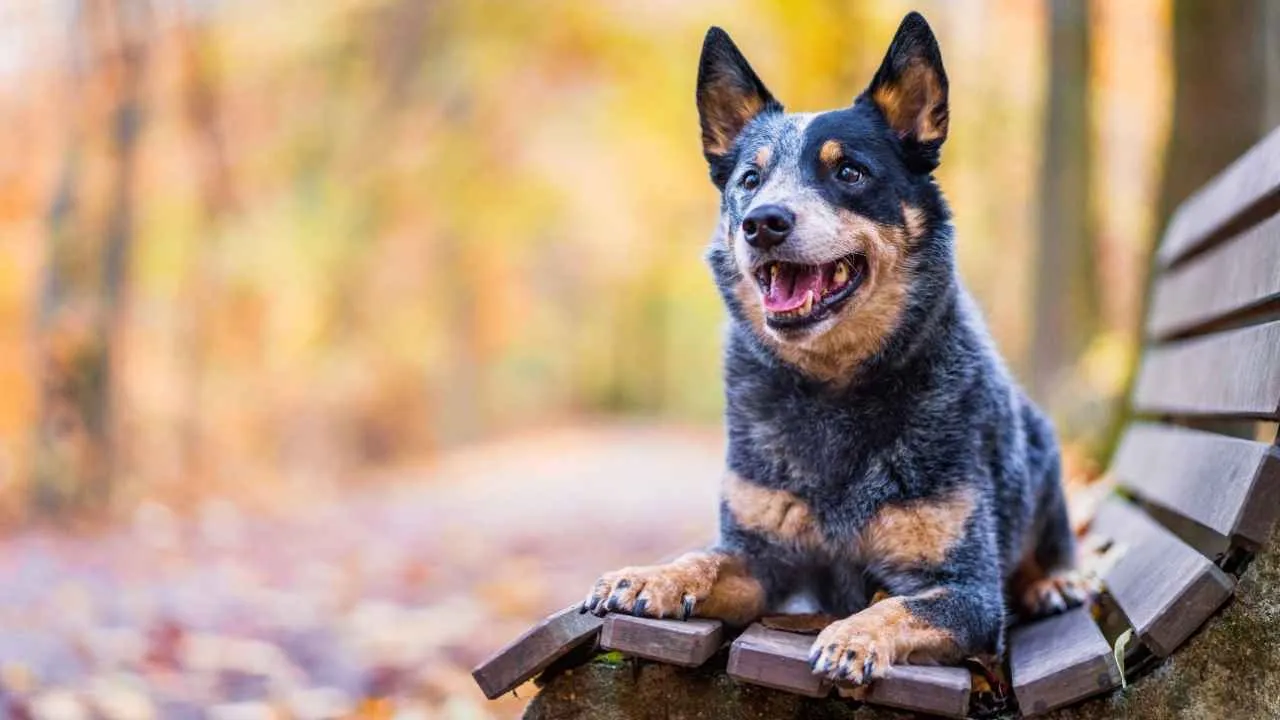
Bred to drive cattle across Australia’s challenging landscapes, the Australian Cattle Dog combines impressive intelligence with remarkable independence. Its natural ability to control livestock makes it a highly capable herding worker, even in demanding conditions.
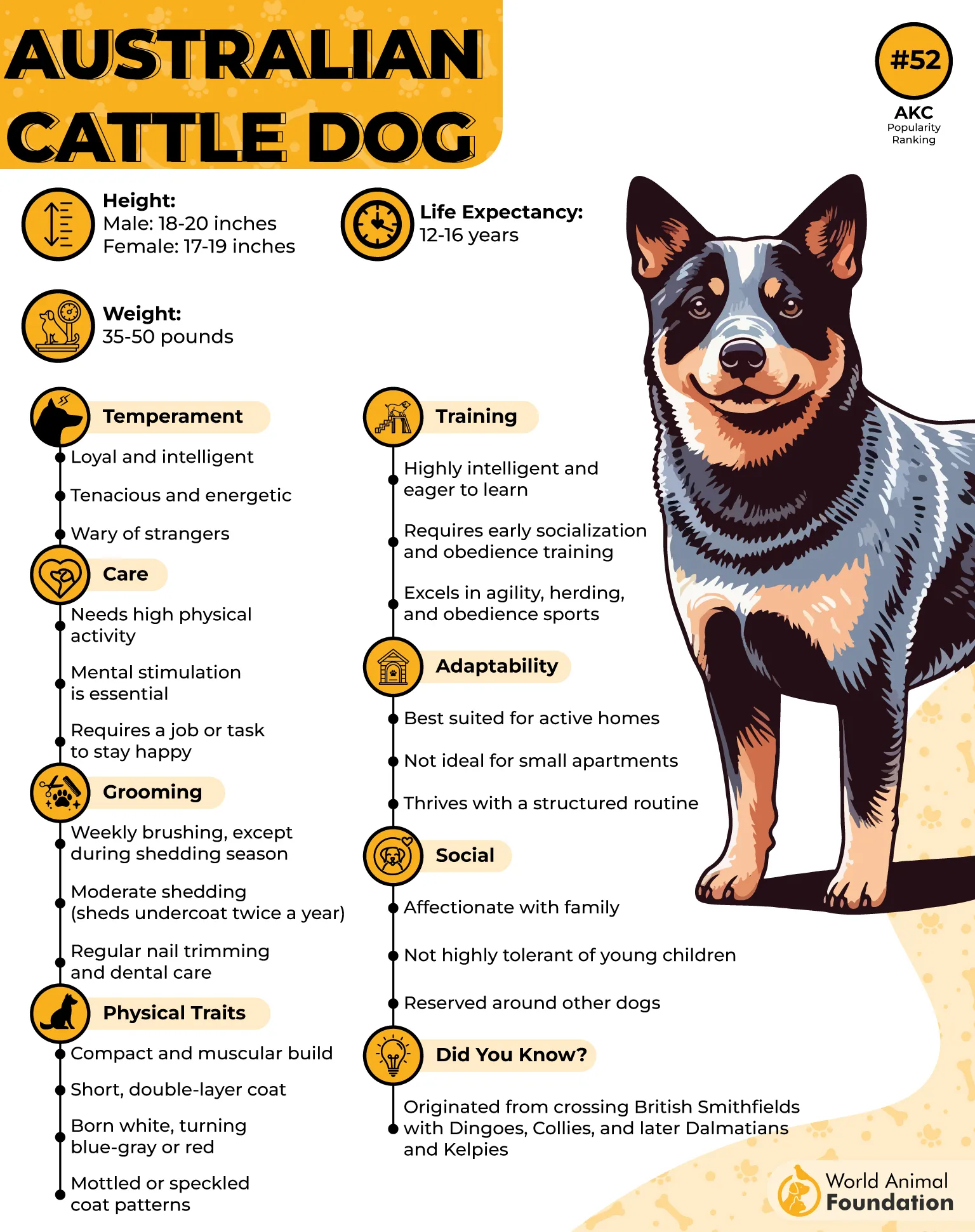
This muscular, agile breed is quick to learn but can sometimes outsmart inexperienced owners. Its strong working instincts and alert nature help it respond independently while directing moving animals across open terrain.
Endurance is another defining quality. Australian Cattle Dogs need purposeful daily activities, including running, agility, and challenging training exercises. Without sufficient physical and mental engagement, their intelligence can turn into unwanted mischief.
How This Breed Stands Out
Independent cattle-driving skills: Naturally capable of controlling and moving livestock with confidence and determination.
Remarkable working-dog stamina: Possesses the endurance and agility needed for demanding outdoor tasks.
4. Border Collie
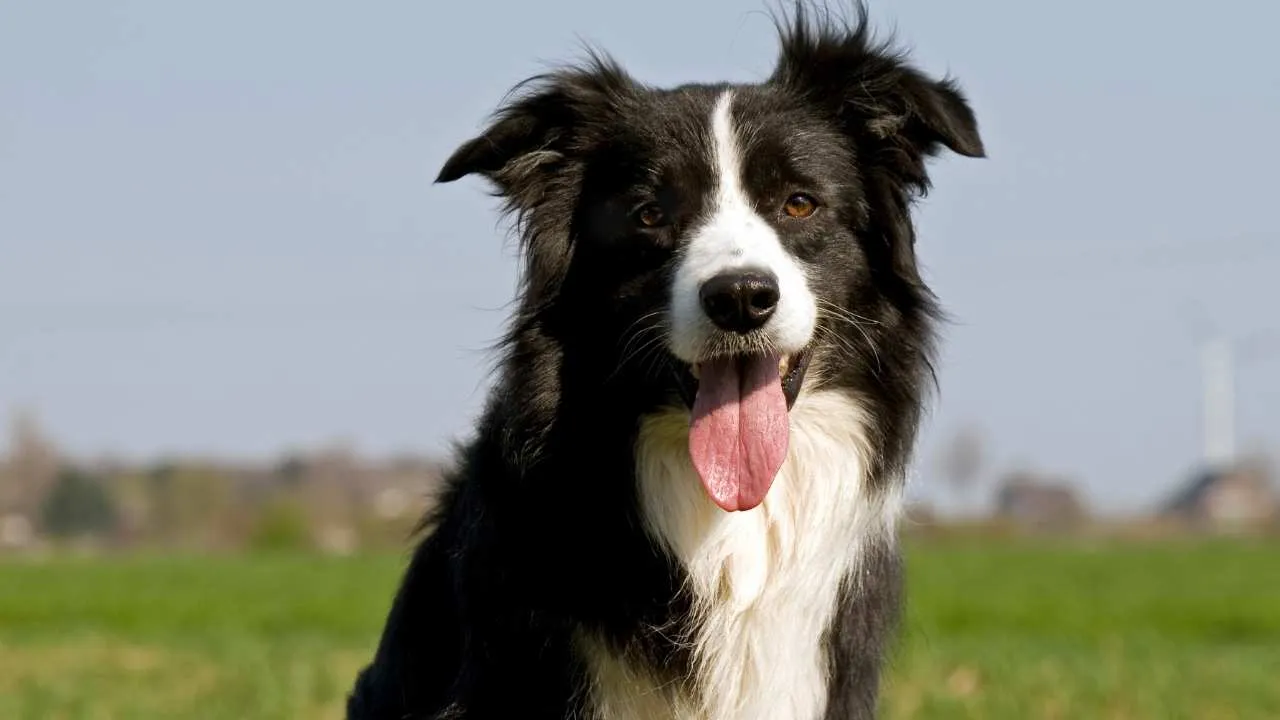
Renowned for its remarkable intelligence, the Border Collie was developed along the border between England and Scotland to manage sheep with exceptional precision. Its intense concentration and instinctive understanding of livestock movement make it one of the most capable working herders.
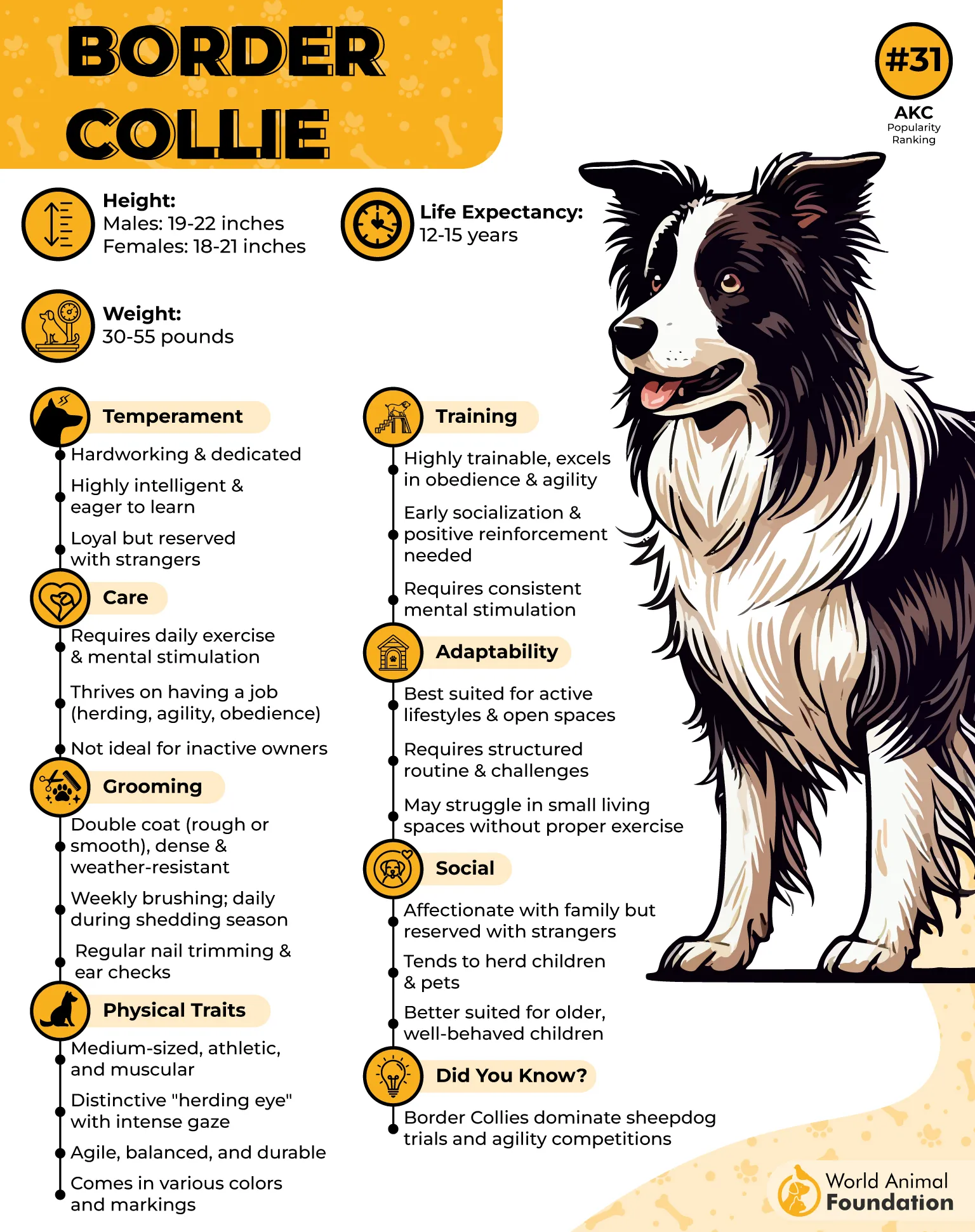
According to Purina, Border Collies have athletic, muscular builds paired with affectionate and gentle personalities. They enjoy cuddling and make devoted companions for owners who can keep up with their high energy levels.
What sets this breed apart is its ability to recognize commands and respond to subtle directions, and highly intelligent herding breeds can often learn quickly, with many picking up new commands in fewer than five repetitions; Border Collies are a classic example.
Its famous focused gaze, often called the herding eye, helps it control livestock through carefully calculated movements rather than relying solely on physical force. Herding, obedience training, and agility provide valuable outlets for their intelligence and tireless work ethic.
How This Breed Stands Out
Advanced command recognition: Quickly understands instructions and responds accurately to handler cues.
Precise, strategic herding movements: Uses focused observation and controlled positioning to guide livestock efficiently.
5. Bergamasco Sheepdog
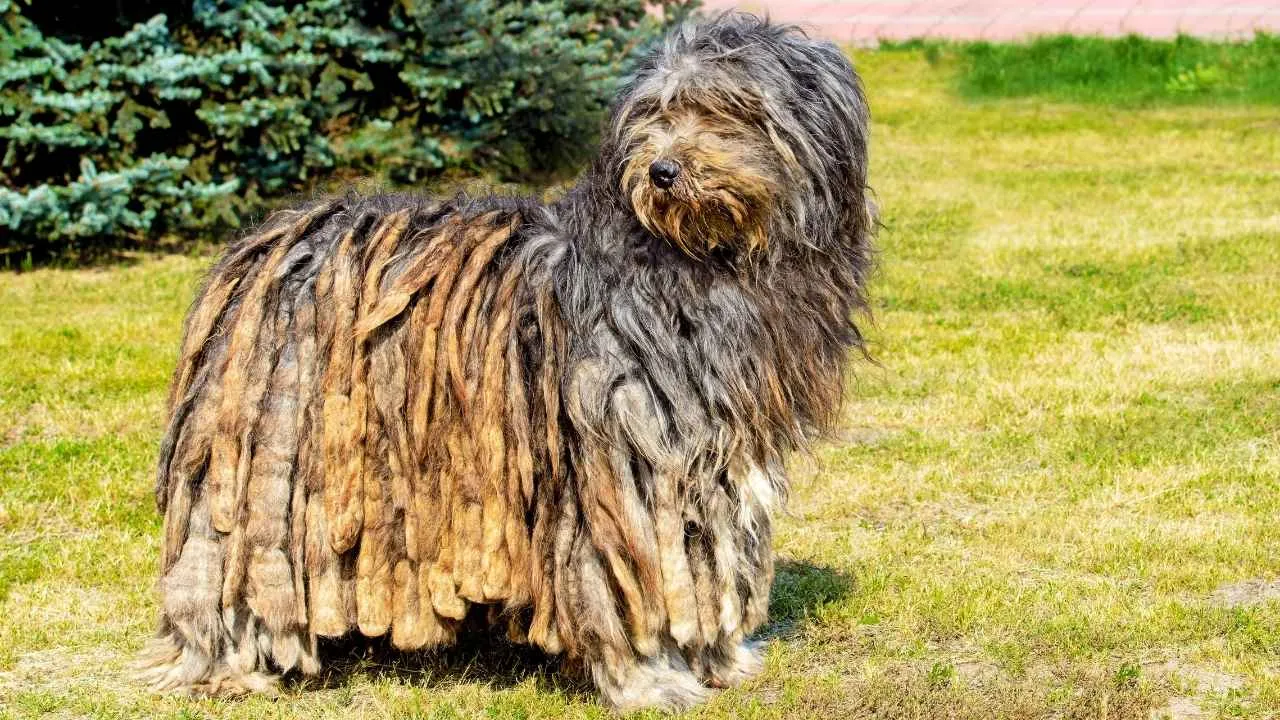
Originating in the Italian Alps, the Bergamasco Sheepdog developed into a dependable livestock guardian with a thoughtful and independent working style. Its intelligence is paired with patience, loyalty, and a strong sense of responsibility toward its surroundings.
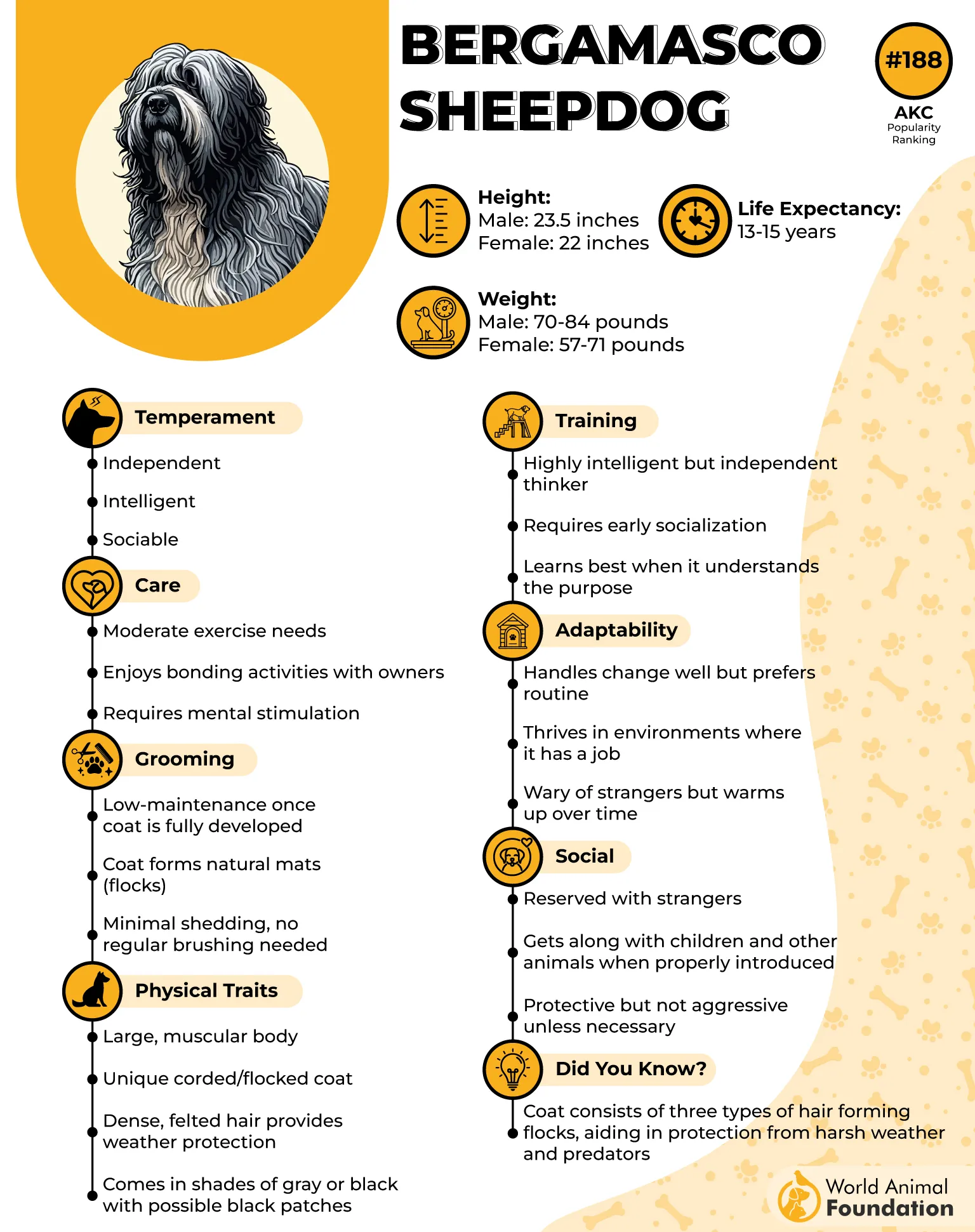
Rather than relying on constant direction, this breed can assess situations and respond calmly to changing conditions. Its natural watchfulness helps it monitor livestock and remain attentive to potential threats without immediately resorting to aggression.
Bergamascos are eager to work but retain an independent streak. Their protective instincts and steady temperament make them capable of handling responsibilities while remaining composed around familiar people and animals.
How This Breed Stands Out
Calm, thoughtful decision-making: Uses patience and independent judgment when responding to situations.
Natural ability to monitor livestock: Maintains an attentive, watchful presence while overseeing animals.
6. Pembroke Welsh Corgi
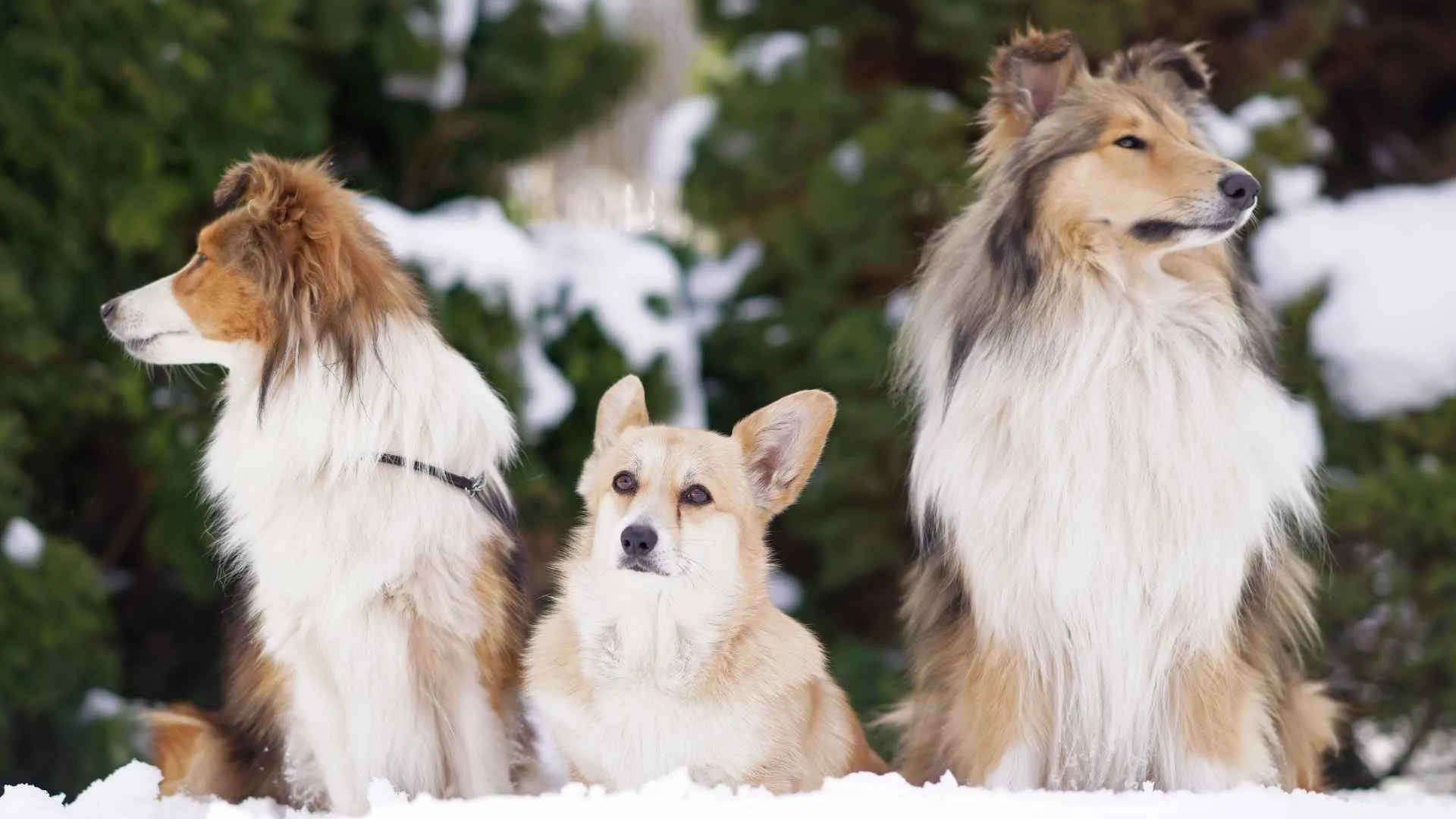
Despite their short stature, Pembroke Welsh Corgis were developed as capable cattle herders, using intelligence and agility to manage animals much larger than themselves. Their lively, outgoing personality is matched by a sharp mind and a strong desire to stay involved.
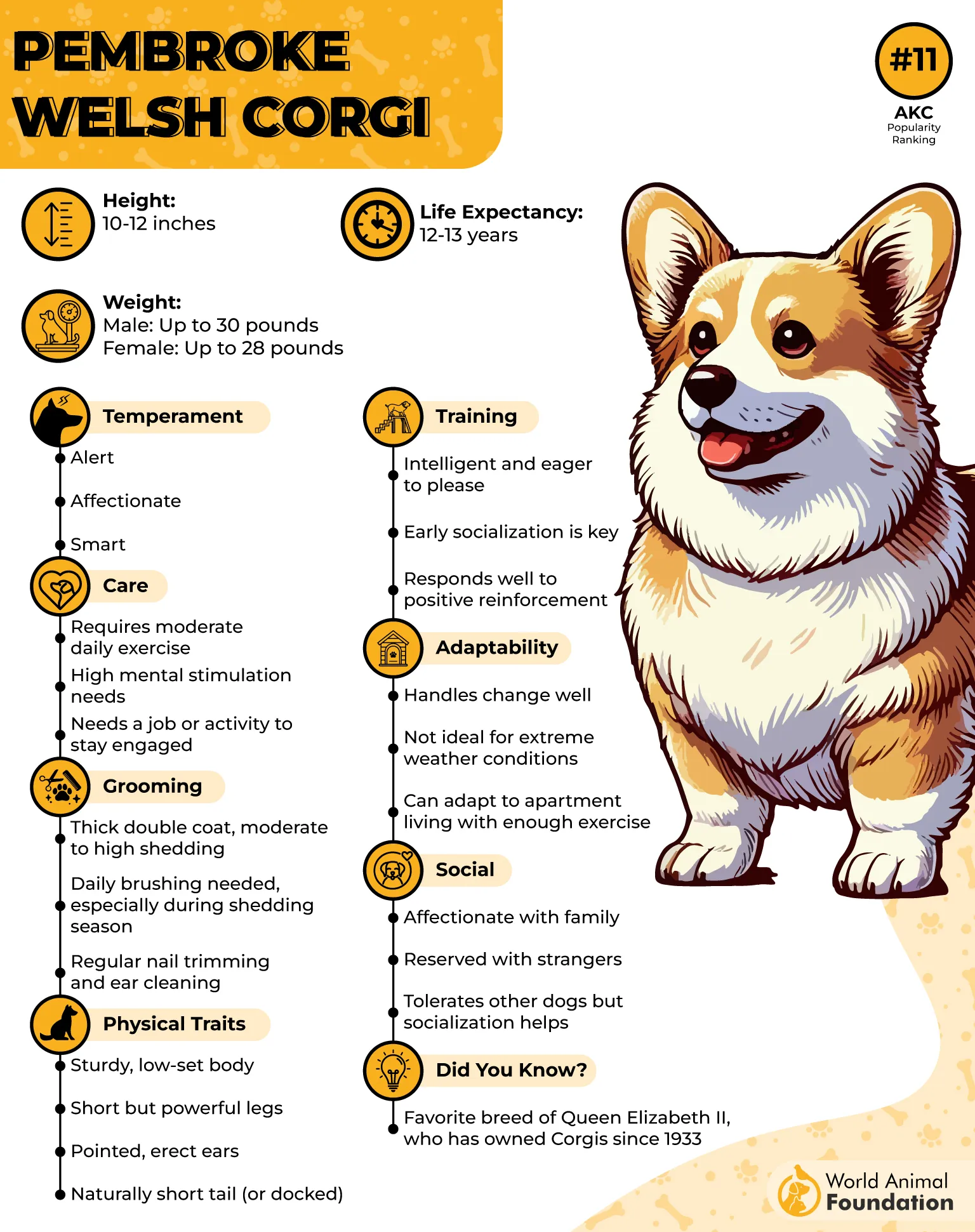
These quick-thinking dogs can react rapidly to changing livestock movements. Their low build also allows them to use heel-nipping techniques to encourage cattle forward while avoiding kicks from larger animals.
Corgis enjoy learning and respond well to consistent training and socialization. Their energetic nature and eagerness for attention make regular mental challenges particularly valuable.
How This Breed Stands Out
Quick reactions when moving cattle: Responds rapidly to livestock movements and changing situations.
Clever use of heel-nipping herding tactics: Uses controlled nips near cattle’s heels to direct their movement.
7. Belgian Malinois
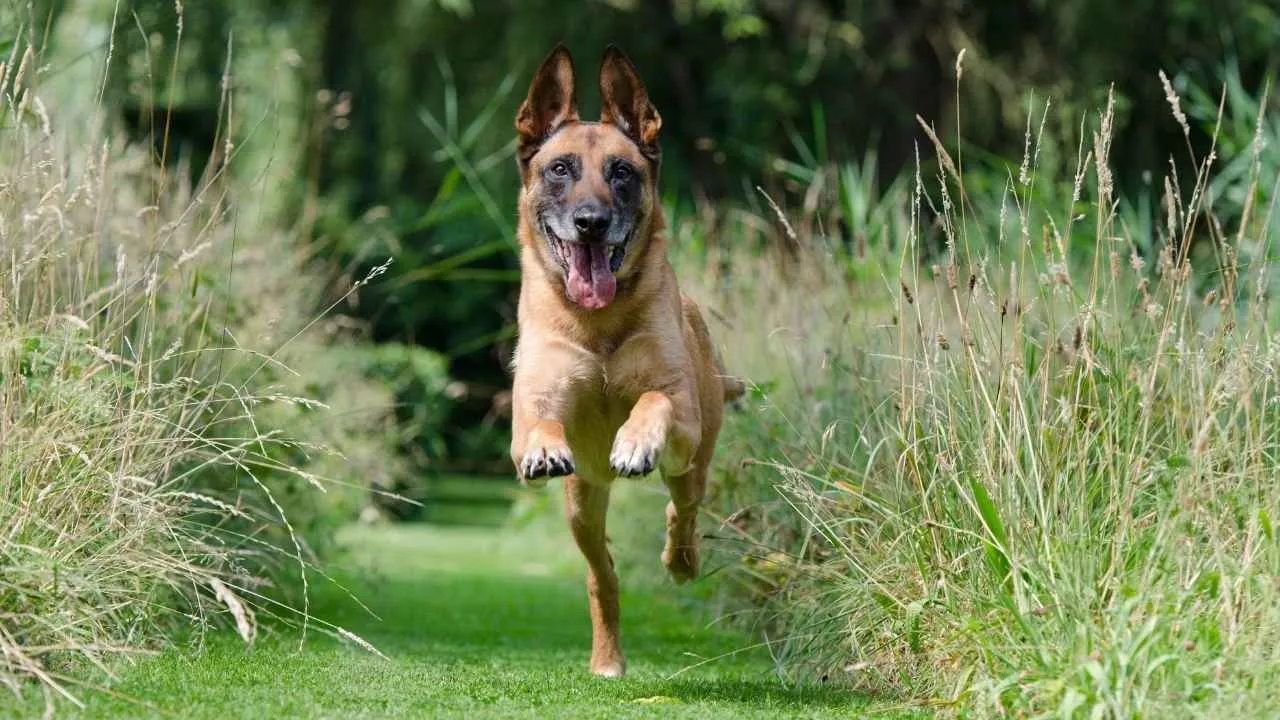
Originally developed for herding and farm work in Belgium, the Belgian Malinois takes its name from the Belgian city of Malines and is known for its fawn coat with a typical black facial mask. Its versatility has made it a valuable partner in military, police, and service roles, and this highly intelligent working breed can learn quickly in demanding environments.
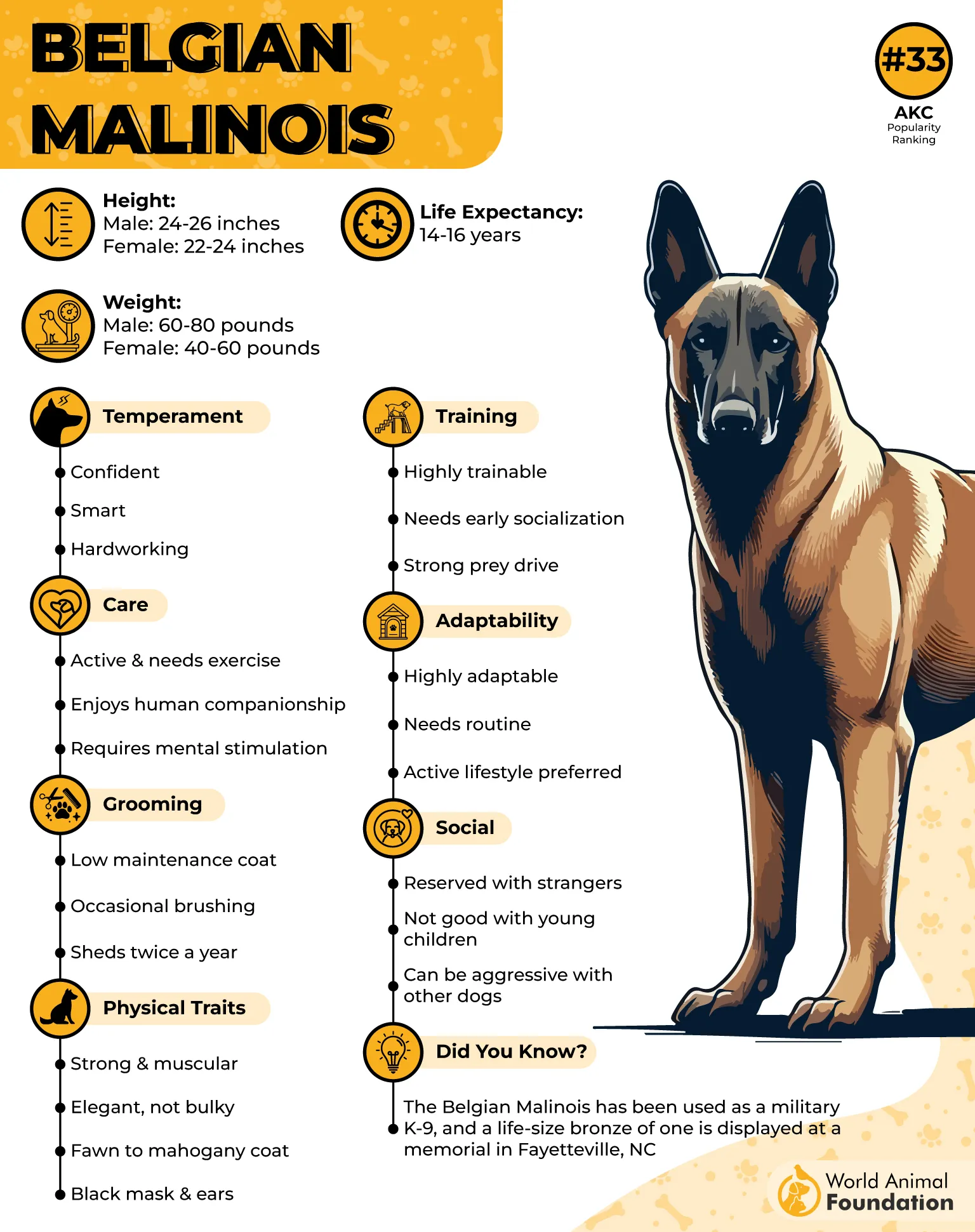
This athletic breed can process instructions quickly and perform complex obedience routines with impressive accuracy. Its strong bond with its handler encourages cooperation, while its alert nature helps it remain attentive during challenging assignments.
Malinois dogs thrive when given meaningful responsibilities rather than limited household activities. This energetic dog needs meaningful work, regular exercise, and mentally demanding tasks to channel its intelligence and prevent boredom.
How This Breed Stands Out
Rapid response to complex commands: Learns instructions quickly and performs demanding obedience tasks with precision.
Exceptional focus during demanding tasks: Maintains concentration during challenging work that requires sustained attention and cooperation.
Conclusion
Herding dogs stand out for their remarkable intelligence, strong instincts, and ability to understand complex tasks. Their quick learning and natural problem-solving skills make them exceptional working companions and loyal pets.
These intelligent dog breeds thrive when given meaningful responsibilities and opportunities to stay mentally engaged. Their energy, focus, and eagerness to learn make consistent training essential.
However, their abilities come with a need for commitment, structure, and regular activity. They do best with owners who can provide guidance, stimulation, and purposeful interaction.
Choosing an intelligent herding dog means welcoming a capable, devoted companion whose potential shines through proper training, patience, and an active lifestyle.
