




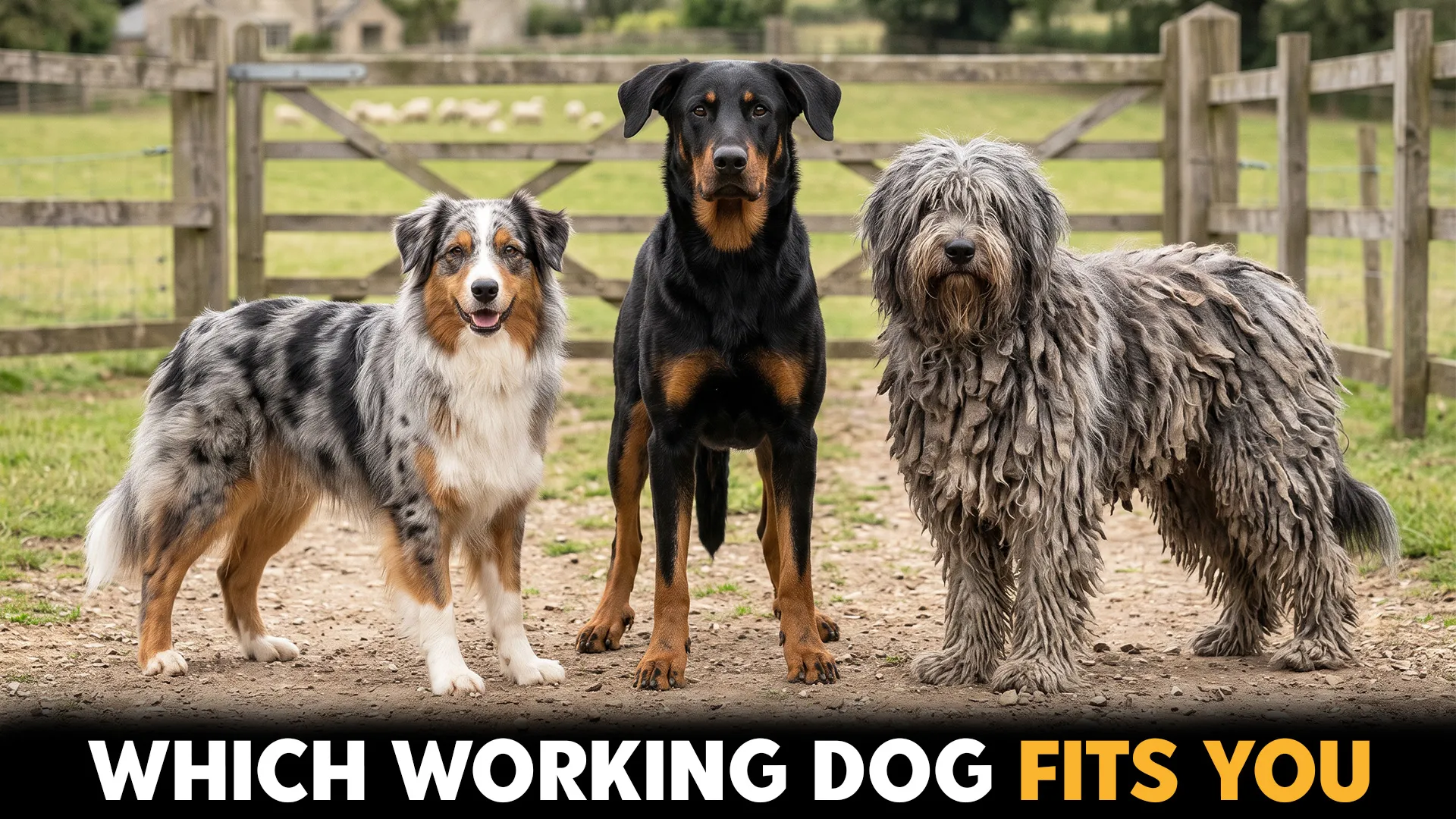
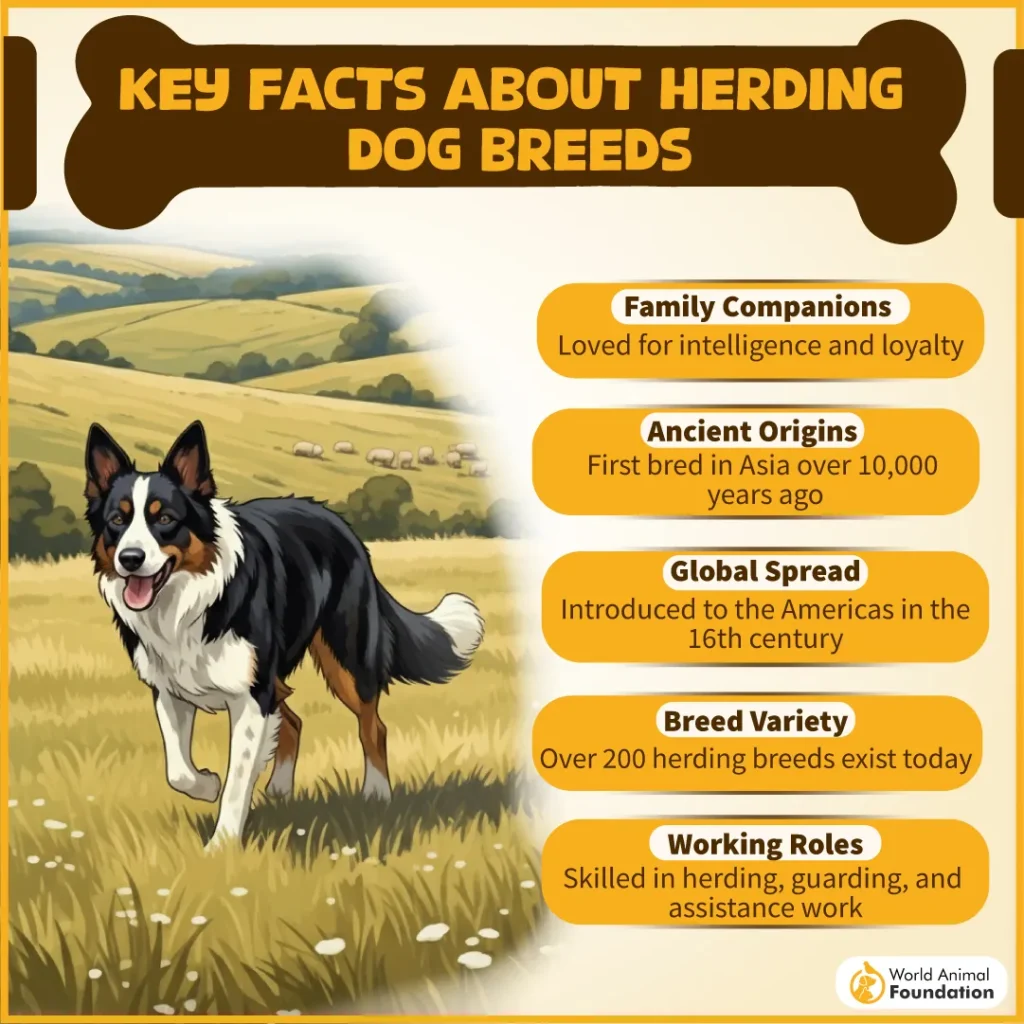
A herding dog fills your days with clever antics, loyal affection, and boundless enthusiasm. Originally bred to guide sheep, move cattle, and manage livestock, these hardworking companions bring farm-born talents into family life. Their sharp minds and strong work ethic make them fascinating pets, but every herder needs the right balance of exercise, training, and attention.
Choosing your match takes more than falling for a fluffy face or an athletic build. Grooming needs, temperament, and daily activity deserve a place on your checklist, too.
These ten herding dog breeds offer a delightful mix of personalities, appearances, and working abilities. From a corded-coated Hungarian dynamo to a devoted guardian, each has a special way of stealing hearts.
Top Herding Dog Breeds: Which One Suits Your Lifestyle?
1. Briard
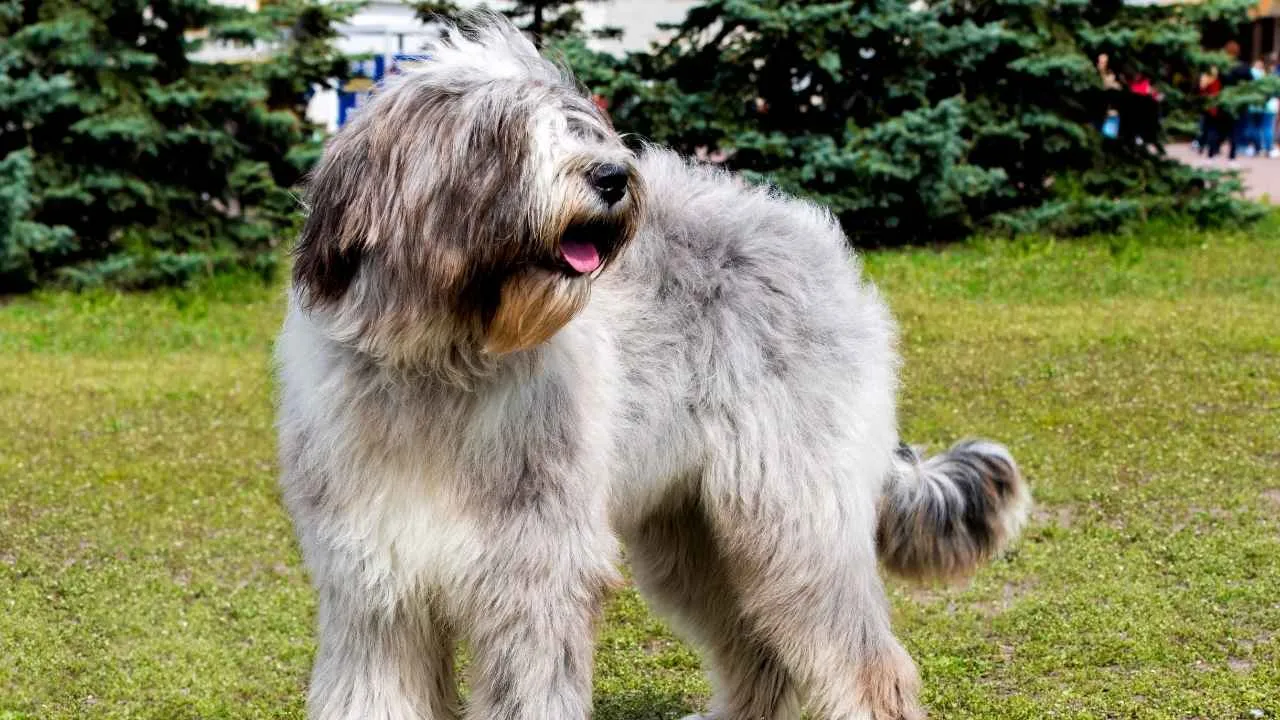
With a shaggy coat, soulful eyes, and a lionhearted spirit, the Briard looks ready to leap into a countryside adventure. This French herder once guided flocks and protected livestock, developing the alert mind and independent judgment that still define the breed.
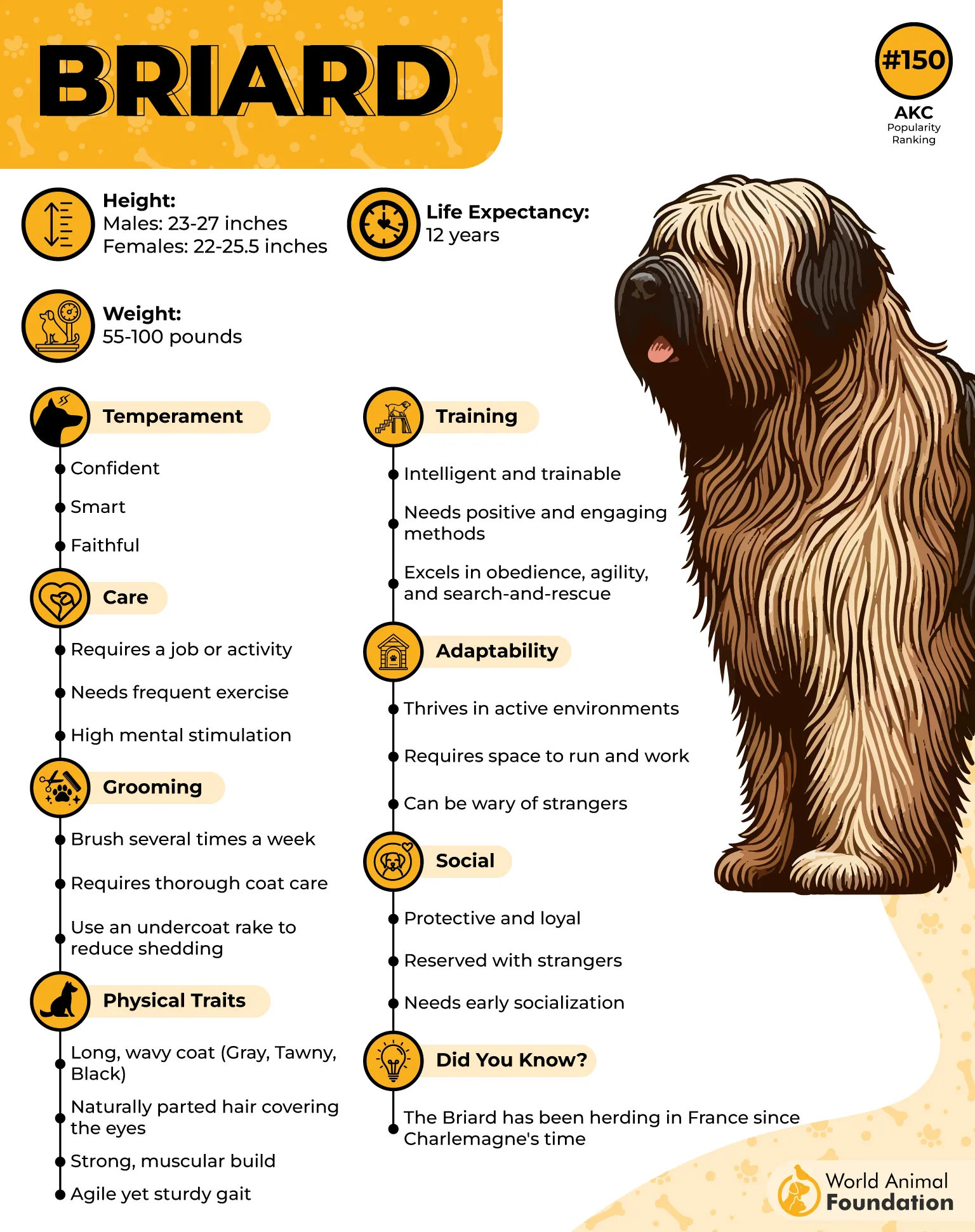
PetMD mentions that Briards form deep bonds with their families and keep a watchful eye on unfamiliar visitors. Their intelligence makes training rewarding, but early socialization and positive reinforcement help shape polite, confident behavior.
That gorgeous, flowing coat needs regular brushing to prevent painful tangles and mats. Daily walks, lively games, and obedience exercises give this energetic companion a healthy outlet for its working instincts.
Best match
Experienced owners who want a loyal, active companion and have time for coat care and consistent training.
2. Australian Shepherd
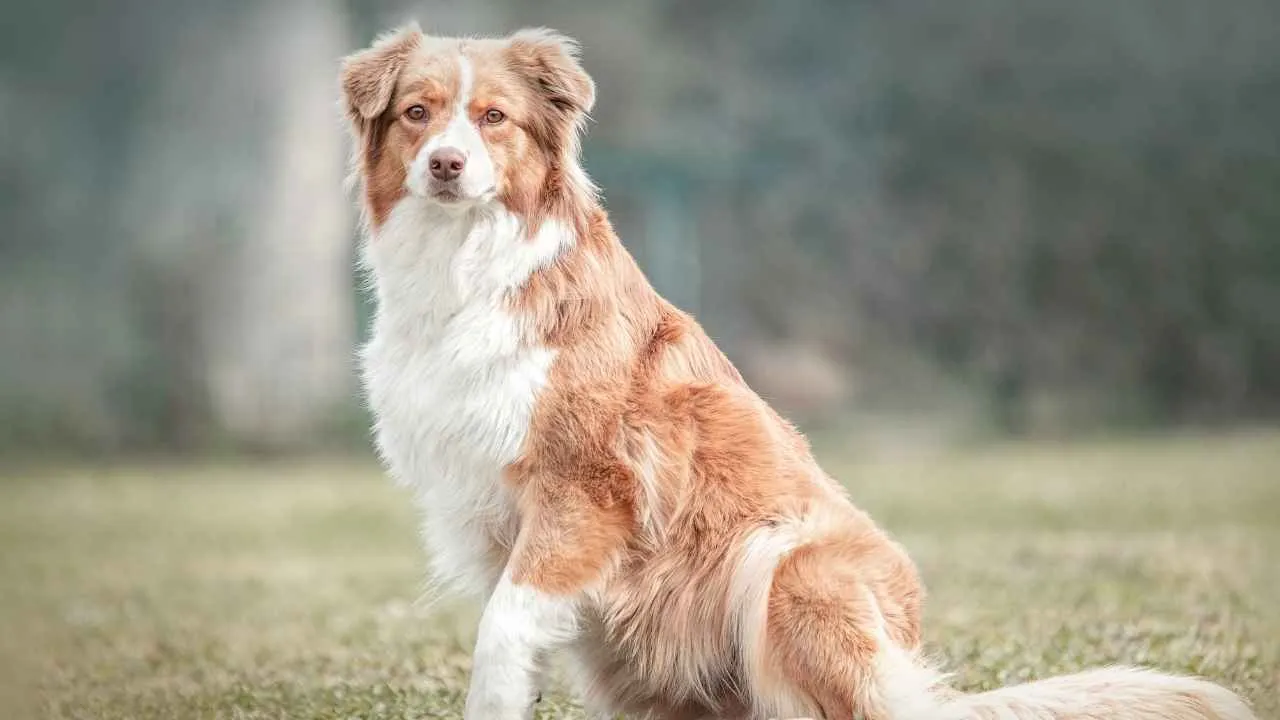
A flash of merle fur and a pair of bright, eager eyes announce the arrival of the Australian Shepherd. Despite its name, this energetic ranch dog developed in the United States, where its quick thinking and agility helped move livestock.
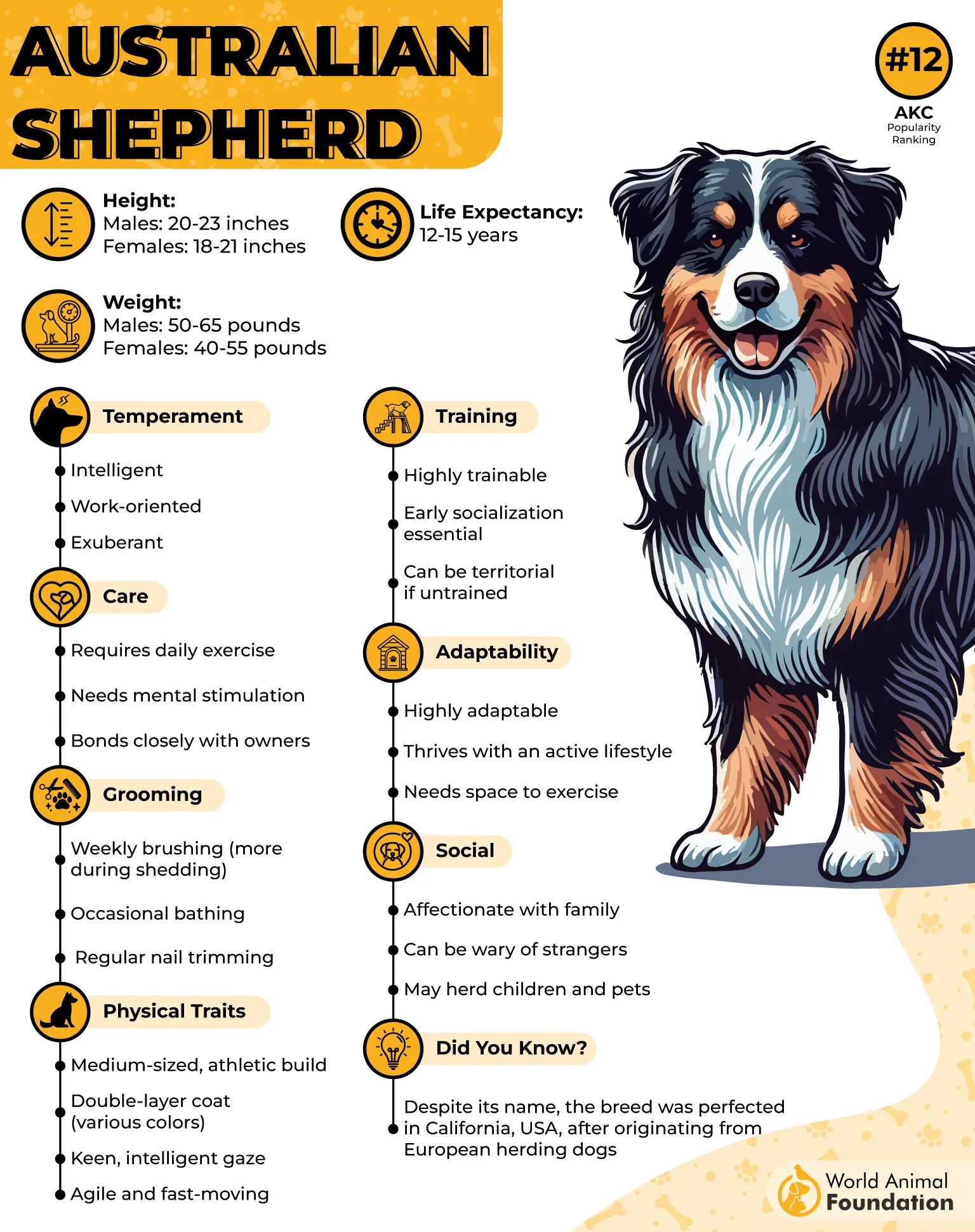
According to Purina, Aussies thrive on activity and love staying close to their favorite humans. Hiking, fetch, obedience work, and dog sports keep their busy minds occupied. Without enough engagement, herding instincts might turn into chasing bikes, circling children, or attempting to herd household members.
Their medium-length double coat needs regular brushing, especially during shedding seasons. Early socialization and reward-based training also help channel their enthusiasm into good manners.
Best match
Active households ready to provide daily exercise, engaging training, and plenty of shared adventures.
3. Polish Lowland Sheepdog
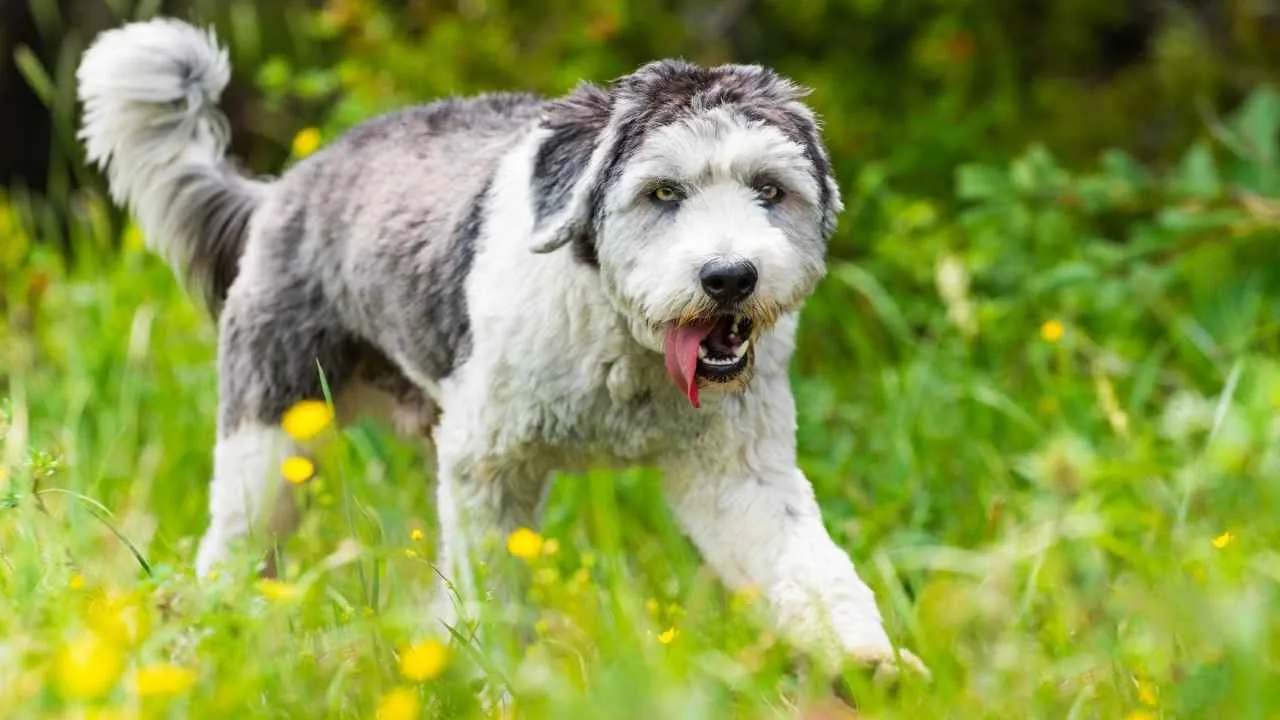
Those shaggy eyebrows and fluffy locks give the Polish Lowland Sheepdog, affectionately called the PON, a wonderfully scruffy charm. Originally bred to help manage flocks, this sturdy Polish herder combines a keen mind with an independent streak.
PONs learn quickly, but their cleverness comes with opinions of their own. Short, upbeat training sessions and rewarding problem-solving games keep them interested without turning lessons into a battle of wills. Family bonds run deep, and early socialization encourages friendly, confident behavior around unfamiliar people and animals.
That thick coat needs frequent brushing and careful detangling to keep knots from taking over. Daily walks, playtime, and mental challenges also help this hardworking breed settle comfortably at home.
Best match
Owners who enjoy training an intelligent companion and are prepared for regular grooming.
4. Bergamasco Sheepdog
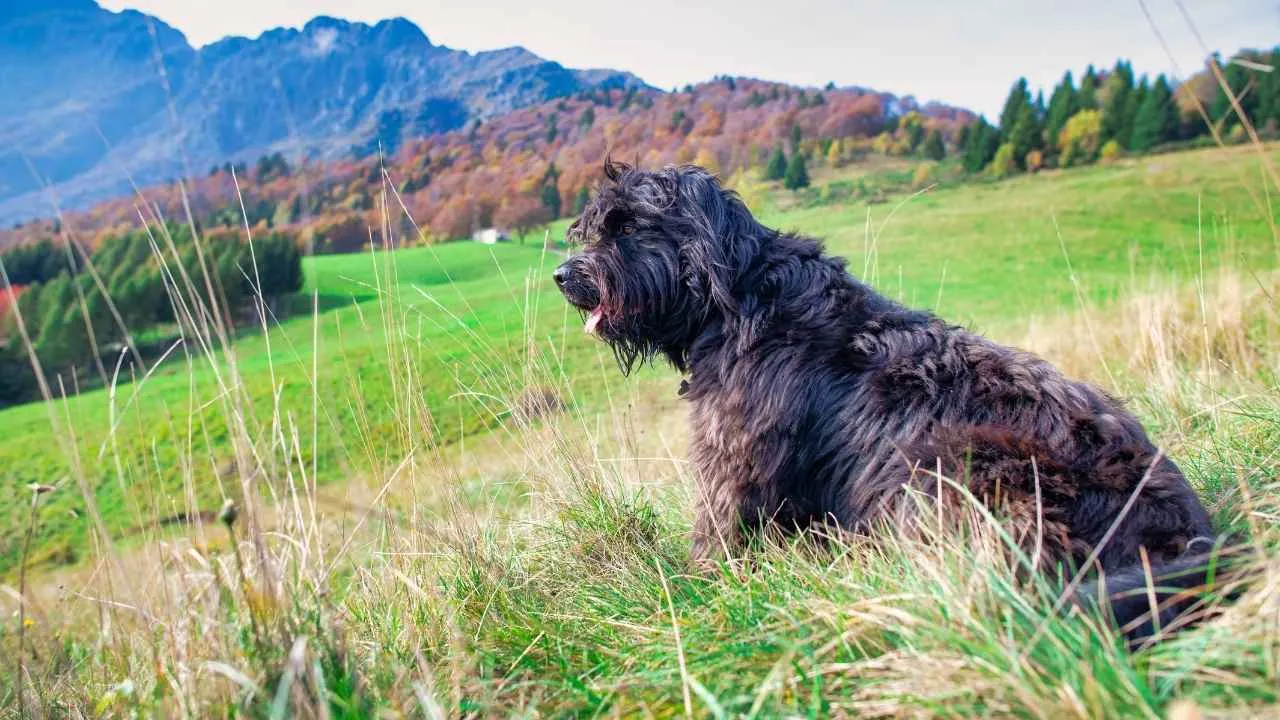
The Bergamasco sheepdog turns heads with its remarkable coat, which forms natural, felt-like flocks. Developed in the Italian Alps, this sturdy large dog relied on intelligence and resilience to guide sheep through rugged mountain terrain.
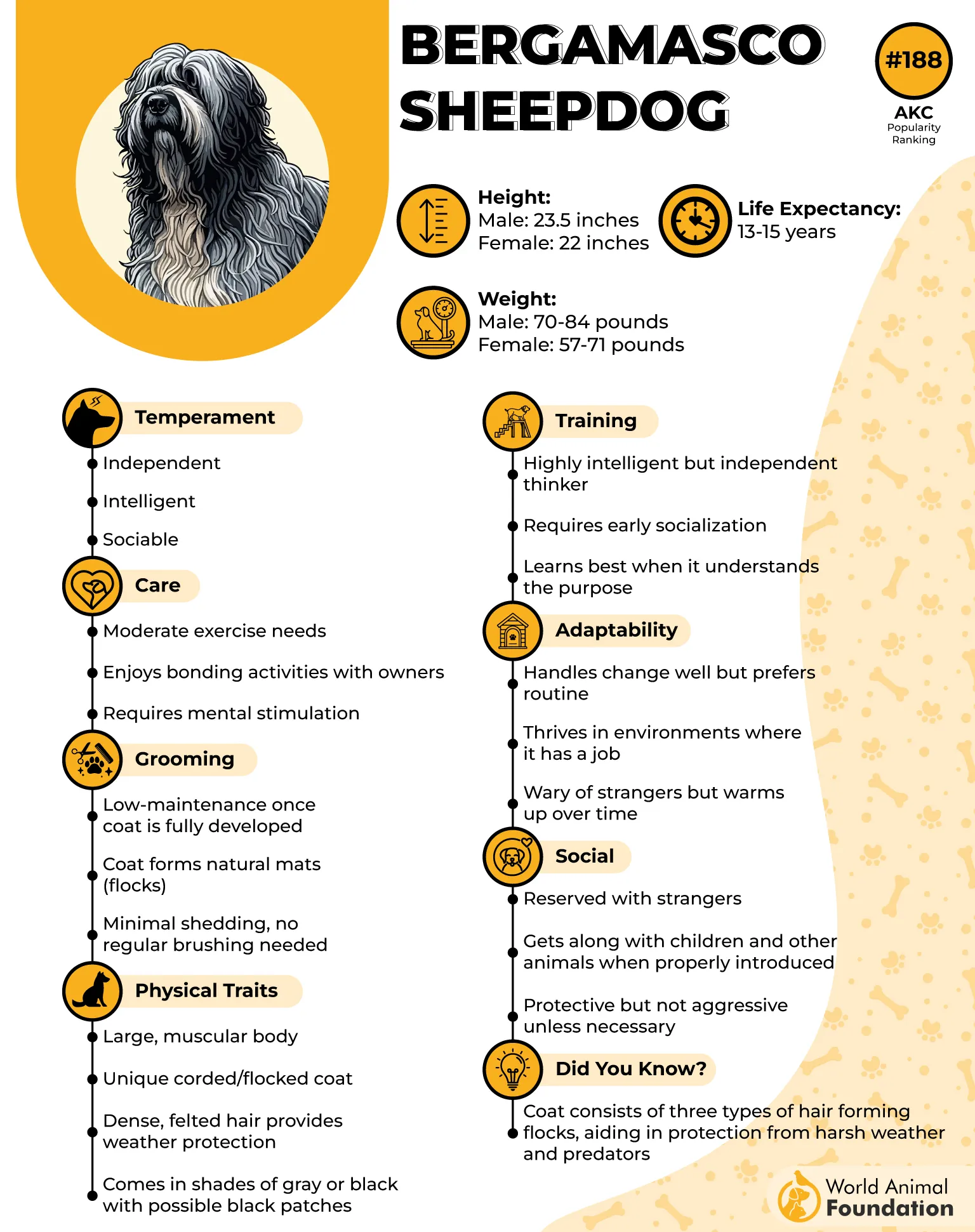
Bergamascos tend to be thoughtful, devoted companions with a watchful approach to unfamiliar people. Gentle introductions and reward-based training help build confidence and encourage polite behavior. Their independent minds respond best to patient lessons rather than harsh handling.
Those distinctive locks need specialized care as they develop and separate into flocks. Instead of routine brushing, owners must learn how to maintain the coat properly and keep it clean and dry. The AKC notes that daily walks, outdoor exploration, and simple problem-solving games provide useful outlets for their working energy.
Best match
Owners who appreciate a calm, devoted companion and feel comfortable learning specialized coat care.
5. Puli
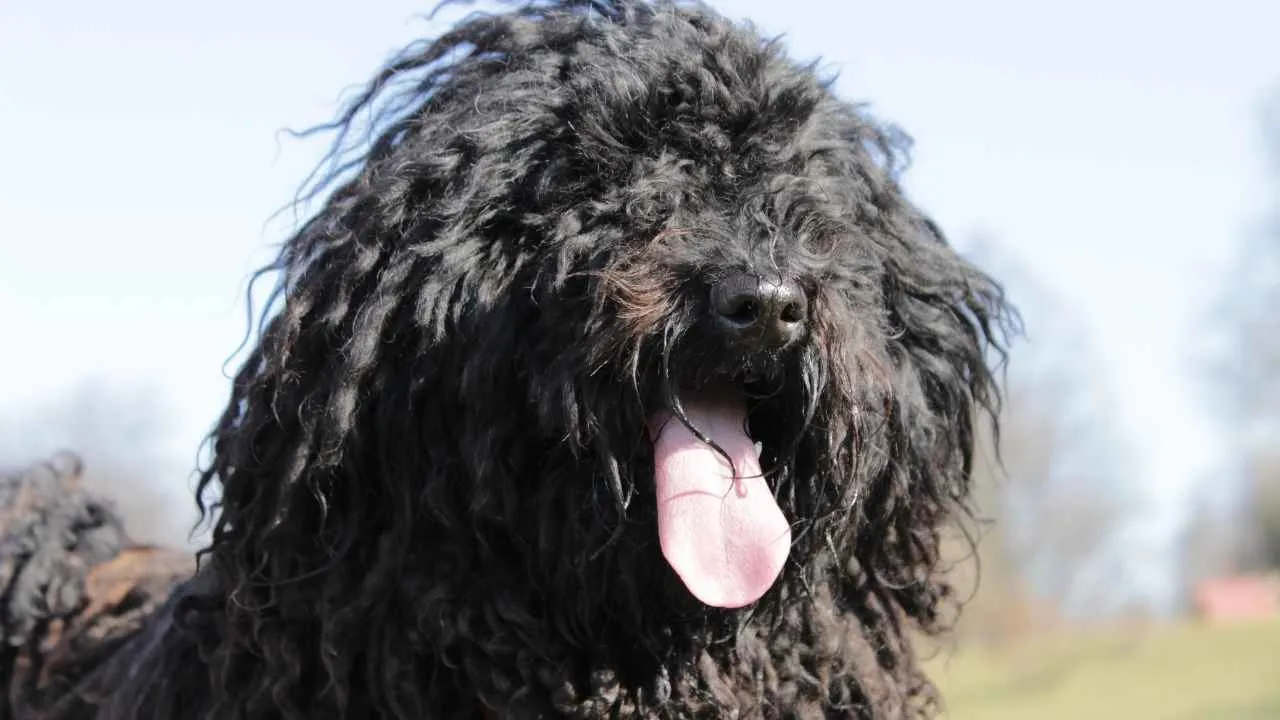
Springy steps, bright eyes, and a coat of cords give the Puli the look of a tiny mop with a huge personality. This Hungarian herder was bred to move sheep across the countryside, and its compact build hides impressive agility and stamina.
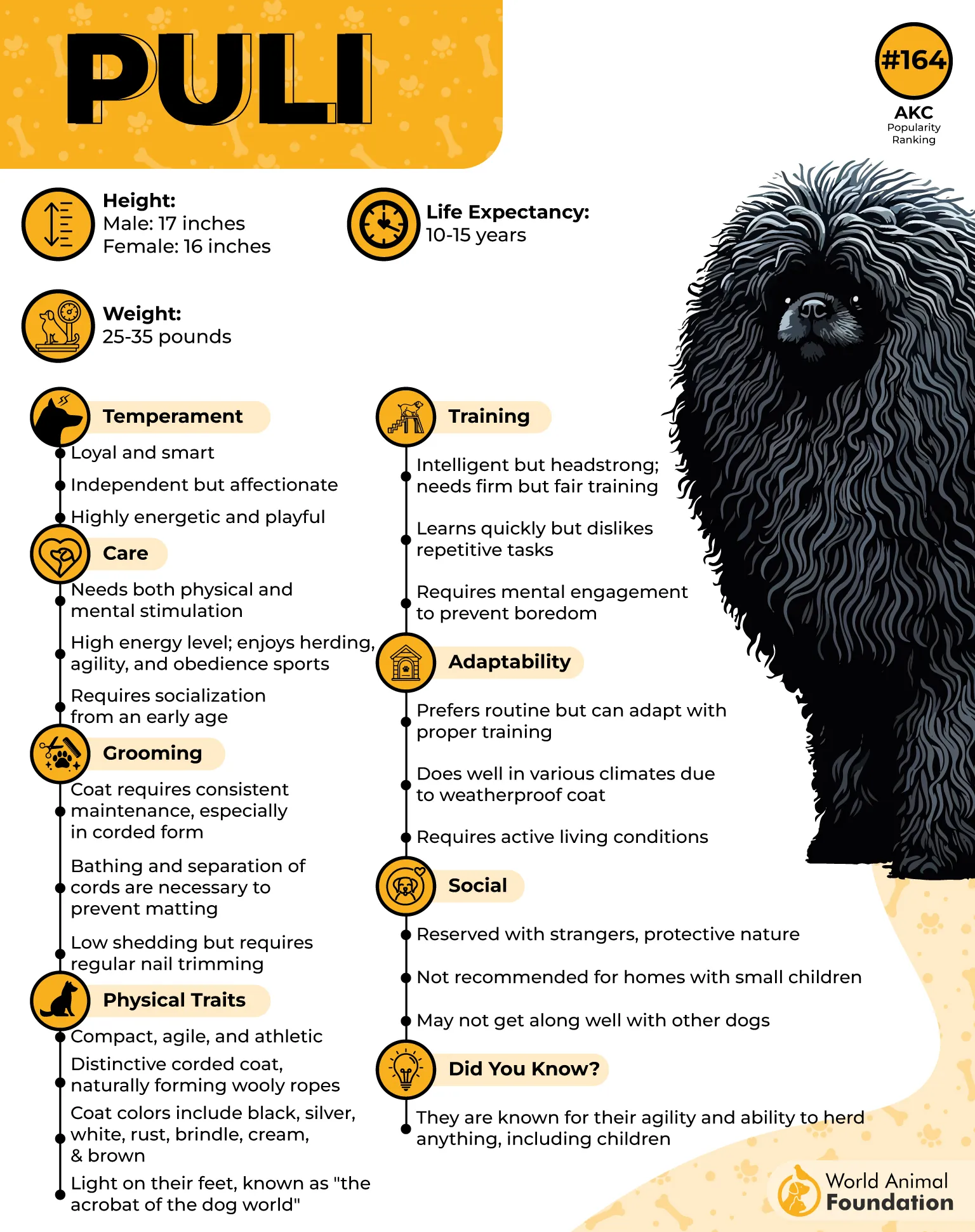
Puliks form strong family bonds and stay alert to unfamiliar sounds around the home. Their watchdog instincts sometimes come with a loud bark, so early socialization and consistent training help keep vocal habits in check.
Daily walks, interactive games, and short training sessions satisfy their active minds. Hill’s Pet states that their distinctive cords need careful maintenance to prevent matting, remove trapped debris, and dry thoroughly after getting wet. Coat care is a long-term commitment, not a quick grooming job.
Best match
Active owners who want a playful, alert companion and are ready for regular cord maintenance.
6. Belgian Malinois
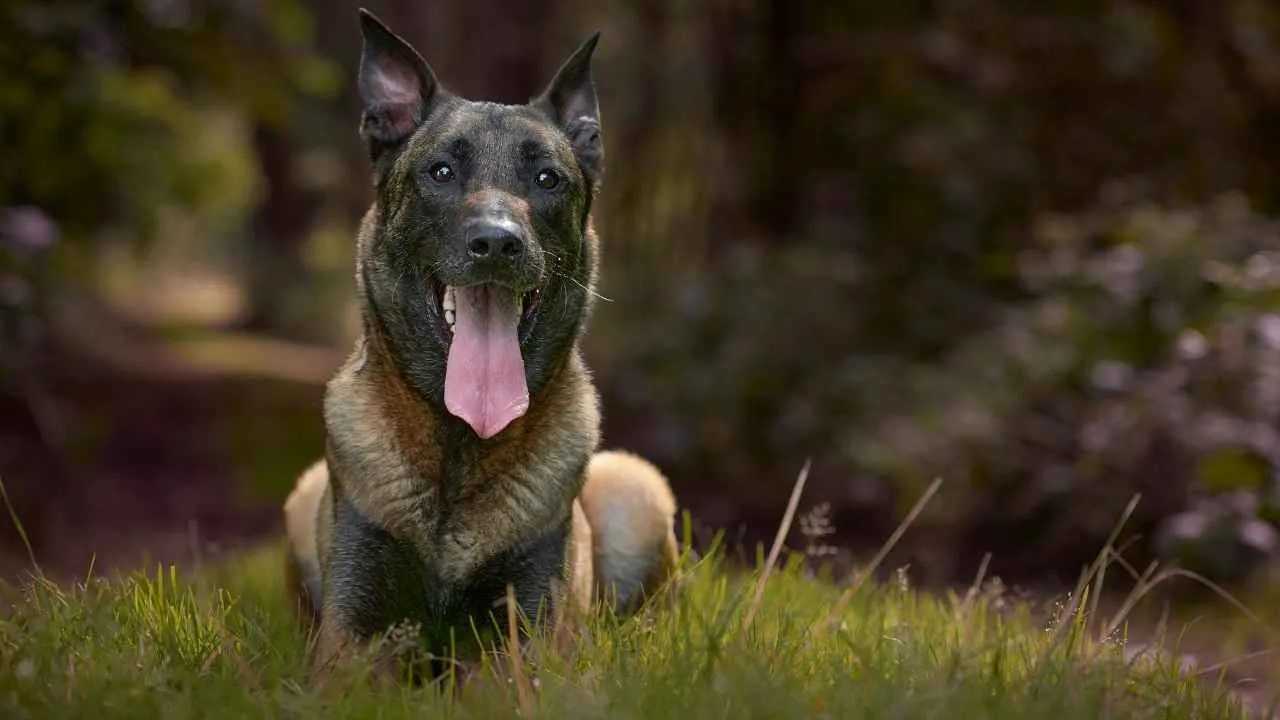
Fast feet, focused eyes, and a powerful work ethic make the Belgian Malinois a standout among herding breeds. Originally developed in Belgium to work with livestock, this athletic dog later earned recognition as a detection, military, and police dog.
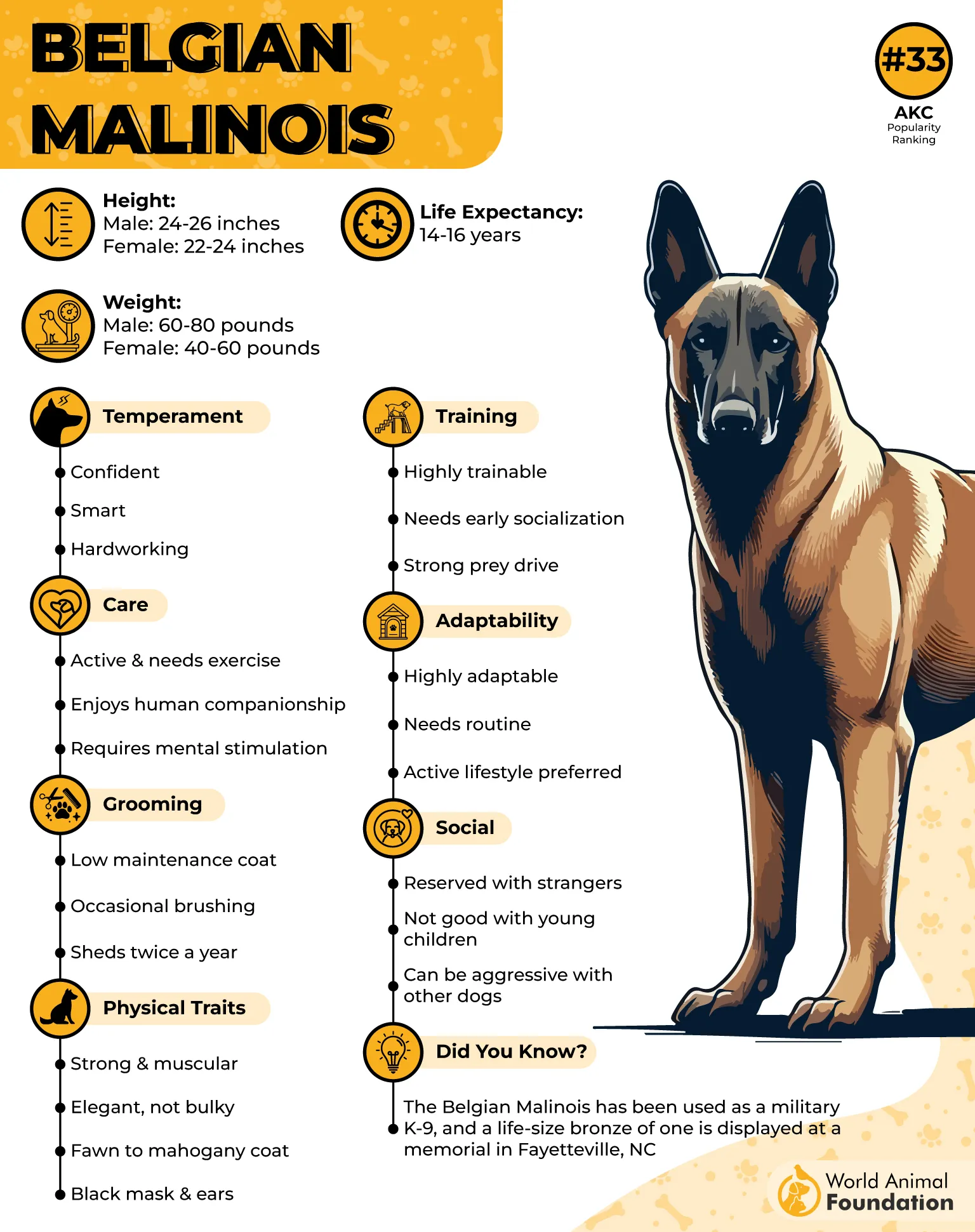
A Malinois needs more than a stroll around the block. Structured obedience, scent games, agility, and purposeful tasks challenge its sharp mind and energetic body. Without enough activity and guidance, frustration might lead to destructive behavior.
The short coat is relatively easy to maintain with regular brushing. Training demands more attention: early socialization, clear boundaries, and consistent positive reinforcement help channel the breed’s intensity. Its drive and sensitivity make thoughtful handling especially important.
Best match
Experienced, highly active owners who have the time and skills to provide structured training and meaningful daily work.
7. Beauceron
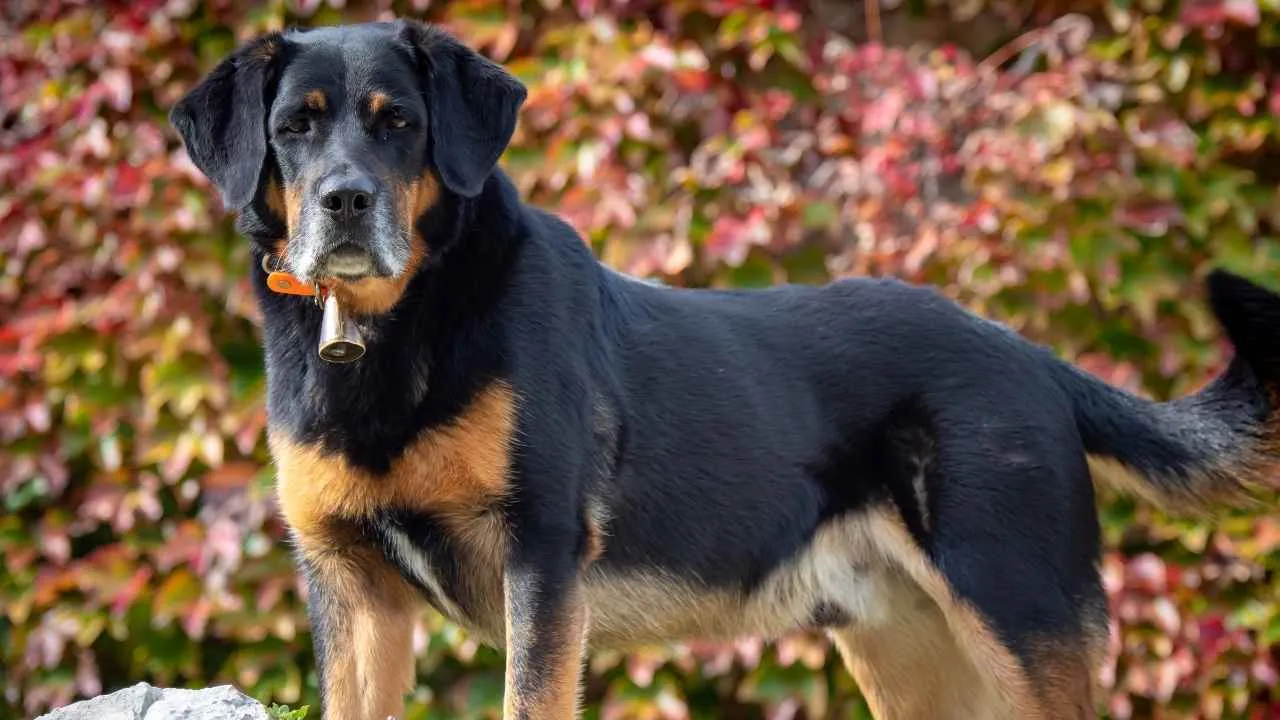
Powerful, athletic, and quietly confident, the Beauceron carries the presence of a dog born to handle serious farm work. This French herder helped manage livestock across open land, relying on stamina, intelligence, and independent decision-making.
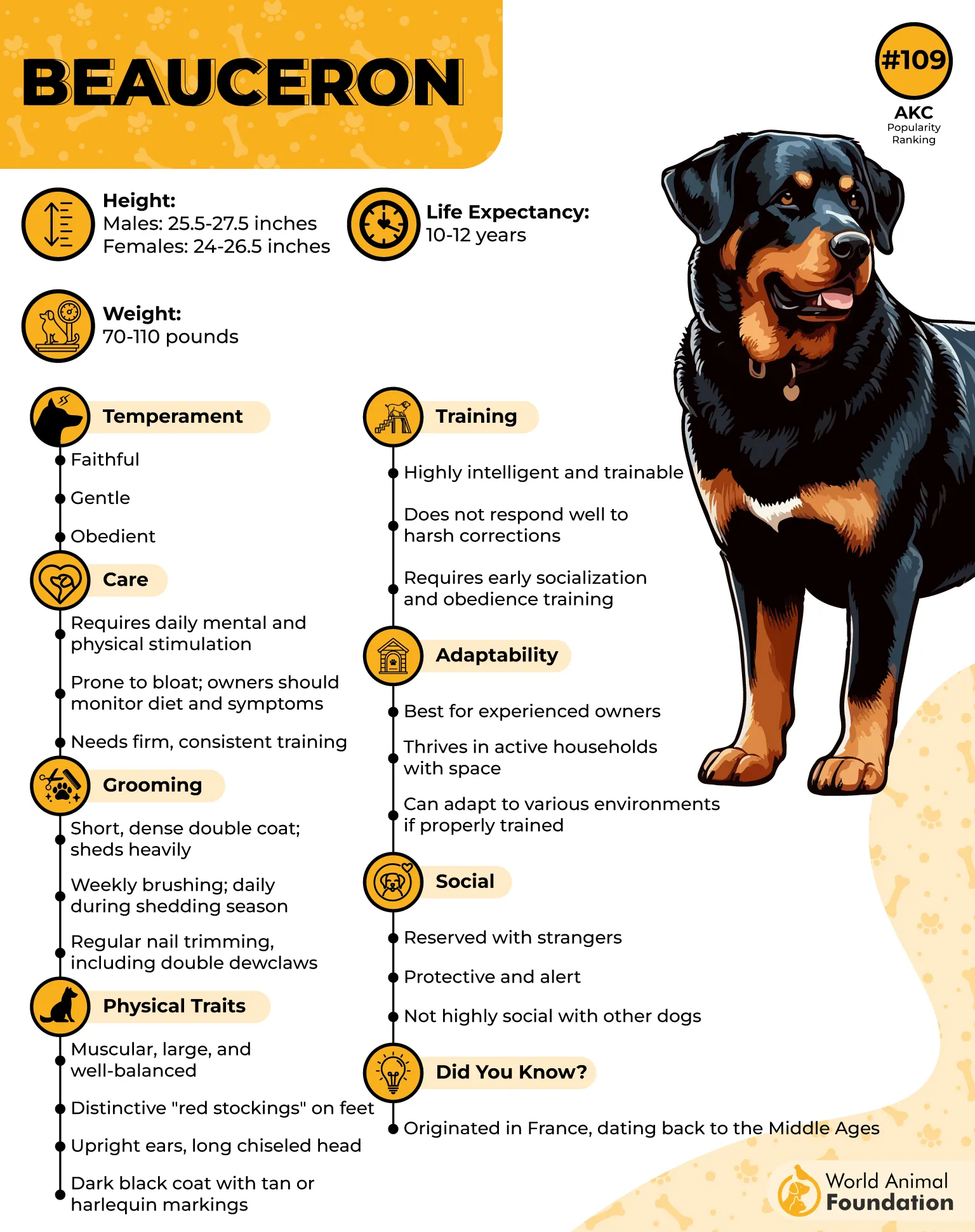
Beaucerons develop strong family bonds and have protective instincts that benefit from early socialization. Their intelligence makes training rewarding, but their size and confidence call for calm leadership, clear rules, and consistent positive reinforcement.
Long walks, hiking, obedience exercises, and dog sports help burn energy and keep their minds engaged. Their short double coat needs much less work than a long, shaggy coat, though weekly brushing helps remove loose fur.
Best match
Active, experienced owners who want a capable working companion and can provide consistent training.
8. Bearded Collie
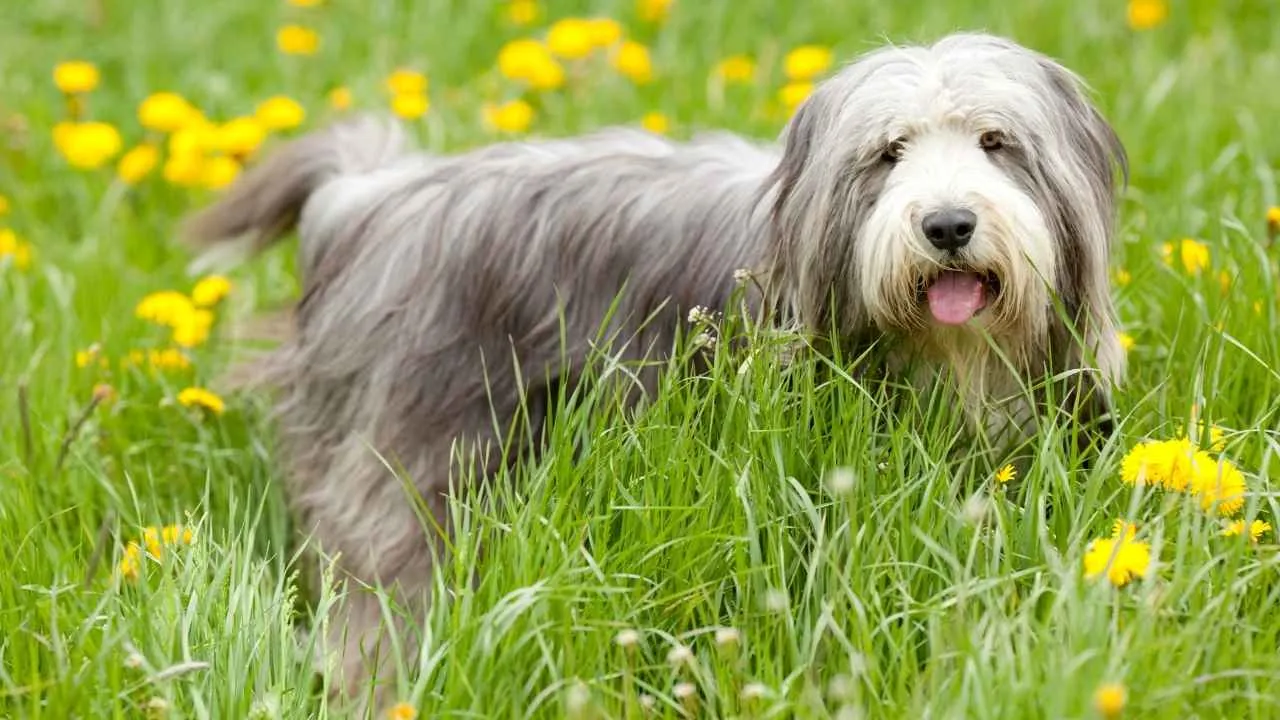
A bouncing bundle of shaggy fur, the Bearded Collie brings cheerful energy to the herding world. Bred in Scotland to drive livestock, this lively breed combines athletic ability with an affectionate, playful nature.
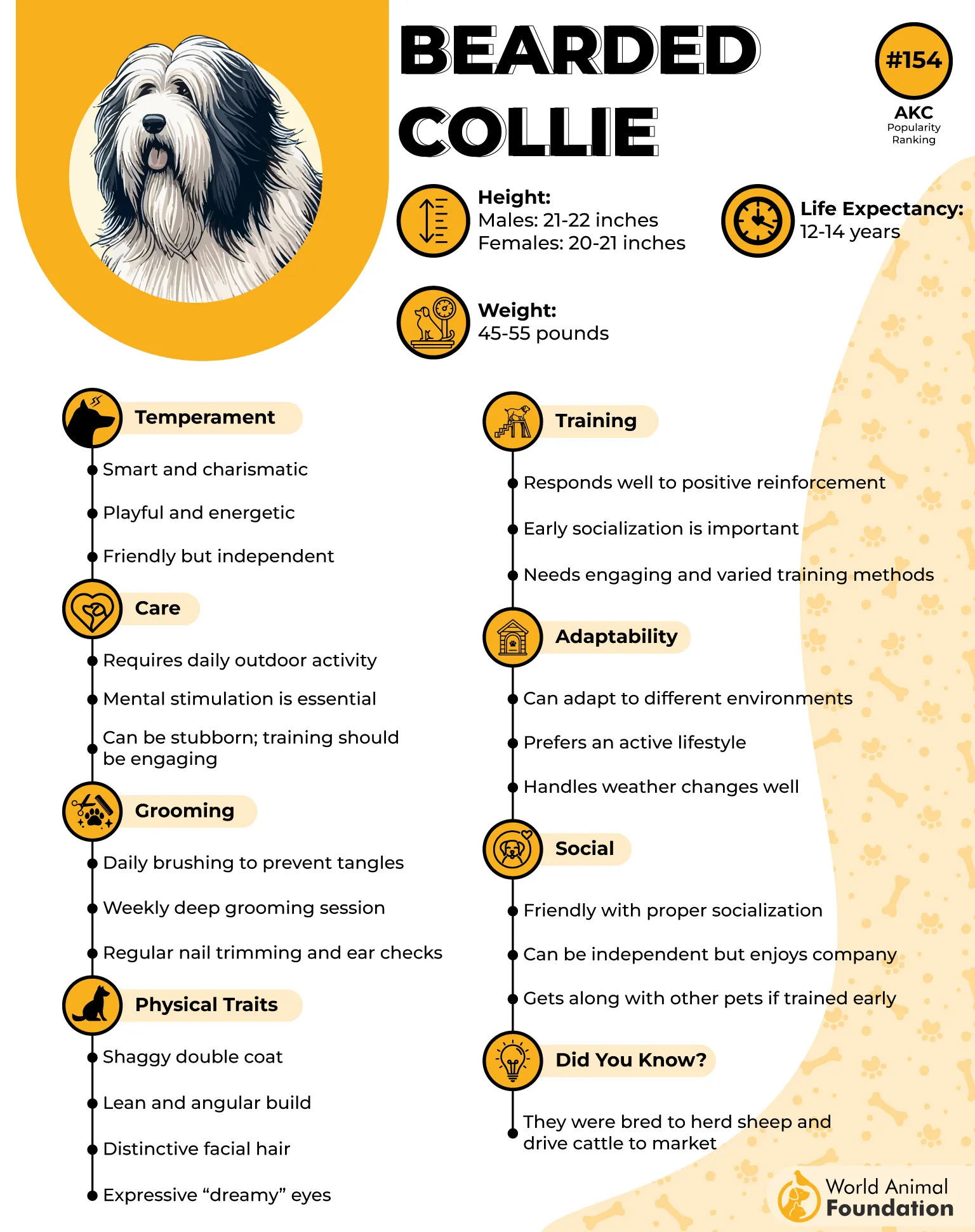
Beardies enjoy being part of family activities and thrive with daily walks, fetch, hiking, and agility games. Their intelligence makes reward-based training enjoyable, especially when lessons include variety and movement. Boredom and insufficient exercise leave this energetic dog searching for its own entertainment.
That long coat needs regular brushing to prevent tangles and keep debris from becoming trapped. Early socialization also helps the friendly Bearded Collie grow into a confident companion around people and other animals.
Best match
Active households that enjoy outdoor adventures, interactive play, and regular grooming.
9. Shetland Sheepdog

Small enough to look dainty but smart enough to notice nearly everything, the Shetland Sheepdog has a big herding heart. Bred on Scotland’s Shetland Islands to work with sheep, this quick, responsive breed excels at learning routines and reading its people.
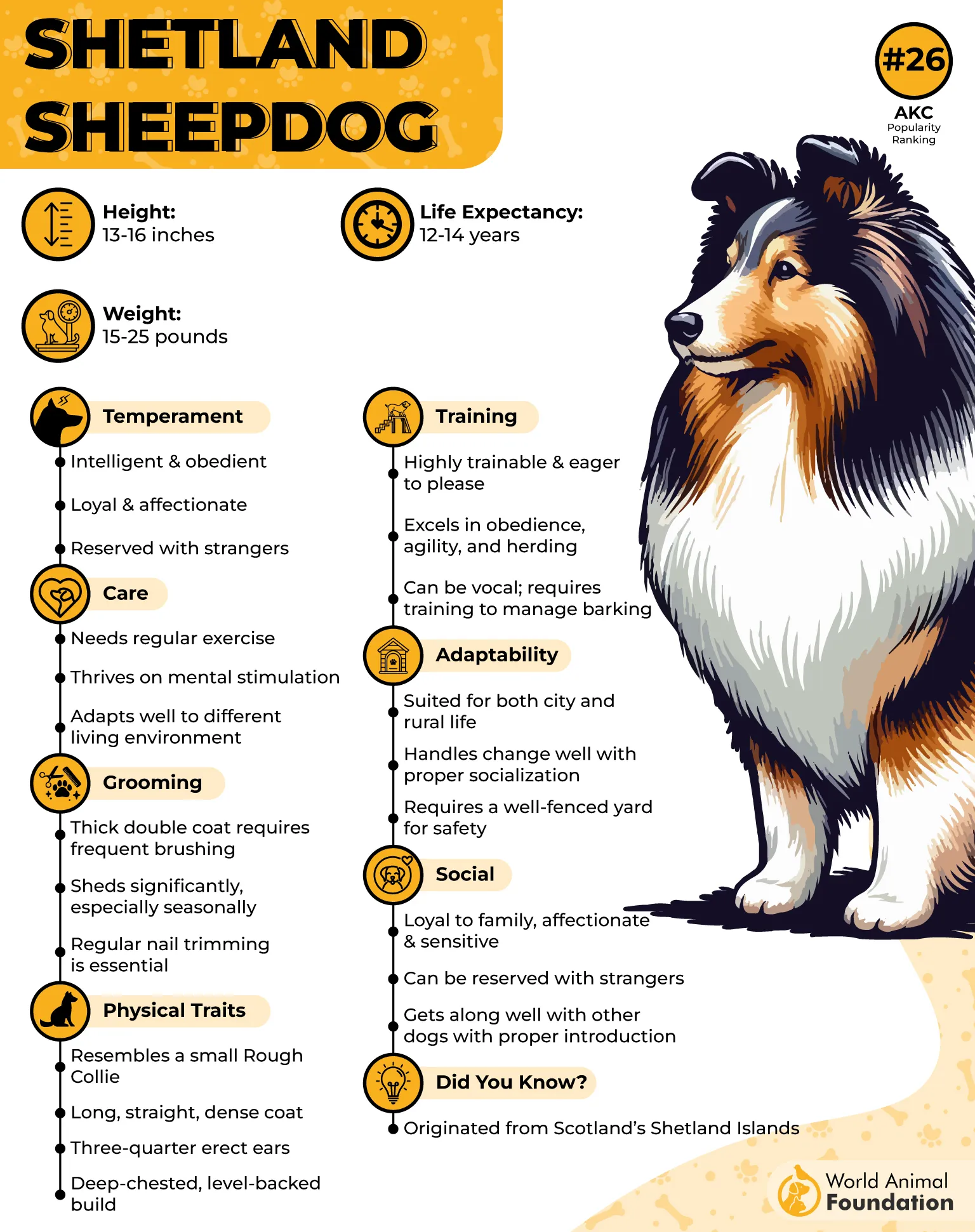
Shelties form affectionate family bonds and respond well to gentle, reward-based training. Their alert nature also makes them enthusiastic barkers, especially when passersby, visitors, or strange noises catch their attention. Early socialization and a well-practiced quiet cue help manage that habit.
Daily walks, play sessions, agility, and brain games keep this clever companion satisfied. The thick double coat needs regular brushing to manage loose fur and prevent tangles, especially around the ruff and behind the ears.
Best match
Active families seeking a smaller, intelligent dog who enjoys training and close companionship.
10. German Shepherd
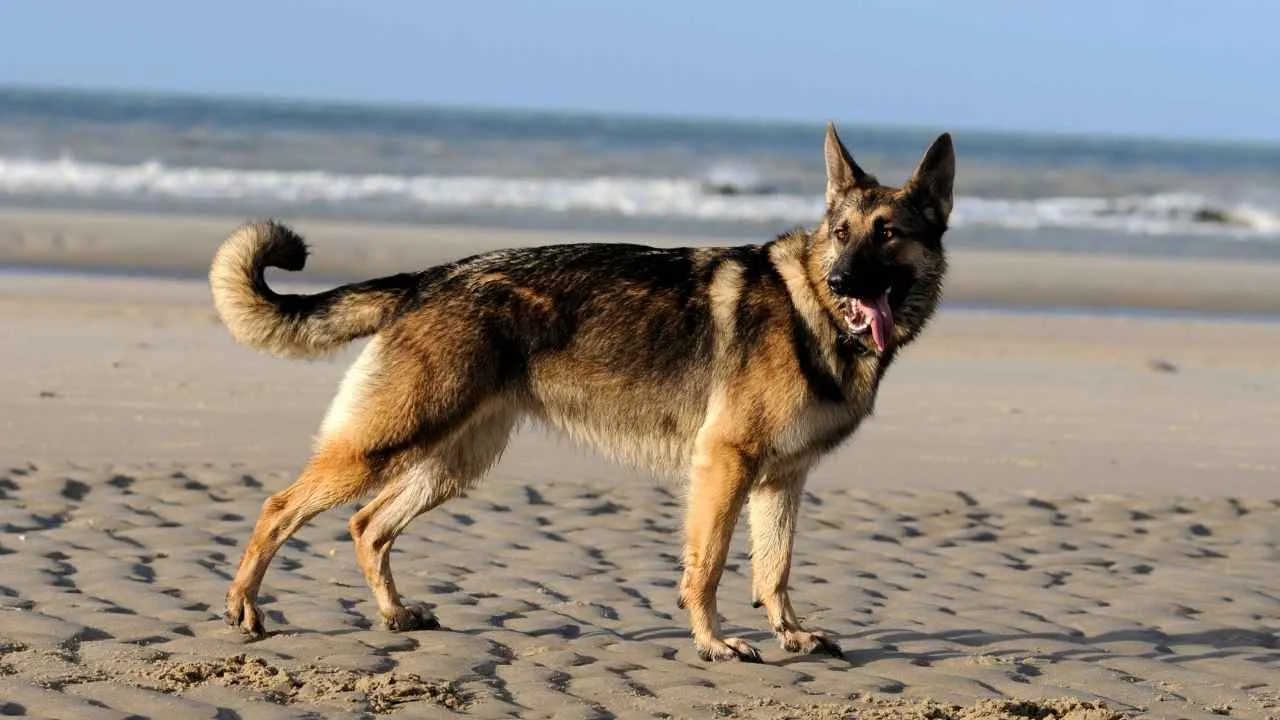
Confident, athletic, and intensely devoted, the German Shepherd brings a powerful blend of herding ability and protective loyalty. Developed in Germany to manage sheep, the breed later became valued for police work, search and rescue, assistance tasks, and family companionship.
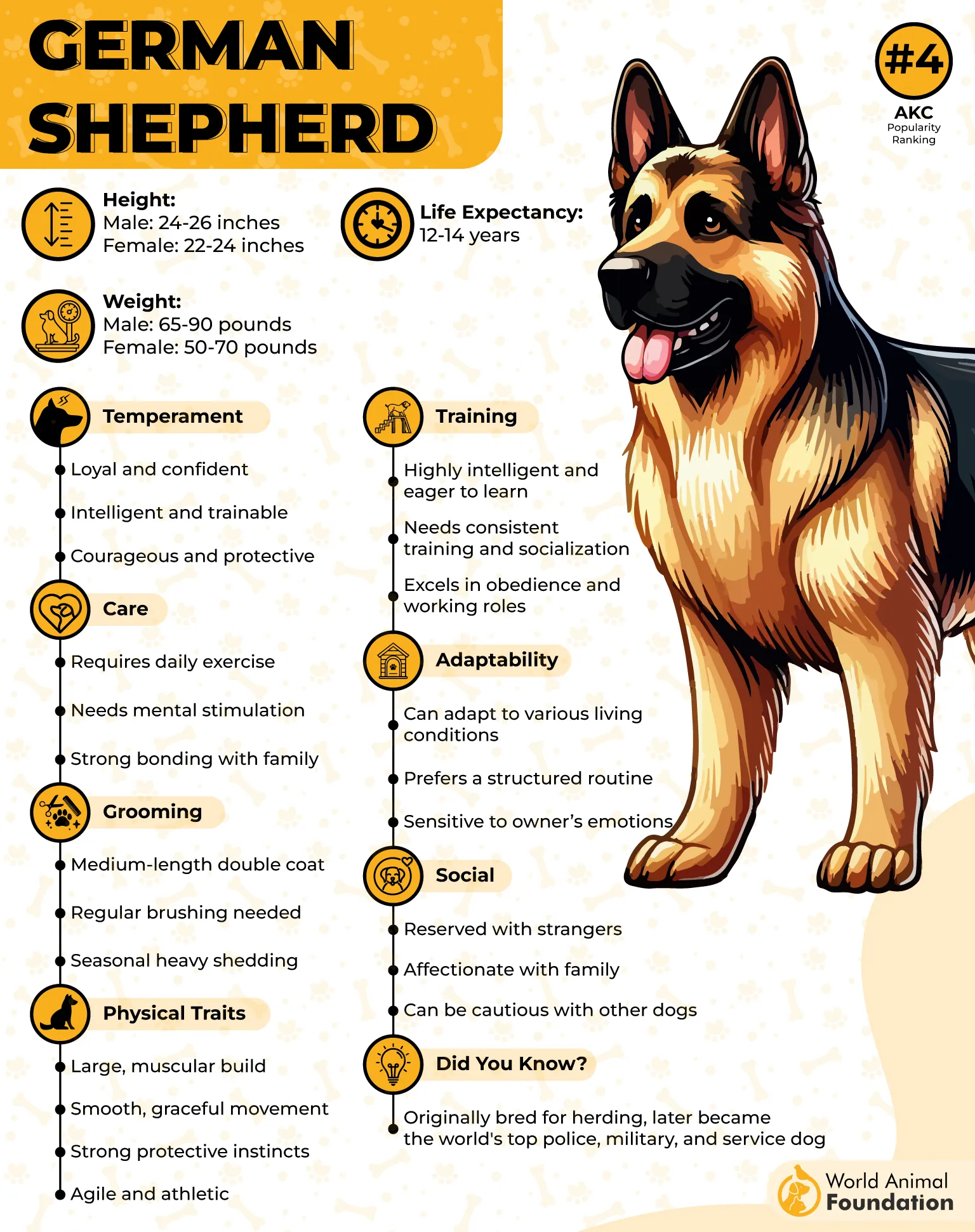
These Shepherd dogs thrive when training gives their intelligence a clear purpose. Positive reinforcement, early socialization, and consistent boundaries help shape a steady, well-mannered adult. Daily exercise matters, too: long walks, scent games, obedience, and hiking keep body and mind engaged.
Their double coat sheds throughout the year, with heavier seasonal shedding requiring extra brushing. Responsible owners should also learn about breed-related health concerns, including hip and elbow problems, and choose reputable breeders or consider a well-matched rescue dog.
Best match
Active owners who value training, daily engagement, and a loyal companion with a strong working background.
Conclusion
Every herding breed brings its own mix of intelligence, affection, energy, and working drive. Before choosing your companion, consider your schedule, training experience, grooming budget, and appetite for daily exercise.
Meet individual dogs, research health needs, and look for a responsible breeder or rescue organization. The best match is the dog whose needs fit your life, and whose personality makes ordinary days feel a little more joyful.
