




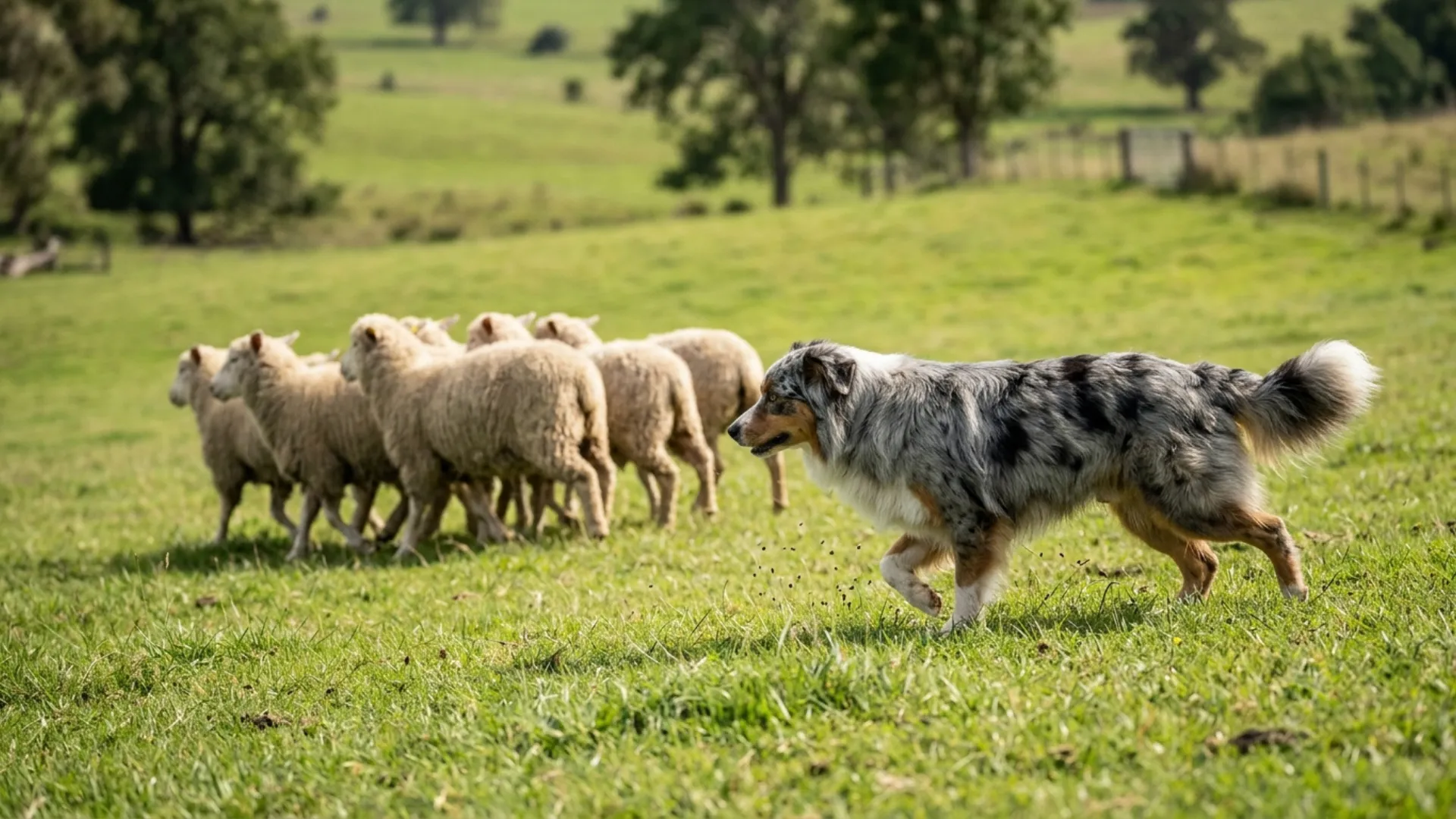
Herding dogs are among the most intelligent, driven, and agile breeds in the canine world. Developed over centuries to manage livestock across vast and unpredictable terrain, these working dogs possess a natural work ethic, high energy, and an intense desire for mental engagement.
While their problem-solving ability and loyalty make them incredible companions, their instinctual drive to control movement can present unique challenges for domestic living.
To help your herding dog thrive, success relies on a balanced approach to both mind and body. Early training focused on impulse control, positive reinforcement, and clear communication helps direct their natural instincts into productive outlets.
Equipping owners with targeted health highlights—from monitoring joint care to managing breed-specific genetic considerations—ensures these athletic partners stay healthy, active, and happy throughout every stage of life.
Top Herding Dog Breeds: Training Tips and Health Highlights
1. Briard

The Briard is one of the quietly intense herding breeds, bred to patrol farm boundaries at night rather than just push sheep. Its sharp hearing turned it into a built-in alarm system, a job it still takes seriously.
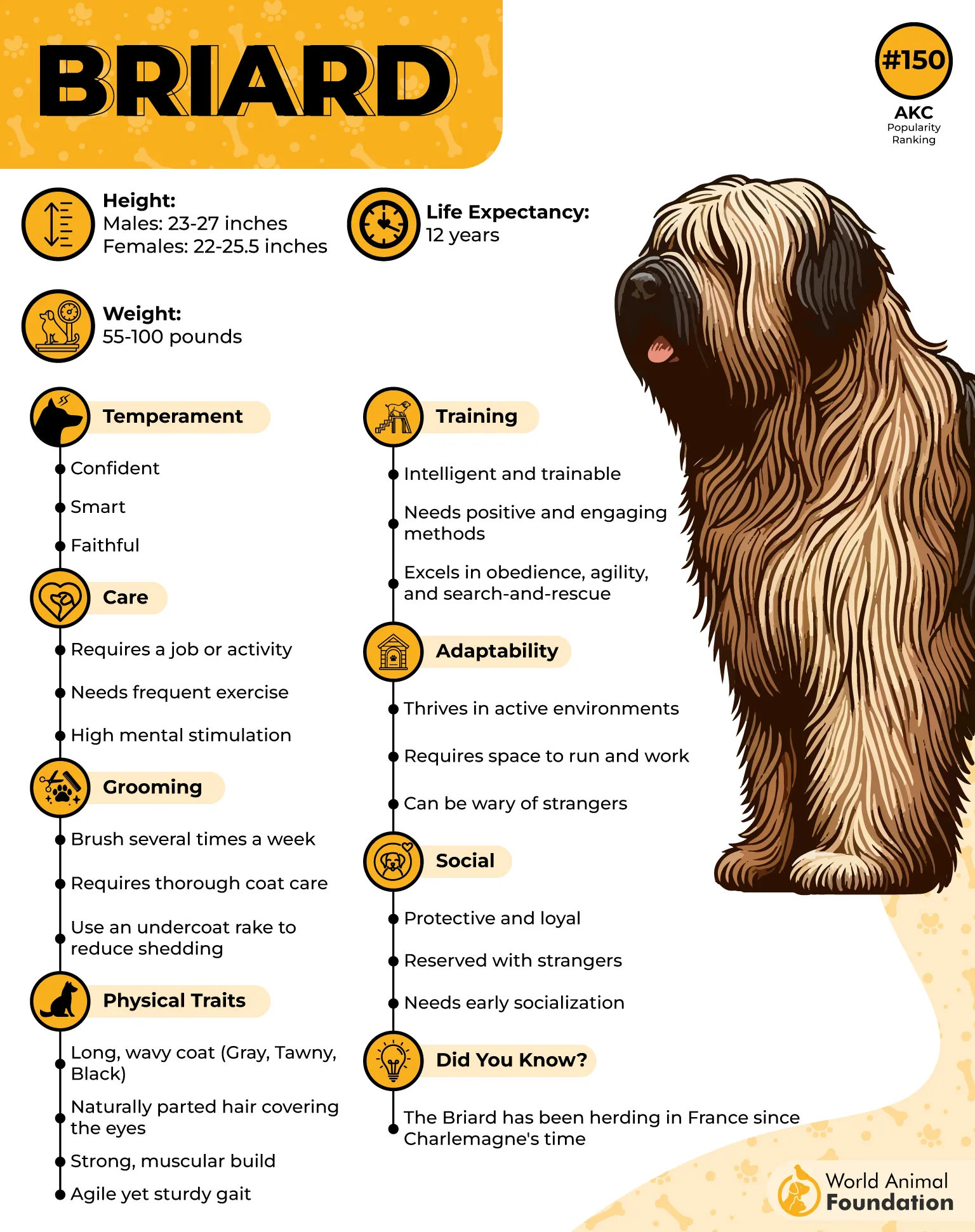
Because of this, give the dog a route, not just a yard. A Briard pacing the same line along a fence is working, so turn that instinct into structured leash walks with a clear start and end point. Short, regular patrol walks settle this breed faster than random free time ever will.
Health watch: Hip dysplasia is common in this deep-chested breed, so joint-friendly exercise matters as much as daily walks.
Either way, a Briard that will not settle at night is not being difficult. It is asking for a job, so give it one before bedtime turns into a standoff.
2. Australian Shepherd
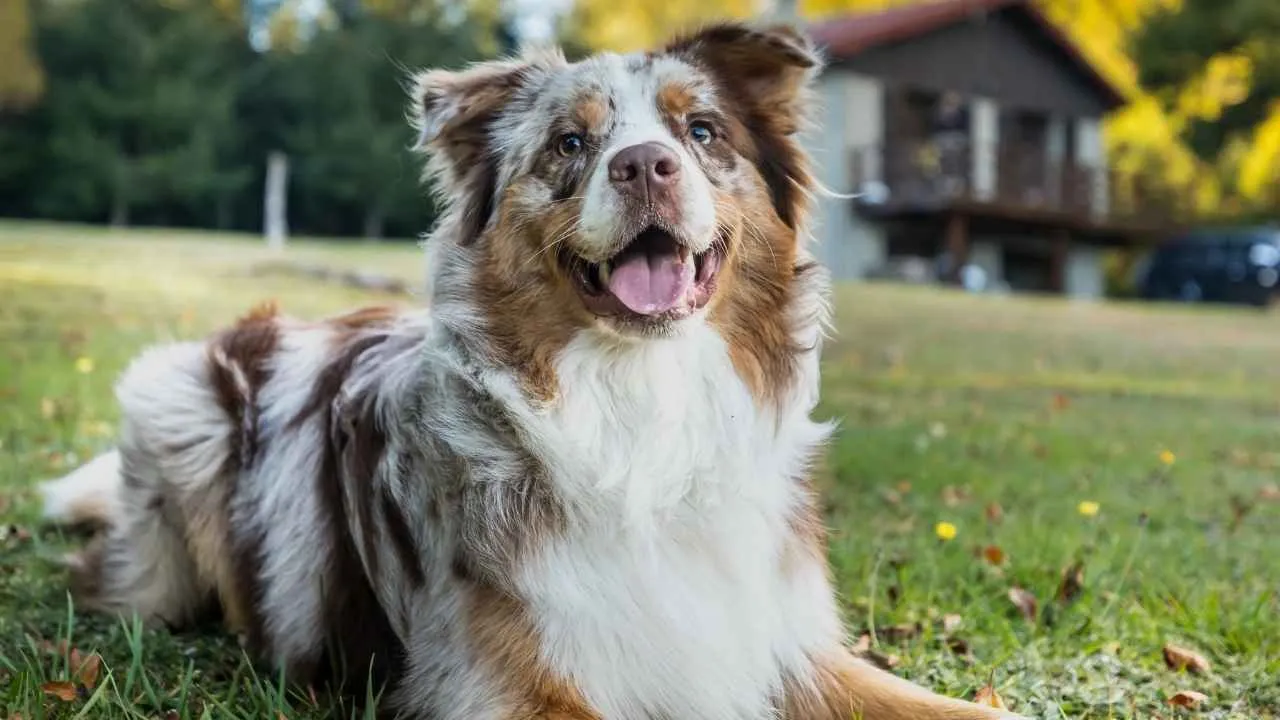
The Australian Shepherd works with its eyes first, locking onto moving targets before its body follows. That stare is efficient on sheep, but at a dog park or driveway it often lands on kids running or cars instead.
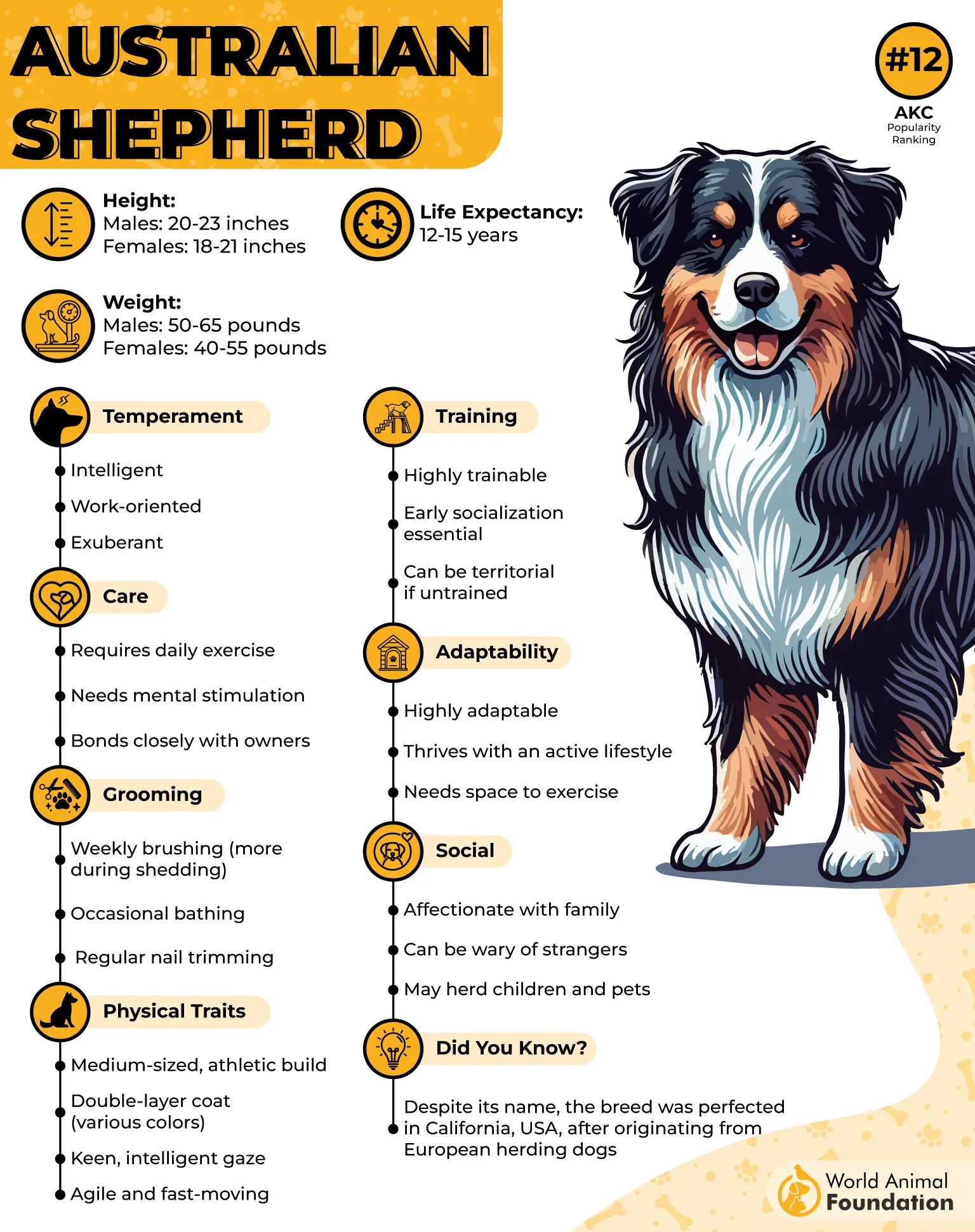
So channel the stare on purpose. Flirt poles, structured fetch, and herding-style obedience training give this breed a legal target for that instinct. Long lines let it practice distance control without chasing cars for real, and mental stimulation matters here as much as physical exercise.
Health watch: Collie Eye Anomaly can affect the same eyes this breed relies on to work, so early vet screening is worth the visit.
Even so, a sudden drop in confidence around stairs or jumps deserves a vet visit, not a shrug, since this breed rarely slows down on its own.
3. Polish Lowland Sheepdog
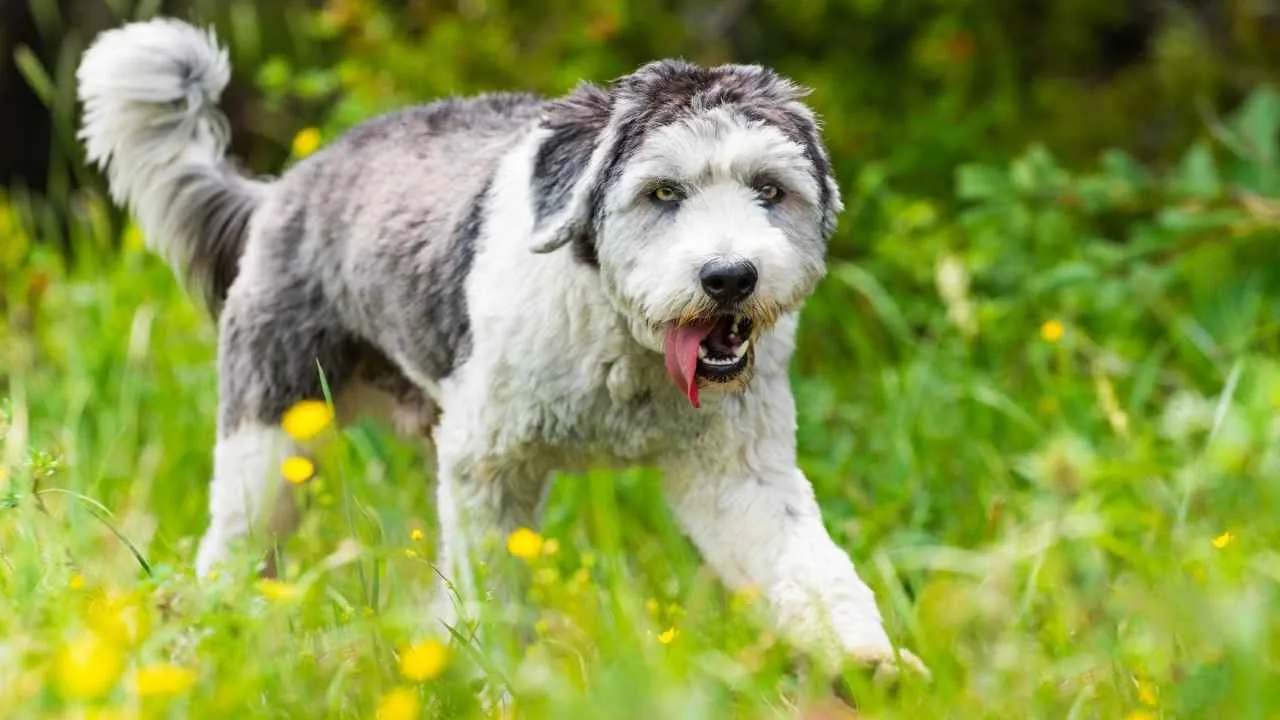
The Polish Lowland Sheepdog is a classic example of a herding dog, built low and stocky to turn a flock of sheep over rough, lowland ground at dawn and dusk. Its shaggy coat and sharp bark made it as much a watchdog as a mover of livestock.
Because its instinct is to watch and tend rather than sprint and chase, give it a defined zone to patrol. Long lines along a yard boundary, paired with calm-praise training, teach it that quiet vigilance earns rewards, not constant barking at every passerby.
Health watch: Progressive retinal atrophy can dim the low-light vision this breed once relied on for early morning and evening work.
That said, treat any sudden clumsiness at dusk as a signal worth mentioning to the vet, not just an off moment.
4. Bergamasco Sheepdog
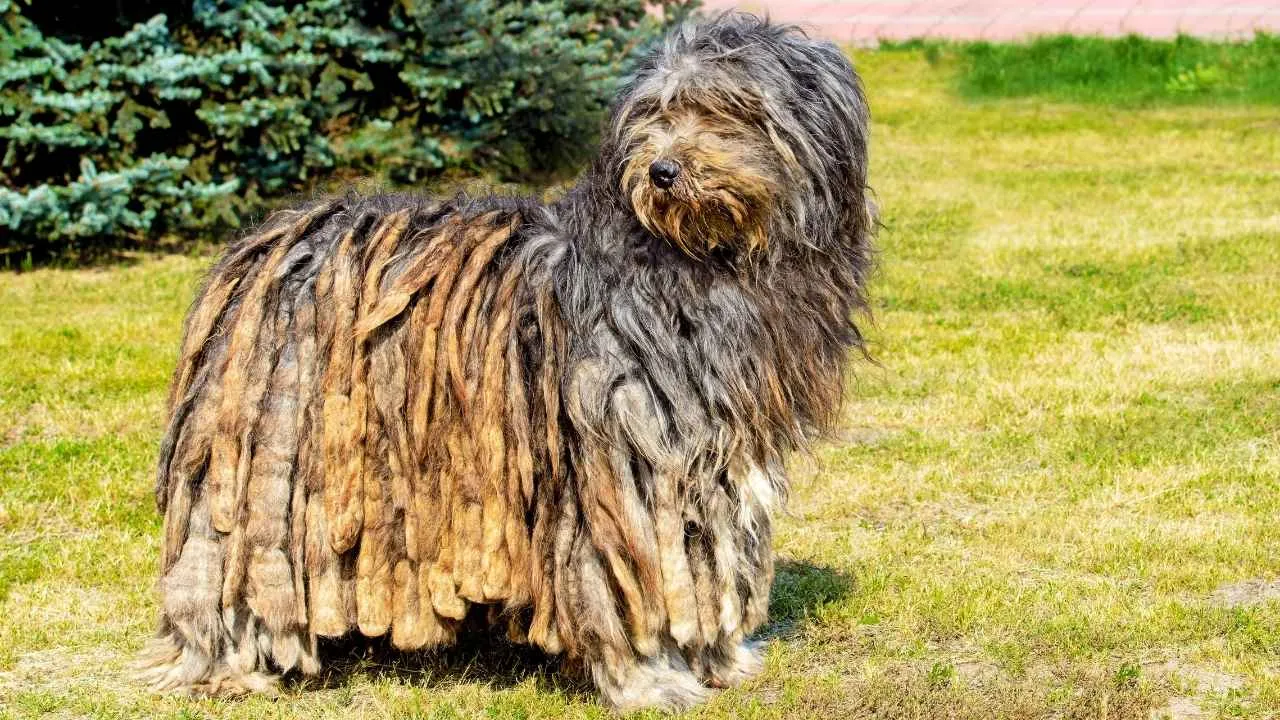
The Bergamasco Sheepdog tends a flock mostly by presence, acting like a living fence that holds large flocks together without constant motion. It is one of the more patient tending dogs in the herding group.
Because it does not need nonstop activity, give it a steady role instead of high-energy games it never asked for. A regular resting post near the family, paired with calm praise, suits its instinct better than agility or fetch ever will.
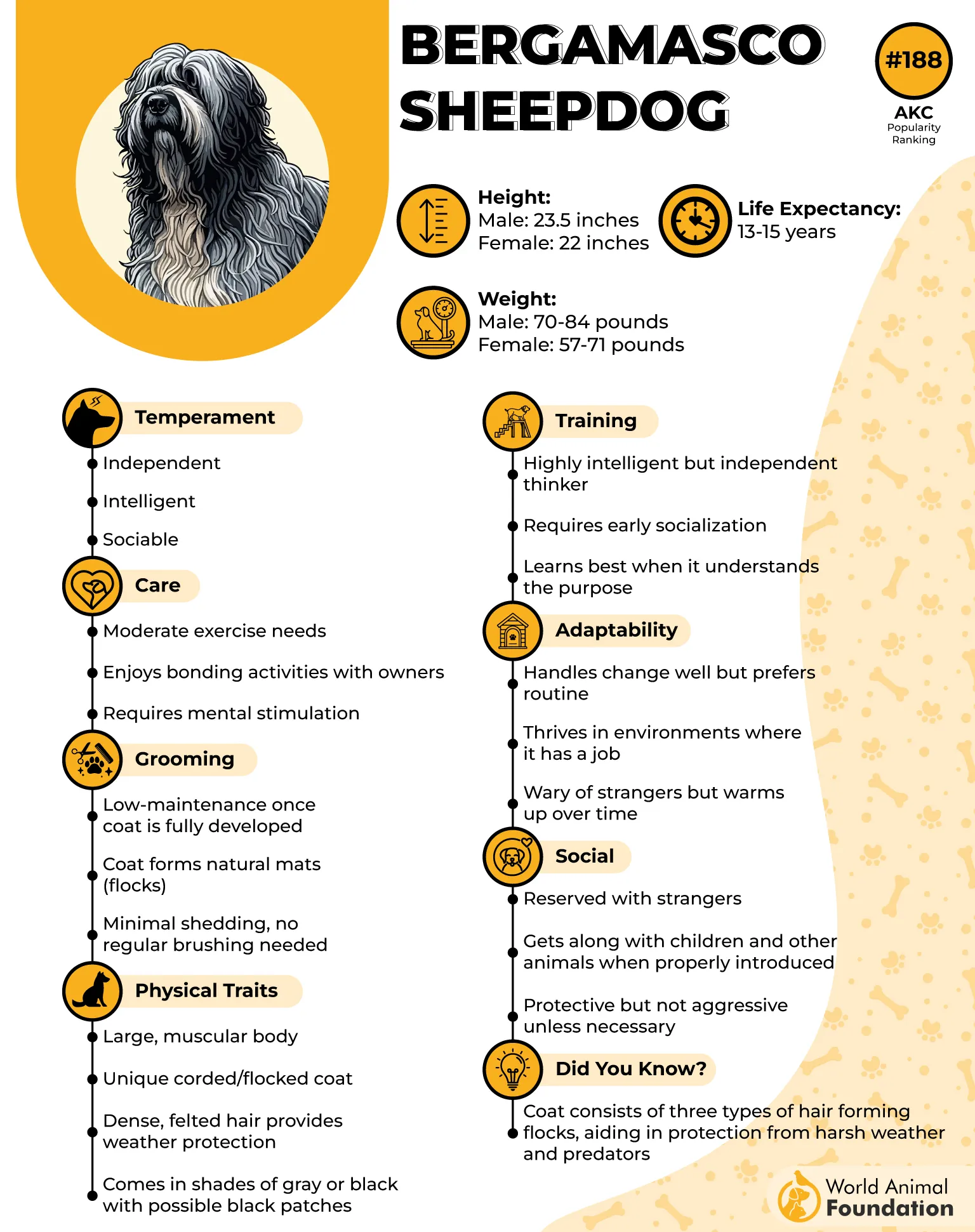
Health watch: The thick, matted coat can trap moisture against the skin and lead to infections if it is not checked regularly.
Still, a sudden drop in appetite or energy is worth a vet visit, since a coat this thick can hide weight loss for months.
5. Puli
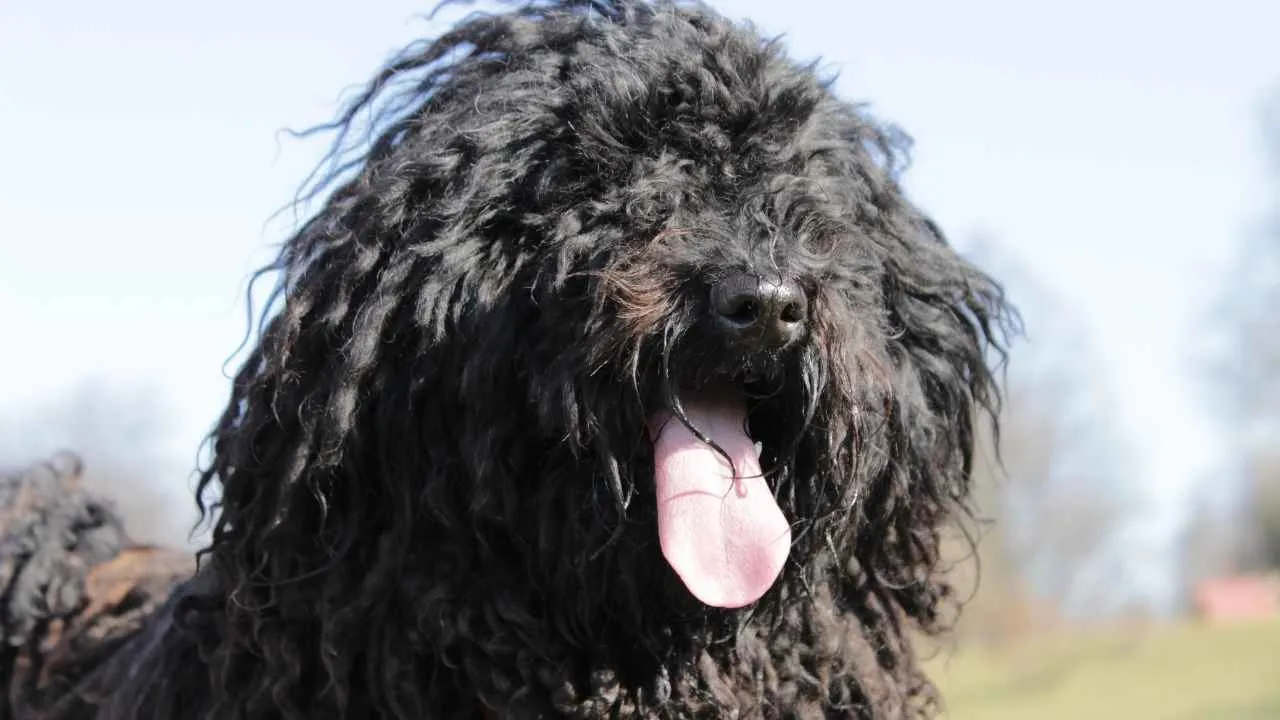
The Puli was originally bred as one of the more acrobatic gathering dogs, built to dart and pivot around fast-moving sheep rather than plod behind them. Its corded coat looks decorative, but it was working gear first.
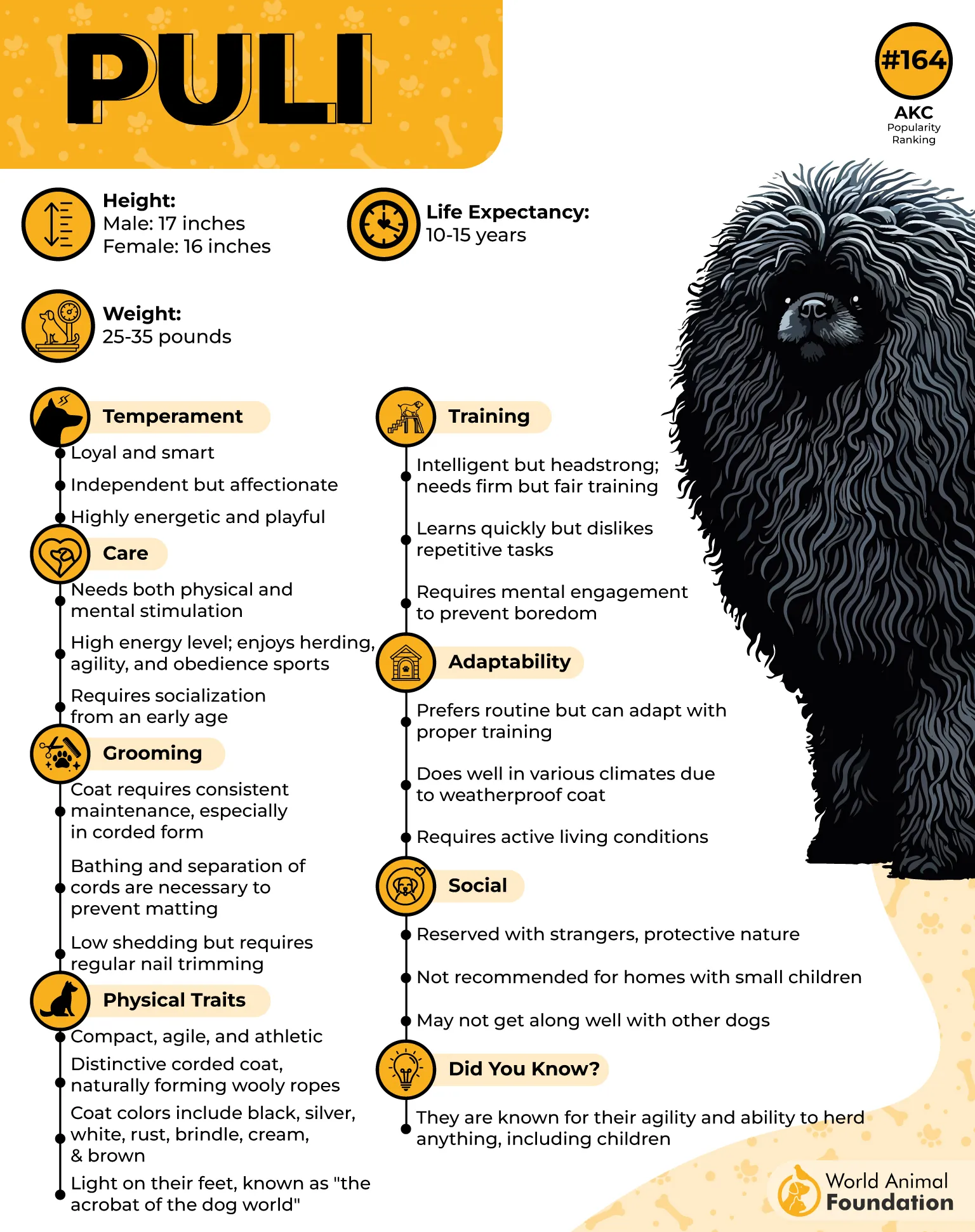
Because its body is built for quick direction changes, give it games that ask for the same movement. Flirt-pole play and short agility drills do the job far better than letting it sprint after joggers or bikes.
Health watch: Patellar luxation, a slipping kneecap, can show up in small, athletic breeds that pivot and change direction often.
Even so, owners should treat a slight hitch in its step after play as worth a vet look, not just tiredness.
6. Beauceron
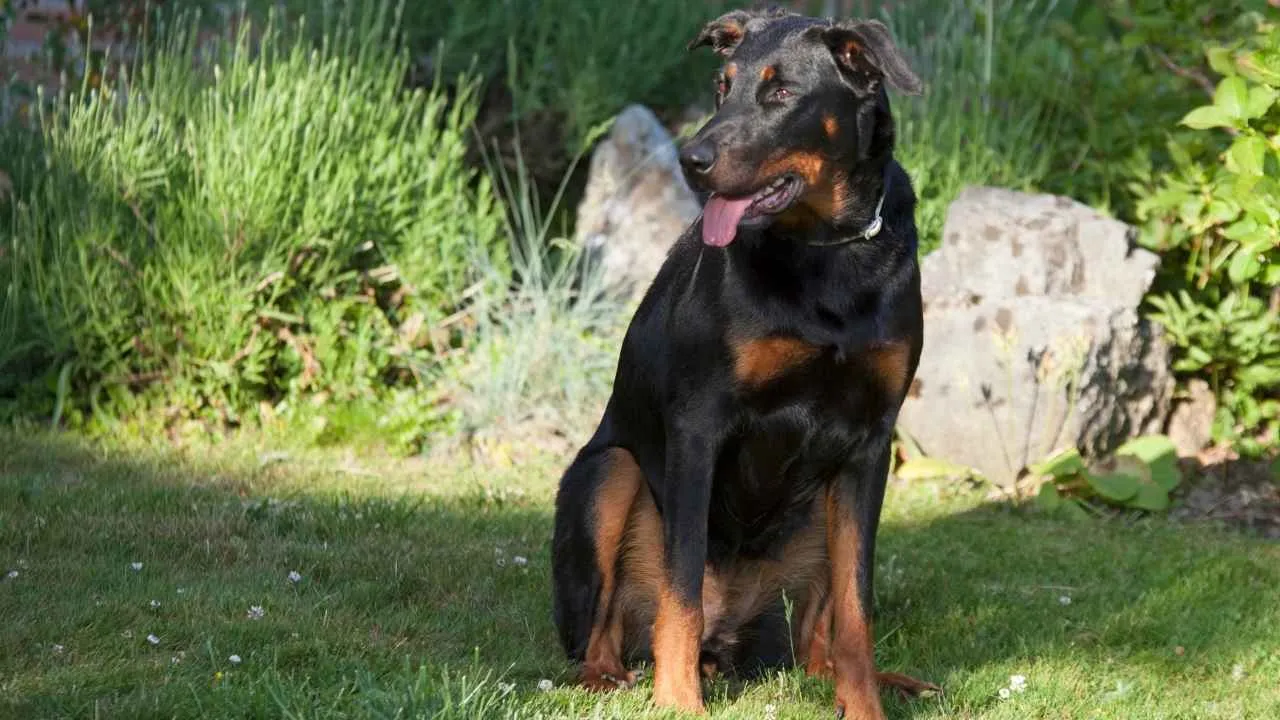
The Beauceron is a driving dog at heart, bred for herding sheep and cattle by moving them from behind with a bold nip at the heels rather than a stare from the front. Omlet notes it was likely the starting point for the Doberman Pinscher.
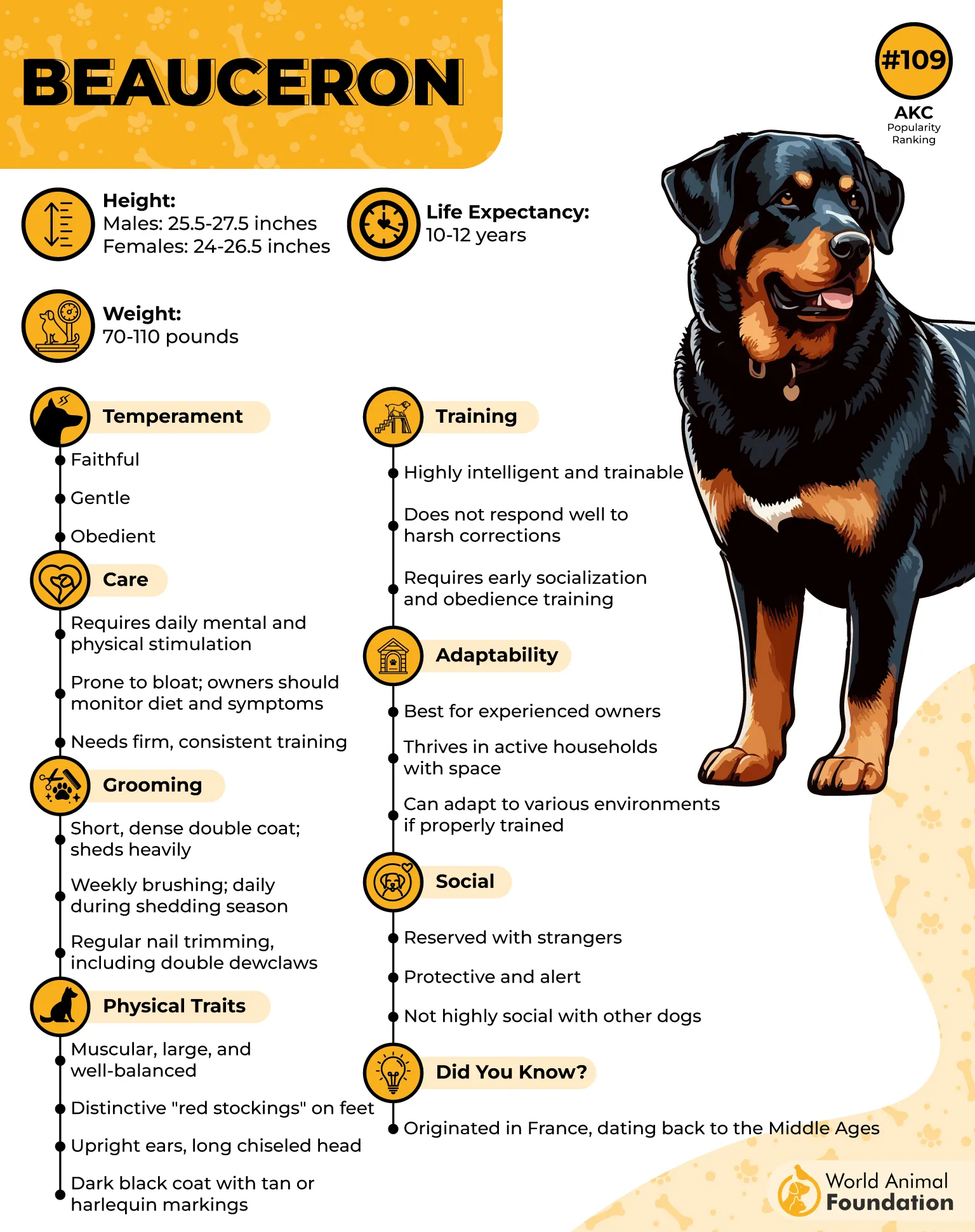
Because that nipping instinct can turn into tough behavior toward running kids or cyclists if left untrained, teach a reliable redirect cue early. A real job, like dog sports or farm work, channels its drive safely.
Health watch: Bloat, or gastric dilatation volvulus, is a real risk in this large, deep-chested breed and needs fast emergency care.
Even a confident Beauceron can turn suspicious of visitors without enough early socializing, so introduce it to new people often as a puppy.
7. Bearded Collie

The Bearded Collie was bred to drive sheep and cattle over long Scottish distances, which is why it still acts independently and rarely waits for instructions before making its own call.
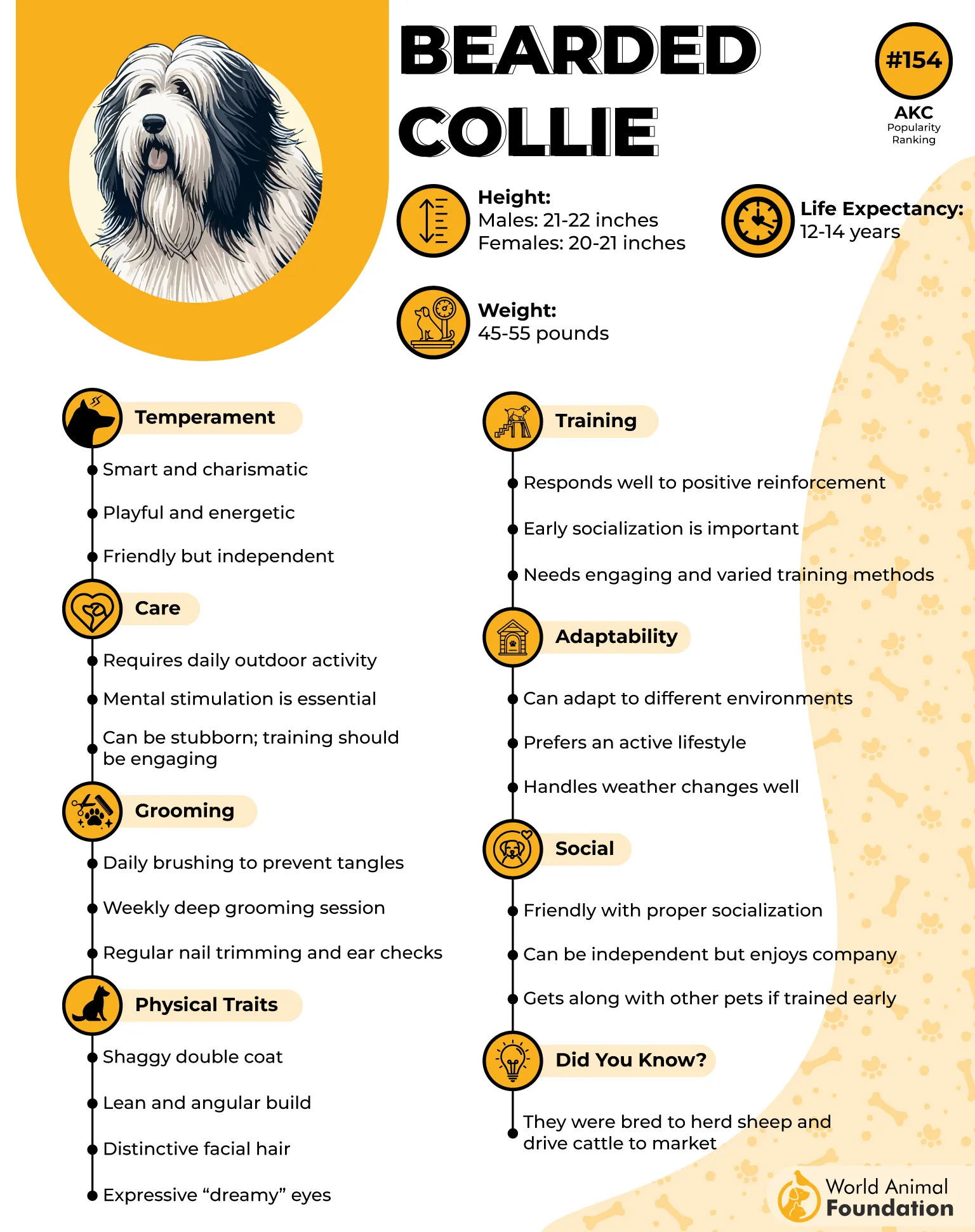
Because of that independent streak, keep training sessions short, varied, and food-driven, since repetition bores this breed fast. Treat every lesson like a quick game, and it stays far more willing to try new tricks.
Health watch: Hypothyroidism is a known issue in this breed, and it can quietly slow down a dog once famous for endless stamina.
A Bearded Collie that suddenly stops herding the kids around the yard might just want a nap, not a scolding.
8. Shetland Sheepdog
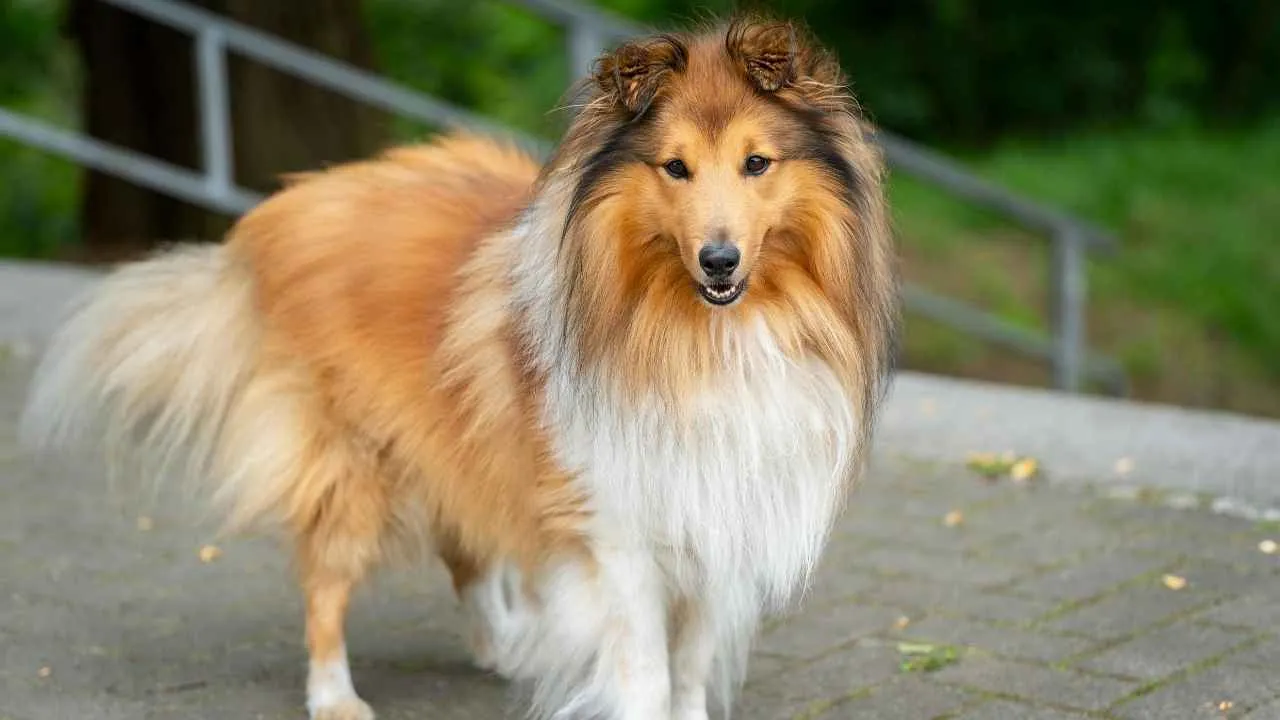
The Shetland Sheepdog herds with its eyes and its voice together, circling and barking to keep a flock bunched. Among many herding breeds, it is one of the most vocal about getting the job done.
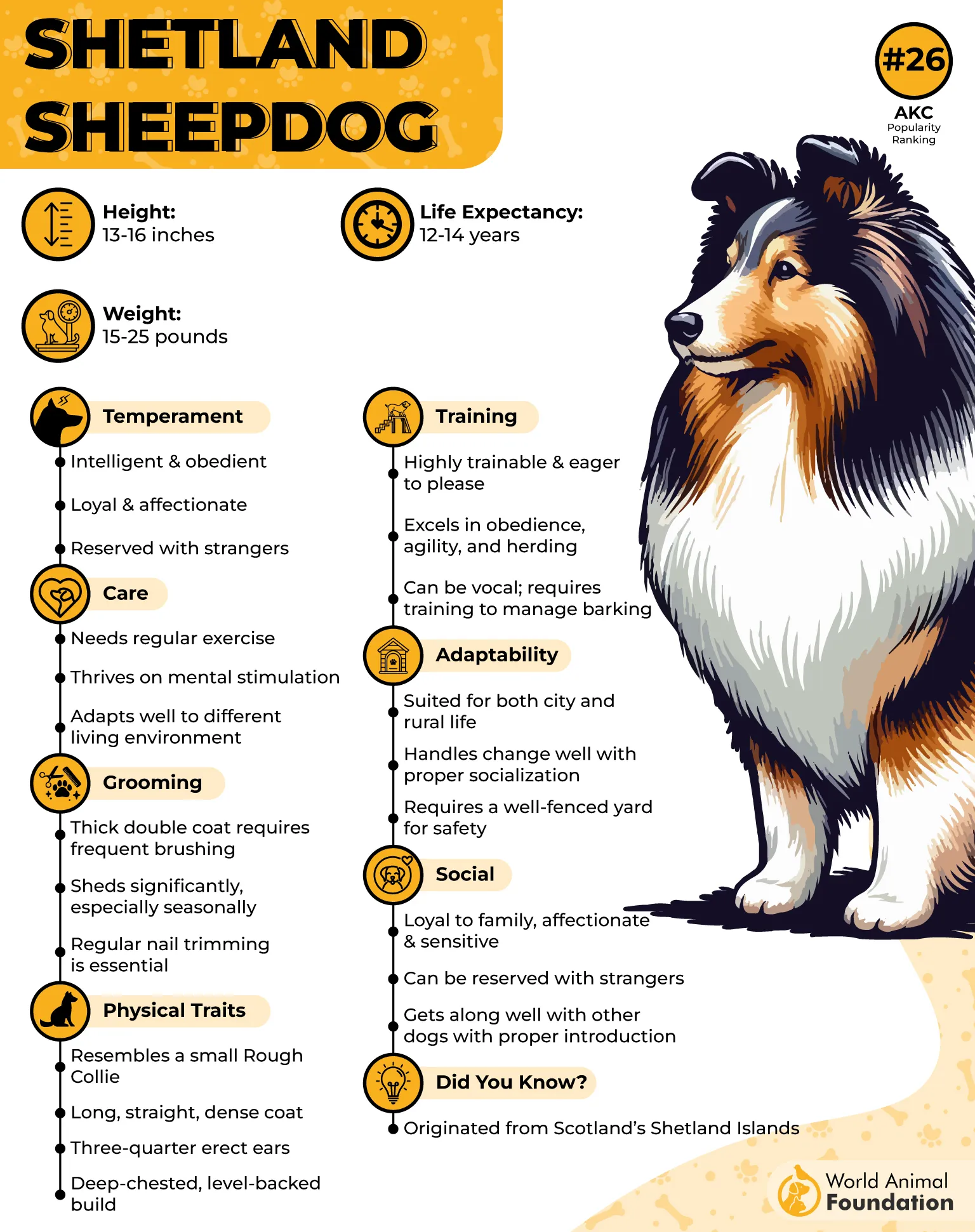
Because it thrives on structured mental work, enroll it in obedience training or agility early. It is one of the quick learners in the herding group, and new tricks keep its mind busy instead of bored. PetMD notes this intelligent breed is generally healthy overall, often living well into its teens.
Health watch: Dermatomyositis, sometimes called Sheltie skin syndrome, can affect young dogs’ skin and muscles and is worth watching for early.
Its enthusiasm for new tricks makes it easy to over-train, so keep sessions short and let it rest between games.
9. German Shepherd
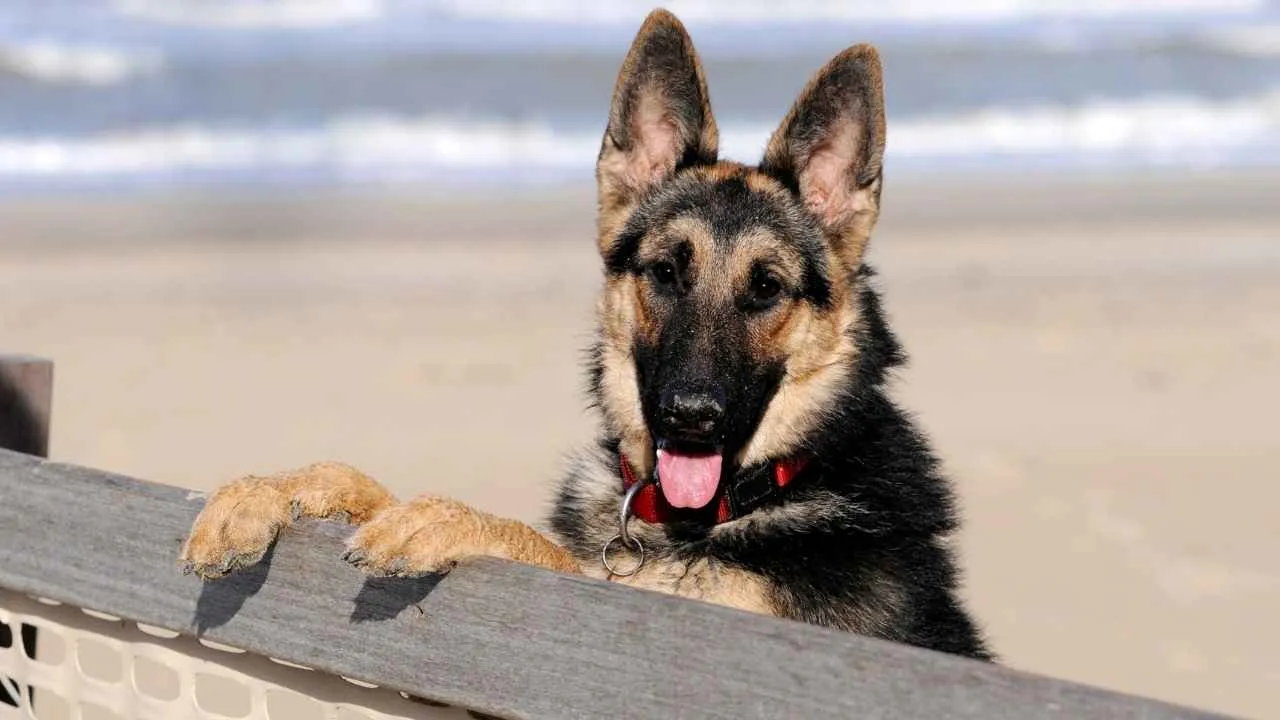
The German Shepherd is one of the most versatile working dogs in the herding group, built for a tireless, ground-covering trot that could move livestock all day. Purina notes the breed still does well with activities like herding, agility, and tracking.
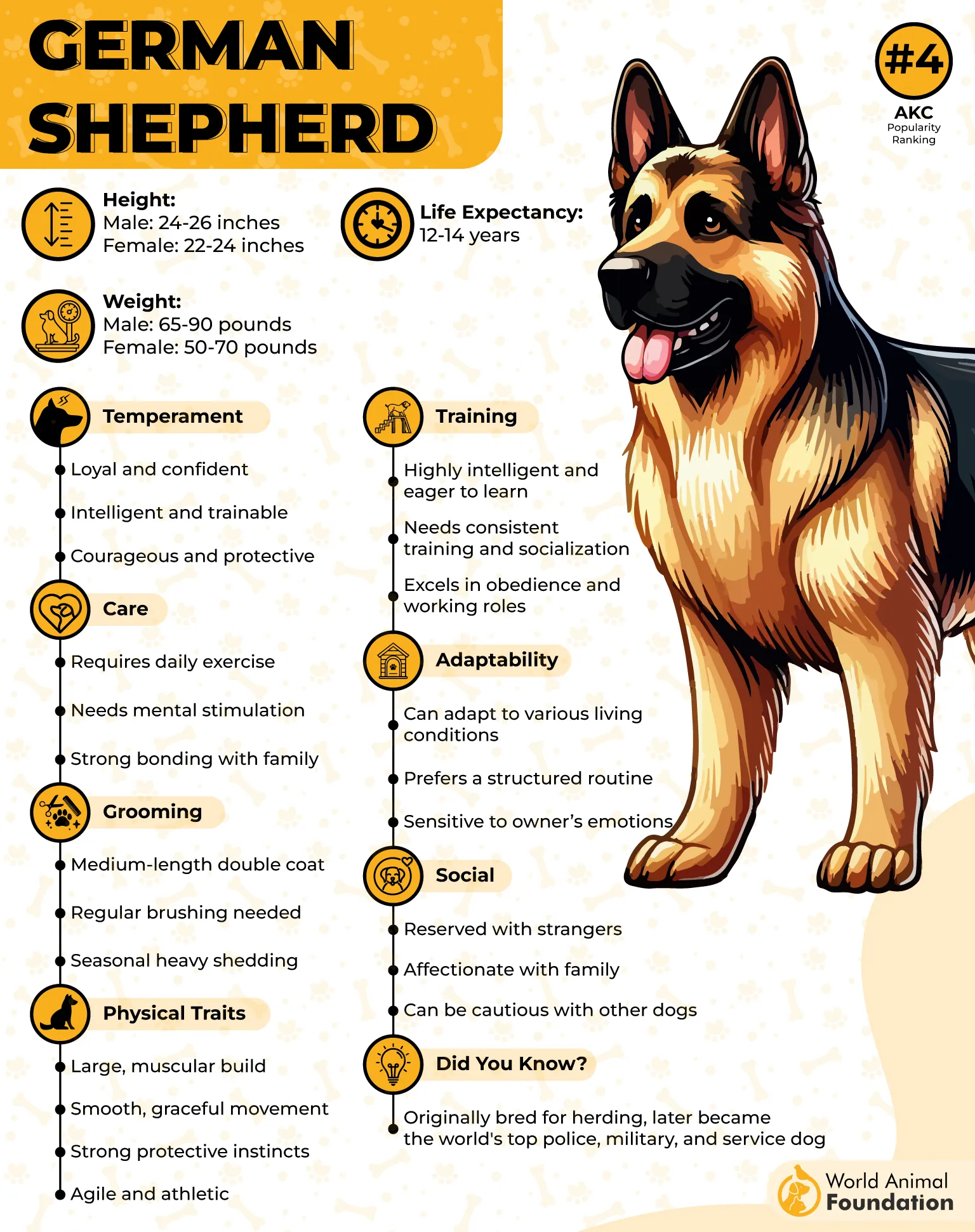
Because boredom turns that drive into destructive chewing or constant barking, give it a real job. Structured fetch, tracking games, or formal obedience classes satisfy the working instinct better than a backyard ever can alone.
Health watch: Degenerative myelopathy, a spinal cord disease, can affect the hindquarters this breed relies on for its signature trot.
A German Shepherd pacing a specific path through the yard is doing its job, not wearing a groove out of boredom.
10. Old English Sheepdog
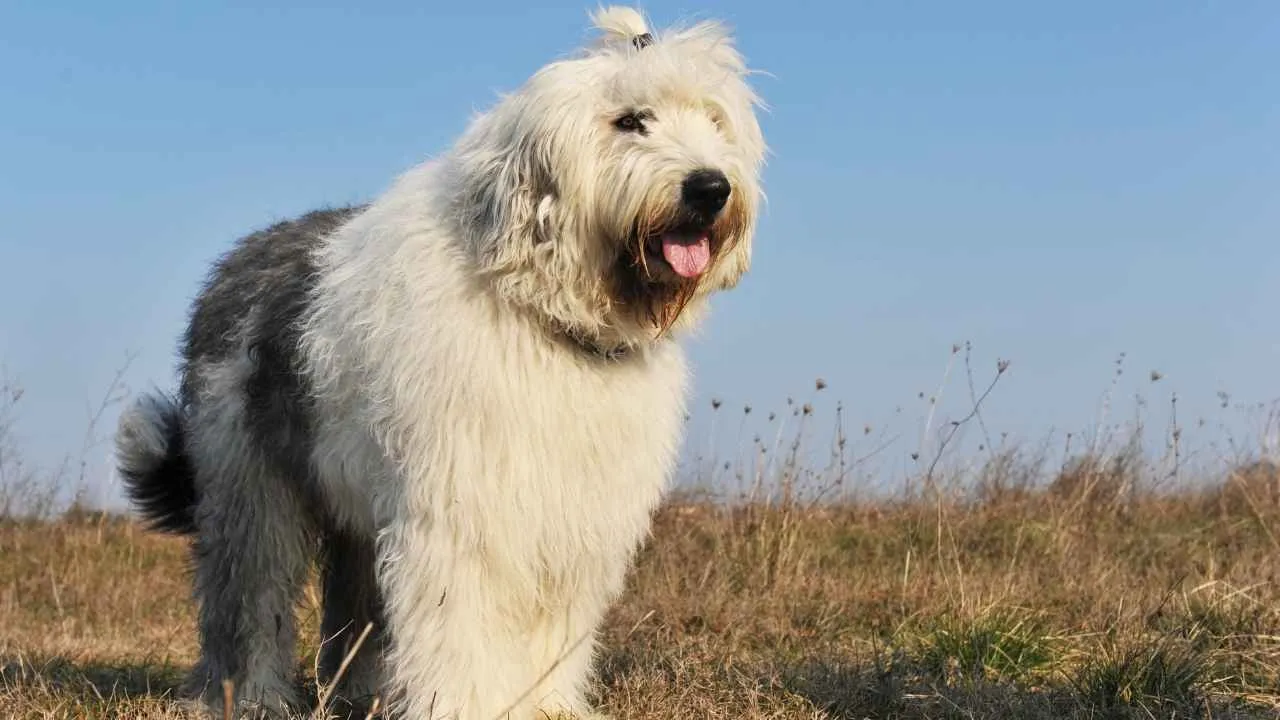
The Old English Sheepdog was bred as a drover, moving sheep and cattle long distances from pasture to market rather than just holding them in place. Britannica describes its shuffling, bear-like gait as one of the breed’s most recognizable traits.
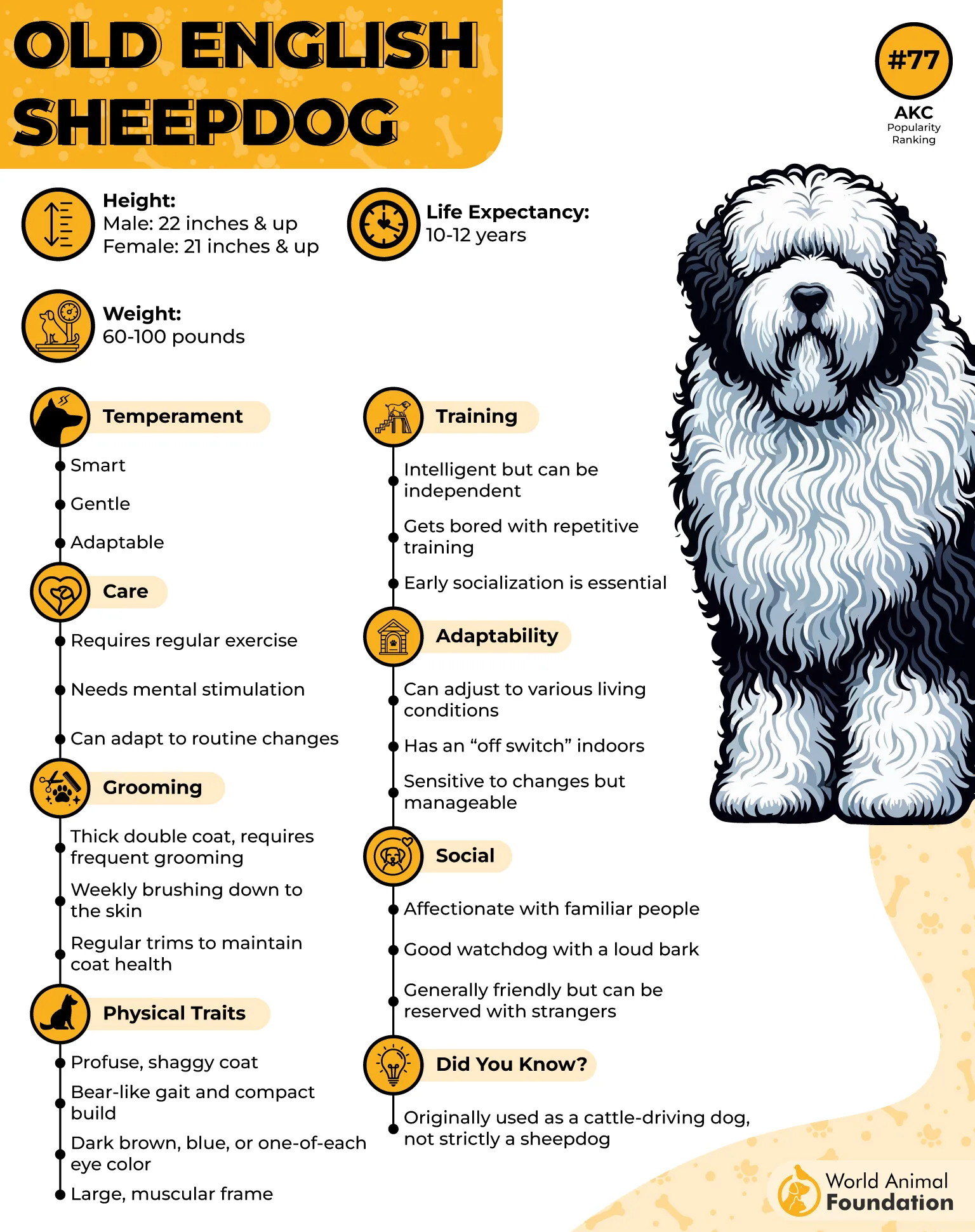
Because its big, bouncy body can overwhelm small kids or other pets without meaning to, teach a calm settle cue early and reward slow, steady movement around children instead of a bouncy greeting.
Health watch: Hereditary ataxia can affect the coordination this breed depends on for its rolling, steady gait.
An Old English Sheepdog leaning its full weight against your legs is herding you, not cuddling, so give it a job instead of extra pats.
Conclusion
At the end of the day, choosing one of these breeds means choosing an instinct to work with for a dog’s life, not just a coat or a size. Give that instinct a job, a little focus, and the right training, and you get one of the most loyal, excellent working dogs around.
Before you bring one home, ask the breeder or rescue about health testing, since catching a condition early beats managing it for years. Pick the one that matches your energy and start training on day one; your new best friend is waiting.
